Test your brains with the Herald’s afternoon quiz. Be sure to check back on nzherald.co.nz for the morning quiz tomorrow. To challenge yourself with more quizzes, CLICK HERE.
Tag Archives: oceania
Black tern, seen in Waikanae estuary, is part of European subspecies
More insight has been gleaned about a black tern seen in the Waikanae estuary last month.And there is a renewed call for the community to be aware of the important estuary habitat and protect it.Bird NZ Wellington representative…
What will happen to property prices when interest rates rise
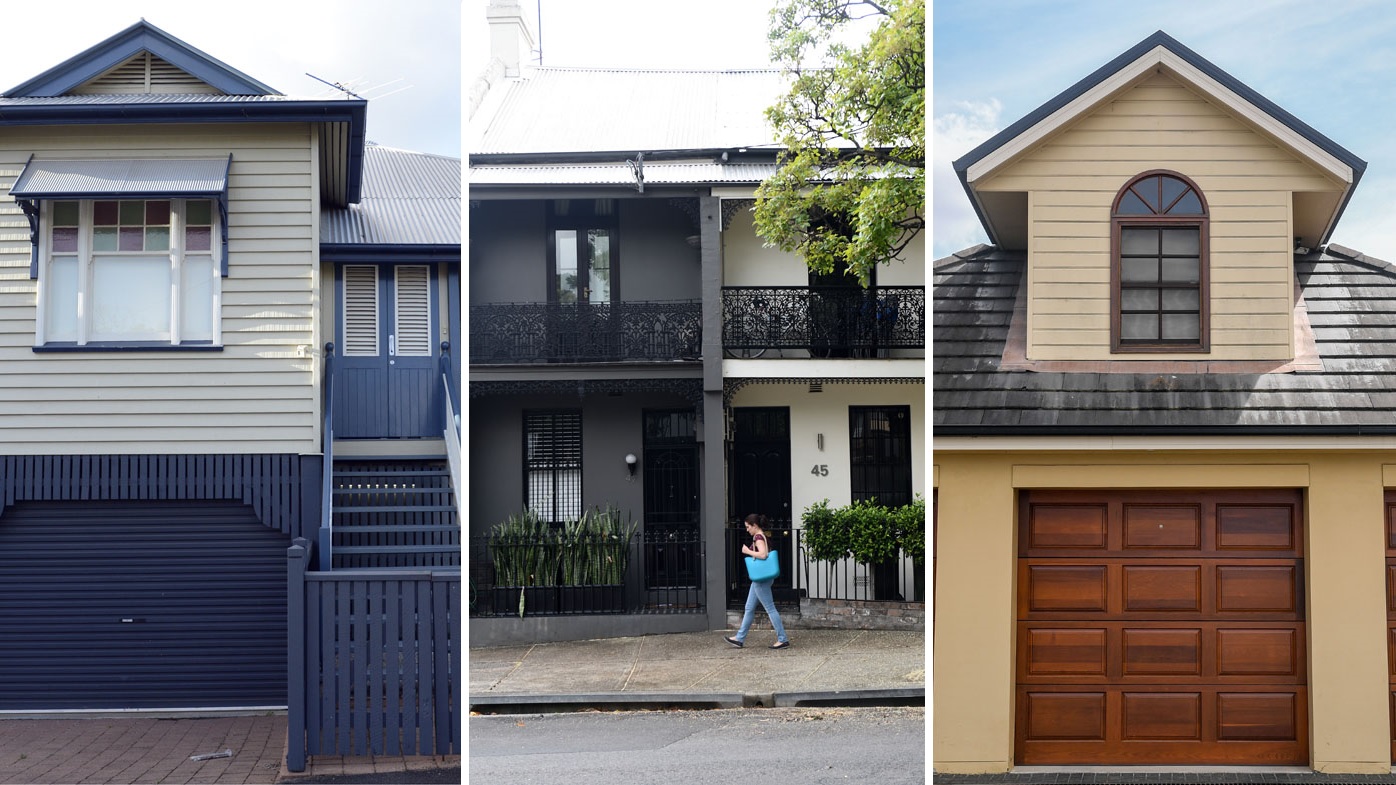
Australia's red-hot property prices are unlikely to be immediately smashed as soon as the Reserve Bank of Australia (RBA) hikes interest rates, with experts warning there will be a "lag" until borrowers seen a downturn in growth.
Property data firm CoreLogic analysed the correlation between Australia's property prices and interest rates, finding that it may be as long as twelve months before a change in rates puts downwards pressure on prices.
Currently, the RBA has maintained that while it is "plausible" interest rates will rise in 2022, the central bank is "prepared to be patient" and will wait for inflation and wages to rise and settle.
READ MORE: Teenagers given green light for booster jabs
"When the cash rate rises, housing values could experience some downwards pressure," writes Eliza Owen and Tim Lawless of CoreLogic.
"Testing the correlation between the cash rate and the national CoreLogic Home Value Index between January 2002 and January 2022 shows an inverse correlation of 84.7 per cent.
"Lagging the cash rate by up to a year increases the strength of the correlation, which suggests it takes some time for movements in the cash rate to have their maximum effect on the property market."
While many have predicted that a hike in the cash rate will blunt the growth of house prices, very few are saying there will be any retreat from current values.
READ MORE: Top doctor's stark warning as NSW COVID-19 cases plateau
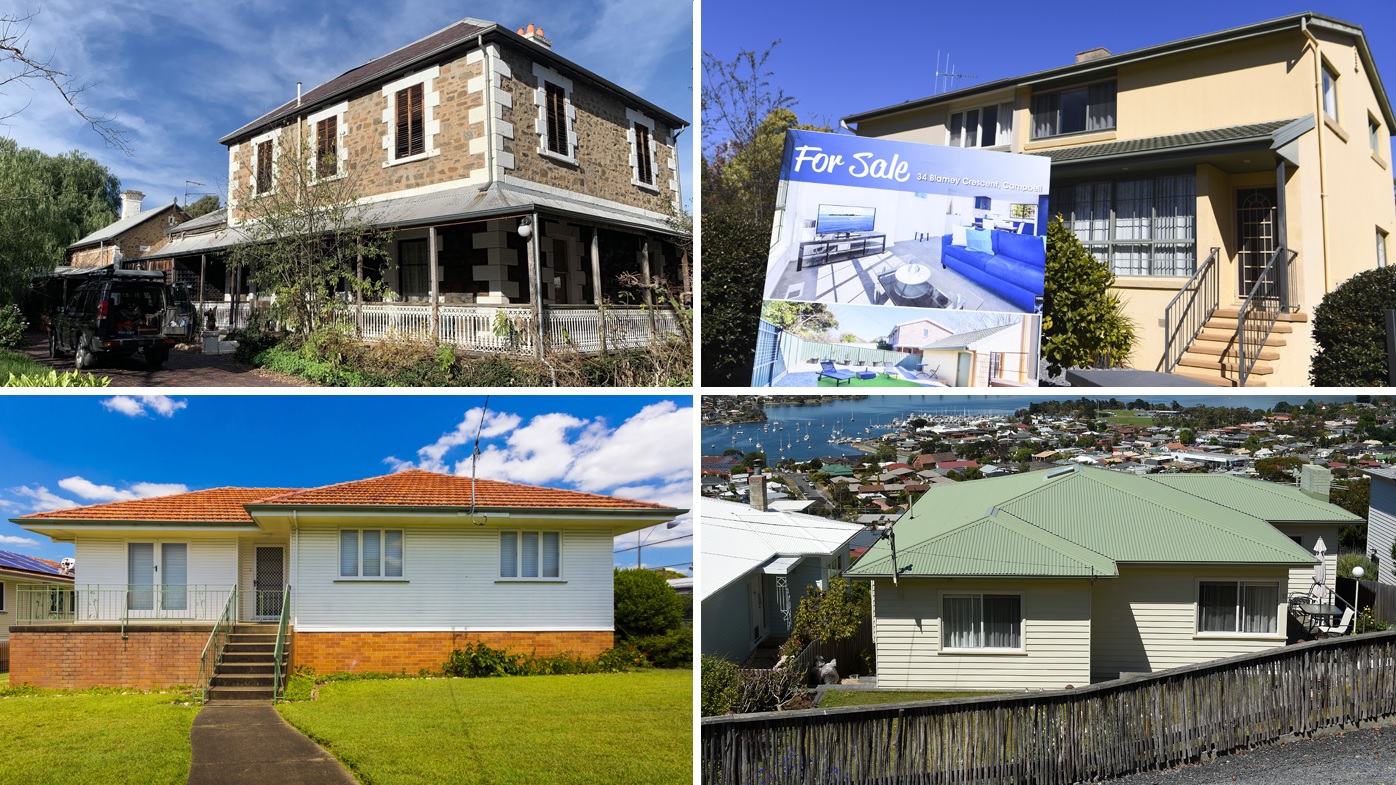
Currently the typical Australian home is growing its value at the fastest rate since June 1989, adding 22.4 per cent or more than $130,000 in just twelve months.
If interest rates were to be hiked multiple times in 2022 – a realistic forecast put forward by some of the big banks including Westpac – a person earning $100,000 a year would see their maximum borrowing capacity fall by $31,900 to around $719,100.
A person on $150,000 a year would see theirs fall by $46,200 while a person on $200,000 a year would see theirs fall by $61,400.
The new estimates, calculated by RateCity.com.au, is based on a single person taking out a 30-year loan on the average new customer variable rate with no other debts.
READ MORE: The new type of face mask being used to protect against COVID-19 in South Korea

This is an estimate as borrowing capacity depends on people's personal circumstances and varies between lenders.
Given many have maxed out their borrowing capacity to enter the market, Ms Owen and Mr Lawless warn that borrowers are likely to be highly sensitive to any change to the cost of their repayments.
"It is reasonable to expect households would be more sensitive to the cost of debt when household debt levels are elevated – as they are currently," the pair write.
"RBA data to September 2021 showed the ratio of housing debt to household income at reached a record high of 140.5 per cent.
"With this in mind, households are likely to be more sensitive to movements in the cost of debt than they have been in the past."
The information provided on this website is general in nature only and does not constitute personal financial advice. The information has been prepared without taking into account your personal objectives, financial situation or needs. Before acting on any information on this website you should consider the appropriateness of the information having regard to your objectives, financial situation and needs.
Hawke's Bay contractor denies fabricating evidence for court case
Farm labour supply contractor Gurpreet Singh has denied he fabricated evidence to help him in a court case involving four Indonesian men working in vineyards without visas. Singh and his company JJ 2016 Ltd are facing three charges…
NSW records 12,632 COVID-19 cases, 38 deaths
Australia should be bracing for a winter Omicron wave, despite cases remaining steady at 12,632 in NSW today. There were 38 deaths in the state.
The warning that we're not out of the woods yet came from that country's Chief Medical Officer Professor Paul Kelly.
He said authorities are preparing for a winter spike coupled with a resurgence of the flu, and ATAGI is currently examining the effectiveness of a fourth COVID-19 vaccine.
"It will not be the last Omicron wave, and it will not be the last COVID wave that we have," Professor Kelly said.
READ MORE: Aussies warned not to eat or drink up to 30 minutes before RAT test
"I do believe we will have another Omicron wave in winter, I believe we will have a flu wave in winter for the first time since the beginning of 2020.
"I hope I'm wrong about that, but it's the realistic expectation I have."
Professor Kelly also said a fourth vaccine dose was being discussed at ATAGI to combat the predicted wave.
READ MORE: Teenagers given green light for booster jabs
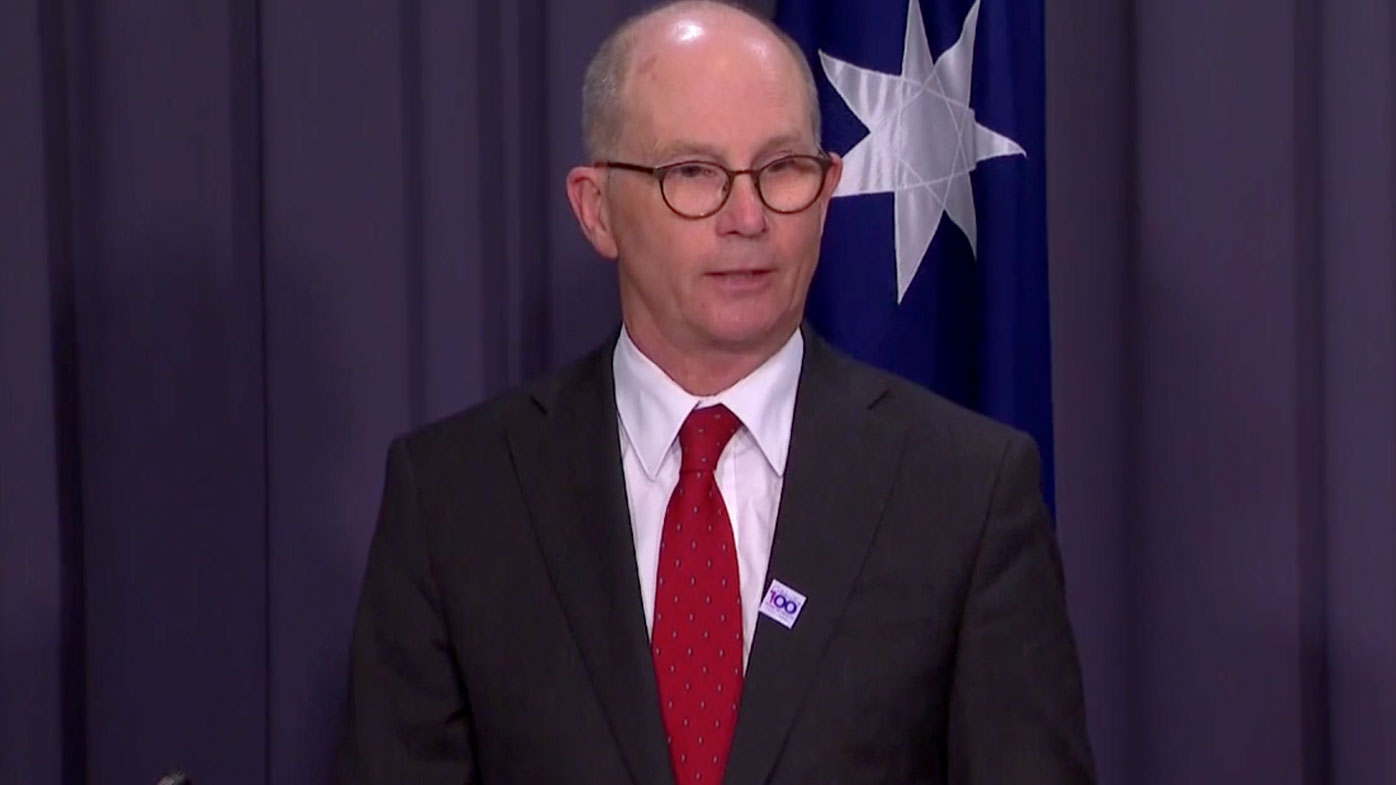
But he said there was a great supply of existing vaccines in Australia if vulnerable people were deemed to need a second booster.
Professor Kelly also issued a blunt assessment of the risk posed to aged care residents by a joint Omicron and flu wave in winter.
"There will be more deaths, in Australia broadly," he said.
"Despite our best efforts in terms of infection control … there is a risk of that happening."
But he said immunisation, vaccines, and incoming oral treatments for COVID-19 would hopefully limit the impact.
https://twitter.com/NSWHealth/status/1489041038287142912
Cases plateau in NSW, but 38 deaths recorded
Of the 38 people who died in NSW, two people were in their 50s, four people were in their 60s, nine people were in their 70s, 13 people were in their 80s, and 10 people were in their 90s, NSW Health said.
Nine people who died were unvaccinated. Four had received three doses of a vaccine, 24 has two doses, one person had one dose.
Of the four people who died aged under 65, three were men and one was a woman, and all had underlying health conditions.
One person had received three doses of a COVID-19 vaccine, two people had received two doses and one person was not vaccinated.
READ MORE: Call for hospitals to make own decisions amid surgery ban
Warning more variants are inevitable
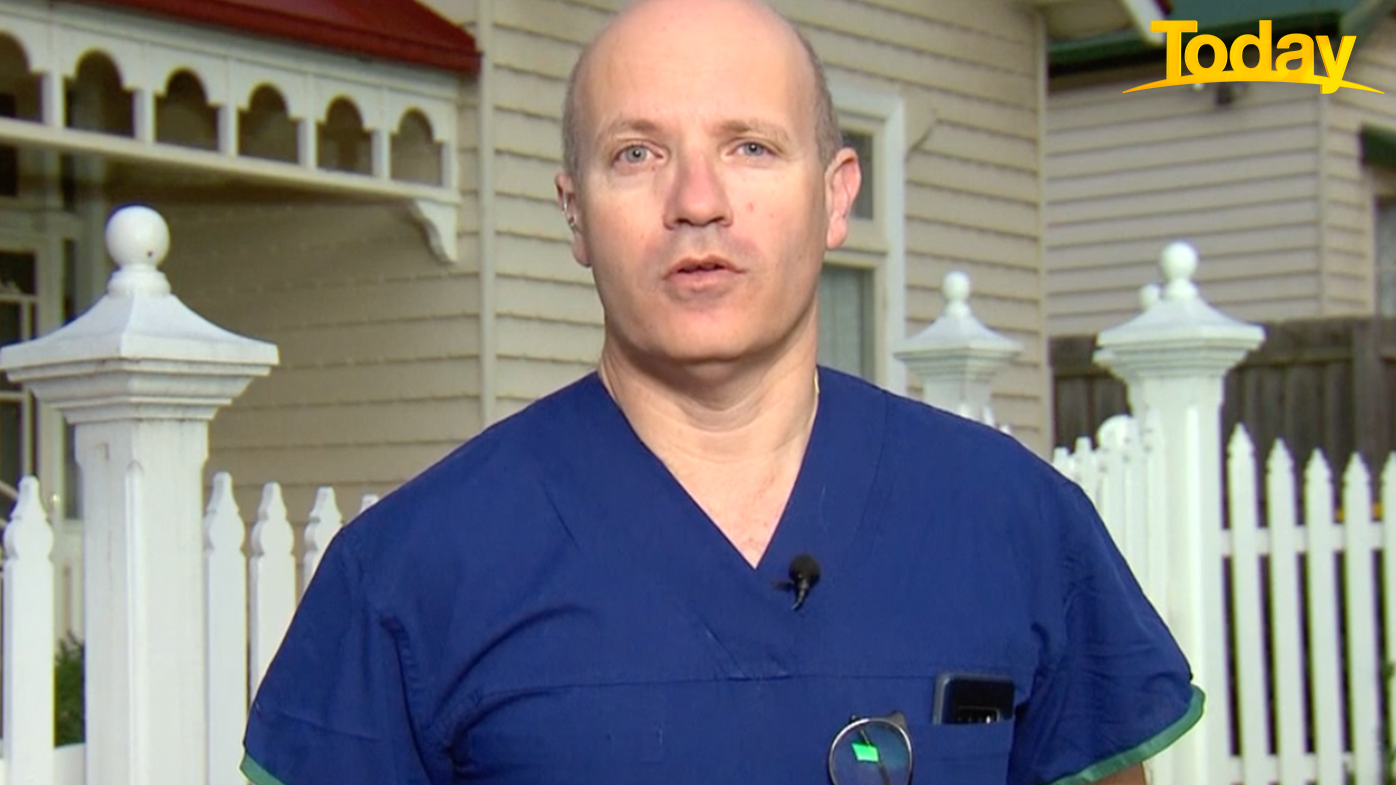
Speaking to Today, Emergency Physician Stephen Parnis said more variants are inevitable.
'''The finish line', no-one knows when that could be," Dr Parnis said.
"Part of me knows that there'll be new variants that come along and we don't know what they will behave like.
"The other part of me doesn't want to think about that."
It comes as high schoolers can now get a third Pfizer vaccine after Australian Technical Advisory Group on Immunisation (ATAGI) extended the program to 16 and 17 year olds.
Eligible teenagers will be able to receive a booster shot three months after their second at state government-run hubs and also pharmacies and GPs.
Meantime, Victoria's COVID-19 cases have dipped again with 12,157 new infections recorded today.
There were 34 new virus deaths as the state experienced another deadly day of the pandemic. Hospitalisations have fallen in Victoria from 768 patients to 752, with ICU numbers also dropping to 82.
Three Northland murder cases involving young defendants progressing through the High Court
Three Northland murder cases, each involving young accused – one of who is only aged 12 – progressed further through the High Court at Whangārei today.The cases, which are separate and unrelated, were called in succession for…
12 year-old Northland boy pleads not guilty to murder
A 12-year-old boy, jointly charged with murdering Northland man Michael John Biggins in the town of Okaihau last September, has pleaded not guilty. The 12-year-old, who has interim name suppression, appeared via audiovisual link…
Act's state of the nation: Seymour says voters need asylum from Ardern 'wonderland'
For the first time in more than a decade, most Kiwis think the country is heading in the wrong direction, Act leader David Seymour says.And he described the Government’s Covid-19 response as a “grand illusion” peppered with calamities.Seymour…
'People will know something': Mayor calls on public to help solve Lois Tolley cold case
Someone knows something about the murder of Upper Hutt woman Lois Tolley, and it’s time they come forward. That’s the message from Upper Hutt mayor Wayne Guppy after news the charges against her accused murderers have been withdrawn….
Covid 19 Omicron: Auckland pool and Air NZ flights among latest locations of interest
An Air New Zealand flight between Christchurch and Auckland is the latest high-risk location of interest to be added to the growing list. Passengers seated in rows from 22 to 26 on flight NZ0566 from Christchurch to Auckland on…