A truck full of rapid antigen tests has rolled on the Gold Coast.
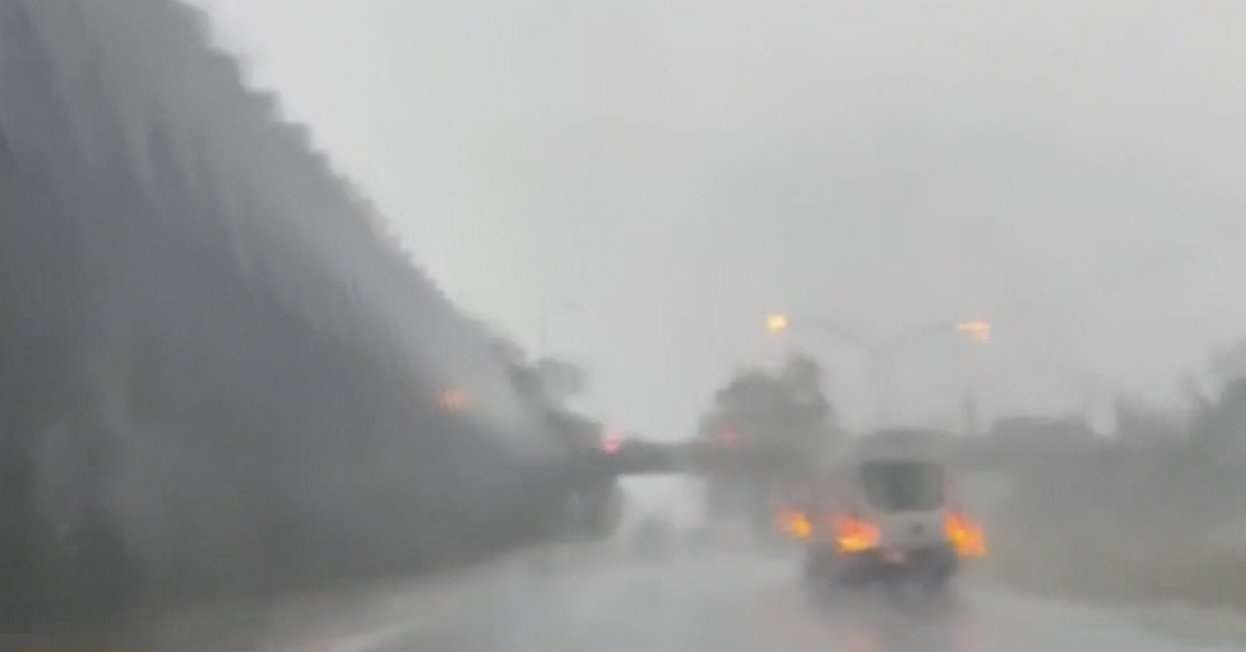
The semi-trailer rolled in Gaven, a major intersection between Brisbane and the Gold Coast.
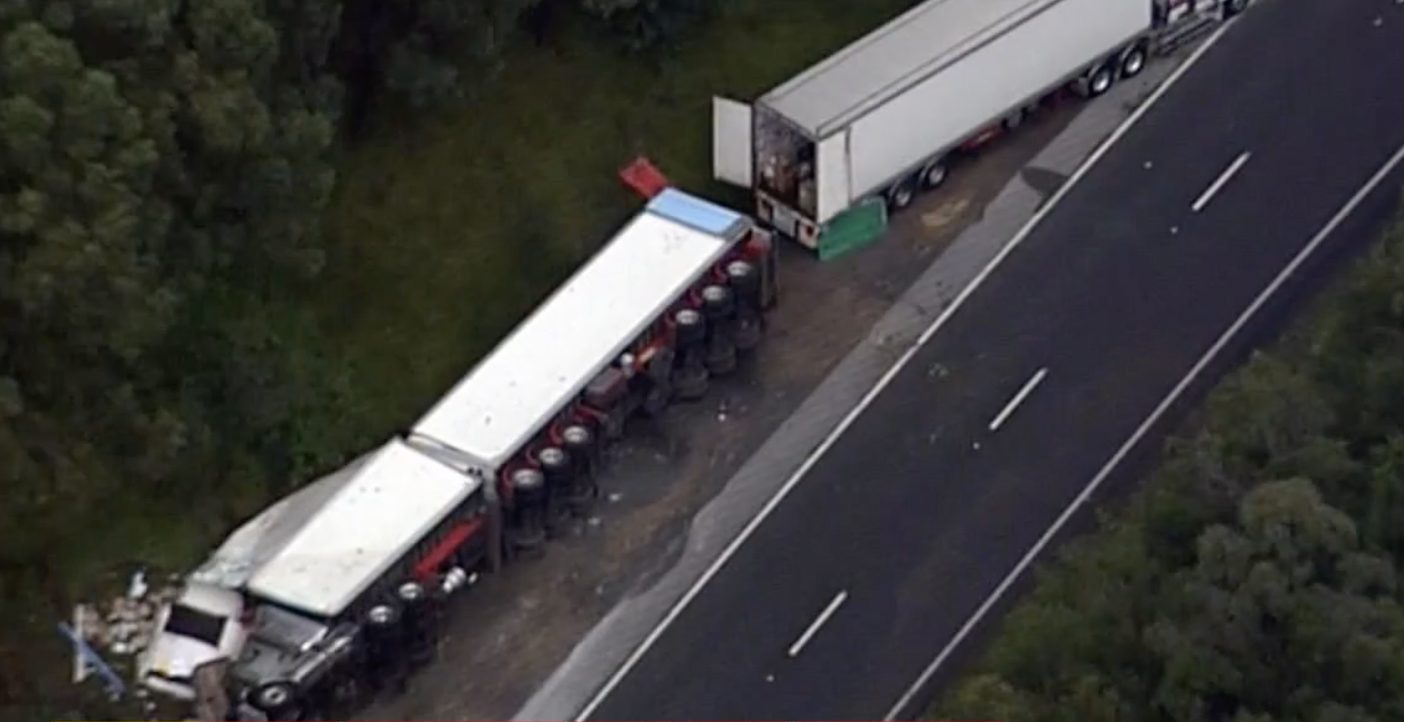
9News understands the driver is injured but remains in a stable condition.
More to come…
A truck full of rapid antigen tests has rolled on the Gold Coast.
The semi-trailer rolled in Gaven, a major intersection between Brisbane and the Gold Coast.
9News understands the driver is injured but remains in a stable condition.
More to come…
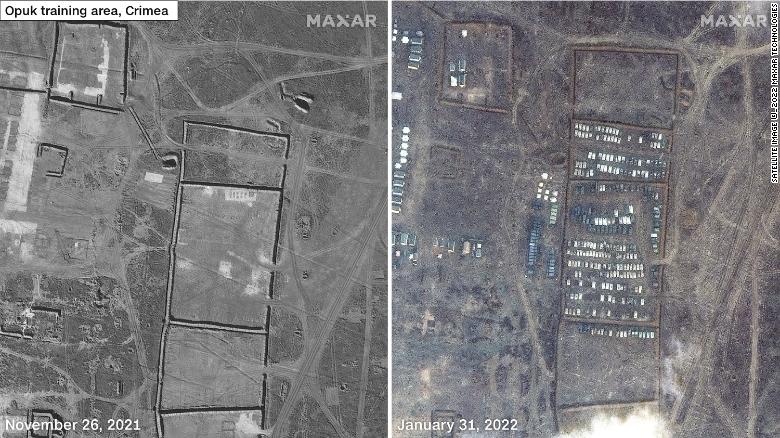
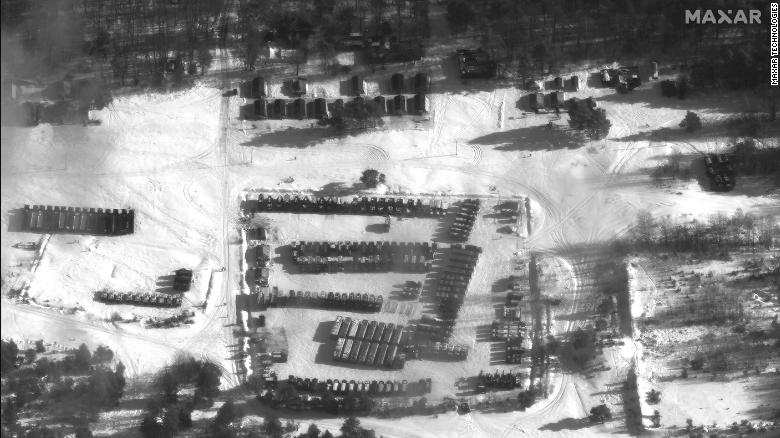
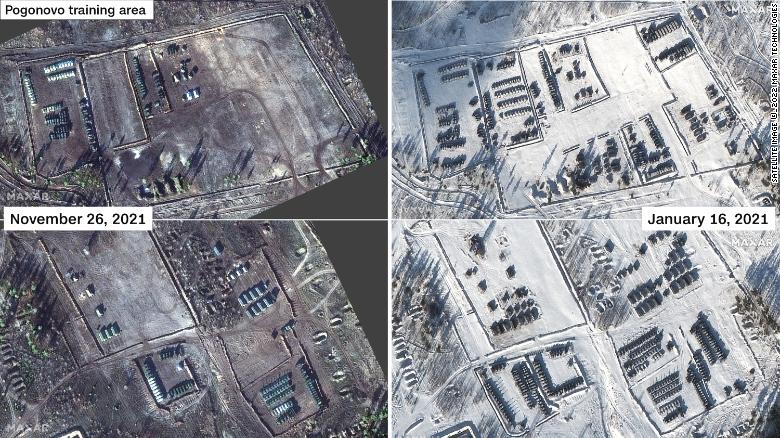
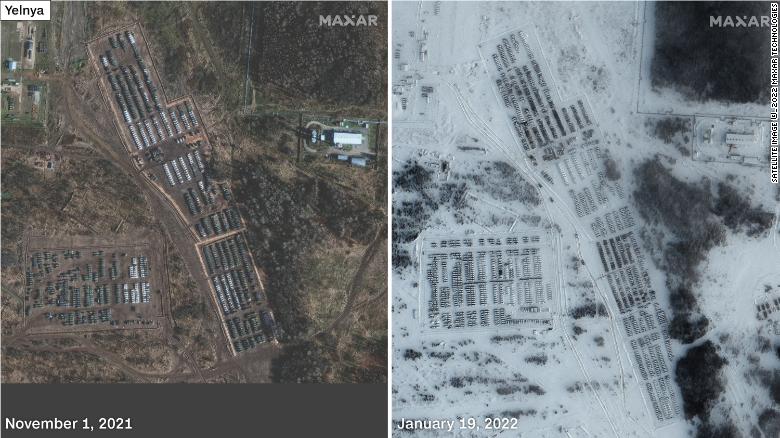
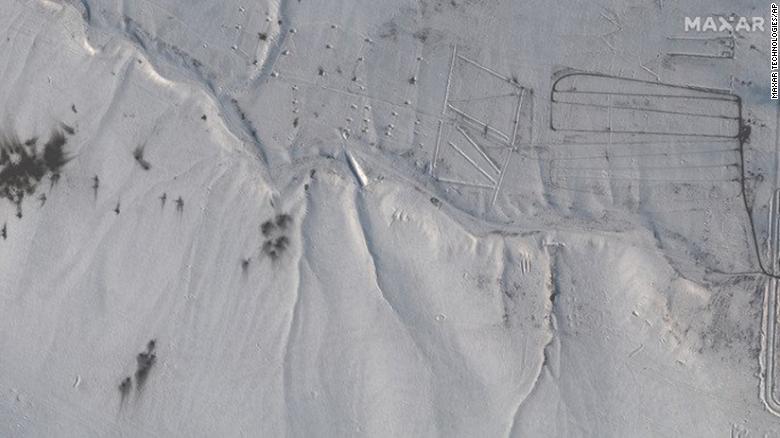
More evidence has emerged of a steady build-up of Russian military equipment and deployments around Ukraine, with new satellite images revealing a further expansion of the military presence at multiple locations in Belarus, Crimea and western Russia.
Russian forces have moved into Belarus in the last two weeks. The Russian and Belarus defence ministries say the deployments are ahead of a major training exercise this month.
The imagery was collected and analysed by Maxar. In an accompanying note, Maxar said the deployments "reflect an increased level of activity and readiness."
READ MORE: More countries ease coronavirus restrictions but it may not mean a turning point yet
Maxar and other satellite imagery providers said they have noticed the expansion of existing Russian military training grounds and garrisons within some 240 kilometres of the Ukrainian border over the last few months.
Some are within a few kilometres of the border.
READ MORE: Media personality John Burgess hospitalised with bacterial infection
Maxar said the most recent images show a new phase of Russian activity.
It said that previously, "in most cases, few troops or new housing for additional personnel were observed near the deployments, suggesting that some of the units may have been pre-positioned or forward deployed."
That has begun to change.
"During the past couple of weeks, several new significant military deployments have been observed in Belarus," Maxar said.
"Also, troop tents/shelters for personnel have been seen at virtually every deployment location in Belarus, Crimea and western Russia, which suggests that the units are now accompanied with troops and have increased their overall readiness level."
Maxar compared images from September and late January of the same military camp at Novoozerne in Crimea. The images show a significant increase in activity, with an area of tents being erected.
That implies the camp is ready to house troops, although there is no evidence of troops arriving as of now.
READ MORE: The new type of face mask being used to protect against COVID-19
Maxar also note that "local military training activity (including live-fire artillery and manoeuvre training) has been observed in progress at numerous training areas."
The imagery shows impact craters at two training areas in Russia: Pogonovo and Persianovsky. Persianovsky is some 50 kilometres from the Ukrainian border. Pogonovo is some 220 kilometres from the border.
Konrad Muzyka, a defence analyst focusing on Russia and Belarus at Rochan Consulting, an aerospace and defence consultancy, said he believes there are now between 74 and 76 Russian battalion tactical groups (BTGs) ranged around Ukraine.
Battalion tactical groups typically comprise of about 1000 soldiers, along with support units.
Mr Muzyka says that since the first week of January, Russia has been moving its forces from the Eastern Military District – thousands of miles away in Siberia – to Western Russia and Belarus.
"The size of this deployment is significant, perhaps as many as 15-20 BTGs," Mr Muzyka wrote in a note.
He also said that Russian Ground Forces have deployed units that include Iskander short-range ballistic missiles to Belarus and parts of Russia close to Ukraine. He calculates there are at least 48 launchers near Ukraine.
While Russian capabilities and movements can often be observed, the Kremlin's intentions are much more difficult to read. US President Joe Biden said last week that an invasion of Ukraine in February is "a distinct possibility."
UK Foreign Secretary Liz Truss has said that "it is highly likely that [President Putin] is likely to invade Ukraine."
"There is a real threat of invasion, but we don't know what's going to happen," she told the BBC on January 30.
The Kremlin has consistently denied that it has any plans to invade Ukraine.
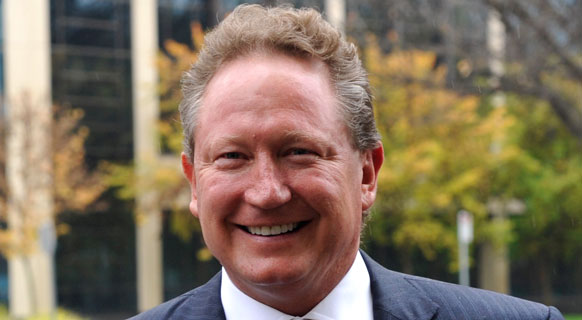
Australian mining magnate Andrew "Twiggy" Forrest is pursuing criminal proceedings against Facebook alleging the social media giant breached anti-money laundering laws by failing to stop scam advertisements that featured his image.
The scam ads allegedly used Dr Forrest's picture, as well as those of other celebrities, to promote cryptocurrency investment schemes and have appeared on Facebook since March 2019.
Dr Forrest, Australian billionaire and chairman of Fortescue Metals Group, claims Facebook failed to have sufficient controls or systems in place to stop the site from being used to perpetuate the scams.
READ MORE: Teenagers given green light for booster jabs
The lawsuit, which will be heard initially in the Western Australia Magistrates' Court on March 28, is believed to be the first time Facebook has faced criminal charges anywhere in the world.
A separate civil lawsuit in California has also been filed.
"This action is being taken on behalf of those everyday Australians – mums and dads, grans and grandads – who work all their lives to gather their savings and to ensure those savings aren't swindled away by scammers," Dr Forrest said in a statement.
"I'm acting here for Australians, but this is happening all over the world."
Scam ads that promise users a chance to get rich through cryptocurrency such as Bitcoin are banned on Facebook, but they still exist on the platform.
Dr Forrest said he wanted the social media giant to crack down on scammers targeting vulnerable people on the platform.
It follows several requests by the businessman asking Facebook to prevent his image from being used by criminals, including an open letter to Mark Zuckerberg in November 2019.
"I'm doing this because I'm concerned about innocent Australians being scammed through clickbait advertising on social media," he said.
READ MORE: AFP warn parents to think before posting back-to-school happy snaps
"I'm committed to ensuring that social media operators don't allow their sites to be used by criminal syndicates.
"I want social media companies to use much more of their vast resources and billions of dollars in annual revenue to protect vulnerable people – the people who are targeted and fall victim to these horrible scams with their hard-earned savings."
A spokesman for Meta, the social media giant's corporate parent, did not comment on the case, but said scam ads were banned on Facebook.
"We take a multifaceted approach to stop these ads, we work not just to detect and reject the ads themselves but also block advertisers from our services and, in some cases, take court action to enforce our policies," he said.
"We're committed to keeping these people off our platform."
A committal hearing will likely follow later in 2022.
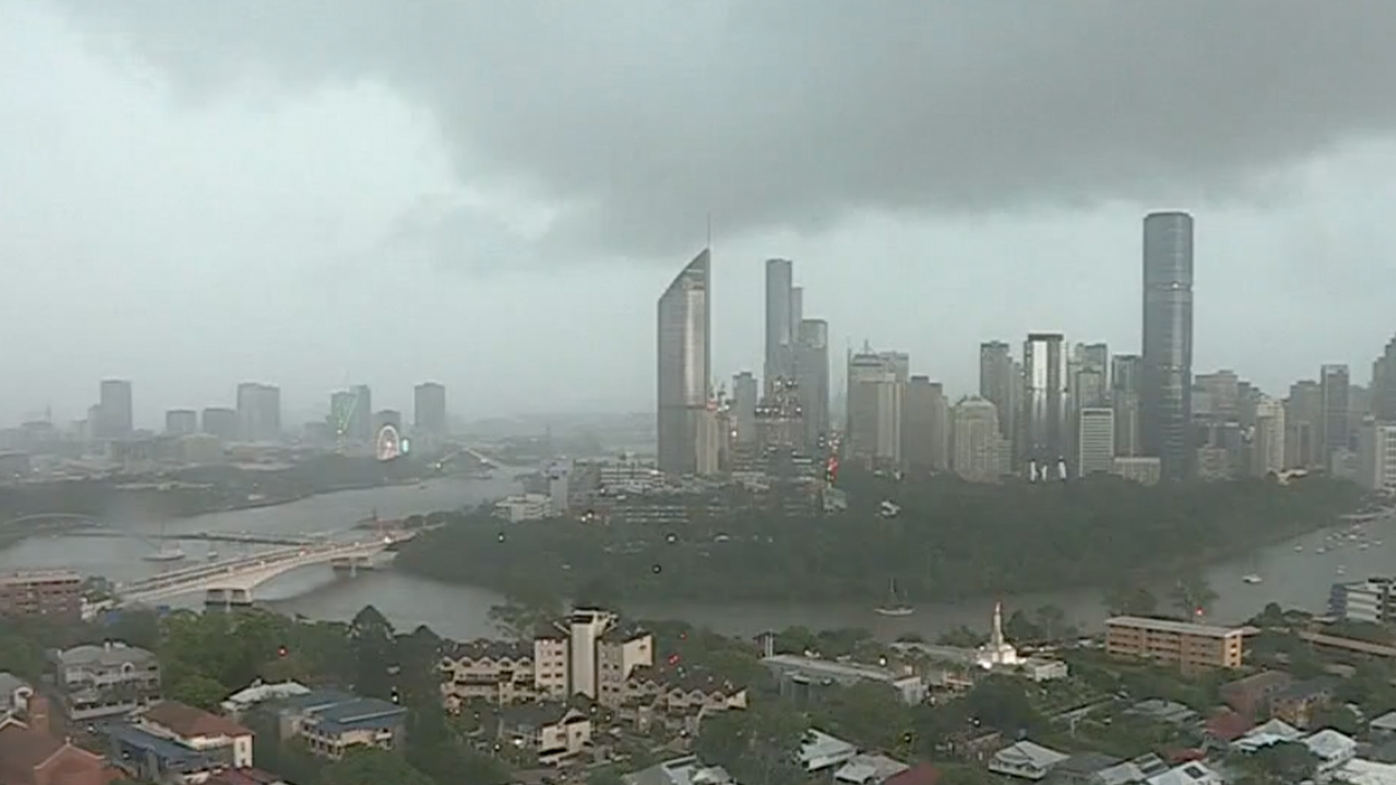
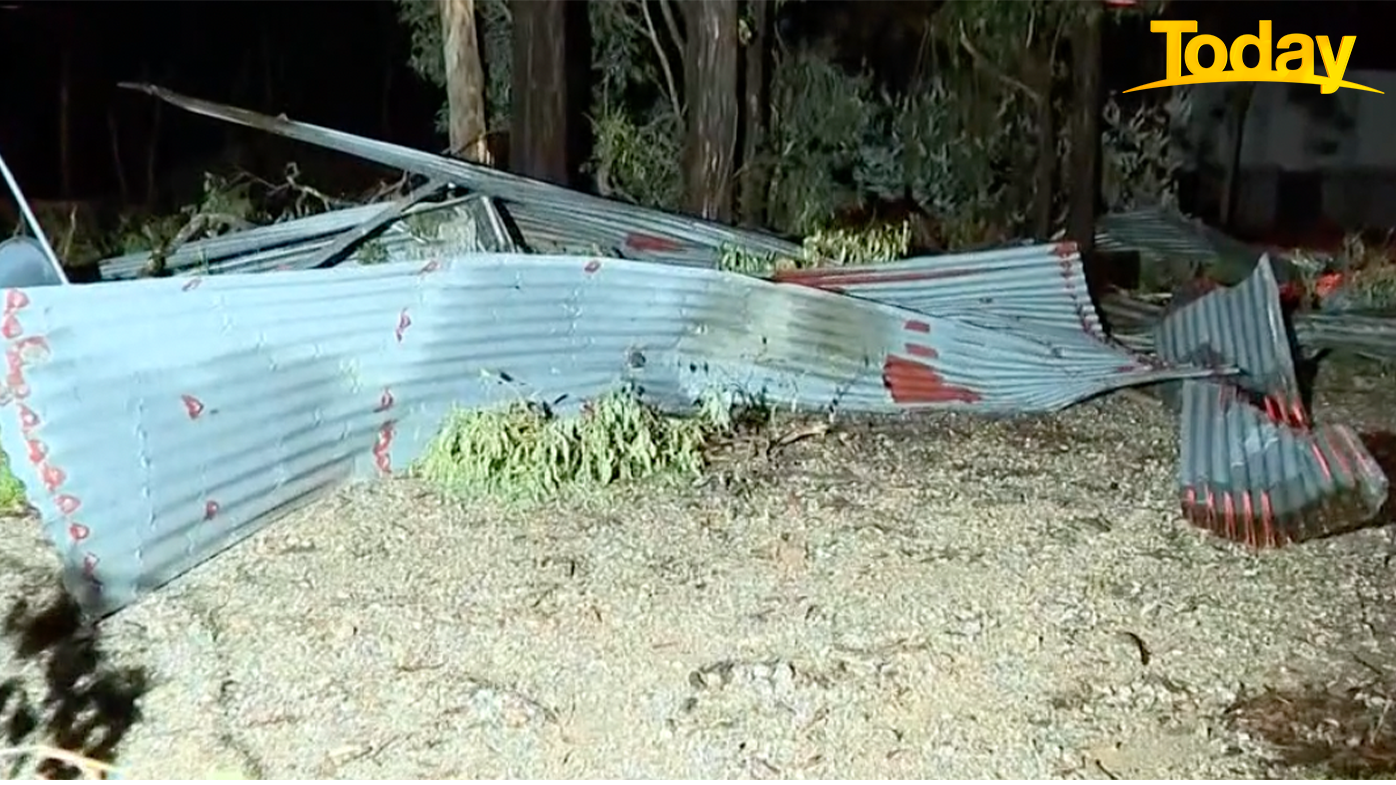
Queensland's south-east is bracing for more severe storms today, the result of a "humid and unstable airmass" that has caused two days of chaotic weather across the state.
It comes as a number of flood warnings are issued for northern Australia as heavy monsoon rain finally starts to ease.
The Bureau of Meteorology (BoM) said severe storms with heavy rainfall is expected in Queensland later this morning and again from the afternoon.
READ MORE: More countries ease coronavirus restrictions
"Bunker down in the south-east if you are around," Today weather presenter Tim Davies said.
"At the moment we have do have some rain in the northern regions of New South Wales and rain up around the Wide Bay region in Queensland.
"We will see the storm cells build again throughout the day."
https://twitter.com/BOM_Qld/status/1488817971875168260
And a severe storm warning is also in place in Queensland's north-west with the Bureau of Meteorology (BoM) saying severe thunderstorms are likely to produce heavy rainfall that may lead to flash flooding in the warning area over the next several hours.
People in parts of Northern Goldfields and Upper Flinders and Herbert and Lower Burdekin Forecast Districts are urged to be on alert.
Eight flood warnings are also in effect for the state, with a major flood warning issued for the Georgina River and Eyre Creek.
The BoM said, "showers and thunderstorms with possible heavy falls are forecast for the next few days, which is likely to cause renewed river level rises and worsen current flooding."
The QFES received 60 calls for help yesterday and over 100 residents are still without power after a "tornado-like" cell slammed into south-east Queensland on Tuesday.
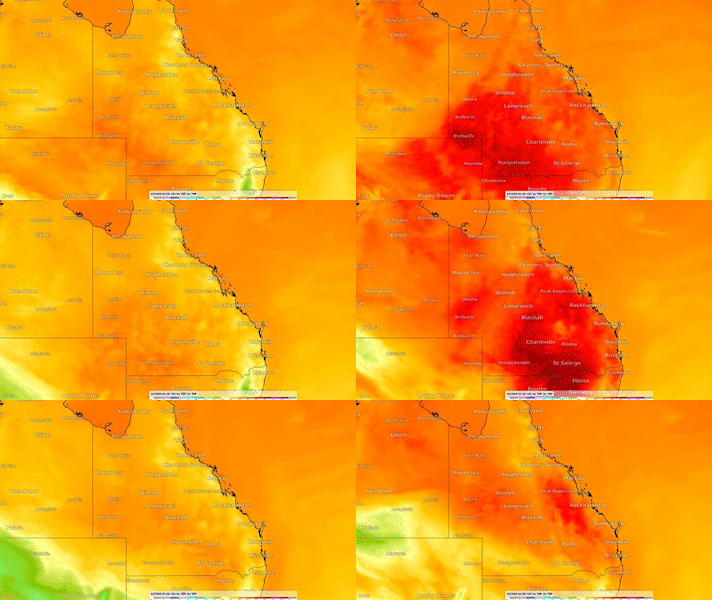
The end of the "oppressive" heatwave that gripped Queensland this week is finally in sight, with Weatherzone saying temperatures peaked yesterday.
A cold front is slowly tracking up the NSW coast and is expected to push into Far North Queensland, causing temperatures to plummet.
A cold change will be felt in Brisbane from later today, and the front is expected to make it to Cairns by Sunday.
The weather service explained the extreme heat was caused by a hot air mass that combined with high amounts of atmospheric moisture.
Together the two drove up temperatures and created unstable conditions.
"The 'feels like' temperature in Brisbane (yesterday) morning had already hit 35.4C at 8:30am," Weatherzone said.
"By 9am, it was feeling warmer than 37ºC and at just before 11am it was feeling like 40.1C."
Heavy rain that impacted parts of Western Australia, South Australia and the Northern Territory are easing.
But the BoM has issued a number of flood watches as the outback plays host to a rare sight; flowing creeks and raging rivers.
In Western Australia flood warnings are in place for the North Kimberley and Desert catchments, the Sandy Desert, the West Kimberley District,and the Fitzroy River.
Across the border the southern Northern Territory is also on flood watch.
And in South Australia there is a flood watch for parts of the North West and North East Pastoral Districts.
It comes after a monsoon trough dumped record-rain on the nation's centre.
"Broome Airport has recorded 326mm of rain since 9am Monday morning, with 48-hour totals reaching a 120-year high of 563mm," Weatherzone said.
"In just two days, Broome airport received more rain than during the whole of 2021."
Here's what the weather is doing across the nation's capitals.
Brisbane residents have a wet day in store with showers forecast and the possibility of a thunderstorm "possibly severe with heavy rain which may lead to flash flooding", BoM said.
The temperature will reach 27C.
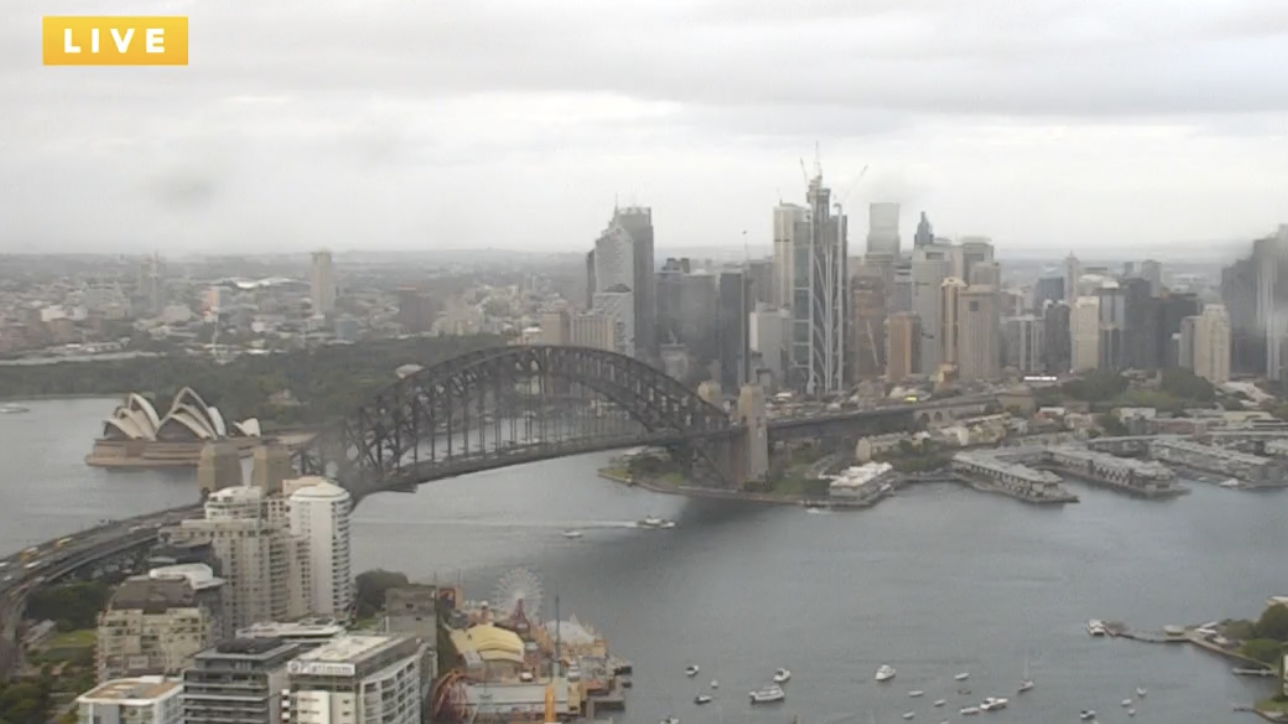
Sydneysiders are in store for a cool day, reaching a high of 24C, and showers.
Winds will tend southwesterly at 20 to 30 km/h before turning southerly 25 to 35 km/h during the morning.
Melbourne will reach a maximum temperature of 20C with the chance of a slight shower forecast.
Winds will tend southwesterly at 20 to 30 km/h, before turning southerly 25 to 35 km/h in the late morning, then decreasing to 15 to 25 km/h in the late evening.
The mercury will climb to 23C in Canberra, which has a slight chance of a shower.
Hobart residents will wake to a chilly 11C before temperatures climb to 18C.
It will be a partly cloudy day with a medium chance of showers in the morning and early afternoon.
Winds will tend west to southwesterly at 15 to 25 km/h before turning south to southeasterly 20 to 30 km/h in the morning then becoming light in the late evening.
Adelaide will today experience a maximum temperature of 24C.
Winds will tend southerly at 25 to 35 km/h decreasing to 15 to 25 km/h in the late evening.
The mercury will climb to 30C in Darwin today, which has a partly cloudy day in storm with a medium chance of showers.
There's also the chance of a thunderstorm with gusty winds.
Winds will tend northwesterly at 20 to 30 km/h.
It will be "very hot and sunny" in Perth, as the mercury hits a maximum of 38C.
Winds will tend easterly at 20 to 30 km/h.
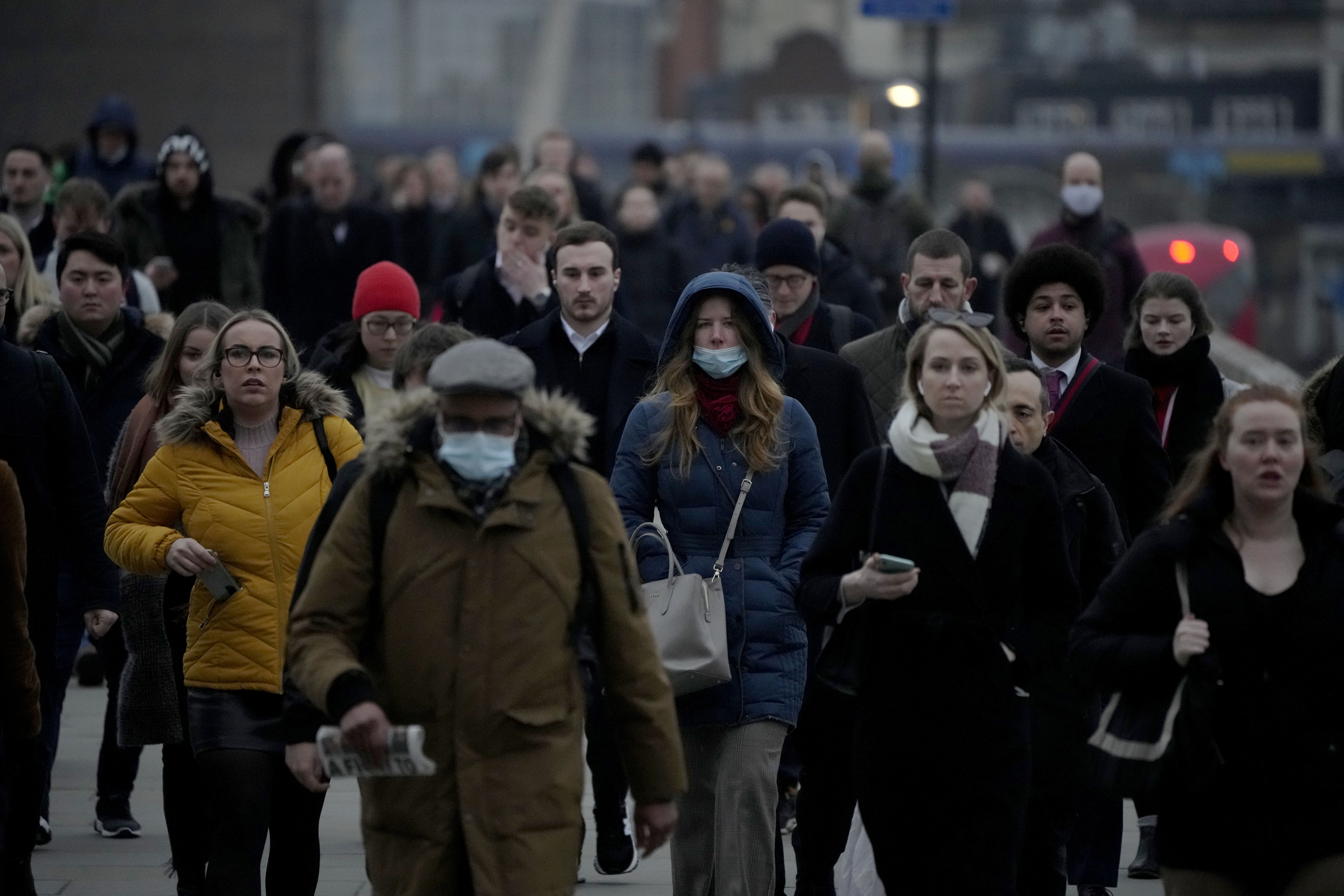
Late-night disco partying. Elbow-to-elbow seating in movie theatres. Mask-free bearing of faces in public, especially in Europe and North America: Bit by bit, many countries that have been hard-hit by the coronavirus are opening up and easing their tough, and often unpopular, restrictive measures aimed to fight COVID-19 even as the Omicron variant — deemed less severe — has caused cases to skyrocket.
The early moves to relax such restrictions evoke a new turning point in a nearly two-year pandemic that has been full of them.
Omicron, the Geneva-based World Health Organisation says, has fuelled more cases — 90 million — in the world over the last 10 weeks than during all of 2020, the outbreak's first full year.
READ MORE: Adelaide Fringe Festival organisers want people to feel COVID-safe
WHO acknowledges some countries can judiciously consider easing the rules if they boast high immunity rates, strong health care systems and favourable epidemiological curves.
Omicron is less likely to cause severe illness than the previous Delta variant, according to studies. Omicron spreads even more easily than other coronavirus strains, and has already become dominant in many countries. It also more easily infects those who have been vaccinated or had previously been infected by prior versions of the virus.
READ MORE: The new type of face mask being used to protect against COVID-19
But the UN health agency, ever leery about how a virus still spreading widely might evolve, warned about underestimating Omicron.
WHO has long spoken about a lag time between when cases are reported and a subsequent impact on the death toll. Late Tuesday, it said reported new cases worldwide from January 24-30 were similar to the level of the previous week, but the number of new deaths increased by 9 per cent — to a total of more than 59,000. More than 370 million cases and over 5.6 million deaths linked to COVID-19 have been reported worldwide.
The most pronounced pullbacks are popping up in Europe, for many months the world's epicentre of the pandemic, as well as in South Africa — where Omicron was first announced publicly — and the United States, which has tallied both the most cases and deaths from COVID-19 of any single country.
In the US, local leaders have served up a hodgepodge of responses. The city of Denver is ending requirements for proof of vaccination and mask rules for businesses and public spaces, while keeping them for schools and public transportation.
New York's governor plans in the next week to review whether to keep the state's mask mandate at a time when cases and hospitalisations have plummeted in the early Omicron hotspot. New York City is averaging 4,200 cases a day, compared with 41,000 during the first week of January.
The US as a whole is on a similar trajectory, with infections plunging from an average of over 800,000 a day a little more than two weeks ago to 430,000 this week.
England, France, Ireland, the Netherlands and several Nordic countries have taken steps to end or ease their COVID-19 restrictions.
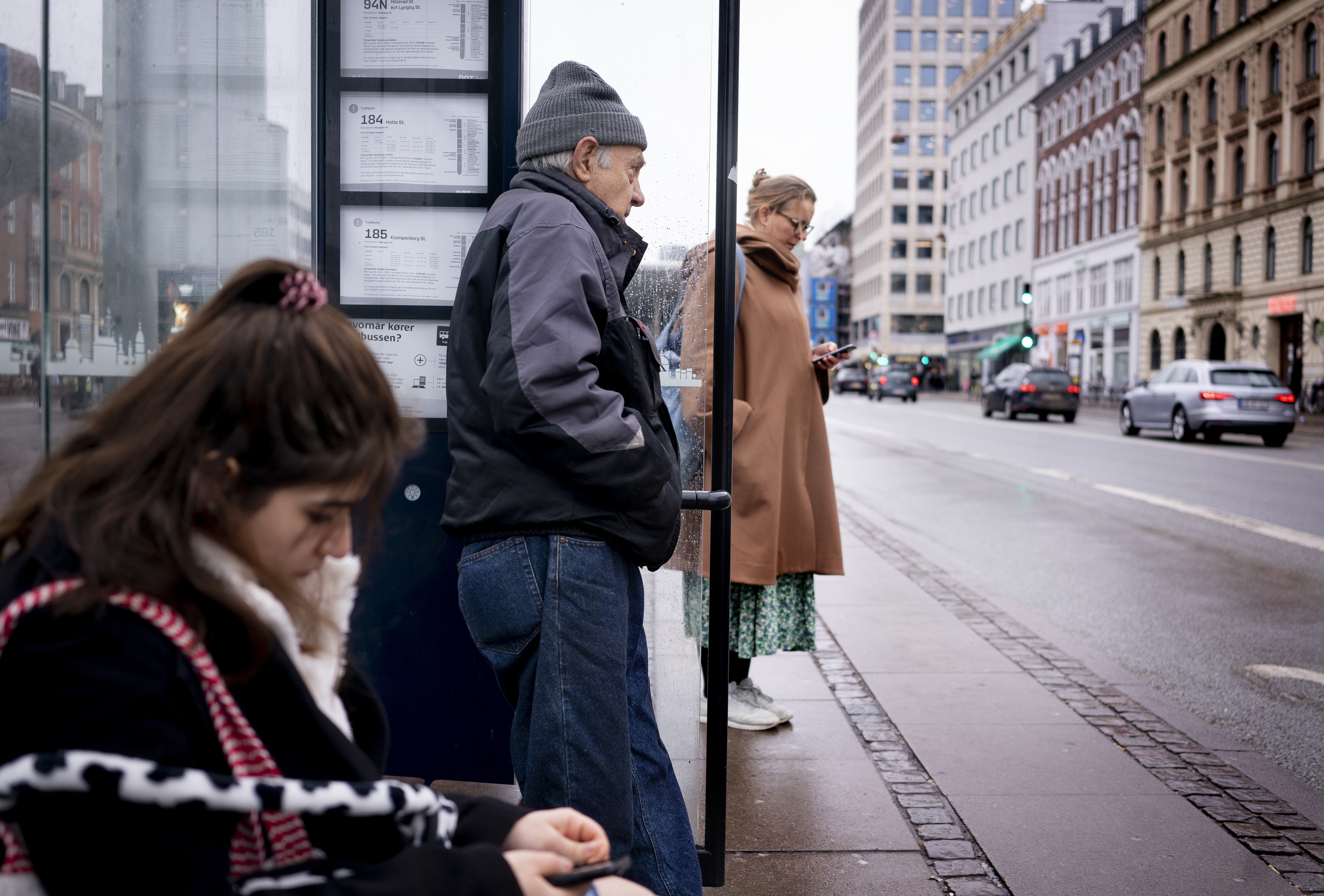
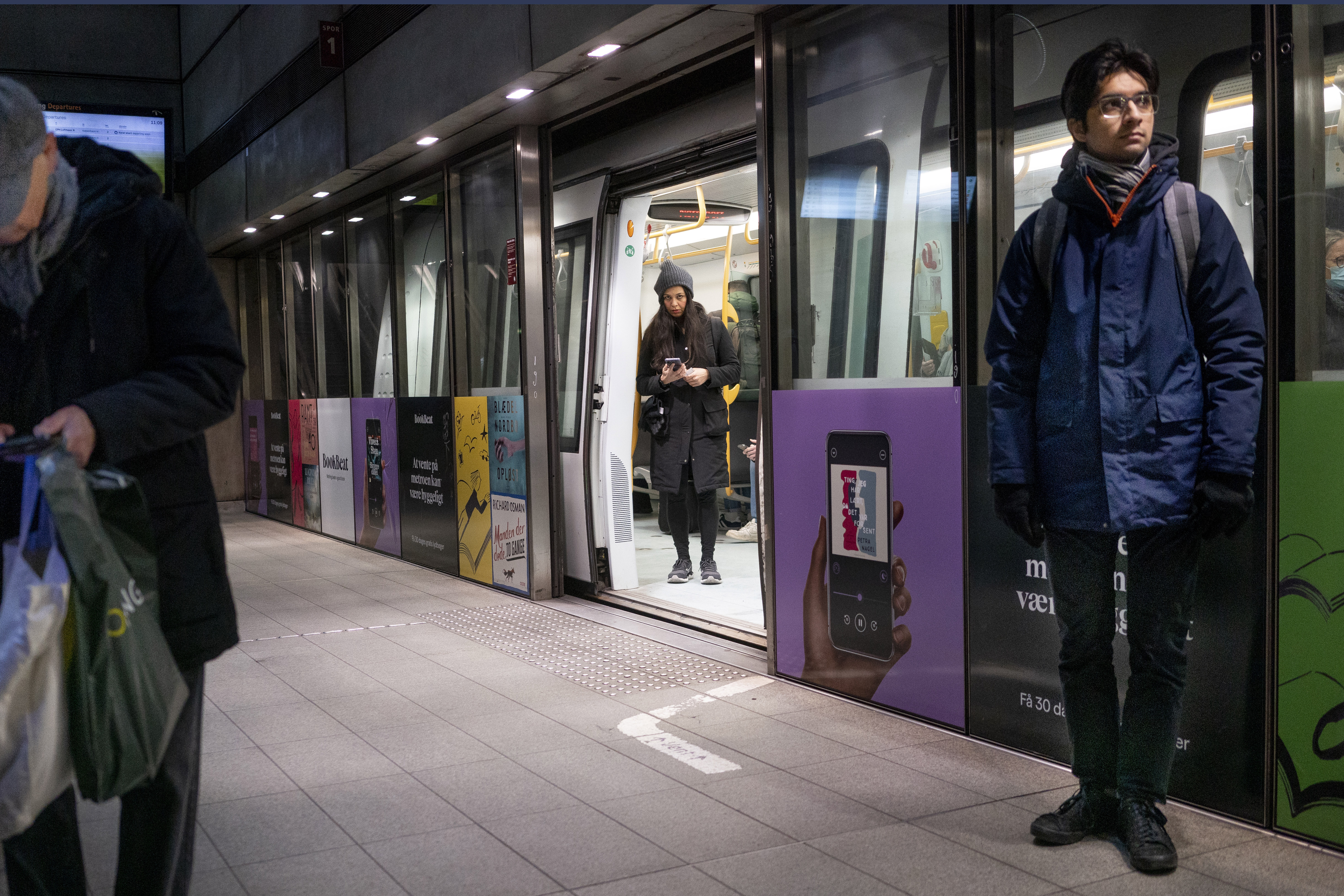
In some places, like Norway and Denmark, the easing comes even though case counts are still hovering near their highs. Some governments are essentially betting that the pandemic is ebbing.
"Rest assured that the worst days are behind us," said Health Minister Fahrettin Koca of Turkey, where the number of daily infections topped 100,000 on Tuesday, the highest on record in the country of over 80 million.
Last week, England ended almost all domestic restrictions: Masks aren't required in public and vaccine passes are no longer needed to get into events or other public venues, while the work-from-home order has been lifted. One lingering condition: Those who test positive still have to self-isolate.
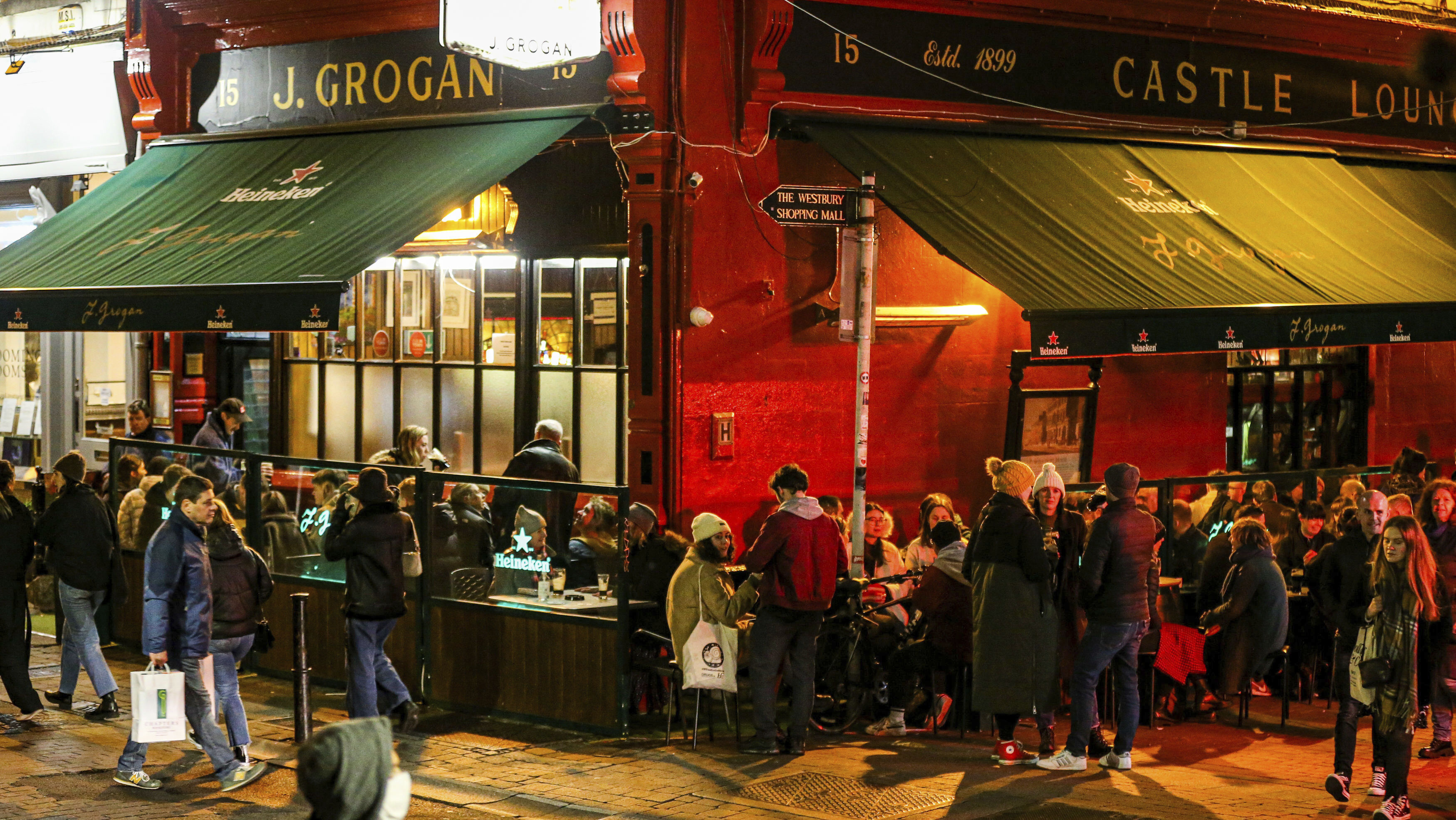
On Tuesday, Norway lifted its ban on serving alcohol after 11pm and the cap on private gatherings to no more than 10 people. Travellers arriving at the border no longer will be required to take a COVID-19 test before entry. People can sit elbow-to-elbow again at events with fixed seating, and sports events can take place as they did in pre-pandemic times.
"Now it's time for us to take back our everyday life," Norwegian Health Minister Ingvild Kjerkol said Tuesday. "Tonight, we scrap most measures so we can be closer to living a normal life."
The loosening of Omicron's grip in many places has given rise to hope that the outbreak is about to enter a new phase in which the virus will become, like the flu, a persistent but generally manageable threat that people can live with.
Switzerland on Wednesday scrapped work-at-home and quarantine requirements and announced plans for an easing of other restrictions in coming weeks, saying: "Despite record high infection figures, hospitals have not been overburdened and the occupancy of intensive care units has fallen further."
"There are increasing signs that the acute crisis will soon be over and the endemic phase could begin," the government said.
While Omicron has proved less likely to cause severe illness than the Delta variant, experts are warning people against underestimating it or letting their guard down against the possibility of new, more dangerous mutant varieties.
"We are concerned that a narrative has taken hold in some countries that because of vaccines — and because of omicron's high transmissibility and lower severity — preventing transmission is no longer possible and no longer necessary," WHO chief Tedros Adhanom Gheybreysus said Tuesday. "Nothing could be further from the truth."
WHO's emergencies chief, Dr. Michael Ryan, warned that political pressure could lead some countries to open back up too soon — and "that will result in unnecessary transmission, unnecessary severe disease and unnecessary death."
As throughout the pandemic, many countries are going their own way: Italy has tightened its health pass requirements during the Omicron surge. From Monday, its government requires at least a negative test within the previous 48 hours to enter banks and post offices, and anyone over age 50 who hasn't been vaccinated risks a €100 ($159) fine.
Austria, which was the first European country to order a vaccine mandate, is planning to loosen other COVID-19 restrictions this month and take steps like letting restaurants stay open later. Greece has ordered fines for people 60 and over who refuse to get vaccinated.
In Germany, where infections are still hitting daily records and officials are still concerned about a large number of unvaccinated older people, restrictions like curbs on private gatherings and requirements for people to show proof of vaccination or recovery to enter nonessential shops remain in place. The country's leaders plan to review the situation on February 16.
"I think that the moment we have the feeling that we can loosen (restrictions) responsibly, federal and state governments will take that step," German government spokesman Steffen Hebestreit said Monday. "But at the moment, it is still a bit premature."
Other continents are being even more cautious. Some of the world's highest vaccination rates are found in Asia — which is no stranger to earlier outbreaks like SARS and MERS — and its leaders are holding to stricter lockdown measures or even tightening them, for now.
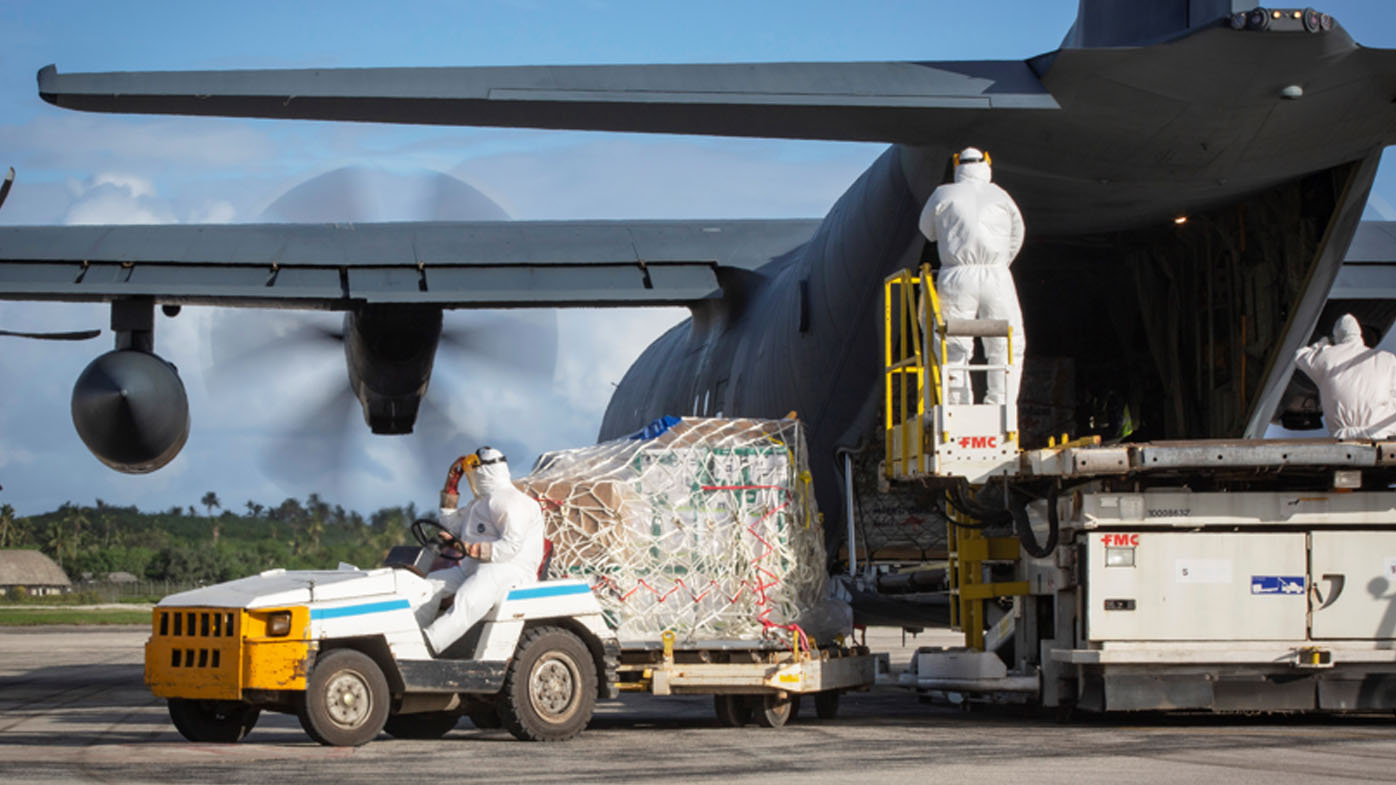
The Pacific Rim nation of Tonga was entering a lockdown Wednesday evening after finding coronavirus infections in two port workers helping distribute aid arriving after a volcanic eruption and tsunami. That came against fears that the fallout from the natural disaster last month could spark a second disaster by bringing the pandemic into a nation that had been virus-free.
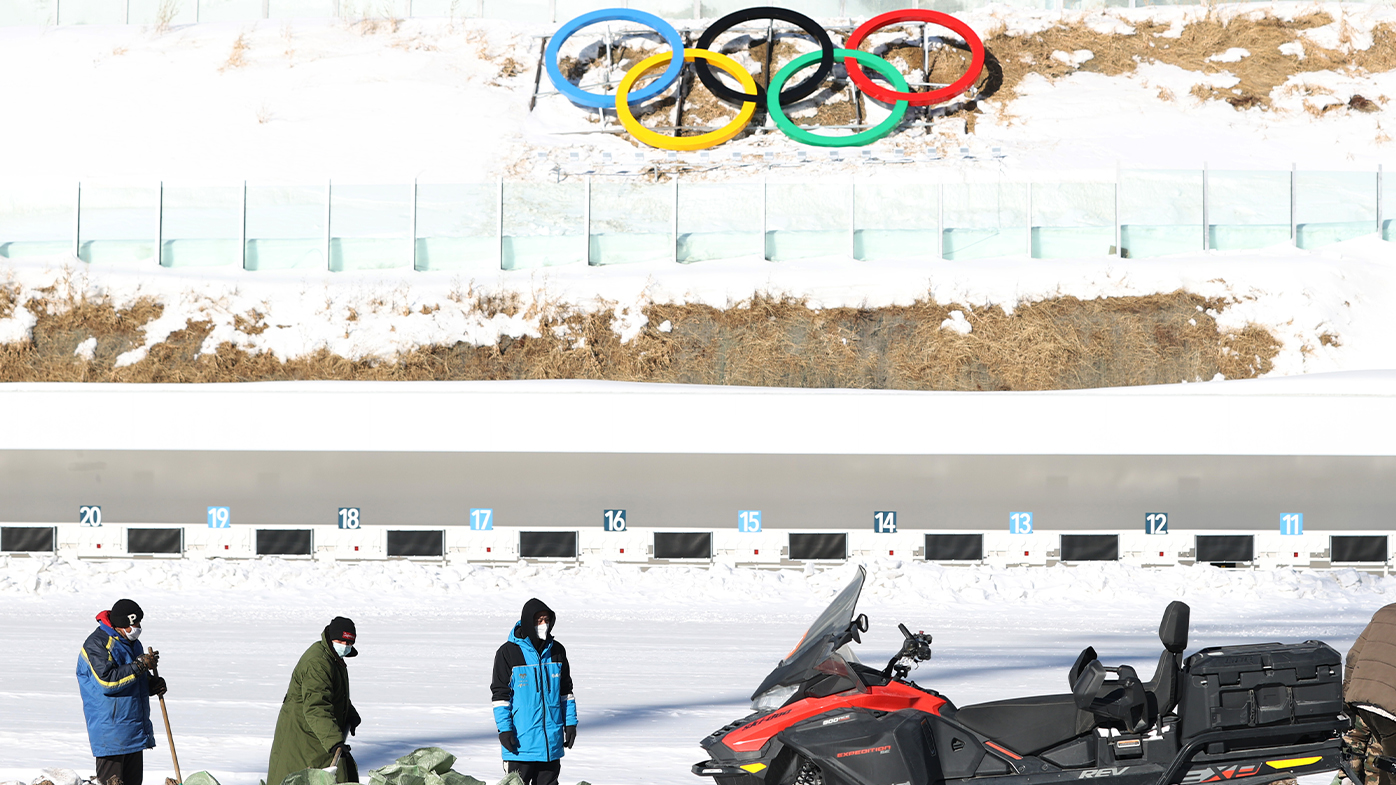
On the eve of hosting the Winter Olympics, China was sticking to its formal zero-COVID-19 policy even as 85 per cent of its population is fully vaccinated, according to Our World in Data figures. Beijing imposes strict lockdowns and quarantines quickly when any cases are detected, and continue to require people to wear masks on public transportation and show with "green" status on a health app to enter most restaurants and stores.
Thailand, where 69 per cent of the population is fully vaccinated, according to Our World in Data, continues to require masks be worn in public and enforces social distancing, as well as other restrictions.
Singapore, which boasts Asia's highest rate of vaccination with 87 per cent with at least two shots, is maintaining its restrictions even as it heads along a "transition journey to a COVID-19 resilient nation" begun in August, with steps to both relax and tighten rules as conditions warrant.
With nearly 80 per cent of its people fully vaccinated, Japan has resisted mandated restrictions but continues exhorting the public to wear face masks and observe social distancing practices, while requesting restaurants to shorten opening hours.
Cambodia, with 81 per cent of its people vaccinated, has dropped restrictions on restaurants and other businesses but still requires masks to be work in public and encourages social distancing.
South Africa this week announced that it has exited the fourth wave, saying scientific studies show immunity has hit 60 per cent to 80 per cent. Masks are still mandatory, but a curfew has been lifted and schools are required to fully – not just partially — open for the first time since March 2020.
Dr. Atiya Mosam of the Public Health Association of South Africa said such steps are a "practical move towards acknowledging that COVID-19 is here to stay, even though we might have a milder strain."
"We are acknowledging how transmission occurs, while basically balancing people's need to live their lives," Mosam said.
The GTSR W1 ute is just one of four ever made and given it carries the build number #001, it's likely to hold the highest value of any ever made.
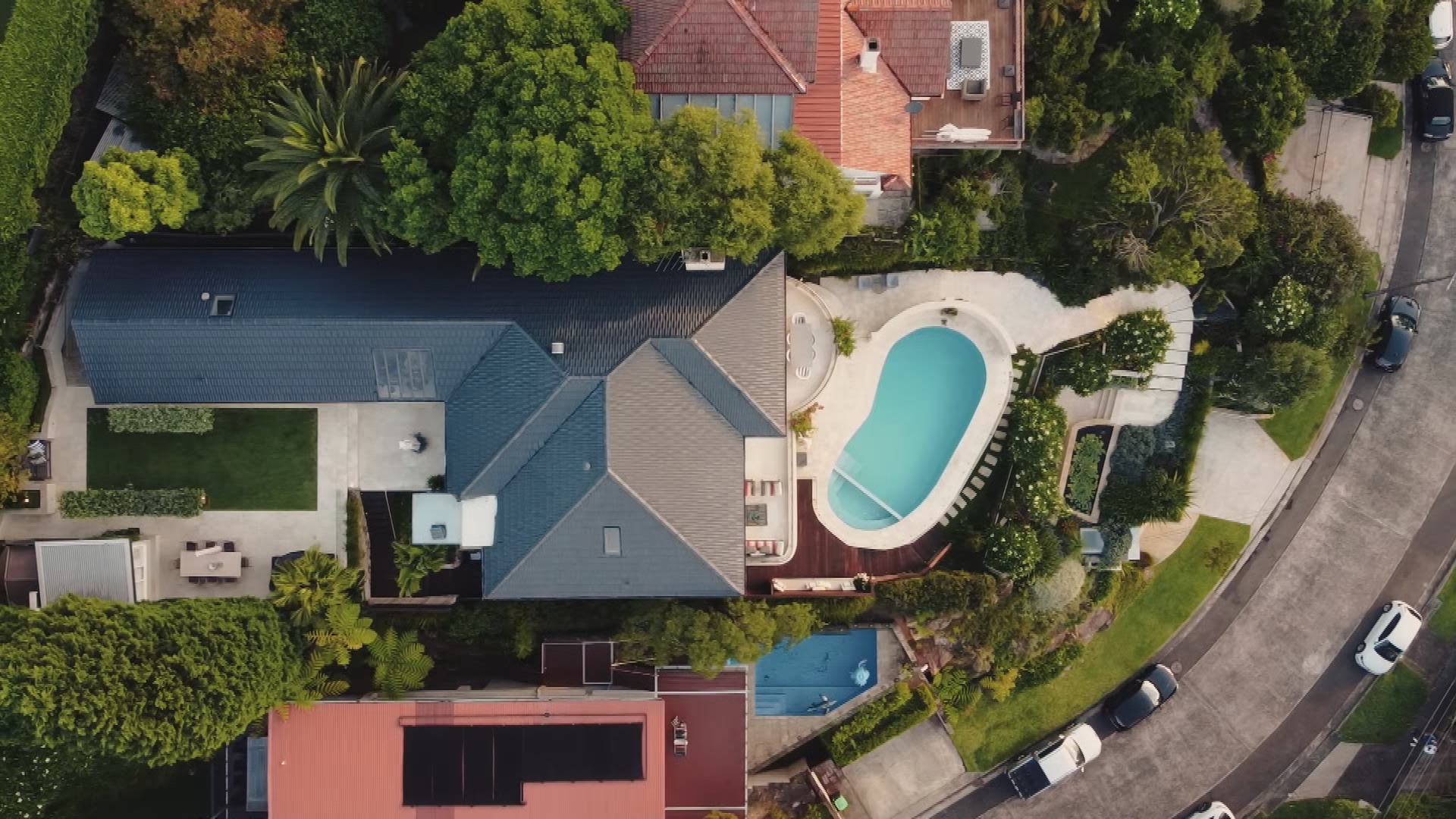
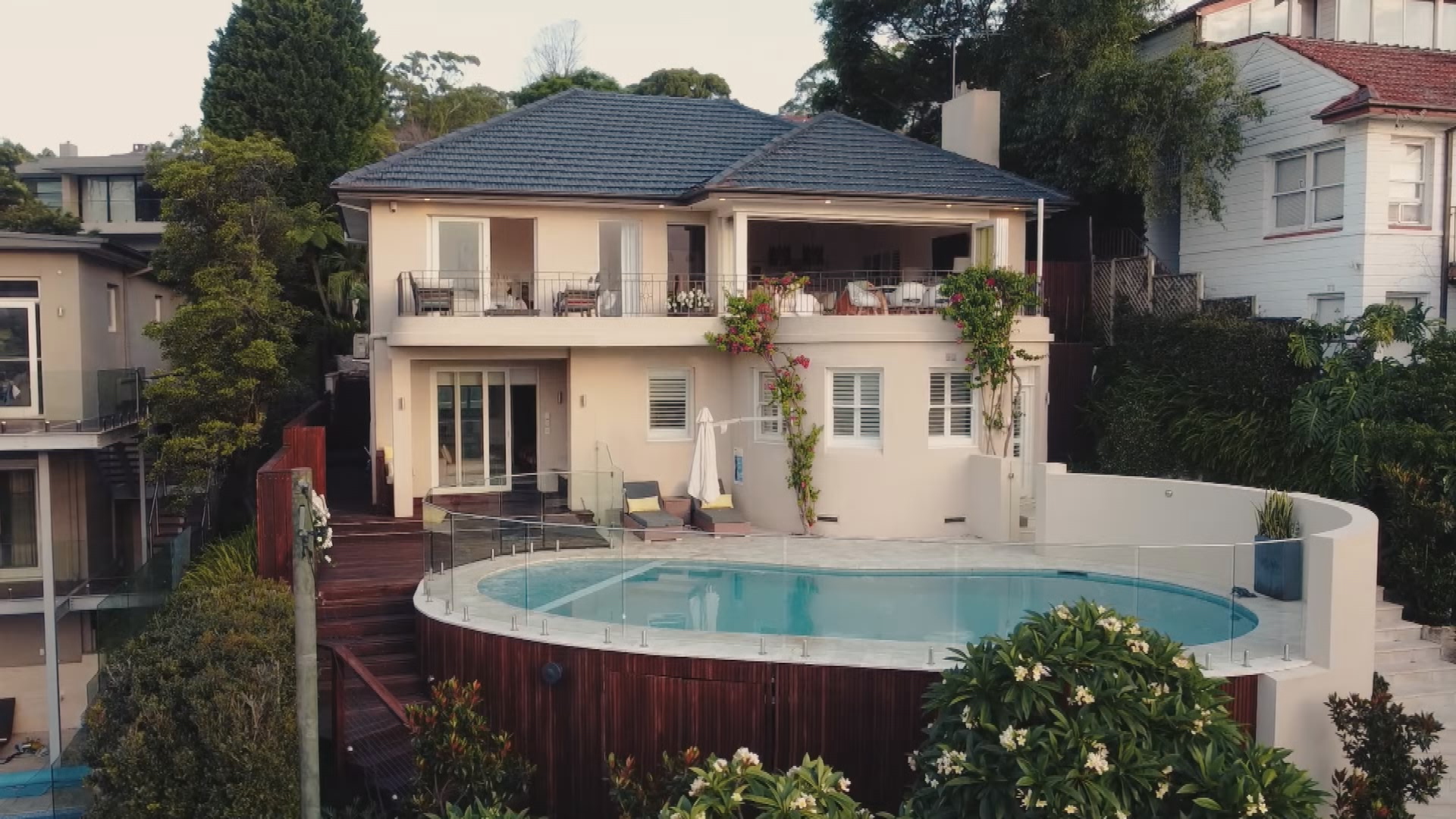
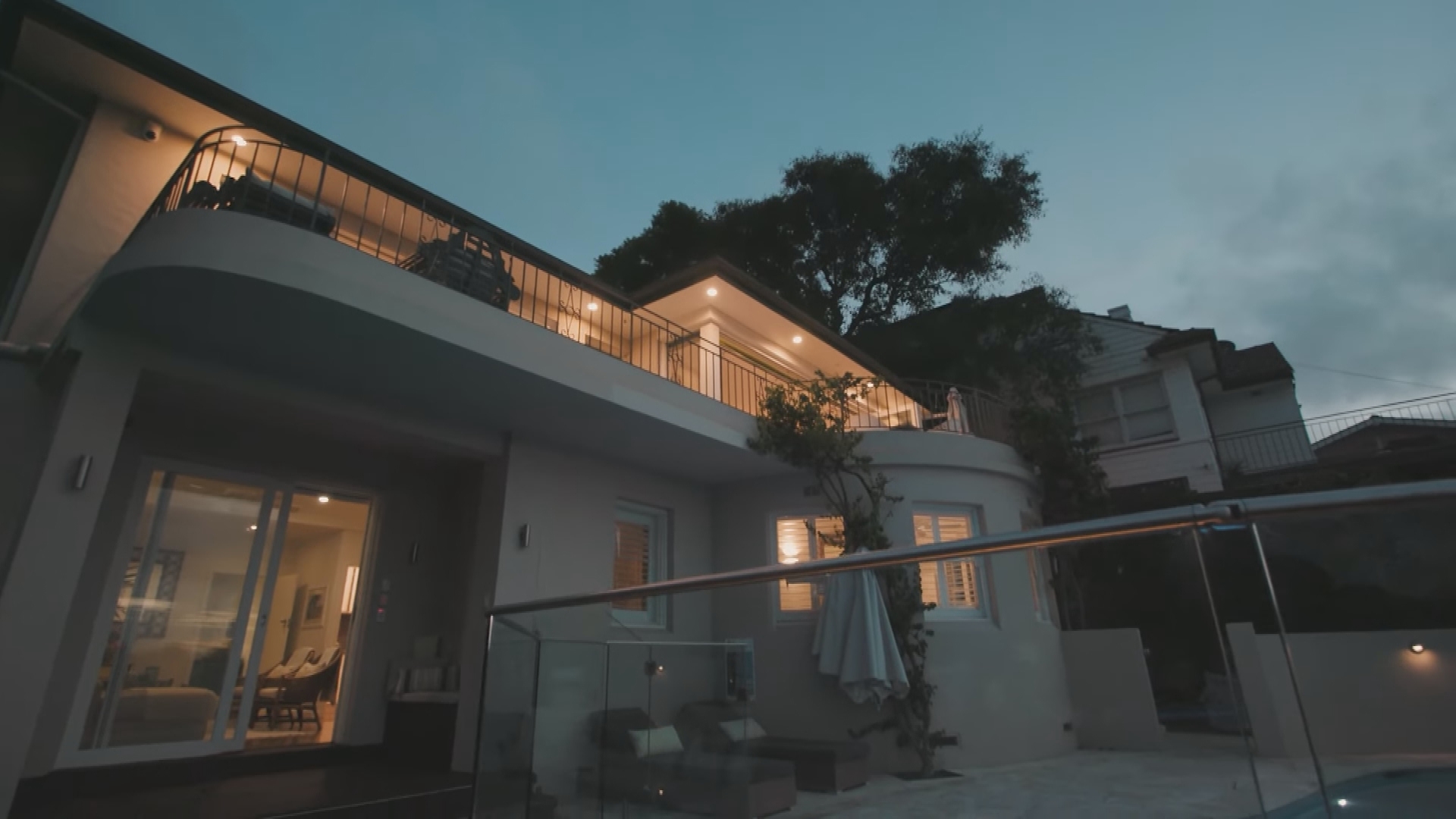
A Mosman home resembling something out of a James Bond film has today hit the property market for millions of dollars.
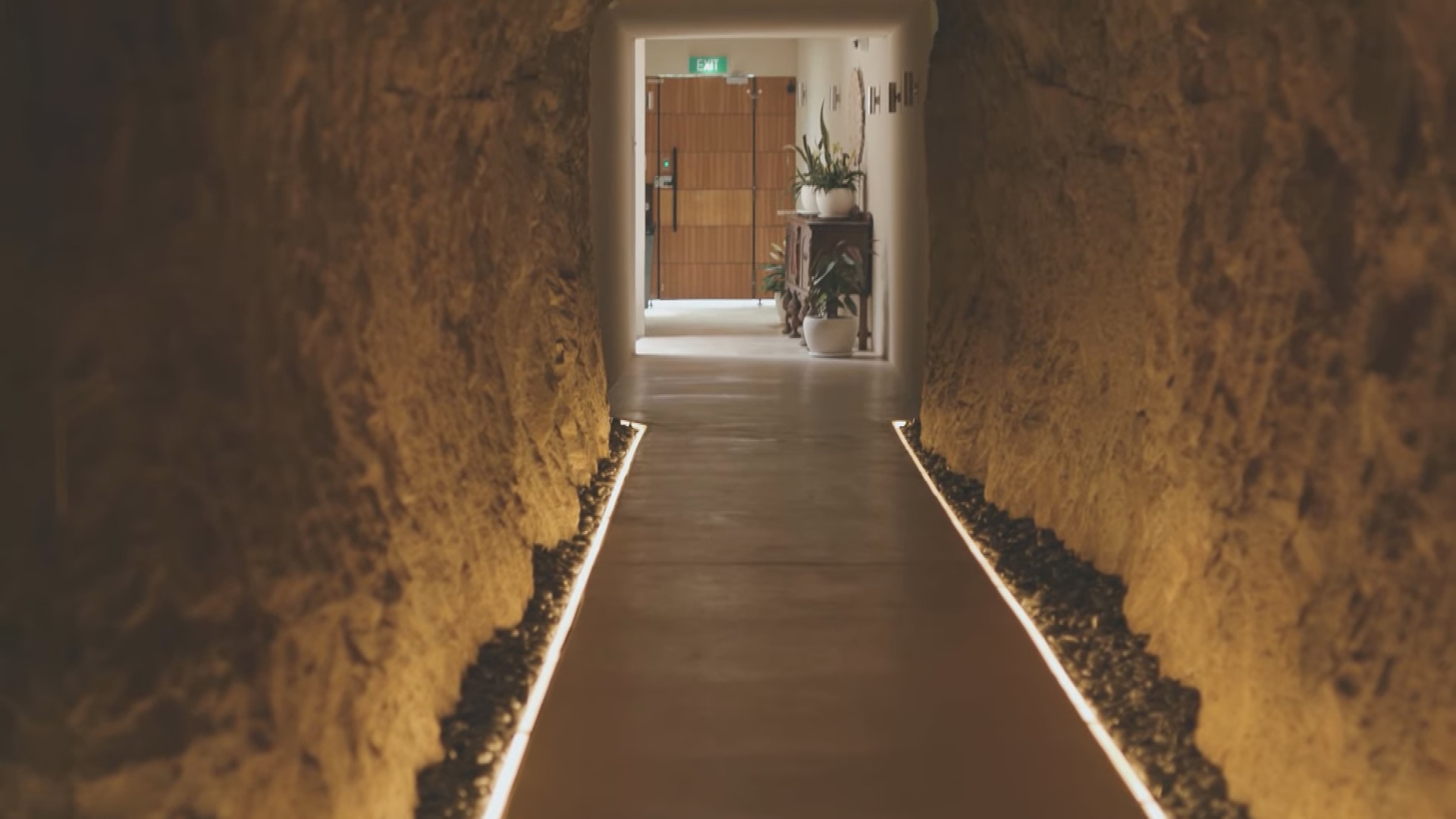
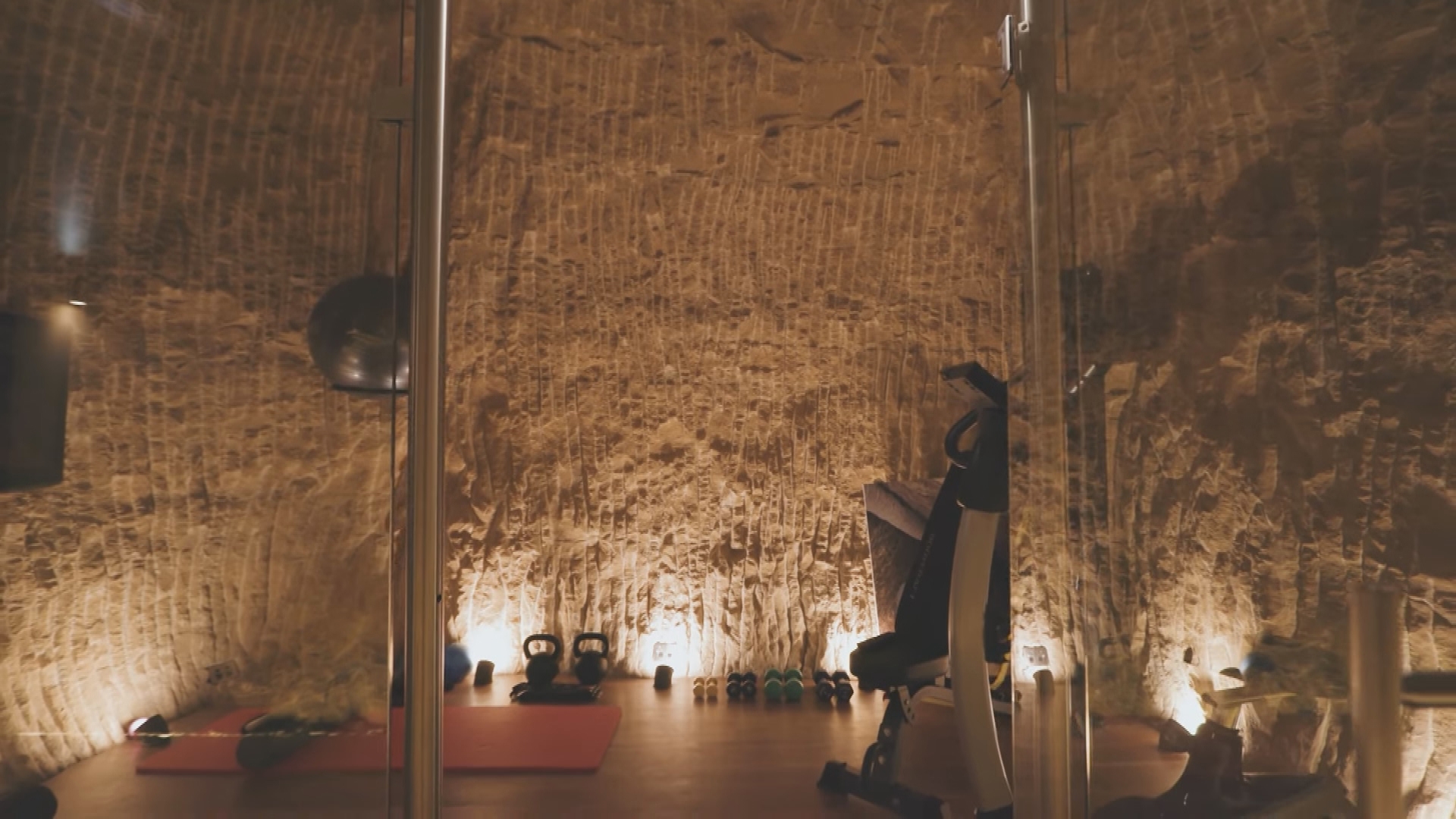
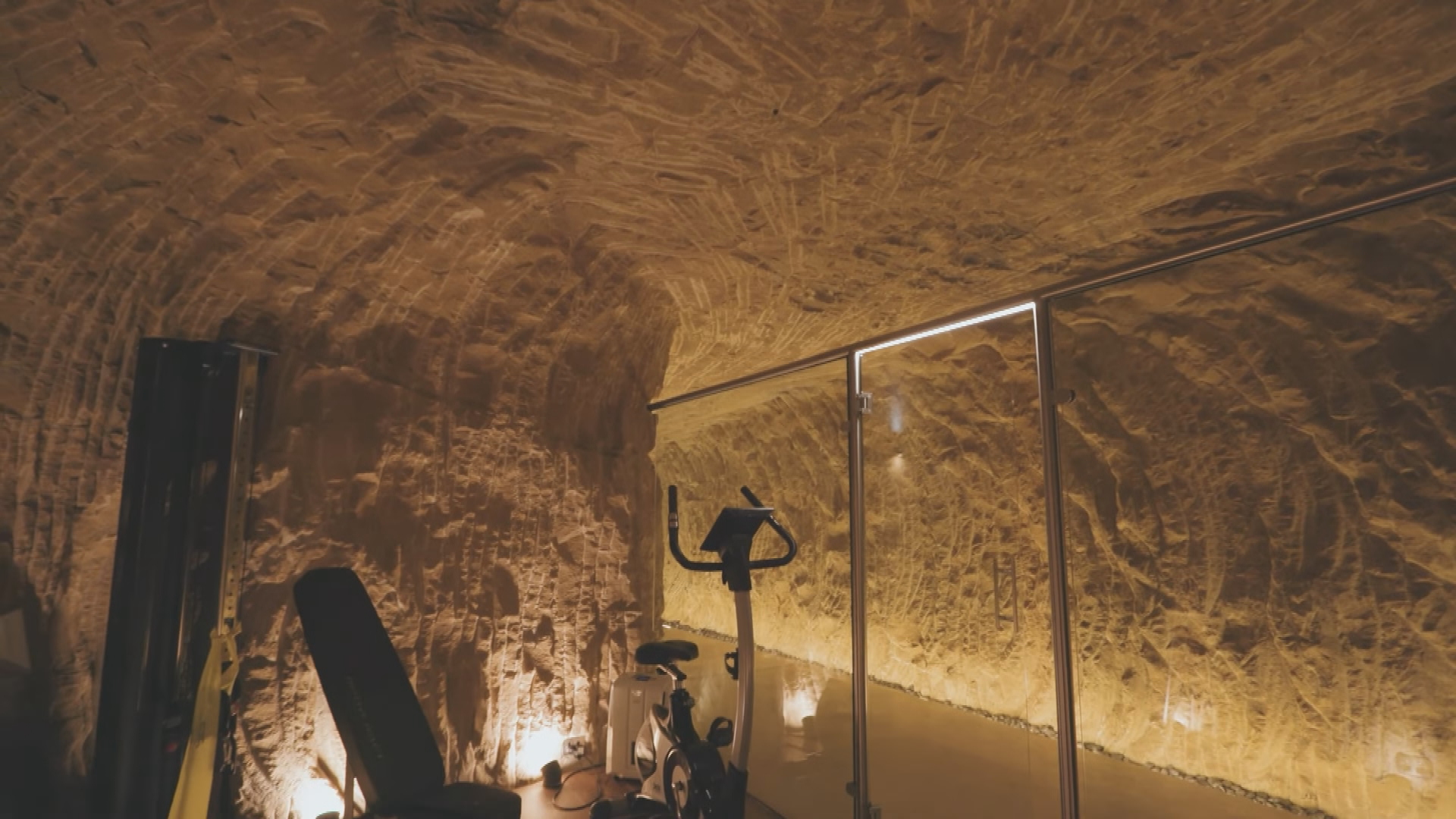
The luxury home boasts a 25-metre sandstone tunnel underneath the property, a swimming pool, automated music and lighting, a gym and more.
After 20 years, homeowners Rob and Wendy Procter are selling the gadget-filled property for "another adventure" and for "someone else to enjoy it".
READ MORE: Aged Care Minister defends decision to go to Ashes instead of inquiry
The Procters also claimed the 63 steps to the top of the house is one of the reasons they're selling the property.
"We've been walking up those 63 stairs for 40 years carrying shopping in the rain, that's the answer," Mr Procter said.
The Procters said even James Bond would appreciate the home.
"I think he'd find it inspirational," Ms Procter said.
READ MORE: 'Routine' procedure put off for years – then doctors find a tumour
Most of the gadgets in the home can be controlled by your phone.
"We can turn the lights on, open the doors, turn on the music, anything in the house," Mr Procter said
The property features a tunnel that was used to install the lift at the back of the home.
To build the tunnel, the Procters employed five opal miners from Lightning Ridge.
It took the miners three months to carve out the cavity, but the fact the stone was completely dry contributed to the appeal of the tunnel.
"We were lucky also that it was dry, the stone was beautiful and it was dry, they were so skilled and the way it's so smooth the way they've built it," Mr Procter said.
READ MORE: New face mask that only covers the nose being used in South Korea
Removing the 800 tonnes of rock that was dug out during the tunnel excavation was one of the biggest problems during construction.
It was transported by cranes to North Bridge to extend the golf course.
The property is now on the market and the asking price is $10 million.
A leading orthopedic surgeon is calling for hospitals in Victoria to be able to make their own decisions about what operations they perform as elective surgery remains suspended across the state.
Australian Orthopaedic Association chair Dr Adrian Trivett has told 9News the government's "broad-brush approach" to banning elective procedures is really "overstating the problem" and not serving patients and staff.
"Hospitals have governance and administration to manage these things at a local level," he said.
READ MORE: The new type of face mask being used to protect against COVID-19 in South Korea
"I know for a fact there's lots of hospitals that are under capacity."
He said managing the balance between the hospitals' operations could be done better by local management than "an on-off switch by the government".
Dr Trviett said surgeons really thought there was a better way than the blanket ban and has called on the government to remove it.
He said while specialist medical staff were being left unable to work, the real pain was being felt by patients unable to have surgery.
READ MORE: Elective surgery to gradually resume in South Australia
However, the Nursing and Midwifery Federation wants the pause on elective surgery extended.
The federation's Paul Gilbert said nurses wanted to see hospitalisations fall much lower before moving back.
He told 9News the doctors pushing for elective surgery to resume were not "seeing the full picture of the impact of what they were proposing".
Premier Daniel Andrews backed his decision to suspend elective surgery today and said no plans had been made to resume it.
"This is a difficult decision, a terribly difficult decision, but it is the right decision," he said.
A new concussion clinic opening in a Sydney hospital will offer young people treatment for the long-term complications of a concussion.
A range of medical experts specialising in concussion treatment will work at the clinic at the Royal North Shore hospital.
The specialists will look at the cognitive function and overall wellbeing of young people after a concussion.
READ MORE: Bizarre sight off Sydney beach as divers find shark stuck in a frisbee
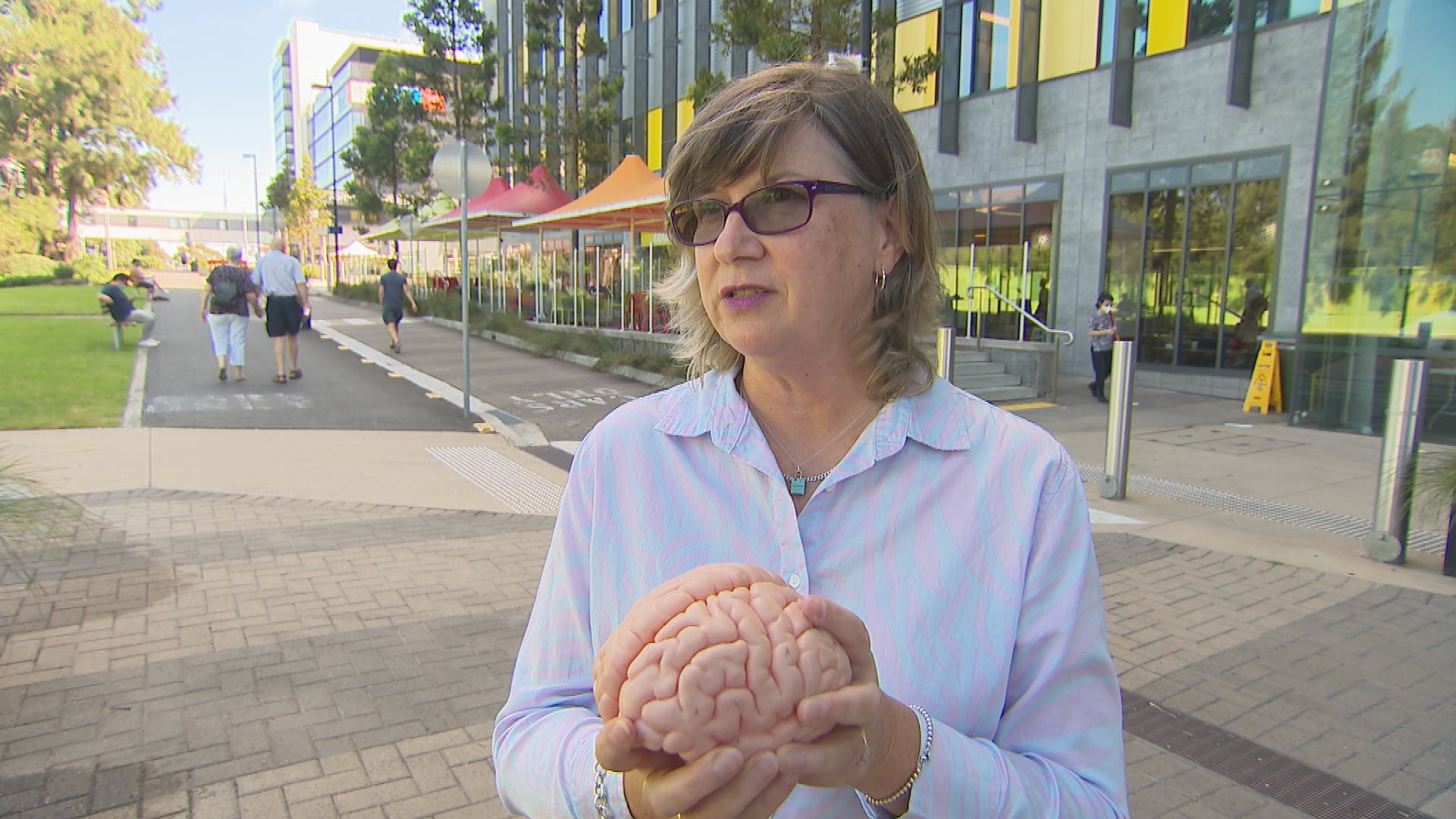
"When the brain gets hit, a knock to the head or a knock to the body, the brain gets moved around and that's the problem with concussion," clinical nurse specialist Vicki Evans said.
"Concussion it is a mid-brain injury and we do need to look after these kids because if you have one concussion it is much easier to get a second concussion."
The clinic will provide targeted treatment for the long term complications of concussions.
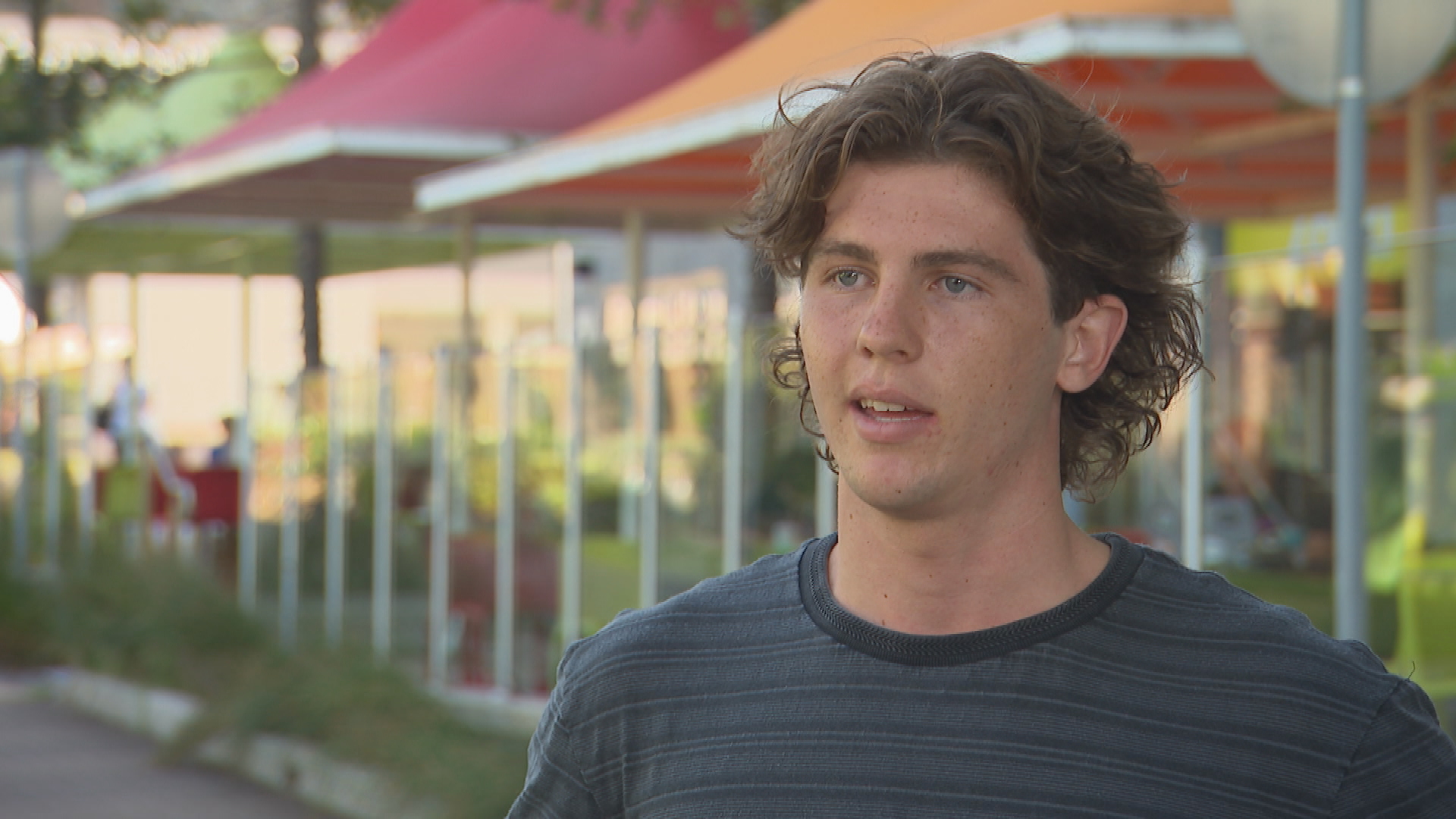
This targeted treatment greatly helped Jack Winchester, who suffered concussions while playing water polo get back to playing the sport.
READ MORE: 27 more deaths recorded in NSW, alongside 11,807 new COVID-19 cases
For Mr Winchester, three concussions not only saw him quit water polo for a year but he also struggled to concentrate during his HSC.
"I was in class but mentally not there and not doing any of my work because I was hit with nausea and made it very hard," he said.
After the treatment, Mr Winchester was able to resume water polo at a state and national level.
READ MORE: Australian musical industry icon Glenn Wheatley dead at 74
The concussion clinic is modelled on other world-class neurological facilities such as the Barrow Neurological Institute in Arizona.
The centre will work closely with a similar clinic at the Children's Hospital at Westmead.
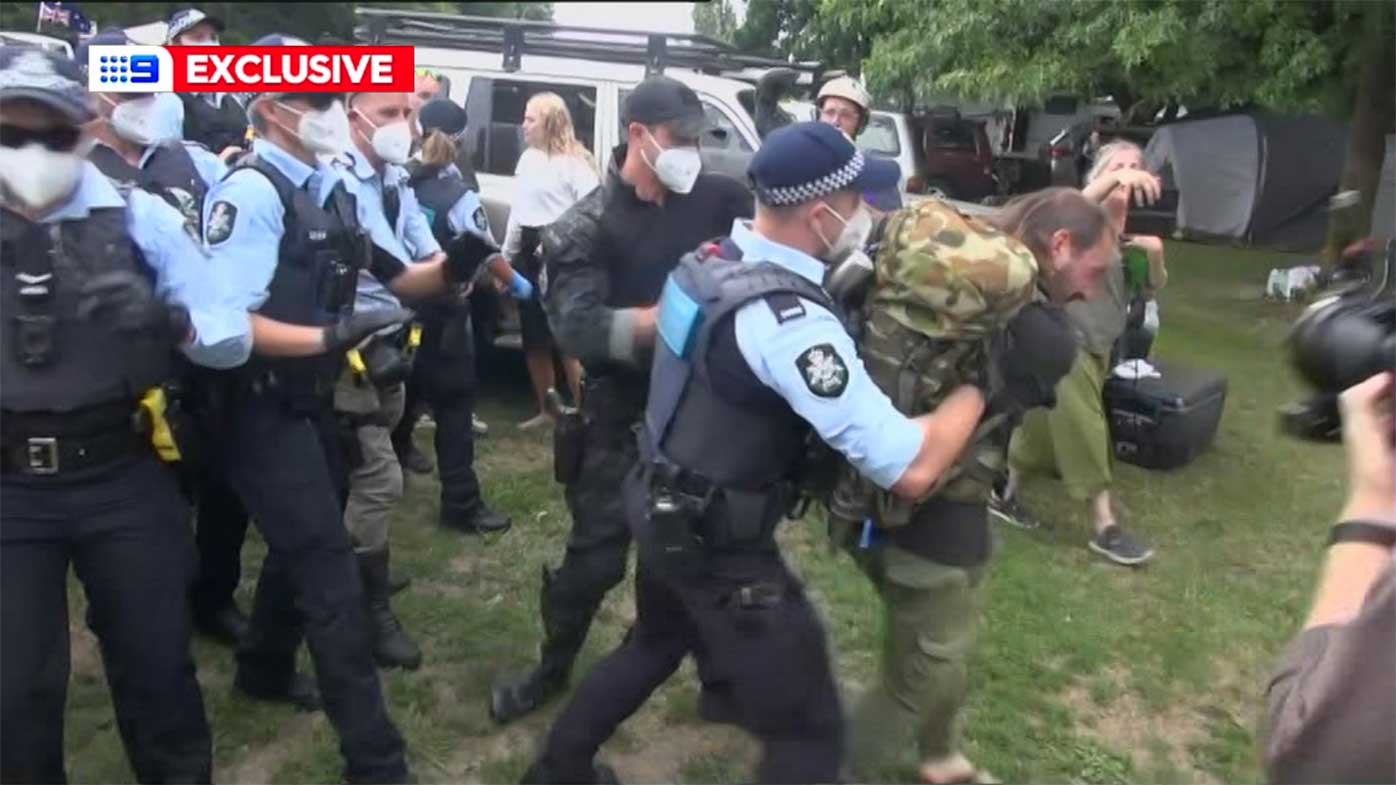
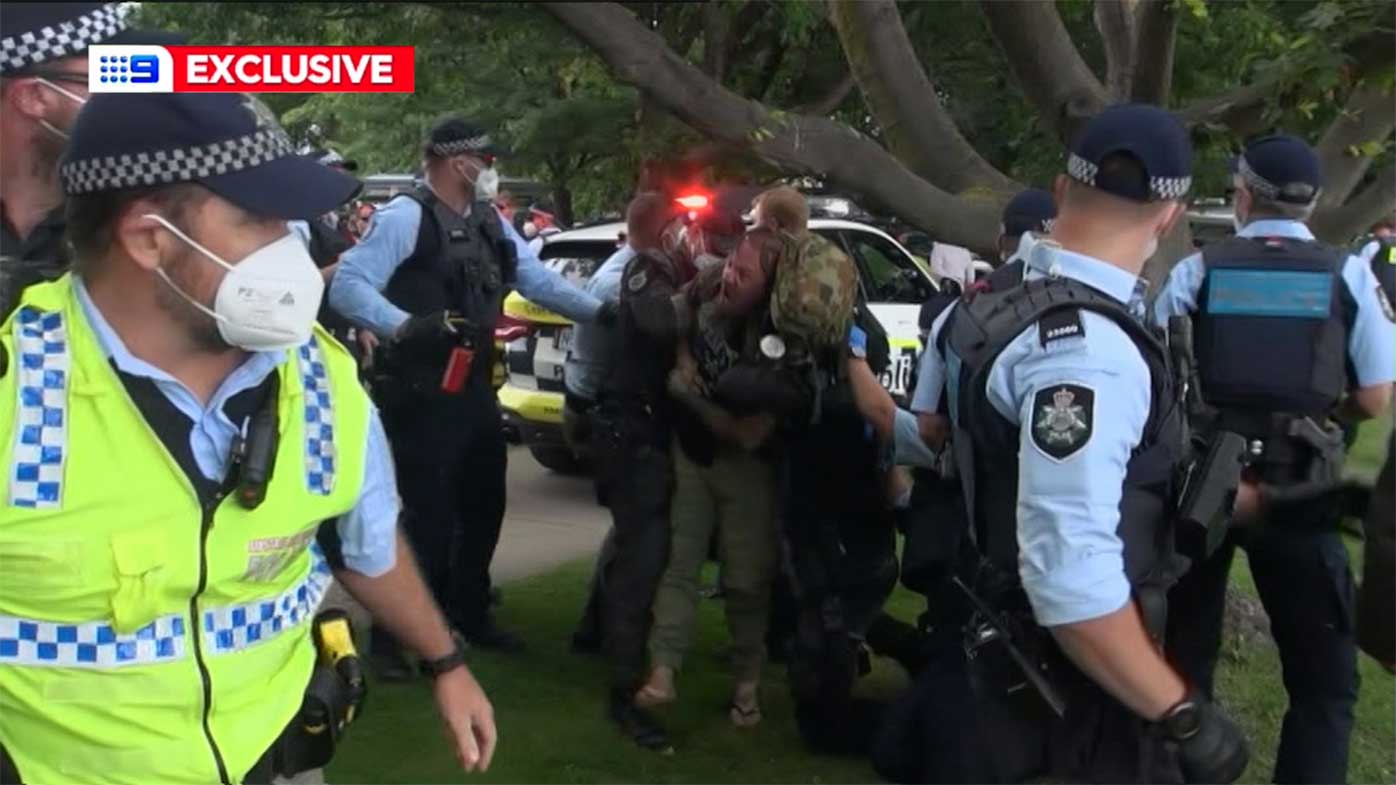
Protesters have been capsicum-sprayed and arrested as police sought to clear the lawn outside the National Library in Canberra of protesters.
The so-called Convoy to Canberra set up camp outside the library several days ago as part of an anti-vaccination mandate protest.
At 4pm police told protesters they were parking and camping illegally and would be fined if they remained in the area.
READ MORE: Aged Care Minister defends decision to go to Ashes
ACT Police confirmed that a woman was arrested after allegedly assaulting officers. She has since been charged.
When two men allegedly interfered with the arrest of the woman, they were also arrested and charged with obstructing police.
Two people were treated with minor injuries by paramedics, but they were not taken to hospital.
"The rights of people to peacefully protest is always acknowledged by ACT Policing, however when illegal actions take place, the people responsible will be dealt with in accordance with the law," an ACT spokesperson said in a statement.
Demonstrators were seen screaming at police as others were handcuffed and arrested.
One policeman was seen kneeing a protester as he was pressed to the ground by another officer.
While largely an anti-vaccine mandate protest, the Convoy to Canberra demonstration is connected to the "sovereign citizen" movement.
Sovereign citizens are people who believe they are not subject to many Australian laws.