Tag Archives: oceania

Password warning as online predators seek to hack children's accounts

Online predators are trying to hack into children's accounts to assume their identities in order to trick and exploit other kids, the Australian Federal Police has warned.

They can also install malware that allows them to switch on a computer's camera remotely.

AFP Commander Hilda Sirec is warning parents to regularly update software and security on their children's devices in order to protect them.

READ MORE: Aussies spend more than $50 million on crypto transaction fees

"We are encouraging parents to start 2022 – and ahead of the new school year – with good online habits, especially given many students will have their own tablet or mobile phone for the first time," Commander Sirec said.

"Predators seek to exploit any vulnerability whether it's personal or technical. While no computer system or device is impenetrable, anybody can achieve a high level of security through updates and antivirus protection."

Once a predator has accessed a child's computer, email or social media accounts, they can pose as that child.

They can then trick other children in order to exploit them.

Children, like adults, should be conscious of maintaining secure passwords and wary of suspicious links containing malware.

READ MORE: Revenge porn, online abuse targeted in new laws

"A predator will seize on any opportunity to steal a password to gain access to an account and exploit the instant credibility that provides them with," Commander Sirec said.

Passwords should be hard to guess, with a mix of upper and lower case letters, numbers and symbols.

Online child sexual exploitation can be reported to the ACCCE or call Crime stoppers on 1800 333 000.

Heaviest rain in 120 years hits northwestern Australia

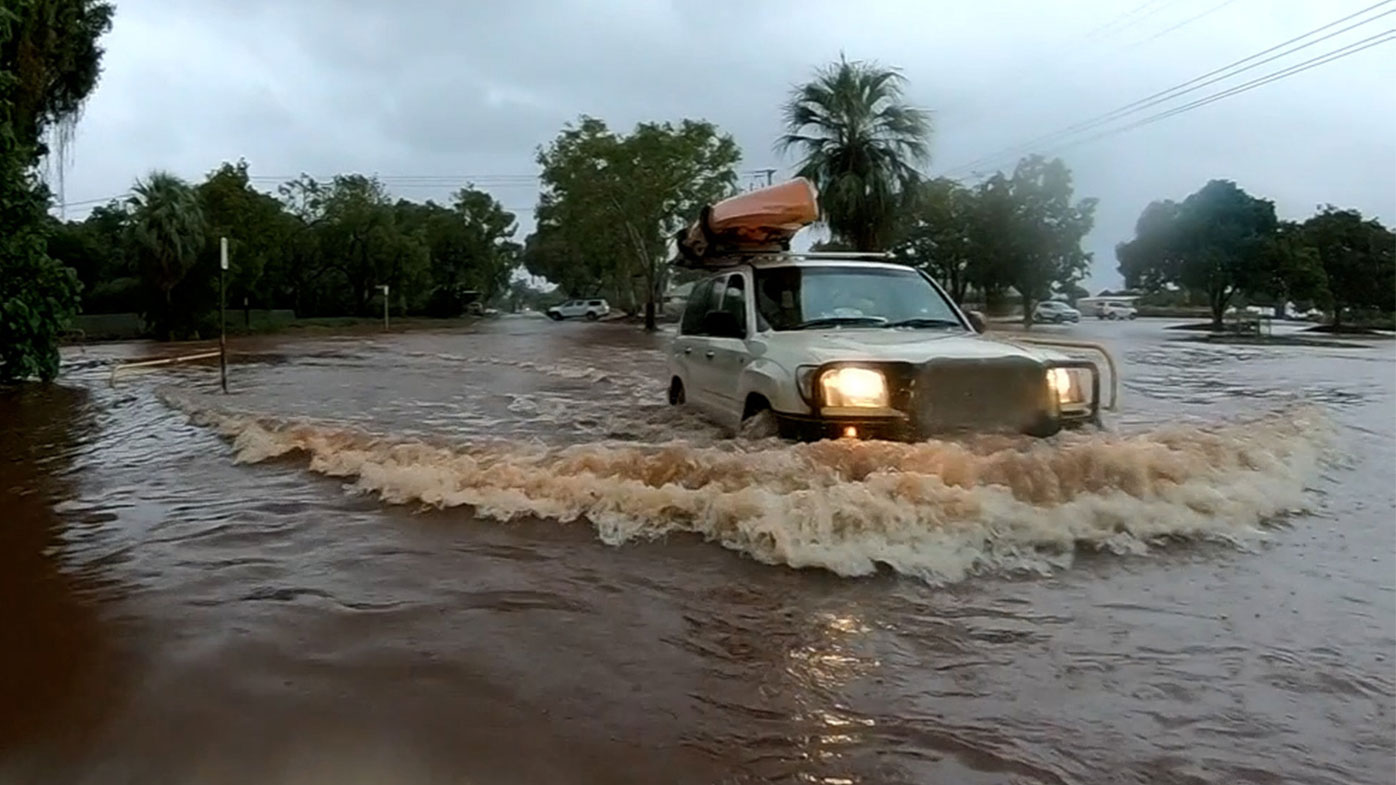
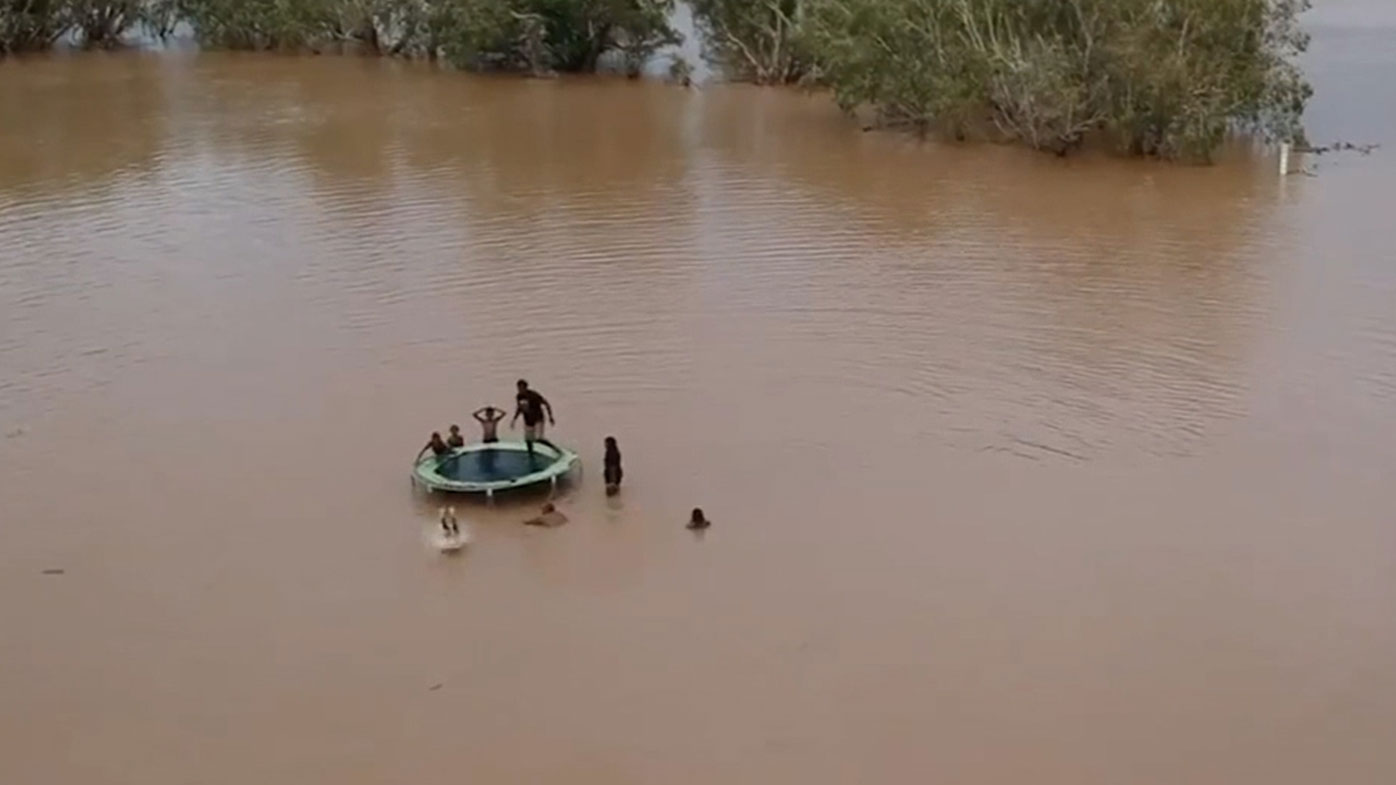
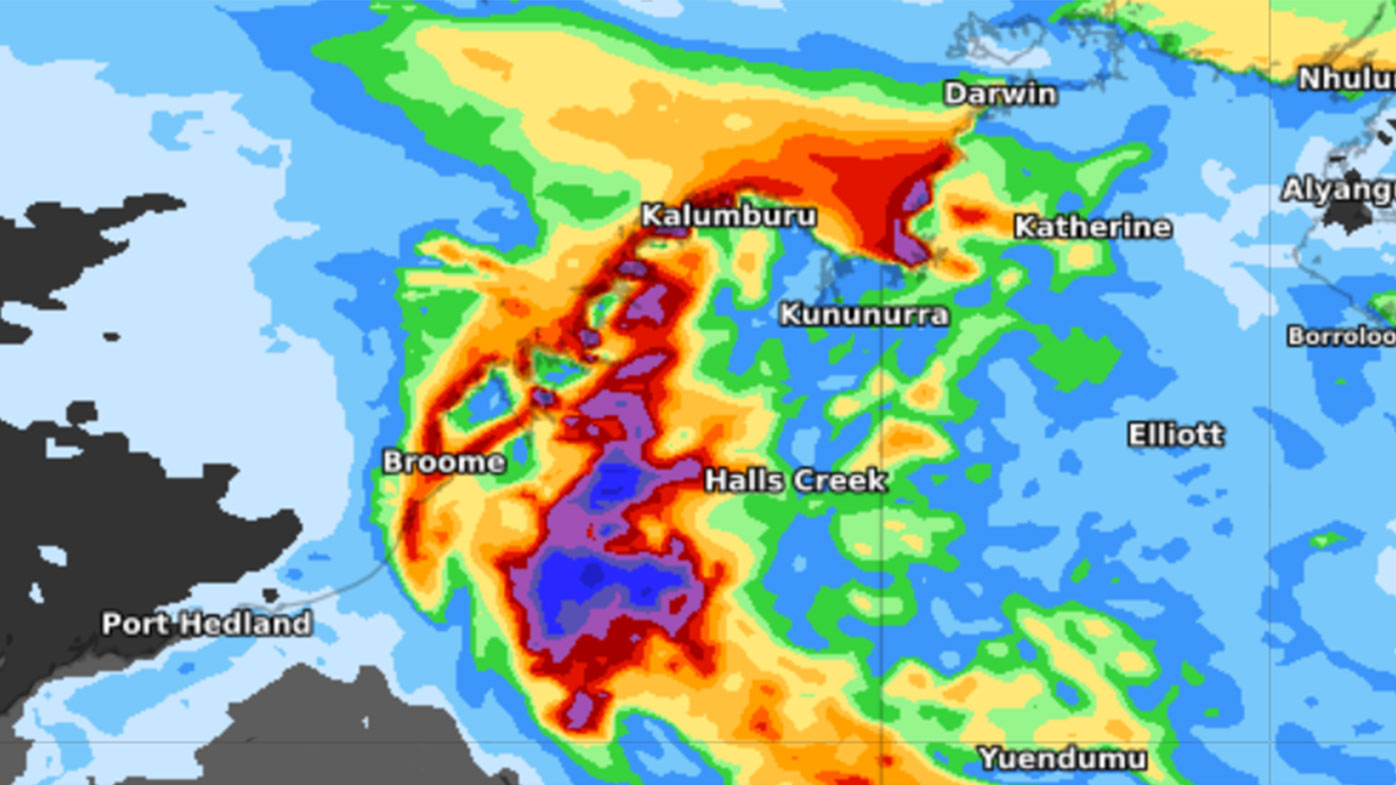
Parts of the Kimberley in northwestern Australia have faced a torrent of rainfall unmatched in the past 120 years.

A monsoon trough lasting several days has left towns, roads and railways completely submerged.

In two days, Broome Airport has reported more rain than in the whole of 2021, with 563mm falling in 48 hours.

READ MORE: Bitcoin pyramid schemes wreak havoc on Brazil's 'New Egypt'

Heavy rainfall has bombarded the Kimberley region.

There's little hope of a let-off just yet, with 100mm-plus rainfall forecast for today and tomorrow.

"Damaging winds gusts with peak gusts to 100 kilometres per hour are possible and could cause damage to homes and property, mainly in or near thunderstorms," the Bureau of Meteorology said in a statement.

"Heavy rainfall that may lead to flash flooding is possible with daily rainfall totals of 50 to 100 mm with isolated heavier falls in excess of 150mm.

Broome has been submerged by the monsoonal trough.Northwestern Australia has seen the heaviest rain in 120 years.

"Locations which may be affected include Broome, Derby, Kalumburu, Kuri Bay, Mitchell Plateau and Mount Barnett."

The Department of Fire and Emergency Services warns people should be careful for fallen trees, fallen power lines and flooded drains, rivers, streams and waterways.

https://www.instagram.com/p/CZV9zTWPFas/

From Wednesday, the rainfall will shift inland, giving a reprieve to Broome.

From Thursday and Friday, the system causing the intense rainfall is expected to head back out to sea.

There is a chance the low pressure system will develop into a tropical cyclone, but Weatherzone considers this unlikely.

READ MORE: Queensland set to be smashed by brutal heatwave

What the RBA's interest rate decision actually means

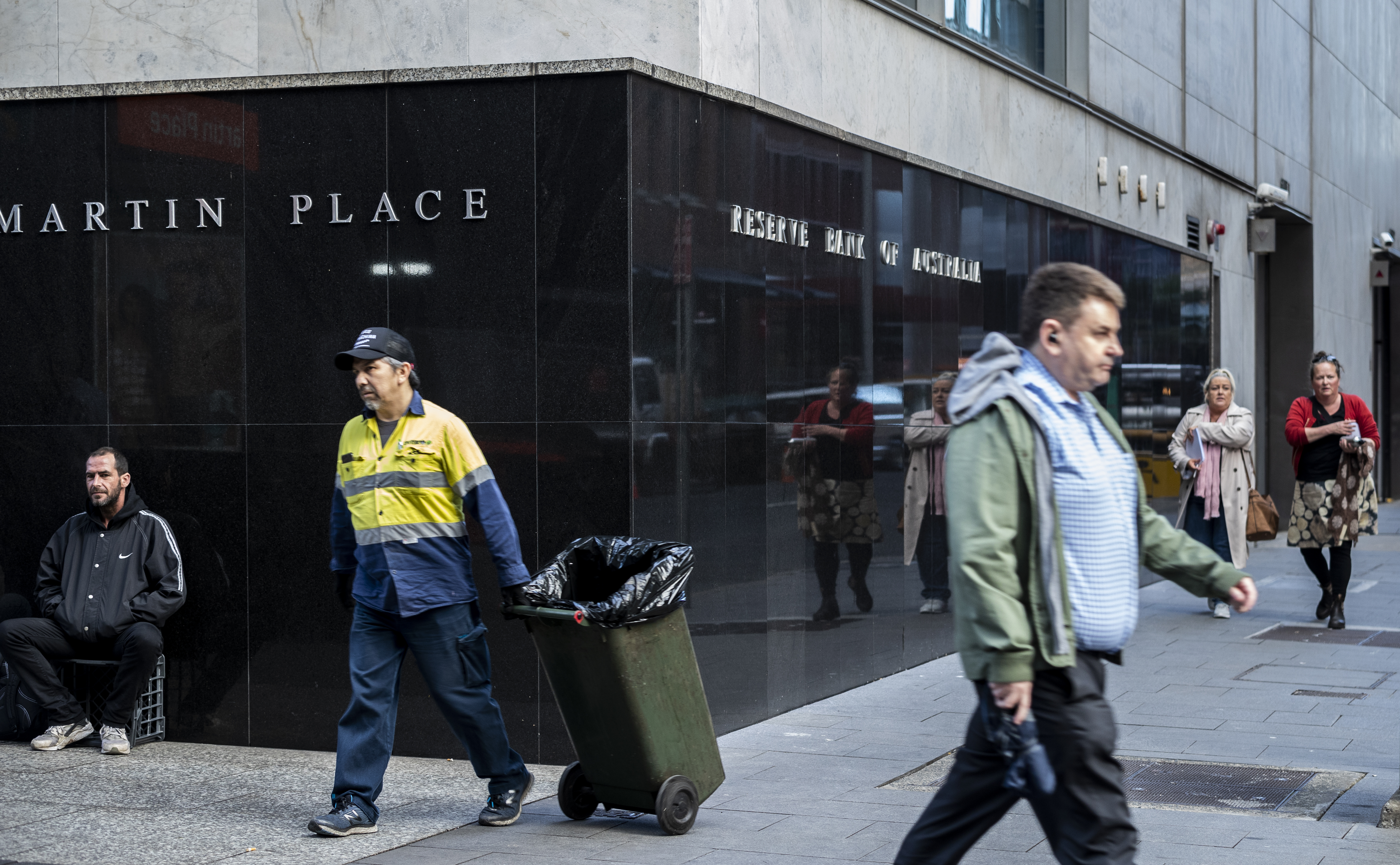
Today the Reserve Bank of Australia (RBA) decided to keep interest rates on hold at the historic low of 0.1 per cent – but the bank's biggest move was hiding below the headline figures.

As part of his monetary policy decision, RBA Governor Dr Philip Lowe announced that the central bank was ending its bond purchasing scheme due to the unexpected speed of the nation's economic recovery.

But what actually is bond buying? And how does the RBA's monthly decisions affect the ordinary Australian?

From cash rate to quantitative easing, here's how to decode the jargon.

READ MORE: Interest rates remain on hold at record low 0.1 per cent
Interest rates: the basics

Australia's interest rate – or cash rate target – is decided by the Reserve Bank of Australia (RBA) on the first Tuesday of each month between February and December.

A press release detailing the change or hold in interest rates is sent out at 2:30pm on this day, which is why you may receive a flurry of news alerts around this time.

In extremely general terms, this interest rate determines the cost of unsecured overnight loans between banks.

READ MORE: How interest rate hikes will slash your borrowing power
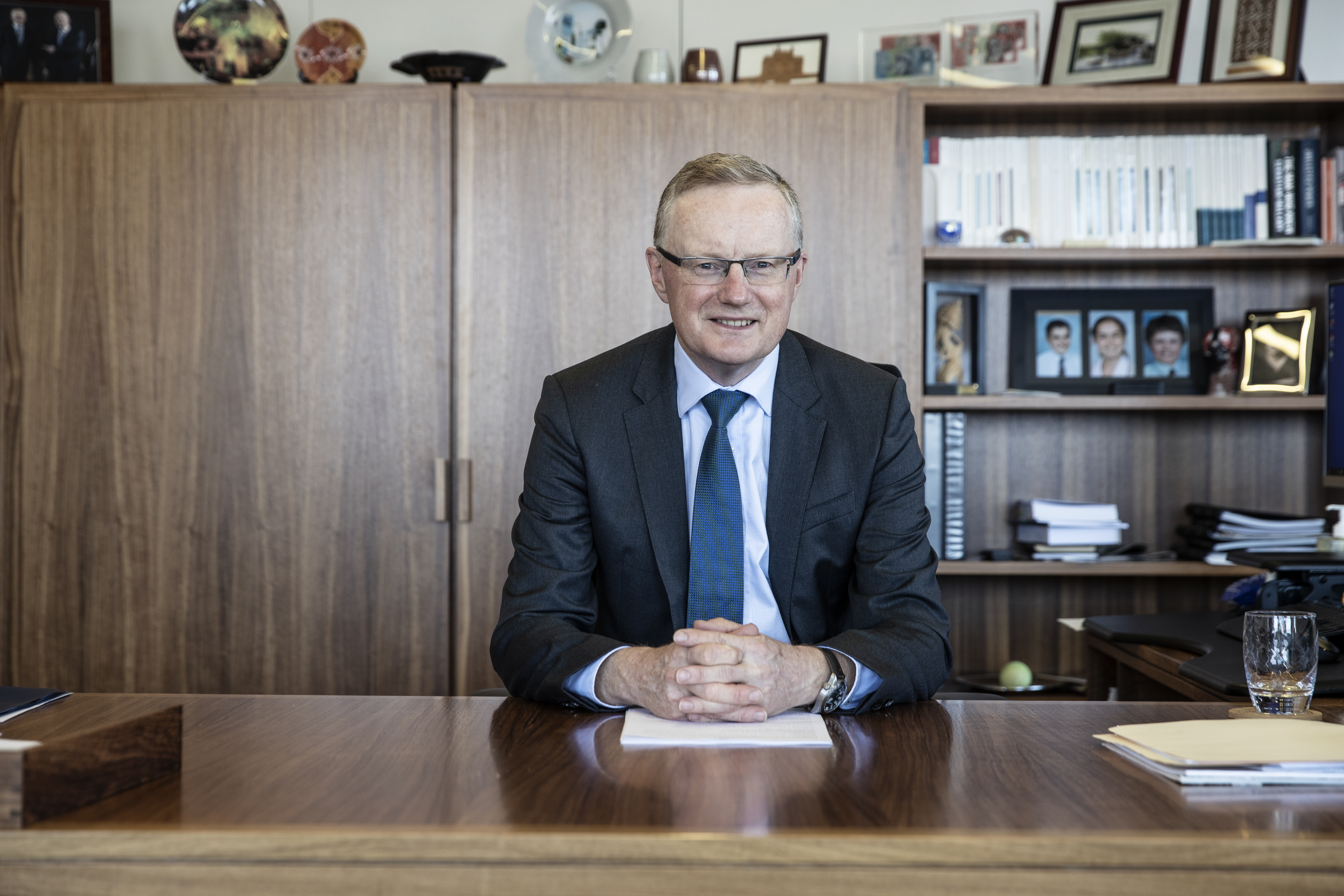
If the interest rate is between banks, why should the ordinary Aussie care about it?

Very simply, if it costs more money for a bank to borrow and lend money it is inevitable that some of that cost will be passed on to the customer.

With this in mind, many view the RBA's interest rate decision to be a barometer for how cheap or expensive bank loans will be to repay for Australians.

Home loans are naturally the biggest loan the ordinary Australian will ever take out in their lifetime.

It makes sense that any change in the official cash rate is likely to have some flow-on effect to those with variable rate mortgages.

Banks don't have to pass on interest rates changes to loan holders, but can and do. They are a money-making business after all.

READ MORES: Grim forecast for Aussie homeowners
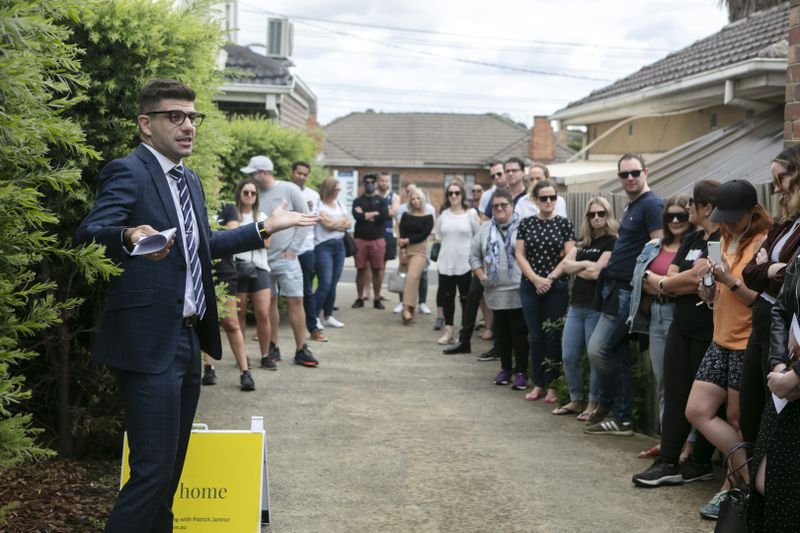
So what then is the "monetary policy decision" and why should people care?

The monetary policy decision is released by the Governor of the Reserve Bank (currently Dr Philip Lowe) at 2:30pm on a rate decision day.

It is a lengthy statement that essentially sums up why the board of the RBA chose to hold, hike or cut interest rates.

In economic terms, it's bit like an important address from the Prime Minister: it forecasts what the RBA expects will happen in the economy, it occasionally downplays commentary in the media and business communities and it is written carefully and conservatively.

The content of the decision – while often dry to many of us outside of economics – can change stock markets, re-define people's investment strategies and shape government policy.

So you could say that it has a pretty wide-ranging influence.

READ MORE: Westpac forecasts first interest rate rise within months
Today the RBA said it was ending its bond purchasing program. What does that actually mean?

Dr Lowe said the RBA will cease further purchases under the bond purchase program, with final purchases to take place on February 10.

The RBA Governor said this decision was taken following a review of what other nation's central banks have done and the general strength of the economy.

Essentially when a nation's central bank buys government bonds it is injecting cash into the financial system.

The RBA announced on November 3, 2020 that it would purchase bonds issued by the Australian Government and by the states and territories in the secondary market under a $100 billion bond purchase program.

In this way, it was effectively helping to lower the whole structure of interest rates in Australia, without reducing the cash rate below 0.10 per cent.

In other words, buying bonds was a way of supporting the economy when COVID-19 restrictions meant many couldn't work.

It's another tool at the RBA's disposal to keep the economy humming along during difficult periods.

READ MORE: Aussie house prices to drop 10 per cent in 2023

I see. So what then is quantitative easing?

Like bonds purchasing, defining quantitative easing is hard to do in simple terms without introducing more jargon.

Effectively quantitative easing (or QE) is another tool for the RBA to support the economy and inject more cash into the system.

Buying government bonds is one component of that.

Some people have described QE as "printing money" but it's not physically ramping up production at the printing presses – it's buying financial assets so that money is readily available.

If banks have more money to finance more loans, it's likely people will use that finance to stimulate the economy by buying houses and cars or expanding their business – which then helps the manufacturers and the recipients of all that money spent.

READ MORE: Westpac hikes fixed rate home loans for third time in a month
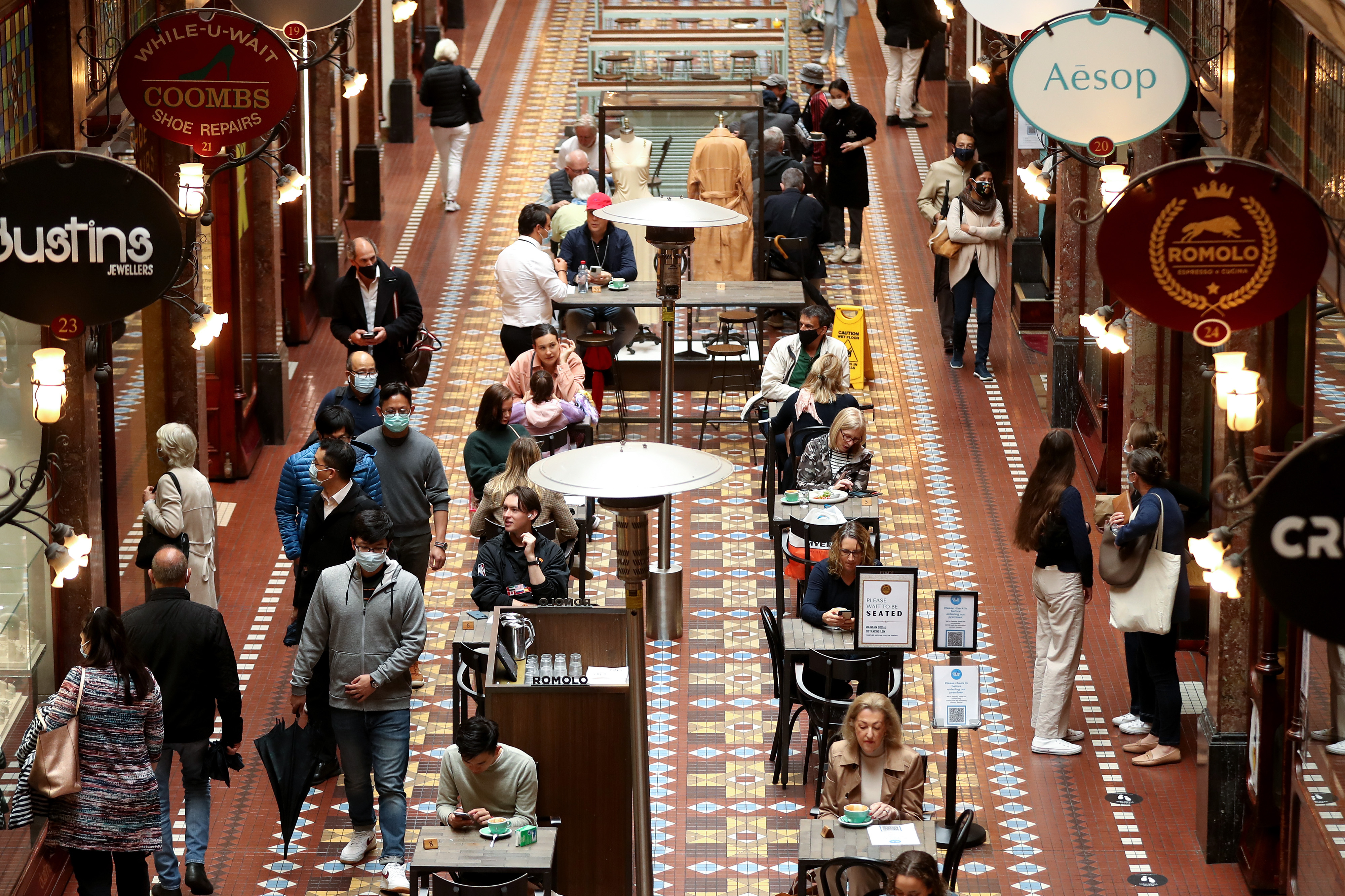
So after all of that, when is the RBA going to hike up interest rates?

That I can't tell you.

In his monetary statement today, Dr Lowe said the RBA was "prepared to be patient" and will wait until actual inflation is sustainably within the two to three per cent range.

Currently it is 2.6 per cent.

Some of the brightest economists in the country have forecast that the RBA will lift interest rates from as early as August 2022 – but these are more highly-educated guesses than insider secrets.

The information provided on this website is general in nature only and does not constitute personal financial advice. The information has been prepared without taking into account your personal objectives, financial situation or needs. Before acting on any information on this website you should consider the appropriateness of the information having regard to your objectives, financial situation and needs.

Hints at PM's big political calculation ahead of election

Analysis: Scott Morrison was forced to admit he doesn't know the cost of a loaf of bread, a tank of fuel or a rapid antigen test.

It begs the question if the leader of the nation doesn't know the cost of living, how can he improve it?

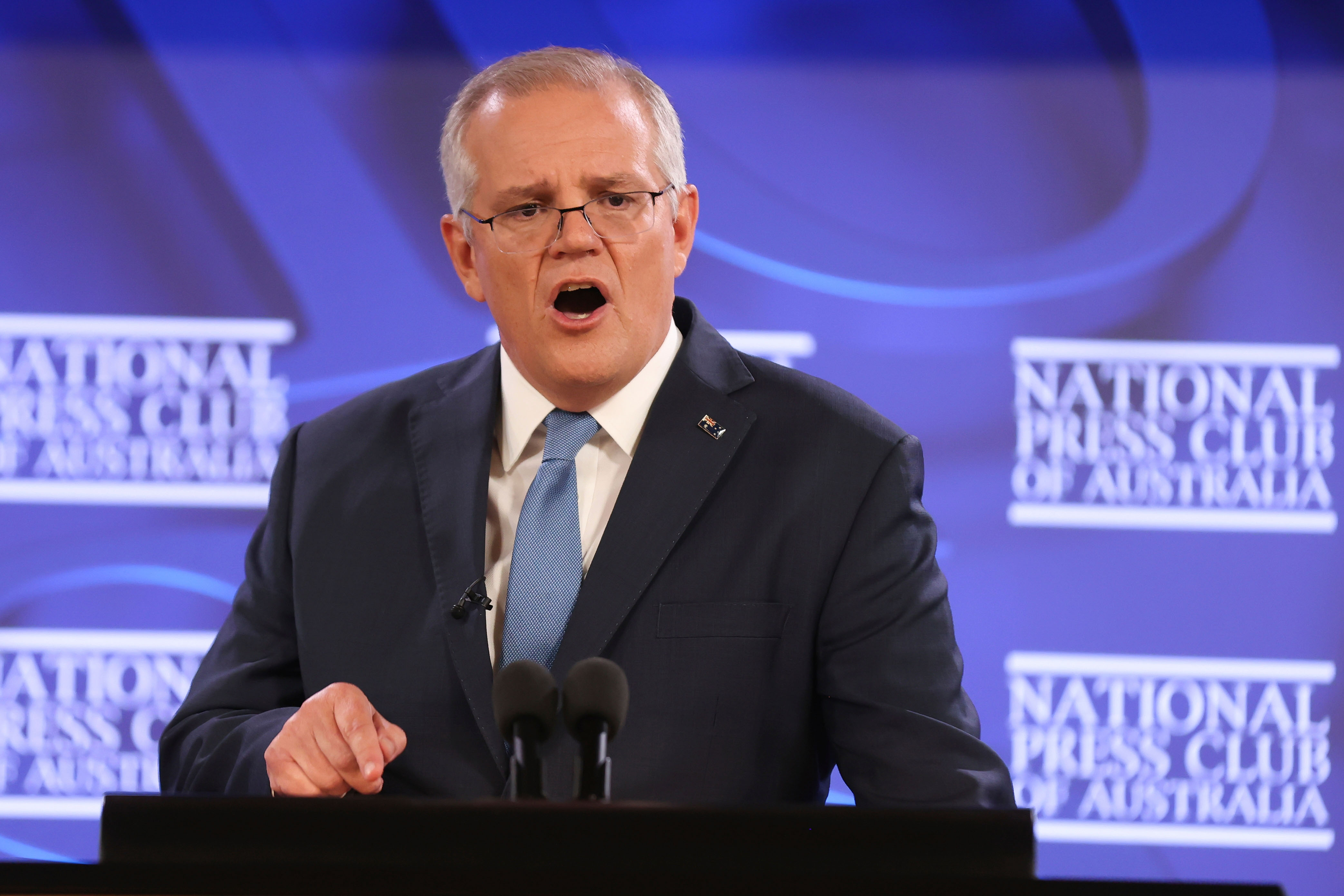
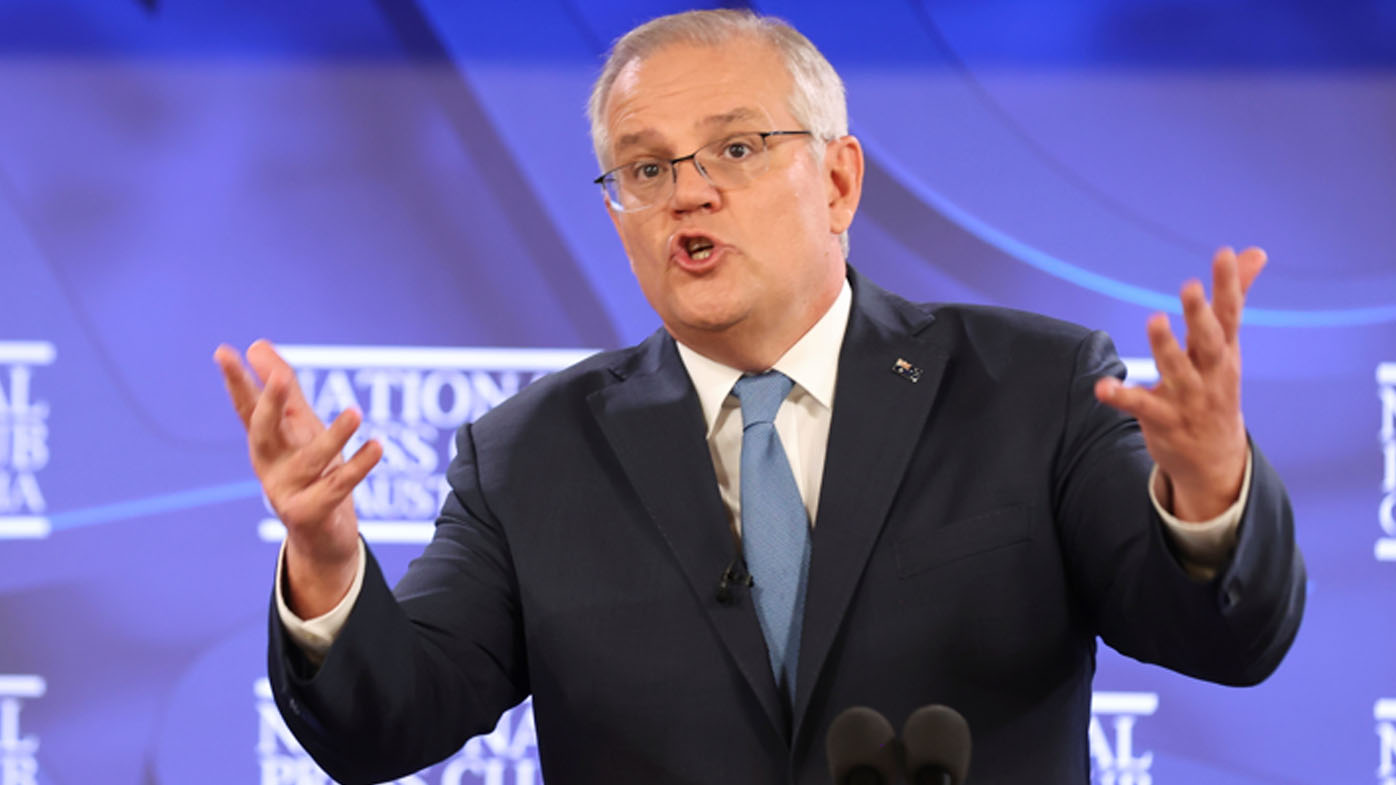
The Prime Minister was peppered with difficult questions during his first major speech of the election year at the National Press Club.

READ MORE: Australia's interest rates remain on hold at record low 0.1 per cent

Prime Minister Scott Morrison during his address to the National Press Club

When asked if he's lost touch with everyday Australians facing higher fuel costs, a housing affordability crisis, and an increase in their grocery bills, he responded with this:

"I'm not going to pretend to you that I go out each day and I buy a loaf of bread and a litre of milk," Mr Morrison told the National Press Club.

"But the point is I do my job every day to ensure those things are as affordable as they possibly can be for Australians."

As the polls indicate Australians are losing faith in the federal government, Mr Morrison sought to show contrition over perceived failures in the pandemic response.

"I haven't got everything right and I'll take my fair share of criticism and blame, it's part of the job," he said.

READ MORE: Consumer watchdog targets pharmacies as RAT kit price gougers referred to police

He also admitted he was "too optimistic" heading into a summer swallowed by the Omicron wave. 

Mr Morrison conceded that he should have put the military in charge of the vaccine rollout earlier.

But he wouldn't directly apologise for any mistakes.

"We're all terribly sorry for what this pandemic has done to the world and to this country," he said in a carefully framed reply.

While Mr Morrison couldn't brush past the problems of the last few months, it was clear he wanted to focus on the future and in particular, jobs.

READ MORE: Aged care workers to receive two bonus payments worth up to $800

One big promise was made on this front, Mr Morrison said his goal was for unemployment to dip below the four per cent mark in the second half of the year. 

His political calculation is the more people who have a job, the safer he will be at election time.

However, there are many other issues playing on voters' minds.

Call to loosen restrictions for UK blood donors as Omicron takes donation toll

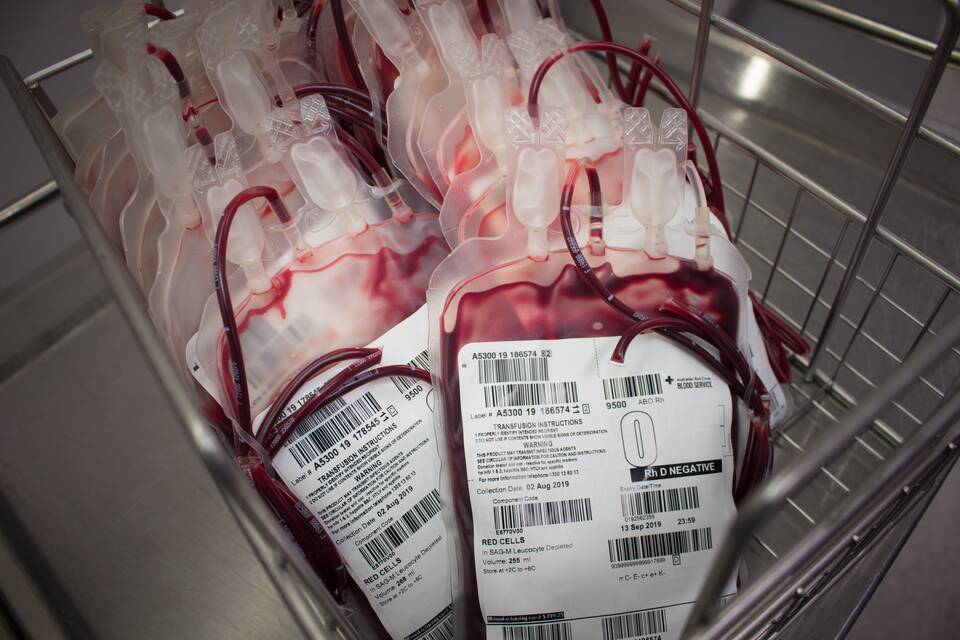
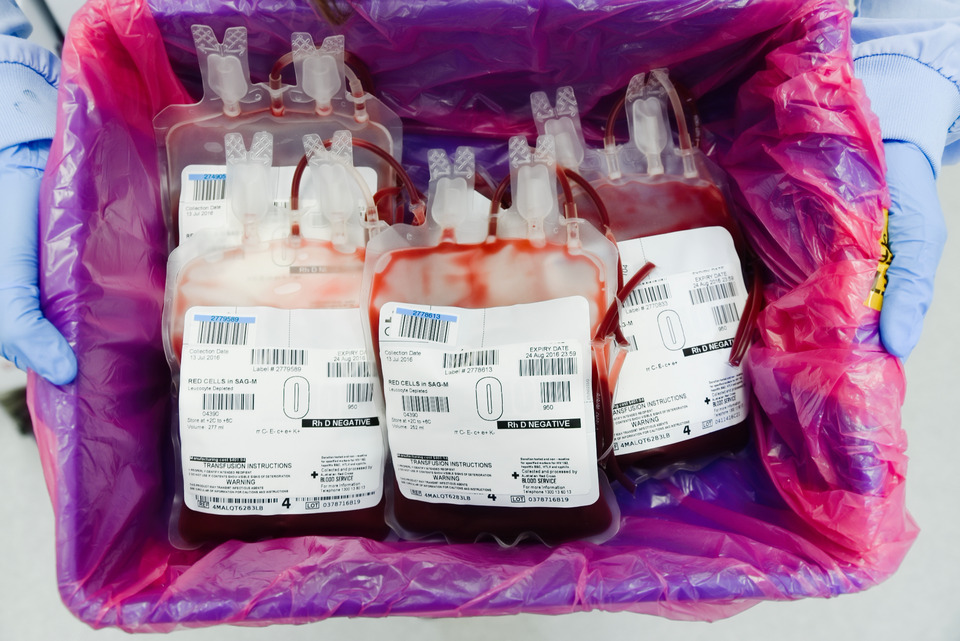
The Red Cross is calling for eased restrictions on blood donors from the UK as the Omicron wave sidelines an estimated 100,000 donors.

Lifeblood began preparing its submission to the Therapeutic Goods Administration months ago, even before the Omicron wave hit.

It has laid out its case for reducing restrictions on donors who had lived in or visited the UK during the "mad cow disease" (variant Creutzfeldt-Jakob disease) risk period.

LIVE UPDATES: Prime Minister quizzed about 'losing touch with ordinary Aussies'

Blood donations Omicron

The proposal is currently being reviewed by the TGA – and in the meantime, Australia's blood donations have since taken a rapid dive due to the national spread of the Omicron variant of COVID-19.

An estimated 20 per cent of the nation's donors have been unable to donate on any given day in recent weeks due to record numbers of people isolating or currently unwell with COVID-19.

Lifeblood spokesperson Cath Stone said it was as if winter had come early with cancellations and no-shows peaking, and fewer than one in two appointments resulting in a donation.

READ MORE: Pharmacies named over RAT price gouging

Blood donations Omicron

"Traditionally we see high numbers of no shows and cancellations during the winter months, with many regular donors unwell, but we've never seen numbers this high in the middle of summer," Ms Stone said.

"It's a real challenge for blood supplies because even in the midst of a pandemic there are still cancer patients, trauma cases, pregnant women and unborn babies who all require donated blood."

Ms Stone said people only needed to be clear of COVID-19 symptoms for seven days to donate.

READ MORE: 'Lifesaving' drug Trikafta recommended for inclusion on PBS

Blood donations Omicron

About 4500 planned donations are being cancelled – or not attended – every day.

While Lifeblood encourages people to book in advance, donor centres are currently welcoming walk-ins.

"Unlike some other parts of the world where patients have been unable to get timely blood transfusions, Australia's blood supply has remained sufficient throughout the pandemic, but we need more blood donations for this to continue" Ms Stone said.

"Our growing population is relying on just 500,000 blood donors across the country – and right now many of them need someone else to continue this life-saving work."

To learn more, call 13 14 95 or visit lifeblood.com.au.