Tag Archives: oceania

Aussies can travel to Bali again by end of week

From February 4, Aussie travellers can once again fly into Bali, after the popular Indonesian holiday island announced it is dropping its strict border restrictions.

Today's announcement, reported by Reuters, will see Bali open its borders to all of the world after initially only allowing in people from New Zealand, China, Japan and a small number of other countries from October last year.

However, in news that will likely stop a rush of Aussies booking a Bali holiday, vaccinated travellers will have to quarantine for five days.

READ MORE: Life washed away as billion-dollar Bitcoin pyramid scheme unravels

Destinations around the world have faced significant tourist reductions amid the coronavirus pandemic. But few have taken a harder hit than Bali, the Indonesian island long beloved of global travellers.

READ MORE: Pedophile suspect 'worked at resort' where Maddie McCann vanished

Unvaccinated travellers must quarantine for seven days.

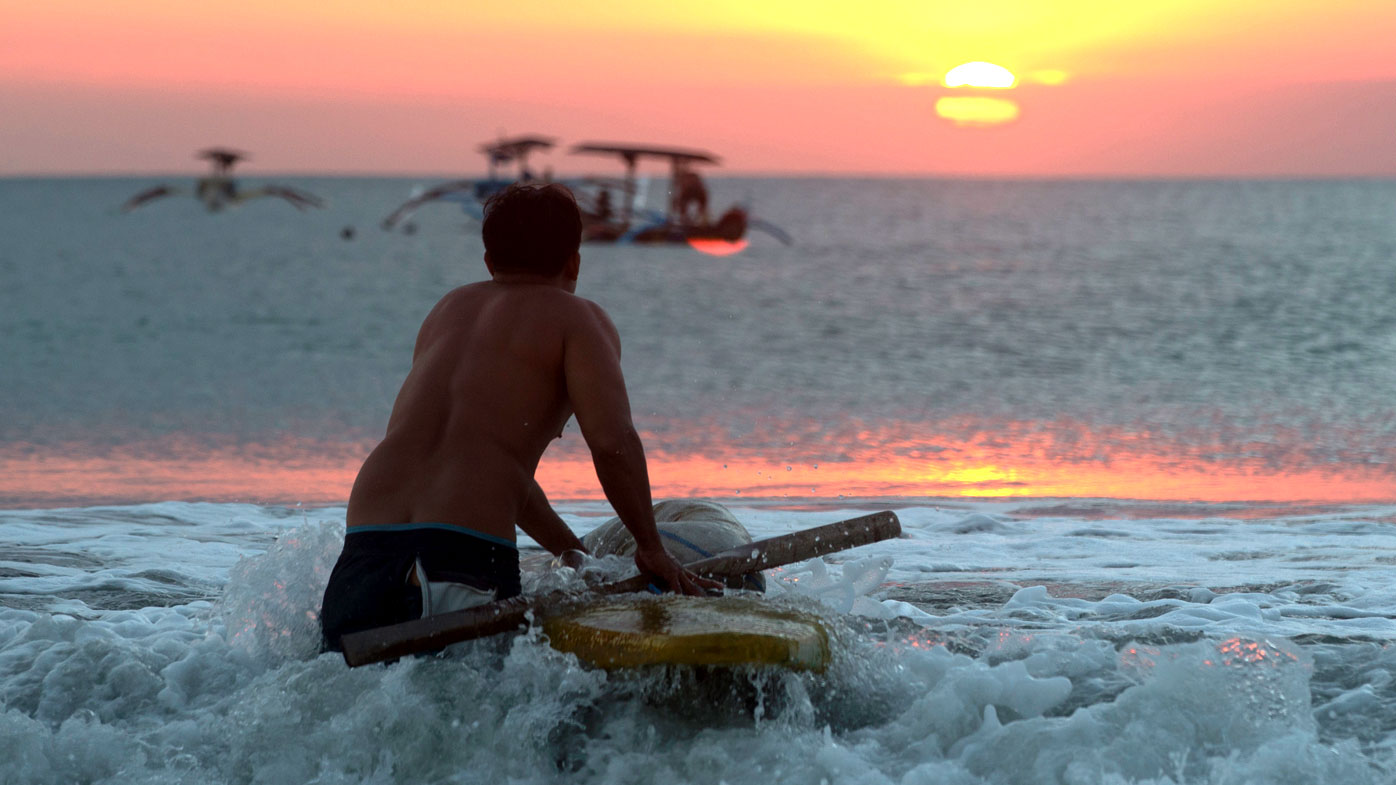
Due to strict coronavirus border control measures and a closed airport, Bali went from receiving millions of international visitors to welcoming a paltry 45 in 2021.

Bali received 6.2 million international arrivals in 2019 and 1.05 million in 2020. Around 1.2 million Australians visited Bali in 2019, more than any other nationality in the world.

READ MORE: Pharmacies named over RAT price gouging

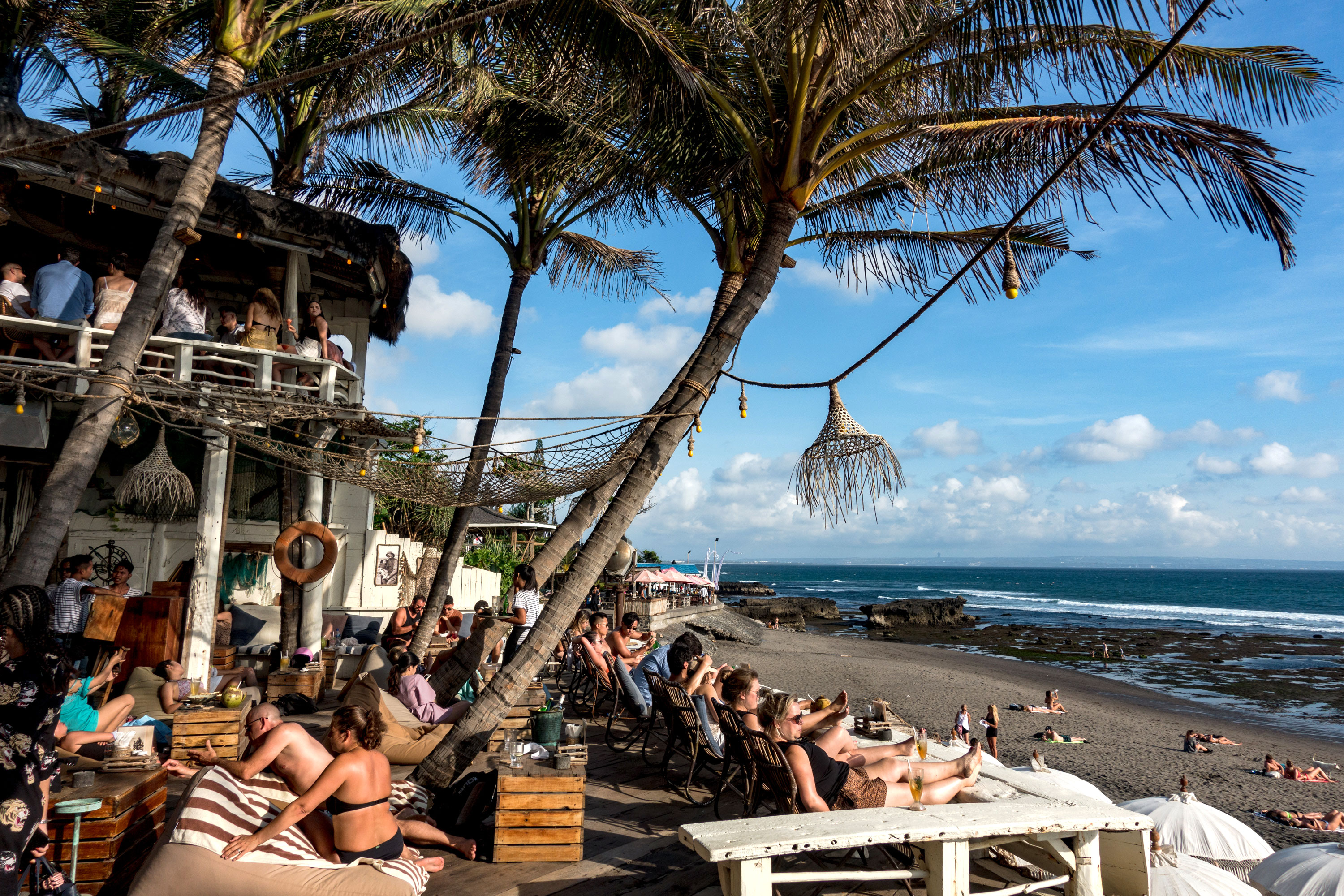
Tourists soak up the sunshine at a beach restaurant in Canggu, Bali.

READ MORE: New data reveals Aussies most at risk from COVID-19

According to World Health Organisation data, Indonesia recorded 10,100 COVID-19 cases in the last 24 hours.

Other popular Asian tropical destinations Thailand and the Philippines are slowly opening up to the world again.

In October, Qantas CEO Alan Joyce predicted travel to Bali would resume by early 2022 "at the latest".

At the time, Prime Minister Scott Morrison said travel between Australia and Indonesia had been a "regular discussion" between himself and Indonesian President Joko Widodo throughout the pandemic.

Interest rates remain on hold at record low 0.1 per cent

Australia's interest rates remain on hold at the historic low level of 0.10 per cent despite soaring inflation figures and the rising cost of living.

The Reserve Bank of Australia (RBA) today decided to hold the cash rate at its current level, which was last changed in November 2020.

A week ago shock inflation data from the Australian Bureau of Statistics prompted many economists – including those at all four of the big banks – to bring forward their forecasts for an interest rate hike to as early as August 2022.

READ MORE: How interest rate hikes will slash your borrowing power

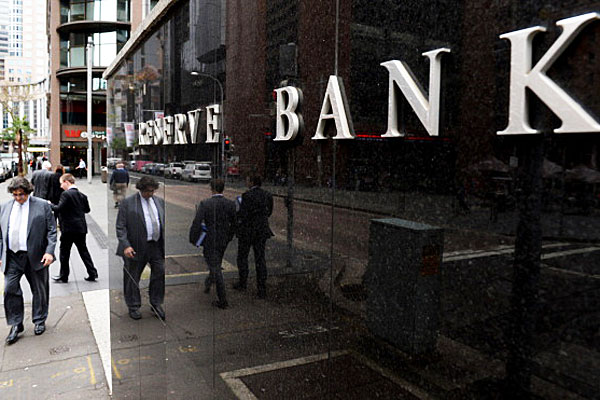
Reserve Bank of Australia sign

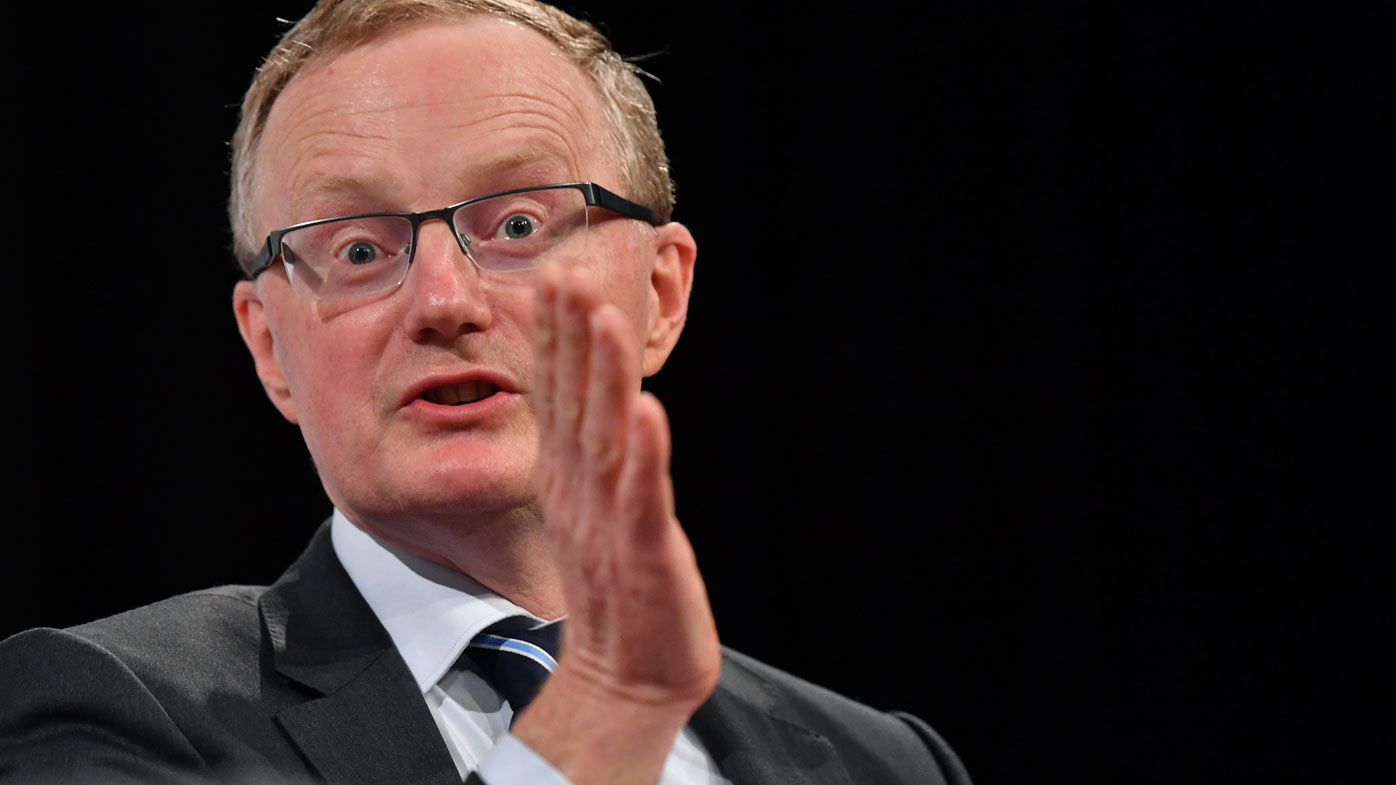
In his monetary statement RBA Governor Dr Philip Lowe addressed the larger than expected inflation data, saying the central bank was keeping a keen eye on headline figures.

"Inflation has picked up more quickly than the RBA had expected, but remains lower than in many other countries. The headline CPI inflation rate is 3.5 per cent and is being affected by higher petrol prices, higher prices for newly constructed homes and the disruptions to global supply chains. In underlying terms, inflation is 2.6 per cent," Dr Lowe said.

"As the Board has stated previously, it will not increase the cash rate until actual inflation is sustainably within the 2 to 3 per cent target range. While inflation has picked up, it is too early to conclude that it is sustainably within the target band."

If interest rates were to be hiked multiple times in 2022, the maximum borrowing capacity of Australians would be slashed by tens of thousands of dollars.

Based on a single person taking out a 30-year loan, a person earning $100,000 a year would see their maximum borrowing capacity fall by $31,900 to around $719,100.

READ MORE: Westpac forecasts first interest rate rise within months

The Governor of the Reserve Bank of Australia (RBA), Dr Philip Lowe, has appeared to foreshadow an interest rate cut.

Research Director at RateCity.com.au Sally Tindall said borrowers should expect interest rate hikes to come – with or without an official decision from the RBA.

"The RBA wants to see stronger wages growth before it asks mortgage holders to pay more. However, higher than expected inflation figures, falling unemployment and a push from other central banks to hike rates could force its hand earlier than expected," she said.

"Even if the RBA holds out until 2023, there's a strong chance lenders will hike variable rates regardless, particularly if funding costs continue to escalate.

"A series of cash rate hikes, whenever they come, are likely to put a handbrake on our property market."

READ MORE: Grim forecast for Aussie homeowners

The information provided on this website is general in nature only and does not constitute personal financial advice. The information has been prepared without taking into account your personal objectives, financial situation or needs. Before acting on any information on this website you should consider the appropriateness of the information having regard to your objectives, financial situation and needs.

'Trapped and miserable': The Aussie workers who still can't travel

When Thomas Niel stepped onto a flight to France after the death of his grandmother, he was hopeful he would be able to get back home to Cairns soon.

The French national had applied eight times to the Australian Border Force for a travel exemption to attend his grandmother's funeral in September last year and was rejected each time.

"My grandmother helped raise me and my sister. I consider her like a second mother, it was important for me to be there," Mr Niel said.

LIVE NEWS UPDATES: Summer scorcher on first day back to school in NSW
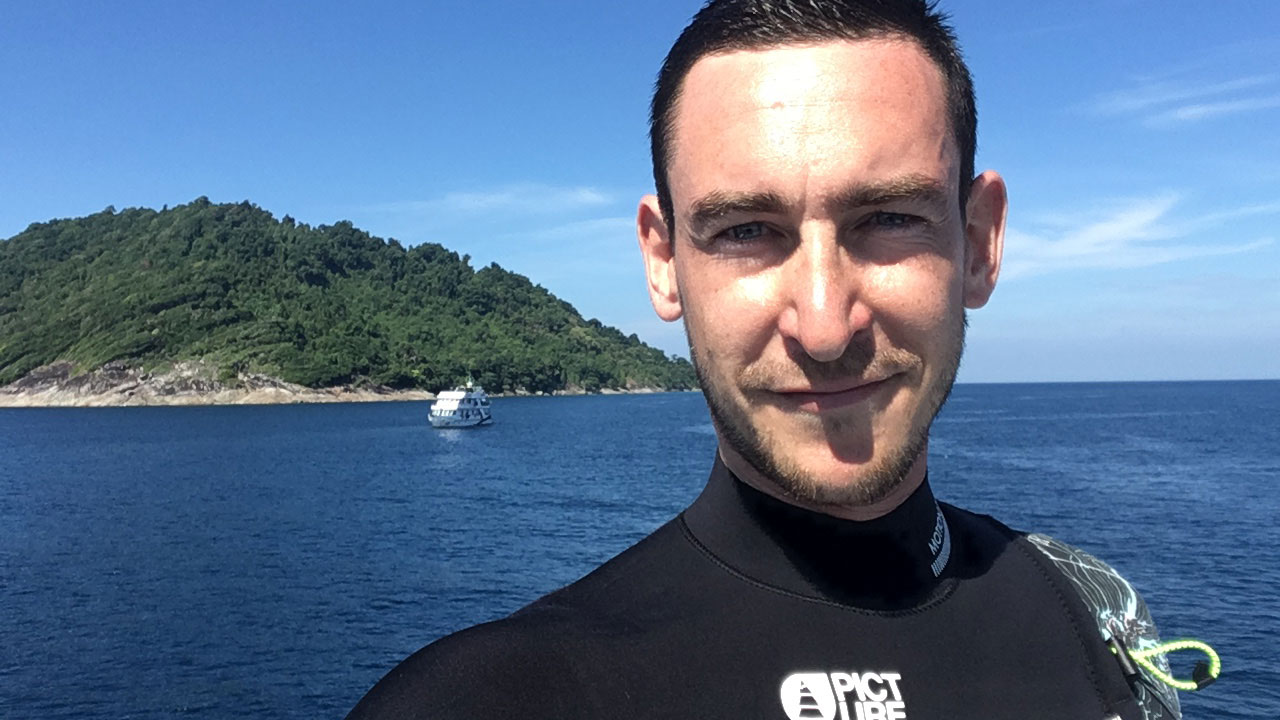
Thomas Niel has been living and working in Australia for 9 years but is now unable to get home after returning to France following his grandmother's death.

Having lived and worked in far north Queensland for the past nine years, Mr Niel is currently on a bridging visa B, which – outside of the pandemic – normally allows travel overseas.

The restaurant manager has been living on a bridging visa while he waits for his permanent, work-sponsored Australian visa to be approved – a process which has so far taken five years.

Desperate, Mr Niel decided to take the risk and travel to France without an exemption to return home.

"I made that call myself, thinking my family really need me. I had a lot of hope that the borders would open up. Everyone thought this would happen within a few months," Mr Niel said.

However, the Department of Home Affairs is yet to change the rules for people on bridging visas, of which there are 360,000 in Australia.

This is despite removing requirements for a travel exemption to re-enter the country on most temporary visas – including working holiday, skilled and student visas – in December.
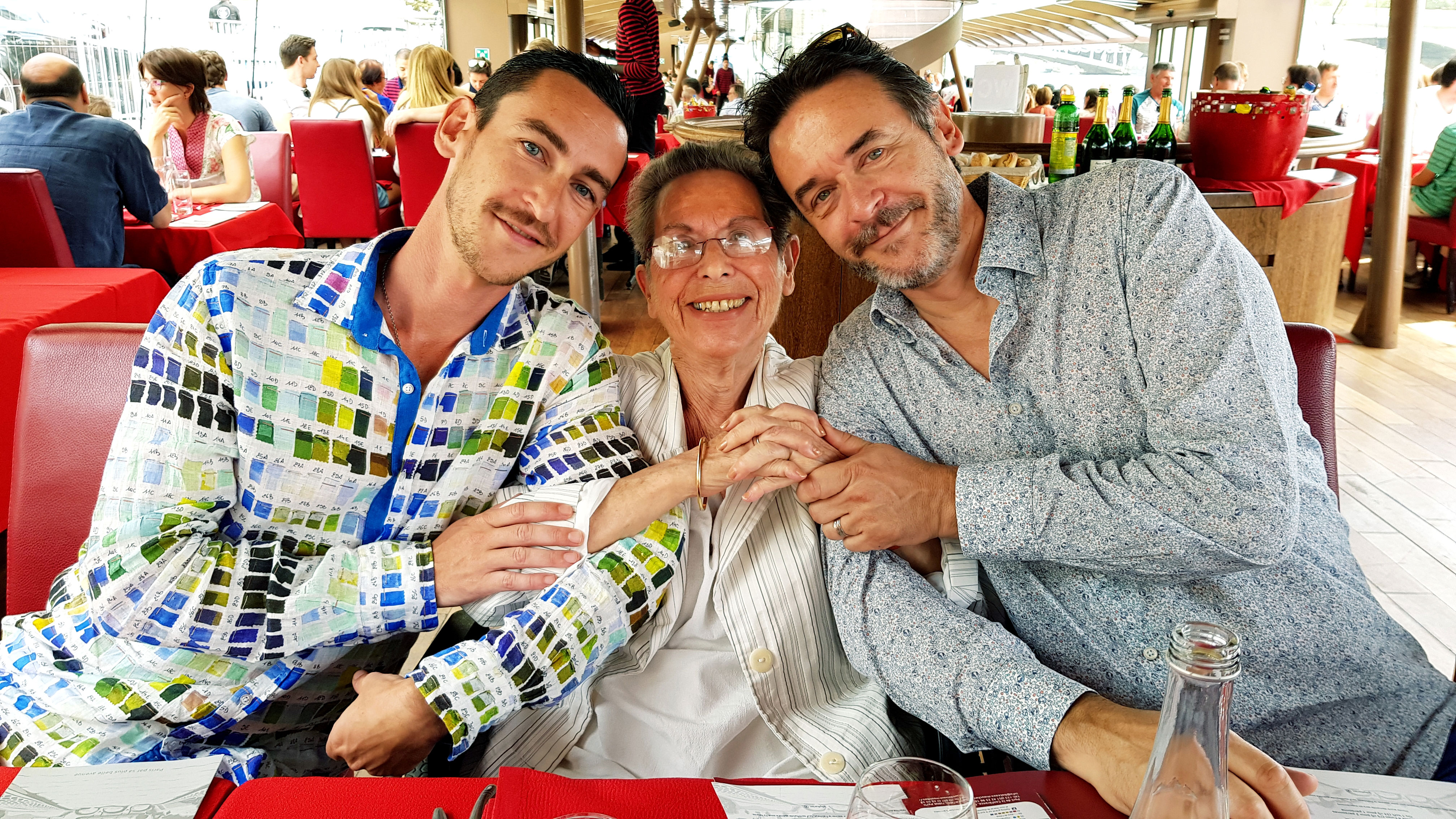
Thomas Niel, pictured with his father and grandmother, in France.

Trapped in France and with no way to return to his life and job in Australia, Mr Niel is one of thousands of bridging visa holders who have grown increasingly frustrated with the government's refusal to allow them to travel overseas and return home.

"I'm a worker. I work in hospitality in Far North Queensland, a region very impacted, by COVID and having a very hard time finding qualified staff in the region," Mr Niel said.

"I've been in Australia for nine years, and all I'm asking is to come back and work again.

"For me (the government's position) is not understandable, it's just weird."

Mr Niel said it was particularly frustrating to see Prime Minister Scott Morrison's announcement last month of a rebate scheme allowing visa fees to be refunded to backpackers and students in a bid to revive the economy and alleviate labour shortages.

Irish national Amy, who has been living and working in Sydney for almost five years, said she was one of many on bridging visas fed up with the situation and now considering leaving Australia for good.

"What do we do? Give up? Do we want to live in a country that treats people like this?" she said.

"Now, it's at the stage where people want to leave, people have left and will never return over the way people on temporary visas have been treated since the start of the pandemic. 

"The government needs to wake up and realise what they are doing to people and their mental health and the reputation it's causing for Australia."

Qantas plane

Amy, who holds a senior job in the finance industry, said she was sick of being discriminated against and being dismissed as a backpacker.

"I am not a backpacker. I have my own apartment. I have been paying taxes here. I don't go dressing like a backpacker and it's just highly insulting to be put in that category."

Being cut off from her family for two years with no end in sight had left her feeling trapped and miserable like many others, Amy said.

"I was stuck in isolation all Christmas on my own, my friends got COVID-19, and now it's the new year and I still have no hope of getting home."

"I missed many family occasions over the last two years including the birth of my first niece. I was devastated when I found out bridging visas were excluded from travel."

An online petition calling on the Federal Government to allow bridging visa holders to travel oversea and return home without an exemption has so far attracted more than 17,000 signatures.

A spokesperson for the Department of Home Affairs said remaining travel restrictions were needed to balance safely reopening the country with protecting Australian communities from COVID-19.

"These border policies have contributed to Australia having one of the lowest death rates from COVID-19, strongest economies and highest vaccination rates in the world," the spokesperson said.

"The key principles guiding Government decisions on visas while responding to COVID-19, are that our visa system must support public health measures and should not displace job opportunities for Australians."
'Heartbreaking' discovery at former extermination camp

Israeli archaeologists have detailed the "heartbreaking" discovery of three Jewish pendants at a former Nazi extermination camp in Poland.

Three "Shema Yisrael" pendants had been found at the site of the Sobibor extermination camp in the past decade, the Israel Antiquities Authority announced yesterday on Facebook.

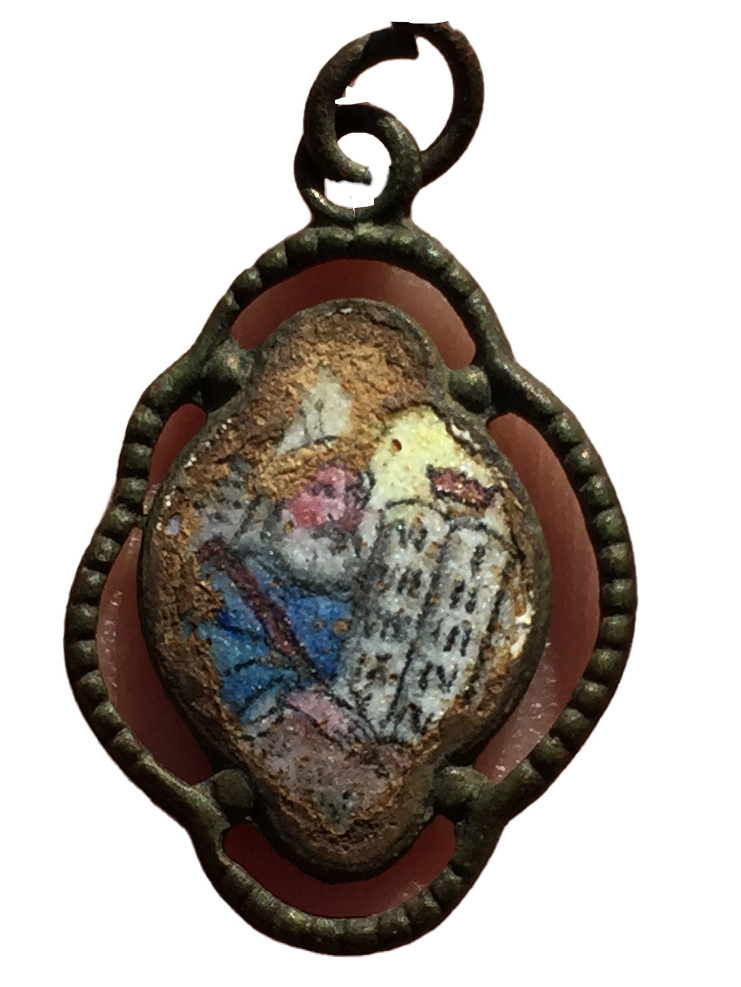
The pendants depict Moses holding the Tablets of the Law – the stone tablets on which were inscribed the Ten Commandments one – one side, and on the other the Hebrew prayer "Shema Yisrael" ("Hear O Israel").

LIVE UPDATES: Man in his thirties among NSW's rising virus deaths

One of them was discovered in the remains of the building where victims were undressed before being led to the gas chambers.

Over the floor of the building were also scattered dozens of women's hairpins and jewellery.

Another pendant, on which Latin numbers were inscribed on the Tablets of the Law, was uncovered in the area where victims were undressed in Camp II.

A third pendant, on which only the side with the inscribed prayer survived, was discovered next to a mass grave.

The metal pendants are inscribed by hand and are different from one another.

Over the past year, researchers have identified their origin in Eastern Europe: from Lviv in Ukraine, Poland, and Czechoslovakia.

"Little is known about the stories behind the pendants, which are heartbreaking," Yoram Haimi of the Israel Antiquities Authority said.

"It has been possible to identify a kind of tradition or fashion among the Jewish communities of Eastern Europe with pendants inscribed with 'Shema Yisrael' on one side and a depiction of Moses and the tablets of the Law on the opposite side."

But he said it was not yet known if the pendants had been distributed in synagogues, or produced for individual orders, and called on the public to help ongoing research with any information.

READ MORE: 'It doesn't make any difference': Australian WWII POW turns 100

"The personal and human aspect of the discovery of these pendants is chilling," Eli Eskozido, Director of the Israel Antiquities Authority said.

"They represent a thick thread running between generations of Jews – thousands of years old, of prayer and faith."

The Sobibor extermination camp was established by the Nazis in occupied Poland in WWII.

It operated from May 1942 to October 1943, during which time an estimated 250,000 Jews were murdered there.

The camp was shut down by the Nazis after a revolt from the captive Jews saw 11 Schutzstaffel (SS) officers killed and about 300 of the inmates escape to freedom.