A woman has died in what is believed to be a workplace accident at a West Auckland church.The incident, which happened at Church Unlimited on Te Atatu Rd in Glendene, was first reported at 10.17am.People could be seen hugging…
Tag Archives: oceania
Covid 19 Omicron outbreak: 103 new cases today, person in 70s dies with Covid
There are 103 new community cases of Covid-19 in New Zealand today, and one new death. The Ministry of Health says the person who died was in their 70s, had a number of underlying health conditions and was receiving appropriate…
Two cars collide, five suffer minor injuries in central Whanganui
Five people received minor injuries when two cars collided at the intersection of Guyton and Wilson Sts in Whanganui. Emergency services were called to the scene at 5.30pm on Saturday. One vehicle ended up on its side. Five people…
Covid 19: Kelly Tarlton's, two InterCity bus trips, burger joint and badminton hall listed as high-risk locations
Twelve high-risk Covid-19 locations of interest have been announced across the North Island today, including Kelly Tarlton’s, two Intercity bus trips, four flights, a restaurant and a hairdressing salon.A trip to Kelly Tarlton’s…
Covid 19 Omicron outbreak: PM Jacinda Ardern, Governor-General Dame Cindy Kiro isolating after scare, cases could double every three days
Prime Minister Jacinda Ardern and Governor-General Dame Cindy Kiro are both now isolating after a flight attendant on their flight from Kerikeri to Auckland tested positive for Omicron. All those on the flight, which include Ardern’s…
Urewera reopens after six-month closure
Te Urewera will tentatively reopen over the next fortnight after six months’ closure because of the Covid-19 pandemic.Its board says manuhiri (guests) and Tuhoe users will be welcomed back for recreational activity, including on…
Covid 19 Omicron: School to reinforce need for children to attend by liaising with hesitant parents
A primary school has hired someone to talk with parents who are hesitant about sending their children back to school due to Covid-19.Many schools start the year tomorrow.In Auckland, Glen Innes School principal Jono Hendricks…
Man dies in Northland water-related incident
The death of a man in a water-related incident at Northland’s Lang’s Beach has been referred to the coroner.Police said that a man in his mid-70’s died in a water-related incident at Lang’s Beach, Waipū, on Friday evening.Emergency…
The World War II sea disaster that saw nearly 10,000 people die
While the Titanic is history's most famous shipwreck, its death toll was eclipsed by a lesser-known maritime disaster almost 80 years ago.
On January 30, 1945, an estimated 9343 people died when the Nazi liner Wilhelm Gustloff was torpedoed in the Baltic Sea during the closing stages of World War II.
In comparison, the death toll from the 1912 Titanic disaster was 1500.
READ MORE: The Japanese soldier who hid in the jungle for 28 years after World War II
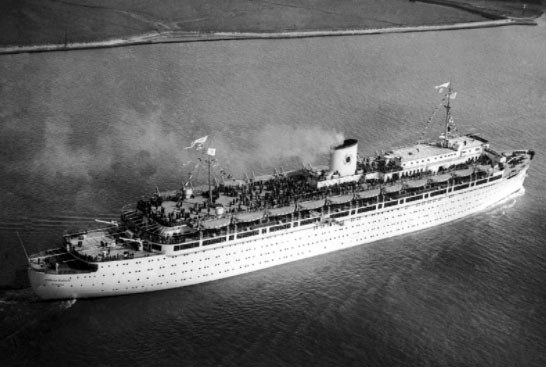
The German troops and civilians aboard the Gustloff – including large numbers of women and children – boarded the vessel in German-occupied Poland with high hopes of survival.
Many had heard rumours of the savage treatment handed out by the advancing Soviet army to civilians in eastern Germany including the mass rape of women.
But the Russian submarines roaming the Baltic Sea did not regard it as a refugee ship.
Crucially, by carrying anti-aircraft guns as well as 1000 military personnel, it was a legitimate target under international law.
And decisions by the Gustloff's Captain, Wilhelm Peterson, and German naval commanders during the fateful voyage made the ship a sitting duck.
Its only naval escort was a small torpedo boat, and the fear of sea mines convinced Captain Peterson to take his vessel through the deeper open sea where submarines could operate.
READ MORE: Letter from American soldier reaches his family 76 years after he sent it
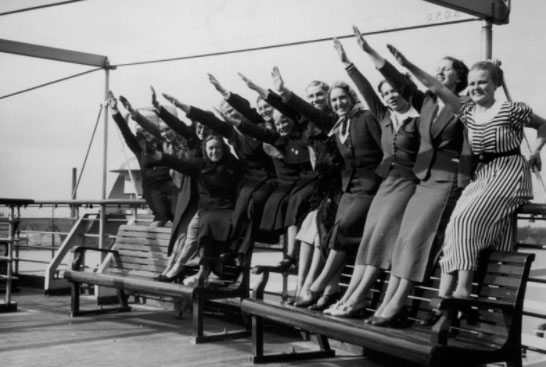
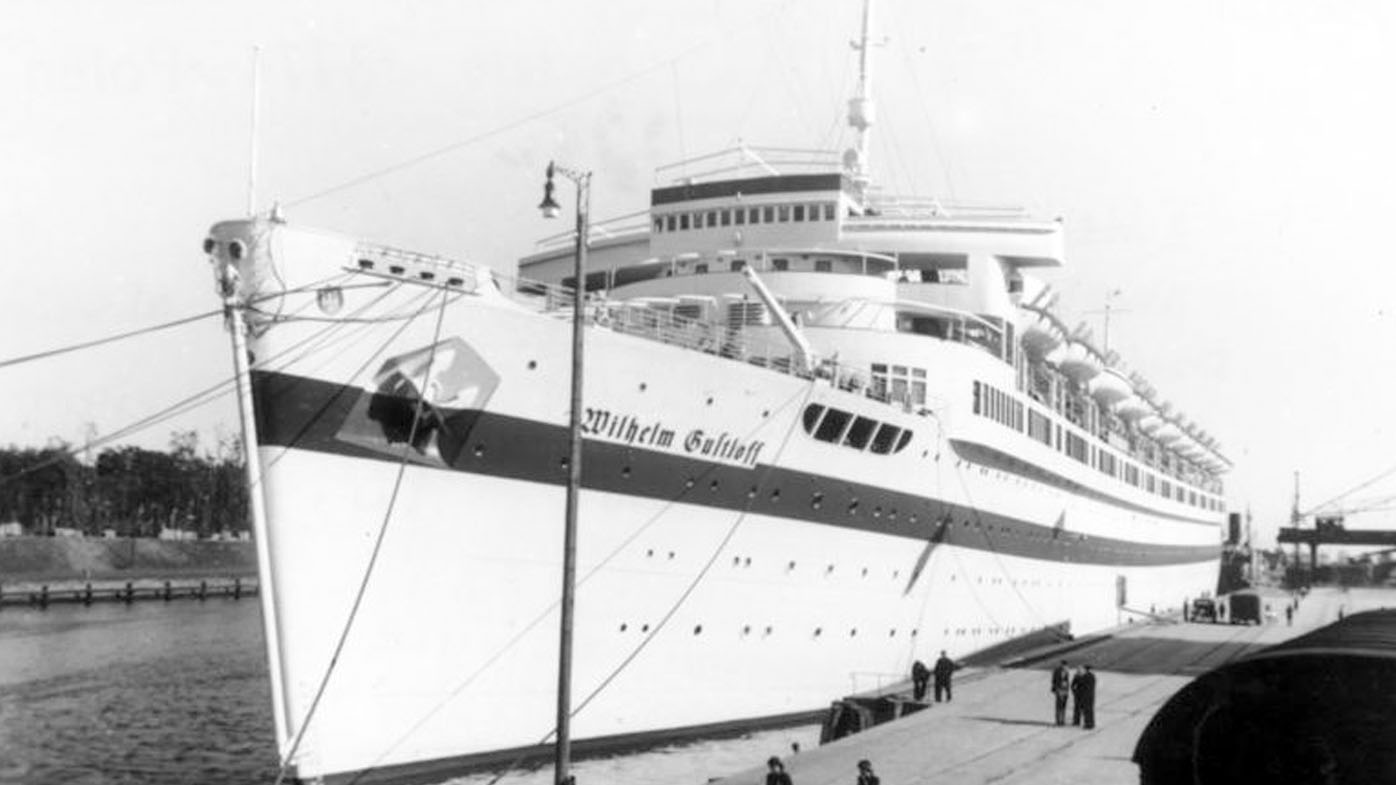
And concerned about the state of the ship's engines after not being sailed for four years, he decided to keep a slow speed of just 12 knots.
Then, after being alerted to a nearby German convoy and fearing a mid-sea collision, Captain Peterson turned the Gustloff's lights and beacons on.
His order defied military officers aboard who warned it would make the vessel easy prey for submarine attack.
All these factors – and an outside air temperature of -18C – combined in an eventual death sentence for most of the ship's passengers.
And nine hours into their voyage disaster struck, when three torpedoes fired by the Russian submarine S-13 slammed into the port side of the Gustloff.
READ MORE: Cold case team shines new light on betrayal of Anne Frank
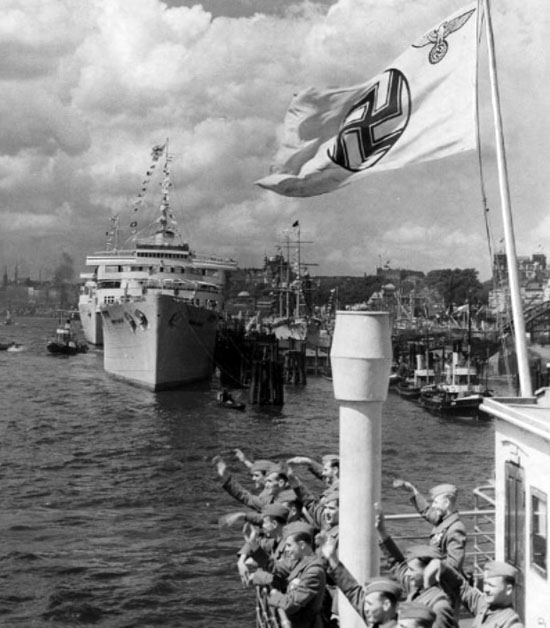
Survivors described mass panic aboard, with many people killed as water poured through its pierced hull. Others perished in a stampede on the stairs and decks.
There were not enough lifeboats and many were frozen to the deck. And those who plunged into the sea perished within minutes due to exposure in the freezing water.
German naval vessels rushed to the scene and rescued more than 900 people.
With the end of World War II in May 1945 and Germans determined to close the chapter on Hitler's Third Reich, the catastrophe slipped into obscurity.
Today the Gustloff wreck remains on the Baltic Sea floor and is an official war grave.
To deter treasure hunters, Polish authorities have made it illegal to go within 500 metres of it.
Funeral held in Vietnam for influential monk Thich Nhat Hanh
A funeral was held for the Vietnamese Buddhist monk Thich Nhat Hanh, a week after the renowned Zen master and peace activist died at the age of 95 in Hue in central Vietnam.
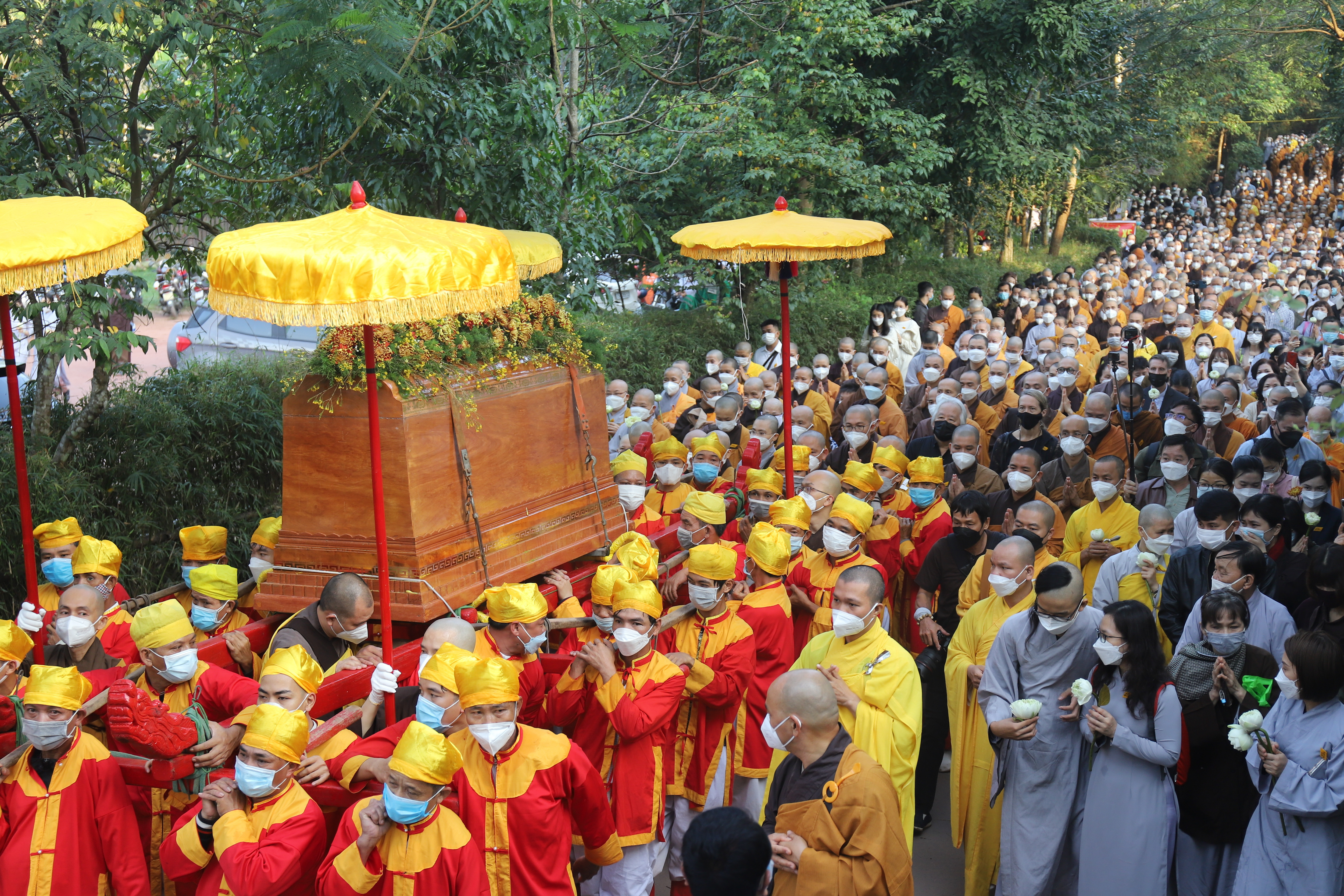
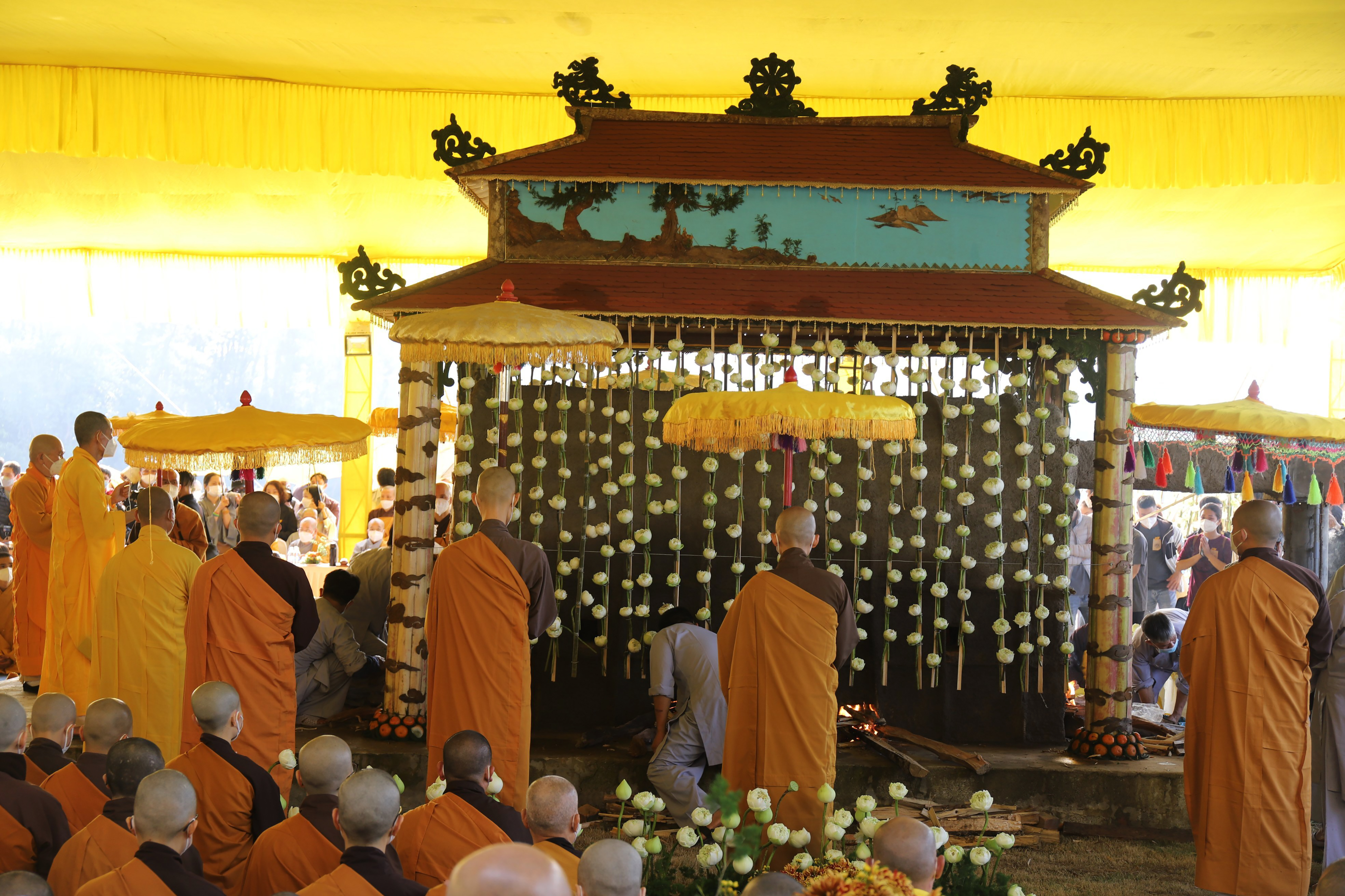
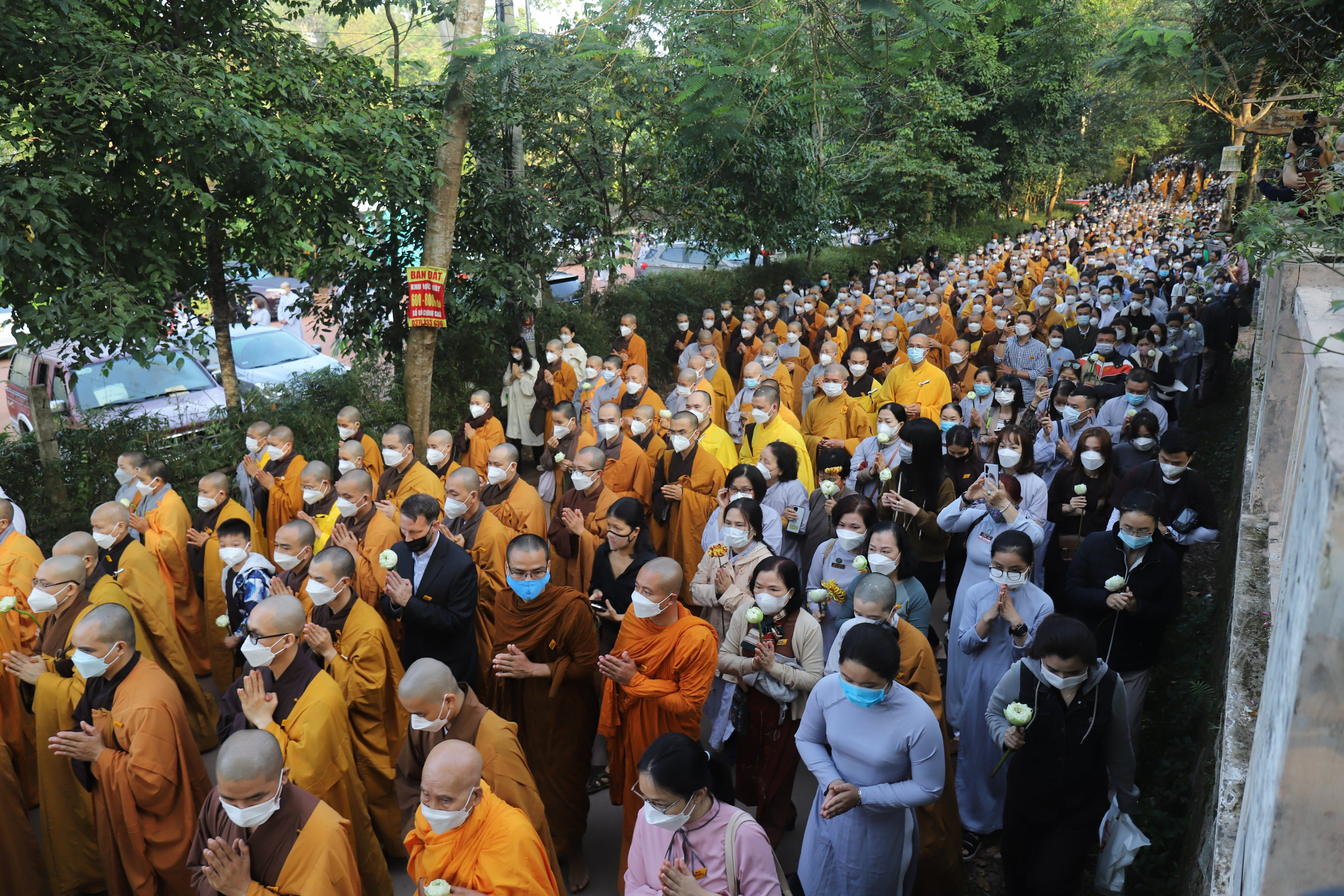
Thousands of monks and disciples trailed a procession of pallbearers carrying Nhat Hanh's coffin from Tu Hieu Pagoda on Saturday (local time), where he spent his last days, to the cremation site.
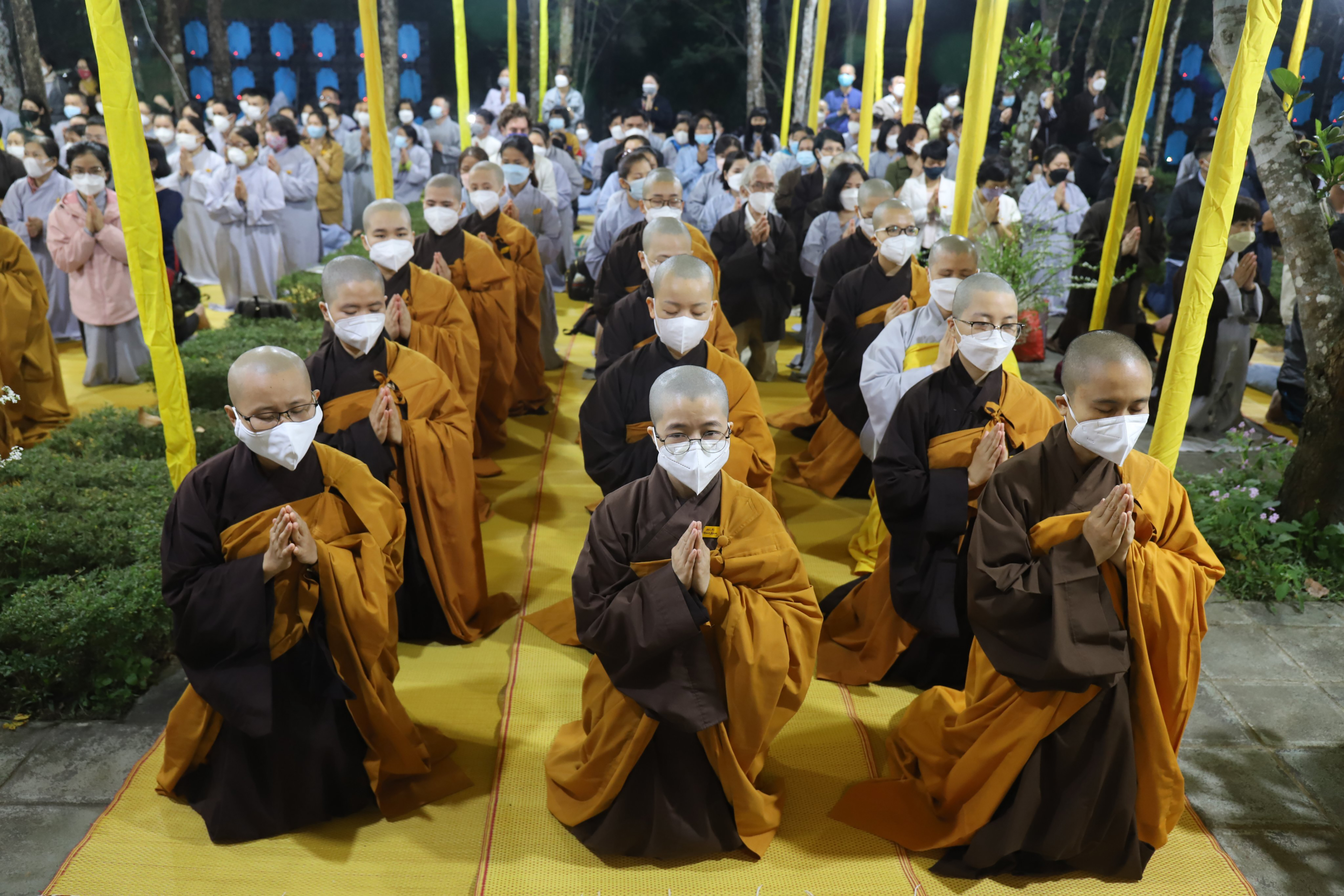
Others kneeled and clasped their hands in prayer on the roadside and bowed to the ground as the casket went past.
READ MORE: How a Russian invasion of Ukraine would reverberate around the world
Nhat Hanh was globally recognized for spreading the practice of mindfulness and socially engaged Buddhism, particularly in the West.
For most of his life, he lived in exile at Plum Village, a retreat center he founded in southern France.
Born Nguyen Dinh Lang in 1926 in Hue and ordained at the age of 16, Nhat Hanh distilled Buddhist teachings on compassion and suffering into easily grasped guidance over a lifetime dedicated to working for peace.
His campaign against the Vietnam War in the 1960s led to him being barred from returning to both North and South Vietnam.
READ MORE: NZ Prime Minister Jacinda Arden self-isolating

He was only allowed back into the country in 2005, when the communist-ruled government welcomed him back in the first of several visits.
Surviving a stroke in 2014 that left him unable to speak, Nhat Hanh returned home in October 2018, spending his final years at the Tu Hieu Pagoda.
During the seven-day wake, Nhat Hanh was laid in state in Tu Hieu Pagoda's full moon reception hall, where his disciples came to pay respect in silence and practice meditation as a tribute to his teachings.
"I am happy and feel at peace that I could come to Hue to say farewell and meditate with 'Su Ong' for the last time," said Do Minh Hieu, a follower of Nhat Hanh's who travelled from southern Ho Chi Minh City with his family for the funeral.
"Su Ong" is an affectionate Vietnamese term meaning "Grandpa Monk."
According to his wishes, Nhat Hanh will be cremated and his ashes will be scattered at Plum Village centers and monasteries around the world.