Test your brains with the Herald’s afternoon quiz. Be sure to check back on nzherald.co.nz for the morning quiz tomorrow. To challenge yourself with more quizzes, CLICK HERE.
Tag Archives: oceania
Where are you allowed to fly a drone in Australia?
Drones have soared in popularity in Australia in the past four years, with many people using them for enjoyment and work.
But as a still fairly new trend, the rules around drone-use are not yet common knowledge, leaving people wondering things like: "Is that drone allowed to be flown over my house like that?"
We spoke to a safety advisor from the Civil Aviation Safety Authority (CASA), Rob Whittle, to clear up some commonly asked questions.
READ MORE: UAE bans flying of recreational drones after fatal attack
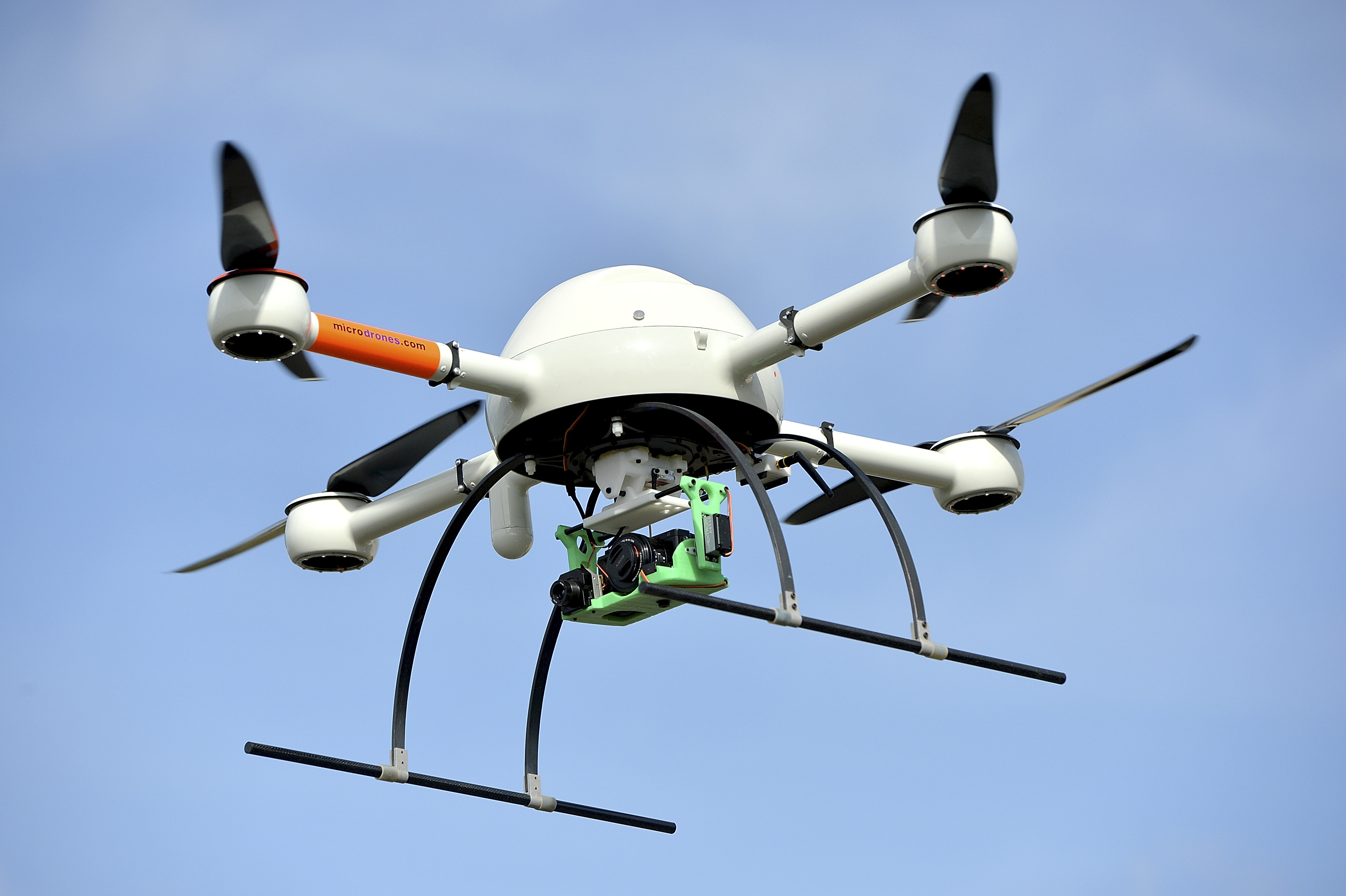
CASA is responsible for regulating and monitoring drone-use across the country.
What are the basic rules for flying a drone?
- Drones must not be flown higher that 120 metres above the ground
- Drones must be kept at least 30 metres away from other people
- The drone operator has to be able to see the drone with their own eyes at all time
- Drones that weigh more than 250 grams must be kept at least 5.5 kilometres away from a controlled airport
Do I need a licence to fly a drone?
Not if you're just flying for fun.
You must get a remotely piloted aircraft (RPA) operator accreditation to fly a drone for all other reasons.
Can I fly a drone over someone's house?
No. You are not legally allowed to fly over homes and private property including backyards and pools.
READ MORE: Drones capture information about marine life in Australian waterways
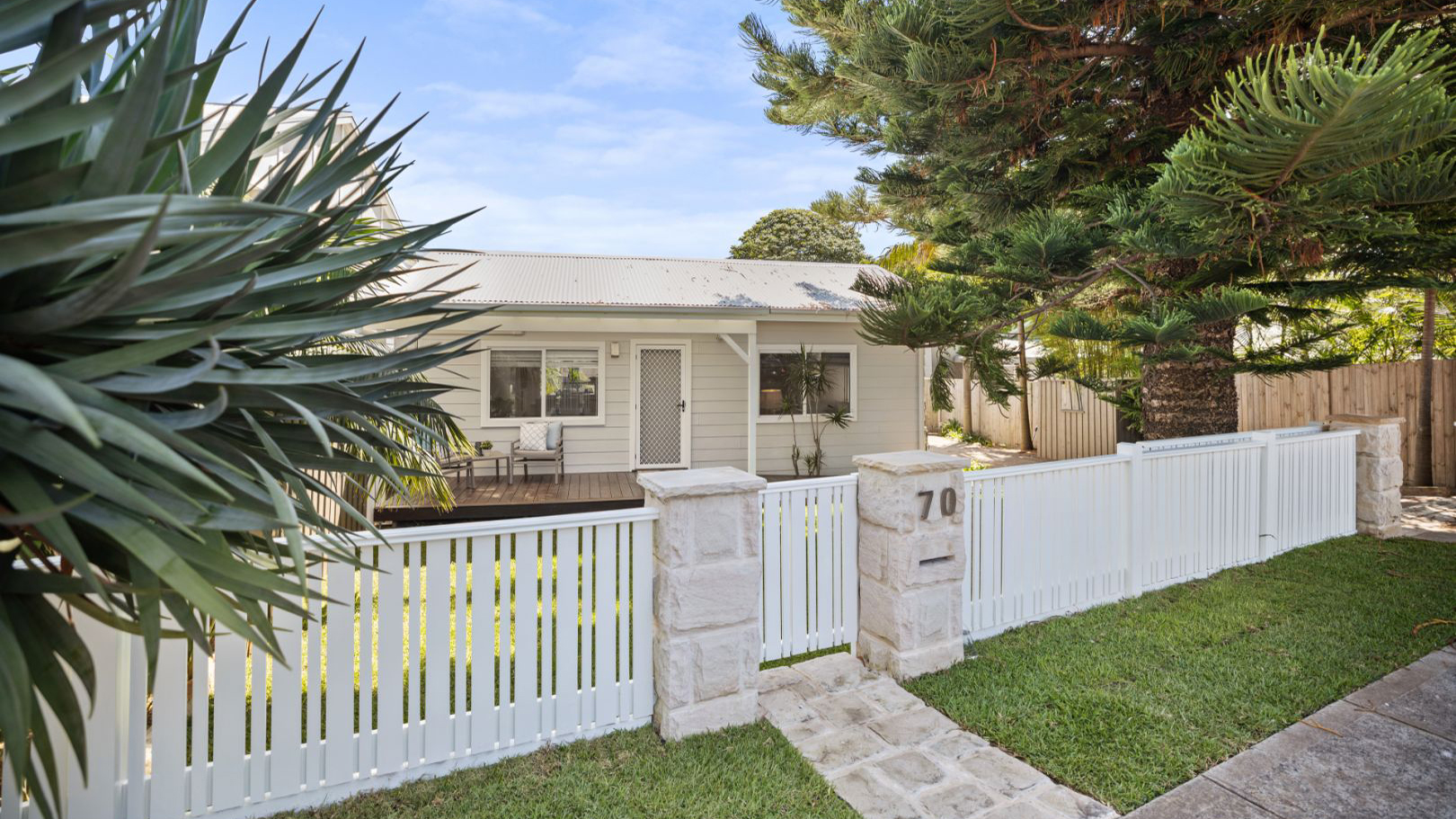
Mr Whittle said the rule was to maintain people's privacy and safety and protecting property.
"If something on the drone was to fail, and caused it to fall out of the sky, it could pose a risk to the property or a person in that particular area," he said.
"When a drone has an issue, you don't know exactly where it's going to go."
Mr Whittle said failing drones had been known to smash roof tiles, while he had also heard of people being injured after being hit by falling drones.
What about down my street?
You technically can fly a drone down the road, however Mr Whittle has warned you could quickly come across hazards.
"You've got to realise though that there are sidewalks," he said.
Mr Whittle said flying down the street would likely put the drone operator at risk of the drone coming within 30 metres of a person.
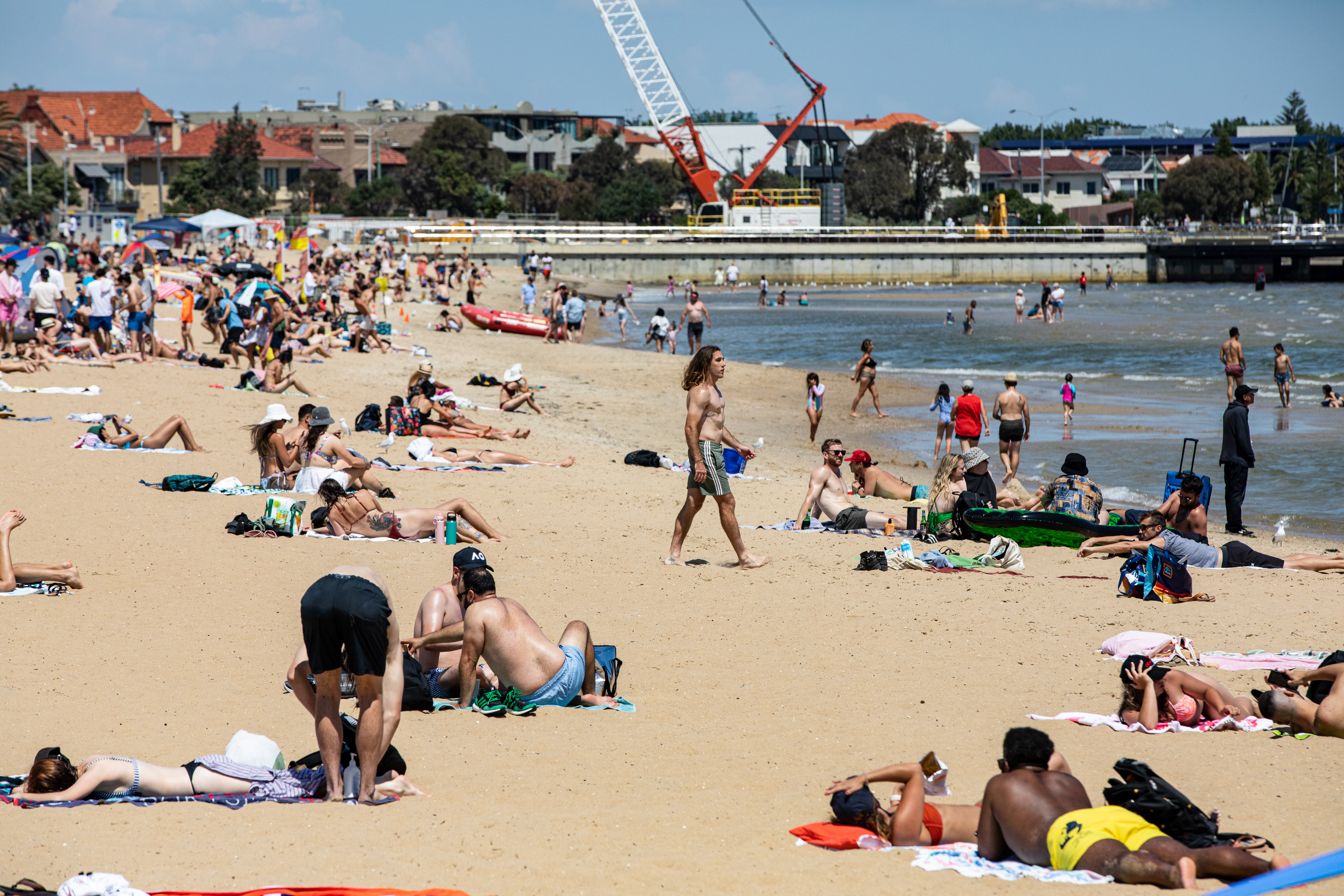
Can I fly a drone at the beach or at the park?
Only if there are not people around.
You have to keep the drone 30 metres away from people, so deserted beaches and parks are the only option.
If you come across a person, for example while hiking and using a drone in a national park, you must safely lower the drone as soon as possible.
What can I do if someone is flying a drone too close to me or my house?
You can report the drone and the drone operator to CASA here.
CASA will investigate the report and do its best to contact the drone operator.
Mr Whittle said while complainants do not necessarily have to know who the drone operator is, they should do their best to provide any available information such as the address where the drone has come from and the operator's appearance.
Fines of up to $1110 can be issued per offence to drone operators breaking the laws.
If the matter is taken to court, fines of up to $11,100 can be imposed.
Drone operators who interfere with an aircraft can be fined up to $26,000 or could face two years in prison.
Can I fly a drone at night?
You need to get a a remotely piloted aircraft operator's certificate or a remote pilot licence to fly a drone at night.
For anyone who wants to be especially sure about where they are allowed to fly a drone, CASA has recommend a list of applications that allow users to see areas around their location where flying is permitted and banned.
For more information on flying a drone, visit www.casa.gov.au/knowyourdrone.
Teen dies in Tamatea fire: Hawke's Bay police investigate cause of Napier blaze
A 16-year-old male has died after a fire in the Napier suburb of Tamatea.The fire occurred in a Kainga Ora home on Ranfurly Street, Tamatea.Hawke’s Bay police said they’re investigating the cause and circumstances leading up to…
Covid19 Omicron convoy protest: Towing company says task of shifting 450 vehicles an 'impossibility'
The owner of a Waikato-based towing company said the task of shifting 450 vehicles from around Parliament would be “like trying to sell property on the moon”.Police said this morning they had “significantly increased tow capacity”,…
What we know about shark attack occurrences around Australia
Great white sharks have been responsible for all fatal New South Wales shark attacks for the past two years, with the state clocking the highest number of attacks in the nation over this period.
A swimmer mauled to death off popular Sydney beach Little Bay on Wednesday, marks the state's latest fatality.
The death of diving instructor Simon Nellist sent shockwaves around the Harbour City as it is Sydney's first fatality in almost 60 years. The attack was confirmed to be by a great white "at least 3 metres in length" by the Department of Primary Industries (DPI).
READ MORE: What happened in Sydney's last fatal shark attack 59 years ago
The DPI states that great whites, along with bull sharks and tiger sharks, are "target sharks".
"They are the three sharks that are most frequently involved in serious shark bites in NSW," it said.
According to the Global Shark Attack File, NSW saw two fatalities in both 2021 and 2020.
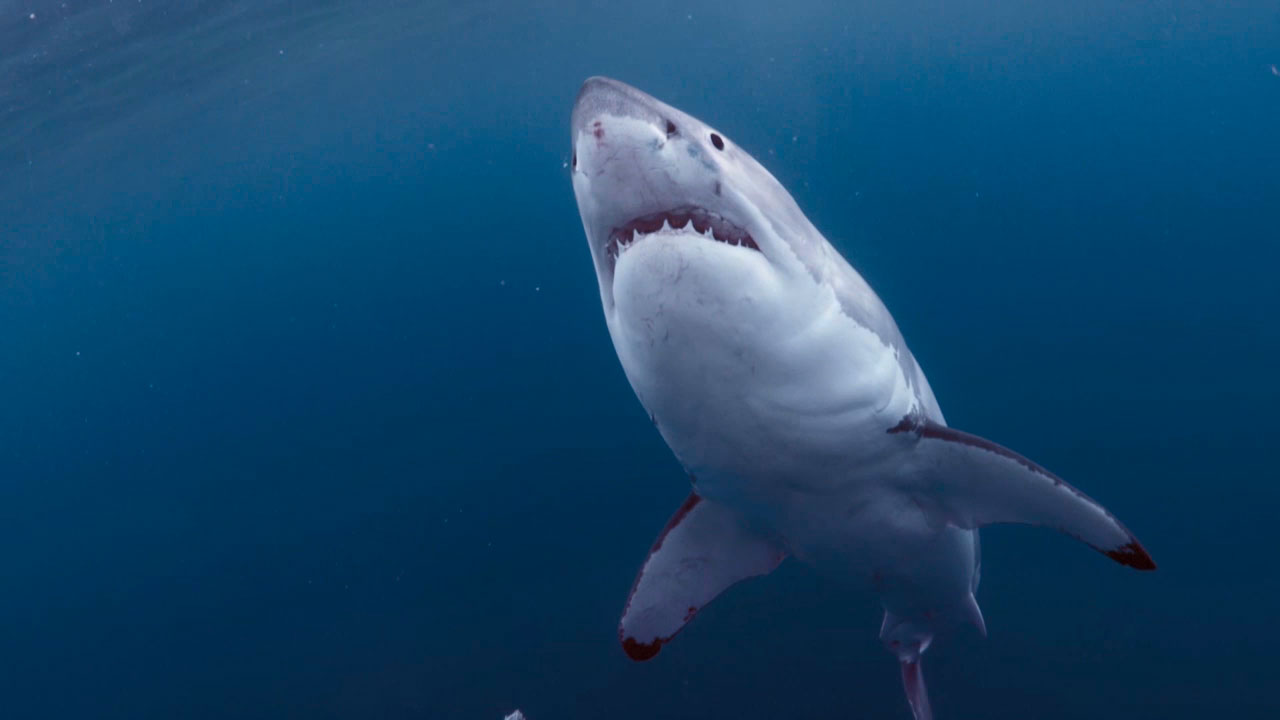
All four deaths were due to great white sharks, ranging in 2.5 to 4.5 metres in length.
Over this period, the majority of the state's attacks, both fatal and non-fatal, occurred around the NSW mid-north coast.
Two non-fatal attacks occurred in Port Macquarie, with one on 14 August 2020 confirmed to be a great white shark.
READ MORE: Husband recalls frantic moment he punched away shark to save wife
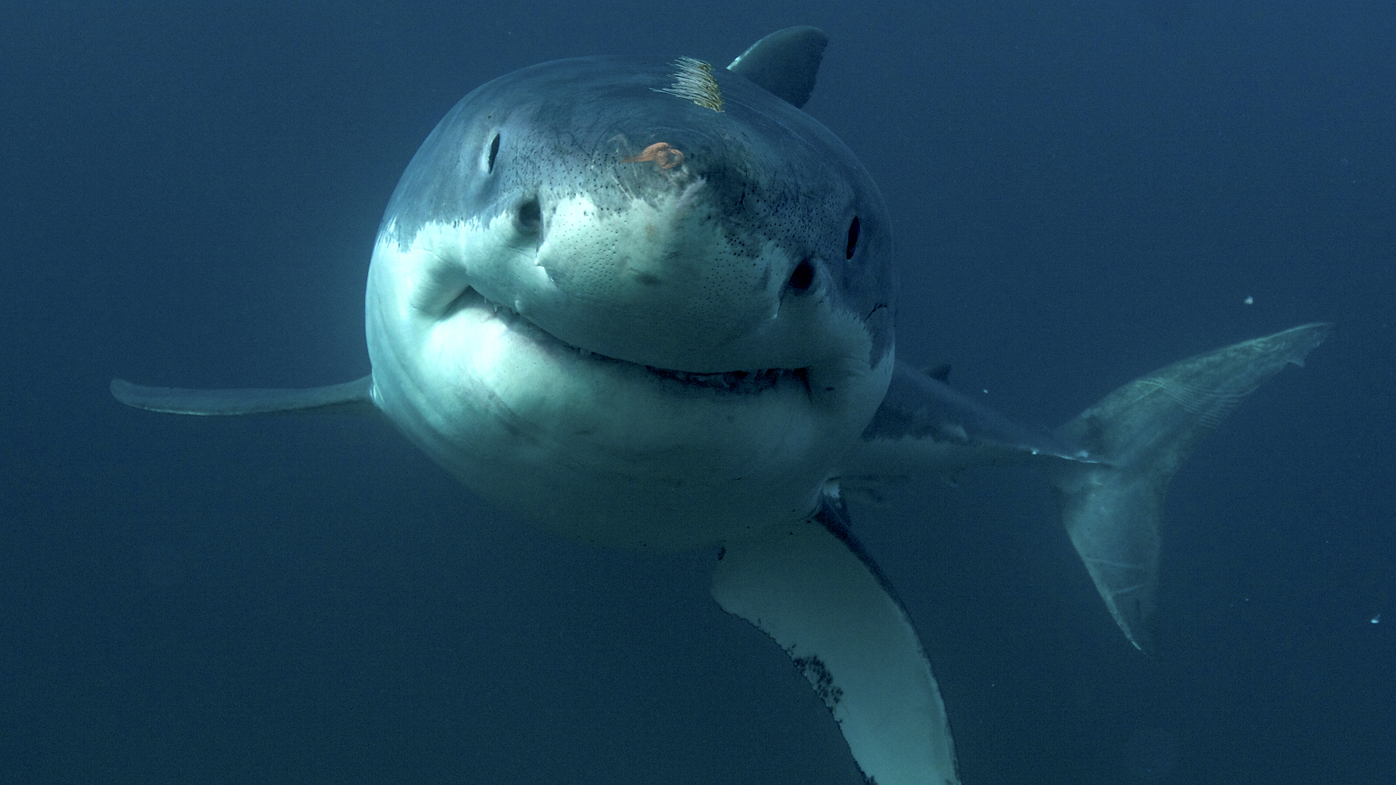
Australia leads world with highest number of shark fatalities
After three years of decline, shark attacks increased in 2021 according to the International Shark Attack File.
Australia recorded the second highest amount of unprovoked bites after the US, but the nation had the most number of fatalities worldwide.
Breaking down the numbers nationwide, NSW clocked the highest number of unprovoked attacks in 2021, with eight in total according to Taronga Zoo's Australian Shark-Incident Database — two of these were fatal.
Three of these unprovoked attacks involved wobbegong sharks.
Six bites occurred in Western Australia, one of which was fatal.
Two attacks occurred in Victoria, a single incident occurred in Queensland. All of these were non-fatal.
In 2020 NSW saw a total of eight unprovoked attacks, Queensland came in second with five.
Great white populations in Australia
CSIRO, Australia's leading scientific research body, has identified two great white populations in Australia; an eastern population and a southern-western population.
"The eastern Australasian population ranges along the entire eastern seaboard from the cold waters as far south as Macquarie Island into tropical waters of Papua New Guinea, and extends eastwards to include New Zealand and tropical islands such as New Caledonia," CSIRO explains.
"The southern-western population ranges from western Victoria to northwest Western Australia."
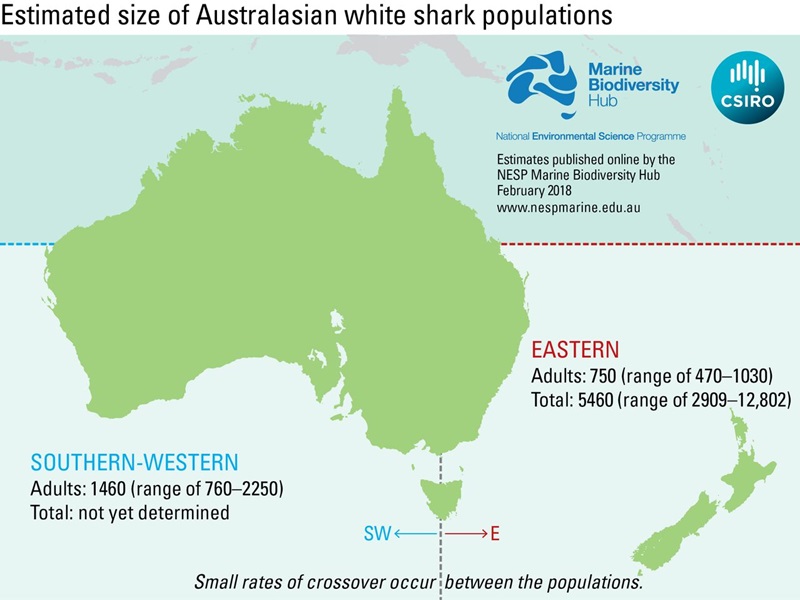
CSIRO has sized the eastern population at 5460, but admitted there could be more than 12,802 great white cruising the waters.
These findings come amid reports of a great white population "boom" in both New Zealand and California.
Shark scientist and Marine Biologist Riley Elliott told 9news.com.au last year a spate of great white shark sightings in New Zealand has lead to the Bowentown area on the North Island being deemed a "hotspot".
Meanwhile two factors have caused numbers along the Californian coastline to skyrocket since 1994, according to Marine Biologist Chris Lowe.
"Great whites became protected and the use of gill nets were banned," Dr Lowe told 9news.com.au.
"Their biggest population growth has been since the 90s."
Hawaii man accused of murdering acupuncturist after affair with wife
A Hawaii man shot and killed the acupuncturist who treated his wife for back pain and fertility issues — and had an affair with her, Honolulu police said.
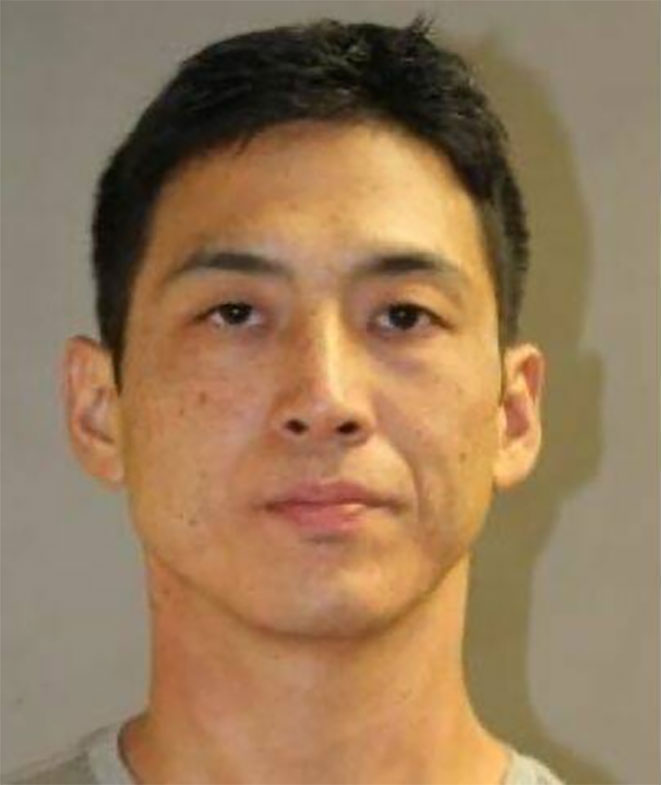
Police arrested Eric Thompson, 34, on Valentine’s Day on suspicion of murder.
Surveillance footage showed him arriving in his pickup truck at a Waipahu acupuncture office in January, walking inside carrying a shopping bag and leaving 48 seconds later, according to a detective affidavit filed in court.
READ MORE: Swimmers enter closed Sydney beaches after fatal shark attack
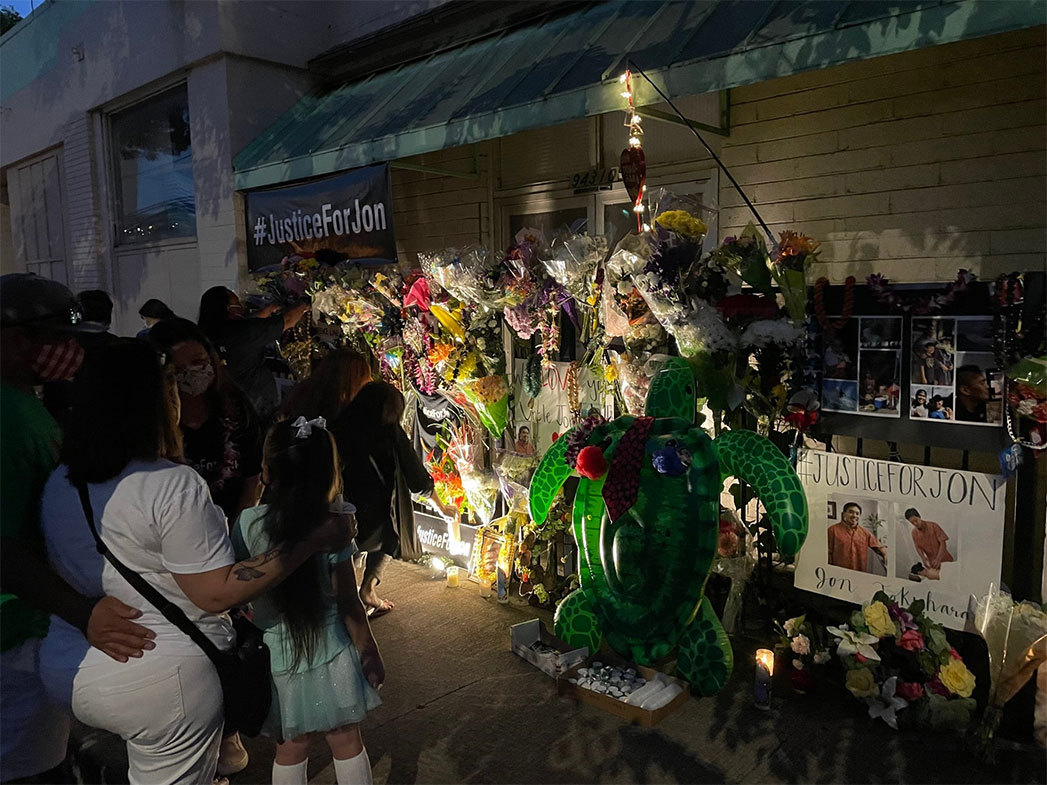
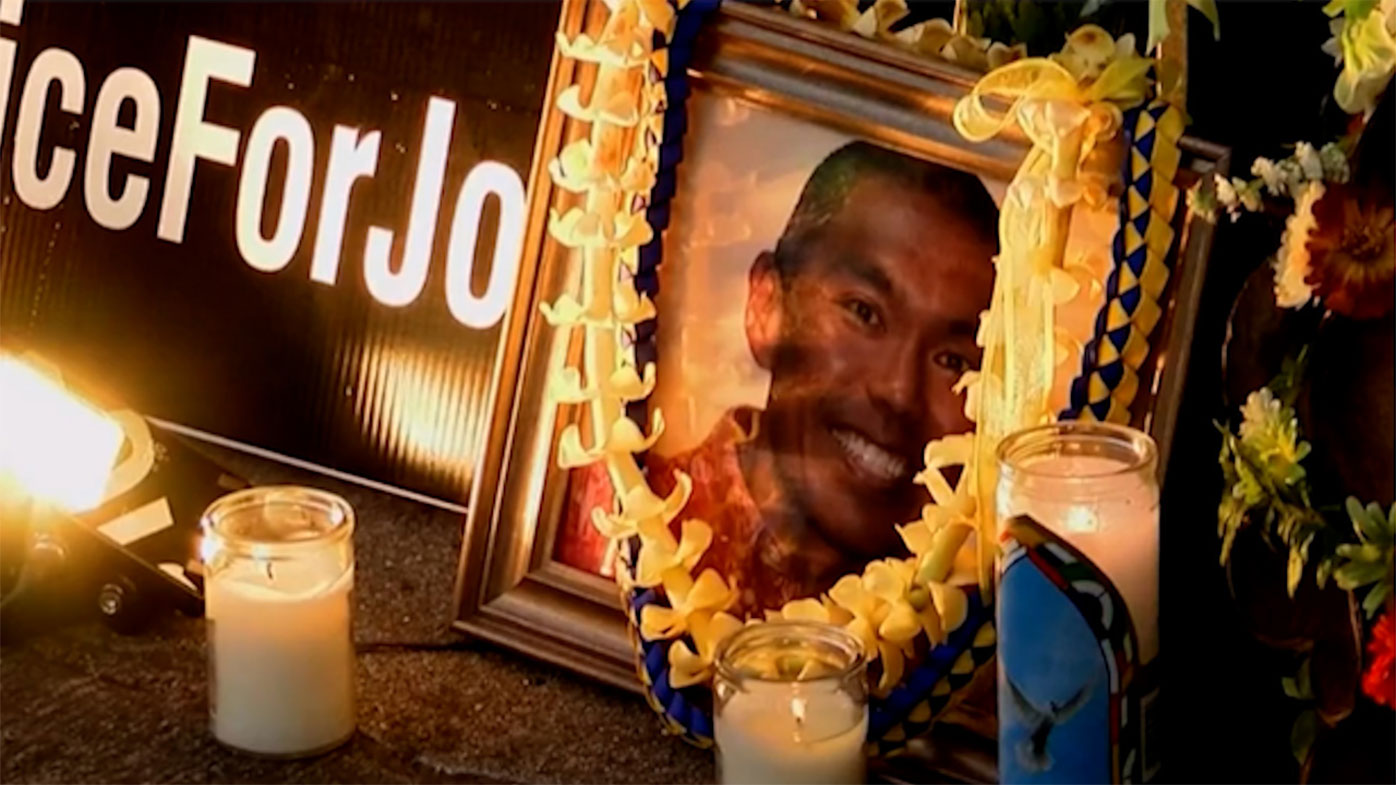
Acupuncturist Jon Tokuhara's mother found him on January 13 laying on the floor of his office with a pool of blood near his head, police said.
While investigating his death, police learned from a patient of Tokuhara's that she referred Thompson's wife, Joyce, to him for help with back pain and fertility.
The patient was one of the couple's teachers when they were high school sweethearts, the police affidavit said.
Police found Instagram messages between Joyce Thompson and Tokuhara indicating they had an intimate relationship.
READ MORE: Hundreds of Aussie miners set to lose jobs over vaccine mandate
The Instagram messages stopped after they had a conversation about Thompson finding out about the affair, police said.
Thompson, who posted $1 million bond, couldn't immediately be reached for comment Wednesday. He is scheduled to be arraigned Thursday.
READ MORE: Jetstar cancels Perth flights over border uncertainty
David Clark rebuffs National offer to fix lending crisis, saying it would cause delays
Commerce Minister David Clark has rebuffed National’s offer of legislation to address concerns tighter credit rules are stopping people from getting mortgages.He has written to Nicola Willis and Andrew Bayly, the National MPs who…
Inquest into Upper Hutt killing told of a mental health service stretched to its limit
An over-stretched mental health sector and police failings have been at the forefront of the Coronial Inquest into the violent death of Glen Collins. The inquest is taking place this week in front of Coroner Brigitte Windley in…
Science Digest: The science of sexuality and does conversion therapy actually work?
A psychologist and sexuality expert has urged parents who have put their children through conversion therapy to apologise after a new law bans the practice in New Zealand.Dr Rita Csako, who is a senior lecturer in psychology and…
'I am going to starve': Ex-bricklayer's disability pension plea
For almost 30 years, Sydney man Mark Patterson worked as a bricklayer.
Over the decades, the hard, physical labour literally wore his body to the bone.
Five years ago, the pain in his hips started, but he kept working.
"I just took lots of painkillers and kept going," Mr Patterson said.
Then, the pandemic's first lockdown came in 2020 and Mr Patterson was forced to stop work.
It was at that point, the 52-year-old says, that he "crashed and burned" and his body seized up.
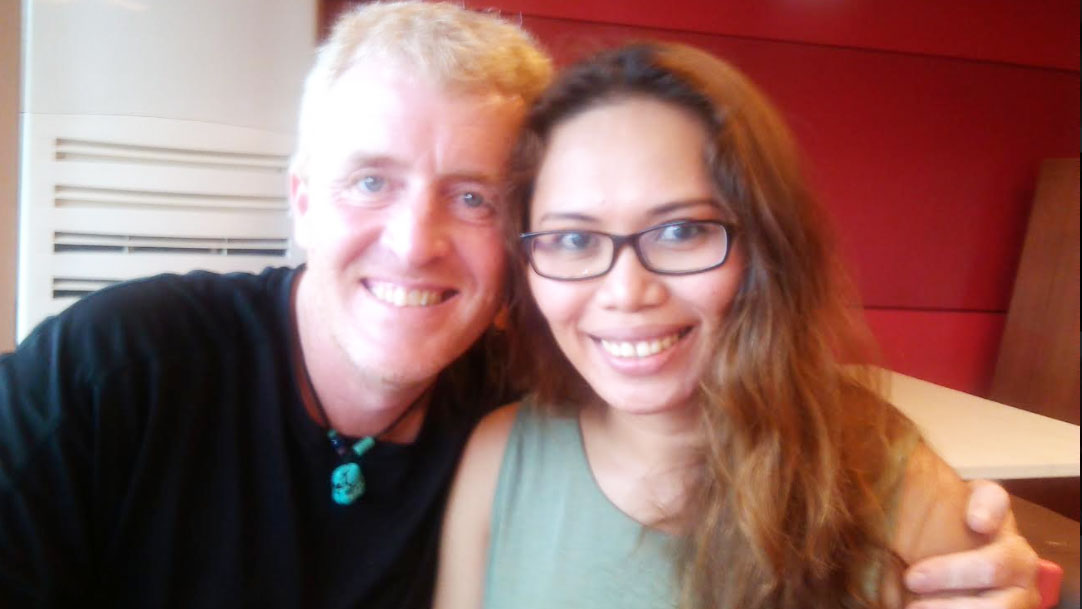
These days, Mr Patterson is unable to walk more than a few metres at a time. He struggles to stand or sit unaided and getting to the shops to buy groceries by himself is near impossible.
Doctors have told Mr Patterson he has severe osteoarthritis and will need a double hip replacement. But Sydney public hospital waiting lists, lengthened during the pandemic, mean he is facing around a two-year wait for his surgeries.
"I can't walk. I have got no cartilage in either hip joint, every time I take a step it's bone-on-bone," Mr Patterson said.
For two years, Mr Patterson has been unable to work, and has been surviving on JobSeeker payments from the government of $350 a week, including rental assistance for his $180 a week Canley Vale property.
Given his physical struggles, Mr Patterson said he was shocked when his application for a disability support pension (DSP) – backed up with doctor's letters – was rejected by Centrelink in October last year because his impairment did not meet the 20 assessment points required.
An appeal by Mr Patterson was also rejected by Centrelink last month.
Mr Patterson said he was struggling to pay for food or basic medicine while he was on the JobSeeker payment.
"It's getting to the stage now where I am going to starve. Something has got to be done, I am physically and emotionally spent."

Adding to Mr Patterson's distress is his separation from his wife of 10 years, Melissa, and their five-year-old daughter, Mckayla, who both live in the Philippines.
Prior to the pandemic, Mr Patterson had been working in Australia, while travelling back and forth to the Philippines to see his family.
With all of the family's savings gone and no money for the airfare, Mr Patterson does not know when he will see his family again.
"I haven't held my daughter in three years, since she was in nappies," Mr Patterson said.
Services Australia General Manager Hank Jongen told 9news.com.au in a statement he appreciated it was a difficult time for Mr Patterson.
"While we can't discuss individual cases, we are in contact with Mr Patterson to ensure he understands the claim outcome and to offer support in regards to payments such as JobSeeker," he said in a statement.
"We recognise medical conditions can have a significant impact on people's lives, however, we do not have any discretion to grant payments outside the criteria set down in legislation.
"We encourage anyone experiencing financial hardship to contact us, we have social workers and specialist staff to assist people in vulnerable or complex circumstances."
'Half a million' disabled Australians on JobSeeker
Mr Patterson is one of 500,000 disabled Australians living on the JobSeeker allowance, according to Antipoverty Centre estimates based on figures from the Australian Bureau of Statistics.
The adequacy of the DSP is currently the subject of a parliamentary Senate inquiry, with the committee due to release its final report on Friday.
"Harrowing" evidence was presented during the inquiry of disabled people living in poverty and being pushed to the brink of suicide, Kristin O'Connell, from the Antipoverty Centre, said.
Statistics from Services Australia show the DSP had the highest claim rejection rate of all Centrelink payments in the 2020/2021 financial year.
About 60 percent of applications for the DSP were rejected, with 57,000 claims knocked back in total.
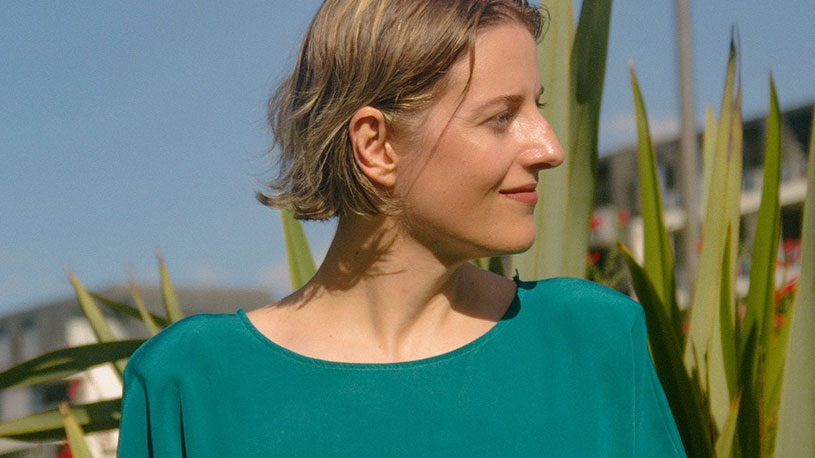
Ms O'Connell said both Coalition and Labor Governments had made it progressively harder over the years for disabled people to have their applications for the DSP accepted.
Between the 2010-2011 and 2017-2018 financial years, the number of new recipients receiving the DSP dropped dramatically from about 90,000 a year to 31,000, Services Australia statistics show.
People applying for the DSP faced mountains of paperwork and were often forced to fork out thousands to pay for medical reports from specialists to support their case, Ms O'Connell said.
One of the most common dilemmas disabled people faced was choosing whether to go without food or medication, Ms O'Connell said.
"People on JobSeeker currently have an income of half the poverty line," Ms O'Connell said.
"About eight out of 10 people on the payment regularly skip meals. People forgo medication and healthcare and that means over time, if you are disabled, which hundreds of thousands of people on JobSeeker are, your conditions get worse.
"It means you are less employable, it means your healthcare costs go up and over time you are denying yourself more and more treatment that you need."
Ms O'Connell said she hoped the Senate inquiry would lead to meaningful change for people with a disability.
"I think it will be extremely difficult for the committee not to find that the conditions disabled people are being forced to live in, as a result of the way the DSP is designed, are absolutely abhorrent and unacceptable," Ms O'Connell said.
"We think the committee will recognise that it is unfair and harmful and unviable to force disabled people to try and survive on an unemployment payment that isn't even liveable for people who aren't disabled."
Contact reporter Emily McPherson at em********@******om.au.