Tag Archives: oceania

Person in their 30s dies among 10 new COVID-19 deaths in Queensland

Queensland has recorded 11,947 new COVID-19 cases and 10 deaths, as health authorities predicted the peak of the Omicron wave would come in days.

Health Minister Yvette D'Ath said the deaths had been of people in their 30s to their 90s.

There are 863 people with COVID-19 in hospital, 47 of whom are in intensive care.

OPINION: 'The rest of the world has moved on' – Why WA should re-open

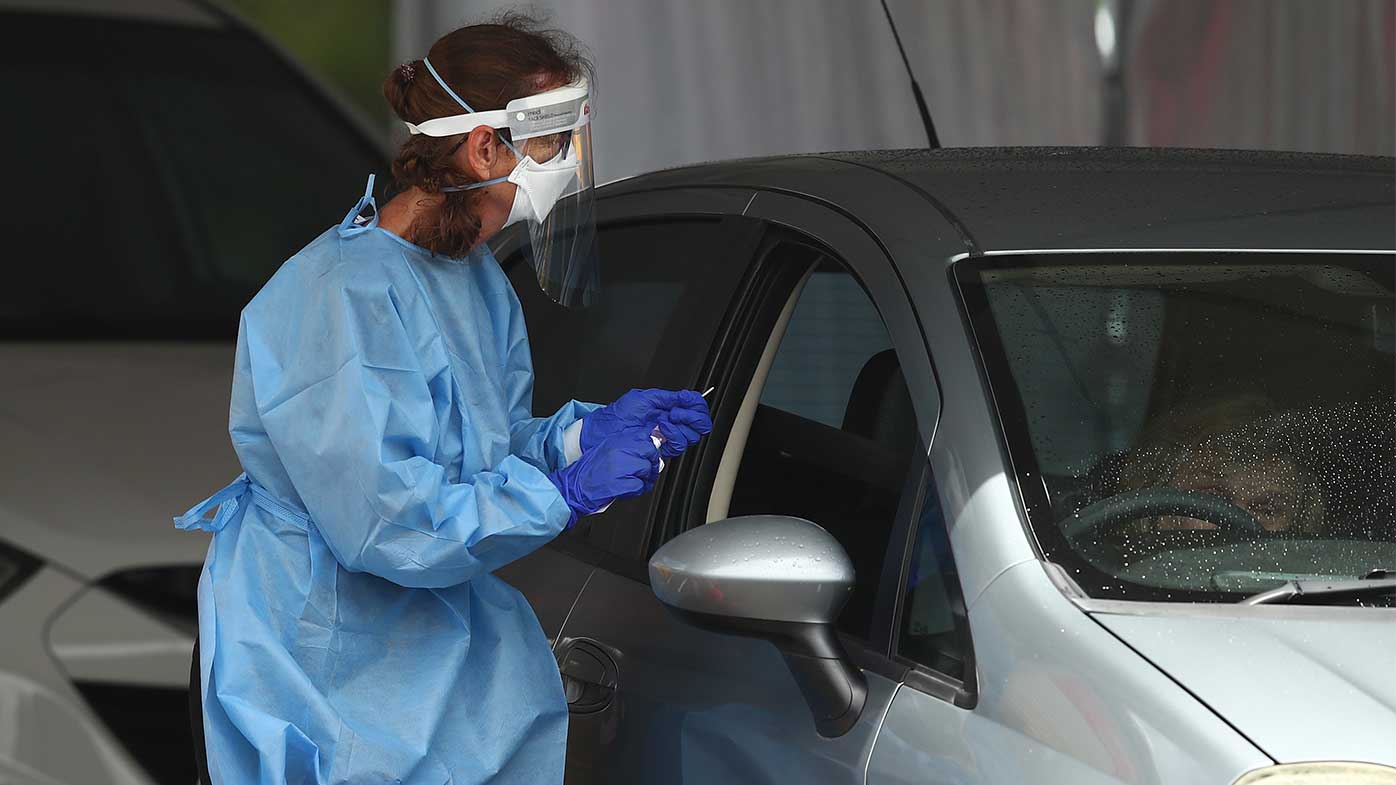
COVID-19 testing is conducted on the Gold Coast earlier this month.

Chief Health Officer Dr John Gerrard said the new COVID-19 deaths included one person in their 30s, who was unvaccinated.

Ms D'Ath also announced a number of changes to essential worker isolation rules.

Essential workers who would normally be required to isolate as close contacts are already allowed to return to work if they test negative and are asymptomatic.

Now, they will be required to undertake a rapid antigen test on days one, two, four and six of their return.

Employers will be required to make those tests available, and the worker's return must be conditional on agreement between employer and employee.

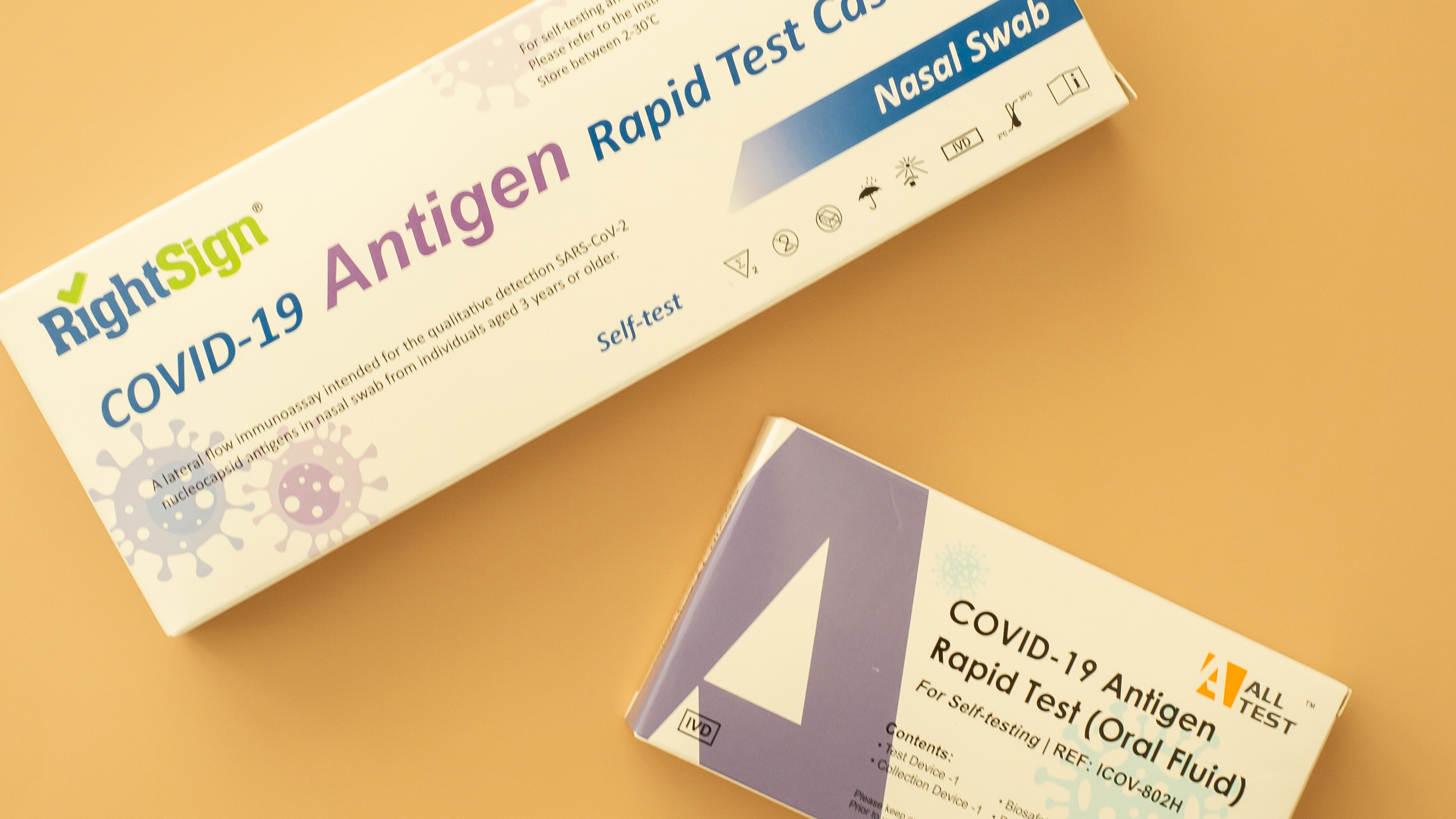
Rapid antigen test kits.

"We want that to be very consultative," Ms D'Ath said.

The beverage, telecommunications, broadcasting and journalism industries will from tomorrow be included in the essential industries category.

Ms D'Ath also clarified that essential health workers included non-volunteer aged care and disability workers.

Queenslanders have also been told rapid antigen test supply is set to improve in the coming weeks.

They are urged to check social media channels, such as a pharmacy's Facebook page, before contacting the pharmacy via phone, as employees are struggling with the volume of inquiries.

Peak expected at week's end

Health authorities have said the Omicron peak is expected towards the end of the coming week, first in the Gold Coast and Brisbane before moving toward the regions.

Queensland has recorded about 250,000 cases so far, but Chief Health Officer Dr John Gerrard has said the real number is likely to be closer to a million due to people self-managing their illness at home.

"We're not going to be able to tell we've reached the peak until we've passed it," Dr Gerrard said today.

He said it would be marked by consecutive days of falling hospitalisation numbers.

"We already know it's not going to be uniform in Queensland," he said.

The waiting period between the second vaccine dose and the booster shot will be shortened in Queensland from tomorrow, as the state creeps closer to the 90 per cent double-dose mark.

From Monday, the waiting period for the booster will be cut to three months, in line with jurisdictions such as NSW.

Queensland is currently sitting on an 89.14 per cent double-dose vaccination rate.

READ MORE: Aussie Alex de Minaur's Australian Open career-first

Some restrictions are already easing, with the removal of quarantine for vaccinated international travellers coming into effect yesterday.

Queensland recorded 16,031 new COVID-19 cases yesterday, along with 13 deaths.

Queensland Chief Health Officer John Gerrard has said the state's vaccination campaign has stopped the health system from being swamped by the Omicron wave.

"Were in not for widespread vaccination, we would not be talking about 850 people in hospital but instead there would be thousands," Dr Gerrard said.

Twice-weekly RATs, mask mandates in NSW back-to-school plans

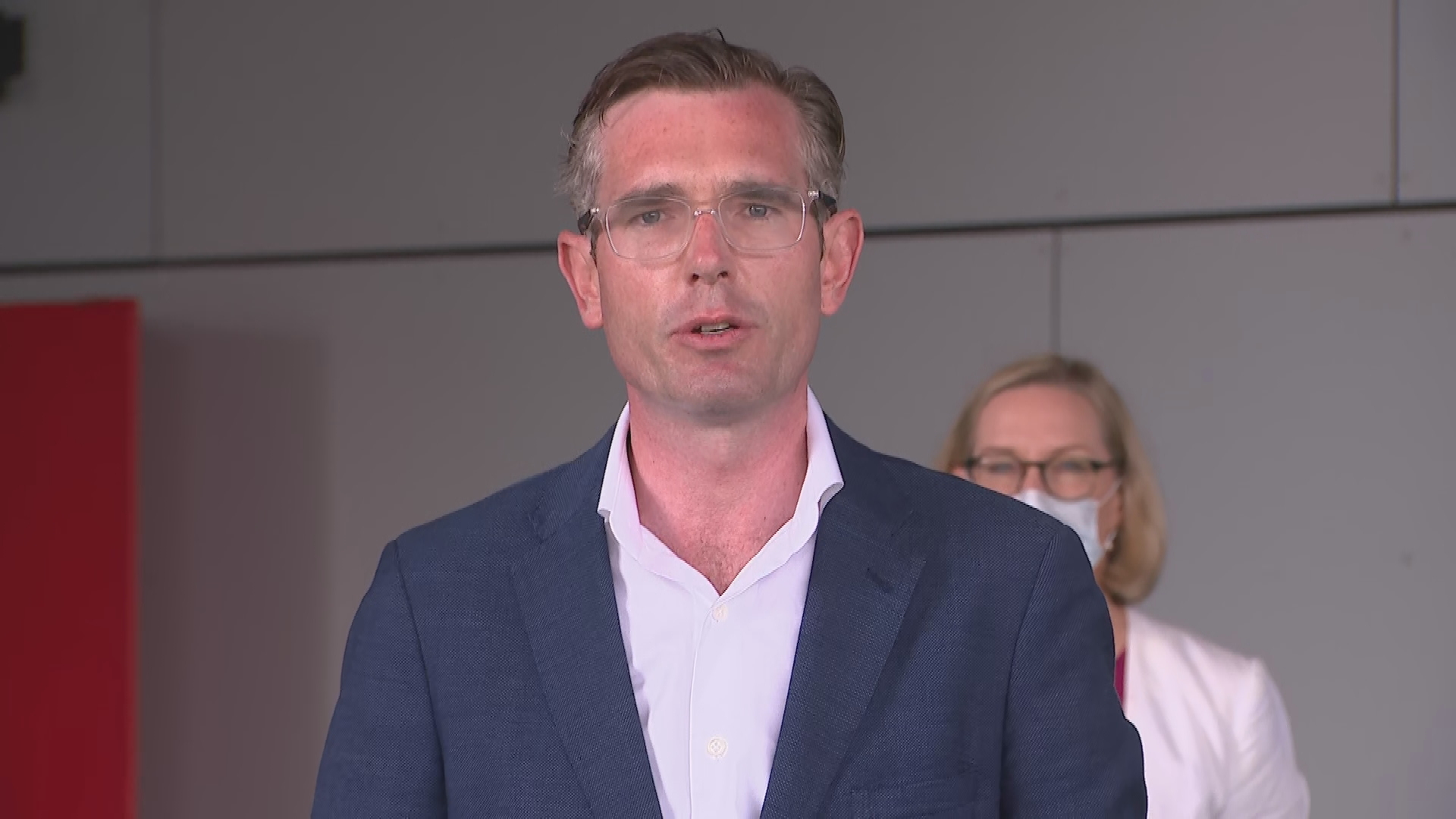
New South Wales Premier Dominic Perrottet has outlined the steps the state will take to make sure children can return to school "safely" on the first day of term.

Rapid antigen tests and masks will play a crucial role in the plan.

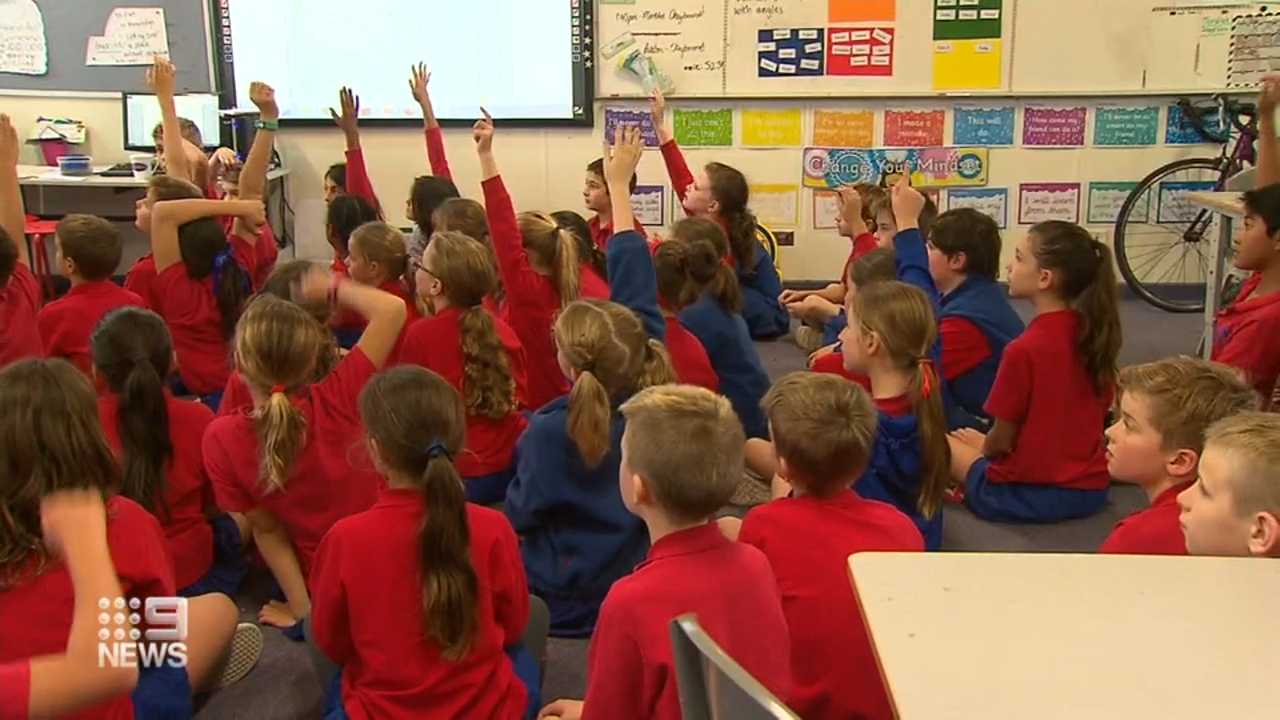
"We are currently distributing (RATs) to over 3000 schools across NSW, and as well, all our early childhood education and childhood centres will be providing rapid antigen tests for teachers in those early childhood and childcare settings, and in both primary and secondary school, two rapid antigen tests per student per week," he said.

EXPLAINER: What you need to know about NSW's back-to-school plan
Education Minister Sarah Mitchell said schools would be in touch with parents about how to collect their testing kits.

Students and staff are asked to test before they come back to school on Monday, February 1.

Twice-weekly testing will also be carried out for the first four weeks of term.

The government will assess whether the testing program needs to be extended further a few weeks into term.

More than four million tests have been distributed to 3000 schools across the state, with more to come.

OPINION: 'The rest of the world has moved on' – Why WA should re-open

"If you happen to get a positive test, you need to let your principal know that you have tested positive to COVID," Ms Mitchell said.

"You also need to let New South Wales Health know through the service New South Wales Health app, the way you would report any other positive rapid antigen test result, and of course quality health advice in terms of your isolation."

Ms Mitchell said schools would no longer close when there was a positive COVID-19 case in the community, and contact tracing would not be carried out.

"For our students who are home because they have COVID or they might be a household contact, we will of course a lot of material available to support you learning from home for week, if you need to," she said.

The online learning hub will be available in these circumstances.

Families in the school community will be told about the result, however.

"You will know if COVID is in your child's school, we will ask you to monitor the symptoms, and we will ask you to use the rapid adjutant test kits that have been provided to you," Ms Mitchell said.

"This is a change from how we had the school settings last year. It really is about moving the school is in line with a community setting."

Teachers who are close contacts will also not be required to come to work even if they are asymptomatic and have tested negative.

"We have a range of other workforce contingency measures in place to deal with any absences for staff," Ms Mitchell said.

She said there was a pool of about 1000 potential staff, including retired teachers and final-year university students.

"Hundreds" of Education Department staff who had come from school roles could also take on teaching or administrative jobs as needed.

Masks will also be mandatory for teachers and secondary school students, while they are "highly recommended" for students in Year Three and above.

More than eight million have been distributed throughout the state's schools.

Visits to schools will be limited, as will mingling between groups of students and COVID-19 safety plans will be in place for excursions, music and other activities.

"Many activities will be able to go ahead, things like music, sport, assemblies, excursions and camps, again in a COVID-smart way, based on appropriate risk settings, parental consent and some of the measures that our school communities and families are familiar with," Ms Mitchell said.

For wind instruments in particular, outdoor classes are recommended.

"If you need to do it inside and it's a one-on-one situation that's no more than 30 minutes, that is allowed," Ms Mitchell said.

Parental presence and visitors will be limited except for essential reasons, such as volunteers who run the canteen, uniform shop or school groups.

"There will be parents and visitors on sides for those essential reasons, what we will be limiting his large gatherings such as assemblies with a lot of people and parents," Ms Mitchell said.

About 20,000 air purifiers will be provided to schools, alongside "maximised" ventilation.

Chief Health Officer Dr Kerry Chant said children with COVID-19 symptoms should not be sent to school.
Retired teachers and final year university students are being asked to become COVID-19 relief resources.

"Instead, get them tested, and even if they have a negative test on the first day, please keep them home and do a repeat test, and only send them back if there is an alternate diagnosis," Dr Chant said.

"So for instance, if they have hayfever and you are clear that is the cause."

Dr Chant said there was likely to be some COVID-19 transmission in schools, but that there would be a range of protections in place.

Parents who have a child starting school this year will be able to attend the first day of kindergarten, Ms Mitchell said.

"It is a significant day in your child's life and we want to make it as normal as possible for you," she said.

Staff at early childhood learning centres will also be provided with rapid antigen tests for twice-weekly testing.

Hospitalisations see slight drop in NSW

NSW has recorded 20,324 new COVID-19 cases and 34 deaths in the 24 hours to 8pm last night.

Of the new cases, 13,620 were from PCR tests, and 6704 from rapid antigen tests, with 6165 of those dating from the past seven days.

There are 2712 people in hospital, down from 2762 yesterday.

There are 189 patients in intensive care, down from 204 yesterday.

READ MORE: Aussie Alex de Minaur's Australian Open career-first

https://twitter.com/NSWHealth/status/1485009478273871873

Of the 34 people who died, one person was aged in their 40s, five people were aged in their 50s, five people were aged in their 60s, nine people were aged in the 70s, 10 people were aged in their 80s, and four people were aged in their 90s.

Chief Health Officer Dr Kerry Chant said two had received three doses of the COVID-19 vaccine, 23 had received two doses, three people had received one dose, and six people were not vaccinated.

In the past few days, case numbers have trended downwards in NSW, with some health experts suggesting the Omicron wave has already peaked in the state.

NSW reported 20,148 new infections and 30 deaths yesterday.

Mr Perrottet repeated yesterday the state is "tracking below" in ICU presentations in comparison to predictions made in modelling.

READ MORE: Firefighter killed battling blaze labelled a 'hero'

He said many of the people in ICU are unvaccinated, and called for NSW residents to get vaccinated.

"Close to 50 per cent of people in ICU are unvaccinated," he said.

"The facts and evidence speak for itself."
Bitcoin value tumbles almost 50 per cent since record November

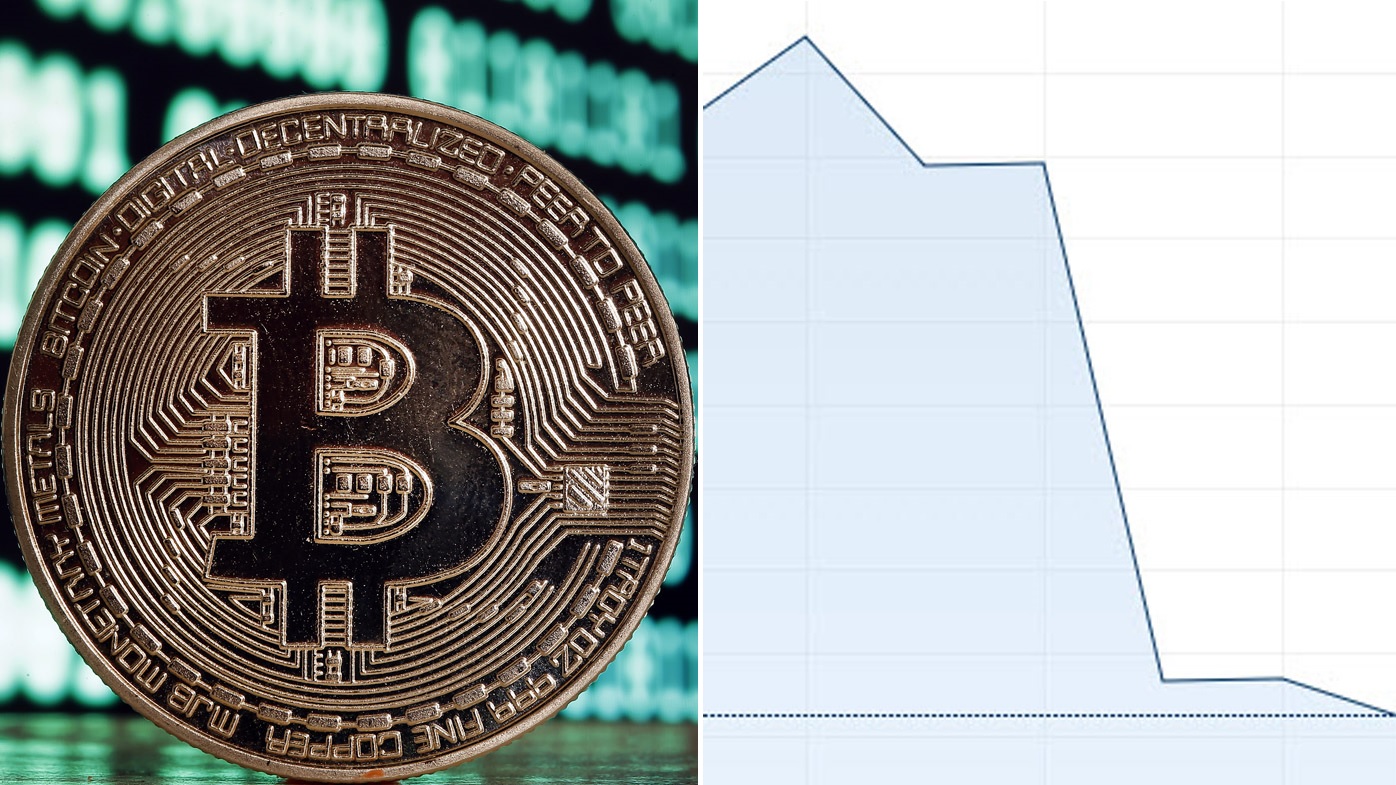
Bitcoin has lost almost half its value since its November high, with cryptocurrency prices continuing to plunge as major economies look to curb their growing popularity.

And it's not just Bitcoin, as cryptocurrencies in general have had a dismal start to the year. Bitcoin has fallen over 8 per cent in the last 24 hours, and at the time of publishing was worth $USD 35,348 ($49,205).

The world's most valuable cryptocurrency has plummeted over 20 per cent since the beginning of the year.

READ MORE: Bitcoin bubble could deflate in 2022

In November it was trading at a record high of $USD 68,990 ($96,036).

Its peers have fared worse.

Ethereum, the world's second most valuable cryptocurency, has fallen more than 12 per cent in the last 24 hour, and was trading at around $USD 2,400 ($3,340) as of mid-morning Saturday, according to CoinDesk.

That's an almost 30 per cent drop since the start of the new year.

Investors are getting jittery about digital currencies and other riskier assets ever since the US Federal Reserve signalled it may unwind economic stimulus more aggressively than expected.

READ MORE: Crypto CEO becomes one of the world's richest billionaires

Governments are cracking down as well. On Thursday, Reuters reported that Russia's central bank has proposed a ban on crypto use and mining.

Russia is one of the biggest crypto-mining nations in the world, but its central bank said that digital currencies can pose a threat to the country's financial stability.

The Russian proposal comes just a few months after China launched a full-scale clampdown on cryptocurrency, banning both trading and mining.

Other countries are also flirting with a ban on crypto. In November, India said it was preparing to introduce a bill that would regulate digital currencies, although much is still unknown about that proposal.

READ MORE: Goldman Sachs predicts bitcoin could hit $180,000

Earlier this week, India's prime minister Narendra Modi said that global cooperation is needed to tackle problems posed by crytocurrencies.

However, not everyone is pessimistic. Goldman Sachs said that the price of bitcoin could reach more than $USD 100,000 ($$139,000) within the next five years.

In a report published earlier this month, the bank's analysts said they saw strong gains ahead because bitcoin would increasingly steal market share from gold.

The Japanese soldier who hid in the jungle for 28 years after World War II

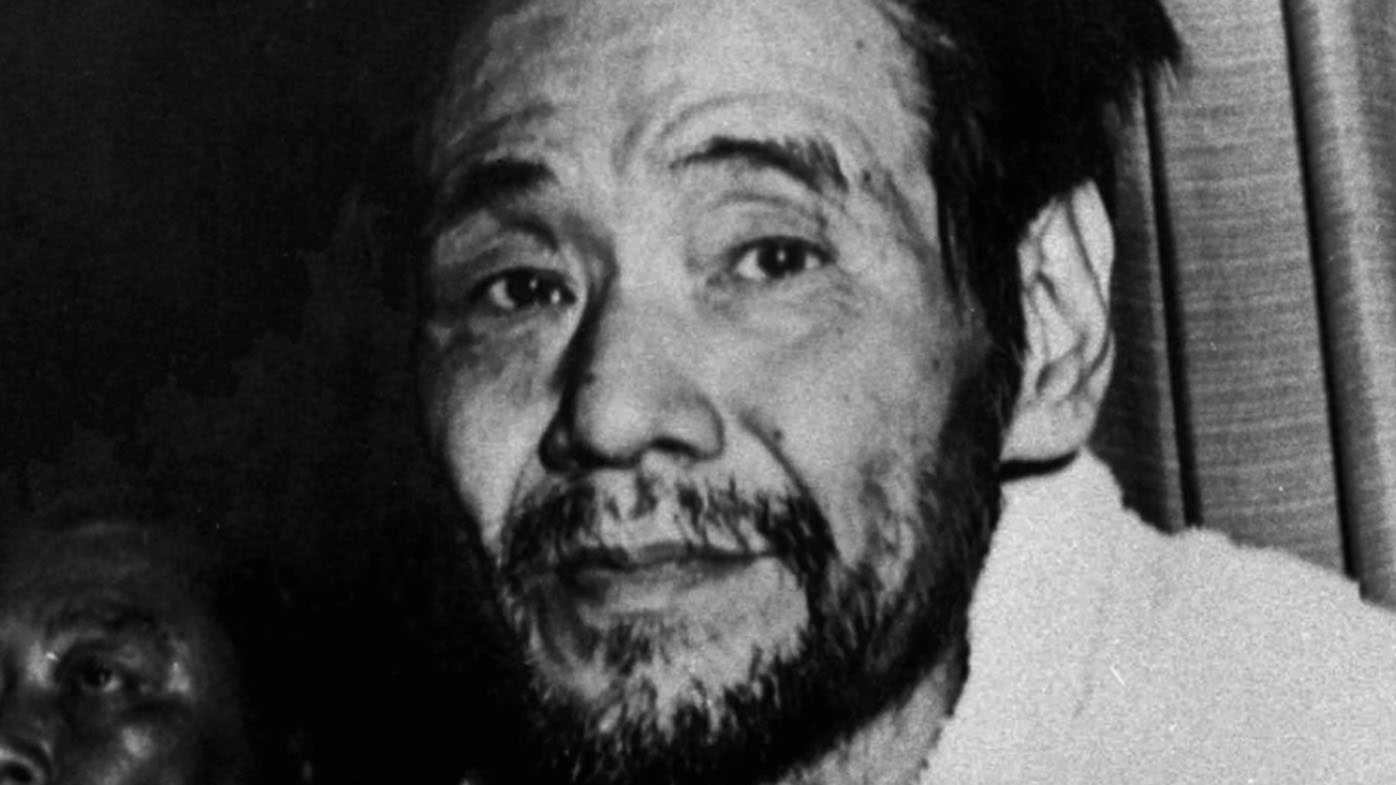
Fifty years ago, a Japanese soldier was found in the jungles of Guam, having survived there for almost three decades after the end of World War II.

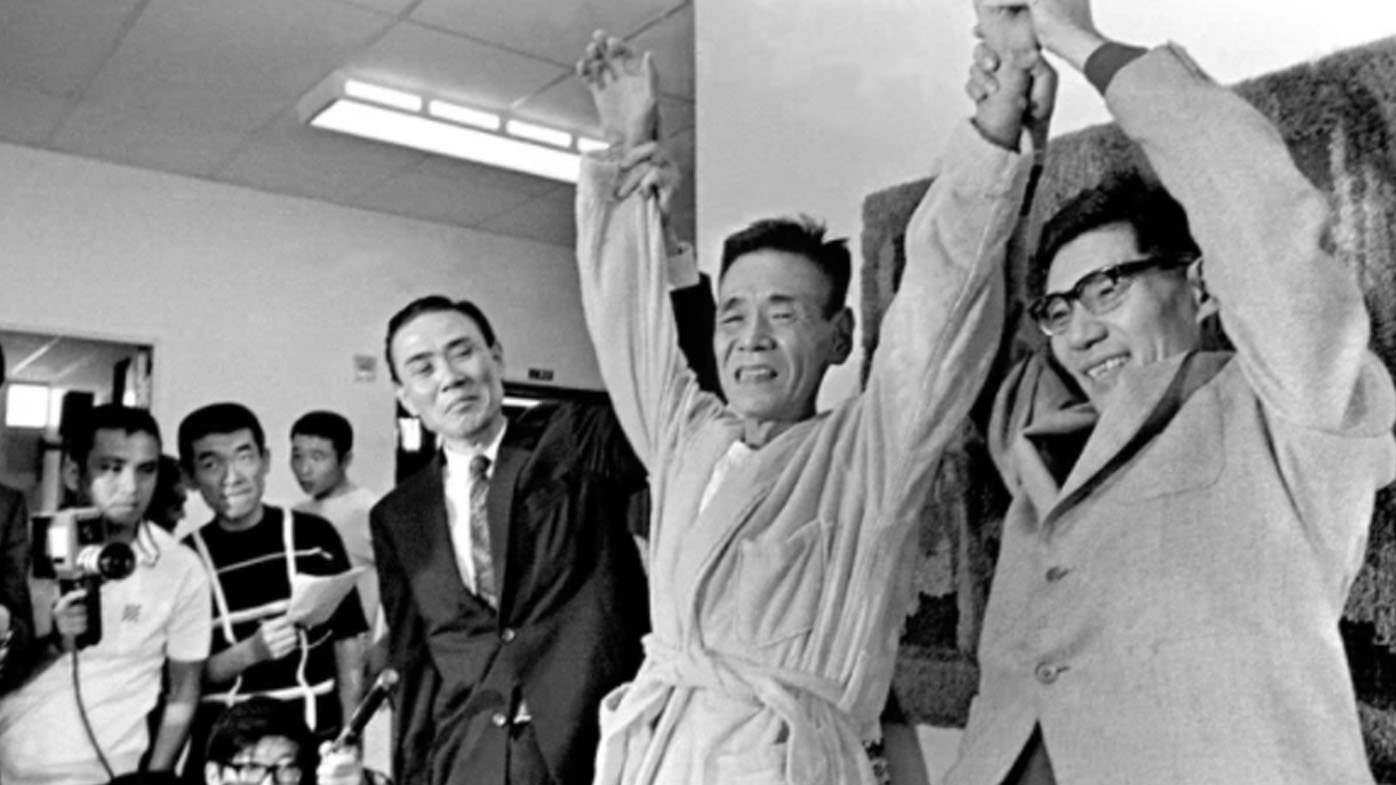
For most of the 28 years that Shoichi Yokoi, a lance corporal in the Japanese Army, was hiding on remote parts of the Pacific island, he refused to believe that Japan had lost World War II after the conflict ended in 1945.

But on January 24, 1972, his belief was shattered when two local hunters discovered him in a remote Guam jungle. He was wearing a pair of burlap pants and a shirt which he said he had made from the bark of a tree.

READ MORE: Cold case team shines new light on betrayal of Anne Frank

Yokoi's amazing survival story began when he was drafted into the army in 1941 and sent to north-eastern China, and later to Guam.

Japan occupied the island during the war and most of its 22,000 troops were killed when US troops recaptured the island in 1944.

But Yokoi and a few other Japanese troops fled to Guam's remote deep jungle.

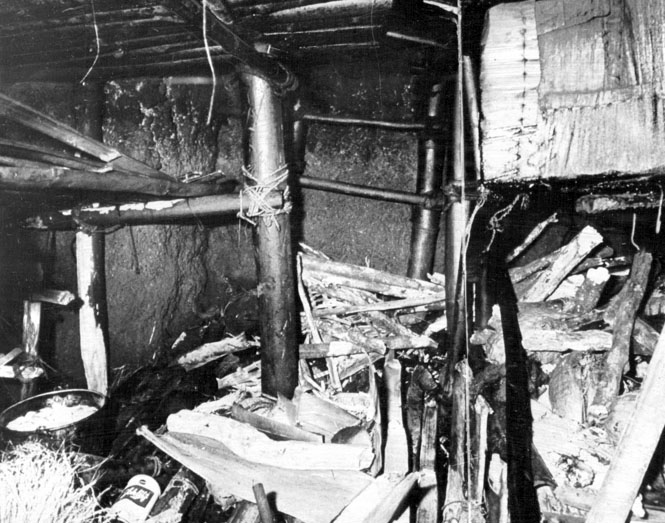
Yokoi made a trap from wild reeds for catching fish.

He also dug himself an underground shelter.

His memoirs reveal that after his last two surviving companions died in 1964, he remained desperate to survive and clung to the hope of rescue.

"I cannot die here. I cannot expose my corpse to the enemy," Yokoi wrote.

READ MORE: Letter from American soldier reaches his family 76 years after he sent it

He was repatriated to Japan a month after his discovery in 1972, where he started life over in a country and a world he hardly knew.

His exploits in the jungle fascinated the nation.

The Japanese, in the throes of the post-war industrial boom, were intrigued by his basic diet of nuts, berries, frogs, snails and rats, and how he wove materials from tree bark.

Japan had then become a nation with a limited "self-defence" force instead of an army, and was just beginning to emerge as an industrialised power.

Upon his return, Yokoi, who had been reported as killed in action, was dumbfounded by the changes that had occurred since he left on a military transport more than a quarter-century earlier.

At the first news conference since his homecoming, Yokoi, surrounded by reporters and photographers after nearly three decades in complete jungle isolation, appeared bewildered and was unable to answer questions.

READ MORE: One of the US Navy's most powerful weapons makes a rare appearance in Guam

He married in November 1972, and traded his solitary cave in Guam for a home in Aichi Prefecture with his new wife Mihoko.

Yokoi became a regular commentator on television programs, where he discussed survival skills.

He also wrote a best-selling book on his experience in Guam.

His return triggered a search for other Japanese soldiers left from the war, and turned up another straggler in 1974, this time in the Philippines.

Unlike Yokoi, whose rifle had rusted and become useless, former army officer Hiroo Onoda had kept a working firearm and was accused of killing several villagers before he was discovered in the Philippines jungle.

Yokoi died in September 1997.

– Reported with CNN

'The rest of the world has moved on': Why WA should re-open

OPINION: I do not want West Australians to die.

I never thought I would have to explicitly state that.

Yet this is where I find myself after taking to Twitter to express my heartbreak at the prospect of missing my sister's wedding due to the McGowan Government's border opening backflip.

READ MORE: Major study prompts rethink on vaccine strategy

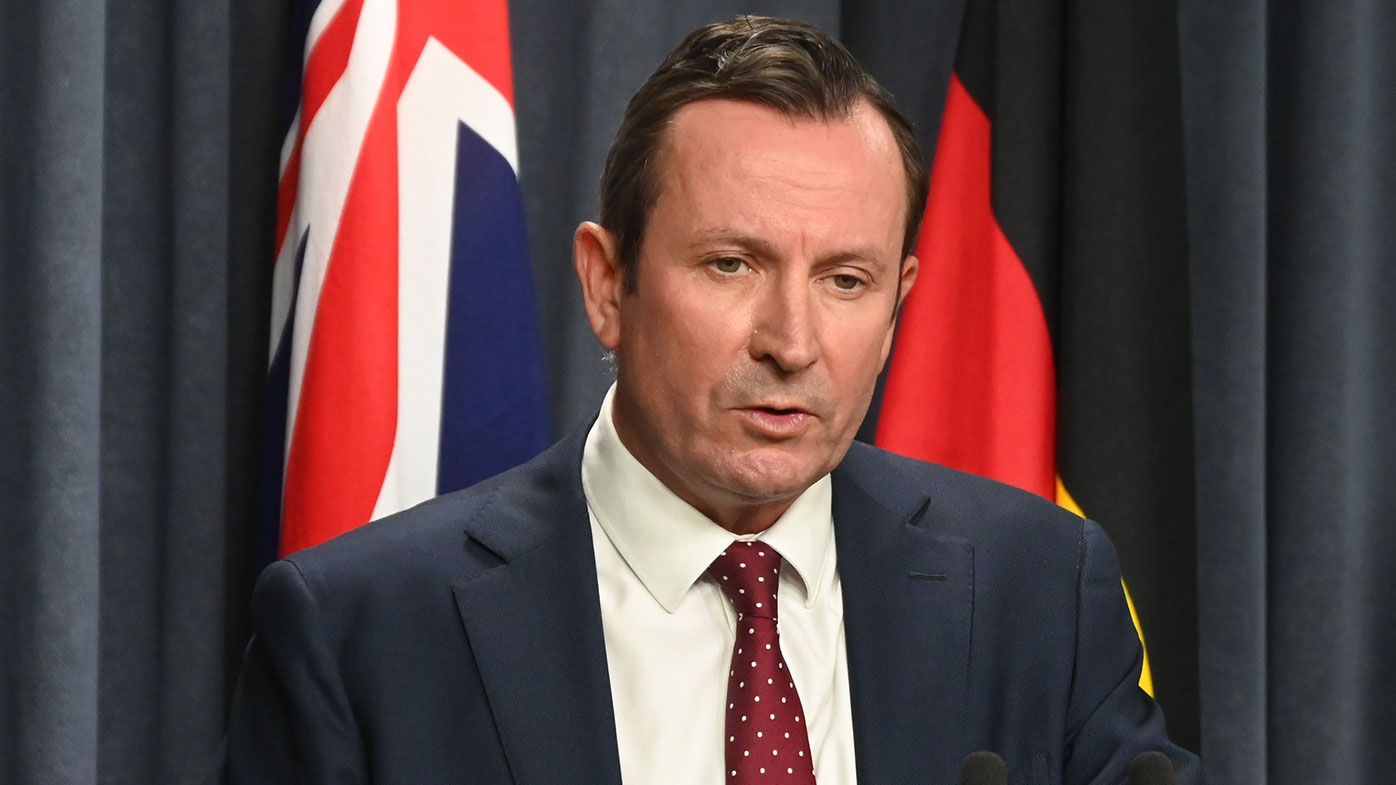
WA Premier Mark McGowan has cancelled plans to reopen the state border.

Here are some of my favourite responses:

"Can't believe anyone would think a wedding is more important than people's lives."

"I'd rather miss a wedding than die."

"On the plus side, you won't be missing her funeral, and you do have Mark McGowan to thank for that."

I know better than to "read the room" by the quality of my replies on Twitter, but it's obvious that there is a real sense of fear among West Australians.

Opinions will vary on whether Mark McGowan has made the right decision.

Two things are clear to me though; this announcement has caused unnecessary pain and suffering by offering false hope to thousands of people, and that the Government has tried to sell the reasoning behind this decision, using fear.

We deserve better than that.

READ MORE: Why is there a lag in Australia's COVID-19 booster rollout?

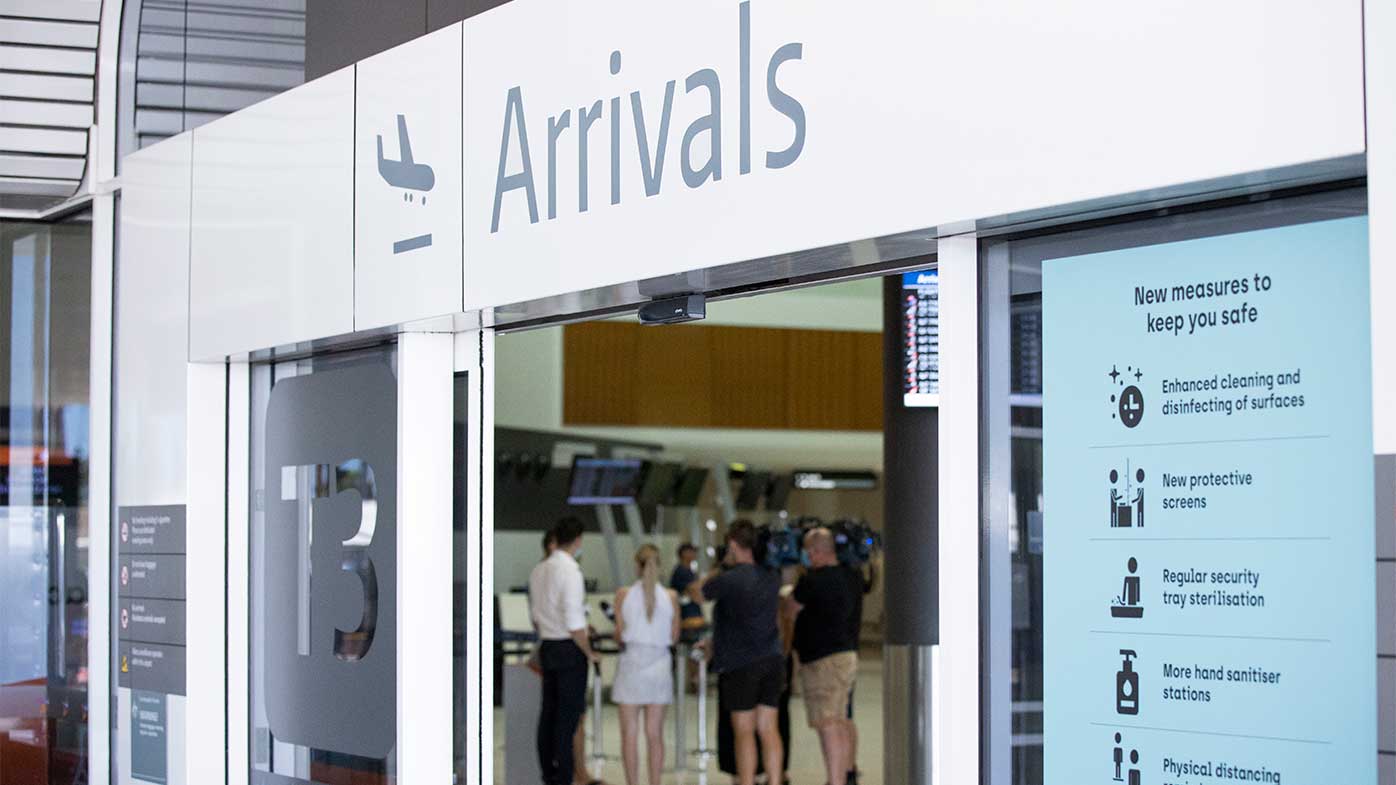
Perth Airport.

The February 5 re-opening date was never about "letting it rip". It was dubbed the "Safe Transition Plan" because public health measures were to be re-introduced.

These health measures work, and I've experienced this firsthand living in Los Angeles County, which is recording around 40,000 cases per day.

My husband and I are triple vaccinated. We wear good quality well-fitting masks in all indoor public settings. We maintain a safe distance from people and gather outdoors where possible. And when case numbers rise, we stay home. And we have not yet caught the virus.

So it was stunning to hear Mark McGowan — after spending weeks assuring the public that these health measures work — try to convince us of the opposite on Thursday.

We were repeatedly told that February 5 was "locked in" and it would take a catastrophe to derail that.

Border restrictions have kept Jerrie Demasi from going home to Western Australia.

The Premier said that catastrophe has come. Telling the people of Western Australia that it's not safe to open because Omicron evades vaccines, that a double dose provides just four per cent protection from infection, and that we all need boosters before the walls can come down. First of all, this is simply not true, the correct figure is 33 per cent.

And the goal of vaccination has never been protection from infection. It's protection from severe illness, and two shots of Pfizer still offers 70 per cent protection from hospitalisation.

This is a statistic that a 90 per cent vaccinated population should be very comfortable with.

I have been a passionate supporter of vaccine mandates. I have been fiercely outspoken about preserving public health and protecting the vulnerable.

READ MORE: TGA approves Novavax COVID-19 vaccine

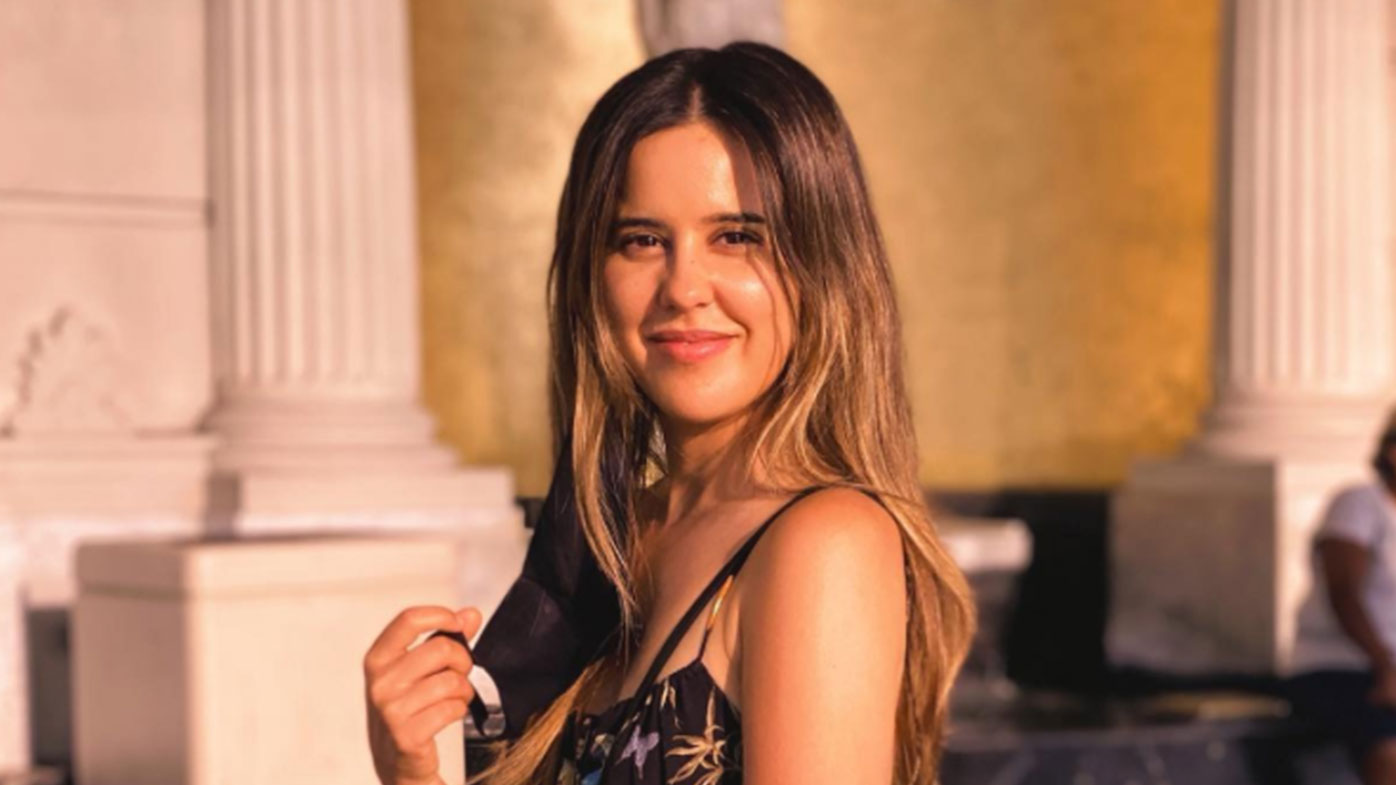
Jerrie Demasi works in Los Angeles as a reporter for 9News.

But Thursday was a big "I told you so" moment for the anti-establishment crowd and ammunition for anti-vaxxers who view the backflip as validation.

The Premier said "the east" is clocking 5000 hospitalisations every day. Incorrect. I believe he was referring to a total of 5000 people in hospital.

When a leader is explaining why he's about to crush the spirits of thousands of West Australians, you need to be sure to get those figures correct.

The Premier cannot continue to compare WA to "the east". We simply don't have the population density, not to mention that NSW removed all public health measures very early in the piece.

Perhaps South Australia is a better comparison. Health measures like mask wearing, social distancing and vaccinations have been in place since the border opened, and the state is recording between 3000-4000 cases per day with 298 people currently in hospital, 33 in ICU and 64 total deaths.

For WA, it was never simply a case of opening the doors and letting mass-death in.

Selling it that way corrodes trust in whatever opening plan lies in our future.

People are terrified, in the face of something that is inevitable.

Numbers like South Australia's should be manageable according to the WA Premier, who continues to re-iterate how "strong and ready" our hospitals are.

But if the hospitals are so well prepared — why is the state continuing to clock record ramping figures without a single case of COVID-19 in our hospitals?

Western Australia has six ICU beds per 100,000 people. That is the lowest number of beds per capita in the country.

The government has had two years to fix this. It is clear to me now, that even when the February 5 date was set, our hospitals were never going to be ready.

So then, why give false hope to thousands of people who are aching to return to their families? Why? When you always knew this was coming.

People who have done everything you asked of them. Triple vaxxed. Negative tests. Many still willing to quarantine.

Now there is no guarantee of entry, and no future opening date in sight.

What I am most scared of now, is how little vaccine protection the elderly and immunocompromised will have, the longer this re-entry date is extended.

Vaccine efficacy wanes over time. A triple dose of Pfizer goes from 70 per cent protection from infection in the two weeks post injection, to 35 per cent protection come week ten.

Protection from infection is vital for these very vulnerable people.

The time to open, to protect them (the majority of whom are recently boosted) was now.

And to my new friends on Twitter – spare me your vitriol.

West Australians have flattened the curve when told to, masked up when told to, rolled up our sleeves when asked, cancelled flights, closed businesses, downloaded apps … and for what?

The rest of the world has moved on and is living with this virus.

There is a way to do that safely and we had that plan in place.

Buying more time will not make this transition any easier.

We need a leader to guide us into an unavoidable new normal, with confidence and compassion, not fear.

Jerrie Demasi is a reporter for 9News currently living and working in Los Angeles. 

Australia one of 22 countries deemed 'very high' risk for travel by US

More than 20 new destinations have been added to the United States' highest-risk travel category.

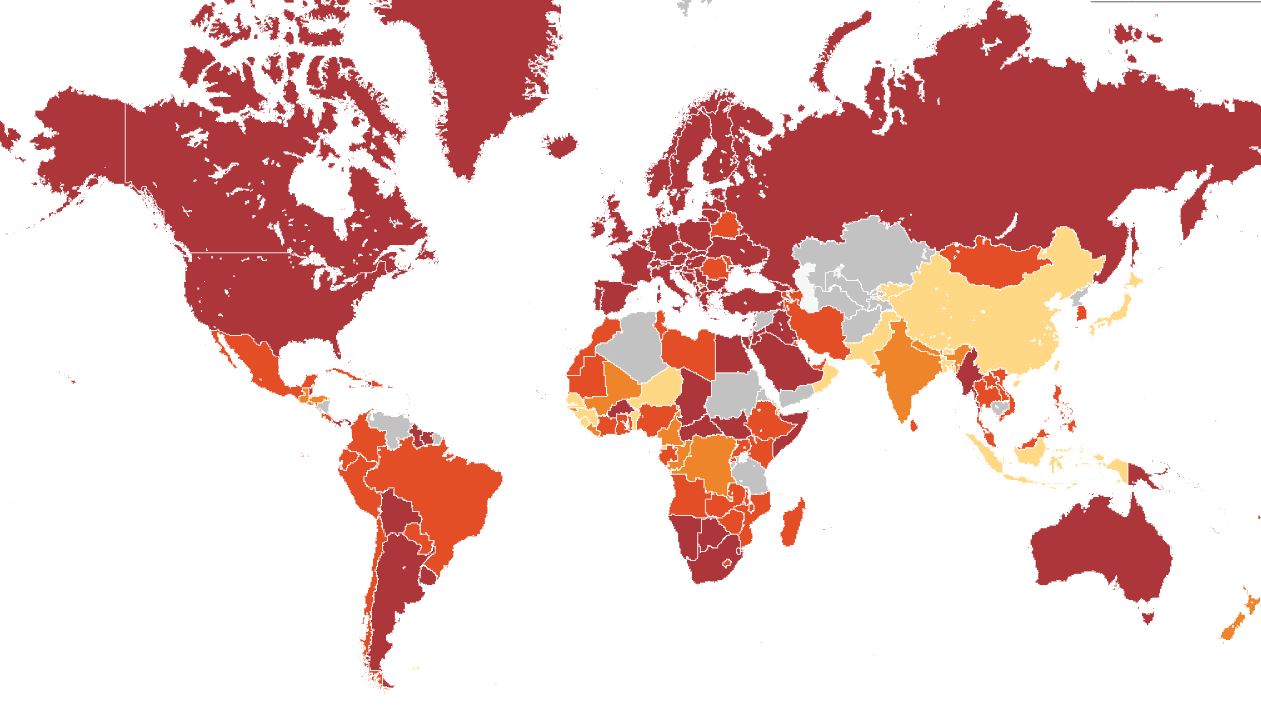
The US Centres for Disease Control and Prevention (CDC) moved a whopping 22 nations into its highest-risk travel category for COVID-19 this week, in contrast to last week when it moved only two nations to Level 4, or "very high" risk.

Every continent but Antarctica was represented this week as 22 new places were added to the list, including Australia, Argentina and Egypt.

READ MORE: Australia scraps PCR testing requirement for overseas arrivals

Getaway

Adding to the impact: The CDC also moved 22 additional nations to its Level 3 category, which is considered "high" risk for COVID-19.

Among the nations moved to Level 4 this week were Argentina and Australia, which have maintained some of the strictest borders controls during most of the pandemic.

The CDC places a destination at Level 4 when more than 500 cases per 100,000 residents are registered in the past 28 days. The CDC advises travellers to avoid travel to Level 4 countries.

The 22 new destinations, with at least one entry from every continent but Antarctica, at Level 4 are:

• Albania

• Argentina

• Australia

• Bahamas

• Bahrain

• Bermuda

• Bolivia

• British Virgin Islands

• Cape Verde

• Egypt

• Grenada

• Guyana

• Israel

• Panama

• Qatar

• Saint Kitts and Nevis

• Saint Lucia

• São Tomé and Príncipe

• Sint Maarten

• Suriname

• Turks and Caicos Islands

• Uruguay

The British Virgin Islands in the Caribbean had the biggest move upward in the list. It was at Level 1 (or "low" risk) last week.

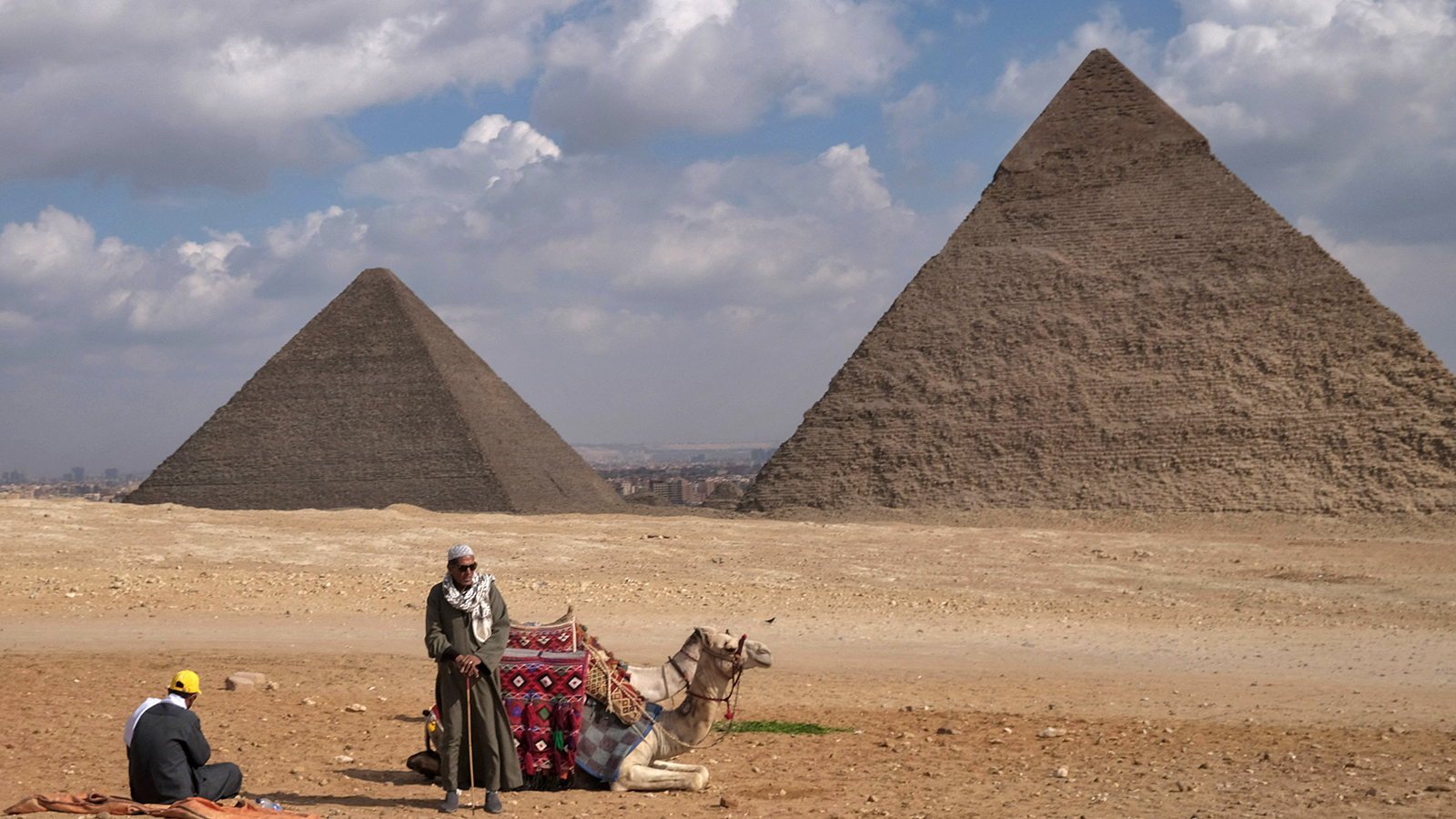
A picture taken on December 17, 2021 shows men resting next to a camel with the Great Pyramid of Khufu (Cheops) (L) and Pyramid of Khafre (Chephren) (R) in the background at the Giza pyramids

Grenada, another Caribbean island, and São Tomé and Príncipe, off the coast of Africa, had been at Level 2 (or "moderate" risk) last week.

The other 19 destinations had been at Level 3.

Situation in Europe

Europe saw only one new entry at Level 4 this week — Albania. That's because much of Europe has remained firmly lodged at the CDC's Level 4 for weeks or months now.

They include some of the continent's biggest names:

• France

• Germany

• Greece

• Iceland

• Ireland

• Italy

• Spain

• United Kingdom

Other popular destinations such as Canada and South Africa are also at Level 4. With the addition of 22 new destinations, the Level 4 list now surpasses more than 100 places.

The CDC does not include the United States in its list of advisories, but it was colour-coded at Level 4 on January 18 on the agency's map of travel risk levels.

In its broader travel guidance, the CDC has recommended avoiding all international travel until you are fully vaccinated.

CDC COVID-19 travel map

Level 3 additions

The Level 3 category — which applies to destinations that have had between 100 and 500 cases per 100,000 residents in the past 28 days — also saw a staggering 22 new additions on Tuesday:

• Costa Rica

• Côte d'Ivoire (Ivory Coast)

• Cuba

• Fiji

• Gabon

• Ghana

• Jamaica

• Kuwait

• Madagascar

• Malawi

• Mauritania

• Morocco

• Mozambique

• Nigeria

• Paraguay

• The Philippines

• Saba

• Saint Barthelemy

• Saint Pierre and Miquelon

• Sint Eustatius

• Togo

• Uganda

There were shreds of good news from southeastern African neighbours Malawi and Mozambique, which both moved down from Level 4.

The move into Level 3 was bad news for Côte d'Ivoire, Ghana, Morocco and Uganda in Africa, which all moved up two steps from Level 1. The Caribbean islands of Saba, Saint Barthelemy and Sint Eustatius also moved up from Level 1, as did Paraguay in South America and the Philippines in Southeast Asia.

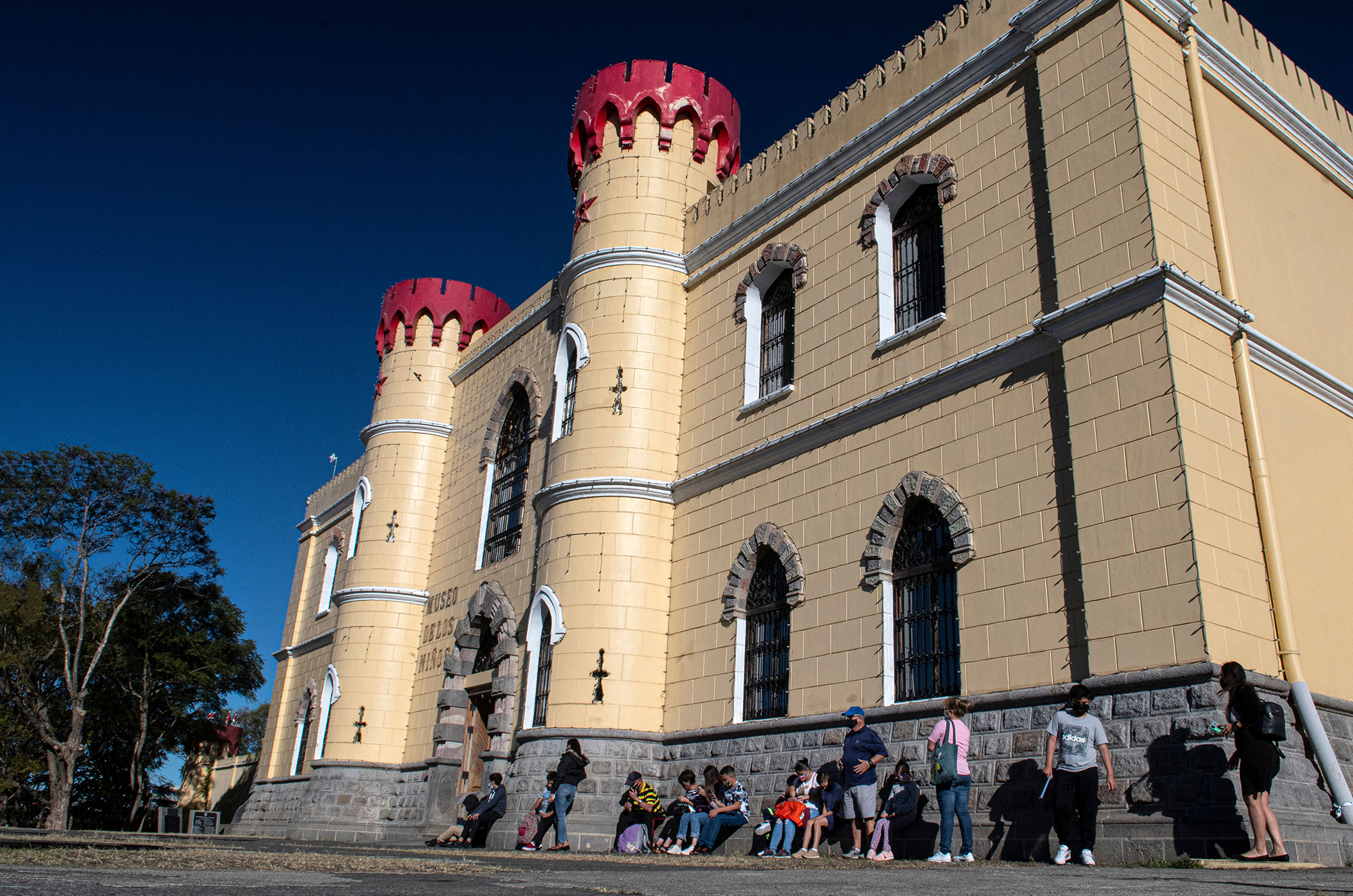
People line up to get their 5 to 11 year-old children get vaccinated against Covid-19, at the Children's Museum, in San Jose, Costa Rica, on January 12, 2022.

Half of the places new to Level 3 this week moved up from Level 2: Costa Rica, Cuba, Gabon, Jamaica, Madagascar, Mauritania, Nigeria, Saint Pierre and Miquelon, Togo, Fiji and Kuwait.

There are now almost 60 destinations at Level 3.

Levels 2, 1 and unknown

Destinations carrying the "Level 2: COVID-19 Moderate" designation have seen 50 to 99 COVID-19 cases per 100,000 residents in the past 28 days.

That level saw four new additions Tuesday:

• Djibouti

• India

• Kosovo

• Montserrat

All four destinations were at Level 1 last week.

To be in "Level 1: COVID-19 Low," a destination must have fewer than 50 new cases per 100,000 residents over the past 28 days. No new additions were made on Tuesday. Notable destinations at Level 1 include Japan and Taiwan.

Finally, there are destinations for which the CDC has an "unknown" risk because of a lack of information. Usually, but not always, these are small, remote places.

On Tuesday, the remote sultanate of Brunei was added to the unknown group.

Cruising

The CDC includes cruise ships on its destinations list.

On December 30, the CDC increased the risk for cruise ship travel to Level 4 and said it should be avoided, regardless of vaccination status. It remained at Level 4 in the newest update.

Meanwhile, the CDC's COVID-19 guidance has become optional for many cruise ships.

The CDC's extended conditional sailing order expired last week, and the agency has transitioned to a voluntary program for foreign-flagged cruise ships operating in US waters.

Considerations for travel

Transmission rates are important to consider when making travel decisions, but there are other factors to weigh as well, according Dr. Leana Wen, a CNN medical analyst, emergency physician and professor of health policy and management at the George Washington University Milken Institute School of Public Health.

"The transmission rates are one guidepost," Wen said. "Another is what precautions are required and followed in the place that you're going and then the third is what are you planning to do once you're there.

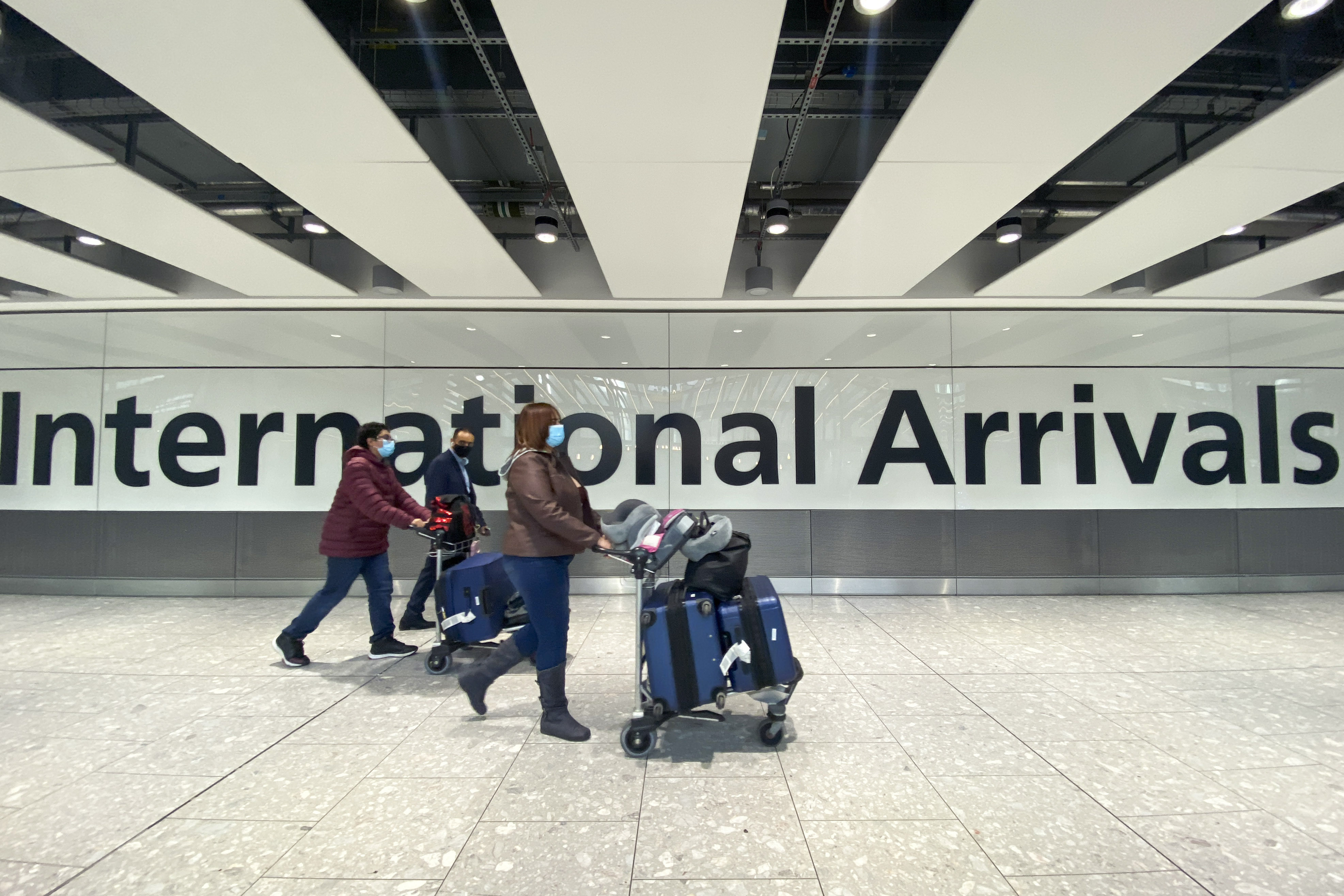
Passengers walk at the International Arrivals at Hearhtow Airport, in London, Friday, Nov. 26, 2021.

"Are you planning to visit a lot of attractions and go to indoor bars? That's very different from you're going somewhere where you're planning to lie on the beach all day and not interact with anyone else. That's very different. Those are very different levels of risk."

Vaccination is the most significant safety factor for travel since unvaccinated travellers are more likely to become ill and transmit COVID-19 to others, Wen said.

She said people should be wearing a high-quality mask — N95, KN95 or KF94 — anytime they're in crowded indoor settings with people of unknown vaccination status.

Before you travel, it's also important to consider what you would do if you end up testing positive away from home, Wen said. Where will you stay and how easy will it be to get a test to return home?