Tag Archives: oceania

Two summer heat records smashed in WA

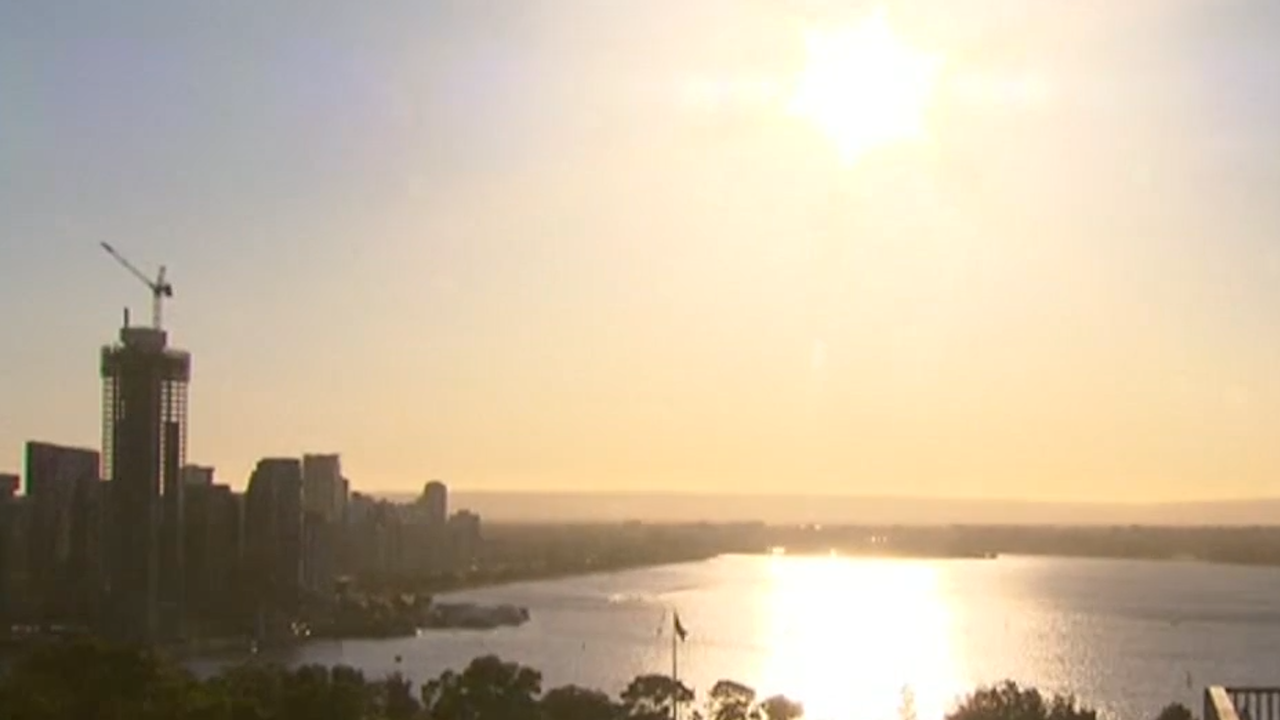
Two summer heat records have been broken in Western Australia as Perth sweltered through another scorcher of a day.

For a record fifth day in a row the temperature sat above 40C in Perth.

"The record at the moment as it stands is four days in a row over 40 degrees and we've reached that three times in the past," Bureau of Meteorology Duty Forecaster Jessica Lingard told 9News.

READ MORE: New vision from Tongan volcanic eruption shows rocks raining down from the sky

For a record fifth day in a row the temperature sat above 40C in Perth.

"It's unprecedented that we've had five days in a row," she said.

The high temperature reflects an ongoing heatwave throughout the whole of the state, which has now had a record 10 summer days above 40C.

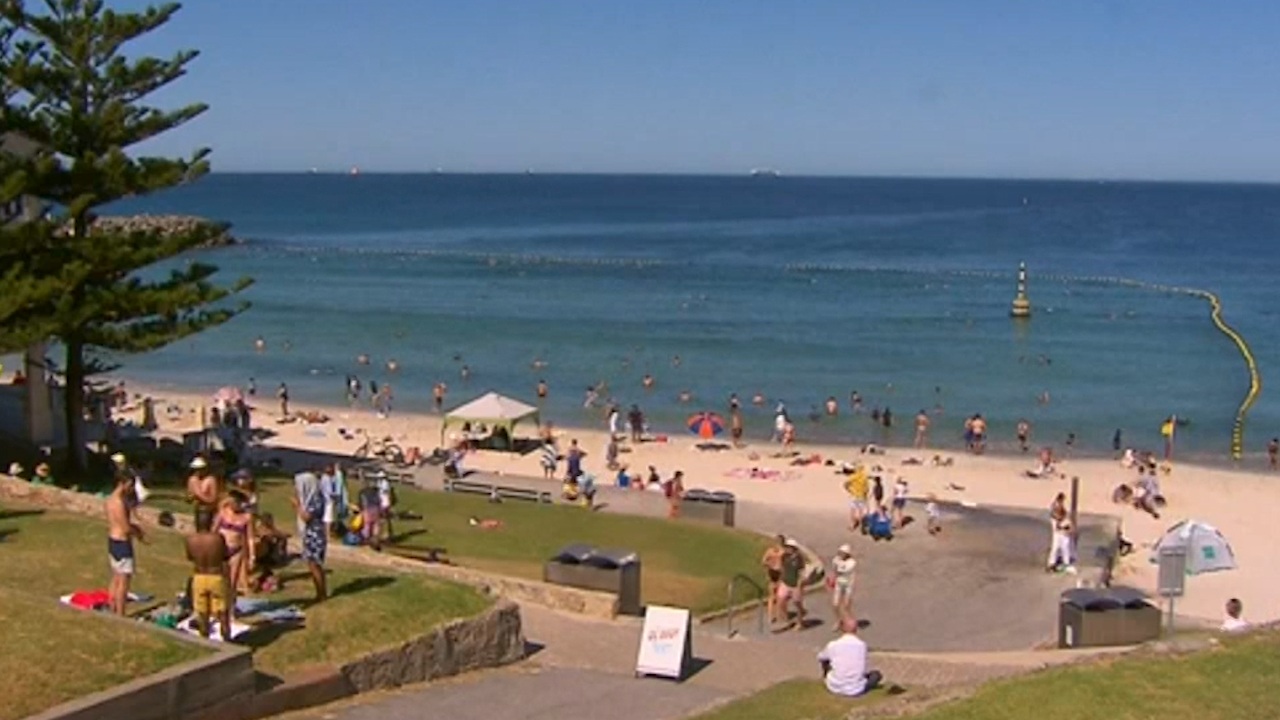
Locals flocked to the beach in a desperate attempt to beat the heat.

Perth's Cottesloe Beach was one of them, with people arriving early in the morning to nab their spot on the sand.

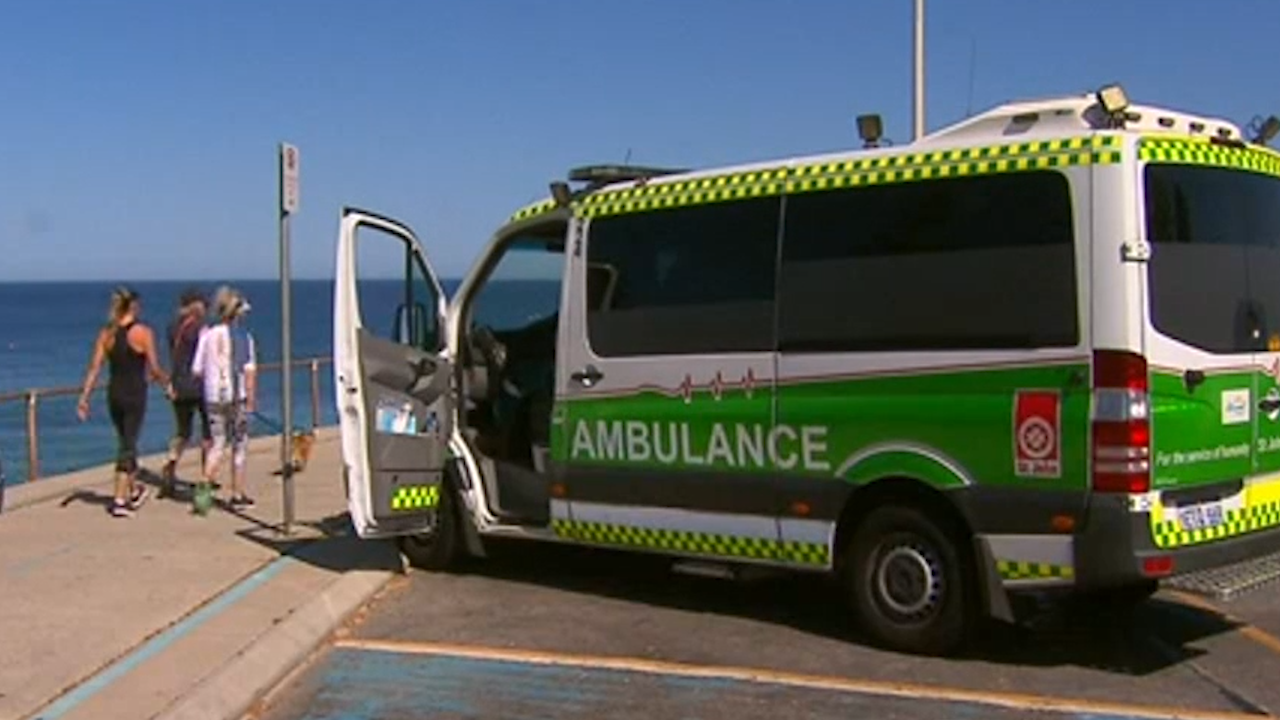
Ambulances were also stationed at beaches along the coast as temperatures continued to rise throughout the day and the mercury reached 41C by 2.30pm.

READ MORE: Electricity prices at their lowest in over five years, as people find more ways to save

People headed to the the beach in a desperate attempt to escape the heat.

It marks a continuing trend of an unusually hot summer in the state.

Perth had its hottest Christmas Day on record, and just last week the equal hottest Australian day ever was recorded in Onslow, with temperatures reaching 50.7C.

The BoM warns the weather in WA is not going to be cooling down any time soon.

"There is a chance we could be seeing more of these systems as the look through the rest of the summer season, unless we get something to help flush out the heat," Ms Lingard said.

READ MORE: Queensland mother left 'devastated' after being separated from her newborn

Ambulances were also stationed at beaches in case of emergencies during the hot weather.

But there will be some slight relief in the coming days.

"The trough that's causing these hotter temperatures will be moving inland tomorrow [Sunday]," she said.

"So, from Monday we will start to see temperatures starting to decrease."

Retired teachers being called on to become COVID-19 relief resources in Victoria

Retired teachers and final year university students are being called on by the Victorian government to become COVID-19 relief resources.

The state government is trying to create a pool of standby resources ahead of the start of the school year, as the state recorded a slight drop in daily case numbers.

It anticipates another strain on the workforce as schools return and staff are confirmed as COVID-19 cases themselves or close contacts.

READ MORE: Anti-vaxxers cause major public transport delays, traffic chaos

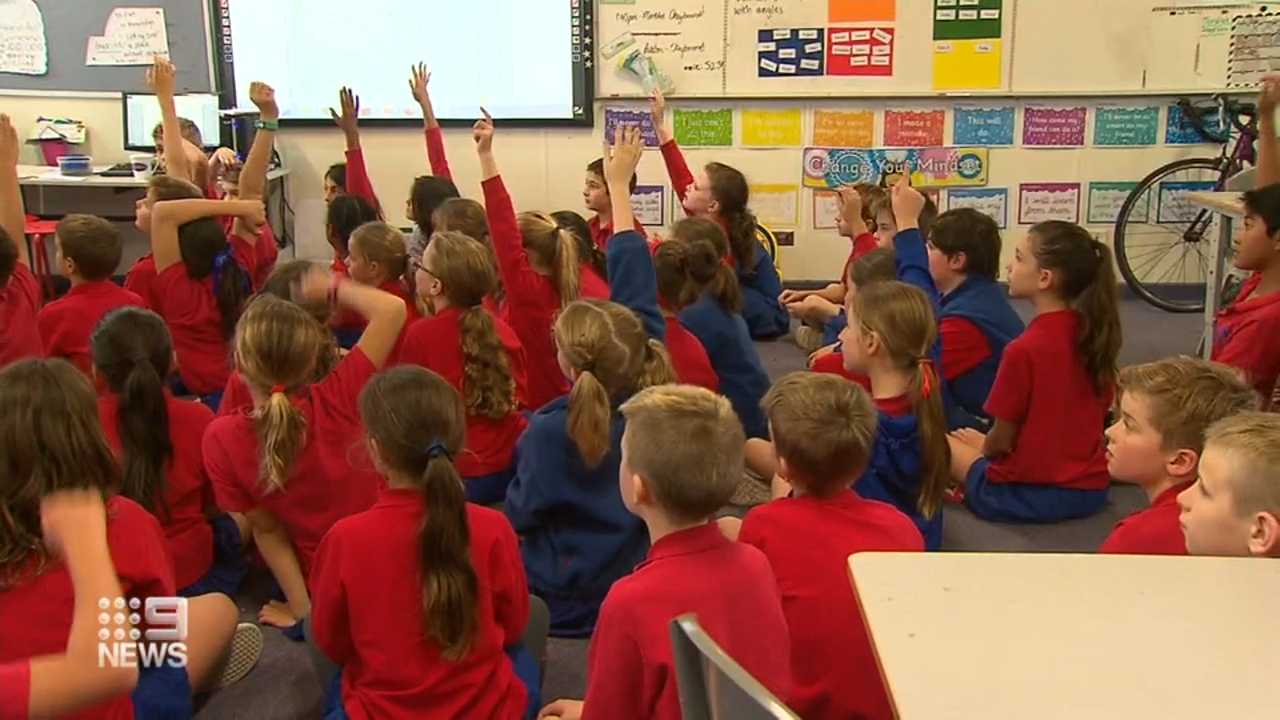
Retired teachers and final year university students are being asked to become COVID-19 relief resources.

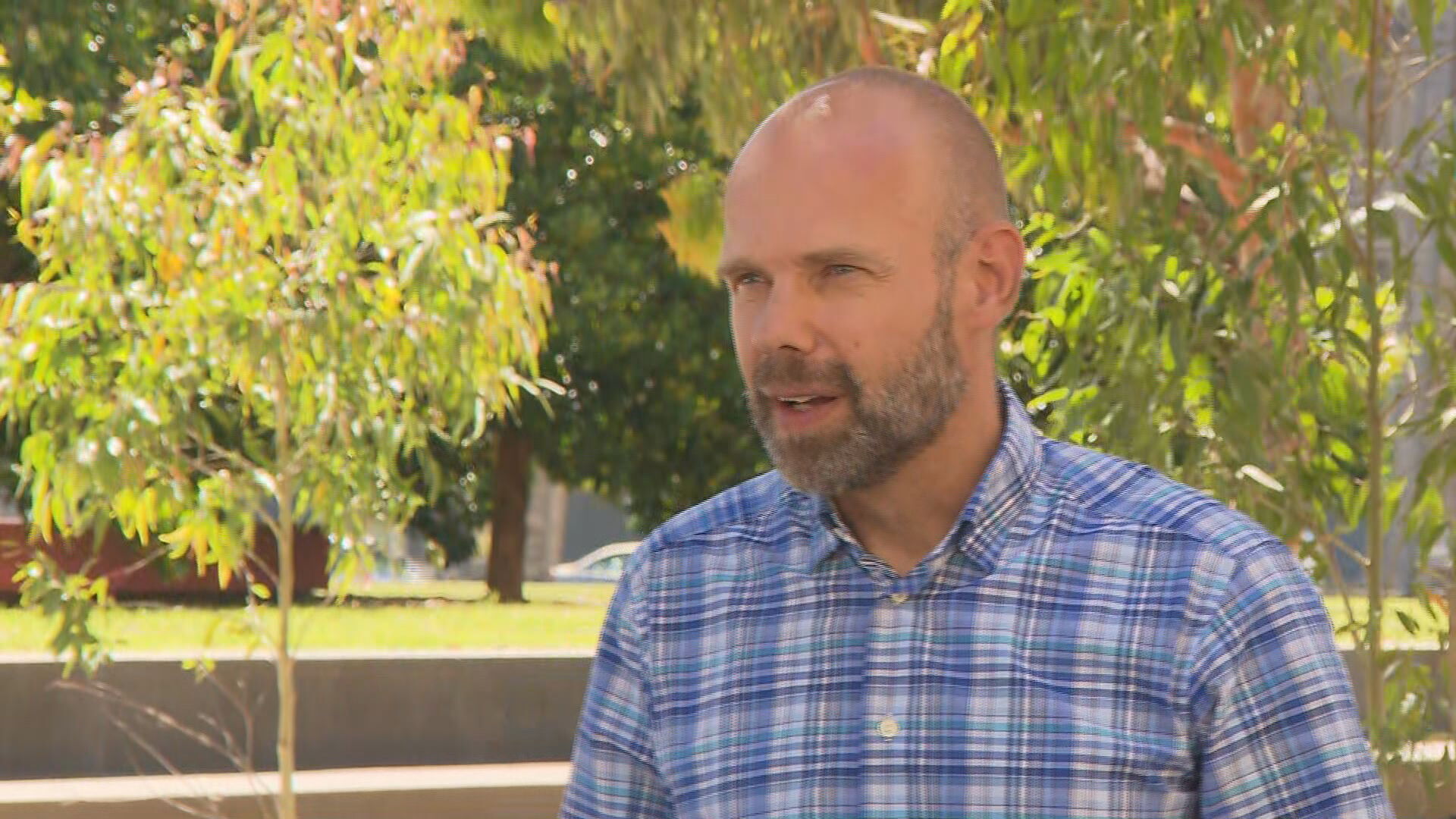
"It's a simple pragmatic measure, to really ensure, to underscore that we get off to a good start and don't have two major problems in the first few weeks," Victoria's COVID-19 response commander Jeroen Weimar said.

Retired or inactive teachers, principals, school support and admin staff are all being sought out.

They will be put on short, fixed-term contracts covering isolation periods at public schools across the state.

To be eligible people must be fully vaccinated and hold either a current working with children check or teaching registration.

"If I can be some help to my colleagues, I would be delighted to put my hand up. I think they need all the help they can get just at the moment," retired principal Peter Martin told 9News.

Slight drop in Victoria's numbers

The call for teachers comes as Victoria reports 20 deaths and a slight drop in daily cases numbers, recording 16,016 new COVID-19 cases in the past 24 hours.

Of today's cases, 7584 were reported by positive rapid antigen test results.

There are 1029 people in hospital with the virus and 120 people admitted to intensive care while 39 people are on ventilators.

READ MORE: Bat Out of Hell singer Meat Loaf dies, aged 74

The hospitalisation number is a slight drop from yesterday.

Victorian COVID-19 Commander Jeroen Weimar said the hospitalisations are beginning to stabilise.

"Encouraging to see a little bit of stabilisation over the last few days in that hospitalisation number," he said.

"Case numbers look like they're reasonably stabilising," he said.

Mr Weimar said the seven-day average of cases is sitting just under 21,000.

He also said the test positivity rate is beginning to drop "ever so slightly".

After the testing chaos over Christmas, the PCR testing wait times are now averaging 24 minutes at clinics across the state.

Victoria's COVID-19 Commander Jeroen Weimar

It comes as Victorians may soon have to be triple-vaccinated to enter cafes or restaurants.

The state government is moving towards a booster mandate to help increase the number of people with the third COVID-19 vaccine.

The Department of Jobs, Precincts and Regions met with hospitality and retail groups yesterday to discuss how the mandate will have a major impact on staff and customers, The Age reported.

The nation's GPs and pharmacists will receive an additional 180,000 booster doses in the first week of January, to keep up with soaring demand.

The need for QR codes in hospitality and retail venues was discussed given the significant impact of the Omicron outbreak on contact tracing.

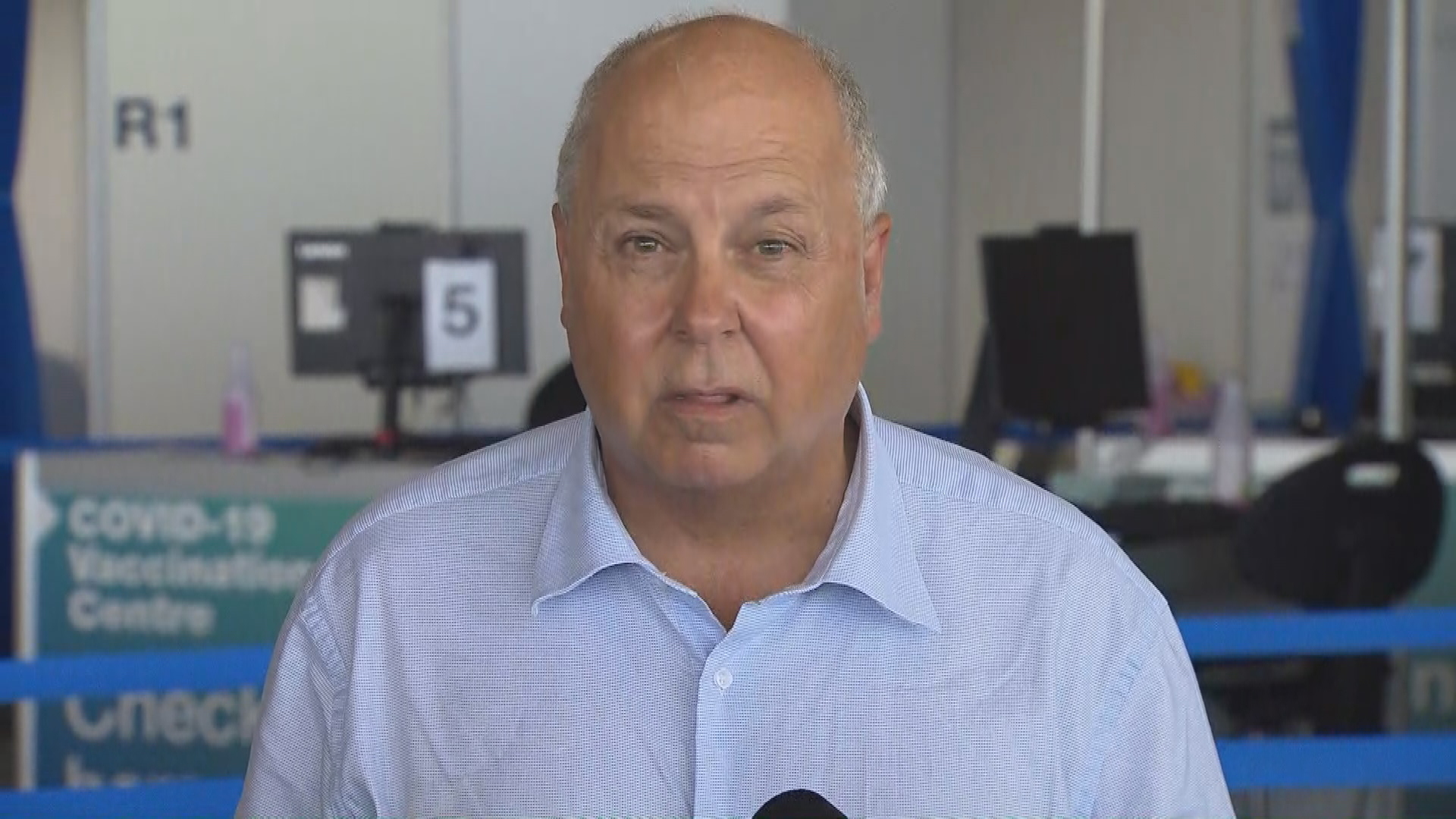
The industry discussions came as Victorian Treasurer Tim Pallas announced yesterday workers in the public sector will get paid time off to get their third dose as part of the state's vaccination push.

"We are doing this because the health and safety of our public service and public sector employees and the whole community is vitally important to us," he said.

READ MORE: Boosters provide the best protection against Omicron variant, CDC studies show

Victorian Treasurer Tim Pallas announced yesterday public sector workers would get paid time off to get their booster shot.

"We recognise that, as an employer, we have a duty of care to our public servants.

"They also have a responsibility to the community at large to make sure that they are not a source of infection in those interactions.

"That is why, as an employer, we are taking this vital step. The change in conjunction with the vaccination blitz at sites like this makes getting your third dose earlier and easier than ever before."

READ MORE: Toddler's cleft palate operation cancelled amid elective surgery freeze

Australians will be able to get their COVID-19 vaccine booster shots after four months from early next year, and then three months from the end of January.

Premier Daniel Andrews flagged earlier this week he would not rule out mandating the third dose for workers other than healthcare staff.

"I don't rule out there being other groups that become the subject of a mandate," he said.

"I think we're very close to a change in policy that will reflect the fact that in order to be fully protected you need to have three doses – not two and an optional extra."

Industry leaders are concerned mandating the booster dose will place additional pressure on already struggling businesses.

New volcano vision shows rocks raining down from the sky in Tonga

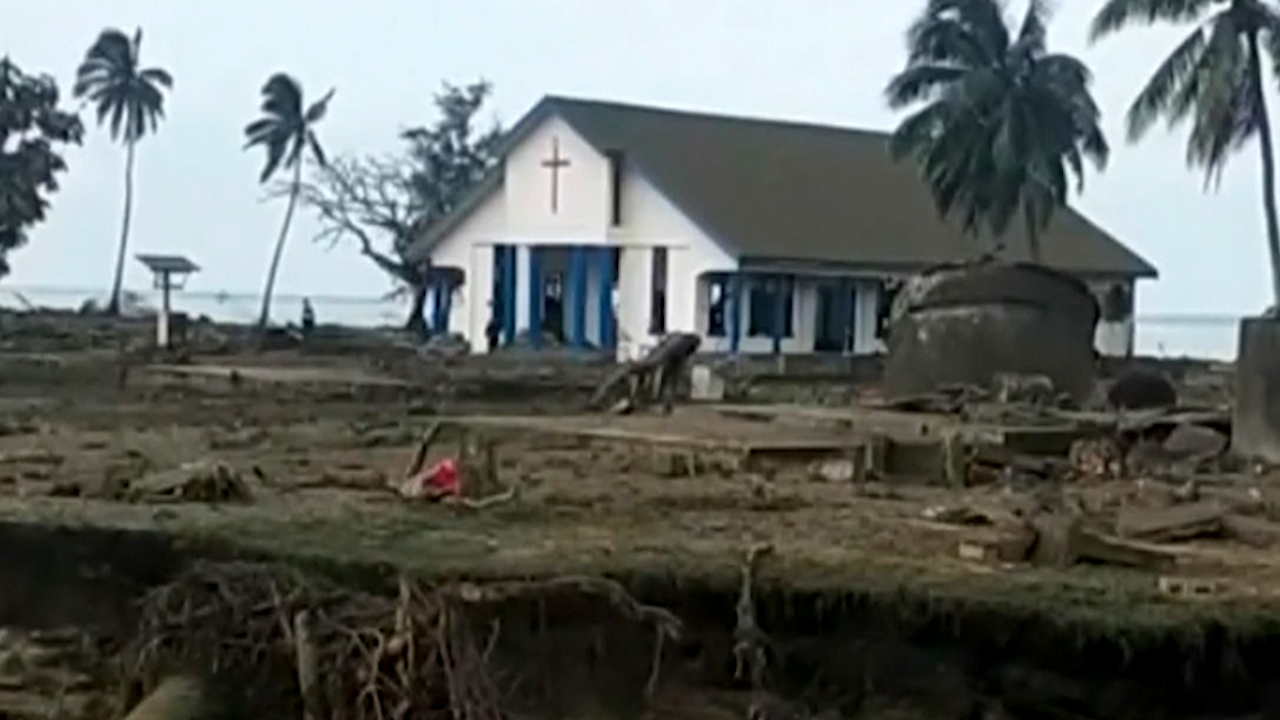
A week on from one of the world's most violent volcanic eruptions in decades, events that happened on the ground in Tonga are still being uncovered.

The natural disaster hit the island nation on January 15, leaving three people confirmed dead and causing a massive amount of destruction.

New footage shows cars crawling inland as rocks and ash rained down from the sky.

READ MORE: Tongan 'Aquaman': Miracle man who survived 28-hour swim after tsunami tells story

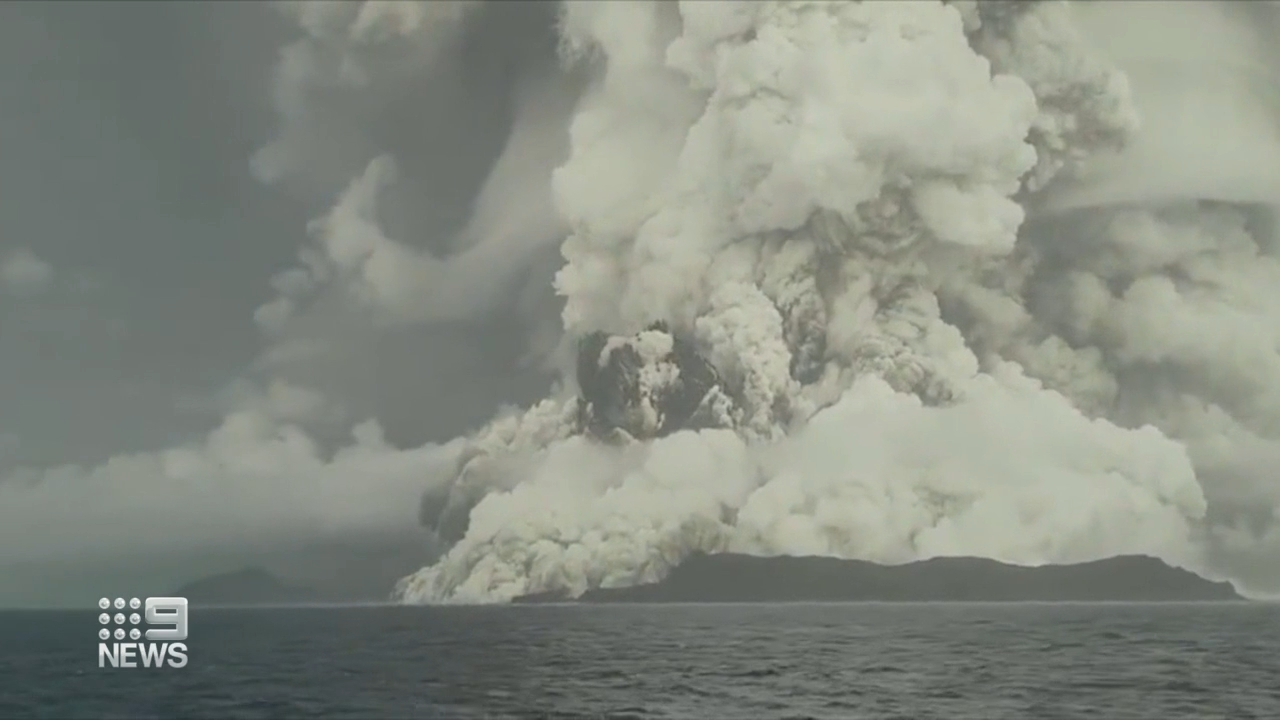
Footage captures the havoc that was unleashed on the ground during Tonga's volcanic eruption.

Stories of survival are being shared over satellite phone and social media.

"It's a very, very difficult time for the people of Tonga. The feedback on the ground that I got today is, again, many people displaced," Australian Minister for International Development and the Pacific, Zed Seselja, said.

Some 4000 kilometres away in a warehouse in NSW, Matraville families are packing supplies for their loved ones in Tonga.

READ MORE: Search underway for missing man after boat capsizes in Sydney

Plumes of smoke and ash could be seen raining down.

There are more 30,000 Tongans living in Australia who are coming together to help their home country.

In a statement, a United Nations coordination specialist in Tonga said the "people are going to need sustained support responding to a disaster of this scale".

In the seven days since the natural disaster, foreign aid has been trickling in, but it has been slowed down because of strict COVID-safe border controls in place to prevent the virus from entering Tonga, which it is kept out so far.

READ MORE: US, Russia to try more diplomacy amid tensions over Ukraine

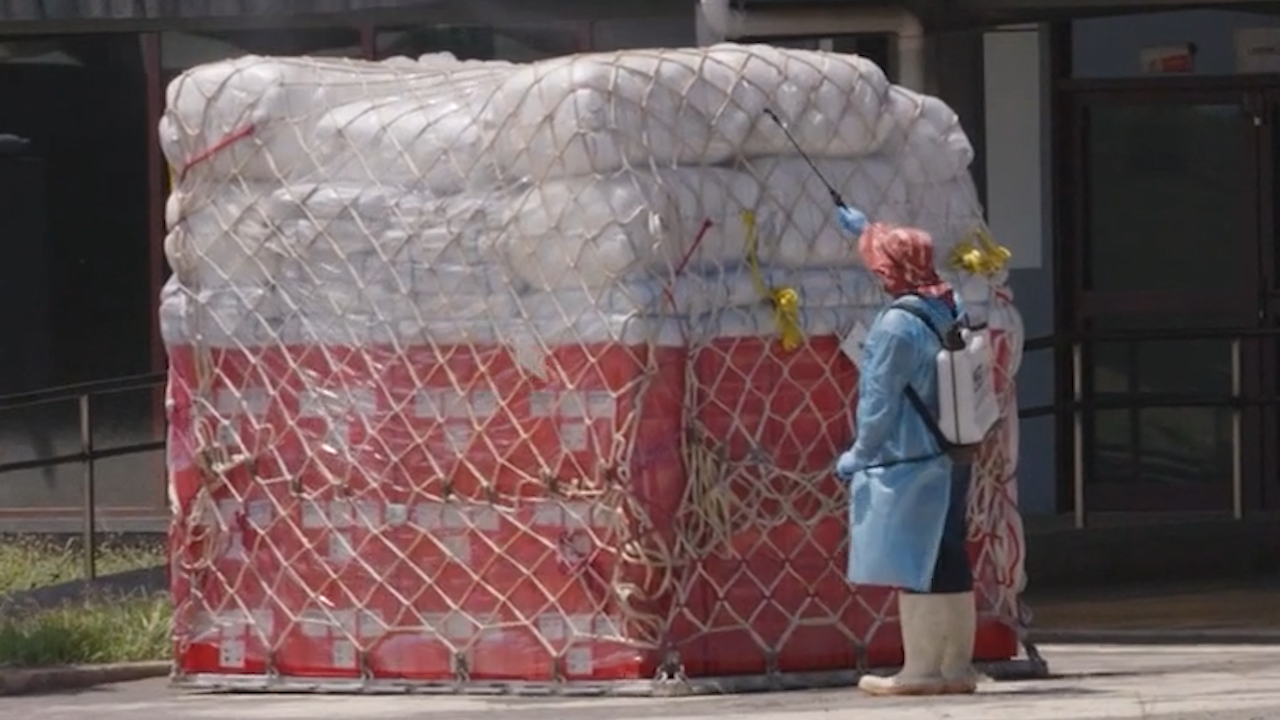
Many of the supplies can't be used until 72 hours pass since they were disinfected.

Three humanitarian flights have touched down in Tonga after one Australian plane was forced to return to base because there was a COVID-19 case on board.

"We respect absolutely the desire of the Tongan Government not to add a COVID crisis to a humanitarian crisis," Mr Seselja said.

New Zealand, Japan, the US and the UK have also been providing aid.

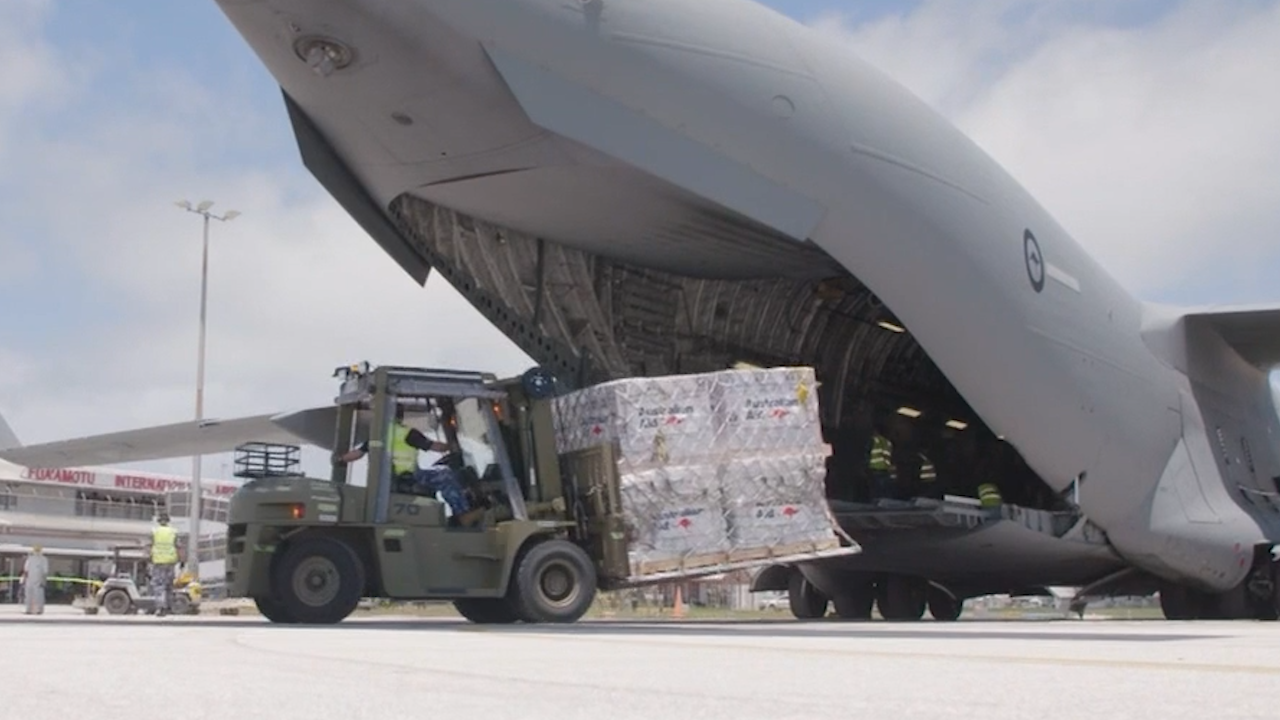
At Tonga's International Airport, pallets of urgent supplies have arrived.

But they can't be used until 72 hours have passed since their disinfection, due to COVID-19 measures.

READ MORE: National research centre announced as COVID-19 sparks rise in eating disorders

Pallets of supplies are being unloaded at the International Airport in Tonga.

In addition to the aid, more messages of support are being sent to Tonga from around the world.

Australian rugby star Taniela Tupou, whose nickname is "Tongan Thor", said the team is "sending our love" and urged the Pacific nation to "stay strong", while Auckland-based rugby team Moana Pasifika united in song and prayers following the disaster.

Australian electricity prices at their lowest level since 2016

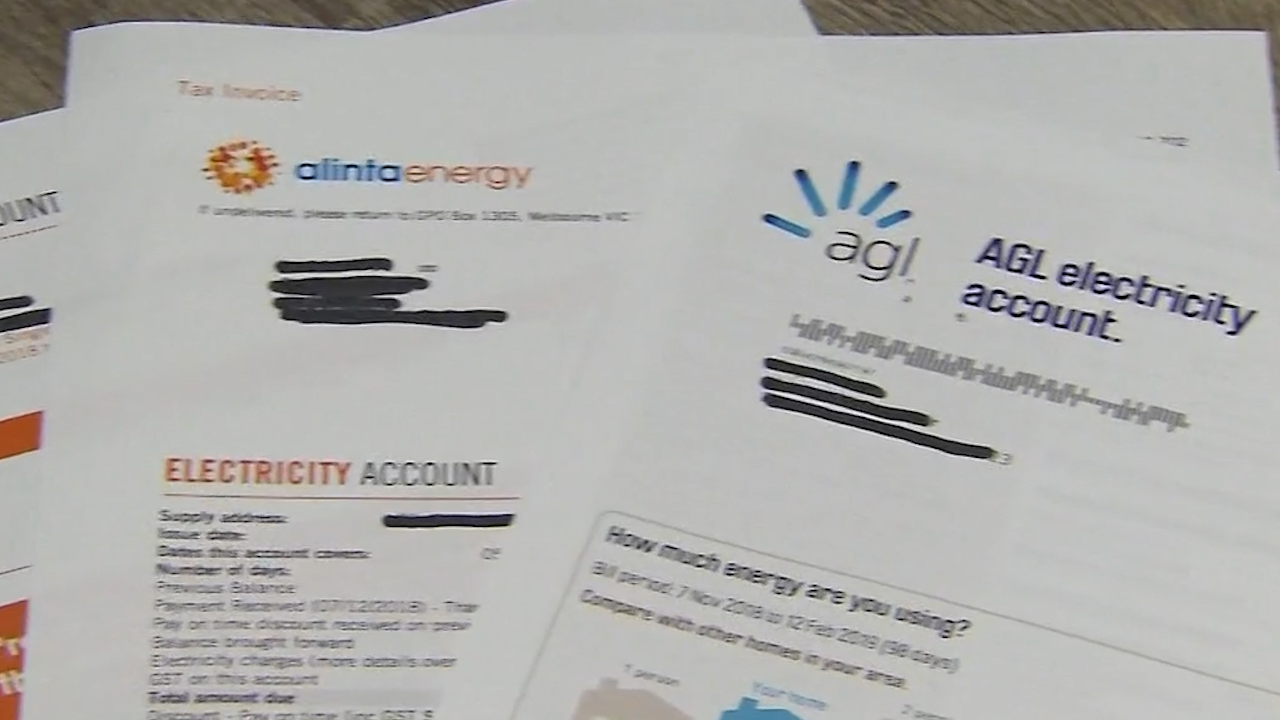
Electricity bills are at their lowest level in more than five years, but some customers are still finding ways to save themselves even more money.

The Independent Pricing Regulator said electricity prices are at their lowest level since 2016, with many households continuing to uncover new ways to save on bills.

One such way has been through electricity provider AGL's energy-saver program that sees households reduce their usage in peak times in exchange for credits on their electricity bill.

READ MORE: NSW records significant drop in COVID-19 cases, reporting 20,148 infections

Electricity bills are at their lowest level in more than five years.

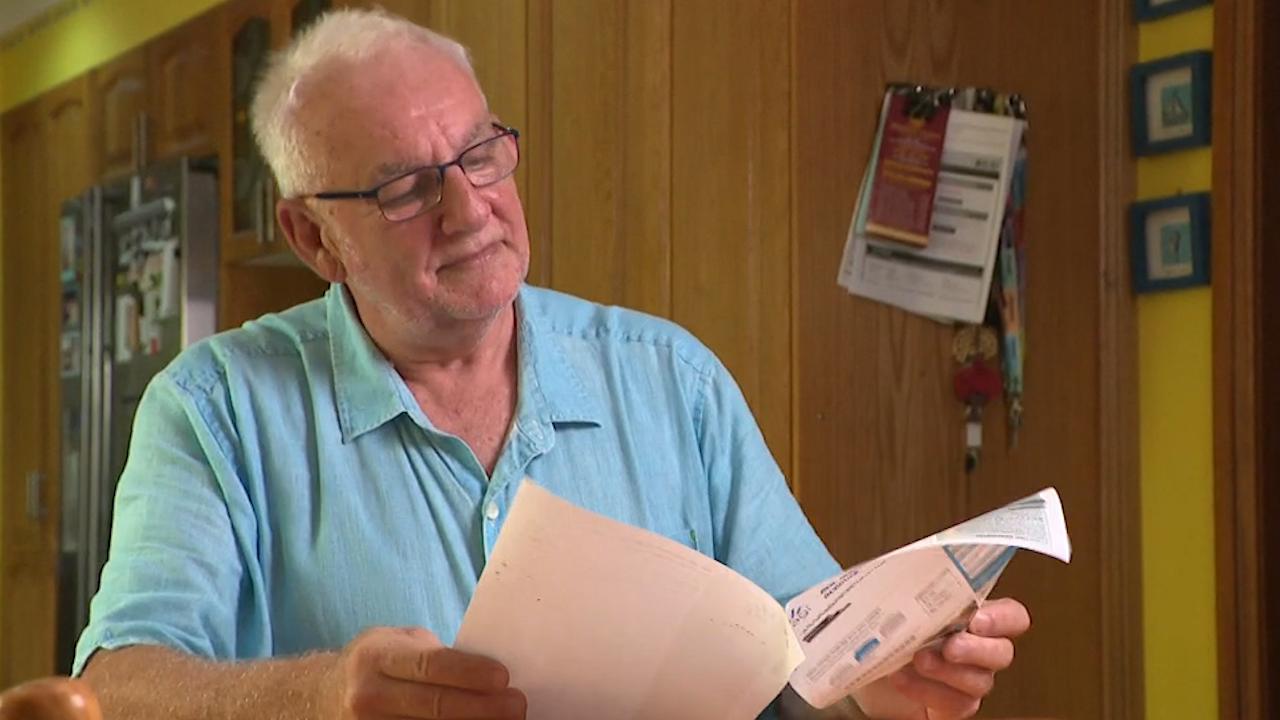
"The energy-saving program last year saved me an $80 credit," program participant Paul Vogelzang said.

"You get an SMS telling you it's a peak event… and at the time, [you] stop using things. It's not exactly a hard thing to do," he said.

AGL said the "peak event" is normally a two-to-three-hour window where energy demand is high, which then reduces pressure on the grid and avoids outages.

Electricity bill costs remain among the five biggest financial concerns for households, so Mr Vogelzang says it's important to keep finding ways to reduce it.

READ MORE: Search underway for missing man after boat capsizes in Sydney

Paul Vogelzang said he as been using the AGL energy saver program to save money on his electricity bill.

"I think everyone should be checking their energy provider on an annual basis to see competitive rates."

The Independent Pricing Regulator said even though electricity prices are at their lowest, customers who remain on standing offers are paying too much.

They advise switching plans, which could save households up to $300 a year on electricity and $350 a year on gas.

Thich Nhat Hanh, influential Zen Buddhist monk, dies at 95

Thich Nhat Hanh, the revered Zen Buddhist monk who helped pioneer the concept of mindfulness in the West and socially engaged Buddhism in the East, has died. He was 95.

The death was confirmed by a monk at Tu Hieu Pagoda in Hue, Vietnam who said that Nhat Hanh, known as Thay to his followers, died at midnight on Saturday morning. The monk declined to be named because he is not authorised to speak to media.

A post on Nhat Hanh's verified Twitter page attributed to The International Plum Village Community of Engaged Buddhism also confirmed the news, saying, “We invite our beloved global spiritual family to take a few moments to be still, to come back to our mindful breathing, as we together hold Thay in our hearts."

READ MORE: NSW records significant drop in COVID-19 cases, reporting 20,148 infections
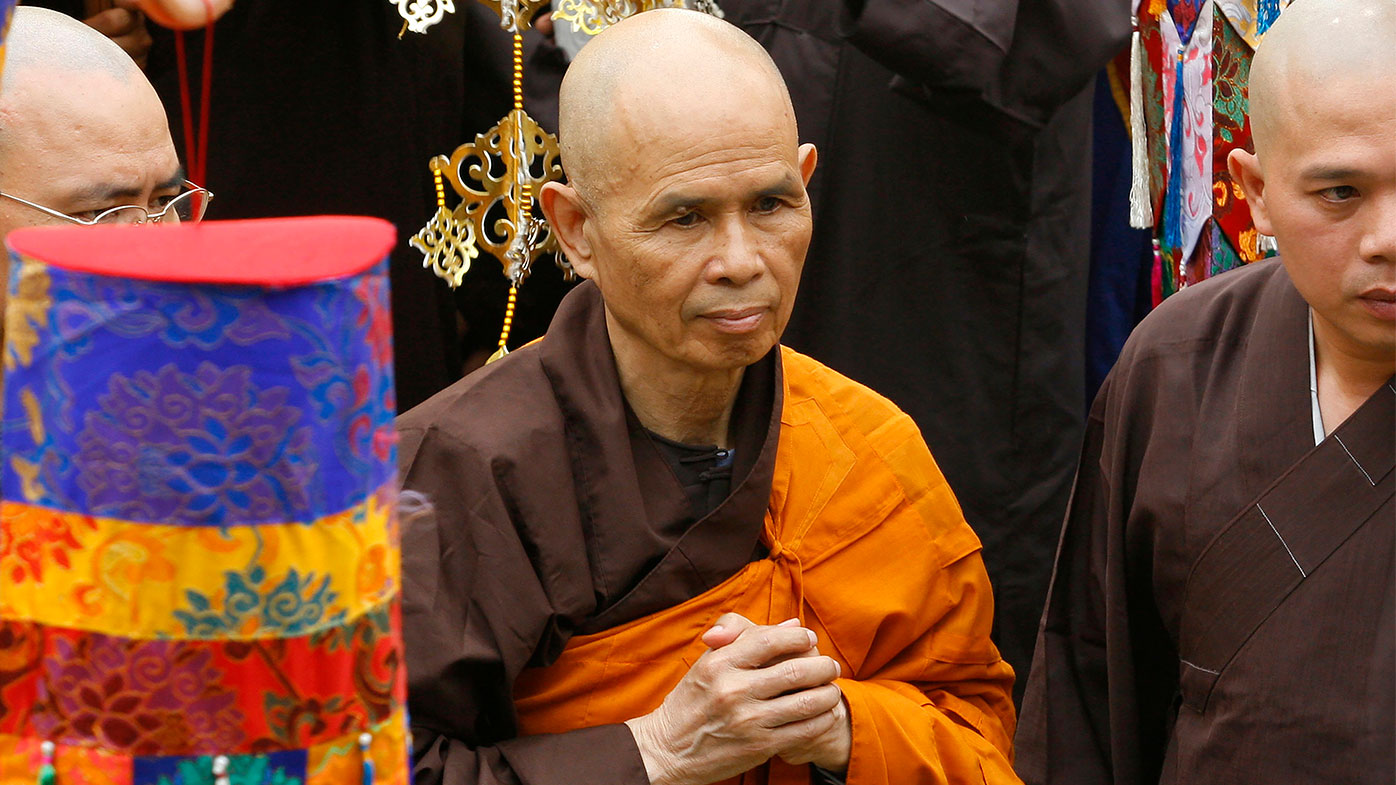
Vietnamese Zen master Thich Nhat Hanh in 2007.

Born as Nguyen Xuan Bao in 1926 and ordained at age 16, Nhat Hanh distilled Buddhist teachings on compassion and suffering into easily grasped guidance over a lifetime dedicated to working for peace. In 1961 he went to the United States to study, teaching comparative religion for a time at Princeton and Columbia universities.

For most of the remainder of his life, he lived in exile at Plum Village, a retreat centre he founded in southern France.

https://twitter.com/thichnhathanh/status/1484612530228154373

There and in talks and retreats around the world, he introduced Zen Buddhism, at its essence, as peace through compassionate listening. Still and steadfast in his brown robes, he exuded an air of watchful, amused calm, sometimes sharing a stage with the somewhat livelier Tibetan Buddhist leader Dalai Lama.

“The peace we seek cannot be our personal possession. We need to find an inner peace which makes it possible for us to become one with those who suffer, and to do something to help our brothers and sisters, which is to say, ourselves,” Nhat Hanh wrote in one of his dozens of books, The Sun My Heart.

Surviving a stroke in 2014 that left him unable to speak, he returned to Vietnam in October 2018, spending his final years at the Tu Hieu Pagoda, the monastery where he was ordained nearly 80 years earlier.

Nhat Hanh plunged into anti-war activism after his return to his homeland in 1964 as the Vietnam War was escalating. There, he founded the Order of Inter-being, which espouses “engaged Buddhism” dedicated to nonviolence, mindfulness and social service.

In 1966, he met the U.S. civil rights leader Martin Luther King Jr. in what was a remarkable encounter for both. Nhat Hanh told King he was a “Bodhisattva,” or enlightened being, for his efforts to promote social justice.

READ MORE: National research centre announced as COVID-19 sparks rise in eating disorders
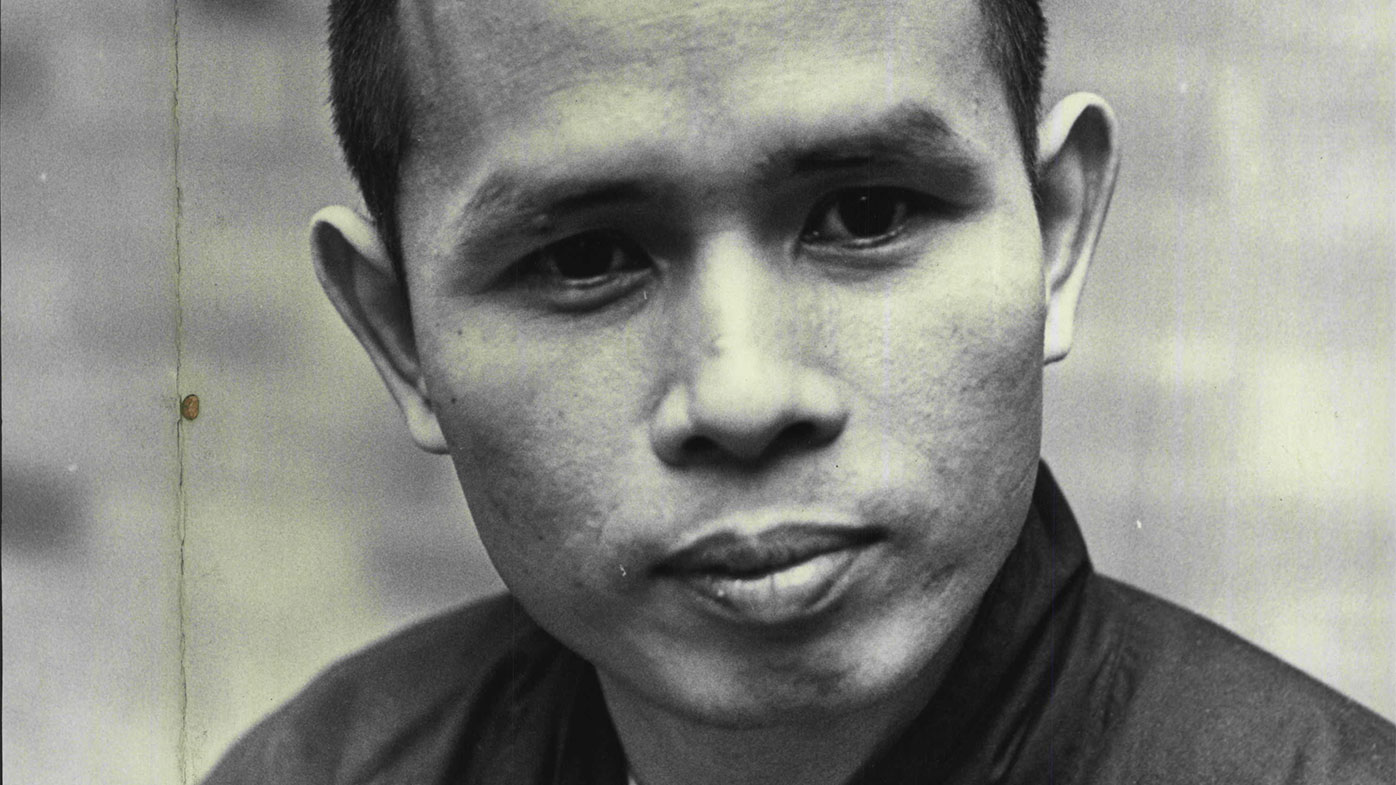
Thich Nhat Hanh during a visit to Sydney in 1966.

The monk’s efforts to promote reconciliation between the U.S-backed South and communist North Vietnam so impressed King that a year later he nominated Nhat Hanh for the Nobel Peace Prize.

In his exchanges with King, Nhat Hanh explained one of the rare controversies in his long life of advocating for peace — over the immolations of some Vietnamese monks and nuns to protest the war.

“I said this was not suicide, because in a difficult situation like Vietnam, to make your voice heard is difficult. So sometimes we have to burn ourselves alive in order for our voice to be heard so that is an act of compassion that you do that, the act of love and not of despair,” he said in an interview with U.S. talk show host Oprah Winfrey. “Jesus Christ died in the same spirit.”

Sulak Sivaraksa, a Thai academic who embraced Nhat Hanh’s idea of socially engaged Buddhism, said the Zen master had “suffered more than most monks and had been involved more for social justice.”

“In Vietnam in the 1950s and 1960s, he was very exposed to young people, and his society was in turmoil, in crisis. He was really in a difficult position, between the devil and the deep blue sea — the Communists on the one hand, the CIA on the other hand. In such a situation, he has been very honest — as an activist, as a contemplative monk, as a poet, and as a clear writer,” Mr Sivaraksa was quoted as saying.

READ MORE: Opinions divided in WA over border reopening delays

According to Nhat Hanh, “Buddhism means to be awake — mindful of what is happening in one’s body, feelings, mind and in the world. If you are awake, you cannot do otherwise than act compassionately to help relieve suffering you see around you. So Buddhism must be engaged in the world. If it is not engaged, it is not Buddhism.”

Both North and South Vietnam barred Nhat Hanh from returning home after he went abroad in 1966 to campaign against the war, leaving him, he said, “like a bee without a beehive.”

He was only allowed back into the country in 2005, when the communist-ruled government welcomed him back in the first of several visits. Nhat Hanh remained based in southern France.

The dramatic homecoming seemed to signal an easing of controls on religion. Nhat Hanh’s followers were invited by the abbot of Bat Nha to settle at his mountain monastery, where they remained for several years until relations with the authorities began to sour over Nhat Hanh’s calls for an end to government control over religion.

By late 2009 to early 2010, Nhat Hanh’s followers were evicted from the monastery and from another temple where they had taken refuge.

Over nearly eight decades, Nhat Hanh’s teachings were refined into concepts accessible to all.

To weather the storms of life and realise happiness, he counseled always a mindful “return to the breath,” even while doing routine chores like sweeping and washing dishes.

“I try to live every moment like that, relaxed, dwelling peacefully in the present moment and respond to events with compassion,” he told Oprah.

Nhat Hanh moved to Thailand in late 2016 and then returned to Vietnam in late 2018, where he was receiving traditional medicine treatments for the after-effects of his stroke and enjoyed “strolls” around the temple grounds in his wheelchair, according to the Buddhist online newsletter LionsRoar.com.

It was a quiet, simple end to an extraordinary life, one entirely in keeping with his love for taking joy from the humblest aspects of life. “No mud, no lotus,” says one of his many brief sayings.