Tag Archives: oceania

Police break up Ashes celebrations of English and Australian players

Police have broken up Ashes celebrations involving Australian and English players at the Australian team's hotel in Hobart.

Four police officers and hotel staff can be heard telling players Nathan Lyon, Joe Root, Alex Carey, James Anderson and Travis Head they "were a bit too loud" as the bemused players sit around a table after a night of celebrations, some still in their playing whites.

"You've obviously been asked to pack up… we've been asked to come," a female officer can be heard telling the players, who can then be seen leaving the balcony.

READ MORE: NSW records deadliest day of pandemic

There have been no allegations of bad behaviour surrounding the night out, after a series in which both teams have been praised for their sportsmanship.

"Tasmania Police attended the Crowne Plaza Hobart on Monday morning after reports were made of intoxicated people in a function area," police said.

"The guests were spoken to by police just after 6am and left the area when asked. 

"No further action will be taken by police."

Australian skipper Pat Cummins previously told News Corp: "We stayed in the changerooms for a little bit and caught up with English side for a couple of beers back at the hotel, so that was good as it was a hard-fought series between both teams so it was good to catch up with them after that."

The video was filmed by a man heard saying: "Just video this, just for the lawyers. Bedtime."

What is a Code Brown? Everything you need to know

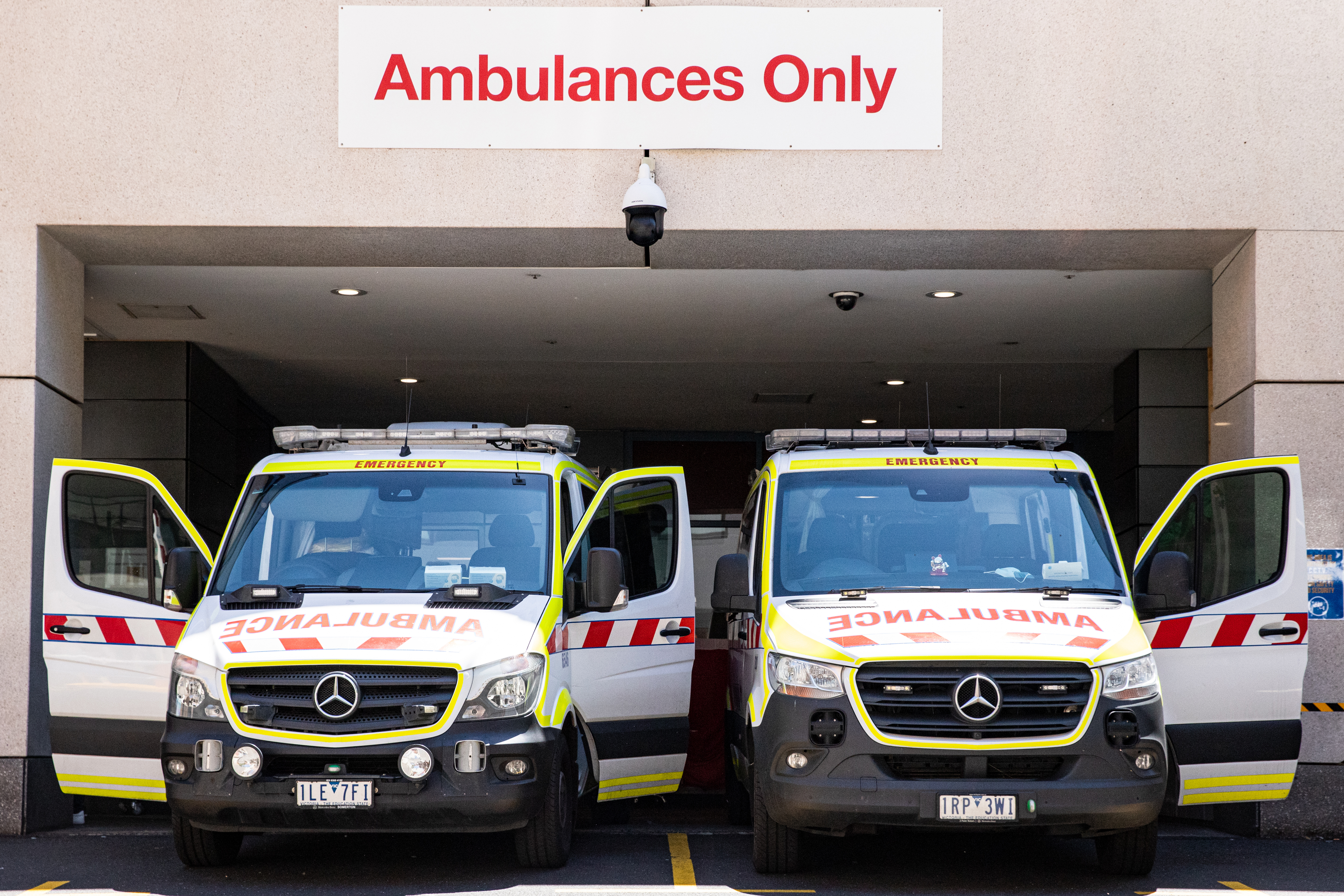
Victoria has declared a Code Brown emergency as the state's hospital system is put under significant strain due to escalating COVID-19 hospitalisations.

Hospitalisations are expected to soar past 2500 COVID-19 patients next month, triggering the emergency activation across all Melbourne public hospitals and major regional facilities as of midday tomorrow.

The emergency measure aims to relieve hospitals and staff from unsustainable pressure, by reconfiguring workers and systems.

Here's everything you need to know about what a Code Brown declaration means.

LIVE UPDATES: More than 4000 health staff off work in Victoria

Hospital staff during pandemic COVID-19

What is a Code Brown?

A Code Brown is a formal emergency management structure that aims to make the best use of hospital resources.

According to the Department of Health, a Code Brown is used to plan, prepare, respond and recover from an external emergency.

In Victoria, the most common external emergencies requiring activation of Code Brown plans include transport accidents, chemical spills and natural emergencies such as fire and flood.

However, this is the first time a Code Brown has been declared system-wide across the state.

Health services and facilities use a set of colour codes for both internal and external emergencies that are recognised nationwide – hence the word "brown".

READ MORE: 'Worse is still to come,' emergency doctor in Victoria fears

When is a Code Brown called?

A Code Brown is activated by a health service or facility (or in this case, the Victorian Government to apply to all Melbourne hospitals and major regional facilities) when additional capability and capacity needs to be mobilised to receive an influx of patients due to an external emergency.

What impact will this Code Brown have?

Hospitals and health services could reconfigure services to free up more staff, including the delivery of outpatient services outside the hospital and the rapid offload of ambulance patients at emergency departments.

Hospitals may also choose to redeploy staff to work in areas of highest clinical priority.

Non-urgent clinical services may be ceased, reduced or changed in frequency in terms of access.

Staff may also be asked to defer taking leave if it is essential.

"This is about prioritising emergency and urgent care services, to say if you need that level of care for COVID or non-COVID reasons, that you can access it," Deputy State Controller Adam Horsborough said.

Why is calling a Code Brown necessary?

Victoria's Deputy Premier James Merlino said the Code Brown would help better manage the immense pressure hospitals are facing amid the COVID-19 pandemic.

Healthcare workers are bracing for hospitalisations to surge past 2500 COVID-19 patients next month and therefore must reconfigure their systematic approach.

"We've reached a point in our health system where it's juggling severe workforce shortages," Mr Merlino said.

"It is the right time to do it now, not wait for a Code Brown until two or three weeks down the track when we're seeing the impact of the peak of Omicron hospitalisations and ICU patients."

The Code Brown is expected to last four to six weeks or until health officials say otherwise.

Magic salary number to feel 'rich' revealed

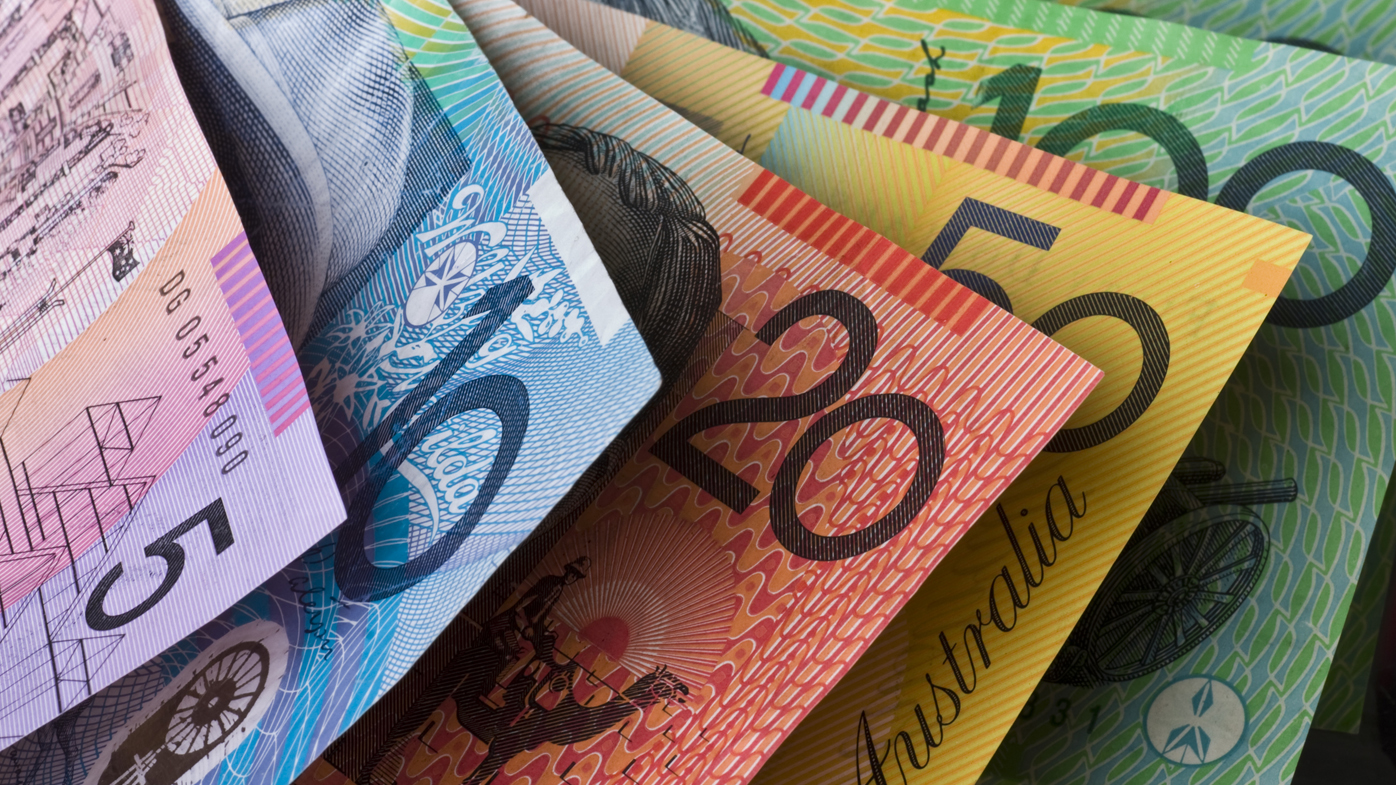
The average Australian would need to earn over $300,000 a year to consider themselves as officially "rich", new research has found.

Financial comparison site Finder found that in order to subjectively "feel" wealthy, most Australians would need to earn $326,900 per annum, some seven times greater than the median personal income of $49,805.

One in four Australians said they wouldn't consider themselves rich until they were earning at least $500,000, with those from Generation X (born 1965 to 1980) reporting the highest median figure of more than $350,000.

READ MORE: NSW records deadliest day of pandemic

Of the Australians surveyed, women reported needing slightly more ($333,010) than men ($318,952) to feel wealthy.

According to the Australian Bureau of Statistics, the average weekly earnings for Australians is $1,737.10 – ending up with a yearly salary of just over $90,000.

However as Finder's personal finance expert Kate Browne explains, this is an average – meaning the country's uberrich are likely pushing up the baseline figures of ordinary workers.

READ MORE: One of the US Navy's most powerful weapons appears in Guam

"A small percentage of high-income earners make average income statistics look impressive, but the reality is that the typical middle-class Australian is actually earning a $50,000 salary," Ms Browne said.

"If you are already fortunate enough to earn more than the median wage it's a good reminder that you are already ahead.

"It can be tempting to keep striving for more, but it's also important to truly enjoy your work."

READ MORE: Djokovic lands in Serbia as rumours swirl about French Open eligibility

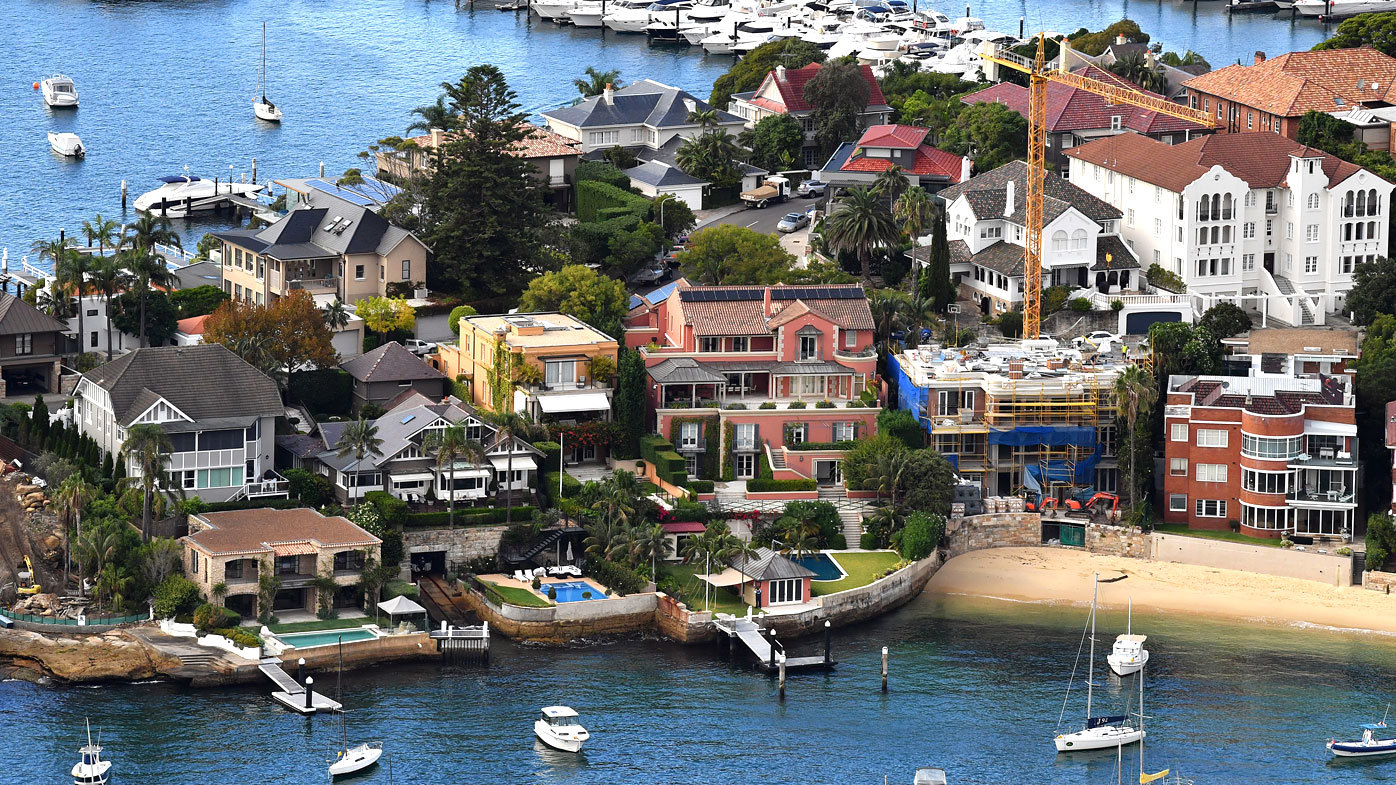
An aerial image of waterfront properties in Point Piper, Sydney.Airbnb Sydney mansion

Ms Browne reminded Australians that competing with friends and family over salary will not be as personally rewarding as trying to maximise happiness while being financially conservative.

"Remember social media is a highlight reel, and while it can seem like everyone around you is hustling their way to the top, appearances can be deceiving," Ms Browne said.

"There's nothing wrong with striving to be financially comfortable, but endeavouring to compete with others is exhausting, expensive, and you'll never be satisfied with what you already have.

"It can also encourage you to overspend on items you can't afford."

The information provided on this website is general in nature only and does not constitute personal financial advice. The information has been prepared without taking into account your personal objectives, financial situation or needs. Before acting on any information on this website you should consider the appropriateness of the information having regard to your objectives, financial situation and needs.

Homeowners made average profit of $270k during lockdowns

Aussie homeowners who sold their property during the peak of last year's lockdown made a median profit gain of $270,000 as overwhelming demand supercharged the market.

New data in property research firm CoreLogic's Pain and Gain report showed that in the three months to September 2021, the median nominal gain of selling a property – that is the "middle range" of those who made a profit – was $270,000.

In those three months the collective profit made by sellers was an eye-watering $27.3 billion, while the total combined loss made by sellers was a relatively paltry $368 million.

LIVE UPDATES: NSW Health Minister victim of fake rapid test result claims
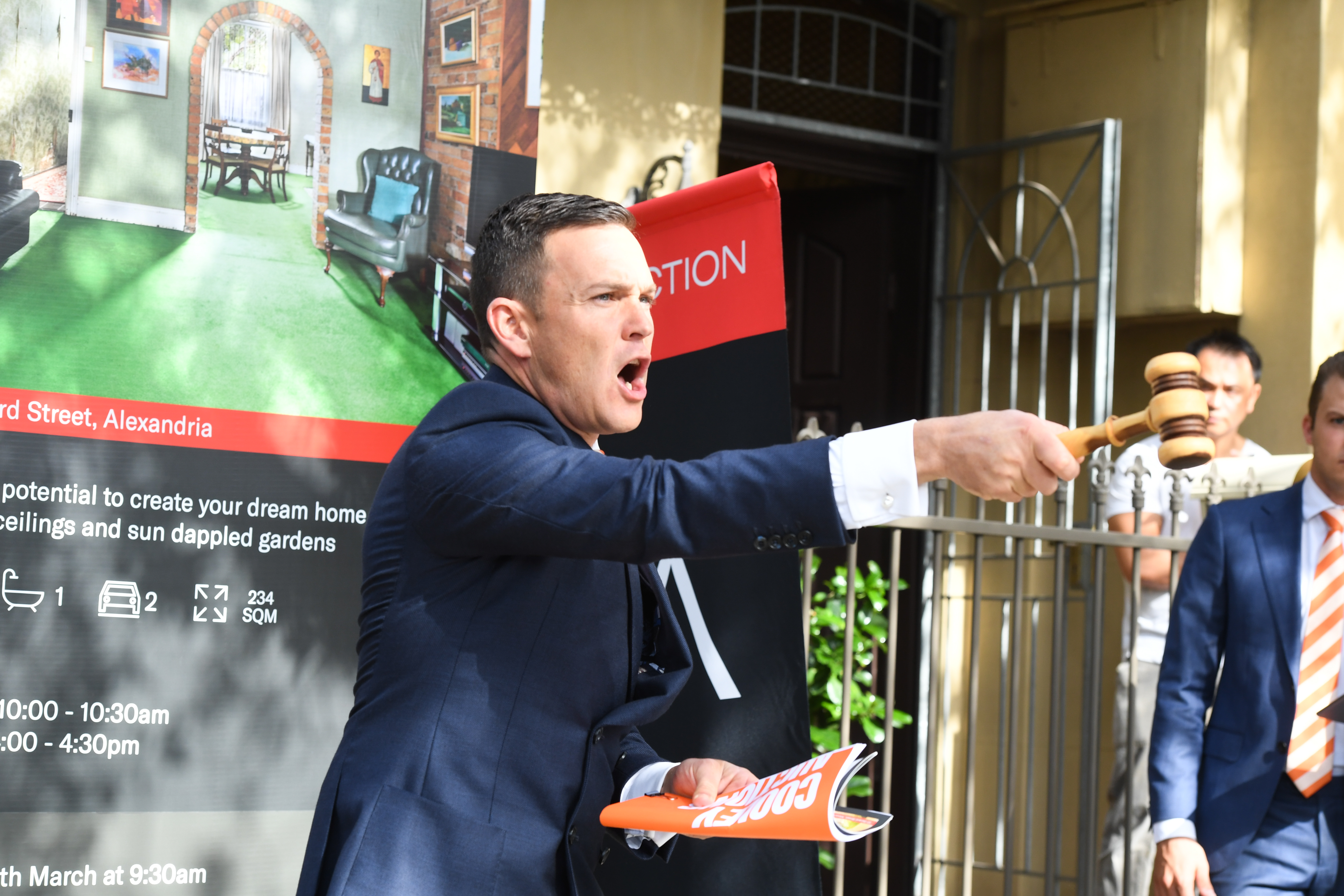
Social distancing restrictions, lockdowns and the inability to physically inspect property in some states meant that only 99,000 property transactions occurred in the September period.

Despite this, an overwhelming 92.4 per cent of properties made a profit of any kind with properties that had been held for 30 years or more reaping the biggest returns with a median profit of just over $745,000.

Of particular note were investors in the Tasmanian capital of Hobart, where 100 per cent of investment home resales made a profit.

READ MORE: NSW records deadliest day of pandemic
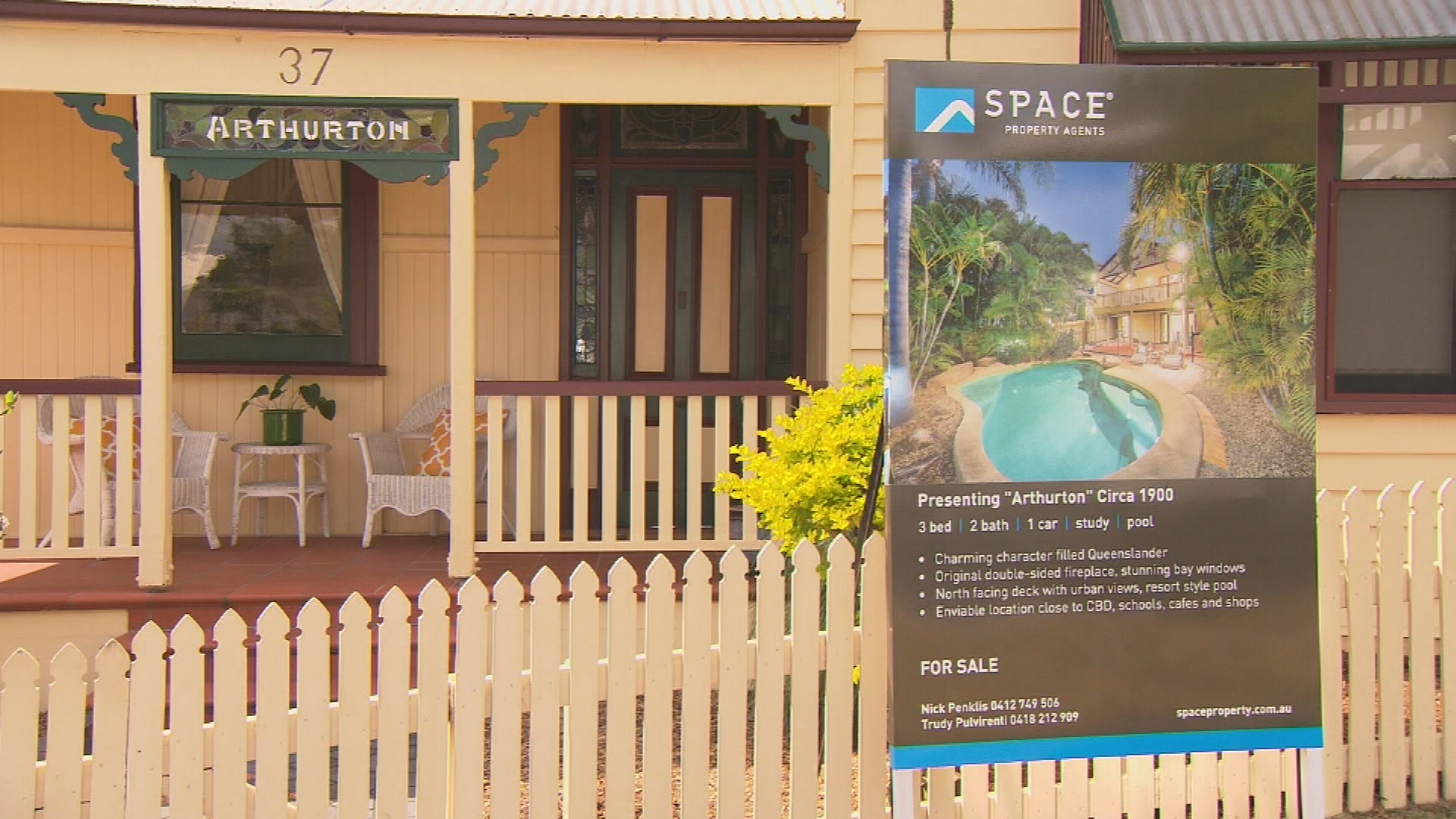
Property prices experienced a 2.9 per cent hike in December alone.

CoreLogic's Head of Research Eliza Owen described the profit made by sellers as "remarkable", noting that profits have increased quarter-on-quarter for more than a year.

"The increase in the rate of profit-making sales is a reflection of strong capital growth across Australian dwelling markets despite COVID-induced disruptions to transaction activity," Ms Owen said.

"The three months to September was the fifth consecutive quarter in which the rate of profit-making sales across Australia increased."

READ MORE: One of the US Navy's most powerful weapons appears in Guam
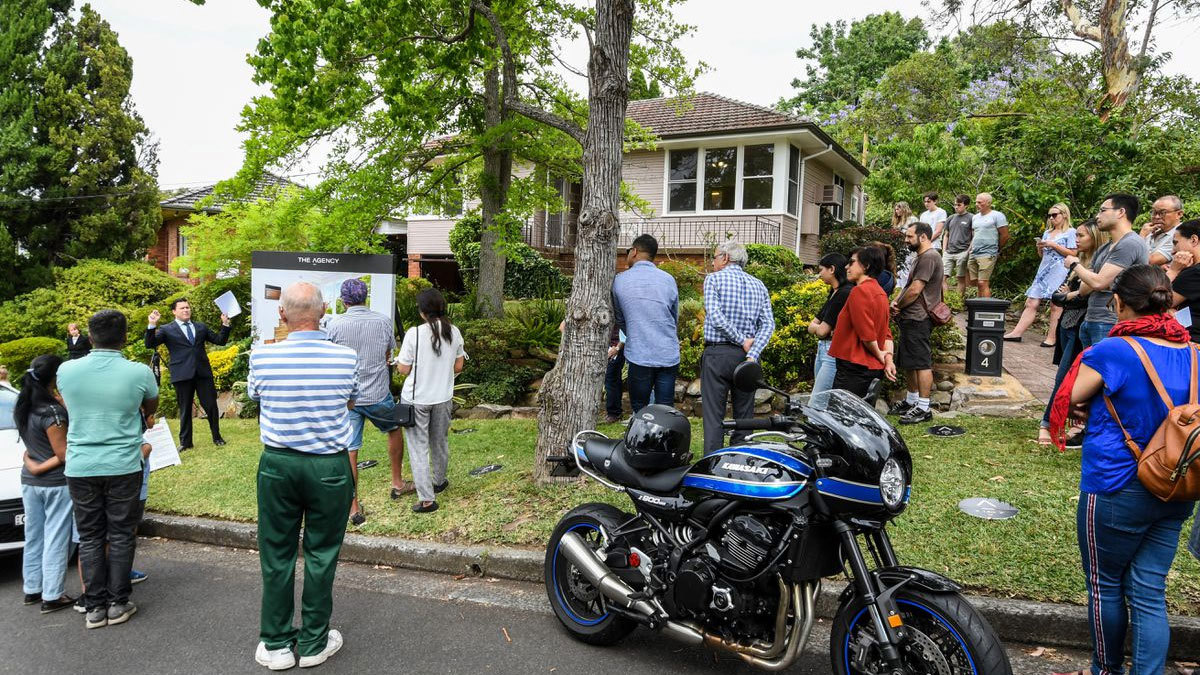
Property prices had a bumper year in 2021, but the gains are slowing down in Sydney, and Melbourne recorded its first drop of the year in December.

The biggest winners were sellers in regional Australia, particularly if their property aligned with tree or sea-change aspirations of buyers wanting to escape the city.

"Regional Australia has seen a more rapid increase in the rate of profit-making sales, and this trend is likely to continue as regional dwelling growth saw momentum ramp up toward the end of the year," Ms Owen said.

"Sea change and tree change markets have seen immense price growth over 2021, as the prevalence of remote work amid the pandemic, the relative affordability of regions, and the potential for retirement decisions being brought amid labour market disruptions contributed to elevated levels of migration to regional Australia through 2021."

READ MORE: Djokovic lands in Serbia as rumours swirl about French Open eligibility
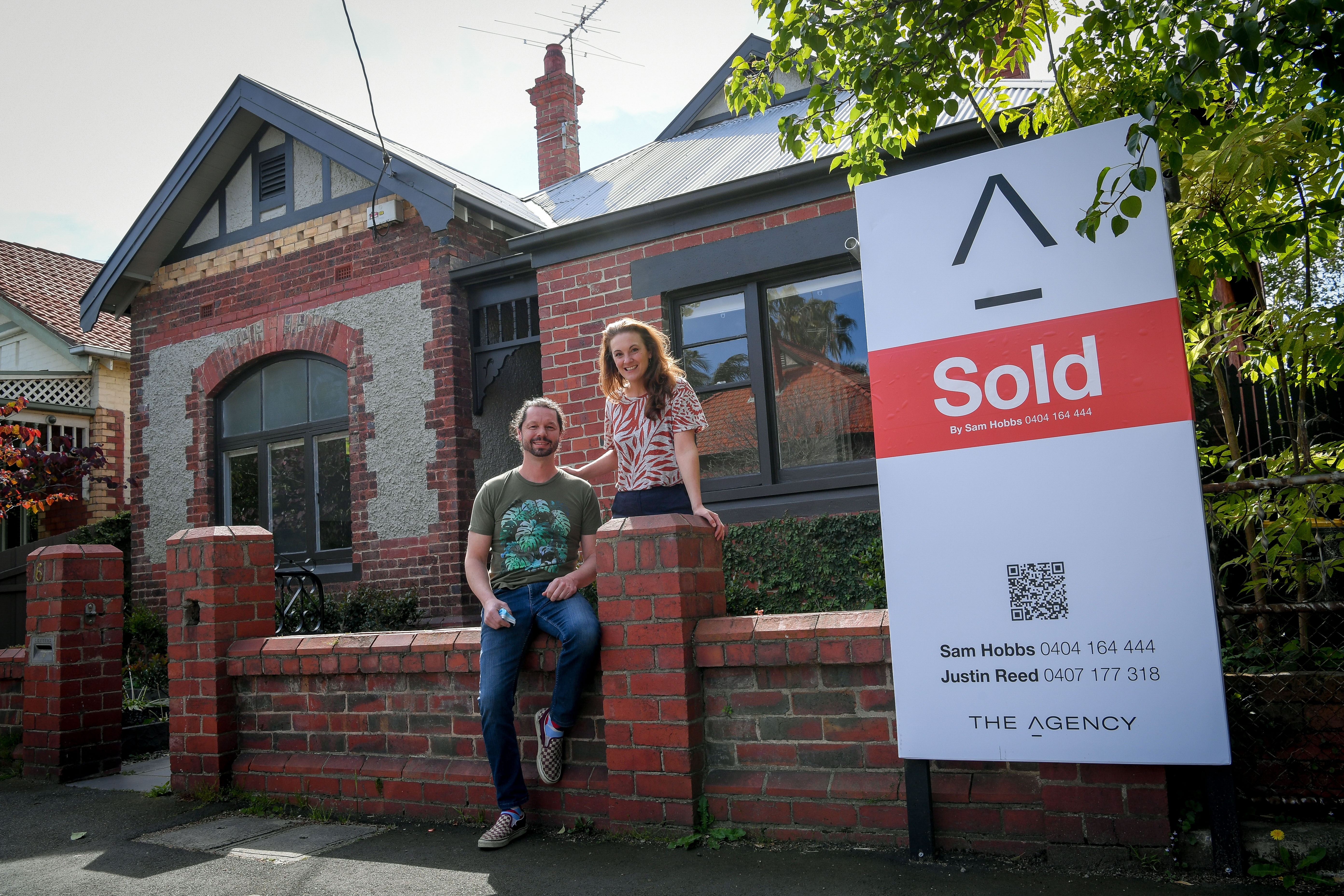
Despite across-the-board profits for sellers, Ms Owen said there are signs the housing market is beginning to cool.

"There are accumulating headwinds for property market performance in the coming months, in the form of higher supply of advertised stock, normalising interest rates, affordability constraints and the possibility of tighter lending restrictions," Ms Owen said.

"A downswing in Australian housing market values would ultimately impact the profitability of resales, particularly for recent purchasers."

The information provided on this website is general in nature only and does not constitute personal financial advice. The information has been prepared without taking into account your personal objectives, financial situation or needs. Before acting on any information on this website you should consider the appropriateness of the information having regard to your objectives, financial situation and needs.


Concerning discovery in blue waters of the Great Barrier Reef

Coral on the Great Barrier Reef is showing early signs of bleaching, which has experts concerned as the Sunshine State is staring down the barrel of a long, hot summer.

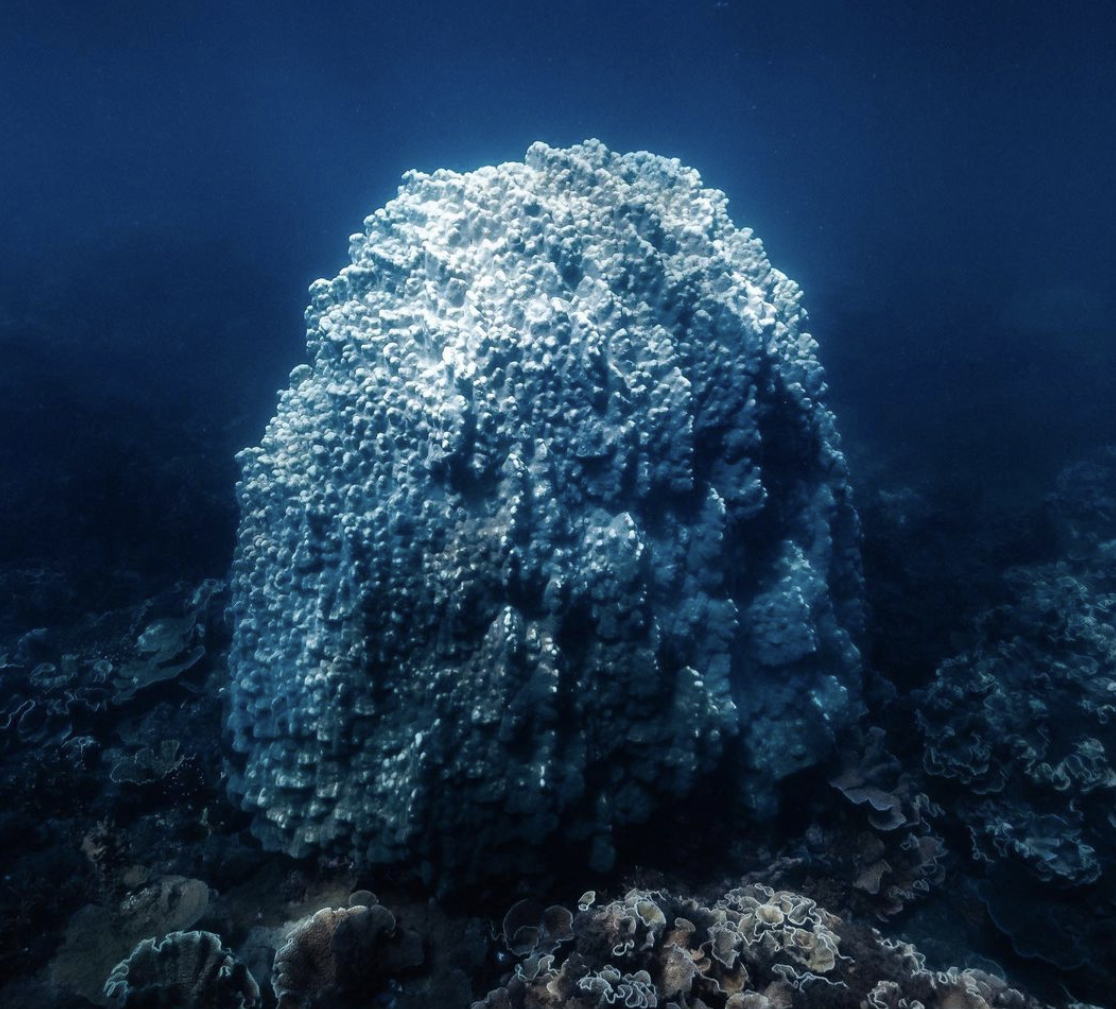
A team of research scientists have documented pale and fully-bleached coral — which occurs when symbiotic algae inside hard coral is expelled — off the coast of Magnetic Island in Far North Queensland on Sunday.

They're concerned, as this could be the first signs of a "widespread" die-off at the World Heritage site.

If it proves true it would be the sixth mass bleaching event on the reef since 1998.

READ MORE: NSW cases drop but hospitalisations rise

This Porites sp. was already fully bleached when Mr Crosbie came across it. A lot of coral was starting to appear pale indicating it's under stress.

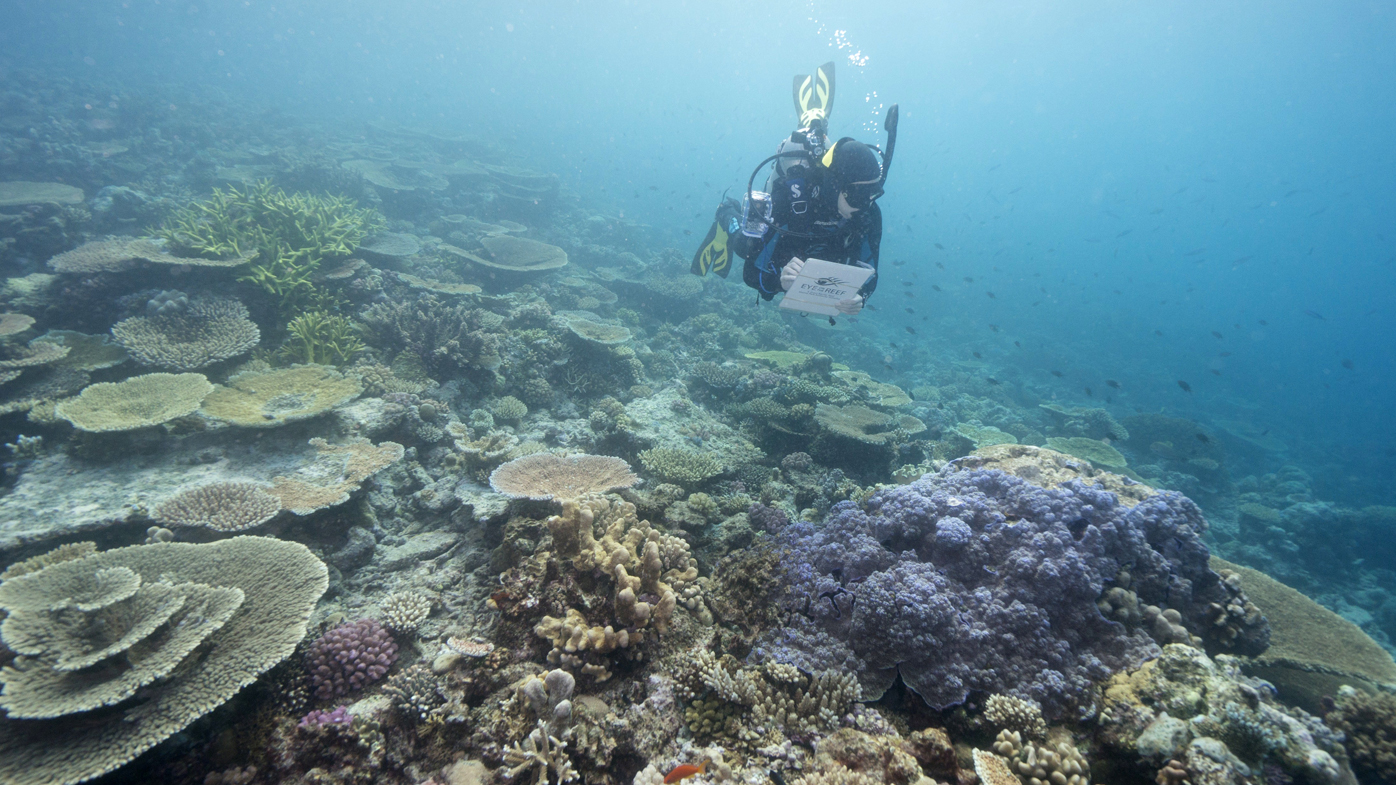
Augustine Crosbie, PhD candidate at the ARC Centre of Excellence for Coral Reef Studies told 9news.com.au he's worried, as the signs of stress are being seen relatively early in summer.

"Currently there are only early signs of stress, however this is happening much earlier into summer than during past bleaching events," he said.

"It's also too early to make predictions on how bad it will be.

"(But) we still have a predicted long, hot summer ahead."

READ MORE: Tonga calls for 'immediate assistance' after volcano, tsunami

Mr Crosbie explained coral can only tolerate a narrow temperature range, adding the ideal water temperature on the Great Barrier Reef should be between 22 – 30C.

The water temperature off Magnetic Island on Sunday was 31C.

"Prolonged temperature this high will lead to further coral bleaching," Mr Crosbie said.

"There have predictions from the Bureau of Meteorology (BoM) and the Great Barrier Reef Marine Park Authority (GBRMPA) that waters would reach temperatures 1 – 2C above average for many parts of the reef during December 2021 and January 2022.

"This could lead to widespread coral bleaching."

READ MORE: Rare 400-year-old coral discovered on Great Barrier Reef

Mr Crosbie said the signs of stress are concerning as it is happening earlier into summer than expected.

The latest GBRMPA reef health report predicted Queensland water temperatures could reach "as high as 1.5C above average in parts of the central region" — especially around Townsville.

The government-run body said so far it has only received a few isolated reports of low-level coral bleaching.

The Great Barrier Reef has already seen five mass bleaching events; 1998, 2002, 2016, 2017 and 2020, with the 2016 bleaching described as "the largest on record".

READ MORE: What countries produce the most greenhouse gas emissions?

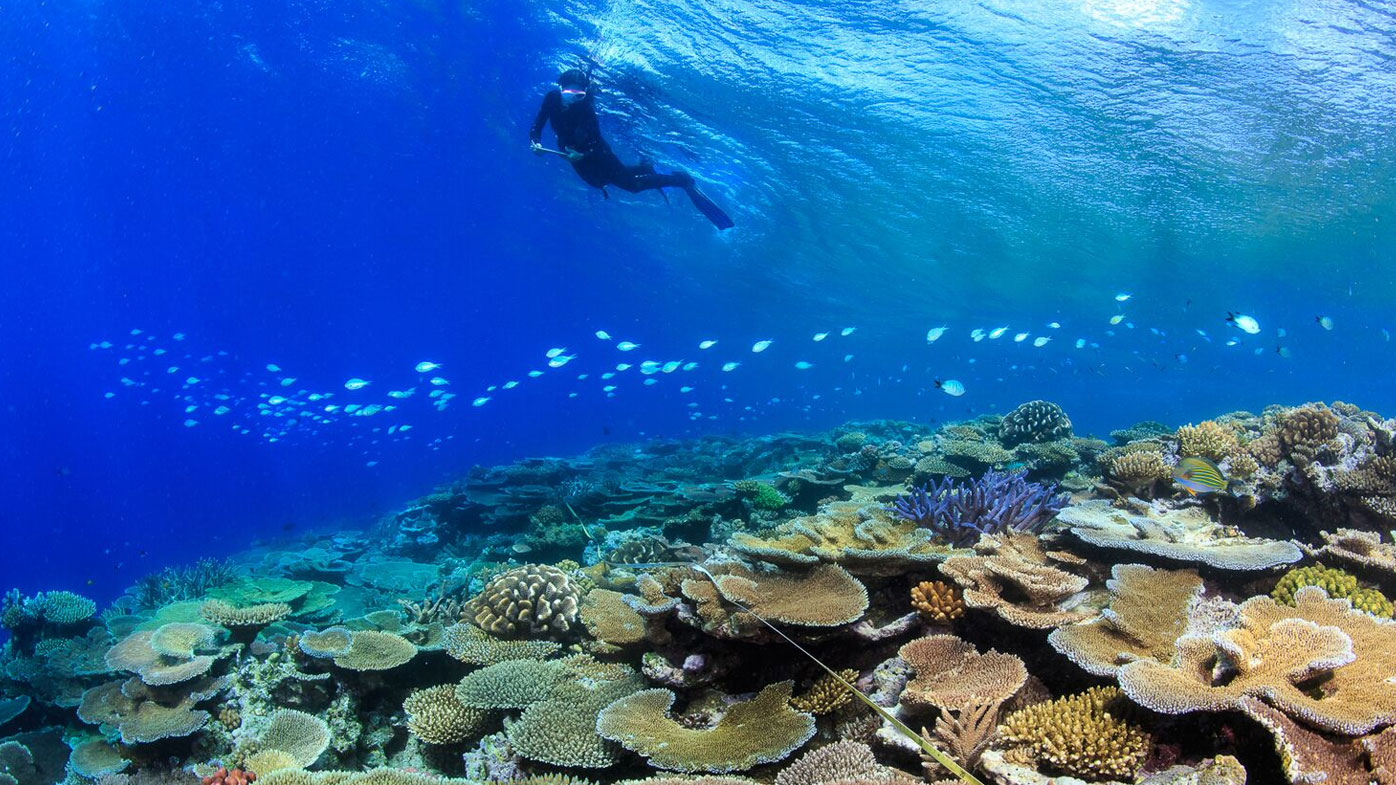
Photos of Great Barrier Reef affected by mass bleaching in 2016

"In 2016, sea surface temperatures on the Great Barrier Reef were the hottest ever recorded (1.03 degrees Celsius above the 1961–1990 average); a marine heatwave that led to the largest recorded mass bleaching on the Great Barrier Reef," the GBRMPA stated on their website.

The government body said climate change is the main driver of bleaching events.

"Climate change, specifically temperature extremes, is the primary driver of coral degradation in the Region and has substantially altered the abundance and species composition of coral communities.