Tag Archives: oceania

One of the US Navy's most powerful weapons makes a rare appearance

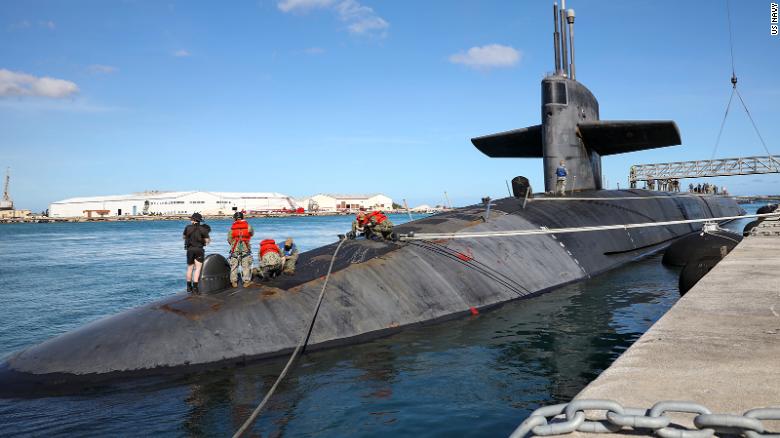
One of the most powerful weapons in the US Navy's arsenal made a rare port call in Guam over the weekend, sending a message to allies and foes amid increasing tensions in the Indo-Pacific, analysts said.

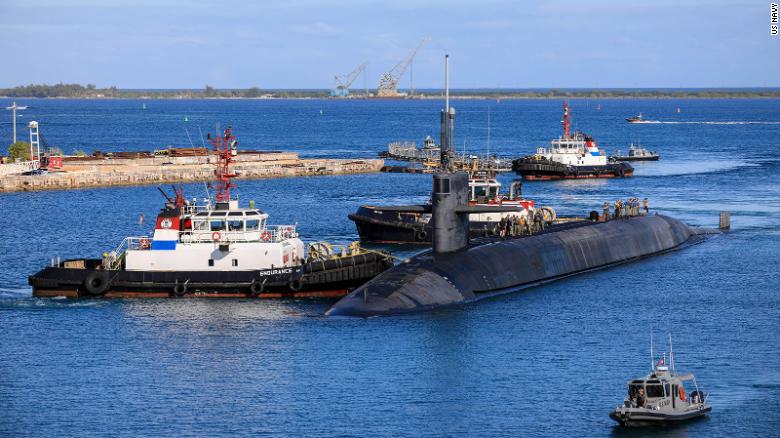
The USS Nevada, an Ohio-class nuclear-powered submarine carrying 20 Trident ballistic missiles and dozens of nuclear warheads, pulled into the Navy base in the US Pacific Island territory on Saturday.

It's the first visit of a ballistic missile submarine – sometimes called a "boomer" – to Guam since 2016 and only the second announced visit since the 1980s.

"The port visit strengthens cooperation between the United States and allies in the region, demonstrating US capability, flexibility, readiness, and continuing commitment to Indo-Pacific regional security and stability," a US Navy statement said.

READ MORE: Home testing for NSW students part of back to school plan

Movements of the 14 boomers in the US Navy's fleet are usually closely guarded secrets. Nuclear power means the vessels can operate submerged for months at a time, their endurance limited only by the supplies needed to sustain their crews of more than 150 sailors.

The Navy says Ohio-class submarines stay an average of 77 of days at sea before spending about a month in port for maintenance and replenishment.

It's rare for one to even be photographed outside their home ports of Bangor, Washington, and Kings Bay, Georgia. The secrecy surrounding the ballistic missile submarines makes them the "most important survivable leg of the nuclear triad," which also includes silo-based ballistic missiles on the US mainland and nuclear-capable bombers like the B-2 and B-52.

But with tensions brewing between the US and China over the status of the self-ruled island of Taiwan, and as North Korea ramps up missile tests, Washington can make a statement with its ballistic missile submarines that neither Beijing nor Pyongyang can, according to the analysts.

"It sends a message – intended or not: we can park 100-odd nuclear warheads on your doorstep and you won't even know it or be able to do much about it. And the reverse isn't true and won't be for a good while," said Thomas Shugart, a former US Navy submarine captain and now an analyst at the Center for a New American Security.

North Korea's ballistic submarine program is in its infancy, and China's estimated fleet of six ballistic missile submarines is dwarfed by the US Navy's.

READ MORE: Warning of heavy rain for every mainland state, flooding in some parts

And China's ballistic missile subs don't have the capabilities of the US boomers, according to a 2021 analysis by experts at the Centre for Strategic and International Studies.

China's Type 094 ballistic missile subs are two times louder than the US subs, and therefore more easily detected, and carry fewer missiles and warheads, CSIS analysts wrote in August.

Besides the political signalling, the presence of the USS Nevada in the region presents another opportunity, said Alessio Patalano, professor of war and strategy at King's College in London.

"The presence of this type of boat – especially in training and exercises – adds an important opportunity to learn how to hunt those of other actors in the region," Mr Patalano said.

"The DPRK (North Korea) is pursuing the development of such a type of a platform, and China already fields them. Honing in the skills to track them is as important as deploying them as strategic deterrent," he said.

The last time a US Navy boomer visited Guam was in 2016, when the USS Pennsylvania stopped there.

Analysts said tensions across the Indo-Pacific have significantly increased since that time, and more such military displays are likely from Washington in the current environment.

"This deployment reminds us that the nuclear order at sea in the (Indo-Pacific) matters, and whilst often outside wider public conversation, we are likely to see more of it in the development of regional strategic balance," Mr Patalano said.

Out of this world: 555.55-carat black diamond lands in Dubai

Auction house Sotheby’s Dubai has unveiled a diamond that’s literally from out of this world.

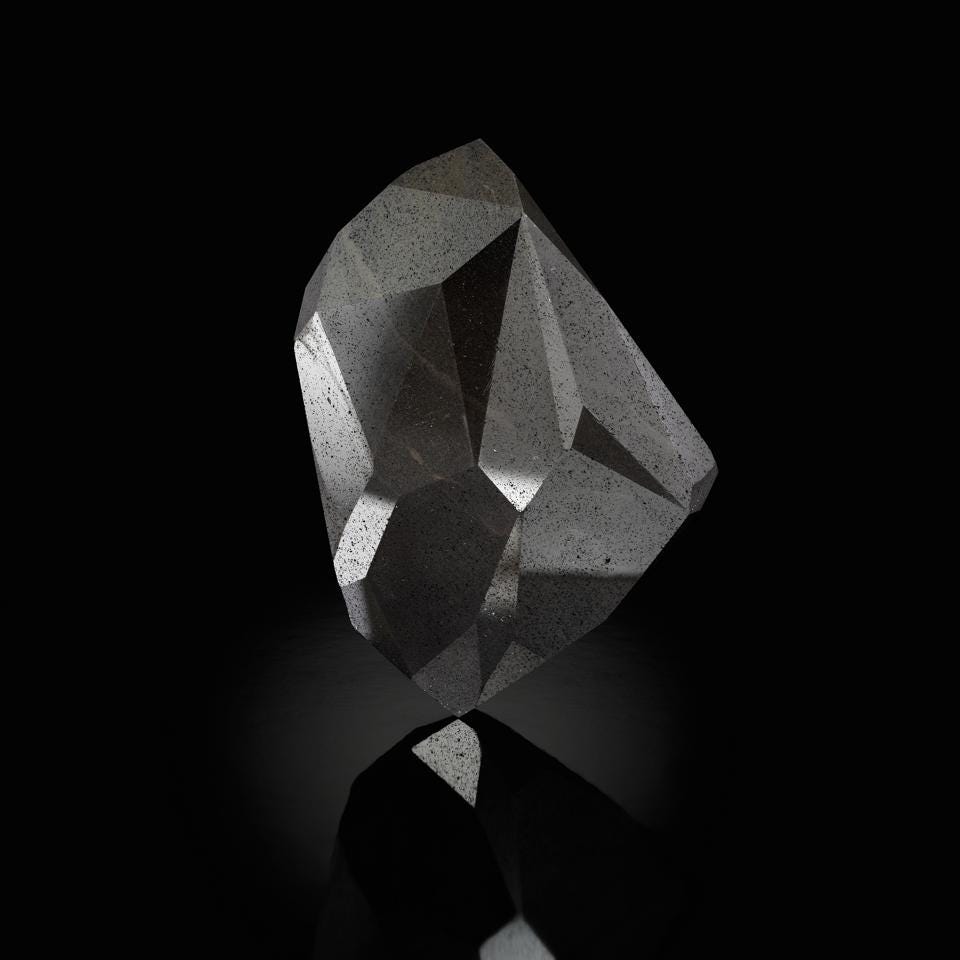
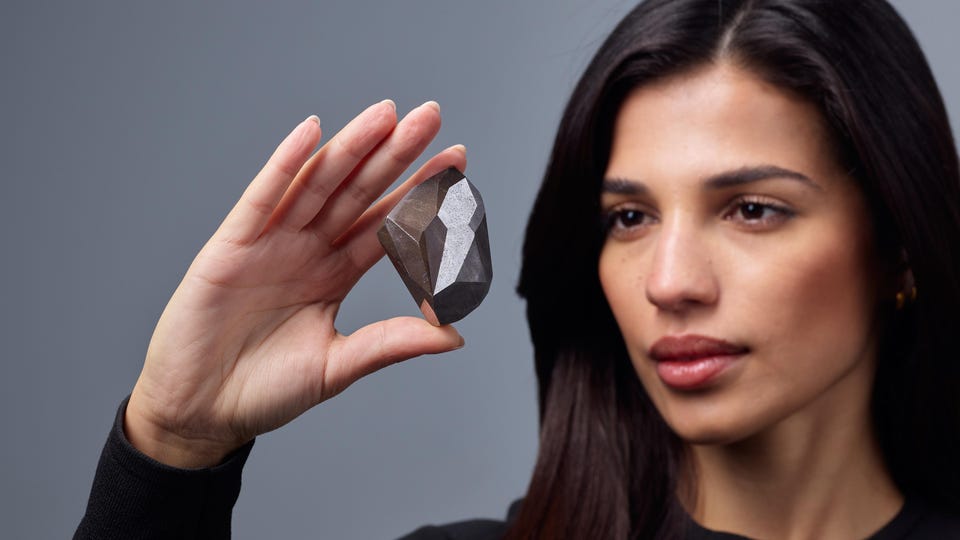
Sotheby’s calls the 555.55-carat black diamond — believed to have come from outer space — “The Enigma.” The rare gem was shown off on Monday to journalists as part of a tour in Dubai and Los Angeles before it is due to be auctioned off in February in London.

Sotheby’s expects the diamond to be sold for at least 5 million British pounds ($9.4 million). The auction house plans to accept cryptocurrency as a possible payment as well.

LIVE UPDATES: Volcano eruption won't affect global climate

The auction will allow cryptocurrency bids for the diamond.

Sophie Stevens, a jewelry specialist at Sotheby’s Dubai, told The Associated Press that the number five bears an importance significance to the diamond, which has 55 facets as well.

“The shape of the diamond is based on the Middle-Eastern palm symbol of the Khamsa, which stands for strength and it stands for protection,” she said. Khamsa in Arabic means five.

“So there’s a nice theme of the number five running throughout the diamond," she added.

READ MORE: 4500-year-old avenues lined with ancient tombs discovered

Dubbed 'The Enigma', the diamond will be the largest ever offered up at auction.

Stevens also said the black diamond is likely from outer space.

“With the carbonado diamonds, we believe that they were formed through extraterrestrial origins, with meteorites colliding with the Earth and either forming chemical vapor disposition or indeed coming from the meteorites themselves,” she said.

Black diamonds, also known as carbonado, are extremely rare, and are found naturally only in Brazil and Central Africa. The cosmic origin theory is based on their carbon isotopes and high hydrogen content.

Warning of heavy rain for every mainland state

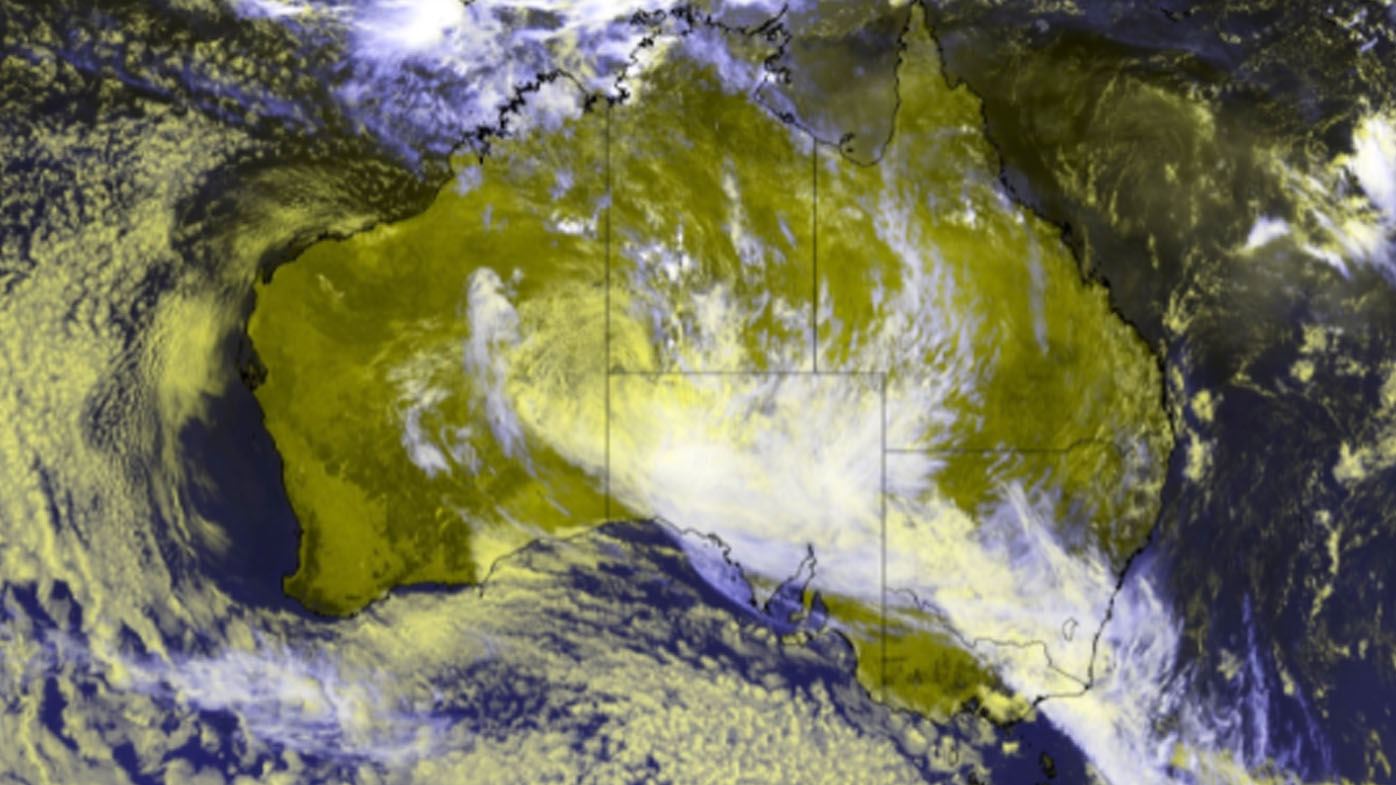
Multiple states are headed for a drenching in coming days as the remnants of ex Tropical Cyclone Tiffany spread across Australia.

Tiffany made landfall over the Top End last week before weakening but is set to dump heavy rain as it spreads across eastern states.

The tropical moisture brought over Australia by Tiffany will help fuel rain over part of every mainland state and territory this week.

READ MORE: Djokovic lands in Serbia after deportation from Australia

Jackson Browne, Bureau Of Meteorology senior meteorologist, told Today that central and eastern states should expect heavy rainfall and flooding in some parts.

"There is a flood watch current for the northern-western reaches of South Australia at the moment as well as the eastern reaches of Western Australia."

READ MORE: Brother confirms death of animal lover in Tonga tsunami

"We have quite a broad area of thunderstorms over to the north and western slopes of NSW. That will bring wind, rain and hail."

Over this week, widespread falls of 15mm to 30mm are likely. Some areas of South Australia, New South Wales, Queensland and the Northern Territory should see more than 50mm and could have isolated areas with more than 100mm.

Some of this week's rain is likely to cause flash flooding.

Here's what's happening across the nation's capitals today.

Brisbane

Partly cloudy and slight chance of a shower.

Light winds becoming northeasterly, 15 to 20 km/h in the late afternoon then becoming light in the evening.

A high of 31C is forecast.

Sydney

Cloudy with very high chance of showers, most likely during this afternoon and evening.

https://twitter.com/BOM_NSW/status/1482956873129156613?ref_src=twsrc%5Etfw

Maximum temperature of 27C.

Melbourne

Cloudy morning, with sunny breaks developing in the afternoon.

Top temperature of 21C forecast.

Canberra

High chance of showers, most likely during the morning and afternoon. The chance of a thunderstorm during this afternoon and evening.

Maximum temperature of 22C.

Perth

Very hot and sunny. Winds easterly 25 to 40 km/h turning north to northeasterly 25 to 35 km/h during the morning.

Top temperature of 39C.

Darwin

High chance of showers, most likely from late this morning. A thunderstorm likely.

Maximum temperature 33C.

Adelaide

Mostly sunny. Winds southeasterly 25 to 40 km/h.

Top temperature 25C.

Hobart

Cloudy with slight chance of a shower, most likely in the early afternoon.

Maximum temperature 19C.

'Just broken': Brother confirms death of animal lover in Tonga tsunami

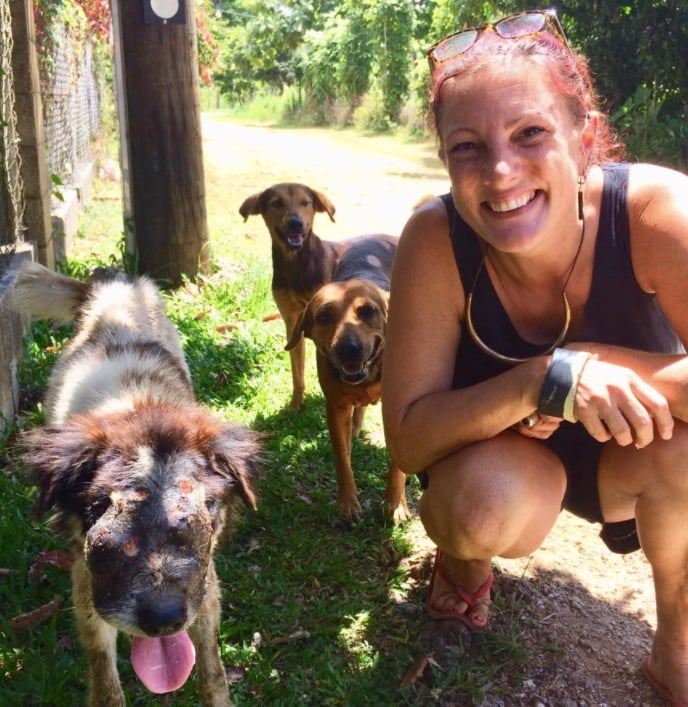
An animal welfare charity founder has been found dead in Tonga after being washed away trying to save dogs from a tsunami caused by a huge undersea volcanic eruption, her brother has confirmed.

Nick Eleini on Monday told reporters his family was "just broken" after receiving news the body of Angela Glover had been found on the South Pacific archipelago.

Mr Eleini described his sister, who he said was driven to Tonga several years ago by her "childhood ambition" of swimming with whales, was well-loved by expats and locals alike.

READ MORE: Neighbours provide police with new clue in search for missing nine-year-old Charlise Mutten
"She's beautiful. She was absolutely a ray of sunshine," he said.

"She would walk into a room and just lighten the room up and she loved her life, both when she was working in London, and then when she achieved her life's dream of going to work in the South Pacific."

The 50-year-old, who started the Tonga Animal Welfare Society, and her husband, James, were both swept away while trying to save the charity's dogs when the tsunami hit, the Sydney-based Mr Eleini said.

READ MORE: Hunga Tonga-Hunga Haa'pai eruption likely world's biggest in 30 years

Mr Glover survived —having grabbed on to a tree, according to friend Donna Head on Facebook — and was believed to have been the one to discover his wife's body.

Mr Eleini said his sister loved animals, particularly dogs, nothing "the uglier the dog, the more she loved it".

"She's just a lovely girl," he said from England, having received the devastating news on a stopover in Dubai on the way from Australia.

"You couldn't — she's the centre of our family and you know we're just broken."

READ MORE: Djokovic lands in Serbia after deportation from Australia amid questions about French Open eligibility
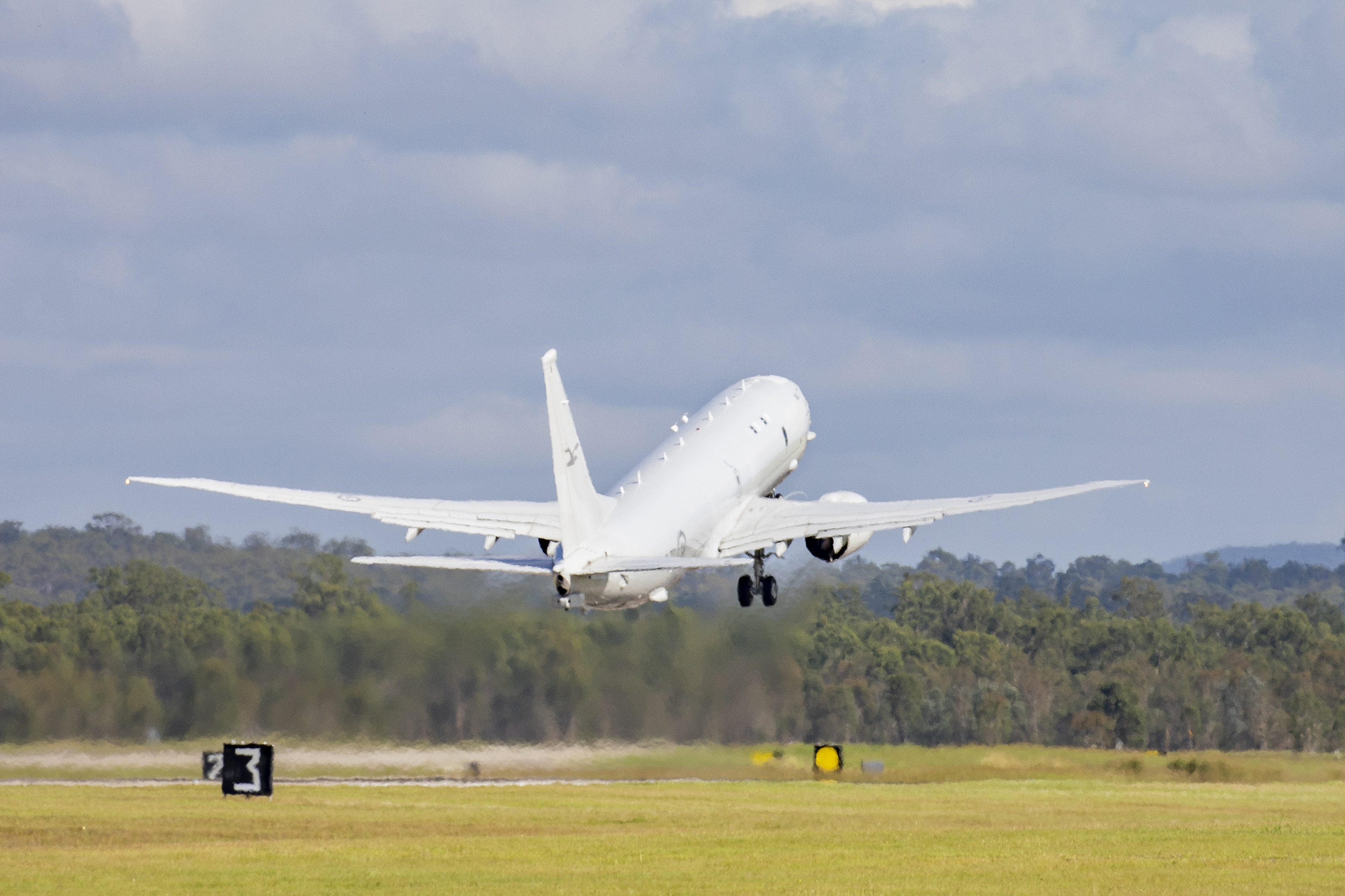
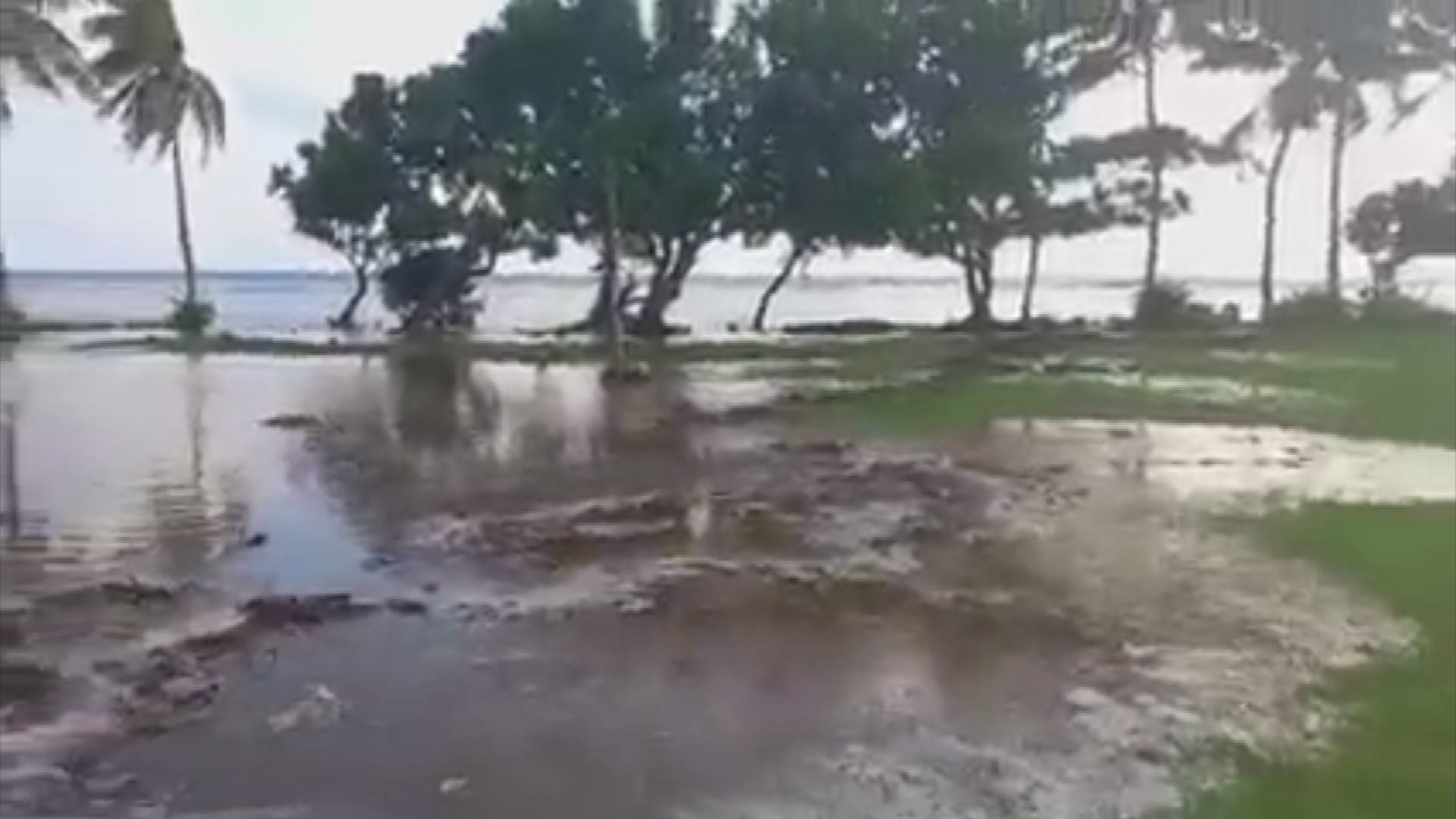
More details of damage are trickling out of Tonga after a huge undersea volcanic eruption sent a tidal wave crashing into the Pacific island nation on Saturday.

New Zealand and Australia were able to send military surveillance flights on Monday after a towering ash cloud since Sunday's eruption prevented earlier flights.

New Zealand hopes to send essential supplies, including much-needed drinking water, on a military transport plane on Tuesday.

Communications with Tonga remained extremely limited. The company that owns the single underwater fibre-optic cable that connects the island nation to the rest of the world said it likely was severed in the eruption and repairs could take weeks.

READ MORE: Cafe owner arrested for alleged COVID-19 direction breaches
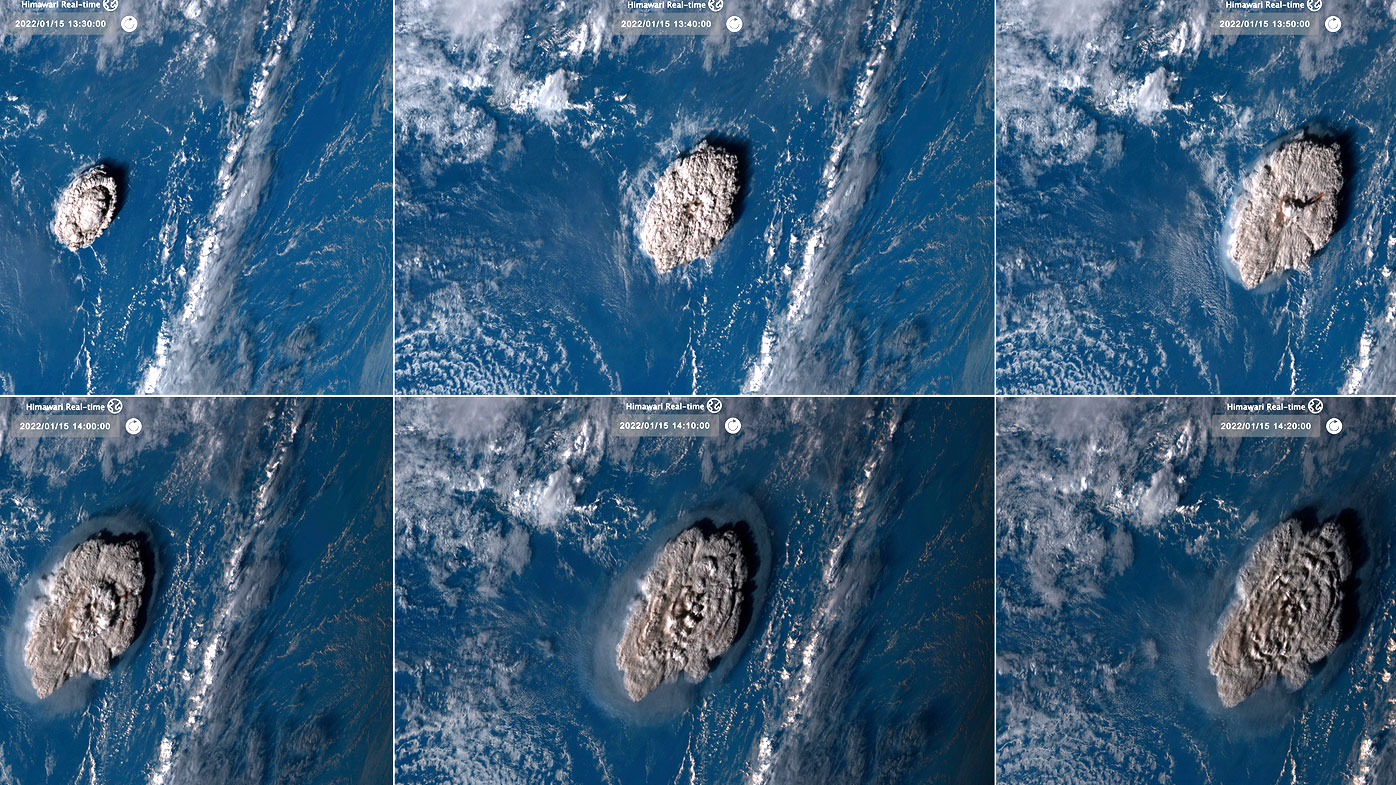
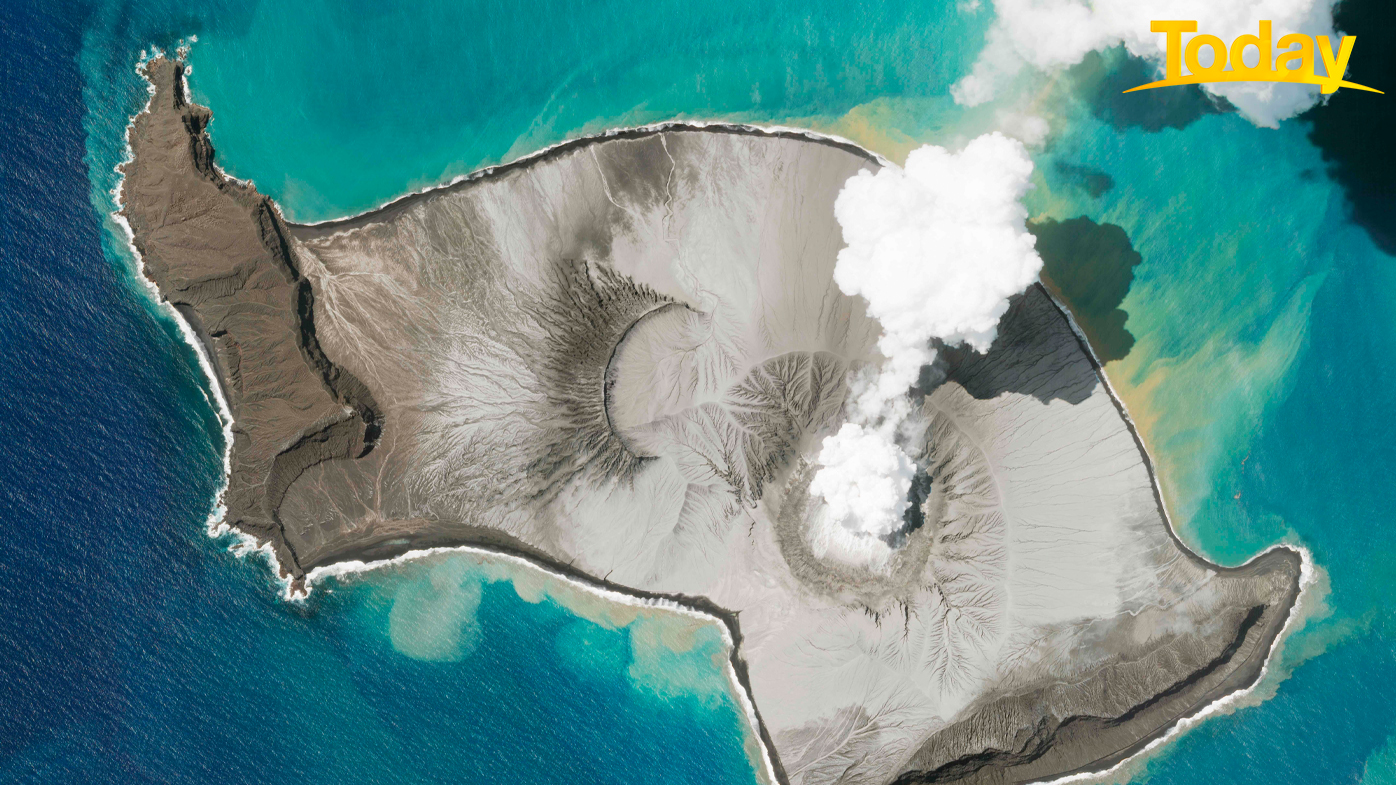
The Hunga-Tonga-Hunga-Ha'apai volcano, about 30 kilometres southeast of Tonga's Fonuafo'ou island, erupts.

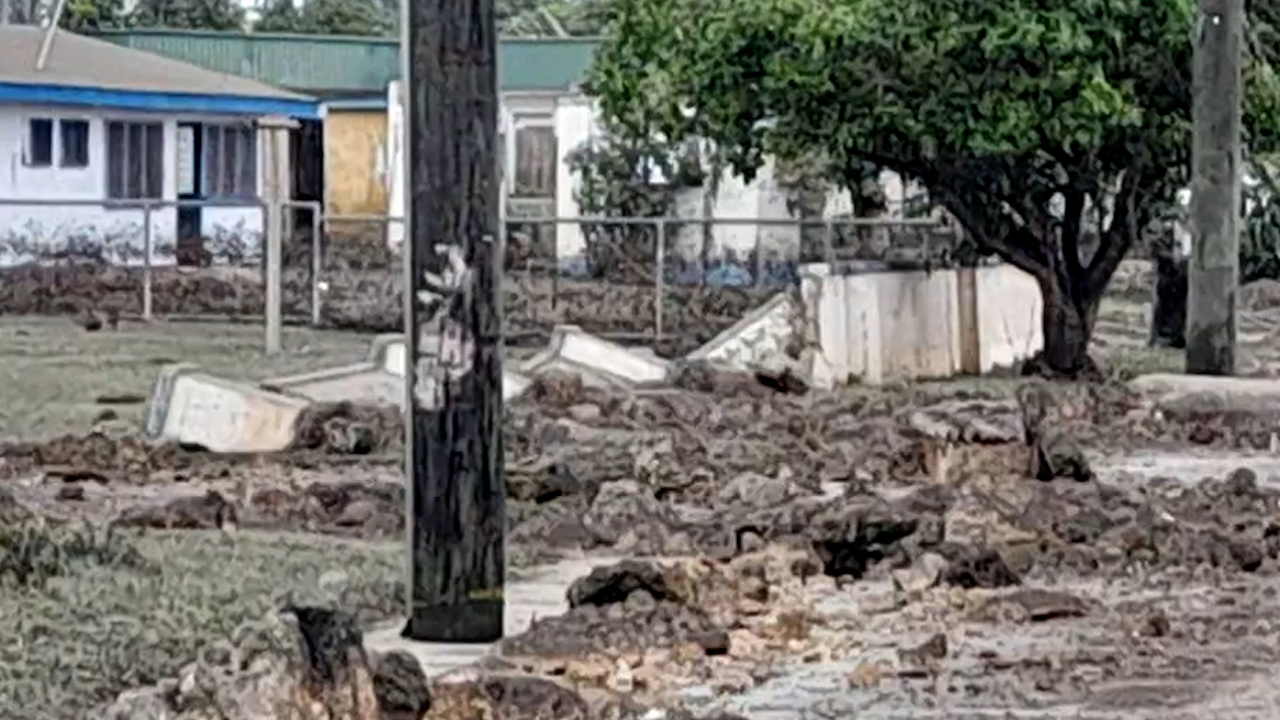
The loss of the cable leaves most Tongans unable to use the internet or make phone calls abroad. Those that have managed to get messages out described their country as looking like a moonscape as they began cleaning up from the tsunami waves and volcanic ash fall.

Australia's Pacific Minister, Senator Zed Seselja, said authorities expected shelter, water and fuel to be in high demand when a clearer picture of damage emerged.

"The AFP (Australian Federal Police) visited the western beaches today and they report significant damage there with inundations of the main road and, quote, houses thrown across the road. That's obviously quite concerning," he told ABC Radio Canberra on Monday.

READ MORE: Neighbours provide police with new clue in search for missing nine-year-old Charlise Mutten
Tonga volcano

"The good news in terms of the reports that we've been getting is that there's no reports of any sort of mass casualties.

"We're not aware of any deaths, although obviously we put the caveat on that that there is limited information, particularly from the outer islands."

The Senator said the airport appeared to have escaped significant damage, allowing humanitarian flights — which will be complicated by the island's almost COVID-free status — to be able to land as soon as conditions are safe.

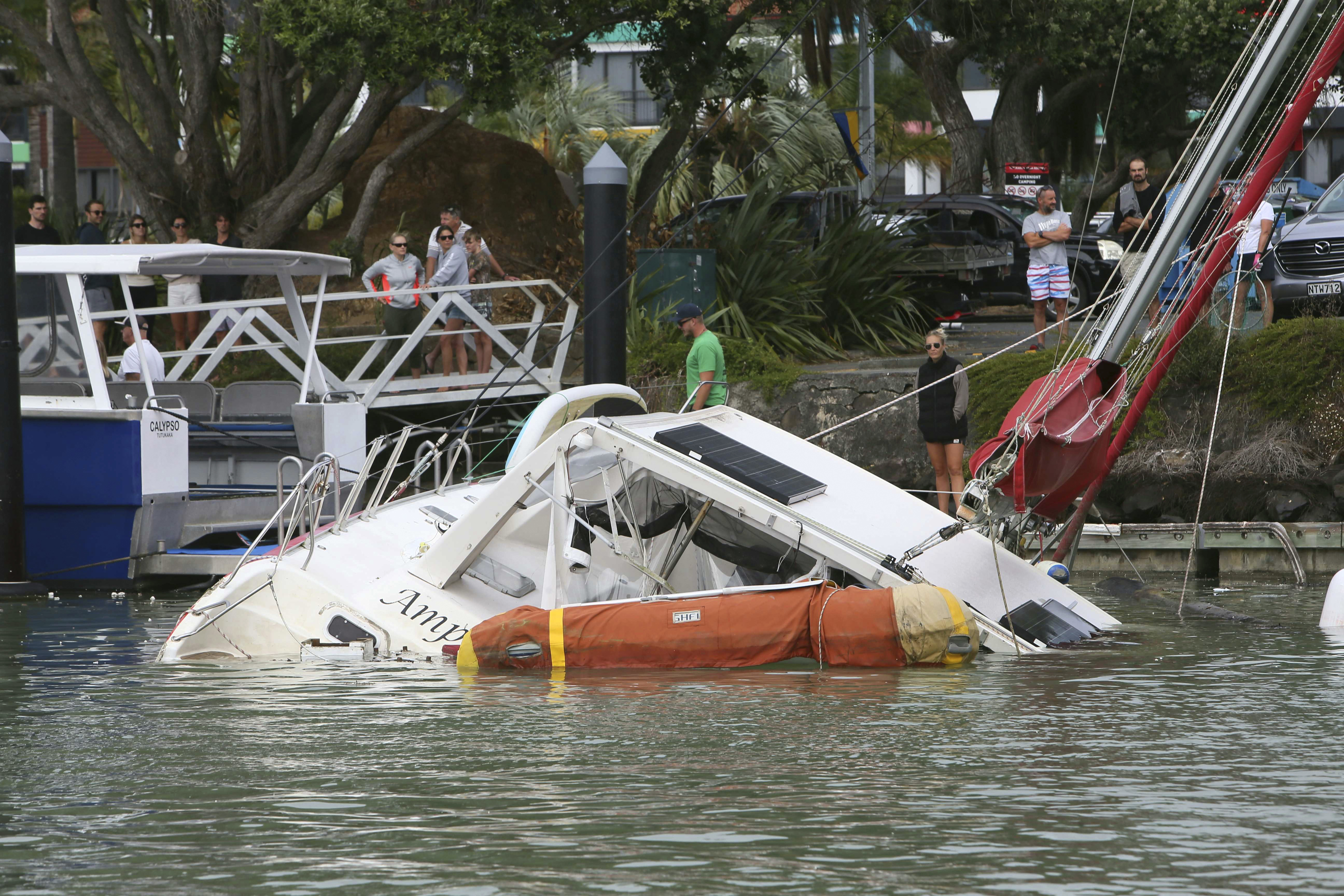
Tsunami waves of about 80cm crashed into the island, and New Zealand Prime Minister Jacinda Ardern described damage to boats and shops on Tonga's shoreline.

The waves crossed the Pacific, drowning two people in Peru and causing minor damage from New Zealand to Santa Cruz, California.

Scientists said they didn't think the eruption would have a significant impact on the Earth's climate.

Huge volcanic eruptions can sometimes cause temporary global cooling as sulphur dioxide is pumped into the stratosphere.

But in the case of the Tonga eruption, initial satellite measurements indicated the amount of sulphur dioxide released would only have a tiny effect of perhaps 0.01C global average cooling, said Alan Robock, a professor at Rutgers University.

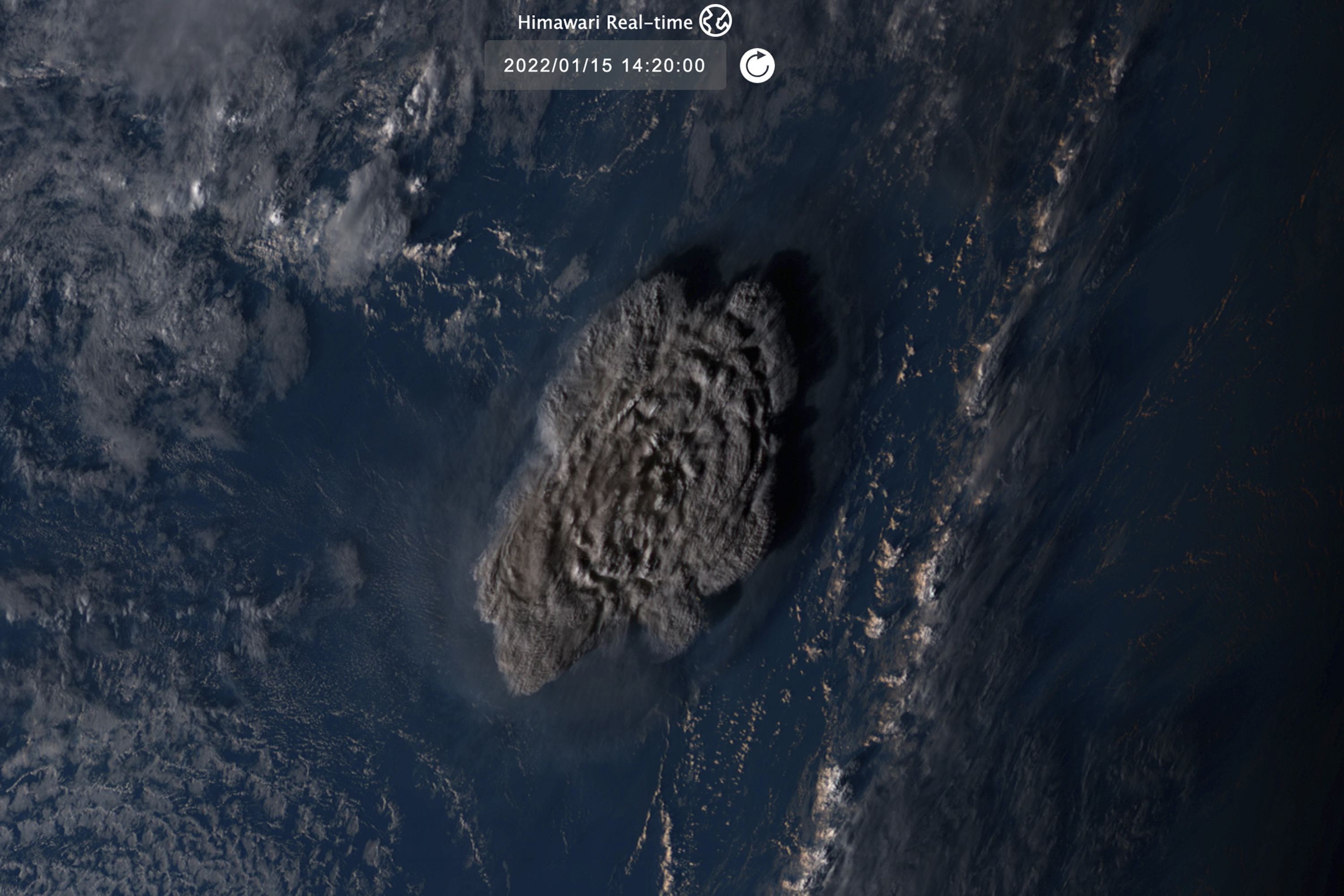
Satellite images showed the spectacular undersea eruption Saturday evening, with a plume of ash, steam and gas rising like a giant mushroom above the South Pacific waters.

A sonic boom could be heard as far away as Alaska and sent pressure shockwaves around the planet twice, altering atmospheric pressure that may have briefly helped clear out the fog in Seattle, according to the National Weather Service.

Large waves were detected as far away as the Caribbean due to pressure changes generated by the eruption.

Samiuela Fonua, who chairs the board at Tonga Cable, which owns the single cable that connects Tonga to the outside world via Fiji, said it appeared to have been severed about 10 to 15 minutes after the eruption. He said the cable lies atop and within coral reef, which can be sharp.
Tonga volcano

Mr Fonua said a ship would need to pull up the cable to assess the damage and then crews would need to fix it. A single break might take a week to repair, he said, while multiple breaks could take up to three weeks.

He added that it was unclear yet when it would be safe for a ship to venture near the undersea volcano to undertake the work.

A second undersea cable that connects the islands within Tonga also appeared to have been severed, Mr Fonua said.

However, a local phone network was working, allowing Tongans to call each other. But he said the lingering ash cloud was continuing to make even satellite phone calls abroad difficult.
There were no immediate reports of injuries or on the extent of the damage because all internet connectivity with Tonga was lost at about 6:40 p.m. local time.

He said Tonga, home to 105,000 people, had been in discussions with New Zealand about getting a second international fibre-optic cable to ensure a more robust network but the nation's isolated location made any long-term solution difficult.

Ms Ardern said the capital, Nuku'alofa, was covered in a thick film of volcanic dust, contaminating water supplies and making fresh water a vital need.

Aid agencies said thick ash and smoke had prompted authorities to ask people to wear masks and drink bottled water.

In a video posted on Facebook, Nightingale Filihia was sheltering at her family's home from a rain of volcanic ash and tiny pieces of rock that turned the sky pitch black.

"It's really bad. They told us to stay indoors and cover our doors and windows because it's dangerous," she said.

"I felt sorry for the people. Everyone just froze when the explosion happened. We rushed home."
Outside the house, people were seen carrying umbrellas for protection.

One complicating factor to any international aid effort is that Tonga has so far managed to avoid any outbreaks of COVID-19.

Ms Ardern said New Zealand's military staff were all fully vaccinated and willing to follow any protocols established by Tonga.

Dave Snider, the tsunami warning coordinator for the National Tsunami Warning Centre in Palmer, Alaska, said it was very unusual for a volcanic eruption to affect an entire ocean basin, and the spectacle was both "humbling and scary."

The US Geological Survey estimated the eruption caused the equivalent of a magnitude 5.8 earthquake.

Scientists said tsunamis generated by volcanoes rather than earthquakes were relatively rare.

Rachel Afeaki-Taumoepeau, who chairs the New Zealand Tonga Business Council, said she hoped the relatively low level of the tsunami waves would have allowed most people to get to safety, although she worried about those living on islands closest to the volcano.
Prime Minister Scott Morrison has spoken to New Zealand Prime Minister Jacinda Ardern, and said Australia will send what help is needed.

"We are praying that the damage is just to infrastructure and people were able to get to higher land," she said.

The explosion of the Hunga Tonga Hunga Ha'apai volcano, about 64km north of Nuku'alofa, was the latest in a series of dramatic eruptions.

In late 2014 and early 2015, eruptions created a small new island and disrupted international air travel to the Pacific archipelago for several days.

Earth imaging company Planet Labs PBC had watched the island in recent days after a new volcanic vent began erupting in late December. Satellite images showed how drastically the volcano had shaped the area, creating a growing island off Tonga.
Neighbours provide police with new clue in search for missing girl

Witnesses have provided detectives with a vital clue, five days after the disappearance of nine-year-old Charlise Mutten in the NSW Blue Mountains.

Police and an army of volunteers today spent another day scouring bushland for any sign of the schoolgirl.

Detectives in droves surrounded the Mount Wilson estate where the girl was last seen, hunting for more clues to explain her disappearance, while eyes in the sky scoured through the dense bush from a helicopter.

READ MORE: Tonga eruption 'up there with Krakatoa'

Charlise Mutten, 9, is currently missing from Mt Wilson.

Neighbours have told police they saw a car driving through the gates of the property at 4.30am on Friday, just hours before Charlise was reported missing.

Charlise's mother Kallista told police her daughter disappeared on Thursday but didn't contact them until Friday morning.

That afternoon, her fiancee Justin Stein spent several hours talking to police at Penrith, with his car towed in a nearby street while he was at the station.

The next day, police seized a white boat from the property Charlise was last seen, before searching the Hawkesbury River yesterday.

Divers have today searched the Hawkesbury River at Windsor, after seizing a boat from the Mount Wilson estate where her family said she was last seen.

Meanwhile, hundreds of volunteers trekked for hundreds of kilometres on day four of the search.

NSW Rural Fire Service commander Peter Bennet said one crew walked 10 kilometres.

"It's very rough terrain out here with canyons," he said.

READ MORE: Retailers found to be price gouging rapid tests could face $10 million fines

The Homicide Squad is heavily involved but their investigation has been hampered by conflicting accounts.

Charlise was last seen wearing a pink top with a round neck collar, a black knee-length skirt and pink Nike thongs.

Acting Superintendent John Nelson said officers were working closely with Charlise's family, including her mother.

"For any parent, it's a very distressing scenario. She is quite distressed and we are providing her with support," he said.

Anyone who has seen Charlise should contact Crime Stoppers.

Council apologises after parking fine removed after just seconds

A Melbourne council has apologised after a parking fine was incorrectly sent to a resident who never received the ticket on his car windscreen.

CCTV captured the moment the parking officer placed a fine on the window of a Melbourne man's car, before removing it seconds later after realising a fine should not have been issued.

But an administrative error by Yarra Council meant the vehicle owner still received a reminder notice in the mail for the fine, despite never seeing the original $109 ticket, issued in November.

READ MORE: Victoria may have reached its peak in COVID-19 cases, CHO says

The reminder notice came with an inflated charge.

The fine was written up at 7.37pm, with parking signs in the area indicating a two-hour parking zone from 7am-7pm, with all other times on the right-hand side being a permit zone.

The man paid the fine but scoured through CCTV footage to find out what happened to the physical ticket.

Footage showed the parking inspector issuing the fine, taking a photo of it on the car and walking away, before returning and removing it seconds later after realising it was issued in error.

There is no suggestion the parking officer acted improperly.

In a statement to 9News, Yarra Council said the parking inspector issued the fine by mistake, but it was not removed from the system in an "administrative error".

The council said it would reimburse the man for the fine.

"A council parking officer issued the infringement in error and upon realising that, removed it from the windscreen, noting the infringement needed to be voided in our computer system," a Yarra City Council spokesperson said.

"Unfortunately, there was an administrative error and the fine was not withdrawn from the system.

"Council is in the process of contacting the individual, and will reimburse the fine immediately as well as apologise for the inconvenience caused."