A moment of motorway madness, an impressive burst of athleticism and a dash of misplaced neighbourhood pride all combined into a bizarre scene on an Auckland motorway yesterday.The action all played out on the city’s Southwestern…
Tag Archives: oceania
NZ Post announces price increase for sending letters
NZ Post has signalled a price increase for sending letters from early 2022 as mail size continues to decrease. An NZ Post spokesperson said the postal service will “begin transitioning to a commercially sustainable model” for mail…
Covid-19 Delta outbreak: Judge's son William Willis, lawyer Hannah Rawnsley sentenced for flouting Auckland lockdown to holiday in Wānaka
The couple who garnered widespread attention in the first weeks of the Delta outbreak after they left Auckland’s strict Covid-19 lockdown for a holiday home in Wānaka pleaded guilty today and were sentenced.Equestrian William…
World's richest man faces $15.5 billion tax bill
Elon Musk says his tax bill this year will be US$11 billion ($15.5 billion), and he's probably right: the filings he has made with the Securities and Exchange Commission about his recent stock trades back up that massive number.
Mr Musk revealed the total in a tweet on Sunday that was otherwise short on details.
This is not significantly different from what he had tweeted last week when, in the midst of a Twitter war with Senator Elizabeth Warren, he said he'd pay the largest individual tax bill in history this year.
READ MORE: Steps to fight Omicron 'must be taken now'
That would be a massive change from some recent years.
An investigation by ProPublica found that Mr Musk, and fellow billionaires such as Jeff Bezos and Michael Bloomberg, legally paid zero in income taxes in 2018.
Mr Musk, the world's richest person, doesn't earn a cash salary or bonus.
He's instead been paid through stock options, giving him the right to buy shares of Tesla at a price equal to the market price at the time the options are issued, but likely well below their value at the time they are exercised.
Mr Musk received 25.5 million split-adjusted options in 2012 and had 22.9 million of those options vest over subsequent years as Tesla hit certain operational and financial targets.
But he didn't have to pay taxes on those options until he used them to buy shares.
READ MORE: 'Inside knowledge' could be behind $1m silver bullion heist
https://twitter.com/elonmusk/status/1472754632325795843
Since that block of options is due to expire in August 2022, Mr Musk finally started the process of turning them into shares of stock in early November.
And he documented those trades in SEC filings, as company insiders are required to do.
When he exercises the options, the value of the newly purchased shares are taxed as income — a 40.8 per cent rate for someone in Mr Musk's tax bracket.
And that is where the huge tax bill comes from.
As part of the process of exercising the options, Mr Musk has been selling a portion of the newly acquired shares to cover the withholding tax due on the trades, according to his filings.
Those sales so far have totalled 7.5 million shares, bringing in US$7.8 billion ($11 billion) so far, including the exercise price.
READ MORE: 'We're not going back to lockdowns', PM vows
In addition to the sales of shares he acquired exercising options, he's also sold some 5.4 million shares that he had held in trust since the start of this process, though those sales will be taxed at a lower, long-term capital-gains rate of 20 per cent.
So, all told, the federal tax bill on his 2021 stock trades comes to about US$8.4 billion ($11.8 billion).
But he's likely not done yet.
Mr Musk exercising his options and selling some of those shares is being done as part of a pre-arranged plan that allows company insiders to trade stock without being accused of trading on inside information.
Based on past trades, Mr Musk will likely exercise at least 4.2 million more options by year's end, or perhaps even all of the remaining 5.7 million options that are expiring in August.
That will likely raise his taxes by between US$1.6 billion ($2.25 billion) and US$2.1 billion ($2.95 billion).
So he'll be close to a US$11 billion ($15.5 billion) tax bill by year's end.
READ MORE: Tougher mask rules for Victoria under consideration
And none of these calculations involve any potential state income taxes.
Mr Musk has moved his residence — and Tesla's official home — to Texas, which does not impose a state income tax on individuals.
California's income tax rate is the highest in the nation — about 12 per cent.
Although it is not clear how much of his income will be subject to that tax, he likely won't avoid it altogether, despite his new address.
"Btw, I will continue to pay income taxes in California proportionate to my time in state, which is & will be significant," Mr Musk tweeted in June.
New Zealand brings forward boosters, border reopening pushed back
New Zealand will bring forward booster doses to fight the threat of the highly infectious Omicron variant of COVID-19.
It has been restricting booster shots to those who got their vaccine six months or more ago but will shift that to four months from the start of 2022.
This will mean about 82 per cent of those already double vaccinated will be eligible for a booster shot before the New Zealand Government looks to reopen the borders at the end of February.
READ MORE: South Australia changes testing requirement for interstate travellers
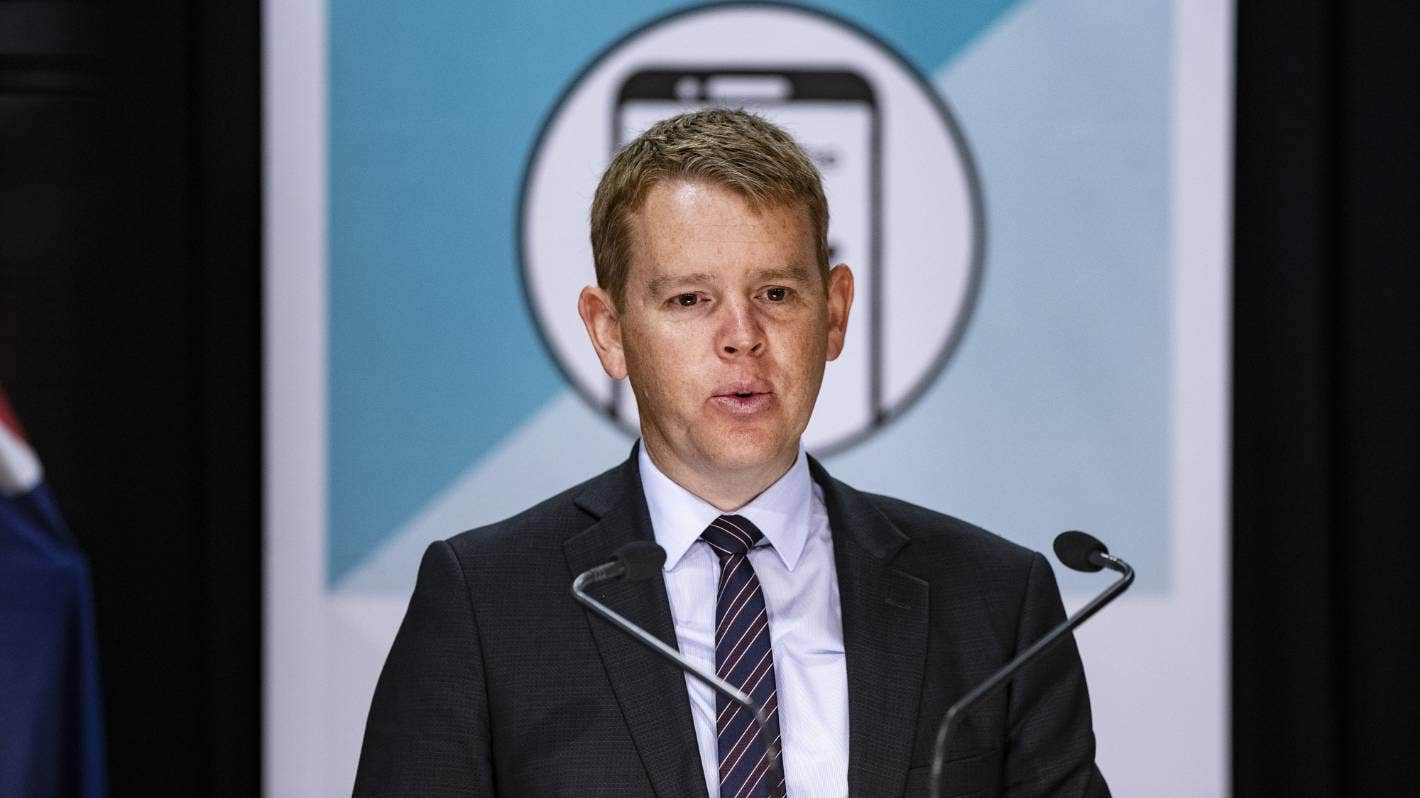
COVID-19 Minister Chris Hipkins said the emerging evidence was that the booster provided far stronger protection from Omicron than the two-shot course.
"While two doses is likely to hold a good degree of protection against severe disease from Omicron, a third dose is likely to offer great protection against transmission of COVID-19 and reducing the chance of more serious infections," Mr Hipkins said.
READ MORE: 'We're not going back to lockdowns', PM Scott Morrison vows
"The advice from the COVID-19 Technical Advisory Group is that shortening the period between the second and booster doses of the Pfizer vaccine is an appropriate and pragmatic step and is in line with what other countries are doing."
"The shorter timeframe will start in January and we'll continue to follow health advice if it recommends the gap in doses can and should reduce further."
Ministry of Health chief science advisor Dr Ian Town said it was imperative to keep Omicron out as long as possible as the booster appeared to be very effective at stopping hospitalisation.
Border reopening pushed back, jabs for kids
New Zealand was planning to allow fully vaccinated Kiwis and residents to travel into the country from Australia without going through managed isolation from mid-January.
That has been pushed back until the end of February to give the country more time to give far more Kiwis time to get their booster shot – with about 82 per cent of over-12s eligible for a booster at that point.
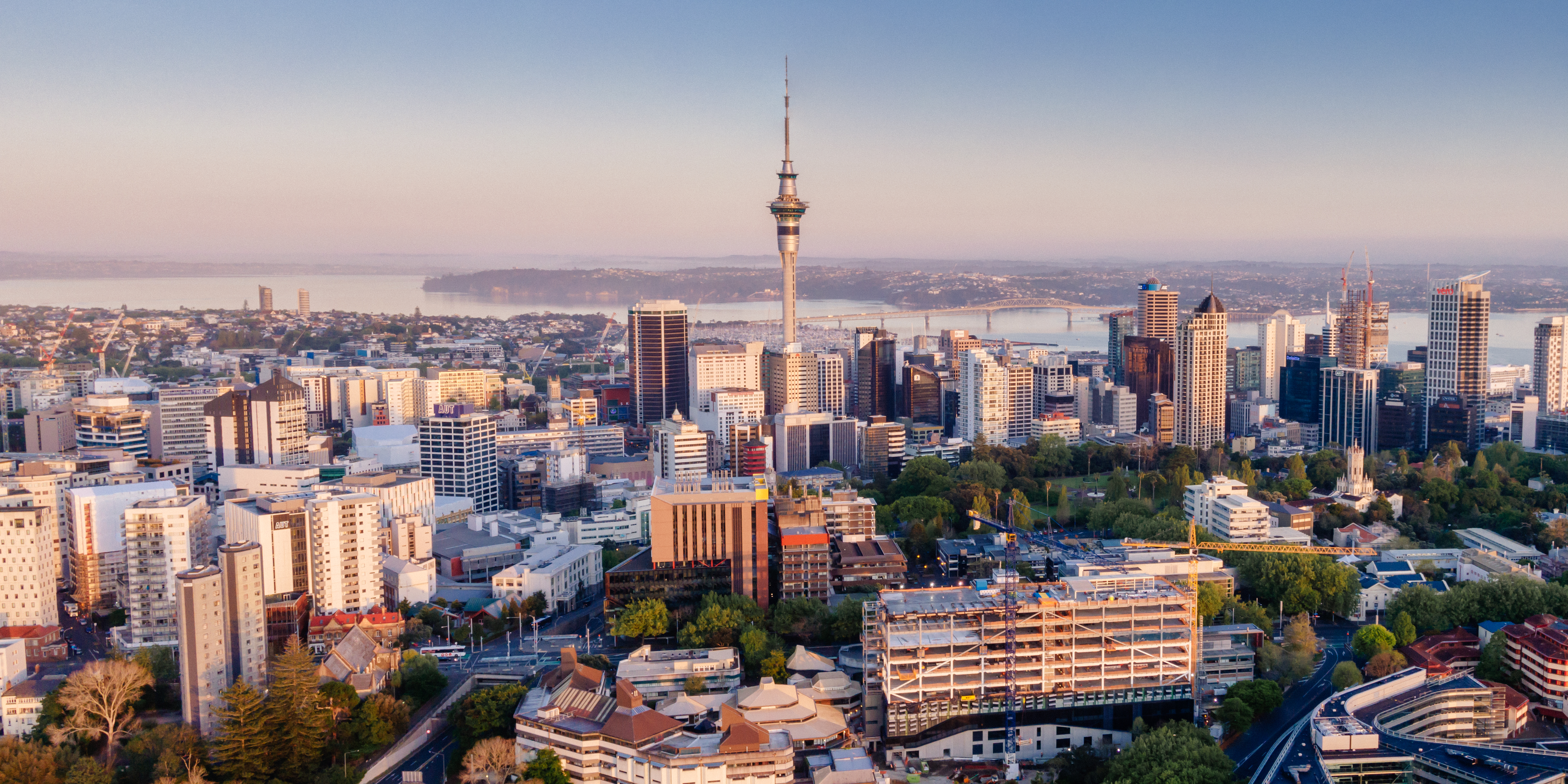
The New Zealand Government has also announced that vaccinations for five- to 11-year-olds will begin from January 17.
The suite of measures is designed to combat the newly dominant Omicron variant, which is not yet been found in the community in New Zealand.
"All evidence points to Omicron being the most transmissible variant yet," Mr Hipkins said.
"But experts still don't know how severe it is. So while it's sweeping the globe at a bewildering speed and appears to be the dominant variant, how sick it makes people and the impact it has on health systems is not yet fully understood."
Those coming in through managed isolation and quarantine (MIQ) will also see other changes.
MIQ has been extended to 10 days from the current seven.
Also, pre-departure tests will now only be accepted if they were taken within the last 48 hours, instead of the last 72.
The news comes as New Zealand's community cases continue to fall.
There were just 28 new community cases today and no new Omicron cases in managed isolation.
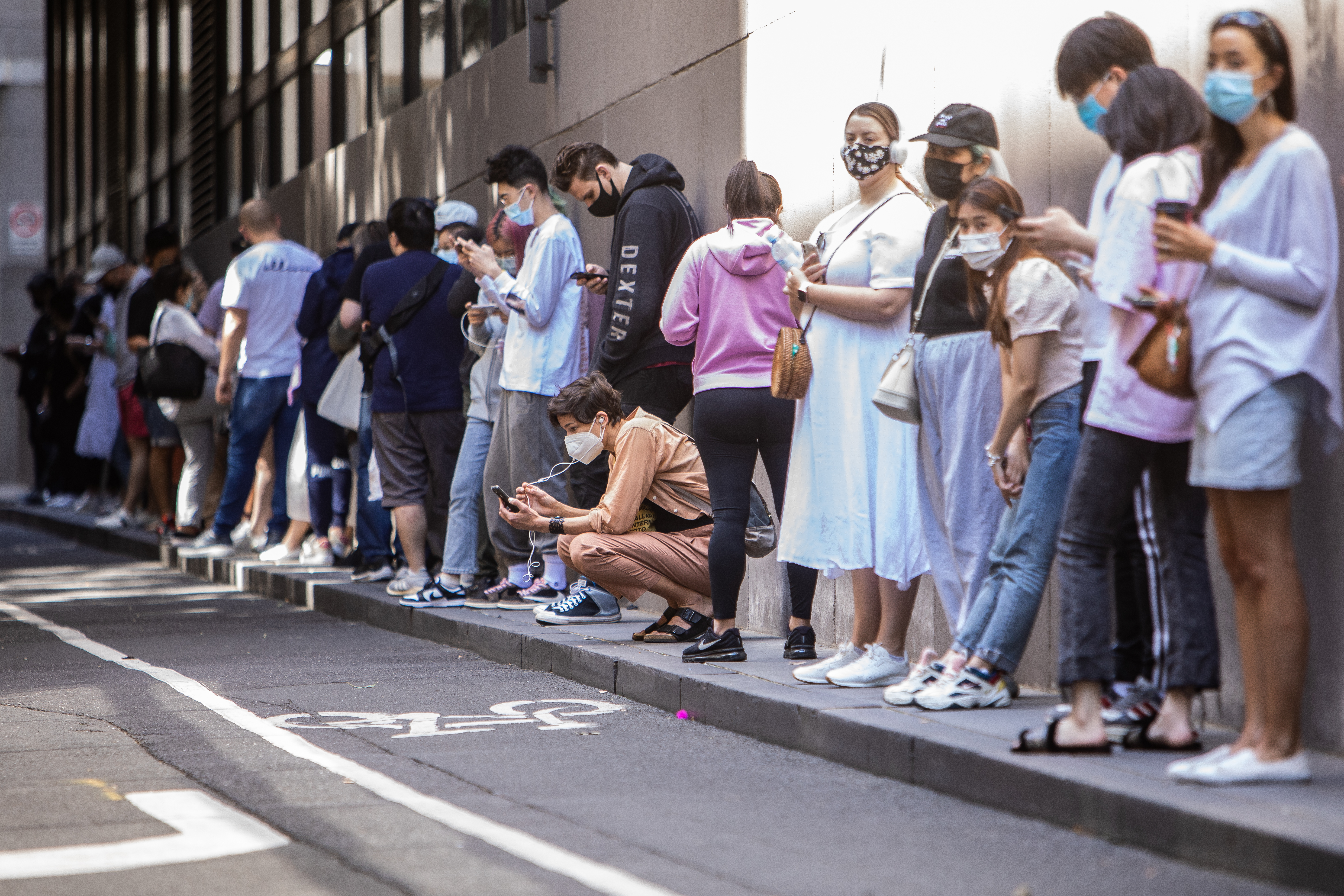
New Zealand's overall vaccine rate is high compared to many peer nations but only about one in 20 over-12s has had a booster shot.
Around 360,000 people are now eligible for their booster but just 228,000 have taken up the opportunity.
This article was originally published on Stuff and reproduced with permission.
Leading epidemiologist believes Omicron is 'low on virulence'
As the world waits to see how dangerous the Omicron strain of COVID-19 really is, a leading Melbourne epidemiologist has said he believes it is "quite low on virulence".
The University of Melbourne's Professor Tony Blakely has said "it's clear" that while it is is a little early to say it is "really, really mild" Omicron is at least less virulent than the Delta strain.
Professor Blakely told 3AW he was "calling" his forecast on the harmfulness of Omicron.
READ MORE: PM vows lockdowns will not return ahead of emergency National Cabinet meeting
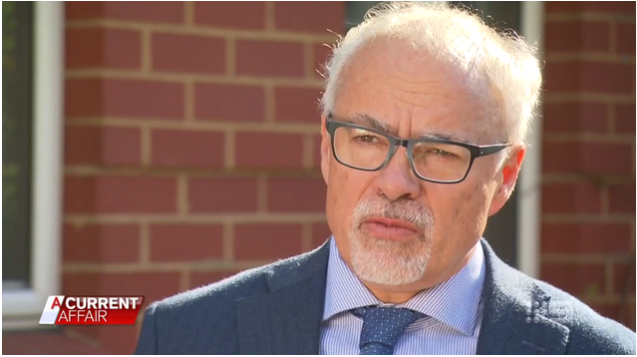
"You know how some people call an election early?" he said.
"I'm going to call it.
"I think it's quite low on virulence.
"I've been tracking through all the international data.
"We're not seeing an uptick in hospitalisation rates in the UK and the US in the data that I can pull down, we're not seeing an uptick in NSW."
Professor Blakely said it was unclear how much less virulent Omicron was than Delta, with South African officials saying Omicron was only 10 per cent – a tenfold reduction on Delta – and British experts saying it might be 70 per cent.
READ MORE: Tougher mask rules for Victoria under consideration
"This is a very competent group doing the analysis, but when I look closely there are a few biases in there," he said.
"I think we are somewhere between 10 and 50 per cent the virulence of Delta and I think we can actually get that virulence down even lower with boosters."
However, the professor said he was not suggesting any policy settings on restrictions be changed, making it clear that he thought mask-wearing should be taken up in indoor settings.
"Let's wait until that period at the beginning of January to make more definitive calls, but I am optimistic and hopeful that Omicron is not going to be bad on the virulence side," he said.
"It's certainly bad on the infectivity side – you could see a state like NSW or Victoria heading up to 10,000 and 15,000 cases a day – and at some level of cases you will stretch the health system, but it's not going to be at the same level as Delta."
Crewman admits leaving vessel's bridge before collision outside Lyttelton Harbour
A fishing boat crewman who had left the bridge unattended when the vessel collided with a bulk carrier outside the Lyttelton Heads has admitted a charge under the Maritime Transport Act.Christopher Anderson, who had been employed…
Herald afternoon quiz: December 21
Test your brains with the Herald’s afternoon quiz. Be sure to check back on nzherald.co.nz for the morning quiz tomorrow. To challenge yourself with more quizzes, CLICK HERE.
Covid 19 Delta outbreak: Destiny Church leader Brian Tamaki gets bail conditions tweaked
Controversial Destiny Church leader Brian Tamaki is now allowed to set foot on Auckland Domain again, but not if it is during an anti-lockdown or anti-vaccination protest. High Court Justice Geoffrey Venning has agreed to the slight…
Man left concussed after violent burglars target seafood seller's home
An Auckland seafood stall owner has been left shaken after his home was targeted in a violent burglary – which left his son with serious head injuries – while he was on a morning walk. Ka Pai Mussels owner Hohepa Te Whiu, 66, believes…