Parents are being put at ease with the Government’s move to allow children to get their first Covid jab next month, with the hope it would encourage more students to return to school. Covid Response Minister Chris Hipkins announced…
Tag Archives: oceania
Revealed: Massey University's New Zealand Quote of the Year competition 'Spread their legs' narrowly beats goat quote
It was a slip of the tongue that turned into a viral sensation, became a meme and was even used to sell merchandise – Now Chris Hipkins’ gaffe has been voted quote of the year.Covid-19 Minister Chris Hipkins’ “spread their legs”…
Alien life 'lurking in Venus clouds'
Alien life forms nurtured by acid-neutralising chemical reactions could exist in the clouds of Venus, scientists say.
The planet – 47 million kilometres from Earth – may be more habitable for life because of the presence of ammonia, a new study suggests.
Scientists have long been puzzled by the detection of ammonia – a compound of hydrogen and nitrogen – in the atmosphere of Venus.
READ MORE: Almost 50 test positive for COVID-19 on world's biggest cruise ship

The gas was first detected in the 1970s and by all theories should not be produced through any chemical process known on the planet.
While Venus is Earth's closest planetary neighbour, its harsh environment makes human life impossible.
Droplets of sulfuric acid – strong enough to burn holes in your skin – fall from the planet's clouds.
But a new study by researchers from Cardiff University and Cambridge University in the UK and the US Massachusetts Institute of Technology suggests if ammonia is present, it would trigger chemical reactions that could support life in the Venus environment.
The scientists modelled a set of chemical processes to show that ammonia would set off a cascade of chemical reactions that would neutralise surrounding droplets of sulfuric acid.
If this occurred, it would increase the pH of the clouds from roughly -11 to 0.
While still very acidic, this would be within the range of acidity that life could tolerate.
READ MORE: States to push PM on earlier boosters at National Cabinet

The researchers noted that there are lifeforms on Earth that produce ammonia to neutralise and make livable an otherwise highly acidic environment.
"We know that life can grow in acid environments on Earth, but nothing as acid as the clouds of Venus were believed to be," co-author of the study William Bains, from Cardiff University, said.
"But if something is making ammonia in the clouds, then that will neutralise some of the droplets, making them potentially more habitable."
The scientists suggest that that the most plausible explanation of the presence of ammonia on Venus is that it is of biological origin, rather than a nonbiological source such as lightning or volcanic eruptions.
The study is published in Proceedings of the National Academy of Sciences.
Indigenous Aotearoa birds and lizards closer to extinction
By Maori Television Updated environmental indicators show indigenous marine and land species are struggling against extinction, and wetland area continues to be lost, Stats NZ says.These latest figures come as New Zealand records…
Ethiopian community protests in Wellington over Tigray War portrayals
Members of the Ethiopian community marched on Parliament this afternoon.Ethiopia has been embroiled in the Tigray War for more than one year and the demonstrators said Western powers gave a free pass to the Tigray People’s Liberation…
'Horrifying': Dad whose daughter died in hot car calls for action
It's been just over a year since Peter Black's "bubbly and cheeky" three-year-old daughter Rylee died.
Rylee was left for hours, allegedly forgotten in the backseat of her mother's car as the temperature climbed above 30 degrees in Townsville, northern Queensland, last November.
Inside the car, the temperature would have been closer to 50-60 degrees.
READ MORE: 'I lost my baby and I don't blame her': Mum's powerful message
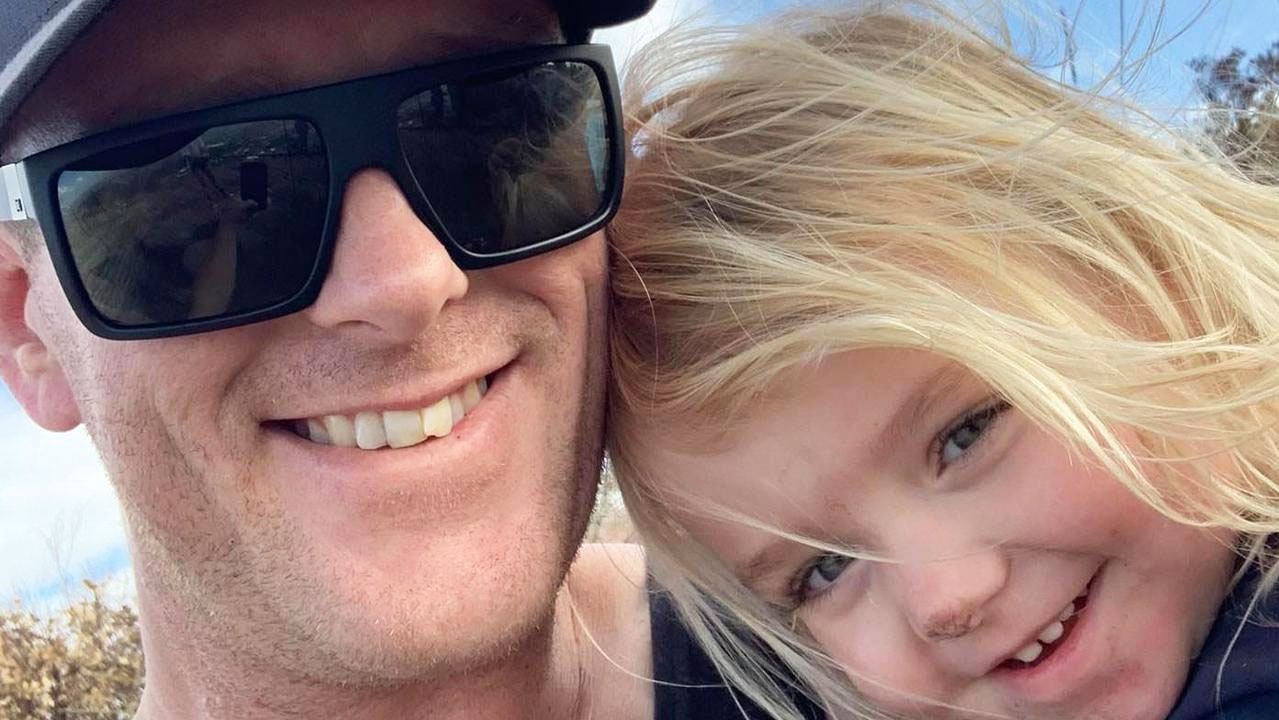
"I still have nightmares about it," Mr Black said.
"Just thinking about what my little girl went through, it's horrifying.
"She was such a cheeky kid, always getting up to mischief, but she loved nothing more than snuggling up for a cuddle and a kiss."
Rylee's mother and her partner have been charged with manslaughter over her death and the court case is ongoing.
Police allege Laura Peverill and her boyfriend Aaron Hill left Rylee in the car after returning home at 9am from a school drop-off.
Rylee was not discovered in the car until around 3pm at school pick-up time.
Her mother rushed her to hospital but it was too late to save her.
Mr Black told 9news.com.au he was feeling "angry and bitter" after Rylee died, but soon realised he needed to do something to channel his grief into something positive and prevent other children from suffering a similar fate.
Every year in Australia, over 5000 children are rescued after being left unattended in a car, according to Kidsafe Australia.
Over the past five years, 10 children are reported to have died after being left in hot cars in Australia, with half of the deaths taking place in Queensland, Kidsafe Australia says.
READ MORE: NSW 'treating people like adults', premier says
Mr Black is now campaigning for child detection technology to be made mandatory for all new cars sold in Australia.
Child detection technology uses in-car motion sensors or cameras to alert drivers if a child has been left in a car.
"As soon as I started looking into this, I realised that this technology is already available and we can actually do something about it," Mr Black said.
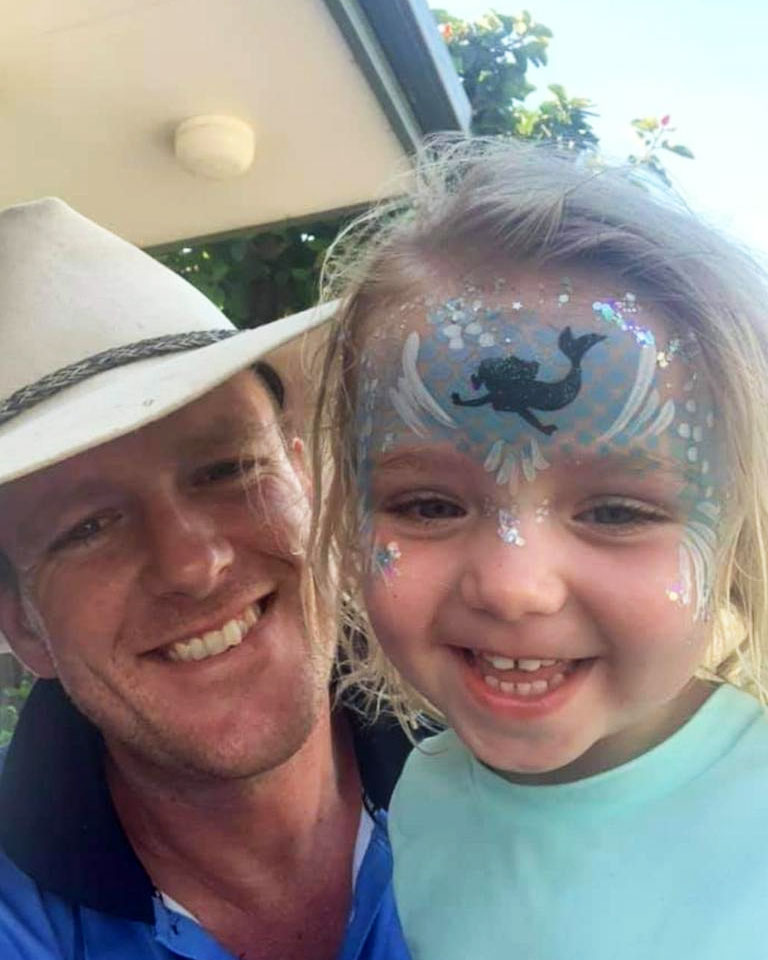
"Every new vehicle in Australia needs to have a child detection system.
"What I am asking is for manufacturers to do this while the car is being built so the cost is minimal and the installation is done to a standard so that every car has the same or very similar systems."
Mr Black has started a parliamentary petition calling on the Federal Government to legislate the change, which has so far attracted more than 1300 signatures.
A spokesperson for Federal Transport Minister and Deputy Prime Minister Barnaby Joyce said the government was currently considering such a move to make child detection technology compulsory for new cars.
"Losing a child is something no parent should have to experience," Mr Joyce's spokesperson said.
"The Government is currently participating in discussions around mandating child detection technology in vehicles in Australia, to prevent similar tragedies from happening.
"We are constantly adopting new vehicle technologies to reduce accidents in cars and on our roads.
"This includes advanced emergency braking systems for new cars and technology that prevents cars from crossing lanes."
Meanwhile, from 2023, new cars in Australia will need to have child detection technology installed in order to get the highest safety rating.
The nation's car safety rating body ANCAP (Australasia New Car Assessment Program), had originally planned to make the inclusion a requirement for five-star rated vehicles from next year, however the change was delayed by a year.
Some new vehicles, such as Hyundai's Santa Fe, already have the technology.
Its "rear occupant alert" uses sensors in the roof to detect any movements, which trigger an alarm if the driver has left and the vehicle is locked.
While Mr Black applauded ANCAP's changes to its rating system, he said the technology needed to be implemented in new vehicles across the board, not just in Australia's safest cars.
"I want people who can't afford to go and buy a car with five-star ANCAP rating to also be covered, they need to be able to go and buy the cheapest import and it will be included," he said.
"Because this is something that doesn't discriminate – it can happen to someone living in Potts Point, Sydney, or it can happen to someone living in Alice Springs."
Mr Black said people overwhelming believed this was a tragedy that would never happen to them.
"I never thought it would happen to me either. My little girl wasn't in my custody that day and here I am, it has happened to me," Mr Black said.
"You are not the only one that cares for your child," he said, pointing to the case of three-year-old Cairns boy Malik Nicholas Floyd Namok-Malamoo, who died after he was left on a bus belonging to his childcare centre in February last year.
"It could also be a grandparent who is getting a little bit forgetful, or it could be your partner or your ex-partner," he added.
"There are so many variables out there. We just need to take the human element out of it and put a control in place that is simple and easy.
"We need to stand up and say enough is enough and we are going to do something about it."
Contact reporter Emily McPherson at em********@******om.au.
Why managing this isolated UK pub will net you a kingdom
A centuries-old pub on a tiny island off the coast of the UK is looking for a new manager – and it comes with a crown.
The Ship Inn on Piel Island has been standing for at least 300 years, according to the local borough's website.
Its manager, who holds other unique responsibilities, has for centuries been crowned the "King of Piel" in a ceremony of uncertain origin, "in which they sit in an ancient chair, wearing a helmet and holding a sword while alcohol is poured over their head", the site states.
LIVE UPDATES: NSW COVID-19 cases top 3000 with hundreds in hospital

Looking after the sword and helmet are part of the inn manager's duties.
The island can also boast of the "Knights of Piel", who are apparently anointed in similar fashion.
In somewhat retrograde language, the "aristocracy" of the island were historically expected to be "a free drinker and smoker and lover of the female sex" – though in more recent decades, women have also been "crowned".
READ MORE: Hikers trapped on cliff winched to safety
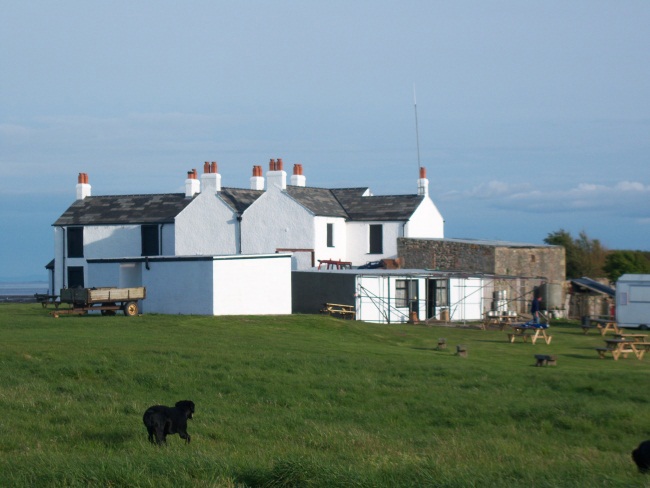
And now, the council is looking for somebody to fill the role, the BBC has reported.
However, while the job might sound fun, it takes a particular type to enjoy it, with high levels of commitment required – and a lot of isolation to endure.
Ferry services keep the 50-acre island in touch with the mainland, with tourists coming not just for the pub, but also to survey the older ruins of a castle and an abbey there.
COVID-19 outbreak on world's biggest cruise ship
Despite stringent measures supposed to keep ocean cruises COVID-free, operator Royal Caribbean says at least 48 people on board one of its ships that docked in Miami at the weekend have tested positive for the virus.
The Symphony of the Seas, the world's biggest cruise ship, was carrying more than 6000 passengers and crew on a week-long journey around the Caribbean when a guest tested positive, prompting wider contact tracing, according to Royal Caribbean.
Cruise ships had been touted as one of the "safest" vacations available back in summer 2021 when the cruise industry restarted in the US with new COVID protocols, following an extensive pandemic shutdown.
READ MORE: Australian cruise industry set to pass two years of shut down
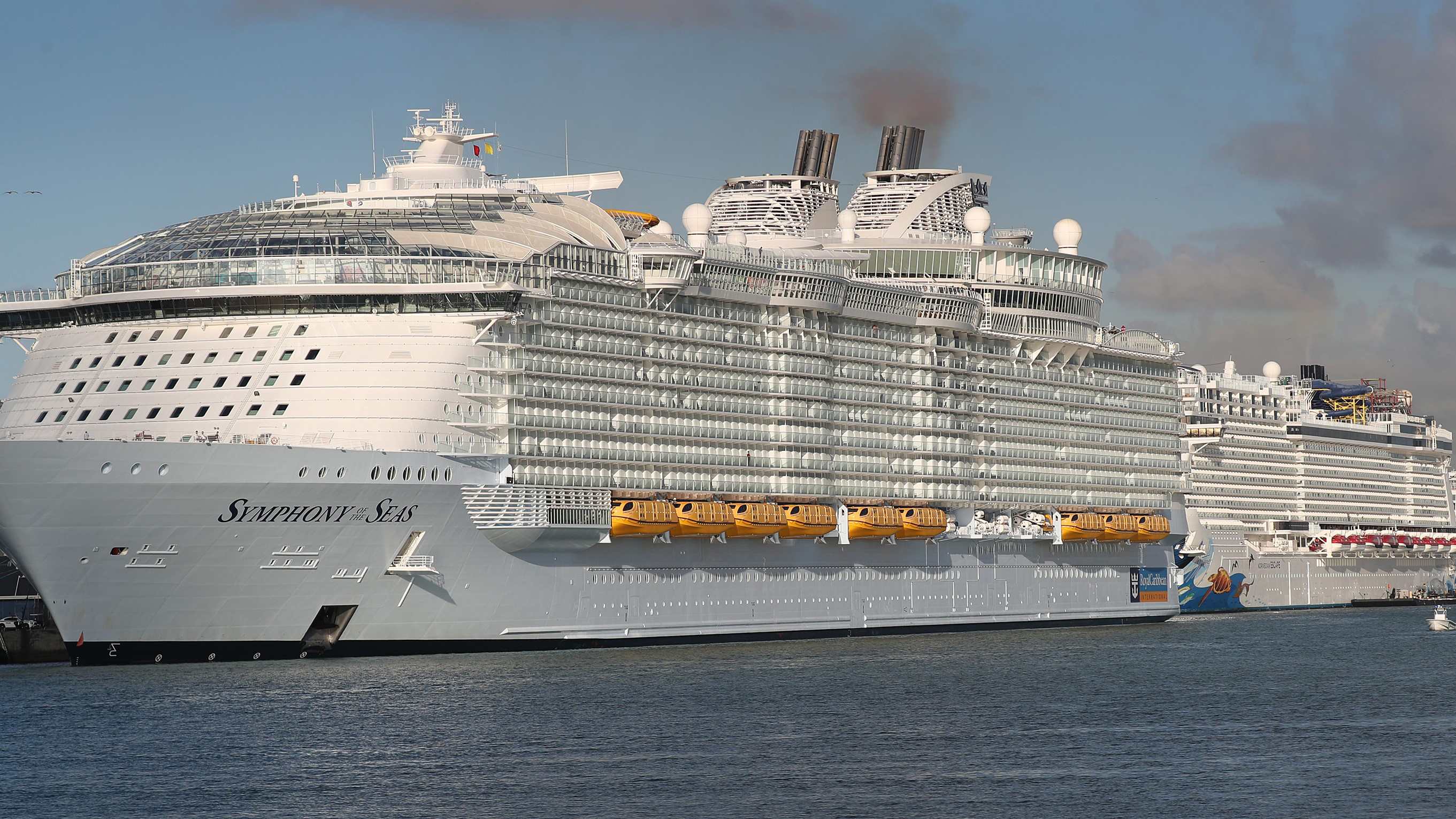
The Symphony of the Seas was carrying 6091 passengers and crew members.
In a statement, Royal Caribbean said that a guest tested positive during the voyage, and subsequent cases were detected following contact tracing.
It said 95 per cent on board were fully vaccinated.
Of the people who've since tested positive, 98 per cent were fully vaccinated.
The total number of cases amounted to 0.78 per cent of the on board population.
It's not yet known whether the highly infectious Omicron variant of coronavirus, currently spreading rapidly around the world, was responsible for the cases detected.
READ MORE: With Christmas in the balance, nations eye UK Omicron surge
Royal Caribbean rules dictate that all travellers on board a ship aged 12 and above must be fully vaccinated, and test negative before departure.
The cruise line says it "strongly recommends" guests receive a booster dose prior to sailing, but this is not currently mandated.
Crew members are also required to be fully vaccinated and test "at least once a week."
Unvaccinated children on board Symphony of the Seas were required to show a negative PCR, and also test negative at the terminal pre-departure.
'Mild symptoms'
Royal Caribbean says it also implements additional health and safety measures, such as enhanced cleaning.
On US-based cruises, masks are now required to be worn in indoor public areas – this policy was recently updated to extend mask-wearing requirements for fully vaccinated passengers.
READ MORE: Cruise fans set to sail from overseas before Australia
"Each person quickly went into quarantine," reads a Royal Caribbean statement on the Symphony of the Seas outbreak.
"Everyone who tested positive were asymptomatic or had mild symptoms, and we continuously monitored their health."
Symphony of the Seas departed from Miami, Florida on December 11, stopping at Caribbean ports St Maarten and St Thomas, as well as Royal Caribbean's private island, called CocoCay.
The cruise line says in its statement that it disembarked six positive cases earlier in the cruise, while the other positive travellers disembarked on December 18, when the voyage came to an end.
The cruise line added that Symphony of the Seas' future voyages weren't impacted.
Cruise Lines International Association (CLIA), the industry body that represents the world's major cruise lines, said in a statement provided to CNN Travel that it was "monitoring developments related to the Omicron variant and remain closely engaged with local and national authorities in the places where cruises sail."
CLIA said that on board protocols like testing, vaccination and mask-wearing "were designed with variants in mind."
The association added that its member cruise lines will continue to take a "proactive approach" to responding to the pandemic as it develops.
Earlier in December, a spate of positive COVID cases were reported on board Norwegian Cruise Line ship Breakaway, which was travelling out of New Orleans.
The terrible price Saudi activist Manal paid for YouTube driving video
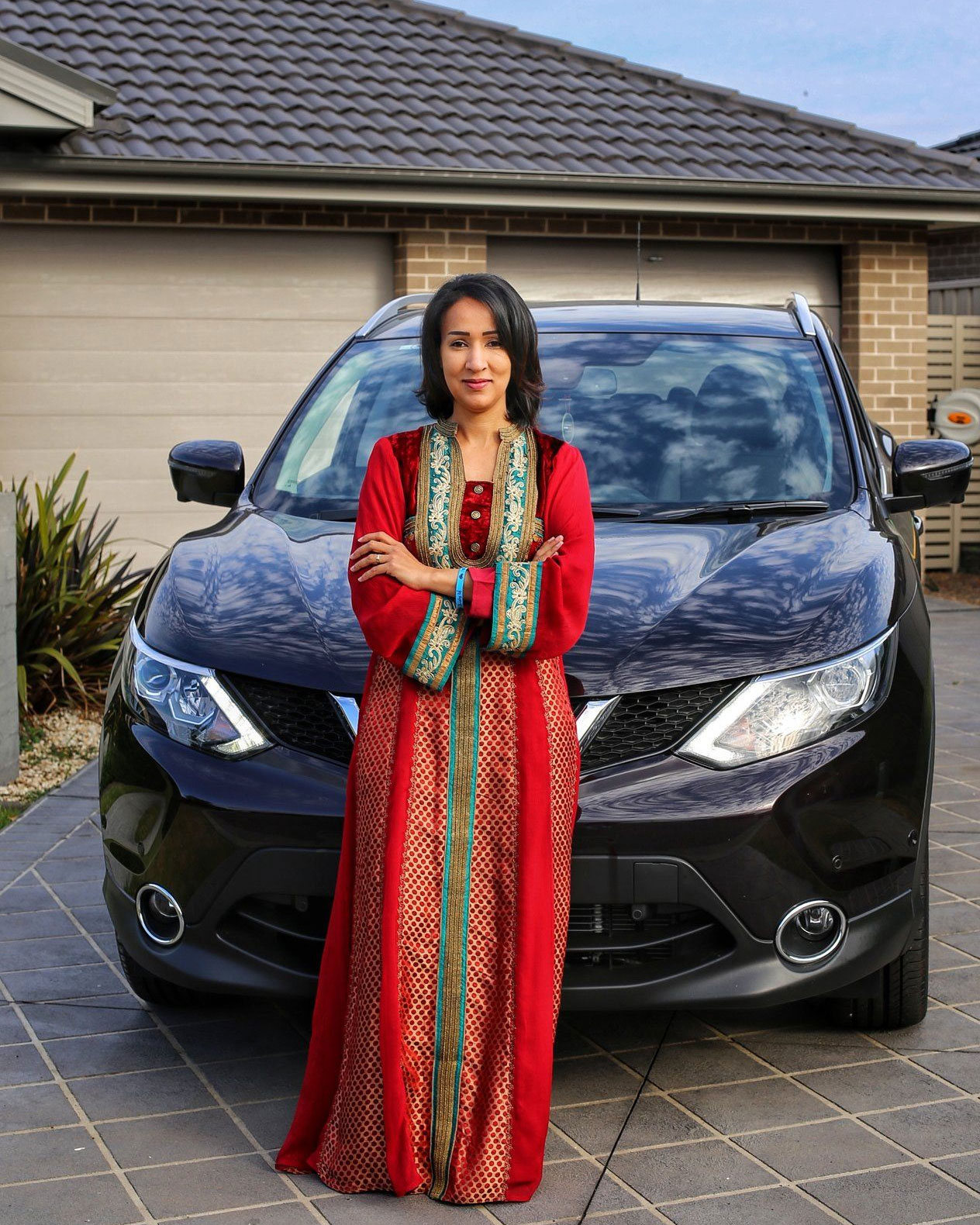
It's been a decade since Manal al-Sharif carried out an extraordinarily brave act that would change the course of her life forever.
The year was 2011, and Ms al-Sharif was terrified but determined to challenge authorities in her home country of Saudi Arabia who said women were not allowed to drive.
Armed with a mobile phone she filmed herself driving around the city in al-Akrabiyah, Khobar on the Persian Gulf.
Then, with a stroke of her keyboard, she uploaded the video to YouTube, where it was watched 700,000 times on the first day alone.
READ MORE: Biden hosts brother of Saudi prince implicated in reporter's death
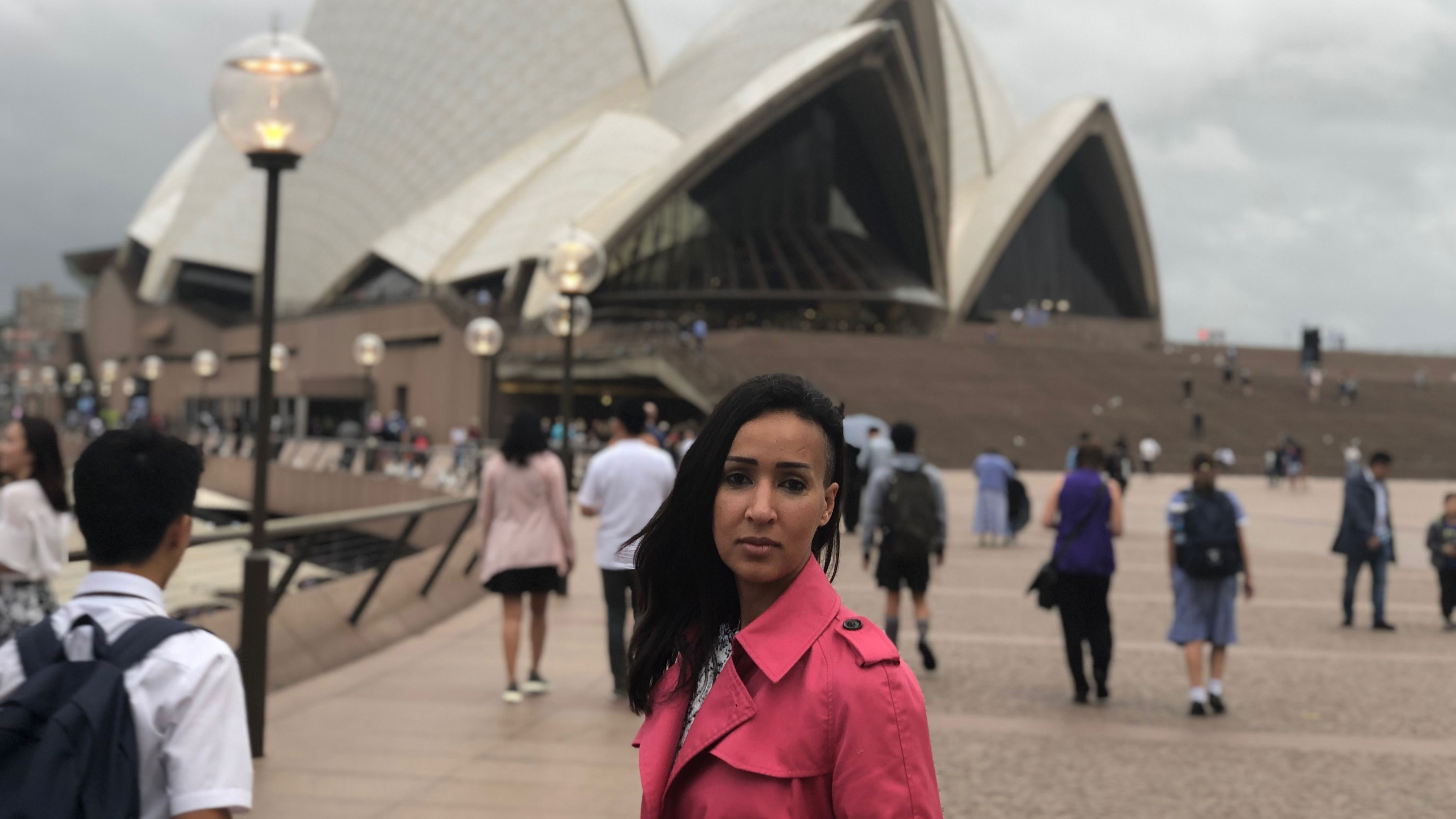
Buoyed by the Arab Spring uprisings that were taking place across the Middle East and in northern Africa, Ms al-Sharif's act of defiance would set off a wave of similar protests and become a catalyst for change.
But Ms al-Sharif, who now lives in Australia, has paid an enormous personal price for her activism.
She was thrown in prison for a few days, lost her job when she continued to speak out against the government and forced to flee overseas.
Ms al-Sharif has not seen her eldest son, Abdullah, in four years.
With no appetite for putting her freedom in the hands of the ruling Saudi royal family, Ms al-Sharif has deemed it too unsafe to return home.
Abdullah, who is now 16 years old, still lives in Saudi Arabia.
"Abdullah is a special case. His dad is preventing him from leaving the country," Ms al-Sherif said.
READ MORE: Backers of detained Dubai princess seek help to win her freedom
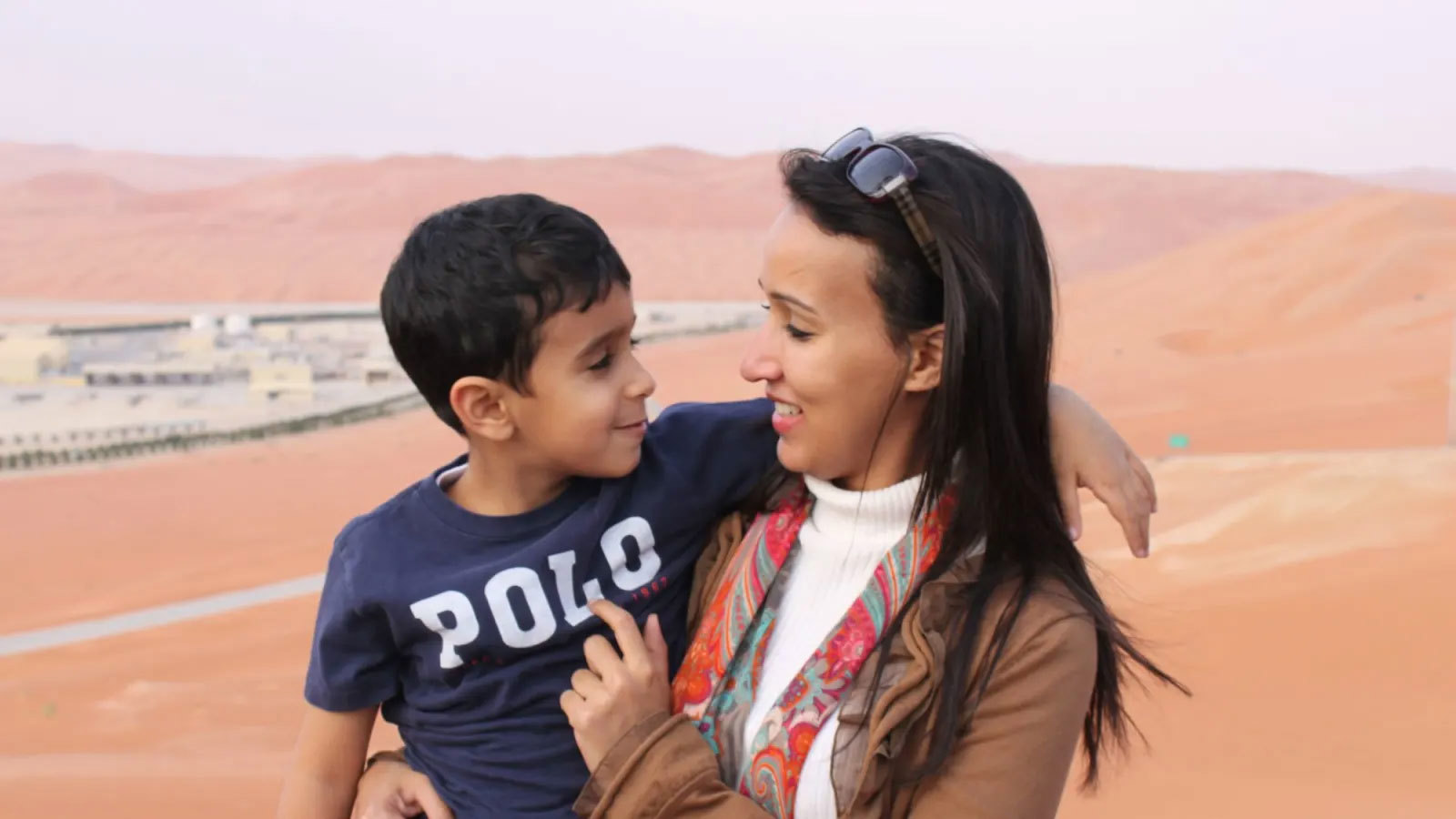
Since 2017, Ms al-Sharif has been living in Sydney with her second husband, and their son Daniel, who is now seven years old.
Her two sons have never met.
But Ms al-Sharif is philosophical about what the women's freedom movement has cost her.
"You lose battles to win the war, and I think a lot of women who lost personal things, we won a war against women in my country," she said.
A closed world opens up
Ms al-Sharif grew up in a devout Muslim family. She remembers feeling her world suddenly constrict when she became a teenager.
"It was kind of devastating. There were a lot of rules suddenly imposed on me as a girl that my brother didn't have to adhere to," she said.
"I had to wear the hijab, the full face covering. I couldn't talk to boys. I couldn't play football with them anymore.
"I couldn't ride a bike or leave the house."
"The school was really good in brainwashing us into adhering to the rules, taming us.
"I was the biggest reader. I love reading and all the books were reinforcing why we had to follow these very impossible rules and not push back."
After years of being exposed to no alternative viewpoint, Ms al-Sharif said she became "heavily radicalised" and believed what she was being told.
All this changed with the arrival of the internet in Saudi Arabia in 1999.
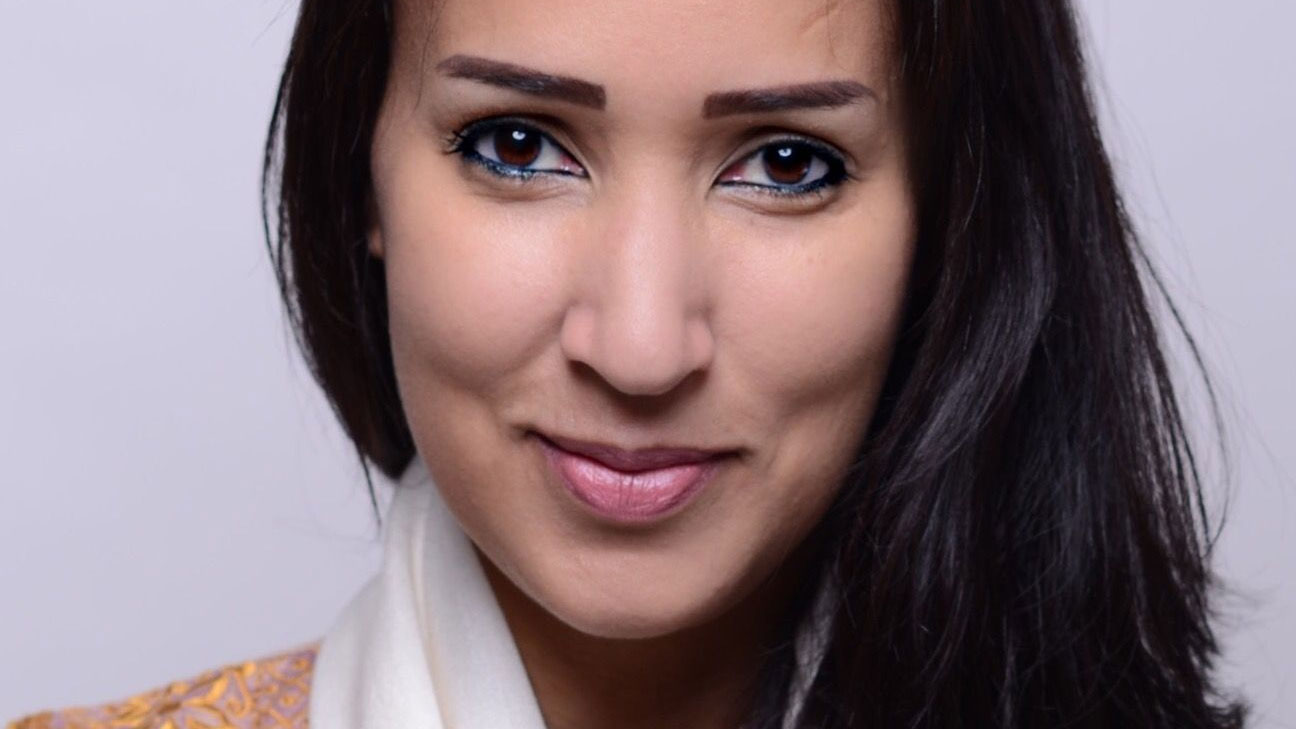
"I got access to it behind my dad's back because he wouldn't allow us," she said.
Suddenly Ms al-Sharif was finding answers to the questions no-one had wanted to answer.
Ms al-Sharif went on to study and complete a degree in computer science.
"The internet was heavily censored in Saudi Arabia to protect our belief systems, but I had the curiosity and, as a computer scientist, I could bypass all this censorship.
"I didn't know that time it was called hacking, but I could access things no-one could access. And that was really my enlightenment, because it gave me that window to the outside world.
"I felt so much anger because I've been lied to all my life. I felt betrayed and like I needed to make up for the lost years."
The power of the social network
The arrival of social media brought with it more freedom as it gave women a vital chance to connect.
"That's when I started talking to people like me who had the same questions and were so scared to talk about it, it was very empowering," Ms al-Sharif said.
It was, Ms al-Sharif said, the "innocent" early days of Facebook, before there were any algorithms controlling what appeared on news feeds.
"It was organic, the power of the network was that everyone you knew was on there, Facebook and Twitter, and you could see when you logged on in the morning what they were up to."

Ms al-Sharif was continuing to question the limits imposed on women in her country and there came a night in 2011 when all of her frustrations came to a head.
She was walking in al-Khober city, trying unsuccessfully to find a taxi home.
"I couldn't find a ride back home and that's the moment when I was almost kidnapped from the street," she said.
"I was terrified and shaking.
"I was thinking I'm sick and tired of this, it doesn't make sense.
"I knew how to drive, I had an international drivers' licence, but there I was – an adult woman – not trusted to drive her own car."
When Ms al-Sharif related the incident to a colleague at work, he told her there was no official law which made it illegal for women to drive in Saudi Arabia.
"I think that was my 'aha' moment," she said.
Ms al-Sharif turned to Facebook where she set up a page called Women2Drive.
The page helped connect women who wanted to learn to drive with women who could teach them.
Then came her YouTube video and a day of action in June 2011, where dozens of Saudi women got behind the wheel to drive.
It would be seven more years before the Saudi Arabian monarchy lifted the driving ban at last, in June 2018.
Ms al-Sharif said she copped criticism for focusing her efforts so solely on women's rights to drive, which some believed was superficial considering the many other human rights abuses occurring in her country.
"They didn't understand, this was a public display of women's empowerment," Ms al-Sharif said.
"Divorce, domestic violence, injustice in courts – that all happens behind closed doors.
"But when you walk in the street and you see a woman behind the wheel driving, that's a paradigm shift. It's a public display of forming power.
"It was a huge battle for us … but when that battle was won, it had a domino effect and a lot of things followed."
Tools turn to weapons
While technology and social media played a huge role in Ms al-Sharif's fight for freedom, she said she is increasingly horrified to see the same tools now being used to oppress dissent in authoritarian regimes.
"A lot of people are now being radicalised by these tools," she said.
"I see my friends back home, how their views of the world have changed because the government is pushing hate.
"A lot of friends have stopped even talking to me because they are living in this world that the government created for them."
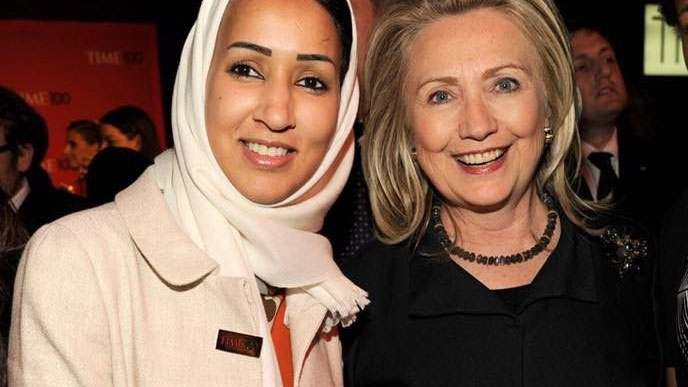
In democracies like Australia and the US, social media's role in growing the alt right movement was also disturbing, she said.
"I see my friends being radicalised in the US, they have gone to the far right because they've been sent all this angry stuff on their social media feed," she said.
"I talk to them and I don't know them anymore.
"It scares me, I don't want my kids to live in this world."
Ms al-Sharif is now using her expertise in cyber security to begin a new project, forming the Ethical Technologists Society.
Examining the space where digital and human rights meet, Ms al-Sharif hopes to bring experts together to help advocate for more transparency in the sector.
While Twitter has recently made some progress in the area, launching a service to provide more detail about government requests, more action is needed, particularly from Facebook, she said.
A new fight for a new generation
Back in Saudi Arabia there is still much work to be done to unlock freedoms for women.
But Ms al-Sharif said she had hope the next generation of women would build on the progress that had been so hard won.
"I do believe in the new generation. These girls are highly educated, very outspoken, and I love that. They don't like to be brainwashed and told what to do," she said.
Women in Saudi Arabia were now able to get a good education, and gain financial independence with a job, she said.
The time was ripe for change, Ms al-Sharif said, with oil – so central to Saudi Arabia's economy – losing its strategic importance on the world stage amid the climate change crisis.
Ms Al-Sharif said the next generation of women were well-positioned to push for political change "in a soft way, without torturing or killing or assassination".
"They have the wealth, they have the knowledge, they have the population – they just need to push against that system."
Contact reporter Emily McPherson at em********@******om.au.
Aussie property predictions for 2022: Where the prices will rise
Australia's red-hot property market is unlikely to be shaken by the latest strain of COVID-19 in 2022, but the fear of missing out on historically low interest rates could set the stage for another boom year.
While Omicron has threatened border reopening and restriction extensions like mask-wearing, experts say the new variant is unlikely to play a role in the nation's real estate finances.
Pete Wargent, co-founder of BuyersBuyers, said the Omicron strain of the coronavirus will have a negligible impact on the trajectory of the housing market.
READ MORE: 'Cooked' rental ad showing bed in garage sparks outrage
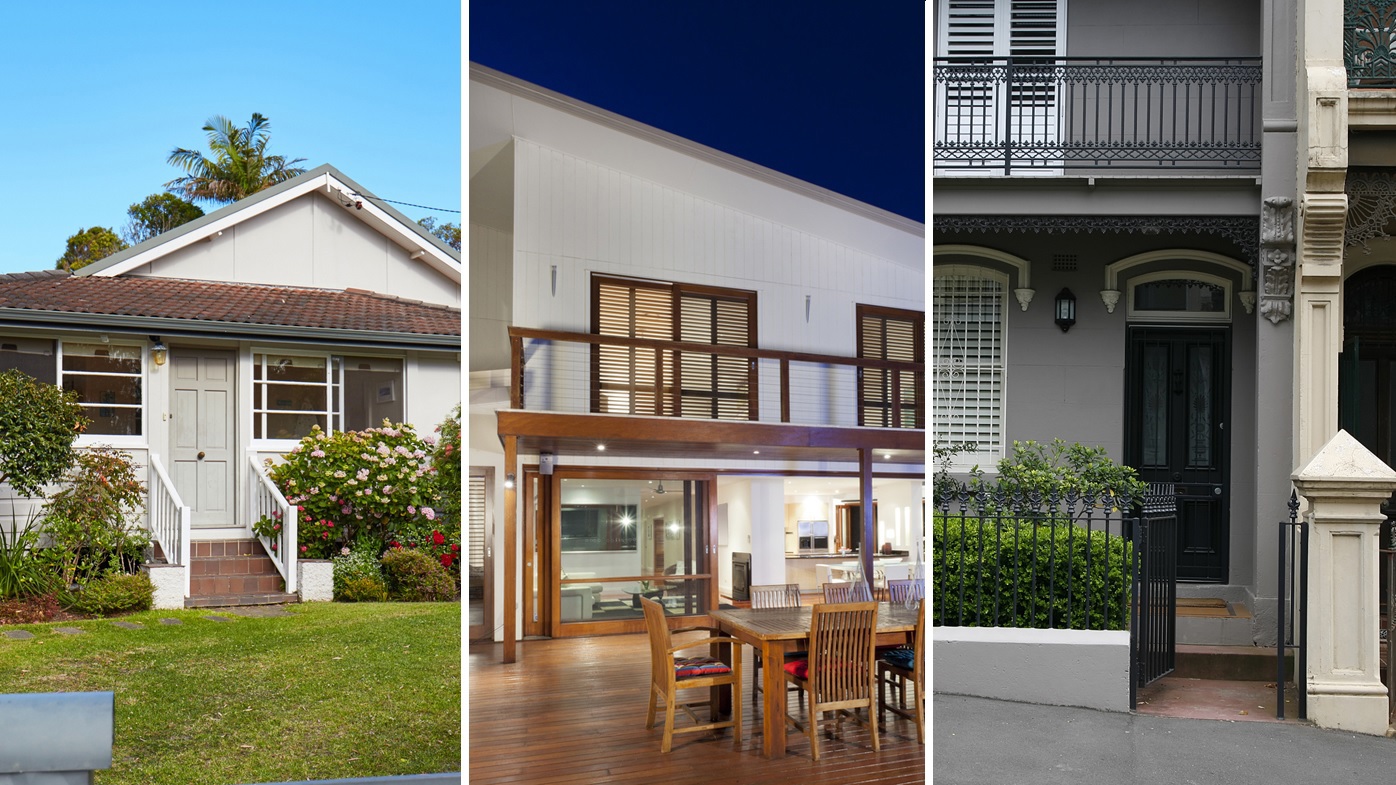
"To a certain extent, the last couple of years should have reminded us that making predictions is very hard, especially when they are about pandemics or the future. But, that said, there's little to indicate that the latest strain of the virus will have any meaningful impact on housing market trends," Mr Wargent predicted.
"After an initial wobble, stock markets have been resurgent, and financial markets have been largely unperturbed, which is likely to be a better indicator than the latest alarmist headline."
While 2021 will become entrenched in history as a boom year for Aussie property – with house prices rising 21.9 per cent – experts believe 2022 will see a cooling of the market, particularly as the fear-of-missing-out subsides.
"What we've been seeing in 2021 in Australian property is a fear of missing the boat, as prices have risen across every capital city, by about 20 per cent on average".
"There are now record numbers of scheduled auctions, and new market listings have surged in Sydney and Melbourne – so there is much more choice for buyers coming online, and there's an attractive window of opportunity to buy property before immigration ramps up again," Mr Wargent said.
READ MORE: Australia's property prices smash records in 2021
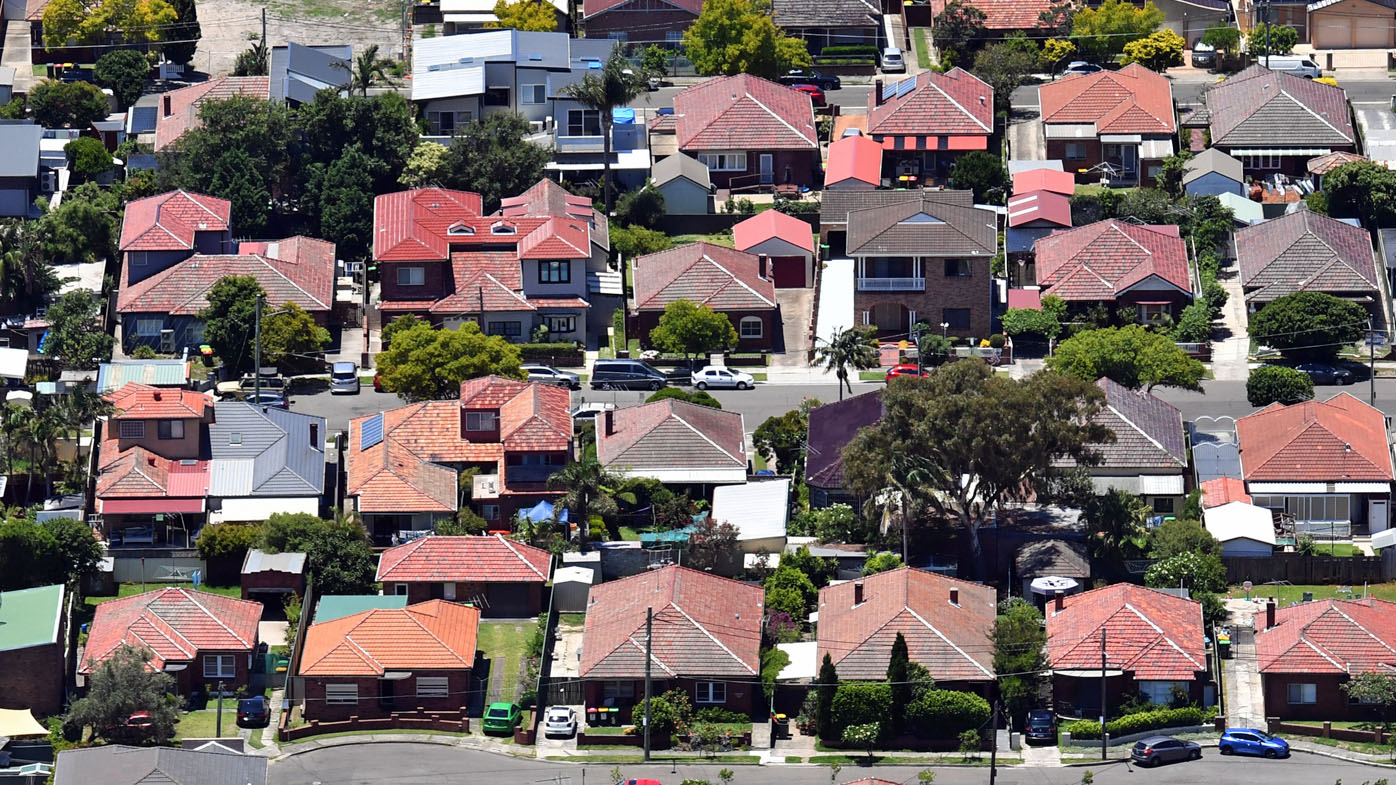
For BuyersBuyers CEO Doron Peleg, next year will mark a turning point as many buyers do the sums on affordability with potential interest rate hikes front of mind.
"A range of factors combined will help to take the heat out of the housing market in 2022, such as gradually rising mortgage rates, more vendors looking to lock in gains, and more cautious buyers as affordability bites following the strong price gains of 2021," Mr Peleg said.
"The rate of immigration has not been a key factor in driving the market over the past couple of years, with the notable exception of CBD and some inner-city apartments, where the absence of international students has been felt particularly keenly."
"Remember, though, that the closure of the borders didn't lead the doomsday outcomes many commentators predicted, partly because corrective policy measures were taken."
READ MORE: First home buyers given 'exclusive rights' to buy Melbourne apartments
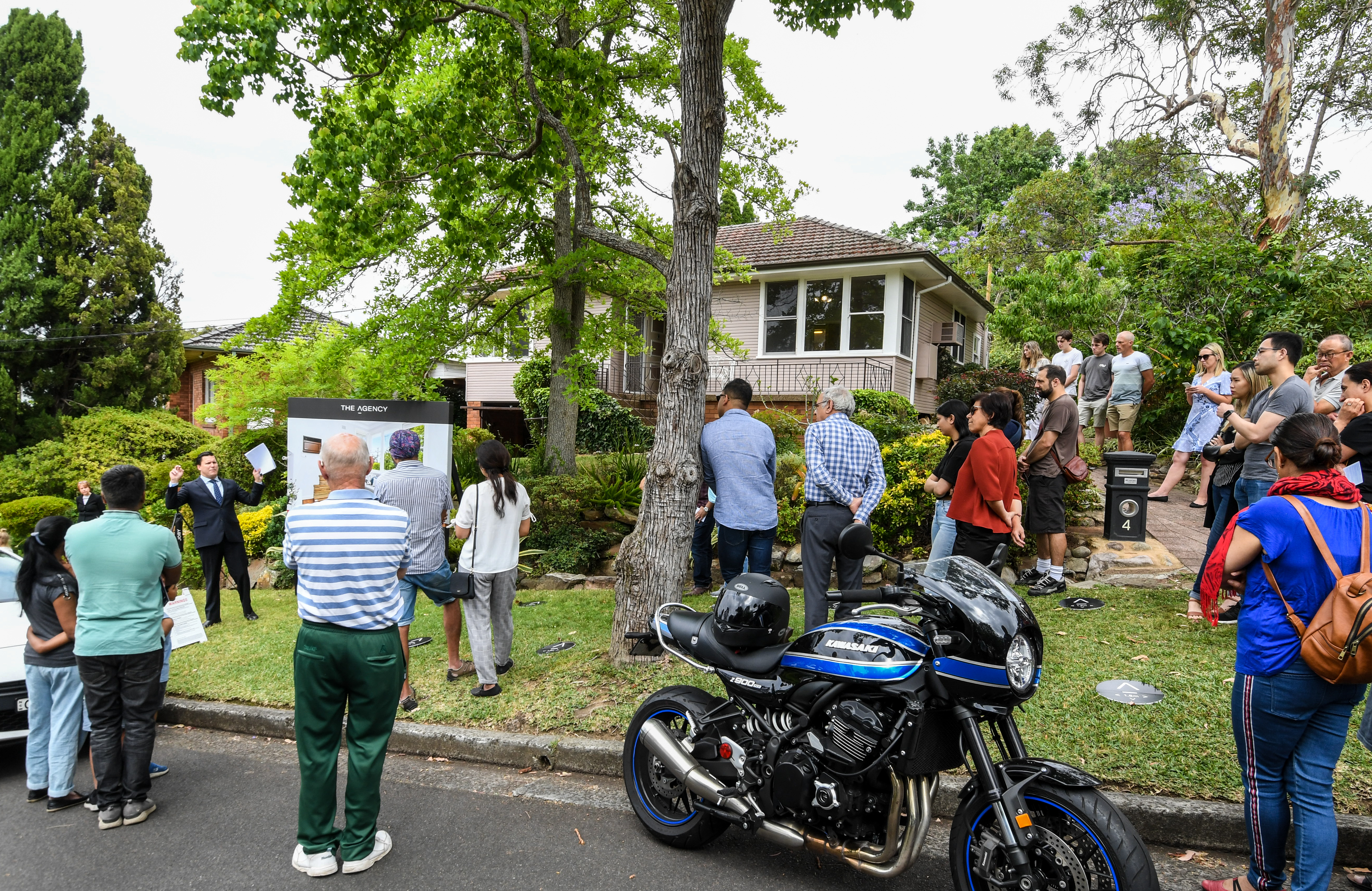
Mr Peleg said he expects investors to come to the fore in the next 12 months, as increased immigration creates more demand for single-bedroom properties in inner city areas.
"Investors, in particular, like to have flexibility these days, and we've seen a sizeable increase in investor clients using offset accounts and redraw facilities."
"2021 was the year of the first homebuyer and upgraders, but we expect investors to be much more active in 2022.
"Mortgage rates may rise, but you've got to look at it in context – they are rising from record low levels."