After weeks of seated drinking, capacity caps and cancelled gigs, Wellingtonians can put on their dancing shoes and get ready to cut loose as the city enters its first weekend at the orange alert. Since midnight on Thursday Wellington…
Tag Archives: oceania
Pharmac review: 'Damning' interim report reveals 'fortress mentality', Māori, equity progress slow
An interim report of a major Pharmac review has slated the Government drug-buying agency over its “fortress mentality” to sharing information and poor progress in addressing equity issues. This included the fact just 2 per cent…
Magic number Aussies need to quit their jobs
Exclusive: A quarter of a million dollars in investable assets is the tipping point at which many Australians feel they no longer need to rely on a full-time job to support their lifestyles.
The IC Markets Wealth Generation Report discovered that more than half of local investors who boast more than $250,000 in investable assets feel they would need to rely on a standard 9 to 5 job as their main source of wealth.
By definition, investable assets are anything that can be cashed out quickly – such as cash, stocks, bonds, funds and trusts – and does not include big-ticket items such as property, vehicles or jewellery.
READ MORE: The country where COVID-19 seems like a curable disease

After polling 500 local investors, the report sorted the financially savvy into three categories: those with investable assets up to $250,000, those with assets between $250,000 and $1 million, and those who boast more than $1 million in investable assets.
Unsurprisingly, just 13 per cent of investors who had more than $1 million in investable assets said they would rely on a traditional job to be their main source of wealth.
Somewhat surprisingly, among early-stage investors with assets between $1 and $250,000, 28 per cent said they don't anticipate a full-time job to be their main source of wealth going forward.
READ MORE: Moment surfer realises large shark is hunting right behind him

IC Market's head of marketing Matt von Abo said the research showed up-and-coming investors prioritised using their investments to escape from the daily grind.
"In this research we saw an interesting trichotomy and marked difference in the way that the emerging wealthy behave when compared to their less and more wealthy counterparts," Mr von Abo said.
"They are gaining confidence in their ability as an investor, have amassed a significant amount of wealth, and can see that investing and trading is able to accelerate their wealth creation to fast track their retirement."
The $250,000 to $1 million cohort was the most likely to rely on active trading of Forex, shares and cryptocurrency as their main source of wealth in the future, and also the most confident that their wealth is protected from external threats such as COVID-19.
READ MORE: Accuser's credibility attacked at Ghislaine Maxwell trial

"With the benefit of more years to weather threats to their wealth, the emerging wealthy are less concerned than those closer to retirement about factors such as Australia's response to COVID and tensions with China," Mr von Abo said.
"They are also keen to ride the highs and lows of more volatile investments such as cryptocurrency and when they do invest in stocks, it's more likely to be technology rather than the traditional safe havens of financial services and resources."
A study by securities exchange operator ASX found that in 2020, close to nine million Australians held investments outside their superannuation and primary property.
More than half of those have investments in shares and close to a quarter of all investors only started diversifying their wealth in the past two years.
The information provided on this website is general in nature only and does not constitute personal financial advice. The information has been prepared without taking into account your personal objectives, financial situation or needs. Before acting on any information on this website you should consider the appropriateness of the information having regard to your objectives, financial situation and needs.
Dunedin Casino refit wins design award
A Dunedin interior designer has picked up an award for her refit of Dunedin’s Grand Casino restaurant and bar.The casino changed its name from the Dunedin Casino to Grand Casino this year and was refurbished for the first time since…
Four injured as World War II bomb explodes in German city
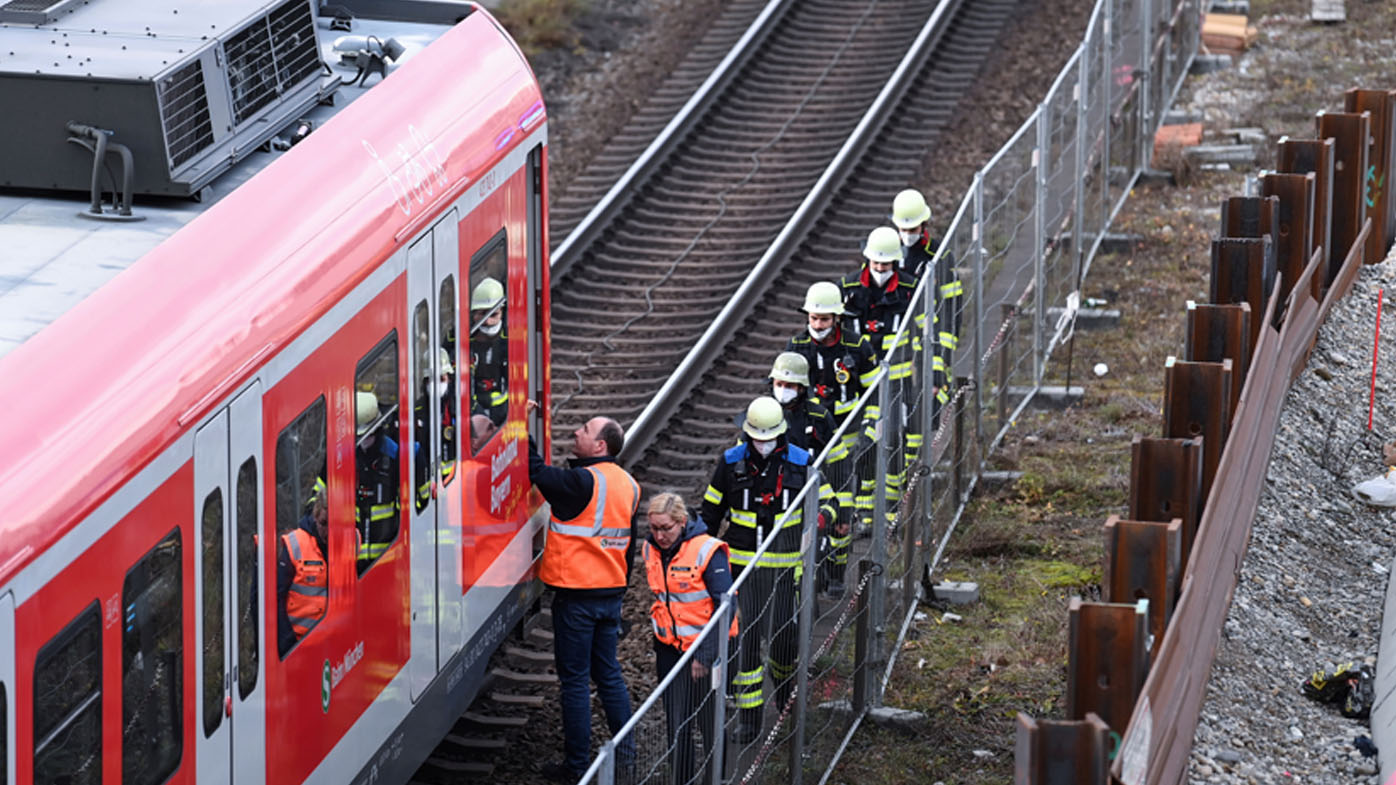
Four people have been injured in an explosion caused by an old World War II bomb near a busy train station in the German city of Munich, police said.
The explosion happened after drilling during construction work near Donnersbergerbruecke station caused the bomb to go off on Wednesday, police said.
The force of the blast almost tore a seriously injured worker's leg off, German media outlet DW reports.
READ MORE: The country where COVID-19 seems like a curable disease

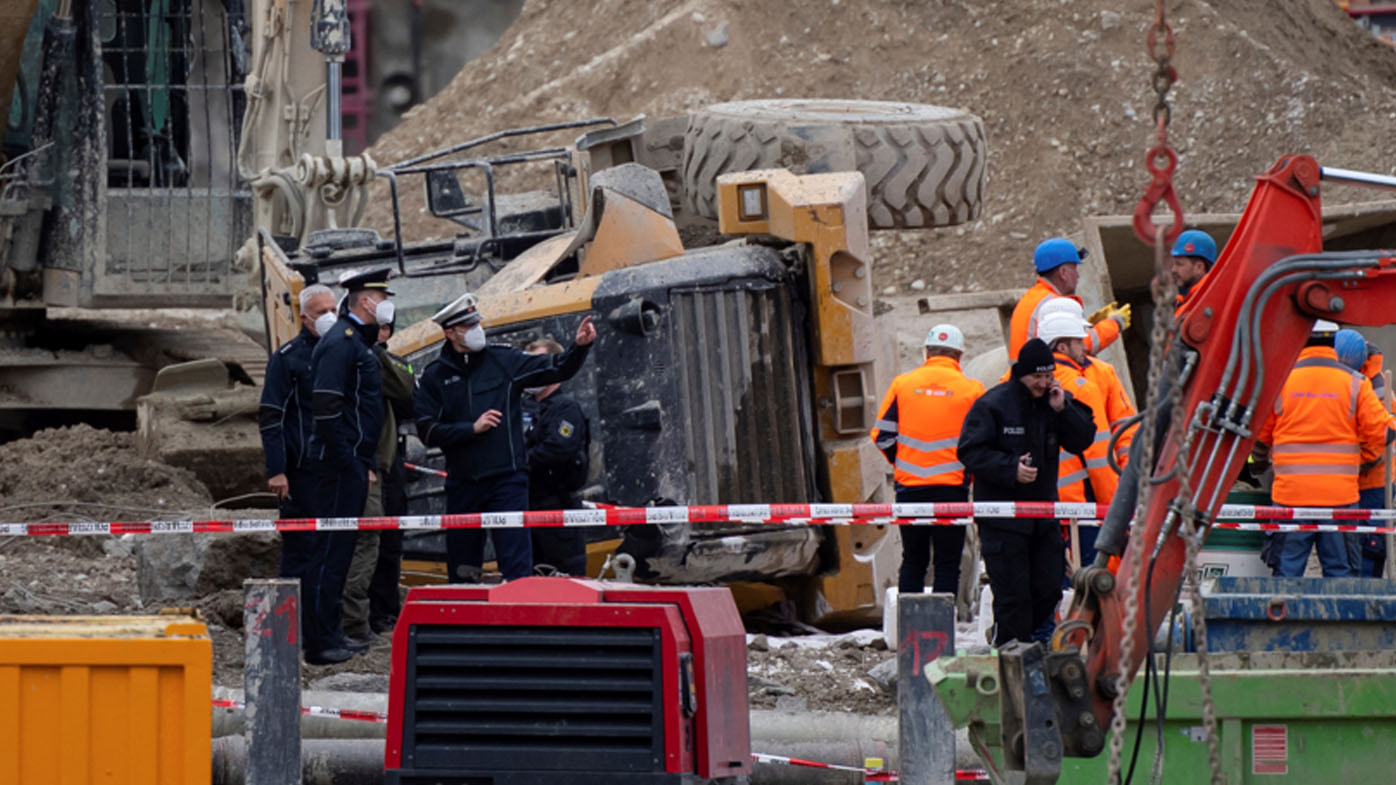
Doctors operated on him for four hours, reconstructing his leg. His condition was then listed as stable.
Bavarian Interior Minister Joachim Herrmann said workers accidentally hit the 250kg bomb while drilling.
No further information was available on the type of bomb involved but munitions dating back to World War II are not uncommon finds in Germany.
More than 70 years after the end of the war, about 2000 tonnes of live bombs and munitions are still discovered in the country each year, Reuters reported.
According to official estimates, some 15 per cent of the World War II bombs did not explode, and in some cases are buried six metres below ground.
READ MORE: Moment surfer realises large shark is hunting right behind him
In June 2019, residents of Ahlbach, southern Germany, were awoken early one morning by a sudden blast that left a crater four metres deep in a cornfield.
Police later said it was "almost certainly" caused by a World War II bomb.
Police defused an unexploded World War II bomb weighing 500kg in Berlin in April 2018, and in September 2019 almost 60,000 people were evacuated in Frankfurt after a 1400-kg bomb was found.
Watch: Drivers start your engines, for Havelock North mobility scooter training
See them rolling, in Havelock North – learning to ride their scooters safely.A group of residents at Summerset in the Vines are now more confident on the roads and footpaths of the village after a free mobility scooter training…
The Spinoff: New Zealand's Covid traffic light framework colours a scandal
Originally published by The Spinoff Attention drivers and other people who have from time to time looked at traffic lights: This is a scandal, writes Toby Manhire. A brave new epoch in the New Zealand Covid response commences…
National Party leader Chris Luxon gives Simon Bridges finance, number 3 ranking
National MP Simon Bridges has been given the key finance and infrastructure portfolios by new leader Christopher Luxon, who says he trusts Bridges “absolutely” after the recent leadership change.Luxon made the announcement today,…
US mum speaks out after bullied 10-year-old girl dies by suicide
When her 10-year-old daughter tried spraying air freshener on herself before school one morning, Brittany Tichenor-Cox suspected something was wrong with the sweet little girl whose beaming smile had gone dormant after she started the fifth grade.
She coaxed out of Isabella "Izzy" Tichenor that a boy in her class told her she stank after their teacher instructed the class that they needed to shower.
It was the latest in a series of bullying episodes that targeted Izzy, who was autistic and the only Black student in class.
LIVE NEWS: COVID-19 cases in South Africa double in one day
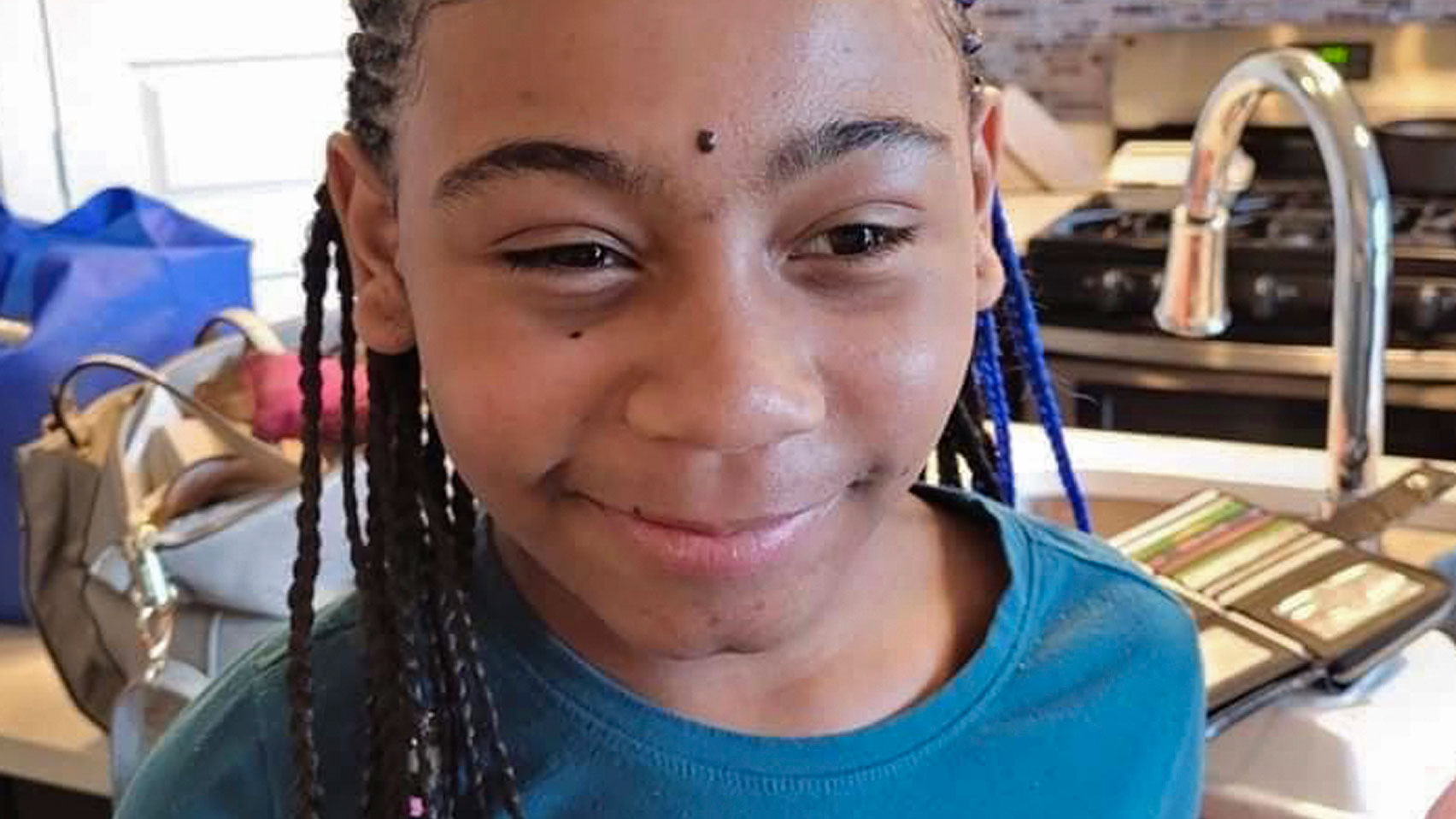
Other incidents included harassment about her skin colour, eyebrows and a beauty mark on her forehead, her mother said.
Ms Tichenor-Cox informed the teacher, the school and the district about the bullying.
She said nothing was done to improve the situation.
Then on November 6, at their home near Salt Lake City, Izzy died by suicide.
Her shocking death triggered an outpouring of anger about youth suicides, racism in the classroom and the treatment of children with autism — issues that have been highlighted by the nation's racial reckoning and a renewed emphasis on student mental health during the COVID-19 pandemic.
In Utah, the suicide also intensified questions about the Davis School District, which was recently reprimanded by the Justice Department for failing to address widespread racial discrimination.
The district, where Black and Asian American students account for roughly 1 per cent of the approximately 73,000 students, initially defended its handling of the bullying allegations but later launched an outside investigation that is ongoing.
"When I was crying out for help for somebody to do something, nobody even showed up for her," Ms Tichenor-Cox said this week in an interview with The Associated Press.
"It just hurts to know that my baby was bullied all day throughout school — from the time I dropped her off to the time I picked her up."
READ MORE: Bullying and discrimination exposed within Ambulance Victoria
Being autistic made it difficult for Izzy to find words to express what she was feeling, but her mother sensed her daughter was internalizing the messages from school.
She asked her mother to get rid of the beauty mark and shave her unibrow.
Her mother told her those features made her different and beautiful.
She told her mother her teacher didn't like her and wouldn't say hi or help with schoolwork.
Izzy's mother, 31, blames the teacher for allowing the bullying to happen.
Prior to this year, she said, Izzy and two of her other children liked the school.

Ms Tichenor-Cox has also called out deep-rooted racism in the predominantly white state of Utah, where she said the N-word that kids called her when she was a child in the 1990s is still hurled at her children three decades later.
But she doesn't want fury to be her only message.
She vows to make Izzy's life matter by speaking out about bullying, racism and the importance of understanding autism so that no other parent has to suffer like she is.
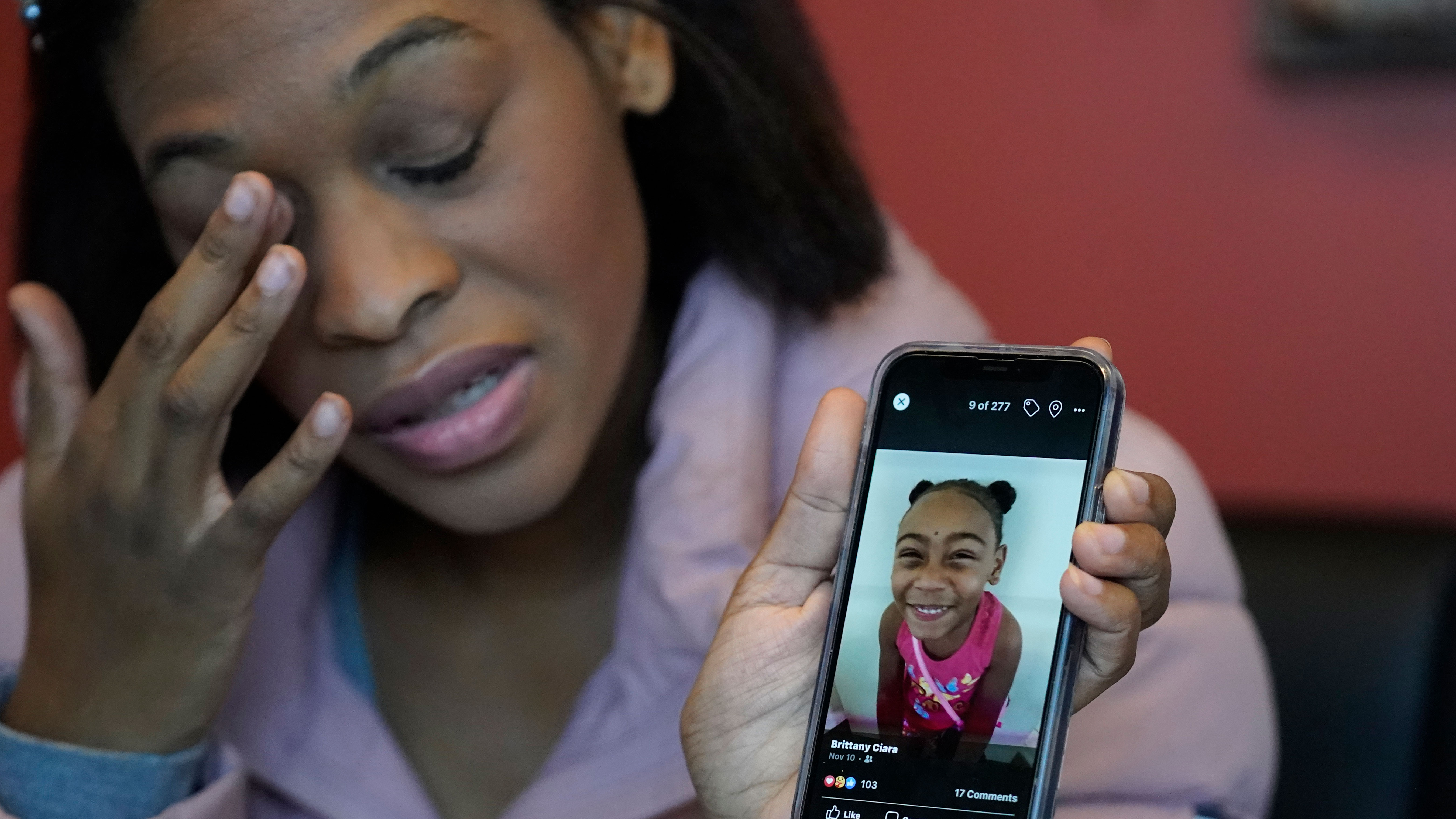
As she looked at a picture on her cellphone of Izzy smiling with fresh braids in her hair last May,
Ms Tichenor-Cox teared up as she realised that was her last birthday with her dear daughter who dreamed of being a professional dancer.
"No parent should have to bury their 10-year old," she said.
"I'm still in shock. … This pushes me to get this out there like this. Mommy is pushing to make sure that this don't happen to nobody else."
Davis School District spokesman Christopher Williams declined to provide an exact timeline on the investigation, reveal the employment status of Izzy's teacher or respond to any direct accusations.
He did say in a statement this week that an independent investigative team is working "urgently" and that findings will be released when finished.
In a previous statement from last month, when the district pledged to do an outside investigation, it said it would review its "handling of critical issues, such as bullying, to provide a safe and welcoming environment for all."
READ MORE: Tennis' $1 billion Peng Shuai boycott
The Justice Department investigation uncovered hundreds of documented uses of the N-word and other racial epithets over the last five years in the district.
The probe also found physical assaults, derogatory racial comments and harsher discipline for students of colour.
Black students throughout the district told investigators about people referring to them as monkeys or apes and saying that their skin was dirty or looked like faeces.
Students also made monkey noises at their Black peers, repeatedly referenced slavery and lynching and told Black students to "go pick cotton" and "you are my slave," according to the department's findings.
The district has agreed to take several steps as part of a settlement agreement, including establishing a new department to handle complaints, offering more training and collecting data.
Ms Tichenor-Cox told the AP she doesn't trust the district's investigation and said the district has zero credibility.
Instead, her attorney, Tyler Ayres, hired a private investigator to do their own probe as Ms Tichenor-Cox considers possible legal action.
She and Mr Ayres also said the Justice Department is looking into what happened with Izzy.
The agency would not say if it's investigating what happened to Izzy at the school but said in a statement overnight that it is saddened by her death and aware of reports she was harassed because of her race and "disability."
The department said it is committed to ensuring the school district follows through on the plan established in the settlement agreement.
Youth suicides in Utah have levelled off in recent years after an alarming spike from 2011 to 2015, but the rate remains sharply higher than the national average.
The state's 2020 per capita rate was 8.85 suicides among 10- to 17-year-olds per 100,000, compared with 2.3 suicides per 100,000 nationally in 2019, the latest year with data available.
Tributes to Izzy are scattered on social media under #standforizzy. The Utah Jazz basketball team honoured her at a recent game, and players Donovan Mitchell and Joe Ingles, who has an autistic son, both expressed dismay over what happened, calling it "disgusting."
Other parents from the school district have sent letters to the school board calling out the district's "dismissive actions."
Ms Tichenor-Cox and her husband, Charles Cox, have five other children to focus on, so they're doing all they can to handle the grief while trying to remember the sparkle Izzy brought to their lives for a decade.
"I want her to be remembered of how kind she was, how beautiful she was, how brilliant she was and intelligent she was," Ms Tichenor-Cox said.
"Because if I keep thinking of what happened, it's just going to put me back, and I'm trying to be strong for her."
If you need help in a crisis, call Lifeline on 13 11 14.
For further information about depression, contact beyondblue on 1300224636 or talk to your GP, local health professional or someone you trust.
Most patients suffering long COVID symptoms months later
An Australian study on long COVID has found almost three quarters of its participants were still suffering from debilitating symptoms months after contracting the virus.
Initial findings from the study – led by researchers from New South Wales' Illawarra Shoalhaven Local Health District – have been peer reviewed and published in the December issue of the Australian Journal of General Practice (AJGP).
The research tracked the experiences of 59 participants who were infected with the initial Wuhan and Alpha variants of COVID-19 during Australia's first wave of the pandemic.
READ MORE: Aussie woman shares warning 18 months after contracting COVID-19
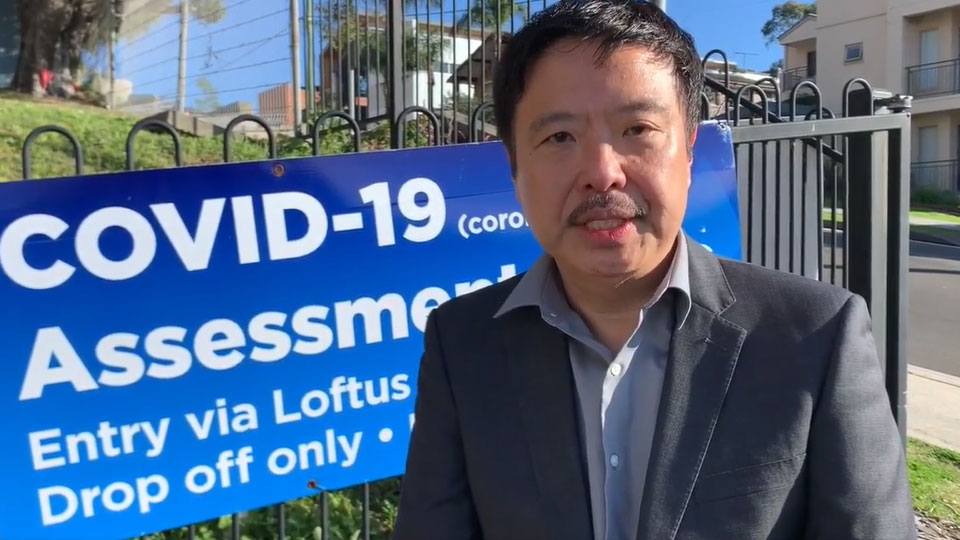
It found 73 percent of participants were still reporting lingering symptoms four-and-a-half months after recovering from the acute phase of their illness.
At 5.6 months, 42 percent of participants said they were still experiencing symptoms.
The most commonly reported symptoms were fatigue, musculoskeletal pain, limb weakness, loss of appetite and shortness of breath.
Mental health was also a big issue, with patients experiencing increased depression, anxiety and stress.
READ MORE: The country where COVID-19 seems like a curable disease
Dr Stuart Tan, who led the study, said many patients experienced a "significant drop" in their quality of life post COVID.
"It's important that the health needs of this cohort are not forgotten over the longer term…. it's a real problem and it will be ongoing," he said.
Delayed onset for some symptoms
The symptoms of long COVID varied widely and tended to be spread across multi-systems, Dr Tan said.
In some cases, the symptoms took months to manifest, he added.
"Some of the health issues and symptoms are not initially evident.
"We came across cases where heart complications were experienced months later.
"We also found some symptoms such as constipation, forgetfulness, as well as loss of taste, became evident long after the participant's recovery from the initial illness."
The varied nature of long COVID-19 symptoms meant GPs well placed to be the initial port of call for patients, but there could well be a need for specialised health services to treat the needs of long COVID sufferers, Dr Tan said.
Dr Tan said his study's findings were in line with results shown in research conducted overseas.
A recent study by Monash University, which examined the cases of 200 patients who were treated in ICU for COVID-19, found more than 70 per cent of participants had lingering health issues six months on.
The Illawarra Shoalhaven Local Health District study is ongoing and will track participants for two years. Volunteers who contracted COVID-19 during Australia's second and third waves are also being sought to help researchers examine the effects of the Delta variant.
Anyone who is interested in participating in Dr Tan's long COVID study can contact the research team at IS*****************@************ov.au or phone 0459 887 682.
Contact reporter Emily McPherson at em********@******om.au.