Tag Archives: oceania

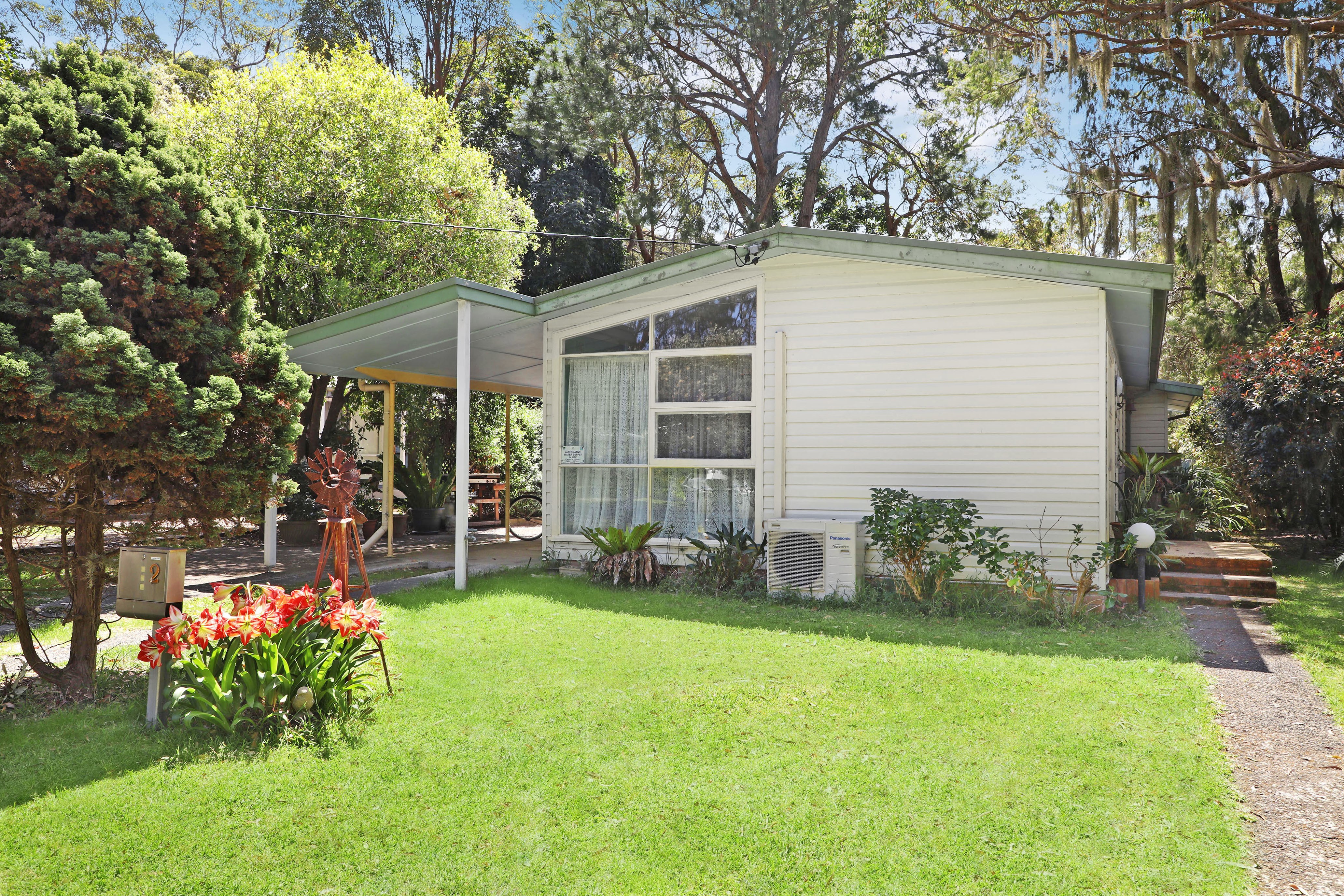
Beachside cottage fetches millions after it was bought for £78

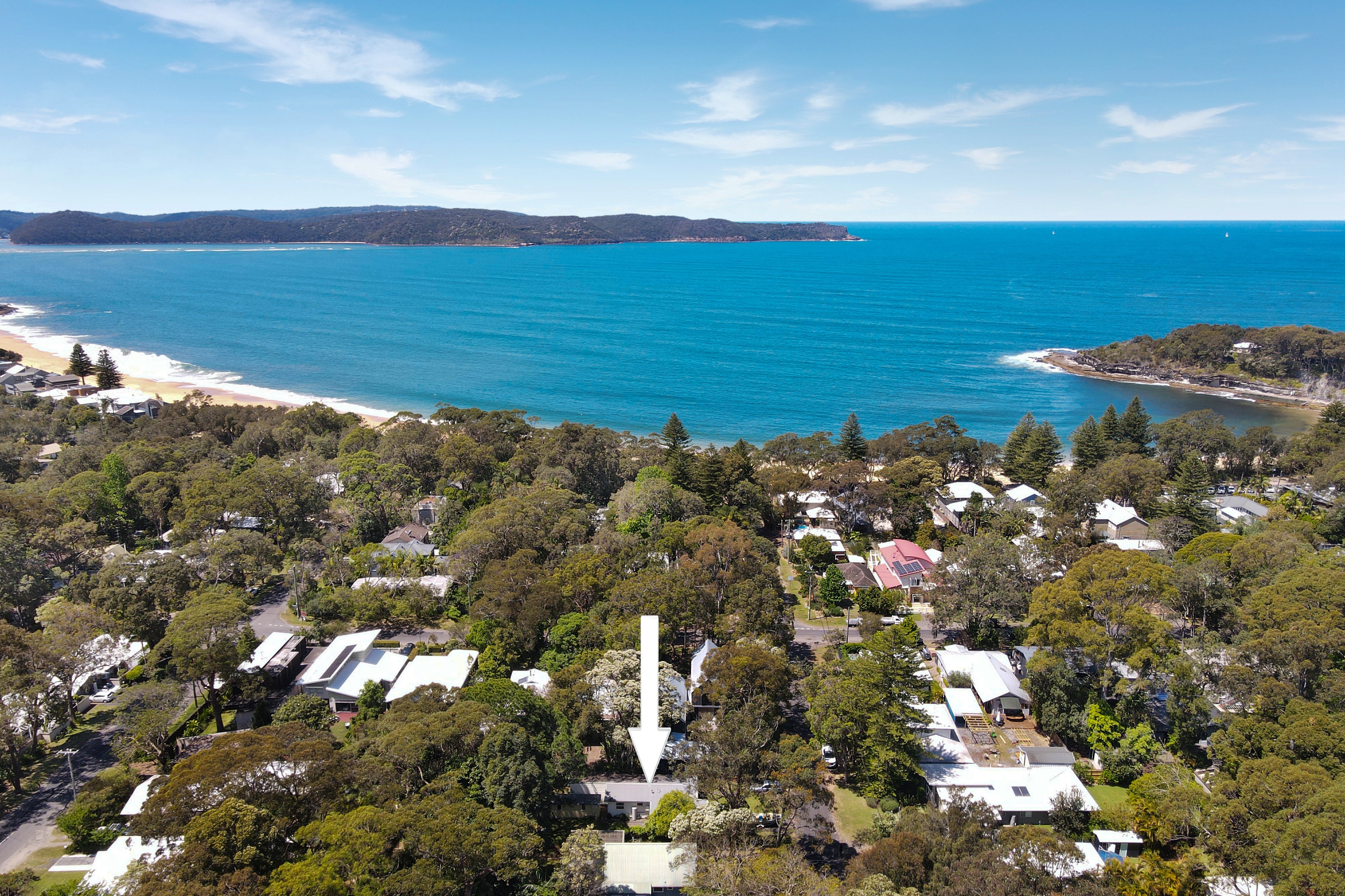
A humble beachside home on the New South Wales Central Coast has sold for more than $2.5 million almost 100 years after it was first purchased.

The house at 2 Emerald Avenue in Pearl Beach was first bought by Evelyn Smith in 1928 for £78 – equivalent to $145 in modern money without factoring in inflation.

In the early 1960s the property was handed down to Evelyn's daughter Irene and five years later a three-bedroom cottage was built on the coastal plot of land.

READ MORE: The country where COVID-19 seems like a curable disease

Eventually the home was passed onto Irene's daughter Kim Jones and her family who put the home up for sale via Alana of Residential HQ, helping the property to fetch an eye-watering $2,508,000.

Ms Jones said she was sad to leave their slice of family history behind, but it was the right time.

"We will be sad to say goodbye to such a piece of family history, but the time was right for us to move up to Queensland and pass this little piece of paradise on," Ms Jones said.

"Never in my life could I have imagined having this much money, we can't believe how much it sold for."

READ MORE: Moment surfer realises large shark is hunting right behind him

Selling agent Alana Gargaro said the sale highlighted the extreme buyer demand for picturesque beach escapes following COVID-19 lockdowns.

"Whilst the whole of the Central Coast has certainly seen an influx of demand from buyers across Victoria and New South Wales, Pearl Beach remains one of the most sought-after areas on the Coast for its natural beauty and charm," Ms Gargaro said.

"There were several interested parties, but it was finally sold to a young Sydney couple who bought it as a holiday home."

South Africa's new COVID-19 cases double in one day amid Omicron

South Africa's new cases of COVID-19 nearly doubled in a day, authorities have reported, signalling a dramatic surge in the country where scientists detected the Omicron variant last week.

New confirmed cases rose to 8561 yesterday from 4373 a day earlier, according to official statistics.

Scientists in South Africa said they are bracing for a rapid increase in COVID-19 cases following the discovery of the new omicron variant.

READ MORE: Travel restrictions by country following the Omicron outbreak

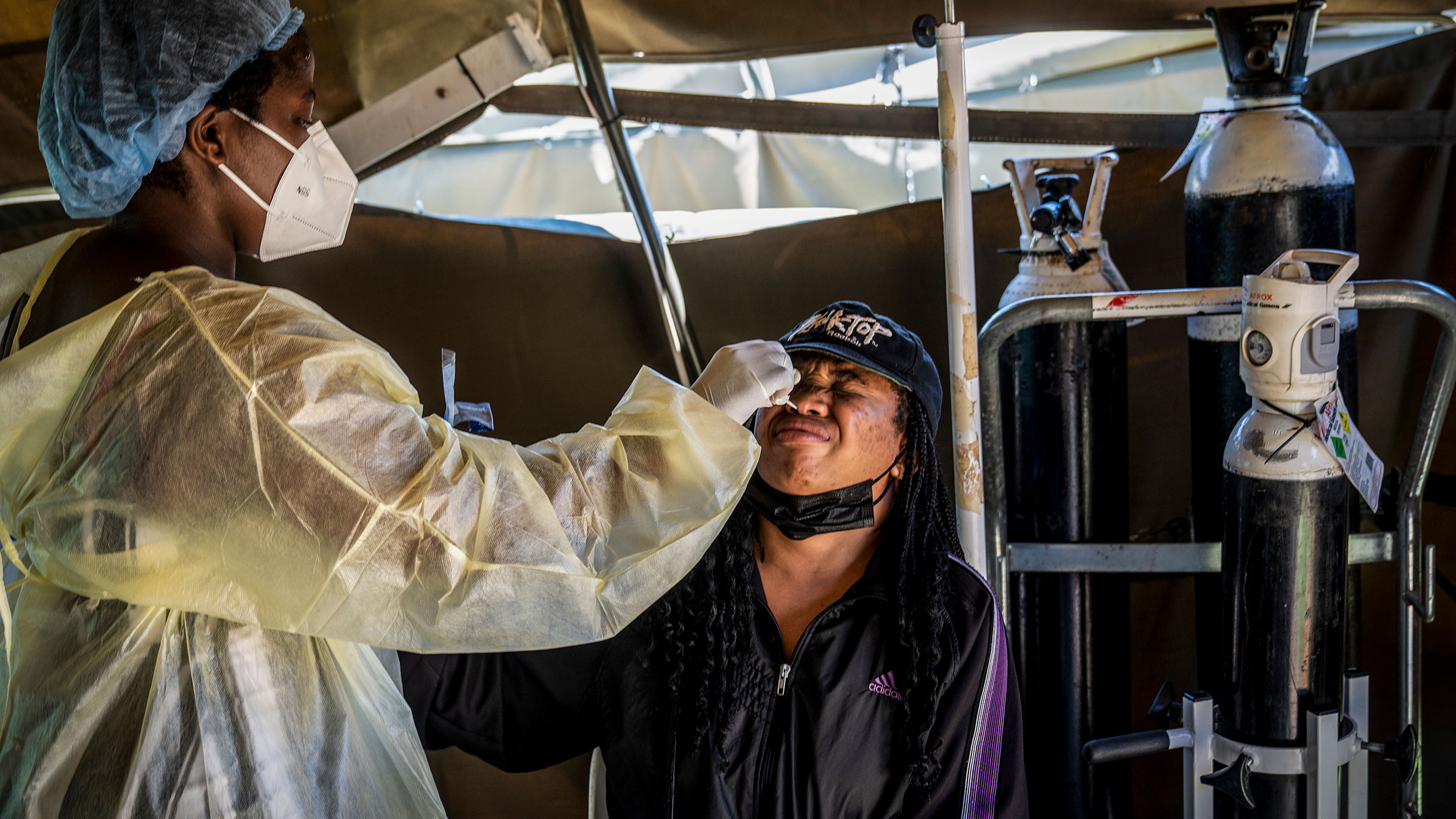
A woman is tested for COVID-19 at the Lenasia South Hospital, near Johannesburg, South Africa.

"There is a possibility that really we're going to be seeing a serious doubling or tripling of the cases as we move along or as the week unfolds," Dr Nicksy Gumede-Moeletsi, regional virologist for the World Health Organisation, told The Associated Press.

"There is a possibility that we are going to see a vast increase in number of cases being identified in South Africa."

South Africa had seen a period of low transmission in early November with a seven-day average of about 200 new cases per day, but in the middle of November new cases began to rapidly increase.

The new cases reported Wednesday represent a 16.5 per cent positivity rate of cases tested, up from a 1 per cent rate early in November.

South Africa's previous surge, driven by the delta variant in June and July, saw daily new cases reach a peak of more than 20,000. With a population of 60 million people, South Africa has recorded more than 2.9 million COVID-19 cases, including nearly 90,000 deaths.

READ MORE: What we know about Omicron

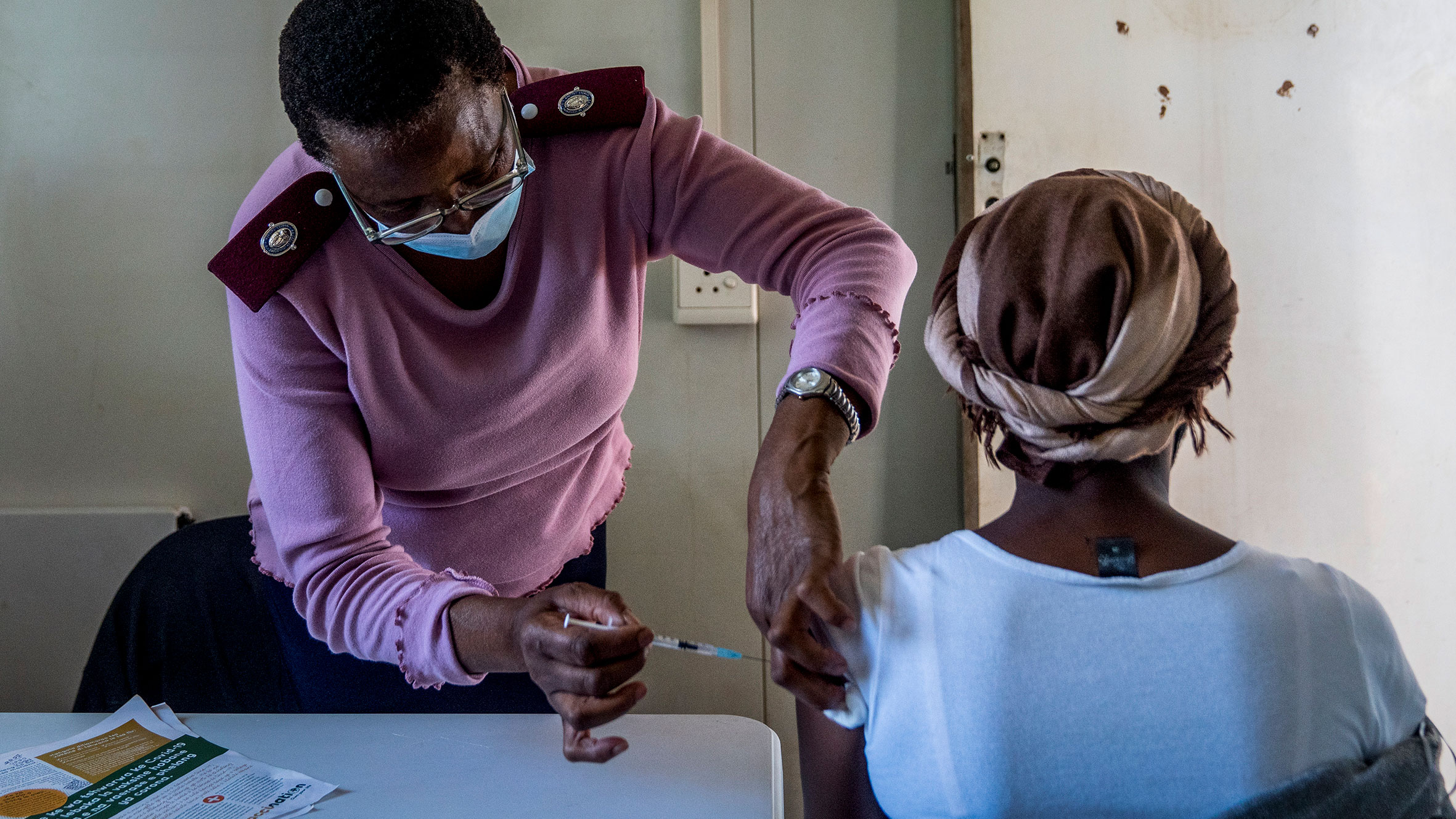
A woman is vaccinated against COVID-19 in Lawley, south of Johannesburg, South Africa.

It's too early to be certain that the Omicron variant is responsible for the rise in cases, but it is very possible, say experts. Standard PCR tests can suggest that a positive case is caused by Omicron, but only a full genetic sequencing can confirm it.

Labs in South Africa and Botswana are urgently doing genomic sequencing to study Omicron cases in order to see if it is significantly more transmissible, causes more serious cases of COVID-19 or if it evades protection from vaccinations, Dr Gumede-Moeletsi said.

"The current data that we're having is still very limited. So there are so many additional characteristics of this virus that the researchers are busy studying, of which transmissibility is one of them. Severity is also another," she said, adding that researchers also need to find out if current vaccines will still be effective against it.

READ MORE: US case of COVID-19 Omicron variant identified in California

Hospitalisations for COVID-19 are rising in South Africa, but not at the dramatic rate of the new cases.

The omicron variant has been detected in five of South Africa's nine provinces and accounted for 74 per cent of the virus genomes sequenced in November, the country's National Institute for Communicable Diseases announced Wednesday.

The earliest detection of the variant in South Africa may have been on November 8 in Gauteng province, according to data released by the institute.

It said until the end of October, the Delta variant accounted for most genomes sequenced in the country, but in November the Omicron variant overtook it.

The 'discriminatory' law penalising female breadwinners

When Eleanor Parsons fell pregnant with her first child last year, she and her husband Ben were busy making plans to share the care of their daughter.

"We wanted equality — I was going to have the first three months off work, and then Ben would take the next three months to be her primary carer," Ms Parsons said.

The Queensland couple's plans were thrown a curveball, however, when Ms Parsons discovered an "infuriating" inequality which lies at the heart of the Federal Government's paid parental leave scheme.

Only the birth mother's income is means tested to assess for eligibility.

READ MORE: Parental leave rule 'like a kick in the teeth'
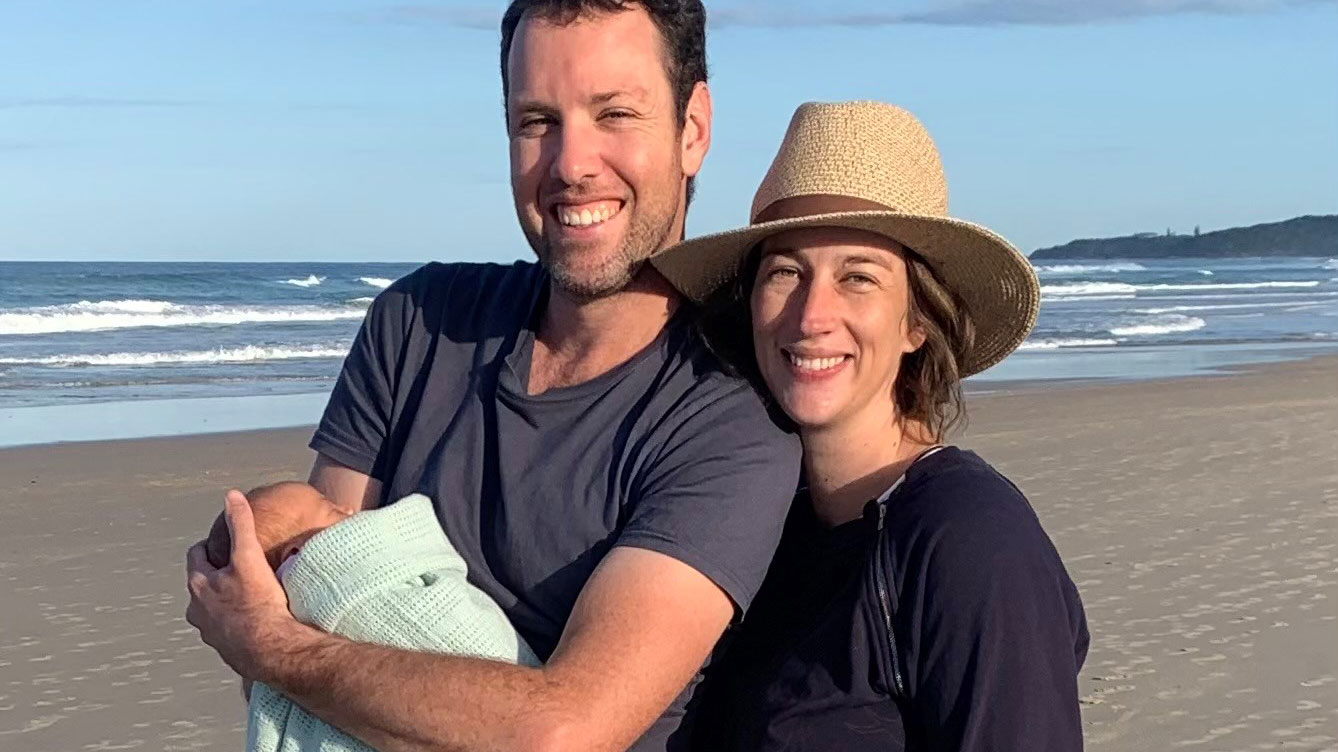
Eleanor Parsons and her husband Ben were not eligible for the government's paid parental leave.

Currently, if a mother earns more than $150,000 a year, neither she nor her partner is eligible for Parental Leave Pay – which amounts to 18 weeks' pay at minimum wage, or around $13,900 before tax.

The birth father, meanwhile, could take home a salary of millions and the mother will still qualify for Parental Leave Pay, provided her income is below the $150,000 cap.

Having left a corporate job before the birth of her daughter, Ms Parsons said a lump sum payout of long service leave and annual leave put her just above the $150,000 income cut-off.

Meanwhile, her husband, who works as a CEO in a climate advocacy charity, earns well below the threshold.

If their incomes were reversed, they would be eligible for parental leave pay.

"At first, I thought there must be some other type of assessment criteria that made us eligible," she said.

"Then I started talking with friends who had been in a similar situation who had got it where their husbands earned a lot.

"It makes me so angry, and it's bizarre.

"The whole point of the paid parental leave act is to encourage women to take time out of the workforce, compensate them and support them to care for their children – but the result is the opposite."

Ms Parsons, who is also a part-time post graduate law student, was so incensed by the situation that she lodged a complaint against Centrelink with the Human Rights Commission.
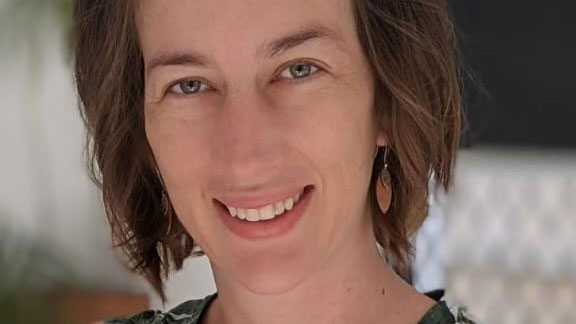
Ms Parsons is calling for a bipartisan parliamentary review of the Parental Leave Act.

However, in a reply to Ms Parsons, the commission said there was little it could do as the government was acting within the law according to the Parental Leave Act, which was passed in 2010.

Unwilling to give up, Ms Parsons this week wrote to Federal Attorney General and former minister for women Michaelia Cash calling on her to refer the Parental Leave Act to the Parliamentary Joint Committee on Human Rights for review.

As Attorney General, it is within Ms Cash's powers to ask the committee to hold an inquiry into laws or proposed legislation, as she did last week with the government's religious discrimination bill.

"I would like an independent, bipartisan review of the Parental Leave Act," Ms Parsons said.

"I think it will show that it imposes a set of criteria on women that it does not impose on men, and therefore, it is objectively discriminatory."

A legal form of discrimination

Associate Professor Belinda Smith is a discrimination law expert from Sydney University.

Dr Smith told 9News.com.au the law in this case was discriminatory.

"This is clearly discrimination in the sense of somebody is being treated less favourably than someone of a different sex because of their sex," she said.

However, challenging the law under the Sex Discrimination Act would likely be problematic because there were exceptions for some areas of social security, and the Parental Leave Act would almost certainly override it anyway because it was the more recent piece of legislation, Dr Smith said.

READ MORE: Female GP takes on government over parental leave inequality

But the legislation ought to be amended because it ran contrary to gender equality principles, Dr Smith said.

"We are never going to have gender equality of work unless we have gender equality of care, and this negates this quite seriously and starkly.

"The whole act is called the Paid Parental leave Act and then we say only mothers can mother. It is just outrageous.

"Men's entitlement should be as high as women's and they should be eligible on their own income."

Proposed fix voted down

South Australia's Centre Alliance Senator Stirling Griff has put forth amendments to the Parental Leave Act in parliament's Upper House three times which would fix the anomaly, most recently in September.

The amendments were supported by Labor and the Greens but ultimately voted down by the Coalition and One Nation.

"The amendments would have brought the Paid Parental Leave Scheme into the modern era," Mr Griff said.

"Modern parents don't define themselves as primary or secondary carers and neither should the legislation that supports and regulates their family life."

Costings from the Parliamentary Budget Office in 2019 showed the amendments would cost about $3 million in the first year.

Mr Griff said he supported Ms Parsons' calls to have the issue examined by the Joint Parliamentary Committee on Human Rights.
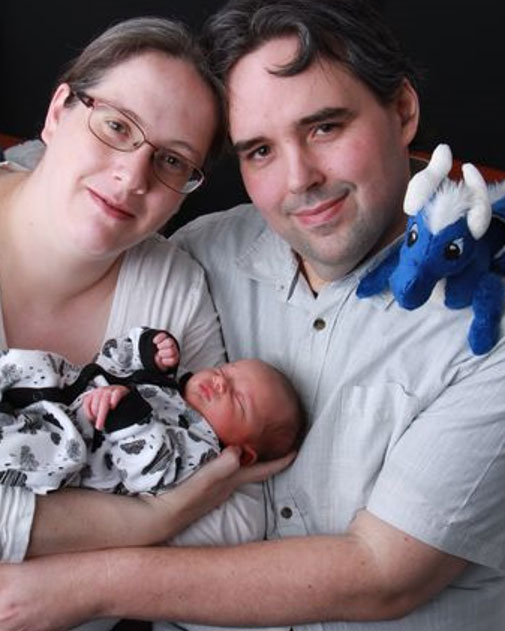
Medical physicist Leah Biffin says the government's paid parental leave rule goes against its efforts to encourage women in science.

Melbourne medical physicist Leah Biffin is another mother who would like to see the government fix the inequalities in its parental leave scheme.

Back in 2018, Ms Biffin wrote to then Minister for Women Kelly O'Dywer to protest the unfairness of the legislation.

Now, three years later, Ms Biffin is planning another child, and is faced with the same situation of not being eligible for Parental Leave Pay.

"I am a woman in STEM, a physicist, fortunate to be well paid," she said.

"My husband is self-employed on very low income.

"He was not able to get any support to be a stay-home dad, while a couple in the same situation with genders reversed would have access without question," she said.

"It made me feel that his decision to give up his job and be that much-vaunted stay-at-home dad was ignored."

Ms Biffin said she took the trouble to go and read the legislation herself.

"I have to admit to being a bit floored when I read it. I reread it and tried to work out how this wasn't literally gender discrimination. And it was, so I just couldn't believe that that was actually an Australian law," she said.

Ms Biffin said one of her male colleagues who was doing the same role as her recently became a parent and his family was eligible because his wife was the lower income earner.

A far fairer way to assess eligibility would be on family income, as is the case currently with the childcare subsidy, which tapers off before reaching zero at a family income of $355,000, Ms Biffin said.

"I understand there are other families who perhaps need government support more than us.

"For me, I would be happy for it to be assessed on family income. It's not about me getting access as much as it is about there being equitable access for everyone."

Ms Cash is yet to respond to a request from 9news.com.au for comment.

A spokesperson for Social Services Minster Anne Ruston said: "The purpose of the PPL Scheme is to support women as they rest and recover following the birth of their child and to achieve equality in the workforce by promoting a continued connection to their employment before and after having children."

"The Government's Paid Parental Leave income test is based on the mother's income only, rather than the alternative of mothers being precluded from the scheme purely on the basis of their partner's income or joint family income."

Recent reforms had made it possible for parents to split the 18-weeks paid leave between them, providing they met the income test. the spokesperson said.

Contact reporter Emily McPherson at em********@******om.au
Australia records wettest November in 122 years

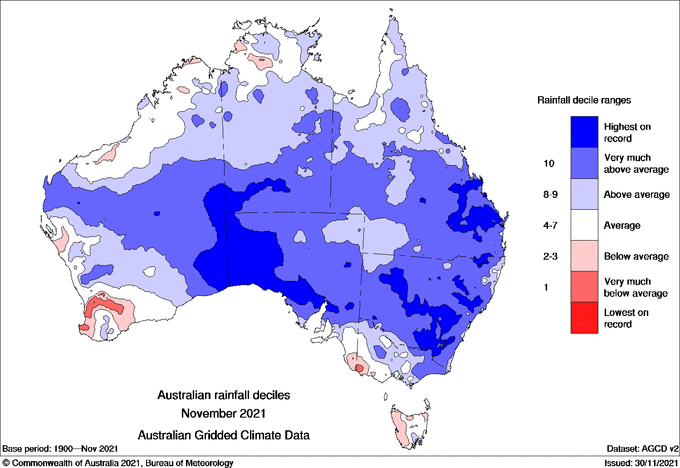
Australia has recorded its wettest November since records began in 1900 as more rainfall is expected to lash the nation.

The Bureau of Meteorology (BoM) said the national average rainfall in November was double the normal amount.

Australia will see a wetter than normal summer due to La Niña bringing heavy rainfall and cooler temperatures.

READ MORE: Flood record smashed as Queenslanders flee rising waters

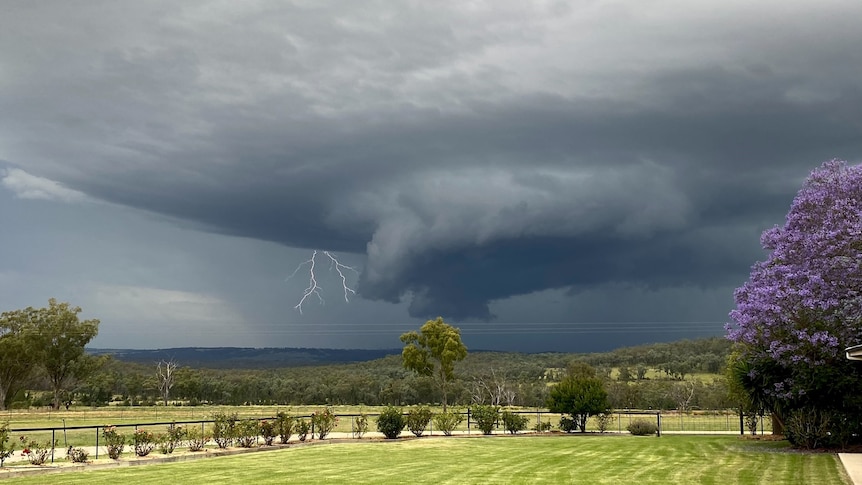
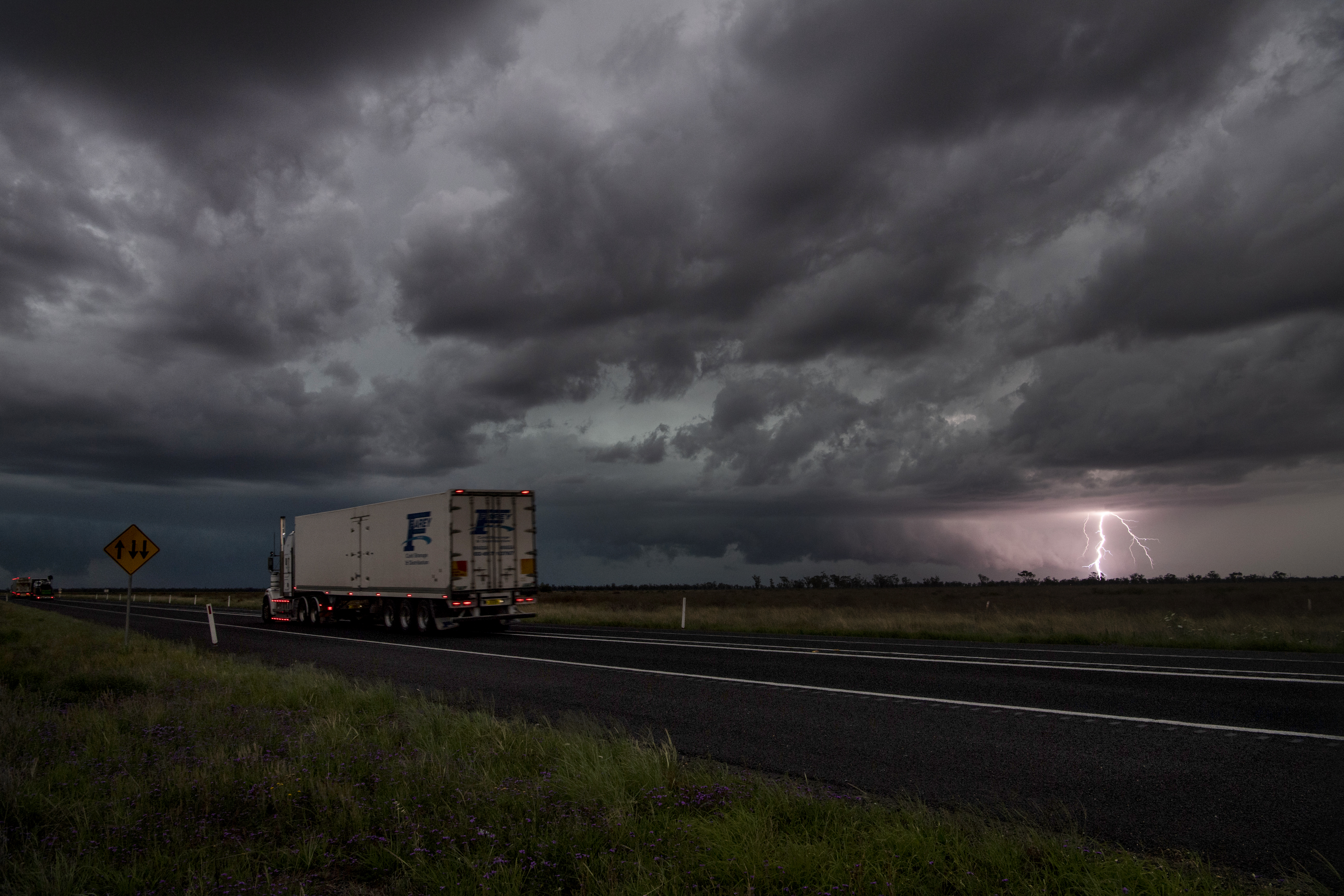
Dark clouds lingered over the skies of Moree, as thunder cracked. This photo was taken by resident Ardina Jackson.

It was also Australia's coolest November in 21 years.

"Overall, it was Australia's coolest November since the La Niña event of 1999, and the coolest spring overall since 2016," the BoM said.

Despite the cooler-than-average temperatures, no state or territory reported the coolest November on record, according to Weatherzone.

December is also set to be wetter than average with more rainfall on the way.

The BoM said with higher than usual levels of rain set to continue across parts of Australia over summer, the community needs to remain vigilant.

Rainfall lashed Australia in November, in particular the east coast.

New South Wales

Parts of New South Wales were particularly hit by the heavy rain as the state recorded the wettest November on record.

The state saw three to four times the average rainfall, the BoM said.

Orange in the state's Central West recorded 317 millimetres of rain in November.

"Areas such as Forbes have also seen their wettest November, these are also areas where we've seen major flooding and impact on community associated with this rainfall," Agata Imielska, meteorologist at the BoM, said.

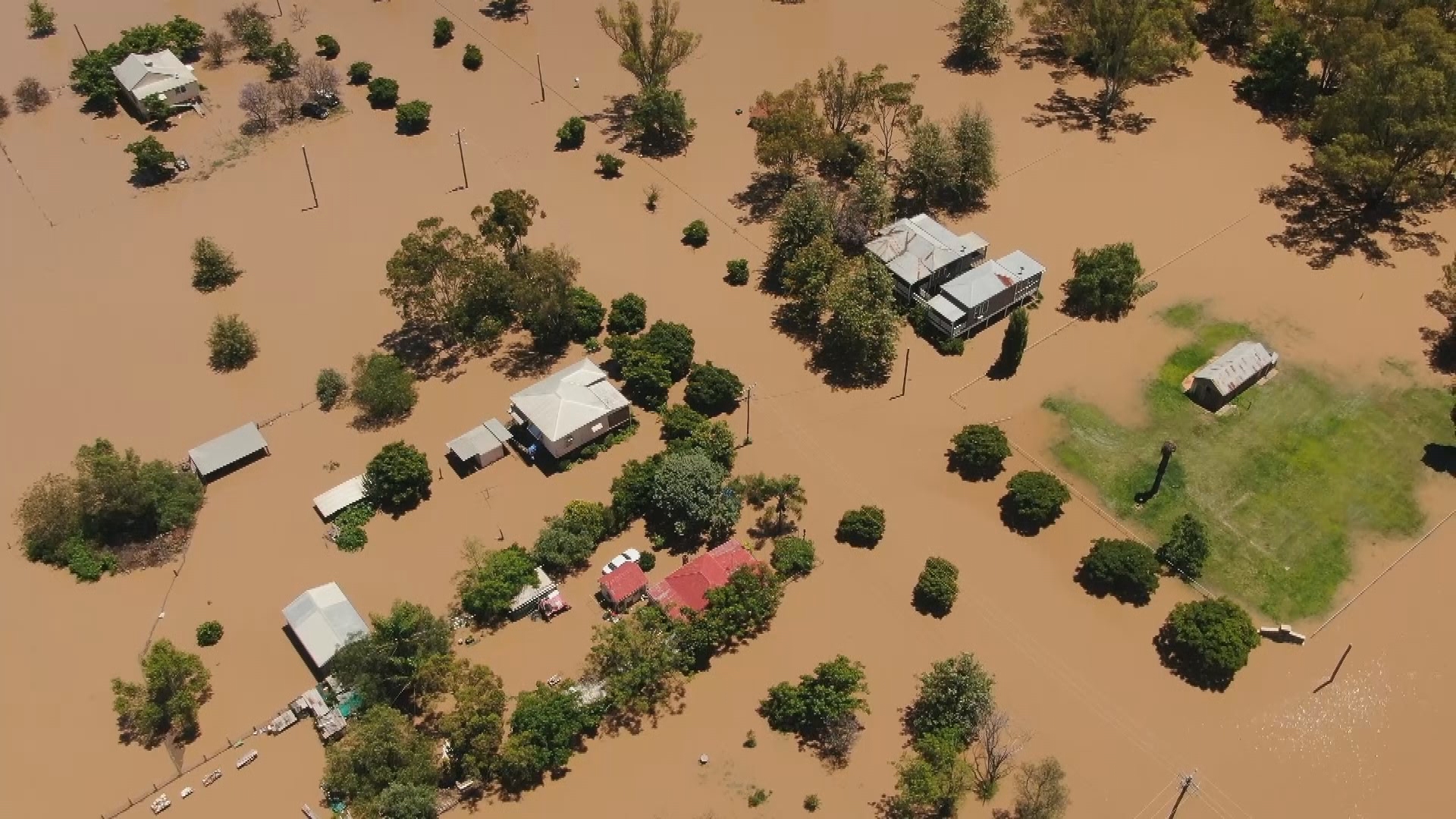
Flooding has hit Gunnedah in the NSW north-east.

Narrabri in the state's north-east saw 230.7 millimetres of rain, where major flooding was also recorded.

"For Sydney Observatory Hill, we did see above-average rainfall for November, recording 137mm," Ms Imielska said.

"Now this isn't record-breaking but we did see higher rainfall totals in the western part of the region."

The state will see more thunderstorm activity and rainfall this summer with the possibility of more flooding.

"We have seen very wet conditions, record-breaking conditions for November so the flood situation is quite volatile," Ms Imielska said.

"We actually don't need record-breaking rainfall to cause flash flooding and riverine flooding."

READ MORE: The once unthinkable mandate that might become the norm

Queensland

Queensland recorded its wettest November in 11 years with flooding still impacting the state today.

"The wettest day of the month was on 10 November, when Samuel Hill in Queensland received 340.8 millimetres," the BoM said.

Brisbane broke records last week, reporting its heaviest single-day rainfall in November for 40 years.

More than 120mm fell to 9am last Tuesday.

It comes as floodwaters continue to rise and more wild weather is on the way for the state.

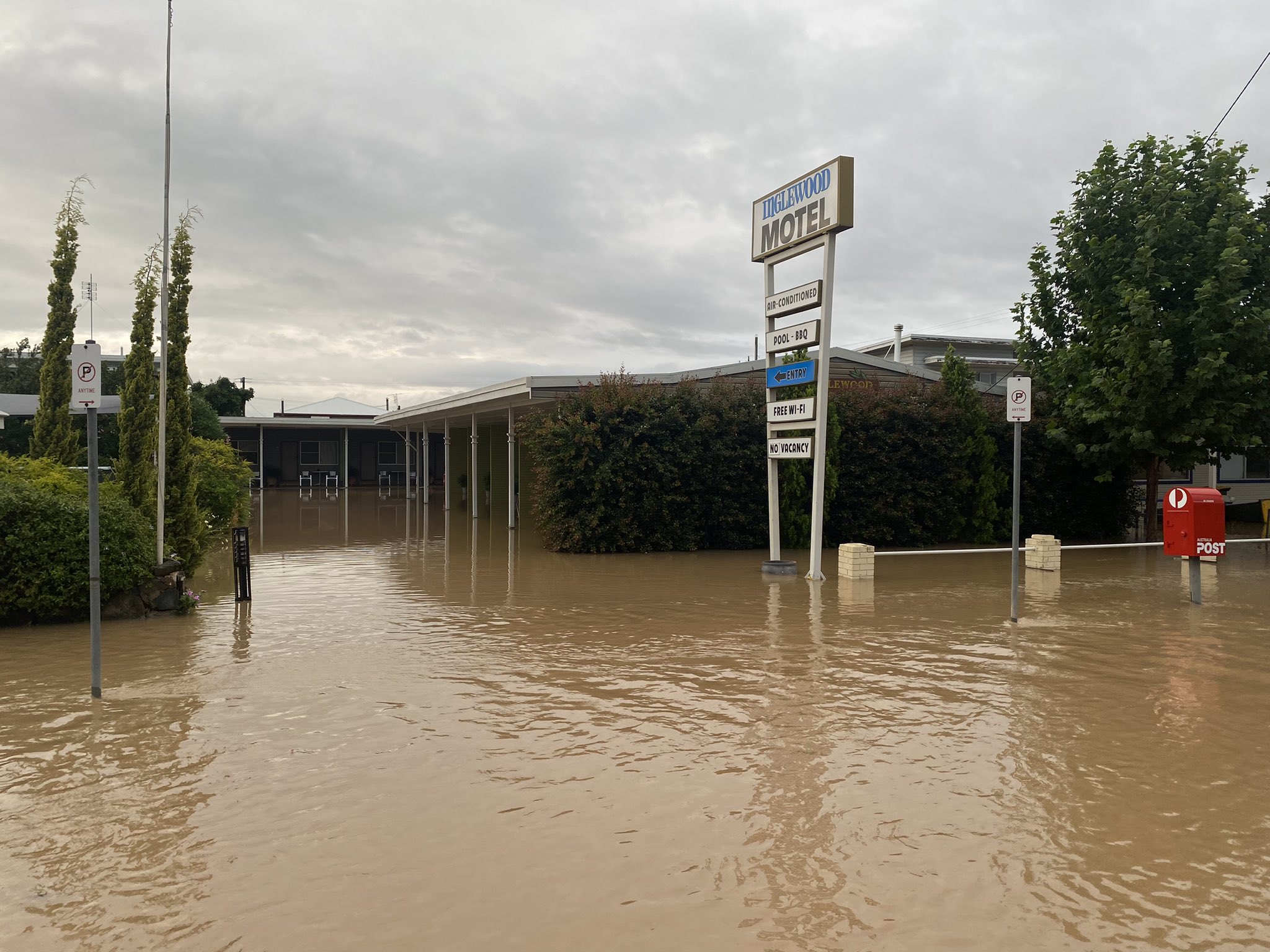
The Queensland town of Inglewood has been inundated with floodwaters.

Residents in the Goondiwindi region are currently being evacuated as floodwaters grow.

QFES Commissioner Greg Leach said crews were working hard to evacuate and advise residents.

"It's been a very busy start to our severe weather season in Queensland," he said.

"There's a number of river catchments we're watching closely, and as the water moves down we'll work with local groups to get messages out."

"This is only the start of our severe weather system. We've got a long way to go yet so we'll probably face this over the next few months."

READ MORE: Horrific testimony heard in Ghislaine Maxwell trial

Storms, Newell Highway, north of Moree. Northern Tablelands are expected to receive a months rain in one day. 10th November 2021 Photo Louise Kennerley

Australian Capital Territory

Canberra reported its wettest November on record this year.

"Canberra also recorded its wettest November with 152 millimetres for the month so far. So really significant conditions there," Ms Imielska said.

Other states

South Australia also saw the wettest November on record.

Victoria saw the wettest November in 10 years, Western Australia in nine years, Northern Territory in four years, and Tasmania in two years.

Queensland records new local COVID-19 case on Gold Coast

A new local COVID-19 case has been detected on the Gold Coast in Queensland.

Queensland Health today announced new contact tracing alerts had been issued for the suburb of Robina.

READ MORE: The once unthinkable mandate that might become the norm

https://twitter.com/AnnastaciaMP/status/1465934045435494406

Anyone who has visited Robina Town Centre between 1.30pm and 2.45pm this afternoon is considered a low-risk contact.

Those who visited Rebel Sport, Target and JB Hi-Fi within the shopping precinct this afternoon will be considered casual contacts.

https://twitter.com/qldhealth/status/1465933904028733442

Contact tracing is currently underway, with people in the affected areas urged to come forward for testing.

All close and casual contacts are required to isolate until they receive a negative test result, and to get another test on the sixth day after the potential exposure.

READ MORE: Flood record smashed as Queenslanders flee rising waters