Tag Archives: oceania

Omicron variant case confirmed on NSW Central Coast

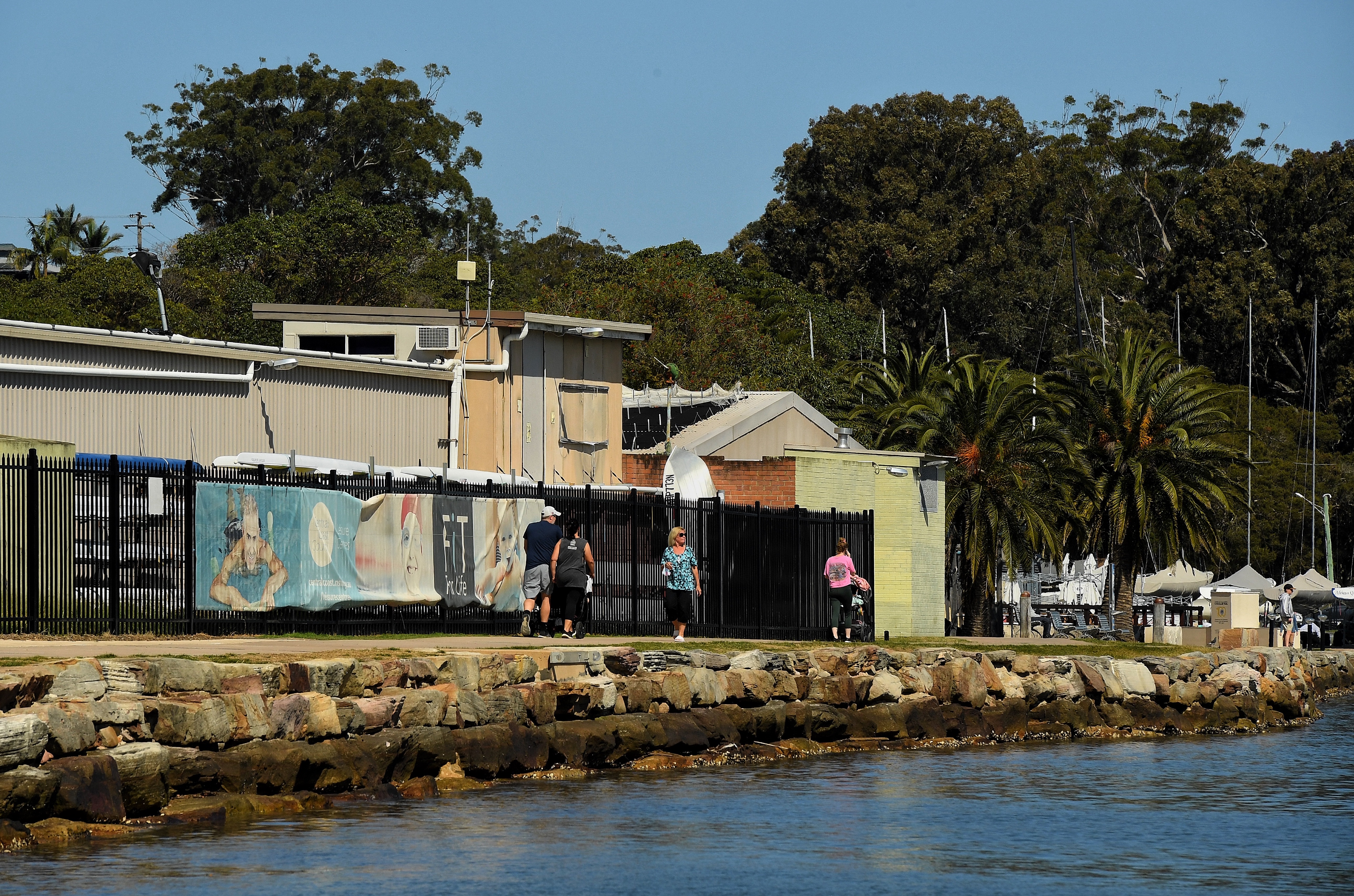
A new case of the Omicron variant has been confirmed by authorities on the NSW Central Coast.

The woman in her 30s arrived in Sydney on Qatar Airways flight QR908 on Thursday, November 25.

The fully vaccinated woman attended a number of venues in Sydney before travelling by private car to the Central Coast where she also attended several venues.

READ MORE: World slams doors shut as fear grows of Omicron variant

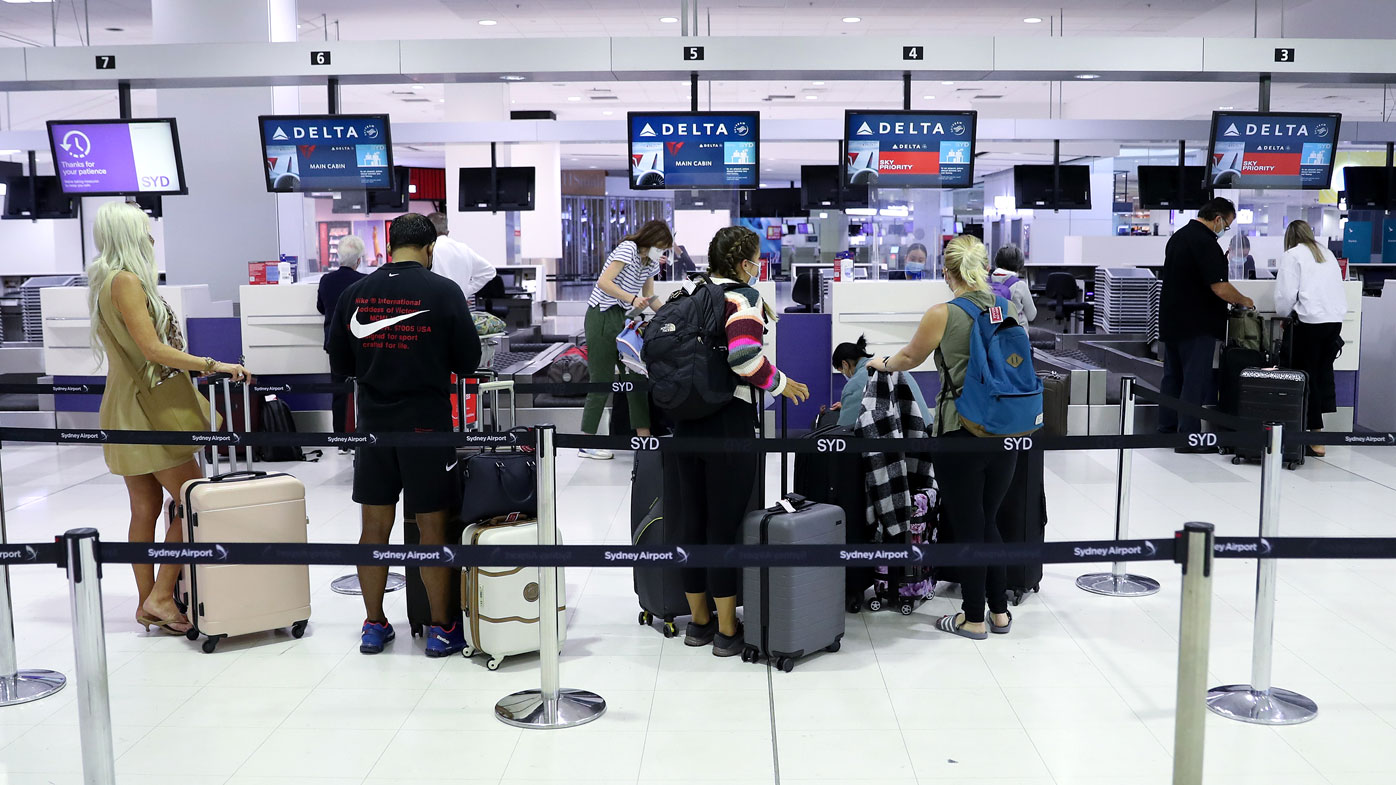
Travelers queue to check in at the departure hall of the international terminal of Sydney Airport

NSW Health confirmed the woman has the variant late this afternoon.

"NSW Health can officially confirm the traveller who recently arrived in NSW and is isolating at home on the Central Coast has been infected with the Omicron COVID-19 variant of concern," it said in a statement.

The woman had been in southern Africa before arriving in Australia. She is now isolating.

Anyone who attended the following venues at the listed times is considered a casual contact and must immediately get tested and isolate until a negative result is received.

  • Coles, Top Ryde Shopping Centre, Friday November 26, 9.30am to 10.45am
  • Target Parramatta, Westfield Parramatta, Friday November 26, 10.45am to 11.00am
  • H&M Parramatta, Westfield Parramatta, Friday November 26 11.00am to 11.15am
  • The Athlete's Foot, Westfield Parramatta, Friday 26 November 11.15am to 11.30am
  • JD Sports, Westfield Parramatta, Friday November 26, 11.15am to 12.00pm
  • Rebel Sports, Westfield Parramatta, Friday November 26, 12.00pm to 12.45pm
  • IGA, North Wyong, Friday November 26 6.15pm to 7.00pm
  • Pizza Hut, Wyong, Friday November 26, 7:00pm to 7:15pm
  • KFC, North Wyong, Friday November 26, 7.15pm to 7.30pm
  • Woolworths, Wadalba, Friday November 26, 7.30pm to 8.15pm
  • Aldi, Toukley, Saturday November 27, 4:45pm to 5:45pm

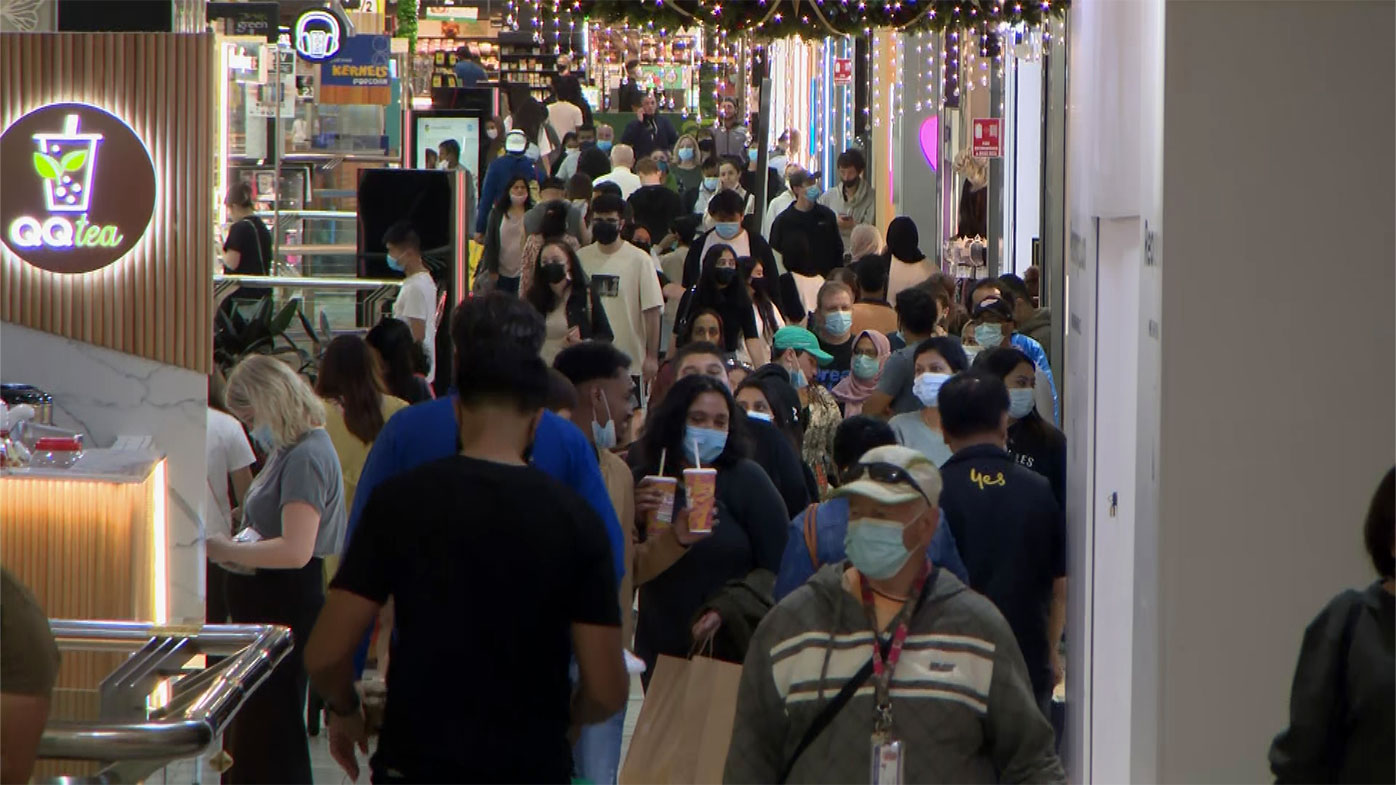
The new NSW Omicron case attended shopping centres during the Black Friday sales.

NSW Health Minister Brad Hazzard said, "we should all be at least aware there is a case on the Central Coast".

"We now all need to be on high alert."

He urged NSW residents to take COVID-safe precautions in light of the new variant.

The total number of Omicron cases in NSW is now five.

READ MORE: Death threat at Melbourne cafe over COVID-19 restrictions

New likely case of the Omicron variant on the NSW Central Coast.

NSW Health also said two other COVID-19 cases in NSW are under investigation for the Omicron variant.

The other cases also arrived on the Qatar Airways flight QR908 on Thursday, November 25.

"Urgent genomic sequencing is underway to determine whether these cases have been infected with the Omicron COVID-19 variant," NSW Health said.

"Neither of these two travellers had spent time in southern Africa."

NSW Health is also waiting on genomic sequencing to confirm whether a case that was on the QR908 flight now residing in Broken Hill has the variant.

"However, initial results indicate this person is unlikely to have been infected with the Omicron variant," NSW Health said in a statement.

"This person is fully vaccinated and isolating at home."

All passengers who arrived on this flight must get tested immediately, regardless of their previous test results and vaccination status.

Everyone on the flight must also isolate until a negative result is received.

READ MORE: Epstein and Maxwell were 'partners in crime', US court hears

It comes as the NSW government released new guidelines for all overseas travellers.

All travellers from South Africa, Lesotho, Botswana, Zimbabwe, Mozambique, Namibia, Eswatini and Malawi must complete 14 days in hotel quarantine, in line with Commonwealth restrictions.

All other overseas travellers must now complete a PCR test and isolate for 72 hours at their home and can exit after that period if they receive a negative result.

These rules will come into place from December 1 at 12.01am.

The cases come after NSW recorded 179 new COVID-19 infections and three deaths today.

Two more overseas travellers were detected with the variant in the past 24 hours.

Both passengers arrived in Sydney from southern Africa on Singapore Airlines flight SQ211 yesterday (Sunday, November 28).

They are fully vaccinated and isolating in the Special Health Accommodation.

Replica gun found in the search for William Tyrrell's remains

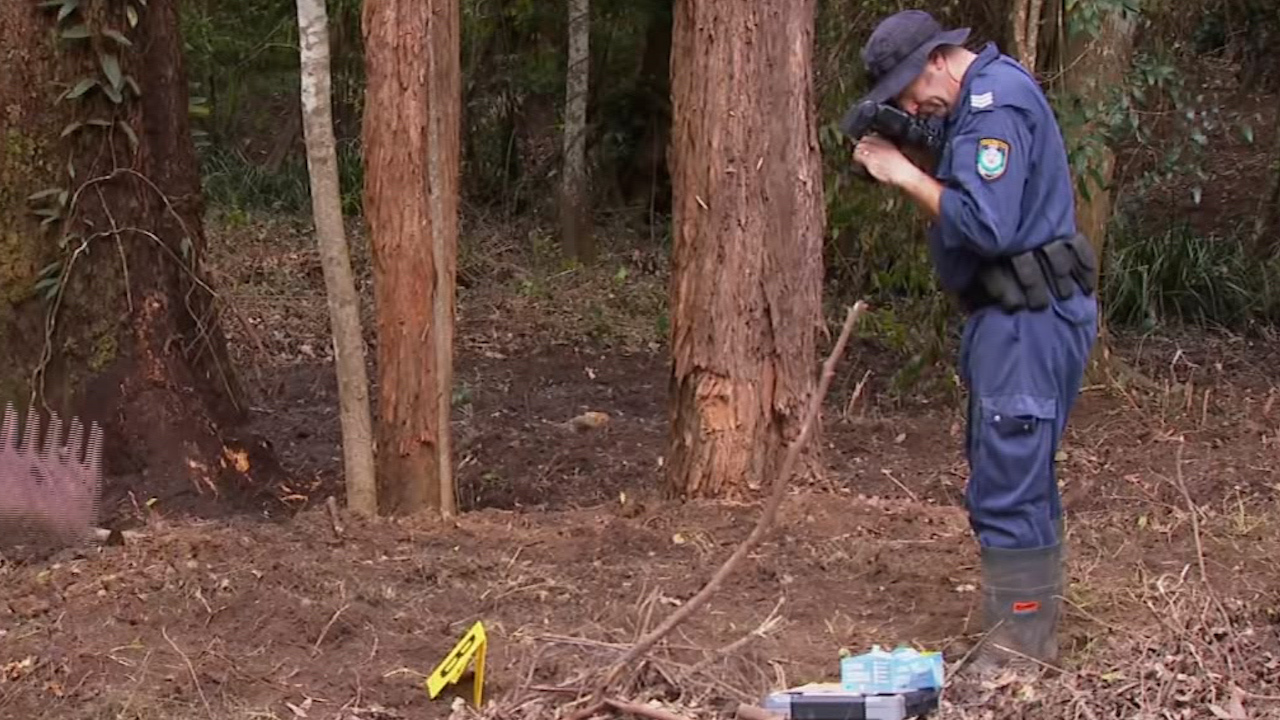
A replica gun has been found on day 16 of the search for William Tyrrell's remains on the NSW Mid North Coast.

It was discovered in cleared bushland beside Batar Creek Road at Kendall.

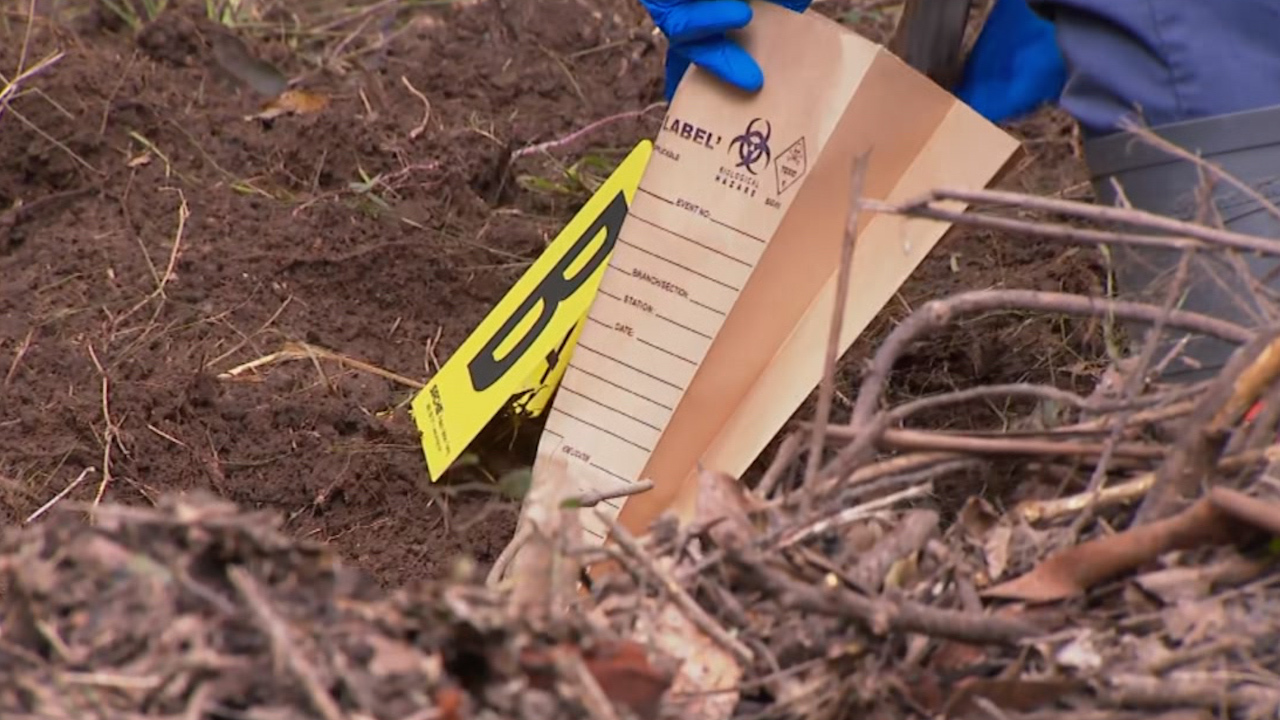
A yellow evidence marker with the letter "B" was placed near the firearm, while specialists photographed the piece of evidence.

READ MORE: World slams doors shut as fear grows of Omicron variant

A replica gun has been found on day 16 of the search for William Tyrrell's remains on the NSW Mid North Coast.A replica gun has been found on day 16 of the search for William Tyrrell's remains on the NSW Mid North Coast.

While it's mysterious, it's unlikely to be linked to the missing child.

In a statement, police said it's "not related to Strike Force Rosann", which was set up to investigate the boy's 2014 disappearance.

The replica weapon will however be taken away for forensic testing.

So far, 32 items of interest have been collected, including animal bones, many pieces of material or fabric, and plastic bags.

READ MORE: Epstein and Maxwell were 'partners in crime', US court hears

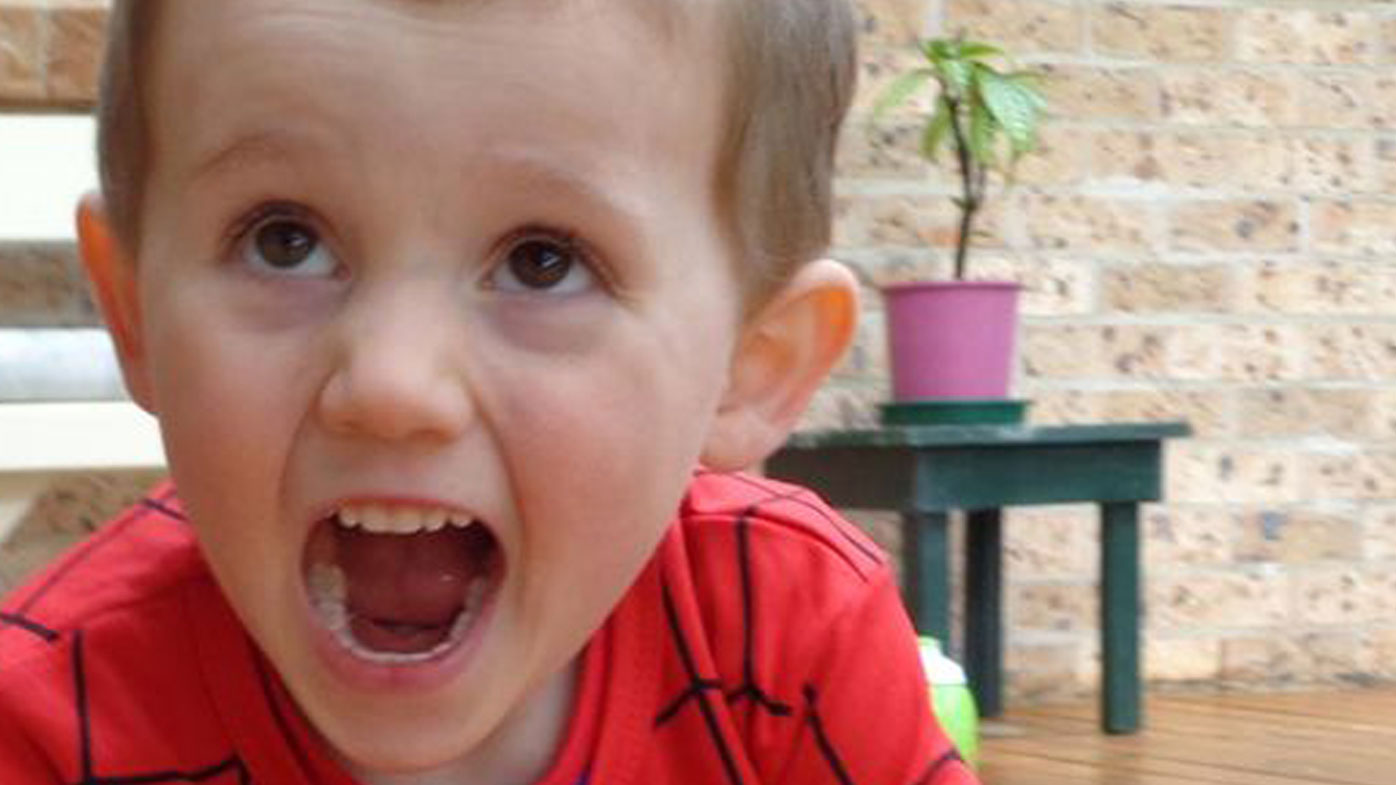
William Tyrrell – September 2014

While nothing has stuck out on face value, detectives are hoping for a break through from the lab.

Dozens of officers are now in their third week of picking through mud and sifting through soil at the search site, which is about a kilometre from the home where William Tyrrell was last seen.

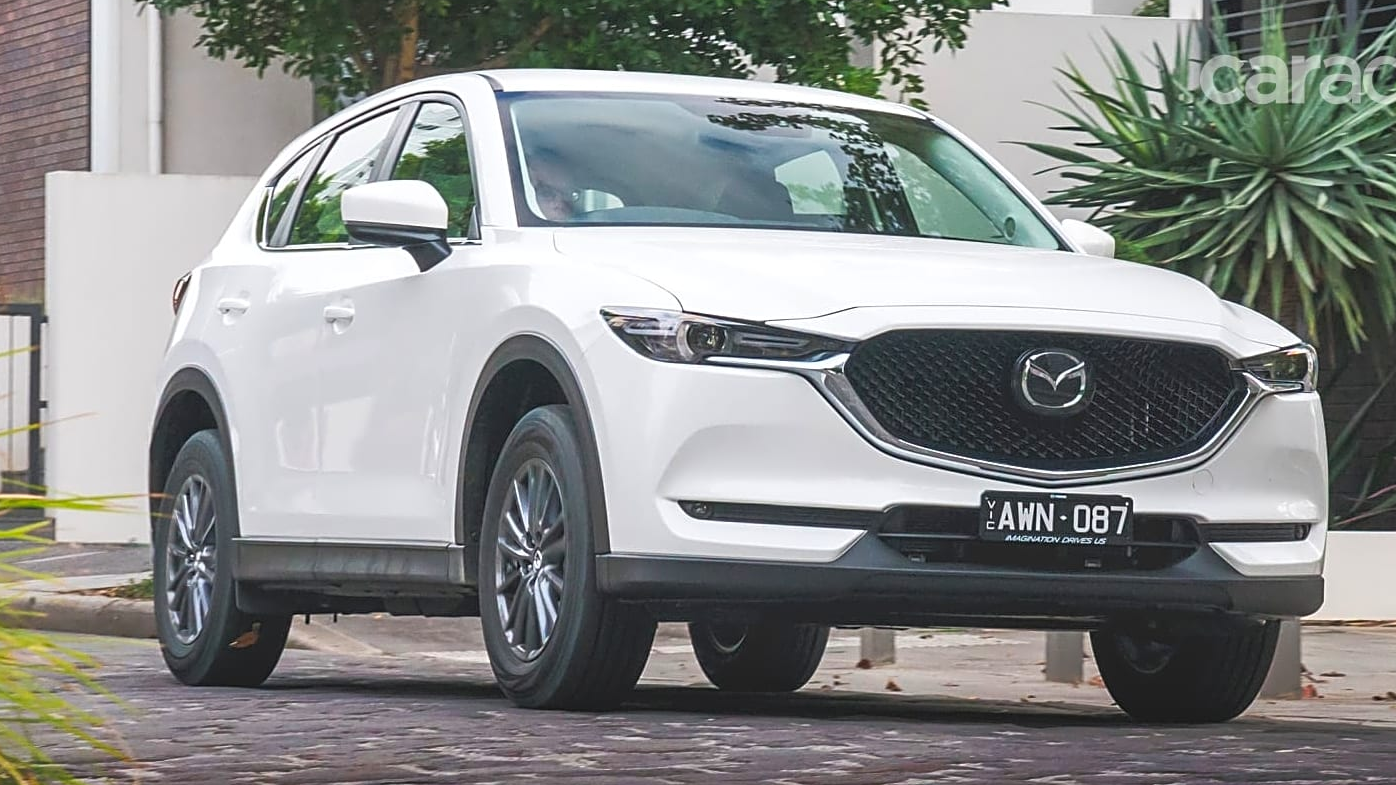
Mazda guilty of 'misleading' Aussie consumers

Australia's Federal Court has found leading carmaker Mazda engaged in misleading and deceptive conduct to nine consumers after ignoring or rejecting their requests for a refund or a replacement vehicle.

The Court found Mazda had made 49 separate false or misleading representations to the nine consumers, who had each requested a refund or replacement after experiencing serious and recurring faults with their new Mazda vehicles within a year or two of purchase.

The faults concerned seven different models including the Mazda 2, Mazda 6, Mazda CX-5, Mazda CX-5B, Mazda CX-3 and Mazda BT-50.

READ MORE: World slams doors shut as fear grows of Omicron variant

Mazda CX-5

Australia's consumer watchdog the ACCC said Mazda "ignored or rejected the consumers' requests", instead offering them further repairs despite multiple unsuccessful attempts.

One particular vehicle had three complete engine replacements as a result.

In some cases, Mazda offered to refund only a portion of the vehicle's purchase price, or offered a replacement vehicle only if the consumer made a significant payment.

ACCC chair Rod Sims said Mazda's conduct wasn't just bad customer service but a serious breach of Australian consumer rights.

"Mazda engaged in long, drawn-out discussions with the consumers, often multiple times a day over months, in which it misled the consumers about their rights," Mr Sims said.

"Mazda's conduct towards these consumers was not just appalling customer service as noted by the judge, it was a serious breach of the law."

READ MORE: Epstein and Maxwell were 'partners in crime', US court hears

The Federal Court threw out allegations presented by the ACCC that Mazda had engaged in unconscionable conduct, defined as being greater than simply unfair and "against the norms of society".

Mr Sims said he hopes today's findings serve as a red flag to other carmakers dealing with consumers.

"The message to the new car industry is clear, consumer rights are not negotiable and must not be misrepresented to consumers," Mr Sims said.

"If a vehicle cannot be repaired within a reasonable time, or at all, consumers have a right under the Australian Consumer Law to a refund or replacement."

The Federal Court will decide on penalties against Mazda Australia at a later date.

9News.com.au has contacted Mazda for comment.

The information provided on this website is general in nature only and does not constitute personal financial advice. The information has been prepared without taking into account your personal objectives, financial situation or needs. Before acting on any information on this website you should consider the appropriateness of the information having regard to your objectives, financial situation and needs.

'Sexually assaulted, bullied, and terrorised': Damning report into Parliament culture

"I was sexually harassed multiple times, sexually assaulted, bullied, and terrorised".

That's the story of one person working at Parliament House who gave evidence to a review into workplace culture and safety.

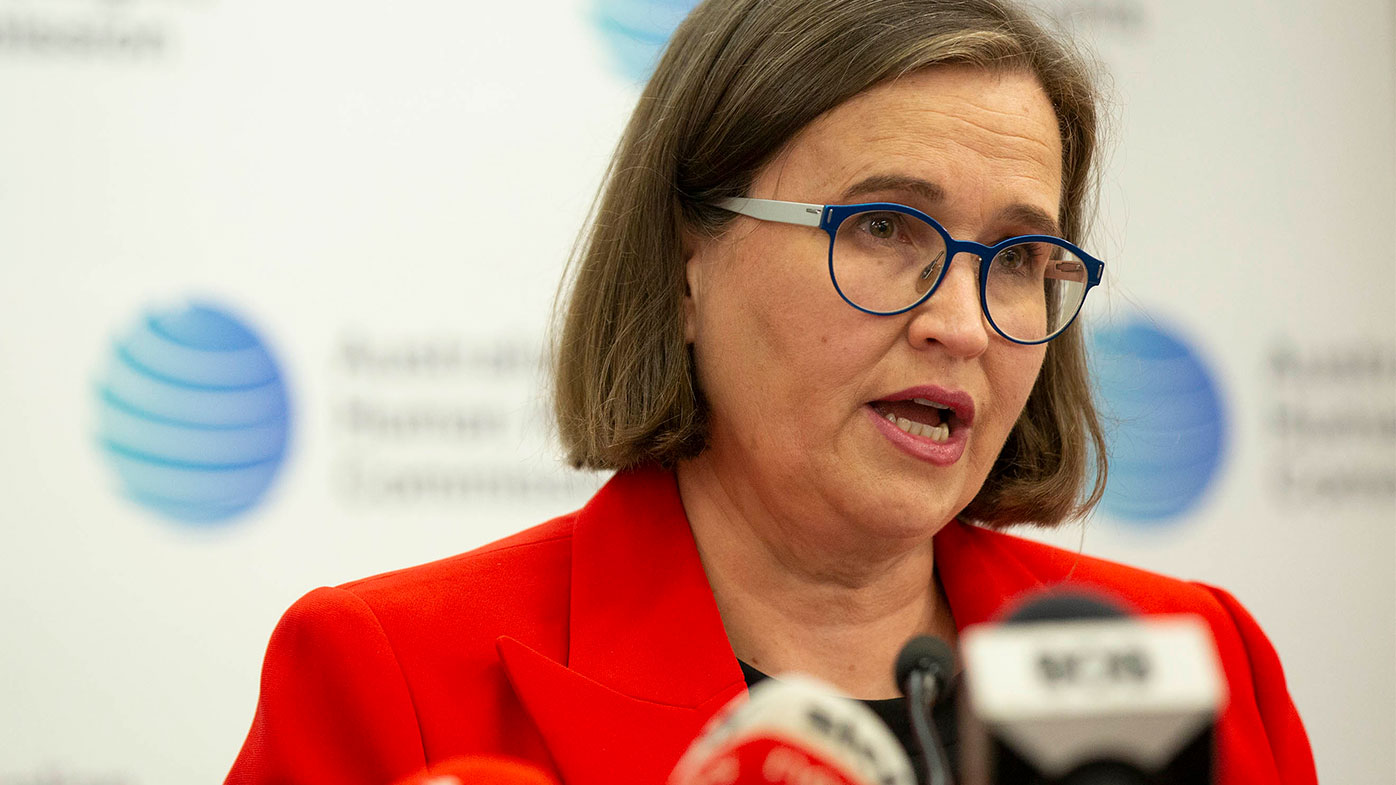
Nine months ago, Sex Discrimination Commissioner Kate Jenkins was tasked with carrying out the inquiry, after bombshell allegations of rape were raised by a Liberal staffer.

READ MORE: One in three parliamentary staffers have experienced sexual harassment

Sex Discrimination Commissioner Kate Jenkins.

Brittany Higgins' accusations shook the halls of power and triggered a series of investigations into poor conduct experienced and witnessed by staff and MPs.

The Jenkins report, titled 'Set the Standard', heard from 1723 current and former parliamentary staff, and contains statistics the Prime Minister described as "appalling":

  • 33 per cent experienced sexual harassment, 40 per cent were women, 26 per cent men 
  • Only 11 per cent reported their experience
  • 37 per cent experienced bullying, 42 per cent were women, 35 per cent men
  • 61 per cent of those engaged in bullying were women, 35 per cent men 
  • Nine people reported being the victim of an attempted or actual sexual assault

The report heard while some spoke positively about working in Parliament, "too often we heard these workplaces are not safe environments for many people within them" and the problems are "largely driven by power imbalances, gender inequality and a lack of accountability".

Some people shared their personal stories with the review:

"The MP sitting beside me leaned over. Also thinking he wanted to tell me something, I leaned in. He grabbed me and stuck his tongue down my throat. The others all laughed. It was revolting and humiliating".

Another person told the inquiry:

"There are no ramifications for bad behaviour because there is no risk of MPs getting fired, or otherwise being held accountable for their actions."

In responding to the report, the Prime Minister said Parliament House should uphold high workplace standards but has failed to do so.

Prime Minister Scott Morrison said Australians do not want to go into lockdown.

"Just because this is a challenging environment…this is no excuse to normalise inappropriate, unhealthy and unprofessional behaviour," Scott Morrison said.

Kate Jenkins made 28 recommendations for reform, including proposing a code of conduct for MP's and staff, cracking down on alcohol use and setting targets to achieve gender balance among parliamentarians.

And from the woman who inspired it all, Brittany Higgins said she hopes the report "inspires immediate action".

READ MORE: World slams doors shut as fear grows of Omicron variant

What we know about all the major COVID-19 variants

Omicron, the newest COVID-19 variant, is also the quickest to be labelled a "variant of concern" by the World Health Organisation because of its seemingly fast spread in South Africa and its many troubling mutations.

Its emergence has already led to travel restrictions, high-level government meetings and promises by vaccine makers to start working on strain-specific vaccines just in case.

But it has a long way to go to take over from Delta, the variant that dominates all over the world. And the long list of variants that at first frightened the world before falling off the map can be a reminder that viruses are unpredictable.

READ MORE: World slams doors shut as fear grows of Omicron variant
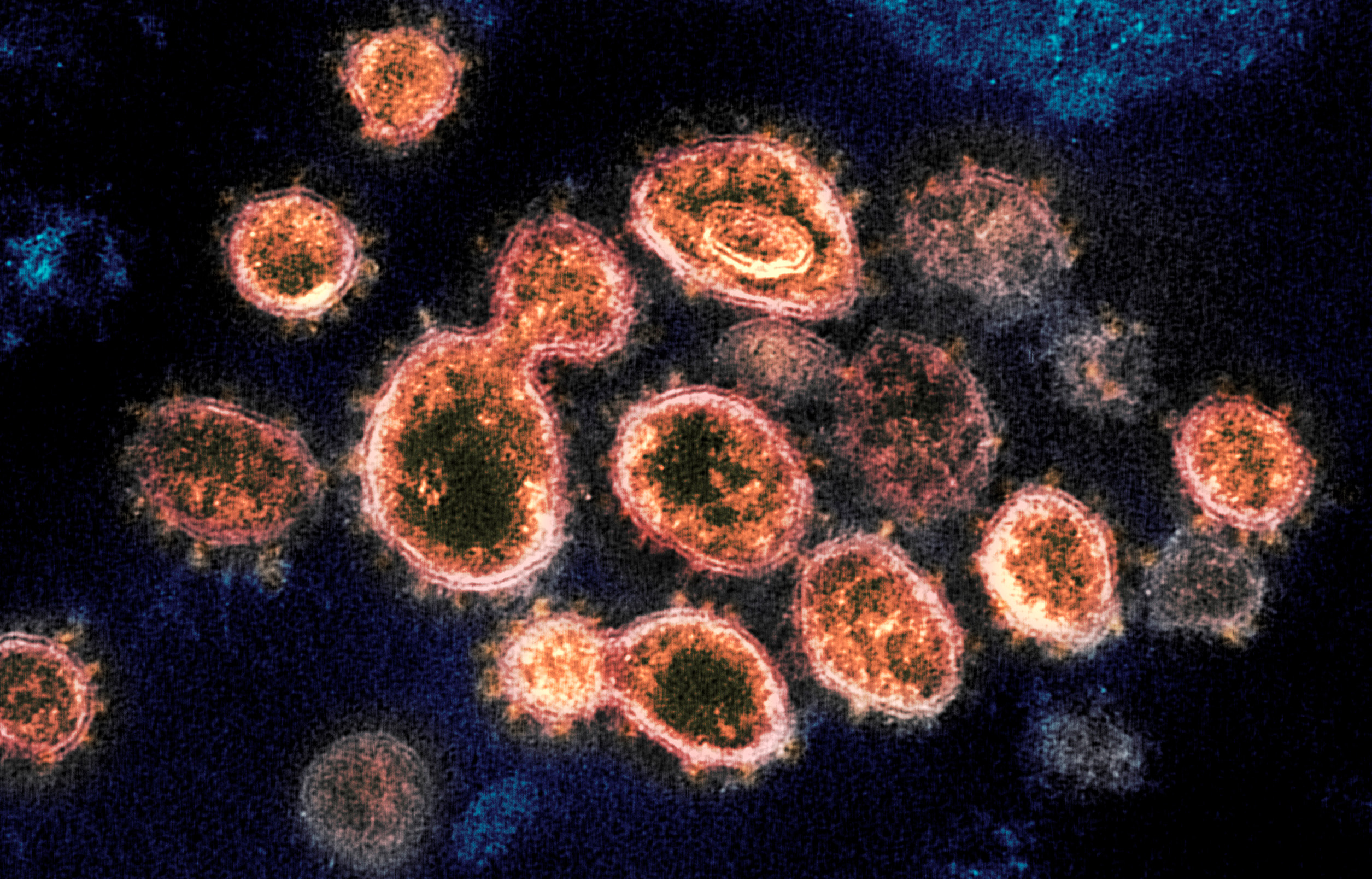
This electron microscope image shows SARS-CoV-2 virus particles which cause COVID-19.

Here's a look at the named COVID-19 variants.

Variants of concern

WHO designates COVID-19 variants as either of concern — meaning they look dangerous enough to bear close scrutiny and continual updates — or as variants of interest, or variants under monitoring. Only five currently meet the definition for variants of concern: Alpha, Beta, Gamma, Delta and Omicron.

Omicron

The first sample of the Omicron or B.1.1.529 lineage was taken on November 9, according to WHO. It got noticed because of a surge of cases in South Africa.

"This new variant, B.1.1.529 seems to spread very quick!" Tulio de Oliveira, director of South Africa's Centre for Epidemic Response & Innovation, and a genetics researcher at Stellenbosch University, said on Twitter.

Also, genetic sequencing showed it carried a large number of troubling mutations on the spike protein — the knoblike structure on the surface of the virus that it uses to grapple onto the cells it infects.

Some of those mutations were already recognised from other variants and were known to make them more dangerous, including one called E484K that can make the virus less recognisable to some antibodies — immune system proteins that are a frontline defence against infection and that form the basis of monoclonal antibody treatments.
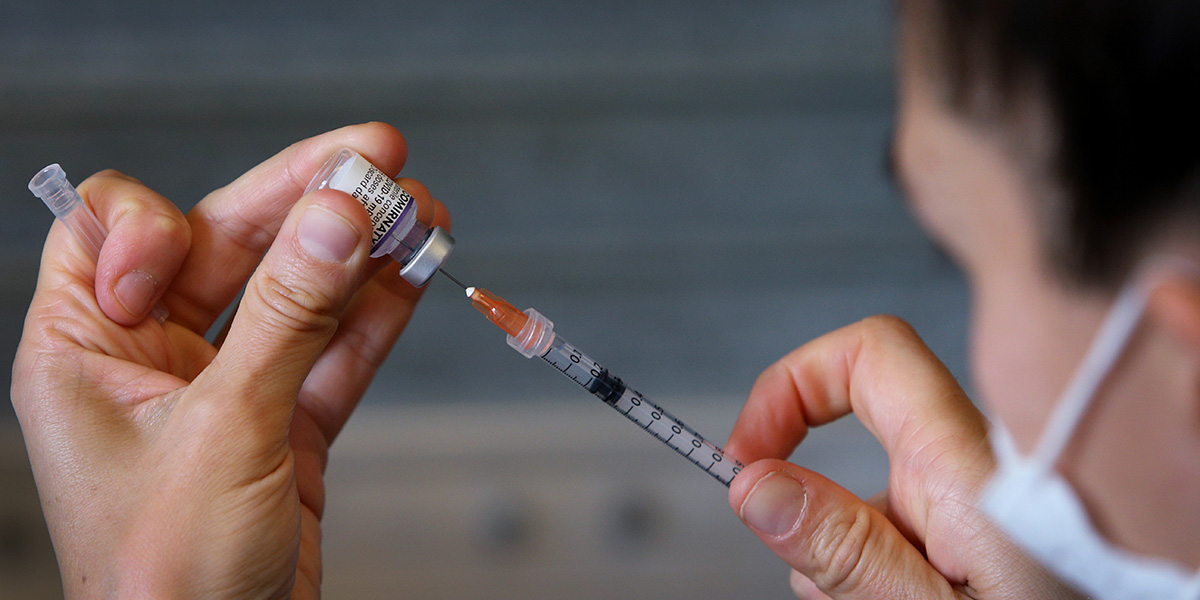
SYDNEY, AUSTRALIA - OCTOBER 03: Registered Nurse Laila prepares a Pfizer vaccine at the Belmore Sports Ground vaccination hub overseen by Dr. Jamal Rifi on October 03, 2021 in Sydney, Australia. General Practitioner, Dr. Jamal Rifi has been a GP in Australia for over 30 years, living and serving in the Belmore district from his Medical Centre in Sydney's south-west. When the COVID-19 pandemic first hit in Australia, Dr. Rifi and his wife Lana decided to put retirement on hold and erected tents i

It also carries a mutation called N501Y, which gave both Alpha and Gamma their increased transmissibility. Just last week, Scott Weaver of the University of Texas Medical Branch and colleagues reported in the journal Nature that this particular mutation made the virus better at replicating in the upper airway — think in the nose and throat — and likely makes it more likely to spread when people breathe, sneeze and cough.

Like Delta, Omicron also carries a mutation called D614G, which appears to help the virus better attach to the cells it infects.

"The number of mutations per se does not mean that the new variant will cause any problems; although it may make it more likely to look different to the immune system," Dr Peter English, former chair of the British Medical Association's Public Health Medicine Committee, said in a statement.

READ MORE: Death threat at Melbourne cafe over COVID-19 restrictions

What worries scientists is the number of mutations affecting the spike protein. That's because most of the leading vaccines target the spike protein. Vaccines made by Pfizer/BioNTech, Moderna, Johnson & Johnson, AstraZeneca and other companies all use just small pieces or genetic sequences of the virus and not the whole virus, and all of them use bits of the spike protein to elicit immunity. So a change in the spike protein that made it less recognisable to immune system proteins and cells stimulated by a vaccine would be a problem.

So far, there's no evidence this has happened but there is no way of knowing by looking at the mutations alone. Researchers will have to wait and see if more breakthrough infections are caused by Omicron than by other variants.

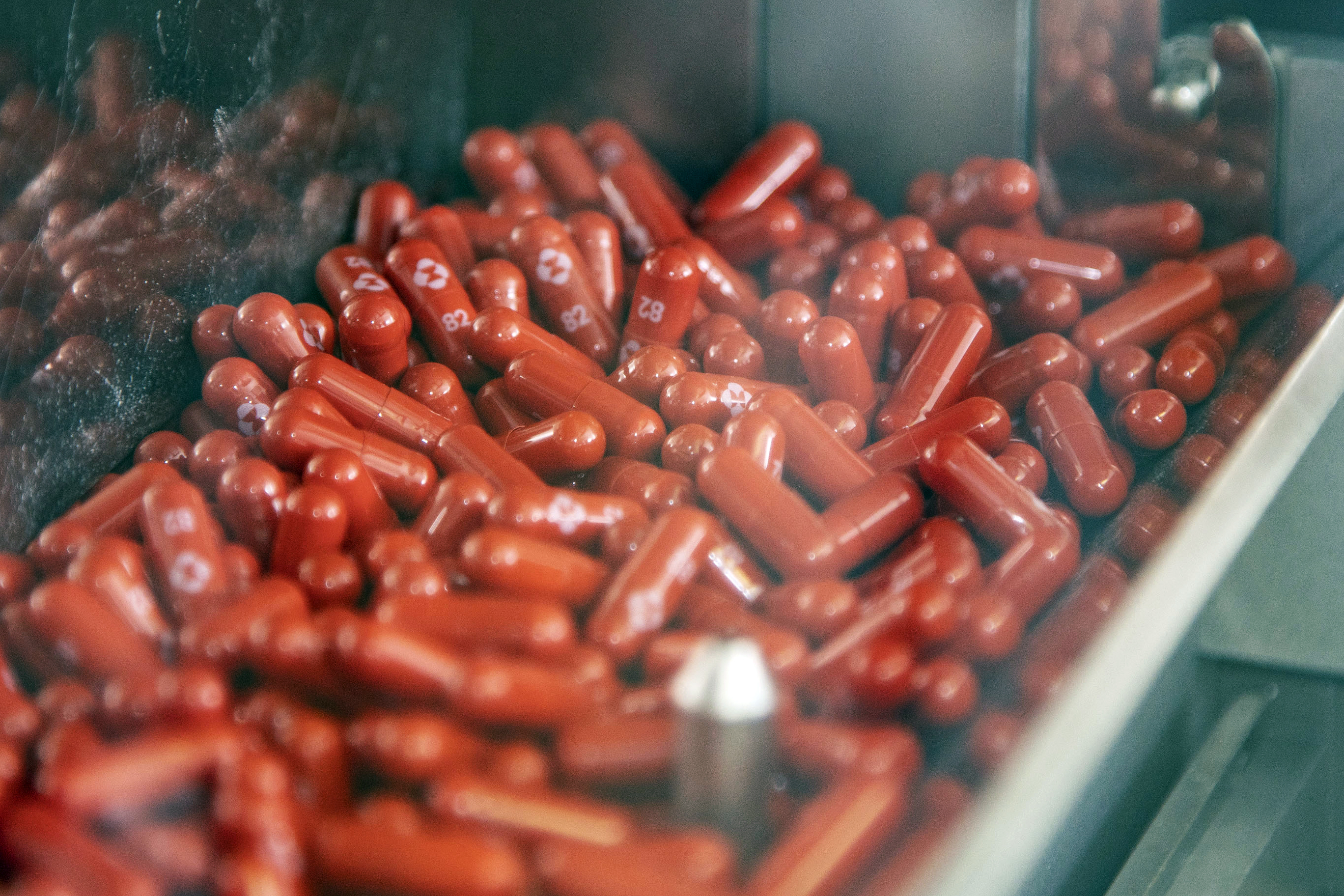
The other fear is the mutations might help make the virus less susceptible to monoclonal antibody treatments. However, WHO says it's unlikely these mutations would affect other COVID-19 treatments, including antiviral drugs in development and the steroid dexamethasone.
So far, Omicron has been detected in 17 countries, including South Africa and Botswana, and among travellers to Belgium, the Netherlands, Australia, Canada, the UK, Italy, Israel and Austria, according to the GISAID database and local officials.

It takes an extra layer of testing above and beyond standard tests to detect infection to tell which variant of COVID-19 has infected someone. Genetic sequencing must be conducted and that takes longer than a quick antigen or PCR test.

READ MORE: Human remains found in search for Victorian missing campers

It's also too soon to tell whether Omicron causes more severe disease, although one doctor who treated some patients in South Africa told Reuters her patients had only mild symptoms.

"The most predominant clinical complaint is severe fatigue for one or two days, with then the headache and the body aches and pain," Dr Angelique Coetzee, a private practitioner and chair of the South African Medical Association, said.

But doctors agree that vaccination is likely to provide a great deal of protection against Omicron and urge people to get vaccinated if they are not already.

Of note: Just under 24 per cent of South Africa's total population is vaccinated. Just 35 per cent of adult South Africans are fully vaccinated, the country's president, Cyril Ramaphosa, said Sunday. And South Africa has many people infected with HIV — which suppresses the immune system — who are currently unable to get treatment, and who may be more susceptible to infection.

Those factors may influence the rise of the variant in South Africa as opposed to countries where more people are vaccinated and fewer have immunocompromising conditions.

Physical barriers also will work against any mutant virus. These include masks, handwashing, physical distancing and good ventilation.

https://twitter.com/DocJeffD/status/1465094166359117826?ref_src=twsrc%5Etfw

While experts say they're watching closely, several have said they are not especially worried about Omicron just yet.

"I don't think we should panic," Robert Garry, a professor of microbiology and immunology at Tulane University School of Medicine, told CNN.

"The sky is not falling," Dr Peter Hotez, dean of the School of Tropical Medicine at Baylor, told CNN.

"We've not seen any evidence that Omicron causes any more severe disease than any other variants."

READ MORE: One new 'likely' Omicron variant case on NSW Central Coast
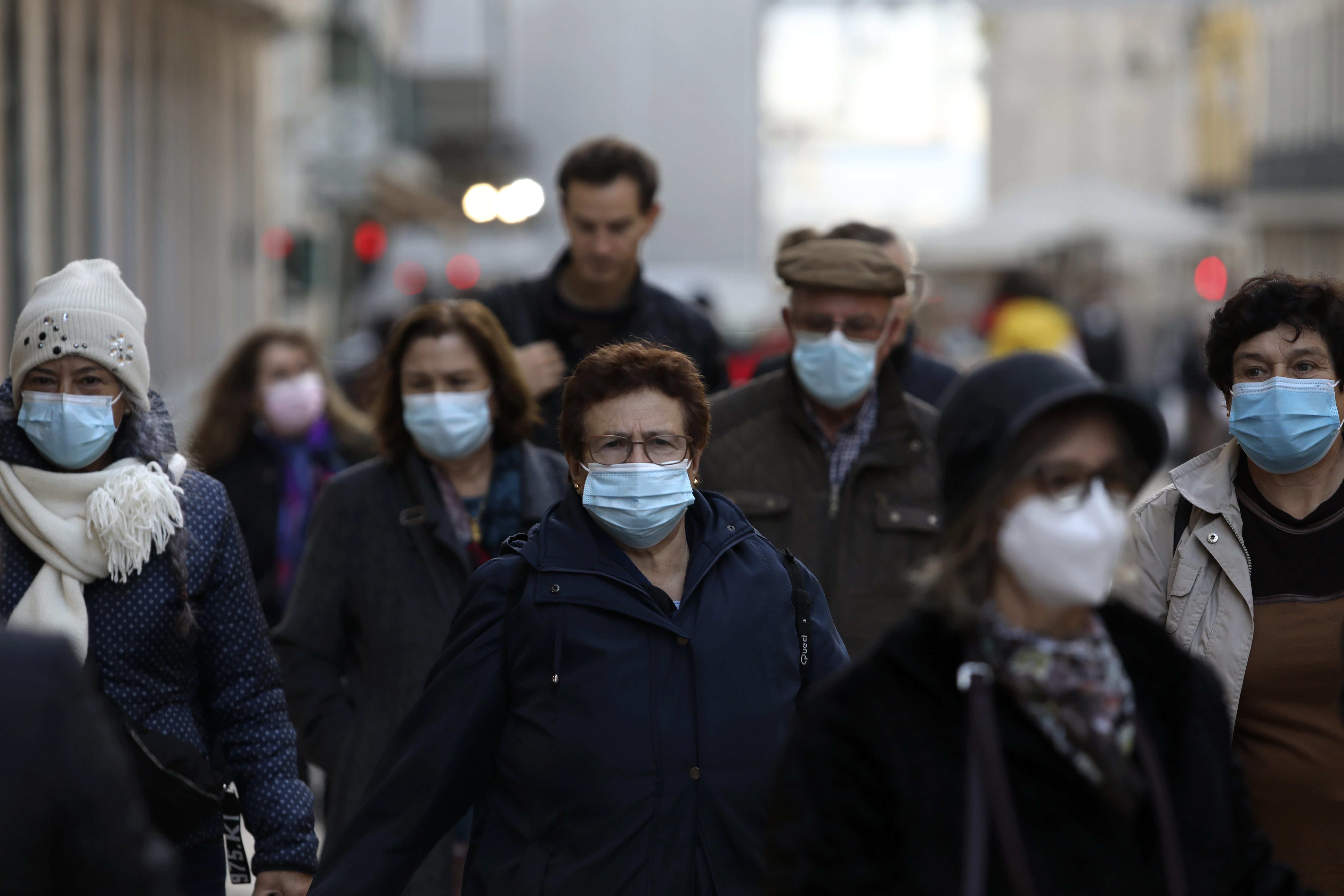
Delta

The Delta variant is now the dominant lineage in much of the world. It accounts for 99.9 per cent of cases in the US, according to the US Centres for Disease Control and Prevention.

Also known as B.1.617.2, it is clearly more transmissible than other variants, but it is still unclear if it causes more severe disease.

It quickly took over from the B.1.1.7, or Alpha, variant in most countries.

Delta also carries a cluster of mutations on the spike protein. It can also evade the immune system, which may mean people who have been infected once with an older variant may be more likely to catch it again. It also eludes the effects of a monoclonal antibody treatment called bamlanivimab, made by Eli Lilly and Company, but is vulnerable to the protection offered by other monoclonal antibody treatments.
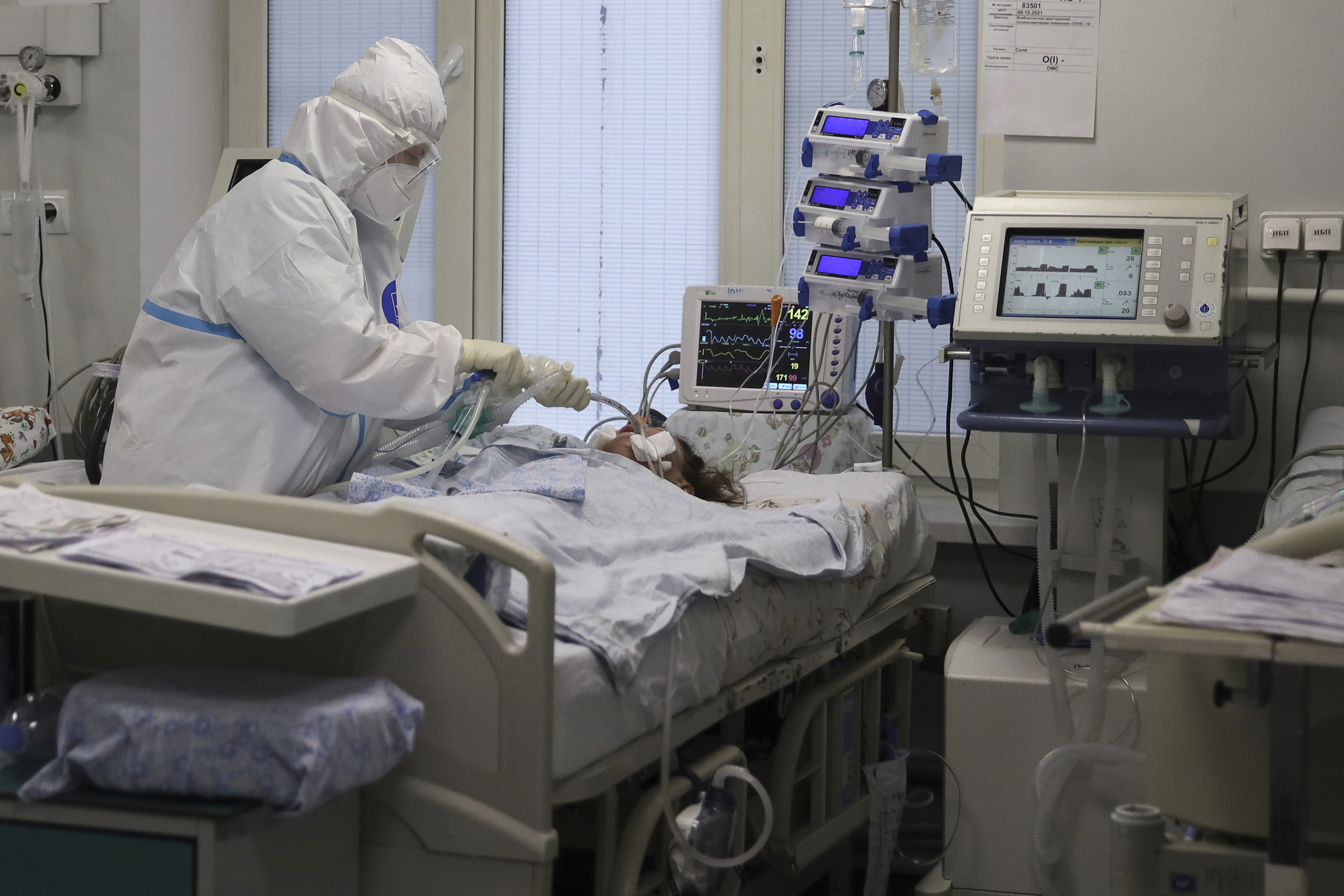
Alpha

First identified as a variant of concern last December, the B.1.1.7 or Alpha variant of COVID-19 was worrying public health officials last spring. It swept across England quickly and then out into the world, quickly becoming the dominant lineage in the United States. It has now been demoted to "Variant Being Monitored" by the CDC because of its low impact in the US.

It was shown to be at least 50 per cent more transmissible than older lineages. It carries 23 mutations, including one called N501Y that increases transmission.

It's fully susceptible to monoclonal antibody treatments and vaccines.

READ MORE: Epstein and Maxwell were 'partners in crime', US court hears

Beta

First seen in South Africa, the B.1.351 or Beta variant has both the E484K mutation that is linked with immune escape and the N501Y mutation suspected of helping make many other variants more contagious. It has been shown to be 50 per cent more transmissible than older strains and evades Lilly's dual monoclonal antibody treatment, but not others.

Blood tests and real-life use both suggest it can infect people who have recovered from COVID-19 and also people who have been vaccinated against Covid-19.

Vaccine makers trying to get out ahead of the new variants by developing booster shots had focused on B.1.351, as it's the variant scientists most fear could elude vaccine protection. But partial escape doesn't mean full escape, and vaccines are still expected to protect people to some degree.

It was overtaken by Delta in South Africa and have never gained much of a foothold in the US, despite the worry it caused, and is now designated a Variant Being Monitored by the CDC.
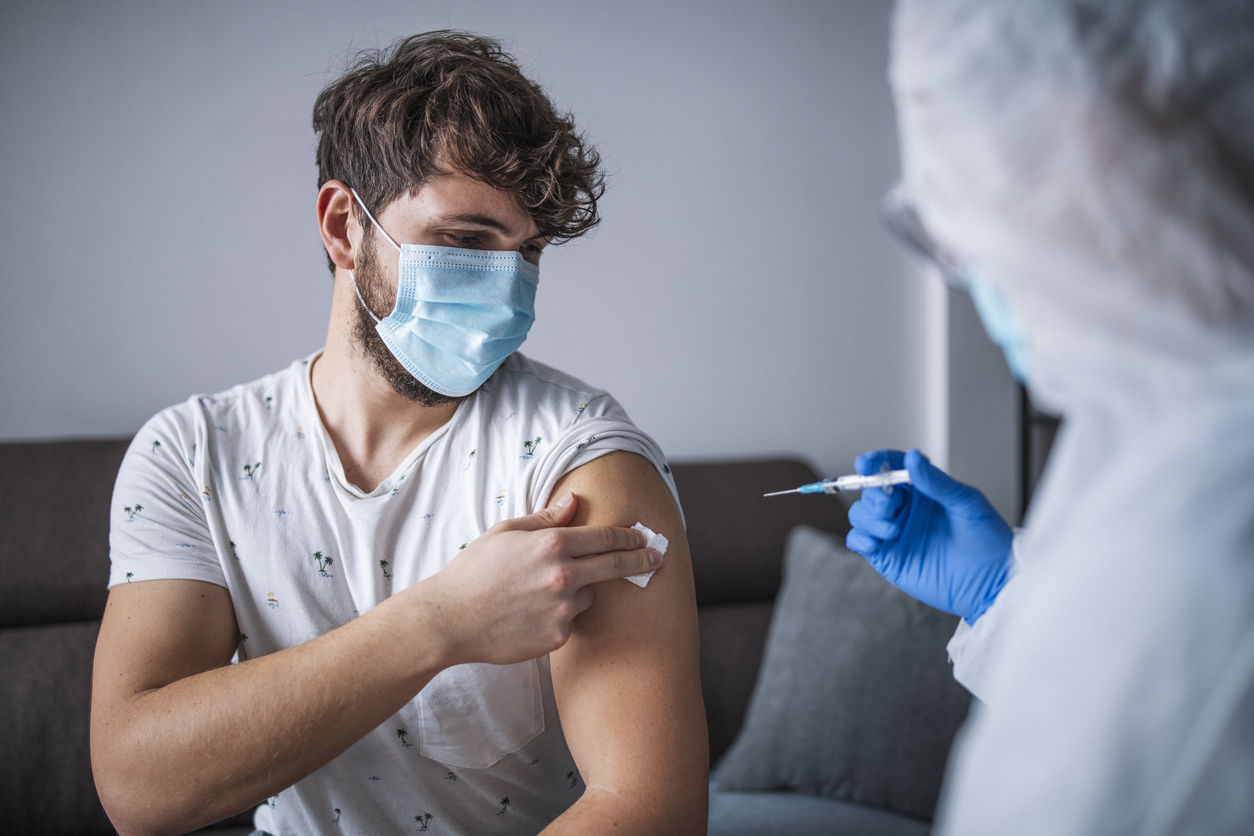
Man getting vaccinated. Vaccine. Needle

Gamma

The P.1 or Gamma variant that swept Brazil also never gained much ground elsewhere and is also now a CDC Variant Being Monitored.

Gamma carries both the E484K and N501Y mutations, with more than 30 others. It has been demonstrated to evade the effects of Lilly's monoclonal antibody treatment but not one made by Regeneron. Blood tests show it might partly escape both natural and vaccine-elicited immune responses.

WHO Variants of Interest

Lambda

Lambda or C.37 was designated a WHO Variant of Interest in June. The CDC doesn't mention it.

Mu

Mu or B.1.621 caused a flurry of fear when it was declared a WHO Variant of Interest in August, but it soon fizzled out. It's now designated Variant Being Monitored by the CDC.

READ MORE: Omicron 'not a reason to step back', says Scott Morrison

Variants Being Monitored by CDC

All of the following variants are listed by the CDC as Variants Being Monitored.

Epsilon

The B.1.427 and B.1.429 variants are usually lumped together and known as Epsilon. First seen in California, this one has the same L452R mutation carried by Delta, but not some of its other mutations and has not taken off in the way Delta has.

Iota

First seen in New York last November, the B.1.526 or Iota variant spread at first, accounting for as many as 9 per cent of samples last April, but it's now virtually disappeared. It has what's called a 484 mutation that should help the virus attach more easily to the cells it infects and makes the virus less recognisable to the immune system.

Eta

First seen in the UK and Nigeria, Eta, also known as B.1.525, carries the E484K mutation. It has also virtually disappeared.

Zeta

Circulating in Brazil since last year, this variant, also known as P.2, also carries the E484K mutation and has not been found widely globally. It's almost disappeared in the US, according to the CDC.

There are no variants designated Nu or Xi. WHO decided "Nu" sounded too much like the English word "new" and Xi is a common last name.
Woman dies in hospital following alleged Gold Coast attack

A 25-year-old woman has died in hospital, after an alleged attack in a Gold Coast home.

Police were called to the incident in Southport around 5pm on Saturday, where they located the unresponsive and severely injured woman.

It's alleged a man took the woman's 11-month old baby boy from the apartment before police arrived, triggering an Amber alert in the region.

READ MORE: World slams doors shut as fear grows of Omicron variant

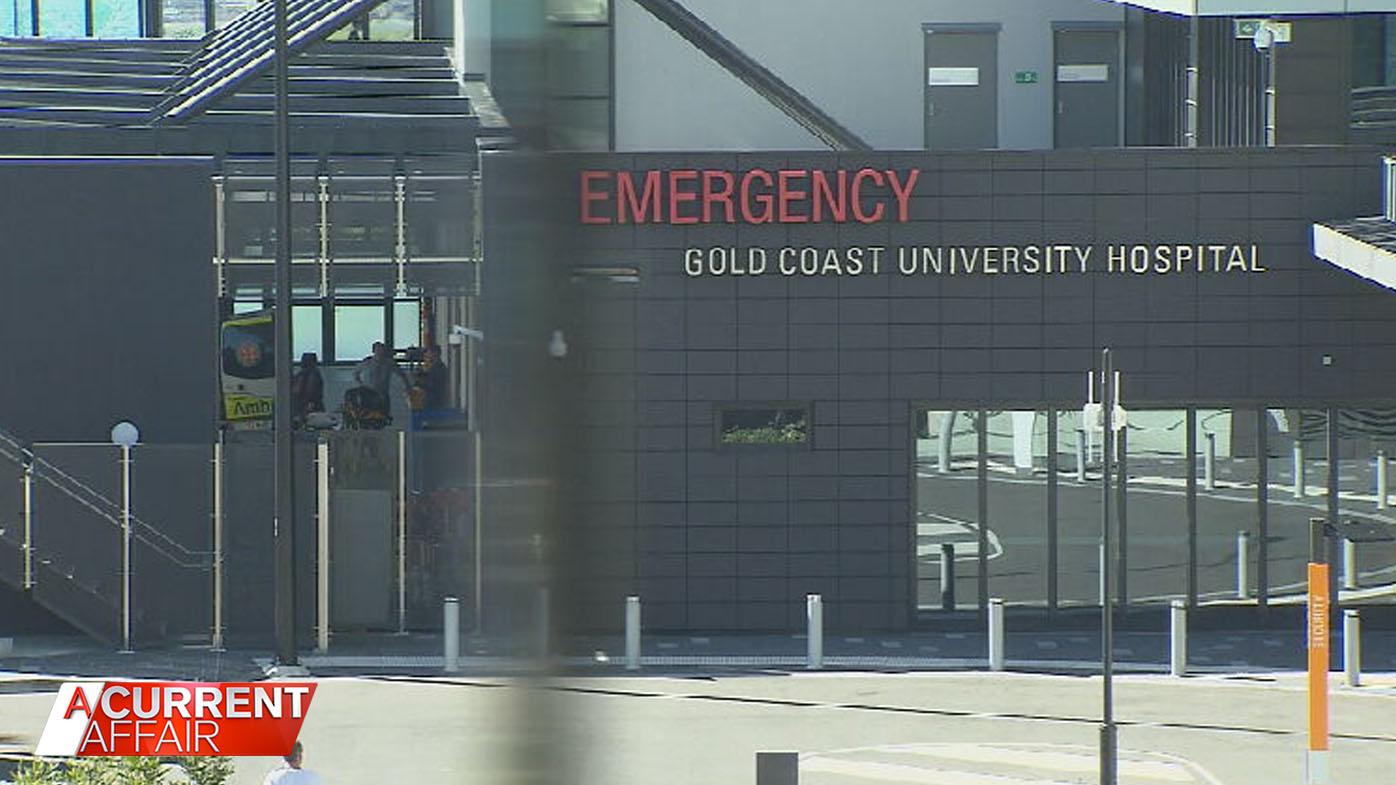
The woman was transported to Gold Coast University Hospital where she battled life-threatening injuries.

Police confirmed today she has died in hospital.

READ MORE: Epstein and Maxwell were 'partners in crime', US court hears

The woman's baby boy was located safe and healthy around midnight on the day of the alleged attack, and taken to Crestmead Police Station.

A 34-year-old man from Crestmead was located and arrested in Oxley shortly after.

The man has now had his previous charges upgraded to murder.

He is expected to appear in the Richlands Magistrates Court today.

READ MORE: Death threat at Melbourne cafe over COVID-19 restrictions

How 10 news photos can predict stock market movements

Want the good news or bad news?

Turns out artificial intelligence (AI) can answer that very question if there's a news photograph it can carefully scan and analyse.

And, according to a recently published RMIT University study, the AI's answer to that question can help traders predict the mood of global stock markets and, in doing so, make better returns.

Using machine learning, the algorithm produces a daily score based on the types of photos used in global news reports.

The system works, the study said, through the teaching of AI to analyse a list of the most popular news photographs on Getty, an image website used by media outlets around the world.

Getty's top-10 list is made up of the most downloaded news photographs in the past 24 hours, which are submitted by photographers covering and capturing the world's most important events of the day.

Using machine learning to interpret what is happening in each photograph, the AI will then calculate a "photo pessimism" score for that day, according to the study's lead author Dr Angel Zhong.

Once the photo pessimism measure is delivered, Dr Zhong said the AI was then able to predict with "95 per cent accuracy" if a stock market will move up or down.

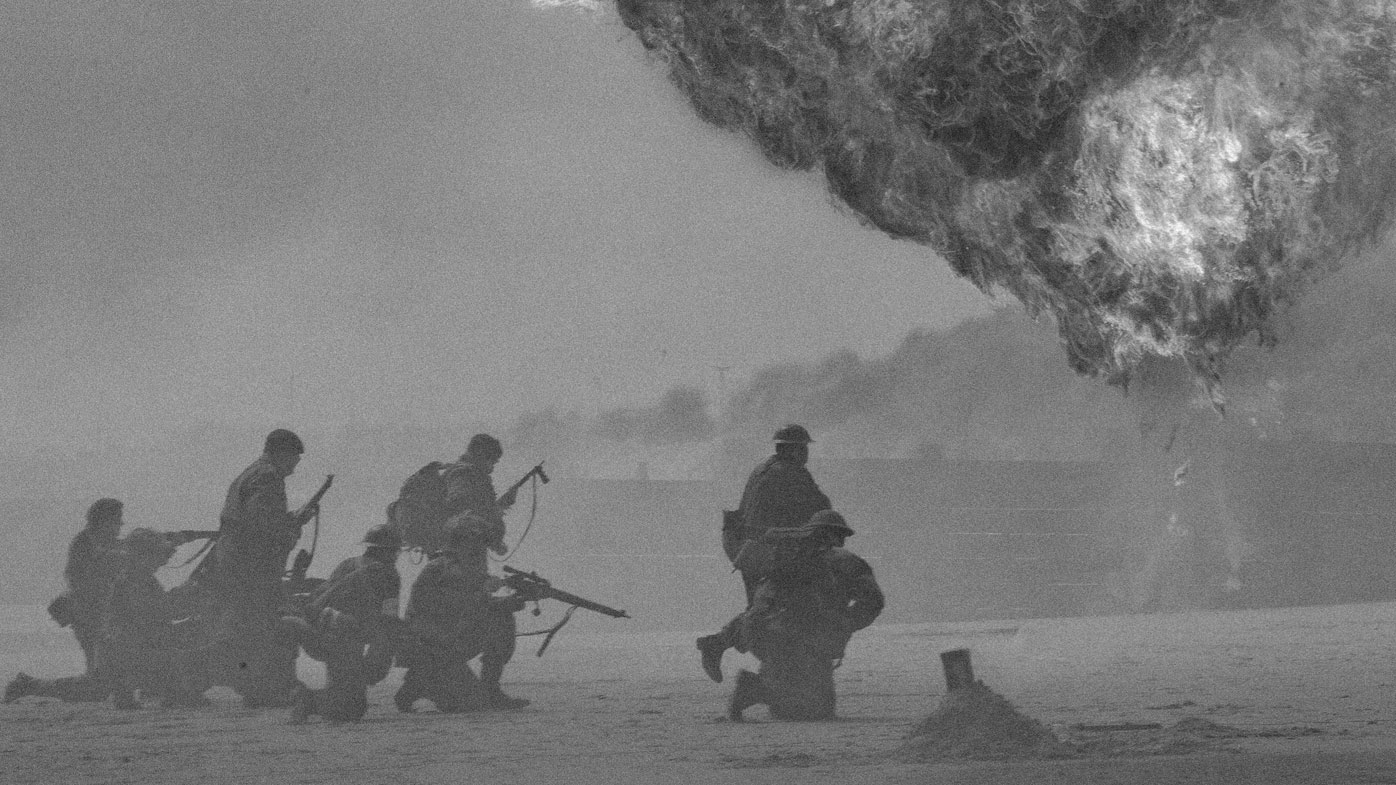
The top news photographs on April 16, 2003 - a day when 'bad news' prevailed.

Dr Zhong said traders could use the pessimism score to invest in exchange-traded funds (ETF) which mirror the performance of stock market benchmarks such as Australia's S&P/ASX 200 Index, or the S&P 500 and the Dow Jones Industrial Average in the US.

The study, Photo Sentiment and Stock Returns around the World, found that when people are in a bad mood and facing higher uncertainty, trends showed they tend to buy and sell more impulsively and intensively.

Dr Zhong said the pessimism score was "a good tool" which allows traders to get a snapshot of a market's mood in a "very short time".

The RMIT University study harnessed the powers of machine learning to scan an ocean of news photographs between 1995 and 2018, which were then applied to 37 stock markets around the world, including those located in developed and developing nations.

Machine learning and AI is already used by traders and companies to scan newspaper text but this method cannot easily overcome language barriers, meaning any analysis is often only a measure of the English-speaking developed world.

Dr Zhong said her study had developed a method which "transcended language barriers" so that the mood of global markets where all manner of foreign languages are spoken can be quickly gauged.

Research shows how investors can use news photos to better predict daily stock market returns.

The RMIT University study built further on work carried out by University of Missouri researchers who earlier this year devised a way to index daily investor sentiment using news photos in the US.

Dr Zhong said her study had trained the algorithm to recognise what constitutes good and bad news coverage in 37 markets, increasing the complexity and global accuracy of the University of Missouri research.

The pessimism score would often allow "predictability" of a market's mood and movements for up to 72 hours, she said.

"If it is good today, what you can do is buy the ETF index funds that check the ASX and (there is a) 95 per cent chance that they would go up for the next few days."

In trying to establish if a photograph was depicting good or bad news, the AI looked for clues such as body gestures, certain types of facial expressions, colours and subjects in the image.

"If you have guns and weapons, these tend to be related to war and this would indicate bad news," Dr Zhong said, while "blue sky, children smiling and families together" were more likely good news.

No trading houses or investment funds have enquired about the AI technology yet, Dr Zhong said.

2021 in review: Biggest national stories of the year

The information provided on this website is general in nature only and does not constitute personal financial advice. The information has been prepared without taking into account your personal objectives, financial situation or needs. Before acting on any information on this website you should consider the appropriateness of the information having regard to your objectives, financial situation and needs.