Tag Archives: oceania

Police officers who helped rescue Cleo Smith honoured

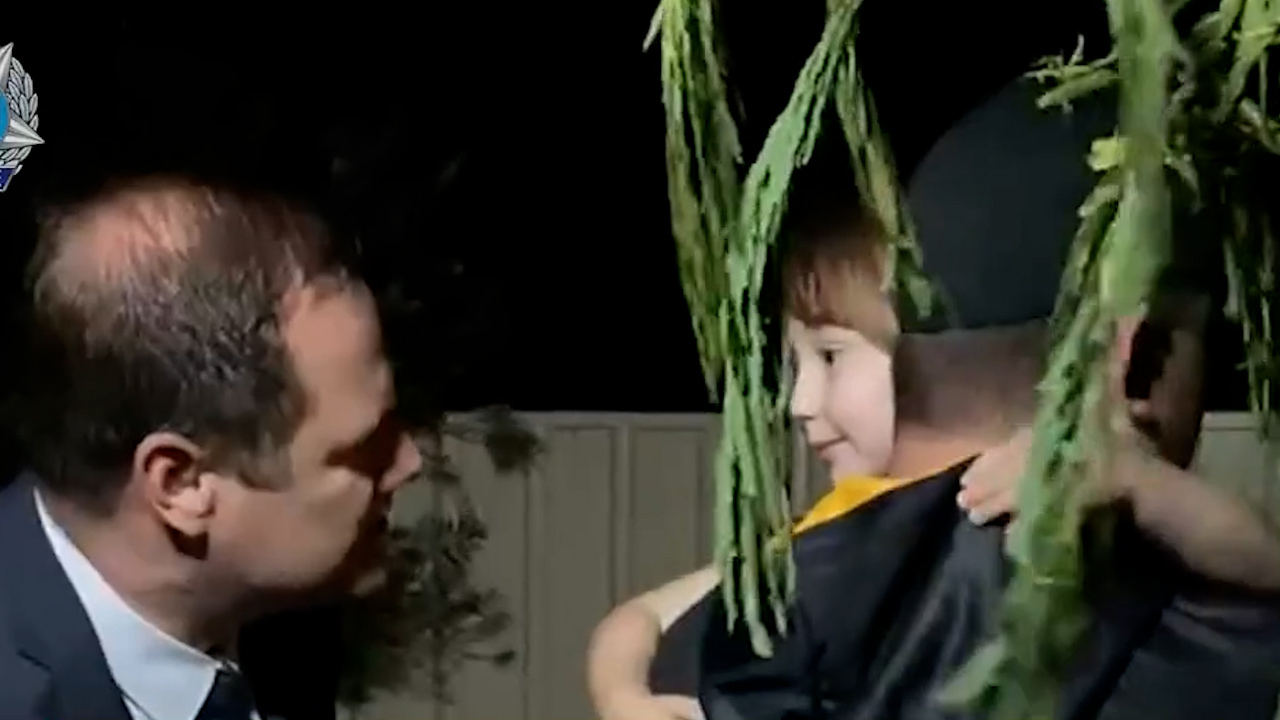
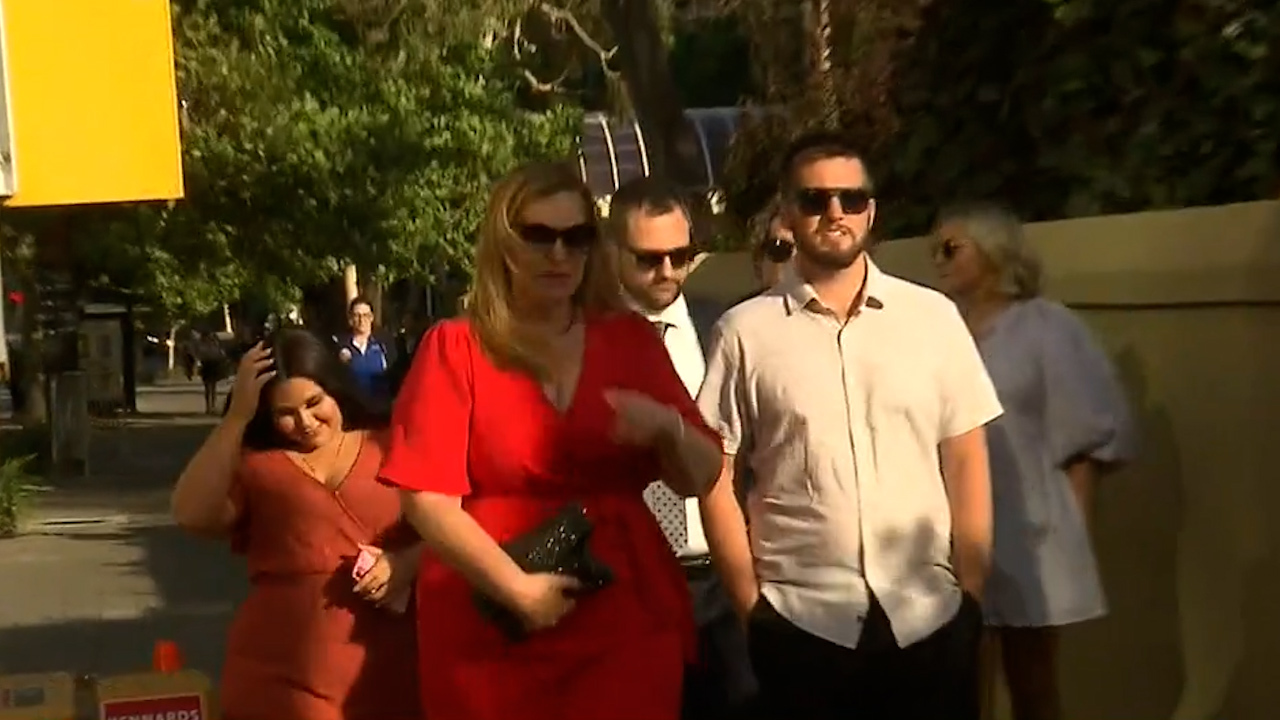
Cleo Smith's parents are helping to honour the police officers who helped rescue their daughter at a state reception at Government House in Perth.

Cleo was found in a home in Carnarvon on November 3 after going missing from Quobba Blowholes while camping with her family on October 16.

All 140 members of Taskforce Rodia who helped find Cleo were formally recognised, including the four officers who broke down a locked door to find the girl playing with toys.

READ MORE: Omicron variant case confirmed on NSW Central Coast

Cleo Smith's parents are helping to honour the police officers who helped rescue their daughter at a state reception at Government House in Perth. All 140 members of Taskforce Rodia who helped find Cleo were formally recognised, including the four officers who broke down a locked door to find the girl playing with toys.

The squad also apprehended the suspect in the case.

He was arrested not far from his home and charged over his alleged involvement in Cleo's disappearance.

The ceremony was hosted by Premier Mark McGowan and Western Australia Governor Kim Beazley.

Cleo was found in a home in Carnarvon early in the on November 3 after going missing from Quobba Blowholes while camping with her family on October 16.

Japan confirms its first case of Omicron as the world slams doors shut

Japan has confirmed its first case of the new Omicron COVID-19 variant as countries around the world continue to tighten and close borders to try to keep the strain at bay.

Japan's first case of the variant is a man in his 30s who arrived from Namibia on Sunday.

It has been revealed after Japan announced on Monday it would ban all foreign visitors beginning Tuesday as an emergency precaution against the variant.

The World Health Organisation warned on Monday the global risk from the Omicron variant is "very high" based on the early evidence, saying it could lead to surges with "severe consequences".

READ MORE: Death threat at Melbourne cafe over COVID-19 restrictions
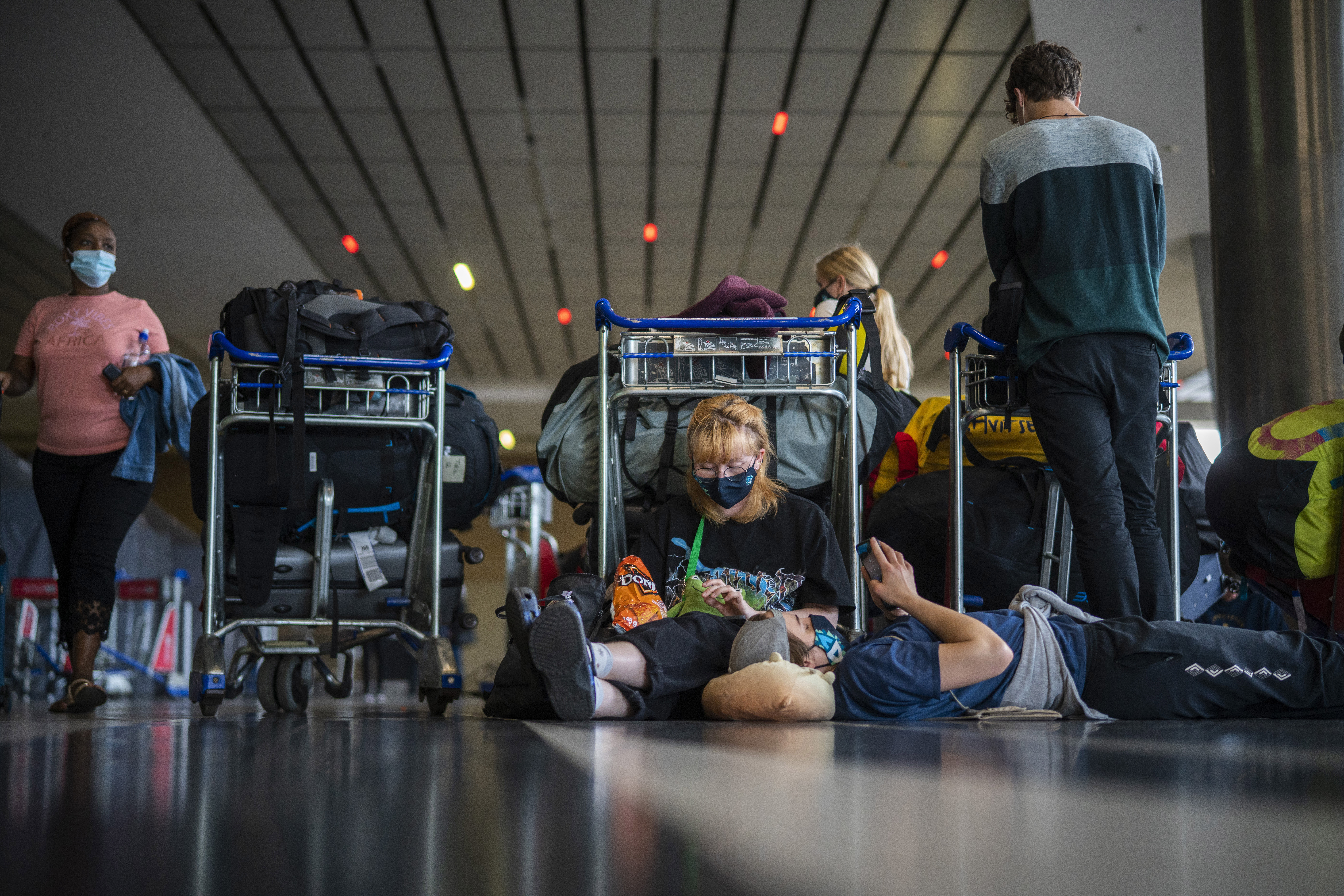
Other countries are also rushing to take measures to protect against the strain.

Switzerland will require travellers from Portugal, Nigeria, Canada and Japan to quarantine for 10 days from midnight tonight local time, due to the presence of the variant in those countries.

Travellers from those countries will also require a negative test before boarding flights to Switzerland.

Meanwhile, Chile will close its borders to non-resident foreigners who have been to any of seven specified southern African nations in the last 14 days.

Those countries are South Africa, Zimbabwe, Namibia, Botswana, Lesotho, Eswatini and Mozambique.

The border restrictions will serve as prevention against the omicron variant of coronavirus, identified for the first time in South Africa, said the undersecretary of Healthcare Networks, Alberto Dougnac.

In Germany, chancellor Angela Merkel will hold talks with the governors of the country's 16 states today amid growing concerns about the steep rise in new COVID-19 cases in the country.

A third case of the Omicron variant was detected on the weekend in the central German state of Hesse. The previous two were detected in Munich, Bavaria.

READ MORE: What we know about Omicron, the new COVID-19 variant

Canada has now confirmed at least three cases of the Omicron variant, and health officials in several provinces said "dozens" more cases are under investigation.

More than a hundred travellers from southern African countries were asked to take a new COVID-19 test and isolate, Quebec's health minister Christian Dubé said.

Mr Dubé also suggested that Nigeria should possibly be added to the list of countries currently included in a travel ban to Canada.

Japan announced it would bar entry of all foreign visitors, while new cases of the variant identified days ago by researchers in South Africa appeared in places such as Hong Kong and Australia.

New cases in Portugal and Scotland might already point toward local spread of the variant outside of southern Africa.

"There might already be some community transmission of this variant in Scotland," First Minister Nicola Sturgeon said after Scotland reported its first six cases.

The infections showed the near impossibility of keeping the genie in the bottle in a globalised world of travel and open borders.

Yet, many tried to do just that, even against the urging of the World Health Organisation, which noted that border closings often have limited effect and can wreak havoc on lives and livelihoods.

Some argued that such restrictions could provide valuable time to analyse the new variant. Little is known about it, including whether it is more contagious, more likely to cause serious illness or more able to evade the protection of vaccines.

Praise for Botswana, South Africa

The WHO warned, however, that "the likelihood of potential further spread of Omicron at the global level is high. Depending on these characteristics, there could be future surges of COVID‐19, which could have severe consequences."

While the initial global response to COVID-19 was criticised as slow and haphazard, the reaction to the new variant came quickly.

READ MORE: New search for missing campers after murder charge
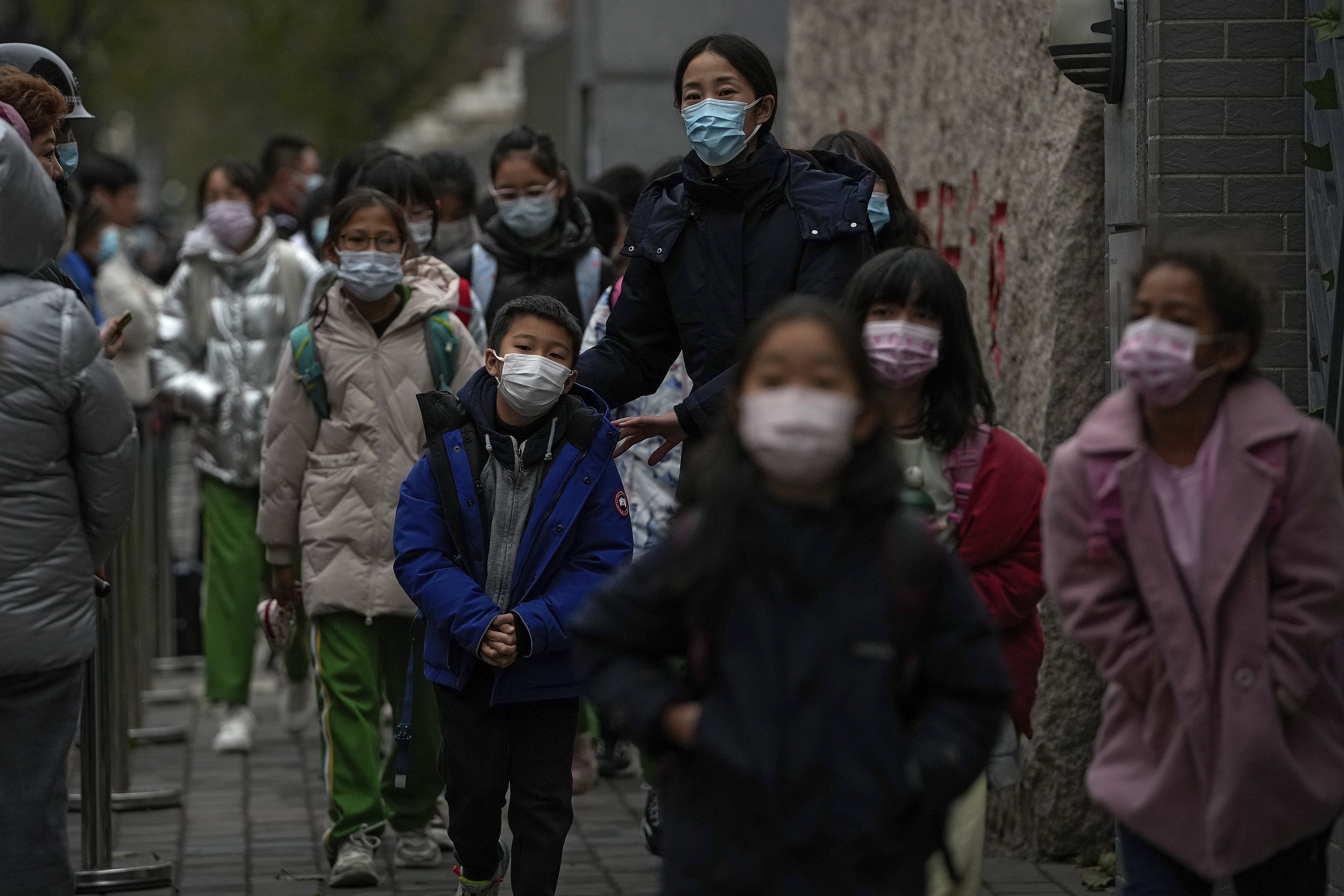
"This time the world showed it is learning," said European Union Commission President Ursula von der Leyen, singling out South African President Cyril Ramaphosa for praise. "South Africa's analytic work and transparency and sharing its results was indispensable in allowing a swift global response. It no doubt saved many lives."

The WHO has praised Botswana as well as South Africa for quickly alerting the world to the presence of the new variant — and many have warned the countries should not be punished for their speed.

But that did not hold von der Leyen back from pushing the 27-nation EU toward imposing an immediate ban on flights from seven southern African nations — similar to measures many countries have taken.

Cases had already been reported in Belgium, Denmark and the Netherlands before Portuguese authorities identified 13 cases of Omicron among team members of the Belenenses professional football club. Authorities reported that one member recently traveled to South Africa. Its game against Benfica over the weekend had be abandoned at halftime for lack of players.

READ MORE: Exhausted nurses walk away from jobs amid staff shortages
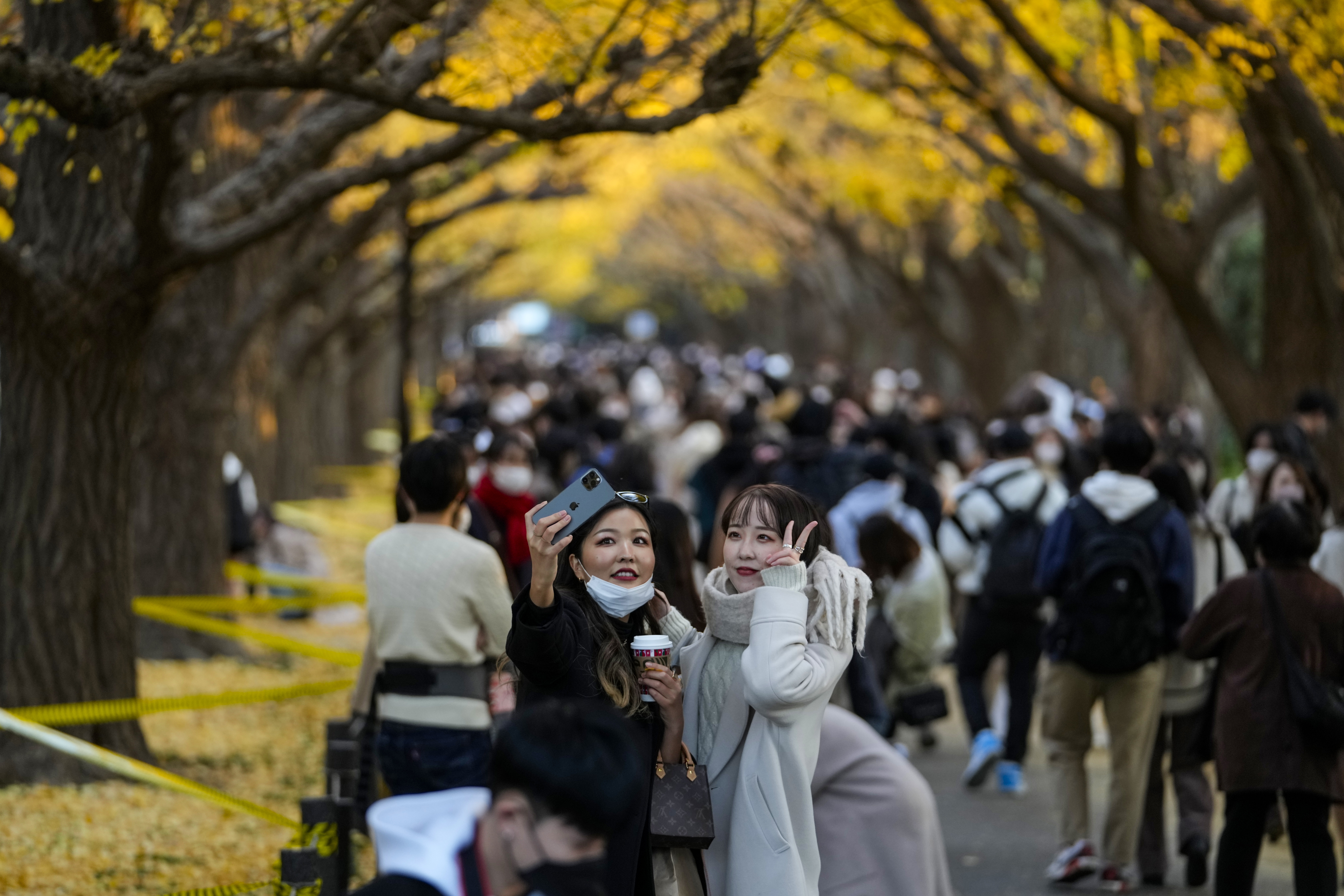
Quarantining also became an issue when Dutch military police had to arrest a husband and wife who left a hotel where they were being held after testing positive and boarded a plane bound for Spain.

"Quarantine is not obligatory, but we assume people will act responsibly," spokeswoman Petra Faber said.

Japan shuts borders without any cases

Taking no chances, Japan, which has yet to detect any Omicron cases, reimposed border controls that it eased earlier this month for short-term business visitors, foreign students and workers.

READ MORE: Warning China faces 'colossal outbreak' from US-style reopening
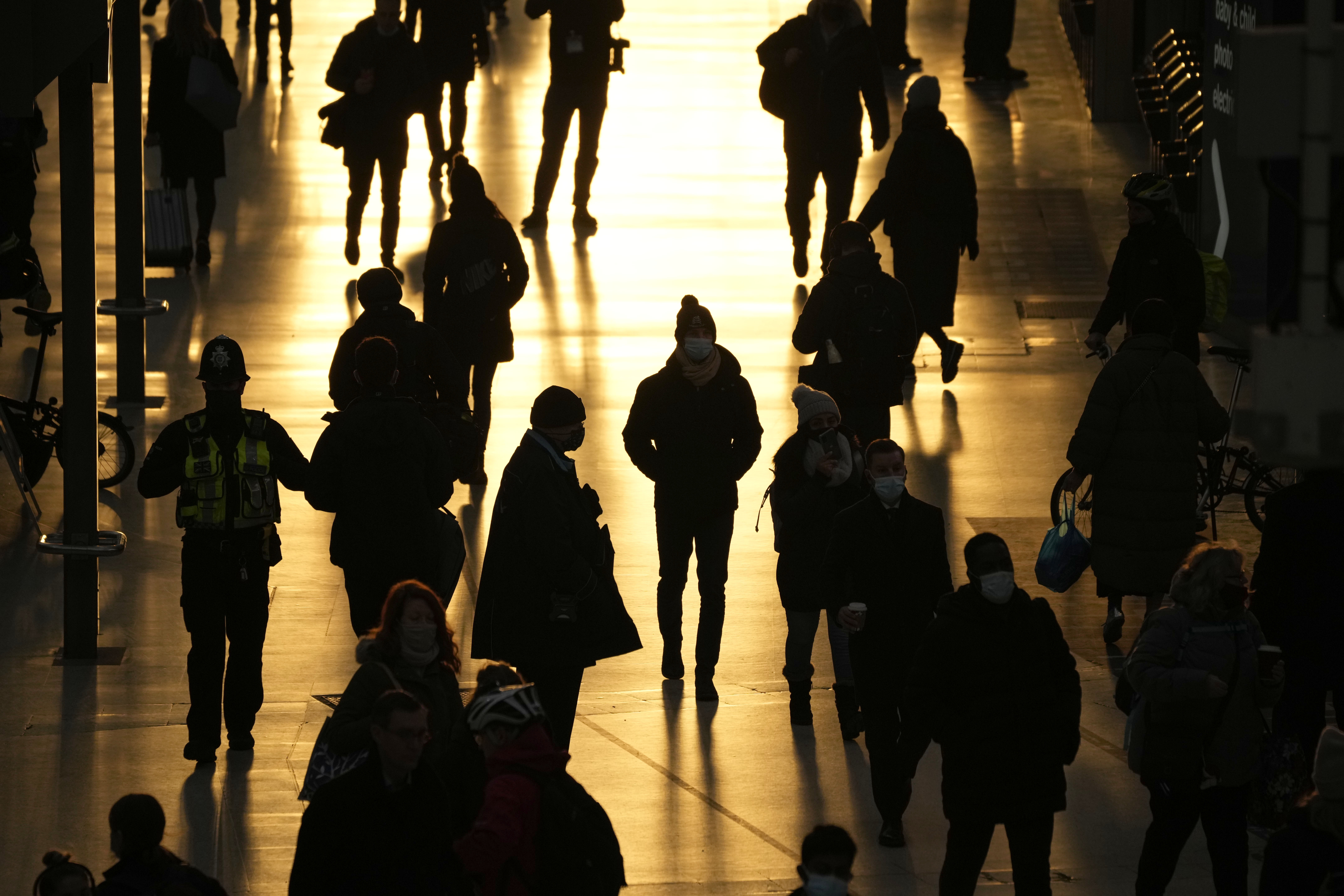
"We are taking the step as an emergency precaution to prevent a worst-case scenario in Japan," Prime Minister Fumio Kishida said. The new measures begin Tuesday.

Israel likewise decided to bar entry to foreigners, and Morocco said it would suspend all incoming flights for two weeks starting Monday.

Despite the global worry, scientists cautioned that it is still unclear whether Omicron is more alarming than other versions of the virus that has killed more than 5 million people.

And in some parts of the world, authorities were moving in the opposite direction.
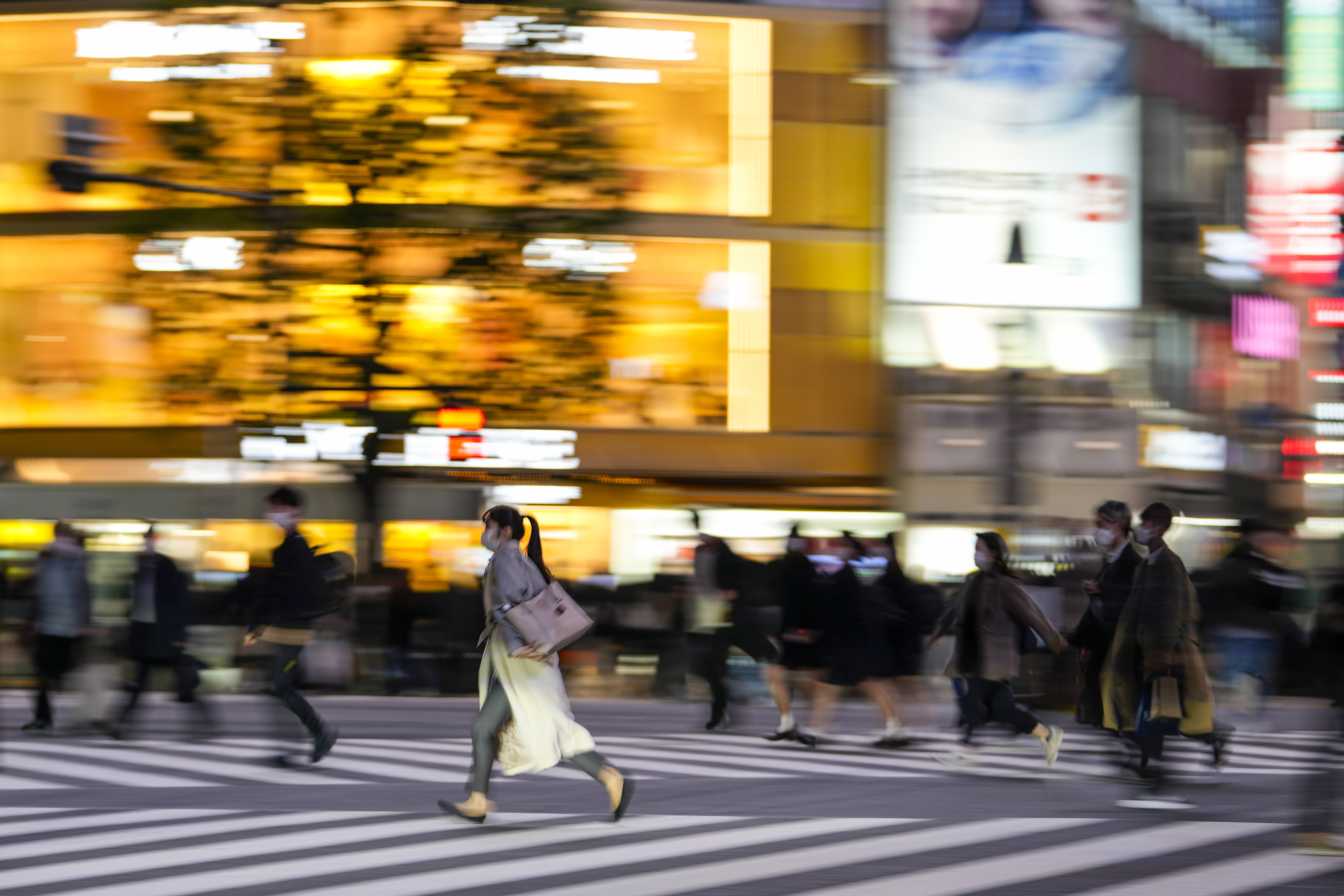
In Malaysia, officials went ahead with the partial reopening of a bridge connecting it to the city-state of Singapore. And New Zealand announced it will press ahead with plans to reopen internally after months of shutdown, though it is also restricting travel from nine southern African nations.

Prime Minister Jacinda Ardern said that she didn't anticipate any further restrictions and that bars, restaurants and gyms in Auckland can reopen, ending a coronavirus lockdown that began in August.

"We've come through the past two years of COVID in better shape than nearly anywhere in the world," Ardern said, pointing to low death rates, a growing economy and high vaccination rates.

READ MORE: What we don't know about the Omicron variant
Dr Francis Collins, director of the National Institutes of Health in the United States, meanwhile, said no data as yet suggests the new variant causes more serious illness than previous versions.

Collins echoed several experts in saying the news should make everyone redouble their efforts to use the tools the world already has, including vaccinations, booster shots and measures such as mask-wearing.

The US is banning travel from South Africa and seven other southern African countries starting Monday. "It's going to give us a period of time to enhance our preparedness," the United States' top infectious disease expert, Dr Anthony Fauci, said on ABC's This Week.
Fauci said it will take approximately two more weeks to have more definitive information on the transmissibility, severity and other characteristics of Omicron, according to the White House.
Two men charged with murder of young Melbourne rapper

Two men have today been charged with the murder of young Melbourne rapper Chris Habiyakare.

An 18-year-old Broadmeadows man and a 19-year-old Ascot Vale man from have each charged with murder as part of the investigation into the death of the 24-year-old Sunshine North man.

Mr Habiyakare was shot at his Essex Street home on the evening of August 24 and died at the scene, despite treatment from paramedics.

READ MORE: Police officer allegedly 'king hit' by teen after Melbourne beach party

Police made two appeals for information earlier this month in their search for those responsible for the death.

The two men charged will both appear before the Melbourne Magistrates' Court later this evening.

Tributes for Melbourne nurse who died from COVID-19

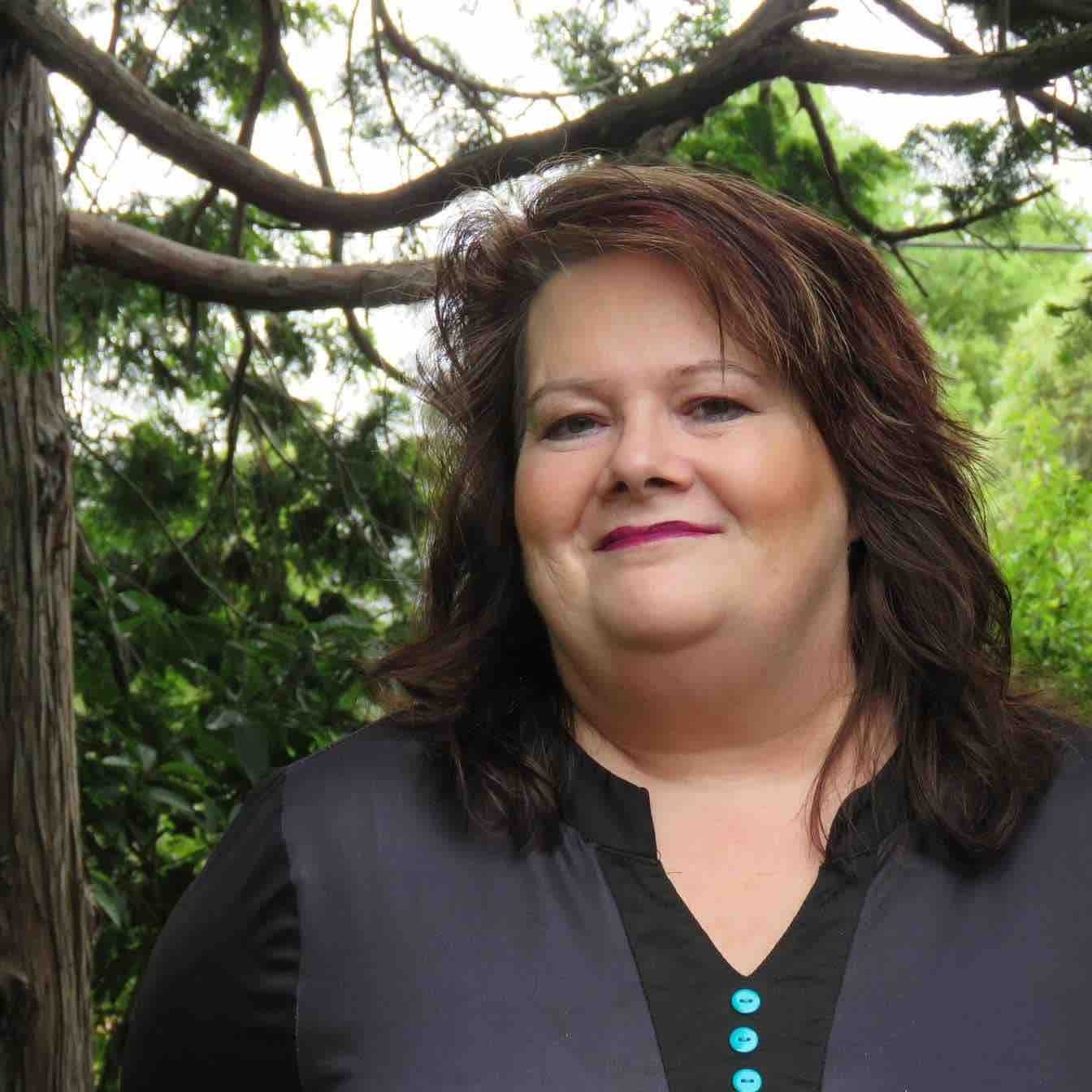
Tributes are flowing for a Melbourne nurse who has died from COVID-19 inside an intensive care unit.

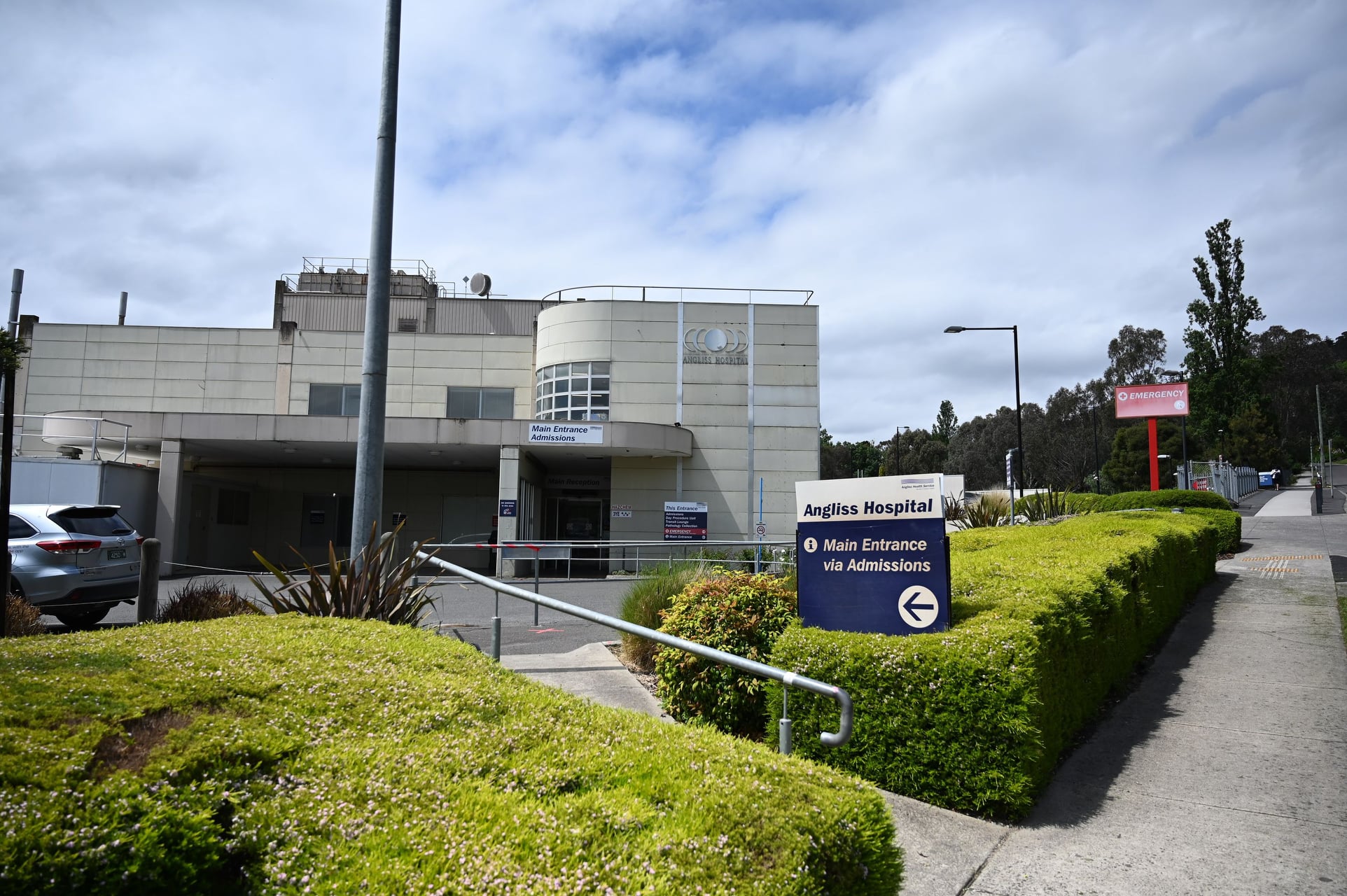
Gillian "Jill" Dempsey is believed to have been the first Victorian hospital worker to have died from coronavirus after she passed way in intensive care at Box Hill Hospital on Sunday afternoon.

Her employer, Eastern Health, has released a statement mourning the passing of the "colleague and friend".

READ MORE: Human remains found in search for Victorian missing campers

It remembers Ms Dempsey as "an incredibly caring wife and mother", who is survived by her husband Michael and their three children.

"Jill commenced work at Eastern Health in 2007 and has been an incredibly hard working and beloved night shift nurse in the Angliss Hospital Emergency Department," the statement reads.

"Her colleagues speak highly of the care, warmth and compassion that Jill demonstrated every day.

"Her loss will reverberate around the tight-knit team at the Angliss Hospital and our thoughts are with her family, friends and colleagues at this time."

https://twitter.com/JillHennessyMP/status/1465570439091003392

The Victorian branch of the Australian Nursing and Midwifery Federation has also issued a statement following Ms Dempsey's death.

"It is with the heaviest of hearts we acknowledge the death of Angliss Hospital emergency department nurse Jill Dempsey after contracting COVID-19," the statement reads.

"Our thoughts are with Jill's family, friends and nursing colleagues.

"We have been very fortunate despite a large number of nurses testing positive.

"This is something we feared and a sobering reminder that nurses, midwives and all healthcare workers are on the pandemic frontline.

"We acknowledge their bravery and courage. This is a reminder of how vulnerable they are.

"Nurses and midwives don't want to be heroes, they want to go home to their families and loved ones at the end of a shift."

The union has urged everyone to take COVID-19 seriously.

"Please know nurses, midwives and personal care worker are doing everything they can to care for you. Please take every measure you can to take care of them."

The union has reminded nurses and midwives that support is available to any who need it.

An online fundraising account has been set up to raise funds for her family following her death.

Human remains found during search for missing campers

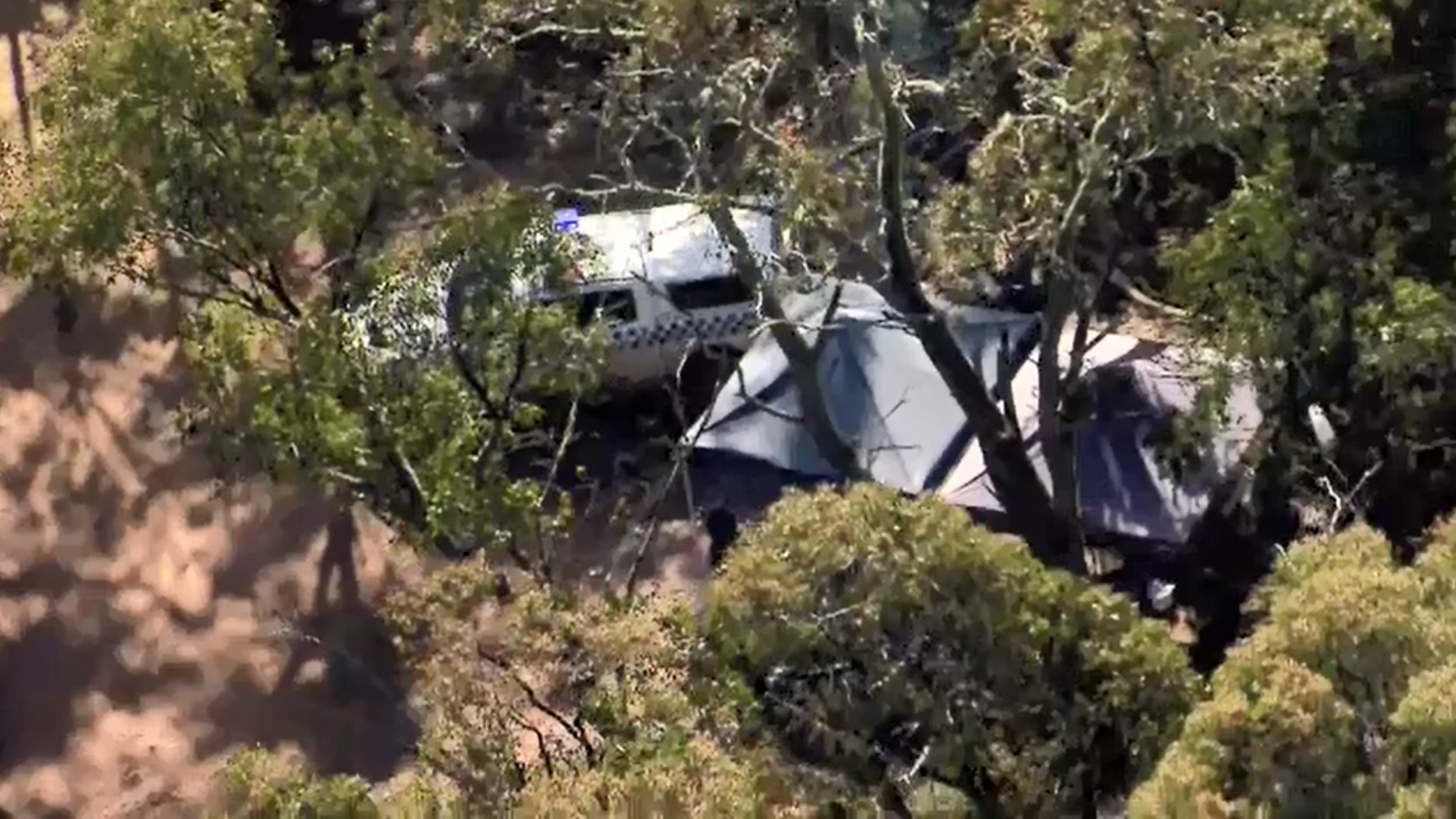
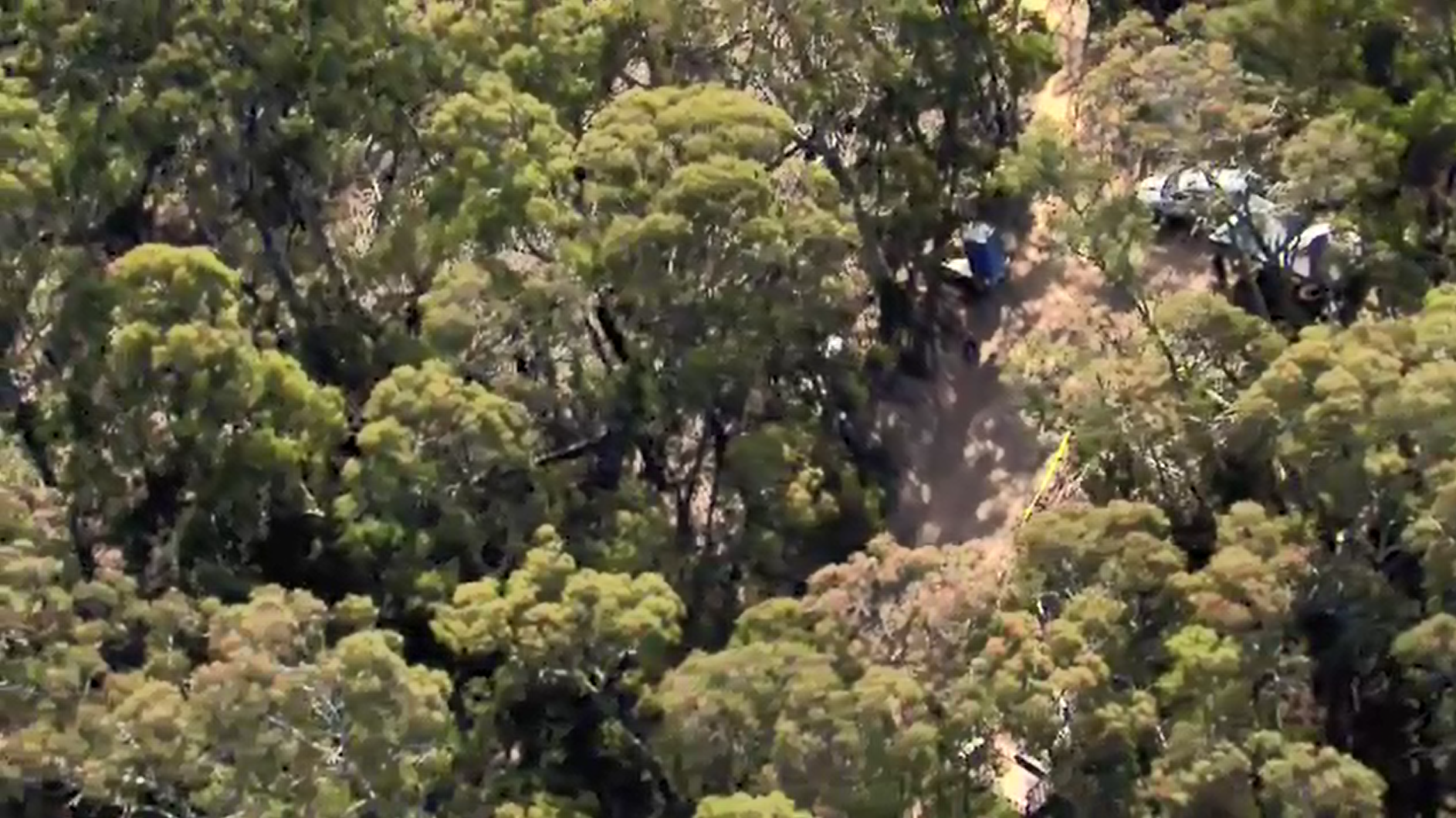
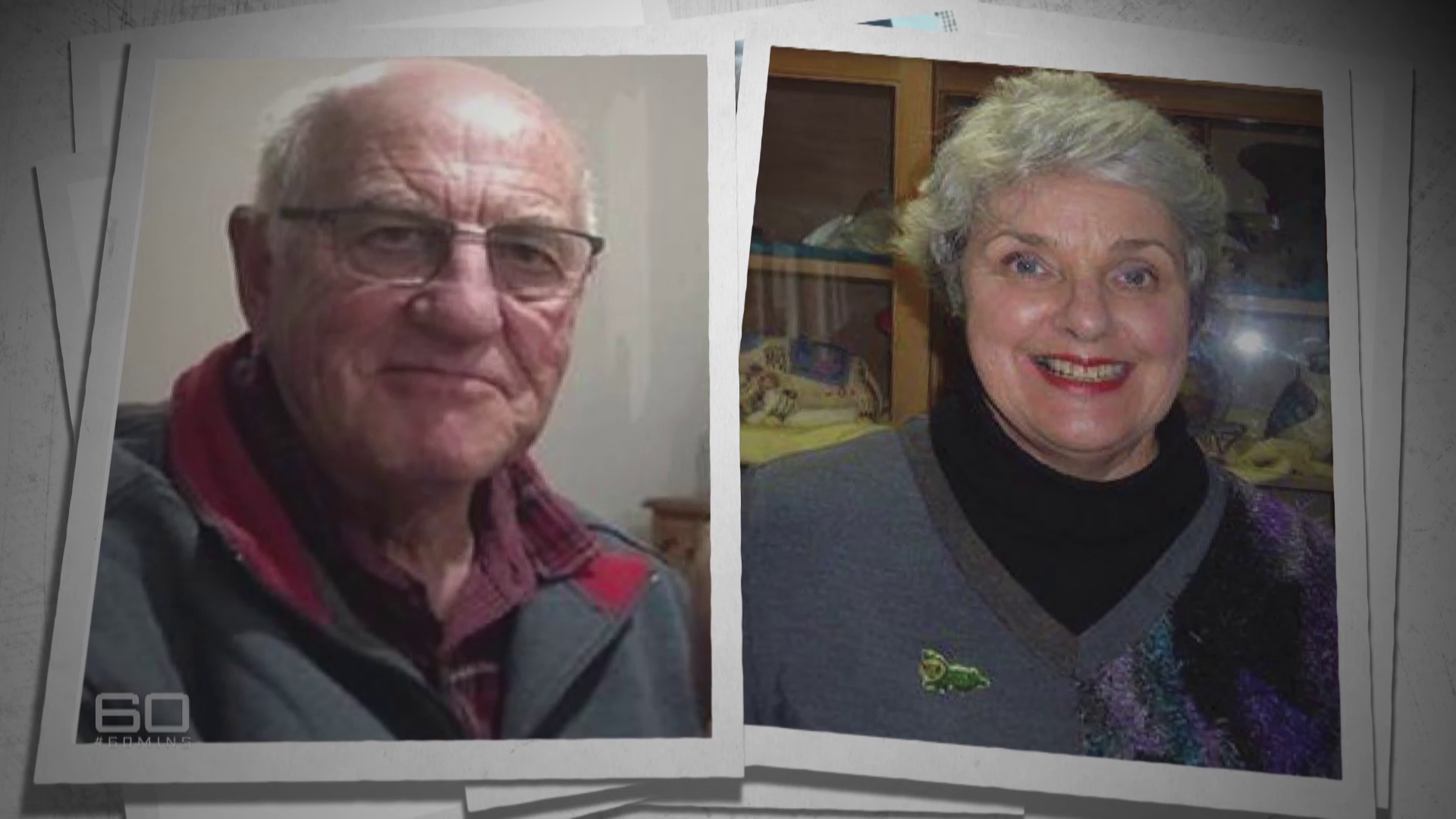
Human remains have been discovered during the search for missing Victorian campers Russell Hill and Carol Clay.

Police have advised that searchers have found human remains in bushland near Dargo on day two of their search for the pair, who have not been sighted for more than 20 months.

"The remains are yet to be formally identified and it is expected this process will take some time," a police spokesperson has advised.

READ MORE: World slams doors shut as fear grows of Omicron variant

Residents of Victoria's high country were this morning called on to help in the search.

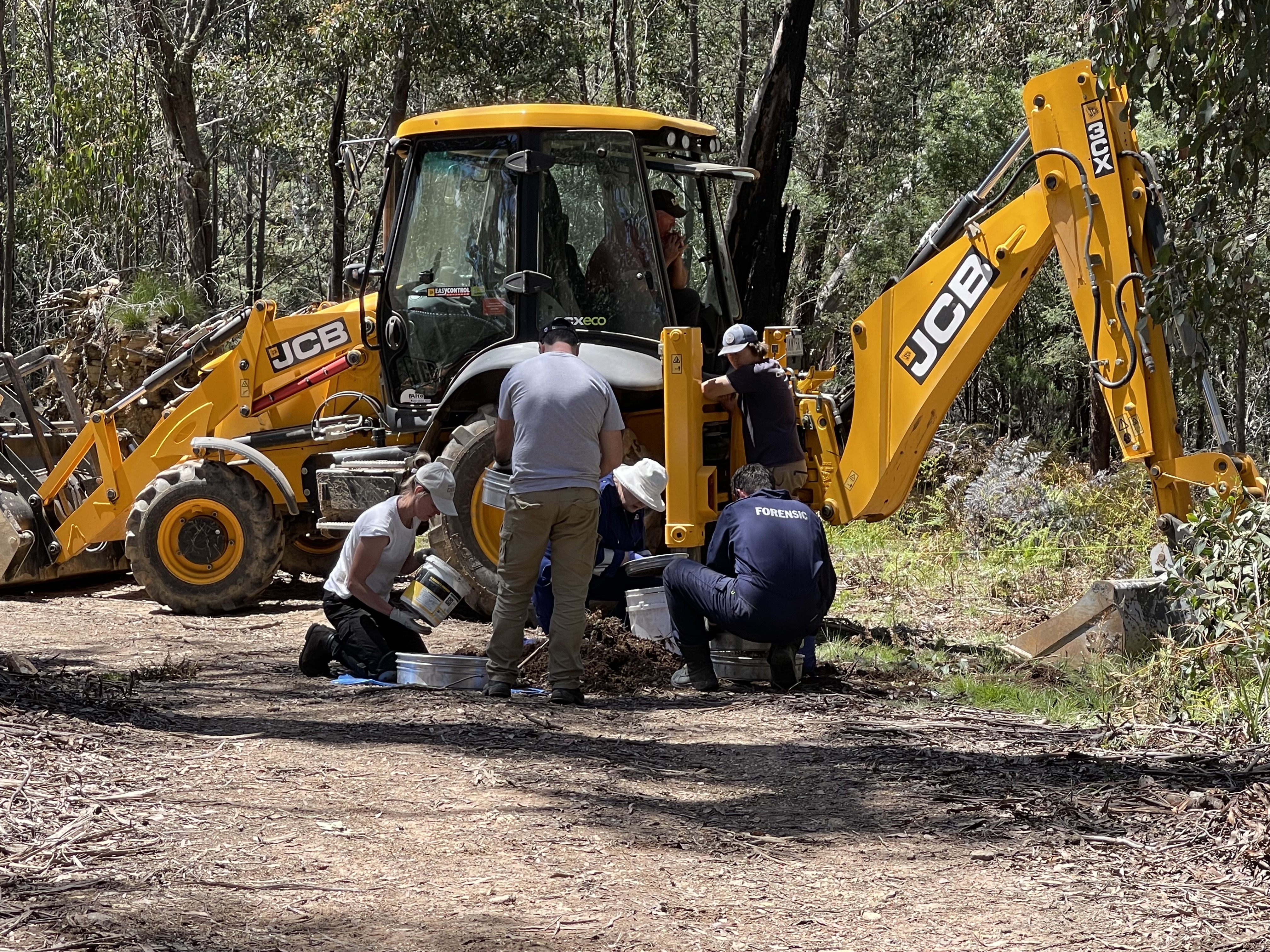
Locals helped police bring a large excavator and a bobcat to the remote search site, which is about 15km north of the tiny town of Dargo in Victoria's alpine region.

The area police are scouring is an old goldmining area known as the Grant Historic Area.

It is riddled with tough terrain, mine shafts, steep hills and dense bushland.

Forensics officers, the missing persons squad and search and rescue police are among the search crew.

The search started mid-afternoon yesterday and was halted overnight.

It is understood that police did not find anything of note yesterday.

East Gippsland and Wellington police Inspector Matt Gleeson yesterday told the ABC that "a considerable number of police specialist resources" were involved in the search.

"It is going to be a painstaking search that could take some considerable time," he said.

Mr Hill, 74, and Ms Clay, 73, have been missing since they vanished while camping in the Wonnangatta Valley on March 20 last year.

READ MORE: Trailblazing star David Dalaithngu dies after battle with lung cancer

Pilot Greg Lynn, 55, was charged with two counts of murder on Thursday.

He's been remanded in custody and will face court in May next year.

Search for Revelle Balmain clues at three properties in Sydney's east

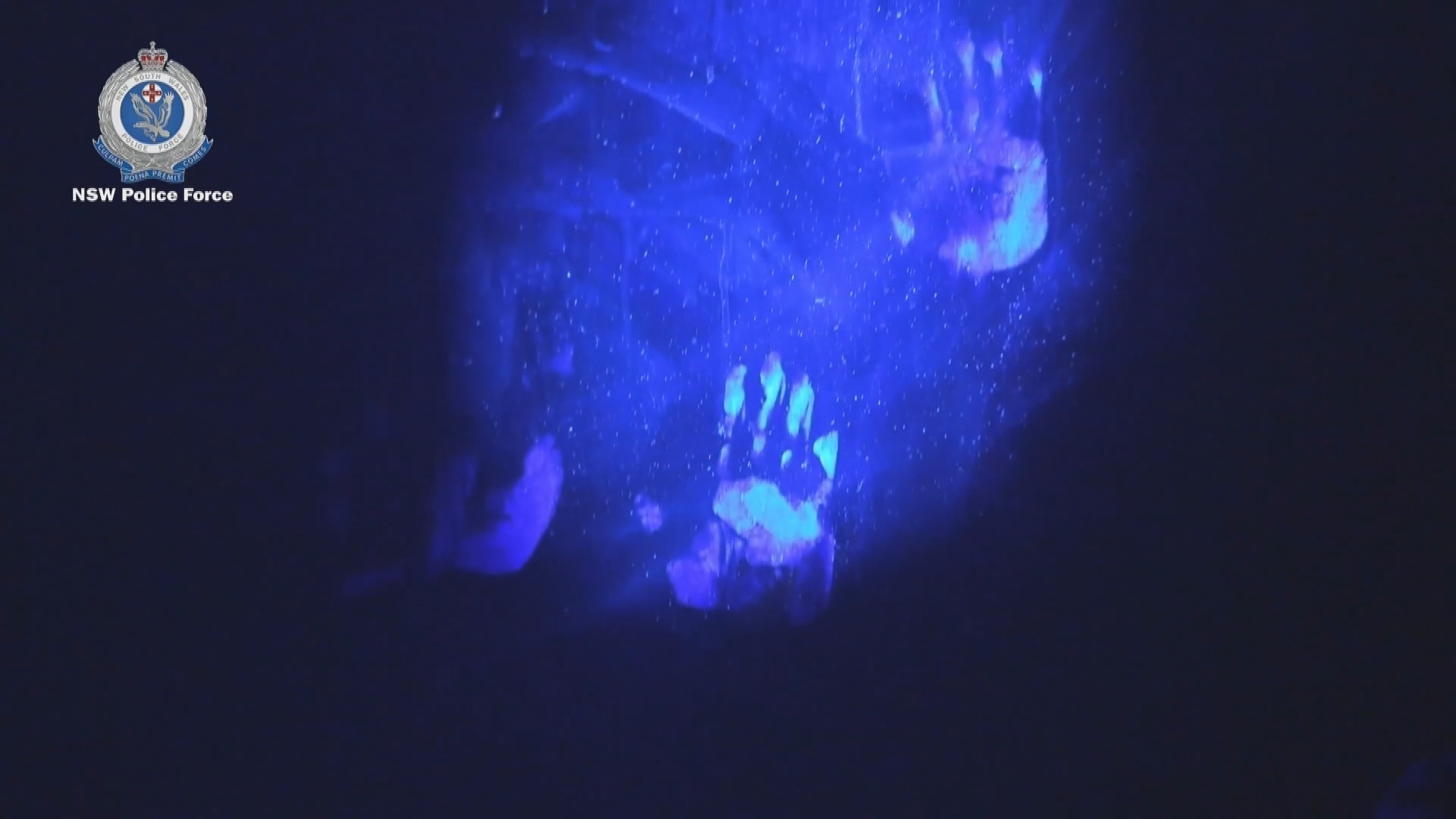
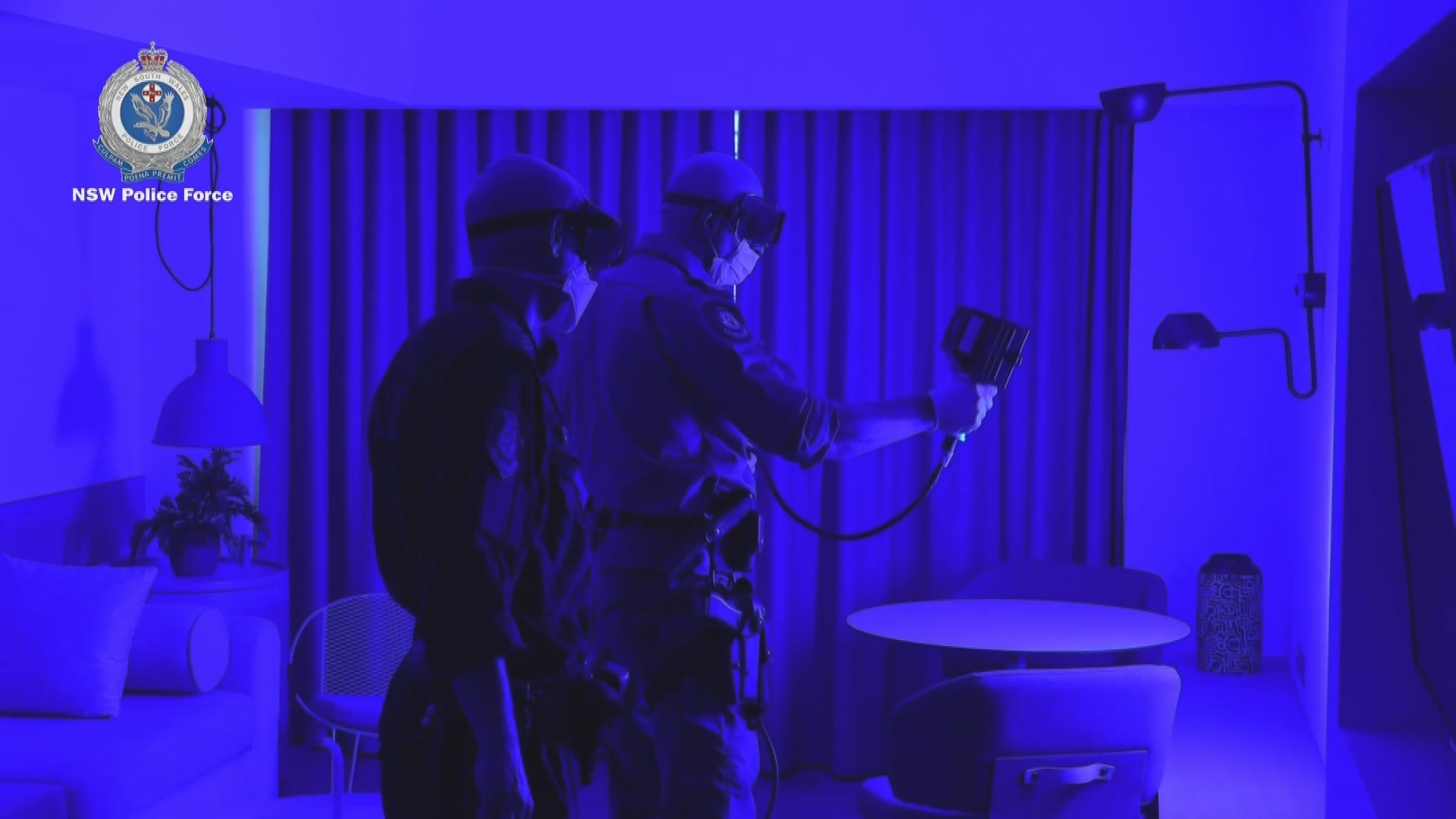
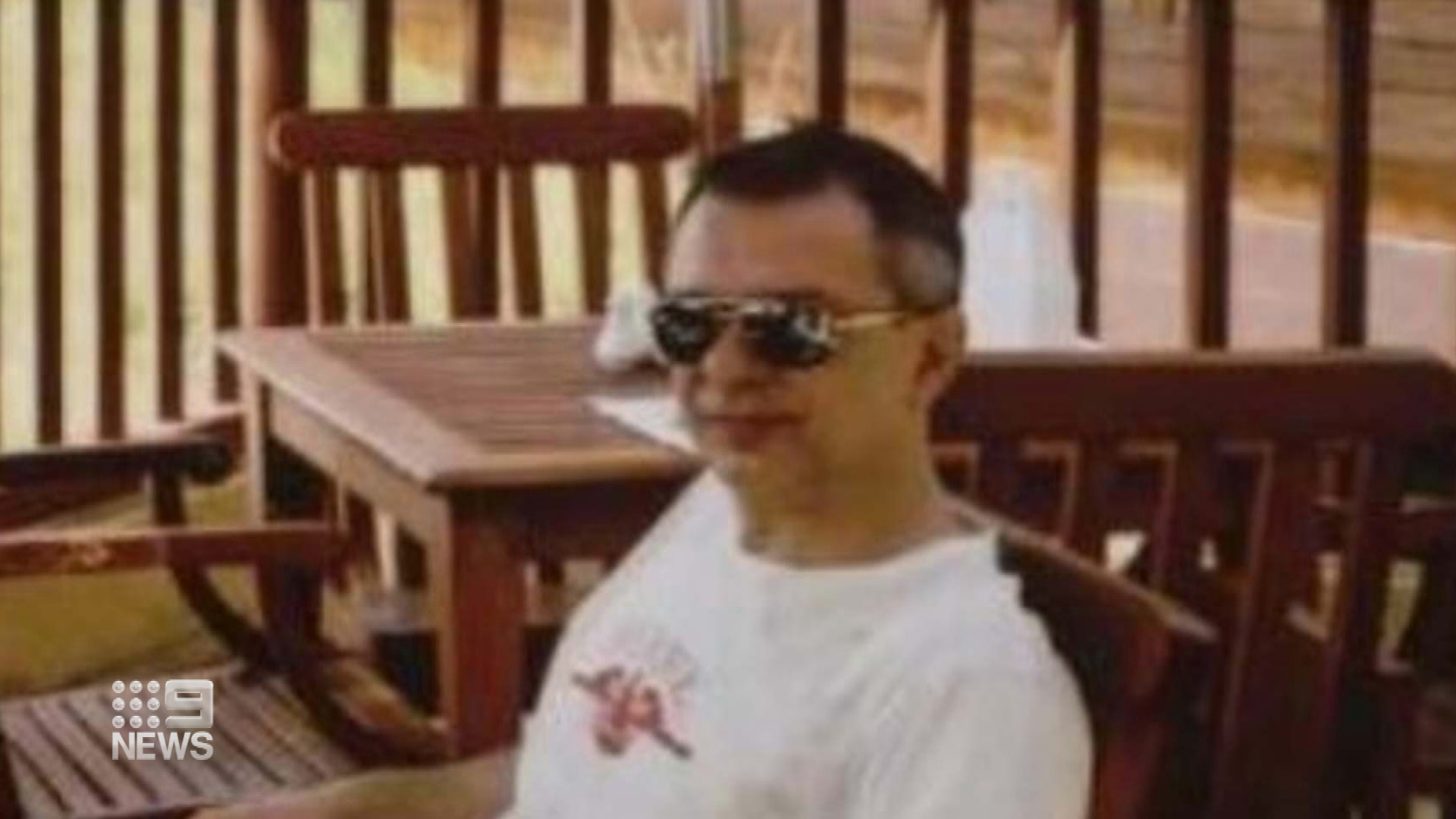
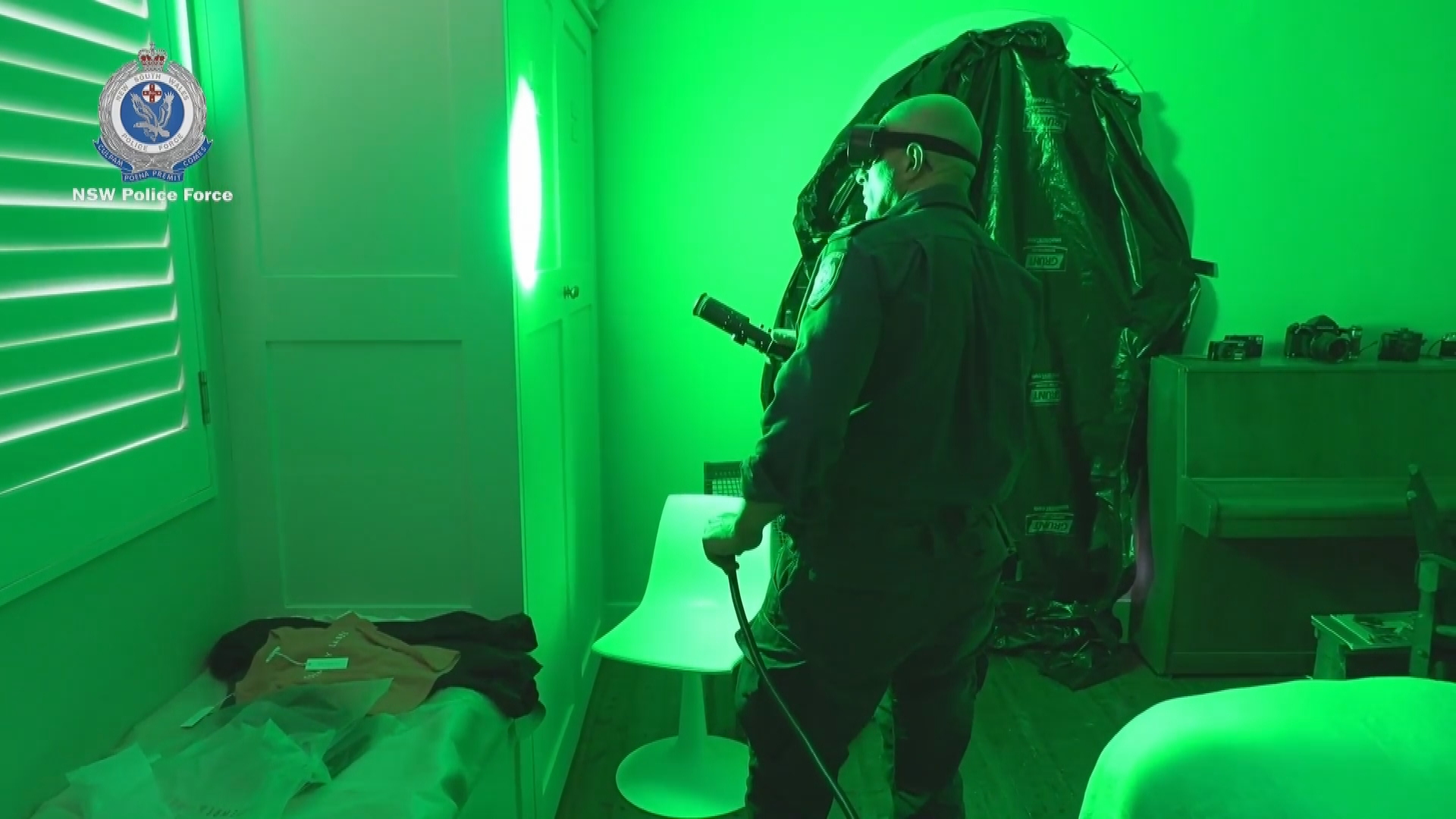
Police are "forensically searching" three properties in Sydney's eastern suburbs, hopeful new information can finally solve the 1994 disappearance of Revelle Balmain.

The three properties of "significant" interest, where searches will begin from 9am, are located at Bellevue Hill, Bondi Beach and Potts Point.

Ms Balmain, then aged 22, was last seen in the Kingsford area on November 5, 1994.

READ MORE: Queensland braces for another day of heavy rain

Her personal property – including a make-up bag, keys and a shoe – was later found scattered near Ainslie Street.

She was reported missing later that evening and hasn't been seen or heard from since.

"We are now exploring a new line of inquiry and believe these locations are of significance and will help us progress the investigation," Detective Chief Inspector Stuart Bell said.

A new lead today saw three locations in the eastern suburbs probed for DNA evidence: the former Swiss Grand Hotel in Bondi; a long-gone brothel in Potts Point; and the Bellevue Hill apartment where Ms Balmain lived were searched.

Forensic searches conducted as inquiries continue into 1994 disappearance of Revelle Balmain Forensic searches conducted as inquiries continue into 1994 disappearance of Revelle Balmain

A $1 million reward for information about Ms Balmain's disappearance, announced in May, was linked to today's sudden search developments.

"Following the $1 million reward announcement and additional public appeals for information, we are now exploring a number of new lines of inquiry," Detective Chief Inspector Bell said.

A photo of an unknown man was sent to Strike Force Aramac detectives as a result of the reward.

READ MORE: Queensland family returns from picnic to find snake in their car

The $1 million reward resulted in a photo of an unknown man being sent to police in relation to Revelle Balmain.

"We're trying to identify his location and his associates on the night of November 5 1994," Chief Inspector Bell said.

"We're looking at a person that was previously unknown to Revelle who may have met her on the night of her disappearance."

Despite extensive investigations by local police at the time and over the years, no one has been charged in relation to her disappearance.

Before her disappearance, Ms Balmain had told friends she had fallen in love and was about to embark on a six-week dance tour of Japan.

She was working as a sex worker but November 5, the day she was last seen alive, was meant to be her last shift.

READ MORE: Mystery photo could hold clue to disappearance of model 26 years ago

Forensic searches conducted as inquiries continue into 1994 disappearance of Revelle Balmain

But she wasn't seen again publicly after her agency's driver dropped her at an address in Kingsford.

Ms Balmain's boyfriend at the time reported her missing that night, followed by her mother the next day.

A 1999 coronial inquest found Ms Balmain had died at the hands of a person or persons unknown, and the matter was referred to the Unsolved Homicide Unit for future investigation.

The new lines of inquiry will likely see another inquest.

Earlier this year, Ms Balmain's half-sister Suellen Simpson opened up about the grief of losing her.

"For many years, our family worked tirelessly to find out what happened to my sister – but sadly both our mother and Revelle's father, Ivor, passed away without ever knowing what happened to their little girl," Ms Simpson said.

READ MORE: National Cabinet meets today to discuss Omicron measures

The disappearance of Revelle Balmain has never been solved.

"Losing someone that is close to you – you're never the same person again.

"I truly hope this reward will prompt someone to come forward with information that will help police find those responsible for Revelle's disappearance.

"It is my personal hope that this reward may also help us find Revelle – so that I may finally put her to rest."

The properties searched today will be subjected to an "extensive forensic examination" by specialist officers.