By RNZ A Māori health leader says Covid-19 vaccine acceptance in Māori is surging and vaccination rates could reach as high as 97 percent.Auckland’s three district health boards (DHB) are closing in on a significant…
Tag Archives: oceania
Glen Eden police shooting: Man was a former welder who 'kept to himself', neighbours say
A man fatally shot by police after a stand-off in West Auckland was a former welder, known as Tex, who had a large family and “kept to himself”, a neighbour told the Herald. He opened fire on officers, injuring three, before police…
Covid 19 Delta outbreak: New case in Nelson unlinked
Health officials are investigating a possible source of infection in Nelson as a new case of Covid-19 is not linked to any existing cases.A new case has been reported today, bringing the total number in the Nelson community to four.Covid-19…
The unstoppable wall of burning rock burying a Spanish island
New lava tubes from the Cumbre Vieja volcano on Spain's La Palma island have sent molten lava flowing downhill at speeds of up to one metre per second since Monday, according to the Canary Islands Volcanology Institute.
Marathon debate on Victoria's pandemic bill ends
The marathon parliamentary debate on Victoria's controversial pandemic bill has come to an end for today following a lengthy 21-hour session that continued well into the night.
The bill has been sent back to the lower house with its suggested six amendments before returning to the upper house tomorrow for a final vote.
The proposed legislation is expected to pass parliament after a crossbencher yesterday confirmed he would support an amended version of the bill.
READ MORE: Teen drowns after falling into Melbourne's Yarra River
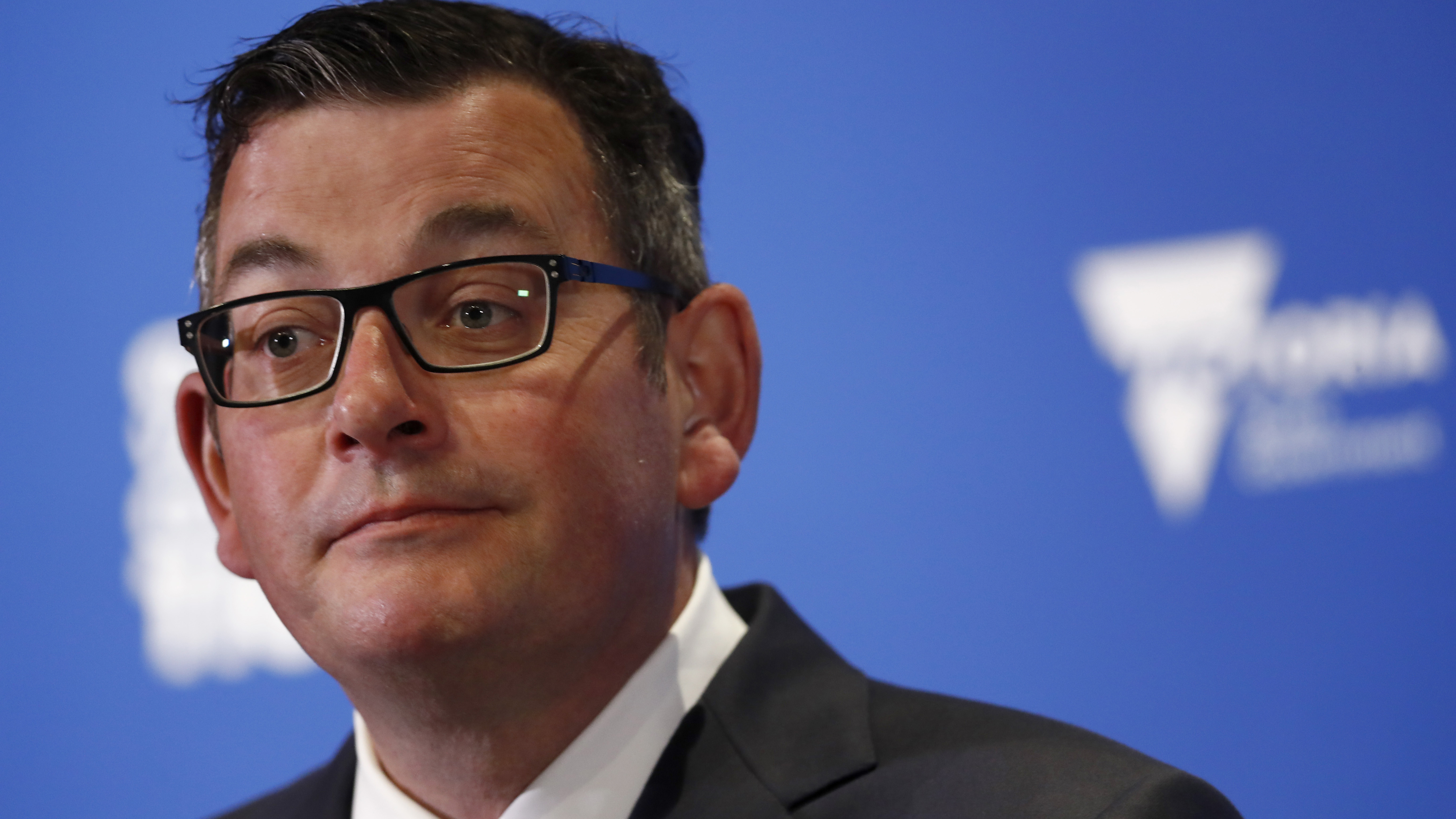
Transport Matters MP Rod Barton agreed to vote in favour of the contentious bill if six key amendments to the legislation were made, including the establishment of a joint parliamentary committee to review public health orders and an independent panel to review appeals to detention under public health orders.
The Andrews government agreed to the six amendments to get the bill over the line in a race against time before the state of emergency powers end on December 15.
READ MORE: What we know about Omicron, the new COVID-19 variant
Victorian Ombudsman Deborah Glass today said she was "pleased" the government had listened to her concerns about the need for independent review and oversight in the bill.
"The addition of the proposed Detention Appeals Panel is an important reform, with independent members now being the ultimate decision-makers for people detained seeking review," she said.
"People will also be able to complain to the Ombudsman.
"The introduction of a proposed new cross-party parliamentary committee to review a pandemic order is also a welcome improvement."
Speaking while walking into State Parliament yesterday, Premier Daniel Andrews said the pandemic bill encompassed the "rules we need", with the new Omicron variant highlighting the COVID-19 pandemic was far from over.
"If we want to protect those who are not vaccinated, can't get vaccinated, in aged care, have underlying health conditions – this is not over," he said.
A statement from the Victorian Government said the emergency powers were needed to keep the state safe.
"Over the past fortnight, we offered negotiations to the entire crossbench, giving them the opportunity to work with us on changes to this bill that would ensure Victoria has such a framework in place," the statement read.
"These were rigorous negotiations — and we thank Rod Barton, who came to the table in good faith."
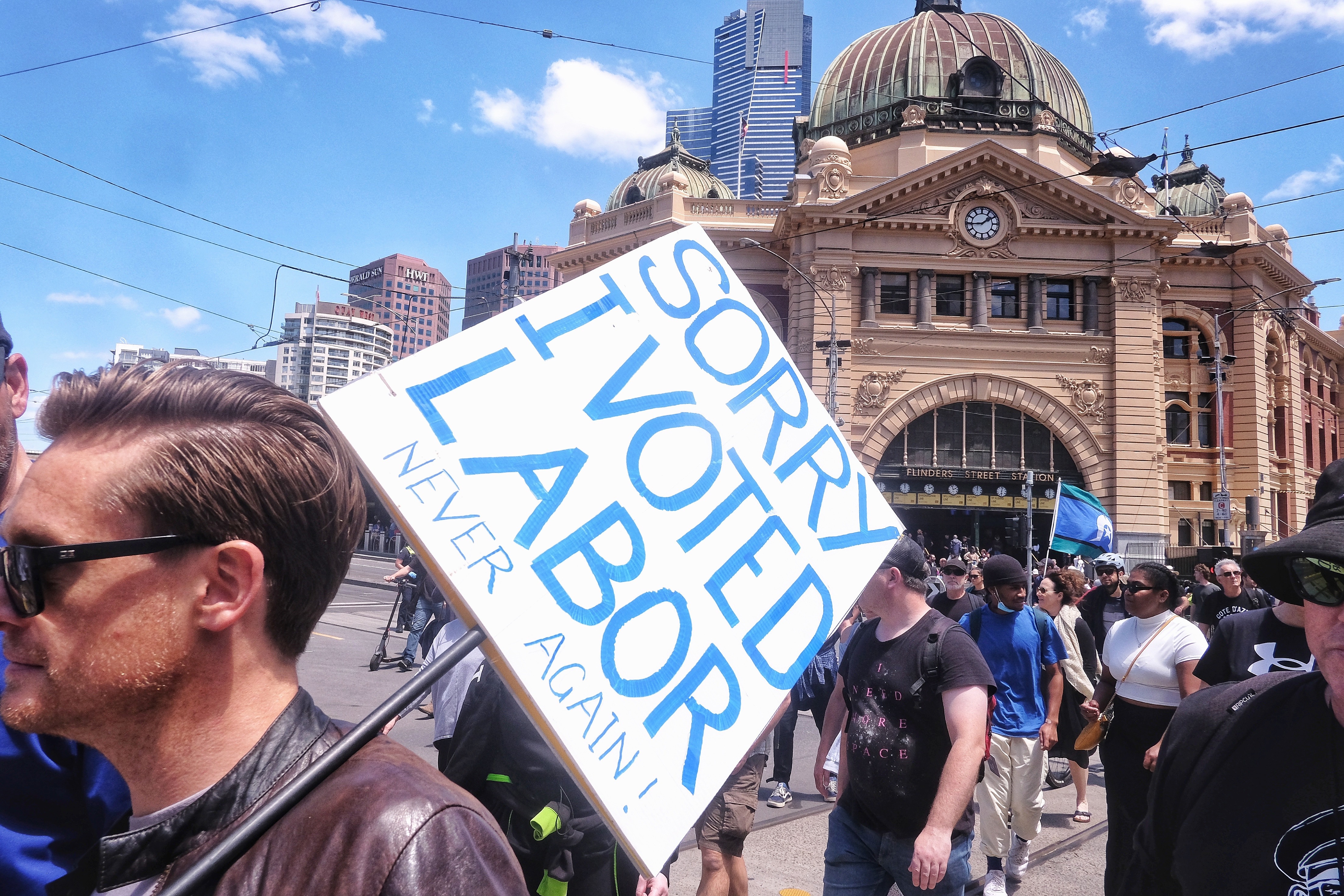
The pandemic bill has sparked a month of protests in Melbourne CBD and outside State Parliament, with a strong police presence manning the area this morning.
Crossbench MP Clifford Hayes said he would not support the bill after a "series of discussions" with the government.
"From the outset, I believed that the Bill was fundamentally flawed and a massive overreach of power," he said.
"But I always understood the need for a pandemic framework.
"Over the past week, the government has negotiated in good faith and made a number of commendable amendments to the Bill.
"I would argue that myself and my colleague, Rod Barton, fought hard and long for these changes; but the final position of the government was not enough to garner my support."
Australia's GDP takes third-biggest fall in history
Australia's Gross Domestic Product (GDP) fell 1.9 per cent in seasonally adjusted terms in the September quarter of 2021, marking the third-biggest quarterly fall since records began in 1959.
Despite the plunge, the fall is largely better than market expectations and covers the period where much of Australia was locked down as part of Delta-strain COVID-19 restrictions.
The largest ever recorded fall came in the June quarter of 2020, when GDP fell by 6.8 per cent.
READ MORE: The once unthinkable mandate that might become the norm
The second-biggest plunge was in the June quarter of 1974 when the nation's economy fell by 2.0 per cent.
On an annual basis, Australia's GDP is still up by 3.9 per cent.
Acting Head of National Accounts at the Australian Bureau of Statistics Sean Crick said lockdowns saw household spending drop dramatically.
"Domestic demand drove the fall, with prolonged lockdowns across NSW, Victoria and the ACT resulting in a substantial decline in household spending. The fall in domestic demand was only partly offset by growth in net trade and public sector expenditure," Mr Crick said.
"GDP in the September quarter 2021 was 0.2 per cent below the December quarter 2019 pre-pandemic level."
READ MORE: Flood record smashed as Queenslanders flee rising waters
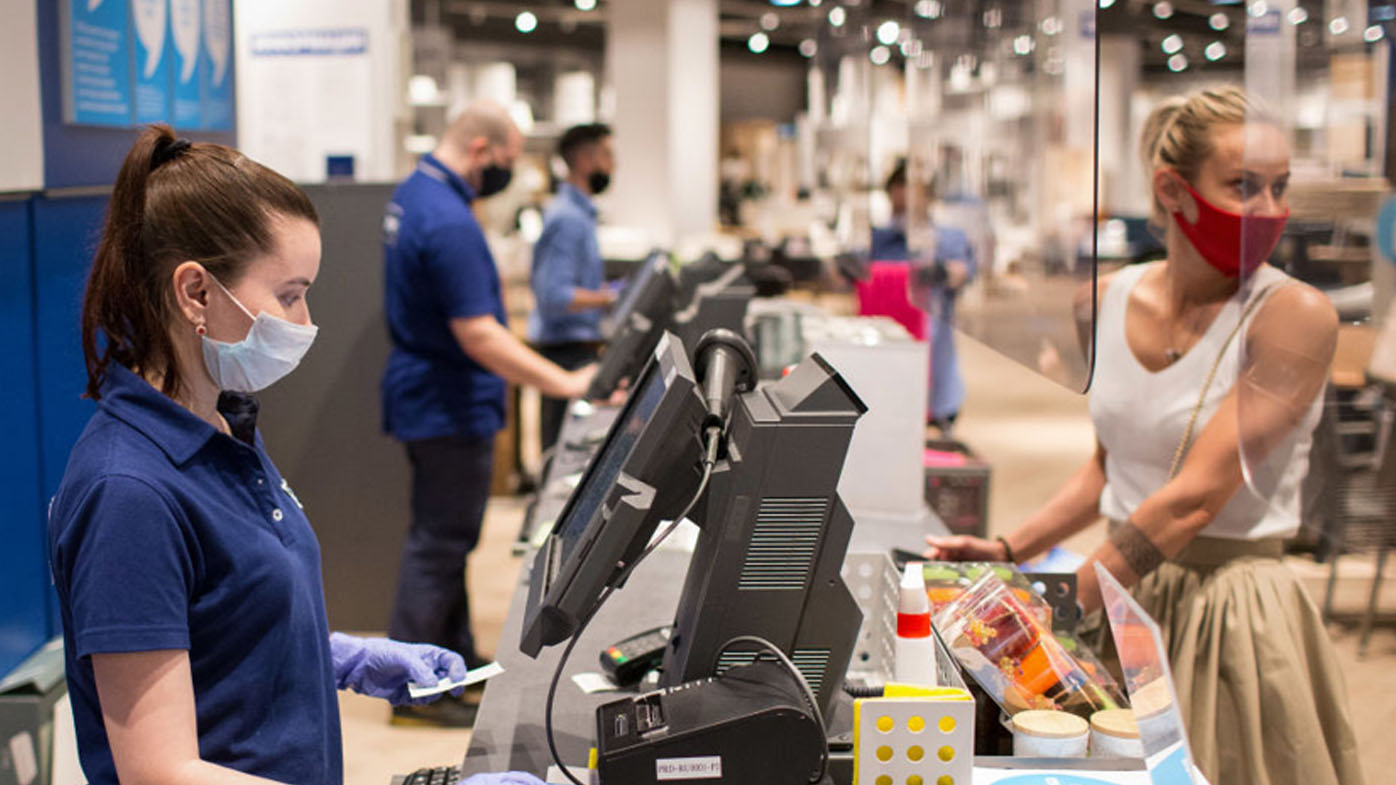
In order for Australia to be technically considered to be in a recession, it must post two consecutive quarters of negative GDP growth.
In the previous quarter, the nation's economy grew by 0.7 per cent.
GDP is the total market value of all finished goods and services produced within a country's borders.
It is a general indicator of the health or trajectory of a nation's economy.
SA Police task force to investigate murders and 'staged' overdoses
Police in South Australia have launched a major crime task force to investigate at least three unsolved murders and others likely staged to look like drug overdoses.
Task Force Southern will investigate the suspected murders of Robert Atkins, Jeffrey Mundy and Trevor King.
"We are investigating three murders and are investigating the possibility that there may be additional offences or murders that may as a result of drug overdoses that may not have yet been identified yet as a murder," SA Police Detective Superintendent Des Bray said.
READ MORE: Expert claims to have solved MH370 mystery
Detective Superintendent Bray said authorities were not investigating a serial killer, but a series of murders which have occurred in the southern suburbs "by people associated with the methamphetamine scene and the criminal community".
He said police are looking at somewhere between 12 and 15 people who may or may not be involved in the deaths.
"We commenced this investigation looking at the Robert Atkins murder and as that investigation has progressed we have obtained further information which has led us to the inescapable conclusion that Jeff Mundy and Trevor King have also been murdered and that there may be others that we're not aware of," he said.
READ MORE: Horrific testimony heard in Ghislaine Maxwell trial
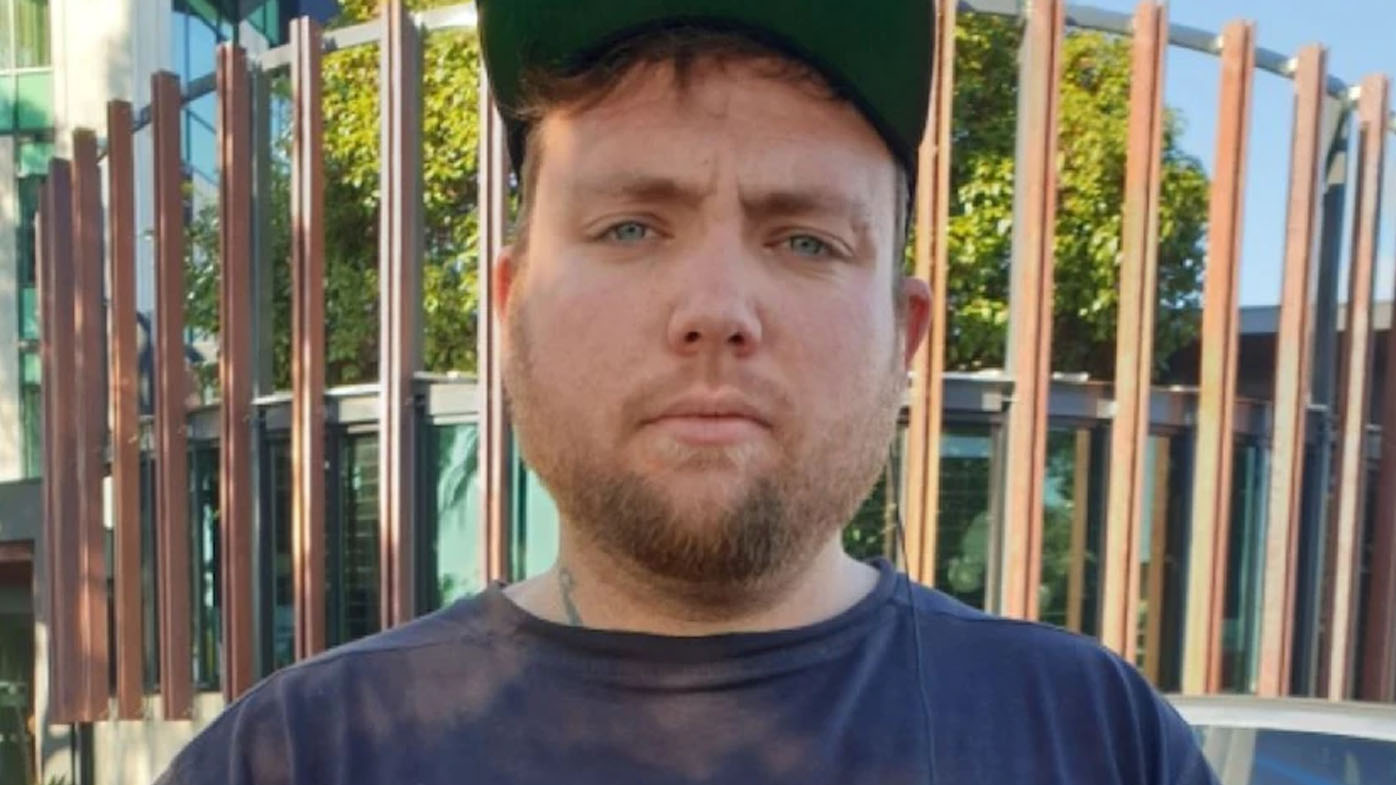
The task force will be made up of a 42-person strong team to investigate at least three murders relating to drug crime in the southern suburbs.
Detective Superintendent Bray said the investigation is progressing "very well".
"Those involved in this crime are low-level petty criminals," he said.
"The victims in this are all known to us, the victims made bad choices to use drugs, and continue to use drugs which ultimately led to them losing their lives."
READ MORE: Flood record smashed as Queenslanders flee rising waters

Detective Superintendent Bray said an investigation of the scene of Mr King's death indicated he had taken drugs and ended up in the water.
He said police now believe Mr King was murdered and the scene was made to look like a suicide.
"Investigators will be trying to establish the movements of his final days," Detective Superintendent Bray said.
The bodies of Mr Atkins and Mr Mundy have not yet been found.
He said no arrests have been made with the investigation in the early stages.
Housing boom: Average Aussie home grew by $126,000
The median value of an Australian home grew by more than $126,000 in the past 12 months as buyer demand and low mortgage rates supercharged the property market.
New data from property data firm CoreLogic shows that in November Australian housing values rose 1.3 per cent, taking the annual growth rate to 22.2 per cent for the nation's median value.
When broken down, that translates to a yearly increase to the median value of $126,700 – or more than $10,558 per month.
READ MORE: The once unthinkable mandate that might become the norm
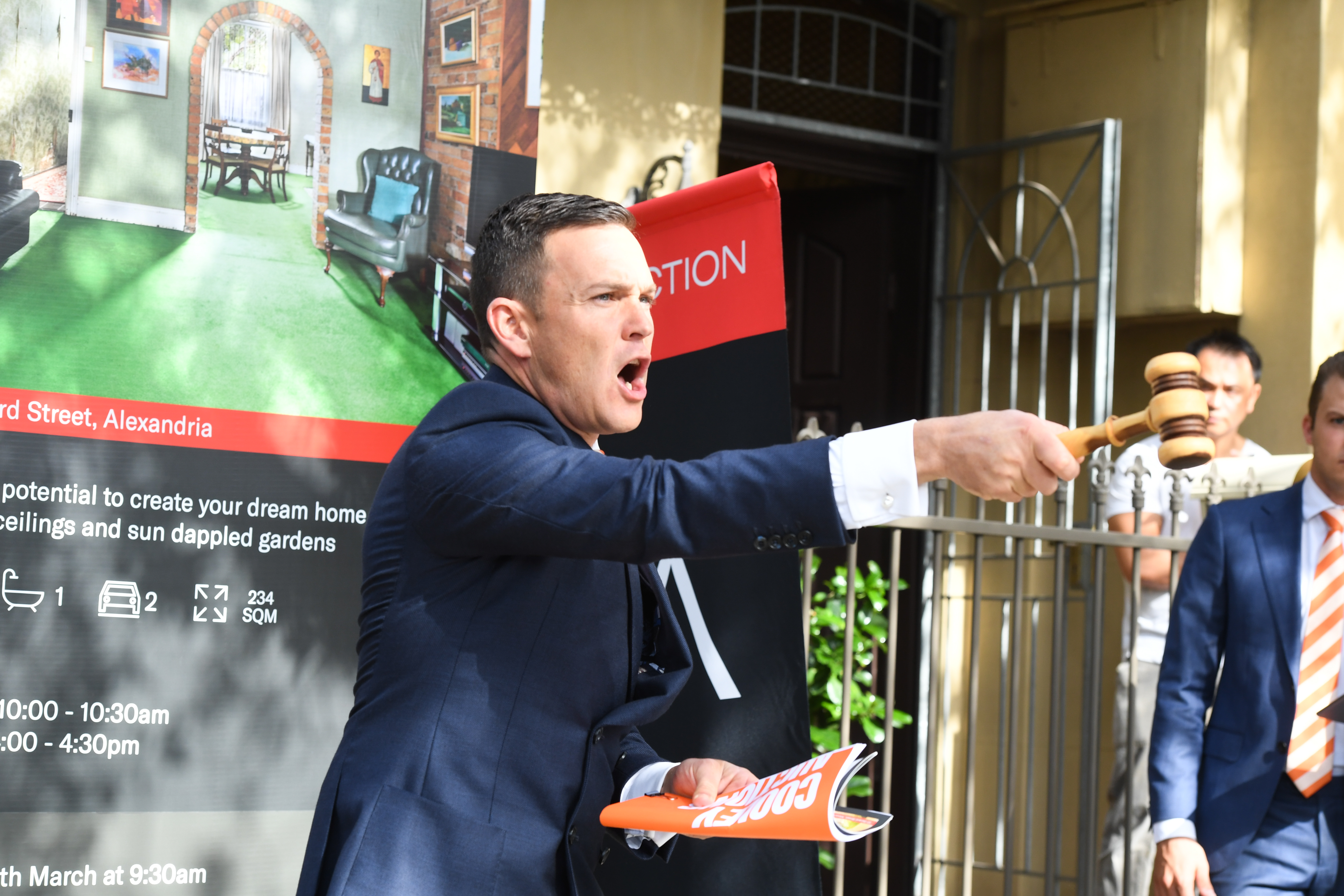
But not all hope is lost for those attempting to enter the property market. November's 1.3 per cent increase was the softest monthly rise since January 2021, earmarking the beginning of a market slowdown.
"Virtually every factor that has driven housing values higher has lost some potency over recent months," CoreLogic's research director Tim Lawless said.
"Fixed mortgage rates are rising, higher listings are taking some urgency away from buyers, affordability has become a more substantial barrier to entry and credit is less available."
Brisbane and Adelaide recorded the fastest monthly growth – booming 2.9 per cent and 2.5 per cent respectively – translating into a monthly rise of $18,500 and $13,500.
READ MORE: Flood record smashed as Queenslanders flee rising waters
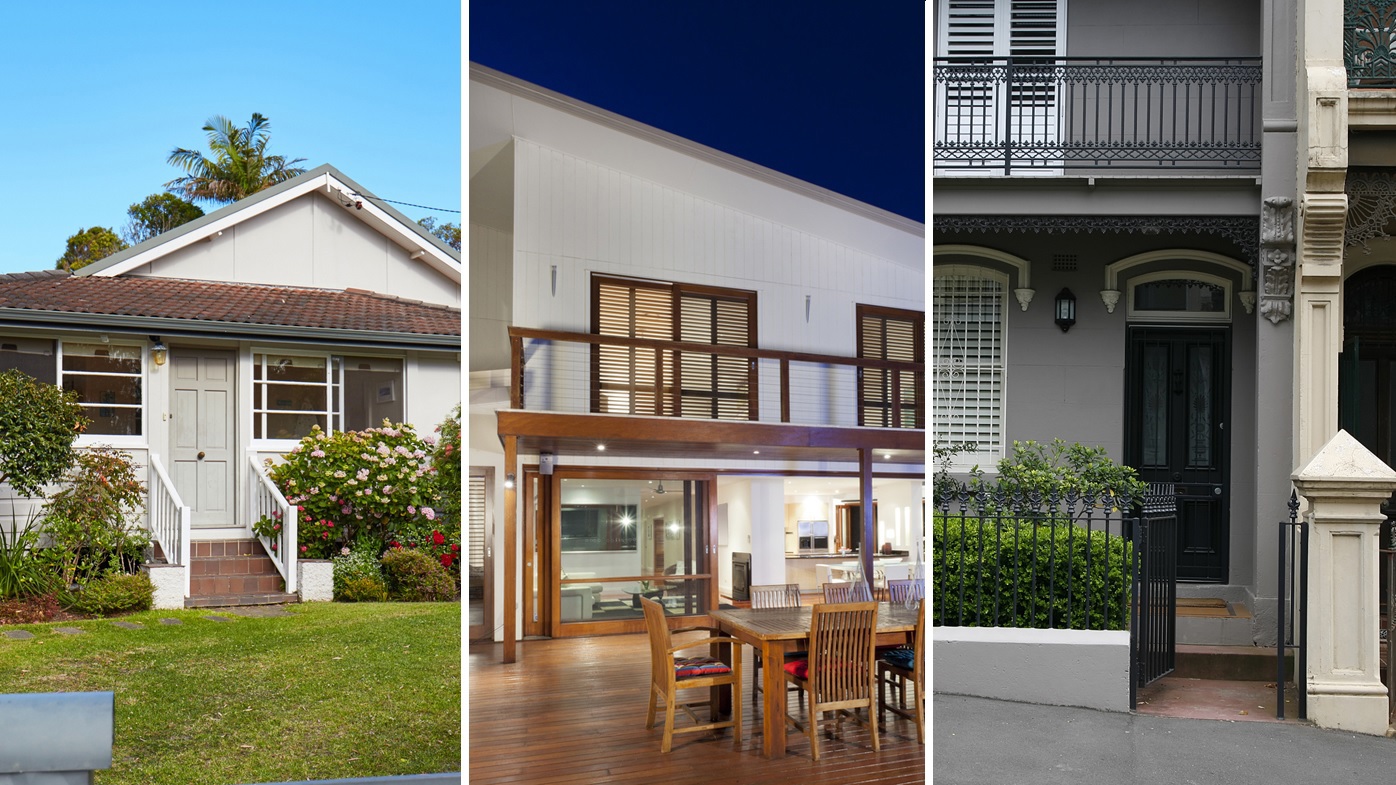
Mr Lawless said that now most domestic borders are open the market is beginning is see more people move away from the bigger capital cities such as Sydney and Melbourne.
"Relative to the larger cities, housing affordability is less pressing, there have been fewer disruptions from COVID lockdowns and a positive rate of interstate migration is fueling housing demand," Mr Lawless said.
"On the other hand, Sydney and Melbourne have seen demand more heavily impacted from affordability pressures and negative migration from both an interstate and overseas perspective."
Sydney's median dwelling value – which includes both apartments and freestanding houses – is now over $1 million following a 25.8 per cent annual increase.
Darwin remains the cheapest capital city in which to buy a property with a median dwelling value of $493,047.
A full breakdown by capital city can be seen in the table below.
READ MORE: Horrific testimony heard in Ghislaine Maxwell trial
Housing affordability becoming 'challenging'
In its report, CoreLogic noted that housing affordability was fast becoming a major issue for buyers in the bigger capital cities despite the majority of factors that have been pushing house prices higher "diminishing or expiring".
"Housing affordability is becoming more challenging from month to month," the report notes.
"With higher barriers to entry, especially for new home buyers who don't have the benefit of accrued equity behind them, it's likely housing demand will be progressively impacted as fewer households can afford to buy.
"A natural consequence of worsening affordability could see demand increase for more affordable higher-density housing options such as townhomes and units."
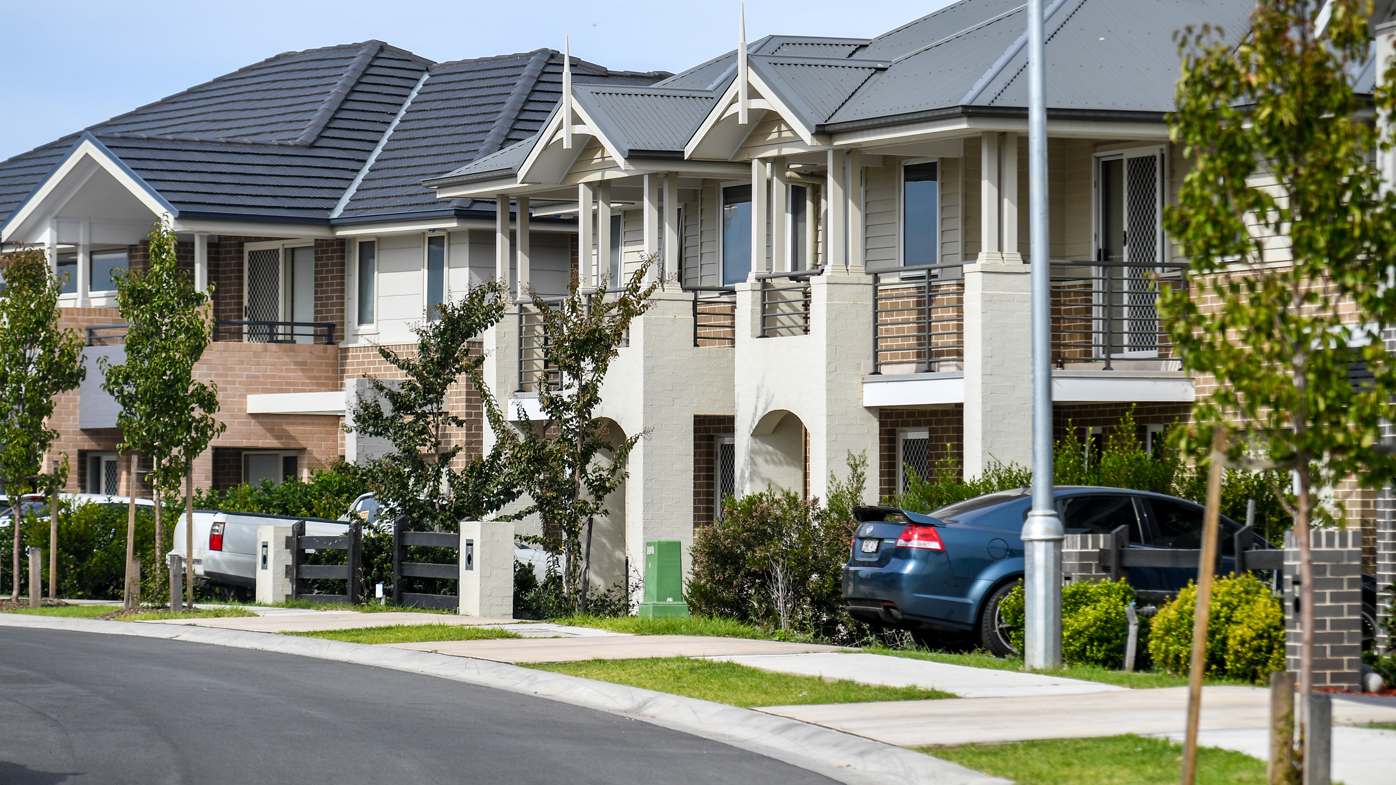
Australia's Median Dwelling Values*
|
Capital City: |
Annual change: |
Median value: |
|
Sydney |
+ 25.8 per cent |
$1,090,276 |
|
Melbourne |
+ 16.3 per cent |
$788,484 |
|
Brisbane |
+ 25.1 per cent |
$662,199 |
|
Adelaide |
+ 21.4 per cent |
$558,179 |
|
Perth |
+ 14.5 per cent |
$528,540 |
|
Hobart |
+ 27.7 per cent |
$676,595 |
|
Darwin |
+ 16.7 per cent |
$493,047 |
|
Canberra |
+ 24.5 per cent |
$882,519 |
|
National |
+ 22.2 per cent |
$698,170 |
*CoreLogic Hedonic Home Value Index November 2021. Includes both apartments and houses
The information provided on this website is general in nature only and does not constitute personal financial advice. The information has been prepared without taking into account your personal objectives, financial situation or needs. Before acting on any information on this website you should consider the appropriateness of the information having regard to your objectives, financial situation and needs.
Police await DNA results of human remains found during search for campers
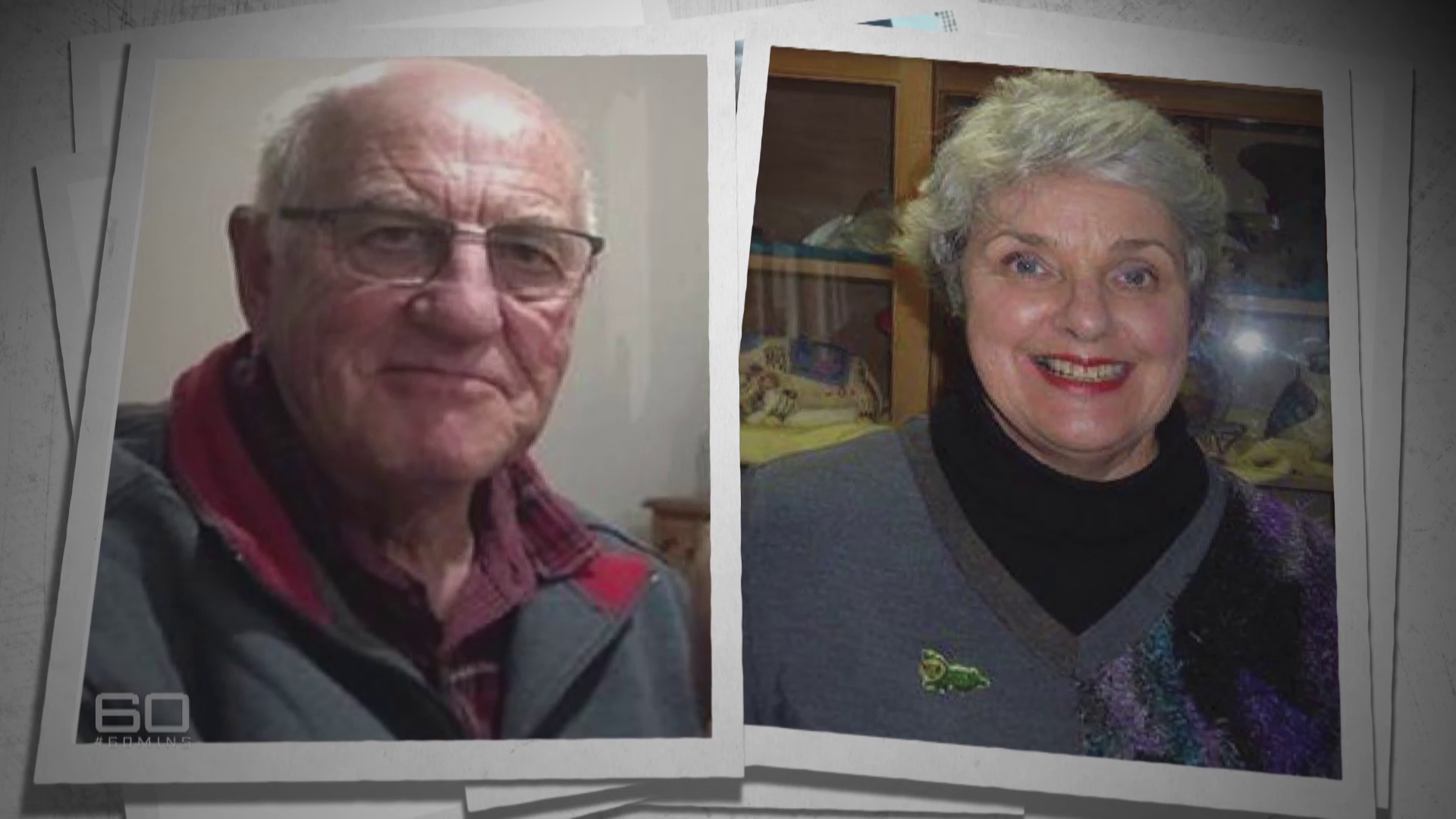
The human remains found in the search for missing Victorian campers Carol Clay and Russell Hill may take investigators several weeks to identify.
The remains were found in bushland near Dargo yesterday on day two of their search for the pair, who have not been sighted for more than 20 months.
They will be forensically examined, with DNA testing carried out to determine if they are those of the missing campers.
LIVE UPDATES: Several people 'escape quarantine facility' in early hours
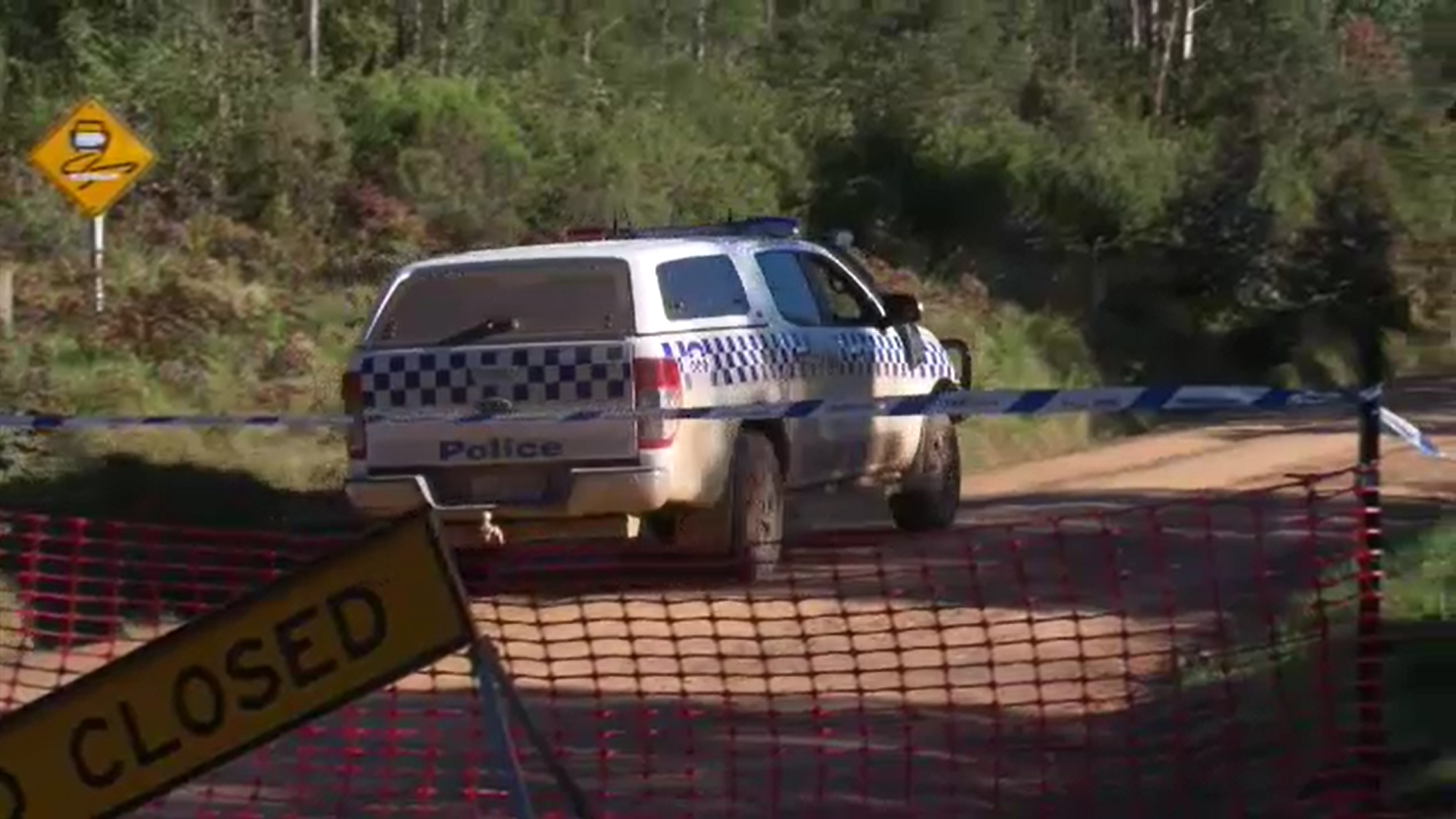
Police this morning are scouring the alpine region for further evidence following the discovery of the remains just a few hours away from where the pair vanished while camping in the Wonnangatta Valley in March last year.
Forensic investigator Greg Kelly, who has been following the case closely, said it could take weeks or even months for detectives to confirm the identities of the remains.
The remains would also be contaminated to some extent due to natural intervention, he said.
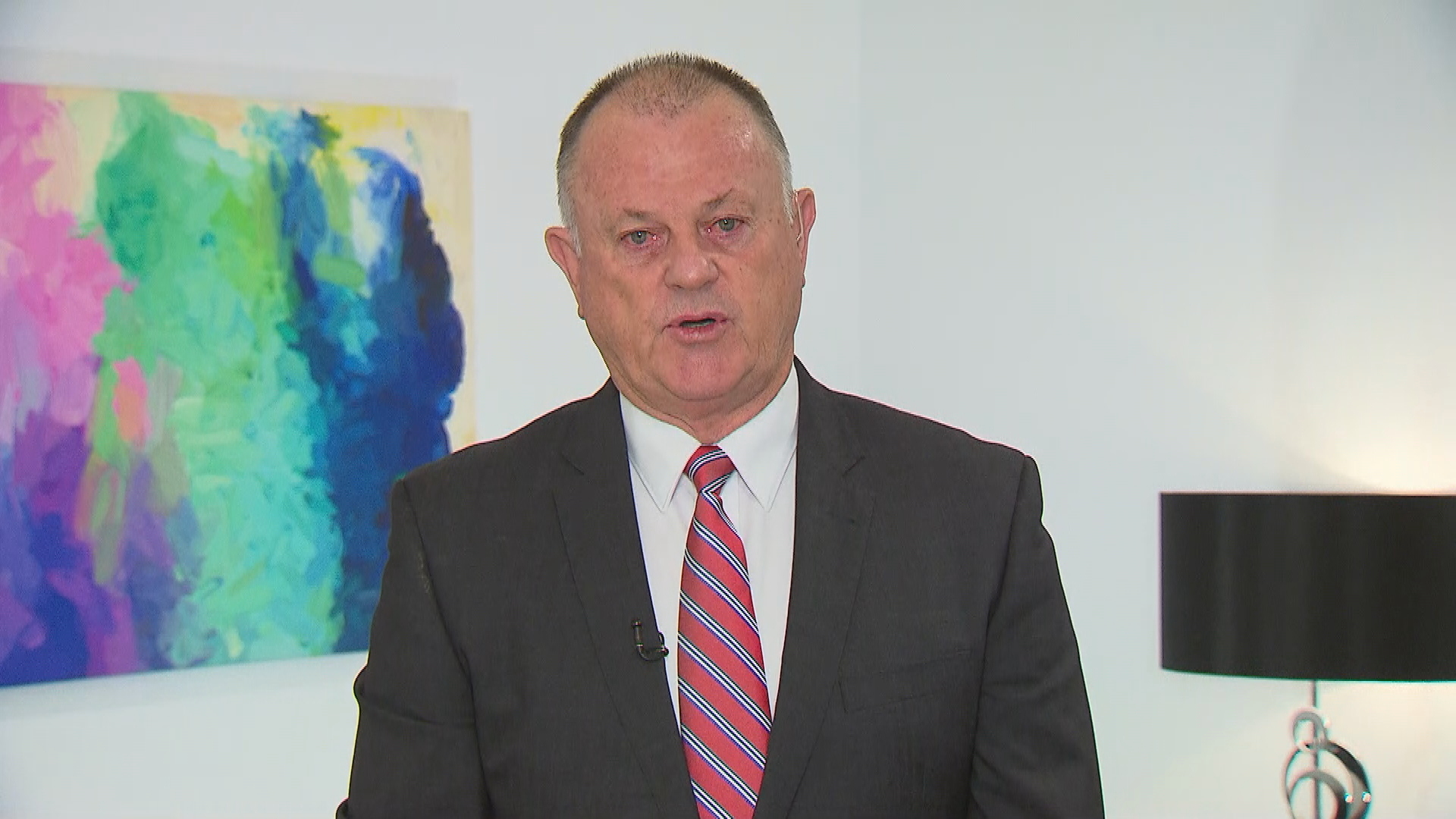
"Police have to consider that the temperature of the earth, the decomposition of the bodies that takes place in that period of time and the forensic evidence that surrounds that," he told Today.
"But moreover, we are looking not just at the forensic evidence associated with the identification, which is extremely important both to the authorities and also to the families concerned.
"But we are also looking at what physical evidence, material evidence that might be identified – as the bodies start to break down we might find the remains of projectiles or other injuries that help the police put the case together and be the evidence that they will ultimately present in court."
READ MORE: Victoria's pandemic bill set to pass after debate continues overnight
Locals yesterday helped police bring a large excavator and a bobcat to the remote search site, which is an old gold mining area known as the Grant Historic Area.
Police have charged 55-year-old Greg Lynn, a Jetstar pilot, with two counts of murder.
He has been remanded in custody and he will face court in May next year.
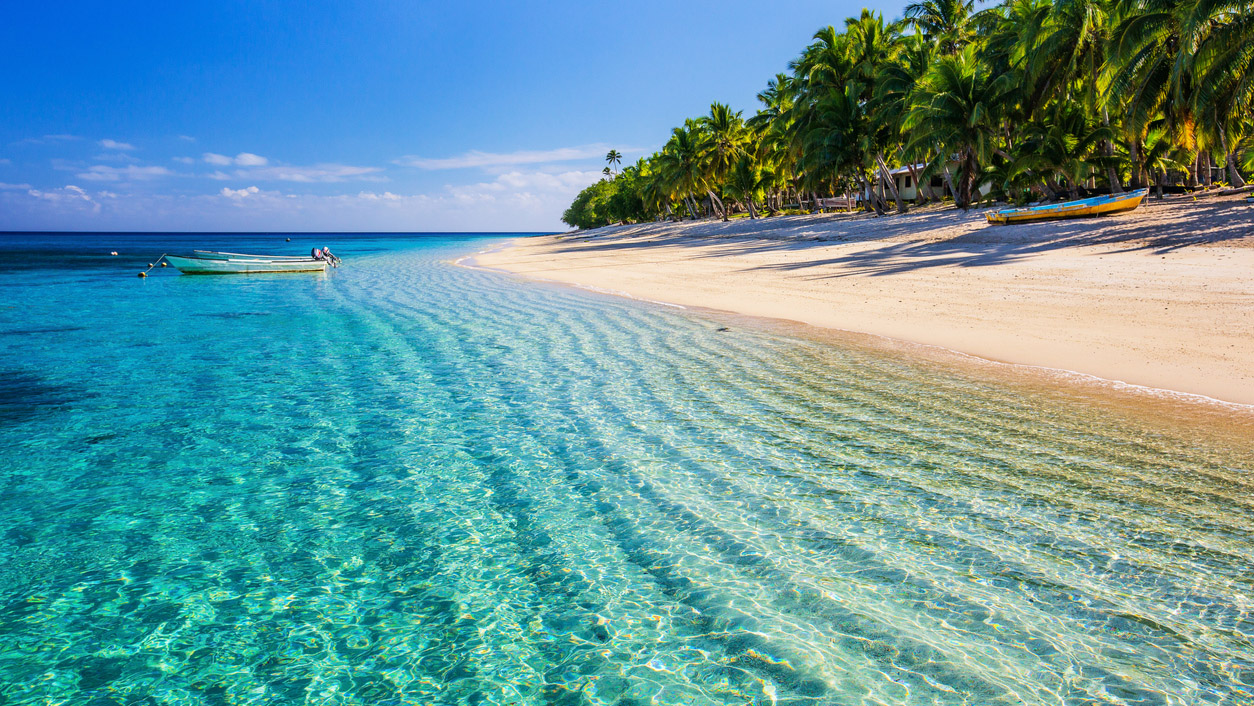
Fiji welcomes first Australian tourists in 20 months
Fiji has thrown open its doors today to tourists for the first time in 20 months, despite fears over the new Omicron coronavirus variant.
The first Australian tourists are set to touch down in the Pacific Island nation this morning from Sydney and daily flights from Melbourne will also begin today.
All tourists must be fully vaccinated and show a negative PCR test taken within 72 hours when they check in for their flight to Fiji at the airport.
READ MORE: World slams doors shut as fear grows of Omicron variant
In light of the Omicron variant, Fiji has moved to add greater restrictions for its nationals returning from red-listed countries, which include several southern African nations.
Australian tourists will not need to isolate but are required to stay at an approved COVID-safe hotel for three nights. There they will be able to visit bars and restaurants inside certain zones while they undergo rapid testing.
Australians returning home from a holiday to Fiji will face some uncertainty, however, depending on how the Omicron variant affects restrictions locally.
READ MORE: Everything you need to know about international travel
Under current rules introduced in Australia last week, travellers returning from non-African countries to New South Wales and Victoria will need to self-isolate at home for 72 hours.
Currently 90 percent of the adult population in Fiji is fully vaccinated and it is hoped the return of tourists will help revive the country's economy.
The Pacific Island nation relies on tourism for more than $2 billion a year in revenue.
"Today is a very special day as we welcome back our Aussie friends after 20 long months," Fiji Airways Managing Director & CEO Andre Viljoen said.
"We have been working hard since March last year to prepare for this moment and ensure our guests have the safest and most enjoyable travel experience possible.
"The safety of our customers and staff will always be our highest priority. Our entire workforce is fully vaccinated, our new Travel Ready programme is dedicated to medical safety and wellness."
READ MORE: How Australia's states and territories are responding to the Omicron variant