Tag Archives: oceania

Police prepare to evacuate second Queensland town amid flood crisis

Police are preparing to evacuate a second Queensland town as floodwaters continue to rise.

Residents in Yalarbon, in the Goondiwindi region, will need to leave their homes for safety.

Queensland Fire and Emergency Services have issued an Emergency alert warning for the town, and Goondiwindi Regional Council has advised door-knocking will commence to check on residents.

Evacuees will be helped to reach the Goondiwindi Evacuation Centre at the town's Showgrounds.

LIVE UPDATES: Omicron variant 'our first real test of living with COVID-19'
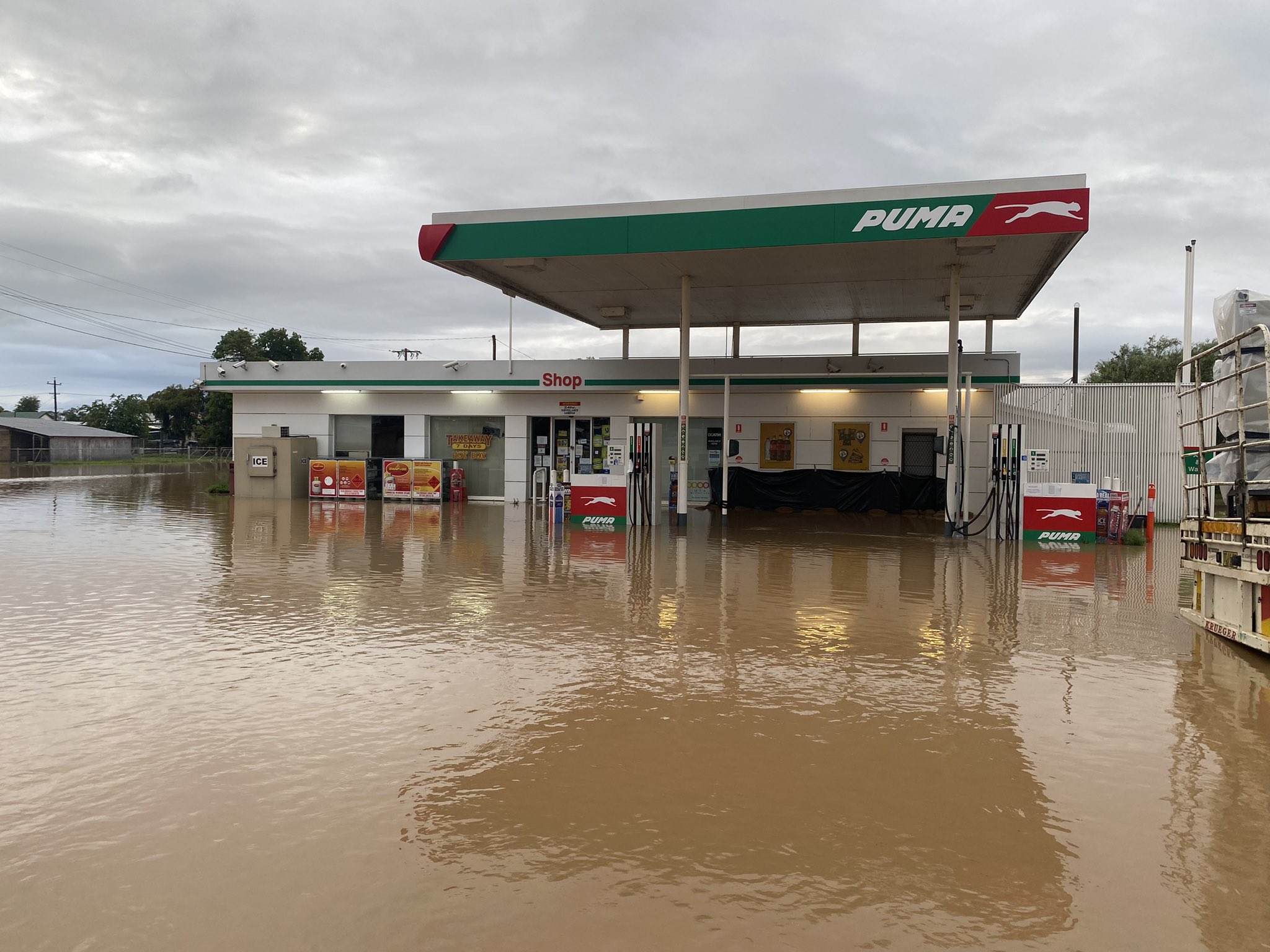
Meanwhile, residents have been allowed to return to the inundated Darling Downs township of Inglewood in Queensland after an overnight evacuation.

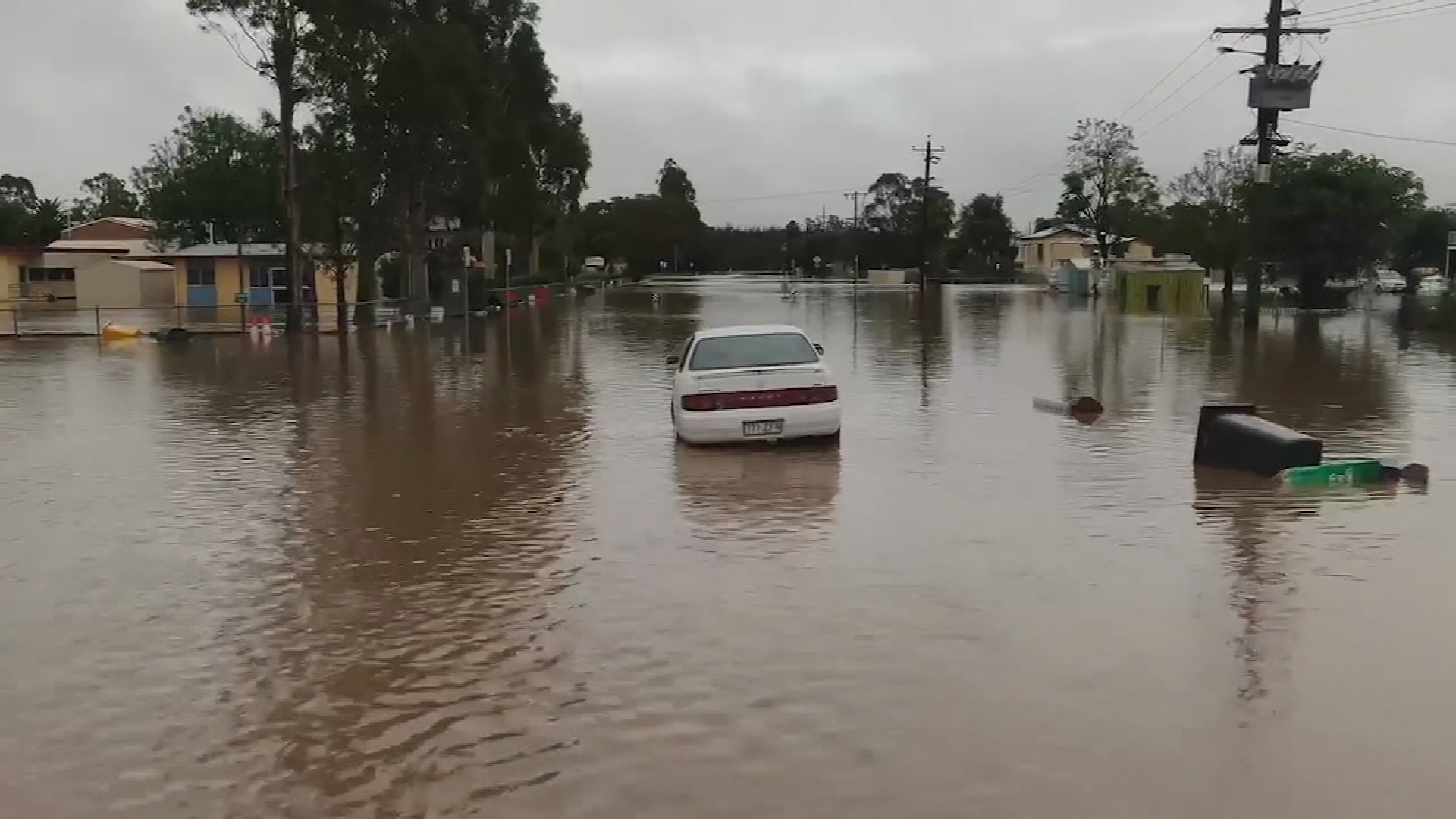
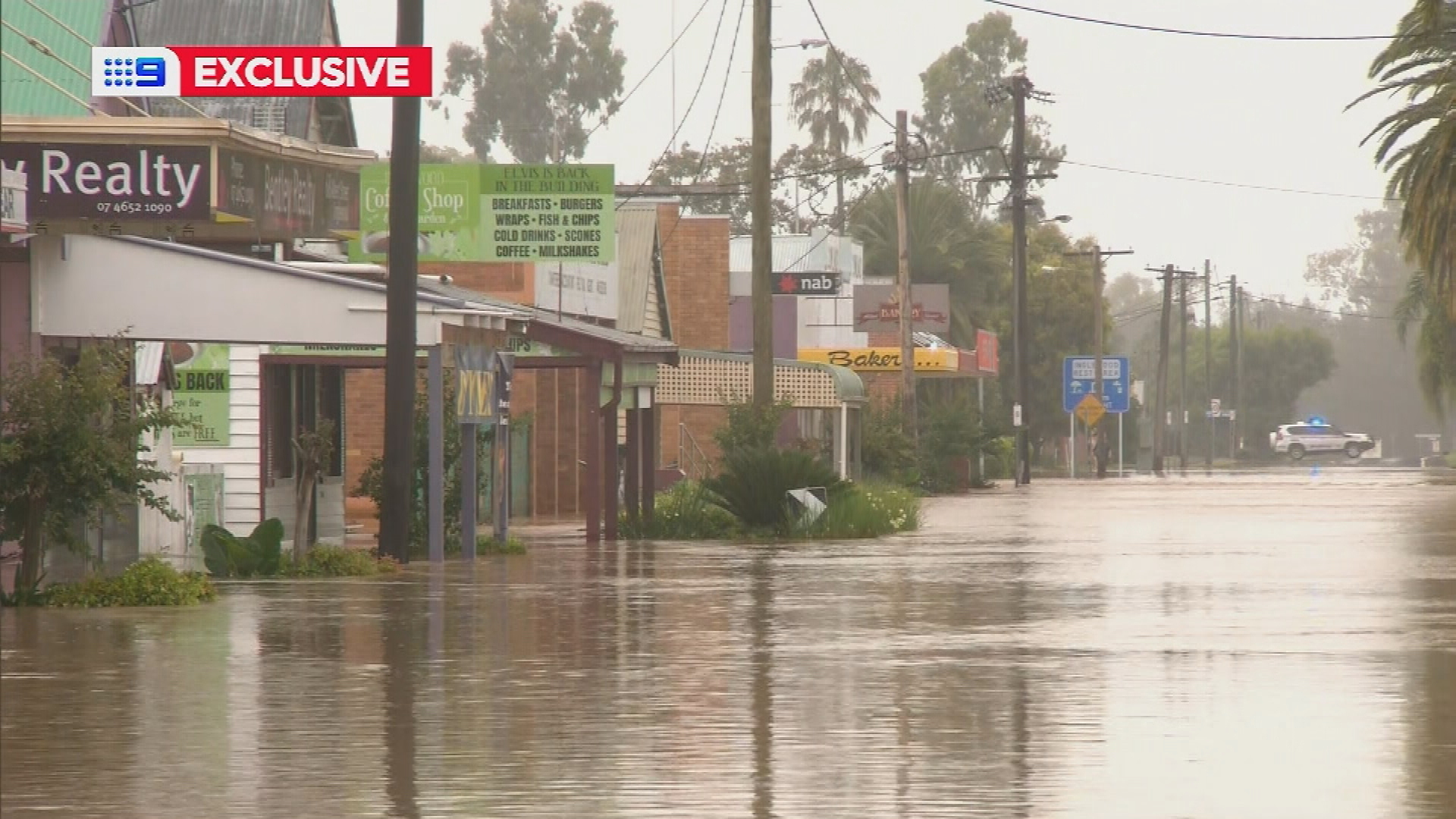
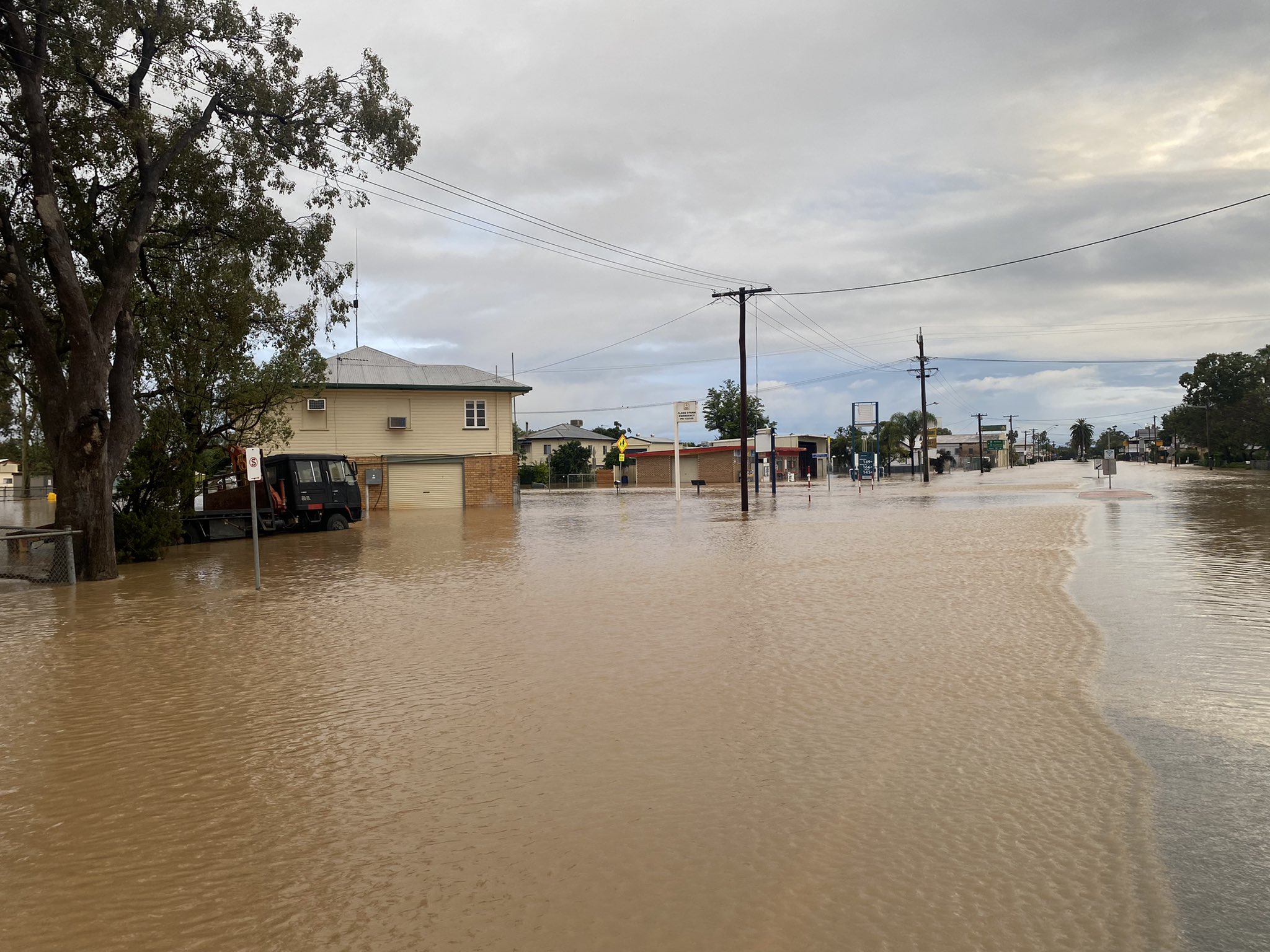
The main street of Inglewood, tucked in a bend of a rising Canning Creek in the Darling Downs, was underwater this morning with police going door-to-door to ensure people left their homes safely.

The Macintyre Brook burst its banks, hitting 11.15 metres this morning and shattering a previous 1988 water level record of 10.5m.

It has now settled to 10.9m, and is expected to stay at a similar level through the day.

The town's 950 residents were gathered at the local evacuation point by the cemetery, but have since been allowed back into the township, though roads are still underwater.

Some residents are still unable to get to their homes, with parts of the town inaccessible.

"It's supposed to reach the levels of 1976," resident Troy Callaghan said.

https://twitter.com/GracieRichter/status/1465854187539820550

"Here, we're just trying to save what we can."

Some areas have received more than 100mm rain in just 24 hours.

Areas like Chinchilla, in the state's Western Downs region, Yalangur near Toowoomba and Bundaberg in central Queensland have also been hit with extensive flash flooding due to heavy rains.

https://twitter.com/heinkealex/status/1465809776848224257

Queensland Fire and Emergency Services tweeted that the SES had received 320 calls for help in the past 24 hours.

QFES Commissioner Greg Leach said crews were working hard to evacuate and advise residents.

"It's been a very busy start to our severe weather season in Queensland," he said.

"There's a number of river catchments we're watching closely, and as the water moves down we'll work with local groups to get messages out.

"This is only the start of our severe weather system. We've got a long way to go yet so we'll probably face this over the next few months."

READ MORE: World slams doors shut as fear grows of Omicron variant
Queensland floods

The weather system has moved off-shore, but heavy rain is still expected.

Waters won't peak around Goondiwindi until Friday.

On the Gold Coast, residents in a number of suburbs are watching major flood warnings.

More rain is expected today, with heavy falls until lunchtime along the Queensland coast north to Townsville.

More than 200 roads have been closed across the state.

Queensland Fire and Emergency Services Assistant Commissioner Stephen Smith has said flood risks are rising after heavy falls of rain.

https://twitter.com/QldFES/status/1465827155024105476?ref_src=twsrc%5Etfw

Some parts of the state received up to 180mm of rain on already wet ground.

"There's a risk across the vast majority of the state today," Mr Smith told Today.

Currently, Inglewood and the Goondiwindi region are the most affected, he said.

He urged people to stay up to date on warnings and to be very careful if they had to be out on the roads.

"Unfortunately, we continue to see people getting themselves into situations driving through swift water and floodwater," he said.

https://twitter.com/BOM_Qld/status/1465851109319352320Queensland floods

Bureau of Meteorology senior meteorologist Jackson Browne said the widespread rain in south-east Queensland and northern NSW would start to "break down" today.

"We had a band of thunderstorms that was following this band of rain, so that will be the main weather feature today," he said.

"So severe thunderstorms for those areas, unfortunately, that did see the rainfall."

However, he said, the thunderstorms were smaller in size than the rain band, meaning less rainfall would enter the catchments.
Record rain devastates farmers' 'harvest of a lifetime'

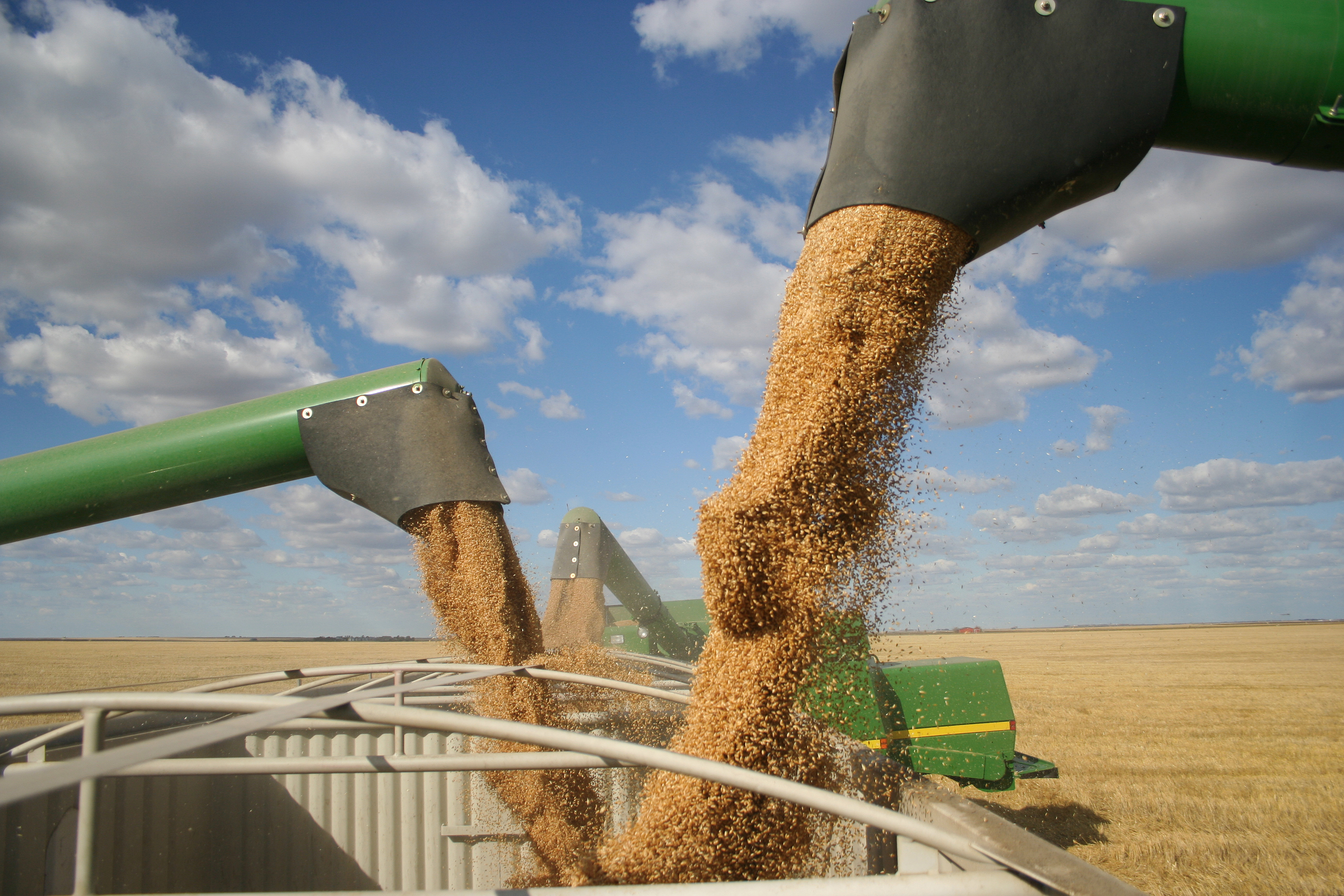
Record-breaking November rain has challenged some farmers who were looking forward to "the harvest of a lifetime".

Despite near-ideal conditions during the growing season, rainfall and a shortage of workers in regional Australia have affected the harvest period for some farmers.

This is particularly the case for some grain growers in New South Wales and parts of South Australia.

READ MORE: Flood record smashed as Queenslanders flee rising waters

National Farmers' Federation Chief Executive Officer Tony Mahar told Sydney radio station 2GB the situation is "really disappointing", as La Niña brings wetter than average conditions for much of the east coast of Australia.

"They were just looking forward to what, for some, was going to be the harvest of a lifetime," Mr Mahar told 2GB's Michael McLaren.

"The crops were just looking so good and they were just really looking really forward to this harvest period."

However, there are some positives.

Mr Mahar said some farmers managed to harvest their crops early and others have postponed their plans.

He also said he suspected there will be fewer mice problems in some areas.

READ MORE: The once unthinkable mandate that might become the norm

"We thought that if it was a dry late spring and summer that the mice might come back, but hopefully the rain has put an end to that," he said.

Nationally, this November is "likely" to be the wettest since 2011, according to the Bureau of Meteorology (BoM).

Meteorologists also expected last month to be among the 10 wettest Novembers on record for NSW and South Australia.

Numerous flood warnings were issued for rivers in Victoria, NSW, Queensland and in Northern Territory's south.

Large areas of mainland Australia experienced "more than their average November rainfall".

The BoM said last week that spring rainfall has been "above to very much above average" for large areas of the eastern states, from western Queensland into the Alice Springs District in the NT, and for parts of southern SA.

"Overall, it is likely to be the wettest spring since 2016," the BoM said.

Mr Mahar said it was "bittersweet" that the once "bone dry" dams and rivers were now overflowing.

"Farmers ebb and flow with the seasons, of course, but this rain, for a large number of farmers, has come at the wrong time," he said

Why native bilbies are being fitted with poisonous implants

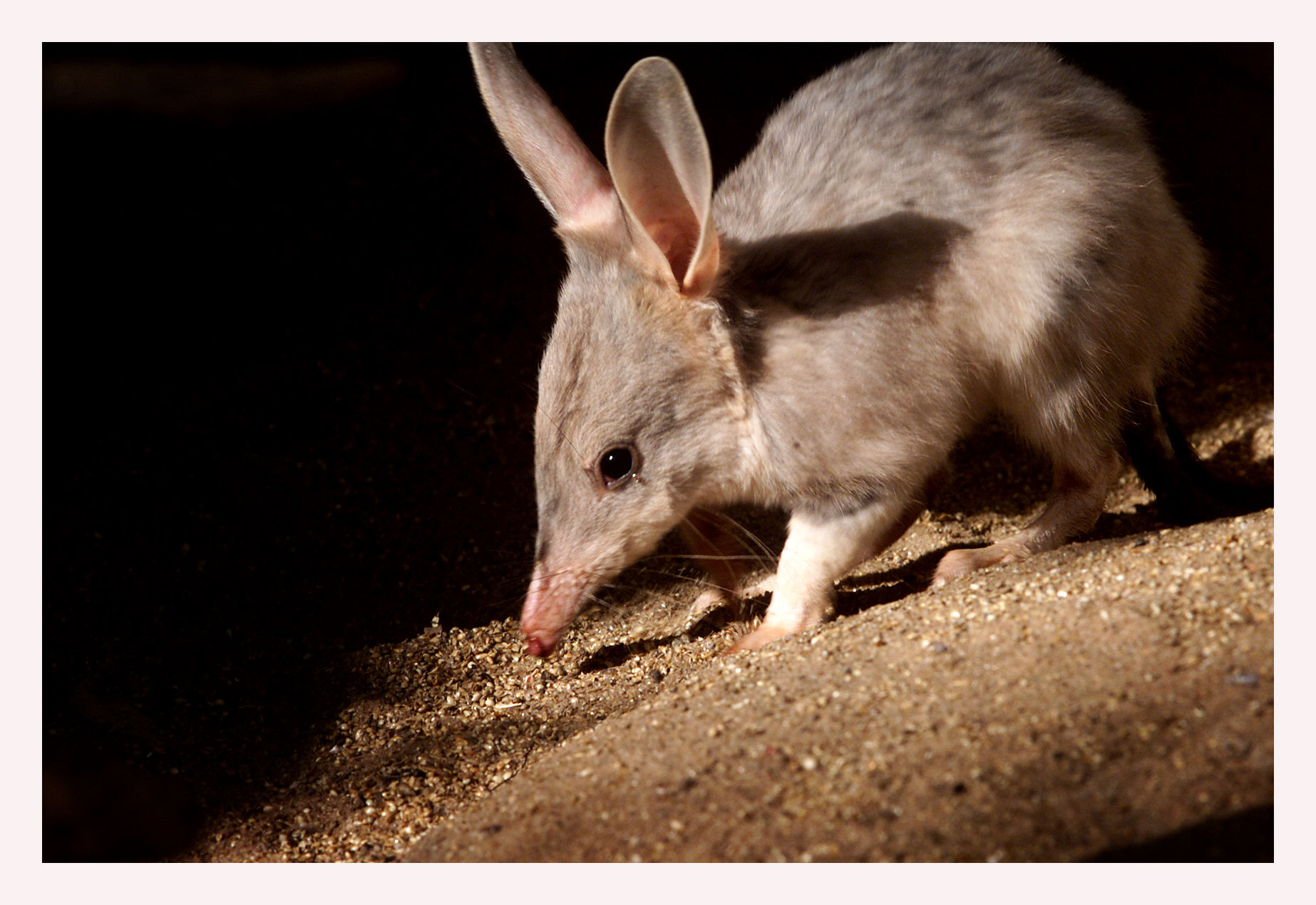
One of Australia's most iconic native animals has been fitted with a poisonous implant to help combat the threat of feral cats and other invaders.

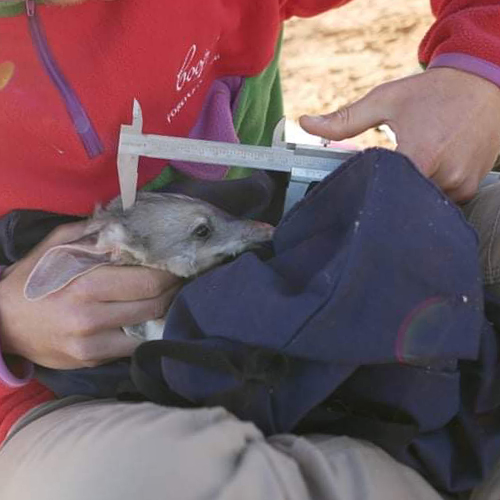
About 30 bilbies at Arid Recovery, a wildlife reserve about 550 kilometres north of Adelaide in the South Australian outback, have had the small rice-sized implant injected under their skin.

The Population Protecting Implants (PPI) were developed by Kyle Brewer from the University of South Australia.

READ MORE: Mosquito explosion coming as La Niña brings soaking rains

SPECIAL 001 September 29, 2002. Picture by Heath Missen. Brisbane Bureau. Charleville. Bilby.

They are lethal to feral cats but not to bilbies due to a specialised coating, and the marsupials' natural resistance to the toxin.

The poison "activates" after it is ingested, Mr Brewer said.

READ MORE: Australia under attack from feral cats, toxic toads and more

The rice-size implant is injected under the native animals' skin. The poison 'activates' when its ingested by a feral invader.

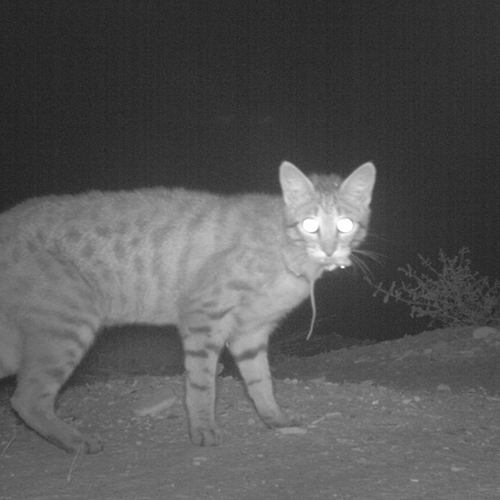
"If a feral cat successfully preys upon one of the PPI-injected mammals, it eats the implant, which activates in the cat's gastric system causing poison release and death," he said.

"Ultimately, this protects the remaining native animal population.

"By injecting native species with the PPI before they are reintroduced to their natural environment, we're providing a protective buffer that aims to take out the feral invader in one stroke."

READ MORE: Australian species saved from extinction in 'incredible first'

It's estimated, each year up to 6.3 million feral cats will kill 456 million native mammals, 446 million reptiles, 272 million birds and 92 million frogs.

A small group of introduced species — including cats — are causing an estimated $25 billion of damage to Australia each year, and are pushing native species, like the bilby, closer to extinction.

The greater bilby is classed as a vulnerable species by the World Wildlife Fund.

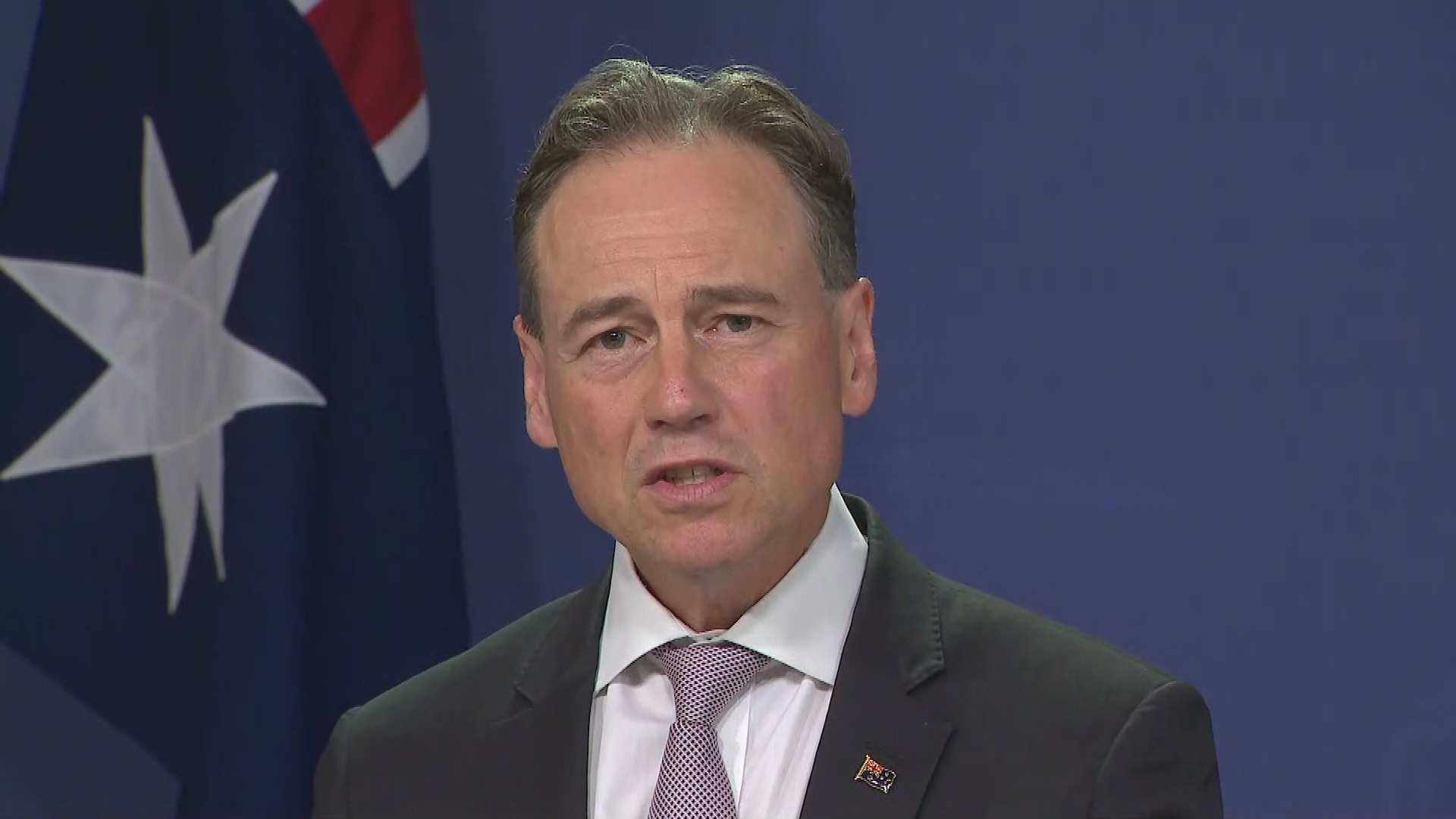
Health Minister Greg Hunt anticipated to quit politics

Health Minister Greg Hunt is expected to announce his retirement from politics tomorrow, as his colleagues today paid tribute to him.

Several Liberal Party figures have told The Australian Financial Review that Mr Hunt would use the last parliamentary sitting day of 2021 to announce that he will not recontest his Victorian sat of Flinders.

Mr Hunt has not spoken about the reports.

READ MORE: The once unthinkable mandate that might become the norm

Minister for Health Greg Hunt said the booster program is 'well ahead' of expectations.

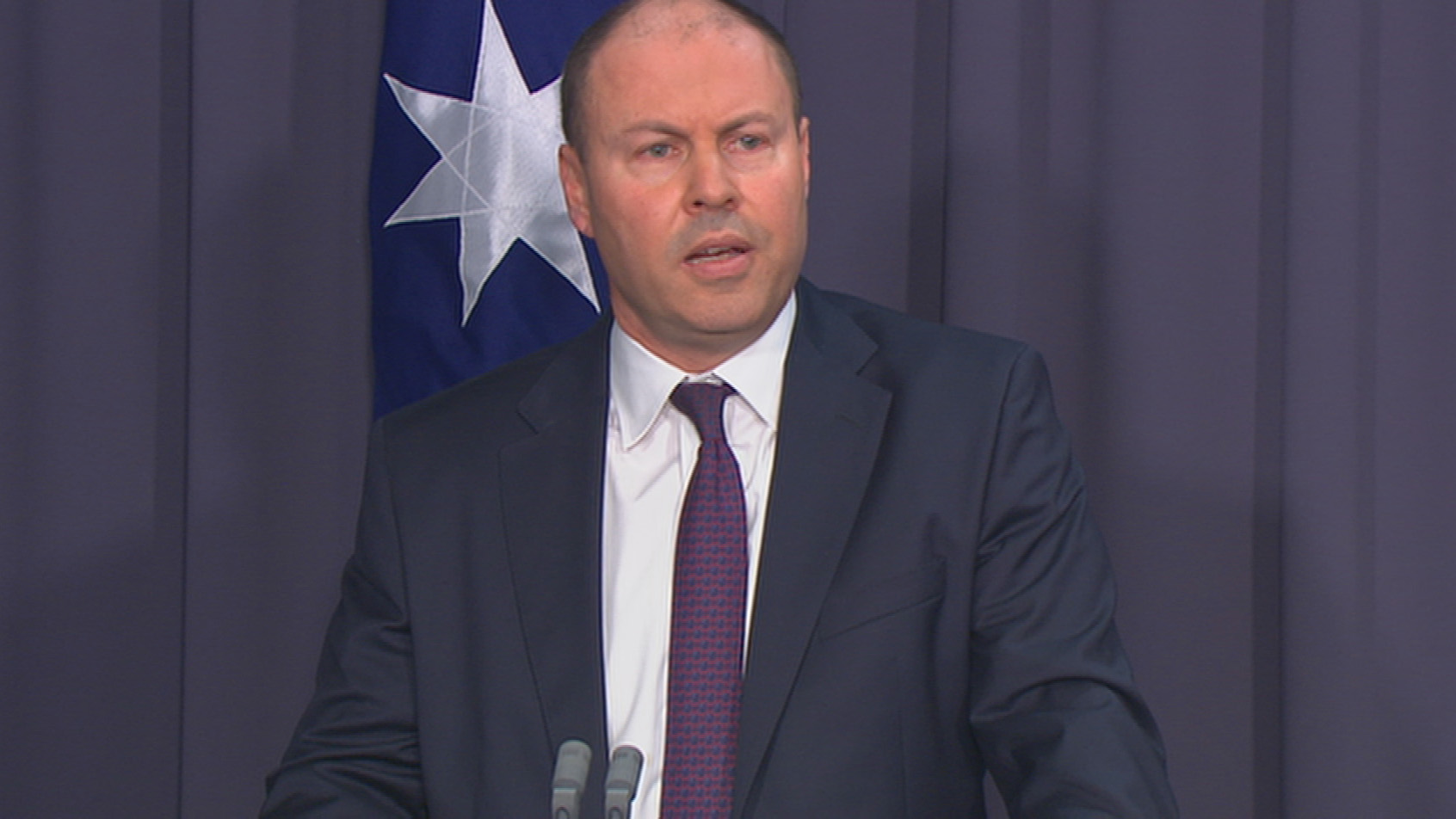
When asked about Mr Hunt's departure, Treasurer Josh Frydenberg did not confirm the reports, but spoke highly of his personal relationship with the Health Minister.

"Greg is my closest friend in this place. I am the godfather to his beautiful daughter and he is the godfather to my daughter. We are very dear friends and he has been an outstanding Health Minister through this crisis," Mr Frydenberg said.

"The fact that Australia has one of the lowest mortality rates in the world and the fact that we have one of the highest vaccination rates in the world is in due to no small part to the incredible work that all health professionals have done across Australia, and Greg as the Health Minister."

READ MORE: Flood record smashed as Queenslanders flee rising waters

Treasurer Josh Frydenberg.

Mr Hunt was elected to the parliament in 2001, representing Flinders in Victoria.

In his current portfolio as Health Minister, Mr Hunt oversaw Australia's response to the COVID-19 pandemic including the rollout of the national vaccination program.