Tag Archives: oceania

Last sighting of missing backpacker Theo Hayez

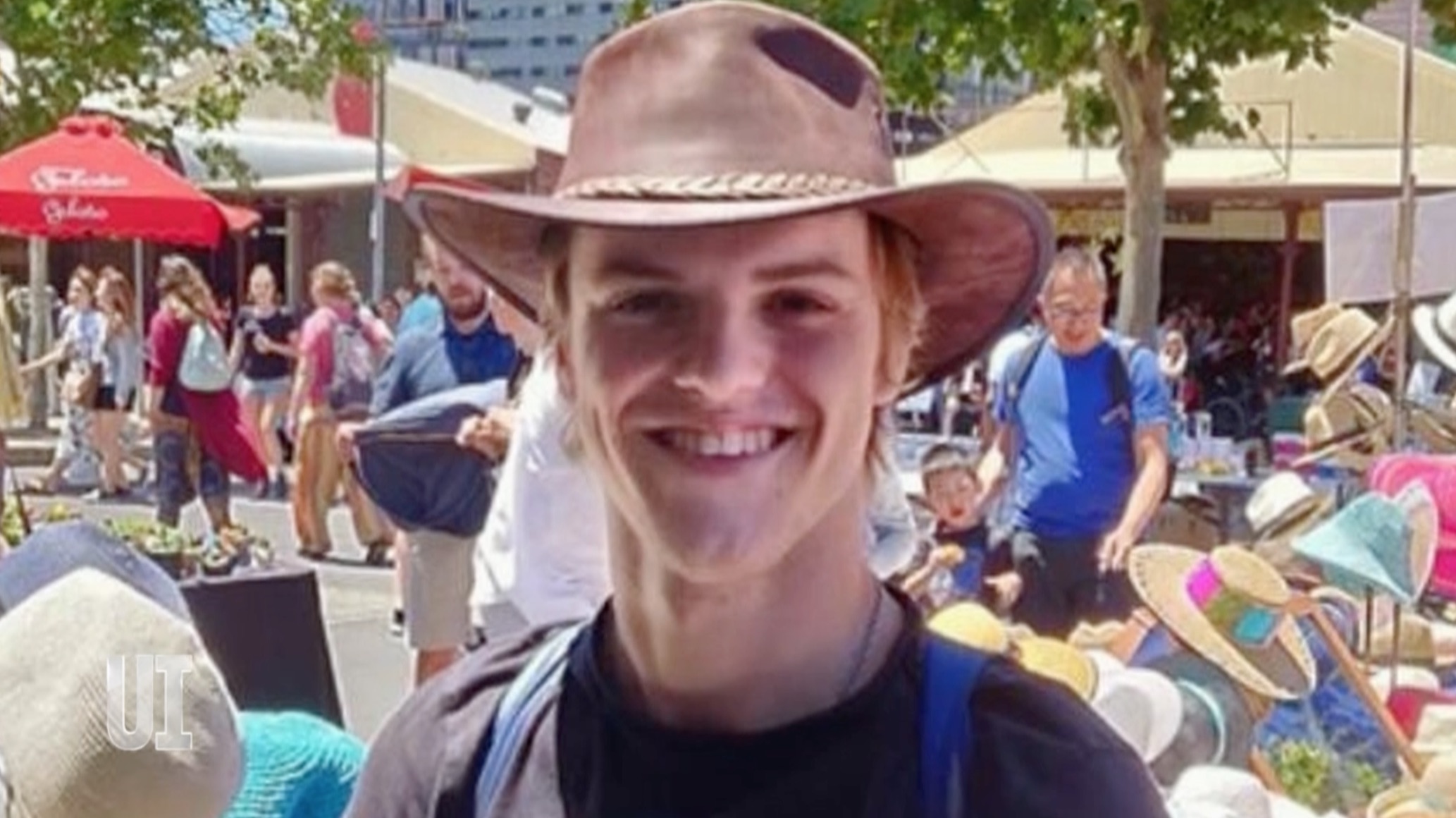
Vision of Belgian backpacker Theo Hayez's last known movements in Byron Bay on the night he disappeared has been played at an inquest.

Mr Hayez, 18, was seen holding a beer while he danced at Cheeky Monkeys in May 2019 before staff requested he leave the venue.

Counsel Assisting Kristen Edwards told the court the friends he was with at the bar did not believe he was significantly affected by alcohol and were shocked when they learned he had been ejected.

READ MORE: What we know about Omicron, the new COVID-19 variant
READ MORE: New search for missing campers after murder charge

The Hayez family has travelled from Belgium for the two-week hearing into the circumstances of his disappearance.

The court heard Mr Hayez had accessed directions on Google to his hostel but Google data revealed he walked in the opposite direction.

He spent seven minutes at cricket nets before he took a dark track and took a turn into bush.

Ms Edwards said police believe he may have decided to walk up a grassy side and dropped his phone.

Hayez

"The working theory of the police is that he tried to climb the cliffs near Cozy Corner, fell and was swept out to sea," Ms Edwards said.

Mr Hayez was described as a funny and friendly young man but was also known to be cautious.

https://twitter.com/Josie_Shannon_/status/1465094163653820416

Ms Edwards told the court his family believed he would not have climbed the dangerous slope unless someone was there to encourage him.

His phone has never been found and the court heard attempts to access his Snapchat, WhatsApp and Instagram accounts had so far been unsuccessful, which is an issue the inquest will look at.
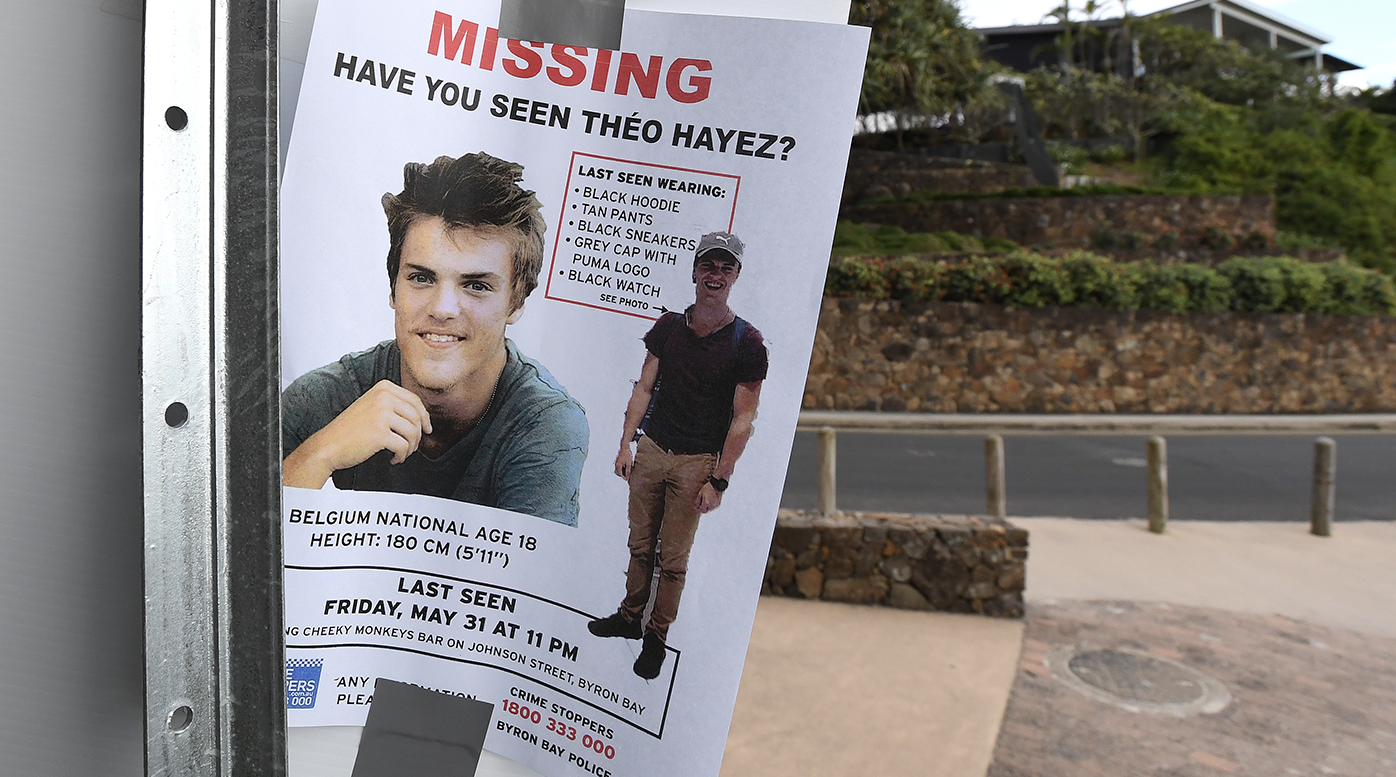
A missing persons flyer is seen near a beach as the search continues for missing backpacker Theo Hayez at Byron Bay on the far north New South Wales coast, Thursday, June 20, 2019.  (AAP Image/Dave Hunt)

"This information could genuinely and without exaggeration could save lives," Ms Edwards said.

The court heard there was no evidence to support various rumours about self-harm, drugs, a beach party and other theories.

"Almost all the evidence is to the effect that Theo had a great time in Australia but he was also ready to go back."

Readers seeking support and information about suicide prevention can contact Lifeline on 13 11 14.
ATAGI to review Omicron booster advice ahead of 'crucial' National Cabinet meeting

Two "crucial" meetings scheduled in the next 24 hours could dictate if stricter quarantine and border restrictions are rolled out across Australia as the new Omicron coronavirus variant hits our shores.

Prime Minister Scott Morrison will convene a meeting of National Cabinet within the next 48 hours to work on ensuring there is a "common understanding, common information and common actions" among all states and territories.

Chief Medical Officer Professor Kelly said the gathering of the National Security Committee tonight and National Cabinet tomorrow will be the "crucial moments where those decisions will be made".

READ MORE: What we know about Omicron, the new COVID-19 variant

Greg Hunt

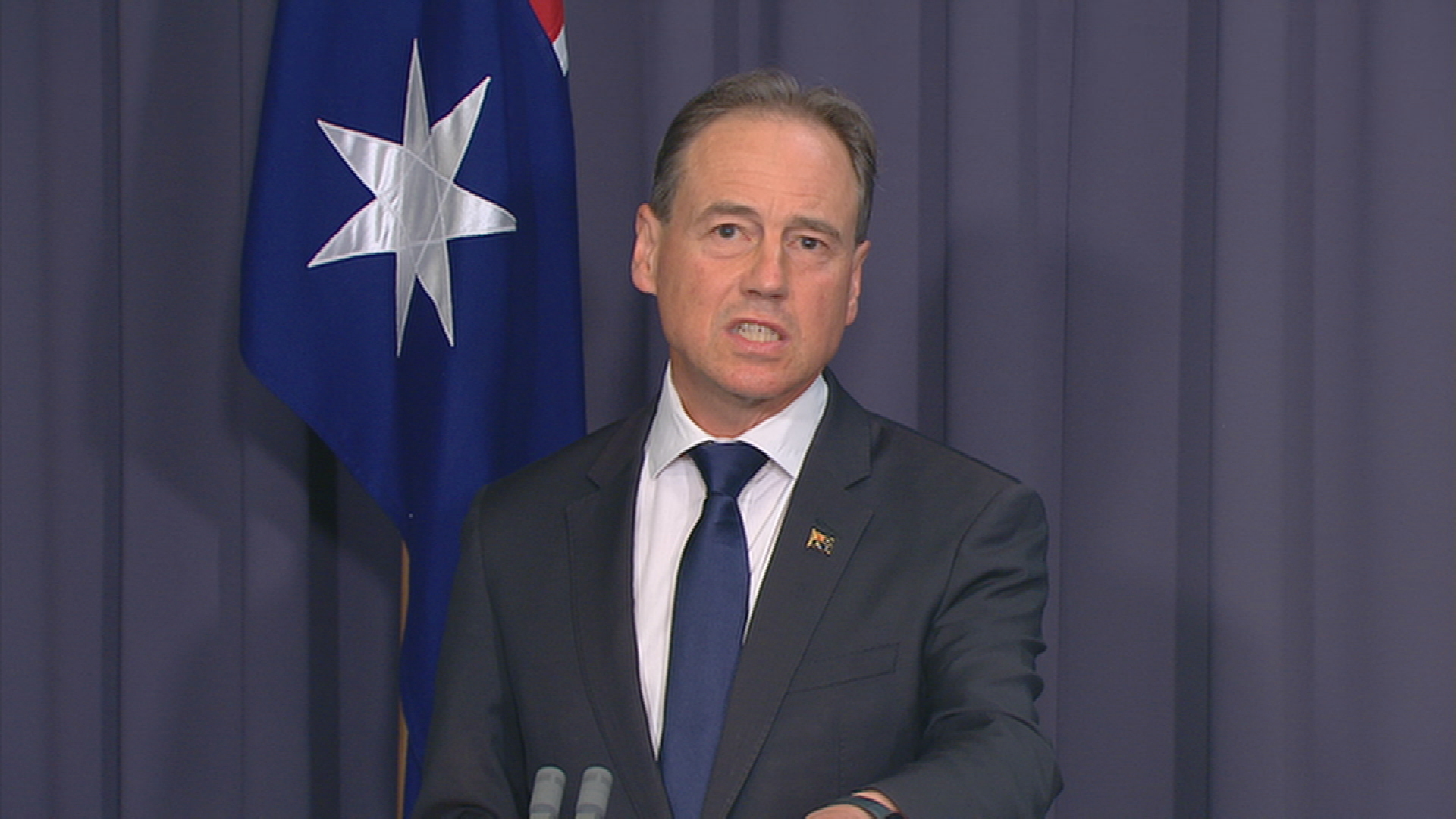
Vaccine advisory body ATAGI will also review booster timeframes in light of Omicron, Health Minister Greg Hunt said.

"We will not hesitate to take additional steps if the medical evidence is that more are required," he said.

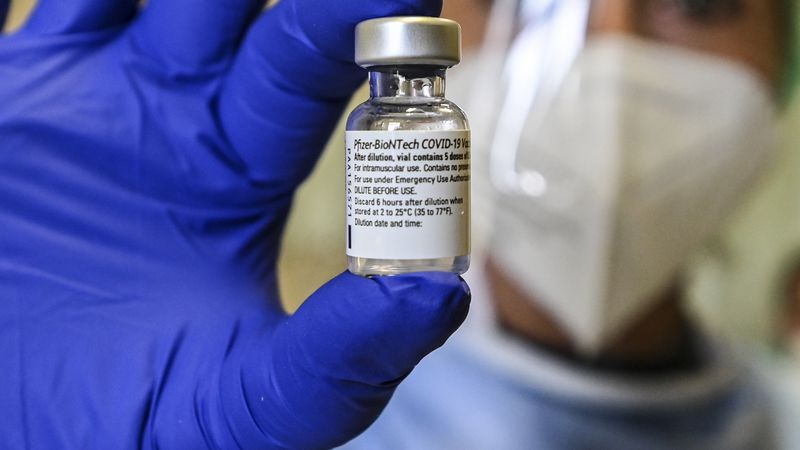
The Federal Government has been in touch with Pfizer and Moderna about Omicron and the vaccines, he added.

Professor Kelly said Pfizer and Moderna "can move quickly" if a new vaccine to counter Omicron is needed, but there is no indication that was required right now.

"At the moment, we have no definite evidence, either clinical or laboratory or at the population level, that the vaccines are less effective against this virus," he said.

"We have no evidence of that."

Pfizer and Moderna were already gearing up to tweak vaccines, he said.

The Pfizer vaccine could be approved for children under the age of 12 by Christmas as Australia ramps up efforts to protect more people from COVID-19.

READ MORE: Exhausted nurses walk away from jobs amid staff shortages

Australia primed to face Omicron unknowns

Mr Hunt reiterated Australia is in a vastly different position to when earlier variants wreaked havoc and deaths.

Professor Kelly backed that line, saying there have been other variants that often "lead to nothing".

"This is not the first variant we've seen," Mr Kelly said.

"This virus, we've learnt over the last two years, does change.

"Most of those changes lead to nothing."

Professor Kelly said Omicron appeared to have overtaken Delta as the dominant variant circulating in South Africa.

But he noted South Africa was a unique country, with a different health system, a much younger population and high rates of HIV.

Mr Hunt said that is because Australia is one of the most recently and freshly vaccinated societies in the world; Australia is one of the earliest nations in the world to have commenced a whole-of-country booster program; and Australia has very high levels of people fully vaccinated.

"Australia is one of the best-prepared countries in the world," he said.

Australia being "alert, not alarmed" was the correct position for now, he said.

Mr Hunt said Australians currently overseas did not need to rush home.

"There's no change in our travel advice, other than for the nine countries in southern Africa," he said.

Returned traveller to NT tests positive for Omicron variant

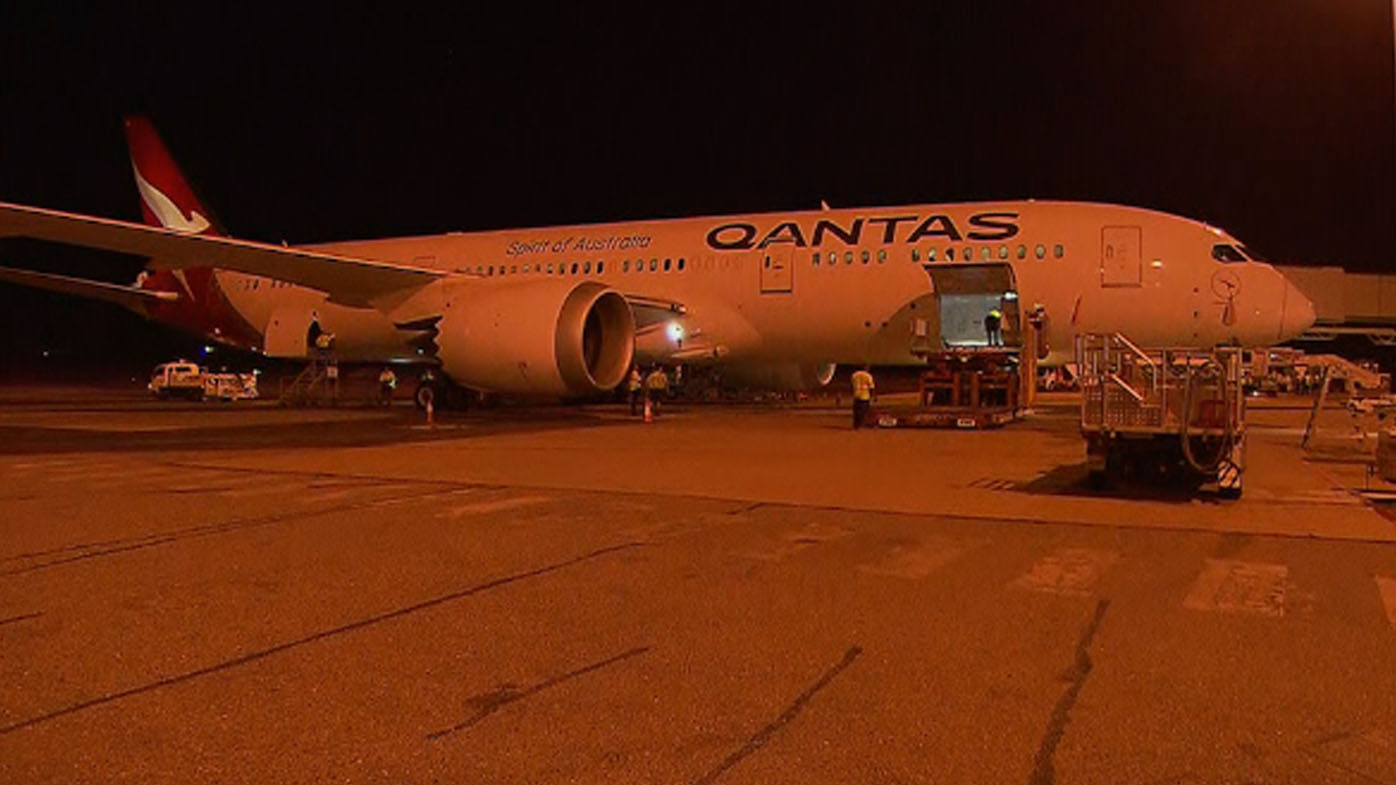
A traveller who flew into Darwin from South Africa has been found to have the new Omicron strain of the virus, while the Northern Territory has recorded two new cases of COVID-19.

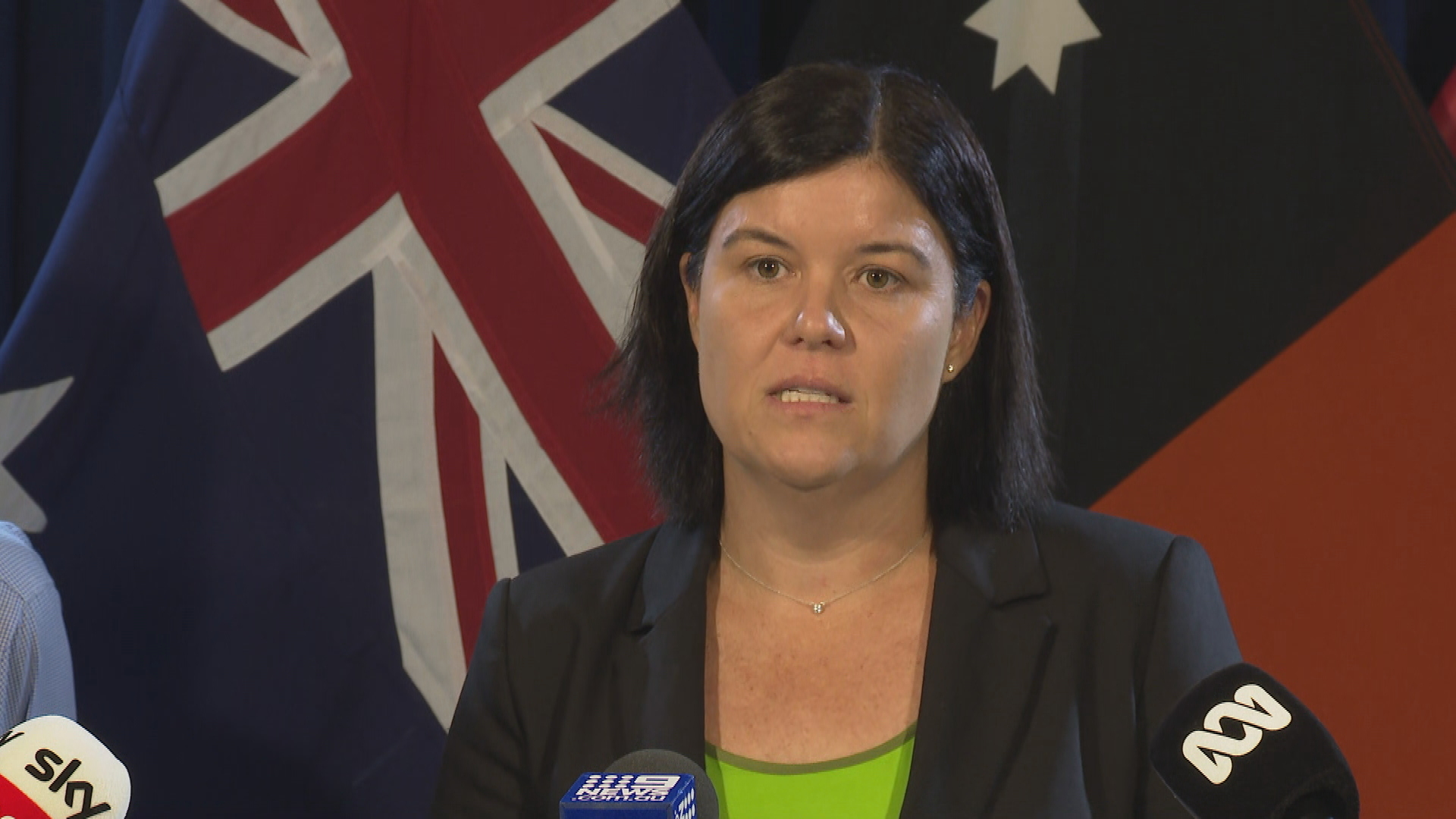
Northern Territory Health Minister Natasha Fyles said a man who flew from Johannesburg, South Africa to Darwin on Thursday, November 25 had been found to have the Omicron variant of COVID-19, the first case of the strain in the Northern Territory.

Ms Fyles said the man had gone straight into quarantine at the Centre for National Resilience upon arriving in the country.

EXPLAINER: What we know about Omicron, the new COVID-19 variant in South Africa

The discovery of the case of Omicron comes after two cases of the new strain of the virus were found in Sydney yesterday.

Meanwhile, the territory's two new local cases of COVID-19 include a 17-year-old girl from the community of Binajri, who is a household contact of a previous case

She has been isolating within the Centre for National Resilience for her entire infectious period.

The second case is a 19-year-old woman, also from Binajri, who tested positive within the community.

The cases take the total number of cases in the Northern Territory's latest coronavirus latest outbreak to 58.

No cases have been detected in the small town of Lajamanu since it was sent into lockdown on Saturday evening due to positive wastewater results.

However, Ms Fyles said only 147 Lajamanu residents had been tested for the virus so far.

The town has a population of around 500.

"Everything is looking very positive for Lajamanu, but it's certainly very early days," she said.

The lockdown is set to continue until 6pm on December 11.

Meanwhile, Greater Katherine and Robinson River are undergoing a lockout and Binjari remains in a hard lockdown.

Could we really have a volcanic eruption in Australia?

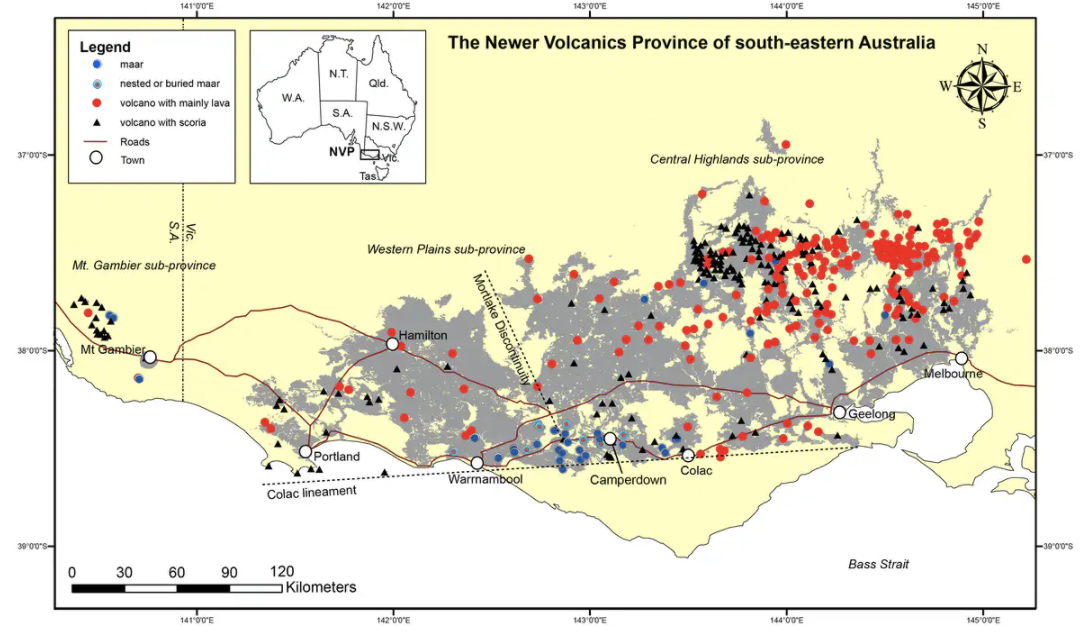
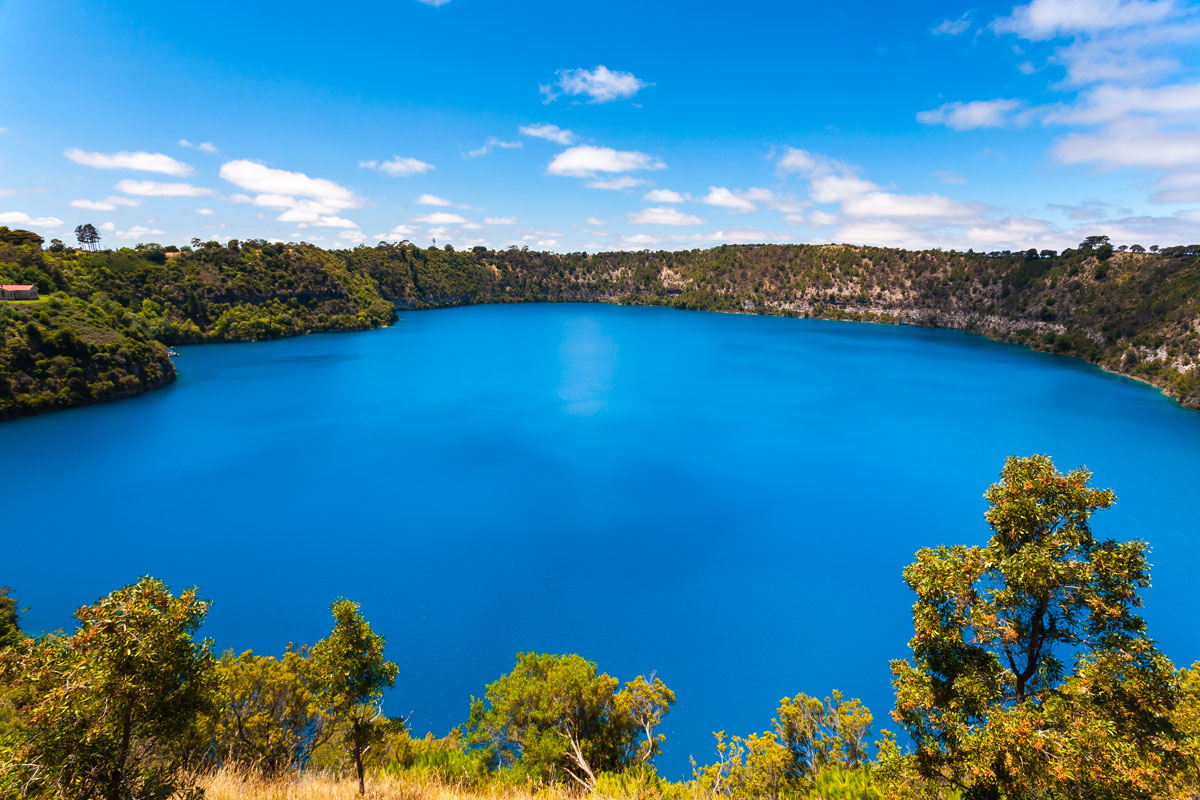
Stretching across south east Australia is a "large" and young volcanic region that has the potential for future eruptions, a leading volcanologist says.

Volcano scientist and Adjunct Associate Professor at Monash University, Heather Handley, pointed to a study, which claims a small amount of magma, or melt, is trapped below the Newer Volcanic Province.

This geological area stretches across Mount Gambier in South Australia all the way into Melbourne in Victoria.

READ MORE: Defence tactics to stop hazardous asteroids hitting Earth

Australia's most recent volcanic areal; the Newer Volcanics Province of southeast Australia.

Dr Handley told 9News.com.au the melt may be left over from previous activity or accumulating for future activity.

"(Scientists) have established there might be a small amount of molten rock somewhere in the mantle lithopshere," Dr Handley said, explaining this small amount of magma could fuel a limited eruption.

"There is multiple ways molten rock can get to the surface.

"(But) it's not enough to build these long-lived mountains that last for thousands of years."

READ MORE: WWII 'ghost ships' appear in Japan after volcanic eruption

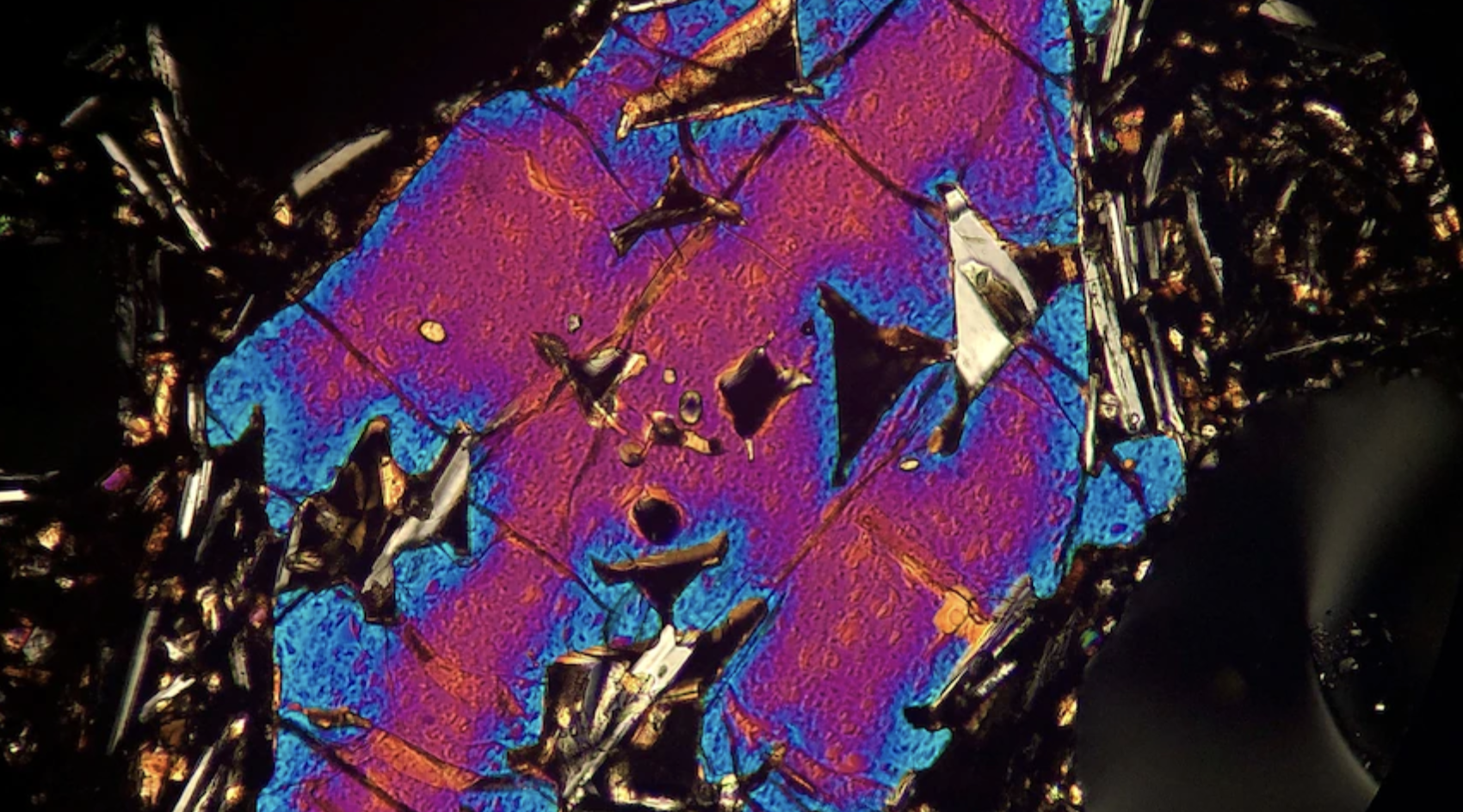
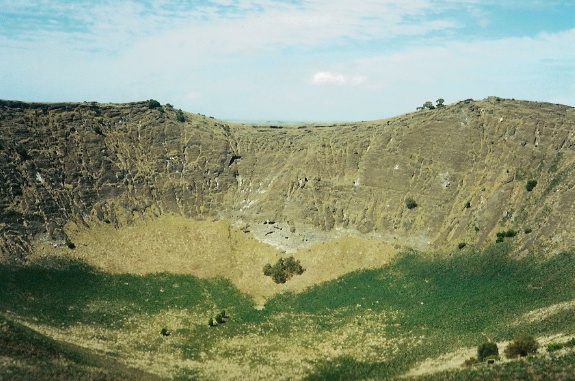
This fragment of volcanic rock could revealed crucial insights into the Newer Volcanics Province, including how fast it was spewed to the surface.

Australia's most recent eruptions

Three "geologically young" volcanoes have erupted in Australia within the last 10,000 years.

That time frame is the period in which volcanologists classify volcanoes as active with the potential of future of activity, Dr Handley explained.

Mount Gambier, South AustraliaMount Schank is a 100 metre high dormant volcano in the southeast corner of South Australia.

Two of these are in South Australia in the Newer Volcanic Province; Mount Schank and Mount Gambier.

The other is the Kinrara Volcano, in north-east Queensland.

What an eruption could look like in Australia

Dr Handley said predicting the timing and exact location of the next eruption is near impossible.

"The youngest areas in Australia they're not focused on an individual volcano, what we have is a really big region that's potentially active," she said.

"The hard thing is we don't know where the next eruption could be.

"It could be anywhere within the field, from the data we have at the moment we don't see any patterns in space or time."

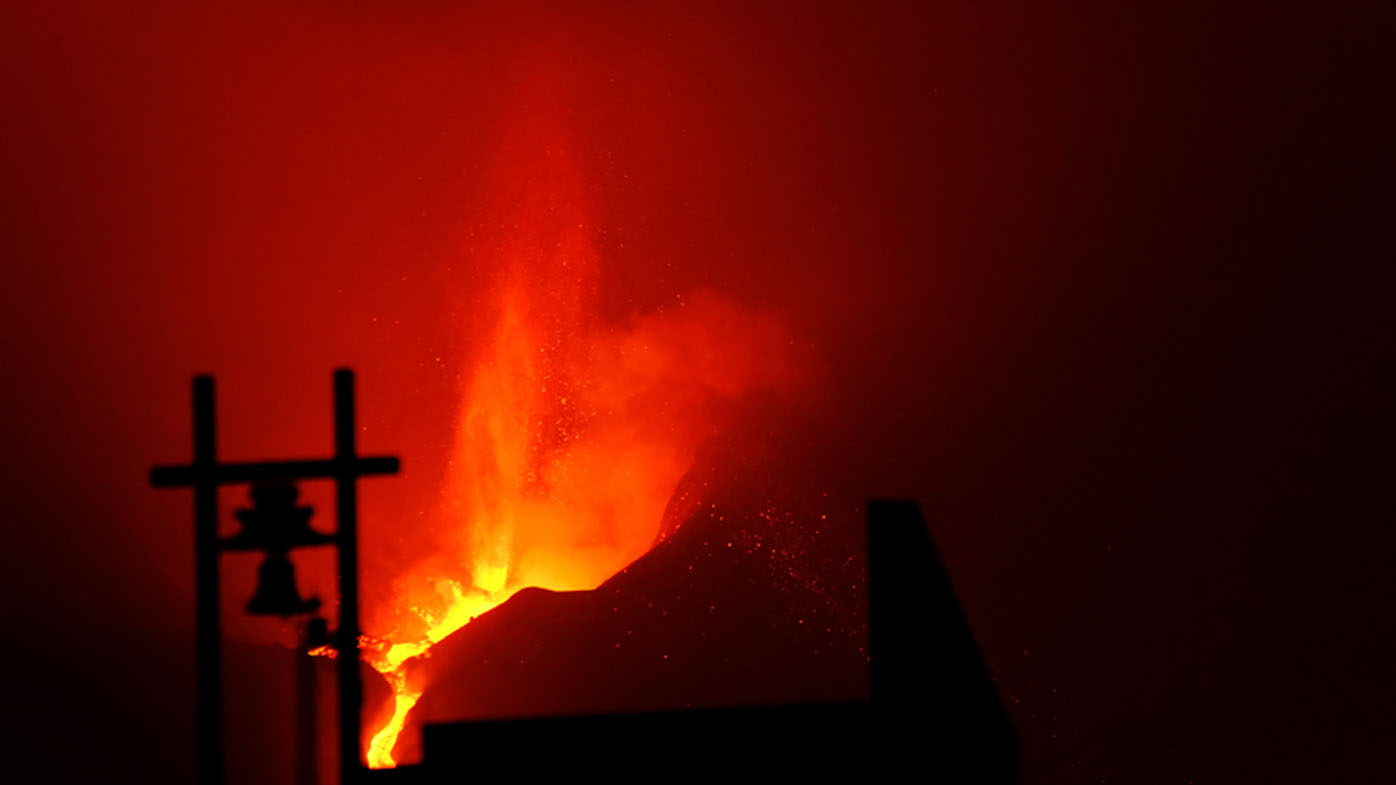
An eruption in Australia could take two forms; a pro-longed "oozing" eruption similar to Cumbre Vieja's eruption in the Spanish island of La Palma and Hawaii's Kilauea's volcano, or a more dramatic "ash-cloud" explosion.

It all depends on whether the magma interacts with ground water.

"If the magma comes up where it meets some cold water it could lead to explosive activity," Dr Handley said.

"It's akin to mixing hot cooking oil with cold water.

"You get an explosive reaction — and we have a lot of limestone that holds water."

Dr Handley said it's unlikely an eruption would hit a major city, and send lava flowing down metropolitan streets, but couldn't "100 per cent rule it out".

"The chances of it happening are very small — the field is very broad," she said.

"In the Newer Volcanic Province, we've had about 400 volcanoes erupting in the last million years or so.

"It just shows the chance of an eruption happening in a single human life-time is very small."

'Without them I would not be here': Blood donor plea amid no-shows

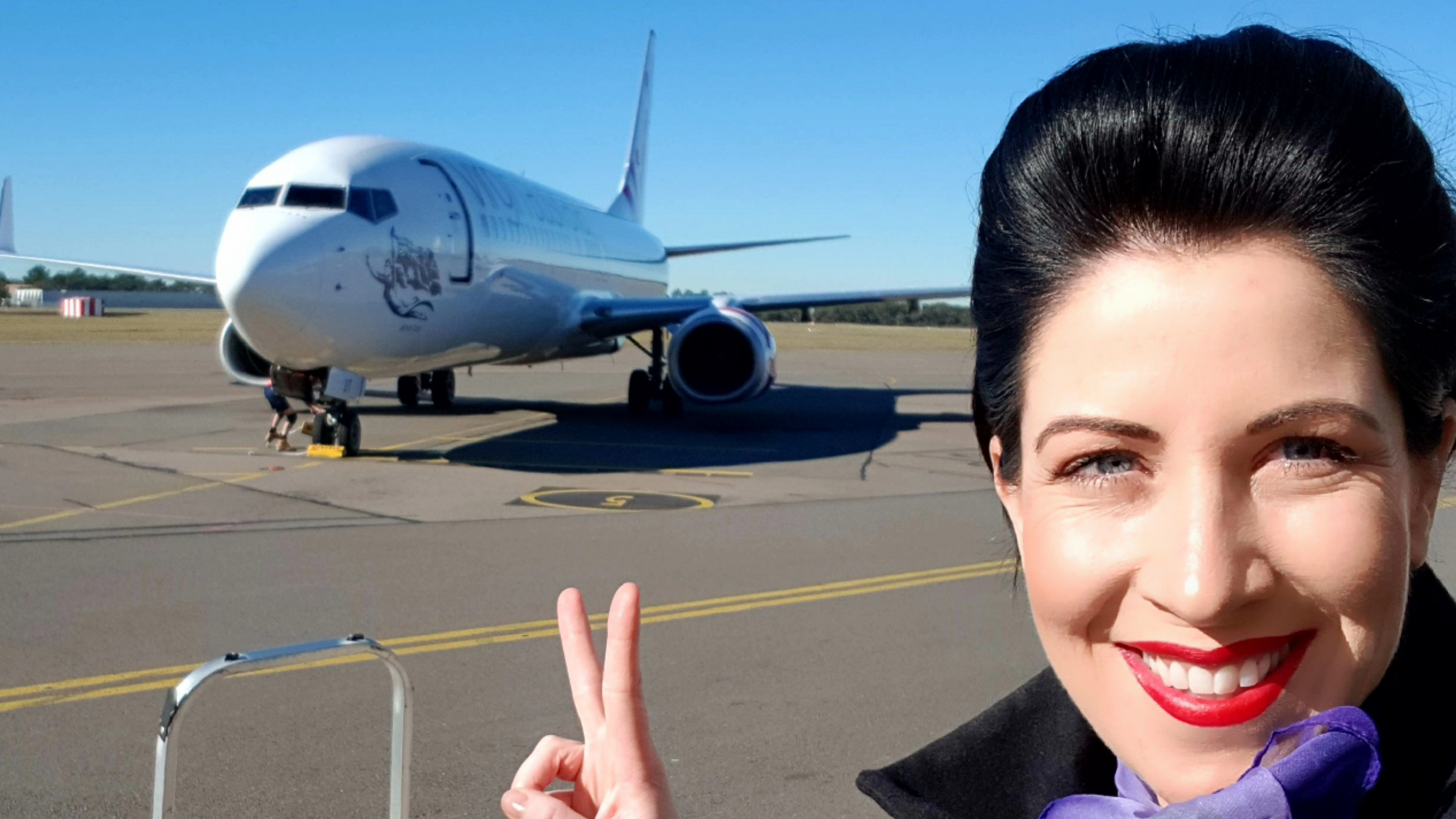
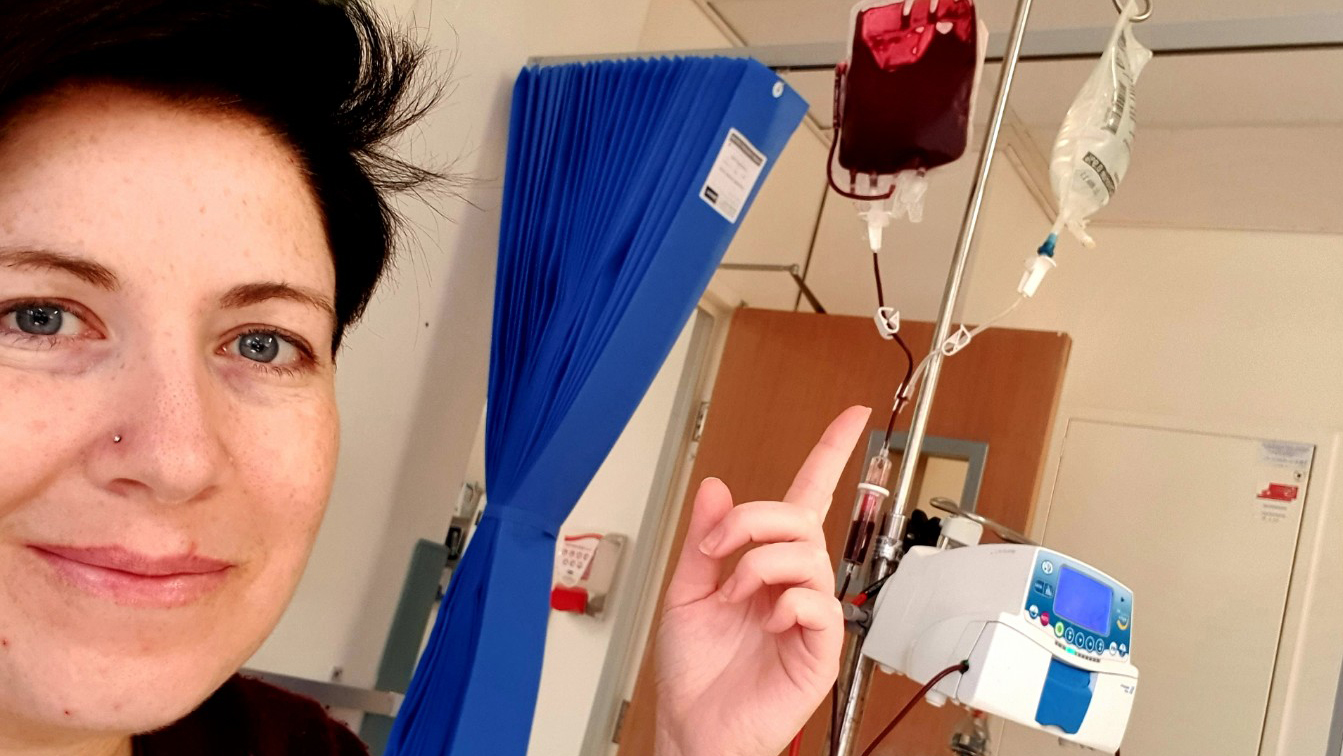
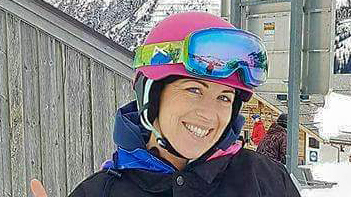
Flight attendant Jacqueline Reid used to regularly give blood — but never thought she would need to rely on other people's donations to keep her alive.

The 36-year-old was diagnosed with a rare disease last year and has had more than 100 blood transfusions since.

"Without them I would not be here," she said.

READ MORE: Thousands of blood donors needed as demand reaches 10-year high

Jacqueline Reid used to give blood- but now needs the donations herself.

Ms Reid had been healthy, flying to Asia with Virgin Australia for almost four years and even competing in the World Airline Ski Championships.

But last winter, she started feeling unwell.

Fainting one day and calling an ambulance to go to hospital led to a shock diagnosis of aplastic anaemia, a serious condition that means her body doesn't produce enough red blood cells.

Until she can have a stem cell transplant next year, Ms Reid has weekly transfusions to keep her alive. It can be an emotional experience.

READ MORE: The 9/11 terror attack survivor who has saved hundreds of lives

Jacqueline, was diagnosed with a very rare bone marrow failure disease in July 2020. Before that she was a healthy 35 year old flight attendant absolutely loving life! Since her diagnosis she has had at least one unit of platelets and one unit of red blood cells a week. Everything she does now revolves around blood testing and blood donations to keep her alive

"At first I was very upset but then that very quickly goes to an indescribable feeling of gratefulness," she said.

"I do often sit and ponder about the people who have donated.

"They will probably never get to actually speak to a person who's received their blood but I'm so grateful."

The flight attendant has a special mission to get her family and friends to eventually donate as much blood into the bank, as she's needed to take out.

"You walk out just feeling great," she recalled from her times donating.

Jacqueline Reid used to give blood- but now needs the donations herself.

But people like Ms Reid are being hit by what blood donation bosses are calling a "bailer boom" – people are not turning up for appointments.

Half of all people booked in to give blood were no-shows earlier this month, and the demand for donations is at a 10-year high.

Now a new Aussie-style campaign by Australian Red Cross Lifeblood is urging people not only to sign up as a donor – but to actually follow through by asking them to take what it has dubbed "the Bloody Oath".

"We need 140,000 new blood donors in 2022 to meet the needs of patients across Australia, an increase of 45 per cent," Lifeblood's Executive Director of Donor Services, Cath Stone, said.

"We are extremely grateful that donors have continued to roll up their sleeves during the pandemic and ensure patients receive the blood and blood products they need, but our existing donors can't do it alone.

READ MORE: Flu season warning as international borders reopen

Australia is in the grip of a "bailer boom" according to new research released today by Australian Red CrossLifeblood – which is issuing a call to arms to boost blood donor ranks.

"We want to harness the mateship and generosity that carried us through the pandemic and build a community of blood donors who are there to give hope, give joy, give second chances, and ultimately, give life."

A survey carried out by the charity found people had growing social fatigue, blaming adjusting to normal activities following lockdowns, the busy festive season, and overcommitting to plans, resulting in cancelling commitments.

To book a donation call 13 14 95, visit lifeblood.com.au, or download the DonateBlood app.

WHO Omicron update: what we know, what we don't

The World Health Organisation has this morning released an update on what we know and don't know about Omicron.

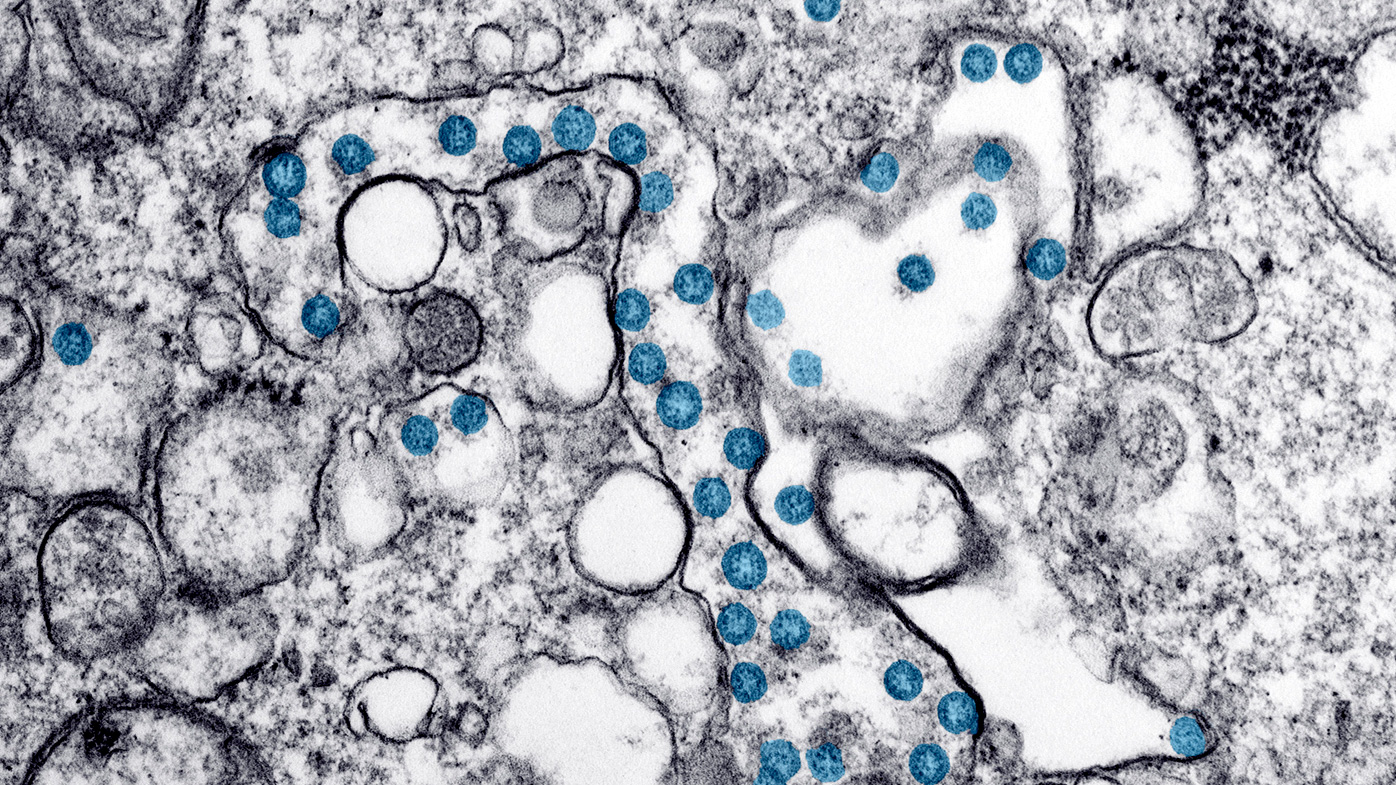
Scientists are urgently trying to learn more about the B.1.1.529 strain of coronavirus which has already spurred international travel bans.

An electron microscope image shows the spherical particles of the new coronavirus, coloured blue, from the first US case of COVID-19.

Transmissibility

It is not yet clear whether Omicron is more transmissible compared to other variants, including Delta, according to WHO.

It could be, but it is too early to say.

The number of people testing positive has risen in parts of South Africa, but studies are underway to understand if it is because of Omicron or other factors.

Explainer: Everything we know about Omicron

Severity of disease

It's too soon to know if Omicron will make us sicker than other variants.

There have been reports of increased hospitalisations in South Africa, but WHO said "this may be due to increasing overall numbers of people becoming infected, rather than a result of specific infection with Omicron."

Omicron variant: How Australia's states and territories are responding

Effectiveness of vaccines

You guessed it, too soon to know.

What is important is that WHO is coordinating with a large number of researchers around the world to better understand Omicron.

Studies already underway or about to begin include assessments of transmissibility, severity of infection, performance of vaccines and diagnostic tests, and effectiveness of treatments.

What if I have already had COVID?

According to WHO, "preliminary evidence" suggests people who have previously had COVID-19 could become reinfected more easily with Omicron.

Again, work is underway to confirm if this is correct.

Will regular COVID-19 tests detect Omicron?

Yes, widely used PCR tests will continue to detect infection.

And treatments?

Corticosteroids and IL6 Receptor Blockers will still be effective for managing patients with severe COVID-19, WHO said.

But studies will investigate if other drugs can better treat Omicron.

What is WHO recommending Australia does now?

Nothing different, at present.

We have been urged to keep vaccinating, and to monitor Omicron cases and report and share data.

READ MORE: Vaccine inequity and hesitancy made the Omicron variant more likely, scientists say