Tag Archives: oceania

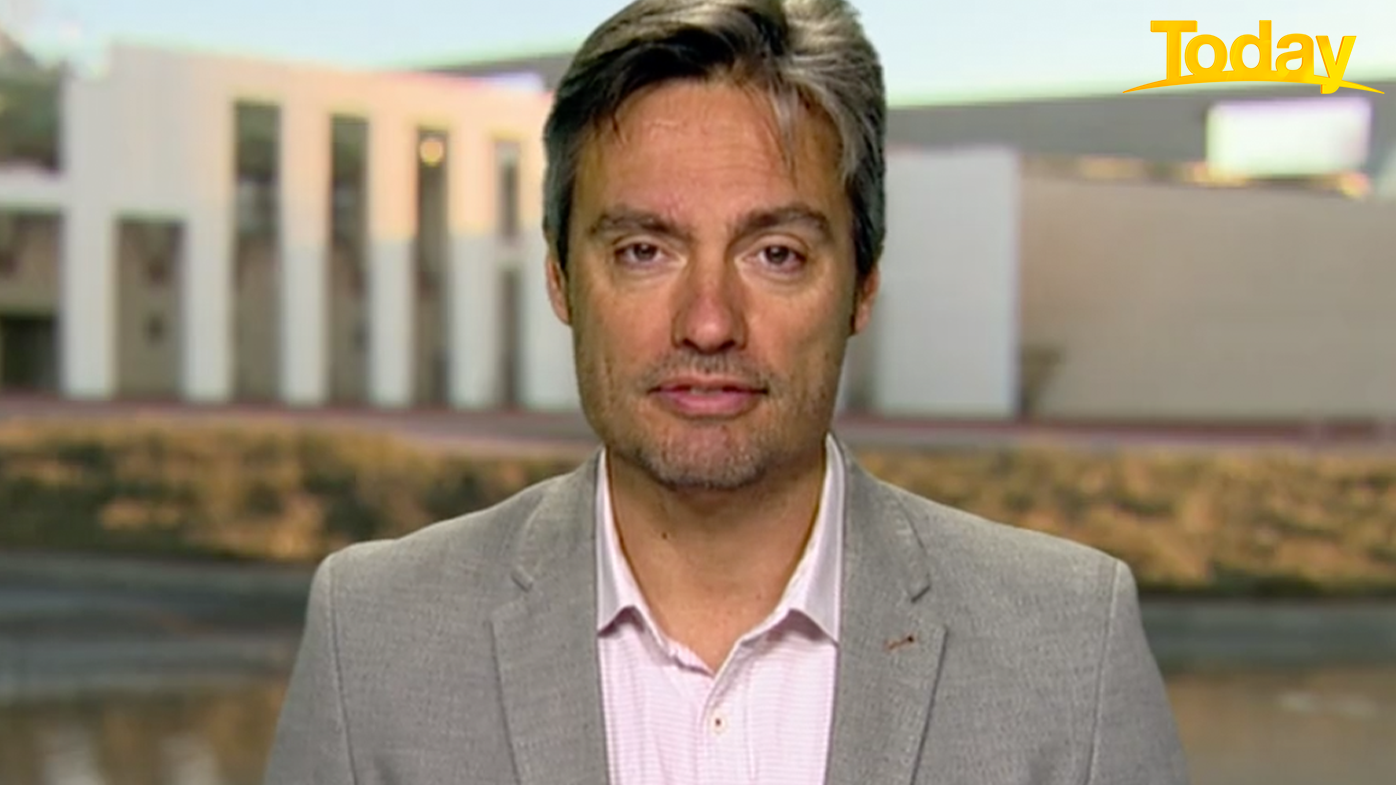
'If it's mild, you actually want it to spread': Coatsworth on Omicron

A leading doctor says the apparent mild symptoms of the Omicron variant mean widespread community transmission should not be feared.

Currently, around 155 cases of Omicron have been recorded worldwide.

The strain, which was deemed "a variant of concern" by the World Health Organisation (WHO) on Saturday, has spread to at least 12 countries so far including Australia, Israel, Germany, Italy and the UK.

READ MORE: Pharmaceutical giant developing Omicron variant vaccine

Dr Coatsworth expects more data on the Omicron variant in the next few days

Nick Coatsworth, a former federal deputy chief health officer, told Today the new variant could even displace the current dominant Delta variant.

"If this is milder than Delta, you actually want it to spread within your community," he said.

"You want it to out compete Delta and become the pro-dominant circulating virus … it could be that we want Omicron to spread around the world as quickly as possible."

READ MORE: Doctor who discovered Omicron variant calls for end to 'hype'

The comment comes after Chair of the South African Medical Association, Dr Angelique Coetzee, said most patients she's seen are presenting will non-severe, asymptotic illness.

Dr Coetzee was the first to raise the alarm about the new strain.

Dr Coatsworth said the world should know more about Omicron in the next several days, and called for calm.

READ MORE: How Australia's states and territories are responding to the Omicron variant

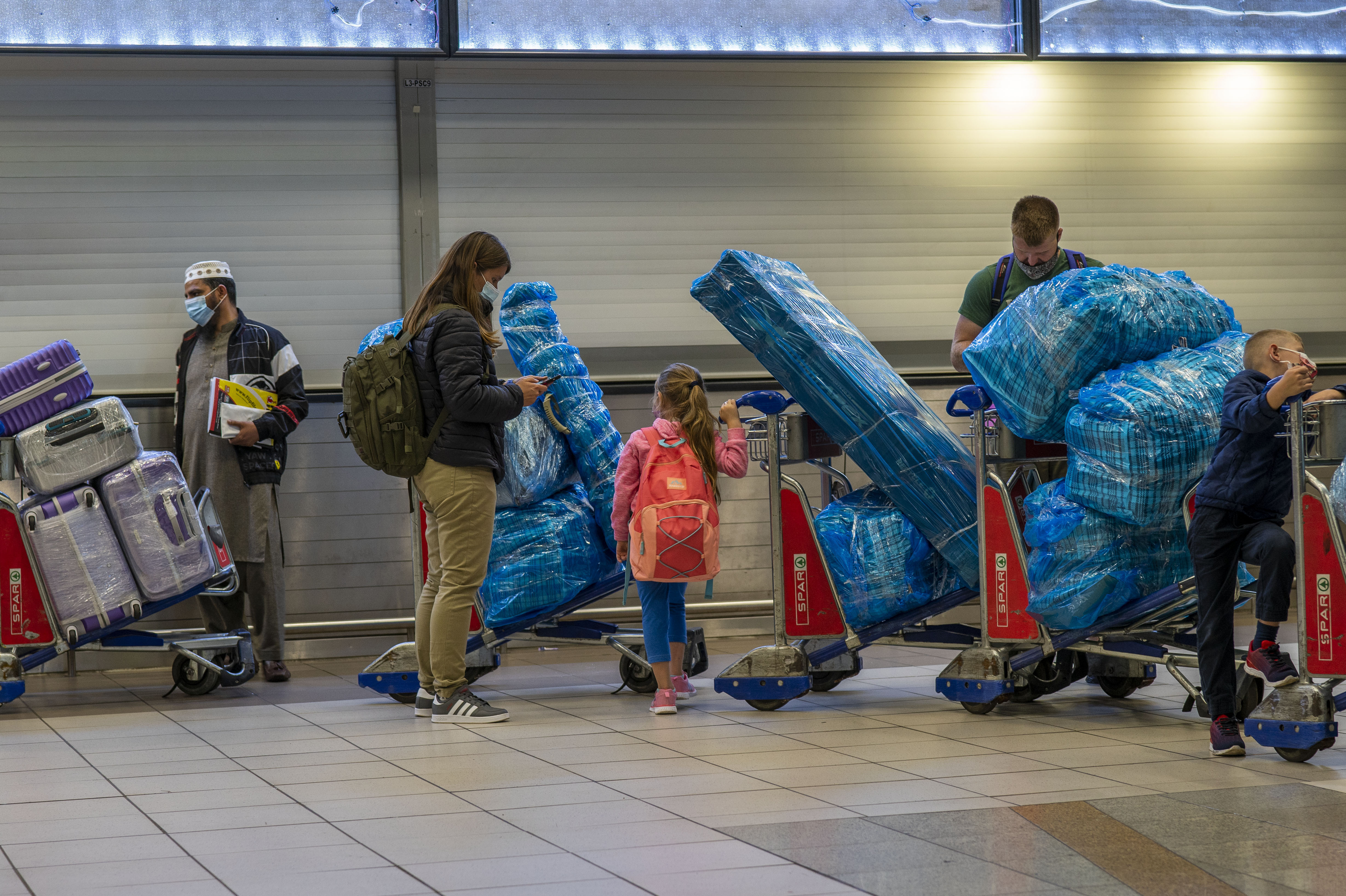
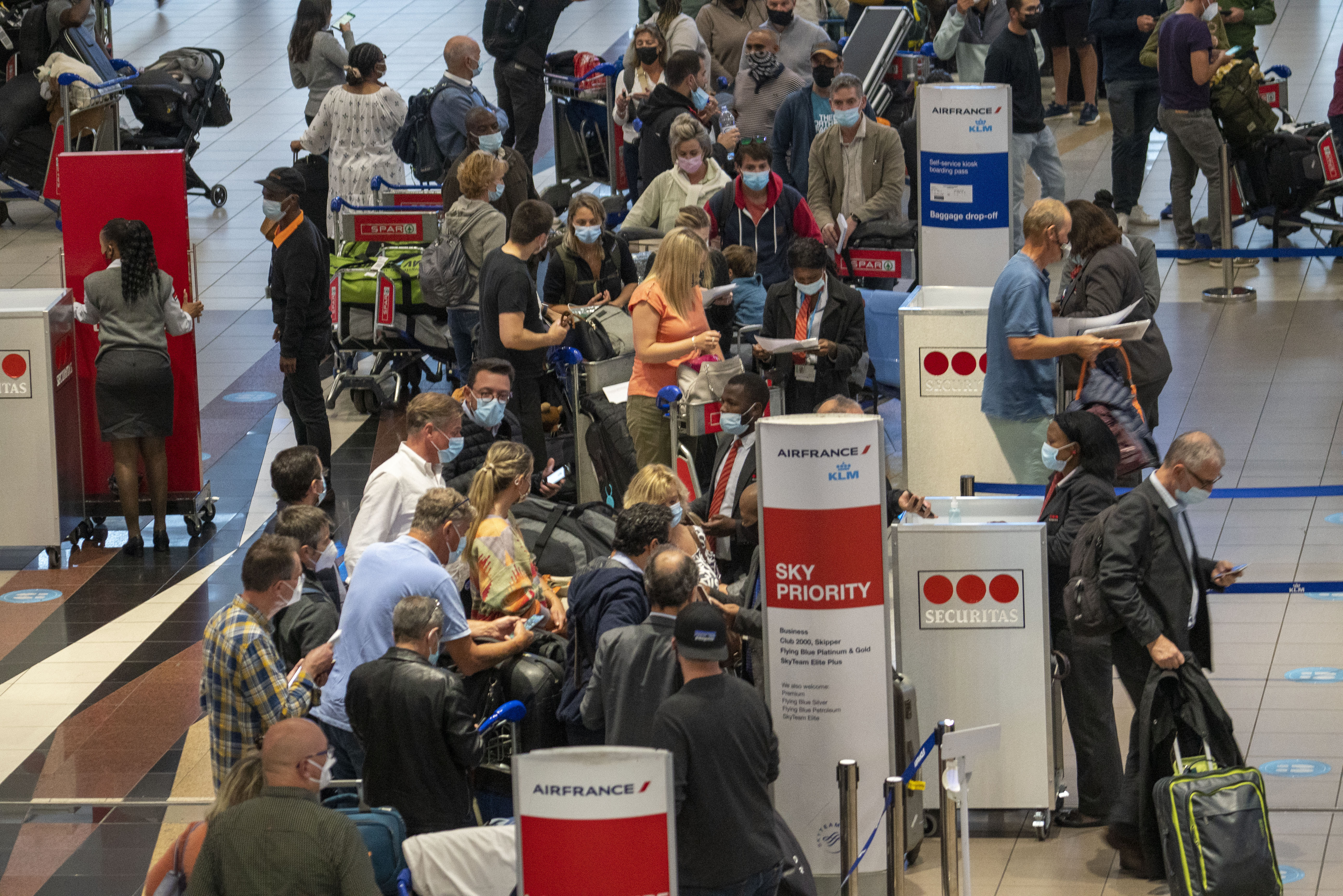
People lineup to get on an overseas flight at OR Tambos airport in Johannesburg, South Africa, Friday Nov. 26, 2021.

"I definitely don't think we should be waking up to any sort of panic. This thing is only 72-hours old," he said.

"There's three elements of concern, it can transmit more quickly, it can be more deadly, or evade the vaccine.

"There's a lot we need to find out and I don't think there's any strong evidence at the moment."

He said until we have answers to those three concerns, Australia should only enact mild restrictions — and not bring booster shots forward.

"The only thing we should change is mild restrictions on the number of people coming into the country from certain other countries," Dr Coatsworth said.

"At the moment everything else can go on as planned."

Join the Today show family and give yourself the chance to win great prizes by signing up to our weekly newsletter, delivered straight to your inbox every Wednesday with a special message from Karl and Ally. You can sign up for free here.

Exhausted nurses quitting in droves: 'I felt sick going to work'

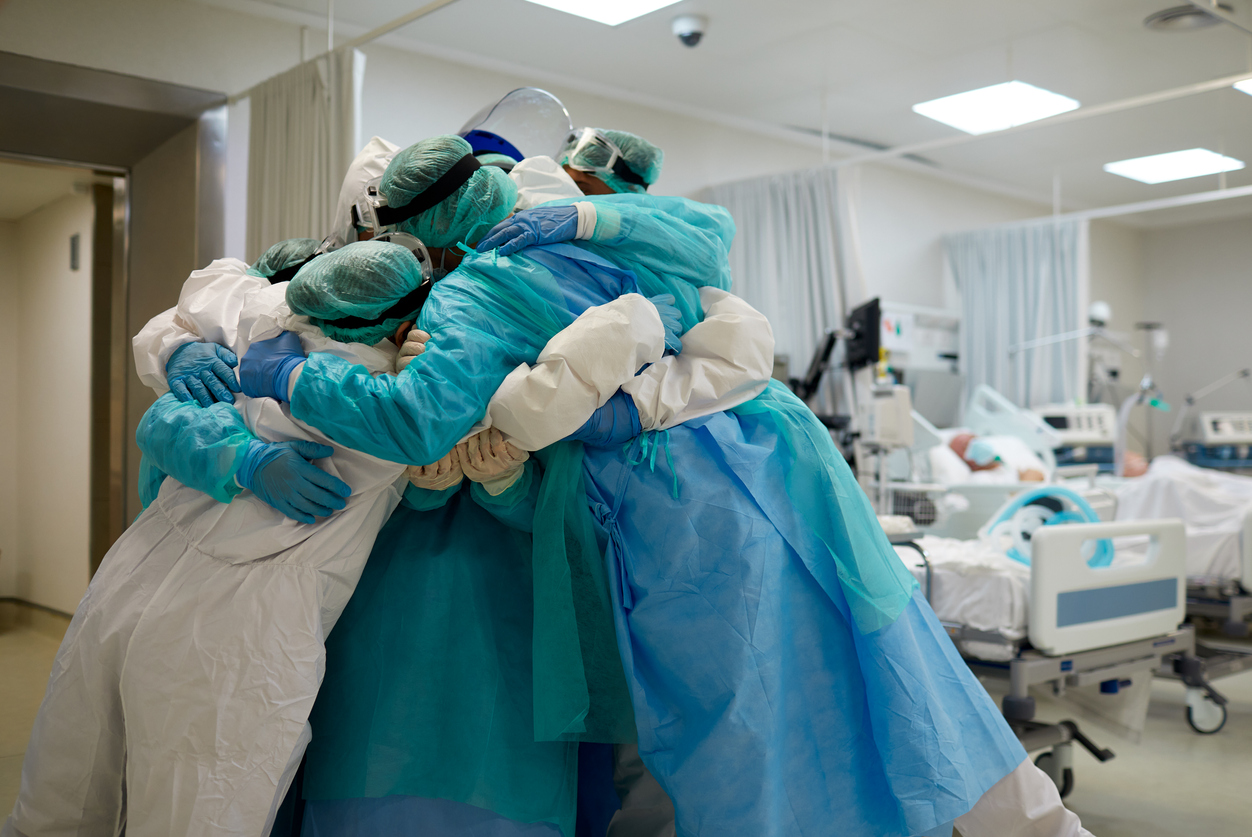
Exhausted nurses are giving up their registration and walking away from their jobs in droves, unable to cope with gruelling work conditions amid chronic staff shortages.

9News.com.au has been told nurses are either drastically cutting back their hours, taking career breaks, or quitting in a year where the COVID-19 pandemic has crippled the industry.

A Melbourne nurse spoke to 9news.com.au about making the life-changing decision to pull the plug on her nursing career after feeling crushed by the physical and mental pressures of the job.

READ MORE: What we know about Omicron, the new COVID-19 variant in South Africa

Tired nurse

The nurse, who has requested to remain anonymous, said the industry has been overrun and understaffed since the pandemic hit, which has left many swamped with an unbearable workload.

For many nurses like her, staff shortages and an increase in patients have led to double shifts and overtime becoming an exhausting norm.

Despite trying to stick it out, she told 9News.com.au she had to quit as she could not take it anymore.

"The hardest thing has been knowing how busy and how short-staffed the unit is, but then feeling like I can't possibly work anymore," she said.

"You pull overtime, you pull double shifts and things like that but the unit is always, always short-staffed."

While she has a passion for nursing and a love for caregiving, there was one person who wasn't being looked after: herself.

"I loved it and I am passionate about healthcare and providing good quality healthcare — but not in these circumstances," she said.

"I think that's a lot of the reason why a lot of people are questioning whether they should leave because at what point does that love and passion for it run out?"

Leaving the industry did not come without guilt, the nurse revealing the decision to walk away — especially during a pandemic year — weighed on her heavily.

"I was definitely worried that I would be letting people down because the unit is already so short-staffed," she said.

"You are always getting text messages saying, 'can anyone work today or tomorrow,' multiple texts a day wondering if anyone can cover a shift.

"You get that feeling of no one can do enough."

READ MORE: Man receives 3D-printed eye in global first
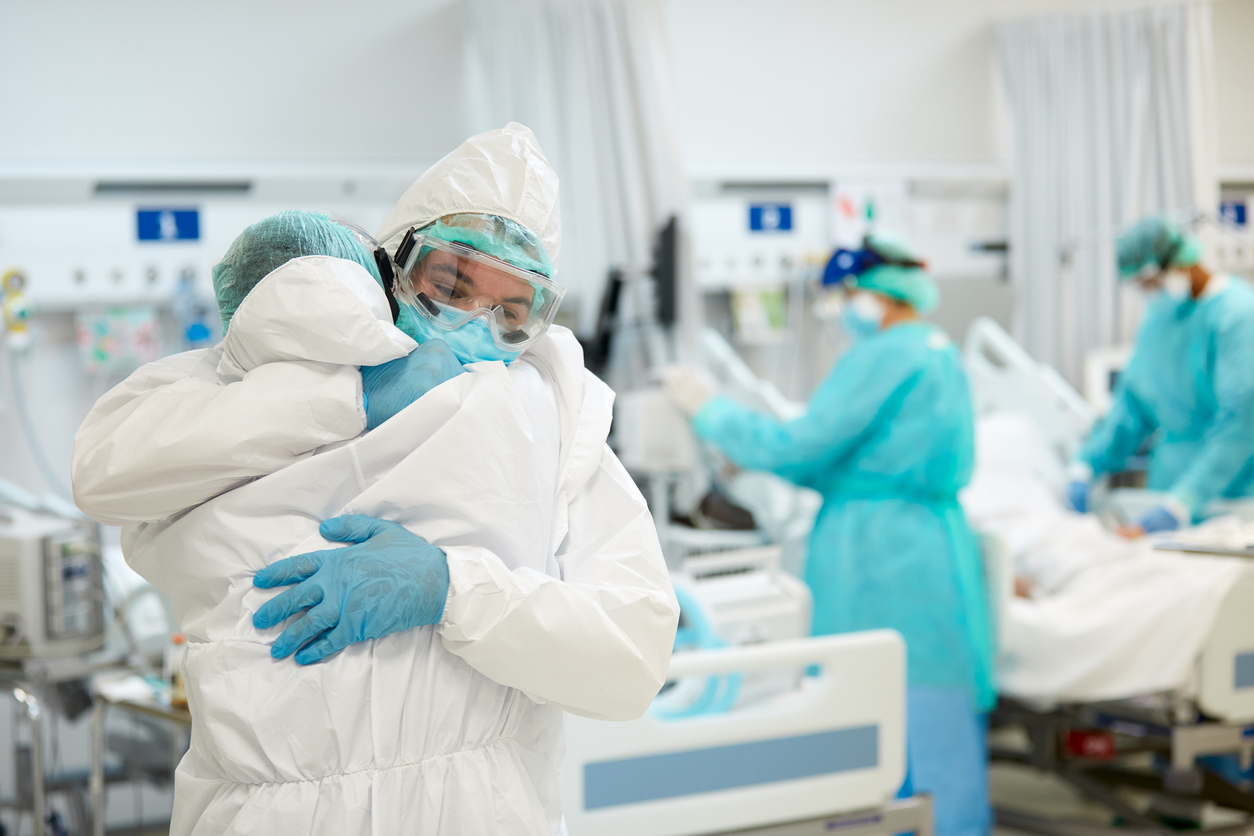
The long hours, combined with the difficulties that come with shift work and feeling burnt out, meant some days she would break down in tears before going to work.

"In terms of my anxiety levels, I felt sick going to work," she said.

"I would cry before going to work, my partner definitely saw how much it affected me and I felt like I was caught between a rock and a hard place.

"There is a lot of pressure and you kind of can't fathom going to work sometimes.

"It's safe to the point where nurses are struggling."

The nurse is not alone. She told 9News.com.au that many people were either contemplating quitting or had quit due to the overwhelming workload.

Another Melbourne nurse, who also spoke on the condition of anonymity, said she has considered quitting numerous times due to the pressure.

Instead, she has decided to reduce her hours next year in an attempt to gain some much-needed relief.

"People are exhausted and there's not enough staff and everyone is overworking," she said.

"A lot of people are needing to call in sick for mental health days."

She told of how in recent shifts there had been unsafe patient-to-staff ratios due to worker shortages.

According to the nurse, there had been instances of nurses and midwives taking on double the number of patients than their ratio limit on the same shift.

READ MORE: How Australia's states and territories are responding to the Omicron variant
"I know a lot of people that are leaving, a lot of people who are contemplating leaving, and a lot of people reducing hours to reduce their stress," she said.

"We have had people who have lost their jobs because they won't get vaccinated, we have had people quit because it's too stressful for them.

"It's definitely understaffed and we need more support, we need more staffing."

Both nurses emphasised their hospitals were not to blame, describing the staff shortages as "systemic issues", with their units trying their hardest to provide a safe workplace under strenuous circumstances.

Stringent PPE requirements — although necessary — have only inflamed their stress.

The nurses said the pain they suffered from wearing the gear was "awful".

"There's a lot of nurses that have pressure sores on their face, have developed dermatitis, they are having headaches now as a direct result of the N95 masks and face shields," the second nurse said.

"The morale is very low. It's hard to find positivity and enjoy your work when everyone there is burnt out, stressed, overworked and feeling underappreciated."

Australian College of Nursing chief executive Kylie Ward said approximately 20,000 nurses have given up their registration this year – according to AHPRA figures – a number which she described as "alarming" in a pandemic year.

Adjunct Professor Ward said the figure was not so different from the turnover in previous years, but still concerning as the industry could not replace experienced staff with new graduates.

However, she admitted recently she has been inundated with phone calls, emails and messages from nurses who had decided to leave or voiced concerns about serious burnout.

Several nurses were also falling victim to vile abuse.

"I am getting contacted every day. We get hundreds and hundreds of letters, emails, Facebook messages," Professor Ward said.

"What I am hearing every day is nurses are just walking away from their job.

"They are giving up their registration."

READ MORE: Blood donor plea as people fail to show

Nurses are leaving for a number of reasons, including retirement, exhaustion and stress, and to work in a completely different industry.

The precise number of nurses who have quit will become clear in figures released in May next year.

"There are more concerns where nurses are just walking away, having a career break, stepping away from their job and finding something else to do that is not in health —which is a huge worry because it's a massive loss of knowledge, experience and contribution," Professor Ward said.

However, Australian Nursing and Midwifery Federation Victorian branch secretary Lisa Fitzpatrick shut down suggestions that nurses were walking away from their jobs.

"Nursing and Midwifery Board of Australia registration renewal numbers are stable with 96 per cent of all current nurses and midwives retaining their registration each year and the numbers are increasing every year," she said.

"No one is aware of any difference in resignation rates."

However, she said the "burnout is real" and nurses and midwives were "beyond exhausted".

"They are unable to take annual leave, they are doing extra shifts, double shifts and overtime," she said.

"As COVID-19 hospitalisations decline, they remain at high-capacity levels due to the non-COVID patients whose care and treatment has been delayed."

According to Ms Fitzpatrick, the solution to easing the pressure weighing on the industry was ensuring the community continued to get vaccinated against COVID-19 and "practical pandemic laws".

"We need Victorians to understand a pandemic doesn't care if you want it to be over. We are still living with a virus that has killed millions of people across the world."
Nation tightens restrictions to halt spread of Omicron variant

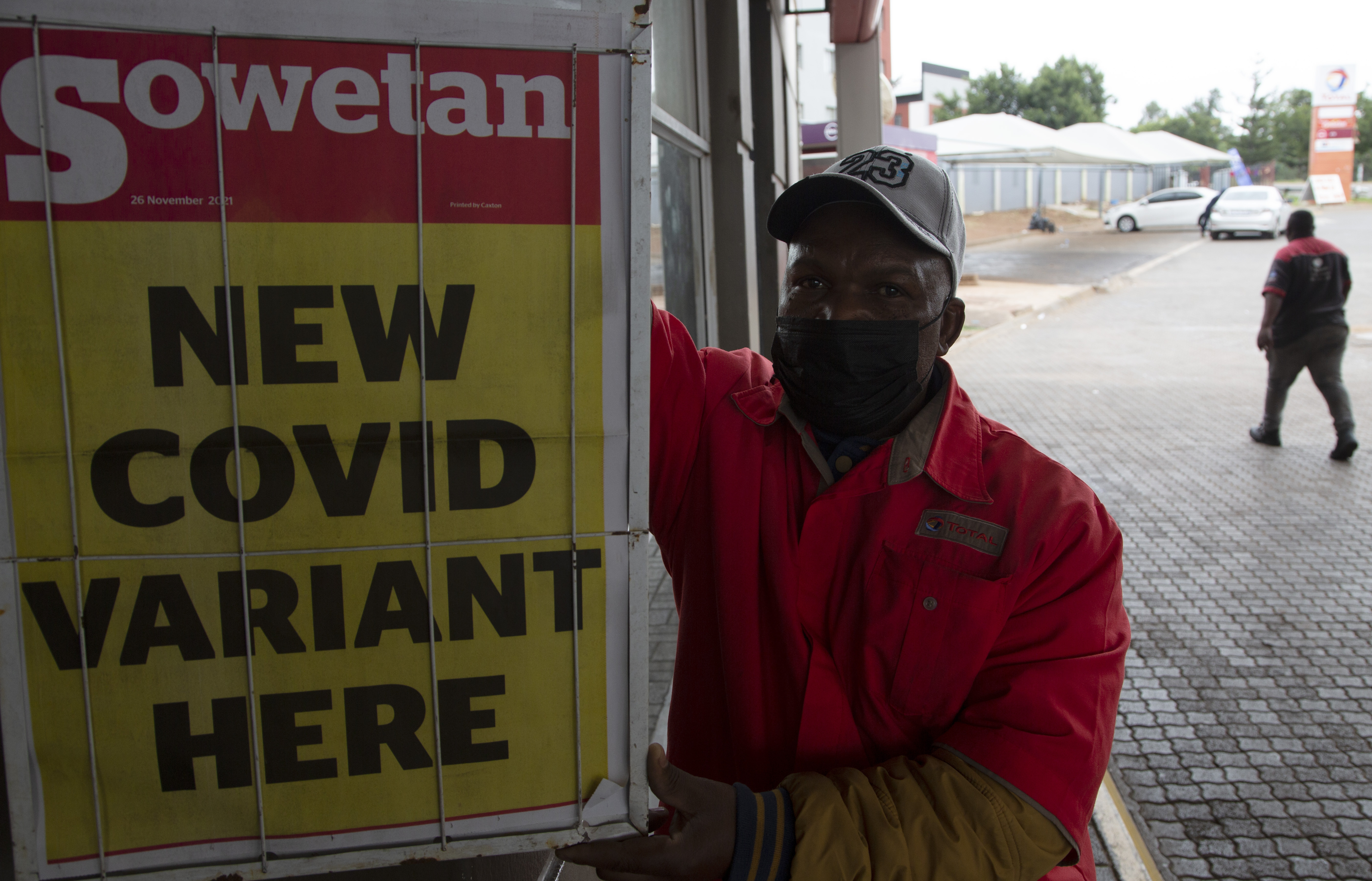
The UK has tightened up rules on mask-wearing and on testing of international arrivals after finding two cases of the new potentially more contagious Omicron variant of the coronavirus that was identified just a few days ago in South Africa.

Amid fears that the new variant has the potential to be more resistant to the protection offered by COVID-19 vaccines, there are growing concerns around the world that the pandemic and associated lockdown restrictions will persist for far longer than hoped.

Nearly two years on since the start of the pandemic that has claimed more than 5 million lives around the world, countries are on high alert. Many countries have already imposed travel restrictions on flights from southern Africa as they seek to buy time to assess whether the omicron variant is more transmissable than the current dominant Delta variant.

READ MORE: Explainer: What we know about Omicron

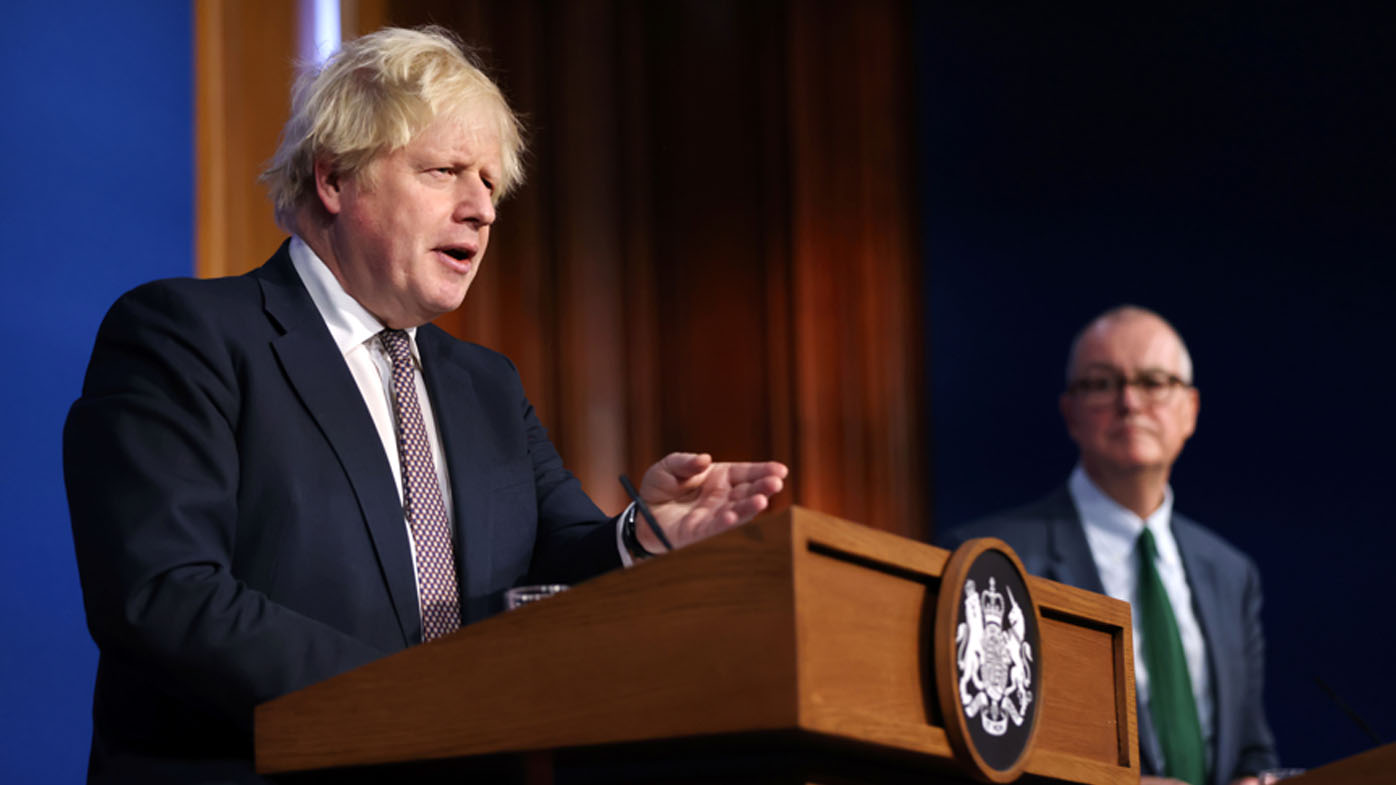
In an attempt to slow the spread in the UK, British Prime Minister Boris Johnson said it was necessary to take "targeted and precautionary measures" after two people tested positive for the new variant in England.

"Right now this is the responsible course of action to slow down the seeding and the spread of this new variant and to maximise our defences," he told a news conference.

Among the measures announced, Mr Johnson said anyone arriving in England will be asked to take a a mandatory PCR test for COVID-19 on the second day after their arrival and must self isolate until they provide a negative test. And if someone tests positive for the Omicron variant, then he said their close contacts will have to self-isolate for 10 days regardless of their vaccination status — currently close contacts are exempt from quarantine rules if they are fully-vaccinated.

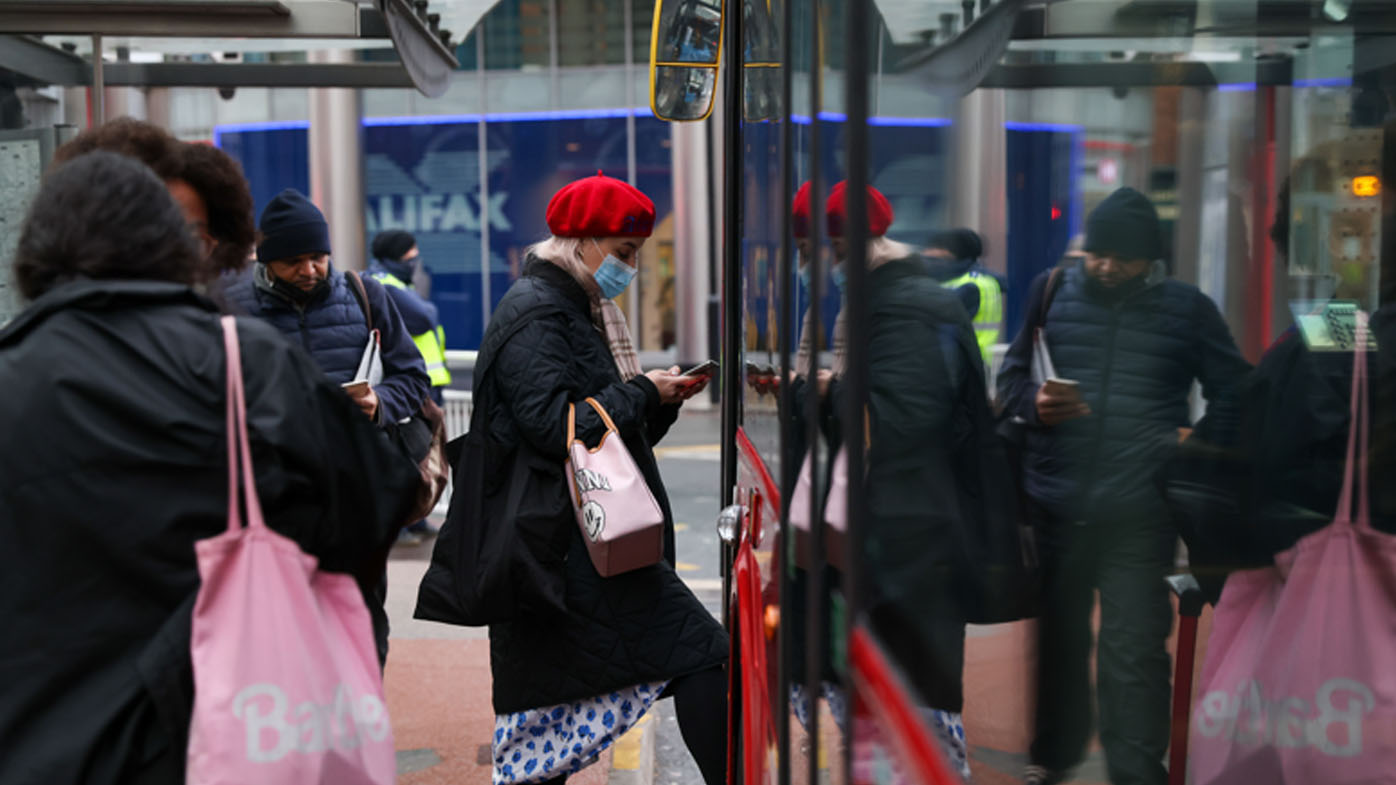
He also said mask-wearing in shops and on public transport will be required and said the independent group of scientists that advises the British government on the rollout of coronavirus vaccines has been asked to accelerate the vaccination program. This could involve widening the booster program to younger age groups, reducing the time period between a second dose and a booster and allowing older children to get a second dose.

"From today we're going to boost the booster campaign," Mr Johnson said.

READ MORE: Overseas arrivals face new restrictions

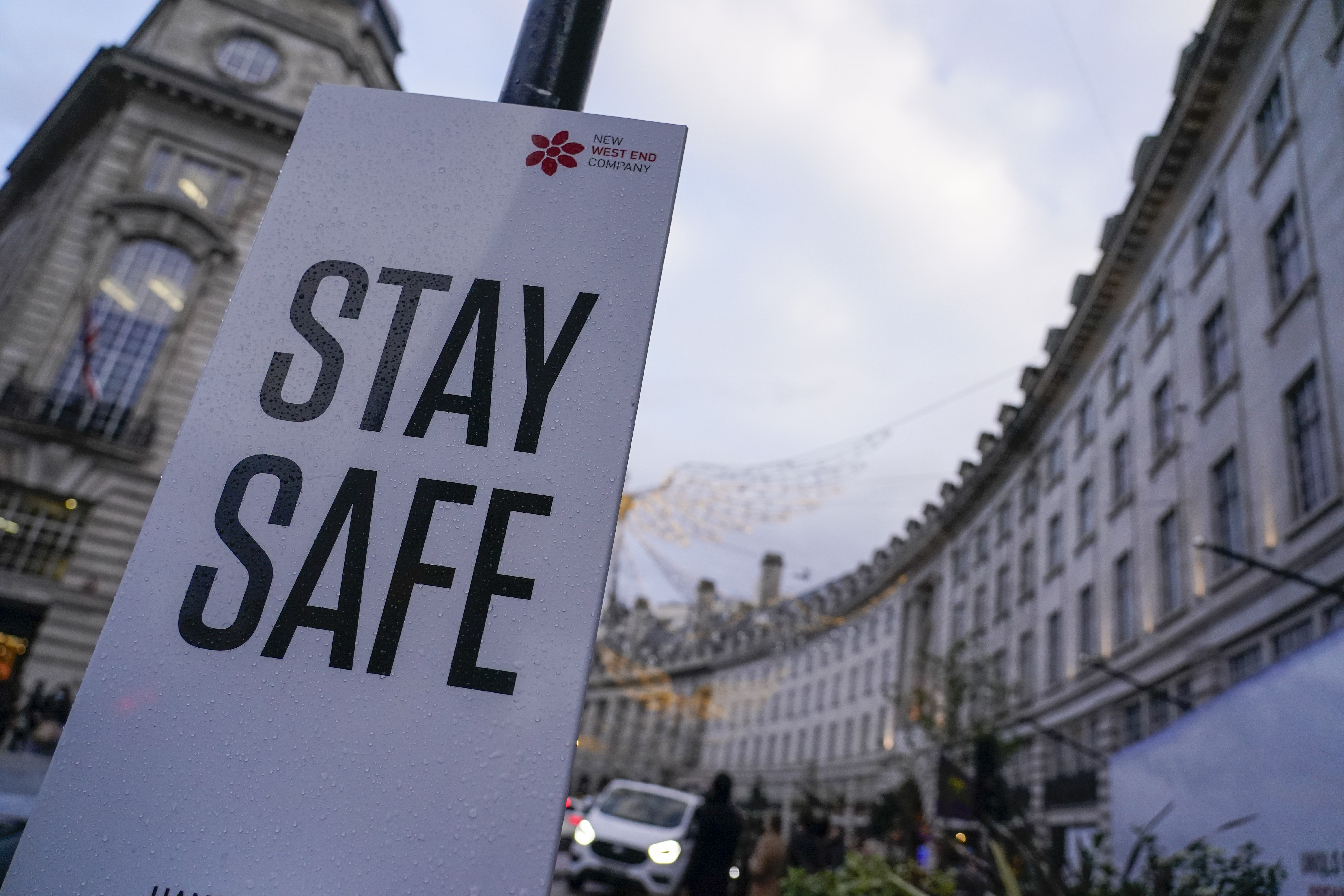
A sign reading Stay safe in Regent Street, in London, Friday, Nov. 26, 2021.

Earlier UK Health Secretary Sajid Javid confirmed that two people tested positive with the Omicron variant in the southeastern English town of Chelmsford and in the central city of Nottingham. He said the cases were linked and related to travel from southern Africa.

Mr Javid said the two confirmed cases are self-isolating alongside their households while contact tracing and targeted testing takes place.

He also said arrivals from Angola, Malawi, Mozambique and Zambia will have to quarantine from Sunday and stressed the importance of booster jabs.

"This is a real reminder that this pandemic is far from over," he said. "If we need to take further action, we will."

Many countries have slapped restrictions on various African countries over the past couple of days including Australia, Brazil, Canada, the European Union, Iran, Japan, Thailand and the United States, in response to warnings over the transmissability of the new variant — against the advice of the World Health Organisation.

People lineup to get on the Air France flight to Paris at OR Tambos airport in Johannesburg, South Africa, Friday Nov. 26, 2021.

Pharmaceutical companies expressed optimism that they could finesse their vaccines to deal with the new variant though that would clearly take some time.

Despite the banning of flights, there are mounting concerns that the variant has already been widely seeded around the world. In addition to the UK, cases have been reported in travellers in Belgium, Israel and Hong Kong.

Germany also said it suspected a positive case and Dutch authorities were testing whether 61 people who arrived on two flights from South Africa with COVID-19 have the Omicron variant.

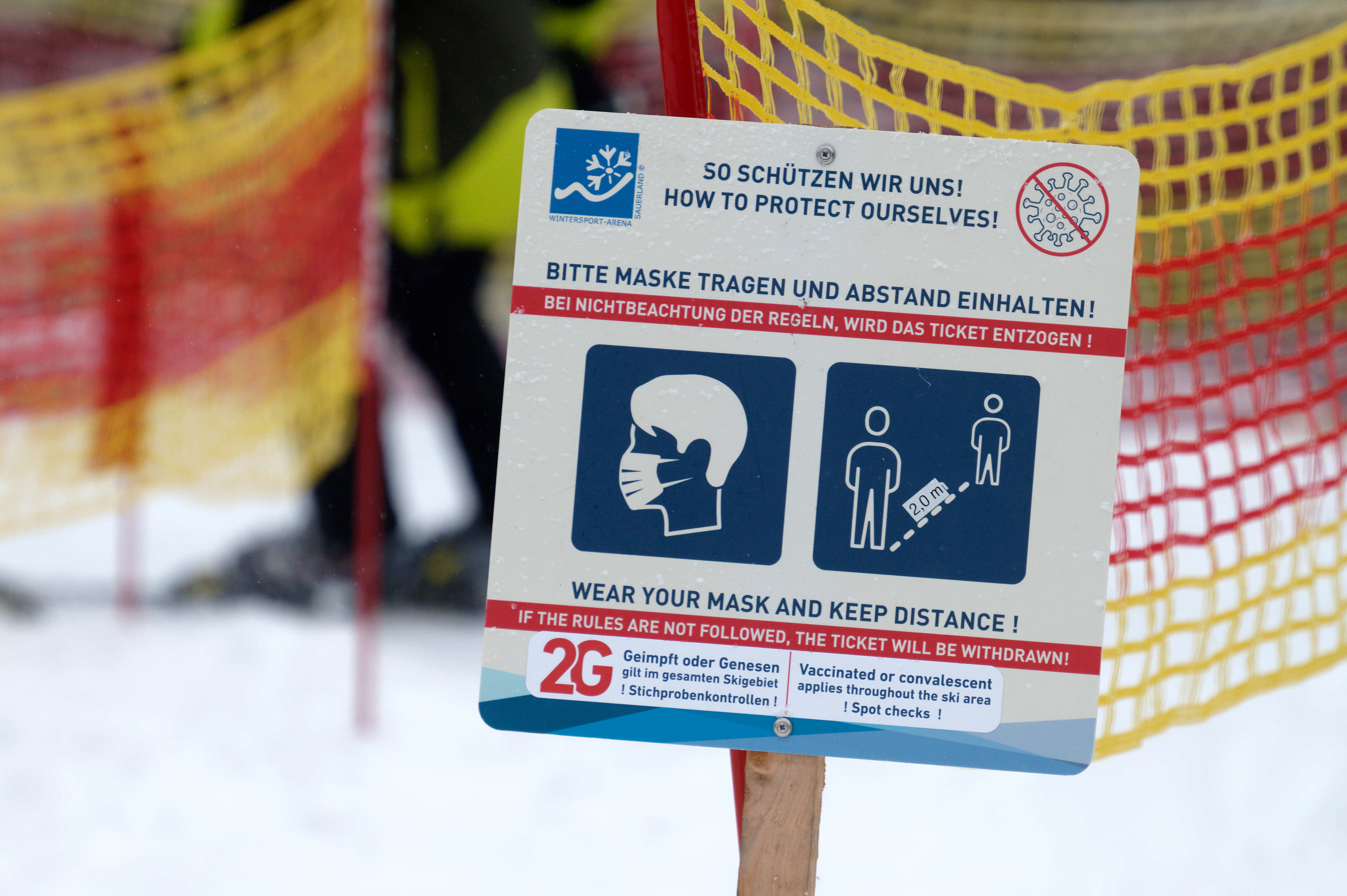
Signs at the Rauher Busch ski slope point out the applicable Corona rules A public order official checks the COVID-19 vaccination certificates of skiers at the Rauher Busch ski slope in Winterberg, Germany, Saturday, Nov. 27, 2021.

The planes arrived in the Netherlands from Johannesburg and Cape Town shortly after the Dutch government imposed a ban on flights from southern African nations.

The 539 travellers who tested negative were allowed to return home or continue their journeys to other countries. Under government regulations, those who live in the Netherlands and are allowed to return home must self-isolate for at least five days.

Meanwhile, a German official said that there's a "very high probability" that the Omicron variant has already arrived in the country.

Kai Klose, the health minister for Hesse state, which includes Frankfurt, said in a tweet that "several mutations typical of Omicron" were found Friday night in a traveller returning from South Africa, who was isolated at home. Sequencing of the test had yet to be completed.

People lineup to get on an overseas flight at OR Tambos airport in Johannesburg, South Africa, Friday Nov. 26, 2021.

The global health body has named the new variant Omicron, labelling it a variant of concern because of its high number of mutations and some early evidence that it carries a higher degree of infection than other variants.

That means people who contracted COVID-19 and recovered could be subject to catching it again. It could take weeks to know if current vaccines are less effective against it.

With so much uncertainty about the Omicron variant and scientists unlikely to flesh out their findings for a few weeks, countries around the world have been taking a safety-first approach, in the knowledge that previous outbreaks of the pandemic have been partly fuelled by lax border policies.

Nearly two years on since the start of the pandemic that has claimed more than 5 million lives around the world, countries are on high alert.

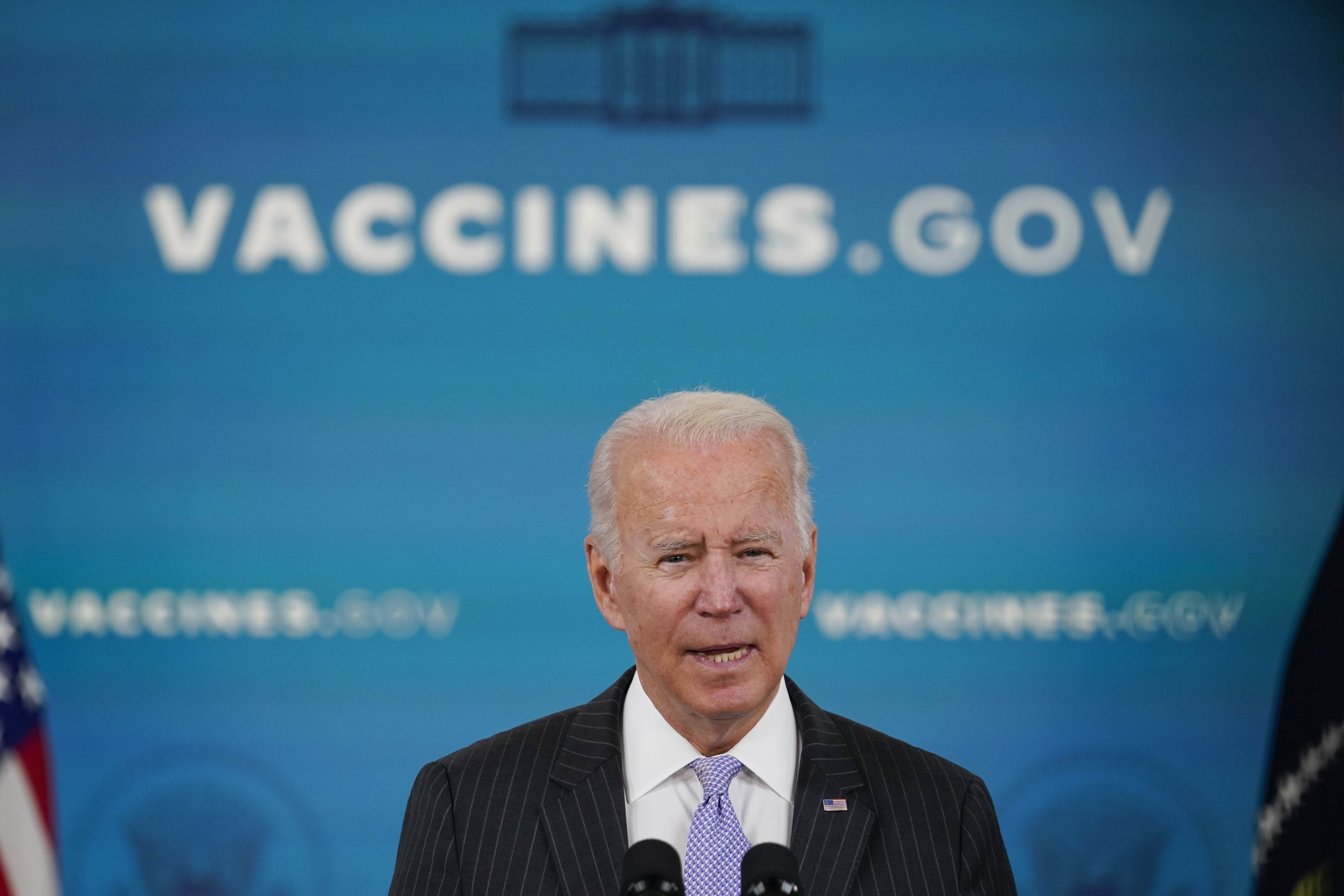
President Joe Biden talks about the newly approved COVID-19 vaccine for children ages 5-11 from the South Court Auditorium on the White House complex in Washington, Nov. 3, 2021.

The variant's swift spread among young people in South Africa has alarmed health professionals even though there was no immediate indication whether the variant causes more severe disease. In just two weeks, omicron has turned a period of low transmission in the country into one of rapid growth.

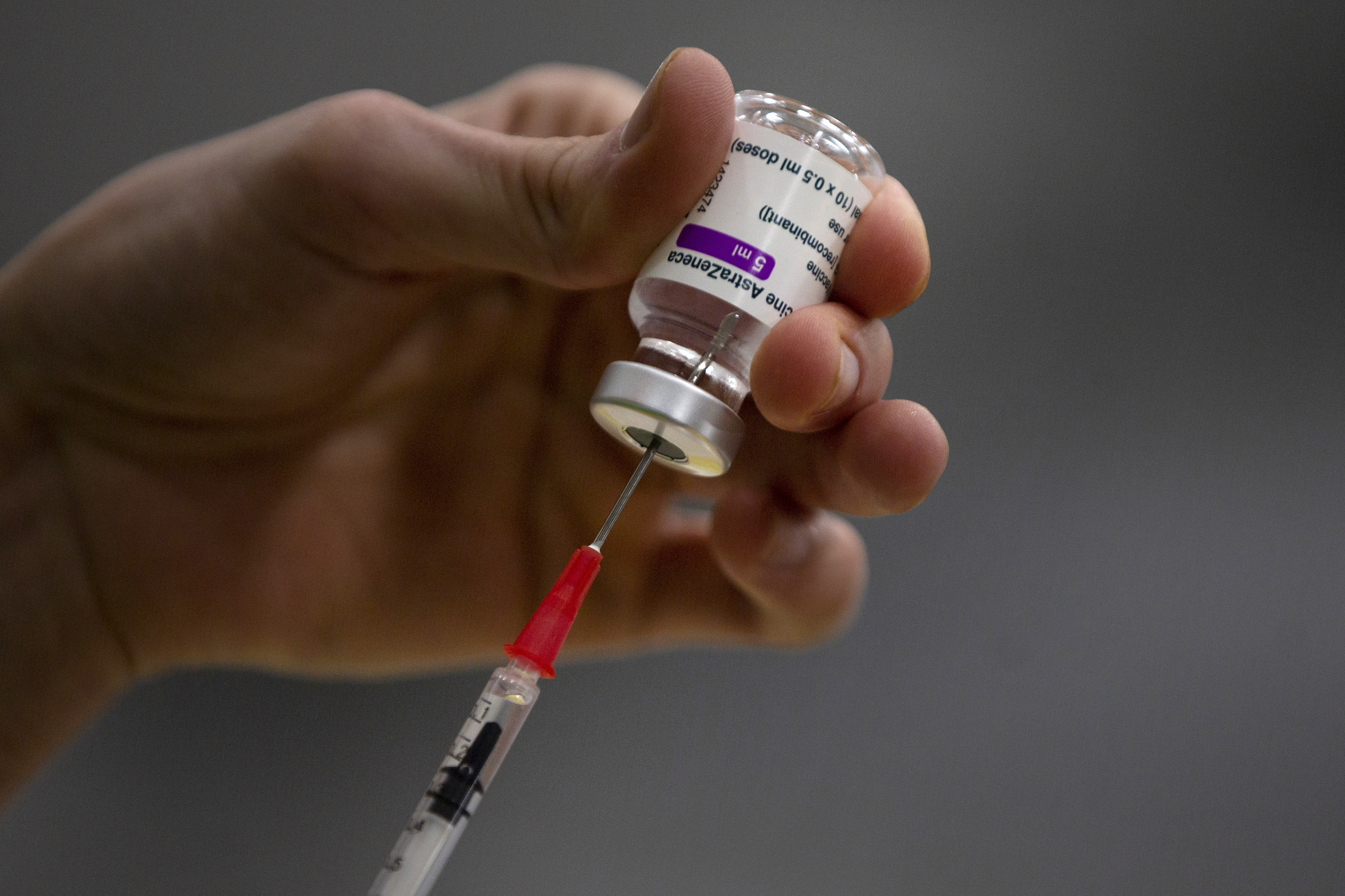
A number of pharmaceutical firms, including AstraZeneca, Moderna, Novavax and Pfizer, said they have plans in place to adapt their vaccines in light of the emergence of omicron. Pfizer and its partner BioNTech said they expect to be able to tweak their vaccine in around 100 days.

Professor Andrew Pollard, the director of the Oxford Vaccine Group which developed the AstraZeneca vaccine, expressed cautious optimism that existing vaccines could be effective at preventing serious disease from the Omicron variant.

He said most of the mutations appear to be in similar regions as those in other variants.

"That tells you that despite those mutations existing in other variants the vaccines have continued to prevent serious disease as we've moved through Alpha, Beta, Gamma and Delta," he told BBC radio.

"At least from a speculative point of view we have some optimism that the vaccine should still work against a new variant for serious disease but really we need to wait several weeks to have that confirmed."

He added that it is "extremely unlikely that a reboot of a pandemic in a vaccinated population like we saw last year is going to happen."

Some experts said the variant's emergence illustrated how rich countries' hoarding of vaccines threatens to prolong the pandemic.

Fewer than 6 per cent of people in Africa have been fully immunised against COVID-19, and millions of health workers and vulnerable populations have yet to receive a single dose. Those conditions can speed up spread of the virus, offering more opportunities for it to evolve into a dangerous variant.

"One of the key factors to emergence of variants may well be low vaccination rates in parts of the world, and the WHO warning that none of us is safe until all of us are safe and should be heeded," said Peter Openshaw, a professor of experimental medicine at Imperial College London.

"Global vaccine rollout is vital," he added.

New anti-troll legislation to unmask anonymous accounts

The Australian government will introduce new "anti-troll" social media legislation that is designed to hold social media services such as Facebook and Instagram liable for hurtful comments published on their platforms.

The legislation will define social media services as the publisher of the comments, allowing them to be the target of a defamation claim in an Australian court.

If a claim goes to court, a social media platform will also be required to "unmask" a troll by providing an email address, a mobile phone number or relevant personal detail.

READ MORE: Omicron variant: How Australia's states and territories are responding

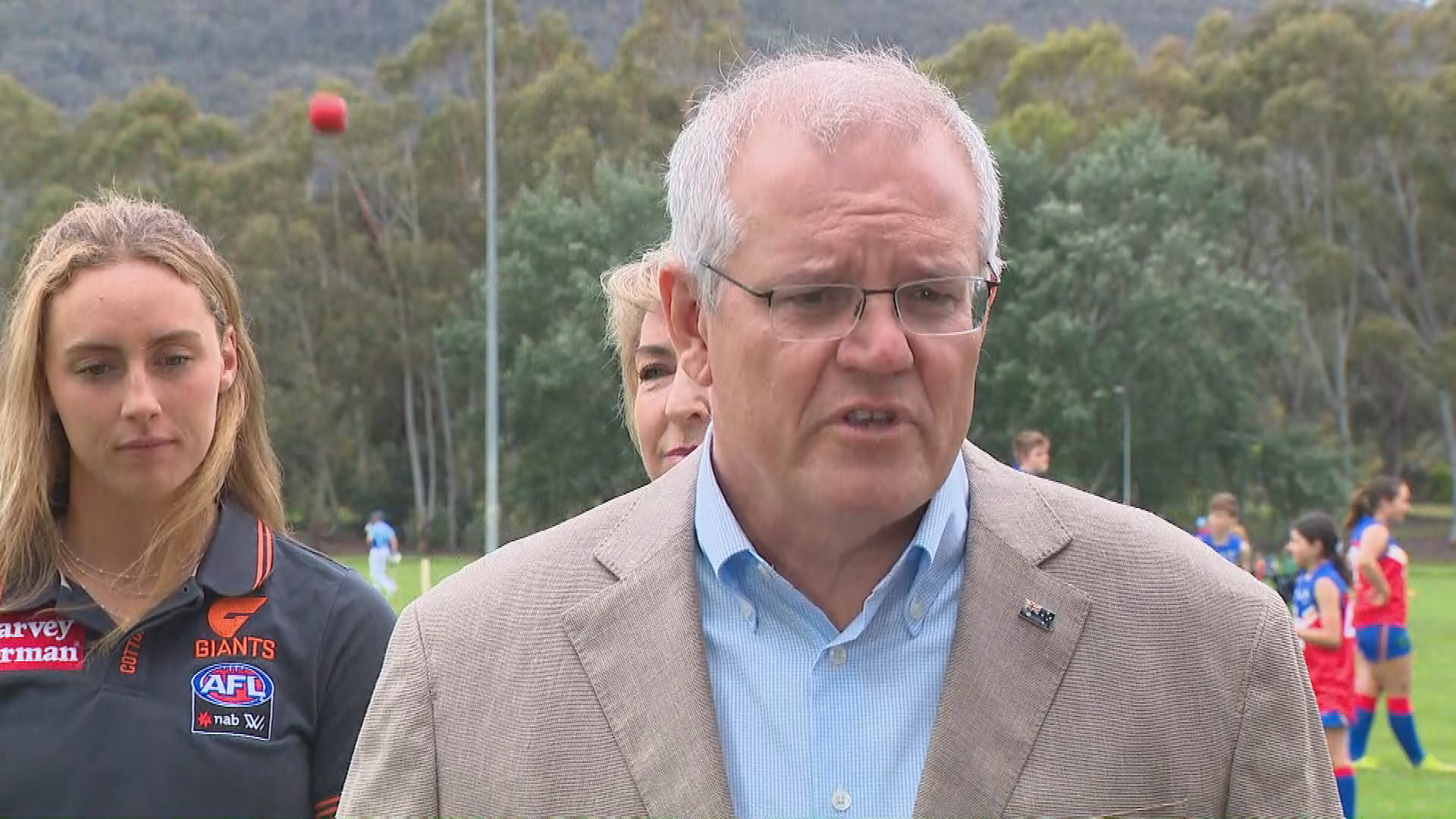
Prime Minister Scott Morrison said an important part of free speech in Australia was being held responsible for what a person says.

"In a free society such as Australia where we value our free speech, it is only free when that is balanced with the responsibility for what you say," Mr Morrison said.

"Free speech is not being allowed to cowardly hide in your basement and sledge and slur and harass people anonymously and seek to destroy their lives."

READ MORE: Travellers from southern Africa test positive for COVID-19 in Sydney

Tiktok logo generic stock phone apps social media

The Prime Minister said the bill will go out for consultation and he expects to receive strong support from the Parliament.

"The online world should not be a wild west where bots and bigots and trolls and others are anonymously going around and can harm people and hurt people, harass them and bully them and sledge them," Mr Morrison said.

"That is not Australia.

"That is not what can happen in the real world, and there is no case for it to be able to be happening in the digital world."

READ MORE: Victoria records 1061 new COVID-19 cases, four deaths

Attorney-General Michaelia Cash said if the legislation passes, online trolls will not be allowed to hide behind anonymous accounts.

"We will also put in place another mechanism for people who are subject to defamatory comments. They will be able to apply to the Federal Court of Australia for an end user discloser order," Ms Cash said.

"In other words, they will be able to go to the Federal Court and say, 'I believe I have been defamed, and I am unable to take this action any further because this person is at this point in time anonymous'.

"The court will, therefore, be able to issued to the social media and order that they provide the complainants with the details to unmask the troll so that the complainant is able to take action against them."

Two travellers test positive to Omicron variant of COVID-19 in Sydney

Two returned travellers have tested positive to the new Omicron variant os after arriving in Sydney overnight.

NSW Health has confirmed two people who flew into Sydney about 7pm on Saturday from southern Africa had since tested positive to COVID-19, which was later found to be caused by the new variant.

Both travellers are fully vaccinated against COVID-19 and are asymptomatic. They are in isolation in the special health accommodation.

EXPLAINER:What we know about Omicron, the new COVID-19 variant in South Africa

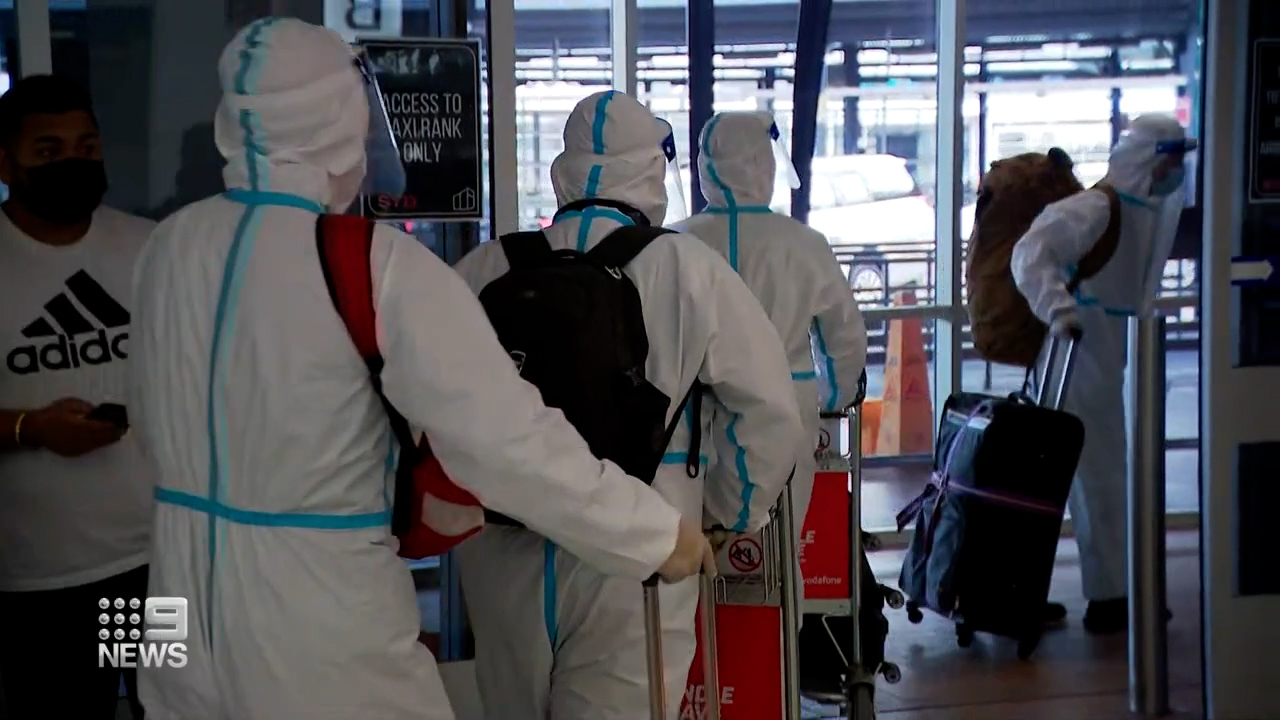
Passengers who arrive back in Sydney wearing hazmat suits.

The travellers were among 14 people from southern Africa who arrived on Qatar Airways QR908, Doha to Sydney.

The other 12 passengers are undertaking 14 days of hotel quarantine.

About 260 passengers and air crew on the flight are considered close contacts and have been directed to isolate.

The sudden arrival of the Omicron variant in Australia took many by surprise, particularly due to the new entry restrictions.

"We thought that we would get turned back," one passenger, wearing a mask, told 9News.

"We were on the tarmac and they turned us back to get a health official to tell us whether we could land or not."

Others took health measures into their own hands, with multiple passengers arriving in Sydney wearing their own hazmat suits.

Border restrictions introduced yesterday mean any Australians who have been in South Africa, Lesotho, Botswana, Zimbabwe, Mozambique, Namibia, Eswatini, Malawi, and the Seychelles in the past 14 days must enter hotel quarantine for 14 days, irrespective of their vaccination status.

https://twitter.com/NSWHealth/status/1464837049291186180

NSW Premier Dominic Perrottet today urged people to get a COVID-19 booster shot if they are six months on from their second dose of a COVID-19 vaccine.

It took the Delta strain of COVID-19 just three weeks to reach 53 countries. There is early evidence Omicron could be far more transmissible.

It has already reached the UK, Germany, Italy, Belgium, Hong Kong and Israel.

"It's more transmissible and potentially it can evade some of the vaccines," Jane Halton from the Coalition for Epidemic Preparedness told Today.