Police have made an arrest after a car was set alight in Chaffinch Rd, Hobsonville Point in Auckland’s northwest.A 27-year-old male has been remanded in custody, charged with wilfully setting fire to property. He is scheduled…
Tag Archives: oceania
Expert says 'no need to worry' about new COVID-19 variant yet
An expert has warned to take the new COVID-19 variant with "a grain of salt" as concerns grow over the transmissibility.
South African scientists identified a new variant of COVID-19 this week that has been declared a variant of concern.
The new variant named Omicron has spread to other countries including Botswana, Hong Kong, Israel and Belgium.
EXPLAINER: What is the new COVID-19 variant in South Africa
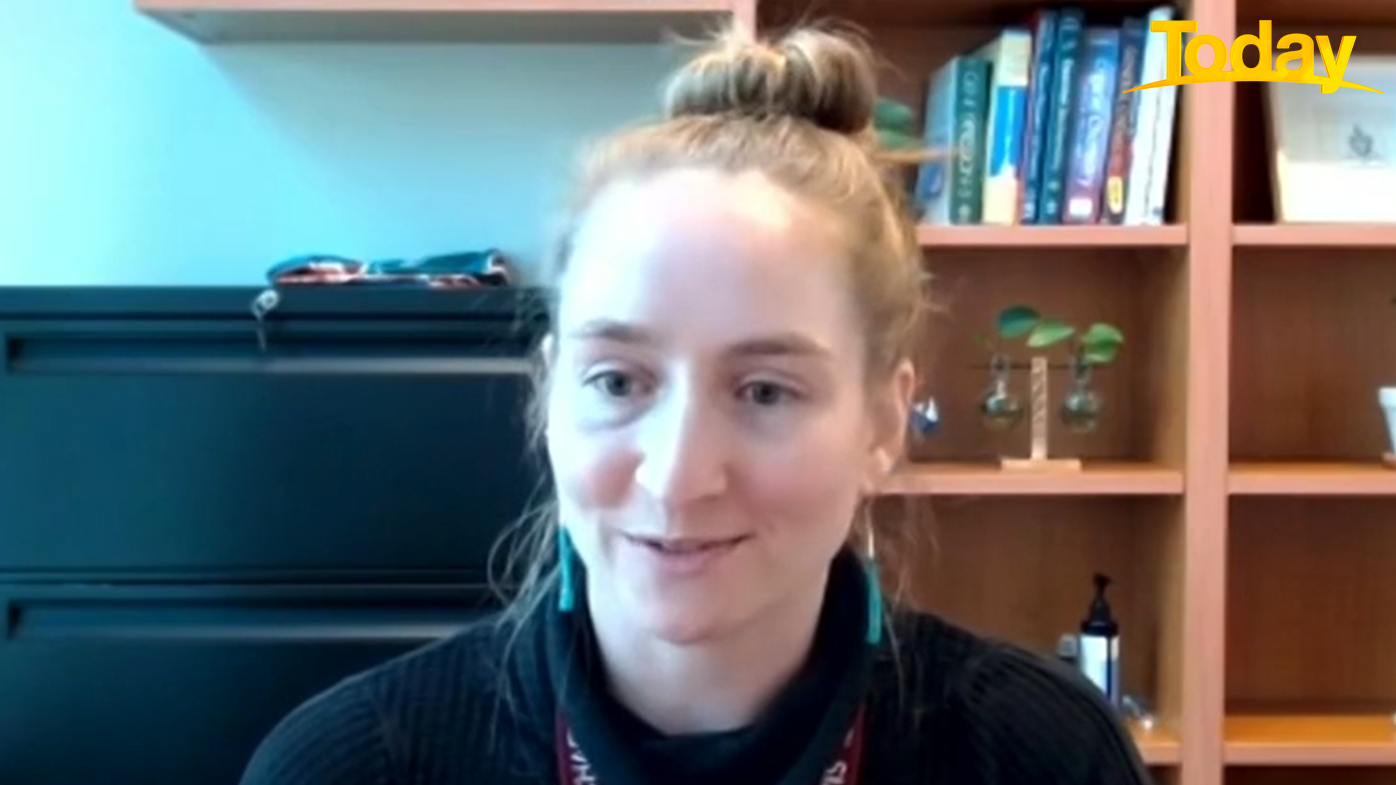
Associate Professor Anna Blakney, from the University of British Columbia, said people shouldn't be alarmed by the new variant until there is concerning data.
"I think until we see the data on how infectious or, you know, what the properties of the new variant are there's no need to worry," she said.
"I think we need to take every new variant with a grain of salt."
The World Health Organisation has classified omicron as a highly transmissible virus of concern, the same category that includes the delta variant.
Countries around the world have begun to ban travel from South Africa to prevent the spread of the variant.

Authorities are concerned as the virus is moving quickly but Professor Robert Booy said more investigation into the spread of the variant is needed.
"We're not shocked or worried to the extent that we think this is definitely going to be a problem," Mr Booy said.
"We need to do more investigation, do the science, work out how well this virus is spreading."
READ MORE: Experts warn wet weather may bring more mice amid fears of new plague
Dr Blakney said mRNA vaccines can be adapted quickly for new variants and wasn't concerned about omicron.
"I think if there's a variant that's really concerning we will be able to create a new vaccine do the clinical testing for it and get it distributed," Dr Blakney said.
"I think we're actually in a pretty good position with being able to address new variants."
Mr Booy said testing is currently underway to adapt vaccines to offer protections against omicron.
The testing can help understand the transmissibility of the variant, but "real-world evidence" is needed.
"They use a thing called pseudo varions, viruses used in the laboratory to check whether the virus is likely to evade human immunity, the antibodies that we make," Mr Booy said.
Despite quickly being able to develop the vaccine for new variants, Dr Blakney added it takes time to go through testing for the vaccine for it then to be deployed.
Mr Booy said Australia needs to aid South Africa to vaccinate the country to prevent future variants.
"If we're to save ourselves, we have to help our neighbours. We have to be safe because everyone's safe, not just because everyone in Australia is safe," he said.
She also said mRNA vaccines used to protect against COVID-19 could be used to prevent other diseases.
The technology could be used to cure cancer, Dr Blakney said.
"Now we see that we have safety and efficacy for a virus, we can see where else we can apply the technology," she said.
"Are there other vaccines with diseases with unmet clinical needs or other opportunities such as cancer vaccine or monoclonal anti-virus technology?"
READ MORE: Stocks and oil plunge as new COVID-19 variant fears slam global markets
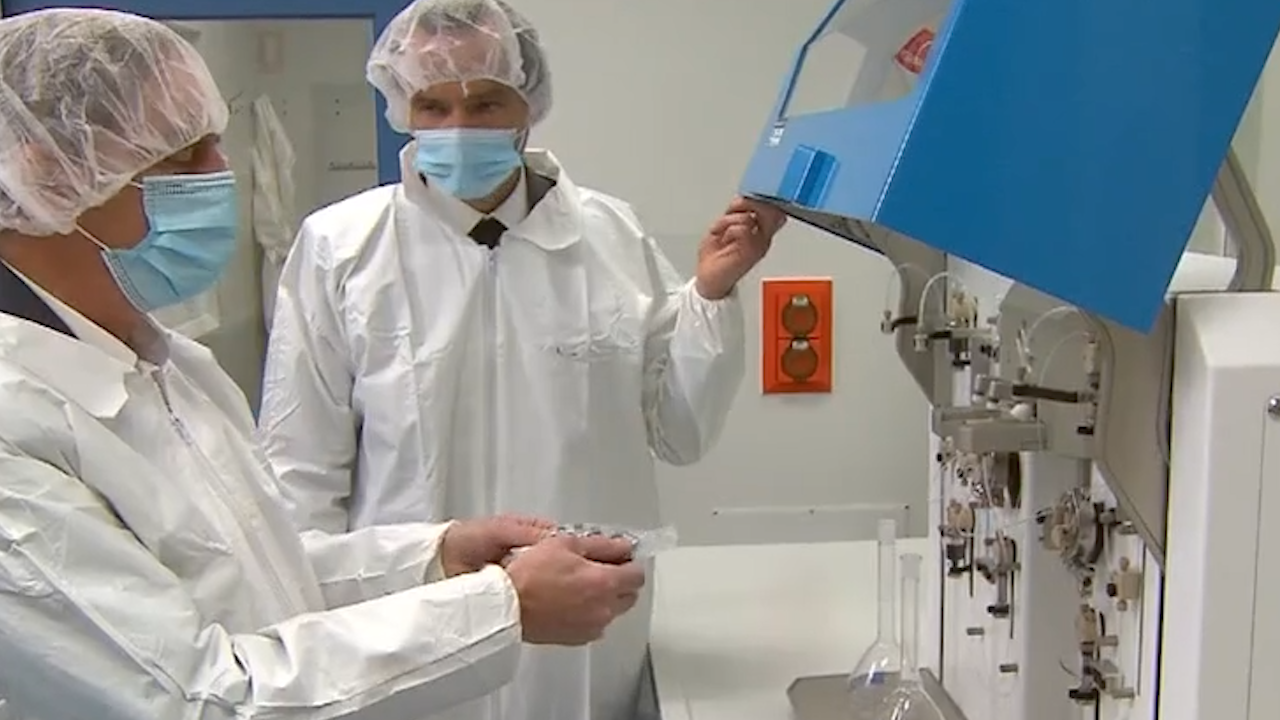
Dr Blakney said before COVID-19 the trials for mRNA vaccines were slow but now the technology can be "mobilised quickly" and could be used to cure other diseases.
"It only takes a matter of days to make a new mRNA vaccine. Because of that you can scale it up, get it into the clinic faster," she said.
"Because it's made synthetically it doesn't rely on cells you can also scale it up for billions of doses much more easily than you can traditional vaccines."
Jack Tame: Five silver linings to National's leadership spill of Judith Collins
OPINION: With our biggest city in its third month of lockdown, hundreds of thousands of New Zealanders still effectively barred from entering the country, inflation running at 5 per cent, and hundreds of new infections being recorded…
Explainer: What is Omicron, the new COVID-19 variant in South Africa
The World Health Organisation (WHO) have declared a new version of coronavirus discovered in South Africa "a variant of concern".
WHO named the variant Omicron and said the first known infection was from a specimen collected on November 9.
Scientists said the variant, which also goes by the name B.1.1.529, is behind a recent spike in COVID-19 infections in Gauteng, the country's most populous province.
READ MORE: Expert says 'no need to worry' about new COVID-19 variant yet
It's unclear from where the new variant actually arose, but it was first detected by scientists in South Africa and has also been seen in travellers to Hong Kong and Botswana.
Health minister Joe Phaahla said the variant was linked to an "exponential rise" of cases in the last few days, although experts are still trying to determine if the new variant is actually responsible.
From just over 200 new confirmed cases per day in recent weeks, South Africa saw the number of new daily cases rocket to more than 1200 on Wednesday and to 2465 a day later. Struggling to explain the sudden rise in cases, scientists studied virus samples from the outbreak and discovered the new variant.
South African experts said there are no indications to date that the variant causes more severe or unusual disease and noted that as with other variants, some infected people don't have any symptoms.
Why are scientists worried about this new variant?
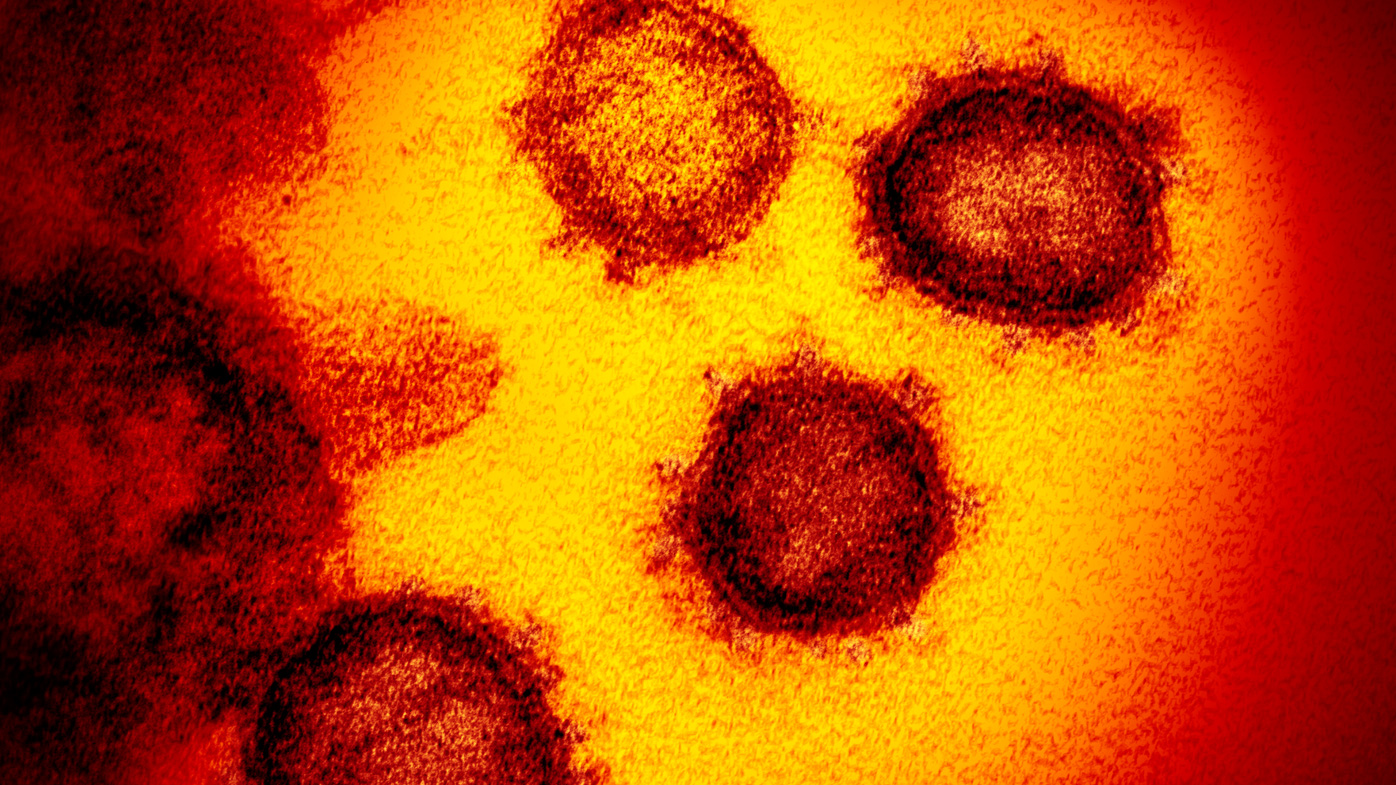
It appears to have a high number of mutations — about 30 — in the coronavirus' spike protein, which could affect how easily it spreads to people.
WHO said a number of the mutations are "concerning" and the strain is showing a high-degree of transmissibility.
"The number of cases of this variant appears to be increasing in almost all provinces in South Africa," it said.
"This variant has been detected at faster rates than previous surges in infection, suggesting that this variant may have a growth advantage."
WHO is also worried about the risk of re-infection with Omicron.
READ MORE: WHO hosts special meeting on worrying new COVID-19 variant
Francois Balloux, director of the Genetics Institute at University College London, said the sharp rate of COVID-19 infections in South Africa, and particularly in Gauteng province, was concerning.
"The biggest risk is that (this variant) is better at re-infecting people as well as being more transmissible and virulent," he said in a statement. But Balloux said it was unclear at this stage whether this is because the virus is inherently more infectious.
He emphasised that while it was possible that the new variant is able to reinfect previously immunised people, "we cannot make any robust predictions based on its genetic make-up alone about its expected transmissibility or virulence.
Is the South Africa coronavirus variant vaccine resistant?
Sharon Peacock, who has led genetic sequencing of COVID-19 in Britain at the University of Cambridge, said the data so far suggest the new variant has mutations "consistent with enhanced transmissibility," but said that "the significance of many of the mutations is still not known."
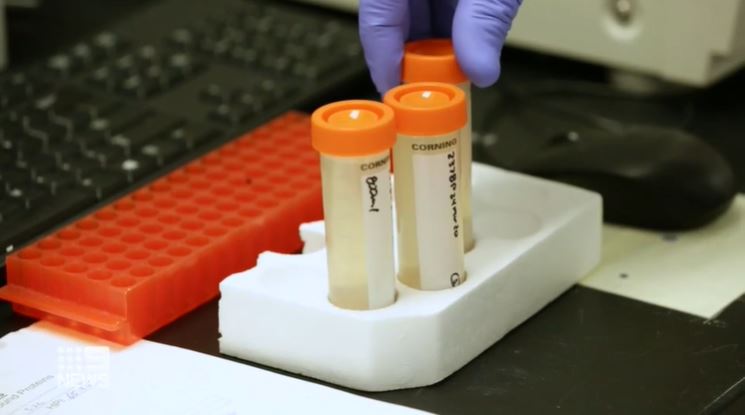
She said it would take several weeks to do the necessary lab tests to determine if current coronavirus vaccines are still effective against the new variant.
READ MORE: New COVID-19 variant 'not a concern' for Australia but being monitored
Peacock also said there was no indication that the variant causes more lethal disease.
Where has the South African variant spread to?
In response to the new variant a number of countries have restricted travel from South Africa including the USA, Germany and Canada.
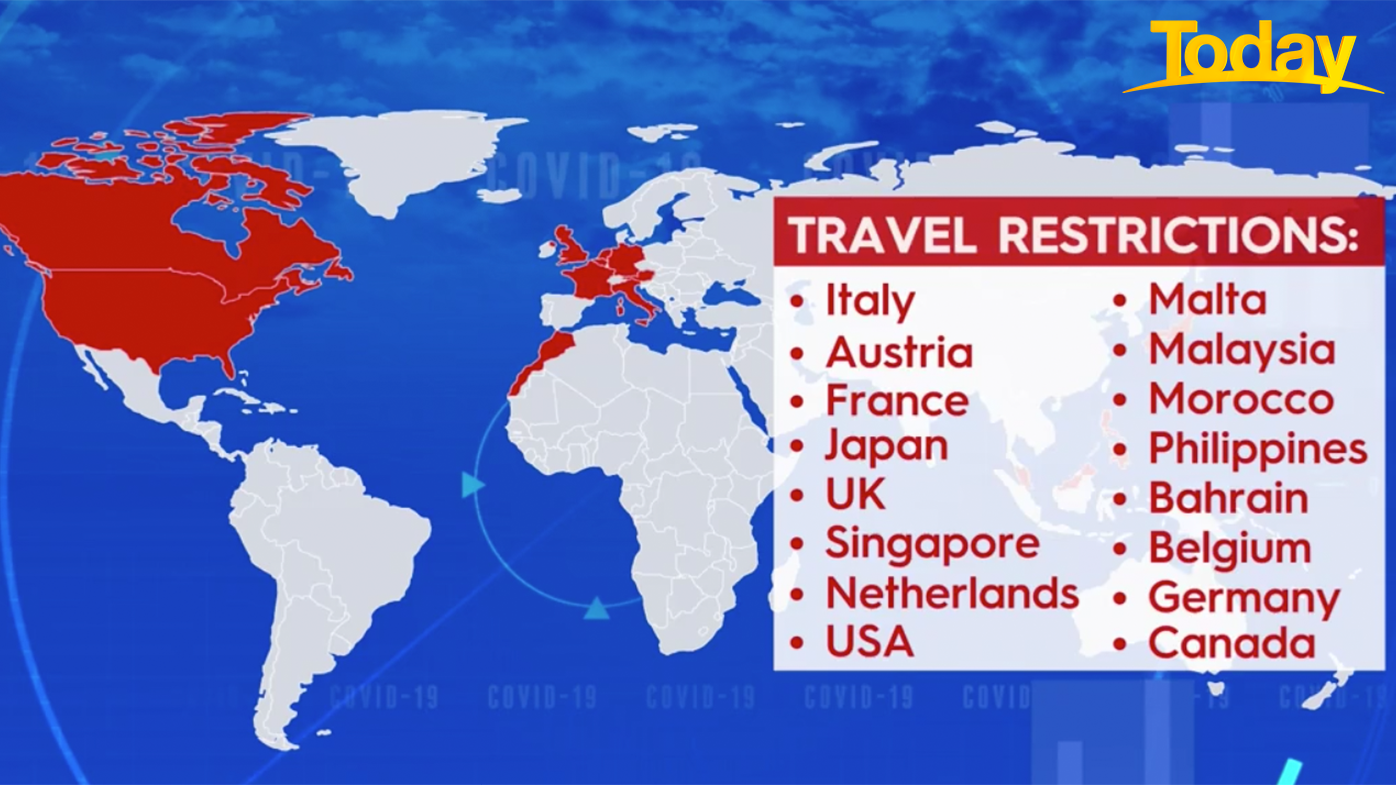
Several countries have already detected a case including Botswana, Hong Kong, Israel, and Belgium.
Australia's Federal Health Minister Greg Hunt says he is monitoring the situation and has not ruled out tightening border rules.
There has not been a case detected in Australia, Mr Hunt said yesterday.
How did this new variant arise?
The coronavirus mutates as it spreads and many new variants, including those with worrying genetic changes, often just die out.
Scientists monitor COVID-19 sequences for mutations that could make the disease more transmissible or deadly, but they cannot determine that simply by looking at the virus. They must compare the pattern of disease in outbreaks to the genetic sequences and sorting out whether there is an actual connection can take time.
Some scientists have speculated that the new variant arose in an immune-compromised patient because of the large number of mutations.
Peacock said the variant "may have evolved in someone who was infected but could then not clear the virus, giving the virus the chance to genetically evolve," in a scenario similar to how experts think the alpha variant — which was first identified in England — also emerged.
Are the travel restrictions being imposed by some countries justified?
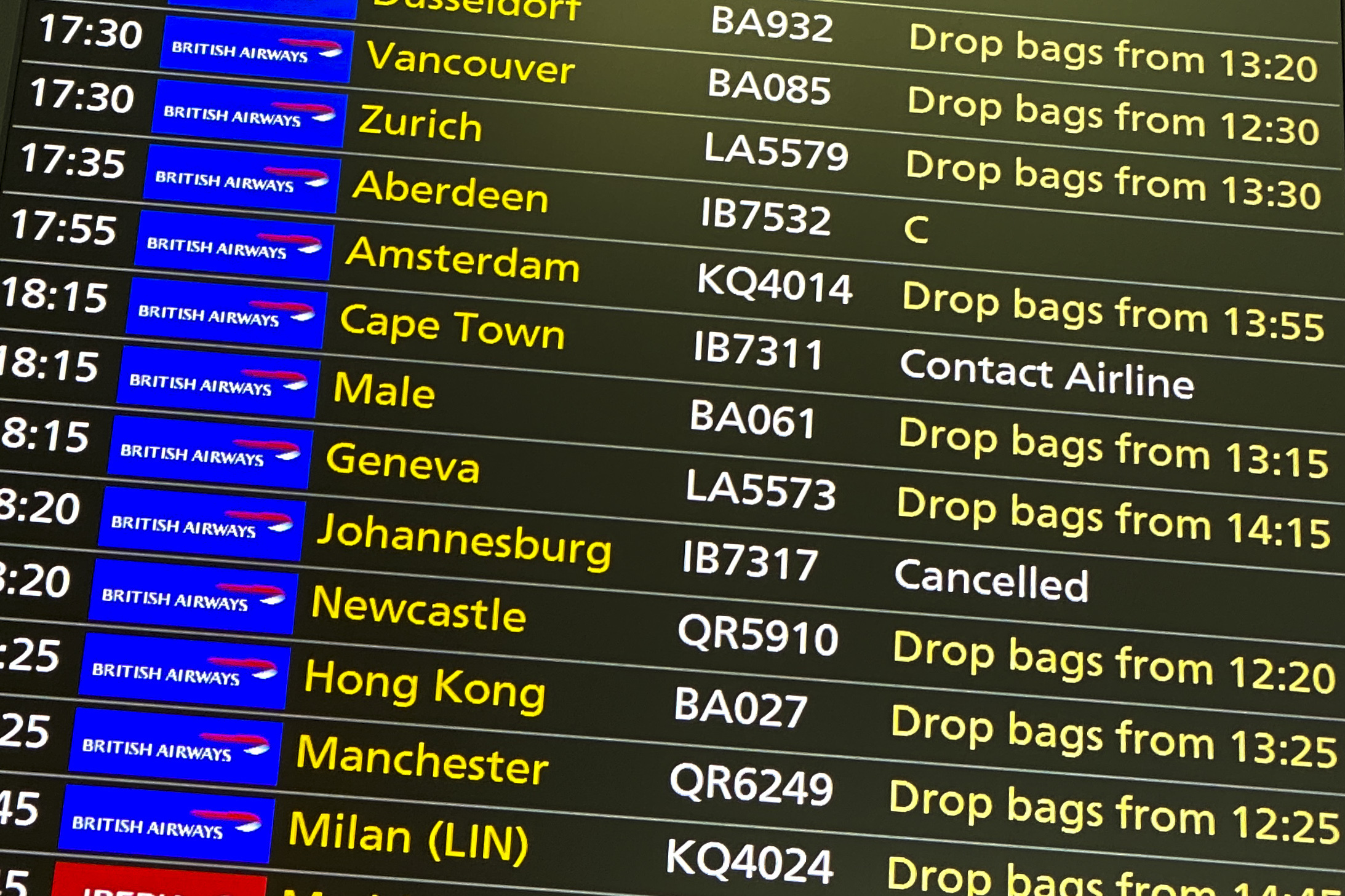
Maybe. As of noon Friday, travellers arriving in the UK from South Africa, Namibia, Botswana, Lesotho, Eswatini and Zimbabwe will have to self-isolate for 10 days.
Given the recent rapid rise in COVID-19 in South Africa, restricting travel from the region is "prudent," said Neil Ferguson, an infectious diseases expert at Imperial College London.
He said the new variant has an "unprecedented" number of mutations and said that compared to previous variants, the newly identified version in South Africa might more easily evade current vaccines.
Balloux of University College London said that if the new variant turns out to be more infectious than Delta, the new restrictions will have little impact but that they could still buy the UK some time to boost vaccination rates and roll out other possible interventions.
What happens next?
After WHO's technical group of experts met to assess the threat of Omicron, they've asking countries to do the following:
- Enhance surveillance and sequencing efforts to better understand circulating SARS-CoV-2 variants.
- Submit complete genome sequences and associated metadata to a publicly available database, such as GISAID.
- Report initial cases/clusters associated with VOC infection to WHO through the IHR mechanism.
- Where capacity exists and in coordination with the international community, perform field investigations and laboratory assessments to improve understanding of the potential impacts of the VOC on COVID-19 epidemiology, severity, effectiveness of public health and social measures, diagnostic methods, immune responses, antibody neutralisation, or other relevant characteristics.
Studies are currently underway to determine whether Omicron is vaccine-resistant, and more transmissible than other variants of concern.
To date, the Delta variant remains by far the most transmissible form of COVID; it accounts for more than 99 per cent of sequences shared with the world's biggest public database.
Humble home sells for twice its CV in booming Auckland market
A humble 1970s Auckland home has earned its owners close to $2 million profit in just one decade of ownership, highlighting how far prices have skyrocketed ahead of the release of new council valuations.The North Shore home on Sequoia…
Covid 19 Delta outbreak: South Auckland GPs facing 'burnout' monitoring home isolation patients
By Stephen Forbes, Local Democracy Reporter South Auckland GPs say burnout is a growing problem for the profession as doctors struggle to cope with increased workloads monitoring Covid-19 positive patients self-isolating at home.The…
Covid 19 Omicron variant: Epidemiologist Michael Baker says travel restrictions should be considered
Epidemiologist professor Michael Baker says the Government should consider putting southern Africa on its very high risk travel list, after the discovery of a new variant of Covid-19. The World Health Organisation has named the…
Dunedin man finds missing wallet after 32 years in the sea
After losing a wallet on a Christchurch beach 32 years ago, Dunedin man Nathan Jaquiery had, understandably, lost all hope of ever finding it.That is, until November this year, when he received a Facebook message to say it had resurfaced,…
Sugar contamination – second recall after products sold mistakenly
Contaminated sugars have been recalled for the second time this month after they were found to have been sold by mistake. Woolworths New Zealand, Countdown’s parent company, announced it was recalling Chelsea and Countdown branded…
Rukuwai Tipene-Allen: Can the doctor save a party on life support?
By Rukuwai Tipene-Allen of Māori Television OPINION: National is wounded and hurting after internal struggles and division this week. Leader Judith Collins lost her job in a brutal rush but it had only been a matter of…