Originally published by Māori Television ANALYSIS: As Aotearoa’s number of Delta cases passed the 7000 mark, a total of 204 new Delta cases were reported on November 22 [today’s case numbers had not been released when this…
Tag Archives: oceania
What is La Niña: The weather phenomenon about to hit Australia
After a rainy summer last year, the weather phenomenon which caused it is back for a second drenching.
A La Niña has formed in the Pacific Ocean, the Bureau of Meteorology has confirmed.
But what is a La Niña, and what does it mean for our summer?
READ MORE: La Niña officially declared
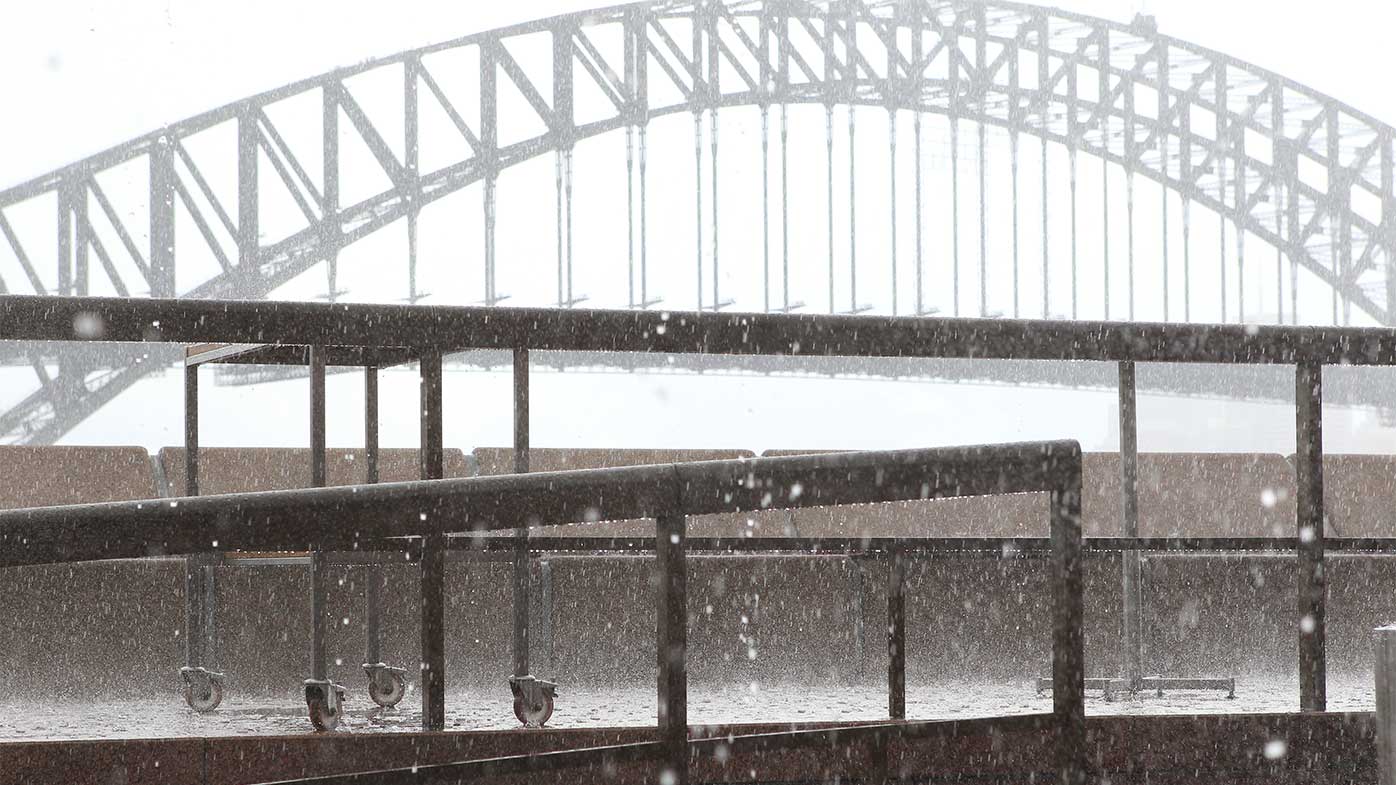
What is La Niña?
La Niña, which is Spanish for The Girl, is a complex weather pattern that pushes warm water towards the western side of the Pacific, including Australia and Asia.
As a consequence of the warmer water, more evaporation means more rainfall over Australia.
It also leads to cyclones being formed with more intensity.
It is the counterpart to El Niño, Spanish for The Boy, a weather pattern which leads to warmer weather and drought conditions.
Because the La Niña and El Niño system covers the entire Pacific, which accounts for close to half the Earth's surface, a La Niña year will likely reduce global temperatures on average, for a few months at least.
LIVE UPDATES: Victoria records spike in COVID-19 deaths
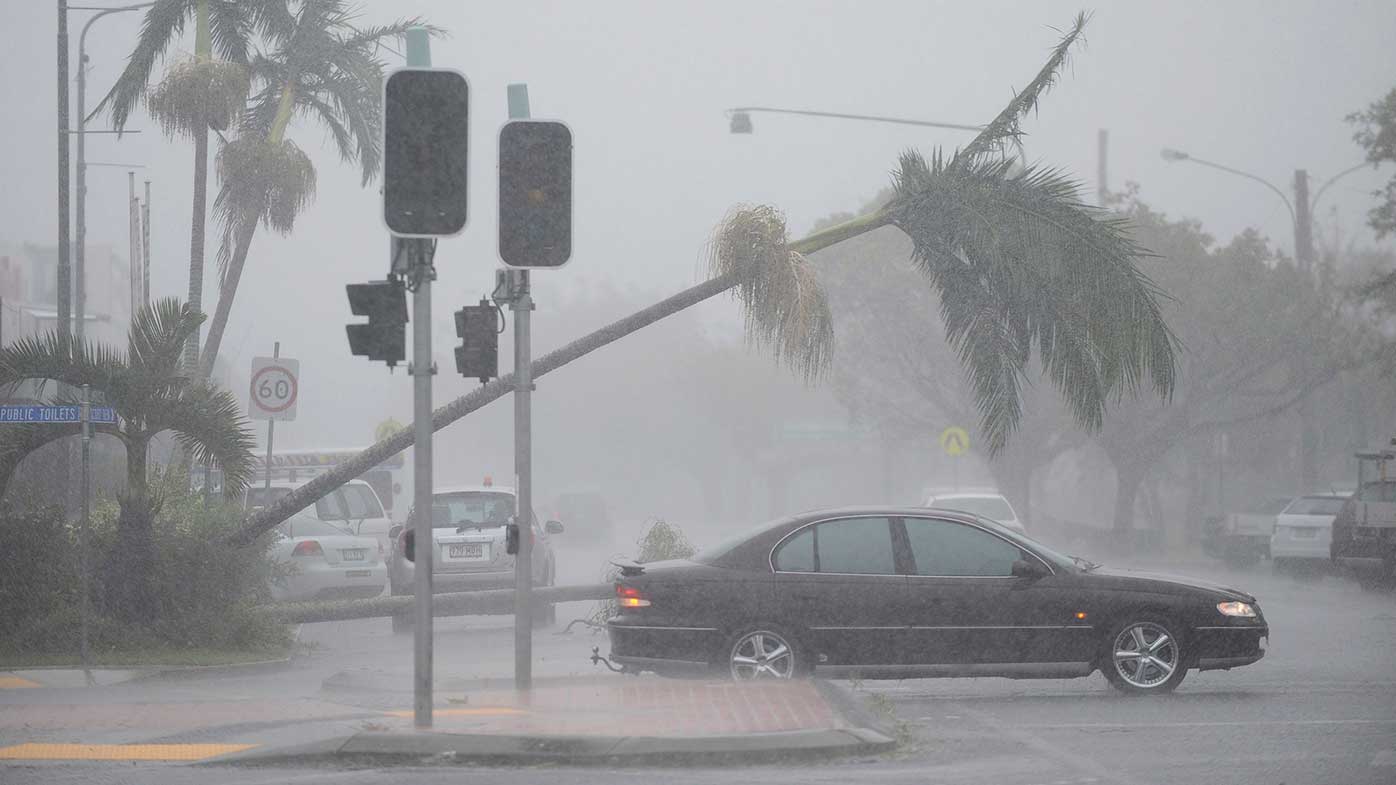
What does a La Niña mean for Australia?
Because of La Niña, the eastern half of Australia can be expected to have a cooler and wetter summer than usual.
It is the second year in a row that a La Niña has hit Australia.
The bureau's Head of Operational Climate Services Dr Andrew Watkins said back-to-back La Niñas were common.
"La Niña also increases the chance of cooler than average daytime temperatures for large parts of Australia and can increase the number of tropical cyclones that form," Dr Watkins said.
"La Niña is also associated with earlier first rains of the northern wet season, as we've observed across much of tropical Australia this year."
READ MORE: La Niña officially declared over after wet and wild summer
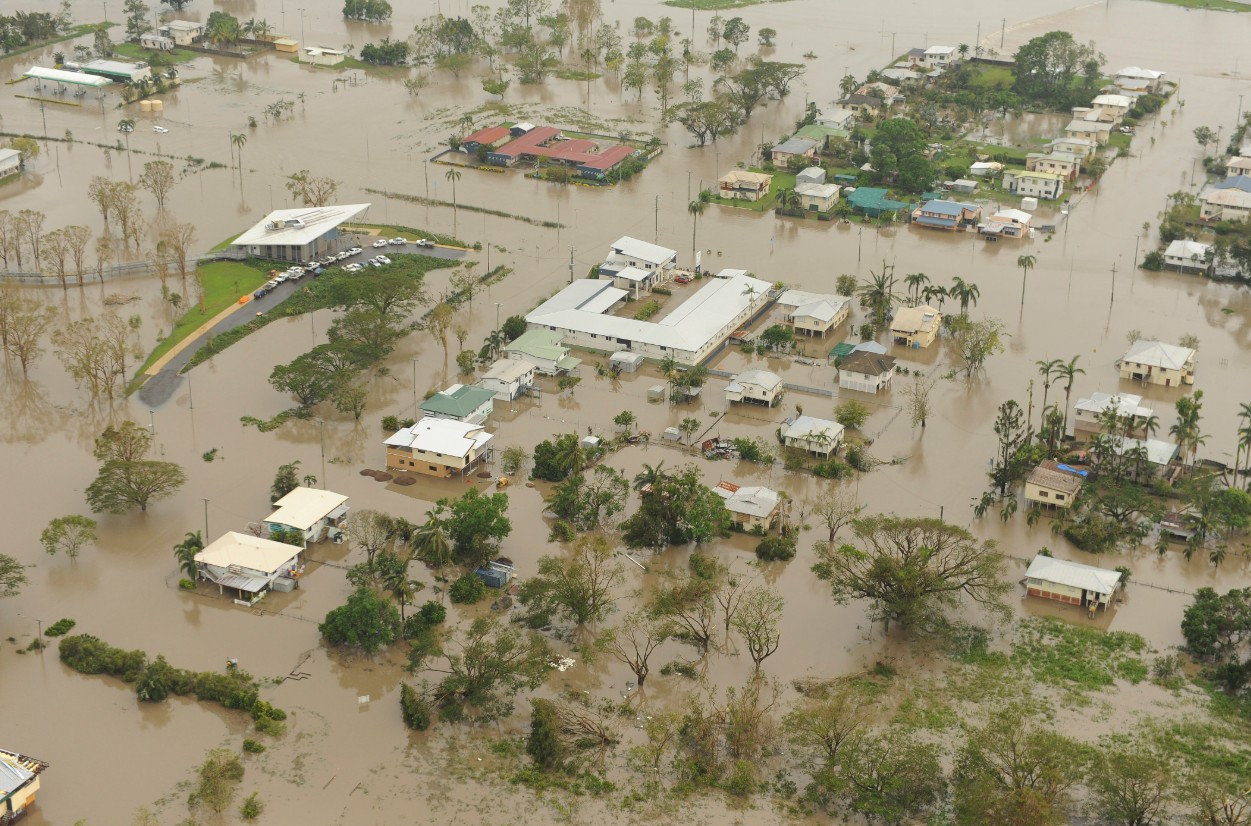
The last substantial La Niña to hit Australia was in 2010 to 2012.
That prolonged weather event brought with in intense floods in Victoria, NSW and Queensland.
It also created Cyclone Yasi, which cost an estimated $3.5 billion in damage in northern Queensland.
But the bureau forecasts that this year's La Niña will be much weaker than the 2010-2012 cycle, and perhaps weaker than this past year.
Is La Niña good or bad?
It depends on how strong it is, and your situation in life.
If you are spending your summer at the beach or by the barbecue, rainier conditions are of course less than ideal.
Though a cooler summer may be welcome compared to the scorching heat of El Niño conditions.
La Niña is also associated with fewer extremes than El Niño. A mild La Niña means it's unlikely many weather records will be broken this summer.

The La Niña cycle also reduces the risk of a bad bushfire season.
And a mild La Niña is likely good news for farmers still recovering after a terrible drought.
"Every La Niña has different impacts, as it is not the only climate driver to affect Australia at any one time," Dr Watkins said.
A mild La Niña probably means just a few more rainy days over summer than usual, and a few less scorchers.
READ MORE: How the pandemic has impacted cancer diagnosis in Australia
How long will La Niña last?
This La Niña is forecast to last until at least the end of January next year.
Consequently, the sun should be out by the time the kids need to be back at school.
Derelict landbanked properties 'a travesty' in midst of housing crisis, Kawerau mayor says
By Diane McCarthy, Local Democracy Reporter Kawerau Mayor Malcolm Campbell says it is “a travesty” that the Government has allowed landbanked houses in the district to become derelict when so many people are homeless.The Kawerau…
Covid-19 Delta outbreak: Destiny's Brian, Hannah Tamaki charged over latest Auckland lockdown protest
Supporters of Brian Tamaki have gathered outside the Auckland Prison Remand Centre in Mt Eden, as the Destiny Church leader faces fresh charges in relation to the anti-lockdown protest in Auckland at the weekend. Police earlier…
John Key and Christopher Luxon trade advice on helicopters
Up-and-coming National MP Christopher Luxon deflected awkward questions about his leadership ambitions on Tuesday morning, saying he was happy with his current portfolios.Luxon was also asked about his friendship with former Prime…
Covid 19 Delta outbreak: Doctors have duty of care to unvaccinated, says MOH
The Health Ministry says people cannot be refused health care because of their vaccination status, and there is no need for routine testing of unvaccinated patients before they see a doctor. “Access to health care is a fundamental…
Covid 19 Delta outbreak: Lockdown at Ambury Farm
Justin Latif, Local Democracy Reporter Spring is one of the busiest times at a farm, so when all of Auckland went into lockdown, the park rangers at Ambury Farm didn’t just have to contend with expectant ewes and cows, but an…
St Peter's School in Cambridge reveals details of child sexual abuse, apologises to former students
By RNZ St Peter’s School in Cambridge has revealed details of child sexual abuse at the college and apologised to former students for cases stretching back decades.School board chairman John Macaskill-Smith described child abuse…
La Niña officially declared, meaning Australia is set for another wet summer
A La Niña weather event is underway in the Pacific for the second consecutive year, meaning a wet summer for Australia.
The Bureau of Meteorology (BoM) today declared a La Niña has developed in the Pacific Ocean, leading to wetter than normal periods for eastern, northern and central parts of the nation.
La Niña often results in above-average rainfall, cloud cover and cooler temperatures.
EXPLAINER: What is La Niña: The weather phenomenon about to hit Australia
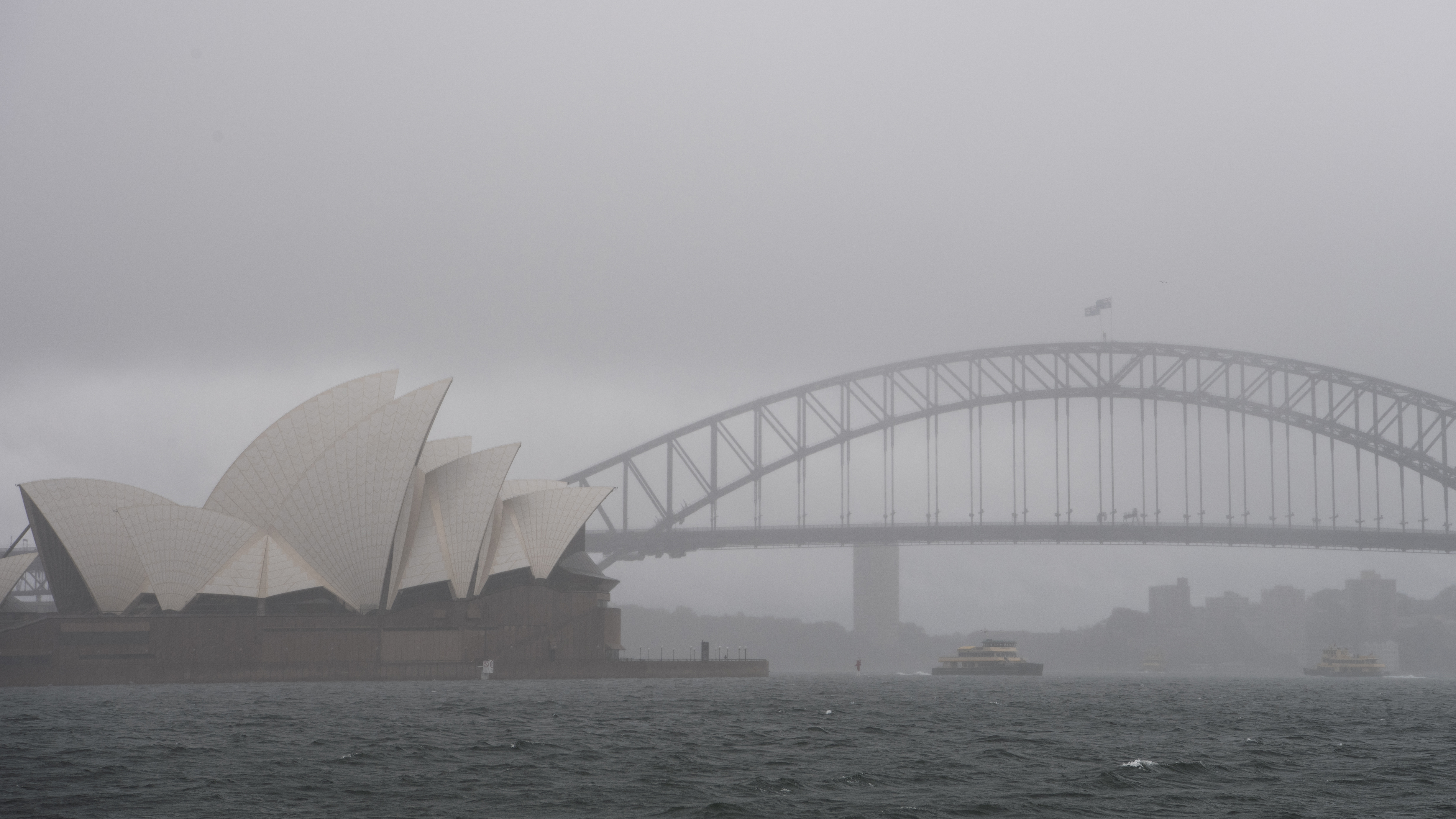
"La Niña also increases the chance of cooler than average daytime temperatures for large parts of Australia," Dr Andrew Watkins, from the BoM, said.
The announcement of a La Niña event explains the above-average rainfall over the past month.
"La Niña is also associated with earlier first rains of the northern wet season, as we've observed across much of tropical Australia this year," Dr Watkins said.
Weatherzone said heat extremes are generally less frequent during La Niña years, but lower-intensity heat for prolonged periods can be expected.
READ MORE: Three days of thunderstorms as tropical cyclone forms
https://twitter.com/BOM_au/status/1462965581594992652
More cyclones are usually forecast during a La Niña.
"La Niña also increases the likelihood of an earlier-than-usual start to the cyclone season," Ben Domensino from Weatherzone said.
"This helps explain why Tropical Cyclone Paddy became the first named cyclone of the 2021/22 season, a few weeks earlier than average."
Australia experienced La Niña during spring and summer last year.
READ MORE: Five murder charges after Christmas Parade horror
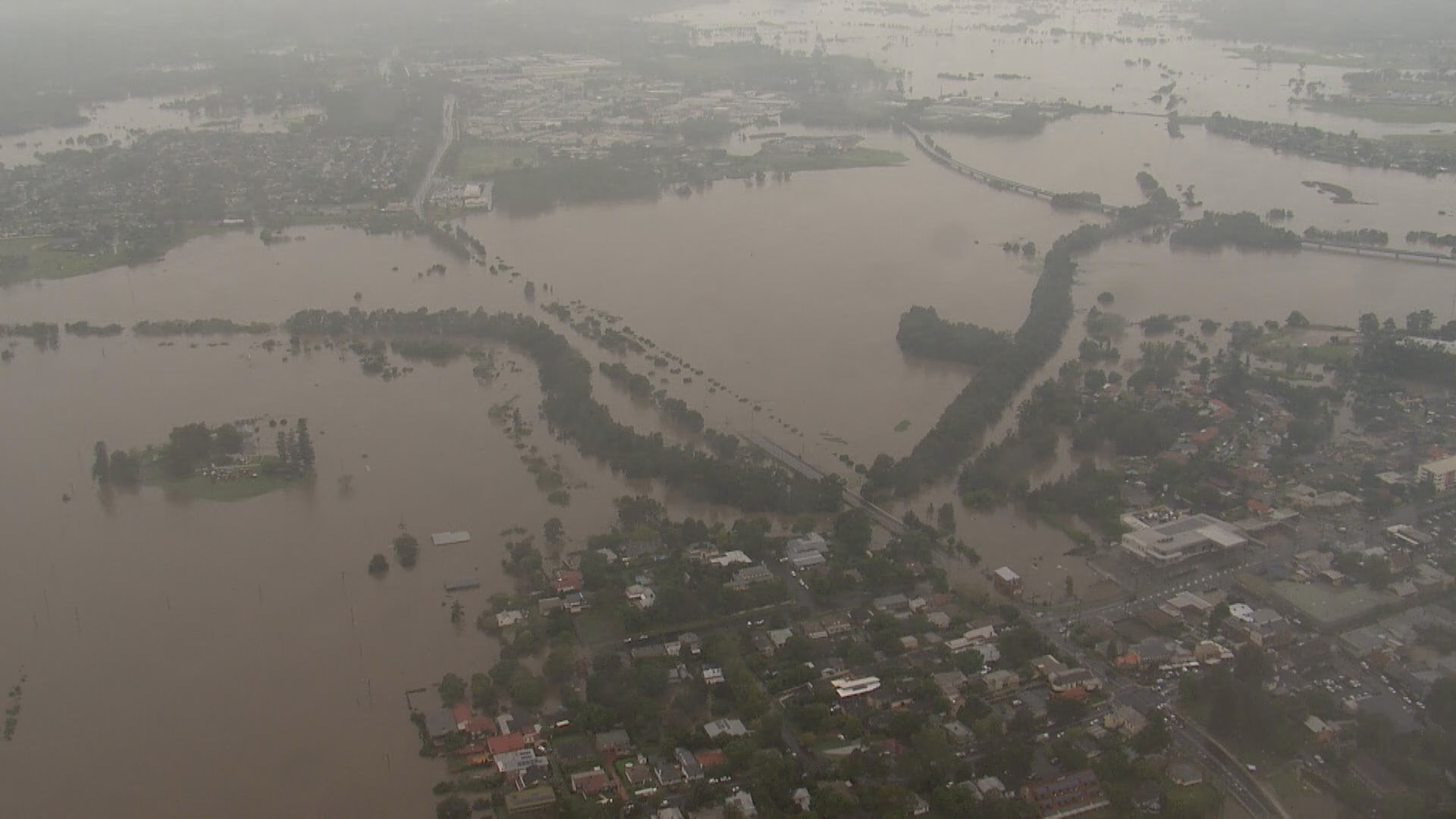
As a result, NSW was hit by extensive flooding which devastated homes and businesses, particularly in the Hawkesbury region.
Dr Watkins said it's not uncommon to see "back-to-back" La Niña events.
The last significant La Nina was between 2010 and 2012.
"This strong event saw large impacts across Australia, including Australia's wettest two-year periods on record, and widespread flooding," Dr Watkins said.
Dr Watkins said this year's event is not predicted to be as strong as the 2010-2012 event and may even be weaker than last year's La Niña.
READ MORE: Air New Zealand cancels more than 1000 flights
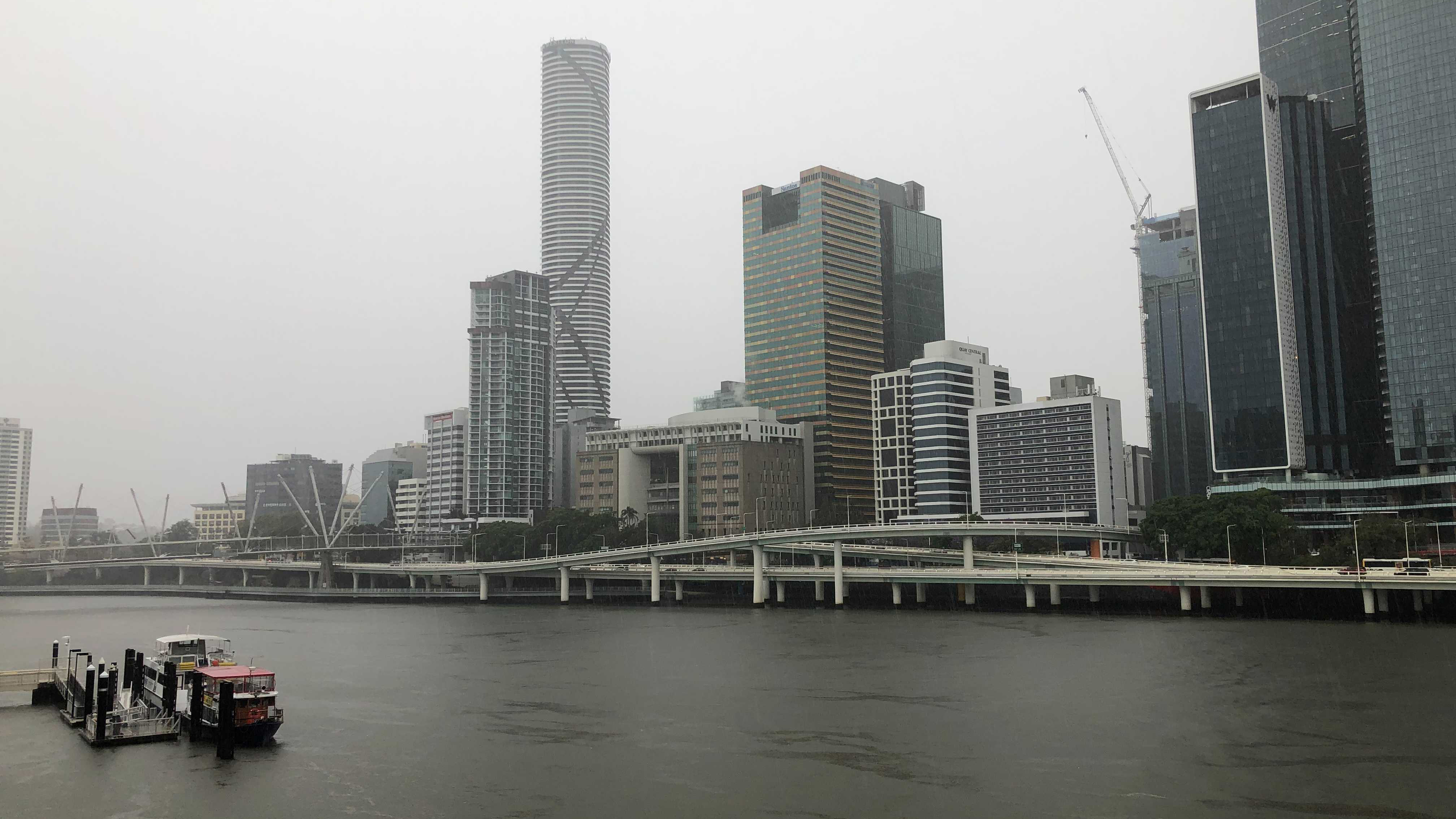
Australia is already feeling the impact of La Niña, with widespread rain and thunderstorms across the nation over the last week.
More wet weather is predicted for the next few days.
La Niña is expected to persist until at least the end of January next year.
Hundreds of mysterious symbols are carved here — but nobody knows why
Some shoot out of the soft rock like reptiles bathing in the sun. Others are mysterious depressions resembling an ancient board game played all over the world. And a few are straight-up puzzling.
On a desolate and windswept corner of Qatar's northeastern coast, among the sand dunes of the barren desert, lies Al Jassasiya, the Gulf country's largest and most important rock art site.
Here, people centuries ago used a series of low-lying limestone outcrops as a canvas on which they carved symbols, motifs and objects that they observed in their environment.
LIVE UPDATES: Rogue man injects himself at NT vaccination clinic
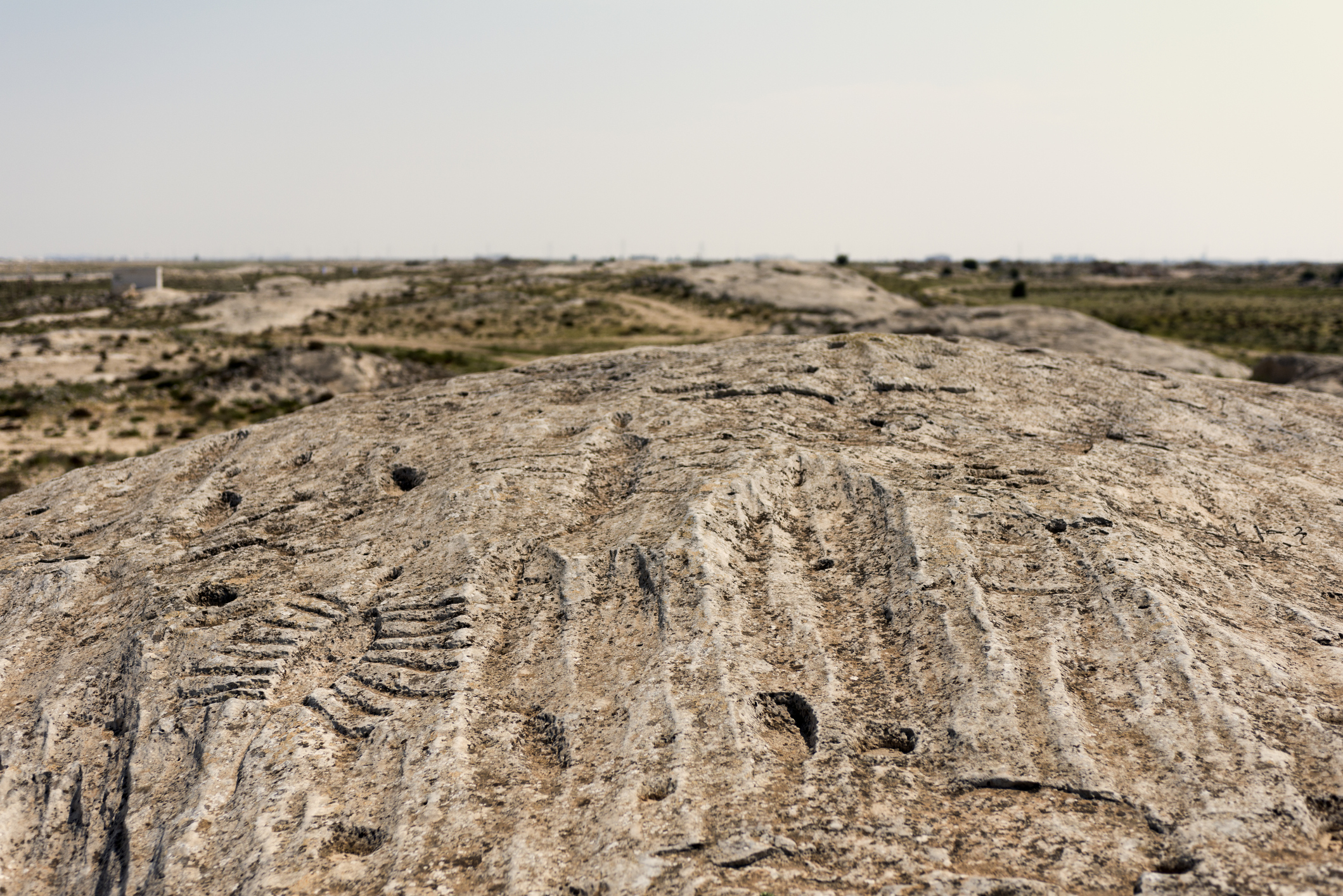
Overall, archaeologists have found a total of some 900 rock carvings, or "petroglyphs," at Al Jassasiya. They are mostly enigmatic cup marks arranged in various patterns, including rows and rosettes, but also eye-catching representations of sailing ships, usually seen from above but also depicted in linear profile, among other symbols and signs.
"Although rock art is common in the Arabian Peninsula, some of the carvings in Al Jassasiya are unique and cannot be found anywhere else," Ferhan Sakal, head of excavation and site management at Qatar Museums, told CNN, referring to the petroglyphs of ships seen from a bird's-eye view.
"These carvings represent a high degree of creativity and observation skills [on the part of] the artists who made them," he said.
"Also [of] abstract thinking, as they were not able to see the dhow (a traditional ship) from above."
READ MORE: Three days of thunderstorms as tropical cyclone forms
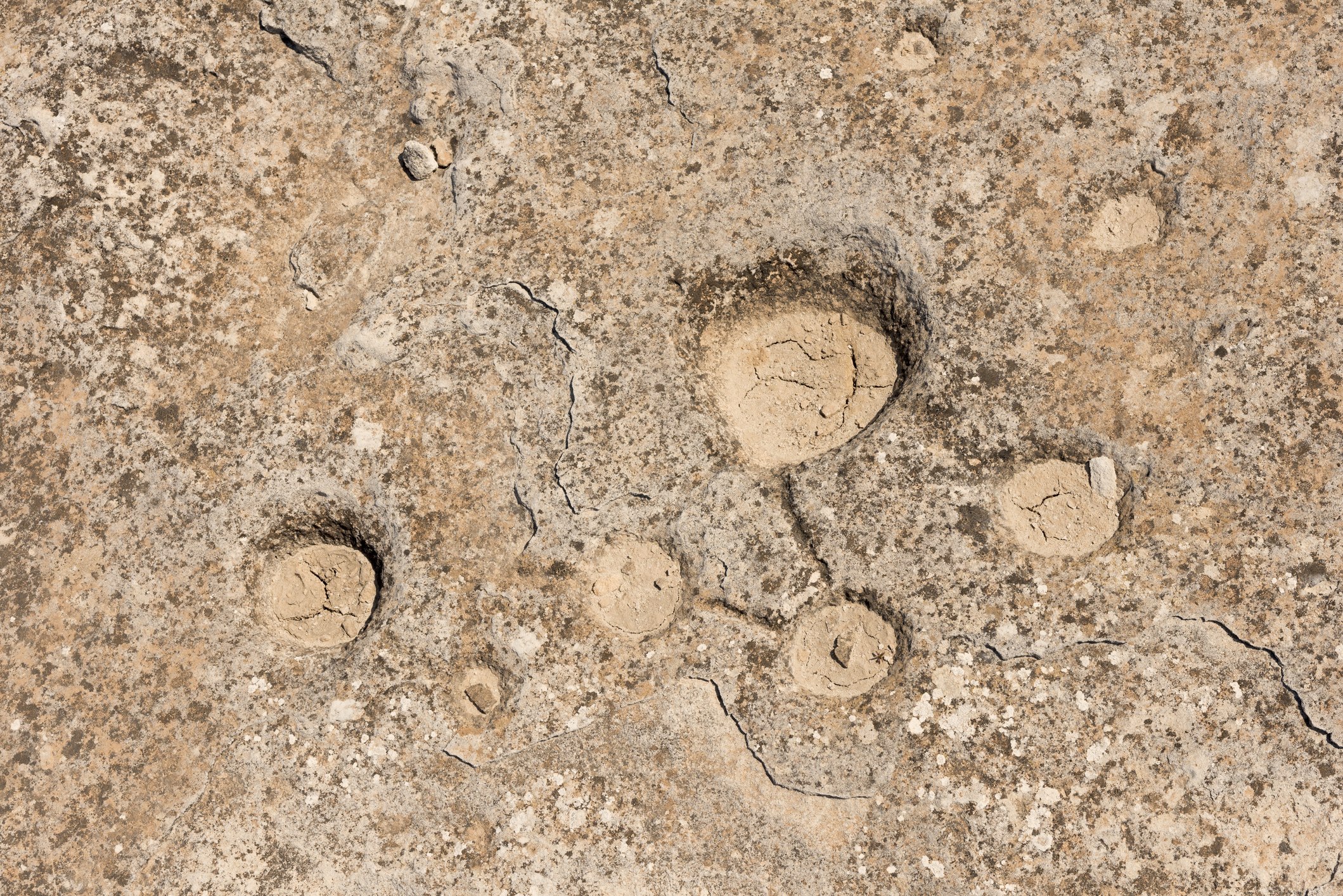
Cup marks
There are about 12 notable petroglyph sites in Qatar, located mostly along the country's coasts — though some carvings can even be seen in the heart of Doha's Al Bidda Par, overlooking the Corniche, a popular waterfront promenade.
Al Jassasiya, about an hour north of Qatar's uber-modern capital and near the old pearling port of Al Huwaila, was discovered in 1957. Over six weeks in late 1973 and early 1974, a Danish team led by archaeologist Holger Kapel and his son Hans Kapel undertook a study which painstakingly catalogued the entire site in photographs and drawings.
Of all the documented single figures and compositions, more than a third consist of cup marks in various configurations, shapes and sizes.
READ MORE: Five murder charges after Christmas Parade horror
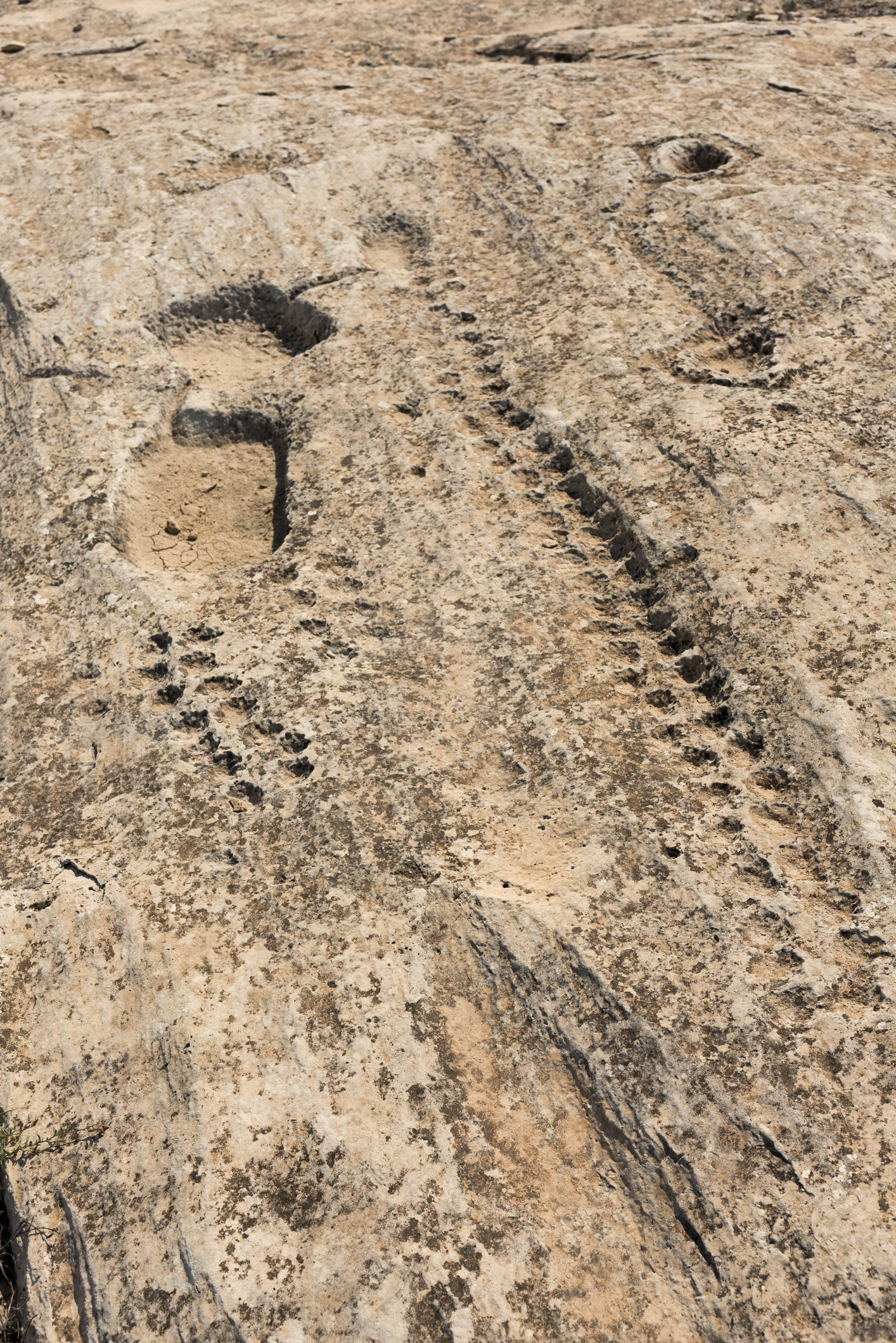
The most prominent pattern involves two parallel rows of seven holes, leading some to believe these were used to play mancala, a board game popular in many parts of the world since antiquity in which two contestants drop odd and even numbers of small stones into the depressions.
Others have disputed this theory, pointing to the fact some of the holes at Al Jassasiya are too small to hold any of the stones, while others can be found on slopes — an impractical choice that would have resulted in the counters falling out.
Further suggestions include the cup formations being used in some way for divination, or for the sorting and storage of pearls, or as systems to compute the time and tides.
Game theory
So, what were they actually for and what do they mean?
"It is very difficult to answer," acknowledged Sakal, who also does not side with the board-game theory.
"We have no direct clues about the motifs used in Al Jassasiya.
"In my opinion, they might have a ritual meaning and function, which is very old so that it cannot be explained ethnographically."
READ MORE: Air New Zealand cancels more than 1000 flights
But how old?
"We really do not know," conceded Sakal, explaining that petroglyphs — and rock art in general — are challenging to date.
"There are wild hypotheses about the age, ranging from Neolithic to late Islamic times.
"I personally think that not all carvings were made at the same time."
A decade ago, one scientific study of nine different petroglyphs at Al Jassasiya found no evidence of them being more than a few hundred years old, but the researchers concluded more studies are needed, including the development of new techniques specific to limestone carvings.
While experts cannot surely say when the Al Jassasiya petroglyphs were created, and by whom, they all agree the most fascinating — and unusual — carvings at the site are those of the boats.
These creations provide important information about the types of vessels used in the thriving fishing and pearling industries (for centuries, the mainstays of Qatar's economy), as well as their various elements.
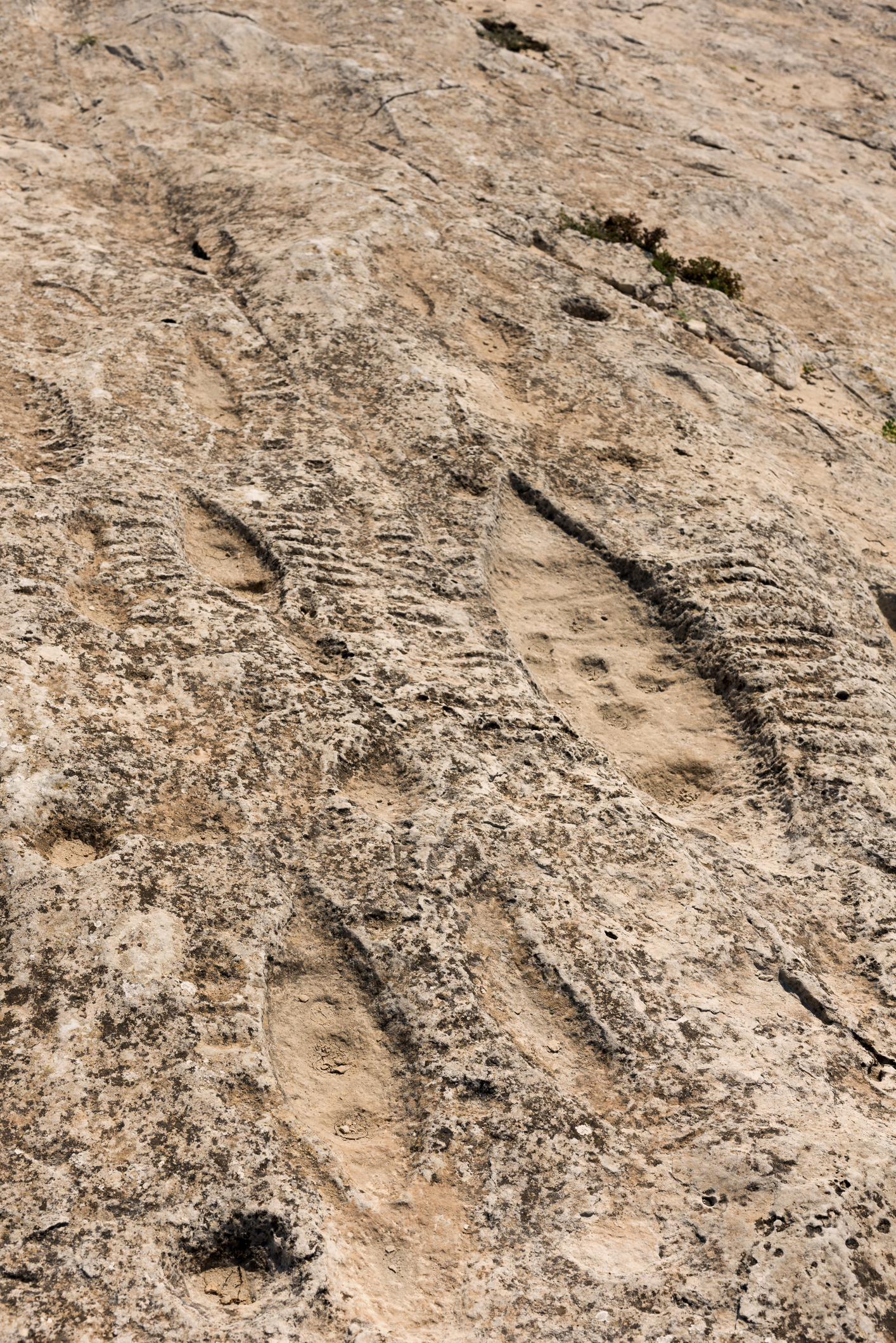
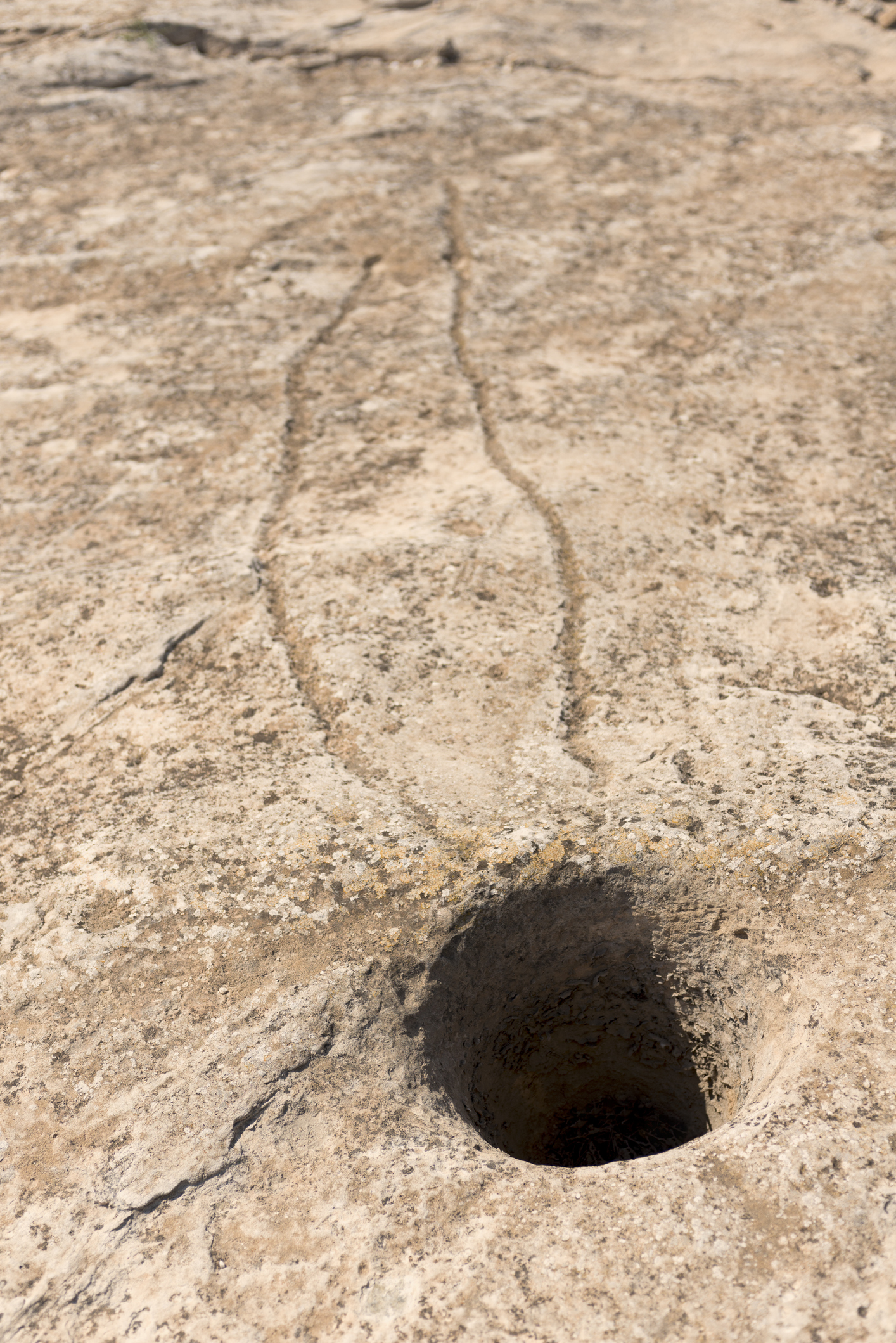
Most of the boats seen from above are usually fish-shaped with pointed sterns and rows of oars, carved with a pointed metal tool.
They contain several details, such as crossing ribs and holes likely showing the placing of masts and thwarts.
In some cases, a long line from the stern depicts a rope ending either in a traditional Arabic anchor (triangular stone anchor with two holes) or a European one (a metal anchor with a long shank and two curved arms, first used in the region about seven centuries ago).
Journey to the afterlife
"On some of the boats the oars are not parallel, as they would have to be when used for rowing, but pointing in different locations," Frances Gillespie and Faisal Abdulla Al-Naimi wrote in Hidden in the Sands: Uncovering Qatar's Past.
"This is how they would have looked when the boats were anchored out on the pearl banks and the oars were left in place for the divers to cling to and rest each time they came up."
Experts say they can only speculate as to why there is such a high concentration of ship carvings at Al Jassasiya, compared to other coastal petroglyphic sites in Qatar.
"Ships held a powerful role in the beliefs of ancient peoples, who saw them as a symbolic means of transit from this world to the next," Gillespie and Al-Naimi noted.
"Both Babylonians and ancient Egyptians believed that the dead reached the afterworld upon a ship. Greek myths spoke of the ferryman Charon who carried the souls of the dead across the river Styx to the underworld. It may be that the oldest of the ship carvings are echoes of a folk memory reaching far back into pre-historic times."
Whatever the reason, visitors should remember to take water with them and wear a hat and sunscreen when wandering among the carvings to ponder their meaning.
The fenced site does not have any shaded areas, so the best times to visit are at sunrise and sunset. Al Jassasiya is located just south of the popular Azerbaijani Beach, so an excursion there can also be combined with a relaxing day beside the sea.