After being sexually violated by his cellmate, an Otago prisoner was handcuffed to guards during a “humiliating” forensic medical examination despite begging for privacy.The episode has been slammed as “horrific” by a human rights…
Tag Archives: oceania
Weather: MetService forecasts thunderstorms, heavy rain for many parts of New Zealand
Numerous weather warnings are in place across New Zealand as heavy rain and severe gales are expected to continue until late Sunday.Thunderstorms are also possible in many places, according to MetService.Temperatures are unlikely…
Crews battling forestry fire in Leithfield, Canterbury
Dozens of fire fighters have been up all night battling a forestry fire in Canterbury.Southern fire shift manager Mau Barbara said the fire, on Ashworths Beach Rd in Leithfield, now covered an area of 700m by 200m.Calls had started…
Not out of the woods: COVID-19 cases rising in Western Europe
Santa won't be getting his traditional welcome in the Dutch city of Utrecht this year.
The ceremonial head of Carnival celebrations in Germany's Cologne had to bow out because he tested positive for COVID-19.
And Austria is considering imposing a lockdown on unvaccinated people.
READ MORE: COVID-19 pandemic sparks nationwide Santa shortage
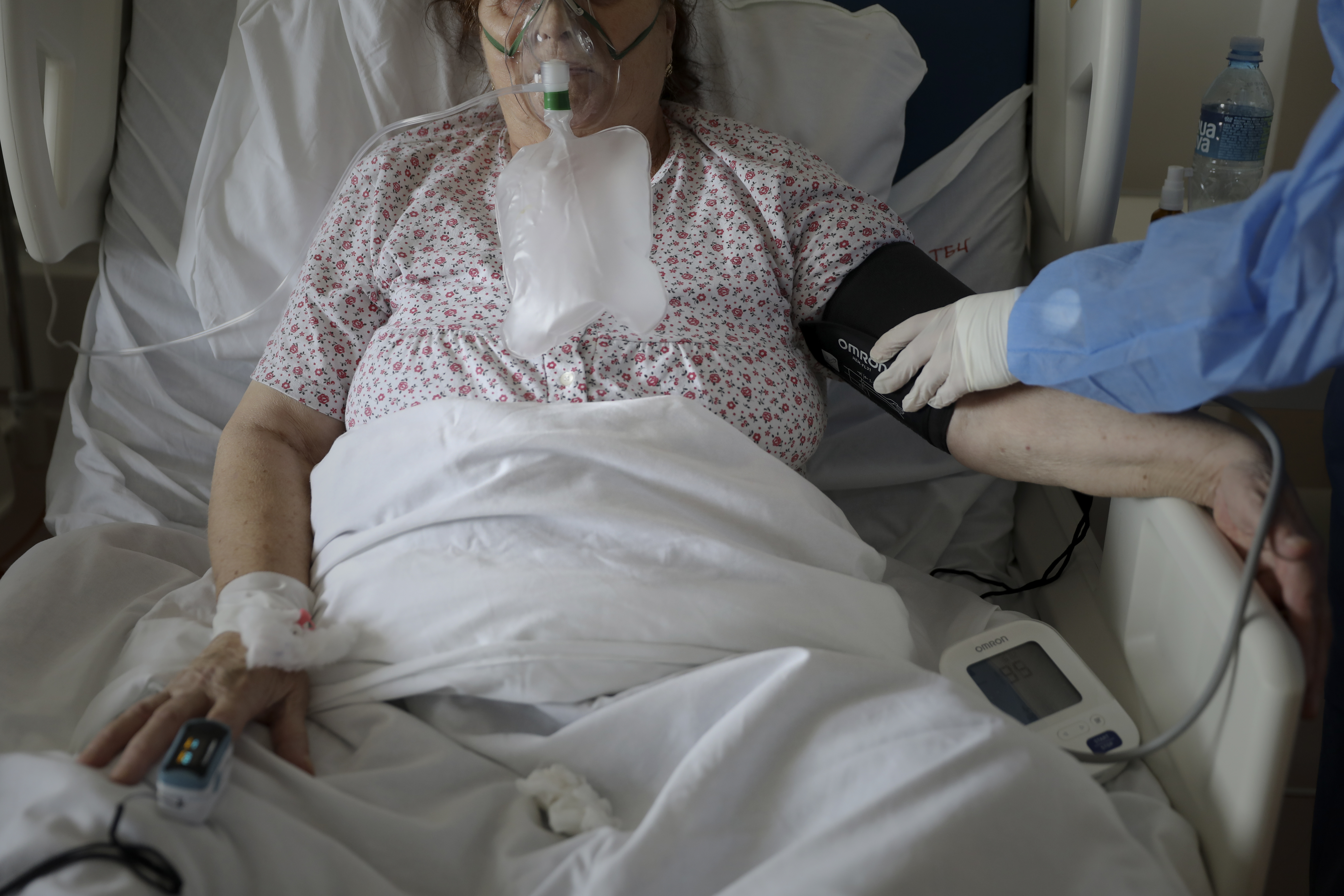
Nearly two years into a global health crisis that has killed more than 5 million people, infections are again sweeping across parts of Western Europe, a region with relatively high vaccination rates and good health care systems but where lockdown measures are largely a thing of the past.
The World Health Organisation said coronavirus deaths rose by 10 per cent in Europe in the past week, and an agency official declared last week that the continent was "back at the epicentre of the pandemic".
Much of that is being driven by spiralling outbreaks in Russia and Eastern Europe — where vaccination rates tend to be low — but countries in the west such as Germany and Britain recorded some of the highest new case tolls in the world.
While nations in Western Europe all have vaccination rates over 60 per cent — and some like Portugal and Spain are much higher — that still leaves a significant portion of their populations without protection.

Dr. Bharat Pankhania, senior clinical lecturer at Exeter University College of Medicine and Health, says that the large number of unvaccinated people combined with a widespread post-lockdown resumption of socialising and a slight decline in immunity for people who got their shots months ago is driving up the pace of infections.
Thanks largely to vaccination, hospitals in Western Europe are not under the same pressure they were earlier in the pandemic, but many are still straining to handle rising numbers of COVID patients while also attempting to clear backlogs of tests and surgeries with exhausted or sick staff.
Even the countries experiencing the most serious outbreaks in the region recorded far fewer deaths per person over the past four weeks than the United States did, according to data from Johns Hopkins University.
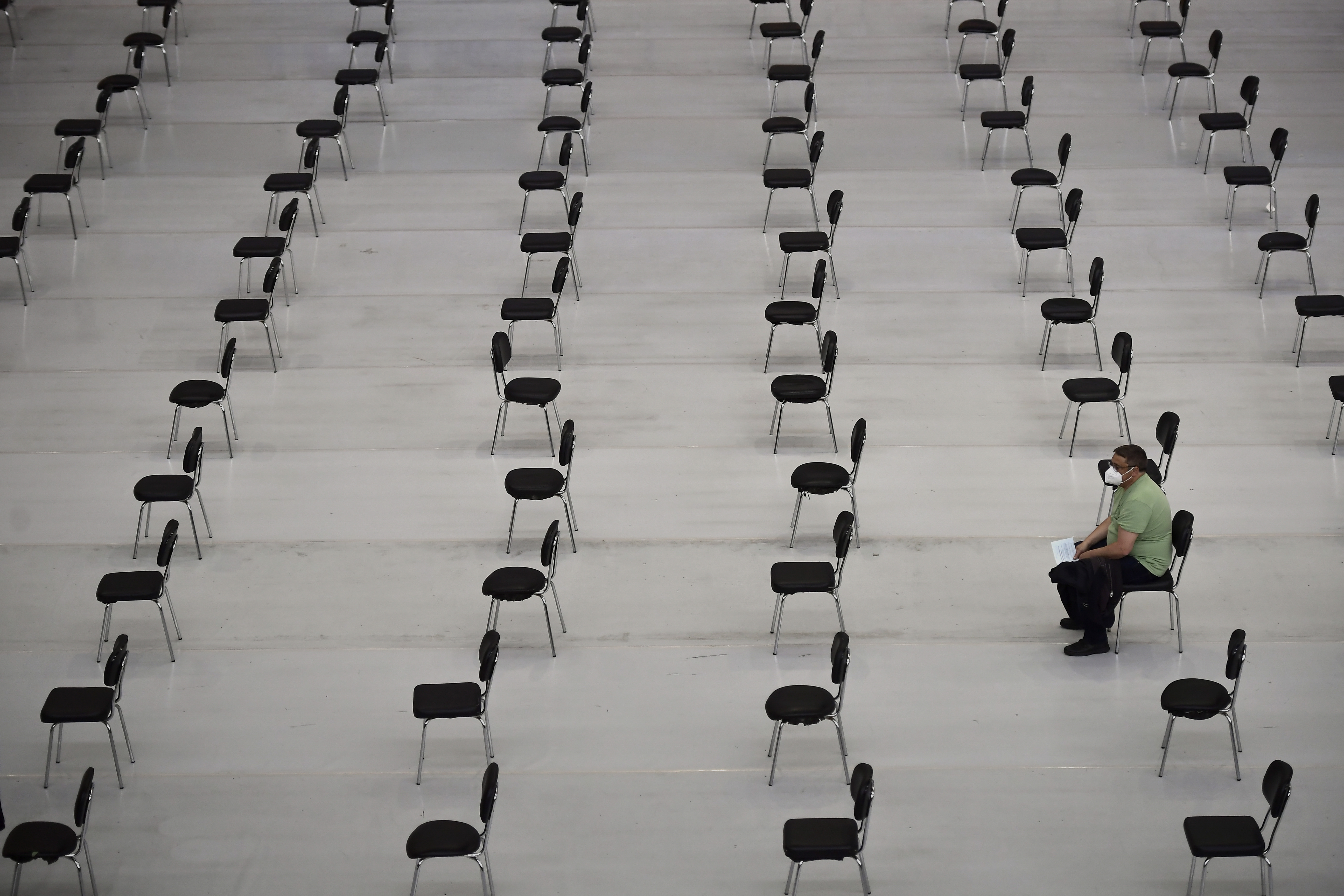
The question now is if countries can tamp down this latest upswing without resorting to stringent shutdowns that devastated economies, disrupted education and weighed on mental health. Experts say probably — but authorities can't avoid all restrictions and must boost vaccination rates.
"I think the era of locking people up in their homes is over because we now have tools to control COVID — the testing, vaccines and therapeutics," said Devi Sridhar, chair of global public health at the University of Edinburgh.
"So I hope people will do the things they have to do, like put on a mask."
Many European countries now use COVID passes — proof of full vaccination, recovery from the virus or a negative test result — to access venues like bars and restaurants. Pankhania warned that the passes can give a false sense of security since fully vaccinated people can still get infected — though their chances of dying or getting seriously sick are dramatically lower.
But restrictions don't go much further these days, although the Dutch government reportedly is considering a limited two-week lockdown and German lawmakers are mulling legislation that would pave the way for new measures.

Austrian Chancellor Alexander Schallenberg said this week that a lockdown for the unvaccinated is "probably unavoidable," but he doesn't want to impose the measure on those who got the shot.
Austria is seeing one of the most serious outbreaks in Western Europe, along with Germany, which has reported a string of record-high infections in recent days.
"We have a real emergency situation right now," said Christian Drosten, the head of virology at Berlin's Charite Hospital, which has started cancelling scheduled surgeries.
Duesseldorf's university hospital said earlier this week that its ICU is full, though many facilities are struggling more with staff shortages than bed space.
Drosten said Germany must increase its vaccination rate of 67 per cent further — and fast. But officials have baulked at ordering vaccine mandates and want to avoid any blanket lockdowns.
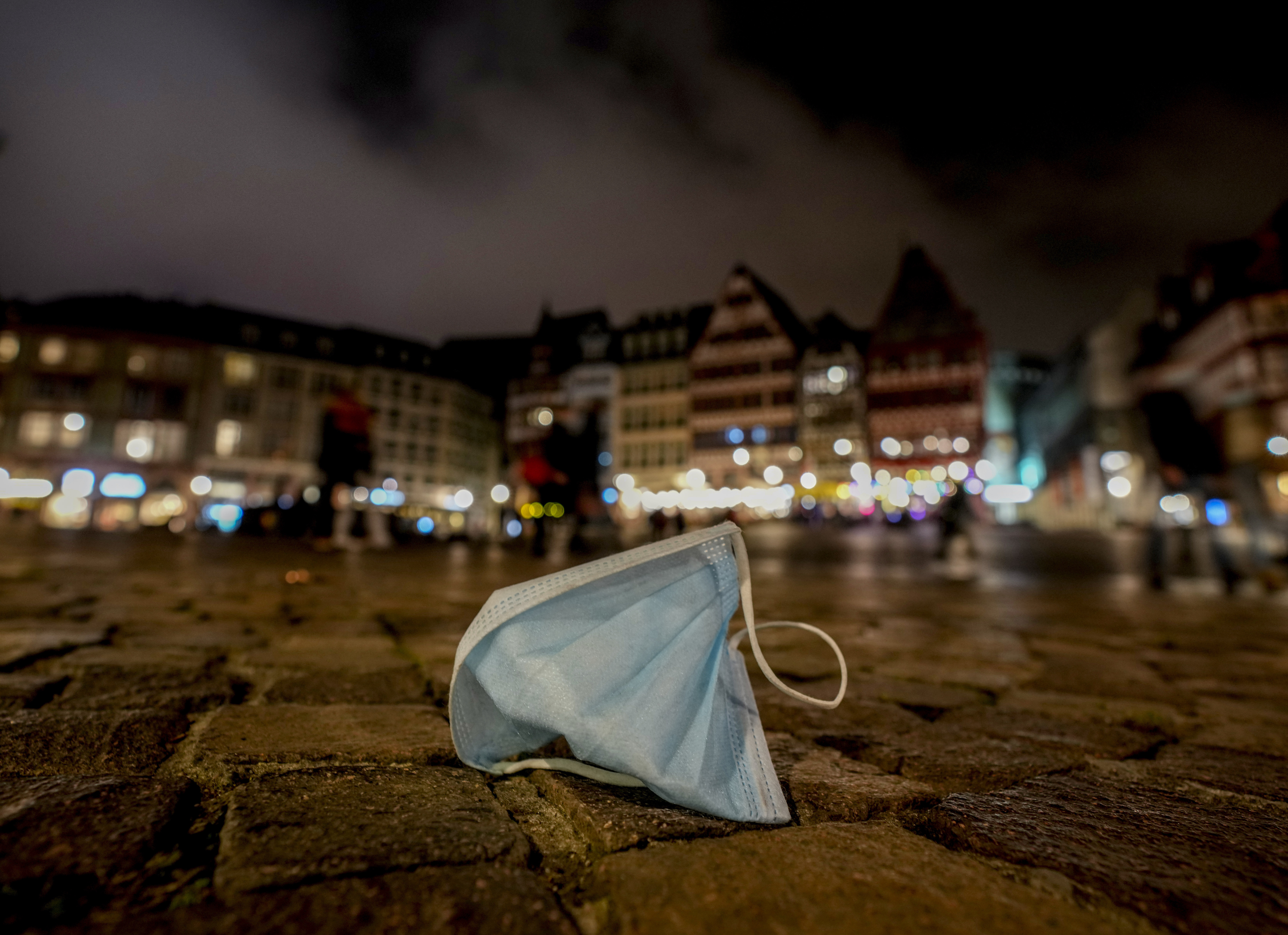
Health Minister Jens Spahn indicated that Germany could improve its often lax enforcement of COVID pass requirements.
"If my vaccination certificate is checked more often in one day in Rome than it sometimes is in four weeks in Germany, then I think more can be done," Spahn said recently.
The Netherlands is in a similar bind: The country announced the highest daily tally of new cases since the pandemic began Thursday, hospitals are warning the situation could get worse, but officials are reluctant to clamp down too hard. Amid these concerns, organisers in Utrecht said they couldn't in good conscience bring tens of thousands of people together to greet Santa at the annual Sinterklaas party beloved of children.
Cities in Germany, by contrast, went ahead with outdoor Carnival celebrations this week — but the head of Cologne's party, Carnival Prince Sven I., cancelled public appearances after testing positive.
In the United Kingdom, which lifted remaining restrictions in July and has seen big spikes as well as dips in cases since, Prime Minister Boris Johnson insists the country can "live with the virus." The government will only reimpose restrictions if the health service comes under "unsustainable" pressure, he says.

Spain, once one of Europe's hardest hit nations, perhaps offers an example of how the risks can be managed.
It has vaccinated 80 per cent of its population, and while face masks are no longer mandatory outdoors, many people still wear them. While infections have ticked up slightly recently, Rafael Bengoa, one of Spain's leading public health experts, said that given the high vaccination rate, "the virus won't be able to dominate us again."
Several countries are hoping that pushing harder on immunisations will get them there. Germany plans to re-open vaccination centres across the country to speed booster shots. France is also pinning its hopes on booster doses while urging holdouts to get their first shots. Italy is also expanding its booster program as numbers edge higher.
Pankhania says that no single measure will control the pandemic.
"To really control it, it has to be multi-layered … avoid crowds, avoid poorly ventilated places, be immunised, wear your mask," he said.
Generous donation supports '10 Cent Tom's' recycling dream
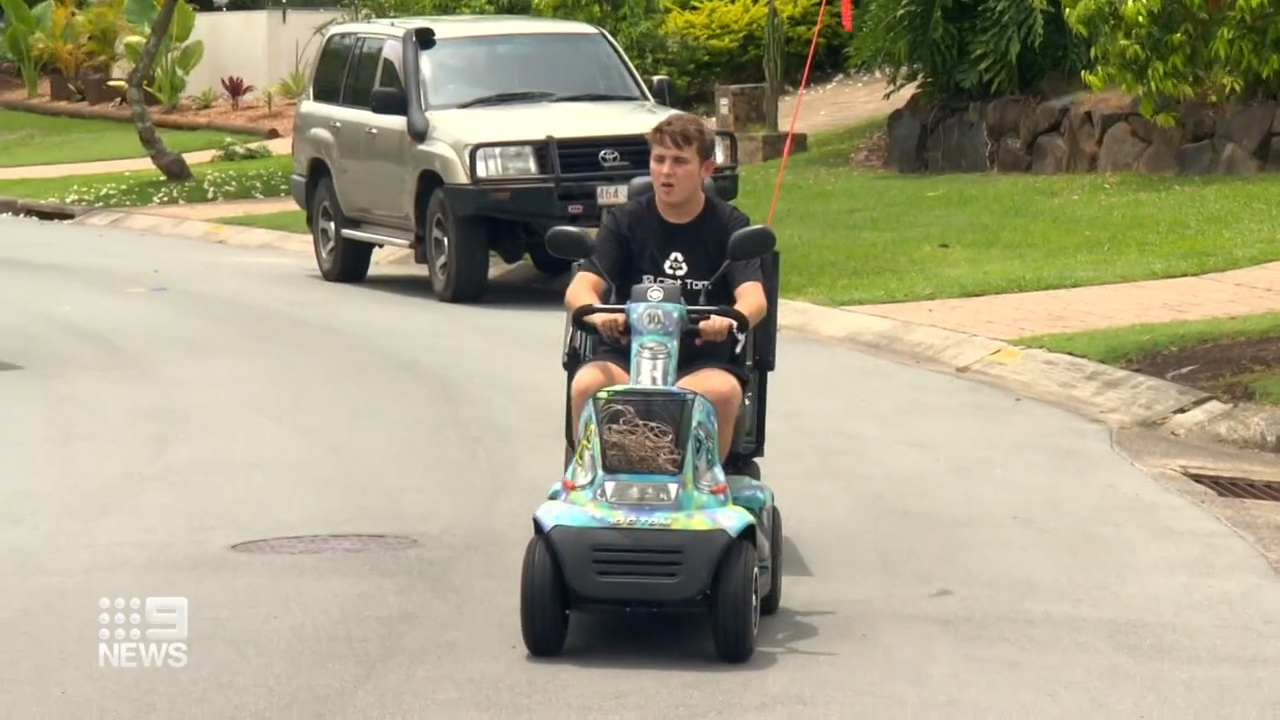
The Gold Coast's '10 Cent Tom,' is one step closer to his dream of establishing a new recycling depot to employ people with disabilities.
The 19 year-old has become known in the Gold Coast community for his efforts collecting bottles, containers and cans from homes and businesses, and exchanging them for cash using the Containers For Change program.
READ MORE: Flood warnings across east coast as rain bomb spreads
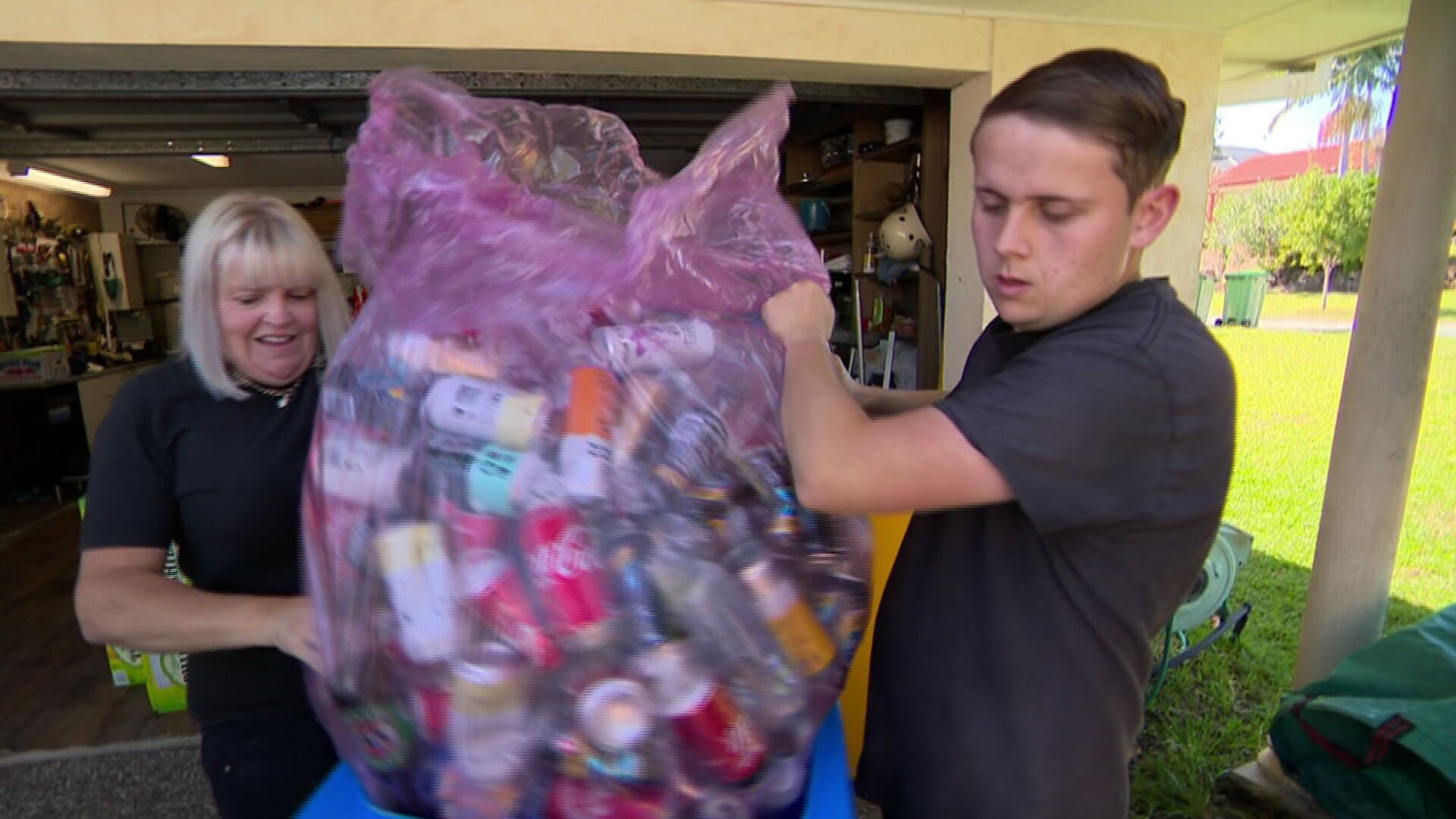
What started as a hobby and goal to reduce waste in his neighbourhood soon became a philanthropic vision for the teen and self professed 'eco-preneur,' who plans to use money collected to support the disabled community.
Tom was diagnosed with severe scoliosis when he was 15 and is living with an intellectual impairment.
He said he plans to raise enough money to fund a new depot that will aid people with disability who face barriers to employment.

READ MORE: Russian hospitals overwhelmed as COVID-19 rages
Tom said the eco-initiative works through collaboration with homes, businesses and events, encouraging them to get involved.
To support the venture, businesses can request a '10 Cent Tom,' container collection bin, which will be collected free of charge and exchanged for cash, used to support the initiatives goals.
"If you've got any bottles or cans feel free to reach out and nothing is too big nothing is too small," he said.
READ MORE: US and China make surprise pledge
Protesters dump manure outside Federal minister's office over climate inaction
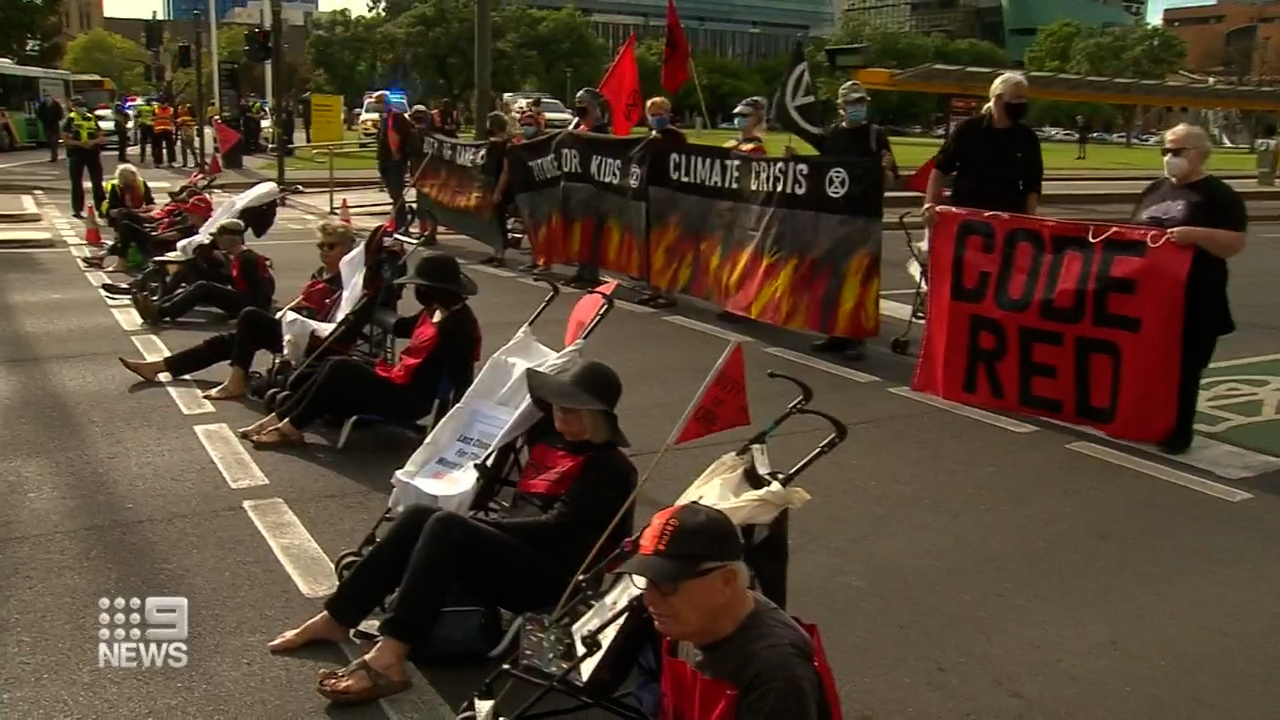
The Extinction Rebellion group has left a pile of horse manure outside the office of Federal Finance Minister Simon Birmingham in Adelaide.
The protesters said the move was to depict Australia's performance at the recent COP26 climate summit in Glasgow.
The group claimed it was supposed to show leaders are treating the country like a toilet and wiping their hands of the climate crisis.
READ MORE: Bert Newton to be laid to rest in state funeral today

Mr Birmingham, who is also a senator for South Australia, said there was one silver lining from the incident.
"It's better that they try to target me and my office than disrupt tens of thousands of South Australians," Mr Birmingham said.
"I hope and trust that the manure can go to a good purpose, in [a] good garden somewhere and produce some spring veggies."
https://twitter.com/Birmo/status/1458903813461458949?ref_src=twsrc%5Etfw
The Morrison government has committed to act in a "practical, responsible way to deliver net zero emissions by 2050".

READ MORE: Floods, heavy rain across NSW, Victoria and Queensland
Despite some Facebook Marketplace posts advertising the manure, professionals eventually arrived to clean it up.
New trial for a keyhole implant to prevent strokes
A small keyhole implant to prevent stroke is the focus of a new Australian trial.
About half a million Australians live with atrial fibrillation, a heart condition that can cause clots to form in the heart and travel to the brain.
Patients traditionally take blood-thinning medication to prevent stroke, but there's the risk of bleeding.
READ MORE: Floods, heavy rain across NSW, Victoria and Queensland
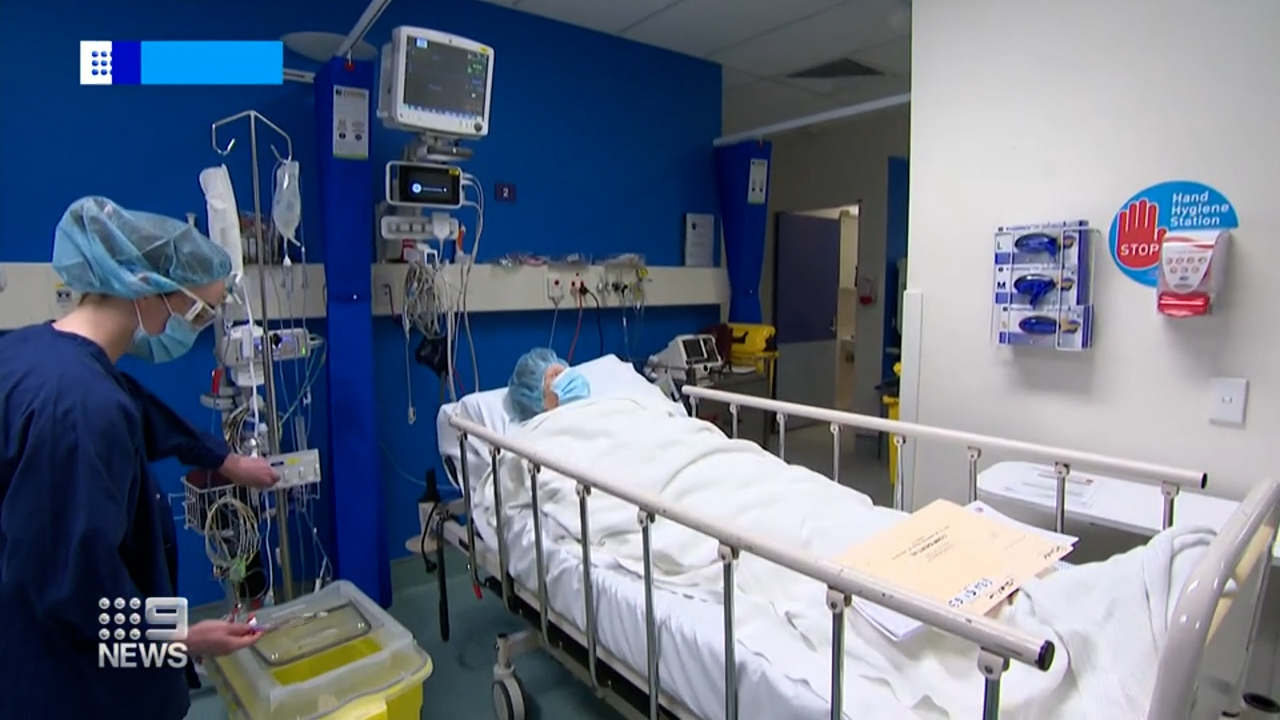
Small implantable devices that plug a sac in the heart where clots are formed provide a safer alternative for patients who can't take blood thinners.
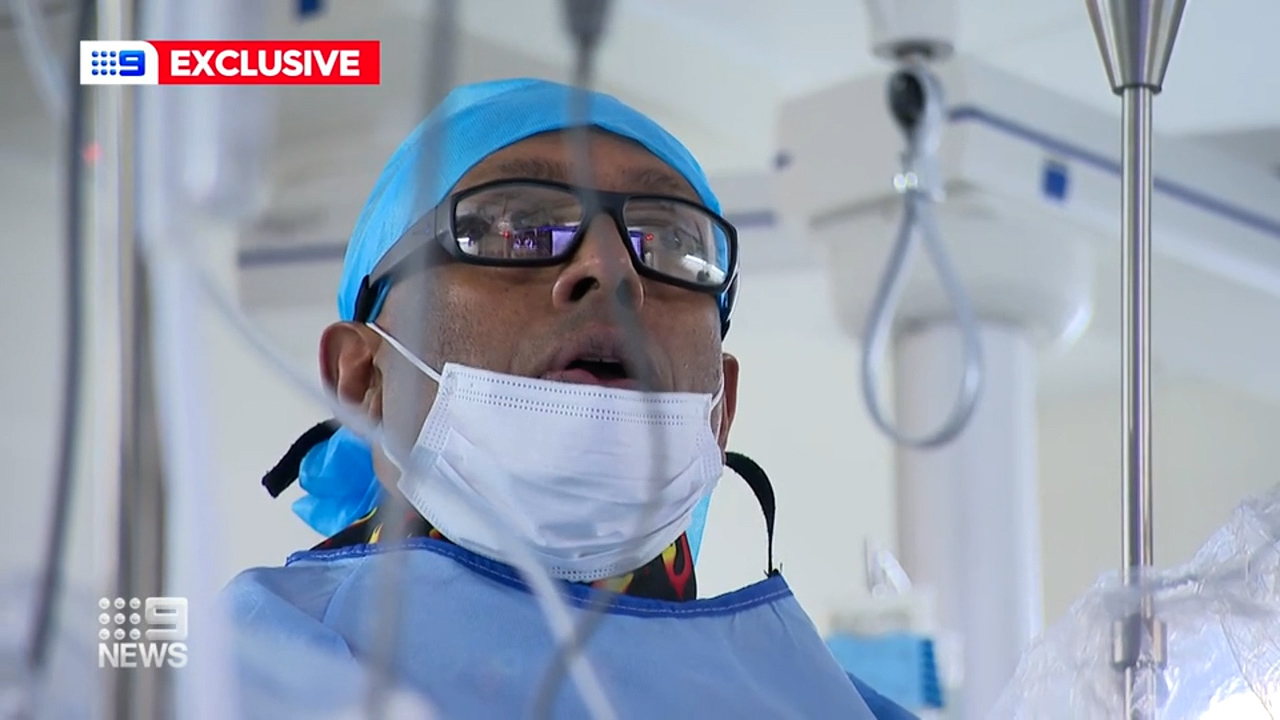
"The device acts as a little plug but then your own tissue grows over it," Dr Brendan Gunalingam, Interventional Cardiologist at Sydney's St Vincent's Hospital, said.
"The ability to give the patient a one stop fix where you don't have to worry about blood thinning is quite a game changer."
The new trial will focus on a new generation implant called the Watchman Flex to see whether more patients can benefit from the implant.
It will be assessed as the first line of defence against stroke and compared to the use of newer blood-thinning agents.
READ MORE: Bert Newton to be laid to rest in state funeral today
"We're looking to establish if the device can be given to everybody with atrial fibrillation as an alternative," Dr Gunalingam said.
The global trial is recruiting 3000 patients and Sydney's St Vincent's Hospital is leading the Australian arm.
Valerie Power, 81, received the device in a procedure which took less than an hour under general anaesthetic.
Blood thinners caused her to bleed and she needed another treatment to protect her from having a stroke.
"Hopefully this will fix me for a few more years," she said with a laugh.
"She's quite active, she plays bowls, she has a wonderful life."
"If she were to have a stroke, she'd be devastated," Dr Gunalingam said.
Deck the windows: David Jones unveils its annual Christmas display
David Jones in Sydney unveiled its annual Christmas window display today.
The 2021 display at the Elizabeth Street flagship is based on the story of the children's book My Pet Star.
READ MORE: Floods, heavy rain across NSW, Victoria and Queensland

The story is about a little girl who finds a lost star and takes it home to care for it. The more she looks after the star, the brighter it glows, until one day it is time to let go.
More than 6500 hours went into this year's display.
To see the display, watch the full video above.
One person trapped in car after collision in Octagon
Fire crews had to remove the roof of a vehicle to free a trapped occupant after two cars crashed in Dunedin’s Octagon.Police said they were notified of the crash about 7.10pm.A Fire and Emergency New Zealand spokesman said the…
Liberal MP John Alexander retiring, leaves Bennelong seat open
Liberal MP John Alexander is retiring from federal politics and will not be recontesting the seat of Bennelong.
Mr Alexander, 70, has held the seat for 11 years after Labor gained power in 2007 and toppled former Prime Minister John Howard – who had Bennelong since 1974.
The former tennis star made wrote to his constituents this afternoon and posted a statement on his Facebook page.
READ MORE: Bert Newton laid to rest in state funeral today

"I make this announcement now in fairness to those who may be interested in nominating for preselection," Mr Alexander wrote.
"I care deeply about the future of Bennelong, and our Government, and want the best possible candidates competing for the honour of being the Liberal Party candidate for Bennelong.
"Serving Bennelong has been an incredible honour and I must thank the people of Bennelong who have put their trust in me for the last 11 years."
READ MORE: Meet Hong Kong's 'ghost net hunter'

Mr Alexander acknowledged Mr Howard and took a swipe at current politics.
"It is my sincerest wish that the contest of ideas should be wholesome and respectful, and will prevail over the demeaning, unproductive political jousting of recent times," he wrote.