Tag Archives: oceania

Man dead after falling out of a moving vehicle in regional NSW

A man has died after falling out of a moving car in the far west regional town of Tilpa in New South Wales.

Emergency services were called to a station on Tilpa-Louth Road at around 6pm on Saturday October 16 after reports that a 25-year-old man had fallen off the back tray of a Toyota Landcruiser.

The Royal Flying Doctors Service arrived at about 8.45pm to assist. But the young man, who had injured his head, died at the scene.

READ MORE: Western Australia Police not ruling anything out in the search for Cleo Smith

Barrier Police District officers were also present and an investigation has been launched to find out how the incident occurred.

A report will also be prepared for the coroner.

Bitcoin-mining power plant angers environmentalists

An obstacle to large-scale bitcoin mining is finding enough cheap energy to run the huge, power-gobbling computer arrays that create and transact cryptocurrency.

One mining operation in central New York came up with a novel solution that has alarmed environmentalists. It uses its own power plant.

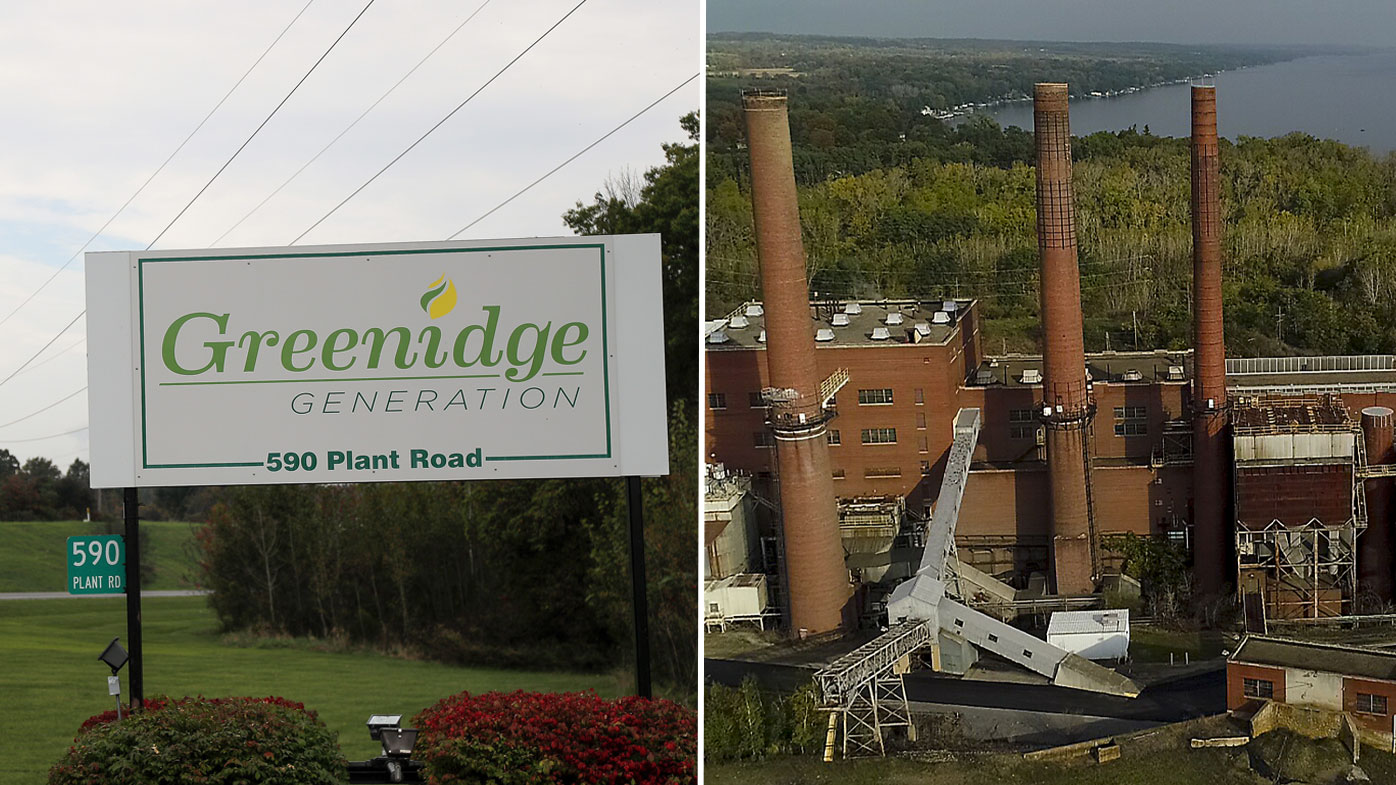
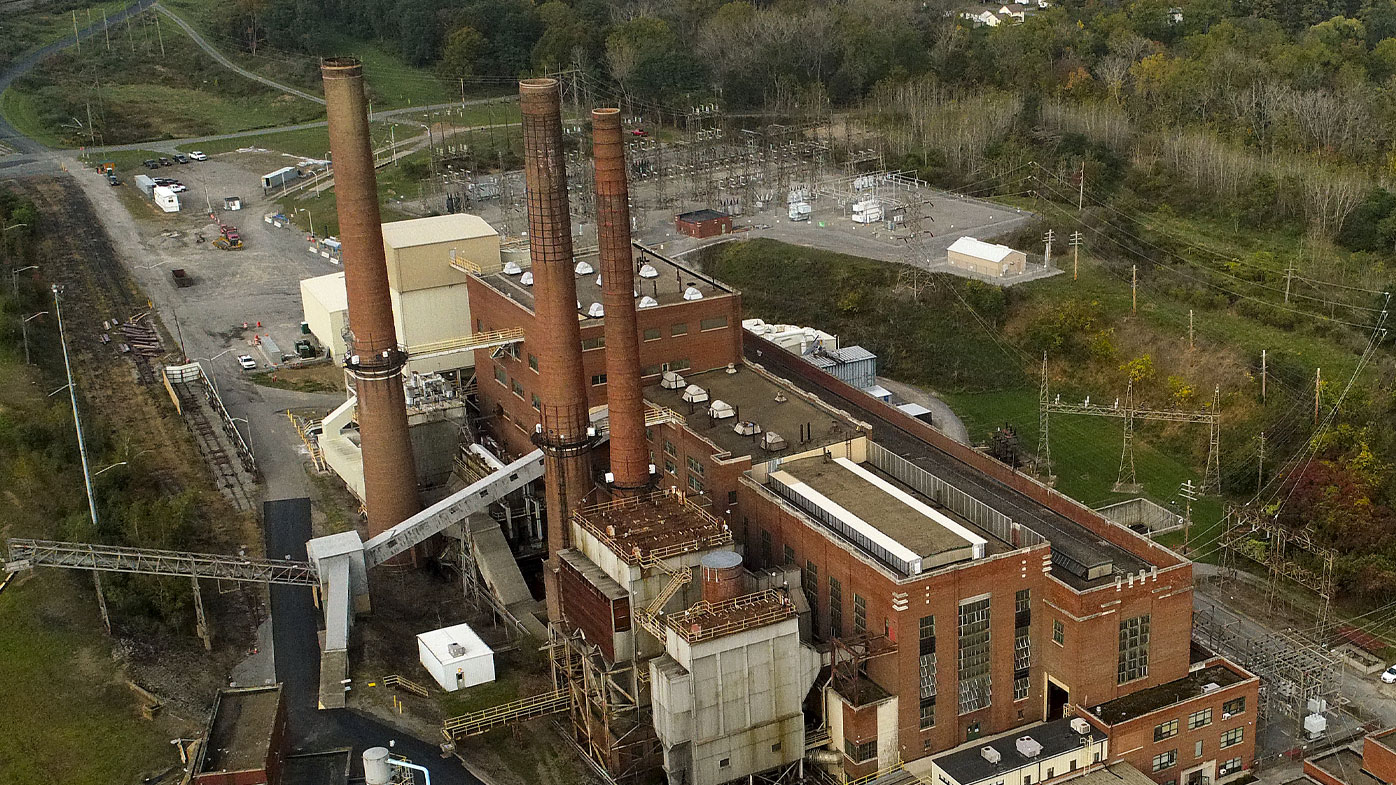
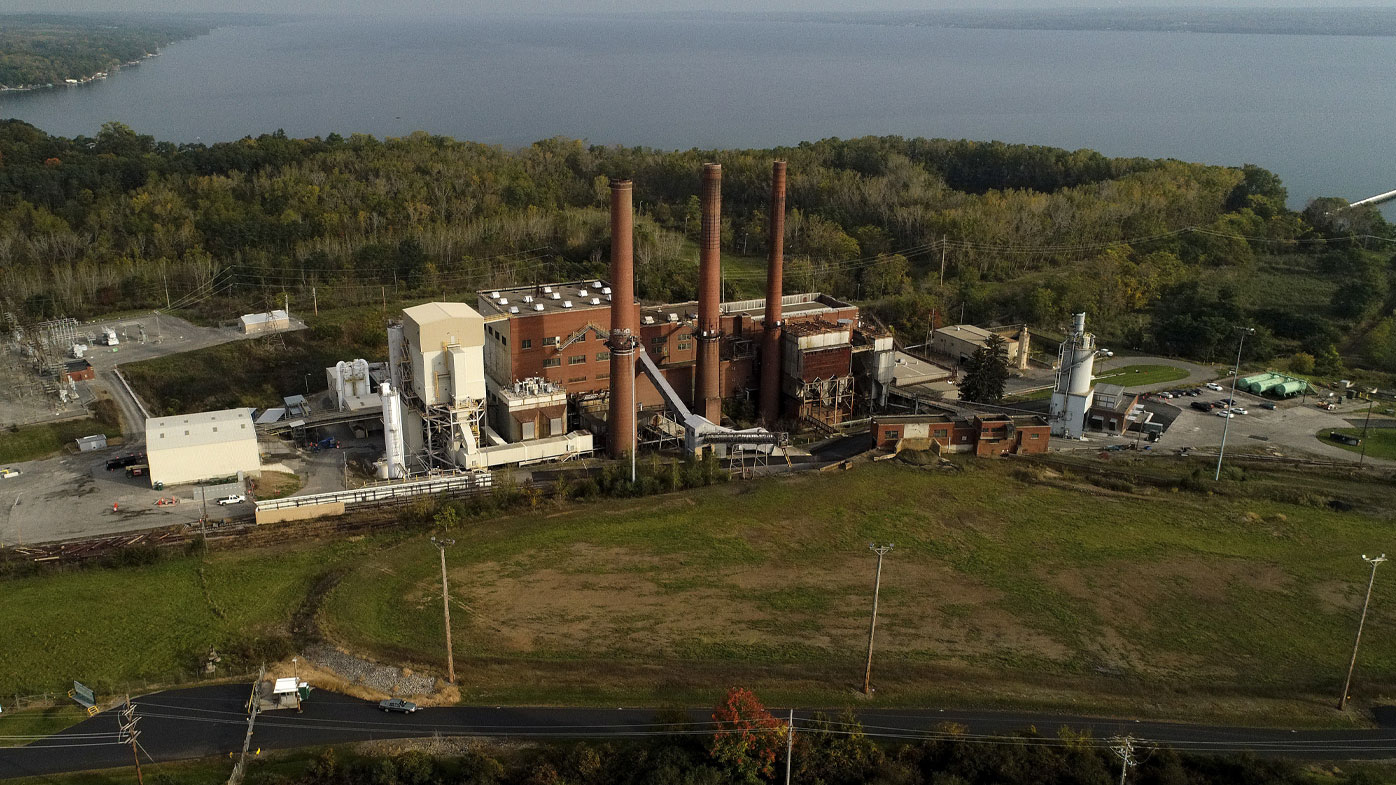
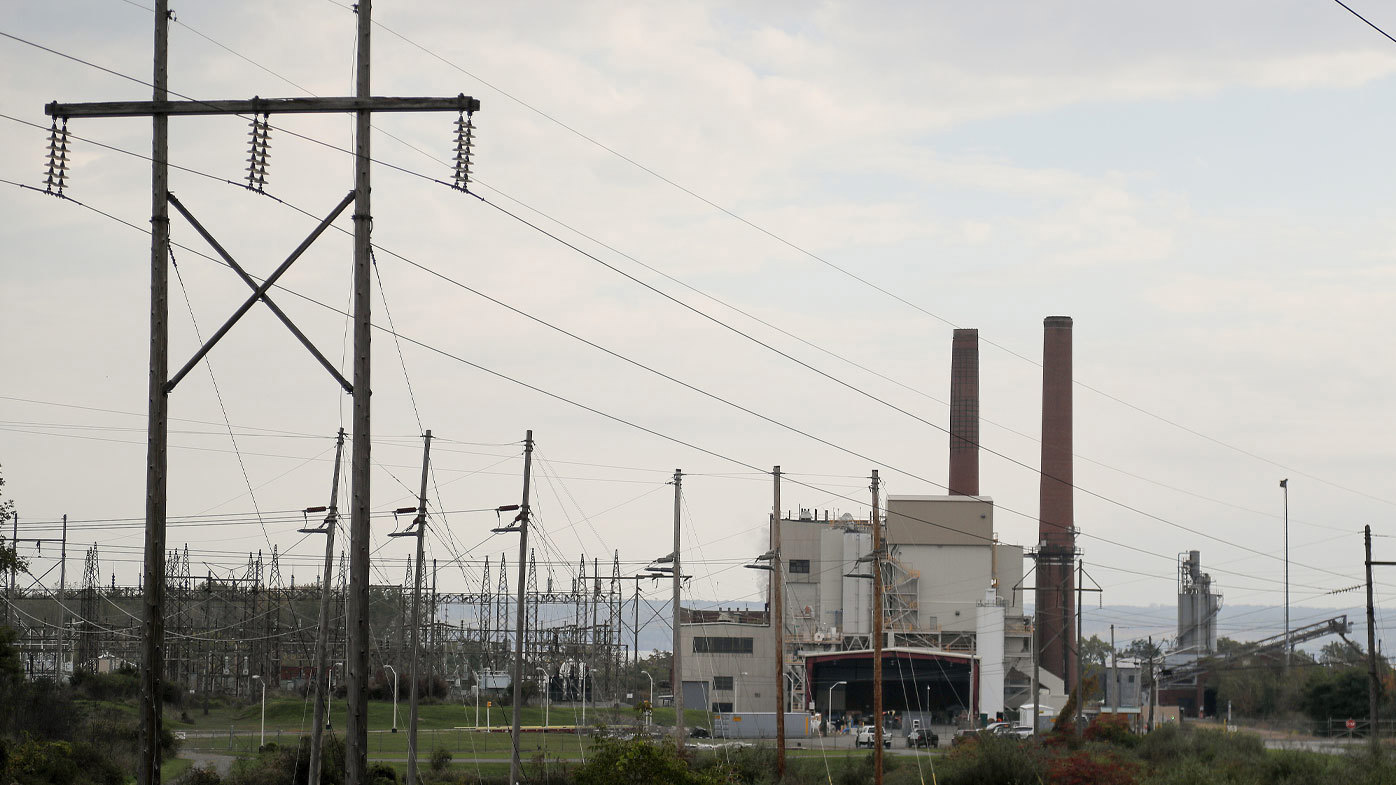
Greenidge Generation runs a once-mothballed plant near the shore of Seneca Lake in the Finger Lakes region to produce about 44 megawatts to run 15,300 computer servers, plus additional electricity it sends into the state's power grid.

READ MORE: Search for missing four-year-old-girl enters third day

Greenidge Generation power plant now powers computer servers used for bitcoin mining.

The megawatts dedicated to Bitcoin might be enough electricity to power more than 35,000 homes.

Proponents call it a competitive way to mine increasingly popular cryptocurrencies, without putting a drain on the existing power grid.

Environmentalists see the plant as a climate threat.

They fear a wave of resurrected fossil-fuel plants pumping out greenhouse gasses more for private profit than public good.

Seeing Greenidge as a test case, they are asking the state to deny renewal of the plant's air quality permit and put the brakes on similar projects.

“The current state of our climate demands action on cryptocurrency mining,” Liz Moran of Earthjustice said.

“We are jeopardizing the state’s abilities to meet our climate goals, and we set the stage for the rest of the country as a result.”

The former coal plant, in a touristy region known for its glacial lakes and riesling wines, was converted to natural gas by Greenidge and began producing electricity in 2017.

Bitcoin mining at the plant, which has a 106-megawatt capacity, started in earnest last year. The company said it was “bringing a piece of the world’s digital future” to upstate New York.

READ MORE: The clues in manhunt for slain woman Gabby Petito's fiancé

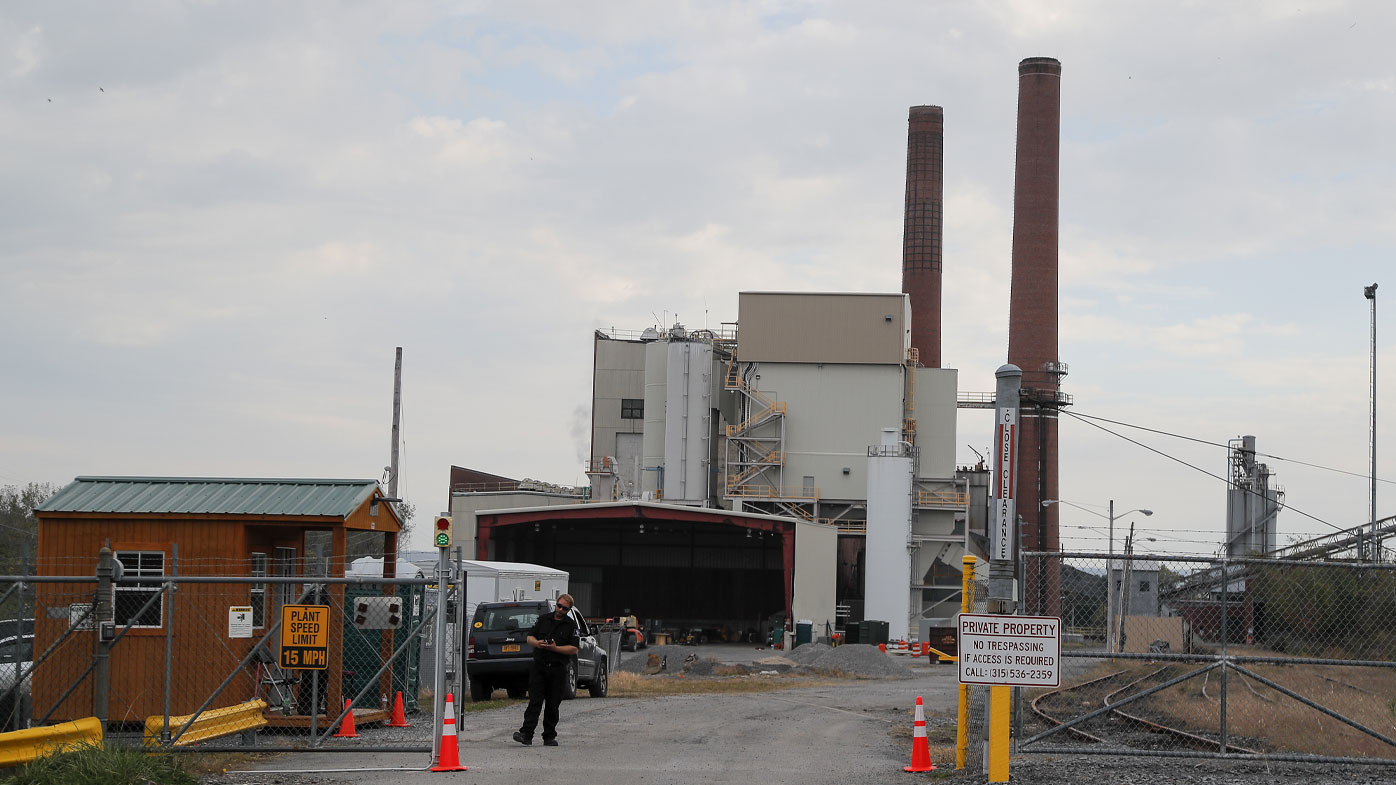
Greenidge Generation power plant now powers computer servers used for bitcoin mining.

"For decades, this region has been told it would see new industries and opportunities," Greenidge said in a prepared statement.

"We are actually making it happen, and doing it fully within the state’s nation-leading high environmental standards."

Bitcoin miners unlock bitcoins by solving complex, unique puzzles. As the value of Bitcoin goes up, the puzzles become increasingly more difficult, and it requires more computer power to solve them.

Estimates on how much energy Bitcoin uses vary.

Greenidge said it mined 729 bitcoins over three months ending September 30. The value of cryptocurrency fluctuates, and on Friday, one bitcoin was worth over $79,601.

Opponents are frustrated that Greenidge applied to run a power plant but are now operating a mine that is taking up more of the plant’s power.

Greenidge says mining was not part of the plan when the plant came back online and note they continue to provide power to the grid.

From January through June, Greenidge said it used 58 per cent of its power for mining.

Supporters see it as an economic boon in a part of upstate New York that could use the help. Douglas Paddock, chairman of the Yates County Legislature, testified at a public hearing this week that the plant has brought 45 high-paying jobs and made a “significant contribution” to the area through tax payments and capital investments.

Greenidge Generation power plant now powers computer servers used for bitcoin mining.

Some opposition to the plant centres on the potential effects of its water withdrawals from Seneca Lake. But air quality issues have taken centre stage as the state Department of Environmental Conservation reviews the plant’s air emission permits.

Greenidge has said it's in compliance with its permits and that the plant is 100 per cent carbon neutral, thanks to the purchase of carbon offsets, such as forestry programs and projects that capture methane from landfills.

Opponents claim the plant undercuts the state’s efforts to dramatically slash greenhouse gas emissions in the coming decades under its 2019 climate law.

A large coalition of environmental groups and other organizations this week asked Governor Kathy Hochul to deny the air permit for Greenidge and to take a similar action to keep an existing plant near Buffalo from becoming a mining site.

The coalition wants Hochul to set a “national precedent” and enact a statewide moratorium on the energy-intensive “proof-of-work” cryptocurrency used by bitcoin miners.

Environmentalists estimate that there are 30 plants in New York that could be converted into mining operations.

“I really think more than anything, this plant is a significant test for whether the state’s climate law is really worth anything,” Judith Enck, who served as the EPA’s regional northeastern US administrator under President Barack Obama, said.

Senators Chuck Schumer and Kirsten Gillibrand have separately asked the federal Environmental Protection Agency to exercise oversight.

READ MORE: International travel 'vaccine passports' to be available this week

Greenidge Generation power plant now powers computer servers used for bitcoin mining.

Around the country, there are other power plants being used for cryptocurrency mining under different types of arrangements.

In Venango County, Pennsylvania, a generation plant that converts coal waste into power is being used to mine bitcoins and can provide electricity to the grid when needed.

Stronghold Digital Mining has plans to replicate that kind operation at two other sites in Pennsylvania.

And in Montana, a coal-fired generating station is now providing 100 per cent of its energy to Marathon Digital Holdings for bitcoin mining under a power purchase agreement.

“We had previously done what many miners do, which is you find an industrial building, set it up for mining and then you contract for power from the grid,” Marathon CEO Fred Thiel said.

“And we wanted to flip that model upside down because we knew that there are lots of underutilized energy generation sources in the US.”

Thiel said that harmful emissions are low because of the quality of the coal and pollution controls, and that the plant would be carbon offset by the end of next year.

He said his company is focused on moving toward renewable energy, saying cryptocurrency miners can provide crucial financial incentives to build more clean energy projects.

Greenidge Generation power plant now powers computer servers used for bitcoin mining.

New York state has yet to make a determination on Greenidge's permits.

Greenidge said that even if the plant ran at full capacity, its potential emissions equate to 0.23 per cent of the state’s greenhouse gas emissions reduction target for 2030.

However, state Environmental Commissioner Basil Seggos tweeted last month that “Greenidge has not shown compliance with NY’s climate law” based on goals in that law.

“New York state is leading on climate change,” Seggos said in a prepared statement, “and we have some major concerns about the role cryptocurrency mining may play in generating additional greenhouse gas emissions.”

Shopper, security guard stabbed inside Woolworths

A shopper and a security guard are in hospital after being stabbed at a Woolworths supermarket in Melbourne this morning.

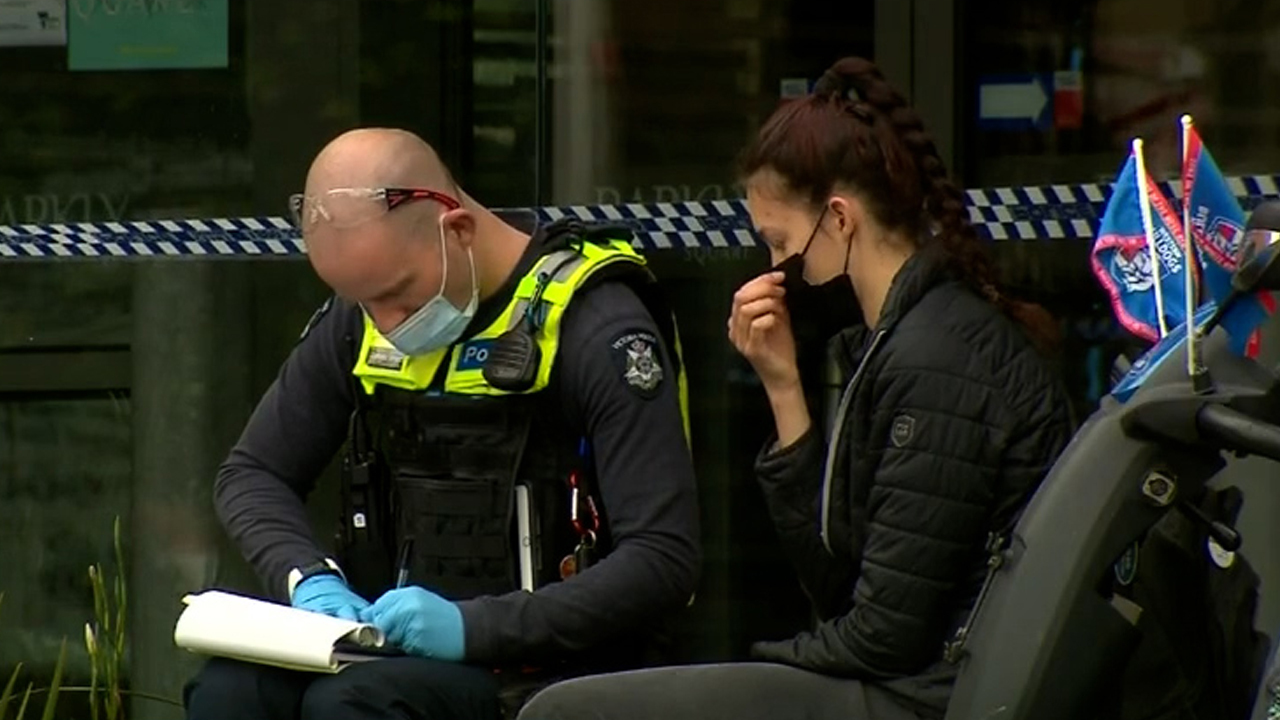
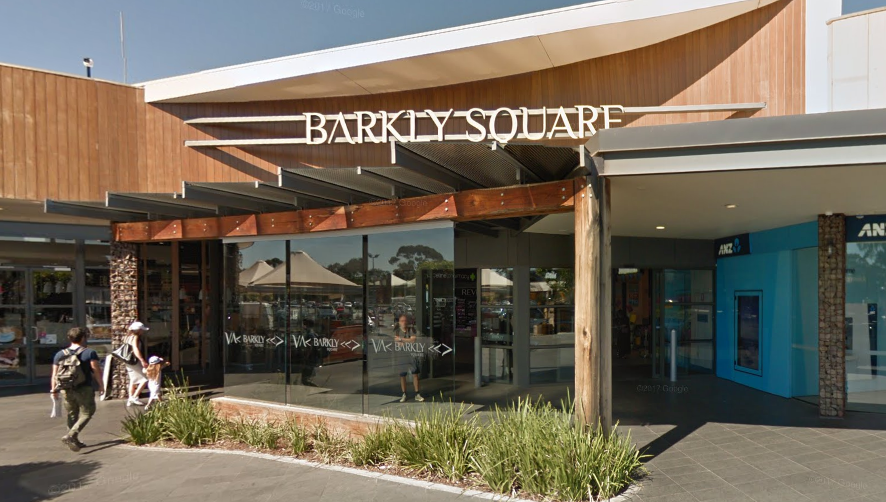
Police confirmed a 20-year-old man has been arrested following the incident that occurred at Barkly Square Shopping Centre in Brunswick just after 8am today.

A 60-year-old Brunswick man was standing in the checkout queue of the supermarket when he heard yelling behind him, police said.

READ MORE: Victoria records 1903 cases of COVID-19

"He turned around and was allegedly stabbed in the upper body by a man who was in the queue," Victoria Police said in a statement.

"The victim moved away and the alleged offender ran from the store."

Witnesses told 9News they were forced to run for cover during the alleged attack.

A security guard was then stabbed after allegedly confronting the man when he heard yelling coming from the supermarket.

The man then entered an electronics store where police attempted to negotiate with him.

Officers from the Critical Incident Response Team officers were forced to use a taser to arrest the 20-year-old man.

"The alleged offender was arrested at the scene and has been conveyed to hospital with self-inflicted wounds," Victoria Police said.

"Police are not looking for anyone else in relation to the incident and there is no threat to the community."

Paramedics treated three men for injuries at the scene before taking them to hospital in stable conditions.

Woolworths Victorian General Manager Sarah Gooding said the supermarket would be closed until further notice following the incident.

"There is no place for violence like this anywhere in our community," she said.

"Our thoughts are with the man who was injured and his loved ones at this difficult time.

"The team reacted calmly to the incident in line with our established safety procedures, and we thank them for doing so in trying circumstances.

"The store will remain closed until further notice while we focus on supporting our team and assisting Victoria Police with its investigation."

No Woolworths staff were injured in the incident, but all team members will be offered counselling services.

The store will also be forensically deep cleaned before reopening.

Earlier today, 3AW caller Sandra – whose brother works at the nearby Coles supermarket – said the shopping centre had to be evacuated.

"All of the employees are locked up in their various shops," she told Neil Mitchell.

Barkly Square in a statement to 9News confirmed the shopping centre had closed due to a police incident.

"Police are attending and we are assisting them with their inquiries," the statement read.

"As this is a police matter, we are unable to provide further details at this time."

Anyone with information is urged to contact Crime Stoppers on 1800 333 000.

China 'tests space-capable hypersonic missile'

China has tested a nuclear-capable hypersonic missile, a development that caught US intelligence experts by surprise, a report claims.

An article by the UK Financial Times newspaper said the Chinese military launched a rocket carrying a hypersonic glide vehicle in August.

It flew through low-orbit space and circled the Earth before cruising towards its target, which it missed by about 40 kilometres.

READ MORE: Search for missing four-year-old-girl enters third day

"The test showed that China had made astounding progress on hypersonic weapons and was far more advanced than US officials realised," the report said, citing unnamed sources, familiar with the intelligence.

Hypersonic weapons are difficult to defend against because they reach speeds of more than five times the speed of sound — or about 6200km per hour.

And they also fly at low altitudes towards targets – making them harder to detect.

The US and Russia are also developing hypersonic weapons.

Earlier this month, the Russian Defence Ministry said a prospective hypersonic missile had been successfully test-fired from a nuclear submarine for the first time.

Officials said that the Severodvinsk submarine performed two launches of the Zircon cruise missile at mock targets in the Barents Sea.

READ MORE: International travel 'vaccine passports' to be available this week

And last month, North Korea said it successfully tested a new hypersonic missile it implied was being developed as nuclear capable.

A photo published in North Korea's state media showed a missile mounted with a finned, cone-shaped payload soaring into the air amid bright orange flames.

News of the reported Chinese test comes amid rising tensions around Taiwan.

Beijing military aircraft have flown multiple flights near the island, while the US and several allies have been holding naval exercises in nearby waters.

Vaccine passports will soon be available – what you need to know

Australians are a step closer to travelling overseas as the Federal Government starts to roll out technology that proves your COVID-19 vaccine status around the world.

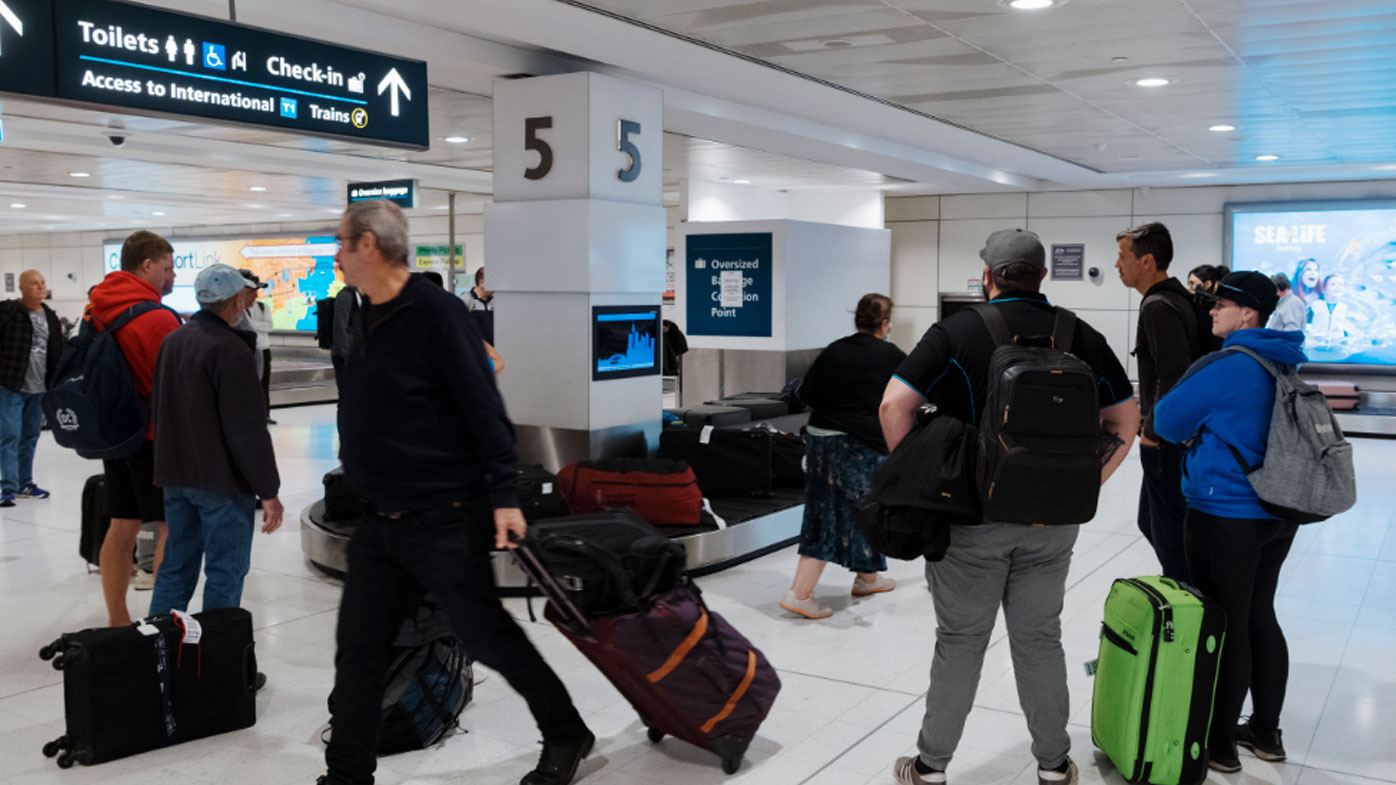
From tomorrow, any Aussie who is fully vaccinated can access the digital certificate – sometimes referred to as a "vaccine passport" – allowing them to travel in and out of the country.

The new technology is compatible with COVID-19 travel apps and based on a person's vaccination records.

READ MORE: Back to school for NSW's oldest and youngest students

How will the vaccine passport work?

The new certificate contains a secure QR code and can be downloaded from the MyGov website to a smartphone or printed off.

To be eligible. you need to have proof of COVID-19 double vaccination and a valid passport.

The certificate will be scanned by border officials on arrival into a country if requested.

Foreign Minister Marise Payne said the anti-forgery visible digital seal technology within the certificate was among the world's most advanced.

READ MORE: NSW scraps quarantine scrapped for vaccinated travellers

"Australia will share the visible digital seal technology, building a curated library of technical documents to assist interested countries develop their own vaccination certificates," Senator Payne said in a joint statement.

"The launch of the international proof of vaccination is a key step towards safely reopening international borders and supporting Australia's COVID-19 economic recovery."

The new international certificate meets the new global standard specified by the International Civil Aviation Organisation and conforms with World Health Organisation guidance.

When can Australians travel overseas again?

Earlier this month, Prime Minister Scott Morrison announced Australia's international border restrictions would start to ease from the beginning of November for fully vaccinated Australians. 

It is expected at this point the country will hit a double vaccination rate of 80 percent.

Last week, NSW Premier Dominic Perrottet announced all quarantine will be scrapped for fully vaccinated international arrivals entering New South Wales from November 1.

The surprise move is a radical change to Australia's management of COVID-19 and leaves NSW on its own as it prepares to welcome overseas visitors.

The decision eliminates the need for travellers to quarantine in a hotel, which has caused tens of thousands of Aussies to become stranded overseas because of strict flight caps.

There are 45,000 registered with DFAT as wanting to get back, with mandatory hotel quarantine starting at $3000.

Do I have to be fully vaccinated to travel overseas?

Come November, only fully vaccinated Australians will be able to travel overseas without getting an exemption.

Children under 12 and those who cannot be vaccinated for medical reasons will also be able to travel overseas without an exemption, according to the Department of Home Affairs.

While many countries are likely to require travellers show proof of vaccination status, some may not.

Employment Minister Stuart Robert said the vaccine passport would help Australians have ready access to the documentation should they need it.

"You may not have to use it — there may be many countries you'll visit that have no requirement to demonstrate you've been vaccinated.

"But the last thing the government wants for Australians when they travel overseas is to be stuck overseas because they can't prove they've been vaccinated."

https://omny.fm/shows/the-9news-lunch-podcast/oct-18-gladys-berejiklians-evidence-laid-bare-the/embed?style=cover

What happens if Brian Laundrie isn't found in the coming weeks

Local and federal investigators have been searching for Brian Laundrie – the fiancé of 22-year-old Gabby Petito – for about a month in a Florida nature reserve that spans nearly 25,000 acres.

Ms Petito's parents reported her missing last month following a cross-country road trip the couple began over the summer.

Mr Laundrie returned in Ms Petito's van to the couple's North Port, Florida, home on September 1 and went hiking in the nearby Carlton Reserve roughly two weeks later, his parents later told police.

READ MORE: Gabby Petito timeline: Missing blogger's cause of death revealed
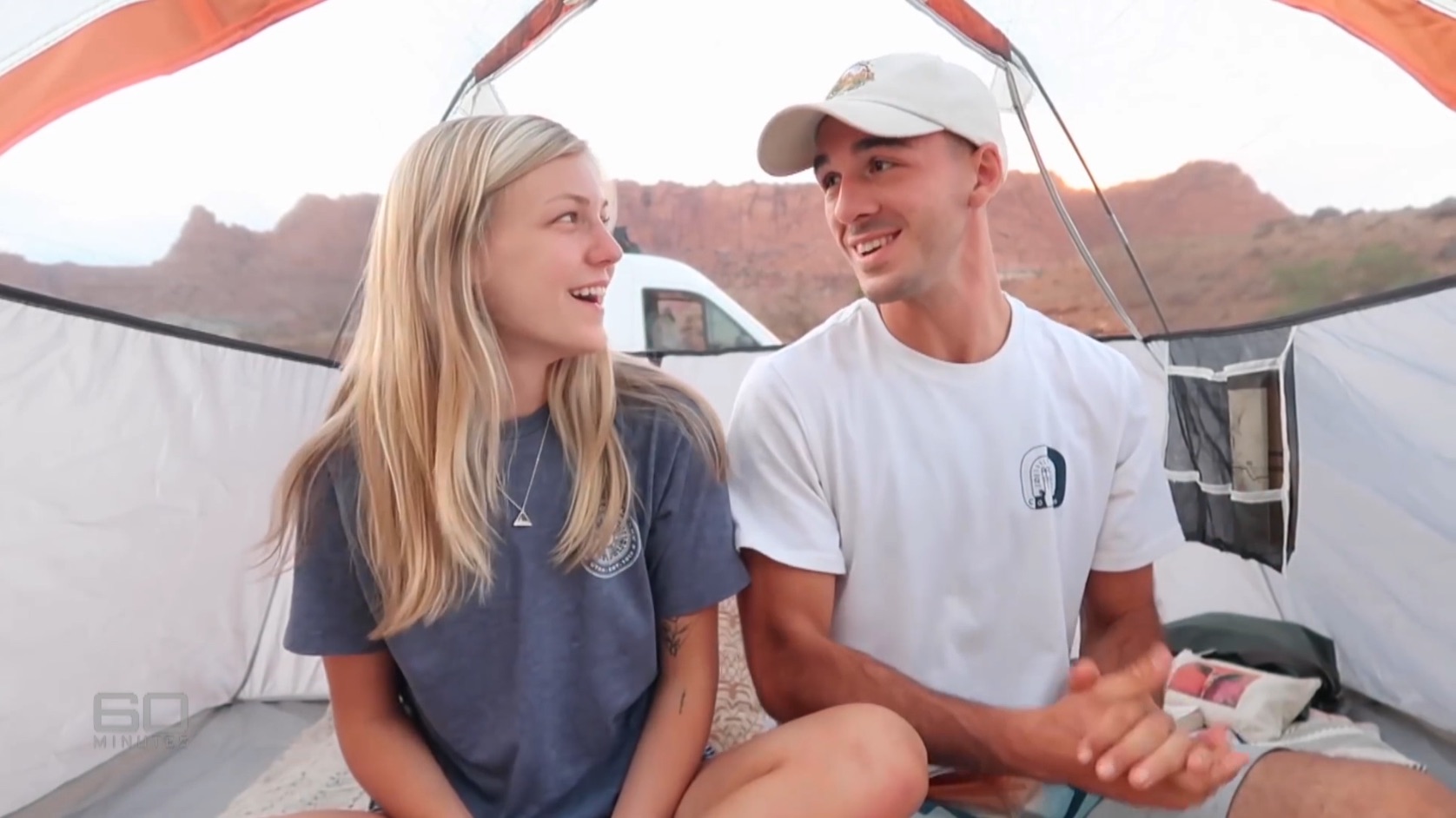
All the while, it seems police didn't even question Brian, the person closest to Gabby, about her disappearance.

Ms Petito's remains were discovered in Wyoming on September 19. The Teton County coroner determined her cause of death was strangulation.

Authorities have not connected Mr Laundrie to Ms Petito's killing, but he is the subject of a federal arrest warrant for events following her death.

So far, investigators have found no sign of him in the vast reserve they've been combing through.

Last week, North Port police spokesperson Josh Taylor said there had been "nothing to suggest" whether Mr Laundrie was alive or not.

Police also said no one has seen Mr Laundrie in the reserve, adding that the search was prompted by information from Mr Laundrie's parents, who said he went there.

READ MORE: Gabby Petito's missing boyfriend charged over debit card use

Taylor said search teams have not found any physical evidence of Mr Laundrie there but plan to continue the search until they have better information.

How the search unfolds from here largely depends on how many more tips investigators continue to get and how many resources they're able to allocate, experts who are not connected to the investigation told CNN.

What we know about the search

Investigators kicked off the search in the Carlton Reserve after speaking with Mr Laundrie's parents on September 17, recruiting dozens of officers, drones and swamp buggies.

On Thursday, a human remains detection K-9 unit from the Pasco County Sheriff's Office was deployed to assist North Port police and the FBI in their search for Mr Laundrie.

READ MORE: 'Not alive or not there': Experts on Brian Laundrie's survival chances
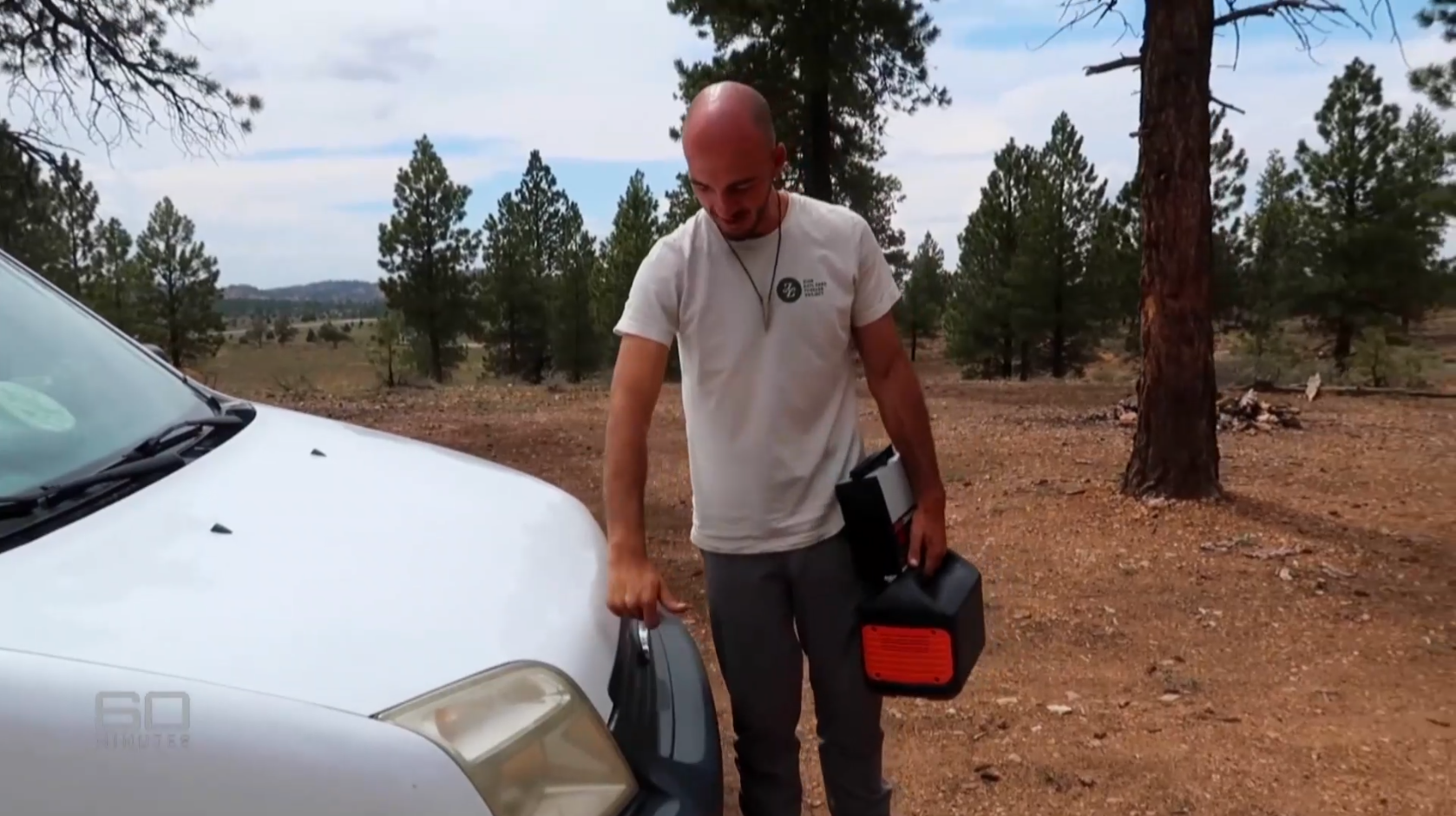
While not charged with Gabby Petito's murder, Brian Laundrie is the only person police are looking for.

These K-9s have assisted the search for Mr Laundrie in the reserve several times in the past month, according to Amanda Hunter, a spokesperson for the sheriff's office.

CNN reached out to North Port police for more details on the search.

"We will not be providing daily updates and details on the search. If and when something of substance is found, we will be a part of that conversation at that time," Taylor said.

The FBI did not comment on CNN's questions about the search.

They could be searching the reserve for weeks

While a month may seem like a long time, an active, physical search for Mr Laundrie could carry on for weeks if more information continues to come in, according to Paul Belli, a retired lieutenant of the Sacramento County Sheriff's Office and president of the International Homicide Investigators Association.

In searches like this, investigators may start by focusing on sections of the reserve they believe that Mr Laundrie could most likely be in, followed by areas they believe are second and third most probable for him to be in, Mr Belli said.

"I certainly think that if you actually had the resources to do a very thorough search of 25,000 acres, I would guess that's many months," he said.

READ MORE: New bodycam footage of Gabby Petito unearths dispute with fiancé

Gabby Petito farewelled by mourners

Those initial areas of focus would likely include the dry areas, as parts of the reserve tend to be swamp-like, according to Chris Boyer, executive director for the nonprofit National Association for Search and Rescue.

Other areas of focus could include places that are away from hiking paths or trails, in case Mr Laundrie wanted to evade authorities and avoid being found.

And then, perhaps, authorities may conduct "grid searches," Mr Boyer said, although those require a lot of resources, including a large number of personnel walking closely together to thoroughly search though a specific area.

"That (search) happens when you don't have any other clues to go on," Boyer added.

"You've looked at this person's behaviour, you've tried to profile their skill set and what they may have available to them in the way of resources, and you've tried to look at the most probable places they would be based on that."
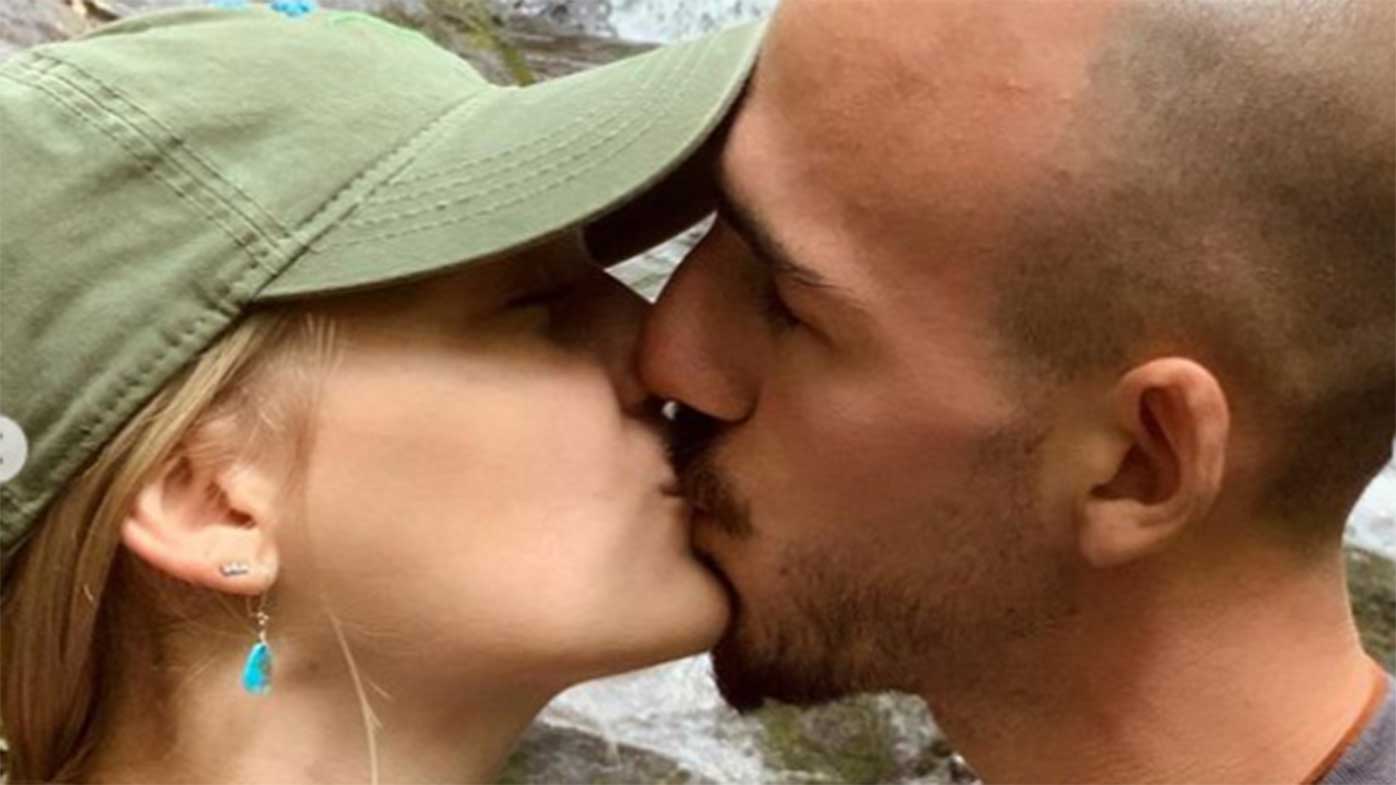
Gabby Petito kissing boyfriend

Boyer added that he believes if Mr Laundrie was in the reserve authorities would have found him by now or would have found clues from him.

A big part of how investigators search and what areas they focus on usually has to do with the kinds of tips they're receiving.

At this point in the investigation, many tips are still likely coming in, Mr Belli said. "I'm sure they're getting many, many tips.

So continuing the search, it seems perfectly appropriate to me, even though it has been a while," he said.

"In (2006) we had the murder of one of our police officers and there were over 6,500 tips in that particular case over the years, and a good 4,000 of those came in the very beginning months of that investigation."

A transition into a less active search

Once authorities have no reason to believe Mr Laundrie is still in the reserve and the number of tips coming in dwindles, they may have to pull some of those search resources and focus on other parts of the investigation, Mr Belli said.

But that could be weeks or months away.

"If you only have so much available to you, there is a point where you have to make that tough decision … and actually look at that objectively and say, 'We've done what we can currently, let's move into another mode,'" he said.

"There just comes a point where you just don't have the manpower and resources to continue that type of a search."

At that point, Mr Boyer said, investigators may go back through all the clues in the case and reassess what led them to the reserve, as well as focus on Mr Laundrie's electronic footprints – something they're likely already doing.

A source close to the Mr Laundrie family told CNN last month that Mr Laundrie left home without his wallet and without a cell phone he had purchased earlier in September.

CNN has also confirmed police do not have the phone Mr Laundrie had with him during the couple's trip, nor Ms Petito's phone.

Mr Laundrie family attorney Steven Bertolino told CNN earlier this month that Mr Laundrie's parents now believe he left home to go hiking on September 13 – a day earlier than they initially reported to police.

That could mean investigators may have to go back through all the places they suspect Mr Laundrie could have been spotted and ask for footage from a day earlier, according to Boyer.

"You look at this and you go back to the day that he actually was reported missing and you go, 'Okay, even if the guy was only walking at three miles an hour, and he only walked eight hours a day, that's 24 miles a day that he could go in any one direction, times X number of days,'" Mr Boyer said.

"He could have walked out of the state of Florida, probably. If he was in a car, driving at 35 or 40 or 60 miles an hour, he could be anywhere in the United States."

Aside from the active physical search, authorities in a case like this would also want to get Mr Laundrie's information on the global network Crime Stoppers or an FBI most wanted list, or put information about the search in billboards in certain areas, Mr Belli said.

His information could also be entered into the National Crime Information Centre, which could help police officers identify him if Mr Laundrie encounters the police, Mr Belli added.

"There's a lot of technology resources that they may be able to leverage," Mr Belli said. "Quite frankly, it's just having the information out there because when people call in, 'Hey, I saw him,' those are all tips you're going to be investigating."

Both experts agreed the media attention the case has received could play a significant role in helping to locate Mr Laundrie if he's in the US and evading authorities.

"Every person that sees the newscast or reads about this becomes an unknowing searcher," Mr Boyer said.

"They will at least subconsciously have some knowledge about what's going on and if they see something that looks out of place or pings that memory of what's going on here, they might call 911."

Added Mr Belli: "They've made it very difficult for him to just be out, walking around."

Years away from the case going cold

In an exclusive interview with Dr Phil that aired earlier this month, Ms Petito's father, Joe Petito, said he wants Mr Laundrie found alive.

But even if Mr Laundrie isn't found any time soon, experts told CNN that the case is likely years away from going cold."

As far as this being a cold case… it's a department by department definition, but across the board, typically people will accept three to five years with absolutely no new leads, no new evidence, no new nothing (until it goes cold), and that is so far from where we are," said Sheryl McCollum, director of the nonprofit Cold Case Investigative Research Institute.

"That's not the case here at all."

"Local departments, where they may believe there's been a sighting, they will typically for years have that person at the forefront of their minds," Ms McCollum added.

While active search efforts may not look the same in the coming months or years if Mr Laundrie isn't found, there will likely be investigators assigned to the case that will continue to work on it, according to Belli.