Tag Archives: oceania

Thousands of Queenslanders get COVID-19 vaccine at Bunnings

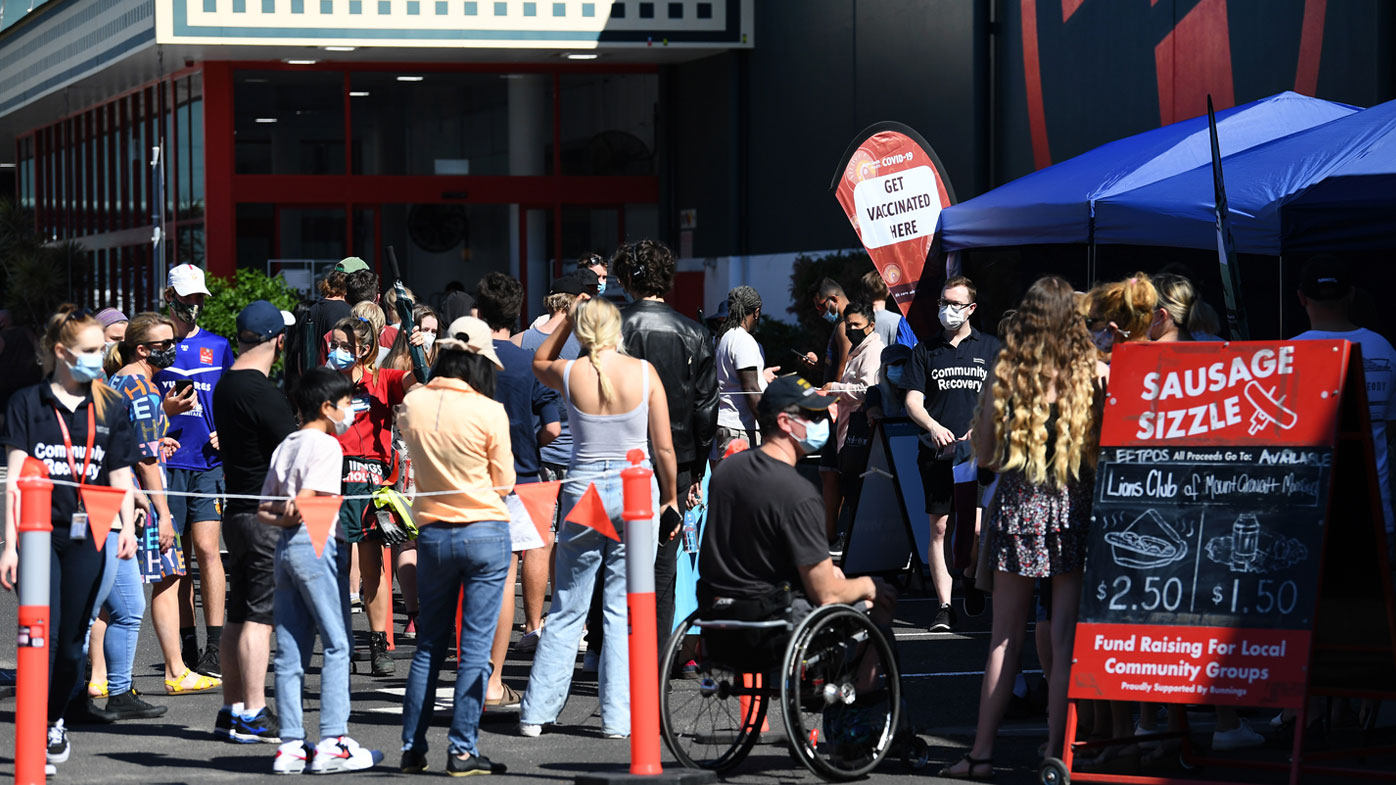
Thousands of Queenslanders have received a COVID-19 vaccine at Bunnings after the state expanded its vaccination program.

Yesterday, 19,641 jabs were administered – and 4111 of these were at pop-up clinics at Bunnings, where people could also get a sausage sizzle.

There are 23 stores across Queensland where vaccines are being offered. Pharmacies are also part of the rollout.

READ MORE: NSW records 301 new COVID-19 cases

READ MORE: Victoria records 1838 new COVID-19 cases, seven new deaths

More than 4000 Queenslanders got a COVID-19 vaccine at a Bunnings yesterday.

There were no new local cases in the state in the past 24 hours, but the state's health officer said that won't always be the case.

"I can't see that we can keep the virus out for much longer… it's time for us to normalise this," Queensland's Chief Health Officer Dr Jeannette Young said today.

Meantime, Queensland Deputy Premier Steven Miles has accused the NSW Premier Dominic Perrottet of "going rogue".

He referred to Mr Perrottet as "the prime minister's buddy" and said he hs torn up the national plan by announcing NSW will restart international travel on November 1.

"They have just abandoned the national plan and just stopped listening to the health advice," Mr Miles said.

Victoria's lockdown to end on Thursday, more restrictions to ease than planned

Victoria's lockdown is set to end this Thursday, when more restrictions are set to ease than originally planned.

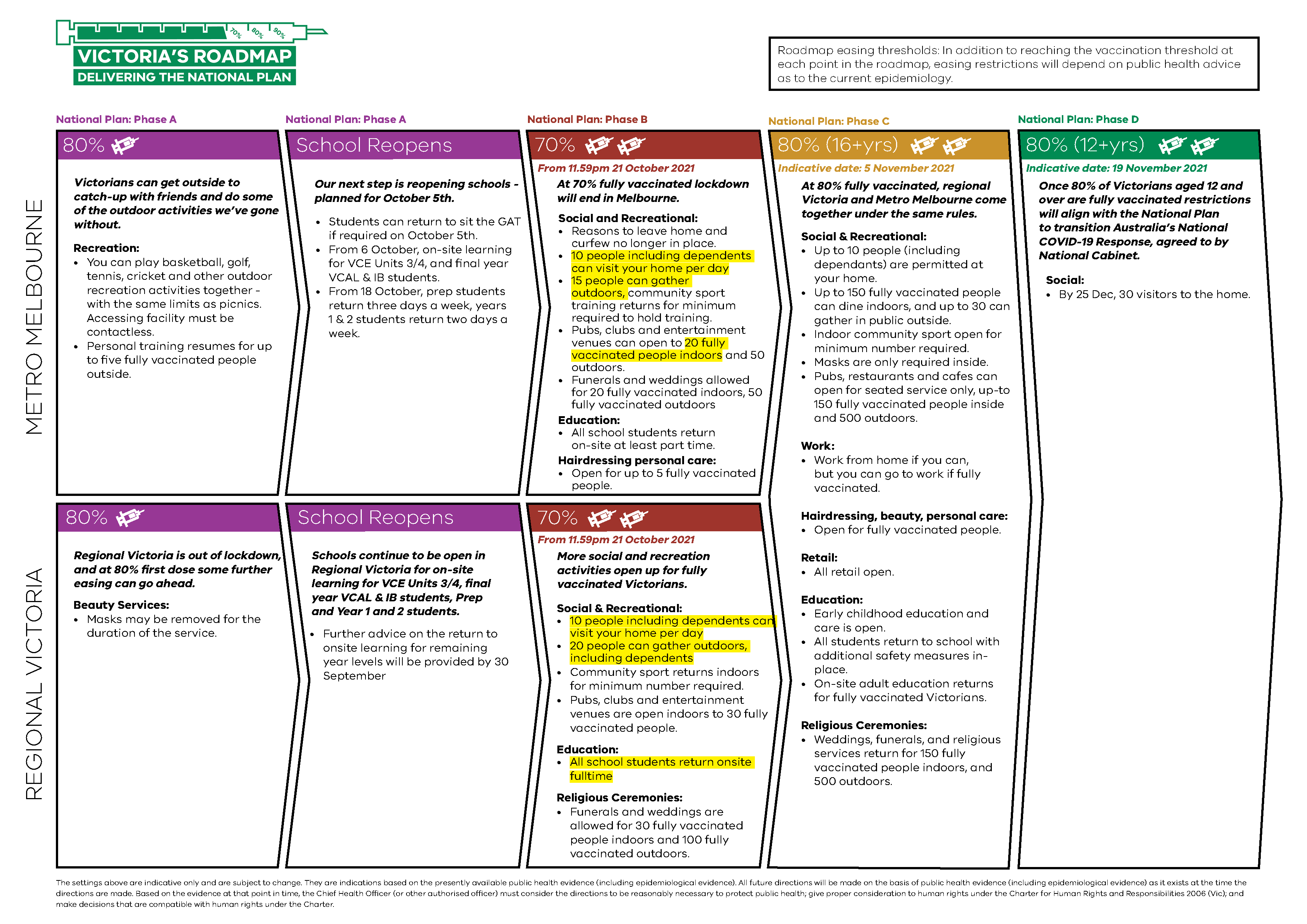
From 11.59pm on Thursday, when Victoria is expected to hit 70 per cent of the state being fully vaccinated against COVID-19, Melbourne's curfew will end, as will the 'reasons to leave home'.

Premier Daniel Andrews said the government would be easing restrictions further than was outlined in the roadmap because "the Victorian community has done so well in getting vaccinated so fast".

READ MORE: NSW records 301 new COVID-19 cases; $130m mental health package announced
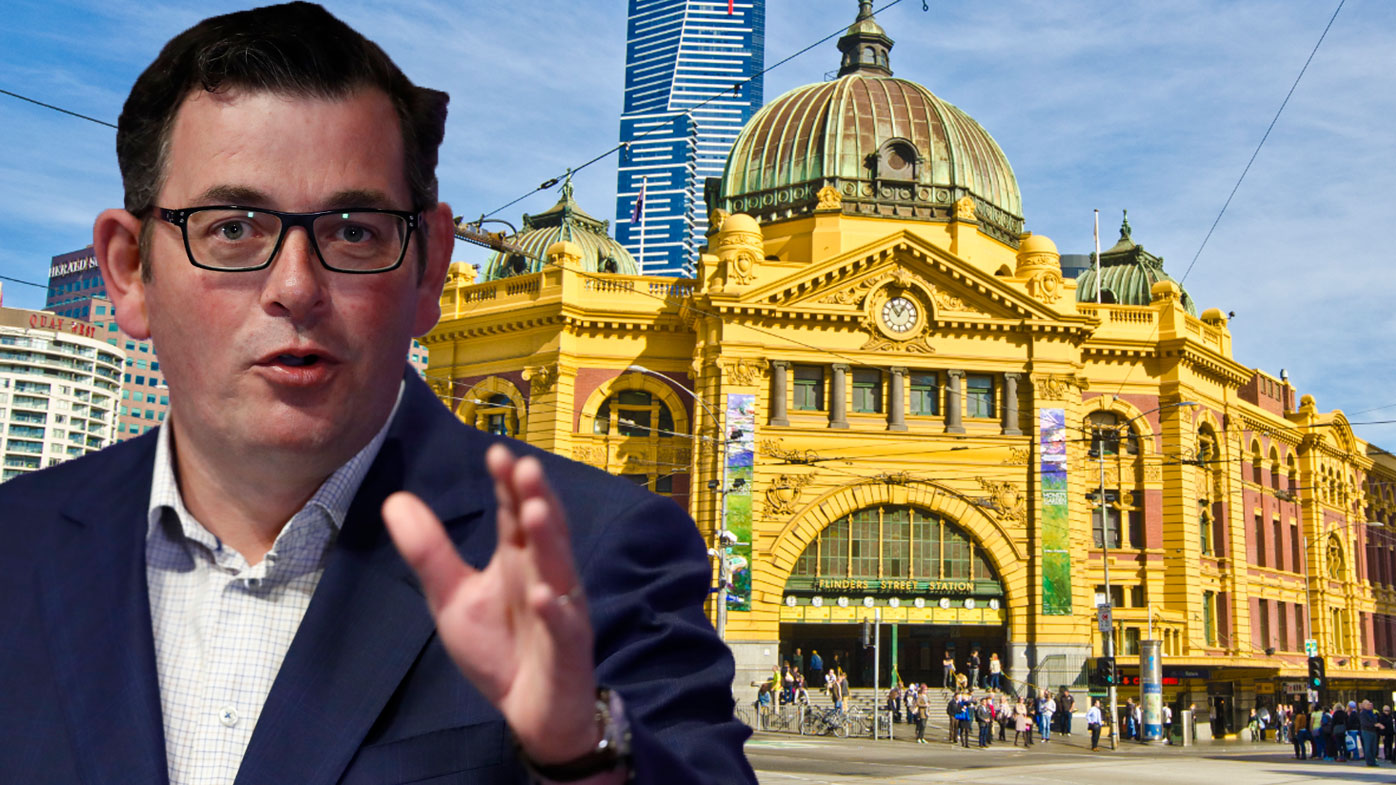
Daniel Andrews Melbourne

There will be no travel limit within metropolitan Melbourne, despite the roadmap earlier signaling there would be a 25 kilometre limit.

However, unless they are authorised Melburnians will not be able to enter regional Victoria.

Ten visitors will be allowed to homes per day.

Outside gatherings will be limited to 15 people.
Mr Andrews said gatherings should be limited to the fully vaccinated.

"It won't be mandatory but it is the advice and recommendation and that is what is safest and what we would like people to focus on."

The hospitality sector will be allowed to give indoor seated service to 20 people who are fully vaccinated plus 50 people outside who are fully vaccinated.

The staggered return of grade three to year 11 in metropolitan Melbourne will commence on Friday 22 October.

Hairdressing and personal care will open to five fully vaccinated people as planned, while retail will still not be allowed to open.

In regional Victoria, outdoor gatherings will be increased to a 20 person limit.
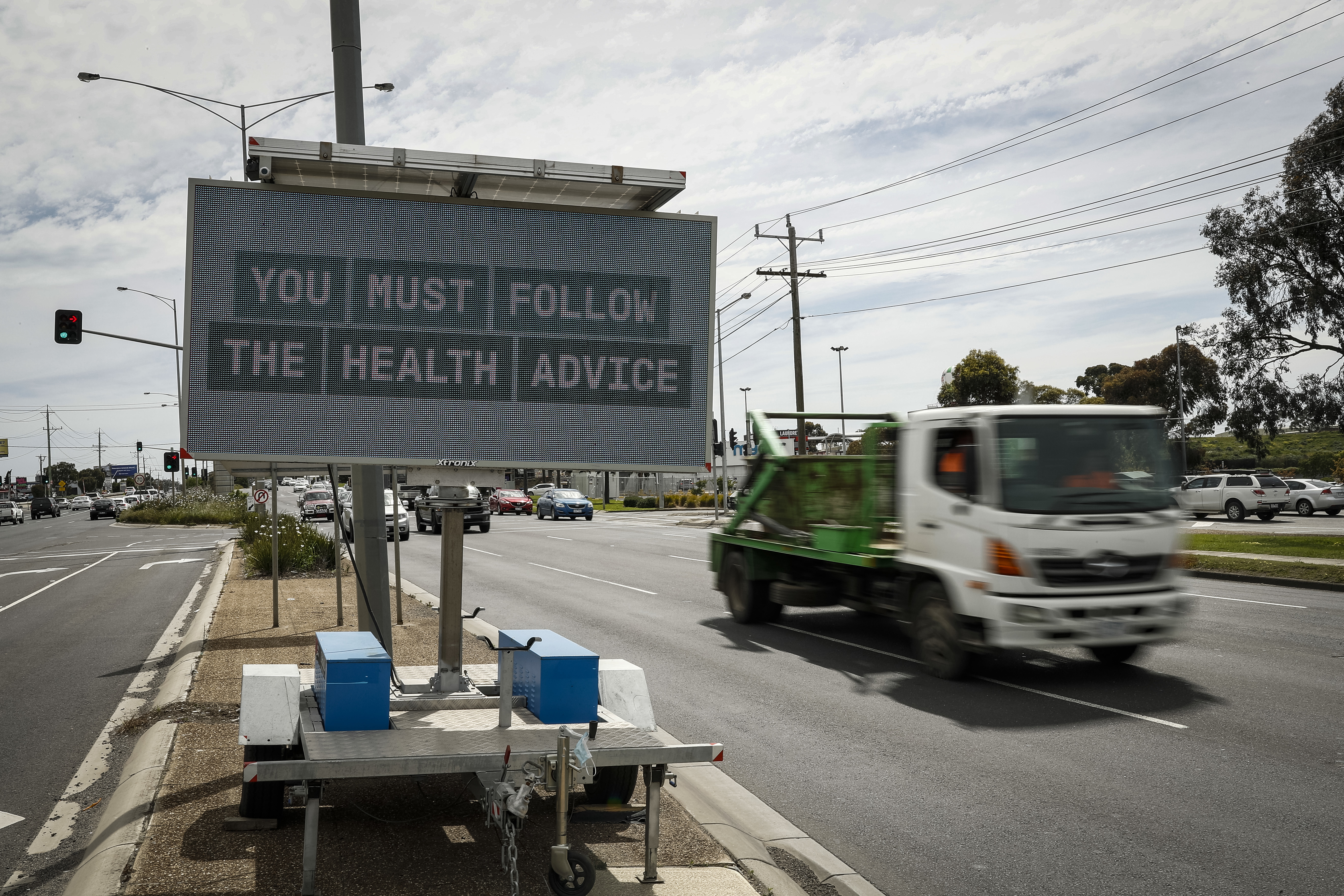
MELBOURNE, AUSTRALIA - OCTOBER 09: Traffic signs display COVID information on Sydney Road in Faulkner on October 09, 2021 in Melbourne, Australia.  Victoria has recorded 1,965 new COVID-19 cases and five deaths in the last 24 hours. It is the highest daily case figure recorded so far. Lockdown restrictions remain in place across metropolitan Melbourne and regional Victoria as new COVID-19 cases continue to emerge across the state. The state government is urging all Victorians to access the COVID

At outdoor venues, 100 fully vaccinated people will be allowed.

Indoor settings, 30 people fully vaccinated in restaurants, cafes, cinemas and gyms.

Mr Andrews said the restrictions would only be in place for about ten days before the state reached 80 per cent of the eligible population being fully vaccinated, when restrictions would ease further.

Today Victoria has recorded 1838 new COVID-19 cases and seven more people have died as a result of the virus.

Victoria has 23,376 active cases of COVID-19.

There are 777 people in hospital with the virus across the state, down from 798 people the day before, with 151 in intensive care and 94 on a ventilator.

More than 89 per cent of the population over the age of 16 have now had a first dose of the vaccine and some 65.5 per cent have a second dose and they are fully protected.

Mr Andrews said the vaccination rates were "an amazing achievement".

"I could not be more proud of our community," he said.

"Pleasingly, we are predicted either tomorrow or Tuesday to pass through the 90 per cent first dose barrier."

More than 73,500 test results were received in the 24-hour period to midnight, and the state is currently managing more than 23,300 active cases.

More than 4.1 million doses of a COVID-19 vaccine have been administered in Victoria.
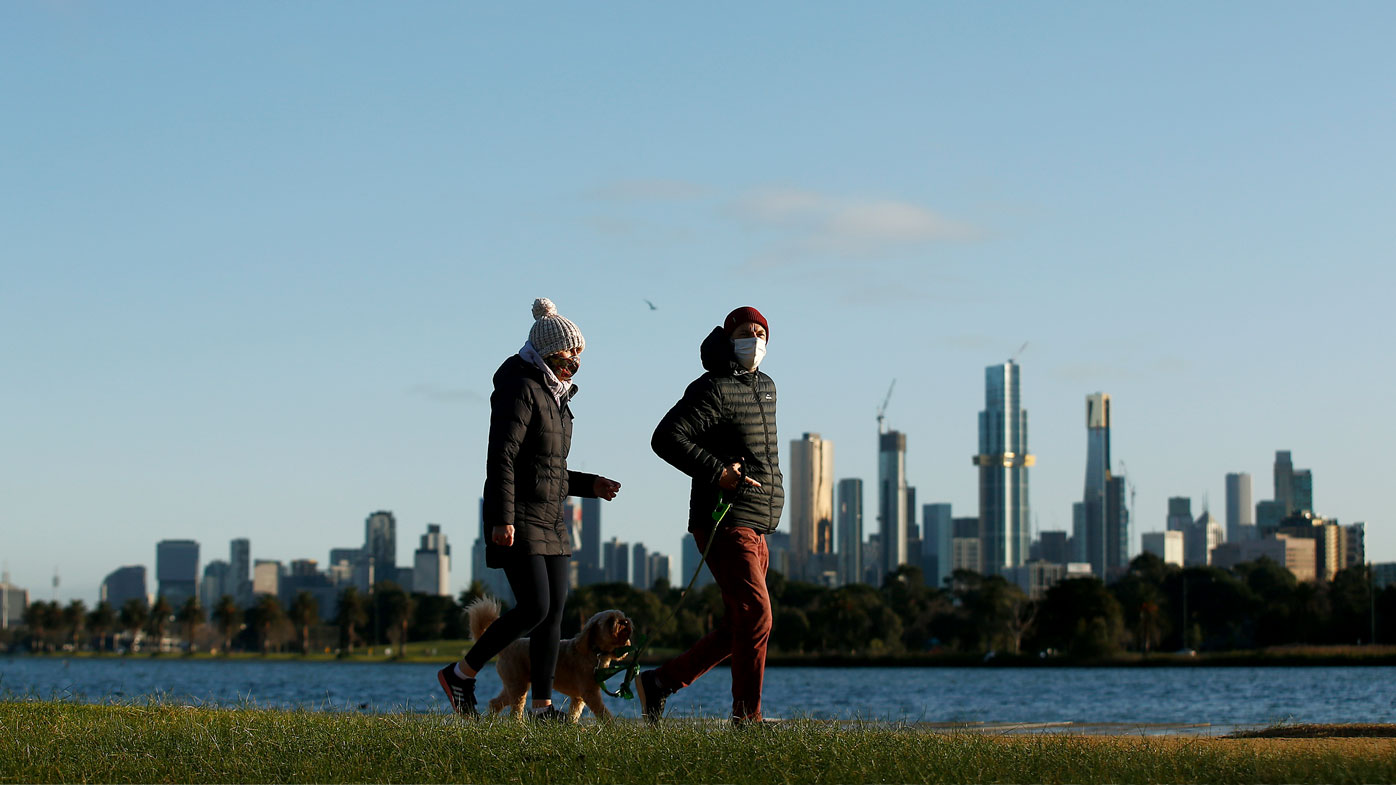
Yesterday there were 1993 new cases in the state from 73,942 tests.

Mr Andrews said his team would "have more to say in the next couple of days" about the finer details of how businesses will operate following exposures to the virus.

He said he would have greater clarity about what summer would look like for Victorians in coming weeks.

"We will have a very, very busy summer full of events, large and small, in the city, suburbs and regions."

READ MORE: Thousands of Queenslanders get COVID-19 vaccine at Bunnings
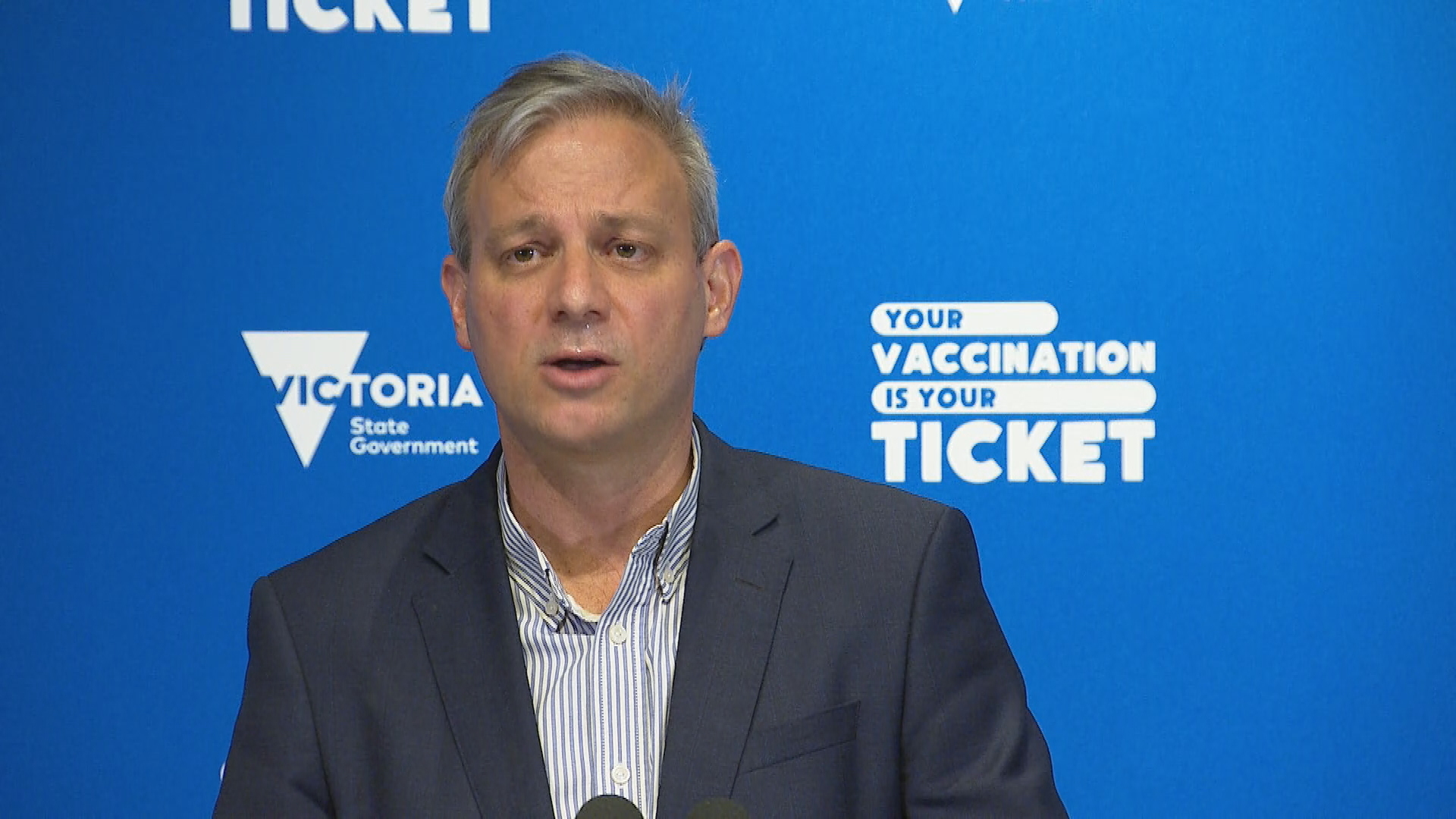
Chief Health Officer Brett Sutton said Victoria's restrictions had been eased ahead of the roadmap because hospitalisations and intensive care admissions caused by COVID-19 had not been as bad as originally expected.

"It looks better than had been originally modelled," he said.

Professor Sutton said the high numbers of cases numbers across the state had been partly caused by lockdown fatigue.

"It is related to Victoria's experience through 2020. There is fatigue, there hasn't been the same level of compliance in 2021 as they was in 2020."

Victoria recorded a staggering 2297 new locally acquired COVID-19 cases on Thursday, marking a national case number record for the country.
Australia to allows flights from New Zealand's South Island

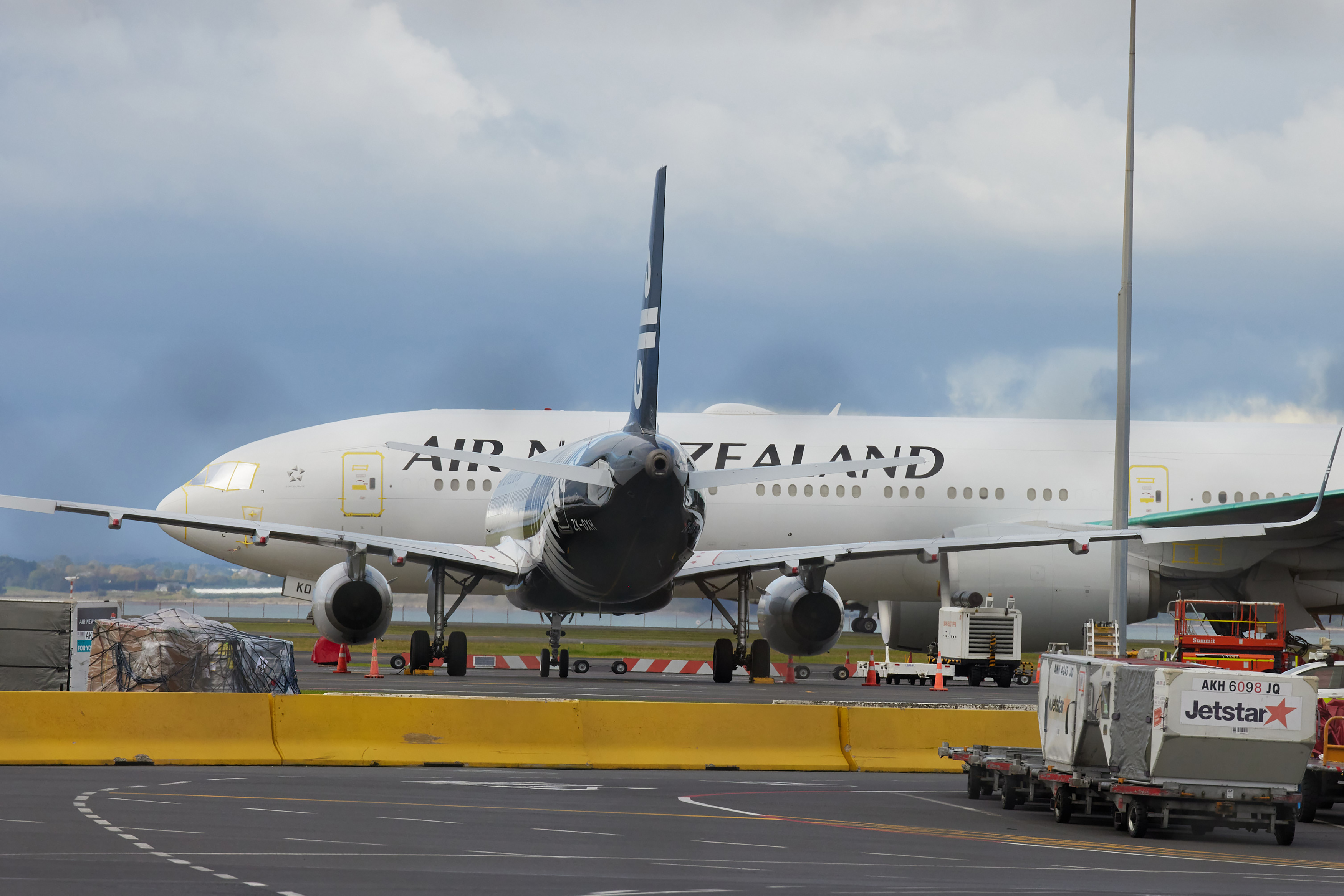
Quarantine-free flights between Australia and New Zealand's South Island are set to resume from Tuesday.

Meanwhile, Australians remain unable to freely travel to and from New Zealand's North Island.

Australia's Chief Medical Officer Professor Paul Kelly announced green zone travel with the South Island of New Zealand will recommence from 11.59pm (AEST) on Tuesday, October 19.

READ MORE: Victoria's lockdown to end on Thursday, with more restrictions to ease than first planned

The change will mean anyone travelling from the South Island under the new regulations will not have to quarantine for 14 days upon arriving in Australia.

"We hope to allow anyone who's been in the South Island of New Zealand, whether they're Australians, New Zealanders or other nationalities as long as they've been there for 14 days, to come in quarantine free," Professor Kelly said.

"I understand there are some Australians that have been stuck in the South Island of New Zealand for some time, and we'd welcome them home."

He said the South Island had not had any COVID-19 cases since last year.

Anyone travelling from the South Island will have to be fully vaccinated against COVID-19 and will have to produce a negative COVID-19 test 72 hours before their flight to Australia.

They will also not be allowed to have been in the North Island of New Zealand in the past 14 days.

The Australian government has ruled it will not allow a green zone between the North Island and Australia until 11.59pm (AEST) on October 31, 2021, with all flights to be deemed red flights, meaning travellers will have to undergo supervised hotel quarantine for 14 days.

Professor Kelly said the decision came after there had been further spread of locally acquired cases on the North Island and outside of the Auckland region since 12 October.

The federal government will undertake a further review of the travel situation with New Zealand on October 30.

French ambassador returns to Australia after submarine snub

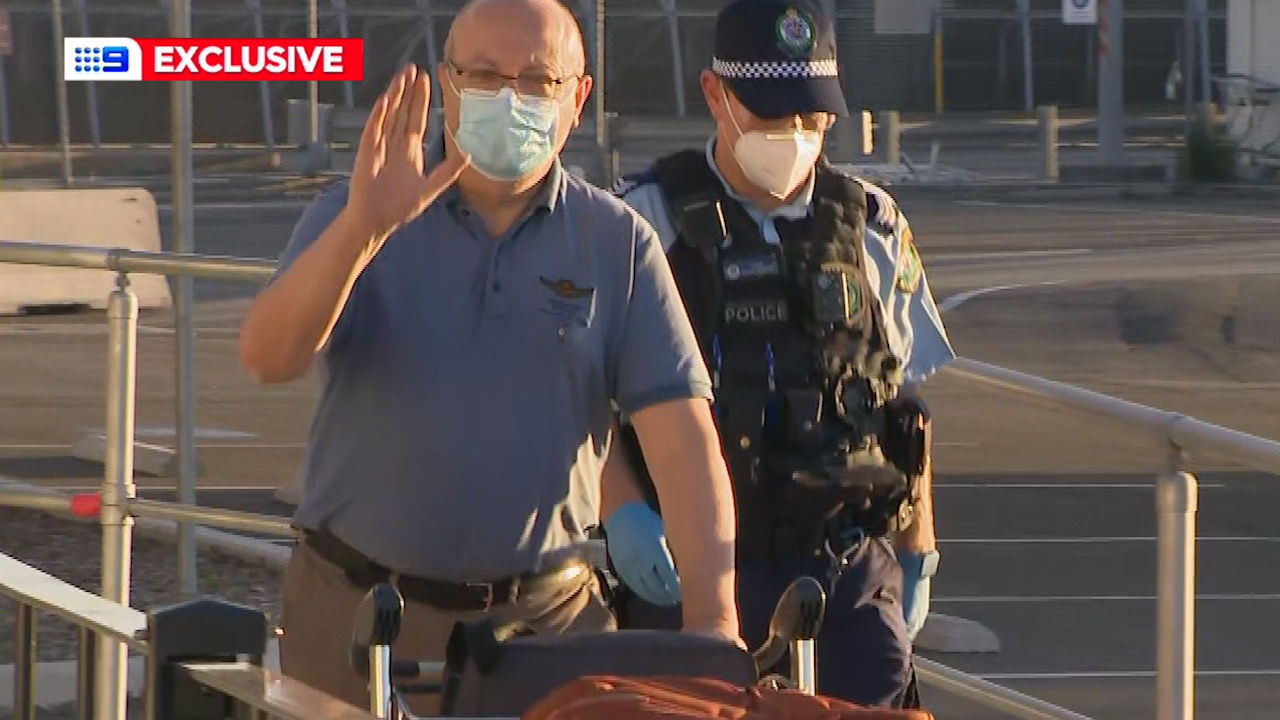
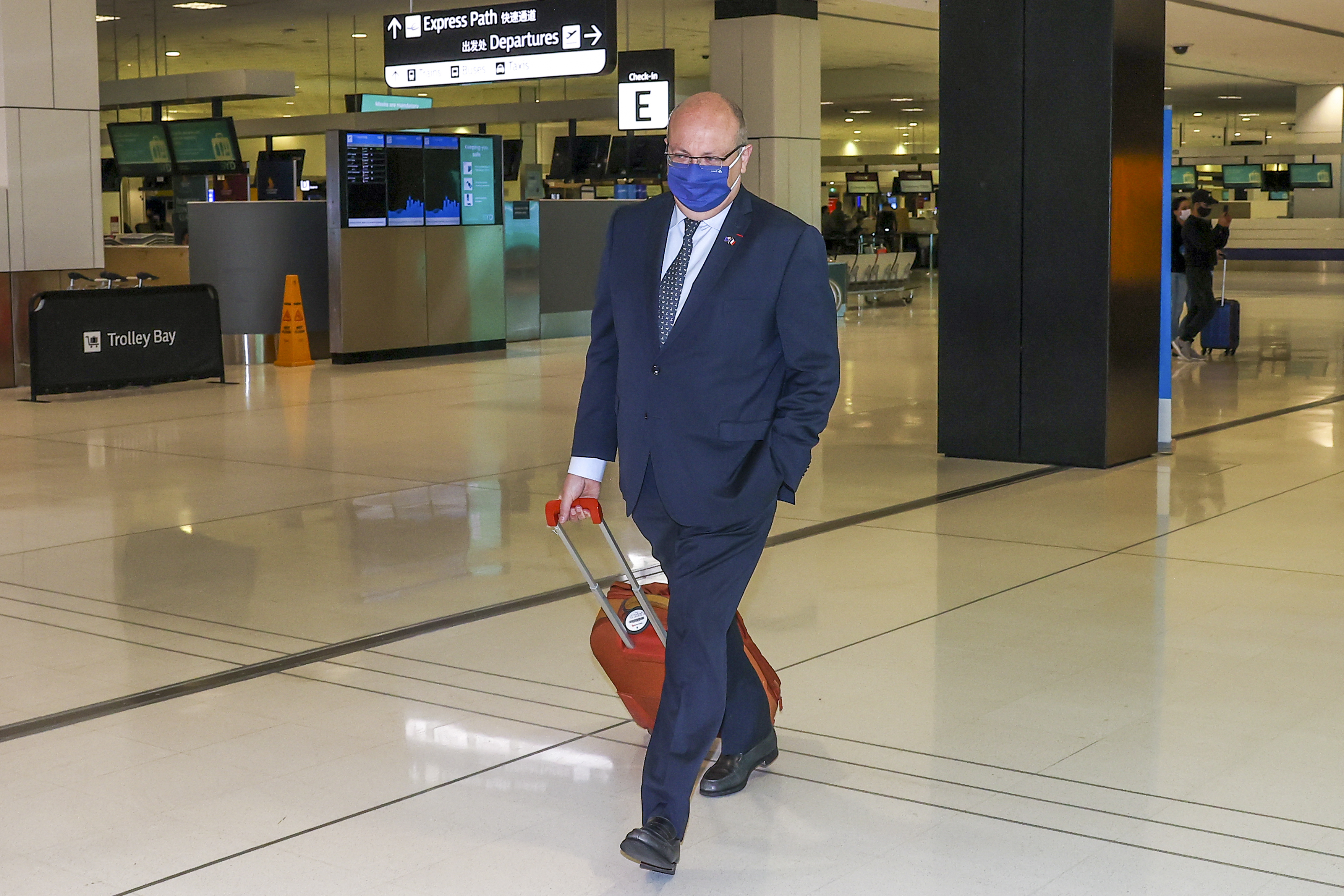
The French ambassador to Australia has arrived in Sydney, returning weeks after being called back to Paris.

Jean-Pierre Thebault landed on Sunday afternoon saying he was "happy to be back" but warned the relationship between Australia and France still required some work.

"Let's see what we'll be able to work together," Mr Thebault said.

READ MORE: French ambassador says Australian officials lied to his face

The ambassador has been in Paris since it was revealed last month that Australia would be cancelling its $90 billion contract to buy submarines from France.

The deal was usurped by the decision to instead acquire nuclear-powered submarines from the US as part of the three-way strategic defence alliance announced by Australia, the UK and the US.

Mr Thebault is expected to drive directly from Sydney to Canberra, where he will isolate in the French embassy.

He has been asked by his government to "redefine" the relationship between the two nations.

"We will work on concrete actions," Mr Thebault told reporters at the airport.

READ MORE: Morrison insists relations with France improving after submarines row

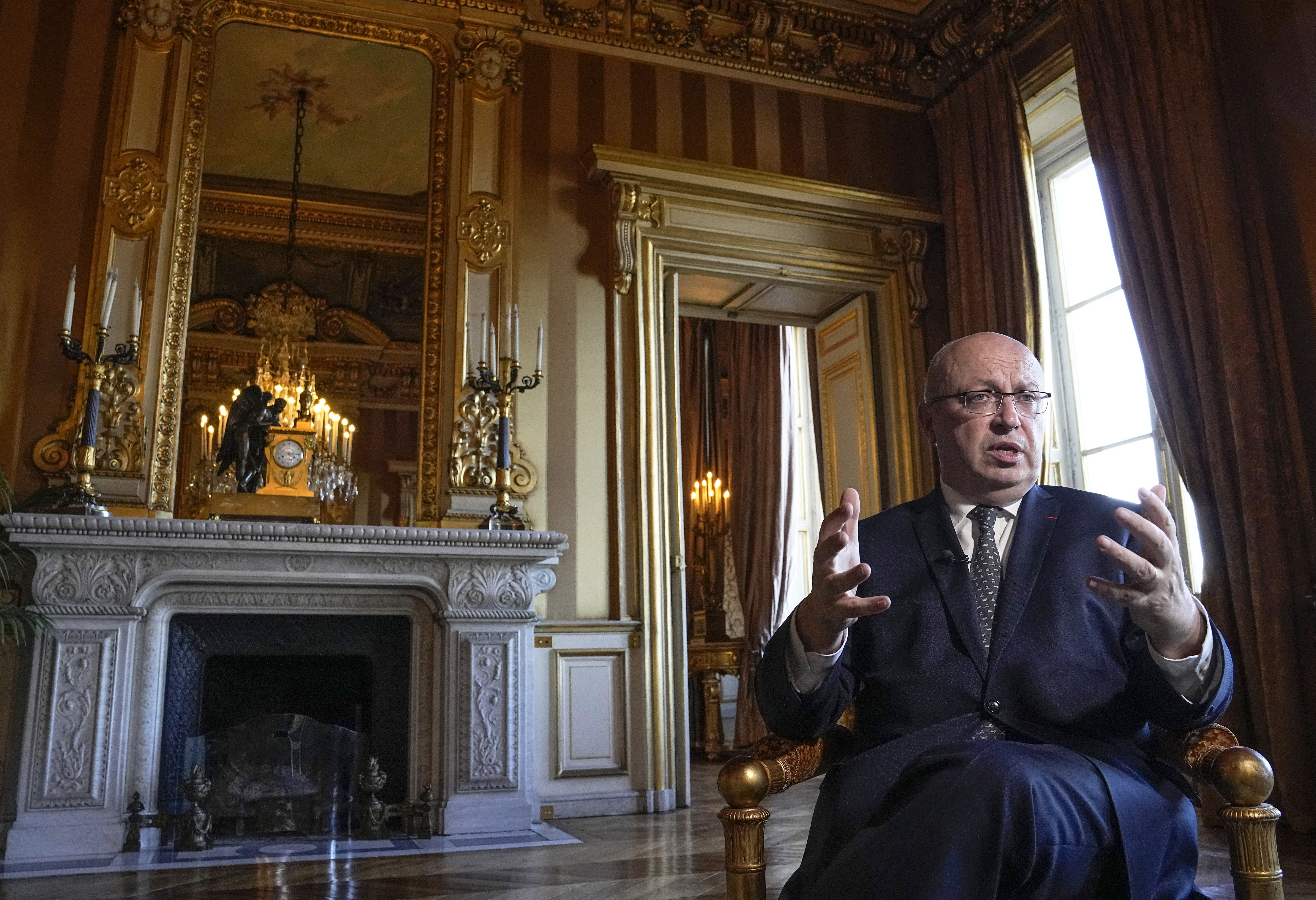
French ambassador to Australia Jean-Pierre Thebault

The French have fumed at being blindsided by the AUKUS deal that scuppered the massive submarine contract.

In an interview with the Associated Press before returning to his post, Mr Thebault said Australian officials lied to his face and raised the risk of confrontation in Asia by crafting a secret submarine deal with the United States and Britain that undermined trust in democratic alliances.

"The way you treat your allies does resonate in the region," Mr Thebault said in Paris.

"The logic of confrontation is not a good one for the peace and stability of the region. We think that we should act otherwise."

Earlier this month, Prime Minister Scott Morrison welcomed the ambassador's return, saying he was looking forward to taking Australia-France relations forward.

"It's not a matter, frankly, of what additional things we're putting on our co-operation. We already have co-operation," Mr Morrison said earlier in October.

"See, the Australia-France relationship is bigger than a contract.

"And France's presence and significance and influence in the Indo-Pacific isn't about a contract.

"It's about the fact they have an actual presence here, in the Indo-Pacific, they have a longstanding commitment and work with Australia across a whole range of different issues."

Woman dead after bushwalking fall in Blue Mountains

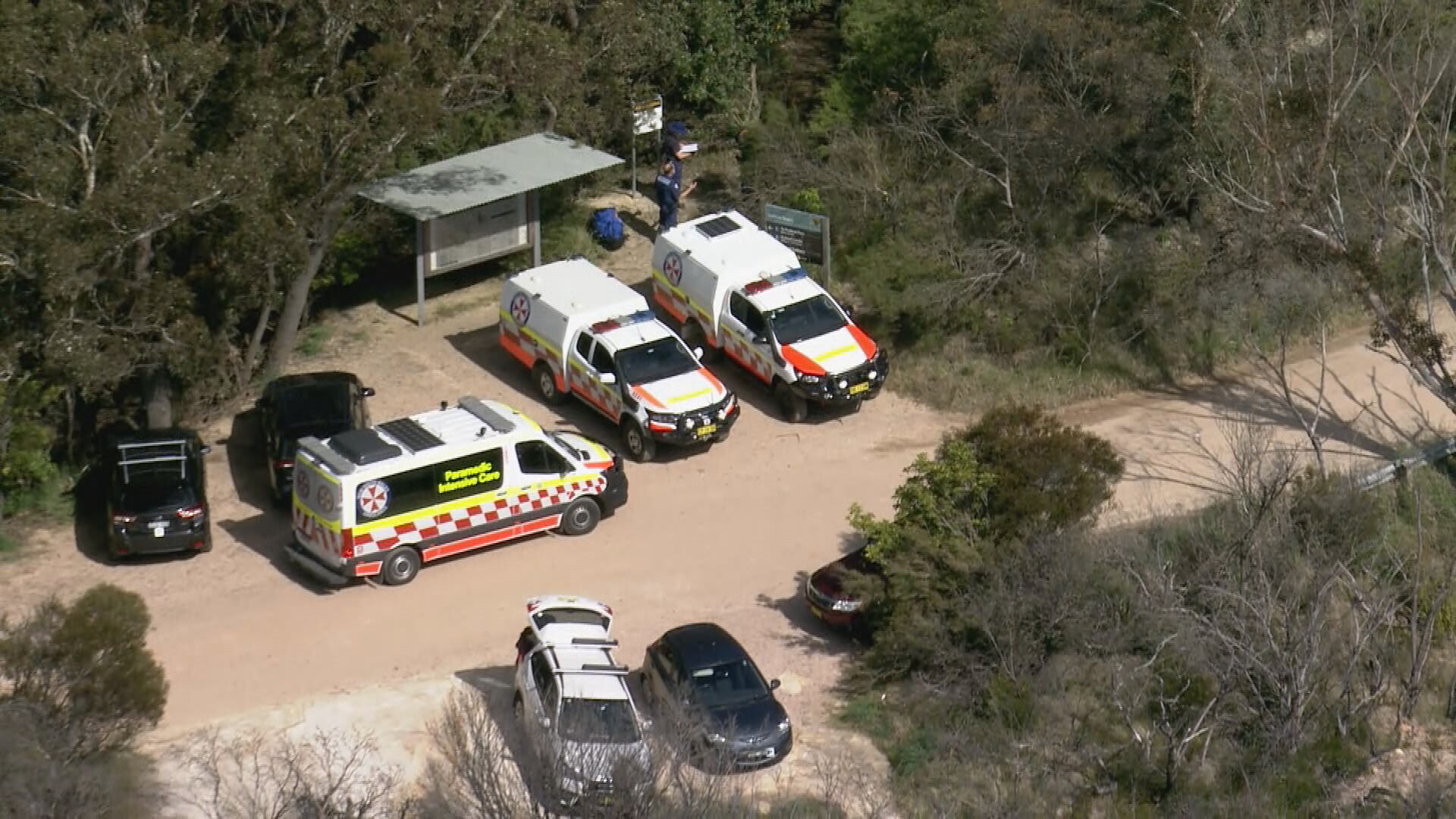
A woman has died after falling about 30 metres on a walking track in the Blue Mountains.

The bushwalker was with a group of about five friends, on a day trip from Sydney, when she fell near Mount Solitary, just south of Katoomba.

Officers from Blue Mountains police, polair, paramedics, toll helicopter and police rescue all attended the scene at about 2.15pm.

Emergency services at the entrance of the walking track in the Blue Mountains.

A paramedic was winched to the patient, who has since been confirmed dead.

Rescue efforts for the rest of the group of walkers continue.

Russia's daily COVID-19 deaths top 1000 for first time

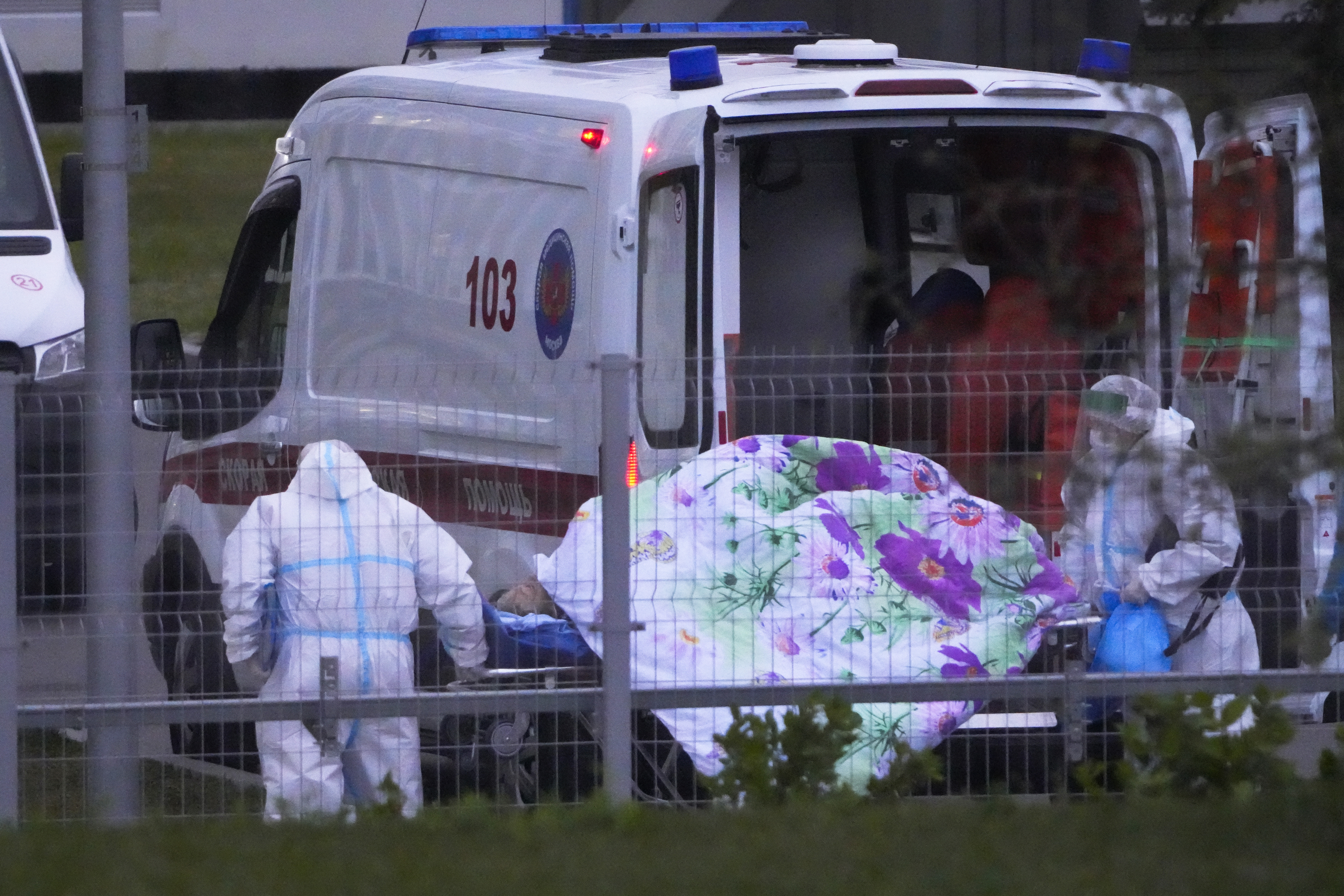
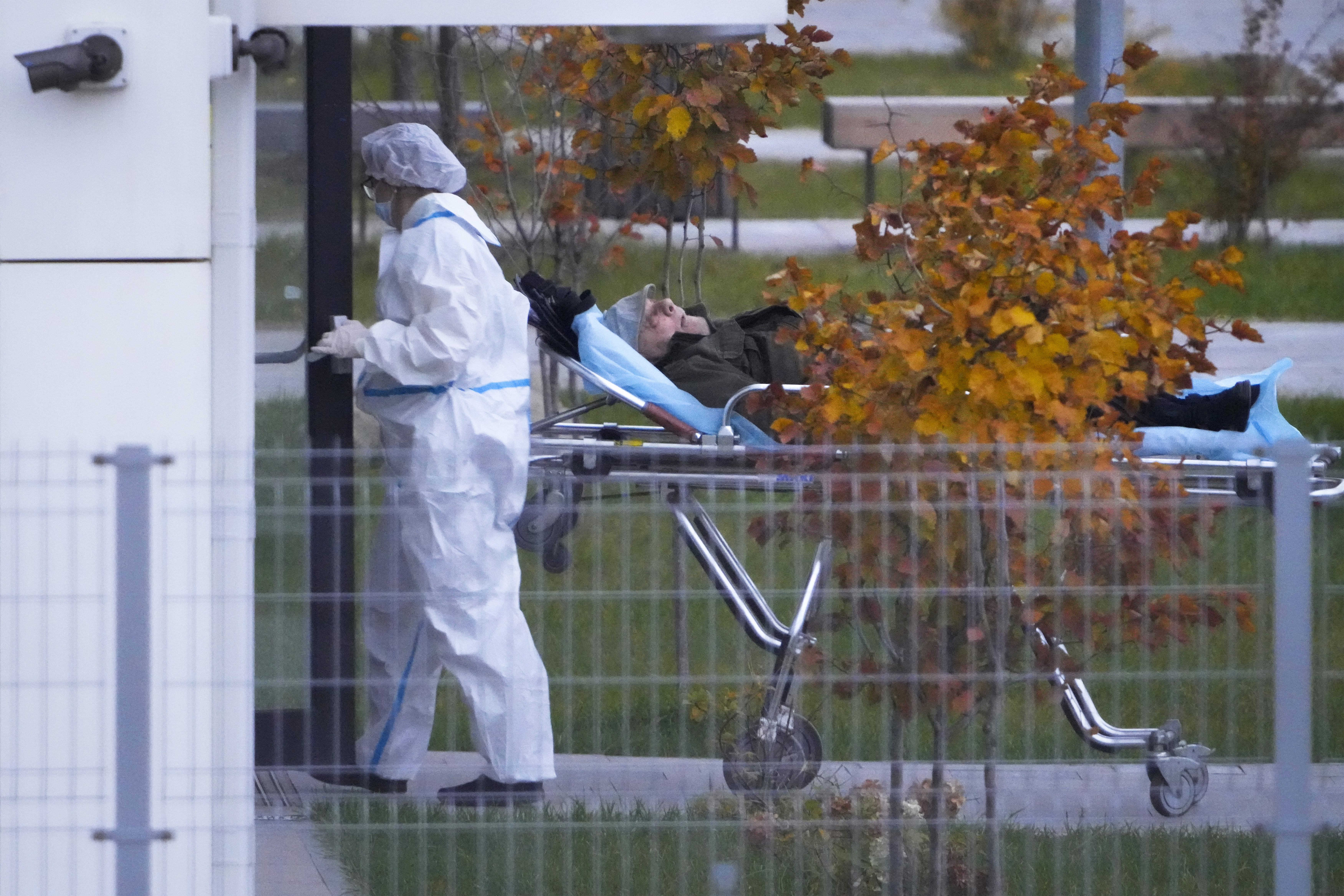
Russia's daily death toll from COVID-19 has exceeded 1000 for the first time as the country faces a sustained wave of rising infections.

The national coronavirus task force on Saturday reported 1002 deaths in the previous day, up from 999 on Friday, along with 33,208 new confirmed COVID-19 cases, more than 1000 higher than the day before.

Russian authorities have tried to speed up the pace of vaccinations with lotteries, bonuses and other incentives, but widespread vaccine skepticism and conflicting signals from officials stymied the efforts. The government said this week that about 43 million Russians, or about 29 per cent of the country's nearly 146 million people, are fully vaccinated.

READ MORE: Putin says relations with Biden 'working and stable'

Despite the mounting toll, the Kremlin has ruled out a new nationwide lockdown like the one early on in the pandemic that badly hurt the economy, eroding President Vladimir Putin's popularity.

Instead, it has delegated the power to enforce coronavirus restrictions to regional authorities.

Some of Russia's 85 regions have restricted attendance at large public events and limited access to theatres, restaurants and other venues.

However, daily life is going on largely as normal in Moscow, St. Petersburg and many other Russian cities.

Health Minister Mikhail Murashko acknowledged this week that medical facilities have come under growing strains and said authorities have offered retired medics who have gotten vaccinated the option of returning to work.

Overall, the coronavirus task force has registered more than 7,958,000 confirmed cases and 222,315 deaths — Europe's highest death toll.

The official record ranks Russia as having the fifth-most pandemic deaths in the world following the United States, Brazil, India and Mexico.

READ MORE: Death toll from Russian alcohol bootlegging operation rises to 34

However, state statistics agency Rosstat, which also counts deaths in which the virus wasn't considered the main cause, has reported a much higher pandemic death toll — about 418,000 people with COVID-19 as of August.

Based on that number, Russia would rank as the fourth hardest-hit nation in the world, ahead of Mexico.