A Covid-19 modeller has warned New Zealand could soon have around 160 new Covid-19 cases per day if things don’t change. Te Pūnaha Matatini Covid-19 modeller Professor Michael Plank said new cases are currently doubling every…
Tag Archives: oceania
Taiwan is becoming a flashpoint for China and the US – how does New Zealand respond?
The political temperature is rising in the South China Sea, and its effects will be felt in the South Pacific before long.Recent incursions by the Chinese air force into Taiwan’s air defence zone have ratcheted up already tense…
Covid 19 Delta outbreak: Auckland woman hid in car boot and travelled to Northland
An Auckland woman subject to court-imposed conditions hid in the boot of a car and travelled to Northland in the latest Covid breach.The woman from Half Moon Bay in Auckland, travelled to Whangārei on Friday last week but it…
Covid 19 Delta outbreak: Sir John Key 'delighted' Government adopting telethon idea for Super Saturday to boost vaccinations
Sir John Key says he is “delighted” to hear the Government announce a “vaxathon” as part of the Super Saturday vaccination drive, an idea he raised in August. Prime Minister Jacinda Ardern today announced the “blast from the past”…
Body found in NSW river identified as missing Aboriginal man
The body of a missing Aboriginal man has been found in the river he was last seen at almost three months ago.
Gomeroi man Gordon Copeland, 22, was last seen alive in the Gwydir River near Moree in NSW after a police incident in the early hours of July 10.
His family said he was a passenger of a vehicle that was pursued by officers and has been critical of authorities' attempts to find him.
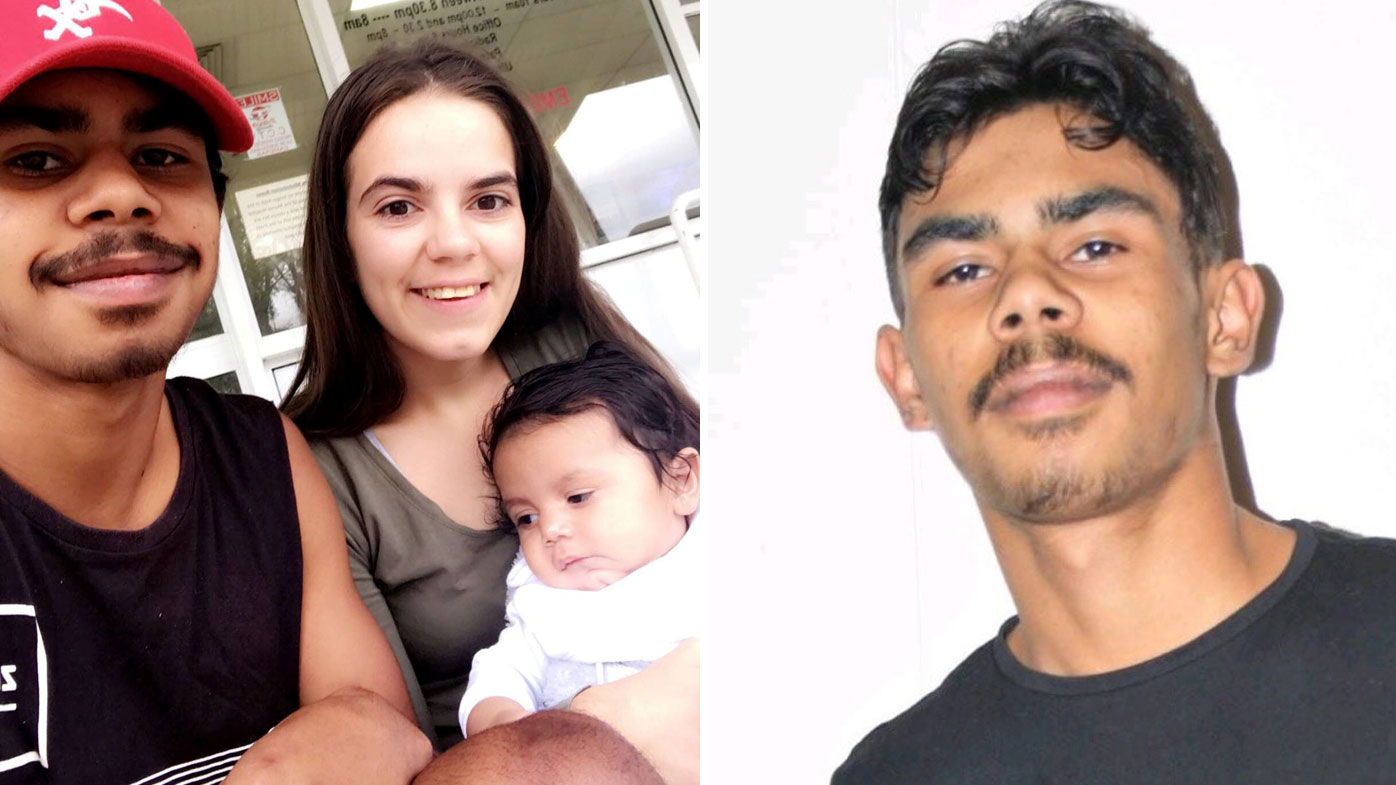
Last week the search for Mr Copeland was reactivated by police and on October 7 human remains were found in the Gwydir River near Billa Street, Yarraman, approximately 500m from where he was last seen.
The remains were sent for forensic examination, NSW Police said, and have now been confirmed as those of Mr Copeland.
Investigators are continuing to prepare a report for the information of the NSW Coroner, and the Aboriginal Legal Service (ALS) is preparing to represent his family at an inquest.
Mr Copeland has a three-year-old son, and his partner is expecting their second child.
His family said they will remember him as a happy and bubbly young man.
"Gordon was deeply loved," Lesley Fernando, Mr Copeland's aunt, said on behalf of his mum Narelle, partner Josephine, and other family members.
"He was a son, father, partner, brother, cousin, and nephew.
"He was excited to welcome another child into the world later this year and we are devastated that his kids will grow up without their dad."
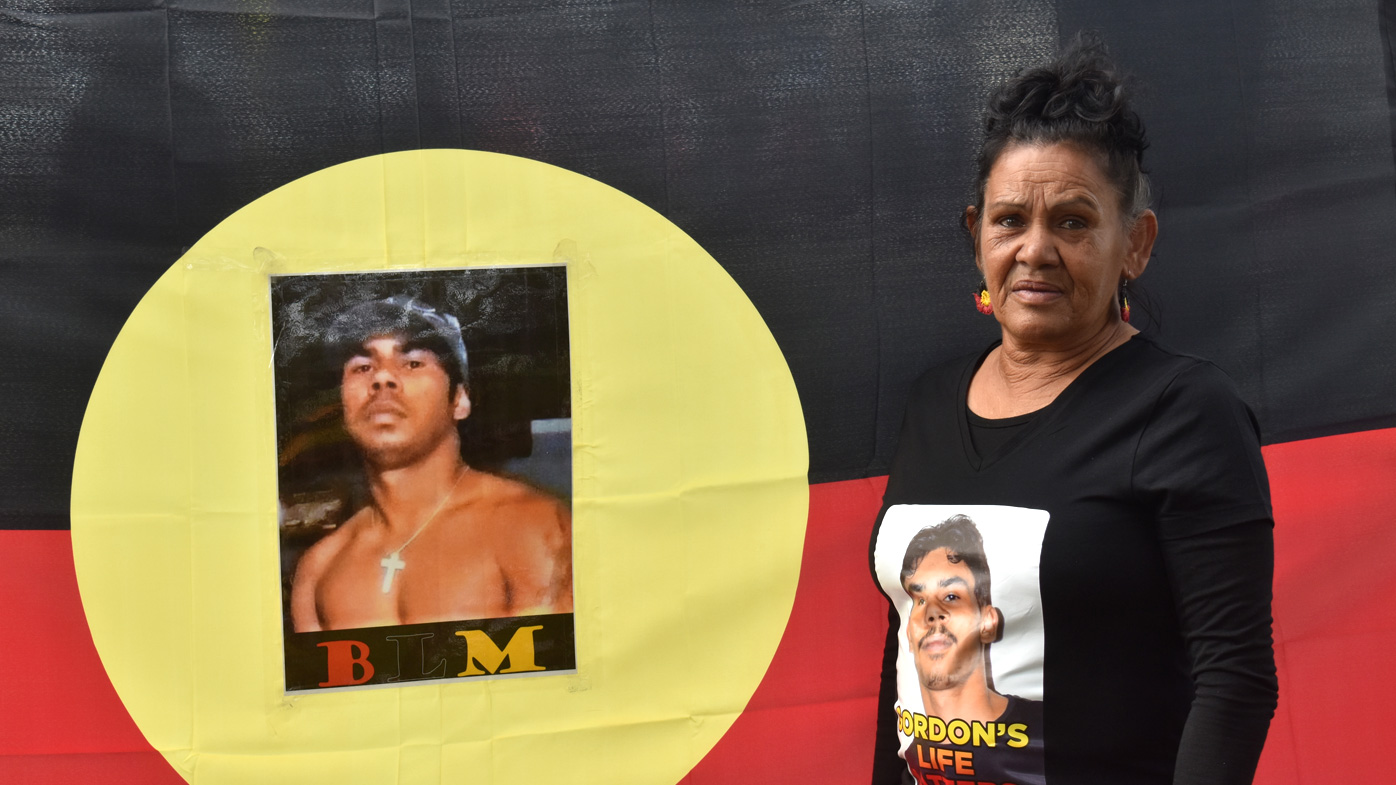
Mr Copeland's family have criticised NSW Police over its handling of the case and said they searched the river themselves, spending $8000 on "wetsuits, boats, cameras and other expenses".
"We hope the coronial inquest will give us the answers we deserve. We are looking forward to seeking justice for Gordon," Ms Fernando said.
Police initially searched the area in July for five days, and then followed up with a three-day search in August.
New England Police Superintendent Steve Laksa played down suggestions the family was unhappy with police search efforts last week.
But he did confirm an "independent investigation" by Oxley Police District was now underway "in relation to the circumstances leading to the disappearance of Gordon Copeland."
The investigation by Oxley Police District would be independent, transparent and thorough, Superintendent Laksa said.
"Gordon's life mattered," Acting CEO of the Aboriginal Legal Service Nadine Miles said.
"He is one of 17 Aboriginal people (who died either in custody or in a police operation) whose coronial inquests we are currently acting in.
"We don't want this work to be necessary.
"No one should be suffering senseless, lonely deaths in rivers, on streets, or in prison cells."
Mr Copeland is one of at least 12 Aboriginal people who have died in custody and police incidents across Australia this year, the ALS said.
Mr Copeland's family gave permission for media outlets to publish the photos included in this article.
How to ask someone if they have been vaccinated
It's yet another social curveball the coronavirus has pitched us: how do you ask someone if they are vaccinated or not?
Whether before a date, arranging a play date for kids or a catch up down the pub, knowing the vaccination status of the person you'll be mingling with is now an important, potentially life-saving, health consideration.
But popping the question can be fraught with social discomfort.
READ MORE: Southeast Queensland smashed by a month's worth of rain in 24 hours
"It's tricky," Dr Ashneeta Prasad, a clinical psychology registrar from UNSW's School of Psychology, told 9News.com.au.
Some estimates suggest one in 10 Australians will not be vaccinated for the coronavirus for a variety of reasons, including health and hesitancy.
"Before the pandemic hit, asking someone their vaccination status wasn't something that wasn't typically done," Dr Prasad said.
But posing that question is now suddenly relevant, she said, and it's useful to approach the conversation the right way, to avoid unnecessary offence or hurt.
"It can be tricky for both people," Dr Prasad said, "asking the question, and those on the receiving end of the question."
For people asking that question, there are legitimate concerns about personal safety and also the health of family members, some who could be vulnerable to the severe effects of the virus.
"So people are wanting to be upfront and have an informed choice in whether they approach a social situation or a gathering, or if they choose to abstain."
The flip side are unvaccinated people, whose reasons can be varied.
Dr Prasad said she has many patients with complex health needs who cannot get vaccinated.
"For them, it can be a little bit concerning to disclose details about their health, and if they feel the need to justify why you haven't made that choice."
People hesitant about the getting the vaccine will likely be feeling "alienated" at the moment.
"It's really important to broach those conversations respectfully," she said, "we all have our biases, we all have our own preconceptions about why someone may or may not have gotten vaccinated."
The key to that, Dr Prasad said, is to be "open and upfront" heading into the conversation.
"Provide some context as to why you're asking this question before jumping into it," she explained.
Revealing your own vaccination status first can also be a good opener.
"It frames the conversation and maybe primes the other person for what may be coming at the end of that question," she said.
If the other person tells you they're not vaccinated – and this is a deal breaker for you – then the way you decline the meet up should have nuance, Dr Prasad said.
"Make sure you frame whatever decision you make based on that other person's response as a decision that you're making for yourself."
That means explaining "you have your own boundaries (and) you have your own ways of looking after your health."
Dr Prasad said it was probably best to avoid slipping into a "we could have caught up but now I've found out you're not vaccinated I don't want to risk it" type response.
"That language can be quite hurtful for the other person."
READ MORE: Tradies urged not to delay return to work amid major labour shortages

READ MORE: Elon Musk trolls Jeff Bezos as his lead as richest man on earth widens
The question of vaccination has the potential for emotions to run high, especially if someone has lost a family member or owned a business which has folded during long lockdowns.
"It's very common to have strong emotions and reactions to the situation, especially if we've been personally affected by COVID … like having loved ones pass away, or not being able to see your elderly loved ones."
Dr Prasad suggests "checking in with yourself" beforehand to recognise if you have any trigger points that could unnecessarily load the conversation with potential conflict.
Respectful and open communication will protect friendships, Dr Prasad said, even if there is disagreement over vaccinations.
Covid 19 Delta outbreak: Christmas in the Park cancelled in Auckland, proceeding in Christchurch
Uncertainty around Covid-19 restrictions has led to Christmas in the Park being cancelled in Auckland, but organisers are optimistic the event will go ahead in Christchurch.Coca-Cola NZ’s Annette Chillingworth said the sponsor was…
New species of carnivorous mollusc discovered lurking in Queensland museum
A rare, meat-eating mollusc has been discovered by a curator working at Queensland Museum.
The new species was identified after Brisbane resident Thora Whitehead, donated her shell collection to the museum.
The marine snail species, which has a wave pattern on its shell, has been dubbed Amoria thorae in honour of Ms Whitehead.
READ MORE: How fussy eating led to the extinction of the Megalodon
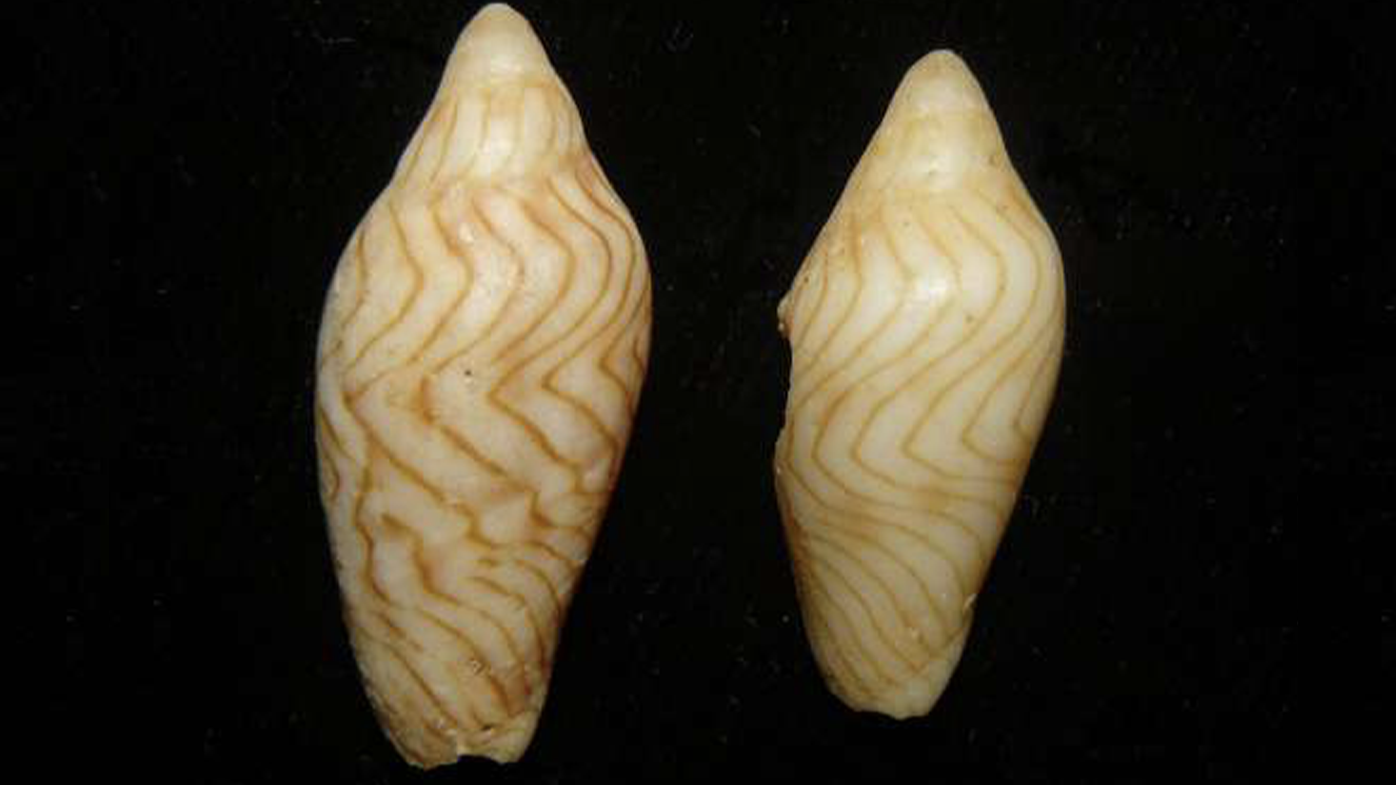
It's so rare, scientists have never seen a live specimen.
Amoria thorae has a narrow distribution, stretching from northern New South Wales to south-east Queensland, Queensland Museum Curator of Marine Environments Dr John Healy said in a statement.
READ MORE: Group of mysterious killer whales identified in the Pacific Ocean
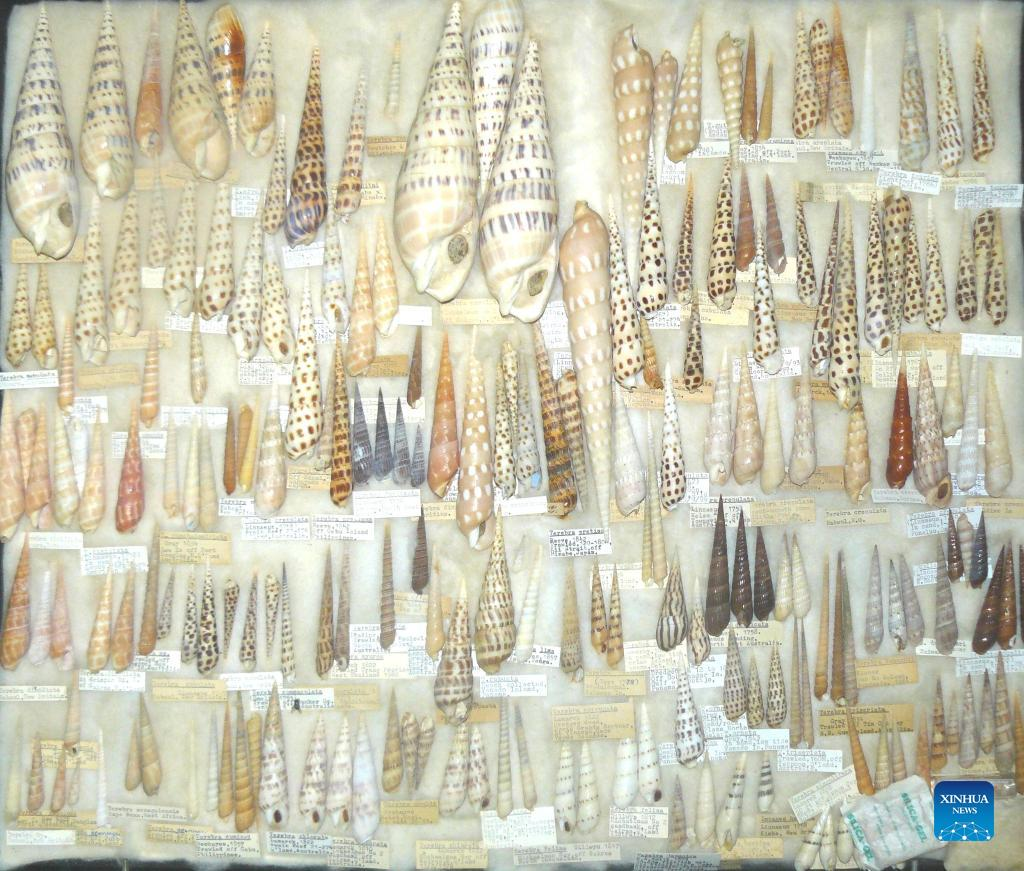
"I'd seen a shell of this marine snail illustrated in a book, but not officially described, so you can imagine my delight when photographing this new collection, I found not one, but two specimens of this potentially new species," he said, explaining the specimens had been trawled off Cape Moreton at 110 metres depth.
"This species is extremely rare, and my hope is that one day the living animal will be found, photographed and studied so we may better understand its biology and relationships."
The mollusc is a new Amoria species, which is part of the carnivorous Volutidae family of marine snails.
All members of the Volutidae family prey on molluscs and echinoderms, which includes starfish and sea urchins.
Covid 19 Delta outbreak: Possum trapper convicted over abusive messages to Chris Hipkins
A possum trapper unhappy with the Government’s Covid-19 response ended up in court after leaving several abusive messages for Minister Chris Hipkins.Wayne Andrew McIvor, 53, pleaded guilty to two charges of misusing a telephone…
Chris has had 18 COVID-19 tests since the start of the pandemic
Chris Guy has had 18 COVID-19 tests since the start of the pandemic.
As a high school maths teacher in the Blue Mountains in New South Wales he needs to be vigilant in making sure he monitors his symptoms.
But he knows he doesn't have the coronavirus.
He has Ross River virus – a mosquito-borne disease that infects roughly 5000 Australians every year.
Mr Guy picked up Ross River virus when he got bitten by a mosquito last April, just as the first wave of the pandemic was starting to take hold in Australia.
READ MORE: 33,000 Aussies may suffer long COVID, study finds
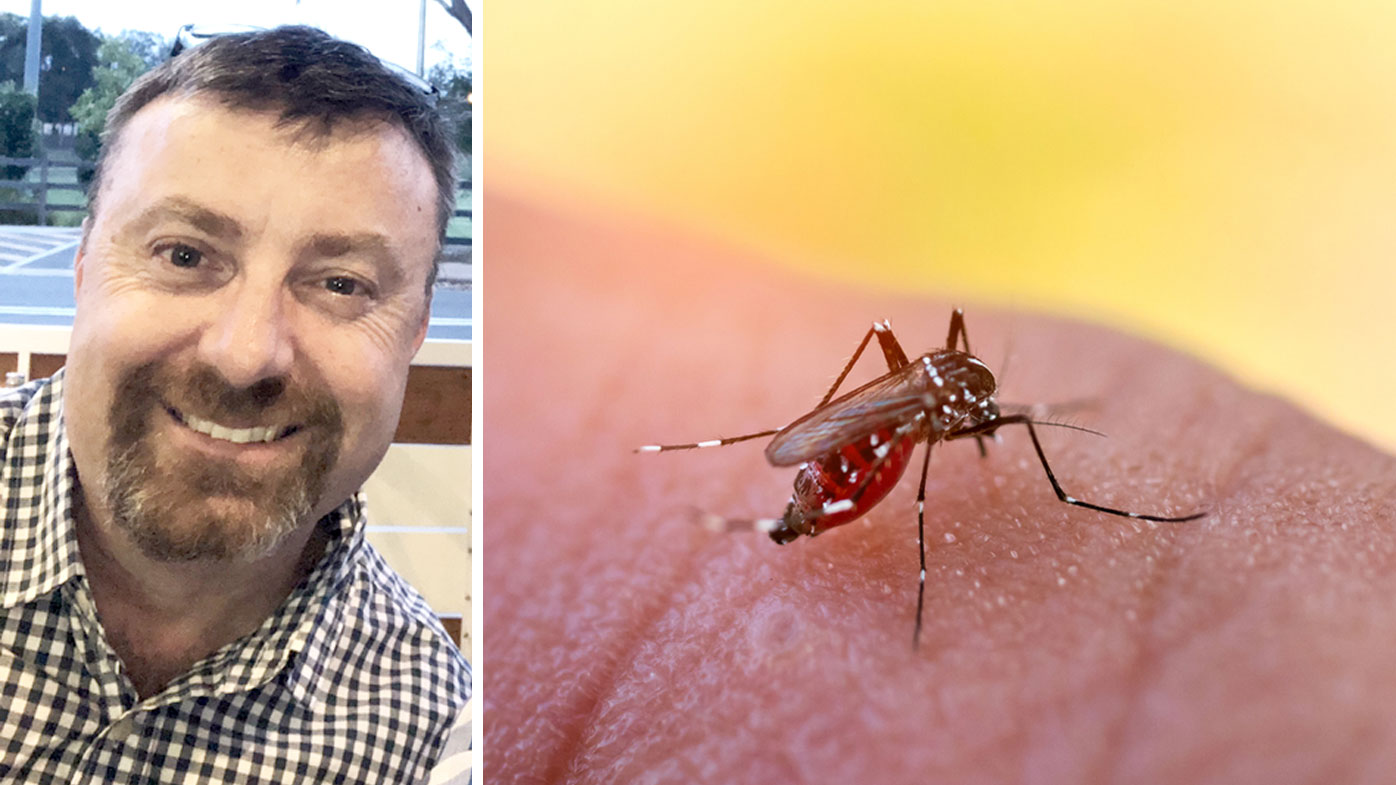
Ever since then, he has suffered through monthly flare ups.
"The recurring symptoms that I get are almost identical to COVID," he says.
"It's flu-like symptoms; a cough, sore throat, stiff neck and fatigue."
'I wouldn't wish it on my worst enemy'
Mr Guy first knew something was wrong when he fell ill on Good Friday in 2020.
"I came down with a full body rash, that was the first main sign," he said.
But there were other strange symptoms before then, that he only pieced together after his diagnosis.
"I remember getting out of bed the week before and when I put my feet on the ground it was like walking on shards of glass.
"I had that for about four weeks where, if I put any sort of pressure on my feet, it was just horrendous pain."
READ MORE: Aussie woman shares grim warning 18 months after contracting COVID-19
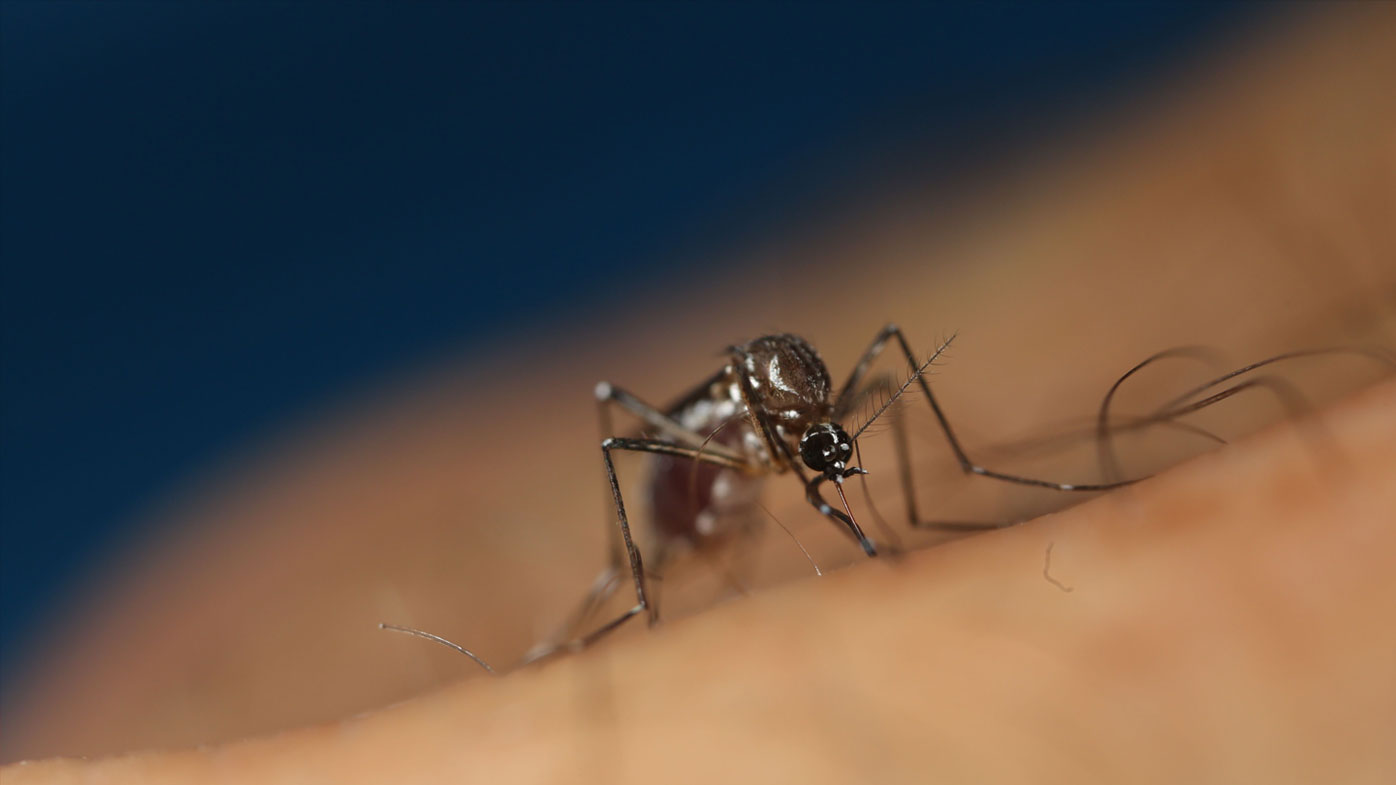
Mr Guy said he went to a GP who told him he had a normal virus.
He then got a second opinion at another GP who ordered a blood test, which confirmed it was Ross River.
Mr Guy would later learn there was a local outbreak of Ross River virus. He was the first of half a dozen people in his area to be diagnosed with the illness.
The effects of Ross River virus are varied. Many infected with the disease have no symptoms and may never even know they have it; others recover quickly.
However, experts estimate somewhere between 10-30 per cent of people with Ross River will go on to have chronic symptoms.
For Mr Guy, the effects have been debilitating.
"I wouldn't wish this on my worst enemy," he said.
"I am glad it was me who got this and it wasn't my wife or kids who got bitten by that stupid mosquito that day."
'Long Ross River'
Katrina Astill, from the Sunshine Coast, picked up the virus seven years ago. Six months later, when she had failed to bounce back from the illness, she was diagnosed with chronic fatigue, now also known as myalgic encephalomyelitis (ME).
"My life has never been the same," she said.
"I've always been really, really fit and active. I have cycled around Tasmania and climbed mountains in Tasmania and walked in Nepal three times.
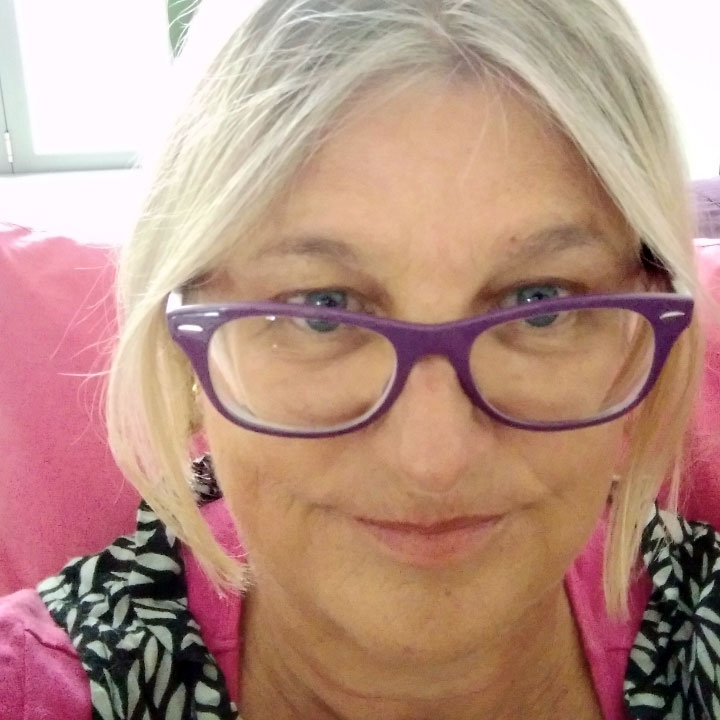
"Now, when I walk up the stairs in my townhouse, I have to go and sit down to recover.
"I was a midwife and loved my job but I have had to retire early."
Ms Astill helps run one of the many support groups which have sprung up on Facebook for long-term sufferers of Ross River Virus.
Her group has 2700 members, mostly Australian.
Like Ms Astill, many in the group have been struggling with symptoms for years, with the debilitating health problems often dismissed by doctors.
Some have given their illness a new name in recent times – "long Ross River".
It is a nod to the many similarities they see between the reported symptoms of long COVID – a term given to the chronic health problems experienced by some after falling ill with the coronavirus – and their own.
"We have been having these discussions in the group ever since they began doing the research on long COVID – we started saying that kind of sounds like us," Ms Astill said.
"A lot of the symptoms we are getting, like extreme fatigue, brain fog, fevers, flu-like symptoms, are similar to long COVID."
Post-viral syndromes, which can involve extreme, lasting fatigue and other symptoms –often leading to suffers being diagnosed with chronic fatigue syndrome – are common after many infections.
One of the most prevalent human viruses, glandular fever – also known as the Epstein-Barr virus – sees 10 percent of patients experiencing long-lasting symptoms.
Researchers looking into the lingering effects of the coronavirus have also begun to note the similarities between the experiences of people suffering from long COVID and chronic fatigue syndrome.
Griffin University virologist Lara Herrero is one of Australia's foremost experts on the Ross River virus.
Dr Herrero contracted Ross River herself at a family BBQ in Western Australia back in 2004.
It would change the course of her career and she soon pivoted from researching viruses mainly affecting children – such as hand, food and mouth disease – to mosquito-transmitted viruses.
"I was surprised about how little was known about Ross River and how little it was being studied," she said.
"I had a very understanding GP at the time but was told nothing could be done."
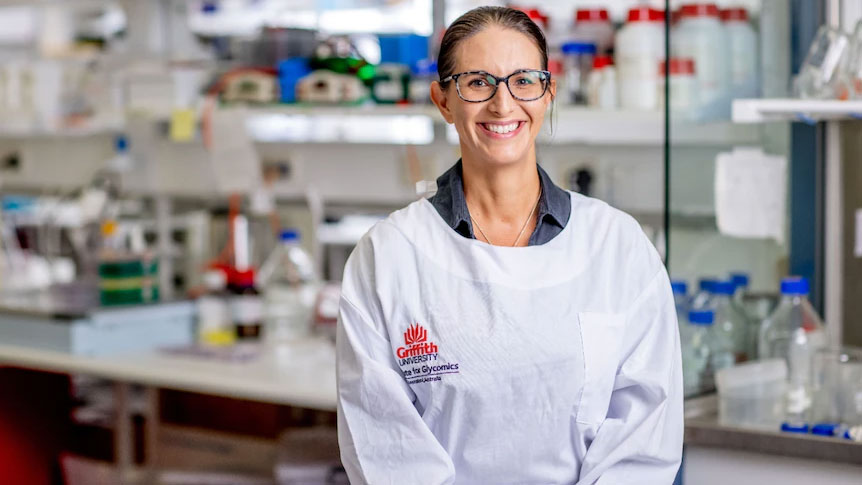
Dr Herrero, who has since pioneered a breakthrough treatment for a particular type of arthritis brought on by viral infections such as Ross River, said there was still a lack of urgency regarding the need for research into the field and it was often hard to get funding.
"The symptoms are debilitating and awful but I have struggled to get funding and support for this because a lot of people simply don't care until they have it," she said.
"Then, when you have it, wow, all of a sudden do you care because your whole life and livelihood is disrupted."
Scientists and doctors have long known about post viral syndromes, which Ross River is notorious for, but the experiences of patients were still treated with a degree of scepticism, Dr Herrero said.
"I feel like part of the fight has been convincing scientists and clinicians that there is something here, these people aren't crazy," she said.
Now, there was some hope that the breadth of studies being conducted into long COVID could change all that, she added.
"The sheer number of cases and deaths coming from COVID has been horrible," Dr Herrero said.
"But if we can gain anything from it, it is that we now have so many sources of information with patients that have survived and the data that we have – it shows that post viral illnesses and the effect of them is real.
"Now, the science just needs to catch up so we can figure out the mechanisms driving these post-viral clinical syndromes."
Contact reporter Emily McPherson at em********@******om.au.