Several new locations of interest have been added in Katikati after a person tested positive in the community for Covid-19.The locations from Thursday are Hammer Hardware from 10am to noon, the Good Life op shop from 11.05am to…
Tag Archives: oceania
Chinese embassy slams 'pitiful' Tony Abbott
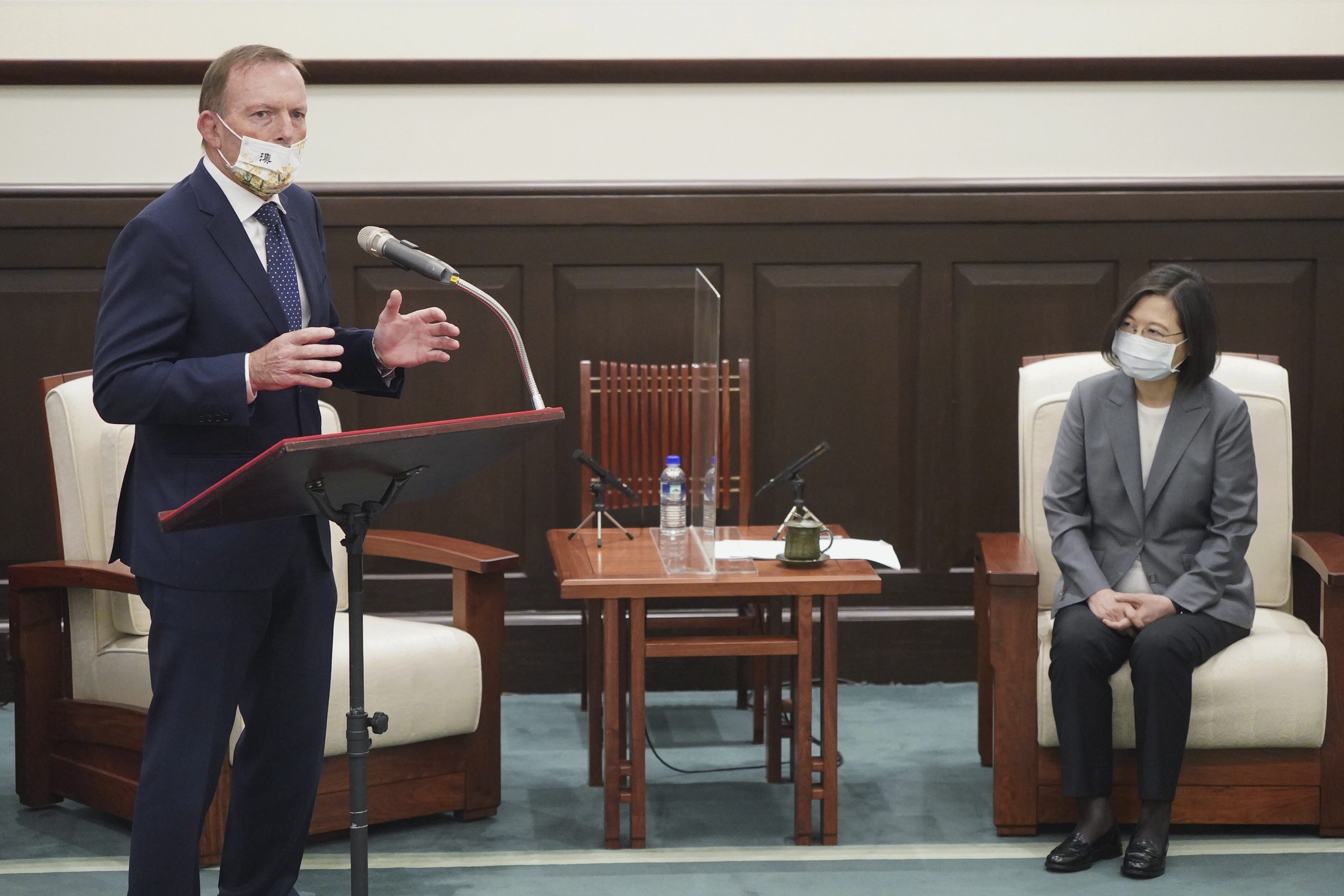
China's embassy in Australia has launched a strongly-worded attack on former Prime Minister Tony Abbott after the latter's trip to Taiwan.
Mr Abbott, who visited the island in a private capacity, targeted Beijing in a speech he gave there this week.
He branded President Xi Jinping as "the new red emperor" as he spoke at a national security forum attended by Taiwan's president and foreign minister.
READ MORE: Tony Abbott takes aim at China in strongly worded speech in Taiwan
"Beijing has torn-up the 'one country, two systems' treaty on Hong Kong; put upwards of a million Uighurs into concentration camps; boosted cyber spying on its own citizens; cancelled popular personalities in favour of a cult of the new red emperor; brutalises Indian soldiers in the Himalayas; coerced other claimants in its eastern seas, and flown evermore intimidatory sorties against Taiwan," he said.
"Its embassy has published 14 demands – essentially that we become a tributary state."
Mr Abbott said Australia "welcomed" Chinese trade and investment, but demanded that Beijing's "hectoring" cease.
READ MORE: Chinese President Xi Jinping vows to pursue 'reunification' with Taiwan
Now, the country's Australian embassy has responded.
"Tony Abbott is a failed and pitiful politician," the embassy said in a statement.
"His recent despicable and insane performance in Taiwan fully exposed his hideous anti-China features. This will only further discredit him."
Antarctica's last six months were the coldest on record
In a year of extreme heat, Antarctica's last six months were the coldest on record.
"For the polar darkness period, from April through September, the average temperature was -60.9°C, a record for those months," the National Snow and Ice Data Centre (NSIDC) said.
The last six months is also the darkest period at the South Pole, which is where the name polar darkness (also called polar night) comes from. Here, the sun sets for the last time around the spring equinox, and does not rise again until near the autumn equinox six months later.
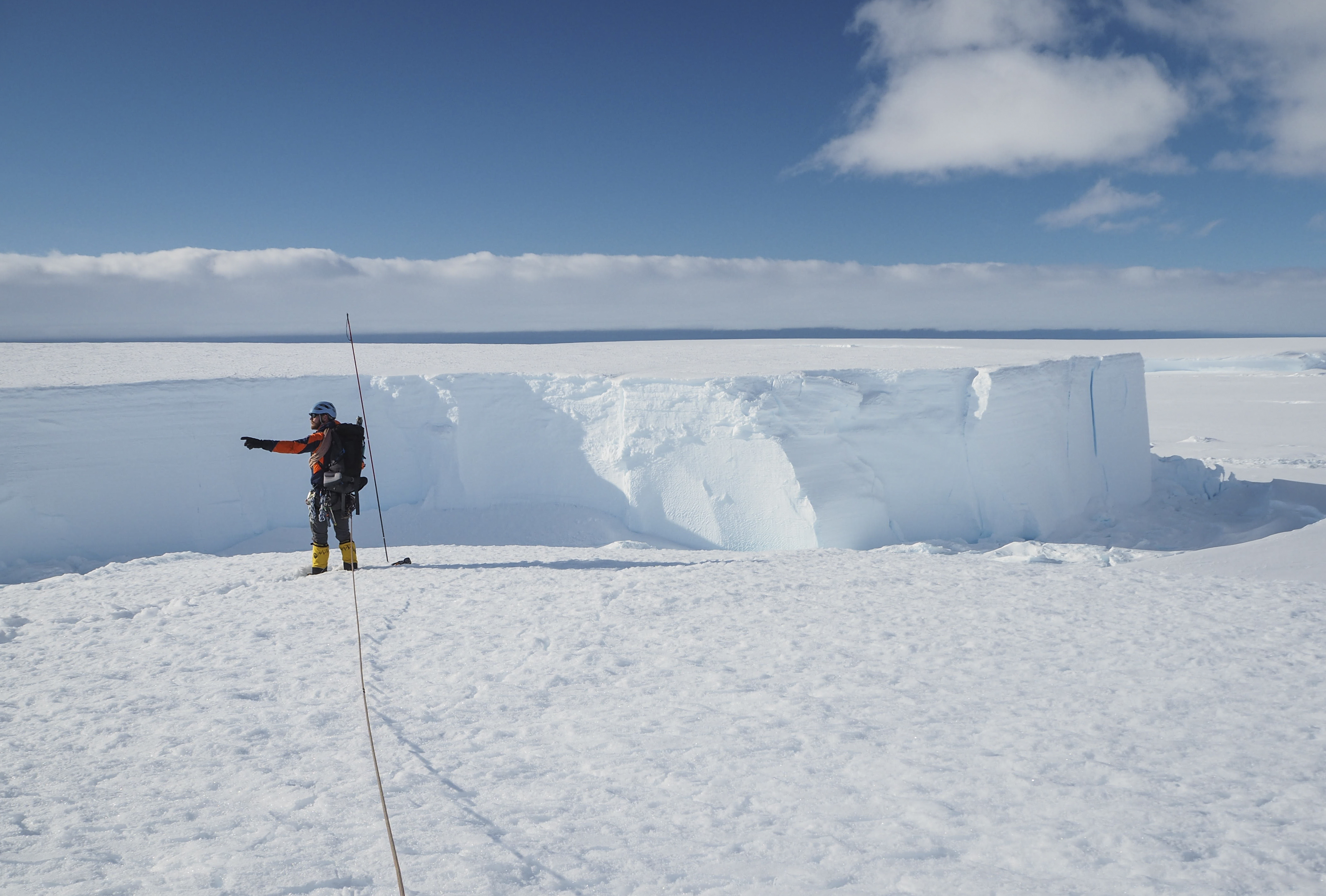
For the entire Antarctic continent, the winter of 2021 was the second-coldest on record, with the "temperature for June, July, and August 3.4°C lower than the 1981 to 2010 average at -62.9°C," according to a new report from the NSIDC.
"This is the second-coldest winter (June-July-August months) on record, behind only 2004 in the 60-year weather record at Amundsen-Scott South Pole Station," the NSIDC said.
"The unusual cold was attributed to two extended periods of stronger-than-average encircling winds around the continent, which tend to isolate the ice sheet from warmer conditions," the NSIDC explained.
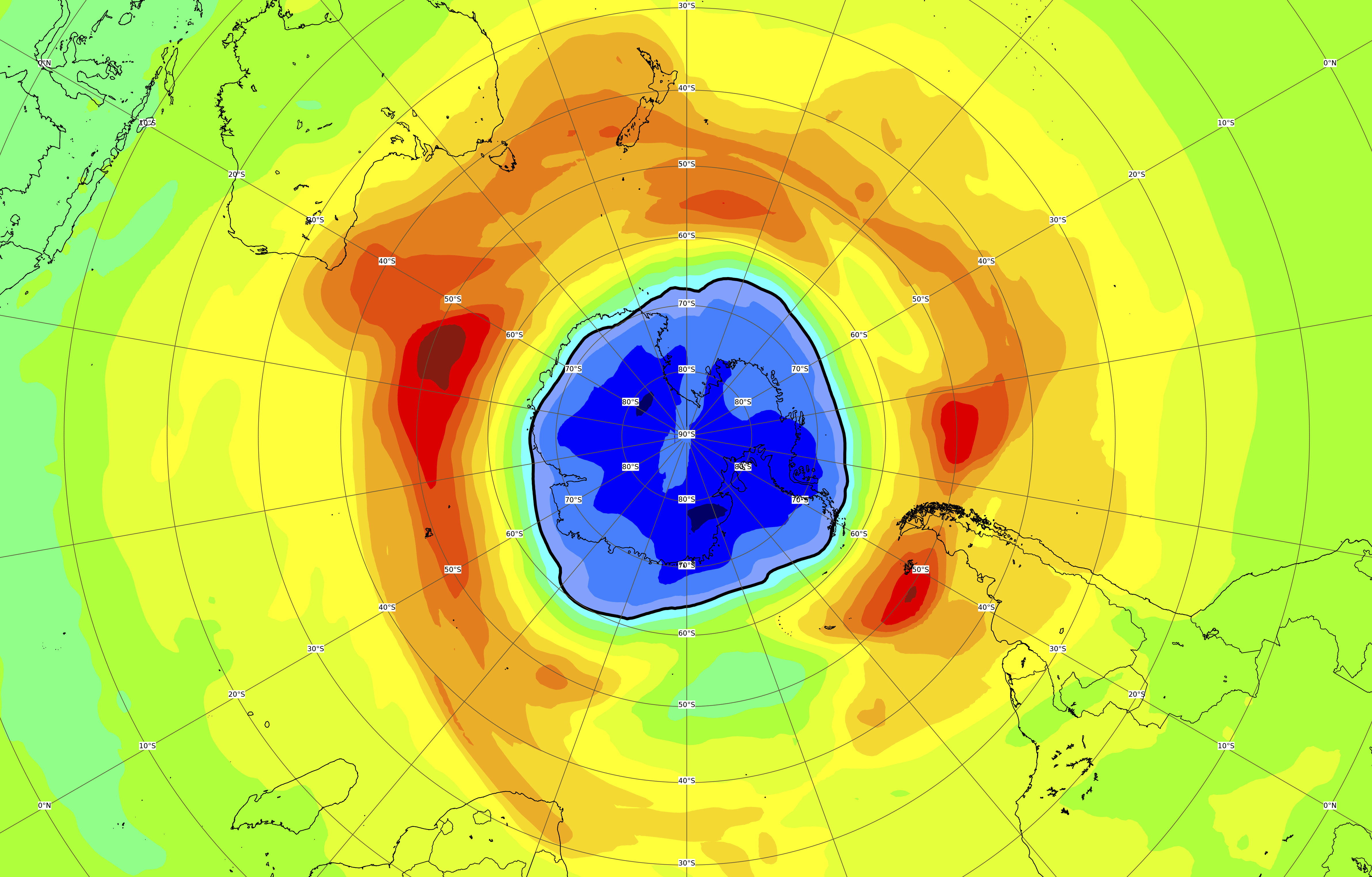
"A strong upper-atmosphere polar vortex was observed as well, leading to a significant ozone hole. The ozone hole appears to have peaked as of this post, with initial measurements reporting that it is in the upper quartile (top 25 per cent) of ozone reduction events since 1979."
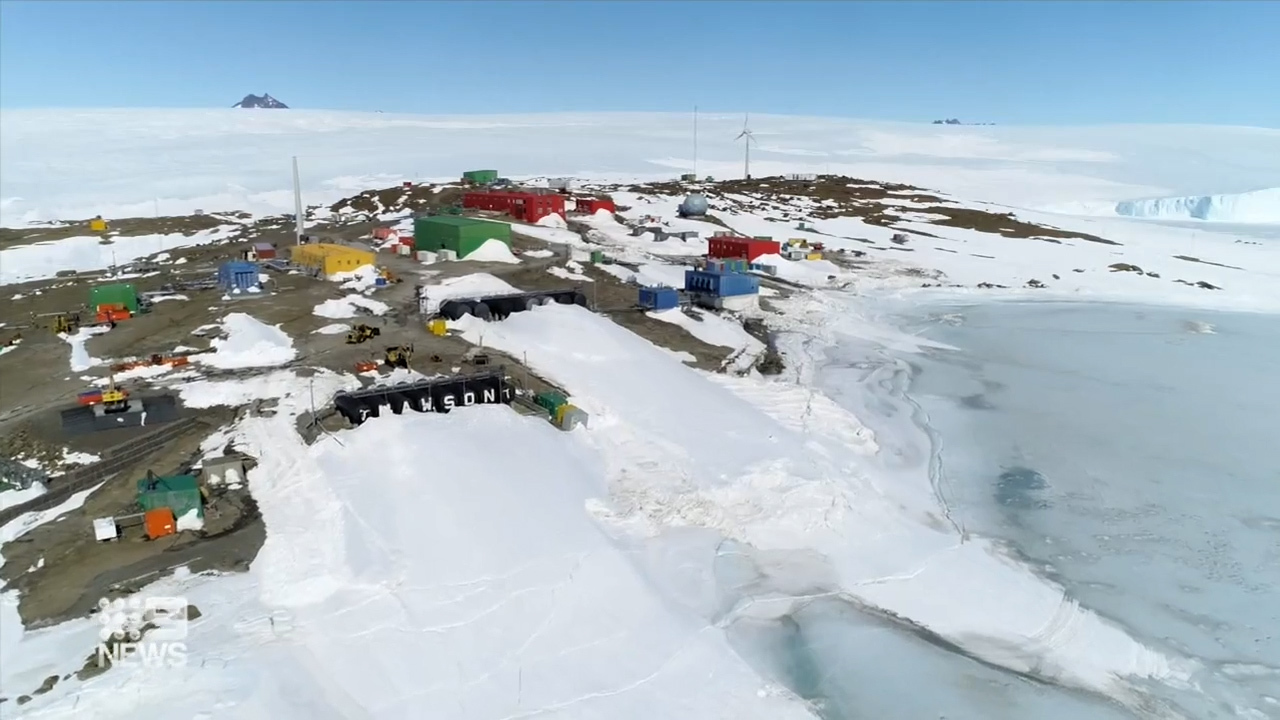
Even in the austral summer months of November through February, it never really gets "warm" at the South Pole. The Amundsen-Scott South Pole Station, which sits at an elevation of 2,835 metres, has an average monthly temperature in the austral summer of -28°C.
The National Science Foundation, which runs the US Antarctic program, points out the winter temperatures have had minimal impact in science support from the South Pole, since most of the deep fieldwork occurs in the austral summer. However, the polar environments are still challenging.
"Everyone adapts to the cold differently, and today's gear makes it much safer than in the days when Shackleton and the other explorers had little specialised gear; they had only wool socks and leather shoes to protect their feet!" a NSF spokesperson said.
"All of NSF's US Antarctic Program (USAP) participants are given extreme cold weather gear and are trained in how to recognise the dangers of extreme cold."
One extremely cold winter is intriguing from a record keeping standpoint, but one season alone does not change the long-term progression, which is rapid warming.
Weather versus climate
It is important to understand weather is different from climate. Weather is what happens over shorter periods of time (days to months), such as the seven-day forecast. Climate is what happens over much longer periods of time, such as several years, or even entire generations.
"One such example is a cold snap, which can happen due to sudden changes in atmospheric circulation and may not be linked to climate change," says Tom Slater, Research Fellow at the Centre for Polar Observation and Modelling at the University of Leeds.
"Texas is a good example of this; even though parts of it experienced extreme cold weather earlier this year when air from the Arctic was pushed south, looking at the long-term change in temperature tells us that Texas is 1.5 degrees warmer on average now than it was 100 years ago. That's climate."
Scientists also agree that since the 1950s extreme cold snaps do occur, but climate change is bringing far more heat records than cold records.
"In other words, while the globe may be warmer than average as a whole, some areas will still observe colder temperatures and even severe cold outbreaks," says Zack Labe, Climate Scientist at Colorado State University. "This regional variation is due to the influences of the oceans, mountains, deserts, ice sheets, and other geographic features that all affect our weather and climate. It's also from changes in weather patterns that are related to the position of the jet stream (storm track), which can vary from day-to-day or even month-to-month."
So, this recent winter stretch from June-August is definitely interesting from a research standpoint, but it doesn't necessarily reflect what Antarctica is doing in the long term.
One great example of this is while June-August of this year may have been quite cold, February of the previous year recorded the new all-time record high for the Antarctic continent. On February 6, 2020, the Esperanza Research Station recorded a high temperature of 18.3°C. This broke the previous record for the Antarctic region (continental, including mainland and surrounding islands) of 17.5°C recorded in March 2015 at the same station.
"There were thousands upon thousands of these penguins just in distress because they were so overheated and there was no snow," Camille Seaman, a photographer who has travelled to Antarctica, told CNN in August. "They were looking for any little patch of snow or ice to lay on."
Polar opposites
What is happening at one pole, does not mean it is happening at the other.
Thanks to the extreme cold near the South Pole, Antarctic sea ice extent has been above average the last few months, peaking in late August when it reached the 5th highest in the satellite record.
However, ice near the North Pole has done quite the opposite.
The summer of 2021 was relatively cool near the North Pole compared to many recent years, according to the NSIDC, which allowed September's ice extent to be the highest since 2014.
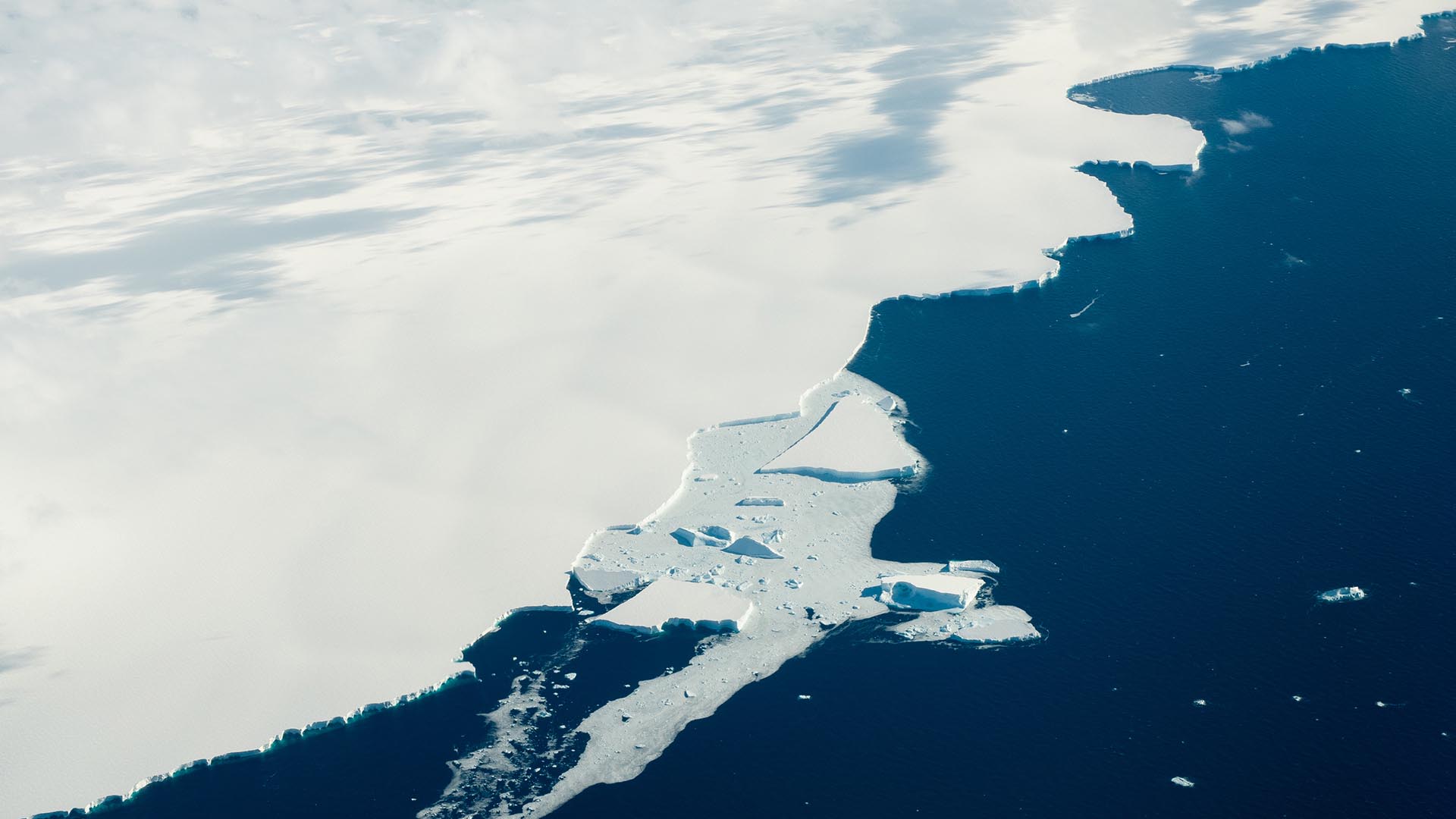
However, while it may sound good, keep in mind the last 15 years (2007 to 2021) have had the 15 lowest September ice extents on record.
Arctic sea ice extent for September averaged 4.92 million square kilometres, which made it the 12th lowest in 43 years of record keeping.
Literally everywhere else is warming
What is happening at Earth's poles, does not mean it is happening across the globe equally.
"Although global temperatures have risen by about 1.1 degrees in the past 150 years on average, different parts of the globe have warmed at different rates due to natural variations in the climate system such as cloud cover, land cover and atmospheric circulation patterns," Slater said.
"Earth's poles have warmed faster than anywhere else, primarily due to melting ice and snow. Although Antarctica has had a cold winter this year, over the past few decades the most northerly parts of Antarctica have warmed five times faster than the global average — that's faster than anywhere else in the Southern Hemisphere."
While scientists take note of the changes occurring at Earth's poles, the bigger danger lies in the more populated continents where people live and work.
"As a climate scientist, I am particularly alarmed at how extreme heatwaves, such as the one which impacted the Pacific Northwest this summer, are projected to become more common in the future," Labe said. "But right now we have a big opportunity. We can help reduce the severity and frequency of future extreme heatwaves (and overall climate change) by systematically reducing our consumption of fossil fuels."
The impact to humans and animals takes centre stage in the climate crisis.
"Extreme heat and humidity can pose severe health risks to people who have to endure them — on average the world now experiences an extra 14 days a year with temperatures of 45°C than 40 years ago," Slater says. "That's why I hope we will see nations enhancing their commitments to tackling climate change at COP26 in just a few week's time."
French envoy to Australia claims officials lied to his face over sub deal
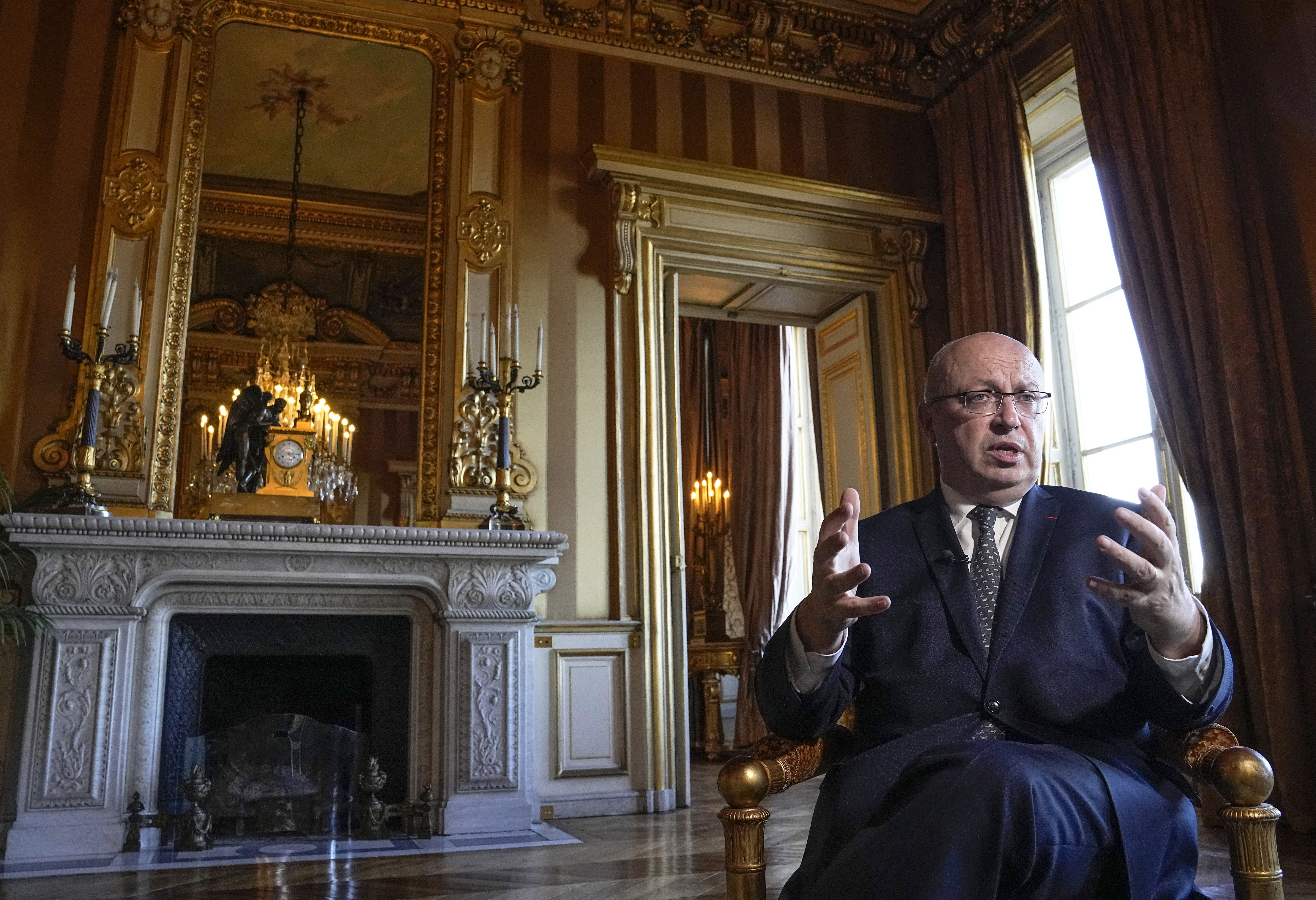
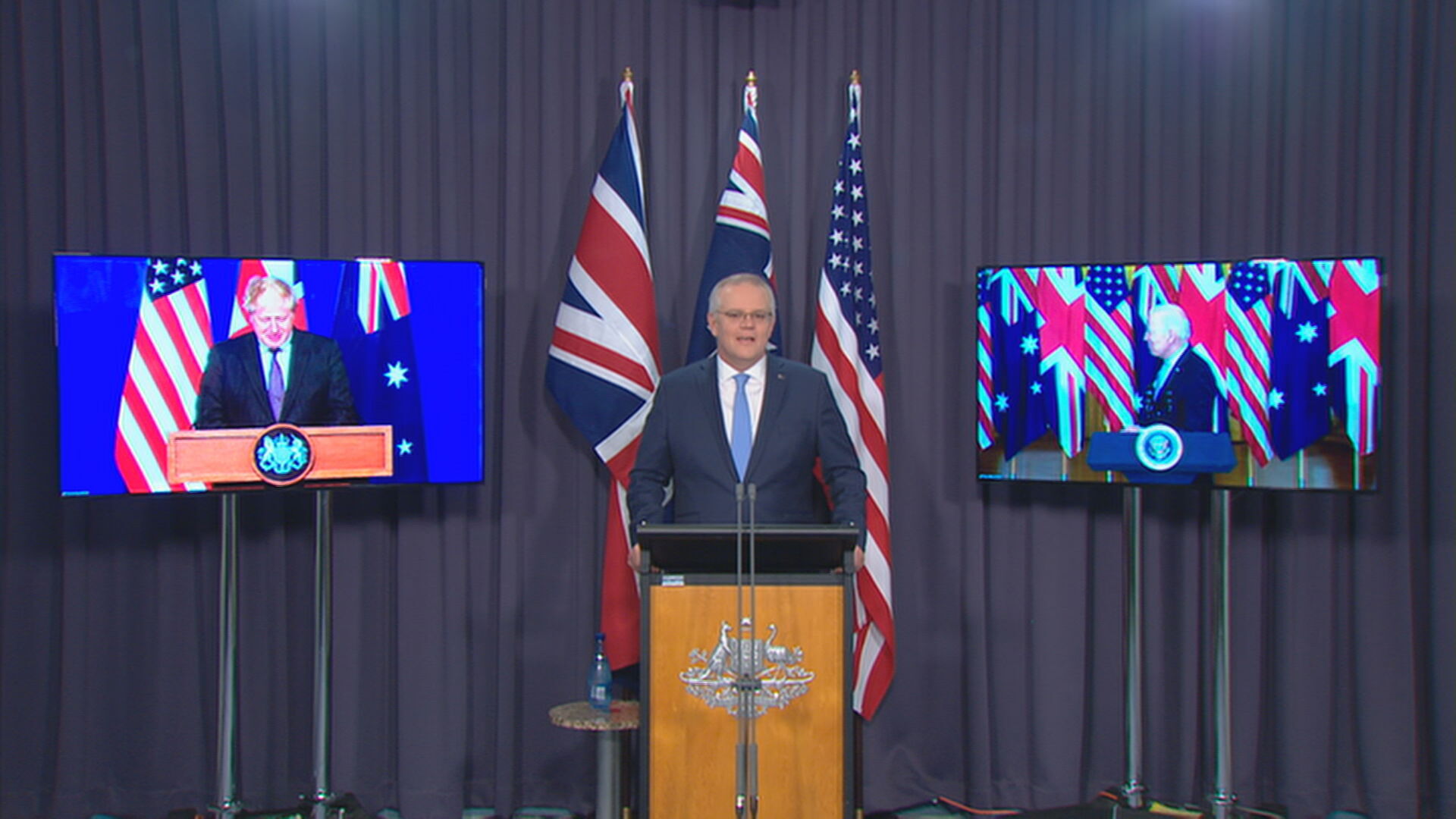
France's ambassador to Australia says Australian officials lied to his face and raised the risk of confrontation in Asia by crafting a secret submarine deal with the United States and Britain that undermined trust in democratic alliances.
France is determined to protect its interests in the Indo-Pacific region, and to put "muscle" into Europe's geopolitical strategy toward an increasingly assertive China, Ambassador Jean-Pierre Thebault said Friday. He spoke in an interview with The Associated Press before heading back to his post in Canberra.
"The way you treat your allies does resonate in the region," Thebault said in a gilded chamber inside the French Foreign Ministry, located on the banks of the Seine River in Paris.
READ MORE: How world reacted to Australia's nuclear submarine decision
"The logic of confrontation is not a good one for the peace and stability of the region. We think that we should act otherwise."
The French government recalled Thebault to Paris last month along with the French ambassador to the US. The unprecedented diplomatic move reflected the depth of France's anger at an agreement for Australia to obtain a fleet of eight nuclear-powered submarines built with US technology.
RELATED: Morrison insists relations with France improving after submarines row
The Indo-Pacific deal, concealed from French officials, scuppered a previous $66 billion contract for Australia to buy 12 conventional diesel-electric submarines from a French manufacturer.
Apart from the ruptured contract, France thinks the deal trampled longstanding alliances, and its interests in the Pacific – where it has 2 million citizens in French territories and 7,000 military troops – were ignored.
"I don't understand how it was possible to commit such a lie. I don't understand how people, several of whom I know, were capable of lying to me…face to face for 18 months," Thebault said of the Australian officials he worked with.

The ambassador noted that France makes nuclear-powered submarines, and he said Australia refused them when their deal was first struck in 2016, opting for diesel-powered versions instead.
"You could at least have…had a frank and honest conversation, which never happened," he said.
"Rebuffing a country like France is almost sending a message that there are trusted partners and other partners, which is worrying in a region which needs…partnership and not antagonism," Thebault said.
So France is turning to other "trusted partners in the region," he said – naming India, Japan, Korea, New Zealand.
Strengthening the European Union's Indo-Pacific strategy will be a priority for France as it takes over the EU's rotating presidency on January 1, he said.
"The rise of China…is an issue that needs to be addressed," along with climate change and its impacts on Pacific islands, Thebault said. He stressed the importance of "international rules, respect for human rights, the respect for freedom of navigation, respect for sovereignty of countries."
France last month returned its ambassador to the US, a NATO partner. French President Emmanuel Macron and US Secretary of State Antony Blinken met in Paris this week, and Blinken told French TV that "we could and we should have communicated better." President Joe Biden's national security adviser, Jake Sullivan, met his French counterpart this week.
But Thebault has remained in Paris.
On Wednesday, French Foreign Minister Jean-Yves Le Drian told a parliamentary committee that the ambassador would return to Australia to help "redefine the terms" of the bilateral relationship and defend French interests in winding up the contract. Thebault is expected to leave for Canberra next week.
Australian Prime Minister Scott Morrison welcomed the decision, saying the bilateral relationship was bigger than the cancelled submarine contract. But Thebault suggested there is still work to do before the relationship returns to normal.
Morrison said Macron wouldn't take his calls. This week, Australian Trade Minister Dan Tehan was snubbed by French officials while in Paris. And negotiations on a free trade deal between Australia and the EU that were to take place this month have been postponed until November.
Three men accused of alleged border breach to see NRL GF
Three men have been fined for allegedly illegally travelling from New South Wales into Queensland to view the NRL Grand Final.
The men, Damon Finn, Connor Marsh and Reece Laria — who are believed be friends of Panthers player Nathan Cleary — allegedly travelled into the Sunshine State using an incorrect border pass to cheer on their mate from the sidelines.
According to media reports, Mr Marsh, Mr Cleary and Mr Laria are roommates and it is understood the trio live together at a Penrith share house.
READ MORE: Victoria records 1965 new COVID-19 cases, five further deaths

Queensland Health Minister Yvette D'Ath today said the men may have been using an 'F' pass.
"They may have been travelling on an F pass and that may not have been a valid pass for them to have," she said.
"If you are sneaking across borders you are putting the community at risk.
READ MORE: NSW records 580 COVID-19 cases
"It doesn't matter the reason you are coming over."
Queensland Police allege the trio crossed the state border last Saturday using the pass, then went on to view the game.

9News is not suggesting Mr Cleary knew of the alleged breaches.
The 23, 24 and 25-year-old came under the attention of officers after posting a since-deleted photo to social media allegedly partying on the Gold Coast.
They were intercepted at a hotel yesterday, fined more than $4000 each and ordered to return to Sydney.
READ MORE: Stranded Queenslanders take up refuge in tents at Murwillumbah Showground
The NRL integrity unit will speak to Nathan Cleary early next week to determine if he was aware of his friend's breach.
If found to be involved, officials aren't ruling out their own sanctions on the Penrith co-captain
NSW Police have since confirmed they are investigating if more friends also travelled to Queensland illegally.
Stranded Queenslanders take up refuge in tents at showgrounds
More than a dozen Queensland residents left stranded by border restrictions have taken up residence in tents at the Murwillumbah Showground.
Just 10 kilometres from the Queensland border, residents at the "makeshift refugee camp" in NSW say they're completely homeless due to strict border controls.
Across the country, hundreds of Queenslanders ineligible for the new home quarantine trial remain stuck in other states.
READ MORE: Restrictions to ease with no new COVID-19 cases recorded in Queensland
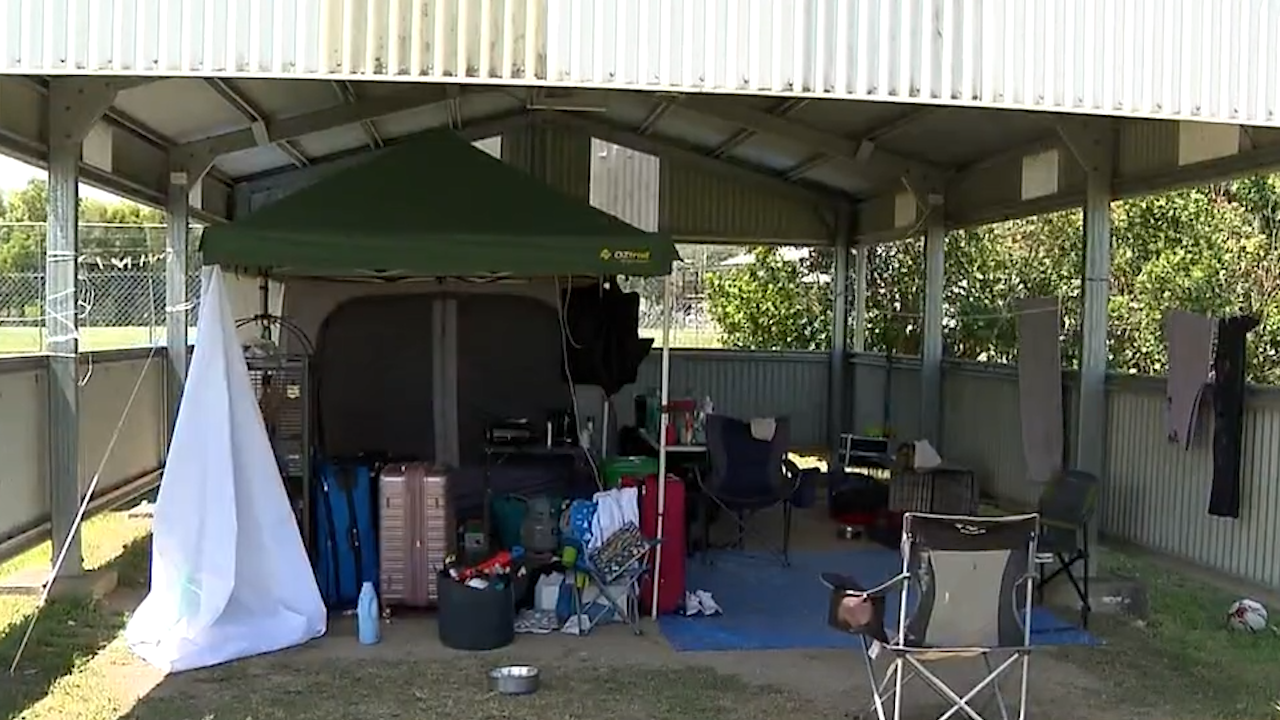
At the showgrounds, families, pets, and people have set up camp in tents, or have resorted to sleeping in their cars
"There's actually thousands. Thousands and thousands of people in the same boat," stranded Queensland resident Freda Norris said.
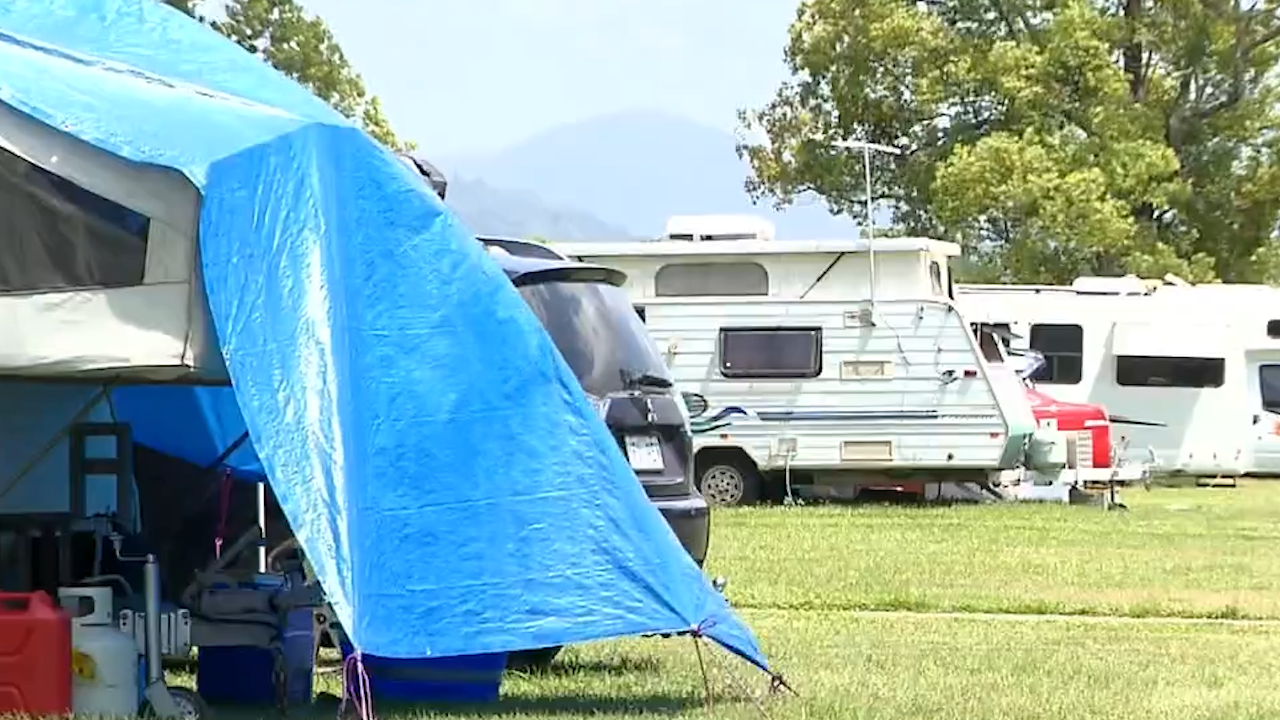
Leah Gilleland is living in her hatchback.
"It's just horrendous what they're doing to us. I feel unwanted, unwelcome and unloved," she said.
Wendy Riddoch says she has fallen on tough times.
Fully vaccinated and virus-free, Ms Riddoch and her dog Teddy are sleeping in a leaky caravan until they are allowed to travel to Townsville.
READ MORE: NSW records 580 COVID-19 cases as investigations into new Delta strain continue
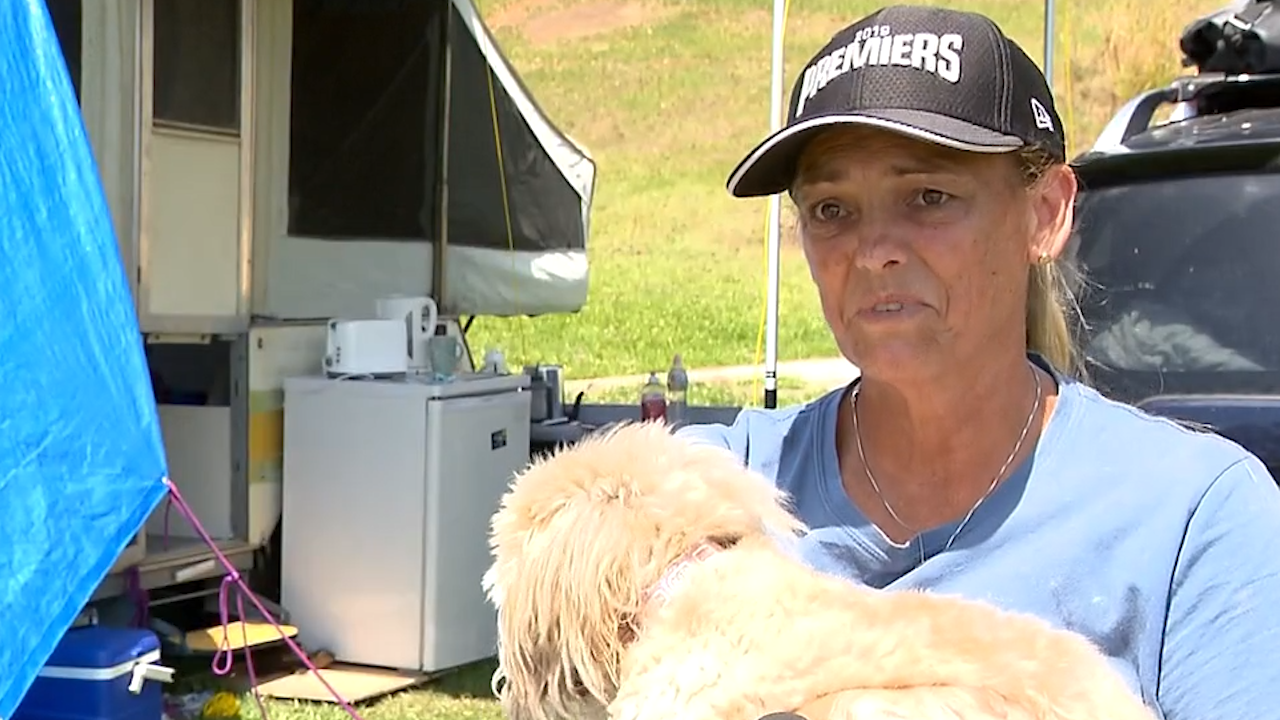
"It's a challenge every day," Ms Riddoch said.
"What you see behind me is all I have now.
"Not a cent to my name to pay for flights."
Those stranded are getting by on charity and one another's support.
The Queensland Government says it warned people months ago about the border rules and returning residents should have known better.
But all of them have a story and none can afford hotel quarantine.
Premier Annastacia Palaszczuk says it's unlikely a decision will be made about when the border will reopen until after National Cabinet next month.
A week later, international travel is scheduled to resume in NSW, meaning some of those stuck over the border could fly to London or Los Angeles before they're allowed drive into Queensland.
'3D-printed rifle' seized from Adelaide man accused of terror offences
An Adelaide man charged with a number of terror-related offences has also had weapons seized, one which is alleged to have been made using a 3D printer.
Artem Vasilyev, 24, was charged with more than 10 terror-related offences in August and 11 counts of possessing instructions to make an explosive device.
Since then, police have also seized two assault rifles, one of which they believe Mr Vasilyev made himself using a 3D printer.
READ MORE: Victoria records 1965 new COVID-19 cases, five deaths

Court documents reveal police found a .22 calibre rifle which was allegedly handmade.
Police allege Mr Vasilyev was amassing ammunition even after he was first charged and released on bail on firearms offences.
READ MORE: NSW records 580 COVID-19 cases as investigations into new Delta strain continue
It's previously been revealed anti-terror police found documents in Mr Vasilyev's home they say contained information that would help a person preparing to commit a terrorist act.
At his last court appearance, the 24-year-old was refused bail and deemed an extreme risk to the community.
Prosecutors have argued his cyber skills are so advanced, he could easily bypass any controls on his use of the internet.
Police say he lived his life largely online, socially isolated from all but his mother.
The accused had also recently applied for an Australian passport, with officers believing he planned to flee the country if he needed to.
But for now, he's remanded behind bars.
Extensive further investigations have been flagged.
Beloved deli owner dies with COVID-19 days away from vaccine appointment
The family of a Melbourne man who died from COVID-19 has made an emotional plea to the public to get vaccinated.
Much-loved Richmond trader and deli owner Soner Kurtoglu is believed to have caught the virus from a customer, before passing away last night.
A father of three and a well-known Bridge Road trader, Mr Kurtoglu was just 54 when he died.
READ MORE: Victoria records 1965 new COVID-19 cases, five further deaths

Cengiz Ozdemir, Mr Kurtoglu's brother-in-law, says the family was initially vaccine-hesitant but seeing first-hand how dangerous the virus can be, they have since changed their stance.
"We've been scared of the vaccination, but it is so important to get vaccinated … it does save lives," he said.
"Being against vaccinations isn't going to help anybody.
"We're just going to have kids like this without dads or grandparents."
READ MORE: NSW records 580 COVID-19 cases
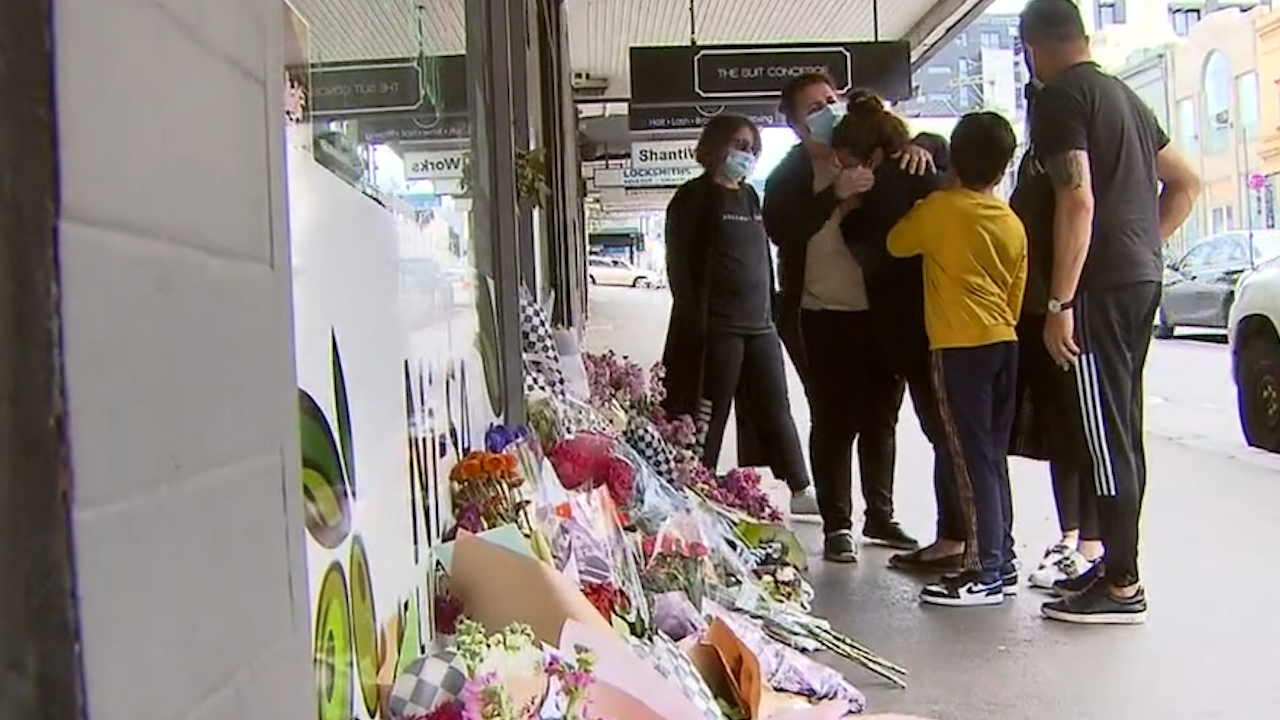
Friend Lee Simon has described Mr Kurtoglu as generous and a community man.
"He was generous, friendly, a great sense of community and we're going to miss him," he said.
READ MORE: Questions over 'unclear' roadmap infrastructure ahead of re-opening
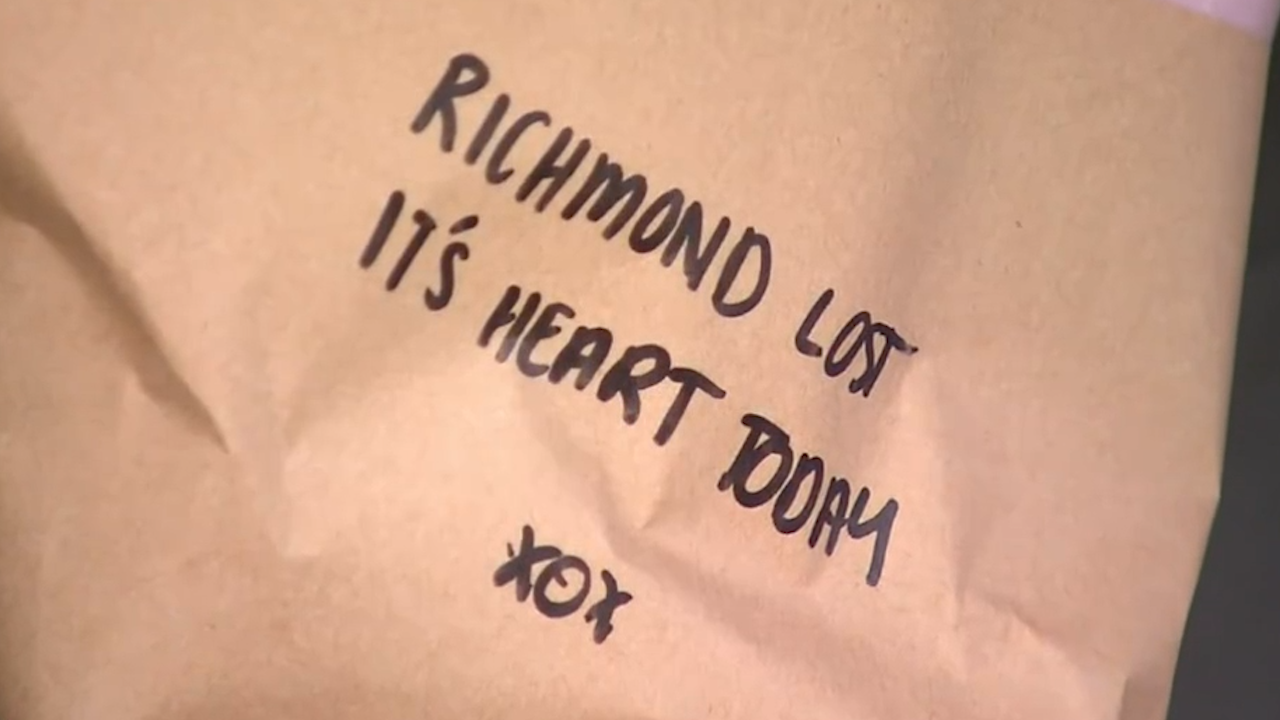
The family says Mr Kurtoglu had been hesitant about getting the jab but recently booked an appointment.
Sadly, he never made it.
"It was only two and a half weeks ago… he was here and now he's gone," Sean Heffernan from the Blue Note Cafe said.
READ MORE: Thousands of overseas nurses and doctors to reinforce strained Australian health system
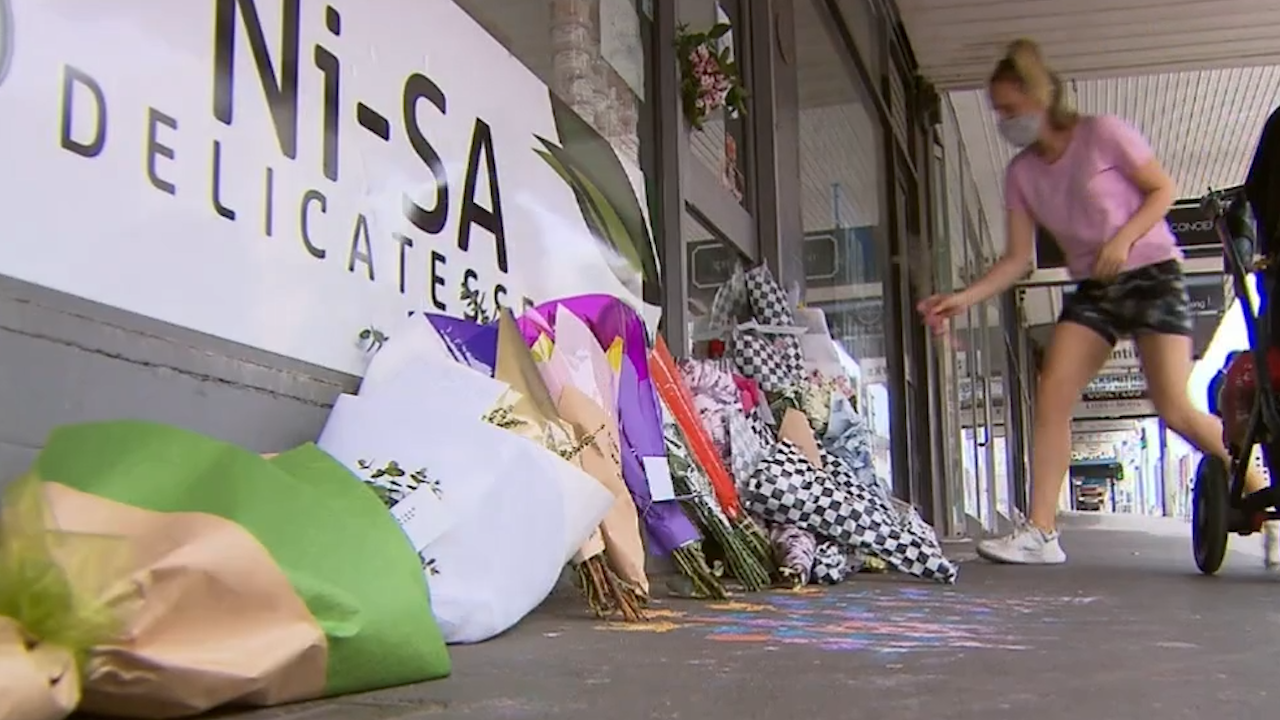
Another friend, Sharon Nevin, said the news was devastating.
"We'd come past every day hoping after 14 days he'd be back and to find out that he had passed away was just heartbreaking," she said.
The man behind Ni-Sa delicatessen, Mr Kurtoglu was famous in Richmond for his warmth and his food.
Mr Kurtoglu died last night in Box Hill Hospital after doctors switched off his ventilator.
The reason why Sydney's water tastes different right now
If you've noticed your tap water is a bit off, you're not alone.
Sydney Water says weather conditions, particularly "recent high winds" around Warragamba Dam have impacted the smell and taste of supply right across the city.
It could take several weeks to settle down, while water sources that supply the filtration plant continue to blend.
READ MORE: NSW records 580 COVID-19 cases as investigations into new Delta strain continue
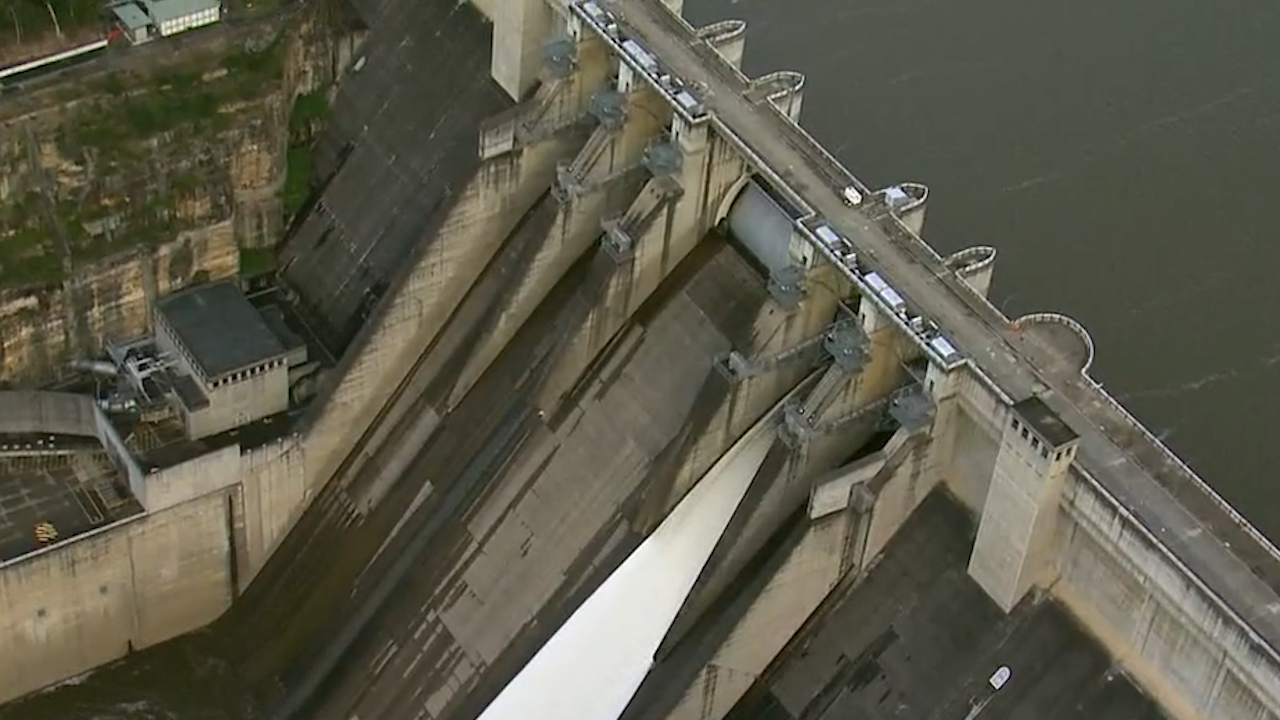
They organisation have said that they are working closely with Water NSW to resolve the issue as soon as possible.
READ MORE: The Sydney suburb home to more wastewater blockages than any other
Officials have stressed that the water is treated and is still safe to drink.
"Sydney Water advises that the water still meets Australian Drinking Water Guidelines and remains safe to drink," a spokesperson said in a statement.

Lotto Powerball jackpots to $30 million
Powerball’s $26 million prize has escaped players this evening, and will jackpot to $30 million on Wednesday night.Tonight’s biggest winner was a Strike Four player who had the first four numbers drawn in the correct order, and…