Tag Archives: oceania

Appeal for dashcam after Queensland man sustains severe burns

Police are investigating after a man sustained severe burns to his body in the Queensland's Bundaberg region yesterday.

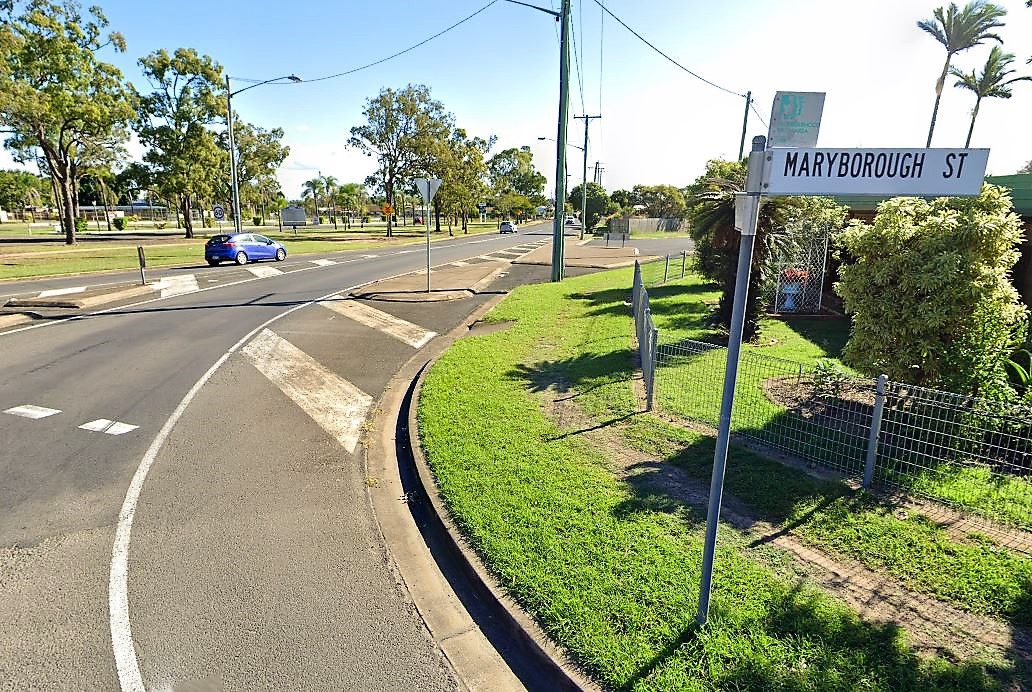
Police said a 36-year-old Avoca man stopped to speak to another man known to him on Maryborough Street in Walkervale between 1pm and 1.30pm.

"In the course of events, the Avoca male sustained severe burns to his body and was transported to the Bundaberg Hospital for treatment," officers said.

READ MORE: Hundreds of lockdown demonstrators in Melbourne defy police

Maryborough St, Walkervale.

Police are appealing for anyone who has dashcam footage from within the vicinity of Maryborough and Maynard Streets around that time.

Investigations are continuing.

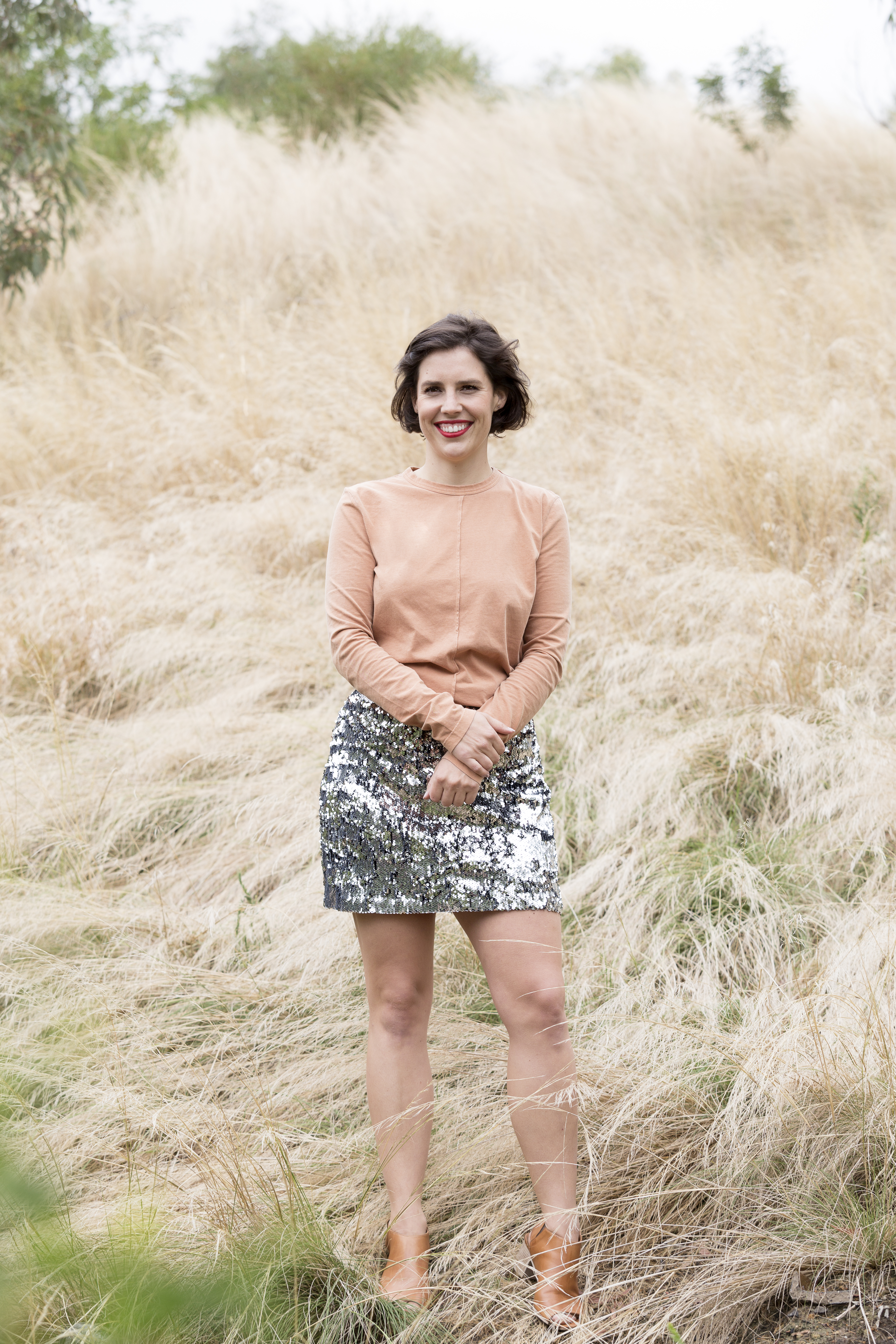
How a uni graduate started a million-dollar beauty empire 'with just $50'

If you had told a young, cash-strapped fashion graduate she would build a million-dollar beauty empire by using 'the last $50' in her wallet, her knee-jerk reaction would have been "no way".

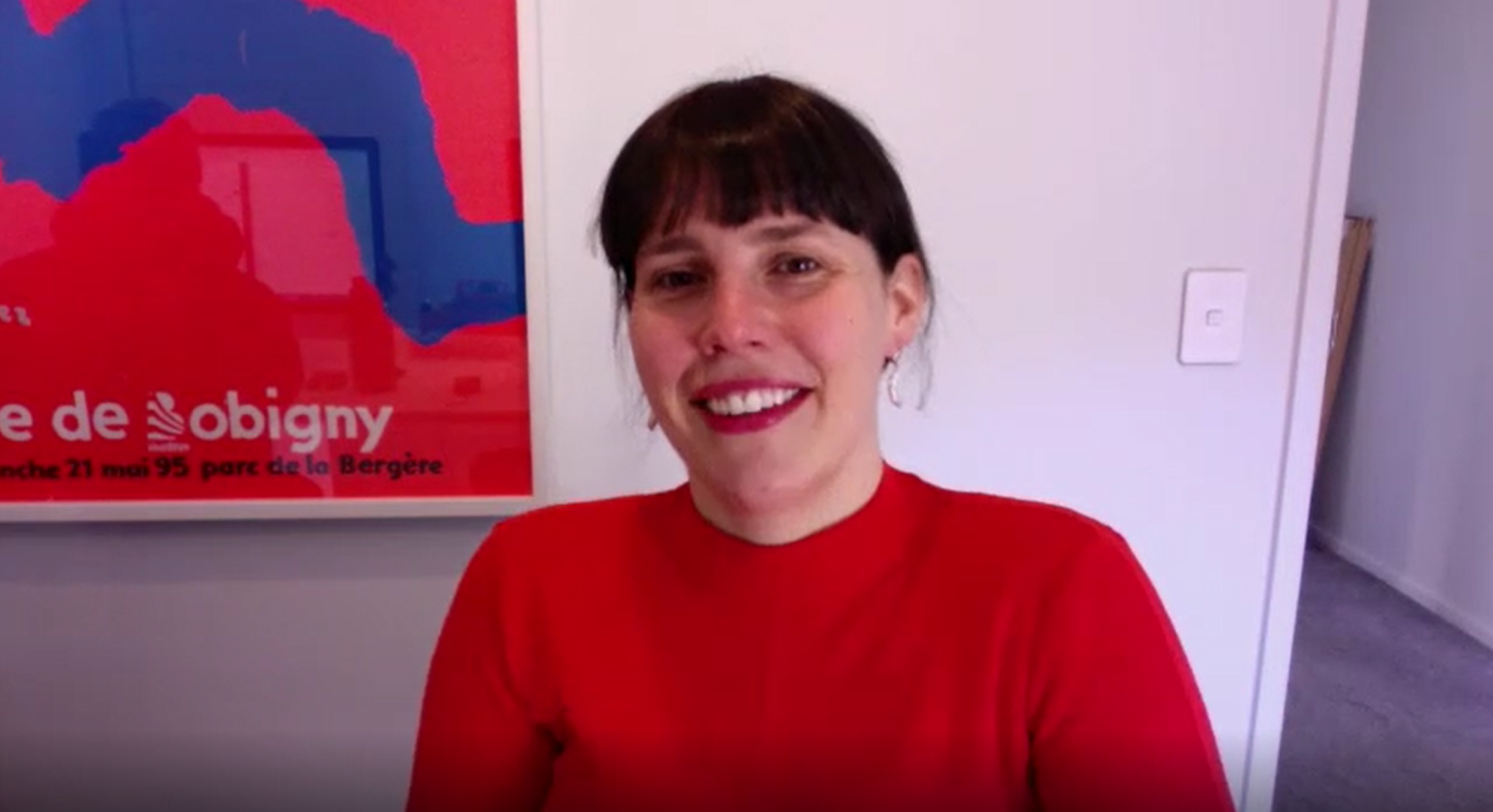
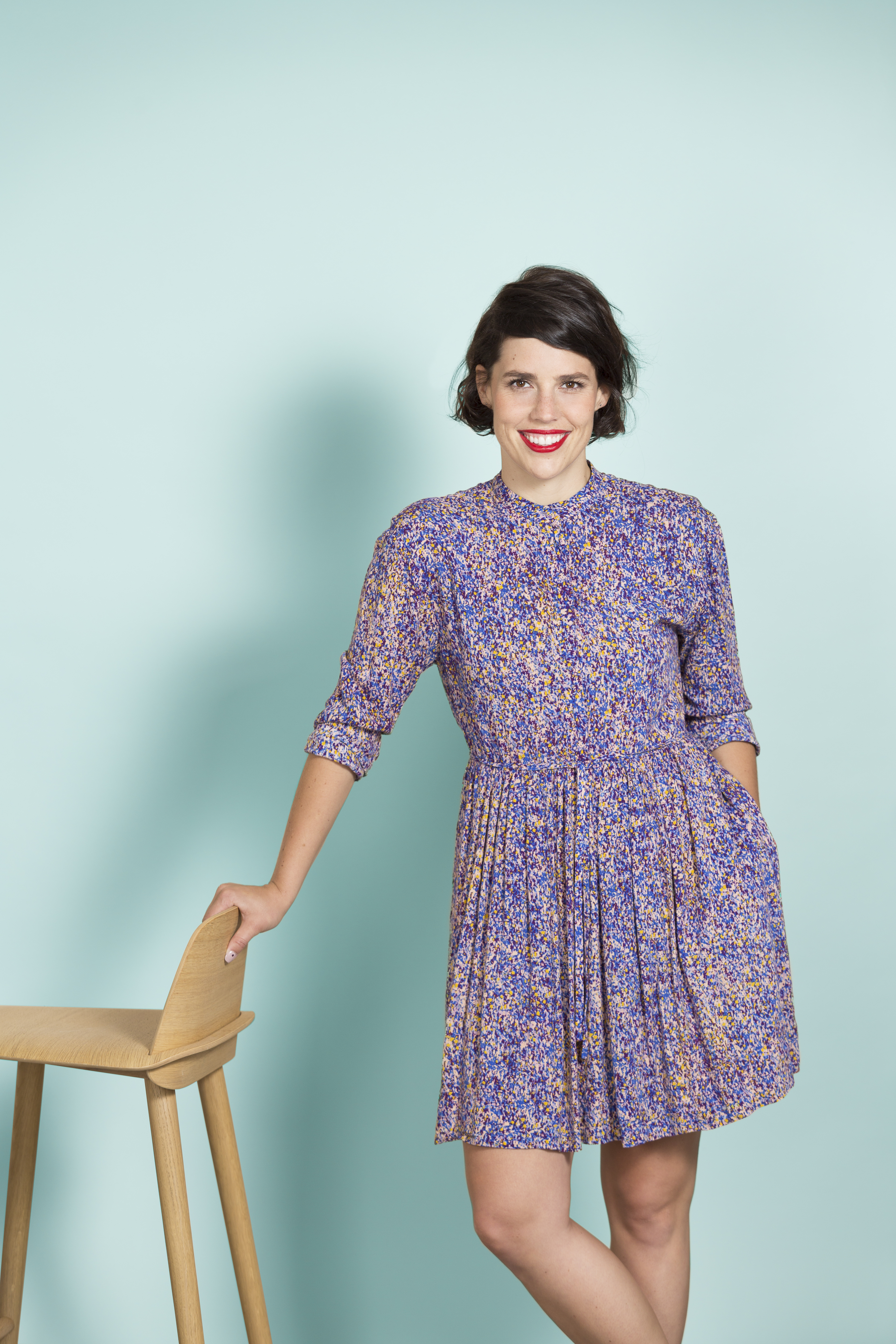
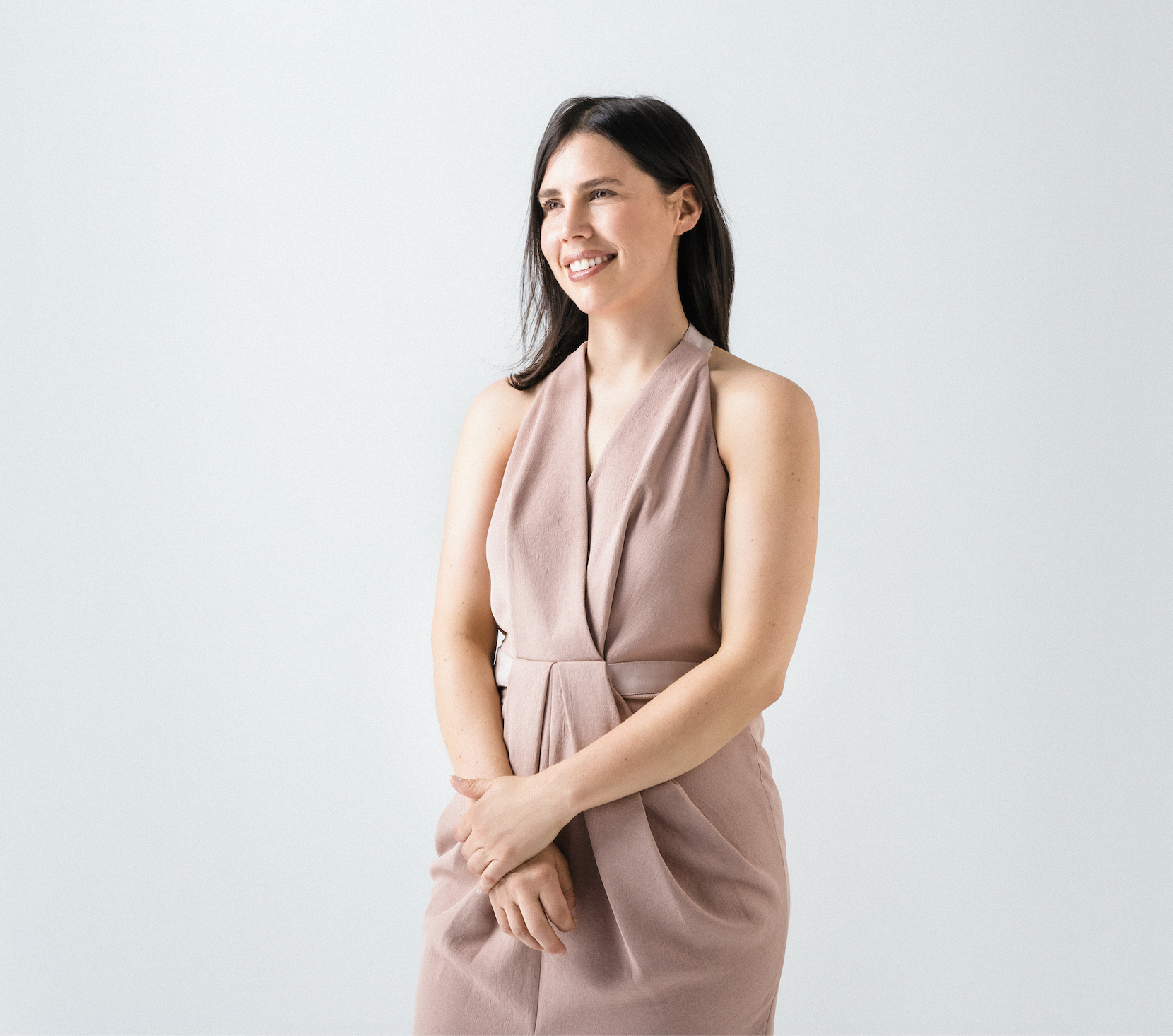
In 2009, Anna Ross was just 20-years-old when she started a jewellery-making side hustle with a start-up cost of just $50, but little did she know it would later boom into an ethical beauty empire.

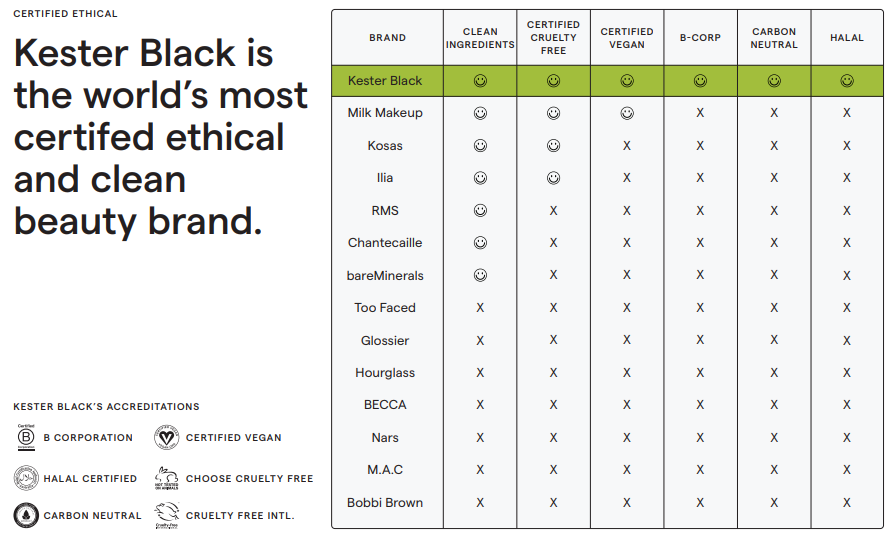
Now, about 10 years later, her beauty brand Kester Black is the first in the world to be awarded a B Corp certification – the highest achievement in ethical and environmental performance – and has raked in $1.16 million in revenue in the past 12 months.

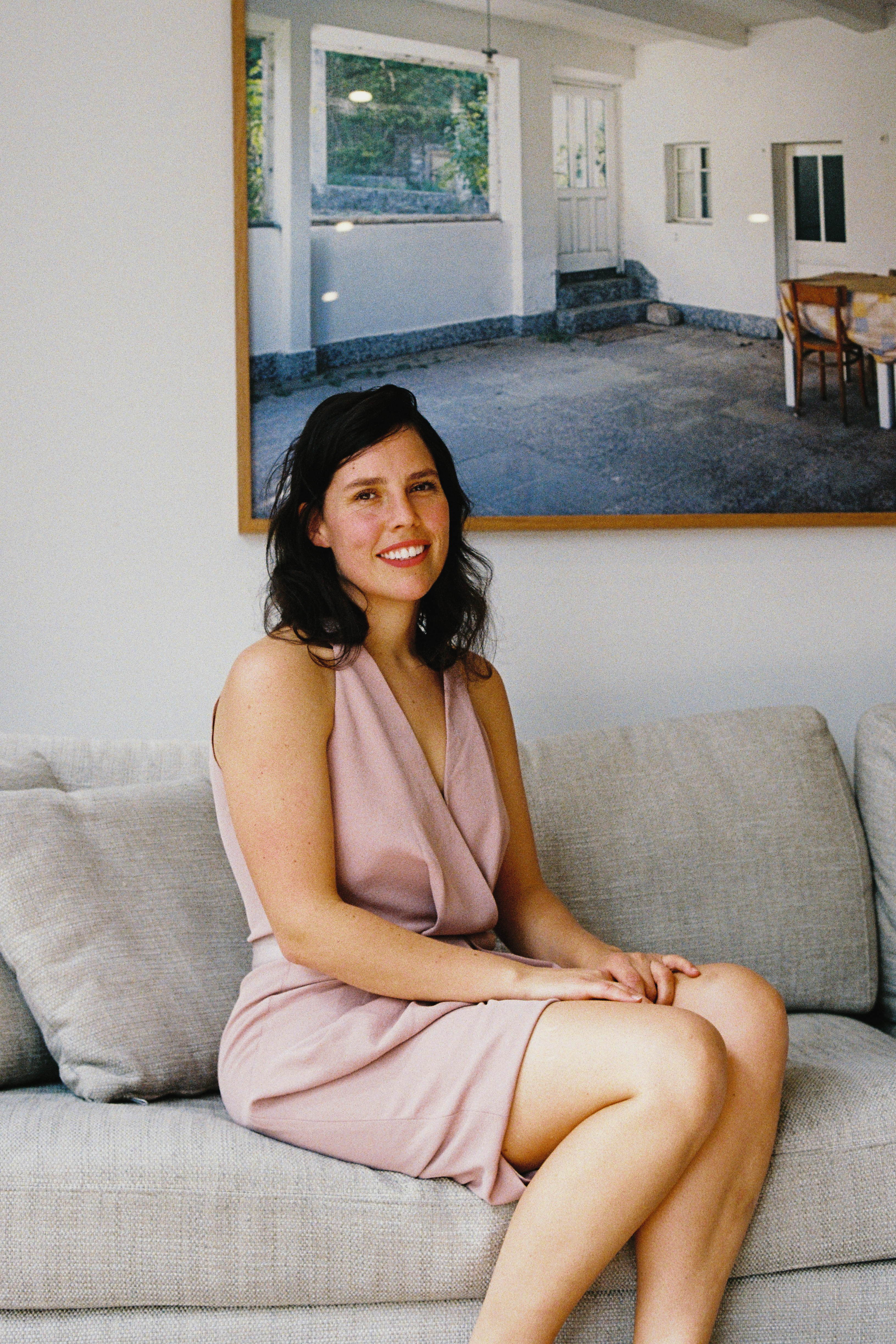
Speaking to nine.com.au, Ms Ross shared how taking a chance and following her passion paid off, proving you don't have to be 'rolling in the riches' to start a business.

"The $50 part started when I started making jewellery. I made a few necklaces and took $50 out of my wages, made a few necklaces, and then sold those and went back and made $200 worth of jewellery," she said.

"I never had investment or money from my parents to start it."

Originally from New Zealand, Ms Ross grew up on a farm in a small town in the city of Dunedin.

Her upbringing was very humble.

"I wasn't very good at school," she said.

"I can't really read, I certainly can't spell and I don't know my timetables.

"I didn't think that I would be anything."

READ MORE: New shopping site uses cutting edge feature to seek out lowest prices

She studied fashion at university and then packed her bags and moved to Melbourne – your typical country girl moving to the 'big smoke' to pursue her fashion dreams – only she did not even have a sewing machine.

"I couldn't afford to bring my sewing machine because I hadn't saved any money," Ms Ross said.

"I finished university and asked my mum for $30,000 to start a fashion label – she said no."

In Melbourne, she worked full-time as a design assistant for a fashion label and that's when her passion project making jewellery took off.

The idea for creating beauty products was born when she was colouring sterling silver with enamel paint, which made her think of nail polish.

By 2012, she had launched six shades of nail polish and had tripled her business revenue in three months.

The secret to her success may have well been having 'zero expectations' stemming from her modest upbringing, which ignited a fire of ambition for her to succeed without any added pressure.

"We were really poor and there was no pressure from (my parents) on me because we were poor," she said.

"We grew up in this pudgy little suburb of Dunedin.

READ MORE: Australia's top 10 richest people revealed

"There wasn't a drive for me to be successful from them. I probably blossomed because I didn't have any of that and I had no expectations of myself because I never thought I would be successful."

Starting a business didn't come without its challenges, Ms Ross laughing as she explained that after two years of shipping nail polish to customers she realised it was against the law to post the goods.

"Once I found out it was illegal, we couldn't do it anymore," she said.

"So I had to do this dangerous goods shipping course and it took me nine months to do it. I essentially did this course that was harder than my degree."

The beauty mogul registered Kester Black – dubbed the world's most ethically-conscious beauty brand – in 2014.

It is the only beauty brand that uses clean ingredients, is certified vegan and cruelty-free, B Corp, carbon-neutral and halal.

Ms Ross's long list of fans includes Elle Macpherson and beauty editors from The New York Times, Grazia, BBC, Nylon, Vogue and Marie Clare, as well as the world's most influential high-end retailers Liberty London (UK), Dover Street Market (France), and Nordiska Kompaniet (Sweden).

"I started this company not to make money, but to change the world and Kester Black is doing just that by raising industry standards for beauty brands," she explained.

"(We) set the trends bigger brands follow. Consumers want to buy great quality products that don't cost the world – both financially and environmentally."

Ms Ross was crowned Telstra Young Business Woman of the Year in 2016, a prestigious award that shined a spotlight onto her business.

READ MORE: How this 26-year-old Aussie created a multi-million dollar business

But from the added recognition came a wave of pressure to grow and succeed – something she feared would suffocate her.

"That really crippled me," she said.

The weight of the pressure had become like a heavy burden of expectation to live up to and as Ms Ross explains, it was exhausting.

"I got advisors that would be like your business is going to be turning over $30 million in two years," she said.

READ MORE: Australia's average salary revealed

"I ended up getting chronic fatigue, so it's been quite difficult to have an ongoing energy problem."

While beauty is often known for its 'glitz and glamour', running a beauty empire is far from the manicured life that first comes to mind.

"About three years ago, for probably like 10 months, every night I would go to bed and cry and have a panic attack and lye awake all night," Ms Ross said.

"There's totally been times where I wanted to give it up and thought why I have done this?

"I could tell you a million stories of me going 'omg what have I done?'"

While beauty has now become her world, she admitted that could not have been further from the truth during her teenage years.

"I was a total tom-boy – I played rugby for 14 years and didn't really have any girlfriends – I had girlfriends but they weren't very girly," she explained.

"It's something I have totally grown a passion for."

Her advice to aspiring business owners and girl bosses: don't be afraid to ask questions in order to grow and stick with it.

"I always reach out to people who I would never think would speak to me," she said.

"I would go in with a set of questions that I wanted to ask.

"It's all about asking questions and get as much information as you can before you decide on what product you want – but then I think you should just go all in."

Mother charged with murder of three young daughters in New Zealand

It was supposed to be a new life in a peaceful, promising country.

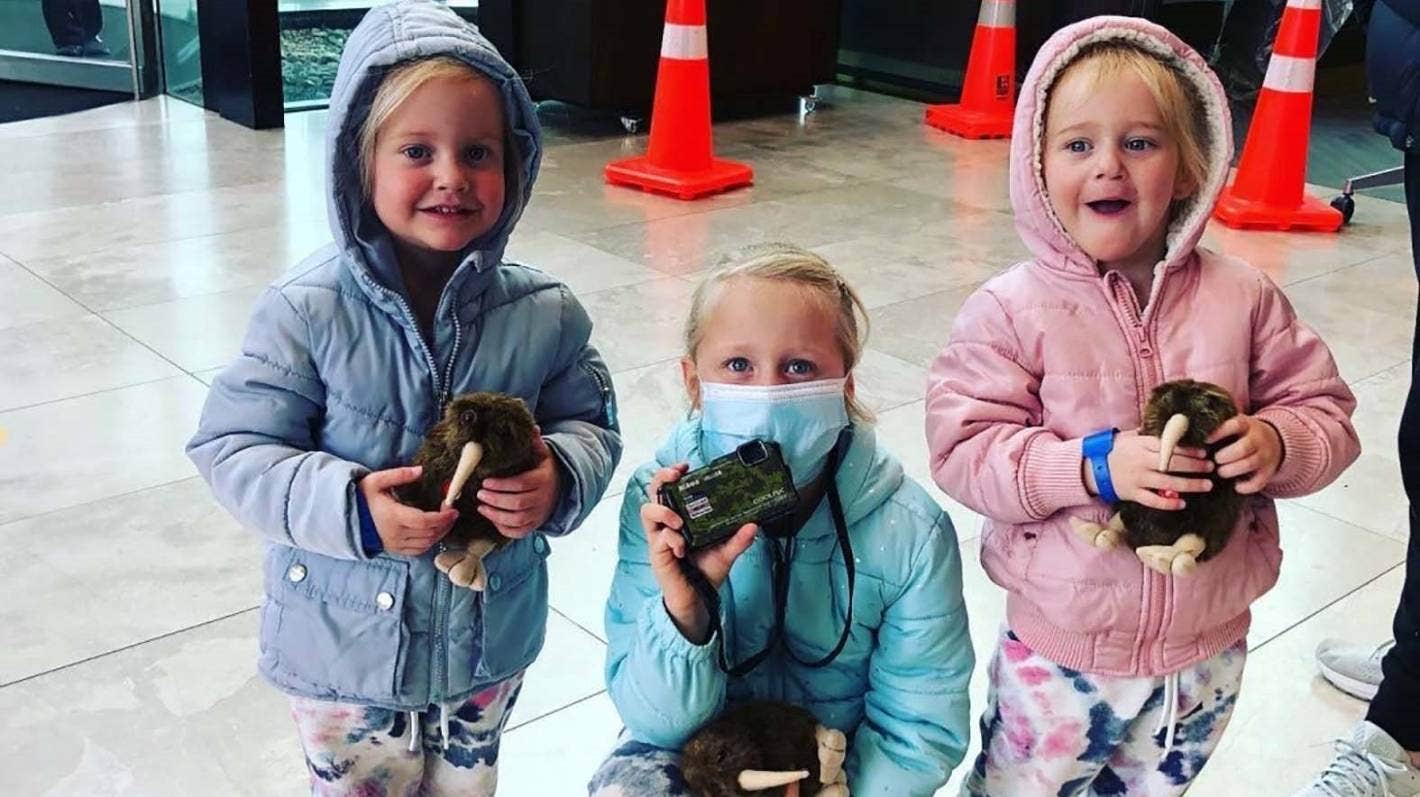
The family landed in New Zealand in late August, a photograph online showing the children clutching little kiwis and with beaming smiles. The image should have been the founding photograph of the family's sojourn in a new country.

They were a seemingly loving, Christian family – a mother and father devoted to each other and their three beautiful girls.

READ MORE: 'We are devastated': Family's grief after doctor finds three daughters dead in New Zealand

Their Facebook life painted a picture of a religious wife who regarded her husband as "a dedicated, fun-loving Dad" who was "unwavering" in his love and provision for his family.

That hopeful life started only a week ago in a pleasant Timaru street, full of blossoming fruit trees, parks, daffodils and sea views.

It imploded tragically on Thursday night.

Graham Dickason, an orthopaedic surgeon, returned to his home in Queen St to the horror of his twin daughters Maya and Karla, 2, and their older sister Liane, 6, dead.

Mr Dickason called for help, and neighbours overheard him screaming and yelling, saying: "Is this really happening?"

He and his wife Lauren, also a doctor, and their children had been in Timaru for just a week after moving from South Africa and leaving managed isolation and quarantine (MIQ).

READ MORE: New Zealand extends suspension of travel bubble with Australia for another eight weeks

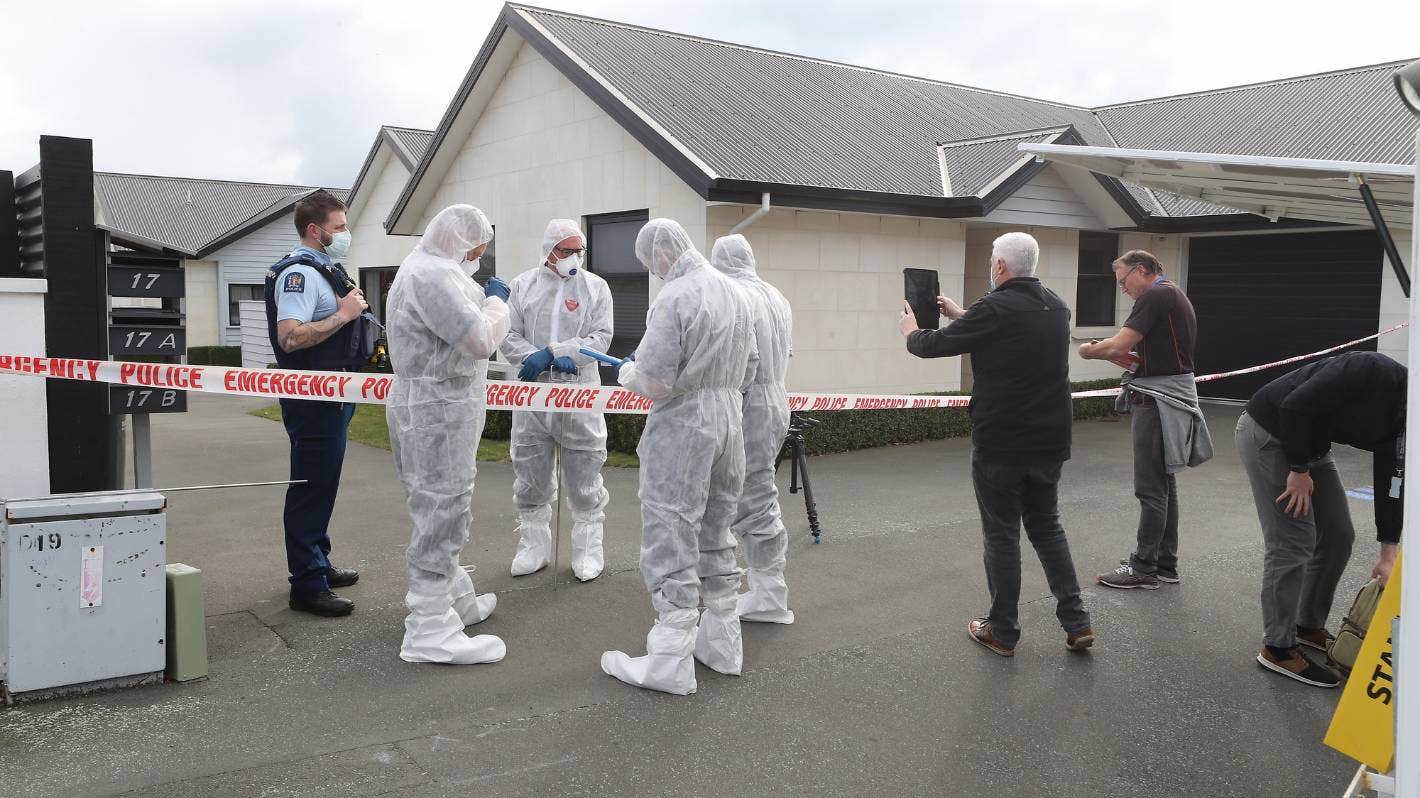
Late on Friday, Lauren Dickason, 40, was charged with murder. She will appear in the Timaru District Court on Saturday.

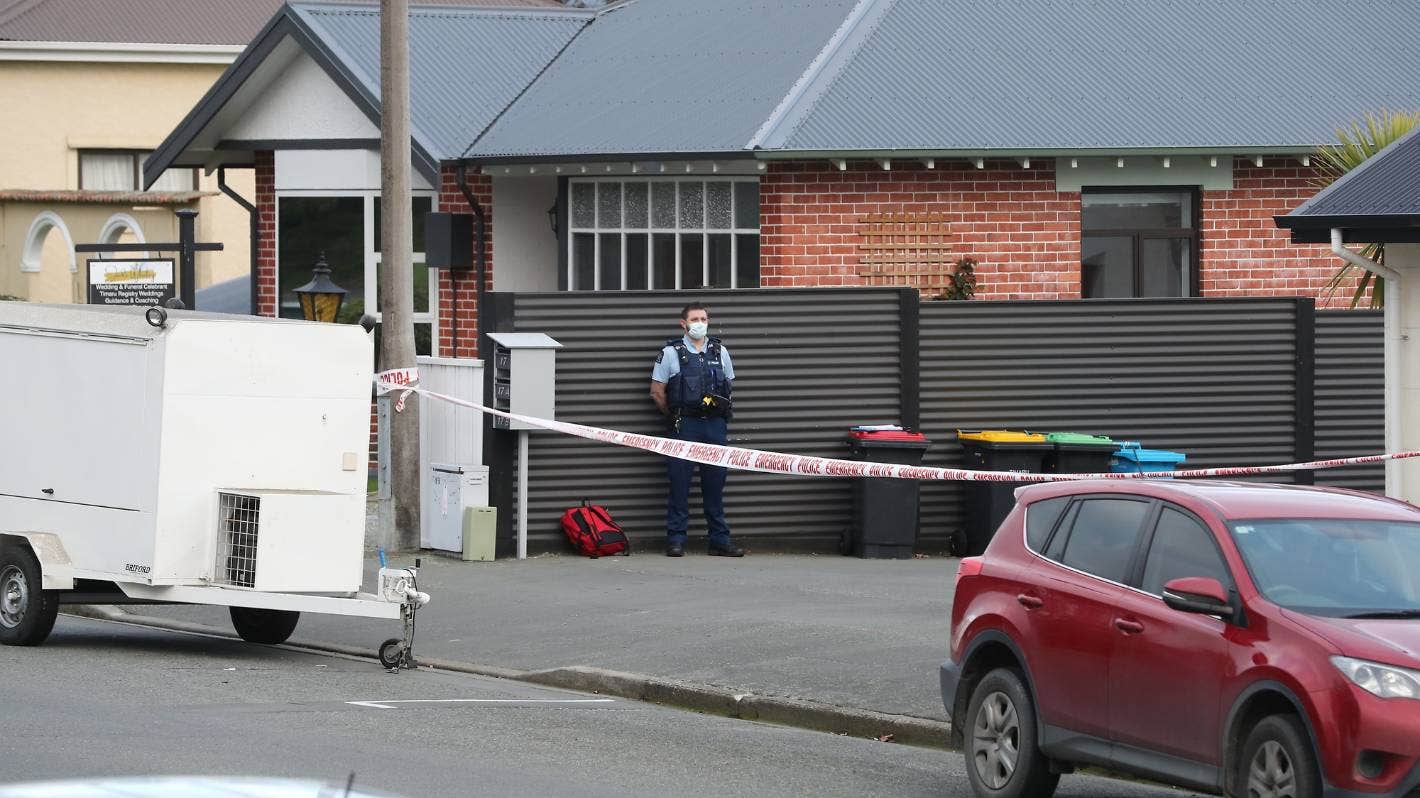
Emergency services arrived at the house shortly after 10pm, but the girls could not be saved.

Detectives have started a homicide inquiry and the suspected killer – a woman – was taken to the nearby Timaru Hospital, where she is in a stable condition.

Speaking to Stuff on Friday from South Africa, Lauren's parents Wendy and Malcolm Fawkes said they were "devastated" to hear of the tragedy.

"The extended families are in a state of shock as we try to understand what happened. We ask for your prayers and support during this very difficult time.

"We would also request privacy as we battle to come to terms with what has happened.

"We would like to thank the staff of Timaru Hospital for their support at this difficult time … and the New Zealand police for their attention to this matter."

Maria Mendy Sibanyoni was the girls' nanny from November 2018 to May 2020.

READ MORE: Viewers baffled after New Zealand camera operator knocked to the ground during live cross

"They were such a good family. I never saw anything wrong in that house – no fighting whatsoever."

Ms Sibanyoni said a South African journalist alerted her to the deaths.

"I was torn apart. I just lost it. Tears and everything.

"I'm just asking myself is this really happening?"

Ms Sibanyoni said Lauren Dickason "loved her kids with all her heart".

She last saw the children in June. The family were excited about their move to New Zealand.

An interim order suppressing publication of the girls' names was briefly put in place by Coroner Marcus Elliott to allow police to contact relatives, but was lifted on Friday evening.

READ MORE: 'Heroic' victim came face-to-face with terrorist as he saved wife

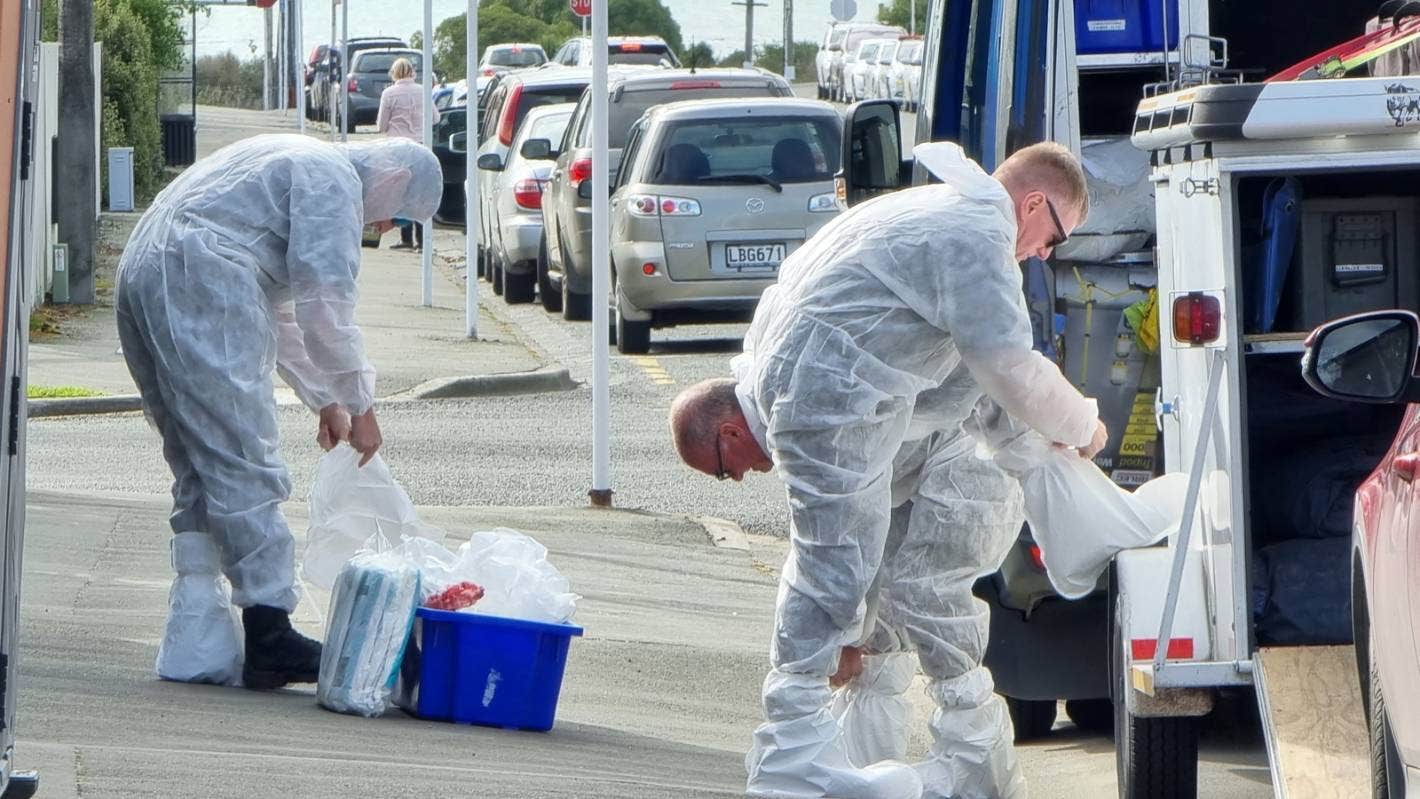
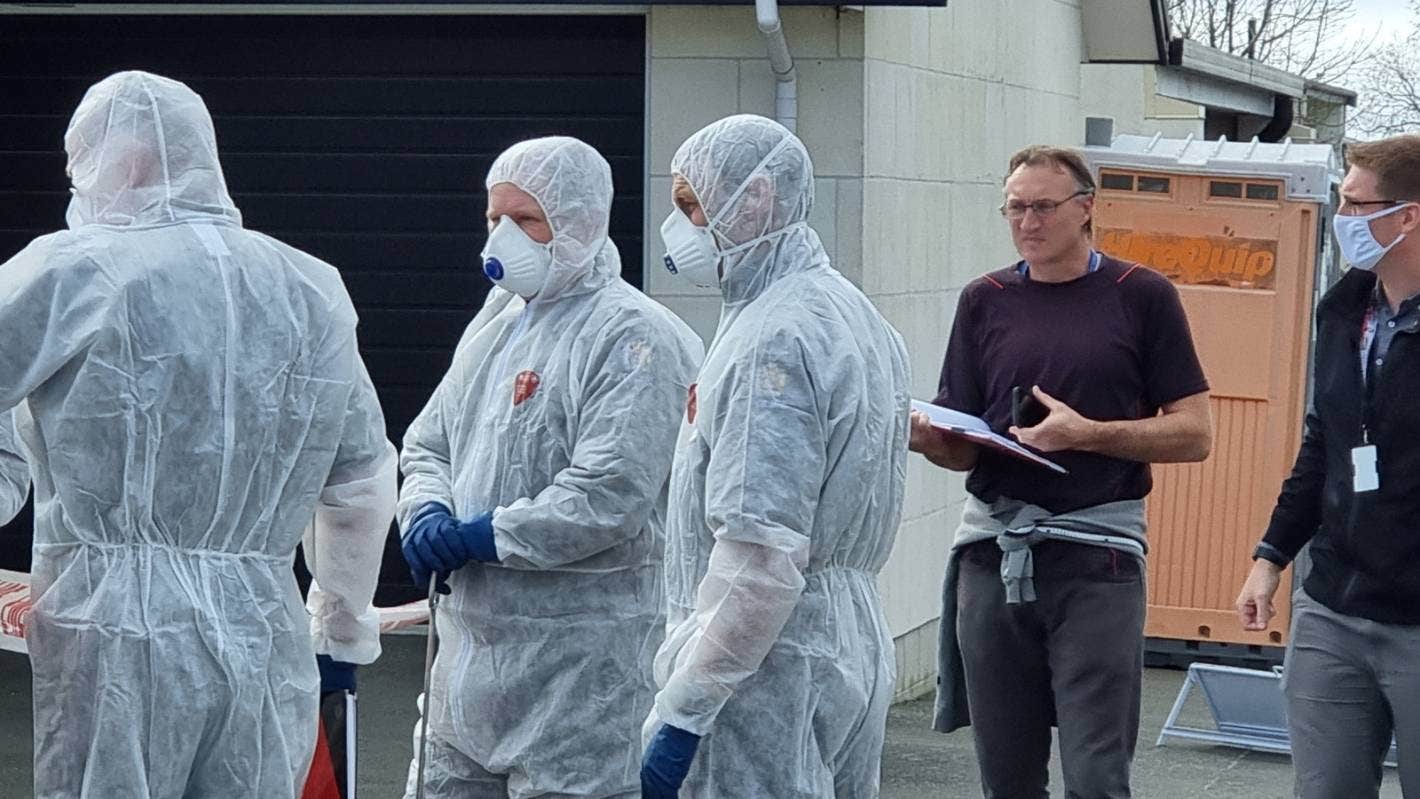
Detective Inspector Scott Anderson said police were speaking with people from the property and no-one else was wanted in connection with the incident.

The property involved is believed to be used as housing for staff at the hospital, which is about 200 metres away. It is one of three Oamaru stone clad houses on a block near the Timaru war memorial and over the road from the Botanic Gardens.

The children's bodies were removed from the house late on Friday afternoon. Flowers were left in tribute nearby, along with a soft toy.

Canterbury's top police officer, district commander Superintendent John Price, said the family's relatives were overseas, and they only had a small network of friends in New Zealand.

Lauren Dickason posted online earlier in September about the family's move to New Zealand, from Pretoria in South Africa.

She asked advice on their move such as suggestions for schools and furniture stores in Timaru. She also said her eldest daughter had had very limited schooling over the past year, with numerous COVID-19 lockdowns in South Africa.

According to their social media profiles, both parents worked at Pretoria East Hospital before coming to New Zealand.

The couple had recently celebrated their 15th wedding anniversary. In a social media post, Lauren Dickason thanked her husband saying: "What an adventure. We have truly created a beautiful family and had many good times together."

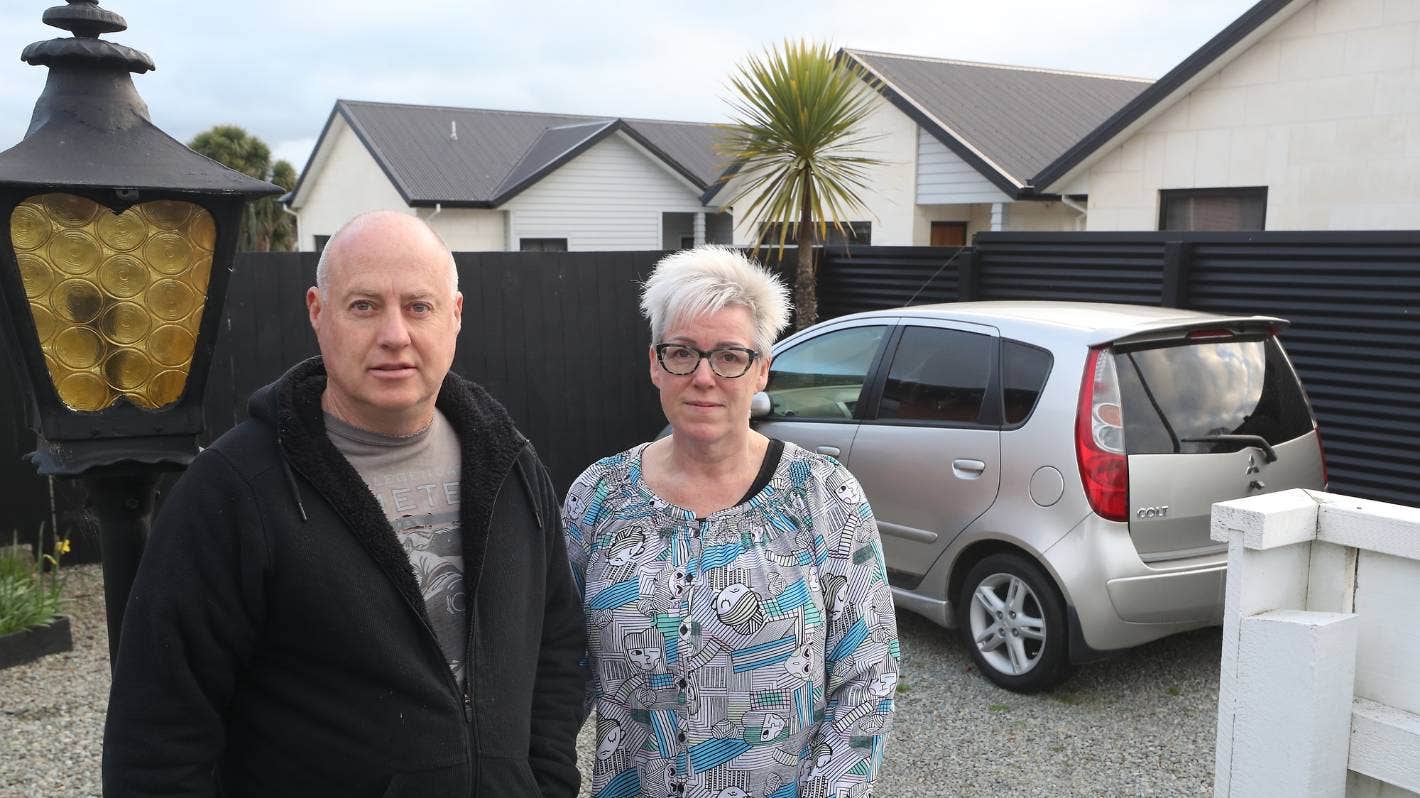
Neighbours Karen and Brad Cowper said they called police just after 10pm on Thursday when they heard a man screaming and crying.

"We asked him if he was OK. He did not respond to us and was screaming and crying hysterically," Karen Cowper told Stuff.

She said they heard the man saying, "Is this really happening?"

Other neighbours, Rob and Jade Whaley, heard sobbing and somebody banging a door 15 minutes before the police arrived at the property, which they said was rented to staff working for the South Canterbury District Health Board.

"The first noise we heard was somebody sobbing, and then we heard a loud thud like someone just slammed a door," Jade Whaley said.

"We could see someone through our fence wandering behind the house and wailing."

The Whaleys said a person who lives in one of the neighbouring units came to check on the noises. They found the person sobbing and called the police.

"The neighbour was trying to calm the person down at the back of the unit."

Later in the night the Whaleys say they saw a woman being helped into an ambulance.

They said they did not know the people who lived there. The units were used to house staff working at the hospital and the tenants "cycled through the units".

According to the Homicide Report, a Stuff data investigation examining why people kill, on average nine children, aged 14 and younger, are the victims of homicide in New Zealand each year.

Before this week, two children were confirmed to have been killed so far this year.

Timaru District mayor Nigel Bowen said he did not know details of the incident but said it was hard on the community, coming just a month after five teenagers were killed in a car crash in Washdyke.

"It's tough for the community. It's time to keep talking to each other and be compassionate. A lot of families will be affected by this."

At least 43 people have died in suspicious or homicidal circumstances in New Zealand so far in 2021.

At the same time last year there had been 48 suspected homicides. Last year's toll closed at 69.

On average there are 67 homicides in New Zealand each year. The rate of 1.3 homicides per 100,000 people is above the OECD median of 0.95 per 100,000.

The Homicide Report's data is provisional and may change depending on the outcome of investigations and court cases.

National Domestic Violence Service: 1800 RESPECT (1800 737 732). If you are in immediate danger call triple zero (000).

Readers seeking support can contact the following organisations:

National Helplines

This story originally appeared on Stuff and has been republished here with permission.

Dispatches from Afghanistan: Should we have known?

Should we have known back then what we know now?

Known ten, fifteen, twenty years ago what we have all learned in the past few months, about the way the fate of Afghanistan would unfold?

Many Afghan army units surrendering, or standing aside, as the Taliban came in from the wilderness and almost walked back into control of the country.

READ MORE: 'Have you seen my daughter?' The hellish aftermath of Ground Zero
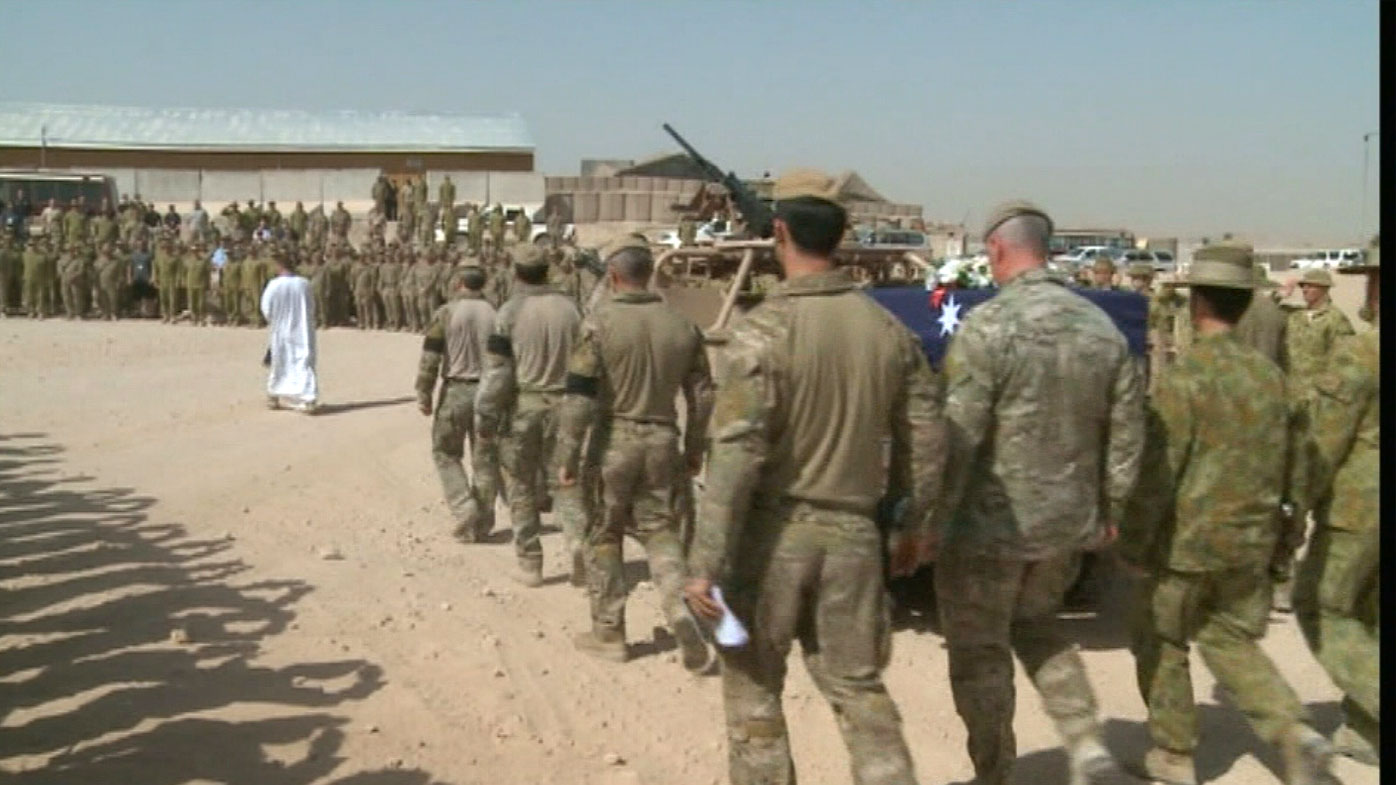
Australia lost 41 troops during the Afghanistan War, and hundreds more bear both physical and mental scars from their service.

During a string of visits to Afghanistan as a TV news producer – with some of Channel 9's finest reporters and cameramen – we were sometimes in a fortified house, protected by Afghan gunmen, with the Australian soldiers at Tarin Kot, or at isolated FOBs (forward operating bases).

It was mostly Australian soldiers and medics and AusAid staff we were focused on, but we were in very close contact with Afghan forces as well.

Whether it was police, soldiers, or local families, I think we all felt a muddle of admiration and scepticism.

With correspondent Mark Burrows and cameraman Richard Moran, we covered national elections, visited polling stations inside Kabul and saw Afghans of all ages, men and women, coming to vote – admiring their courage.

The Taliban reportedly threatened to mutilate with knife or bolt-cutters the hand of those who voted, indicated by tell-tale ink on their index finger.
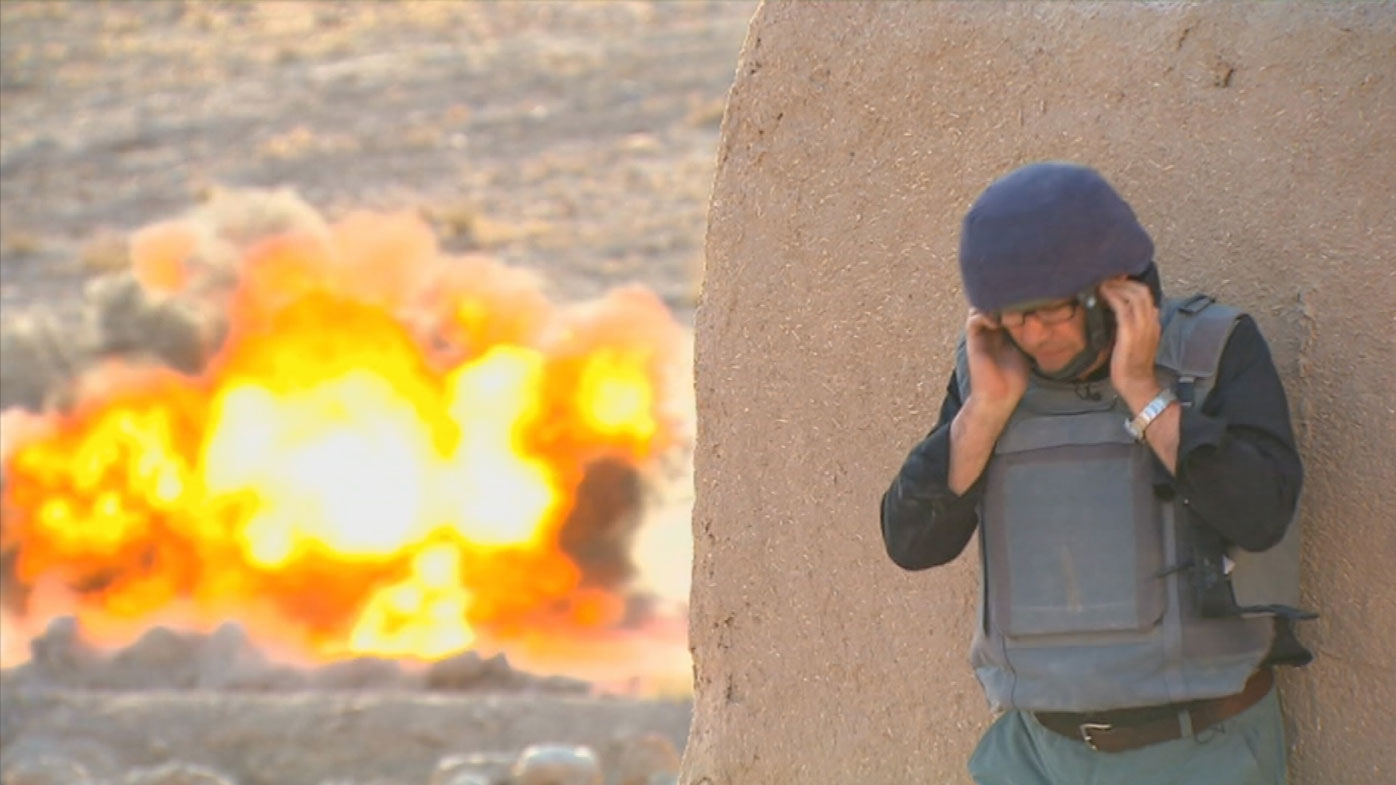
Nine's Mark Burrows reacts to an IED going off in a controlled explosion in Afghanistan.

But what were they voting for? Some vision of western democracy?

Was it for women's equality and education? Was it for freedom from religious extremism, or freedom to elect their own leaders?

Whatever the motivation, little of it seemed to count when the Afghan national army was asked to stand and fight.

To hold strong bases built by Americans, the British, Australians, Dutch and Canadians.

To use the battle training, to utilise the hundreds of armoured vehicles gifted to their army.

What happened in those final weeks?

Historians, soldiers and politicians will – now and for years to come – try to unravel and decipher that question.

So will the Australian men and women who served there, and the families of those who were killed, wounded, or left suffering from the trauma and stress.

"Why?" has been the question at the end of every war.
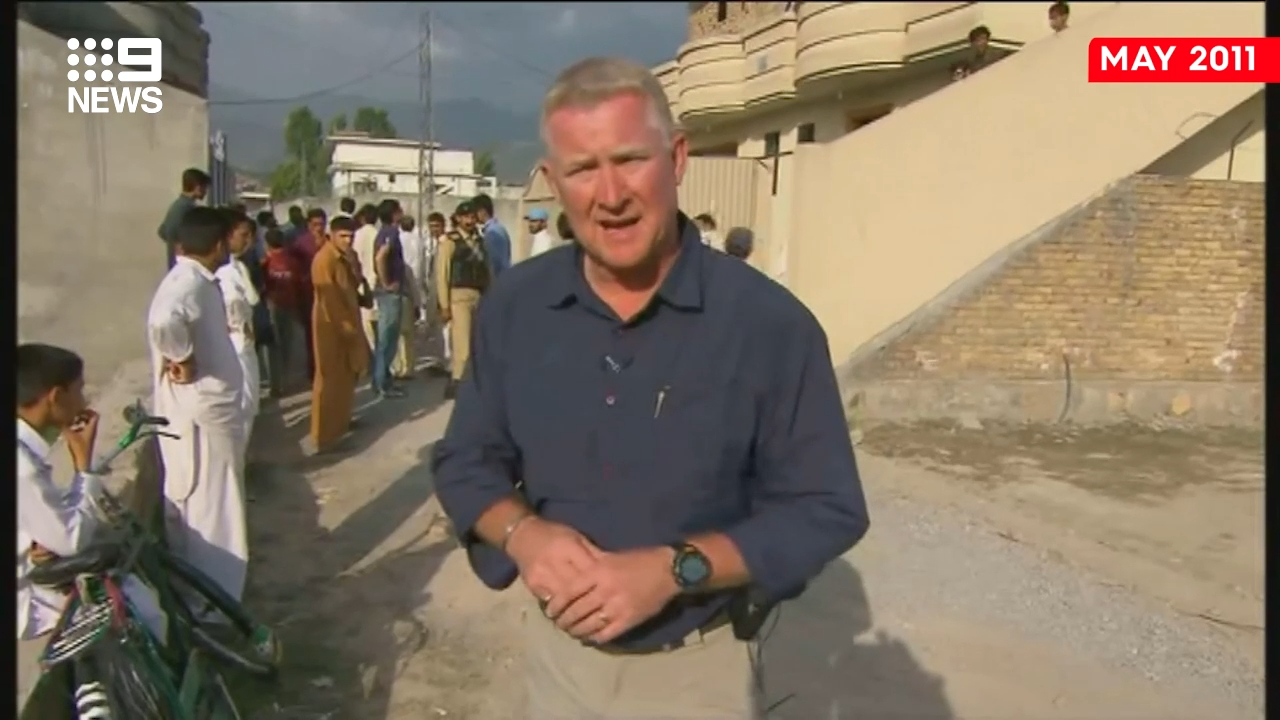
Simon Bouda outside Osama Bin Laden's compound

Nine sent reporters like Mark Burrows, Darren Curtis, Brett McLeod, Michael Best, cameramen like Ben Williamson, Greg Martini, James Gillies, and repeatedly, Howie Bennett.

All of us were fascinated by the amazing backdrop to the war – Afghanistan's dramatic landscape of mountains, deserts, green river valleys.

As I tagged along with our reporters, I wrote a string of pieces for 9News.com.au.

Not much of it was directed at untangling the big picture – it was meant to be a little slide show of what the Australians were doing.

For every soldier who pulled the trigger, there was one who drove a truck, built a school or healed an Afghan kid.

I just wrote some of their stories and hope, if you read some of them again now, you will get an idea of what those Australians went through.

You can look back at Wes's Afghanistan diary here
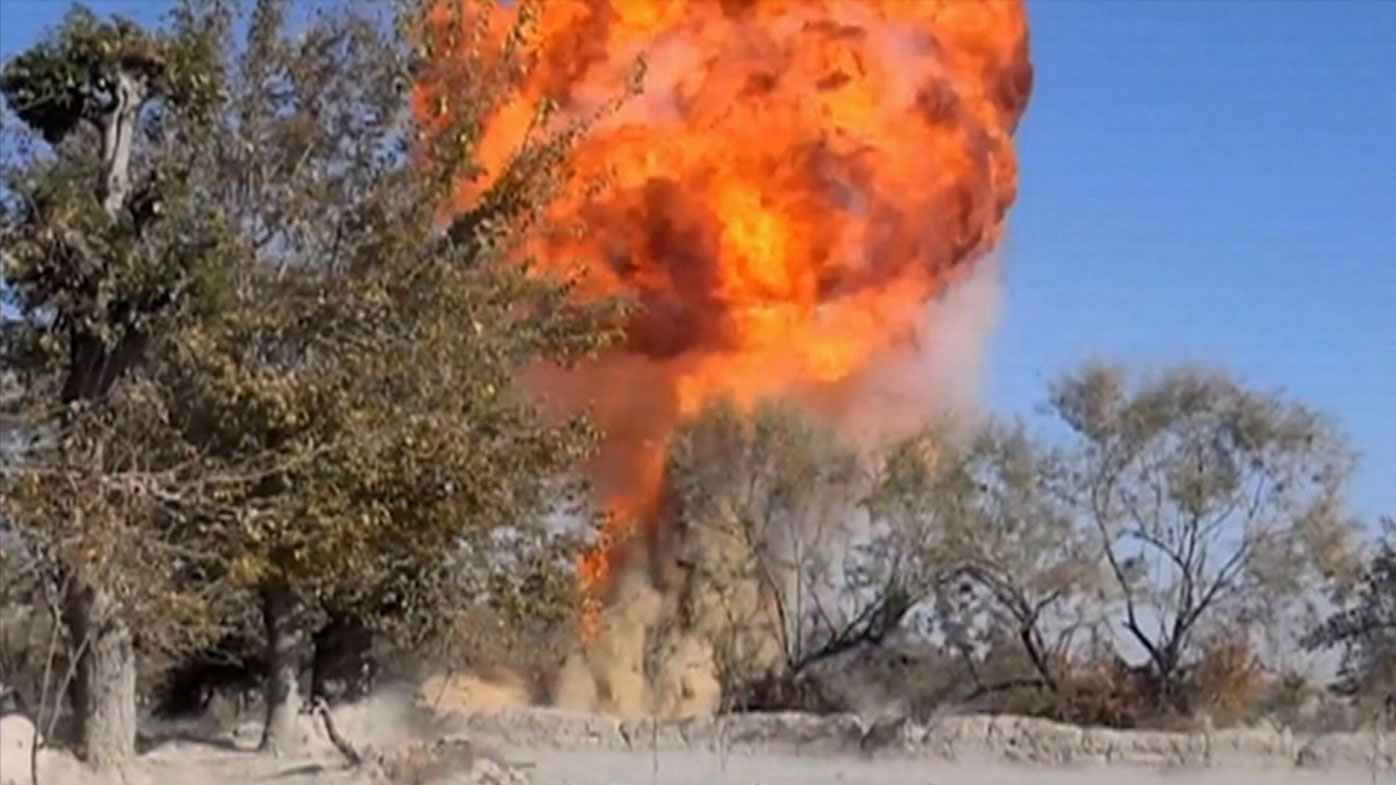
Improvised Explosive Devices were insidious and caused devastating injuries and many deaths.

Below is my final dispatch from Afghanistan, written May 2009

I've saved the worst for last.

Our time with the Australian Army in Afghanistan is mostly sweat and fears.

But there is also a time of blood and tears.

It takes a little telling.

A few weeks ago, we met an Australian medical team just arriving for duty at the giant base at Kandahar.

The American-run hospital is a "Role 3, for the worst cases, soldiers who've been critically wounded by bullets or bomb blasts.

Meeting the eight Australians (mostly reservists, taking time out from private practice) a few weeks later, they were a very sober group.

Their orientation at the hospital on day one escalated from a worthy speech of welcome — and the inevitable power-points — to a baptism of blood, in just a few minutes, with a mass casualty alert.

They helped where they could but were almost speechless as they watched the Yanks swing into action – an efficiency learned the hardest of ways – too much practice fighting to save the lives of the broken, bleeding sons and brothers and husbands that come into their hands.
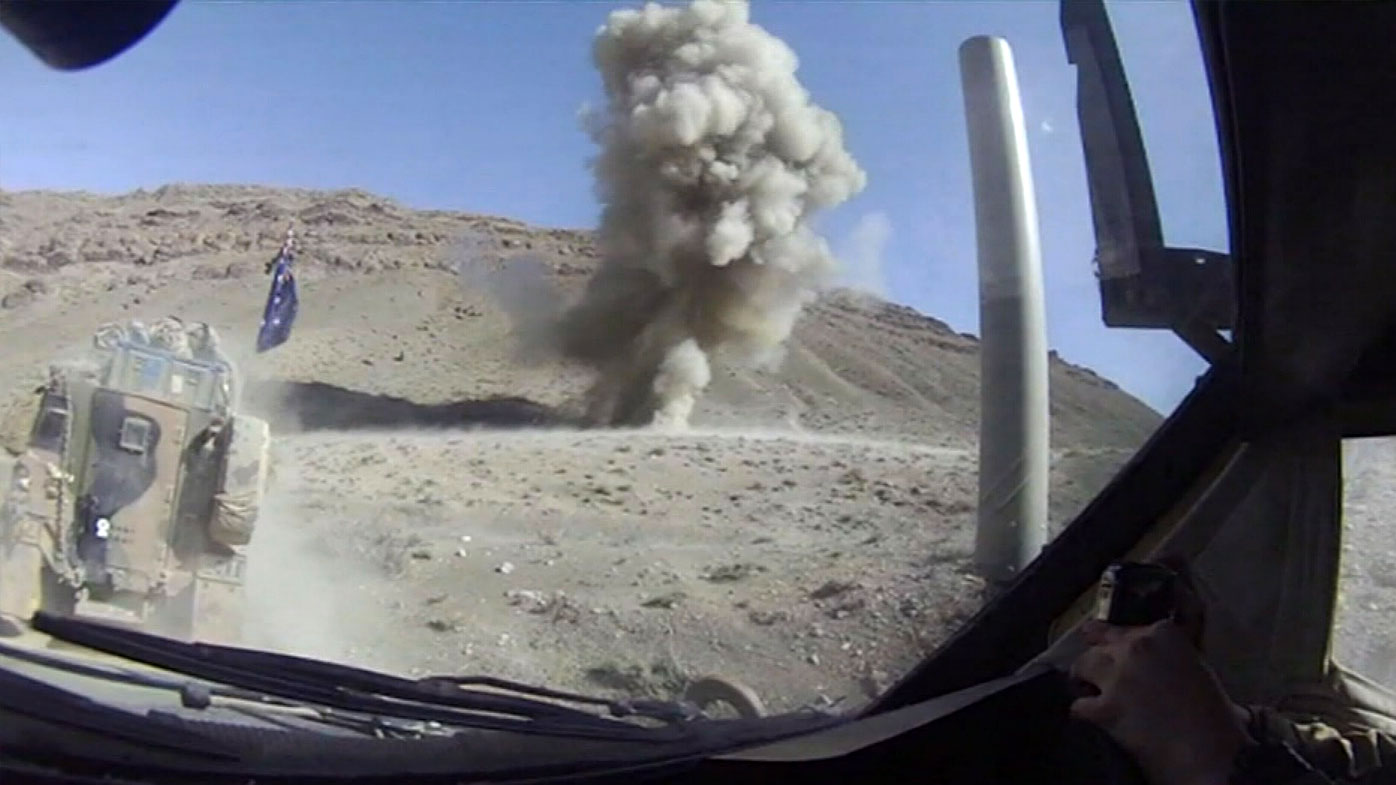
Roadside bombs are all over Afghanistan, and they can maim or kill.

And what beautiful hands they are; cutting, sawing, probing, bandaging – their rubber gloves washed in red. Beautiful, just the same.

We went to the hospital to catch up with the Australians — they're from Brisbane, Sydney, Lord Howe Island, and Darwin.

They're killing time with their American counterparts, joking and chatting around the triage area of the emergency trauma ward. There's no work just now.

Each trauma bay is still. The curtains pulled back, caramel-brown sheets on the operating tables, bandages stacked. Waiting … it's hard to imagine how such clinical tidiness could be so easily and quickly transformed.

The topic — and the currency of trade here — is the Tim Tam, Americans love them. No wonder. They have something (made by the American Girl Scouts) called Peanut Butter Cremes and God bless those little Scouts, but honey, they're ghastly.

An hour later, everything has changed. American soldiers have been caught by an IED. And the work begins.
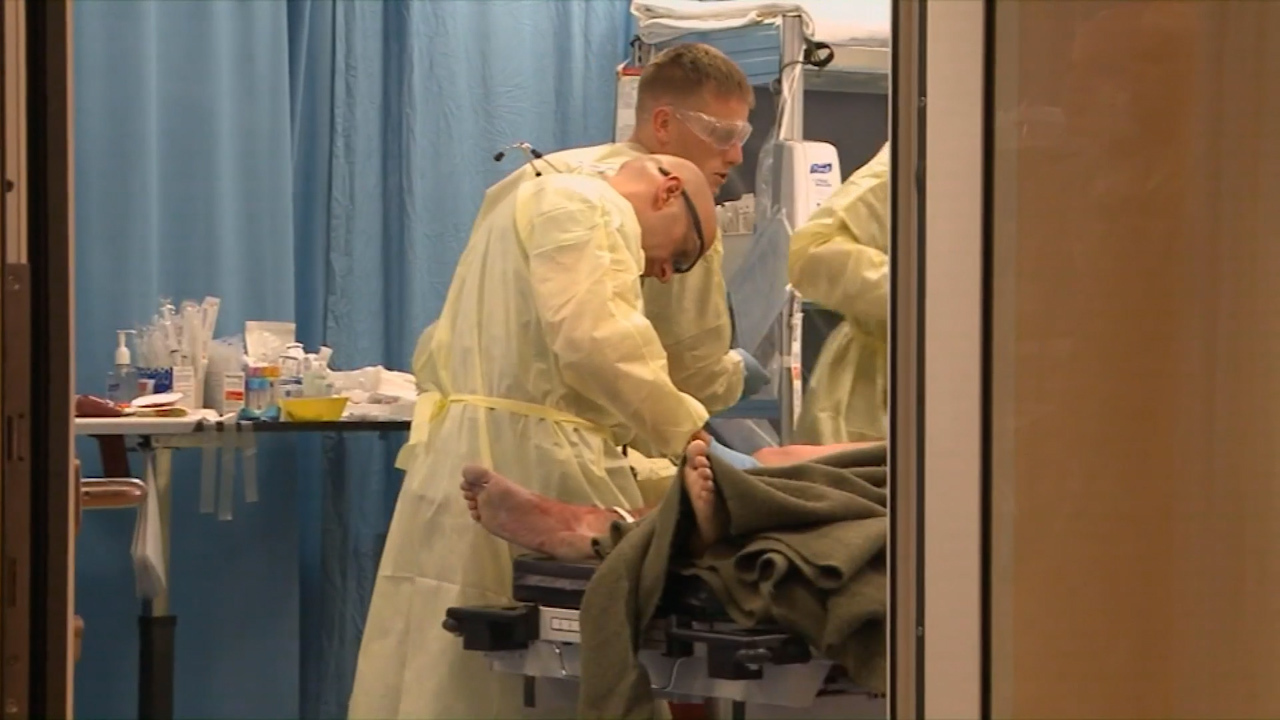
An Australian medical team worked with Americans at the hospital on the base at Kandahar, with soldiers critically wounded by bullets or bomb blasts.

We've seen, over the past couple of weeks, the close bond here between Australians and the Americans.

The "star-spangled banner" side by side with our flag above a lonely patrol base, surrounded by desert mountains. Australian Chinooks flying missions with American troops on board.

It's not a surge of flaky patriotism or an act of condoning the war. This is nothing about Canberra and Washington, it's about the men and women together, on the ground.

In the trauma emergency ward, the bond is at its best – there are Australian and American flags on the sleeves of all the doctors and nurses.

The Americans have a larger US flag on top, the Aussie colours — a little smaller — underneath.

Our docs and nurses have it the other way around.

Just a little sign of solidarity.

But for every moment of comradeship, and battle-glory, there is a price paid in horror.

The first bomb-blast victims are treated and rushed, by order of need, to surgery. But far worse will come within the hour.

Janine Gregson put her life on hold to come here.

She's a Navy reservist — a Lieutenant Commander — and has previously been deployed to Bougaineville, East Timor and Banda Aceh.

Janine is quiet and professional when talking about what unfolds in the emergency department.
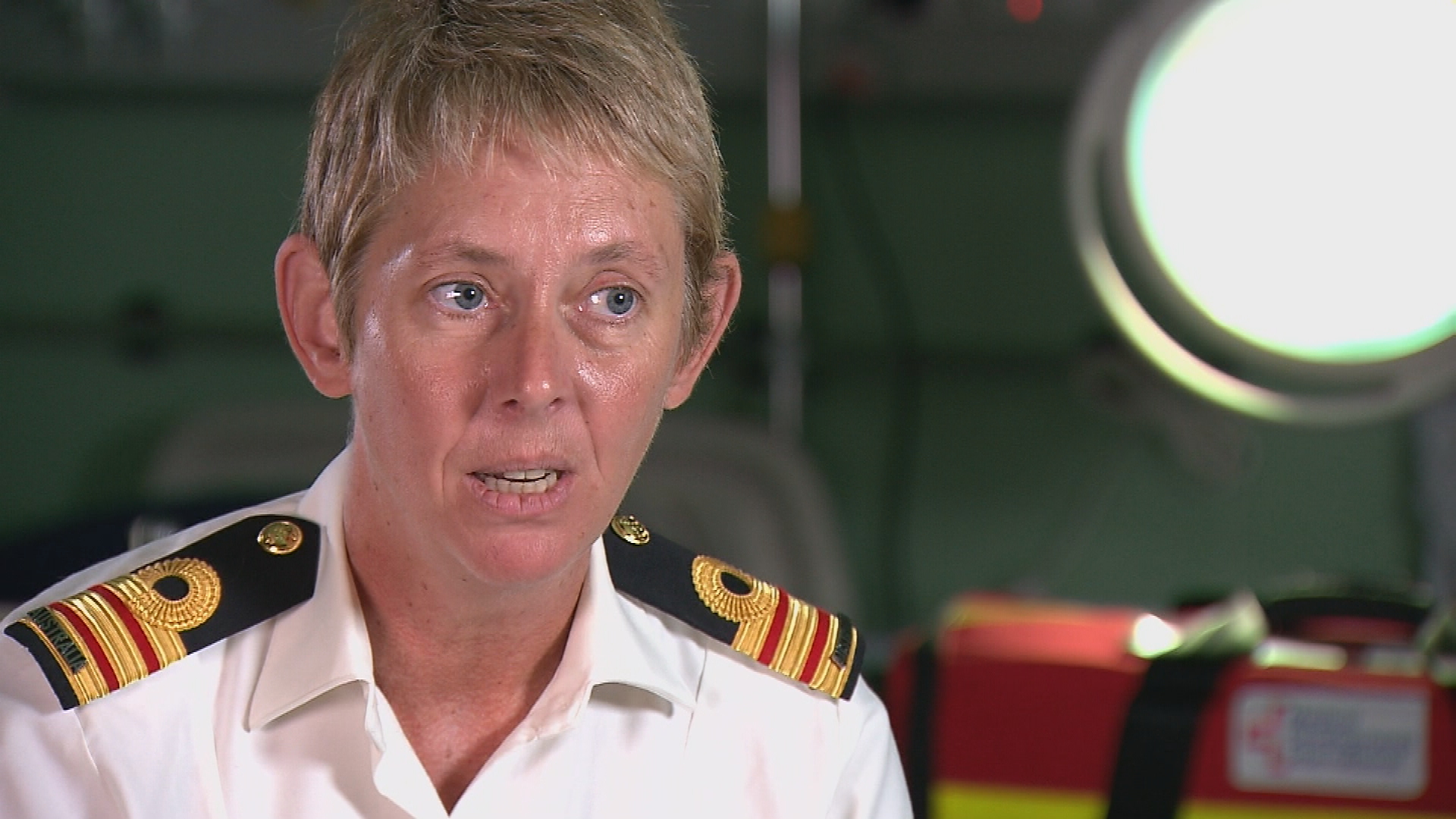
Janine Gregson was a Navy reservist, a Lieutenant Commander, when in Afghanistan and was previously deployed to Bougaineville, East Timor and Banda Aceh.

But she told friends before she left Australia, "keep an eye on me when I come home later this year", "tell me if I seem a little unusual." That's her private litmus test for how much this might affect her. Because this work simply must affect the men and women who are brave enough to do it.

To cut and saw, to probe, then bandage the wounds and stumps of arms and legs now missing.

Janine reflects on the "young boys" as she calls them, waking to find how terribly their bodies have changed forever. Making the trip home to heartbroken families.

A suicide bombing in Tarin Kot (north of Kandahar, 40 minutes by chopper) will test the trauma department to the limit. A group of American soldiers smashed apart by the blast.

The victims are airlifted to Kandahar, and soon every table is occupied, the medical teams fighting to save lives. They save eight, lose one.

"Saving" is a word that can be relative. One victim, we hear later, lost both arms and both legs.

But they don't play God on the operating table – they save whatever life there is left in some of these shattered bodies.

We've watched the Australian medical team leave, with a wave, for their shift at the hospital.

And come wearily back to their quarters eight, 10, 16 hours later.

They are surely among the best, at dealing with the worst Afghanistan can offer.