It’s now been a week since a tipster alerted police that two people broke Auckland’s strict Covid-19 lockdown rules, travelling to their Wānaka bolthole, but police are yet to lay charges.During that same time, other high-profile…
Tag Archives: oceania
Covid 19 Delta outbreak: 11 new community cases today; transtasman bubble paused for 8 more weeks
COVID LATEST* The 90% Project – how we can save lives and get back to freedom * ‘Test immediately’ – Businesses outside of Auckland linked to Covid case * Third emergency flight from Australia announced * Should I get vaccinated?…
SpaceX mission reveals incredible photos as civilian crew orbit Earth
Incredible images from SpaceX have revealed the unique perspective four civilians are having of planet Earth as they take part in an historic mission in space.
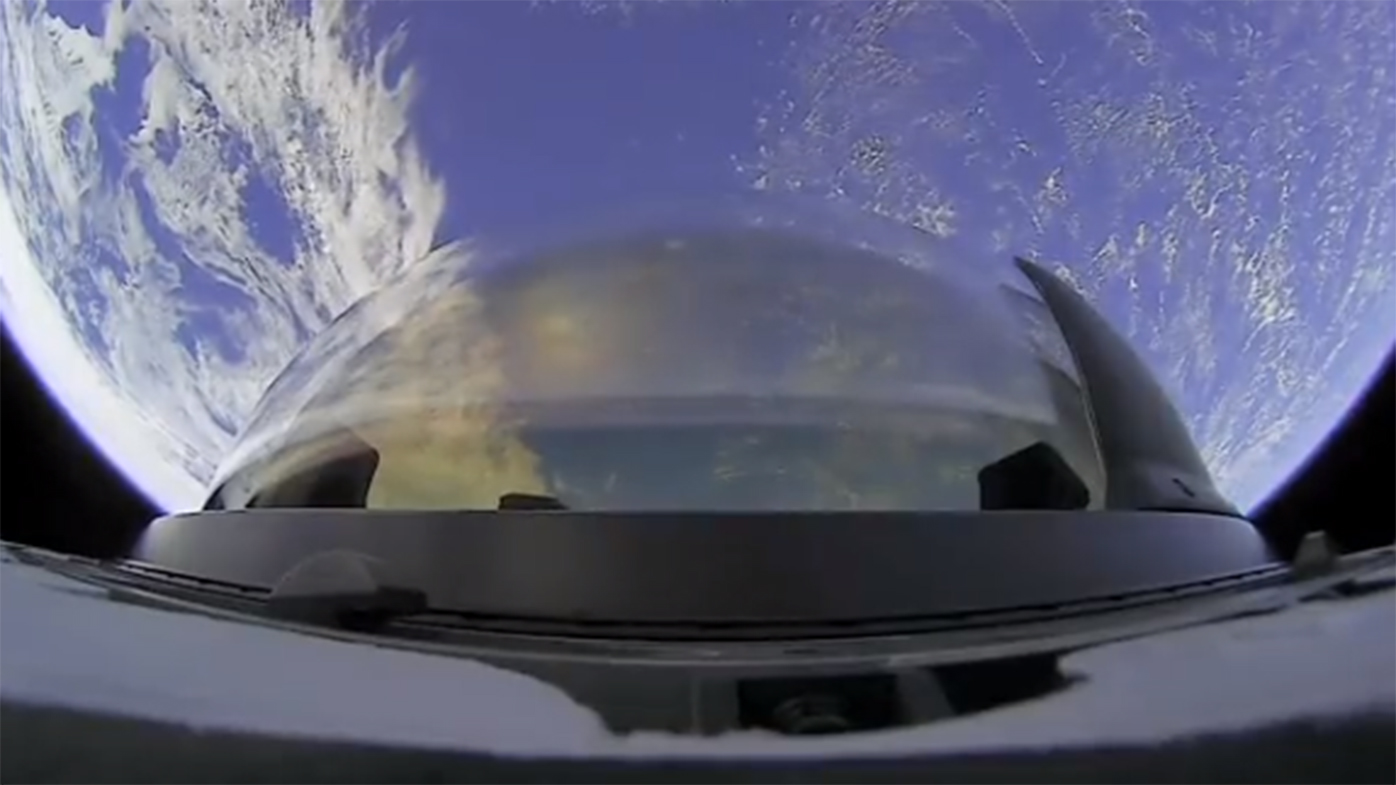
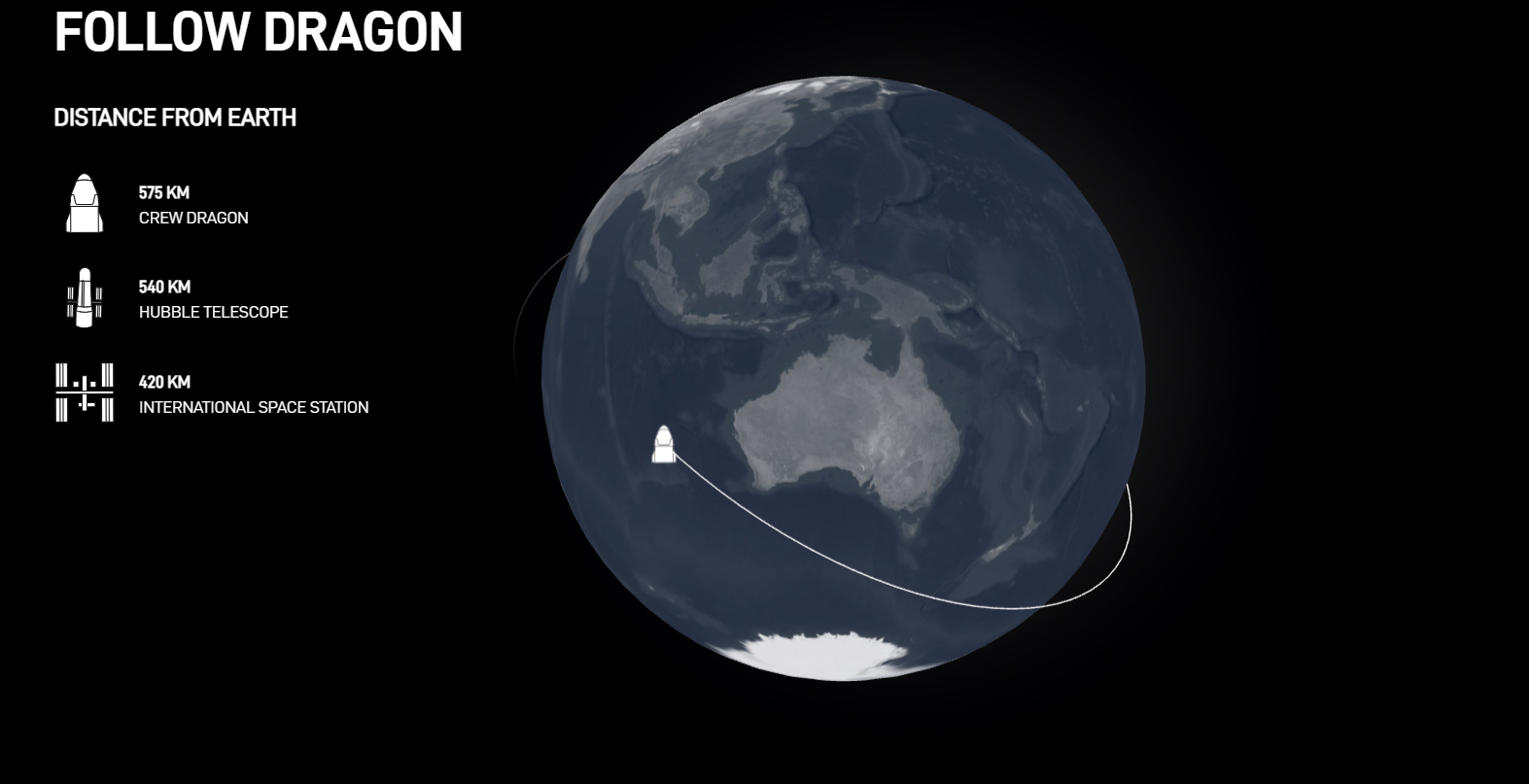
The crew on board the Dragon spacecraft mission – known as Inspiration4 – are currently flying 575 kilometres from Earth.
Tracking maps show the journey as the Inspiration4 crew orbits Earth approximately every 90 minutes.
READ MORE: First space flight launches carrying tourists, not astronauts, on board
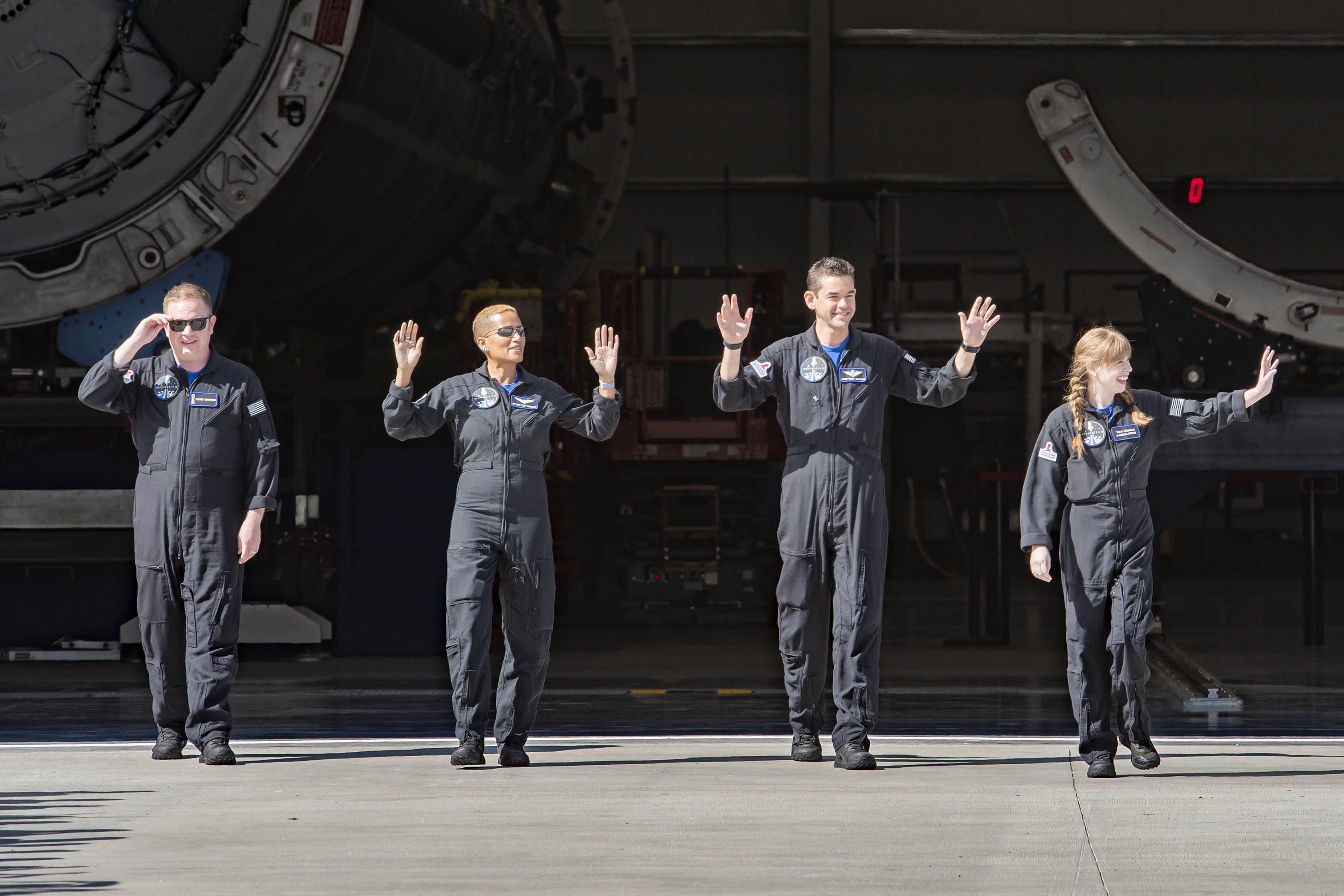
Inspiration4 is commanded by Jared Isaacman, an accomplished pilot and adventurer.
Also on board are medical officer Hayley Arceneaux, a physician assistant at St Jude Children's Research Hospital and paediatric cancer survivor; mission specialist Chris Sembroski, an Air Force veteran and aerospace data engineer; and mission pilot Dr Sian Proctor, a geoscientist, entrepreneur, and trained pilot.
None of the crew are trained astronauts.
Earlier today SpaceX gave an update on the flight saying the "crew is healthy, happy, and resting comfortably".
READ MORE: Australia could send humans into space by 2030
"Before the crew went to bed, they travelled 5.5 times around Earth, completed their first round of scientific research, and enjoyed a couple of meals," SpaceX said in a tweet.
They also got a first look outside of Dragon's cupola, revealing a stunning view of the Earth below.
And in a special treat for patients at St Jude, the crew took part in a question and answer session – from space.

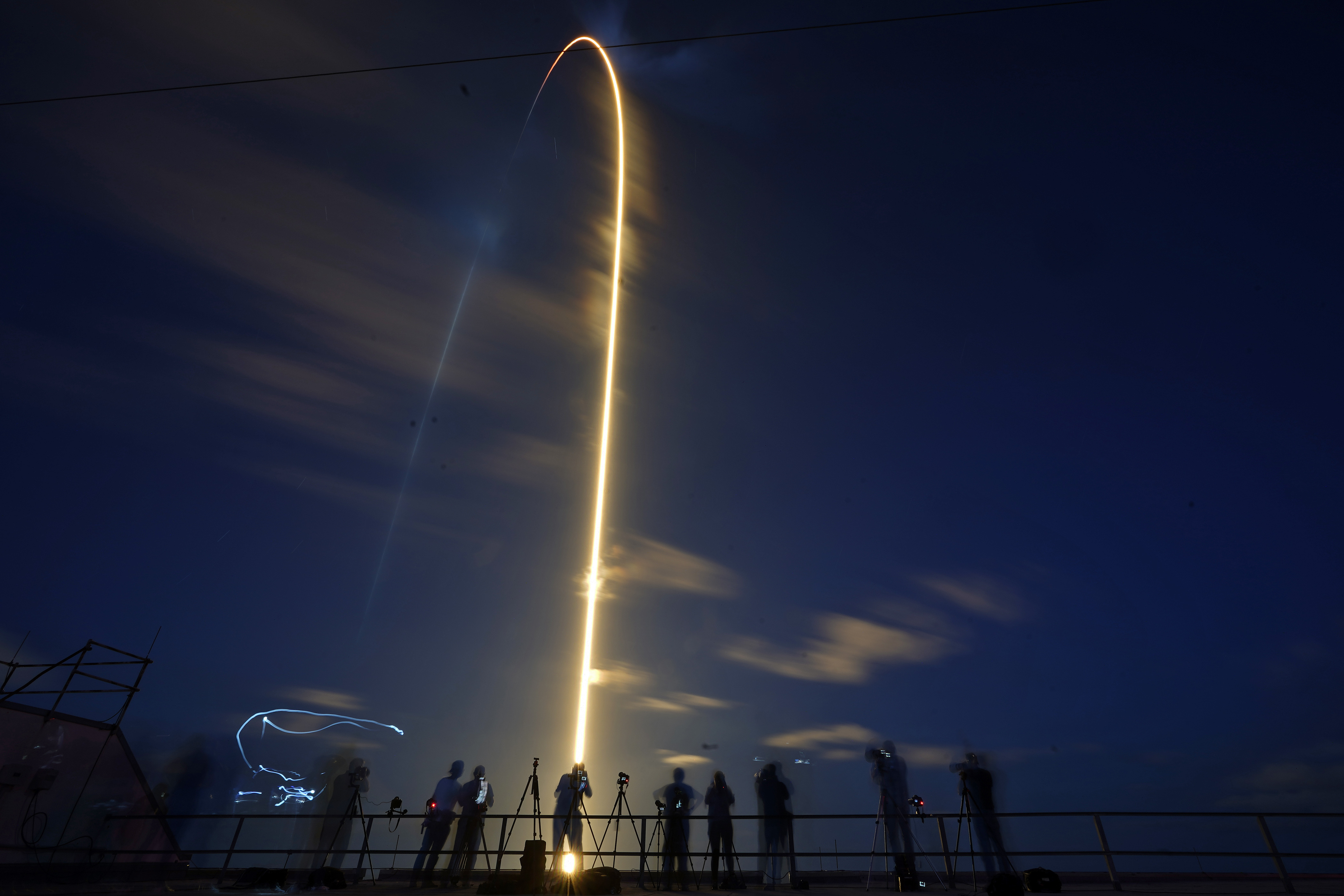
The mission blasted off from NASA's Kennedy Space Centre in Florida yesterday morning.
After reaching orbital speeds — more than 27,000km/h — the capsule carrying the four passengers detached from the rocket and began to manoeuvre toward its intended orbit.
For the next three days, the passengers will float around the capsule as it circles around the planet once every 90 minutes.
The spacecraft will dive back into the atmosphere for a fiery re-entry and splash down off the coast of Florida.
Splashdown is currently slated for Sunday morning, but that could change if weather or other issues prompt an earlier or later return.
The capsule is stocked with enough food and supplies for about a week.
The Crew Dragon spacecraft will reach an altitude of 575 kilometres, slightly higher where the Hubble Space Telescope currently sits.
A seat on board reportedly cost about $75 million, even though the exact figures have not been released.
Scott Morrison laughs off 'that fellow Down Under' slip from US President
Prime Minister Scott Morrison has this morning laughed off the US President appearing to forget his name during the announcement of an historic military pact.
In the historic announcement of a new trilateral military and technology-sharing agreement between Australia, the US and the UK yesterday, President Joe Biden referred to Mr Morrison as "that fellow Down Under, thank you very much pal".
Social media users suggested the stumble came about because Mr Biden forgot Mr Morrison's name. Watch the video above and judge for yourself.
LIVE UPDATES: Man who allegedly breached COVID-19 travel ban tested positive
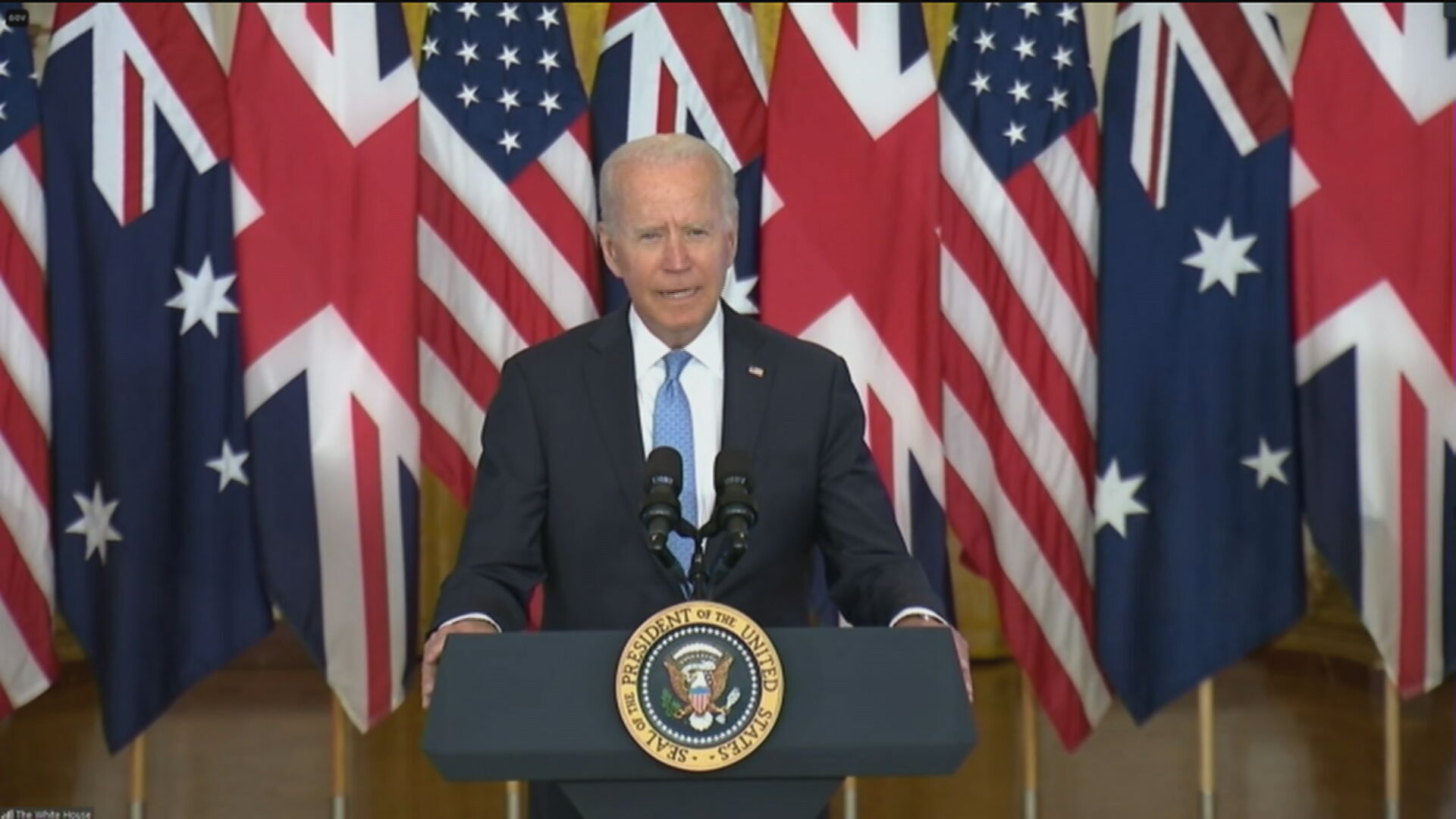
But speaking about the apparent gaffe on Today this morning, Mr Morrison said he "didn't pay much attention to it".
"I mean these things happen," Mr Morrison said.
"They happen frequently, from time to time you know – I've been known to let the odd name slip my memory, that's pretty normal in our line of work I have to be honest."
The Prime Minister said he didn't take offence to Mr Biden's slip.
"We've got a great working relationship (and) the proof of that is in the pudding," he said.
"A few months ago people gave me a whack about the relationship, the three of us met together, it goes to show there are lots of people always prepared to have a whack.
"They don't always know what is going on."
Mr Biden's statement followed Mr Morrison's and UK Prime Minister Boris Johnson's yesterday.
"Thank you Boris," Mr Biden began.
"And I want to thank – that fellow Down Under. Thank you, Mr Prime Minister. Appreciate it, pal."
Mr Biden went on to laud the strength and importance of the long-standing alliance between the three countries, and towards the end of his remarks did refer to "Mr Morrison" by name.
Mr Morrison's predecessor in office, Malcolm Turnbull, had his name mangled by the White House, in his case by the administration of Mr Biden's predecessor, Donald Trump.
READ MORE: Top US officer feared Trump could order China strike, book suggests
Mr Turnbull's first phone call with Mr Trump in 2017 was a tense affair, with the new US President lashing Mr Turnbull over a refugee resettlement deal brokered with previous US commander-in-chief Barack Obama.
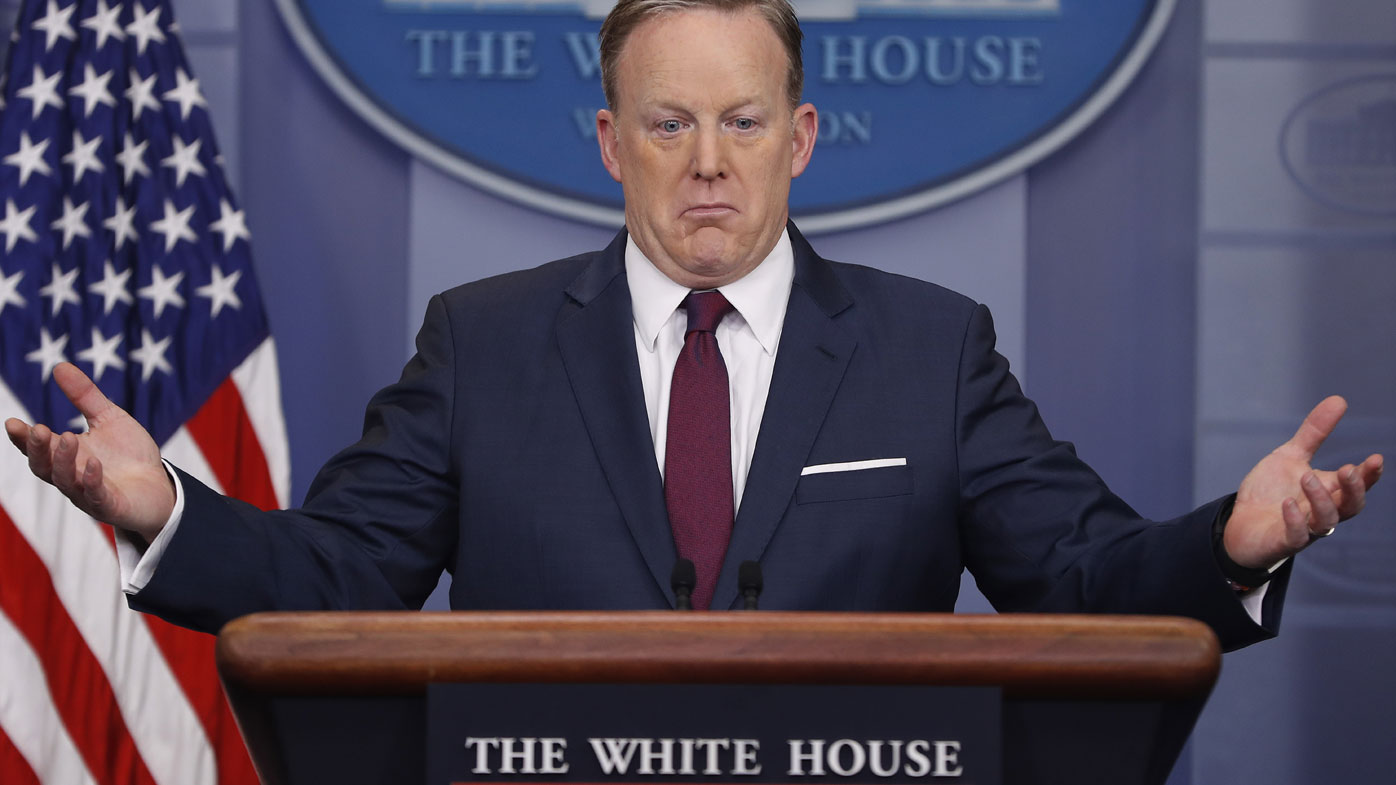
At a later press conference after the content of the call was revealed, White House press secretary Sean Spicer repeatedly referred to Mr Turnbull as "Trunbull" and "Trumbull".
Even Queen Elizabeth II has not been spared, with then-President George W Bush in 2007 infamously misspeaking that she had attended the US bicentennial in "1776" – inadvertently adding 200 years to the age of both the US, and the Queen.
"She gave me a look that only a mother could give a child," Mr Bush said after realising his gaffe.
READ MORE: 'No doubt we will be hearing from China and no doubt China will be outraged'
Satellite images reveal North Korea expanding nuclear facility
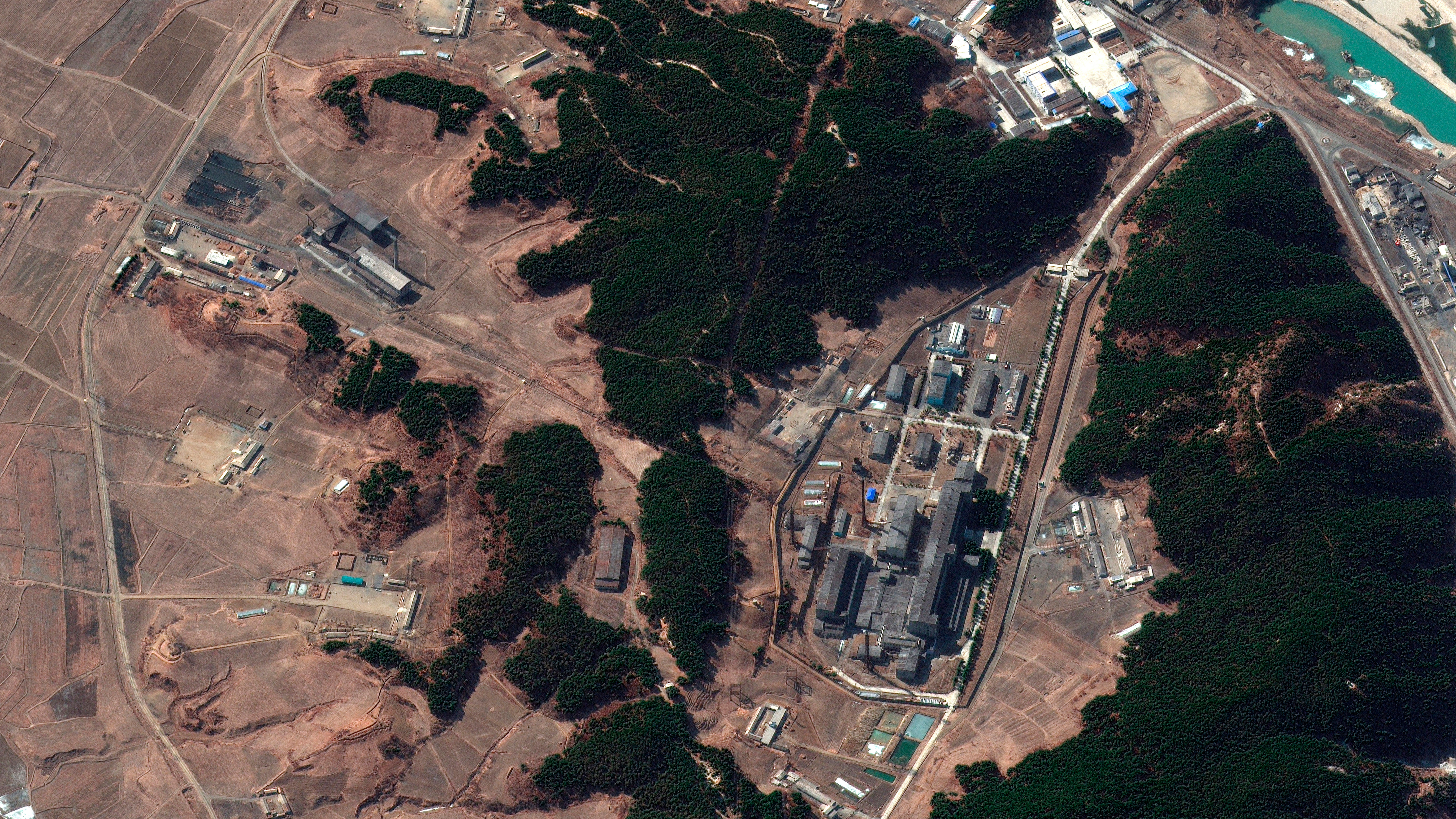
New satellite images obtained by CNN reveal North Korea is expanding a key facility capable of enriching uranium for nuclear weapons, renovations that likely indicate the country plans to significantly ramp-up production at this once-dormant site in the near future, according to experts who analysed the photos.
Images captured by commercial imaging company Maxar earlier this week show construction is underway at a uranium enrichment plant located within the Yongbyon Nuclear Research Facility complex — changes that could allow North Korea to increase production of weapons-grade nuclear material by as much as 25 per cent, Jeffrey Lewis, a weapons expert and professor at the Middlebury Institute of International Studies, told CNN.
"The most recent expansion at Yongbyon probably reflects plans to increase production of nuclear materials for weapons production," he added, noting the ongoing construction is consistent with previous efforts to add floorspace at the facility, allowing it to house more centrifuges and thus, enrich more uranium on a yearly basis.
LIVE UPDATES: Freedoms within hours for Victorians
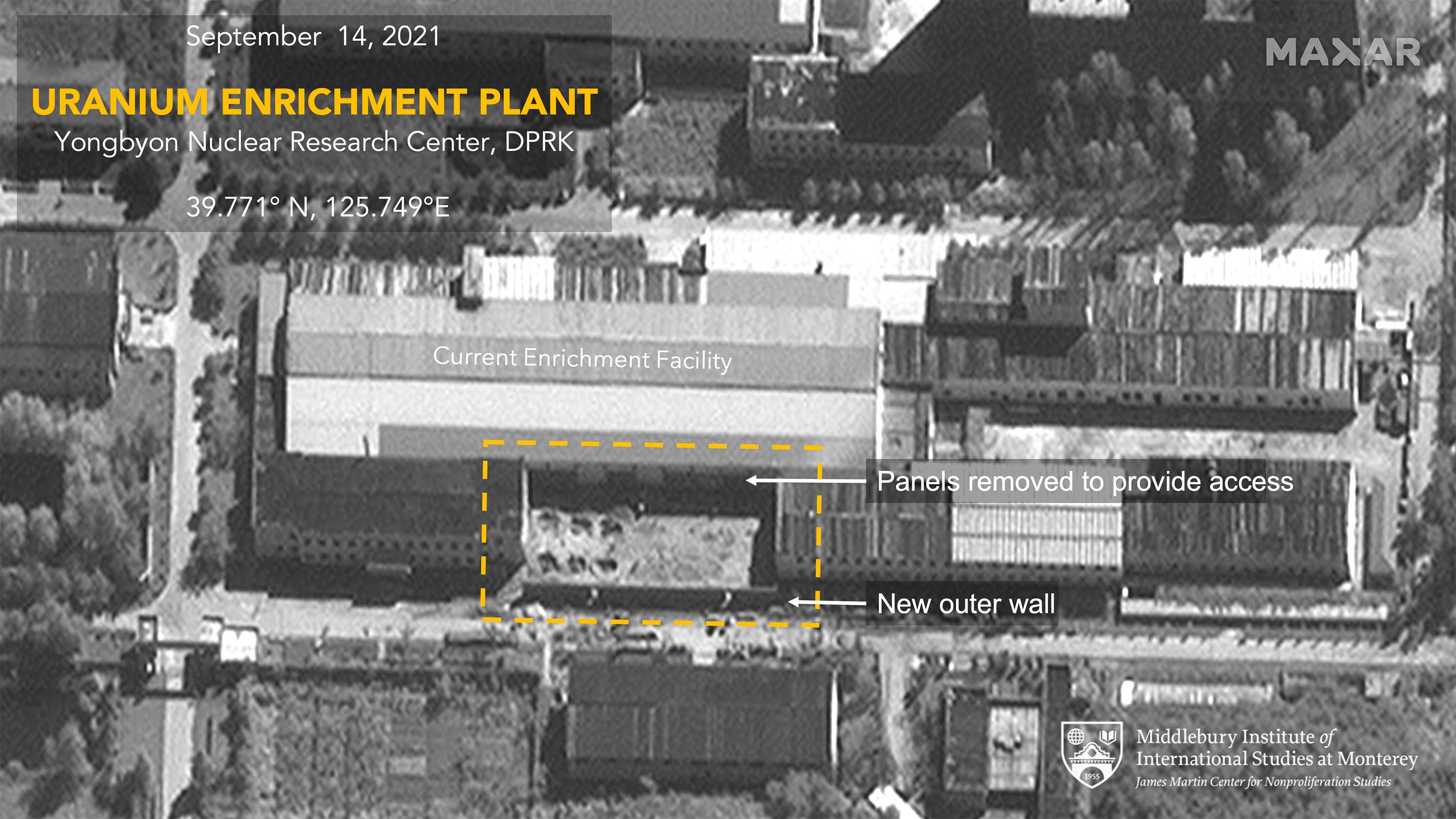
"The new area is approximately 1,000 square metres, enough space to house 1,000 additional centrifuges. The addition of 1,000 new centrifuges would increase the plant's capacity to produce highly enriched uranium by 25 percent," Mr Lewis said.
If North Korea were to upgrade the type of centrifuges currently in use at this plant, it "could increase the capacity of the plant substantially," he told CNN.
US officials are aware of the recent activity at Yongbyon's uranium enrichment plant and acknowledge those developments could signal plans to increase production of weapons-grade uranium, according to two sources familiar with the situation.
The National Security Council, Department of Defence, Office of the Director of National Intelligence and CIA all declined to comment.
Signs that North Korea is moving to ramp-up production of this nuclear material are also in line with US intelligence assessments about the country's commitment to its weapons program, the sources said.
The same is true for North Korea's latest round of weapons tests, including Wednesday's launch of two short-range ballistic missiles into waters off the east coast of the Korean Peninsula, the sources added.
READ MORE: China and France react angrily to Australia's AUKUS nuclear sub deal
Initial analysis also suggests North Korea conducted a missile launch over the weekend, a three US officials told CNN, one day after it claimed to have test fired a long-range cruise missile with range capable of hitting Japan.
Together, the activity has resulted in an exponential increase of tensions in what was already one of the most volatile regions on the planet.
State Department spokesperson Ned Price condemned North Korea's missile launches Wednesday and again called for a diplomatic approach to the issue.
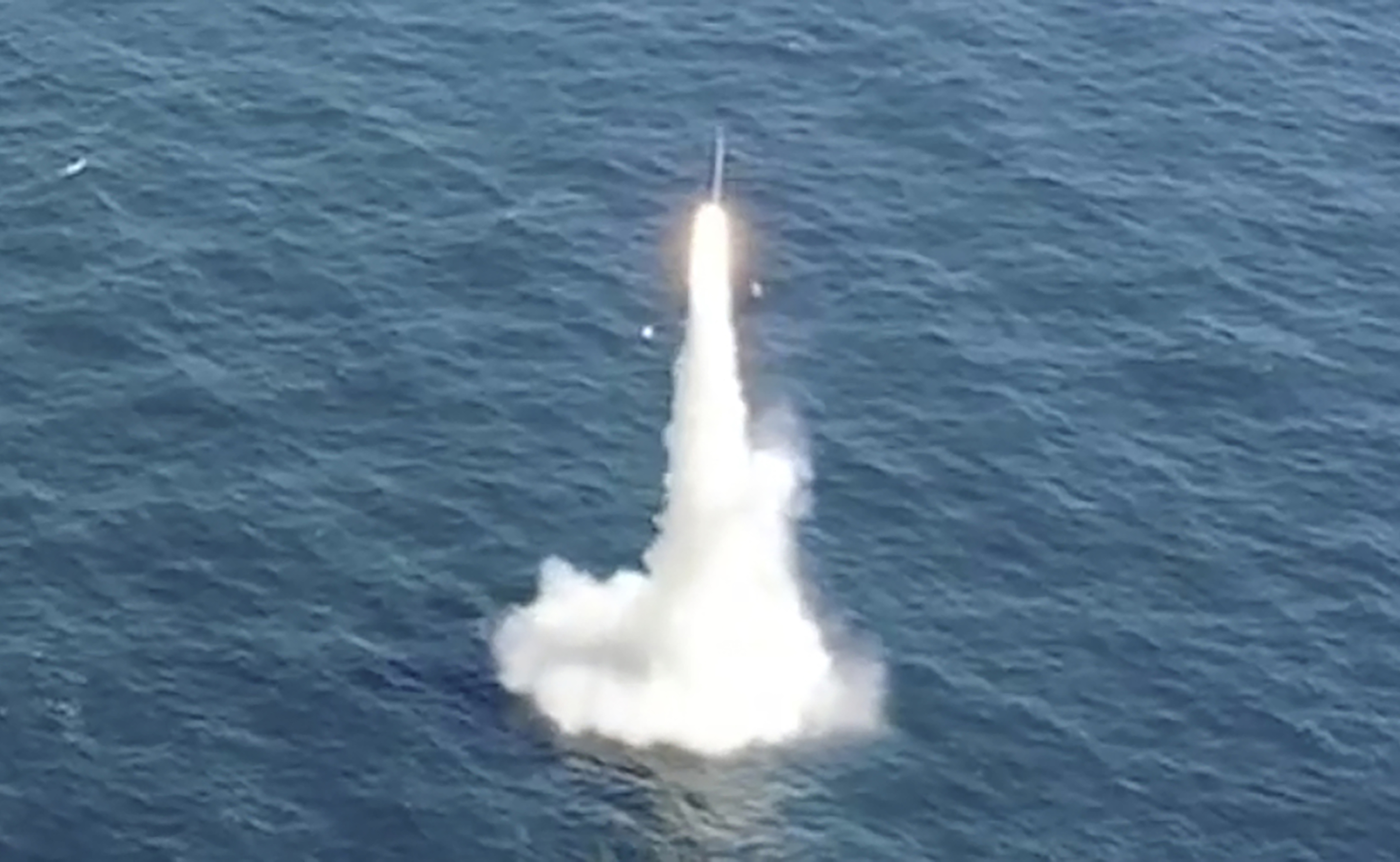
"We have been very clear about what we want to see happen. We are committed to the principle that dialogue will allow us to pursue our ultimate objective and that's quite simply the denuclearisation of the Korean peninsula," Mr Price said.
More concerns about activity at once-dormant facility
Evidence that North Korea is expanding the size of its uranium enrichment plant at Yongbyon will also likely exacerbate concerns stemming from a recent International Atomic Energy Agency report, which said that the country appears to have restarted a nuclear reactor in the same complex.
The report said these were the first indications of activity at the reactor since December 2018, calling North Korea's nuclear activities "a cause for serious concern" and the new developments "deeply troubling."
READ MORE: Australia to acquire nuclear-powered submarines in historic pact
North Korean leader Kim Jong Un purportedly offered to dismantle the Yongbyon complex in exchange for sanctions relief during negotiations with former US President Donald Trump in Hanoi in 2019.
However, those talks collapsed in part because neither side was willing to budge.
Mr Trump's team wanted either ballistic missile or other nuclear sites included in the deal, and Kim refused to accept a trade of Yongbyon for less sanctions relief, Mr Trump's former national security adviser, John Bolton, wrote in his memoir.
While the site appeared to remain dormant until recently, US officials have broadly anticipated activity could resume.
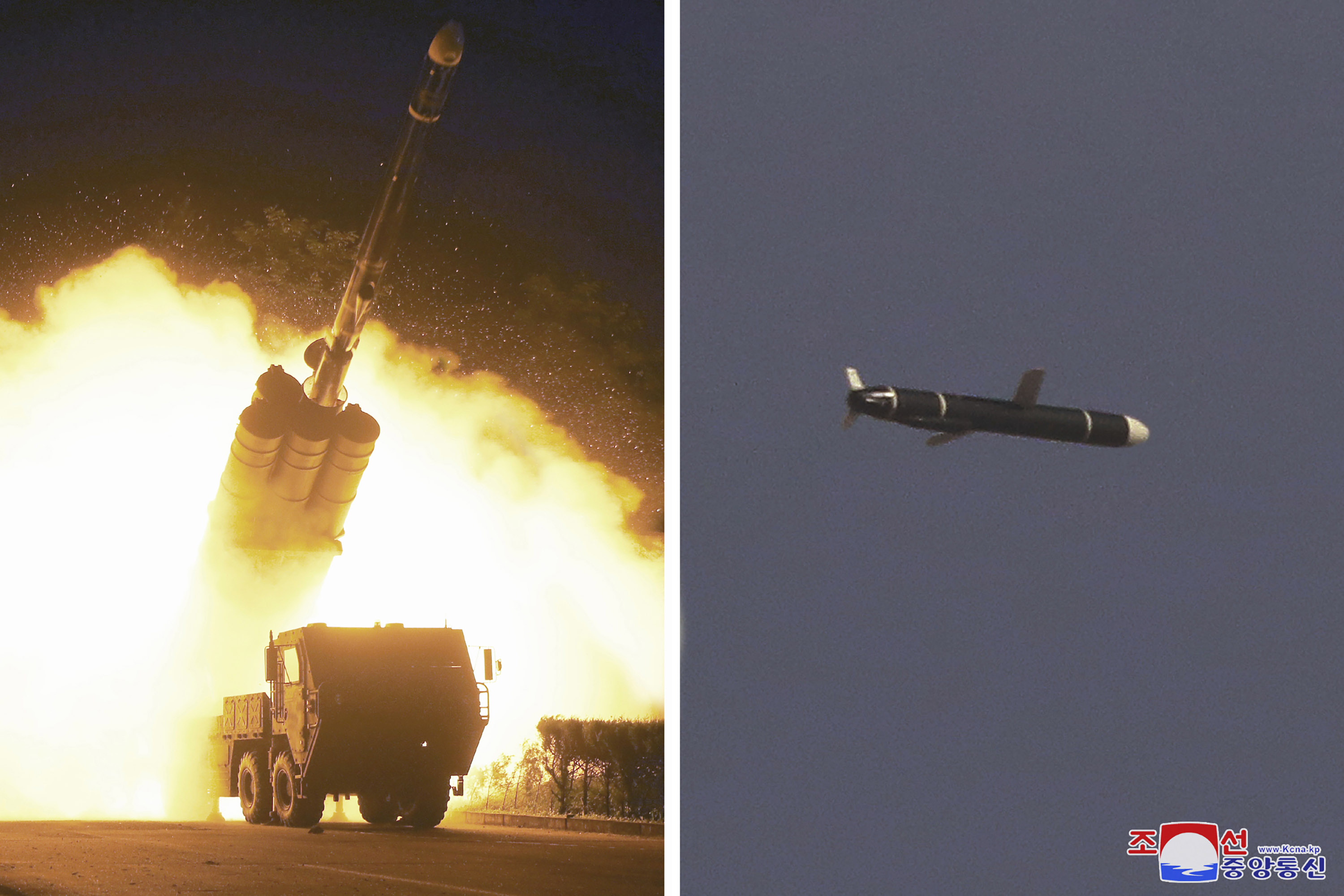
US intelligence officials have said publicly they expect North Korea will remain a "Weapons of Mass Destruction threat" for the foreseeable future as Kim remains "strongly committed" to the country's nuclear weapons.
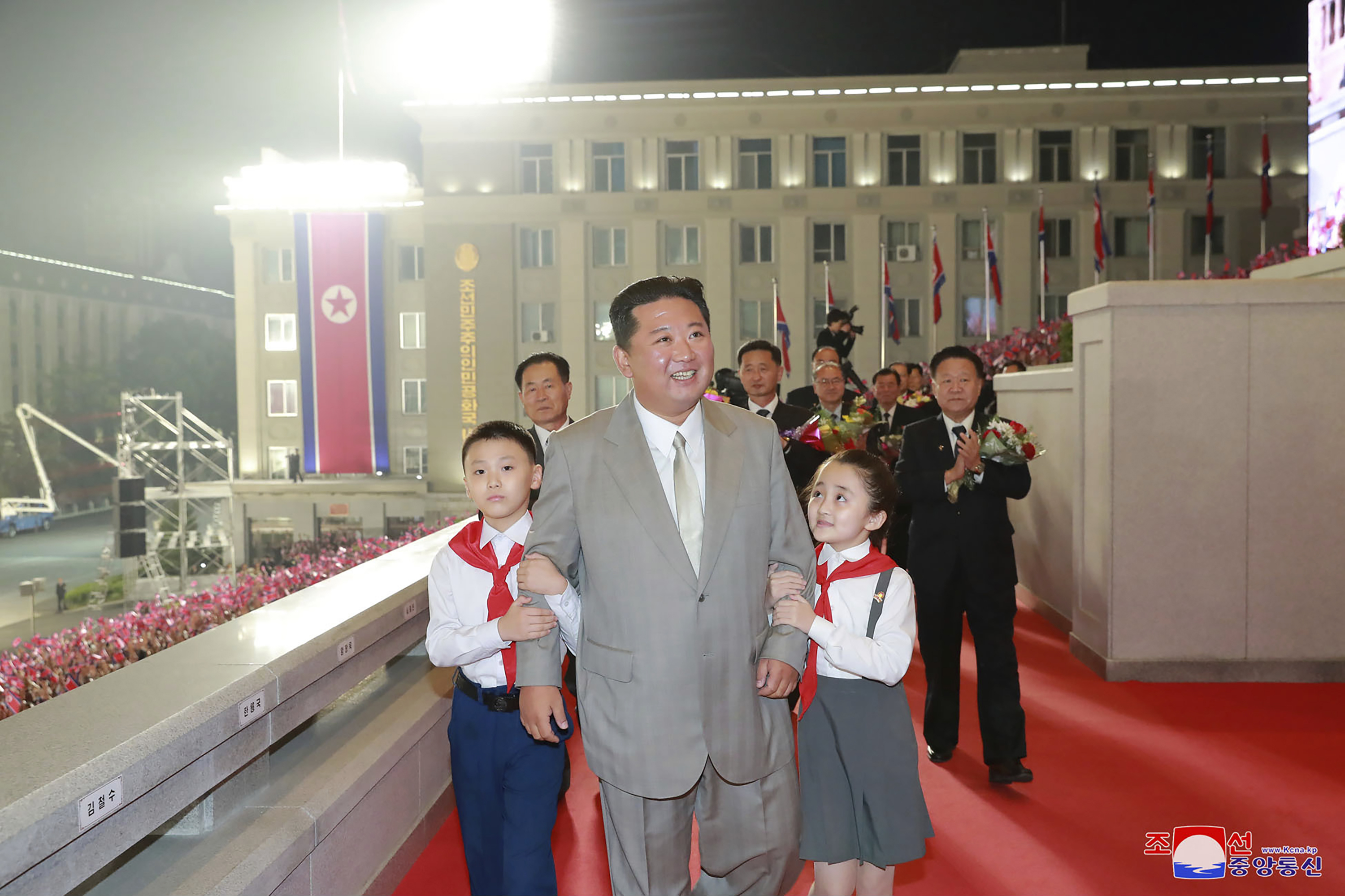
Mr Kim, himself, made clear in January that developing lighter, smaller nuclear weapons for tactical uses and pushing forward with production of "super-sized nuclear warheads" are two of North Korea's top priorities.
READ MORE: Nuclear submarines offer key military edge for Australia
"Achieving these goals will probably require North Korea to increase the amount of weapons-grade plutonium and uranium available for weapons production," Mr Lewis said.
Intelligence agencies have also assessed that Mr Kim "may take a number of aggressive and potentially destabilising actions to reshape the regional security environment and drive wedges between the United States and its allies—up to and including the resumption of nuclear weapons and intercontinental ballistic missile (ICBM) testing," according to the intelligence community's annual threat assessment released earlier this year.
Recent activity at Yongbyon and a spate of missile tests by North Korea appear to validate both predictions — reviving concerns about the state of the country's nuclear weapons program.
"The continuation of the DPRK's nuclear program is a clear violation of relevant UN Security Council resolutions and is deeply regrettable," the IAEA report said, referring to North Korea by its official acronym, The Democratic People's Republic of Korea (DPRK).
READ MORE: Kim Jong Un's sister warns of 'destruction' of South Korean ties
A senior administration official told CNN late last month that the US is aware of the new report and "closely coordinating with our allies and partners on developments regarding the DPRK."
The senior official added, "This report underscores the urgent need for dialogue and diplomacy so we can achieve the complete denuclearisation of the Korean Peninsula. We continue to seek dialogue with the DPRK so we can address this reported activity and the full range of issues related to denuclearization."
Renewed criticism of Biden's North Korea approach
Recent actions by North Korea are also prompting fresh criticism of the Biden administration's policy towards Pyongyang from Republicans in Congress.
"Given the Biden-Harris administration's pitiful track record — it's no surprise that Kim Jong Un now wants his pay-day from President Biden. That's why he feels emboldened to resume testing missiles and restarted the Yongbyon nuclear reactor," Rep. Mike Rogers, top Republican on the House Armed Services Committee, said in a statement this week.
"We need to respond by strengthening alliances in the region, enforcing the sanctions regime, and increasing our investment in missile defence," he added.
READ MORE: North Korea says it fired new long-range cruise missiles
Relations between the two long-time adversaries have been frosty since, and both Washington and Pyongyang have been focused on containing the threat of COVID-19 since the pandemic swept the globe in early 2020.
North Korea's borders have been sealed to keep the virus at bay, despite the knock-on effects on trade with China, an economic lifeline for the impoverished country. Kim's regime is now reportedly dealing with a food crisis.
President Biden's administration has made several attempts to reach out to North Korea by email to start discussions with Washington, a senior South Korean official with direct knowledge of the situation told CNN.
North Korea has acknowledged receipt of the emails, the official said, but did not feel compelled to respond due to what is seen as a lack of a detailed agenda or any serious indication the US is willing to move the conversation forward from what was agreed upon at Mr Trump and Mr Kim's first summit Singapore in June 2018.
The small European nation that has 'beaten' COVID-19 with vaccines
The head of Portugal's vaccine rollout has declared victory over the coronavirus after his country became one of the first in the world to fully vaccinate four out of every five residents.
The European nation, which has been slowly opening up based on vaccination targets across the summer, reached the milestone this week and is expected to hit 85 per cent by the end of the month and scrap most COVID-19 restrictions.
"We have beaten this virus," taskforce leader Vice-Admiral Henrique Gouveia e Melo said on Wednesday.
READ MORE: Australia to acquire nuclear-powered submarines

"At last, the first battle is won and this is a great relief for all of us."
Vice-Admiral Gouveia e Melo justified his optimism by pointing to falling infections despite the current state of reopening, even after a summer break where both Portuguese people and foreigners holidayed in the country in their droves.
According to the Our World in Data tracker, a higher percentage of the Portuguese population (81.54 per cent) is fully vaccinated than any other country in the world (except some small islands) closely followed by Malta (81.01 per cent) The United Arab Emirates (79.19 per cent) — which has the highest single-dose rate in the world — Qatar (75.70 per cent), Spain (76.10 per cent) and Singapore (76.01%).
But even with so many of Portugal's roughly 10 million residents protected against COVID-19, the deputy director of Lisbon's highly respected Institute of Hygiene and Tropical Medicine, Miguel Viveiros, sounded a note of caution.
"We have controlled the disease," he told 9News.com.au.
"Defeated the virus? It's very optimistic from a microbiological point of view."
READ MORE: Kim Jong Un's sister warns of 'destruction'
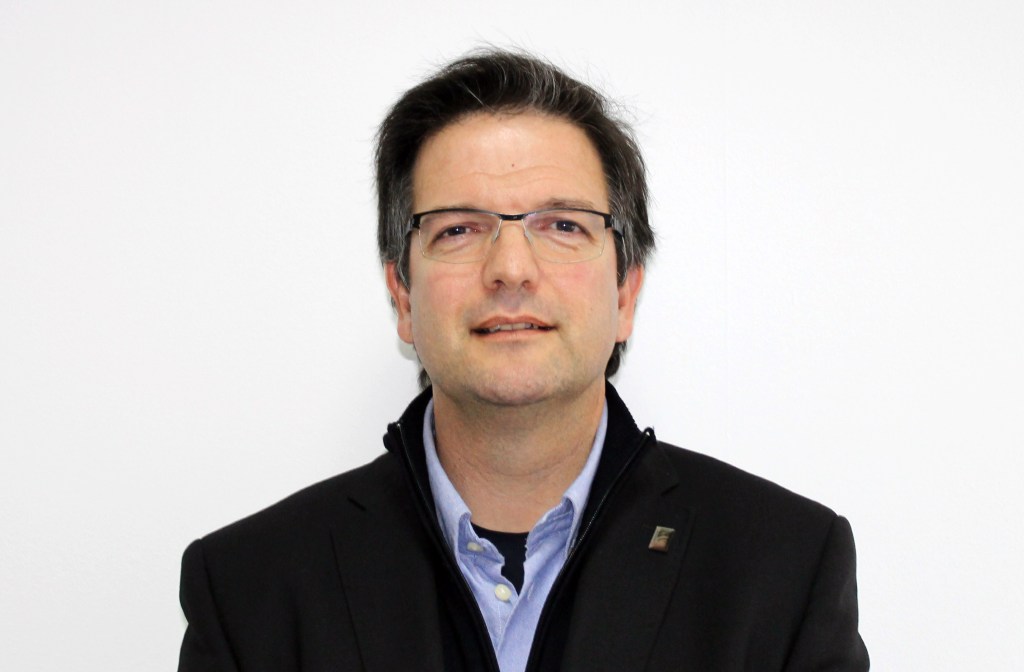
The biology professor highlighted three key reasons for his country's vaccination success, the most important being the "insignificant" number of anti-vaxxers authorities had to deal with.
"People went through a difficult period after Christmas, so we experienced the other sides of the problem, from the news from the families, from our own experience," He said, referring to the devastating winter peak when hundreds of Portuguese COVID-19 patients were dying every day and the country had the most daily cases per capita in the world.
"So when you go through a war, you know what are the consequences of this war.
READ MORE: Murder conviction overturned for US cop who killed Australian woman
"And so the doubts that might arise from scientific uncertainties that are associated with vaccines are not enough to overcome the fact that we saw the emergency rooms flooded, we saw the traffic jams with ambulances."
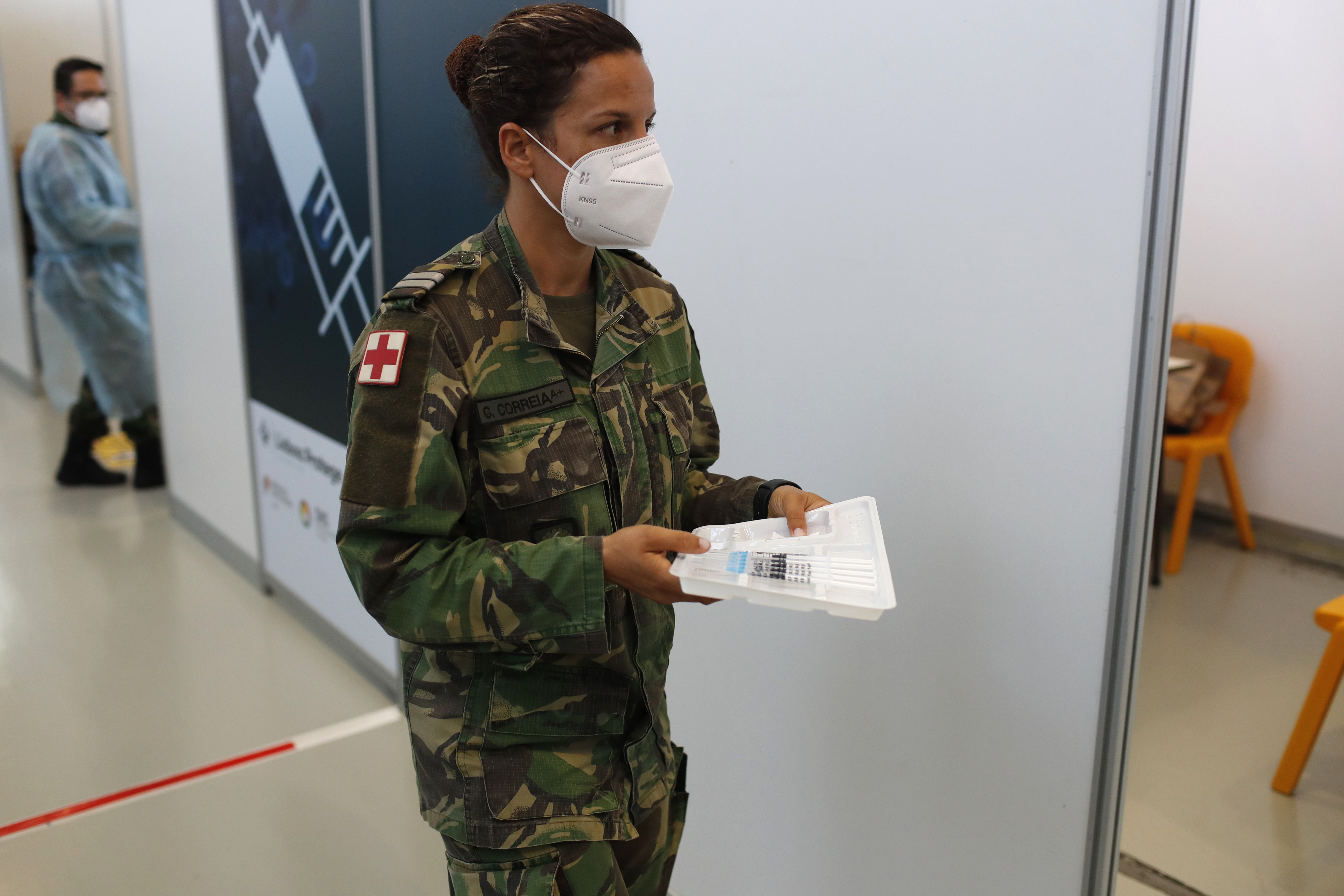
The other key factors were the well-coordinated practical side of the rollout, with mass vaccination centres and one simple, nationwide, online sign-up page and, critically, the supply of vaccines arranged by the European Union, which started as a trickle but became a flood over the European summer.
That is an experience no country would want to repeat, but Professor Viveiros said Australia and other countries with lagging vaccination rates could still learn from Portugal's experience.
Principally, he highlighted the importance of good clear and transparent communication and a coordinated national approach — in this case aided by Portugal's centrally run National Health System, compared to Australia's state-based approach.
"This coherence, national coherence, the fact that we are a unified country from the north, south, even to the [autonomous islands of Madeira and the Azores], made a difference.
"… In public health, if you have 10 different approaches, you end up with 10 different problems."

Vice-Admiral Gouveia e Melo said the Portuguese should be truly satisfied with themselves, also pointing to low rates of vaccine hesitancy and denial.
But he wasn't interested in comparing Portugal's jab rate to other countries, saying he only cared about whether enough people were vaccinated to offer protection and, eventually, herd immunity, against the coronavirus.
He also had a stark warning for rich countries hoarding vaccines or deploying booster shuts while poorer nations remained virtually unprotected.
"We are over-vaccinating in richer countries and then there is zero vaccination in poorer countries," he said, according to Reuters.
"I can't agree with that — not only due to ethics and morals but because it's not the best strategy and rational attitude."
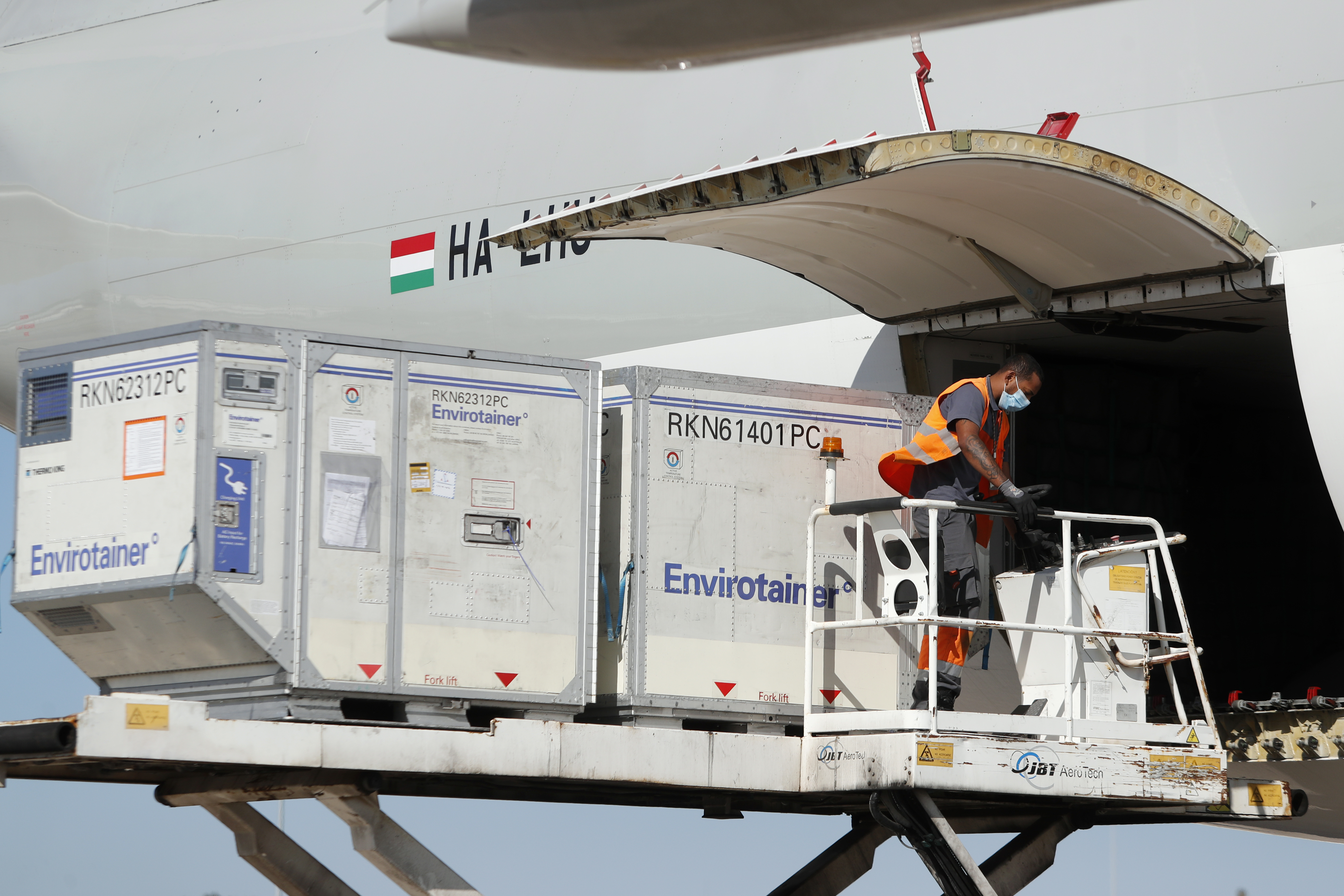
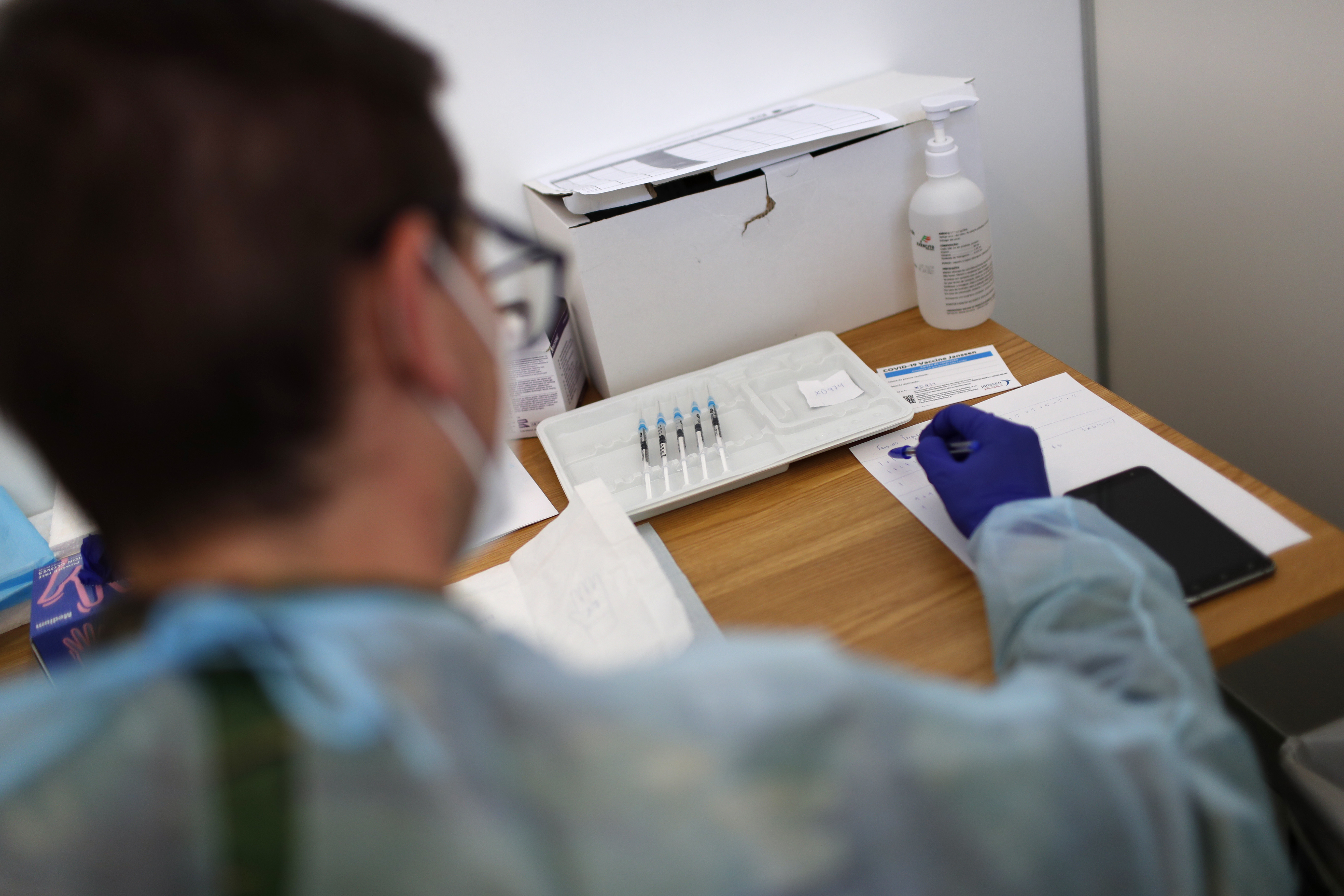
Portugal has access to the mRNA vaccines from Pfizer and Moderna, AstraZeneca's jab and the one-shot Johnson & Johnson injection.
AstraZeneca has been restricted to older people but, compared to Australia, the mRNA jabs have made up a greater proportion of available doses and there has been significantly less attention focused on the extremely low risk — between about two and three in 100,000, of developing a rare blood clot condition.
Measuring COVID-19 vaccination status internationally is complicated due to the way different countries report their statistics.
While Australia and the UK only count people aged 16 and over, Portugal and most European nations calculate their percentages based on their entire population, including under 12s who aren't yet eligible for jabs.
Over the past two weeks, Portugal has confirmed an average of 1200 COVID-19 cases and roughly nine deaths per day. About 500 COVID-19 patients are in hospital, roughly 100 of whom are in intensive care.
Mayor's clever trick to stop people cutting down trees for water view
It's a long-time Sydney underbelly thing. With the city perched on the rises and drops of sandstone and guttered by harbour and sea, it offers a rich topography that presents vistas from all angles.
And if a few trees grow and get in the way, it's time for a midnight visit with a gurgling Husqvarna or handsaw, or a handheld drill and a drum of poison. Problem solved. Vista returned.
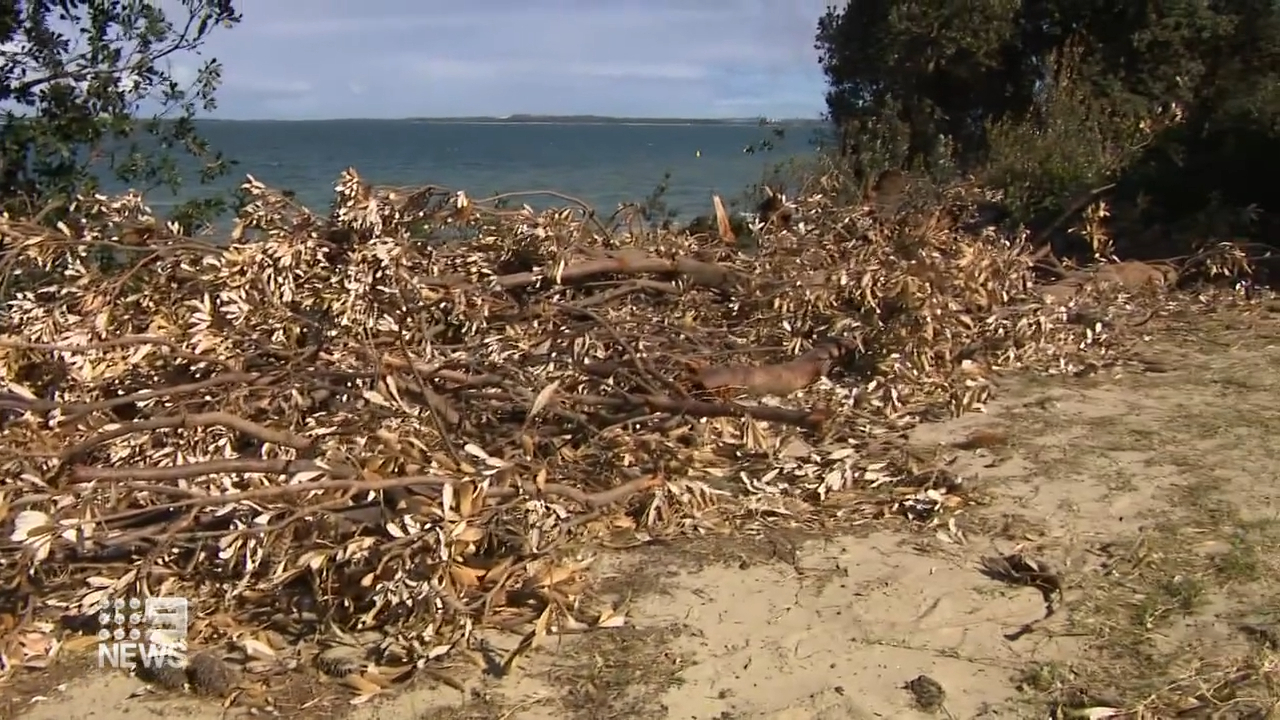
And so it was, again, that a certain swatch of shrubbery struggled to survive on the shores of Brighton Le Sands, on the banks of Botany Bay. It would not be the sandy soil; nor blight or borer. The pest here is terminal chainsaw, which a few weeks back carved a new vista through beachfront bush.
READ MORE: How rural Aussies are helping their city mates in lockdown
"We thought, how can we possibly send a strong message to the vandals," says Bayside Council mayor Joe Awada, "and I thought, enough is enough, we can't keep tolerating this."
So after this latest planting of mature banksia was brought down, Bayside Council decides to replace them with modern ironbark; two and a half shipping containers bumped in beachside, to obscure the blight, and the view for which the bush was brutalised.
"If they're trying to achieve a view, then they haven't achieved what they were aiming for," says Mayor Awada, "and I think it's a first in Sydney."
"Geez boss," I say, "you play for keeps"."
READ MORE: Coogee Bay Hotel's iconic music venue Selina's to be demolished
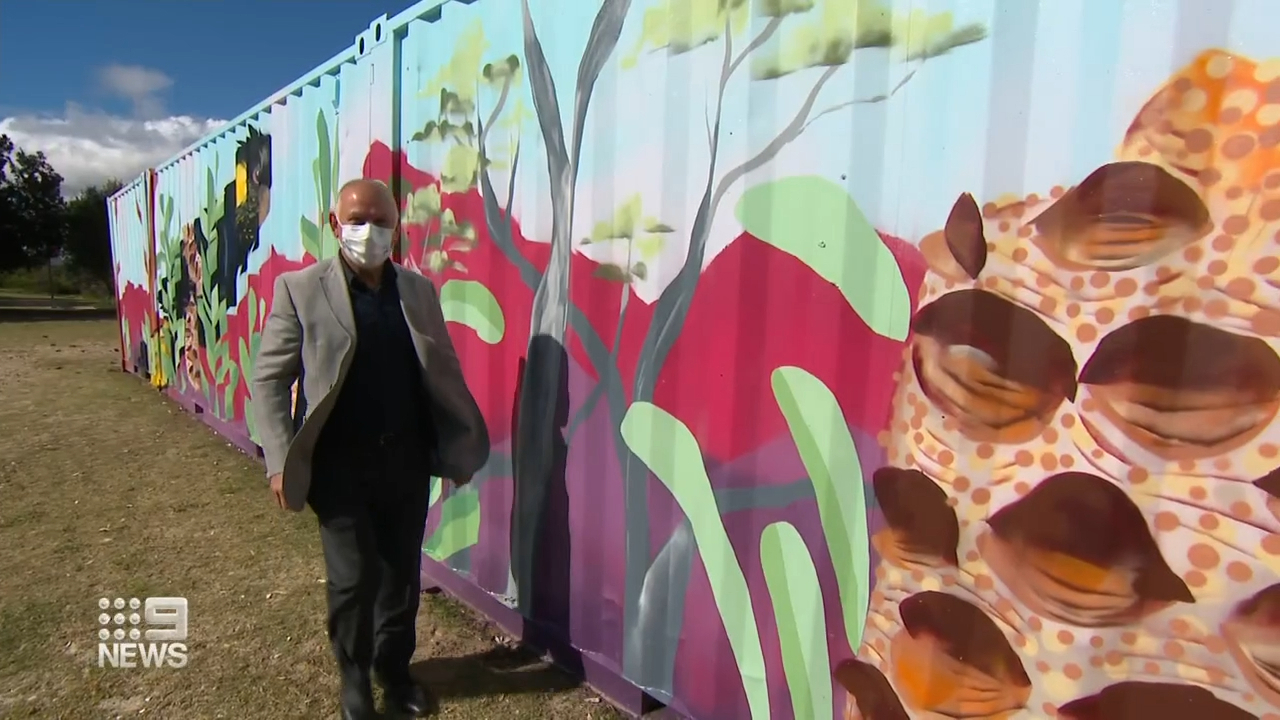
I tell you what;" the boss says, "people love it." And they do.
"We're so delighted to see the council actively deal with the situation," says one.
"What type of monster would just cut down a bunch of trees, for a view of the water?" from another.
"I think it's pretty good; it's a nice mural too," concludes a third.
It seems there's little resistance to proffering the neighbourhood arboreal Edward Scissorhands can now gaze upon the yellow-tailed black cockatoo mural strapped across the containers' façade for a goodly while.
"These containers will stay for at least two years; we've got newly planted trees behind the containers," says Joe Awada, "and we want to give them time to mature."
Submarine deal shows China 'the three nations will not be bullied'
A senior British MP has declared the new alliance of Australia, the UK and the US is to show, "the three of us will not be bullied or divided" by Beijing.
In an interview with 9News, Tom Tugendhat, the Chair of the UK Parliament's powerful Foreign Affairs Selection Committee, argued; "The reality is that several years of Chinese bullying mean that it's pretty clear what you're dealing with."
Mr Tugendhat, who says he was aware of what has become known as AUKUS "many months ago", said the agreement "indicates is an extremely close relationship between our three nations.
"It demonstrates not just a bet on today but a very strong bet on the future," he said.
READ MORE: PM hails nuclear sub deal with stark warning of 'new era' for region
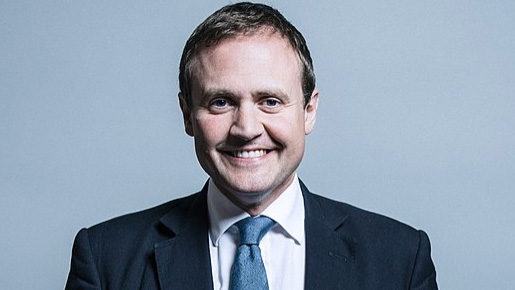
"It's about the fact that your allies and partners in the region are seeing the construction of island platforms by China, you're seeing a greater militarisation by the People's Liberation Army Navy," Mr Tugendhat said.
"The political dimension has changed because the threat has changed."
READ MORE: 'That fellow Down Under': Awkward moment at alliance announcement
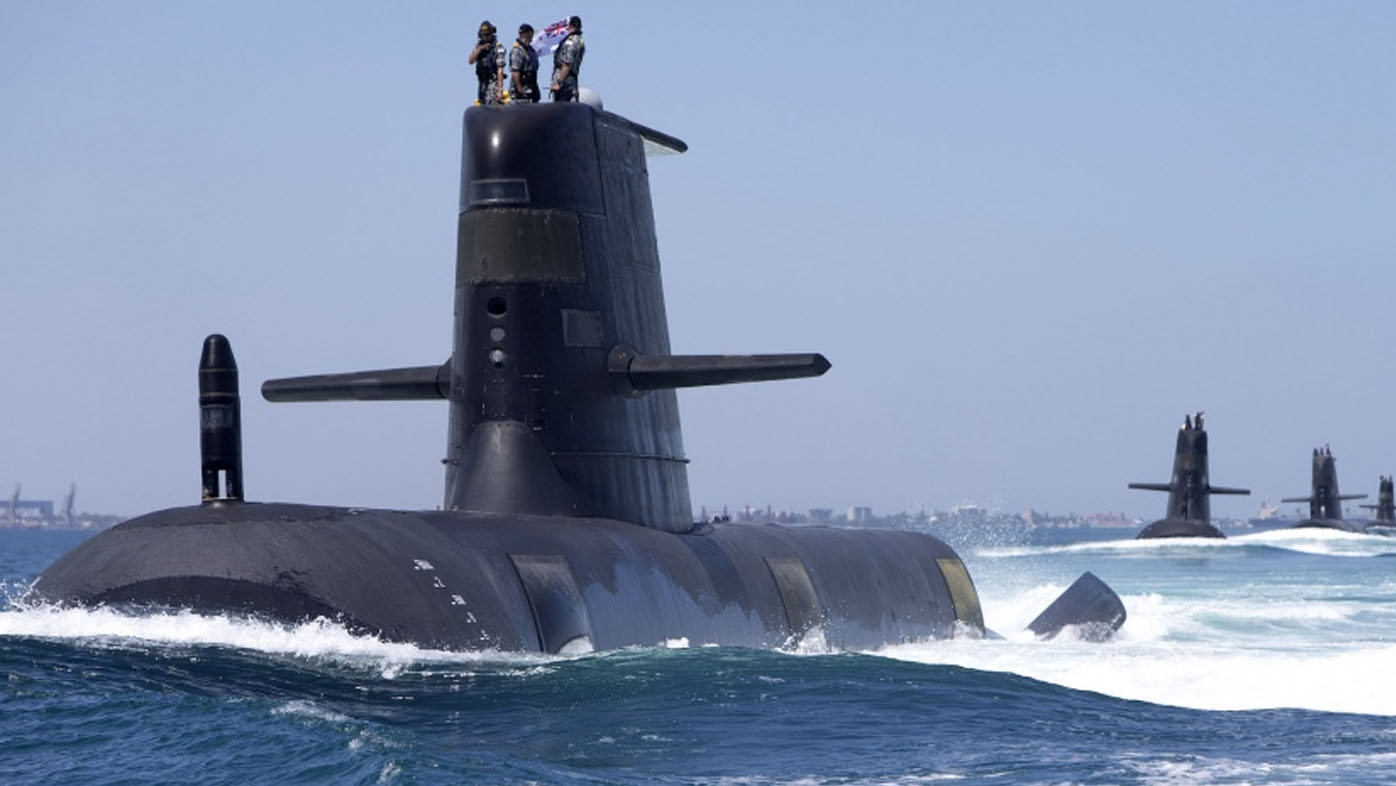
The cornerstone of today's announcement was the sharing of military secrets and technologies to allow Australia to build at least eight nuclear-powered submarines to be delivered in over a decade.
"We're bringing an extraordinary submarine capability, the small modular reactors that power our submarines they are the best in the world," Mr Tugendhat said.
READ MORE: 'No doubt we will be hearing from China and no doubt China will be outraged'
The UK already operates the Astute-class nuclear submarine.
Mr Tugendhat, a former military officer who did tours of duty in Iraq and Afghanistan, believes the benefits of the nuclear-powered vessels lie in their ability to allow submarines to spend more time underwater.
"Total secrecy, total silence thousands of miles away from your shores it turns your submarine fleet from being a secret in-shore fleet, into a true bluewater total silent nuclear fleet. That's a huge capability for Australia," he said.
"It means you become even more essential partner to countries like Japan and indeed the UK and US.
"Having the ability to stay silent for long is absolutely essential to the secrecy of your submarine fleet."
https://twitter.com/TomTugendhat/status/1438273128245907460?ref_src=twsrc%5Etfw
It's understood the top-level agreement was worked on behind the scenes for more than a year.
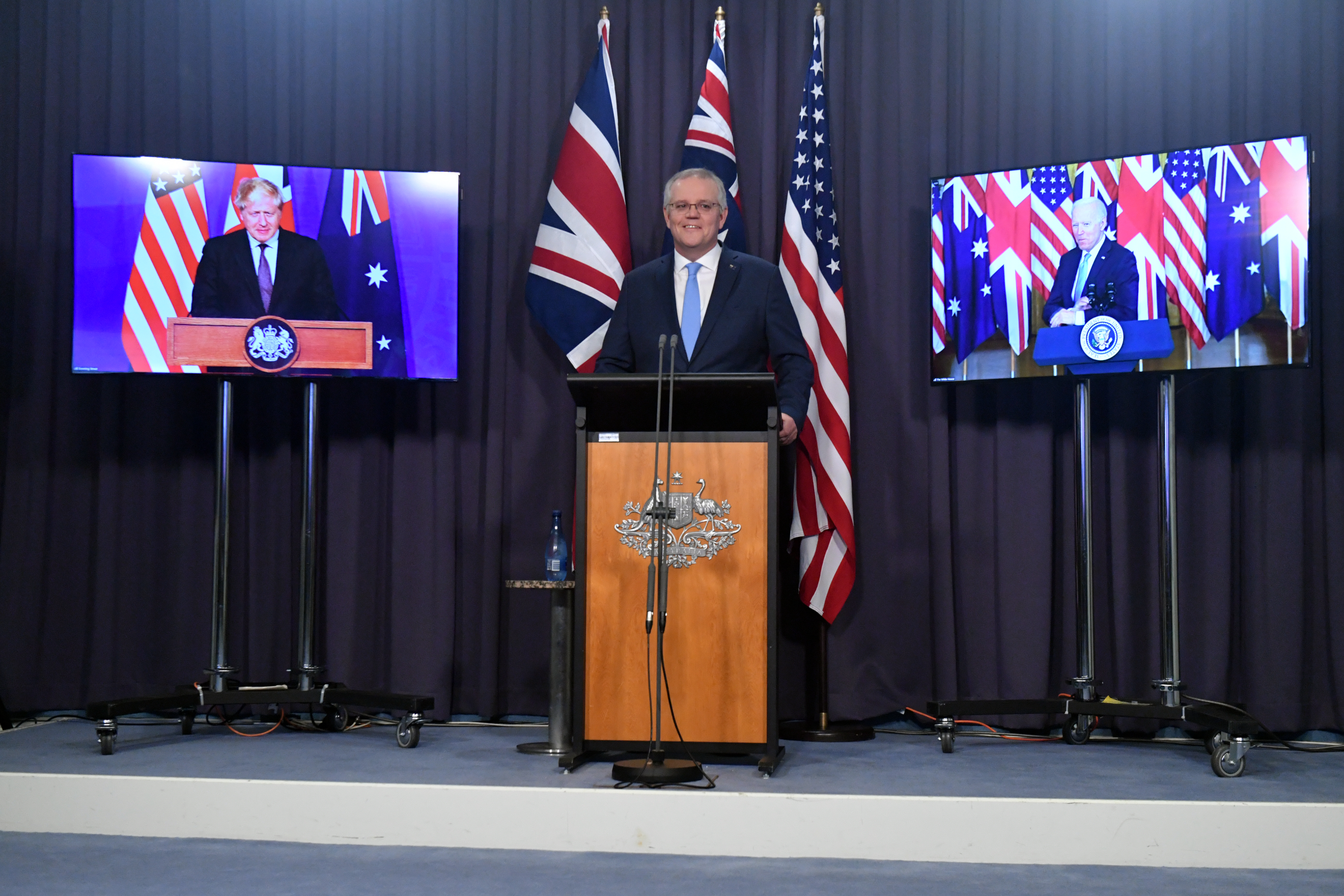
US President Joe Biden, UK Prime Minister Boris Johnson and Australian Prime Minister Scott Morrison met in person at the G7 summit in Cornwall in June.
The AUKUS pact was announced this morning.
READ MORE: Nuclear submarines offer key military edge for Australia
"I can tell you I first heard about it many months ago, and it was an Australian initiative and frankly this is a very, very impressive piece of foreign policy and diplomacy by our Australian partners," Mr Tugendhat said.
"This is an entirely appropriate response by Scott Morrison's Government it's an extremely welcome one.
"(It) demonstrates that Australia is what it always has been a absolutely tough partner to her friends and a deterrer of her enemies."
The three countries also plan to work together on artificial intelligence, quantum technologies and undersea capabilities like unmanned drones.
"Not having AUKUS would leave us all frankly weaker," Mr Tugendhat said.
"The direction is clear where it ends up leading us I can only dream at the moment.
"What I hope we do next is start working with other partners with France with Japan and bring in those other countries that wish to share the kind of technological innovation we're going to develop and to stand with us in defending the liberties of our people and people around the world."
New test to easily identify dangerous common virus in babies
Melbourne researchers have developed a new screening program to help identify a common virus that can lead to hearing loss and neurodevelopmental disorders in newborn babies.
The test involves a simple mouth swab which can be taken at home within days after a mother and baby are discharged from hospital.
It determines whether children are positive for Cytomegalovirus(CMV) – a common herpes-like virus thought to affect up to 85 per cent of the population at some stage.
READ MORE: Hundreds of Victorians line up for testing in Ballarat amid lockdown
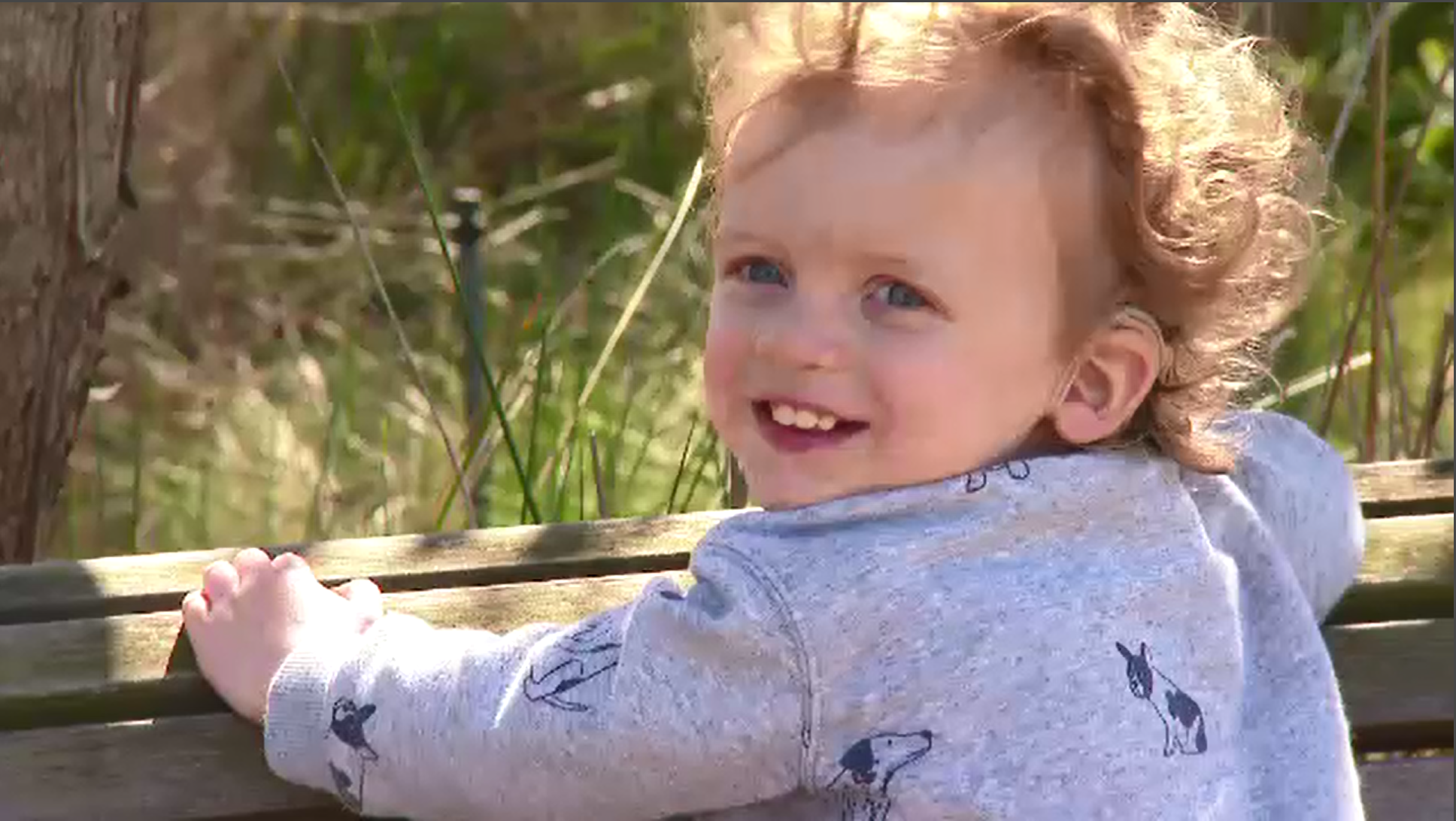
CMV is most commonly transferred through infected bodily fluids and affects one in 200 babies, putting them at risk of hearing loss and neurodevelopmental disorders like cerebral palsy.
Associate Professor Valerie Sung said that if mothers picked up the virus during pregnancy either for the first time or if the virus re-activated during pregnancy it could cause problems for their unborn babies.
Melbourne's Vicky Cottrell didn't know she had the virus when she was pregnant.
Like all new born babies, her son Teddy, now two, was given a standard hearing screen in hospital shortly after he was born.
But he failed the first and then a second.
"That was the beginning of our journey of finding out Teddy is profoundly deaf and also had Congenital CMV," Ms Cottrell said.
Ms Cottrell said it was really lucky Teddy's swab test came back positive for the virus at 20 days into it, meaning he could get anti-viral treatment straight away.
Doctors say diagnosing CMV early is absolutely critical, with just a 21-day window for babies to get the treatment they need to stop hearing loss progression.
Parents can now give their children the tests themselves with this new screening program.
The Murdoch Children's Research Institute trialled giving the mothers of 96 newborns who failed subsequent hearing tests DIY mouth swabs.
"The majority of parents – 90 per cent – said it was very easy to do they were glad they did it," Associate Professor Sung said.
Researchers say this new take-home test is particularly helpful in the midst of the pandemic, when more women are being discharged from hospital earlier.
Queensland legalises voluntary assisted dying
Voluntary assisted dying is now law in Queensland.
This afternoon the parliament voted to legalise the right of the terminally ill to choose when to end their life.
The legislation demands the patient be suffering intolerably from a terminal illness, have fewer than 12 months to live, have obtained more than one medical opinion, be over the age of 18 and have the capacity to make the decision.
READ MORE: One new case of COVID-19 in Queensland as Lismore cut from border bubble
https://twitter.com/9NewsGoldCoast/status/1438411775905513474
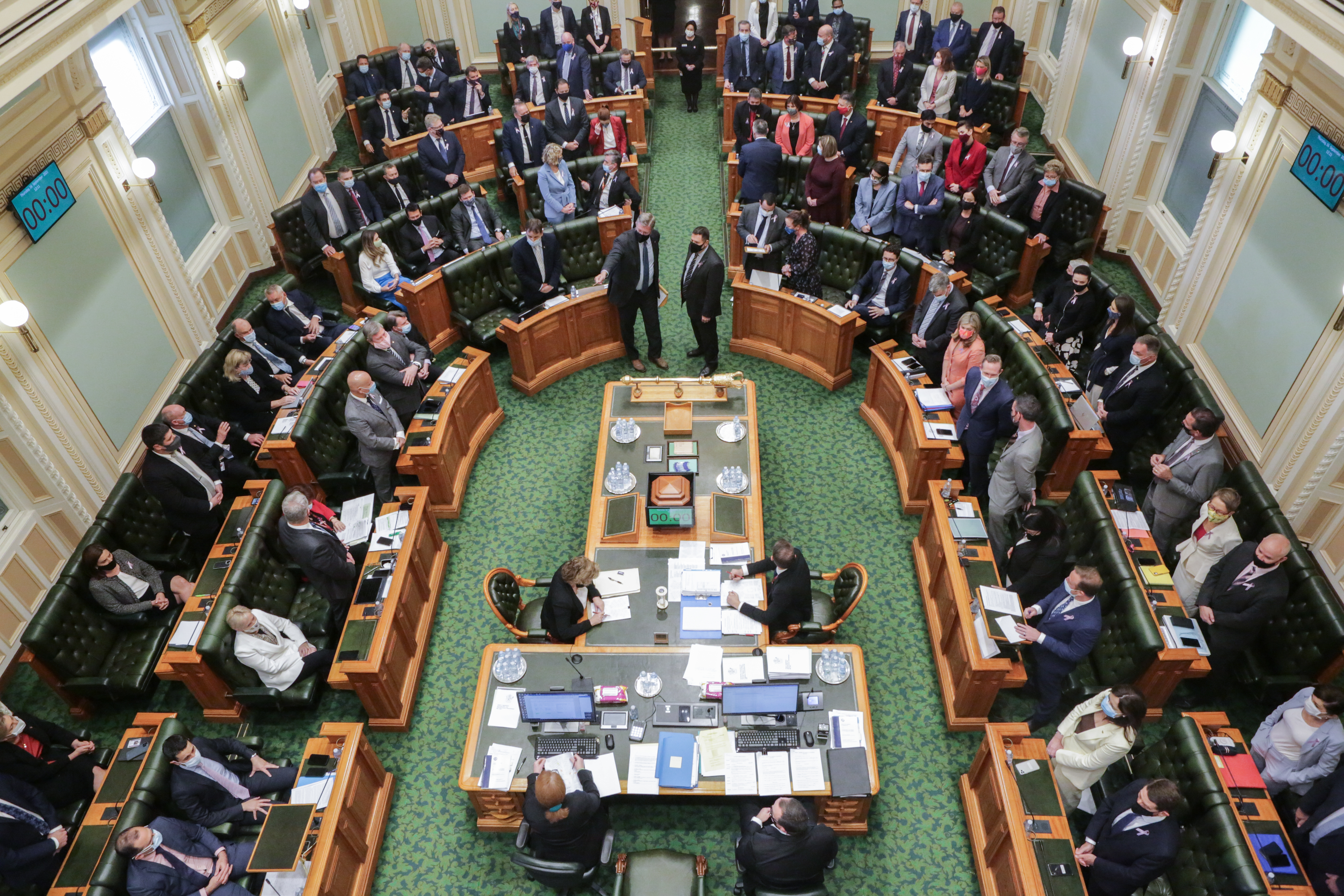
Medical staff and faith-run organisations will retain the right to conscientiously object.
Members of parliament were today given a conscience vote, meaning they were free to vote based on the opinions of their constituents as well as their own personal, religious and moral convictions, rather than be bound by their political party.
The legislation doesn't take effect until January 2023.
Victoria, Western Australia, Tasmania and South Australia have all passed voluntary assisted dying laws.