Tag Archives: oceania

Melbourne man jailed for almost killing neighbour over washing machine

A Melbourne man who almost stabbed his neighbour to death over a fight about a load of washing has been jailed.

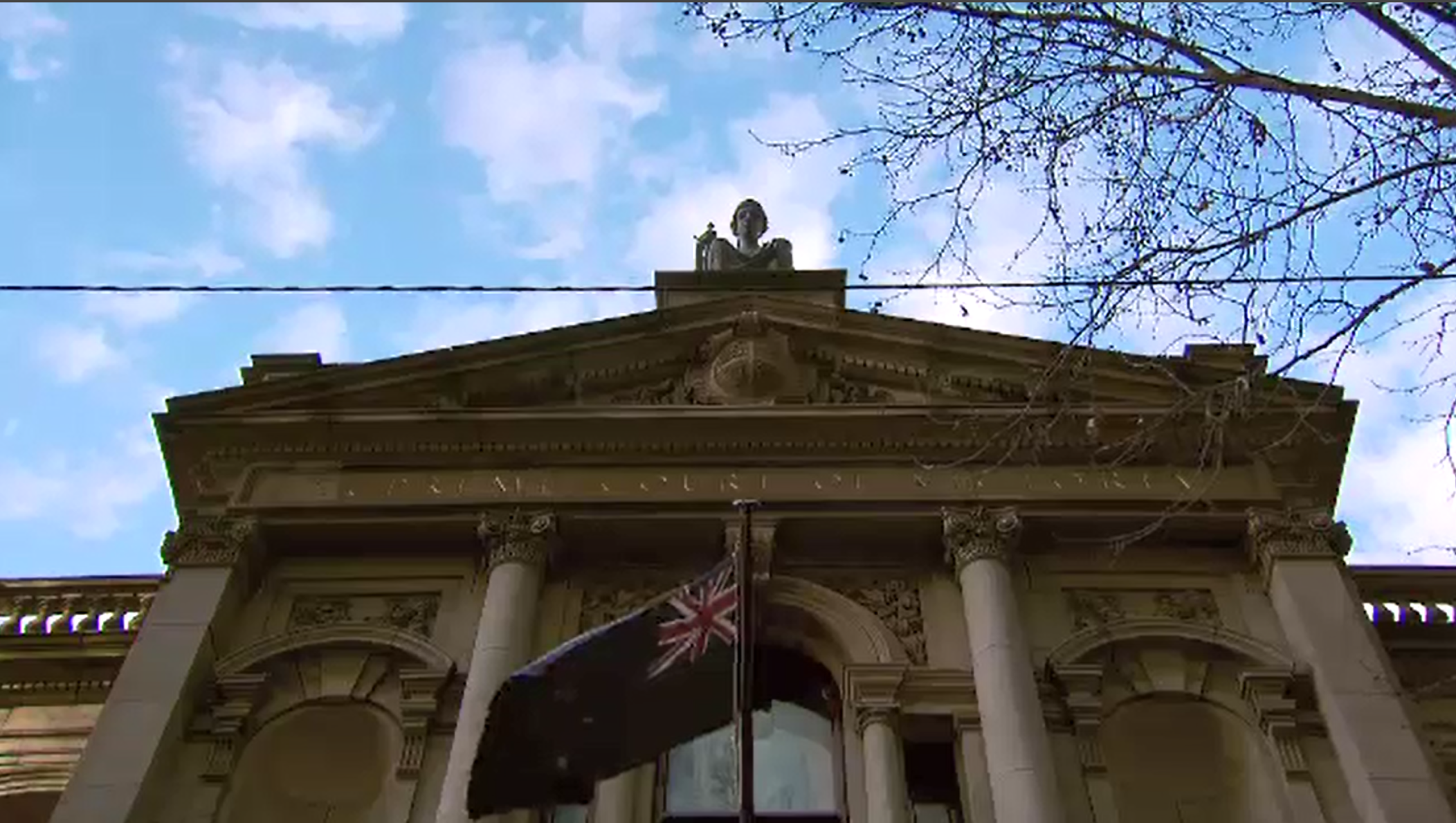
Brett Vaisey, 57, was sentenced to seven years' jail before the Supreme Court today, having previously pleaded guilty to attempted murder.

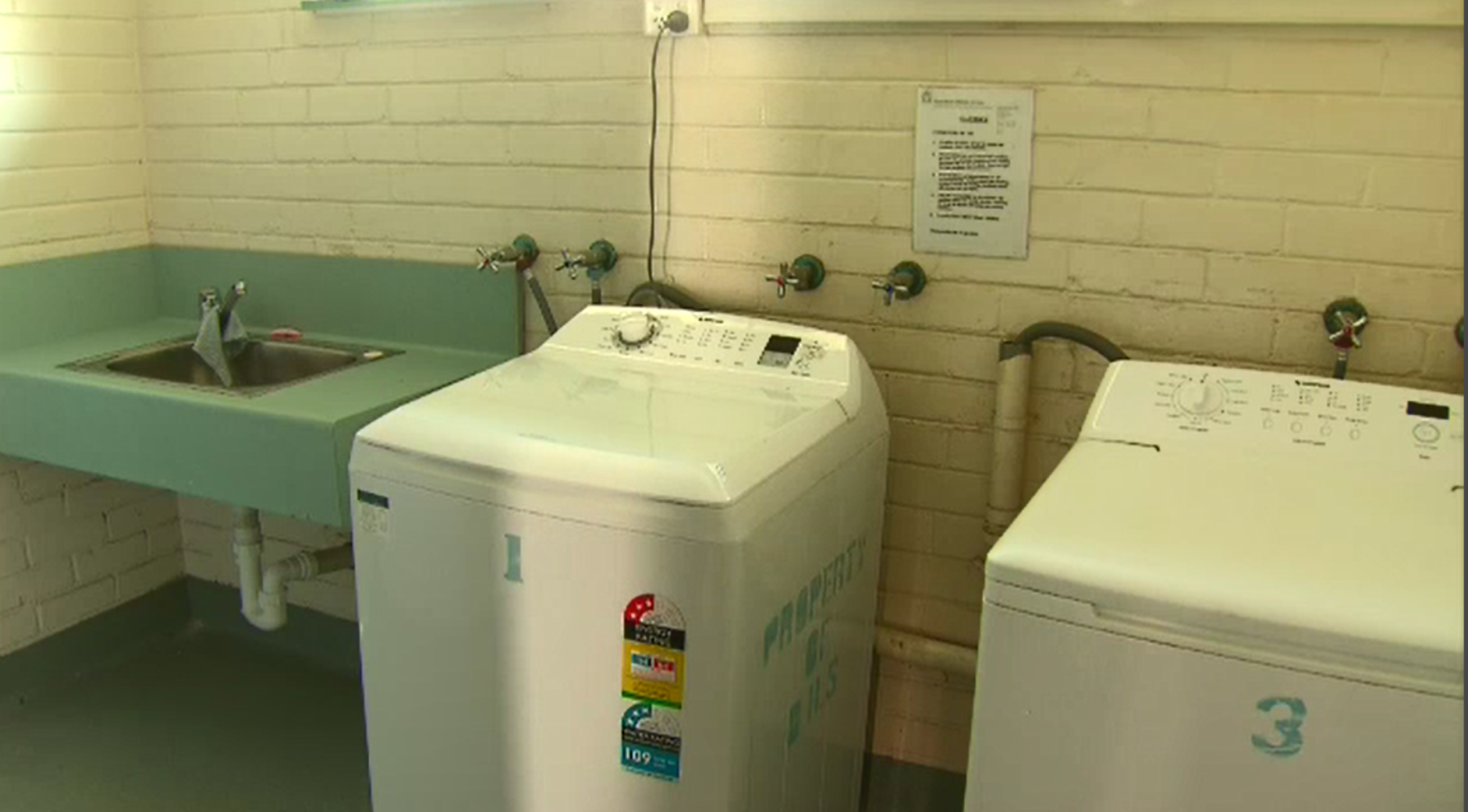
Vaisey repeatedly stabbed his elderly female neighbour, Annick Henenberg, with a 20cm kitchen knife as she headed to their communal laundry about 7.25pm on Australia Day – 26 January – last year.

READ MORE: Melbourne dad admits to targeting a second funeral to steal cash from mourners

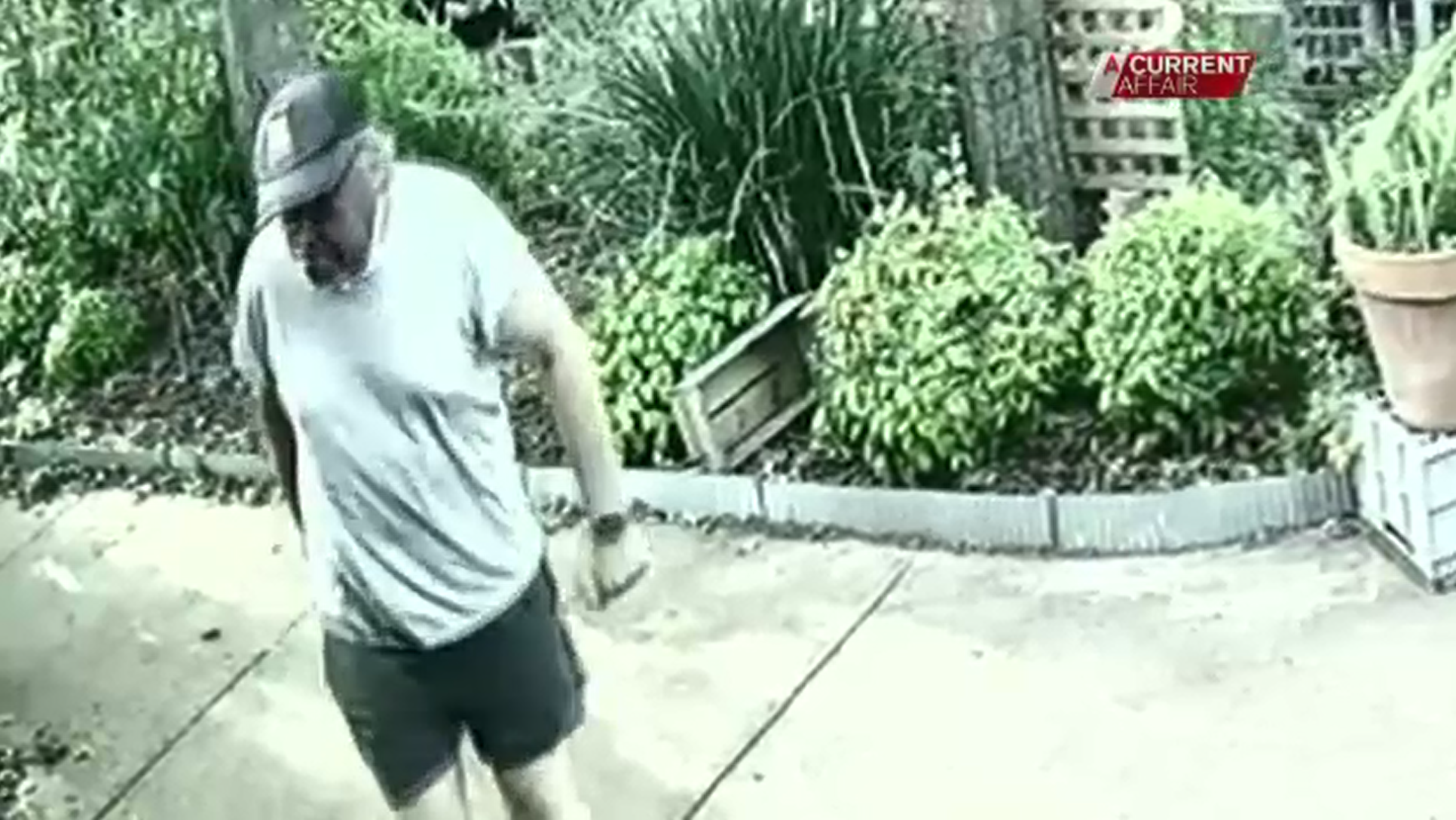
The court heard Vaisey was caught on CCTV rushing at Ms Henenberg with the knife moments before the attack, and three people witnessed the vicious assault.

Ms Henenberg had also started an audio recording on her phone right before the incident, which captured Vaisey berating her during the attack.

"Piece of sh*t, die," he was recorded saying.

"If I'm going to jail it's worth it, you know what I mean."

The court heard the woman immediately fell to the ground after Vaisey first stabbed her.

He then continued to stab her until the knife's blade came off the handle, before he kicked and punched her to the head.

A neighbour grabbed Vaisey to end the attack.

Police arrived and Ms Henenberg was taken to hospital in a life-threatening condition.

Vaisey told police, "I didn't want to do it but she provoked me".

The court heard there was a history of disputes between Vaisey and Ms Henenberg.

On the day of the attack they had fought about the communal washing machine.

He had told her to stop using it, complaining it was making too much noise next to his unit.

About an hour before the incident, another neighbour had called police to the complex about Vaisey, reporting he had been standing outside the complex with a large knife.

Vaisey told police Ms Henenberg had been going back and forth to the laundry to provoke him.

READ MORE: Six Melbourne men charged over major international phone scam

Police left the scene less than half an hour before the attack unfolded.

The court heard Ms Henenberg suffered live-threatening injuries and was still suffering ongoing physical and mental effects of the attack.

At the plea hearing, Vaisey's lawyers told the court he had serious mental health issues that had a causal link to the offending.

The court today heard Vaisey had also suffered an abusive childhood.

Judge Incerti said she was satisfied Vaisey's mental conditions had impaired his ability to make calm and rational choices.

But the Judge said the "ferocious" attack on an unarmed woman was a serious example of attempted murder.

"Your offending was a vicious assault on a woman who was a neighbour moving about her home and its surrounds. The attack was entirely unjustified and unprovoked."

Judge Incerti noted Vaisey had pleaded guilty early and had show genuine remorse.

He was sentenced to a non-parole period of four years and six months.

He has already spent 599 days behind bars.

Pair living 'life of opulence' in Dubai extradited to Sydney on $150m drugs charges

Two men have been extradited from Dubai over their alleged role in importing $150 million worth of drugs into Australia.

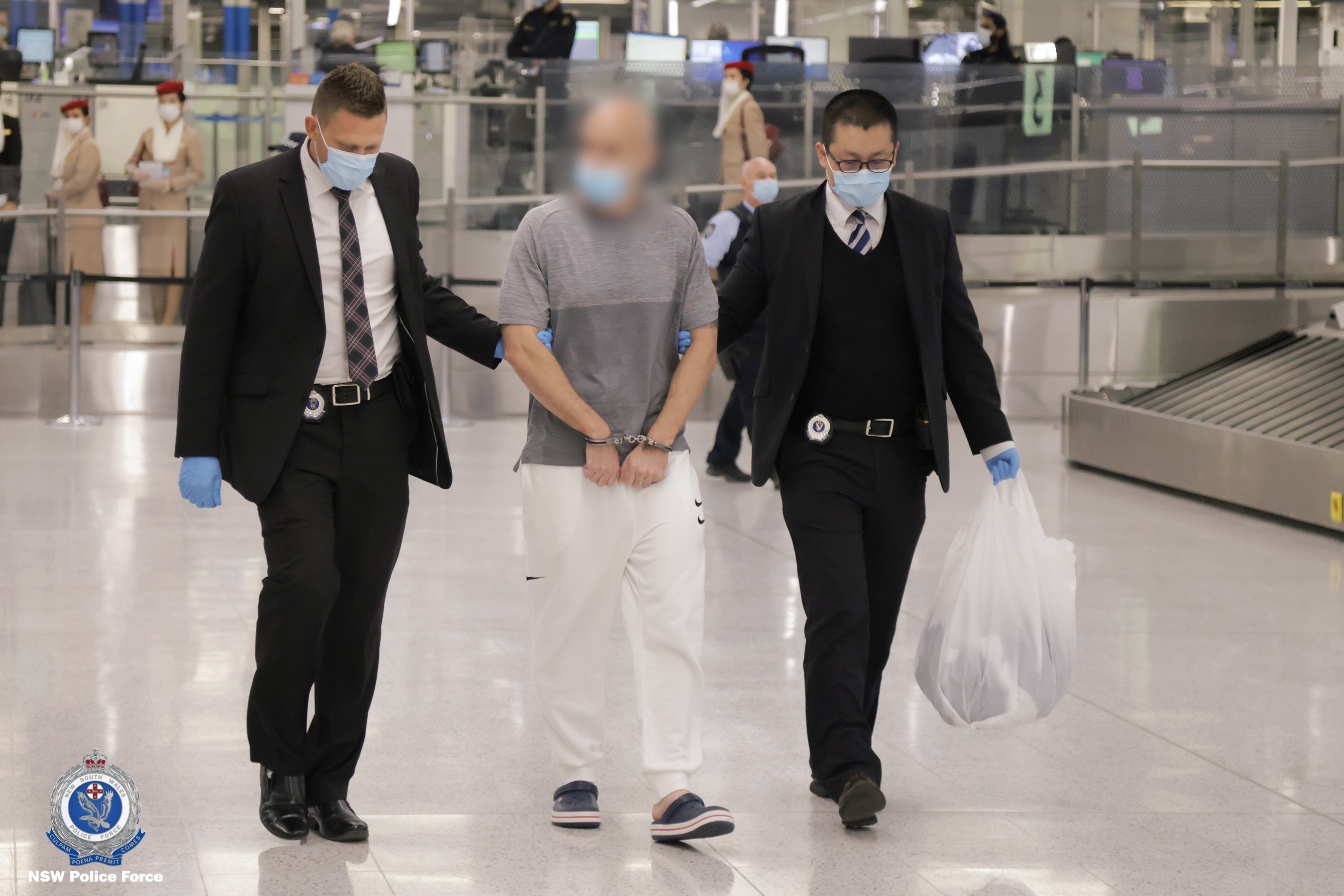
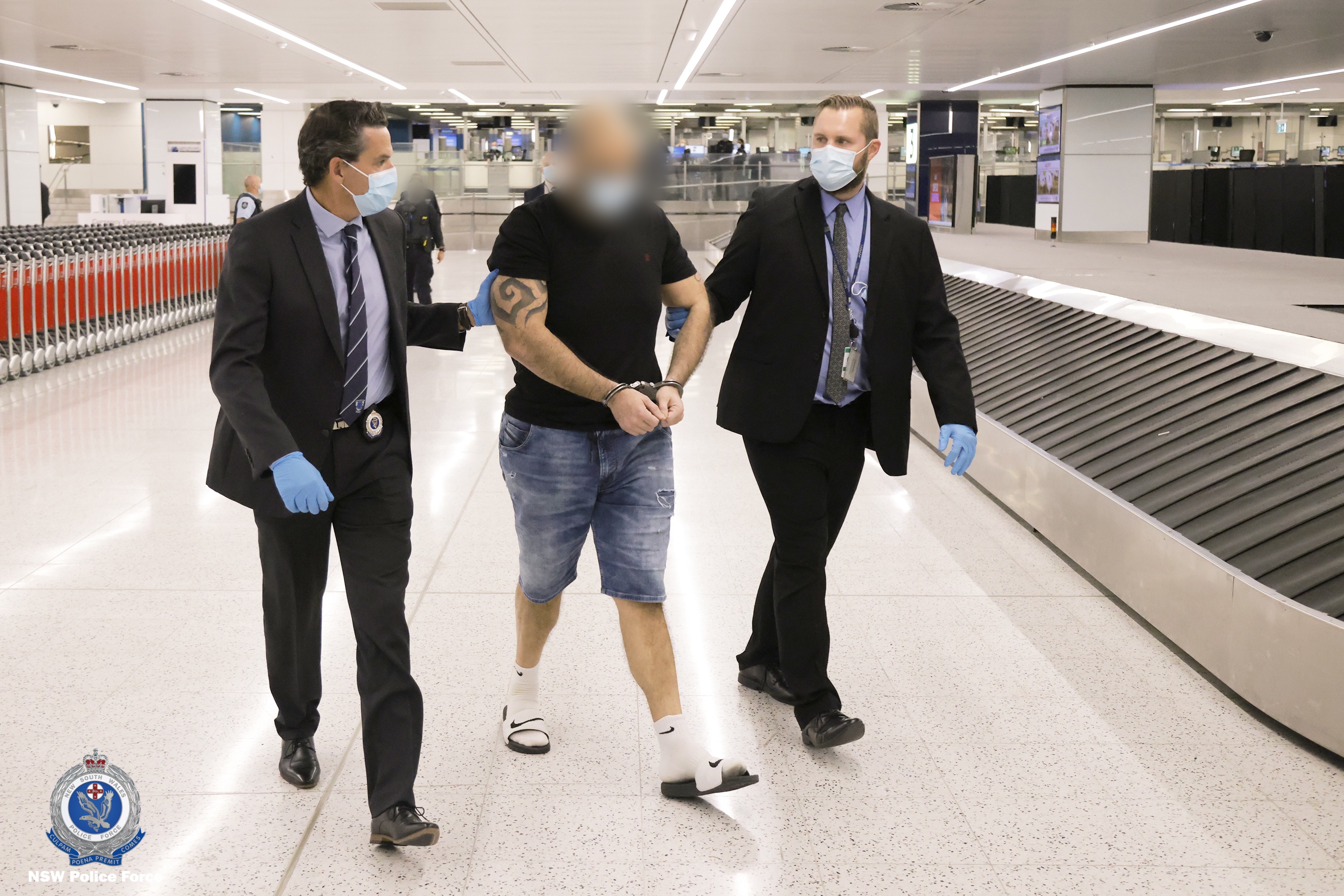
Benjamin Neil Pitt, 38, and Matthew John Battah, 36, were initially apprehended in Dubai last June and since then NSW Police has been working to bring them back to Sydney.

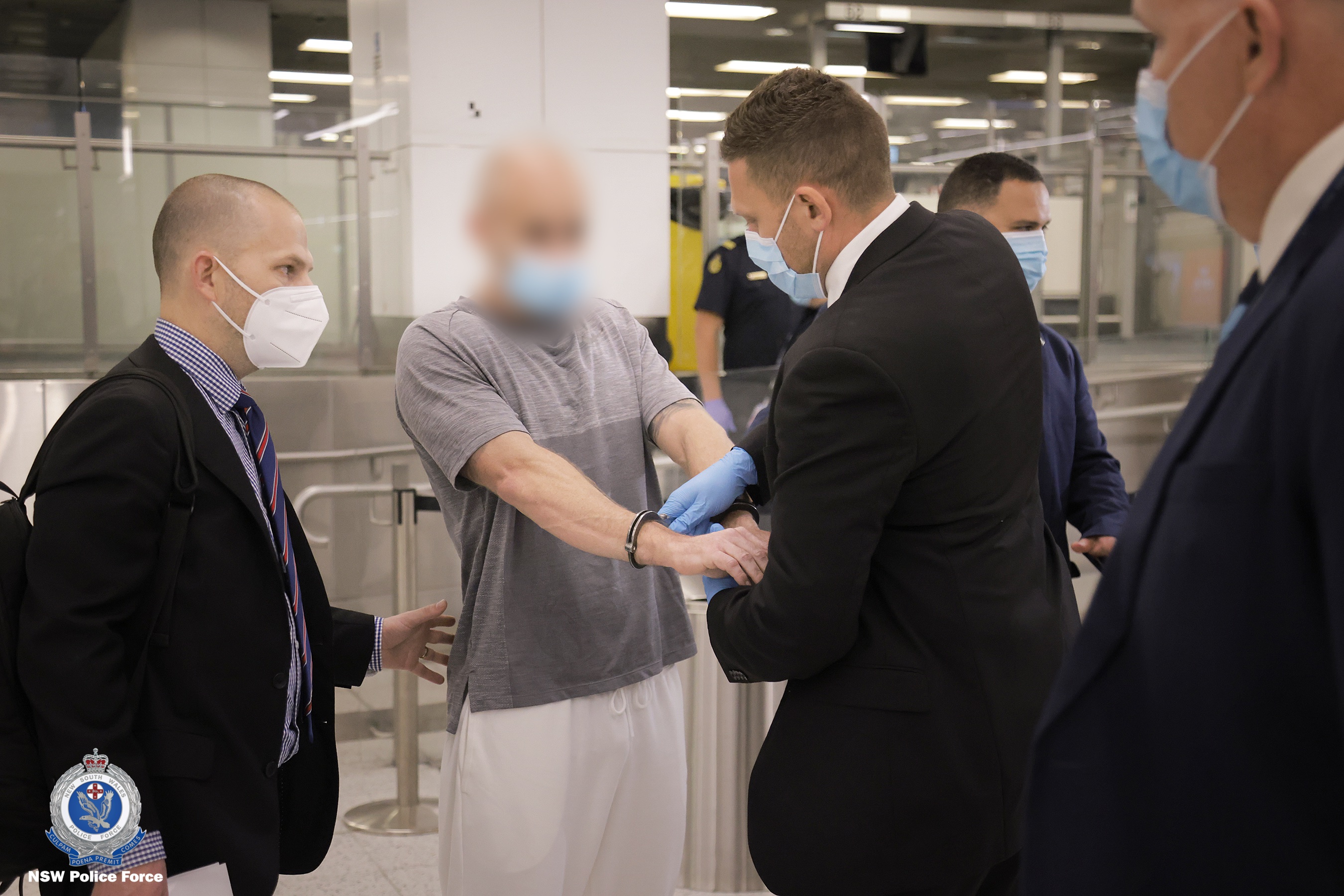
Last night, the men landed at Sydney International Airport and were taken to Sydney Police Station and served with outstanding warrants.

READ MORE: Nearly 70 per cent of Australians have had first vaccine dose

Two men have been extradited to Sydney from Dubai.The pair landed at Sydney International Airport last night escorted by detectives.

Both men were charged with three counts of conspiracy to import commercial quantity of border-controlled drug, conspiracy to traffic in commercial quantity of controlled drug, and conspiracy to deal in proceeds of crime, money/property (greater than $1 million).

The maximum penalty for the drug-related offences is life imprisonment, while the money laundering offence carries a maximum penalty of 25 years imprisonment.

Police will allege in court that the men facilitated the importation of 2.8 tonnes of prohibited drugs on numerous occasions between 2013 and 2014.

The total estimated potential street value of the drugs is more than $150 million.

The men were refused bail at Central Local Court today.

READ MORE: Australia to acquire nuclear-powered submarines

Police will allege in court that the men facilitated the importation of 2.8 tonnes of prohibited drugs on numerous occasions between 2013 and 2014.Their arrests mark the end of an eight-year investigation into a transnational criminal syndicate.

Their arrests mark the end of an eight-year investigation into a transnational criminal syndicate involved in the importation of almost 3 tonnes of prohibited drugs, with an estimated potential street value of $150 million.

"Police will allege these two men played a significant role in the facilitation of an estimated 2.8 tonnes of methylamphetamine into New South Wales, coordinated from Africa, Europe and the Middle East," State Crime Commander, Assistant Commissioner Stuart Smith said.

"The message to those involved in transnational organised crime is now very clear; you cannot flee Australia for a life of opulence in the UAE as we will come for you and hold you accountable for the crimes committed on our shores."

READ MORE: Murder conviction overturned for US cop who killed Australian woman

More than 10 international agencies including the Dubai Police, Interpol in Abu Dhabi and the FBI were involved during the eight-year investigation.

It began December 2013 and Strike Force Millstream was established. Its role was to probe the large-scale supply of prohibited drugs – mainly MDMA and methylamphetamine (ice) – in NSW.

Through the investigation detectives uncovered a significant transnational drug importation and money laundering operation, as well as other organised criminal activity.

So far, 28 people have been arrested and charged for their roles in the syndicate.

Peter Dutton's awkward 'elbow bump' in South Korea

From fist bumps to solemn bows, there's been no concrete etiquette laid down for how to greet other people during a global pandemic.

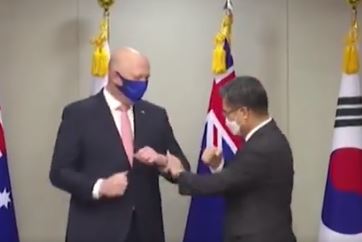
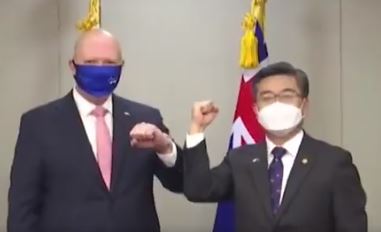
Defence Minister Peter Dutton learnt that the hard way, finding himself caught in an awkward "elbow bump" exchange with his South Korean counterpart Suh Wook.

Dutton is in Seoul for a number of geopolitical talks, and came a cropper for the all-important photo opportunity after the meeting.

READ MORE: Australia to acquire nuclear-powered submarines

Suh Wook raised his elbow to commence the bump, which Dutton responded with a triumphant fist.

It wasn't until Wook took Dutton by the wrist and physically placed his elbow on his that the COVID-safe greeting completed.

Thankfully, as far as internet scorn goes Dutton has escaped with no more than a few jibes on Twitter for his lapse.

Bushfires sparked algae bloom the size of Australia

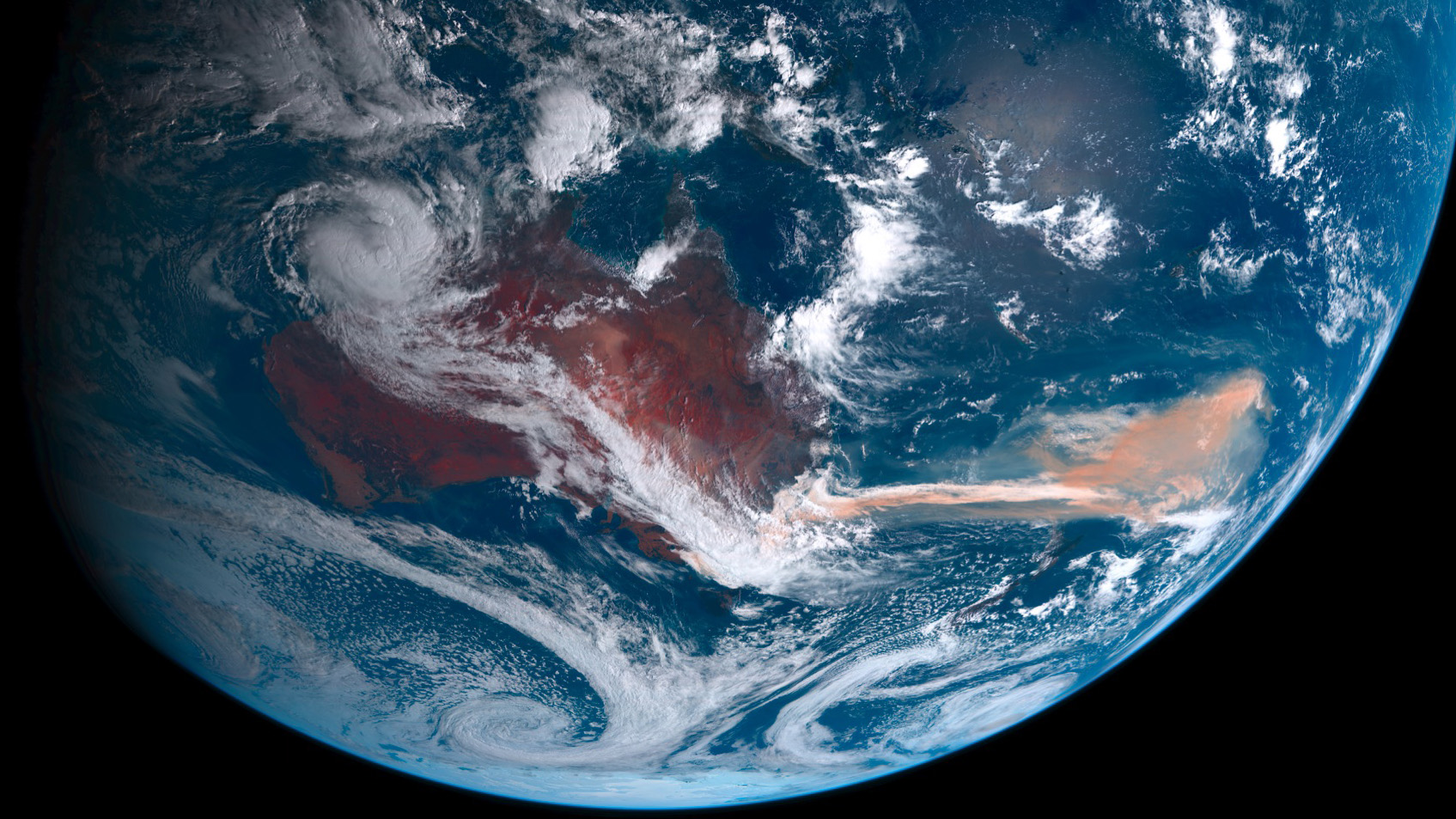
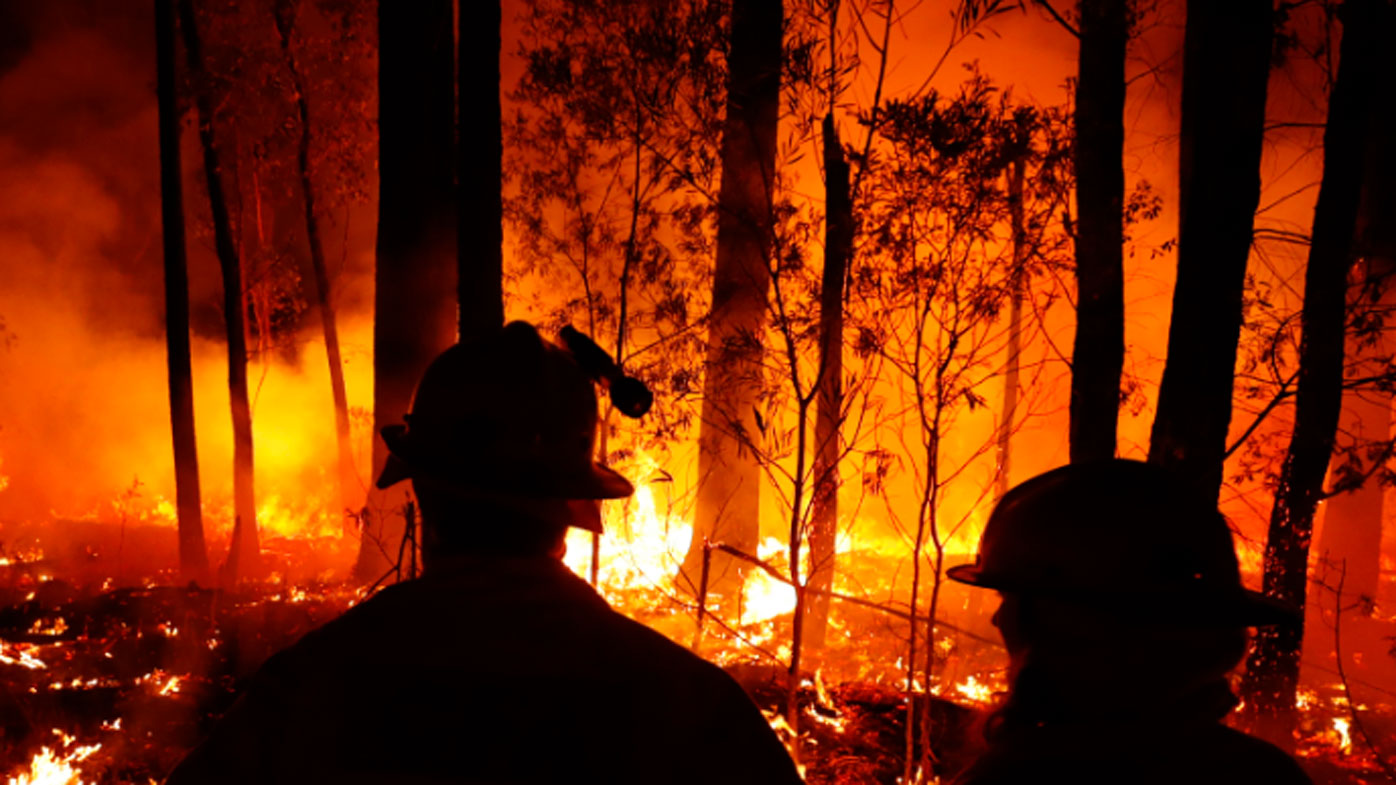
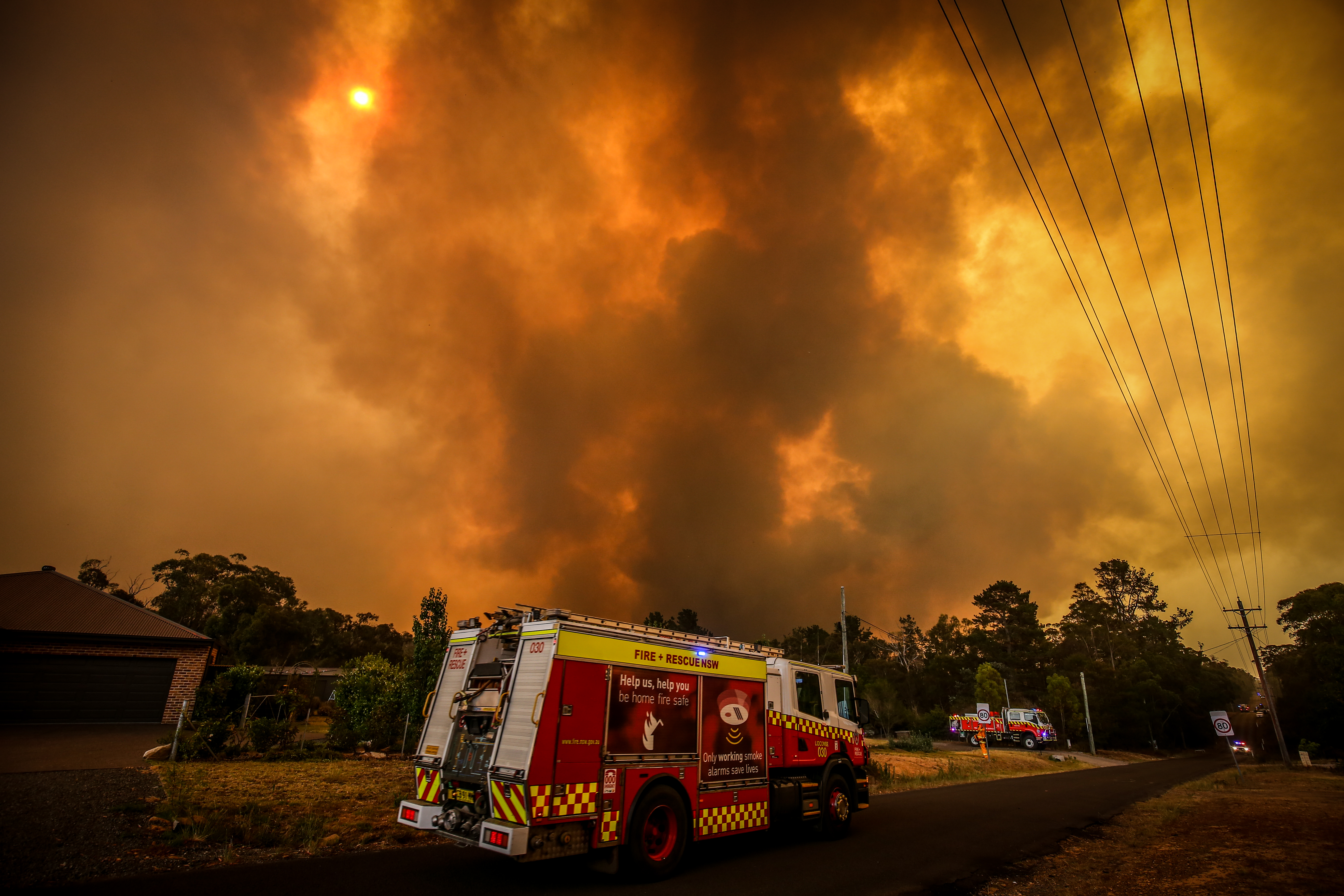
Australia's deadly bushfires two years ago triggered a phytoplankton bloom larger than the country and thousands of kilometres away, scientists say.

The huge bloom was discovered in the South Pacific and Southern Oceans between South America and New Zealand, according to a study.

Such a bloom has never been seen before in the area, according to researchers from the ARC Centre of Excellence for Climate Extremes (CLEX) and the University of Tasmania's Institute for Marine and Antarctic Studies (IMAS).

READ MORE: How bushfires can end up triggering thunderstorms

Himawari-8 satellite image showing smoke from January 2020 bushfires stretching over the South Pacific.

"The phytoplankton bloom in this region was unprecedented in the 22-year satellite record and lasted for around four months," IMAS co-author and CLEX Chief Investigator, Professor Peter Strutton, said.

"What made it more extraordinary is that the part of the season when the bloom appeared is usually the seasonal low point in phytoplankton, but the smoke from the Australian bushfires completely reversed that."

Scientists used satellites and measurements to help make the link and say the smoke from the fires, which reached 16km in the air, was transported vast distances thanks to changed winds in the stratosphere.

That smoke contained small amounts of iron vital for photosynthesis and phytoplankton growth – triple the amount usually found in the ocean.

READ MORE: Goats brought in to prevent bushfires in NSW Central West

It sparked phytoplankton growth just days after the fires.

Phytoplankton can have a positive effect as it absorbs carbon dioxide.

Those blazes are said to have generated 715 million tonnes of carbon dioxide – but the algae absorbed that.

"The phytoplankton growth removed significant amounts of carbon from the atmosphere, roughly equivalent to the amount released by the fires," the ARC Centre of Excellence for Climate Extremes said.

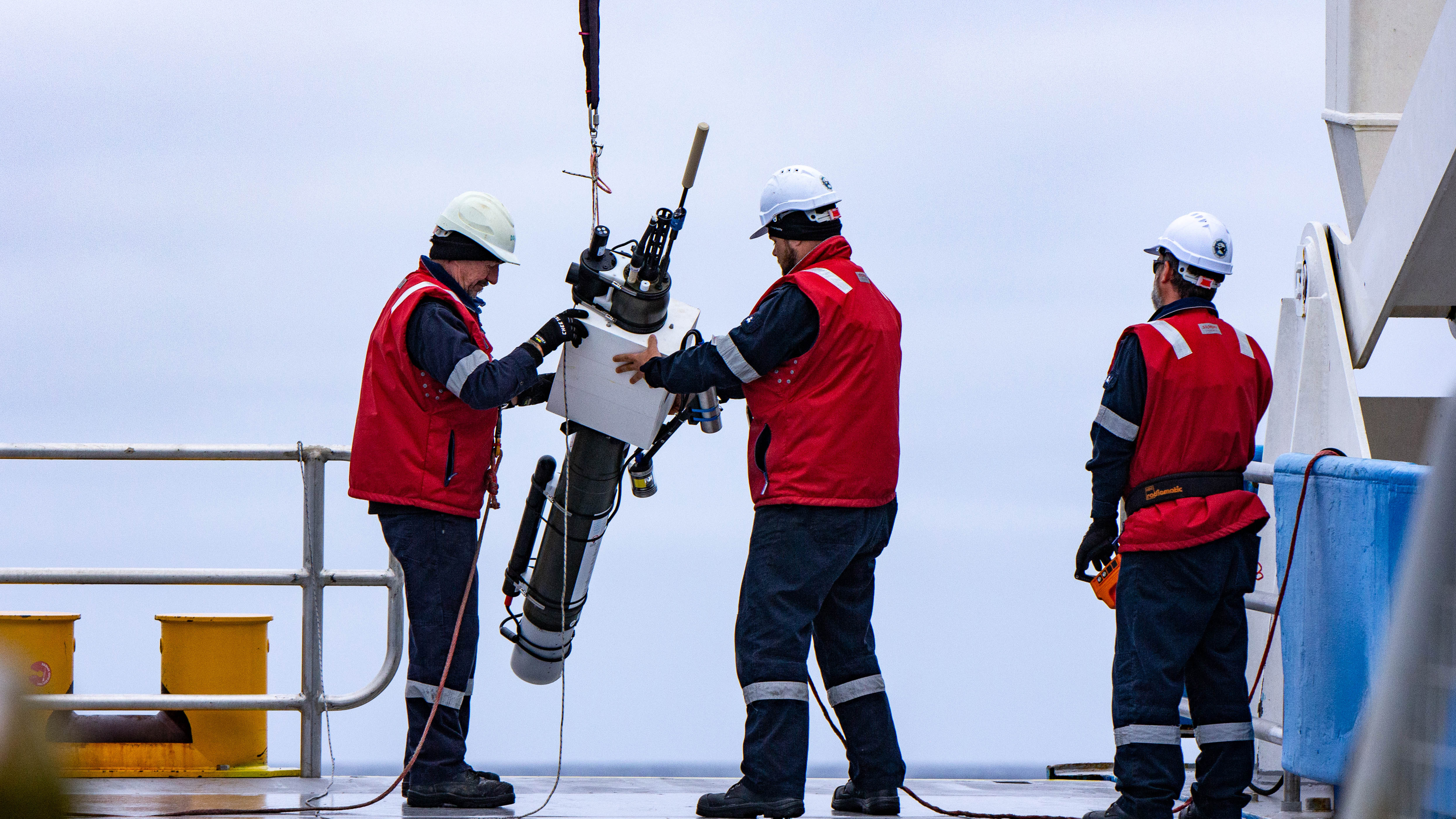
A bushfire approaches homes on the outskirts of the town of Bargo on December 21, 2019.An Argo float in the process of being launched from the RV Investigator.

Experts say fertilising the ocean with iron to promote phytoplankton growth has often been suggested as a method to combat climate change.

But more work needs to be done.

"With increasing risks of bushfires in some areas, and the potential impact on climate, this research shows that we need to turn our attention to the consequences of fires at a global scale," Professor Strutton said.

READ MORE: 'Unprecedented' forest fire ravages Greek island

"We need a far more comprehensive representation of wildfires in climate models and targeted studies to understand their influence on marine ecosystems.

"Our capacity to adapt to future climate change depends on it."

Gold Coast home destroyed by fire was home to candle business

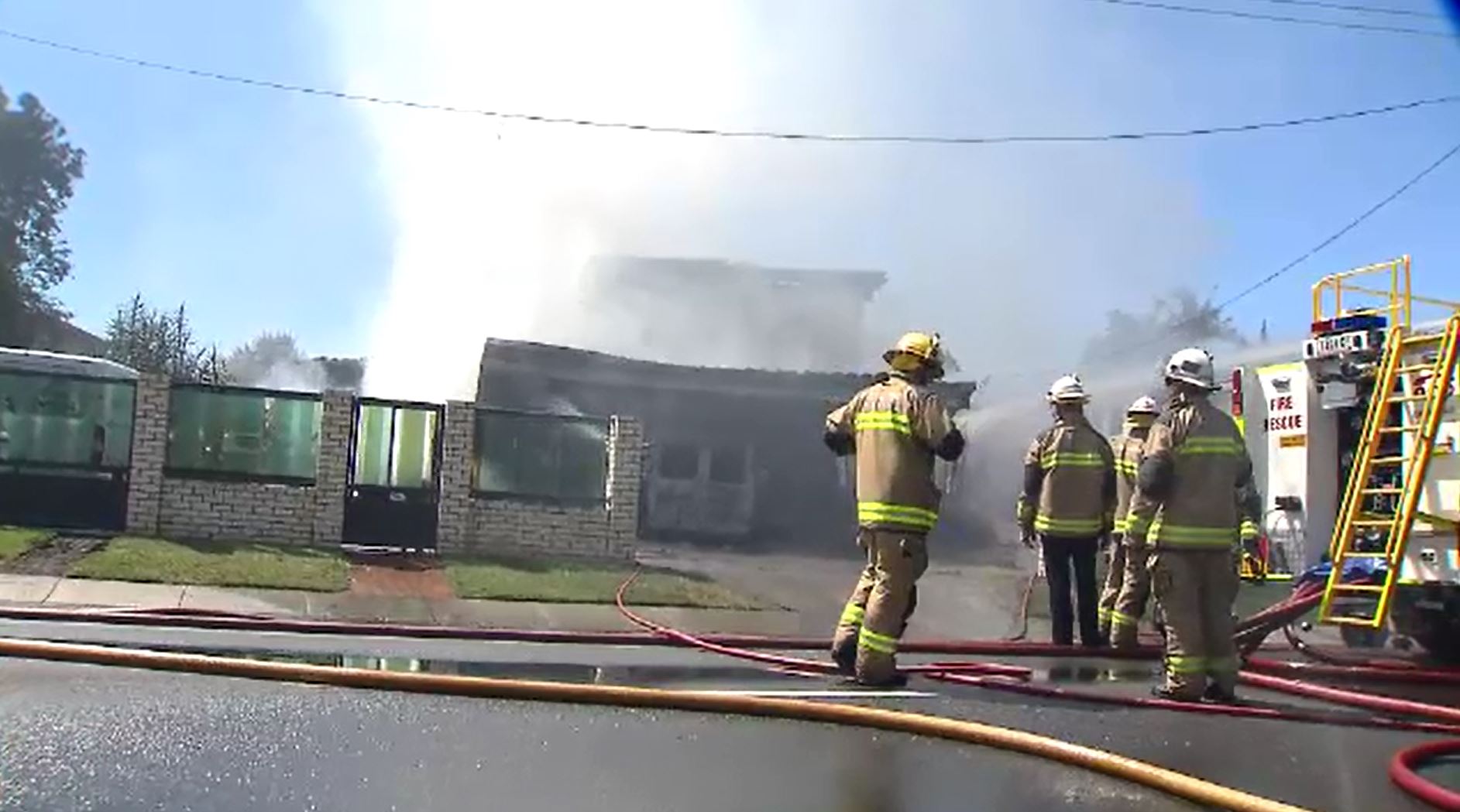
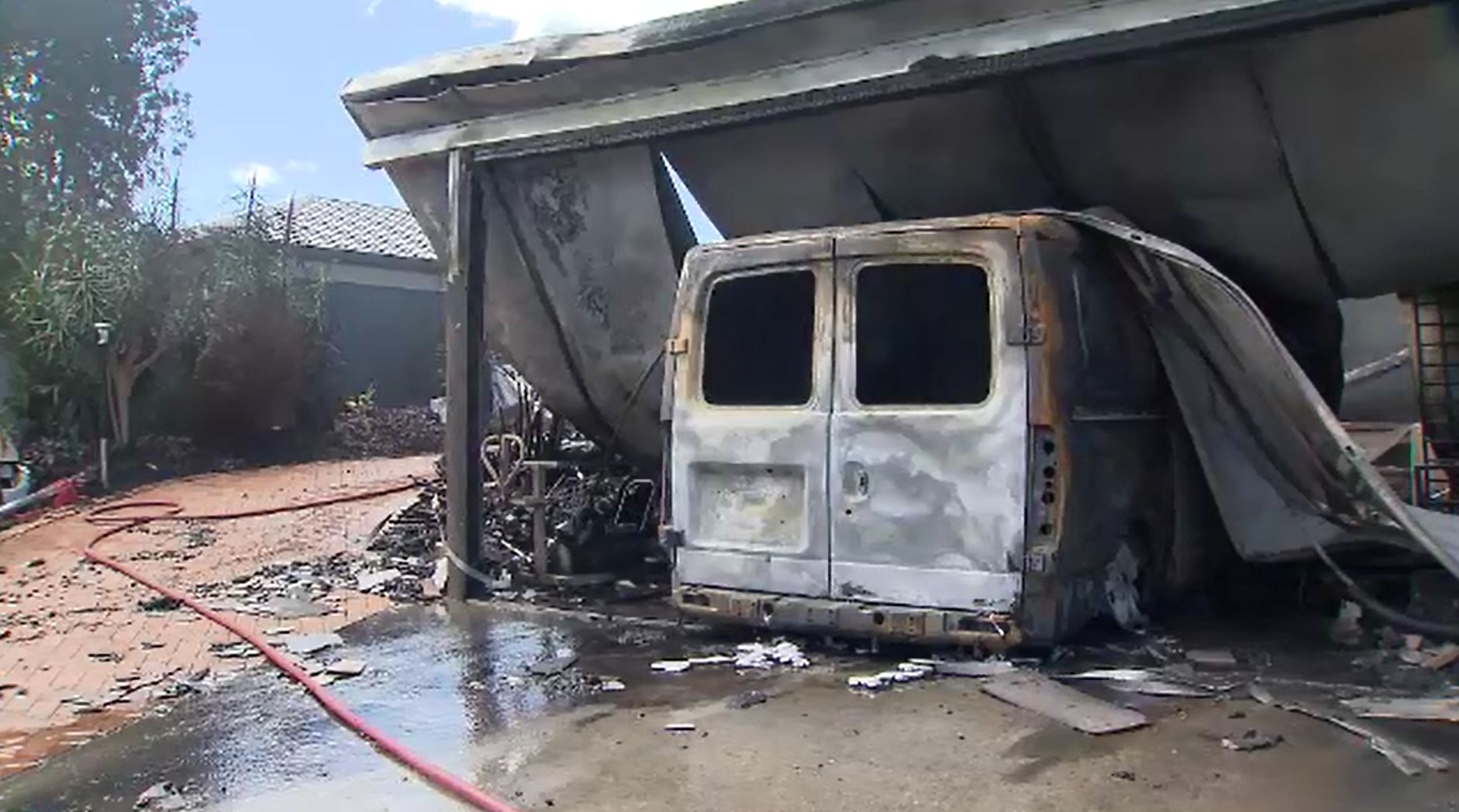
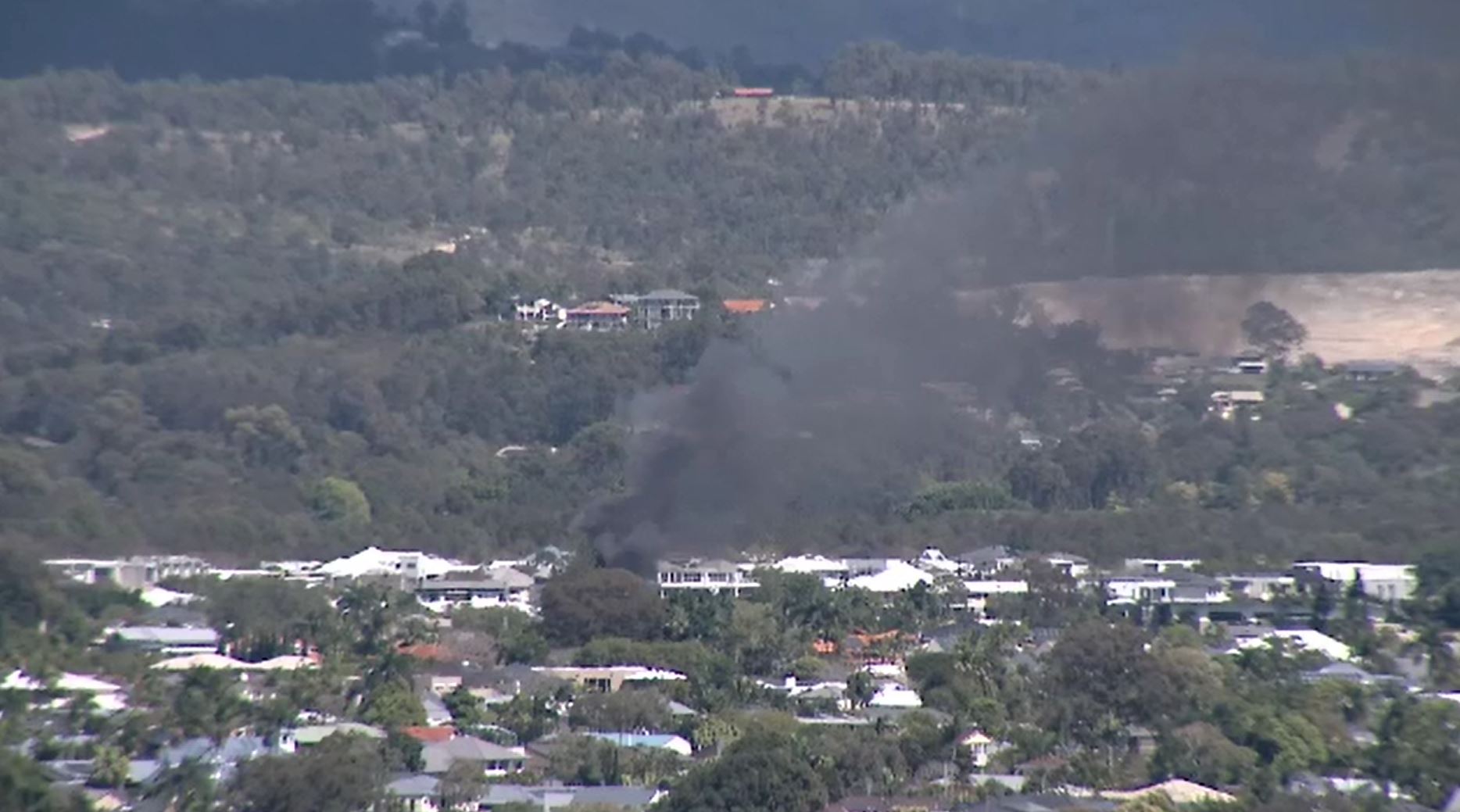
A Gold Coast home, which fire crews say was used for making candles, has been destroyed by fire this morning.

Fire crews were called to the home on Broadbeach Road in Carrara about 10.30am and found a fire in the garage spewing a plume of black smoke.

Neighbours said the occupant of the home tried to save his van by reversing it out of the garage but lost consciousness in the driver's seat.

READ MORE: Lismore shut out of border bubble

He was taken to hospital by paramedics.

Station manager Karl Nihot said crews knew before they left the station that the home was well involved by the amount of smoke, which was visible from Nerang.

When crews arrived the fire was already spreading into the main structure of the two-storey home.

"The fire got hold pretty quickly," Mr Nihot said.

"Because of the fuel load in that area it rapidly spread and got into the main property through the upper level."

He said the priority for firefighters then became a neighbouring property on the north-western side that was also at risk of catching alight.

It was undamaged.

Neighbour Winfried Muller told 9News he believed the house had recently been renovated.

https://twitter.com/QldAmbulance/status/1438311626885656580?ref_src=twsrc%5Etfw

Japan's defence minister draws red line in island dispute with China

Japan is drawing a red line around an island chain also claimed by China, pushing back at Beijing's increasingly aggressive military posturing, and setting the stage for a potential showdown between the region's two biggest powers.

In an exclusive interview with CNN, Japanese Defence Minister Nobuo Kishi said the Senkaku Islands, known as the Diaoyu Islands in China, are unquestionably Japanese territory and would be defended as such, with Tokyo matching any Chinese threat to the islands ship for ship, and beyond if necessary.

Japan has been expanding its self-defence forces, adding state-of-the-art F-35 fighter jets and converting warships to aircraft carriers for them.

READ MORE: Australia to acquire nuclear-powered submarines
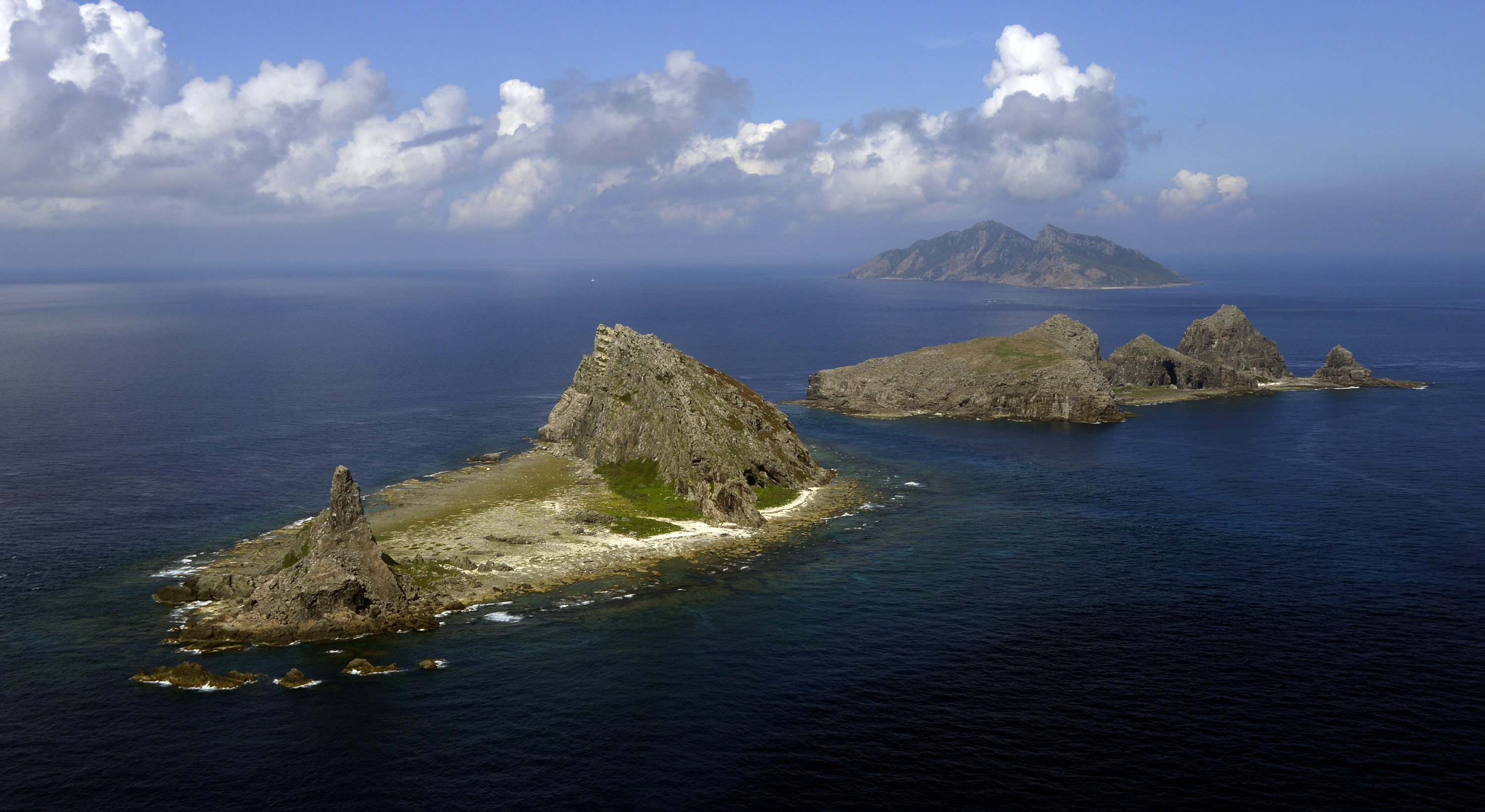
TOKYO, Japan - File photo taken from a Kyodo News airplane shows (from front) Minamikojima, Kitakojima and Uotsuri islands, part of the five main islands in the Senkaku group in the East China Sea, on Sept. 11, 2013, a year after the Japanese government purchased the three islands, which are also claimed by China and Taiwan. (Photo by Kyodo News Stills via Getty Images)

It is also building new destroyers, submarines and missiles, all the while noting its military expenditure still pales in comparison with China's increased military spending.

"Against Chinese action to Senkaku Islands and other parts of the East China Sea… we have to demonstrate that the government of Japan is resolutely defending our territory with the greater number of Japanese coast guard vessels than that of China," Mr Kishi said.

"There is no territorial dispute relating to the Senkaku Islands between Japan and other countries," he added.

Tensions over the uninhabited rocky chain — 1900 kilometres southwest of Tokyo but only a third of that distance from Shanghai — have simmered for years, and claims over them date back centuries.

When tensions spiked over the islands in 2012, it sparked a groundswell of nationalist sentiment in China.

Public protests broke out in dozens of Chinese cities, with Japanese-branded cars smashed, Japanese stores and restaurants vandalised, and debris hurled at the Japanese Embassy in Beijing.

READ MORE: Murder conviction overturned for US cop who killed Australian woman
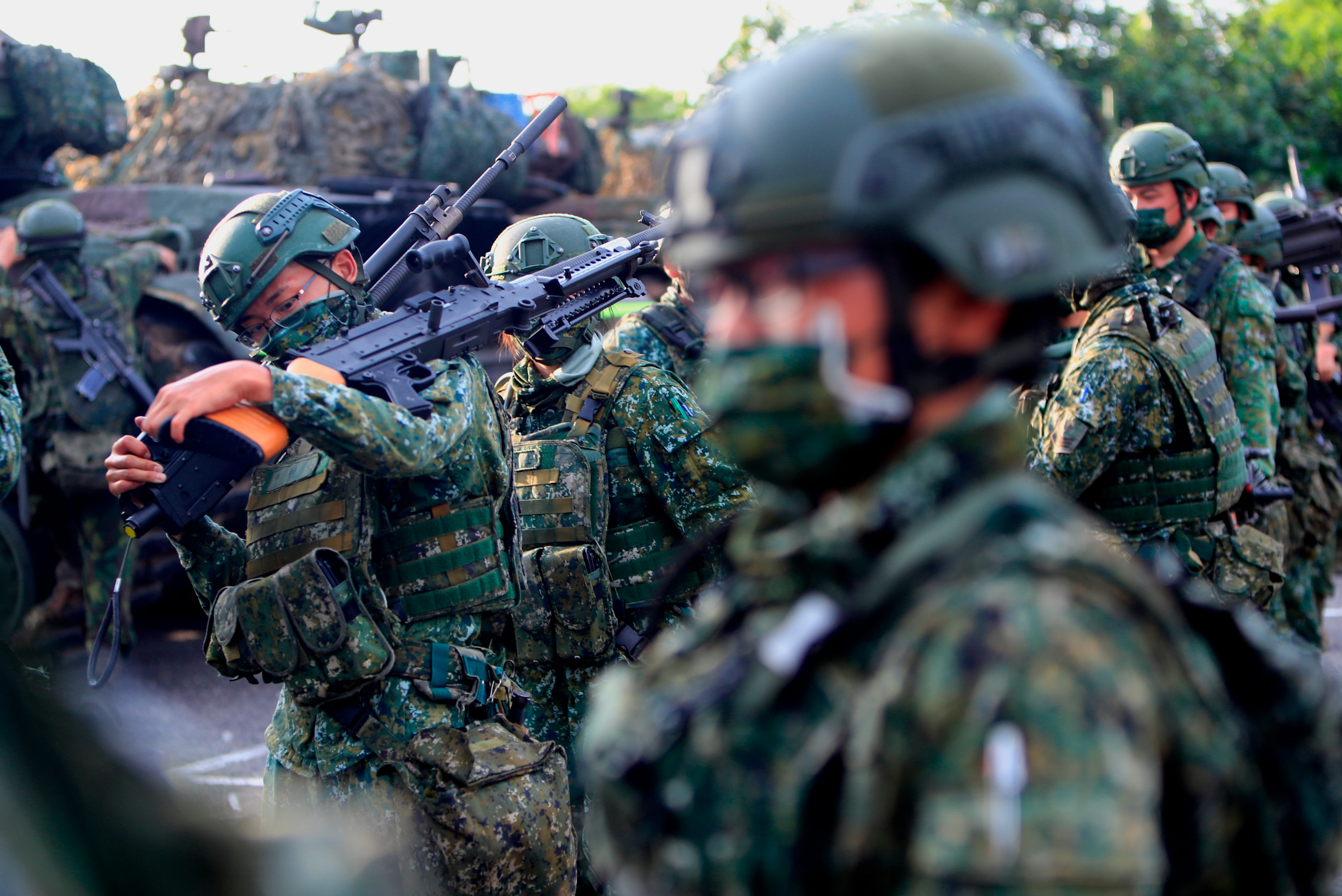
Taiwanese soldiers are seen holding grenade launchers and machine guns and driving tanks, during an operation as part of the 37th edition of the HanKuang military exercise, in Tainan, Taiwan, 14 September 2021. Training including risks assessment and monitoring of enemies have been conducted in the face of the intensifying #threats from China, with the US offering arms sale to the self-ruled island, whilst the island has been building better relations with Japan and other European countries such

At the governmental level, China has been just as strident as Mr Kishi is in claiming the island chain.

"The Diaoyu Island and its affiliated islands are an inherent part of China's territory, and it is our inherent right to carry out patrols and law enforcement activities in these waters," China's Foreign Ministry said in a statement last year.

China has been backing its claims in the region with its ships, and by establishing new laws that give its coast guard expanded powers.

According to Japanese authorities, Chinese Coast Guard vessels have ventured into Japanese territorial waters, or within 22.2 kilometres of Japanese land, a total of 88 times between January 1 and the end of August.

While in the contiguous zone, waters between islands but not within 19.3 kilometres of shore, there have been 851 Chinese incursions.

Experts say China's strategy is to put its forces in places in and around contested areas and exert Beijing's law and authority over them.

Such action makes the Chinese claims seem like due course.

"Exercising coastal state rights is an important step in corroborating sovereignty through practice," said Alessio Patalano, professor of war and strategy at King's College in London.

Mr Kishi has taken notice.

"There are actions that continue to challenge an integral part of Japan's sovereign territory. These actions are making it a fait accompli," he said.

That "integral" Japanese territory extends even closer to another possible flashpoint in the Japan-China relationship.

Taiwan's importance to Japan

Japan's westernmost island is at the very end of a string of Japanese possessions paralleling the Chinese coast and extending south some 1125 kilometres from the main island of Kyushu, through the military hub of Okinawa and the resort island of Ishigaki, to the tiny island of Yonaguni.

With its population of fewer than 2000 people, Yonaguni sits only 110 kilometres from Taiwan, the democratically governed island over which Beijing claims sovereignty.

Taiwan and mainland China have been governed separately since the end of a civil war more than seven decades ago.

However, Beijing continues to view Taiwan as an inseparable part of its territory even though the Chinese Communist Party has never governed it.

China has been stepping up its military pressure on Taiwan.

In June, it sent over two dozen warplanes near the island, prompting Taiwan to alert its air defences.

Chinese leader Xi Jinping says Taiwan must be brought under Beijing's control and has not ruled out the use of force in making that happen.

That, said Mr Kishi, has Tokyo in a constant state of vigilance.

When Tokyo released its annual defence white paper in July, it contained its strongest language ever on Taiwan, saying "stabilising the situation surrounding Taiwan is important for Japan's security."

READ MORE: Kim Jong Un's sister warns of 'destruction'
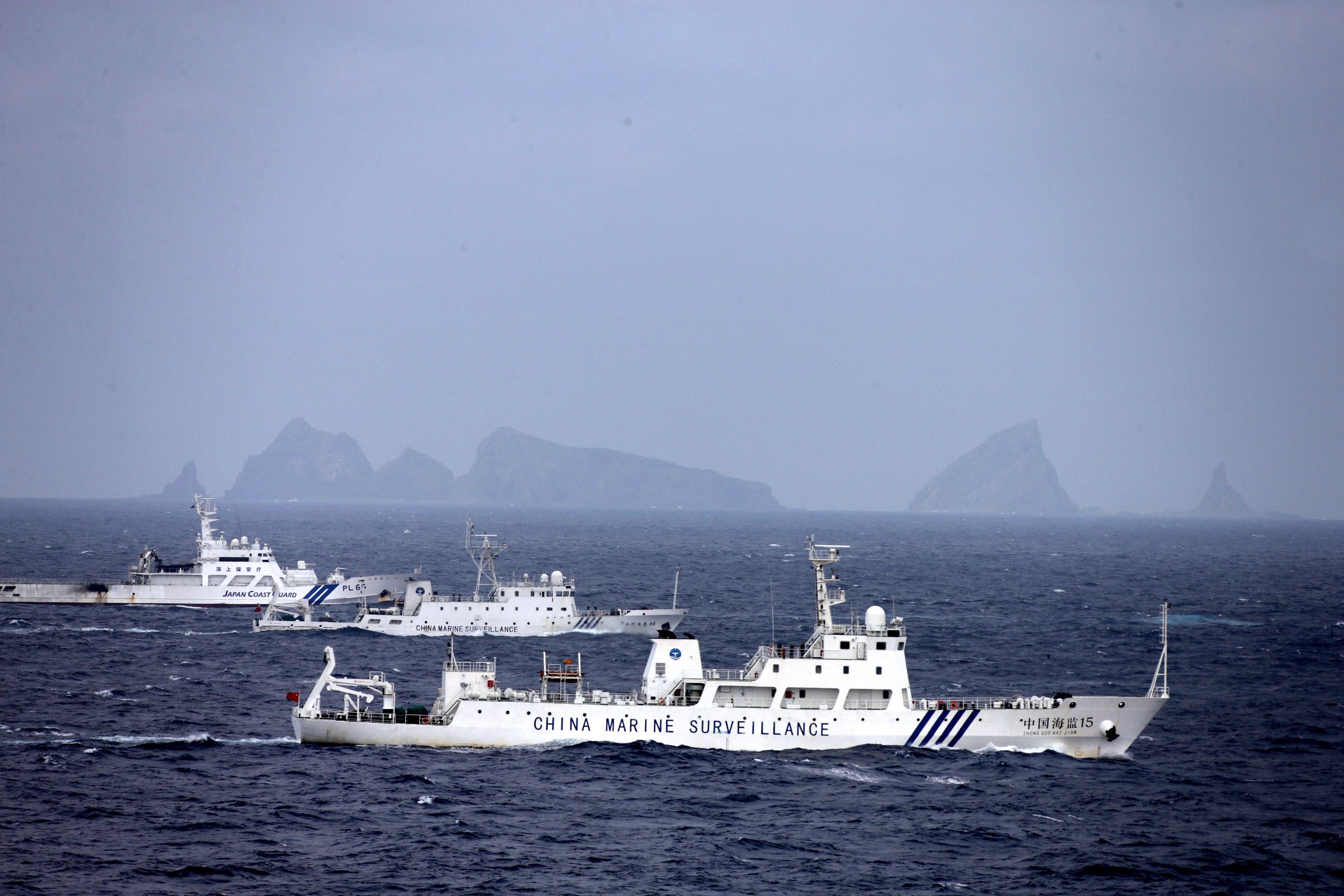
ISHIGAKI, JAPAN - APRIL 23:     In this aerial image, a China Marine Surveillance vessels (front and middle) cruises with a Japan Coast Guard ship near Kita kojima and Minami kojima of the disputed Senkaku Islands on April 23, 2013 in Ishigaki, Okinawa, Japan. 8 Chinese ships intruded into Japan's territorial water for up to 12 hours.  (Photo by The Asahi Shimbun via Getty Images)

At the time, Mr Kishi said it should be monitored with "a sense of crisis."

In his interview with CNN, he gave specifics.

"What's happening in Taiwan is directly linked to Japan," he said, noting the island sits astride his country's "energy lifeline."

"Ninety per cent of energy that Japan uses is imported through the areas around Taiwan," Mr Kishi said.

It's a vulnerability that Tokyo has to mitigate.

"What could happen in Taiwan could likely be an issue for Japan, and in that case, Japan will have to take the necessary response to that situation," Mr Kishi said, while stressing that tension should be diffused through dialogue, not violence.

But Tokyo isn't just using words to back up its claims.

It's also beefing up its military defences, putting missiles and troops on Yonaguni and planning to do the same to nearby Ishigaki in the near future.

"This is to demonstrate our strong will to defend our southwestern area of Japanese territory," Mr Kishi said.

In that regard, Tokyo has a key ally in its corner, the United States.

https://twitter.com/RoyalNavy/status/1436334348022788096?ref_src=twsrc%5Etfw%7Ctwcamp%5Etweetembed%7Ctwterm%5E1436334348022788096%7Ctwgr%5E%7Ctwcon%5Es1_&ref_url=https%3A%2F%2Fwww.cnn.com%2F2021%2F09%2F15%2Fasia%2Fjapan-defense-minister-kishi-china-interview-intl-hnk-ml%2Findex.html

Tokyo and Washington share a mutual defence treaty, meaning the US is obligated to defend Japanese territory.

US President Joe Biden reaffirmed that security commitment shortly after his inauguration in January, with a White House statement specifically mentioning the Senkakus.

Mr Kishi said this week that alliance is being strengthened, and in commenting on the Senkakus situation, said Washington has Tokyo's back.

"We will continue to conduct bilateral training with the US and multilateral training with other partners to strengthen our posture and contribute to the peace and stability of this region," he said, noting that naval exercises have been held or scheduled with partners including France, the United Kingdom and Germany.

While lining up partners, Japan is also improving its own arsenal, including developing and acquiring weapons systems that can strike areas well beyond Japanese territory.

Without saying what areas those longer-range systems might target, the Japanese defence minister said it was important for the country's military to have the right equipment to defend it from any threat.