A man who was behaving erratically in a police cell in south Auckland has died after being taken to hospital. The man, in his 20s, was arrested at an Ōtara property and taken to the Manukau Custody Unit for breaching his electronically…
Tag Archives: oceania
'Don't listen to social media on vaccines': Top doctor's plea
A senior health expert from south-western Sydney has urged younger residents to ignore social media commentary on COVID-19 vaccines and get the jab.
Dr Ahmad Alrubaie, a gastroenterologist at Bankstown-Lidcombe Hospital, spoke during this morning's state update as a "representative of our communities in west and south-west Sydney".
He said incorrect commentary about the vaccine covered "every single aspect", including its production and administration.
LIVE: NSW records 1116 new cases, four deaths linked to virus
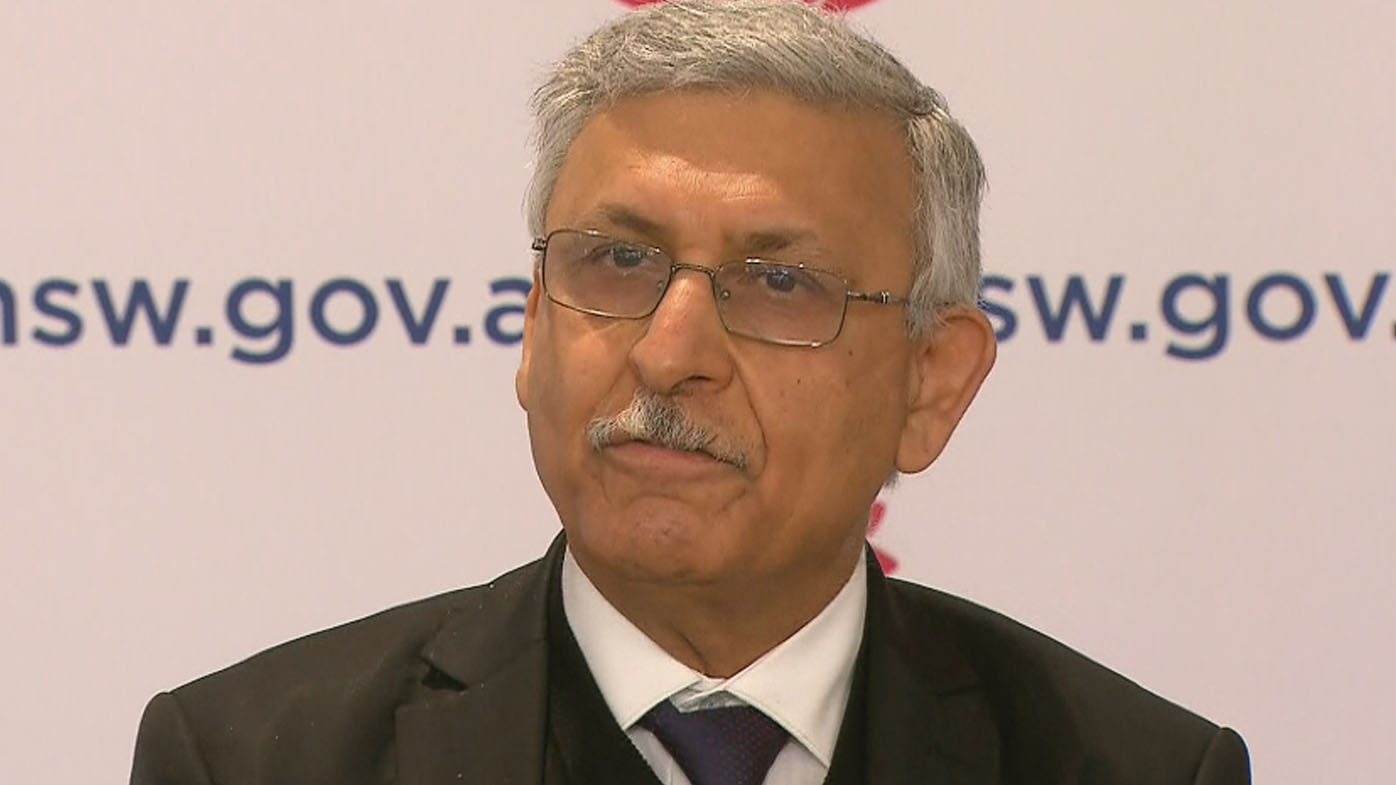
has urged younger people to ignore social media commentary about COVID-19 vaccines.
NSW today recorded 1116 cases of COVID-19 and four more deaths.
Dr Alrubaie said he was concerned misinformation, shared on social media and through messaging services, was continuing to affect the vaccine rollout, especially among younger people.
"Don't listen to any social media," he said.
"Don't listen to any YouTube. Don't listen to any WhatsApp networking among you guys.
"The only reliable source and trust the source is the information from the health authorities from health professionals."
Dr Alrubaie said the overwhelming evidence from the more than five billion vaccinations administered around the world showed they were safe.
"We still have some people hesitant about getting the vaccination. To those people I say COVID-19 vaccinations are safe and effective," Dr Alrubaie said.
"This is not only our experience here in Australia. It's the experience of the world and all developed countries."
READ MORE: NSW to reach COVID-19 vaccine milestone as international arrivals are cut
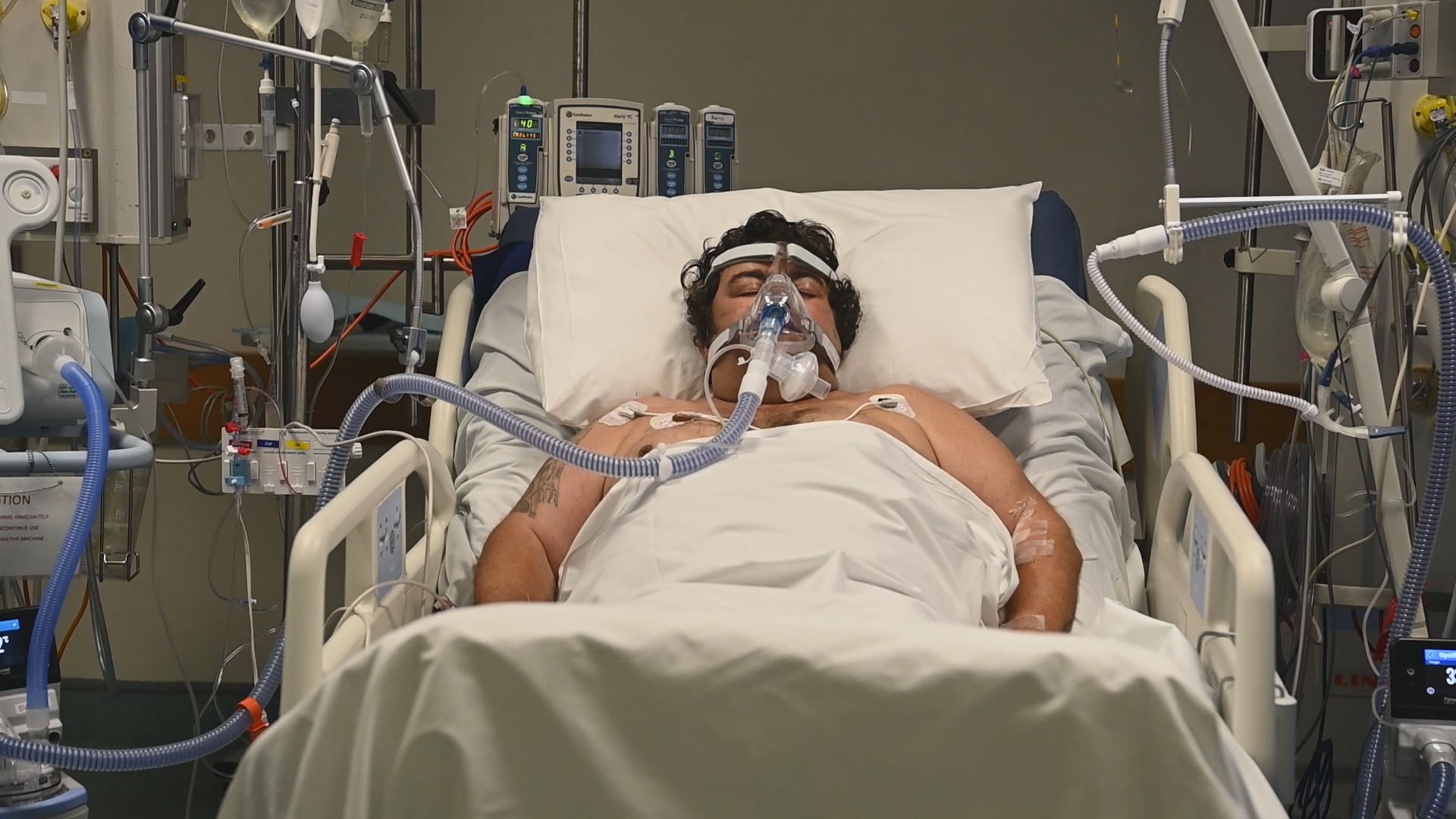
"They are effective in reducing the chances of catching the virus. They are even more importantly, effective in preventing the serious forms of the disease," he said.
"They are effective in keeping you away from hospitals, intensive care units and from death. By vaccination, you protect not only yourself but your kids, your family, your friends and your contact."
Dr Alrubaie said he was disturbed about the number of COVID-19 patients aged under 40 who were in intensive care.
"Long COVID can have a bad impact on your learning and study and this can continue even after the full recovery from the disease," he said.
READ MORE: Campervans rushed to Wilcannia for quarantine as outbreaks in regional NSW worsen
'Mayhem and chaos': Afghans who made it out, and those who didn't
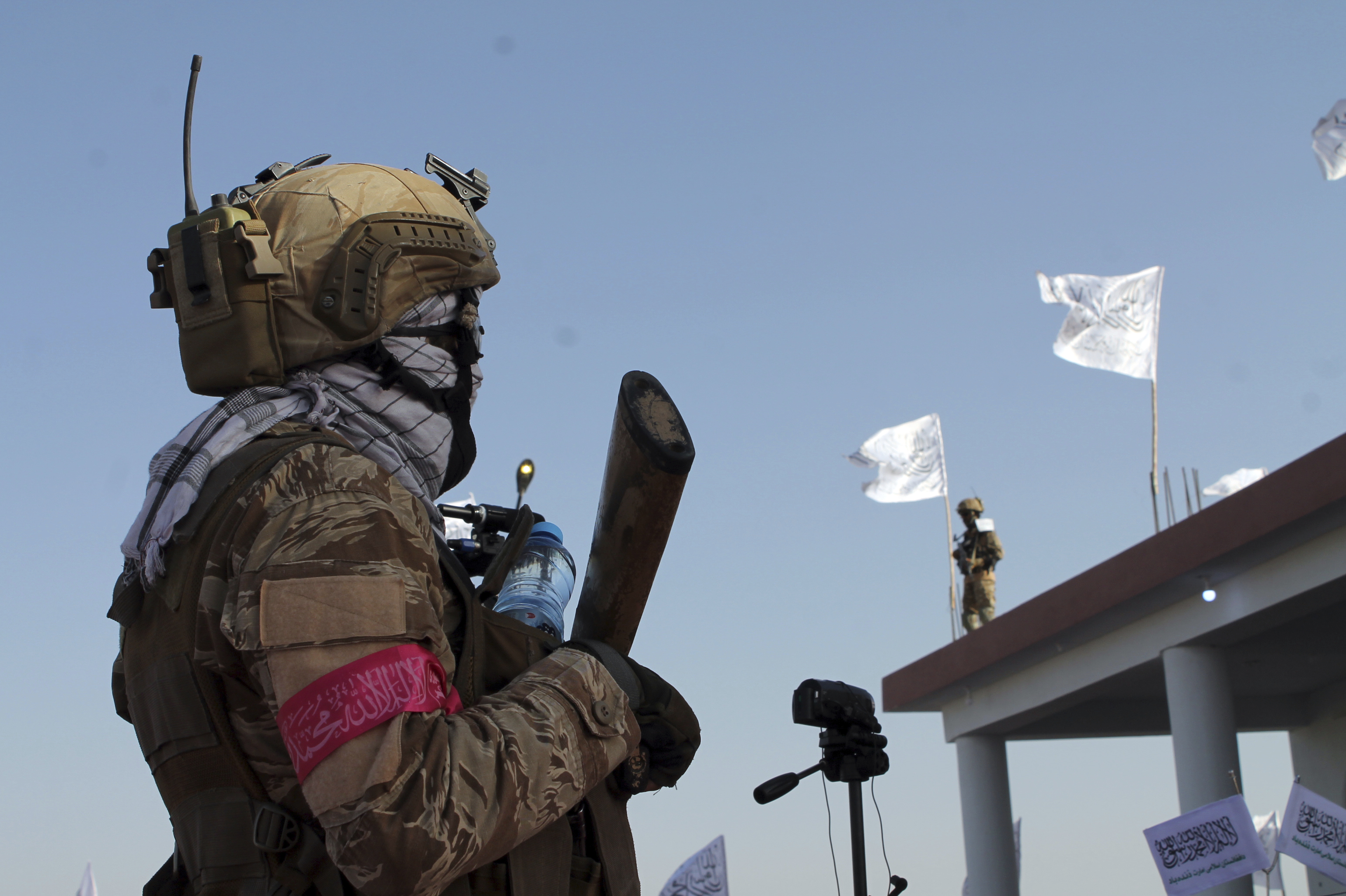
When the Taliban recaptured Afghanistan, tens of thousands of civilians decided to flee their homes.
Translators, military contractors, public officials, journalists, human rights activists, employees of foreign NGOs and many others suddenly found themselves at risk. Many had direct links to the United States and its allies and feared the militant group would seek their revenge against them after the US withdrawal.
Others were afraid the freedoms they got used to in the past two decades would quickly disappear under Taliban rule. Many felt the safety of their families was in jeopardy.
More than 120,000 people have been evacuated from Afghanistan since late July, according to the White House. Now that the US and its allies have ended their airlift missions, it has become clear that many vulnerable Afghans were left behind.
Some didn't make it to the airport on time. Others never had an opportunity to leave. Some simply chose to stay and fight for their rights. Here are stories of some of those who escaped — and those who didn't make it.
READ MORE: US dropped 'Ninja bomb' to kill terrorists in Afghanistan
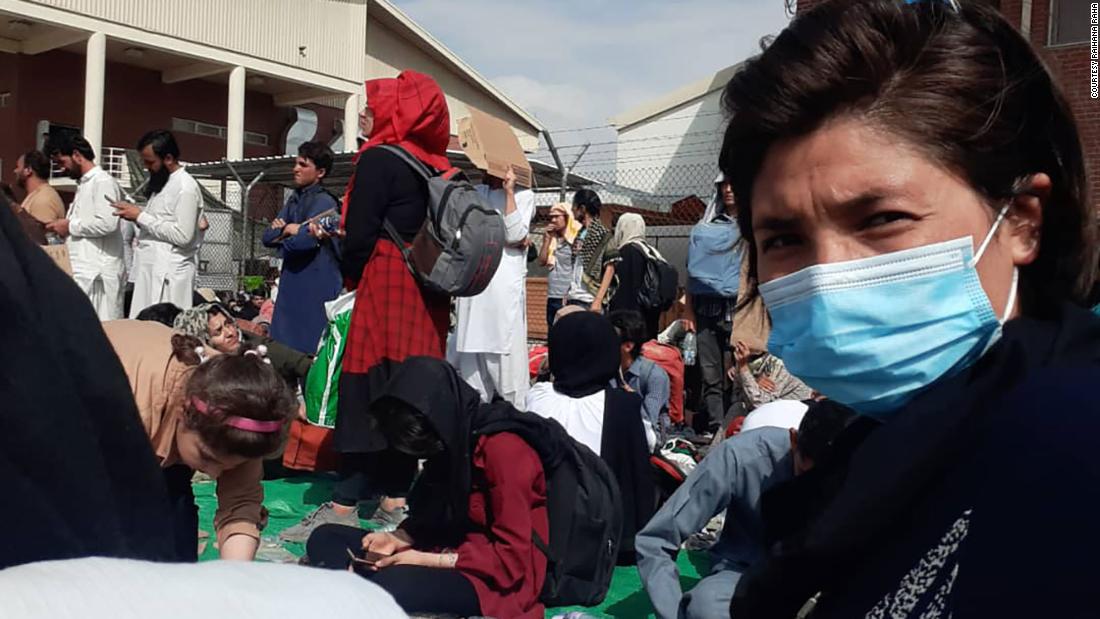
I walked through a drainage canal to get to the airport
Raihana Raha got into the Kabul airport with the assistance of French soldiers after walking through a drainage canal, knee deep in wastewater.
Days later, in the safety of a hotel in Paris, she was still worried people could smell it on her.
Ms Raha, a 25-year-old women's rights activist, fled Afghanistan shortly after the Taliban captured Kabul. She didn't sleep at home, hiding instead at a friend's house.
Once she received her visa she headed to the airport along with a group of other women in a similar situation.
She still finds it difficult to describe what she was thinking during the three treacherous days she spent waiting outside the Hamid Karzai International Airport.
"All that I could do was just, you know, [be] strong and do what I could do … it was all about chances. It was about trying to find a chance," she said.
When Ms Raha got inside the airport, it struck her how quiet it became.
"The people, when they get to the airport, they were silent, most of them were silent, it seemed like they were thinking about what's happened to them, what happened to their country, what's happening to their lives, you know, because most of them, they were the people who were working, the people who had a lot of plans to make their dreams [come true]," she told CNN.
It finally hit her on the plane. She was leaving her country.
"A lot of people were sitting on the floor, most of the people there were crying and I could feel why they were crying, because they were thinking about how they are leaving their country and for what, and why they're leaving," she said.
Ms Raha herself isn't a big crier, she said. At least, not normally. "It's not easy for me to cry, sometimes in the past, when I was trying to cry, I couldn't, I don't know why, I just couldn't, but on that day, I couldn't stop myself," she said.
"Of course I cried."
READ MORE: Police hurt, more than 100 arrested and 430 fined at anti-lockdown protests
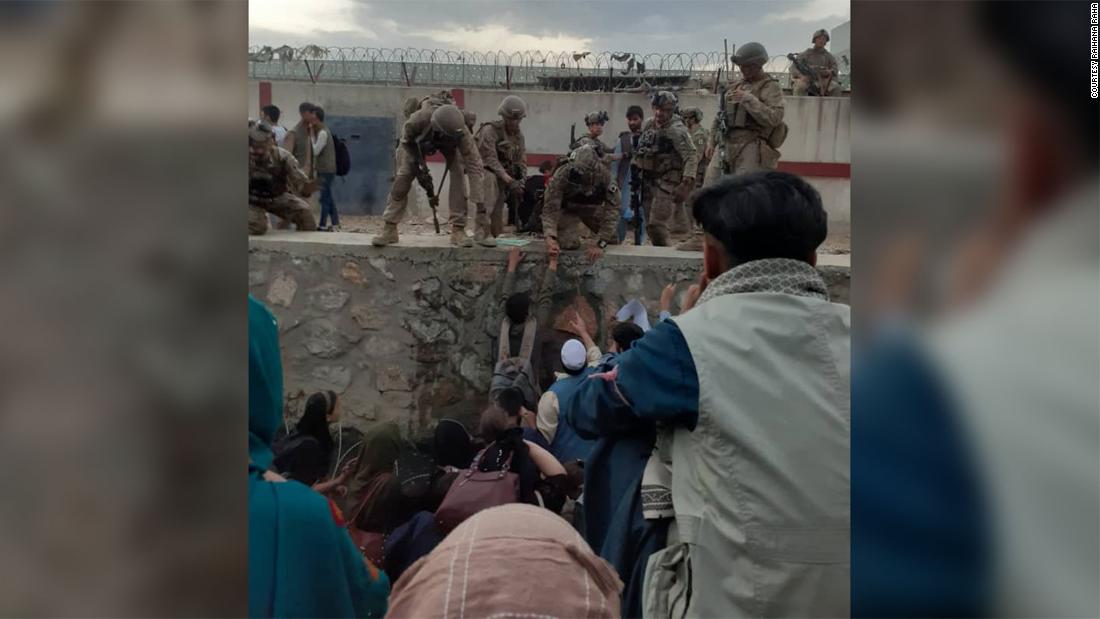
I told my son the gunfire was a celebration
Rafiullah Stanikzai and his family also spent three days and three nights hiding outside the airport, covering their faces whenever Taliban fighters passed by. At one point, the fighters kicked and threatened him, ordering him to leave.
His four-year-old son Mohammad was crying, terrified of the near-constant shooting. To soothe him, Mr Stanikzai told Mohammad the gunfire was just a celebration.
Mr Stanikzai, a 33-year-old former translator, had previously worked for the Czech unit of the NATO-led security mission in Afghanistan. He said that, until a few weeks ago, he and his family had a good life in Afghanistan. His wife, Maryam, was lecturing at a university, and he had a good job.
He said he was finally escorted through the Taliban checkpoint at the airport by Czech soldiers who later led him towards a plane he believed he'd be boarding.
"And then suddenly, [they] left us exactly in front of the airplane, saying that the plane is full and didn't give information about any other plane," he said.
The plane took off, with Mr Stanikzai and his family left on the tarmac.
The Czech Republic's Foreign and Defence ministries told CNN that Mr Stanikzai was not eligible for evacuation because he was excluded from the government's resettlement program for Afghan contractors in 2013 — something Mr Stanikzai said the Czechs never told him, pointing to recommendation letters and other documents the Czech army provided him with.
The family spent another cold night queuing for a place on a US flight out of Kabul, waiting patiently to get through US passport clearance and a security screening.
Eventually, they were taken to Qatar, spending a few days there before being sent to Germany and later onto the US.
READ MORE: Camera discovery reveals last images of Australian mountain climber before he died
I was running towards the airport
Peymana Assad recalls seeing hundreds of people surrounding the military convoy that was taking her to safety.
"Children, women, little kids, little girls just standing on both sides … you had three British soldiers on one side, three British soldiers on the other side, just pointing guns at these people to stop them from creating a stampede and running at the gate once the gates opened to let the convoys in," she told CNN.
Ms Assad, who was visiting her Afghan family from the UK, said the neighbours came knocking after learning the Taliban were taking over Kabul. They told her she needed to leave immediately.
The roads were already completely blocked with people desperately trying to escape and if the Taliban came and took over the district, she would be unable to leave.
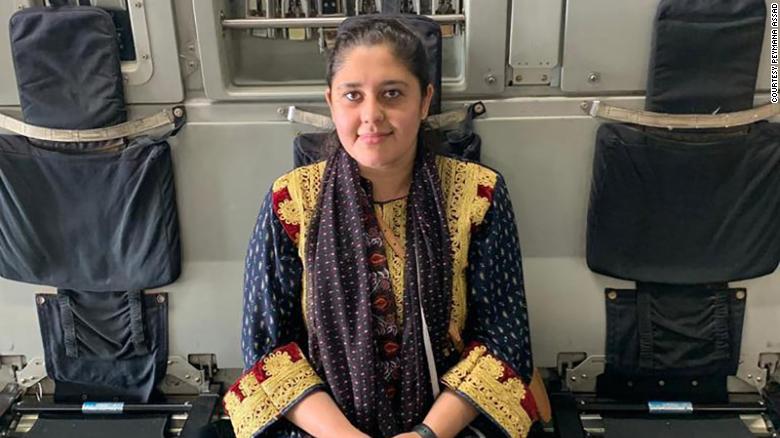
"So that's when I grabbed my hand luggage. I got out on foot, on the back streets onto the main dual carriageway towards the airport, towards Kabul airport, and started walking and running," she said.
There were hundreds of people around, all running towards the airport.
"It was just mayhem and chaos and panic and the complete fear," Ms Assad said, remembering one particularly terrifying moment.
"One of the shopkeepers pointed at me and he said, 'If the Taliban catch you, they're going to kill you.'"
Ms Assad realised that she stood out in her fancy Afghan dress and Nike sneakers.
"I looked so different to everyone else. I looked completely foreign … and that just put more fear in my heart and I just started walking faster," Ms Assad said.
Hours later, in the safety of the airport and about to board the government flight, Ms Assad glanced at a television set in the waiting area.
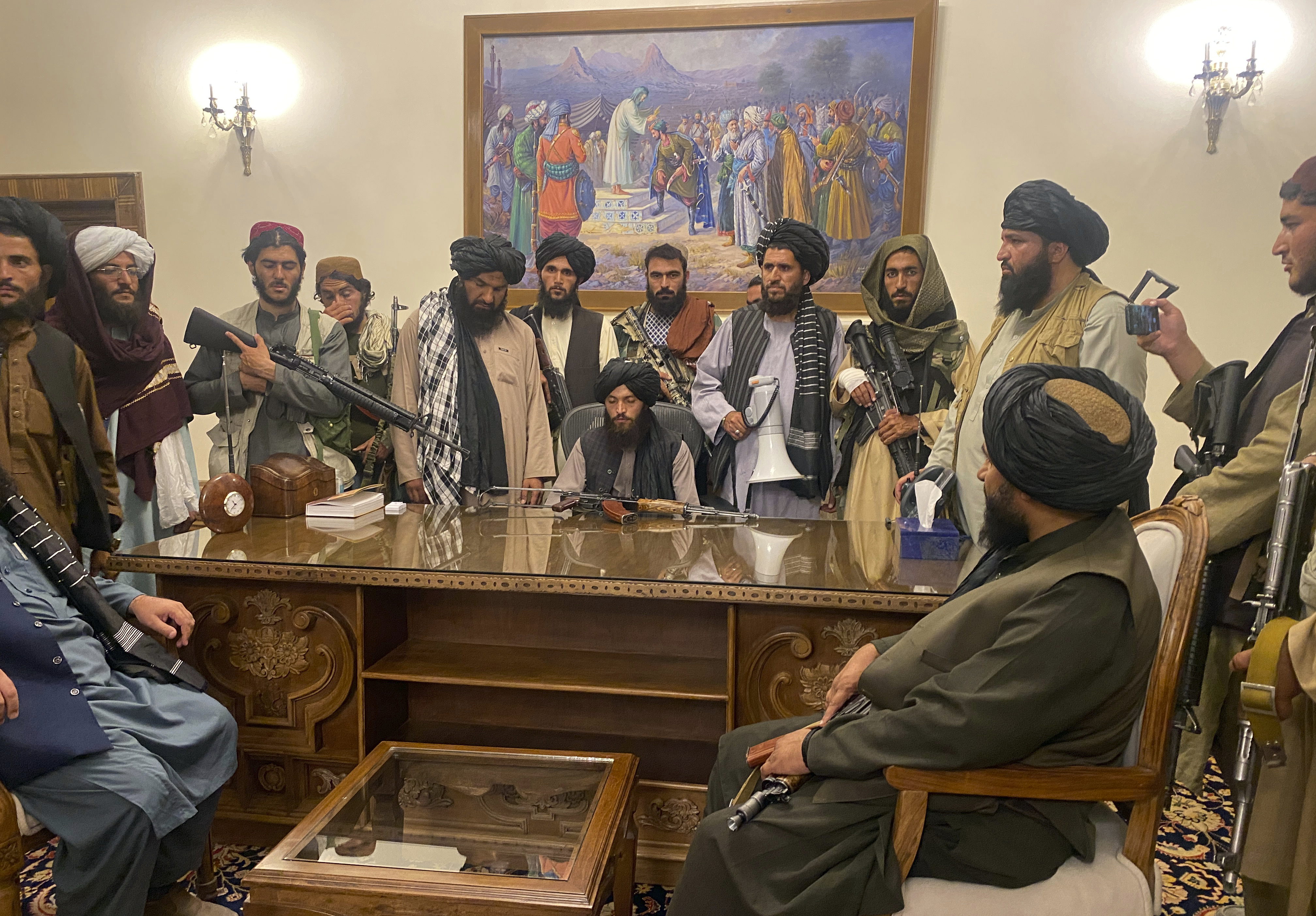
"The Taliban were in the presidential palace … the Taliban had taken control of Kabul," she said.
READ MORE: Baby Afghan girl born mid-evacuation flight headed for UK
It's as much my country as it's theirs
Unlike many others in her position, Pashtana Durrani, the founder and executive director of Learn, a nonprofit organisation focused on education and women's rights, never really considered leaving Afghanistan, despite the risks she might face.
"There are a lot of people depending (on) me … 7000 girls still need lessons and if I am not there, they won't get it, so for me it's very important to fight for their rights … not every person can leave, not every person has a privilege to leave," she told CNN.
The 23-year-old said she was in hiding in Afghanistan, focused on enrolling as many children into digital learning programs as possible, before "things get worse" under the Taliban.
"My family forced me into hiding, a lot of people are concerned about my safety … I personally am not afraid of them. It's as much my country as it's theirs," she said.
Ms Durrani said she worries about the safety and the future of the women and girls. She questions the Taliban's commitment to protect their rights.
"We are told that we have to stay home until the Taliban fighters accept women in public spaces … but what if they never get comfortable with women, what then, what is the deadline?" she said.
Ms Durrani, a young, educated Afghan woman, said she feels it's her responsibility to stay and challenge the Taliban.
"Right now we fight back," she said.
"We ask for our rights. It's important. If we don't speak now — we are the educated generation, the next generation won't even be educated … that's not supposed to be happening, not on my watch."
READ MORE: How Australia's 80 per cent vaccine target matches up to the rest of the world
https://twitter.com/LEARNAfg/status/1428285566077095943
I haven't been to work since they took over
Meanwhile, in the western city of Herat, a young journalist in her 30s says her life and work have been on hold since the Taliban takeover.
"The atmosphere is tragic and full of pain and suffering," she told CNN.
"Before the arrival of the Taliban, I would go to work, but since then, it has been a dark day, a dark day for Afghans and Afghan journalists when Herat fell."
The journalist said she had not been to work since the Taliban took over Herat.
"Our local newspaper is on a break and we are not printing anything," she said.
"[The] Taliban has asked women to stay home. Same with schools. Schools are operating but not in the same quality as before. The future is unclear."
The arrival of the Taliban, she said, had changed everything.
"I am thinking of my future every second of the day," she said.
"I have two kids, what will happen to their future? Will they be safe? Will they be alive?
"Will the Taliban start killings and executions like before? Will they put women in cages?"
Goats brought in to prevent bushfires in NSW Central West
Goats spend almost all their waking hours eating, nibbling away non-stop at grass and shrubs.
All that chewing and chomping is now being put to good use by the Rural Fire Service in NSW's Central West – hungry goats helping reduce the risk of bushfires.
A herd of bucks and billies have been picked to protect Clandulla village near Mudgee – which has been identified as an extreme bushfire risk this summer.
READ MORE: Man attacked by a goat in NSW Blue Mountains
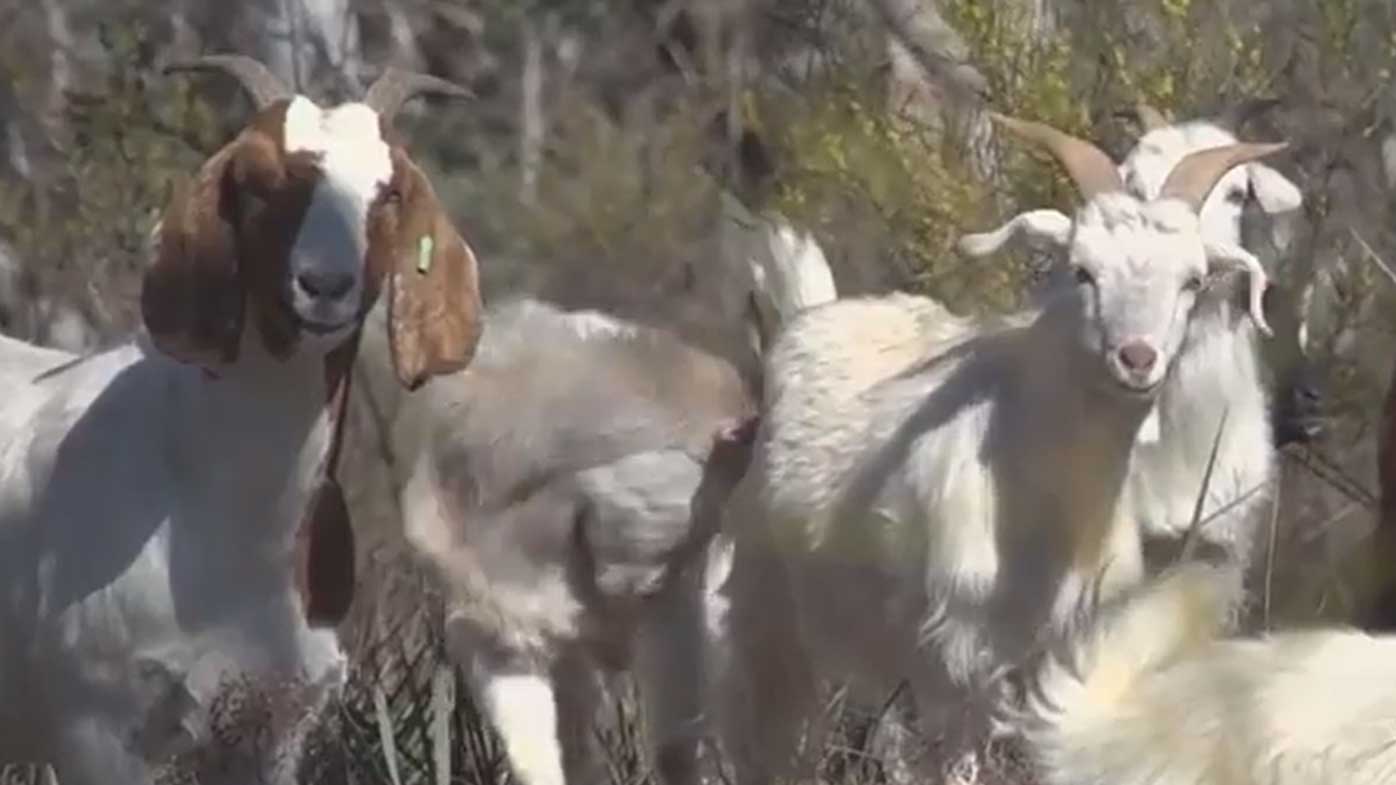
The goats are on loan from two local farmers.
They'll be grazing in Clandulla for the next two months, eating their way through any foliage that could start a fire.
"Goats will eat up shrubs, small tree saplings and eat woody weeds some of your other animals won't," farmer Michael Blewitt said.
And while employing goats to fight fires is an Australian-first, it has already been done in the USA, Portugal and Spain.
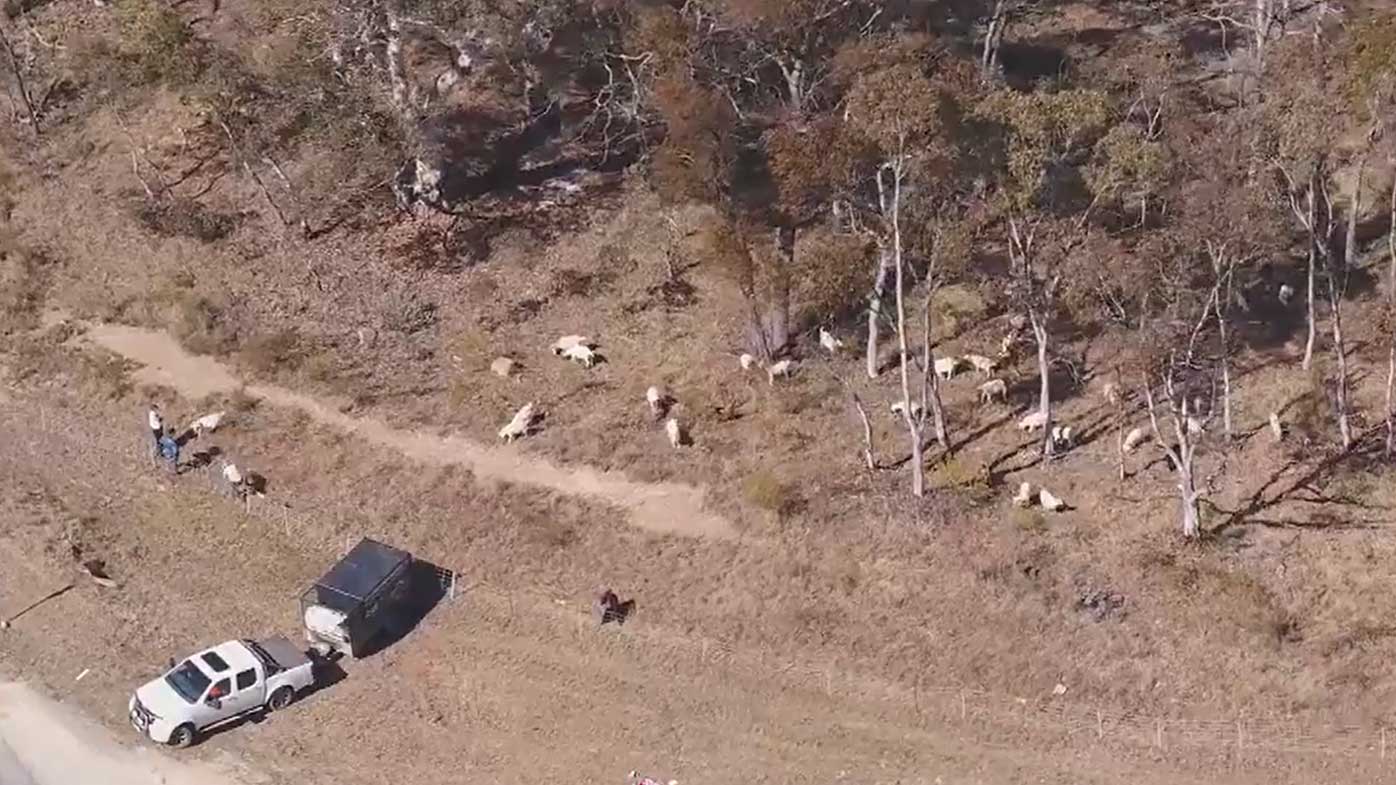
These goats are expected to clear more than two hectares over the next three weeks, creating a buffer zone to the village of 200 people.
While backburning is reliant on certain weather conditions, goats are happy to clear away grass, shrubs and bushes no matter the weather.
READ MORE: Goat rescued from roof of Sydney home
Police hurt, more than 150 arrested almost 600 fines issued at anti-lockdown protests
Several police officers have suffered "minor' injuries after almost 70 separate coronavirus lockdown protests were held across NSW, with more rallies in Victoria and Queensland.
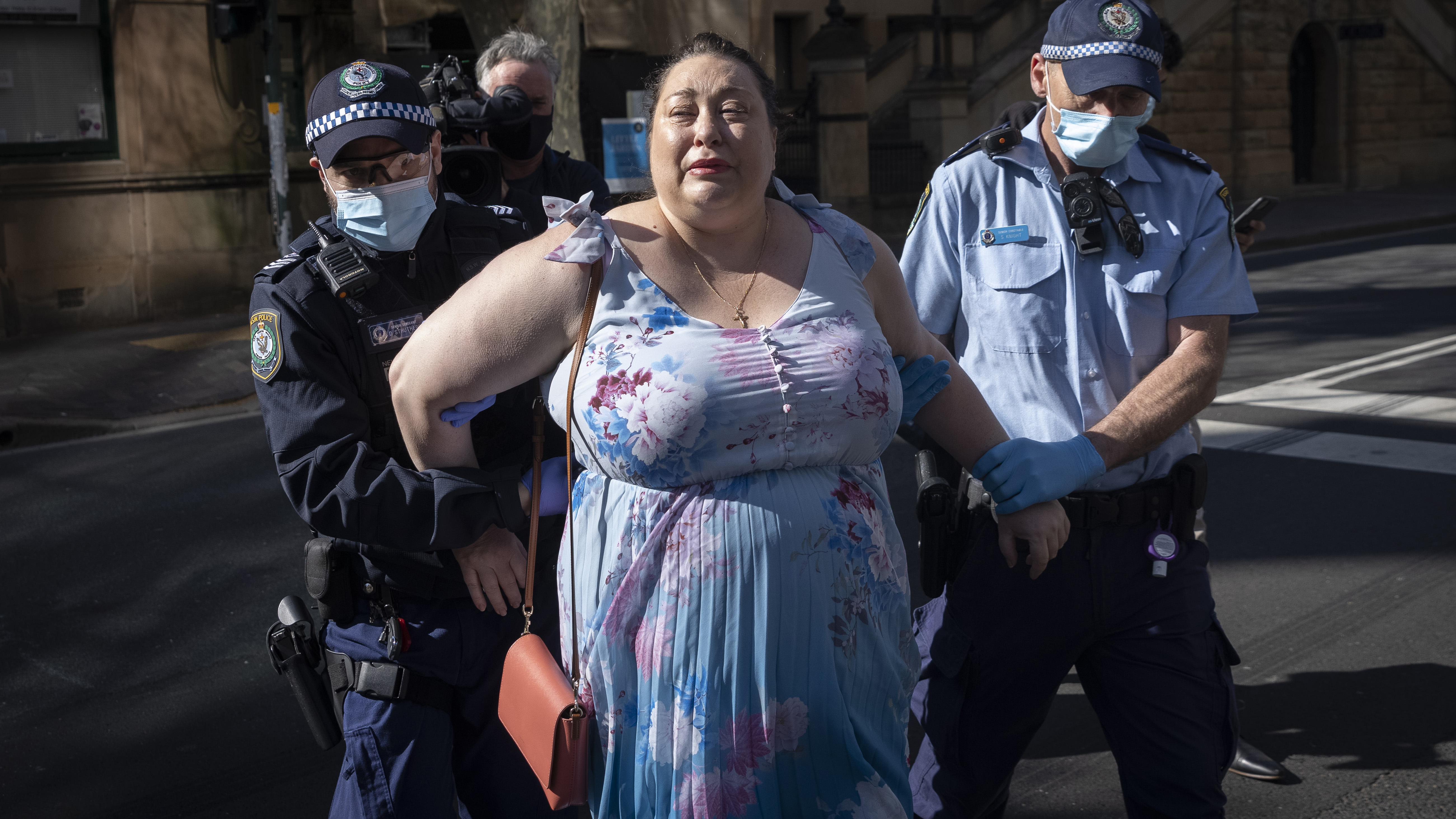
More than 150 people have been arrested and almost 600 fines were issued after the protests at public buildings, NSW Police said.
"It's very disappointing that people would think this was appropriate behaviour in the current circumstances," NSW Police Deputy Commissioner Mal Lanyon said.
LIVE UPDATES: International travel on the cards when NSW hits number
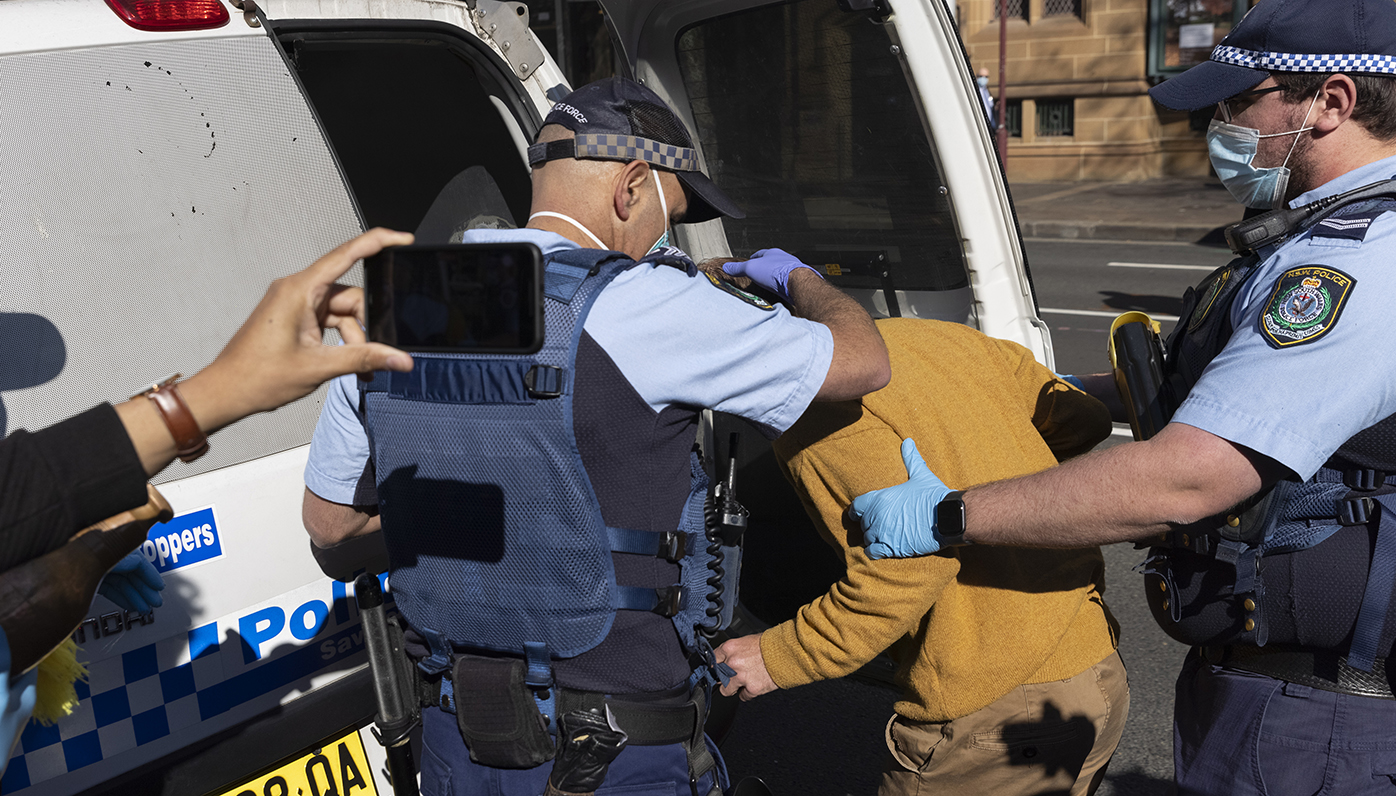
"We are very comfortable with free speech… but when that's with contravention to the public health order, police will not tolerate it.
"The public health order is in place for the safety of all."
Deputy Commissioner Lanyon said the events were organised online.
He said an expected truck blockade in the state, however, didn't happen.

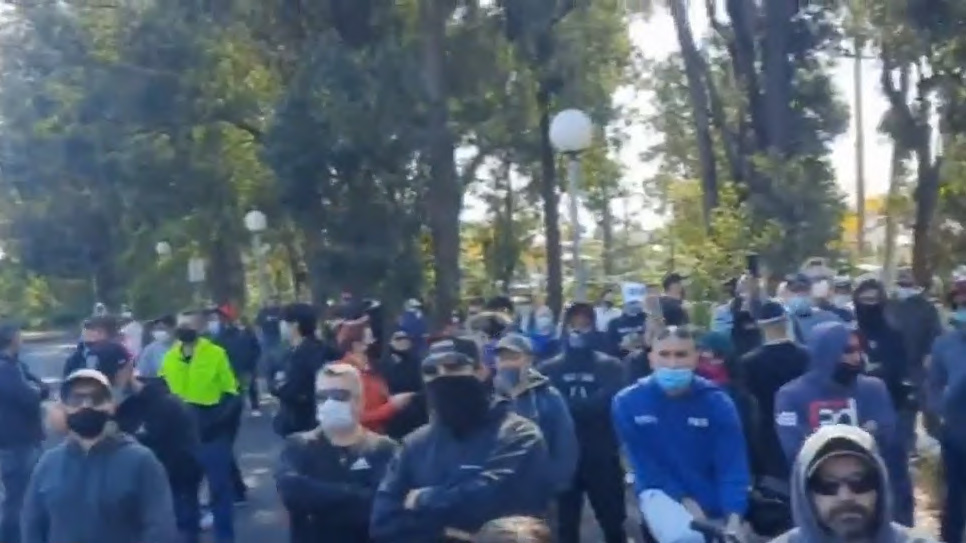
While there were just a handful of people at some locations, one of the biggest crowds turned up at Fairfield Council, which is one of Sydney's hotspots in the city's west.
More crowds of protesters gathered at Lismore and Ballina Council buildings in northern NSW, as well as at Port Macquarie near Newcastle.
Police responded to 79 unauthorised protests, during which three officers received minor injuries following interactions with protestors at Lismore, Murwillumbah and Raymond Terrace.
In total, 153 people were arrested, many of whom were released after officers were able to establish their identity to issue a PIN.
Police stations and other government buildings were also a target for protesters, who were met by a large police presence.
Meanwhile, Queensland parliament was put into lockdown after protests outside.
Hundreds also gathered at the City of Gold Coast Chambers and stood with their backs to the door.
https://twitter.com/MarkHanrahan9/status/1432500770742489092
In Melbourne, protesters gathered near the Royal Botanic Gardens.
Police swarmed the area, with a number of officers also patrolling the scene on horseback.
It's understood one man was arrested.
The protests come a few weeks after a rally attended by thousands in Melbourne turned violent.
More than 200 people were arrested and numerous police officers were hurt.
Thousands also turned up at a similar event in Sydney, where almost 50 arrests were made despite NSW Police warning against it.
In July, large protests were also held in both cities.
Two women with COVID-19 die in Victoria
Two Victorians women with COVID-19 have died in their homes, marking the state's first recorded COVID-19 deaths this year.
A woman in her 60s from Hume and a woman in her 40s from Darebin have both died in their respective homes today while infected with COVID-19.
It remains unclear why they were not hospitalised and whether they had any other health conditions.
https://twitter.com/MimiRoseBecker/status/1432614969174937604?ref_src=twsrc%5Etfw
READ MORE: Victoria's lockdown to continue but 'modest changes' to restrictions on the way
Their vaccination status also remains unknown.
The two deaths with be recorded in tomorrow's COVID-19 numbers.
They come as the Premier is set to announce a slight easing of the state's lockdown restrictions tomorrow.
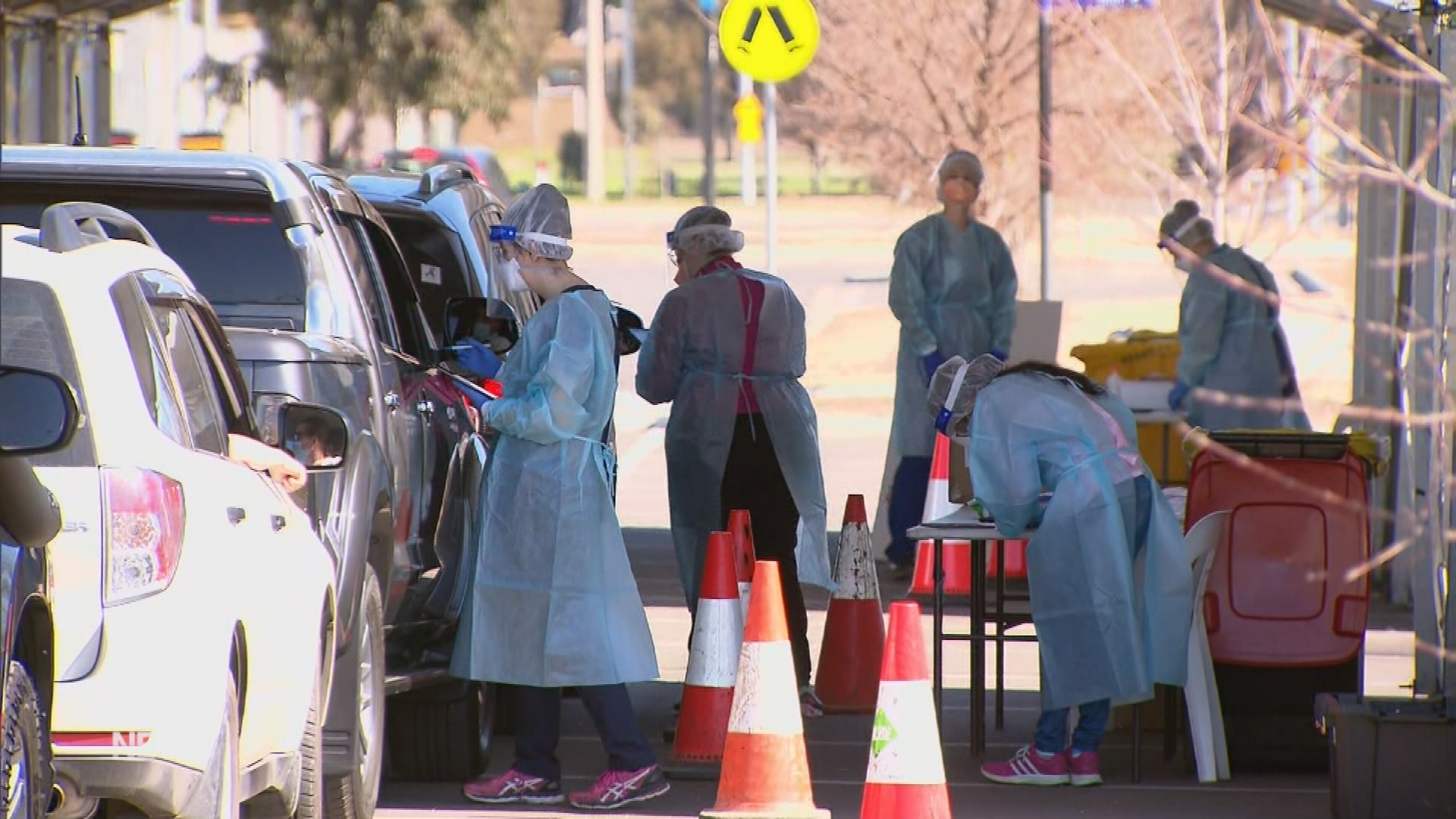
Mr Daniel Andrews today said he would announce a roadmap -including case number thresholds – to get Victoria out of lockdown tomorrow.
The state recorded 76 new local cases of COVID-19 in the past 24 hours, taking Victoria's total number of active cases to 836.
Victoria had recorded no deaths of people with COVID-19 in 2021 before today.
Last year, 820 people with COVID-19 died in Victoria.
What happened to the countries who opened up during COVID-19
The hopes of a regular post-COVID-19 life in Australia are largely centred on the eligible population reaching a vaccination rate of 80 per cent or more.
According to Prime Minister Scott Morrison, once Australia hits 80 per cent of its eligible population vaccinated, states should end the practice of "generalised lockdowns".
As of August 30, 35 per cent of eligible Australians over the age of 16 are fully vaccinated.
LIVE UPDATES: The new COVID-19 mutant strain detected in seven countries
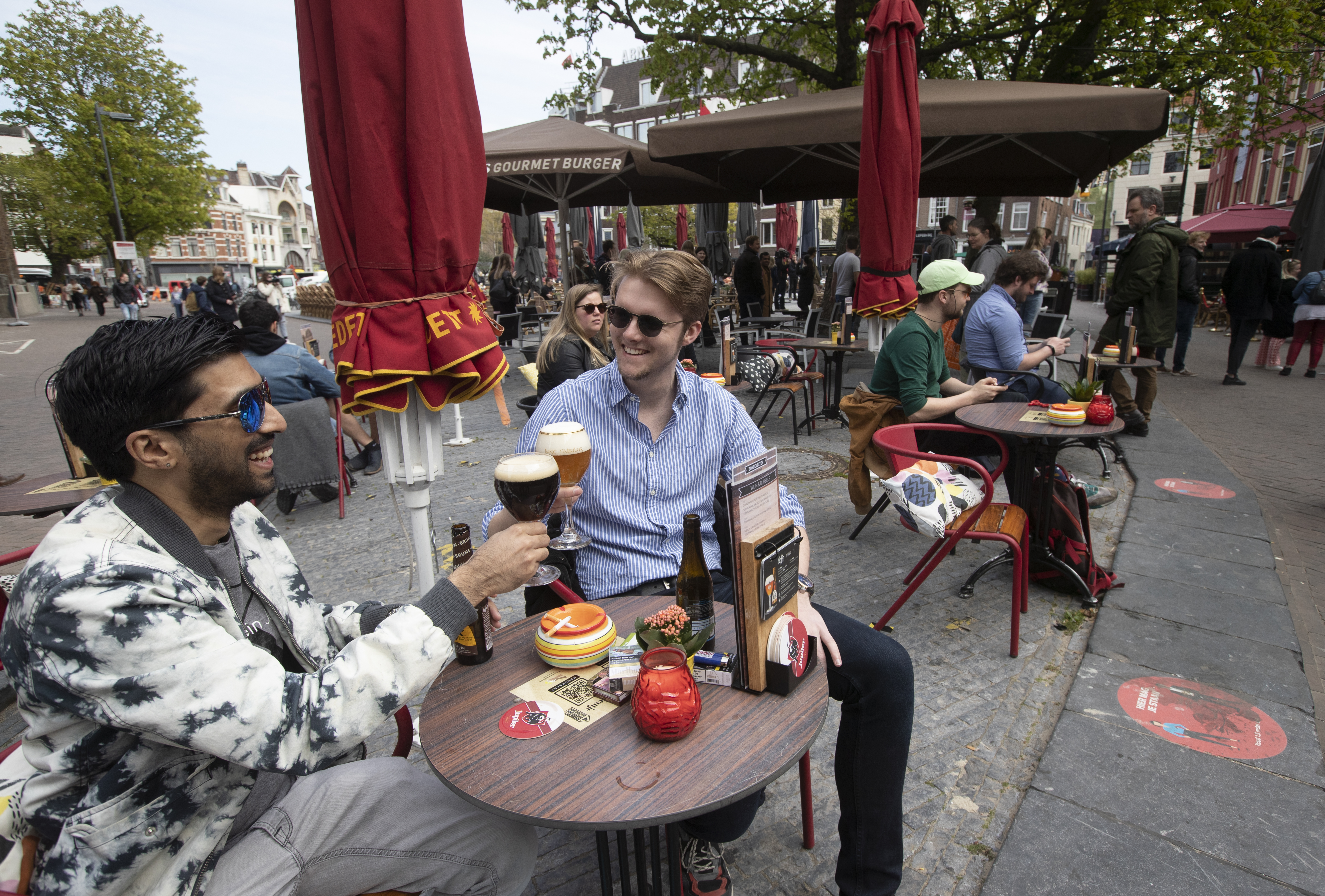
Australia is not unique in its planning based on the hypothesis of 80 per cent of a nation's population vaccinated against COVID-19.
Denmark has confirmed that it will remove all COVID-19 restrictions on September 10, now that 71 per cent of the Danish population is fully vaccinated.
Denmark has a population of around 5.8 million people. Since late July, it has been recording between 700 to 1000 new cases of the virus everyday.
The current seven-day rolling average for Denmark is 944 cases.
READ MORE: How to get a COVID-19 vaccination: State-by-state guide
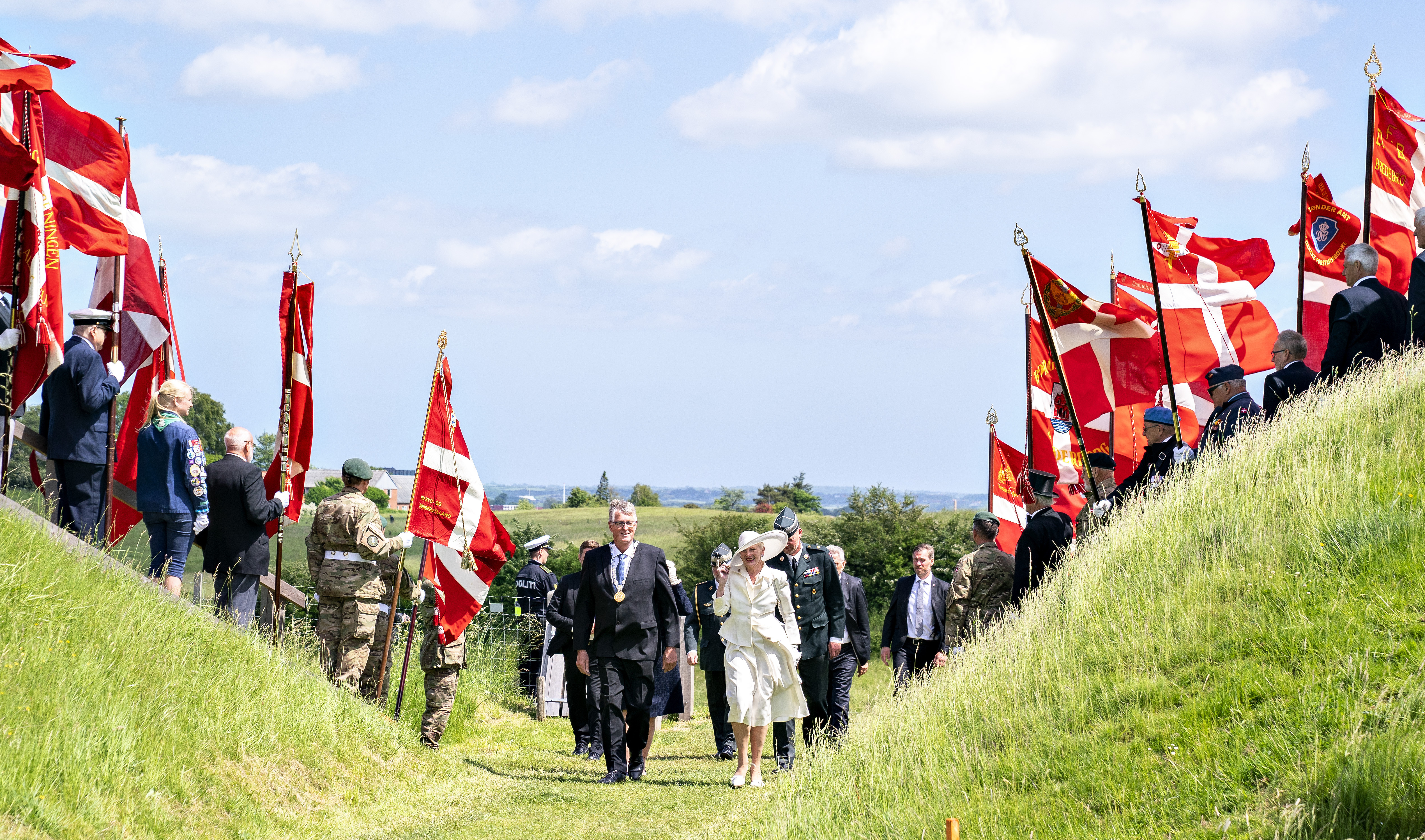
In Australia – taking into account all states – the seven day rolling average is 1099 cases.
In a statement, Denmark's Health Minister Magnus Heunicke explained that the local laws that permitted COVID-19 restrictions demanded that the virus be "generally dangerous" and "socially critical".
"We have now completed this assessment and our conclusion is that we will not extend the classification of COVID-19 as socially critical," Mr Heunicke said.
"If there are sudden, serious developments, new variants appear or something else that threatens epidemic control in Denmark, we will not hesitate to intervene again. But the special rules of the Epidemic Act should not be the new normal in society."
READ MORE: Australia fast-tracks 500,000 Pfizer doses
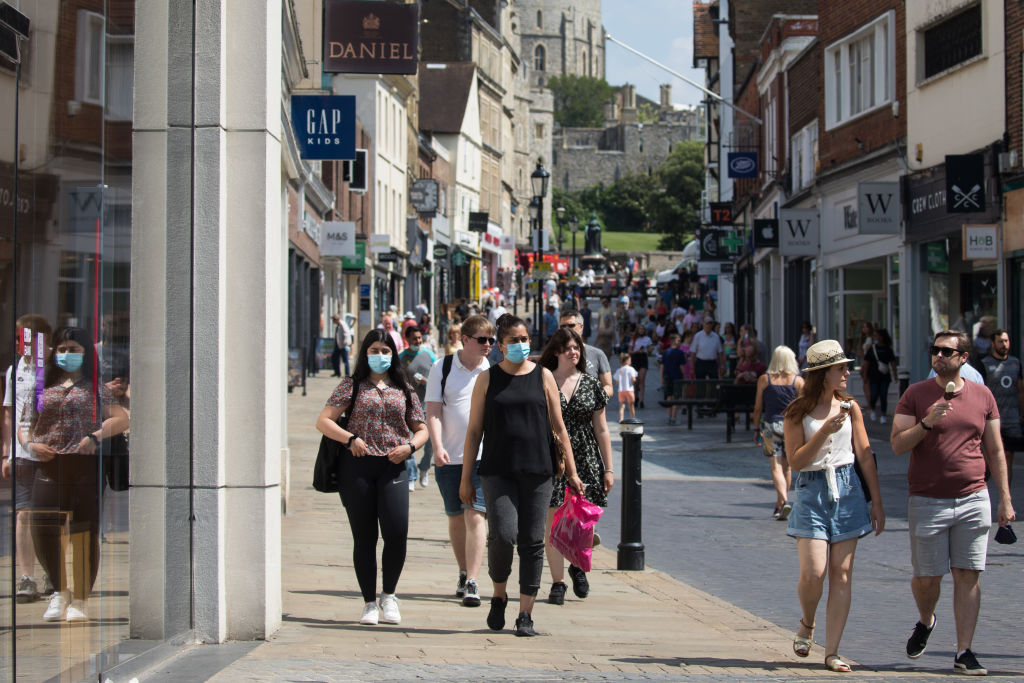
Denmark is not the only country ease restrictions on the back of high vaccination rates.
The UK lifted most of its COVID-19 restrictions in late July, allowing places such as pubs and nightclubs to reopen.
Currently just over 64 per cent of the UK's eligible population of 66.65 million people are fully vaccinated. The UK is currently holding a seven-day average of daily new cases of 33,296.
Around 100 people die of the virus in the UK each day.
READ MORE: COVID-19 presents greater blood clot risk than vaccines, study finds
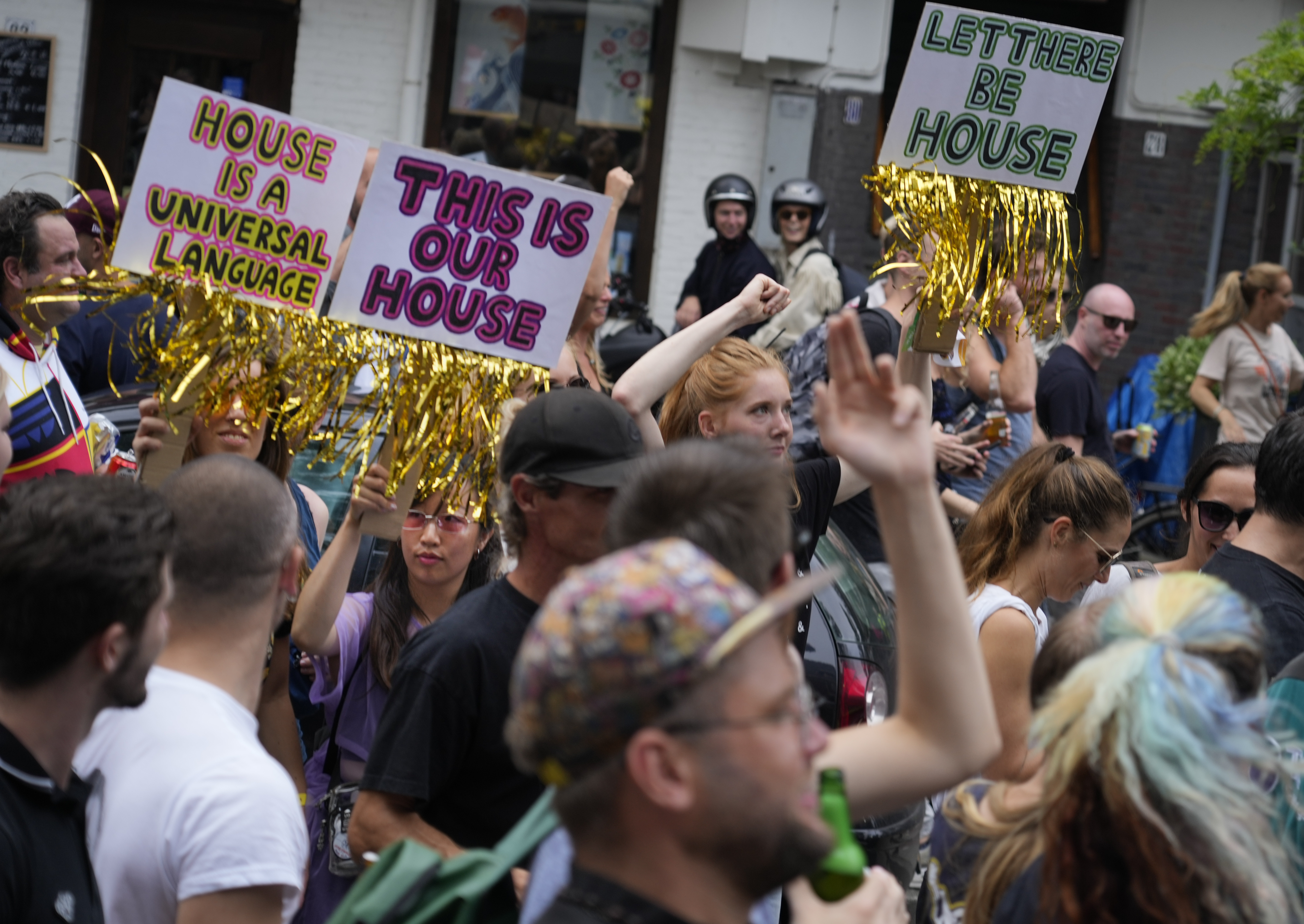
The Netherlands, where 61.9 per cent of the population is fully vaccinated, scrapped almost all of its counter-virus measures in late June.
Weeks later, it was hit by the Delta strain of the virus and recorded a 500 per cent weekly jump in cases, so much so that the government was forced to issue a snap lockdown.
Lightning strike kills young lifeguard in the US
A young lifeguard was killed and seven other people, including three other lifeguards, were injured when lightning struck a Jersey Shore beach on Monday afternoon, authorities said.
New Jersey Governor Phil Murphy confirmed that a lifeguard in Berkeley Township, New Jersey, was killed in the afternoon.
It marked the second death of a young lifeguard at the Jersey Shore in a little over a week.
READ MORE: Hurricane Ida traps Louisiana residents, shatters the power grid
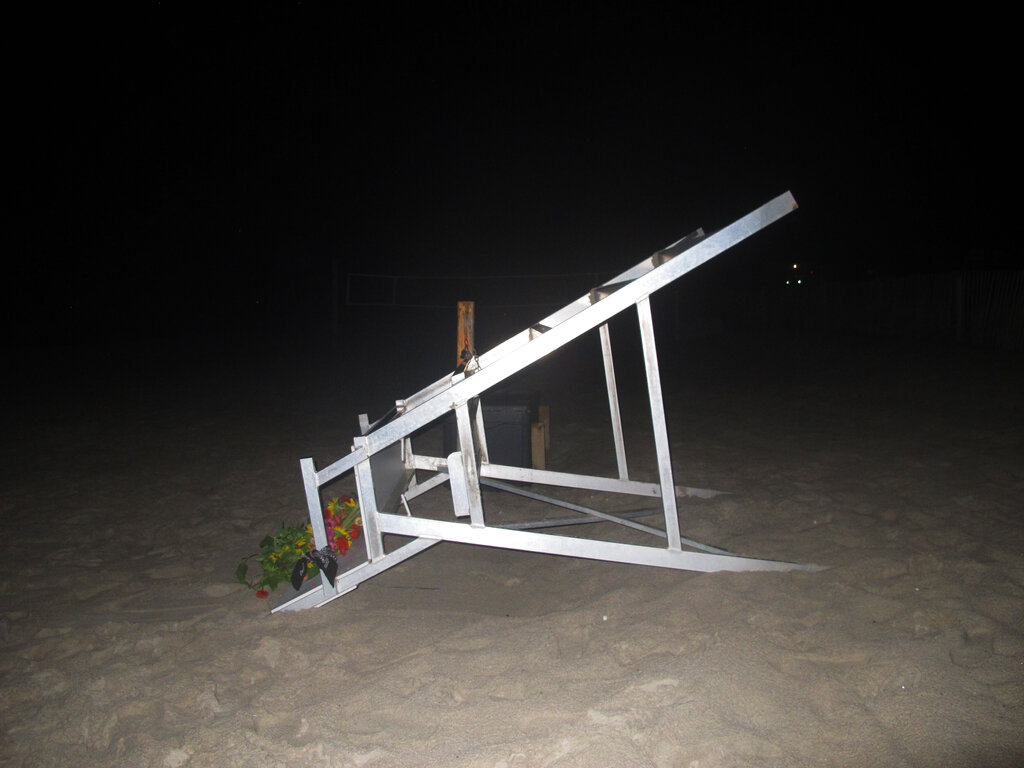
Ocean County Sheriff Michael Mastronardy said the others were taken to hospitals with injuries that were not considered life-threatening.
"Our hearts are with the family and friends of the young lifeguard killed by today's horrific lightning strike on the beach in Berkeley Township, and we pray for a full recovery for those injured," Mr Murphy, the state's Democratic governor, wrote on Twitter.
"I've spoken to Mayor Carmen Amato and offered the full support and assistance of our administration during this difficult time."
Ms Amato said his township's beaches will be closed Tuesday through Thursday as crisis counsellors are made available to beach staff and lifeguards. Four of those struck were lifeguards and four others were beachgoers.
"This is a tragic and heartbreaking day for our town and the entire Jersey Shore," Ms Amato said in a statement.
"This young person was out there every day protecting the lives of others. Our lifeguard teams, like so many along the shore, develop special connections with our community throughout the summer, which makes this loss even greater.
"On behalf of myself and our entire community, I offer our deepest and most heartfelt condolences to the family and friends of this young man," he said.
The identities of the lifeguard who died, as well as the others hurt by the lightning strike were not immediately released.
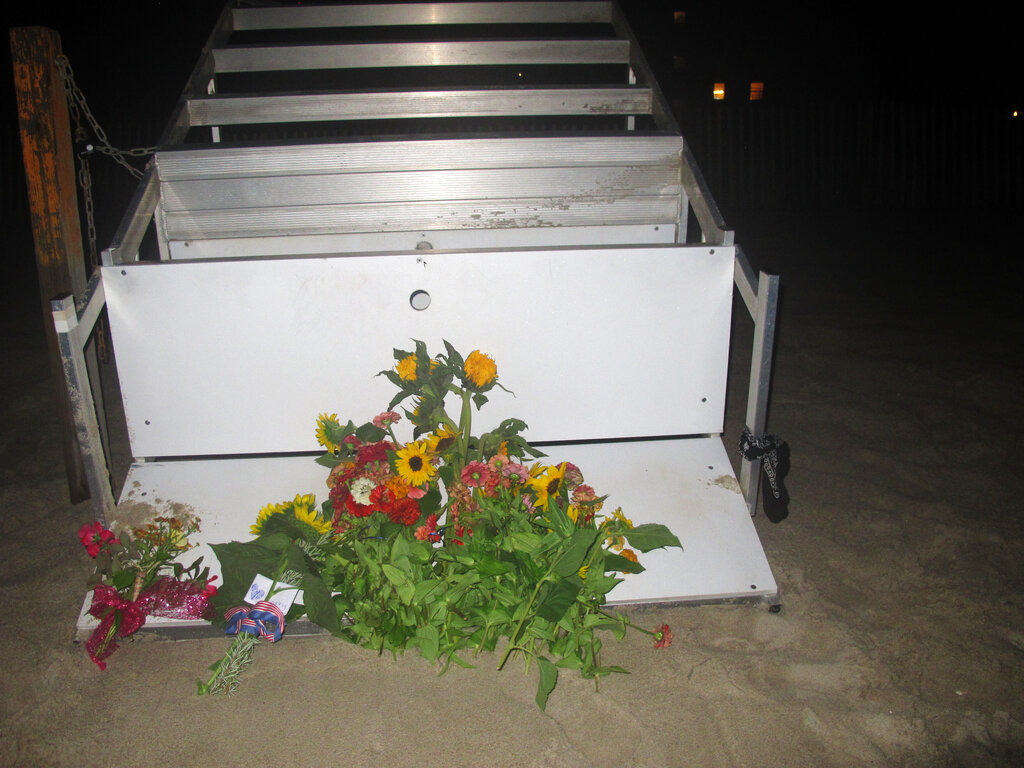
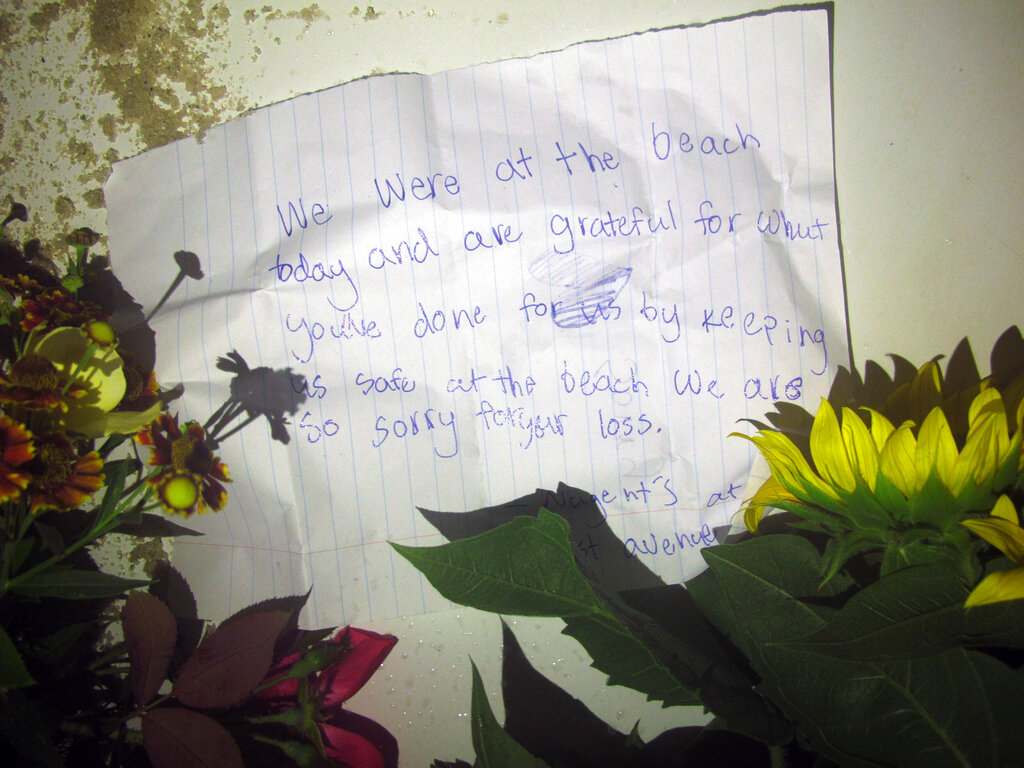
A handwritten note in purple ink was left with flowers Monday night at the base of a lifeguard stand at the beach.
READ MORE: US dropped 'Ninja bomb' to kill terrorists in Afghanistan
"We were at the beach today and are grateful for what you've done for us by keeping us safe at the beach," the note read. "We are so sorry for your loss."
Police were called at 4.31pm to a beach on 21st Avenue in Berkeley Township, near the entrance to Island Beach State Park, which is just south of Seaside Park.
Pete Tortorelli was tending an outdoor bar a block away from the beach when, he said, lightning struck seemingly out of nowhere.
"It looked a little cloudy in one direction but clear as anything in the other direction, and it was the first lightning of the day," he said. "Literally two minutes after I saw the lightning, every cop car in this town was screaming down the street."
Thomas Taberoni was at a beachfront house 90 metres away from the lifeguard stand, noticing that it was beginning to get cloudy, when he heard what he described as the loudest noise he had ever heard.
"Have you ever been to an air show when they break the sound barrier with that boom and you weren't prepared for it?" he asked. "This was like 100 times louder than that."
READ MORE: A look inside the communities hit by one of the most powerful US hurricanes
Lynda McHugh had just left the beach when she saw two large bolts of lightning come straight down. Within moments, people were running up the ramp from the beach and down the wooden stairs to safety.
Police said in a Facebook post that they were investigating reports of lightning strikes in the township, and would release further information as it becomes available.
A police dispatcher said she could not release any information other than what the department had posted on Facebook. Messages have been left for police commanders.
On August 20, 16-year-old lifeguard Norman Inferrera III died a day after an accident in Cape May, on New Jersey's southern tip. A lifeboat he was rowing was struck by a wave and flipped over, knocking him unconscious, authorities said.
And on August 12, a 13-year-old boy died after he was struck by lightning at Orchard Beach in the Bronx in New York City. Carlos Ramos was one of a group of people gathered at the beach who were struck by lightning during a fast-moving storm. Six others also were injured in that lightning strike.
West Auckland flooding: Niwa blames 'low level jet' for deluge
A “low level jet” is responsible for the deluge inflicted upon West Aucklanders today. And experts are forecasting such events could become more frequent as the climate warms. About 50 homes were evacuated after a massive storm…
Last minute Father's Day tech and gaming ideas
It's Father's Day in just a few days, and if you've left it a little late to get dad a gift – fear not.
There are plenty of gifts that can be delivered instantly thanks to the power of the digital world.
Here at 9News we've put together a list of ideas, gifts you can get your tech-obsessed dad without leaving home as well as last minute, instant gifts.
Google has just released the new Pixel Buds Series-A ($159), as well as the Nest Doorbell ($329).
READ MORE: Indie game developers speak to the success of Xbox exclusive 'Death's Door'

The Nest Doorbell retails for about $150 more than the Ring Doorbell by Amazon, but has inbuilt technology that can detect familiar faces and differentiate between a car and the postman.
READ MORE: Police hurt, more than 100 arrested and 430 fined at anti-lockdown protests
For the forgetful dad, Apple's new AirTags are budget friendly.
Starting at $49 for one, the AirTag, much like the Tile, can be attached to dad's bag, keys, or even the puppy to make sure you can always find it when missing.
READ MORE: US dropped 'Ninja bomb' to kill terrorists in Afghanistan
For the gamer dads out there, now's the time for next-gen gaming.
PlayStation have recently released two new coloured DualSense controllers for the PS5, Cosmic Red ($119.95 and Midnight Black ($109.95).
Other accessories for the new console include the Wireless Charging Station ($49.95) and the Pulse 3D Wireless Headset ($159.95).
For the states in lockdown, all of these things are simple click and collect away.
There's plenty of new games coming out next month – you can pre-order all of these digitally and have them ready for launch.
READ MORE: Melbourne made video game 'Cult of the Lamb' showcased during Gamescom opening night

NBA 2K22 releases on all platforms on the 10th, PS5 exclusive Deathloop lands on September 14th and the Director's Cut of Death Stranding is out on the 24th.
Dad loves golf? Mario Golf Super Rush ($69) is the latest Mario game for Nintendo Switch, it's out now.
Digital gaming subscriptions are a great way to keep dad entertained.
PlayStation's subscription service, PlayStation Plus, will set you back about $34 for three months, that'll allow dad to access the PlayStation Collection on his PS5, as well as give him downloadable games each month – in addition to online multiplayer gaming.
A subscription to Xbox Games Pass wouldn't go astray, for under $50 you can pick up three months of the service.
Games Pass gives Xbox and PC gamers access to over 100 of the best video games – new and old.
If a PlayStation 5 or Xbox Series X is out of your budget, the Xbox Series S may be more appealing.
$500 will get next-gen quality gaming for a fraction of the cost of a PC.
Speaking of PC, if dad like to game on the desktop, perhaps a new keyboard or mouse is in order?
READ MORE: Mario's brother Luigi finally get his own LEGO set
HyperX's new Alloy keyboards range from $140 – $180 and will brighten up any setup. They've also got a cool new gaming mouse, HyperX Pulsefire ($89) that weighs a mere 59 grams.
Don't forget video streaming services. Stan, Disney+, Amazon Prime and Netflix are all great, affordable ways to glue dad to the couch.
If all else fails, it's a fact that dads and father figures alike love a new pair of socks and undies.
Mark the date on your calendar – September 5.