Tag Archives: oceania

Pfizer vaccine to be made available for 16-39 year-olds by next month

The Pfizer COVID-19 vaccine will be made available to all Australians aged 16-39 at the end of the month.

Prime Minister Scott Morrison this afternoon announced the federal government would make the vaccine available to all people in that age group across the country on August 30.

Bookings are not yet available but are expected to come online next week.

READ MORE: Record number of COVID-19 cases in NSW

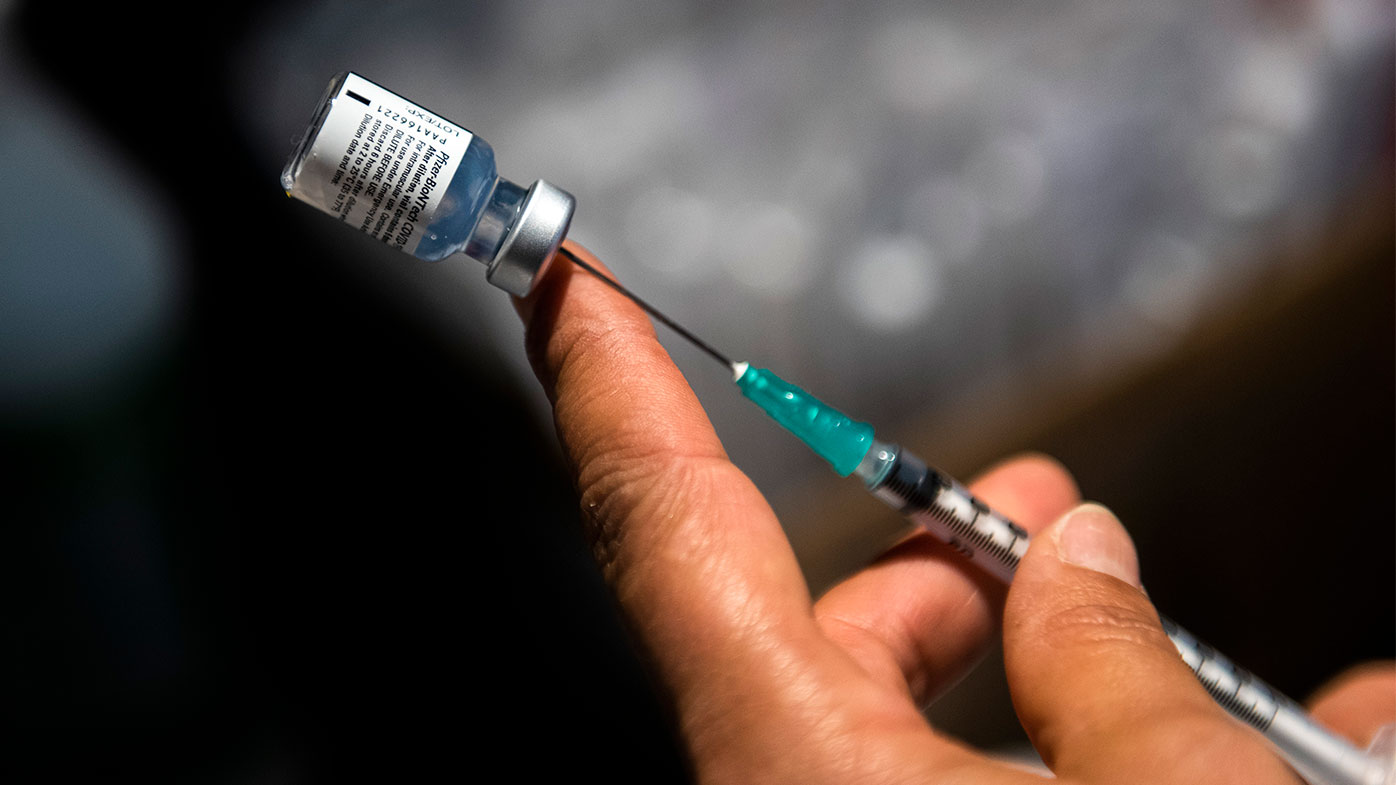
A vial of the Pfizer vaccine.

"The cabinet met today to affirm that we will be moving to opening up 16- to 39-year-olds for the balance of the program," Mr Morrison said.

"I want to stress, do not make a booking yet. We will advise when bookings can be made. It isn't today."

Previously, the Pfizer vaccine has only been available to 16- to 39-year-olds if they fall within another priority group.

The AstraZeneca vaccine has been available for 18- to 39-year-olds with informed consent.

The Moderna vaccine, which will start to become available in September, has also been provisionally approved by the TGA for people over 18-years-old.

Mr Morrison said the government was also waiting for further advice from ATAGI on vaccinating children aged 12 to 15, which he expected to come through next week.

"I want to assure parents in particular, vaccinating children is something we take really seriously and we do it very carefully," he said.

"We are making sure that we have the right advice and we can put the right plans in place and move on those vaccinations in the safest and most effective way possible."

READ MORE: Sydney council backflips on playground closure

He said vaccination had already been opened for children aged 12 to 15 with an underlying medical condition, for Indigenous children and children in remote areas.

As with adults, once approved, children would be able to receive their vaccination at their doctor, pharmacy, or a state or Commonwealth clinic.

There was also the possibility some states would offer school-based vaccination programs, he said.

One in two eligible Australians have now received at least one dose of a COVID-19 vaccine.

Mr Morrison said vaccines were now being administered at a rate of 215 doses a minute across the country.

"There are more people who are eligible who have had their vaccine than have not had their vaccine," he said.

Man dies after being hit by crane at Gold Coast swimming pool firm

A man has died after being hit by a crane at a swimming pool business on the northern Gold Coast.

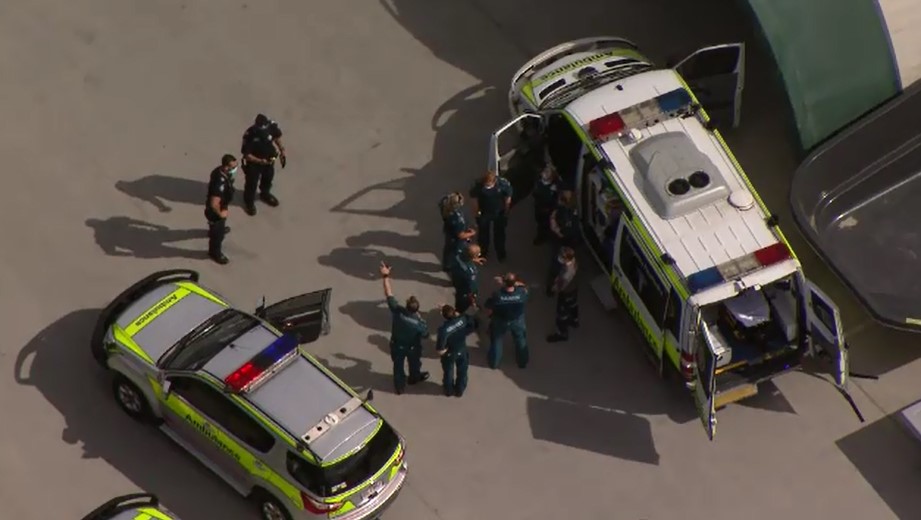
Emergency services were called to Narellan Pools at Stapylton about 12.30pm, where the man, aged in his 40s, had been struck by a 12-tonne crane in the loading dock.

Paramedics attempted CPR but the man died at the scene from his injuries.

https://twitter.com/QldAmbulance/status/1428188043538698242

Australia evacuates 76 more from Afghanistan in airlift

Australia has evacuated a further 76 people from Afghanistan, including citizens and Afghan visa holders.

Prime Minister Scott Morrison said the evacuation was carried out with the aid of the UK, while US troops continued to provide security at Kabul airport.

He said Australia was "moving urgently" with its rescue operations, as the Taliban tightens its grip on the country.

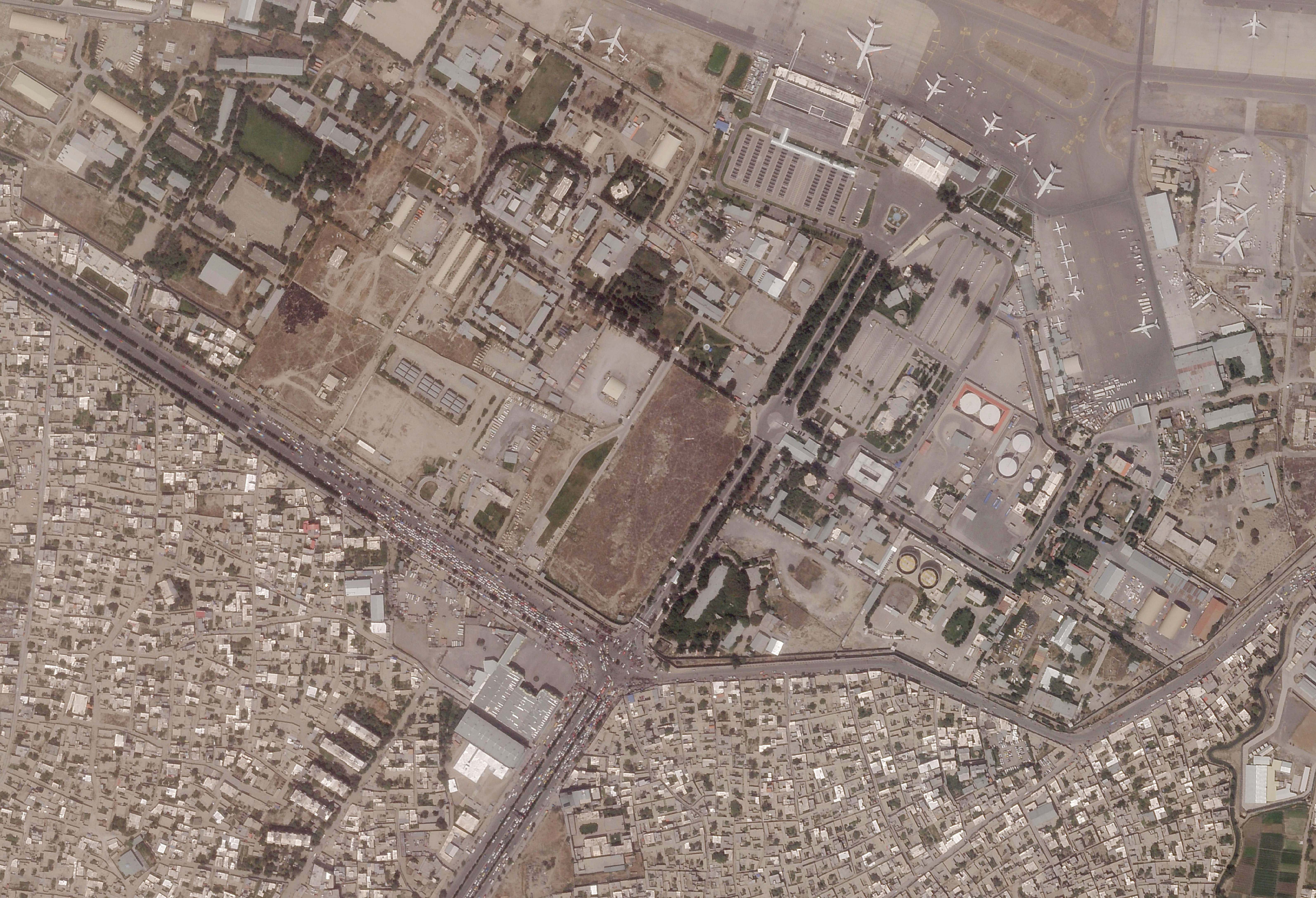
This satellite photo provided by Planet Labs Inc. shows vehicles trying to reach the civilian side of Kabul International Airport, also known as Hamid Karzai International Airport.

READ MORE: Widow of New Zealand soldier killed in Kabul says deployment not in vain

The 76 new evacuees have been taken to Australia's military base at Al Minhad in the United Arab Emirates.

They are expected to depart for Perth in the coming hours, Mr Morrison said.

"We have three additional aircraft now relocated and we have, including the air to air refuelling, are already involved in operations supporting the airlift for other allies and partners," Mr Morrison said.

"A cruiser is in place for those three additional aircraft and their access to the Kabul airstrip will be very dependent on slot management as well as the weather."

Foreign Minister Marise Payne said Australia's work to evacuate citizens and visa holders from Afghanistan was continuing "around the clock".

https://twitter.com/Smartraveller/status/1428214083573088262

"We've been concerned by reports that anti-Taliban protest in some cities have been met with force, including the fact there have been deaths amongst peaceful demonstrators in Jalalabad," she said.

"Suffice to say, this is still, as I said, a very complex and challenging environment in which to work and our officials are doing an extraordinary job in their support to Australians and the coordination with other partners."

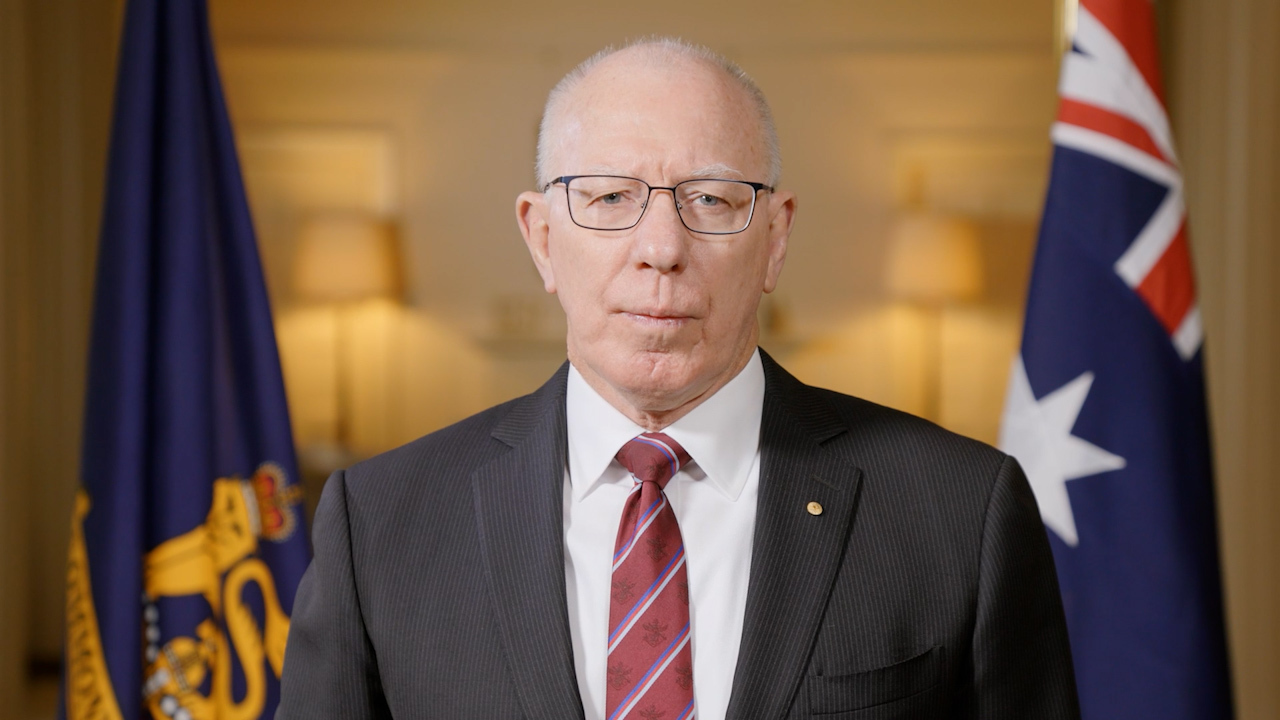
Australia's Governor-General David Hurley earlier today urged Afghanistan war veterans to be proud of their service in the wake of the Taliban's lightning takeover of the country.

The militant group has essentially reconquered the Middle East nation following the end of a 20-year military intervention by a US-led coalition.

Images have emerged from the embattled nation of hundreds crowding airport tarmacs in the capital of Kabul, even clinging on to jet undercarriages as planes take off.

READ MORE: 'The mission … has not been a failure': Howard defends Afghan efforts

Mr Hurley, a former Chief of the Defence Force, has urged Australians to be proud of the personnel who served in Afghanistan, and urged veterans to take pride in their service.

"You must not, cannot, let current events diminish the personal effort and contribution you made to this war," he said in an address.

The first Australian Defence Force evacuation flight has departed Kabul with 26 persons on board.

READ MORE: First flight in Australia's Afghanistan rescue evacuates 26 people

"You did as your nation asked. You served diligently in very difficult circumstances. Be confident and assured that your efforts are valued and respected here at home."

He said family members who had lost loved ones to the war should know that Australia would "forever honour" the memories of the fallen.

"I understand words are cold comfort at this time," Mr Hurley said.

"They helped protect Australia from terrorism and sought to provide a better future for the people of Afghanistan. We will never forget them."

A total of 41 Australian soldiers were killed in Afghanistan during the recently-ended war.

Mr Hurley said Defence personnel had "almost to man or woman" served in Afghanistan with honour and commitment.

"I know the ex-service organisations around the country I have been speaking with stand ready to support our veterans," he said.

"I urge those distressed and concerned at these recent events to seek assistance should they trigger mental health concerns."

Sydney council backflips on playground closure

A council in Sydney's west has reversed its decision to close all playgrounds and outdoor exercise equipment a day after taking the precaution to prevent the spread of coronavirus.

Blacktown City Council announced today it would re-open all playgrounds and outdoor exercise equipment in the Local Government Area, which has been named as an area of concern by the NSW Government and health authorities.

READ MORE: Vaccines for healthcare workers end up in the wrong arms in Sydney

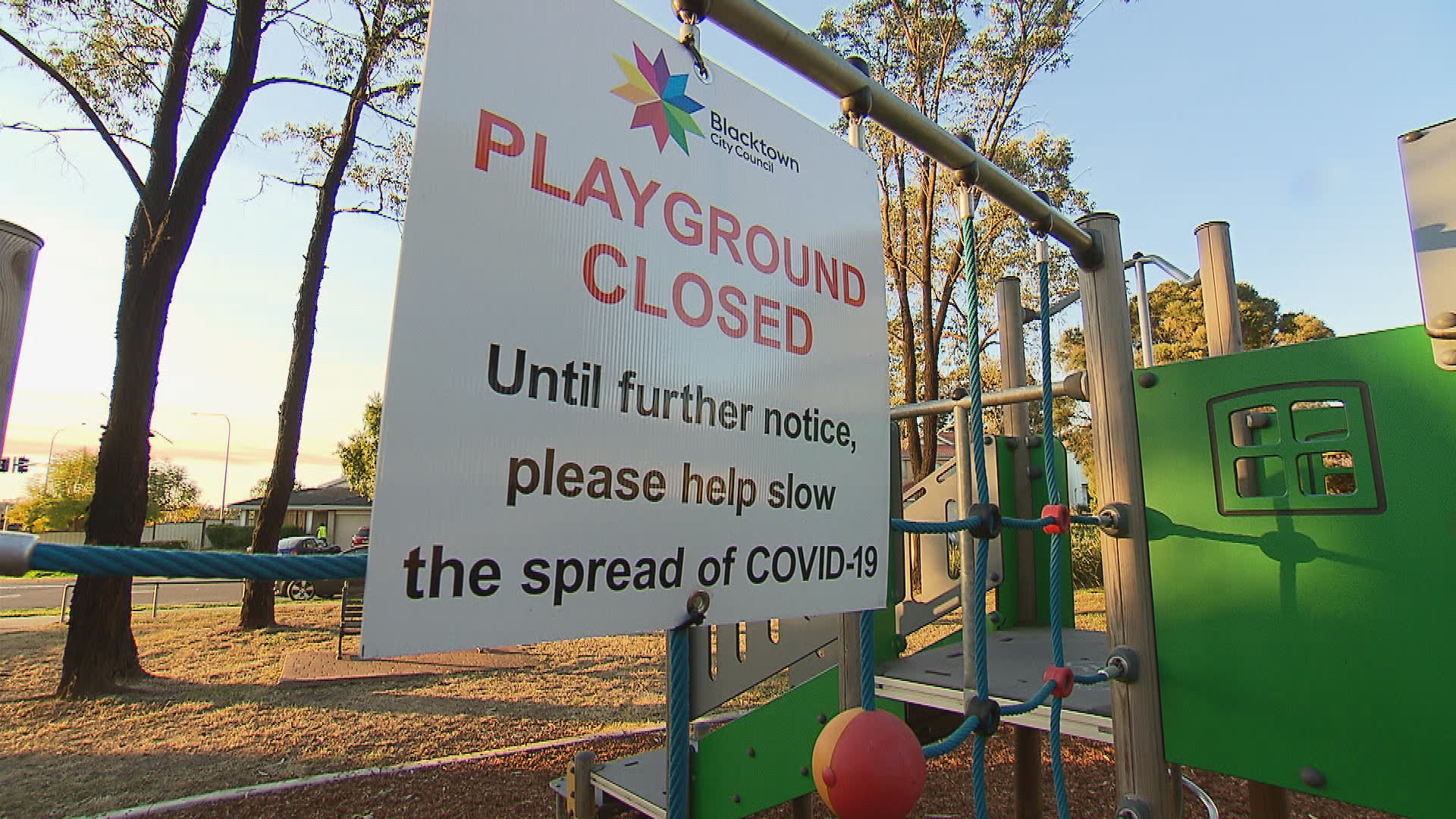
Blacktown City Council has closed all playground and gym equipment because people are misusing them under the strict COVID-19 restrictions.

Blacktown City Mayor Tony Bleasdale OAM said the original decision to close the equipment was subject to review and "not set for any specific amount of time".

"We have made the decision having heard the calls from the community," Cr Bleasdale said in a statement.

"Council also made the decision being aware of the obligations of the Public Health Orders and noting that our neighbouring councils have kept their playgrounds open."

Cr Bleasedale noted the original decision was beyond the obligations in the Public Health Orders but was made in an effort to reduce people gathering.

He said the majority of Blacktown residents were doing the right thing and Council will continue to maintain its high level of cleaning and maintenance of parks, reserves and public spaces, with additional signs erected reminding people of their responsibilities.

"Please let there be no doubt, however – should the Public Health Orders be changed so as to require playgrounds to close, Council will immediately implement those changed requirements," he said.

Mr Bleasedale had earlier made the decision to close equipment based off police advice.

"Police tell us that on occasions, these areas are being used for 'recreation' which is not permitted under the current Health Orders and this poses a risk of people 'gathering' and spreading the COVID 19 virus," he said yesterday.

Council staff cordoned off the playgrounds and installed signs advising of the changes.

Blacktown is one of the key LGAs of concern and is subject to even tighter restrictions than the rest of Greater Sydney and NSW.

The closure did not prevent children from exercising under the supervision of parents or cares.

The specific guidelines for areas of concern are available on the NSW Health website.

The Taliban are sitting on US$1 trillion worth of minerals the world desperately needs

The swift fall of Afghanistan to Taliban fighters two decades after the United States invaded the country has triggered a political and humanitarian crisis.

It's also causing security experts to wonder: What's going to happen to the country's vast untapped mineral wealth?

Afghanistan is one of the poorest nations in the world.

READ MORE: 'Holding Taliban to account': Australian BBC host describes call from militant
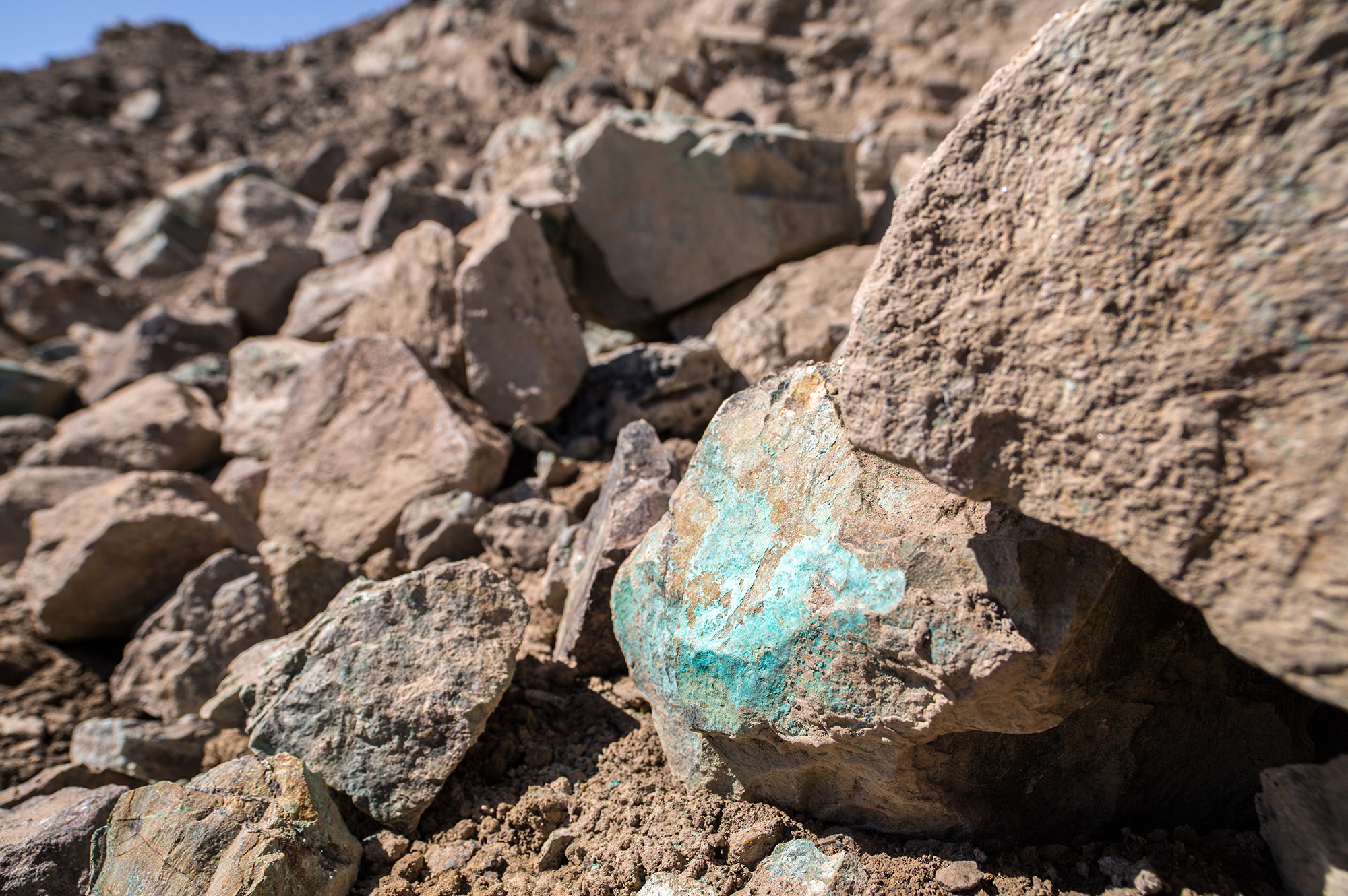
Copper ore is seen at Aynak, Logar Province, Afghanistan. The copper deposits are so rich that the bones of animals recovered by archaeologists on the site are green from metal leaching into them. A giant copper mine that the Afghan government has made the centerpiece of its plans for building an economy nearly from scratch is now at least five years behind schedule and the state-owned Chinese company that won the bidding has missed key deadlines in its still-secret contract with the Afghan gove

But in 2010, US military officials and geologists revealed that the country, which lies at the crossroads of Central and South Asia, was sitting on mineral deposits worth nearly US$1 trillion that could dramatically transform its economic prospects.

Supplies of minerals such as iron, copper and gold are scattered across provinces.

There are also rare earth minerals and, perhaps most importantly, what could be one of the world's biggest deposits of lithium — an essential but scarce component in rechargeable batteries and other technologies vital to tackling the climate crisis.

READ MORE: The seven astonishing days that marked Afghanistan's fate

"Afghanistan is certainly one of the regions richest in traditional precious metals, but also the metals [needed] for the emerging economy of the 21st century," said Rod Schoonover, a scientist and security expert who founded the Ecological Futures Group.

Security challenges, a lack of infrastructure and severe droughts have prevented the extraction of most valuable minerals in the past.

That's unlikely to change soon under Taliban control.

READ MORE: Taliban militants violently disperse rare Afghan protest, killing one

Still, there's interest from countries including China, Pakistan and India, which may try to engage despite the chaos.

"It's a big question mark," Mr Schoonover said.

Huge potential

Even before President Joe Biden announced that he would withdraw US troops from Afghanistan earlier this year, setting the stage for the return of Taliban control, the country's economic prospects were dim.

As of 2020, an estimated 90 per cent of Afghans were living below the government-determined poverty level of US$2 per day, according to a report from the US Congressional Research Service published in June.

In its latest country profile, the World Bank said that the economy remains "shaped by fragility and aid dependence."

READ MORE: 'The mission … has not been a failure': Howard defends Afghan efforts
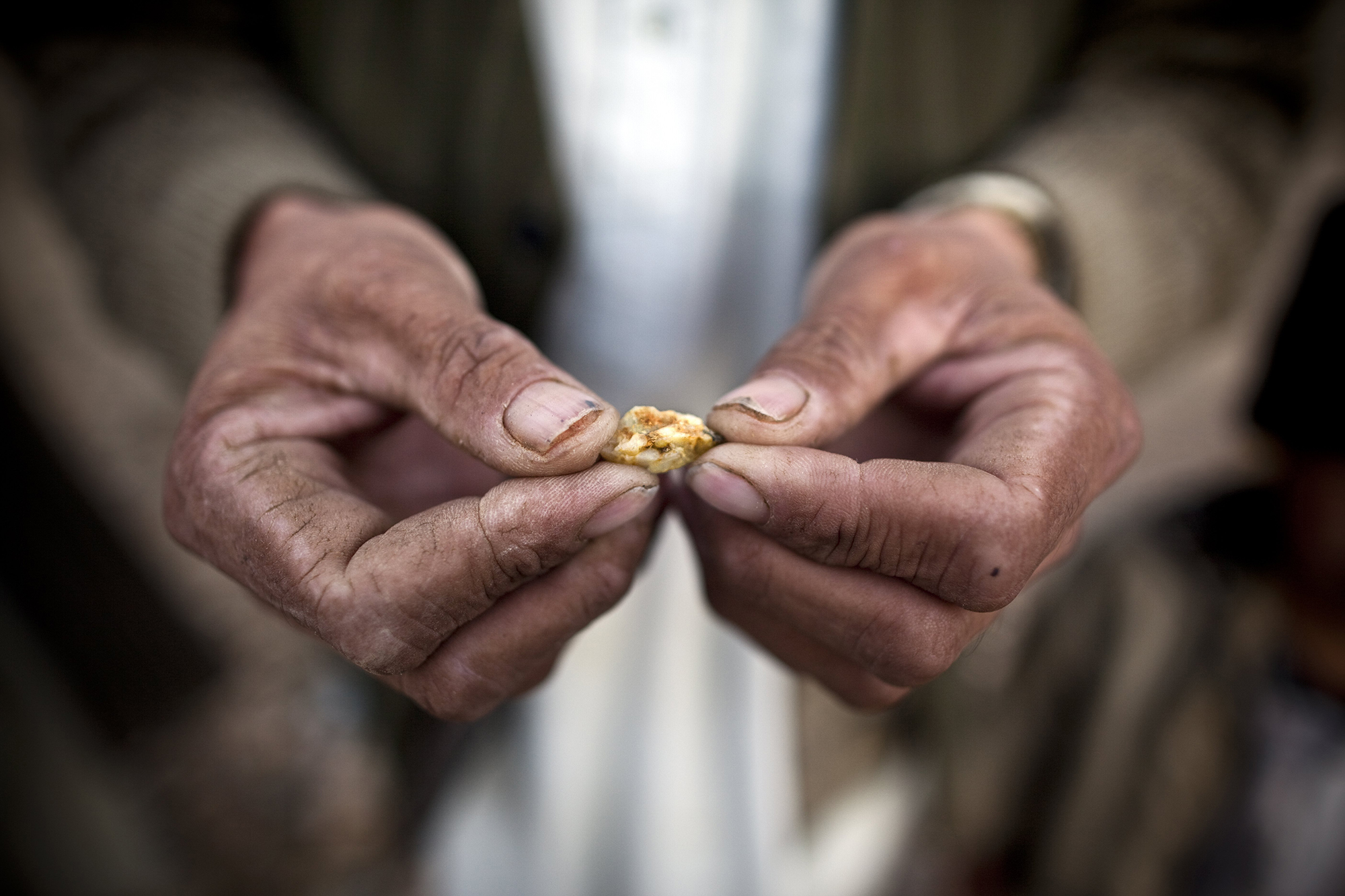
Copper ore is seen at Aynak, Logar Province, Afghanistan. The copper deposits are so rich that the bones of animals recovered by archaeologists on the site are green from metal leaching into them. A giant copper mine that the Afghan government has made the centerpiece of its plans for building an economy nearly from scratch is now at least five years behind schedule and the state-owned Chinese company that won the bidding has missed key deadlines in its still-secret contract with the Afghan gove

"Private sector development and diversification is constrained by insecurity, political instability, weak institutions, inadequate infrastructure, widespread corruption, and a difficult business environment," it said in March.

Many countries with weak governments suffer from what's known as the "resource curse," in which efforts to exploit natural resources fail to provide benefits to local people and the domestic economy.

Even so, revelations about Afghanistan's mineral wealth, which built on earlier surveys conducted by the Soviet Union, have offered huge promise.

READ MORE: US ready to help Australia evacuate citizens from Kabul

Demand for metals like lithium and cobalt, as well as rare earth elements such as neodymium, is soaring as countries try to switch to electric cars and other clean technologies to slash carbon emissions.

The International Energy Agency said in May that global supplies of lithium, copper, nickel, cobalt and rare earth elements needed to increase sharply or the world would fail in its attempt to tackle the climate crisis.

Three countries — China, the Democratic Republic of Congo and Australia — currently account for 75 per cent of the global output of lithium, cobalt and rare earths.
The average electric car requires six times more minerals than a conventional car, according to the IEA.

Lithium, nickel and cobalt are crucial to batteries.

Electricity networks also require huge amounts of copper and aluminum, while rare earth elements are used in the magnets needed to make wind turbines work.

READ MORE: First flight in Australia's Afghanistan rescue evacuates 26 people

The US government has reportedly estimated that lithium deposits in Afghanistan could rival those in Bolivia, home to the world's largest known reserves.

"If Afghanistan has a few years of calm, allowing the development of its mineral resources, it could become one of the richest countries in the area within a decade," Said Mirzad of the US Geological Survey told Science magazine in 2010.

Even more obstacles

That calm never arrived, and most of Afghanistan's mineral wealth has remained in the ground, said Mosin Khan, a nonresident senior fellow at the Atlantic Council and former Middle East and central Asia director at the International Monetary Fund.

While there has been some extraction of gold, copper and iron, exploiting lithium and rare earth minerals requires much greater investment and technical know-how, as well as time.

The IEA estimates that it takes 16 years on average from the discovery of a deposit for a mine to start production.

READ MORE: Former soldier's Afghanistan warning: 'Biggest hostage crisis' for decades

Right now, minerals generate just US$1 billion in Afghanistan per year, according to Mr Khan.

He estimates that 30 per cent to 40 per cent has been siphoned off by corruption, as well as by warlords and the Taliban, which has presided over small mining projects.

Still, there's a chance the Taliban uses its new power to develop the mining sector, Mr Schoonover said.

"You can imagine one trajectory is maybe there's some consolidation, and some of this mining will no longer need to be unregulated," he said.

But, Mr Schoonover continued, the "odds are against it," given that the Taliban will need to devote its immediate attention to a wide range of security and humanitarian issues.

"The Taliban has taken power but the transition from insurgent group to national government will be far from straightforward," said Joseph Parkes, Asia security analyst at risk intelligence firm Verisk Maplecroft.

"Functional governance of the nascent mineral sector is likely many years away."

READ MORE: Widow of New Zealand soldier killed in Kabul says deployment not in vain

Mr Khan notes that foreign investment was hard to come by before the Taliban ousted Afghanistan's civilian Western-backed government.

Attracting private capital will be even more difficult now, particularly as many global businesses and investors are being held to ever-higher environmental, social and governance standards.

"Who's going to invest in Afghanistan when they weren't willing to invest before?" Mr Khan said.

READ MORE: Taliban knocked on her door three times. The fourth, they killed her

"Private investors are not going to take the risk."

US restrictions could also present a challenge.

The Taliban has not been officially designated as a Foreign Terrorist Organisation by the United States.

However, the group was placed on a US Treasury Department list of Specially Designated Global Terrorists and a Specially Designated Nationals list.

An opportunity for China?

State-backed projects motivated in part by geopolitics could be a different story.

China, the world leader in mining rare earths, said Monday that it has "maintained contact and communication with the Afghan Taliban."

"China, the next-door neighbor, is embarking on a very significant green energy development program," Mr Schoonover said.
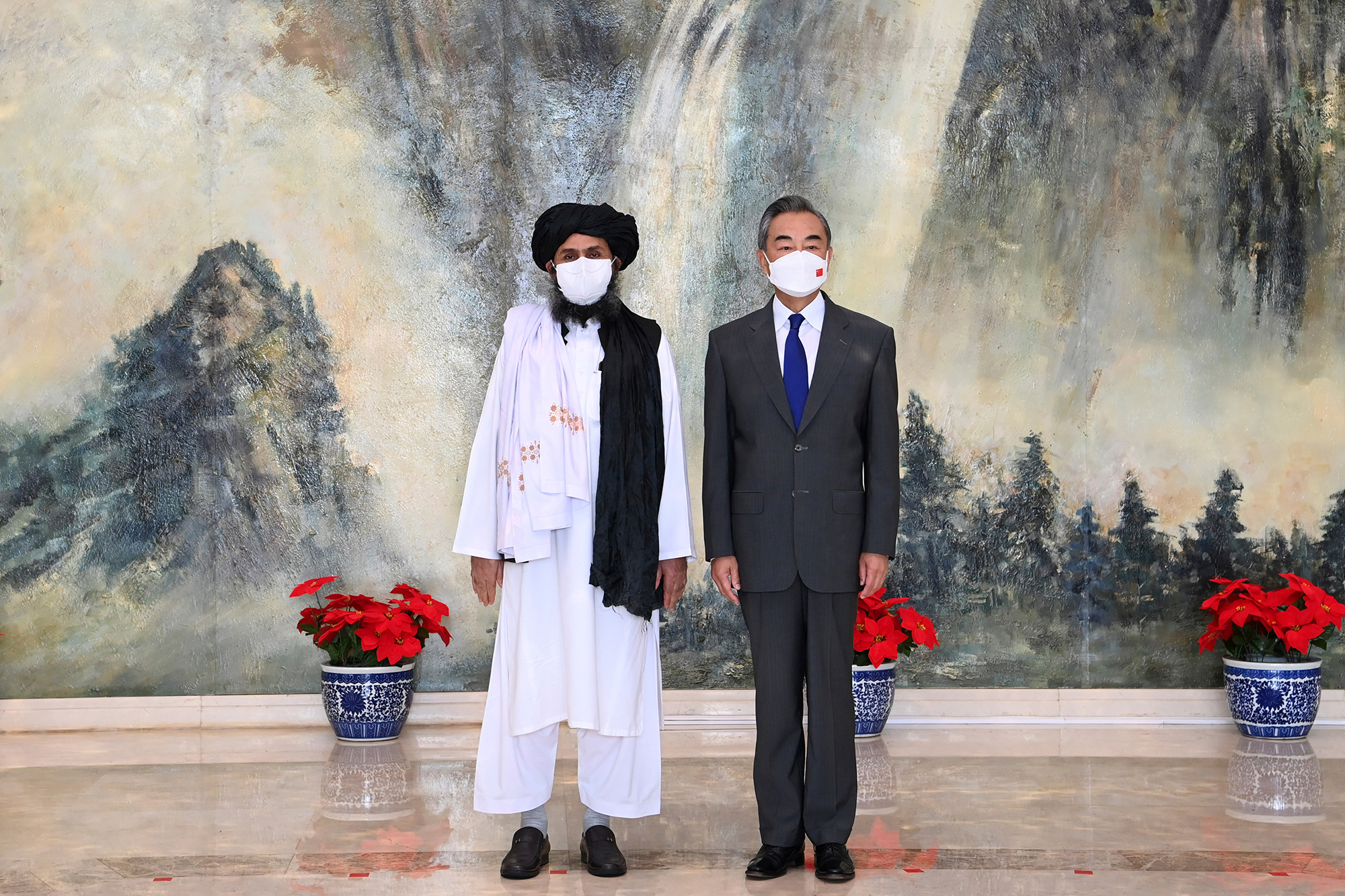
FILE - In this  July 28, 2021, file photo released by China's Xinhua News Agency, Taliban co-founder Mullah Abdul Ghani Baradar, left, and Chinese Foreign Minister Wang Yi pose for a photo during their meeting in Tianjin, China. China has expressed a willingness to hold talks with the U.S. to promote a soft landing in Afghanistan, while heavily criticizing Washington and again demanding that the Biden administration halt its attacks on China. (Li Ran/Xinhua via AP, File)

"Lithium and the rare earths are so far irreplaceable because of their density and physical properties. Those minerals factor into their long-term plans."

Should China step in, Mr Schoonover said there would be concerns about the sustainability of mining projects given China's track record.

"When mining isn't done carefully it can be ecologically devastating, which harms certain segments of the population without a lot of voice," he said.

Beijing could be skeptical of partnering on ventures with the Taliban given ongoing instability, however, and may focus on other regions.

Mr Khan pointed out that China has been burned before, having previously tried to invest in a copper project that later stalled.

"I believe they will prioritize other emerging/frontier geographies well before Taliban-led Afghanistan," said RK Equity partner Howard Klein, who advises investors on lithium.
Family hit with almost $22k in fines for hosting illegal engagement party

The family behind an illegal engagement party held during Melbourne's lockdown – where coronavirus spread – have been hit with almost $22,000 worth of fines.

Chief Police Commissioner Shane Patton today said four fines had been issued over the illegal party – two to each of the parents of the bride-to-be and two to the engaged couple.

The fines issued are for $5452 each, totaling $21,808 between the family-to-be.

READ MORE: Victoria records 57 new cases, Melbourne marks 200 days in lockdown

Commissioner Patton said the fine recipients had been very cooperative with police investigating the significant lockdown breach.

Police are expecting to issue many more fines, with Commissioner Patton confirming police were planning to fine all of the people present at the party.

Commissioner Patton said police were arranging to speak to other attendees of the party, with the party-goers' need to self-isolate making interviewing them more difficult.

"We are now in the throws of arranging to engage with all other persons present and how we can conduct those interviews through Zoom and other areas to ensure we have proper identification."

LIVE UPDATES: Experts predict NSW could hit 4000 cases per day next month

On Monday, Commissioner Patton said he expected to issue more than $350,000 in fines to the 69 people who were involved.

"That's an expensive engagement party."

At least seven COVID-19 cases have been linked to the party, which Premier Daniel Andrews slammed as disappointing and driven by "selfish choices".

Following community backlash, on Monday the mother of the groom responded to criticism saying, "We did wrong but the hate coming our way is just so mean… Look into your heart and try to find forgiveness".