Tag Archives: oceania

Three new COVID-19 cases brings New Zealand outbreak to 10

Three new COVID-19 cases have been recorded in the New Zealand city of Auckland.

This brings the country's current outbreak, which has been confirmed to originate from New South Wales, to 10.

The new cases include a man in his 20s who is a partner of a known case, a woman in her 60s, and a woman in her 20s.

READ MORE: New Zealand enters snap lockdown after one new COVID-19 case found
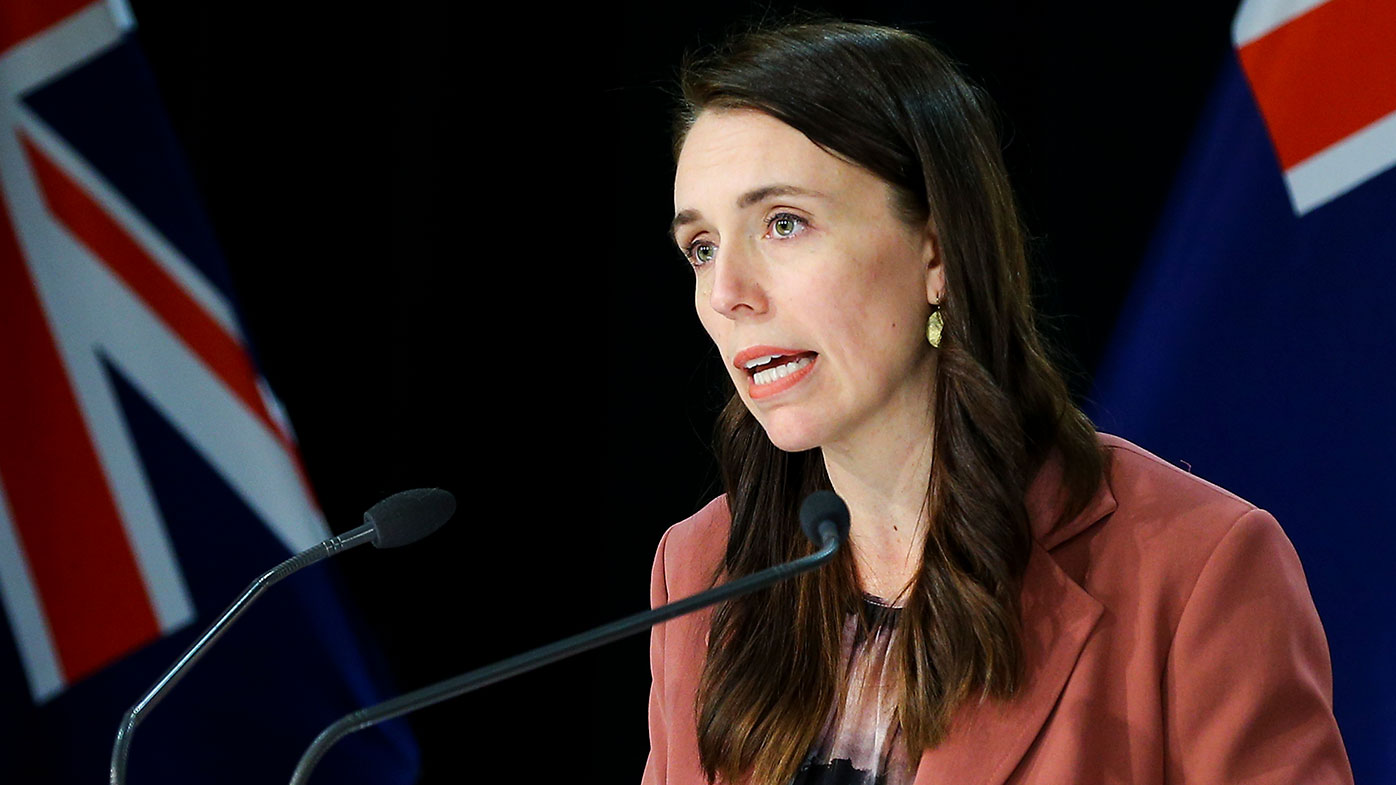
New Zealand Prime Minister Jacinda Ardern.

Prime Minister Jacinda Ardern confirmed earlier today the case which triggered the lockdown is of the Delta variant and genomic sequencing matched NSW cases.

"Our case is originated in Australia," she said.

"The fact it is linked to the NSW outbreak gives us a lot of leads to chase down."

She said they still do not know how the virus got from NSW into the community in Auckland.

Ms Ardern said there were several infected people from NSW in managed isolation in New Zealand, though it is not yet apparent how the case got out.

Among the new cases in New Zealand is a health worker who worked four shifts at an Auckland hospital while unknowingly infectious.

A 20-year-old work colleague of the original case has since tested positive, as has his three flatmates. The health worker is among them.

READ MORE: NSW records 633 new cases, three deaths
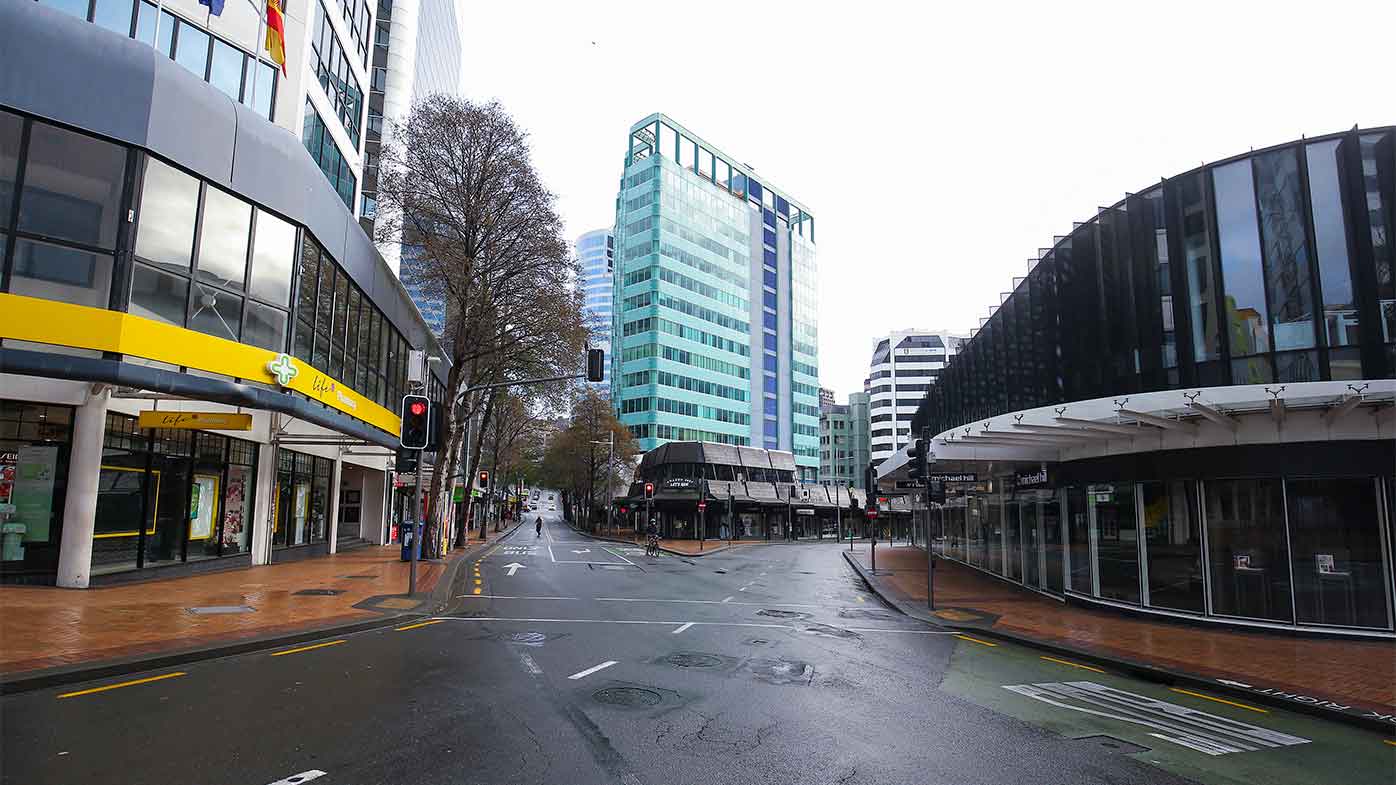
The streets of Wellington lie empty on the first day of lockdown in New Zealand.

Another of the flatmates is a teacher.

"They will be large numbers of locations of interest," Director General of Health Dr Ashley Bloomfield said.

"Speed is of the essence."

The wife of the original case has tested negative for a second test. She has been fully vaccinated.

The Sky City Casino and a local church have been listed as exposure sites.

"I know Delta is making people feel more anxious and more afraid and it is true that we will see more cases, but we can get on top of this, just like we have every other time, if we do it together," Ms Ardern said.

"We do expect more (cases)."

READ MORE: Victoria records 24 new COVID-19 cases
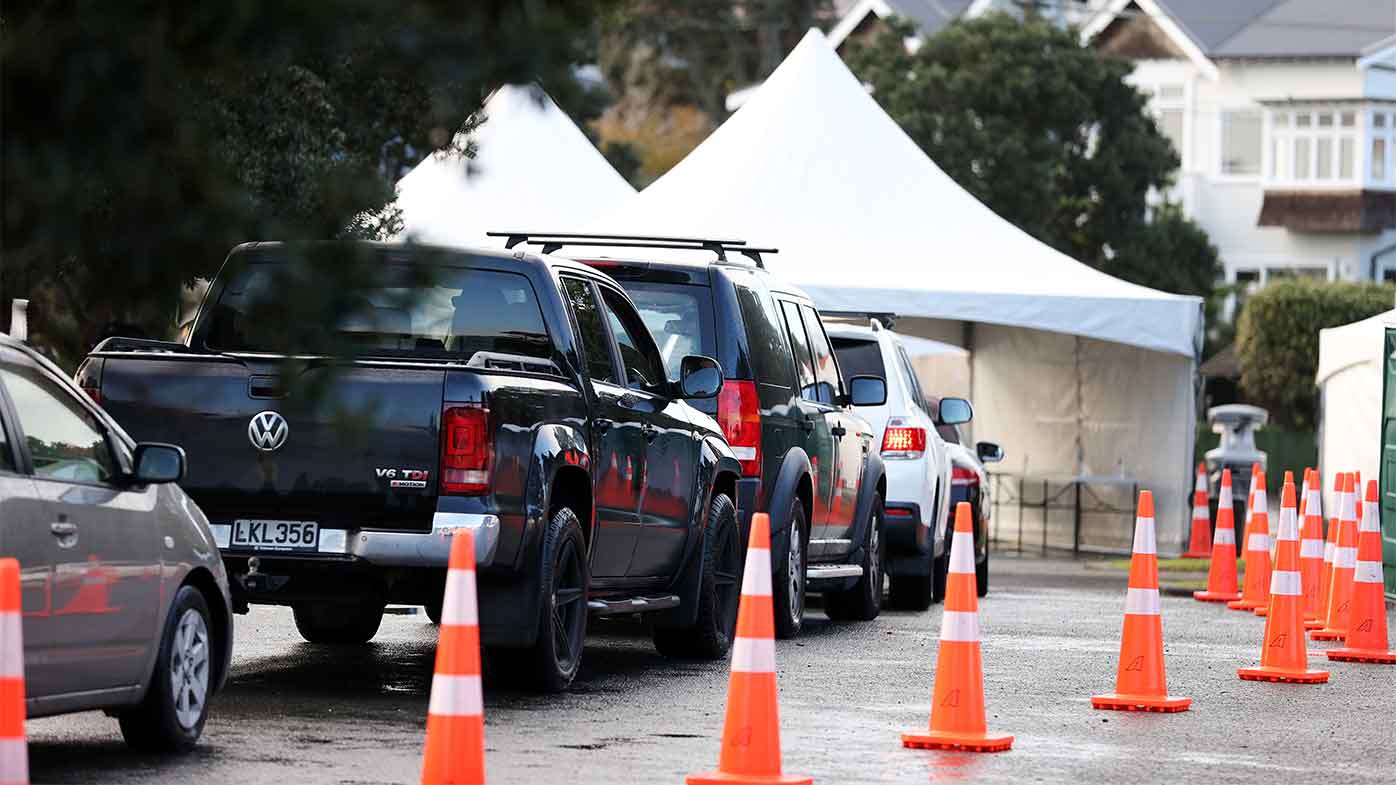
Cars queue up for coronavirus testing in Auckland, New Zealand.

Ms Ardern cited the example of Australia's spreading coronavirus outbreak as an indication of the need for rapid action.

"What is your message to people who question the need for an Alert Level 4 lockdown?" a journalist asked her.

The prime minister pointed west.

"Australia," she replied.

https://twitter.com/ccroucher9/status/1427808384112226305

Ms Ardern said people older than 40 can now book a vaccine as of today.

New Zealand is one of the few countries with a lower vaccination rate than Australia at present.

The prime minister confirmed the country would move to alert level four yesterday, with only essential contact between people allowed, after just one case.

Ms Ardern said the country needed to "go hard and go early" to defeat the Delta variant, after one case was detected.

New Zealand's Ministry of Health said it received the results last night of the genome sequencing for case A.

"It is the Delta variant," they said.

READ MORE: Body of newborn found at NZ recycling centre came in on rubbish truck

"We are undertaking further analysis to see how it could be connected to cases we know about.

"These developments strongly reinforce the importance of the actions taken last night in the move to level four and underpin the importance of everyone keeping to the lockdown conditions.

"The key message from the last lockdown remains relevant: 'stay at home, save lives, be tested. This will stop any undetected spread in the community."
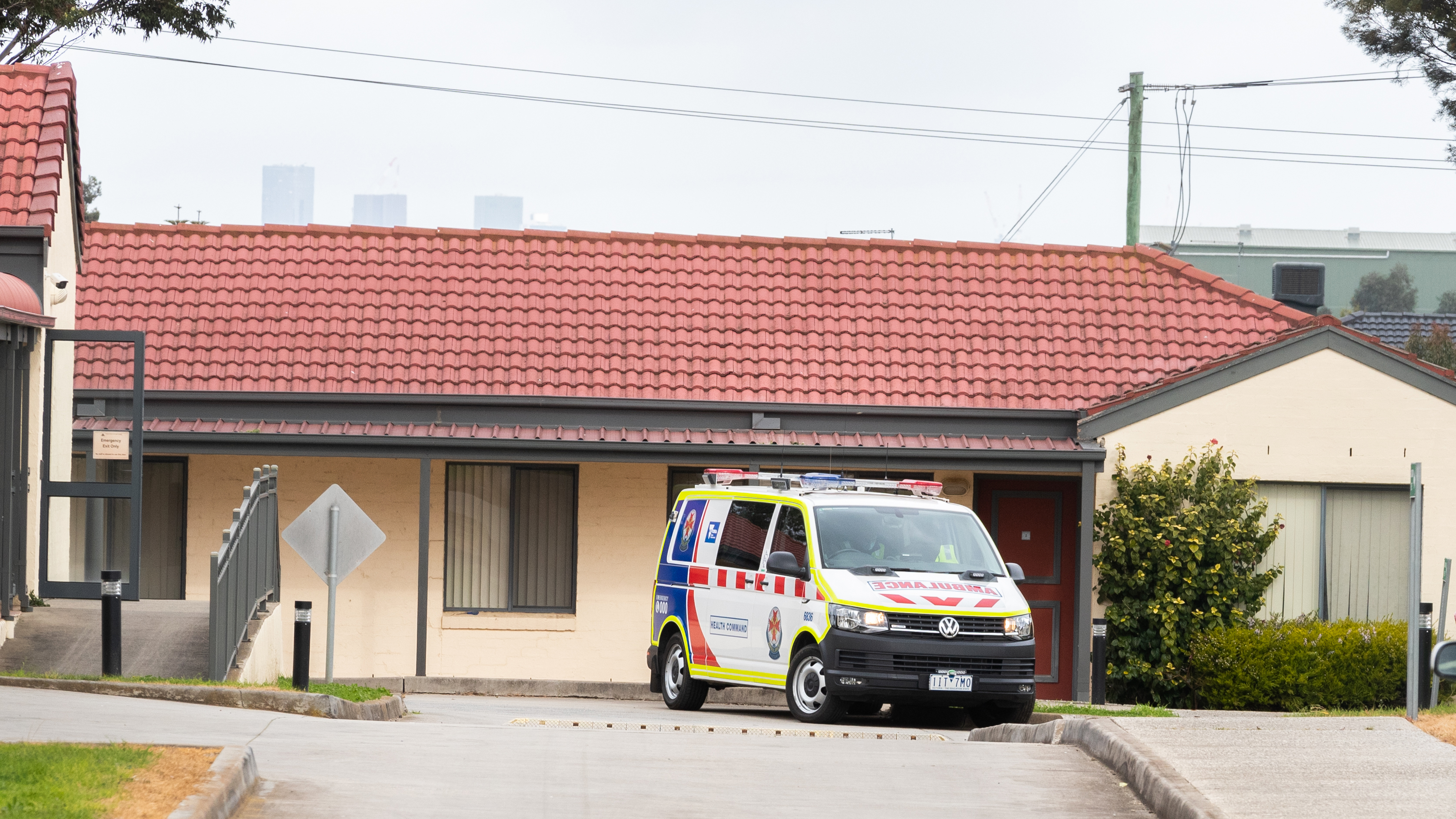
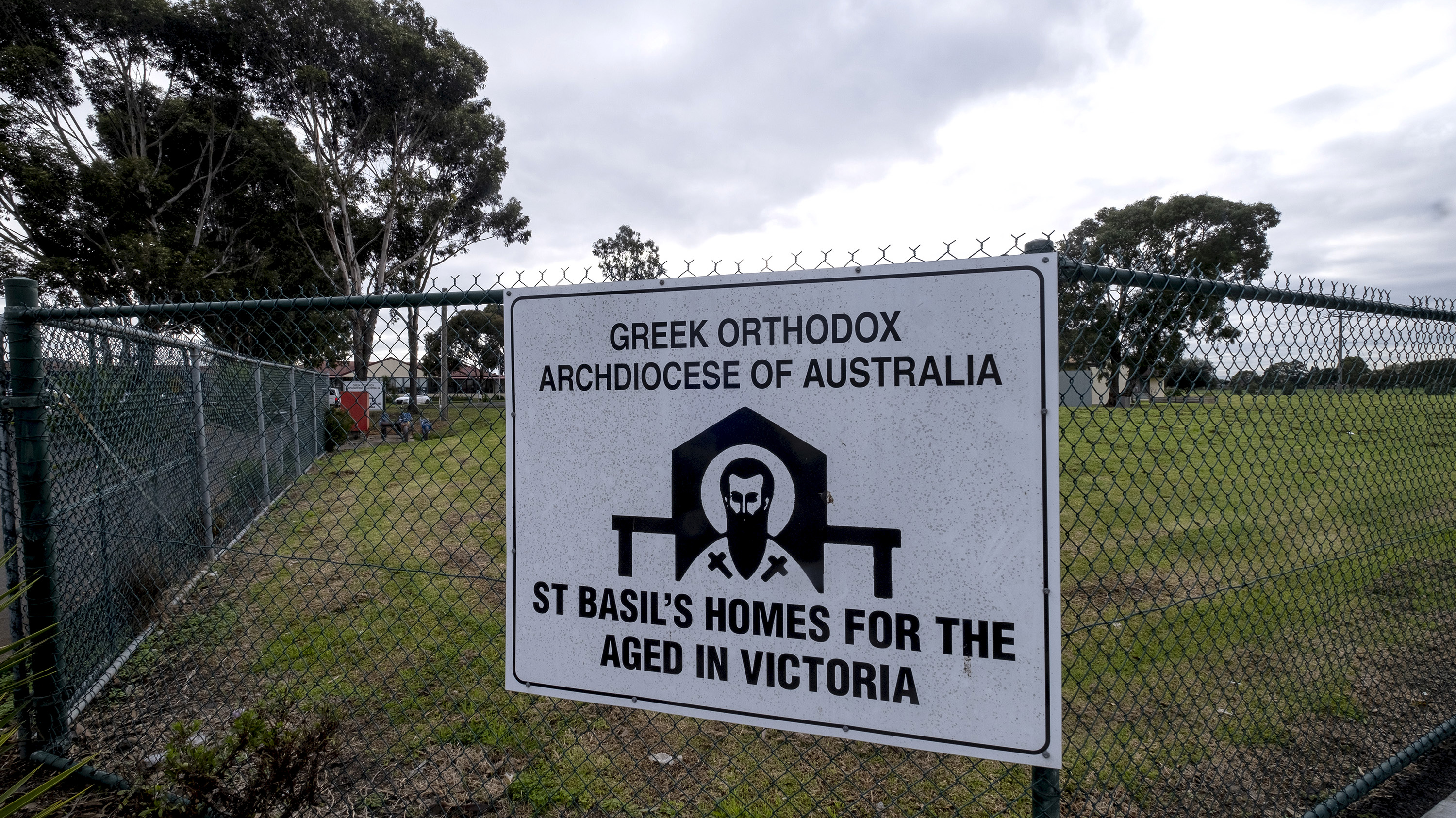
Heart-wrenching details revealed of St Basil's deadly COVID-19 outbreak

Heart-wrenching details of neglect, failed protocols and chronic understaffing have been heard in the first hearing of an inquest into the COVID-19 outbreak at Melbourne's St Basil's aged care home.

During the height of Victoria's second wave, 117 residents called the facility home and 50 of them died during the outbreak – 45 of them from coronavirus.

Victorian State Coroner Judge John Cain will probe the Fawkner aged care home deaths and the circumstances in which they occurred.

READ MORE: Melbourne sex worker among latest mystery COVID-19 cases

The names of the deceased were today read aloud in the Coroner's Court – a tragic three minutes for devastated loved ones.

"As devastating as these numbers are, they don't tell the whole story," council assisting the coroner Peter Rozen said.

"Evidence collected by the court … suggests certain features of the home, its management and the way the outbreak was addressed by external agencies that combined for the tragic outcome that materialised."

Mr Rozen said the basic needs of many of the "highly dependent residents were neglected to a point that a number presented at hospital dehydrated, malnourished, suffering from serious pressure sores and in very poor general health, in addition to being COVID-19 positive".

The hearing heard the first infected staff member at the site worked two shifts while she waited to receive a COVID-19 test result.

READ MORE: Victoria records 24 new COVID-19 cases

Judge Cain will have the power to make recommendations to prevent similar deaths in future following the inquest.

The judge said he was aware the grieving families were looking for an explanation as to what happened at the facility and why.

"It's hard to imagine a more difficult and distressing situation for all of you," he said.

The full inquest is expected to run for a number of weeks later this year.

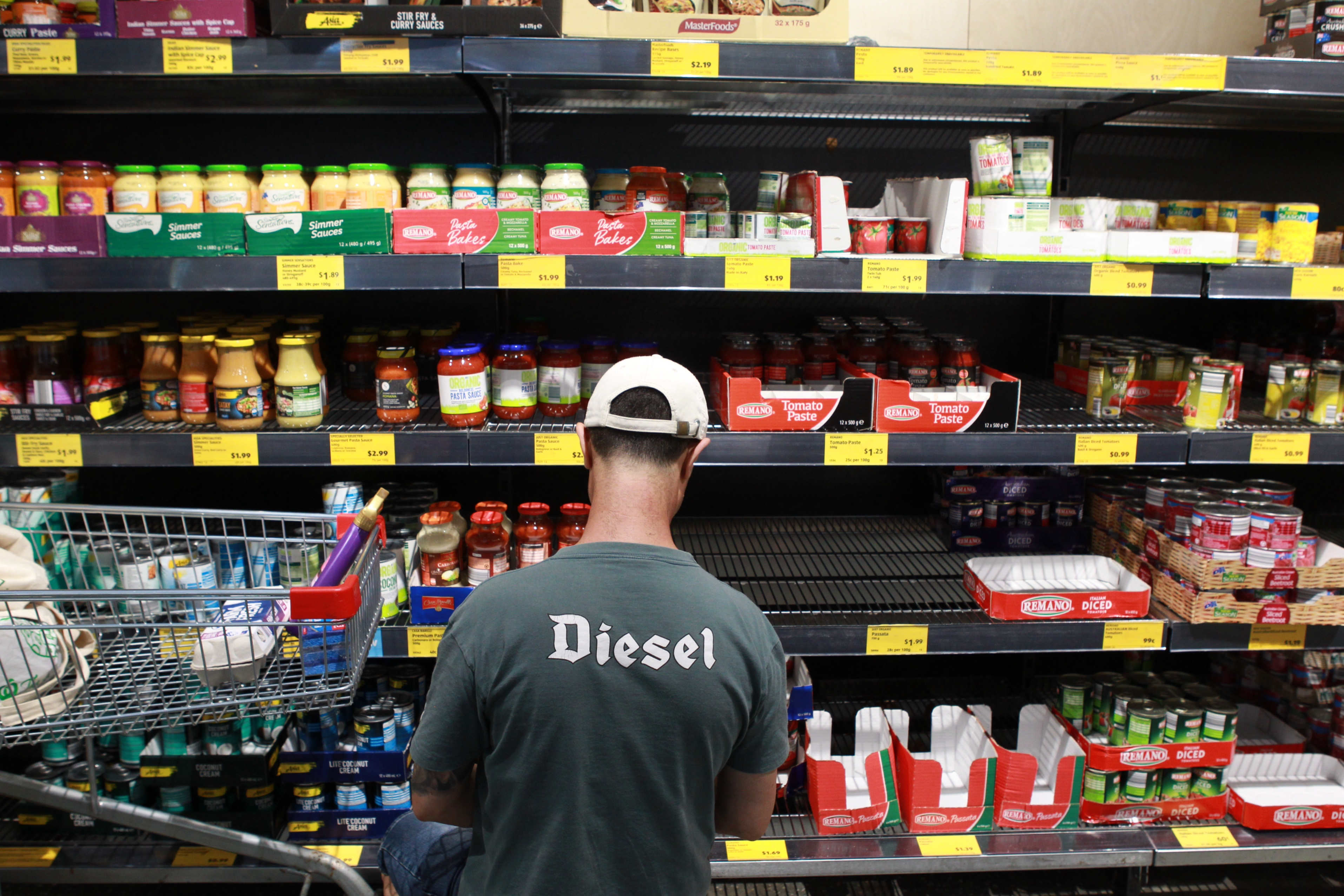
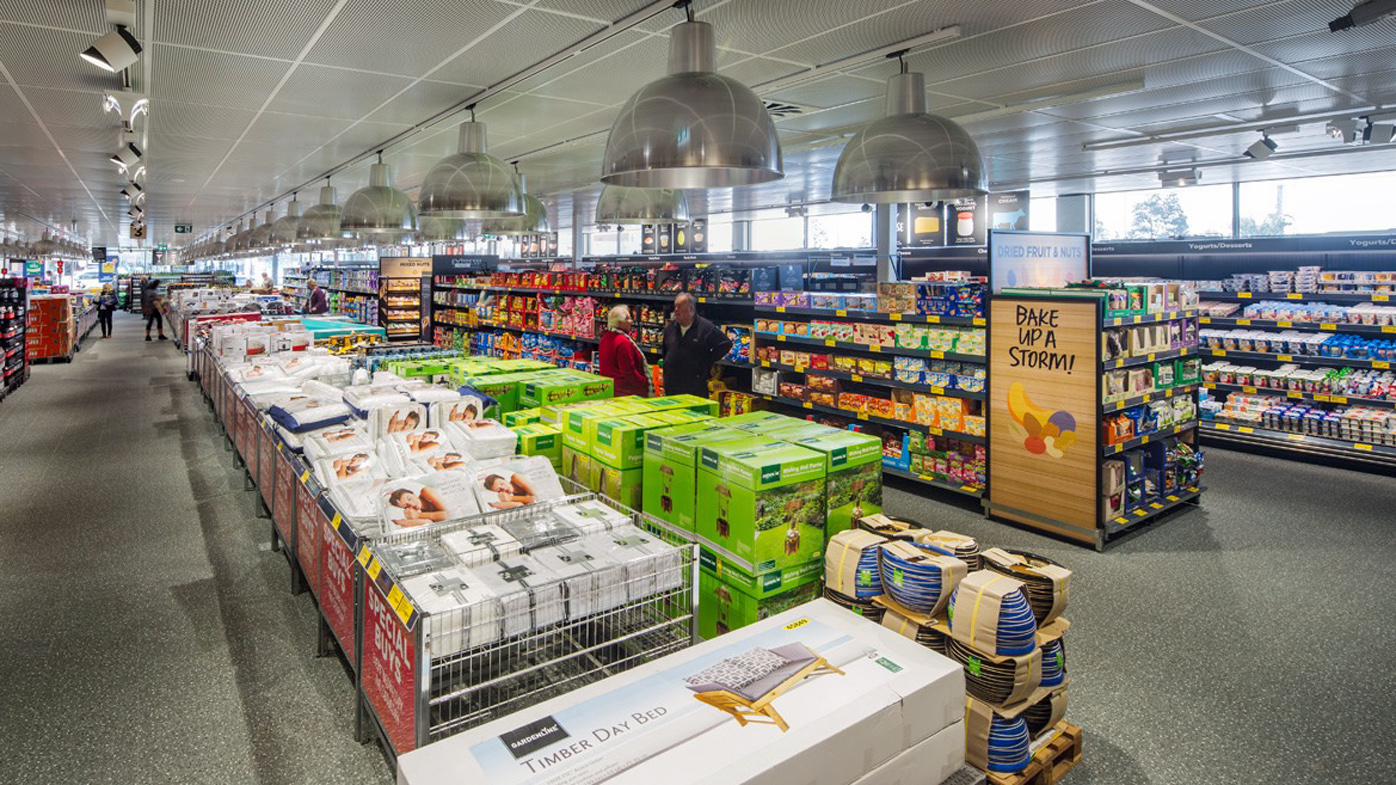
Aldi's 'tactical' supermarket price drop

Discount supermarket Aldi is doubling down on its "Good Different" strategy, committing to a permanent price drop to 10 per cent of products sold in its everyday grocery range.

The German-owned supermarket announced this morning it was committing to reducing the prices on family staples such as free-range eggs, tasty cheese and mince.

Price reductions on these products would be as high as 30 per cent and come in the wake of in-house research that showed one in five Australians have felt they could not afford their weekly grocery shop.

READ MORE: Aldi rolls out self-serve checkout trial

It's a sharp tactical move, says Founder and CEO of the Retail Doctor Group Brian Walker, who believes that much of Aldi's losses on certain products will be shouldered by suppliers.

"I think it is doubling down on their 'Good, Different' strategy," Mr Walker tells 9News.com.au

"It's part of Aldi's position as a challenger brand in Australia."

As Mr Walker explains, the market share owned by supermarkets in Australia is not typically grown. Instead, competitors shave off market share by capturing customers that previously shopped elsewhere.

READ MORE: Pandemonium at Aldi stores as ski gear sale returns

"Aldi are playing to their strengths right now tactically. The future of supermarkets is interesting. If you look at Woolworths' capital investment for example, you see the growth of data, automation, fulfilment, right down to dark stores and even driverless delivery," Mr Walker said.

"Aldi are counterpunching here, at least in the short term, with this classic supermarket-style campaign. While Woolworths work is structural in that sense, Aldi's is tactical."

According to Walker, price drops at major supermarkets are typically done following a rigorous analysis of shopper data, and the modelling of a typical "basket" bought on a weekly shop.

READ MORE: Aldi looking to trial smaller format 'corner store' shops

Aldi special buys robot vacuum cleaner

Smaller margins on some products will typically result in higher margins on others.

"What supermarkets look for is the add-on sale. They ask, what is the complementary product with a higher margin that goes with this?" Mr Walker says.

"After looking at the modelling they'll be able to make an educated guess on what products that can take a hit on – with the supplier wearing the brunt of the cost – and what complementary products they may be able to increase. For example, many shoppers will buy bacon when they buy eggs."

By dropping prices on everyday products in store, Aldi is positioning itself as a key in-store shopping proposition during a time when its major competitors in Coles and Woolworths are investing heavily in contactless shopping and home delivery.

"The supermarket market in Australia is worth around $92 billion a year. The four main players are Woolies, Coles, Aldi and IGA in that order," Mr Walker said.

"Aldi have turned into a very profitable business and they've been very successful at tuning into mainstream, middle-class Australia."

READ MORE: The rise and rise of Aldi in Australia

Aldi Australia's Managing Director Oliver Bongardt said the supermarket stood by its promise to Australians that it will not be beaten on price.

"We began reducing the prices of our already price-leading products at the start of the pandemic, and these permanent reductions reaffirm our continued commitment that Aldi will never be beaten on the price of your weekly grocery shop," said Mr Bongardt.

"aldi has, for the last 20 years, delivered on its price promise to offer shoppers high quality products at low prices. We know we save Australian customers more than $2.4 billion every year, when compared to shopping at other supermarkets, and we intend to build on that."

First flight in Australia's Afghanistan rescue evacuates 26 people

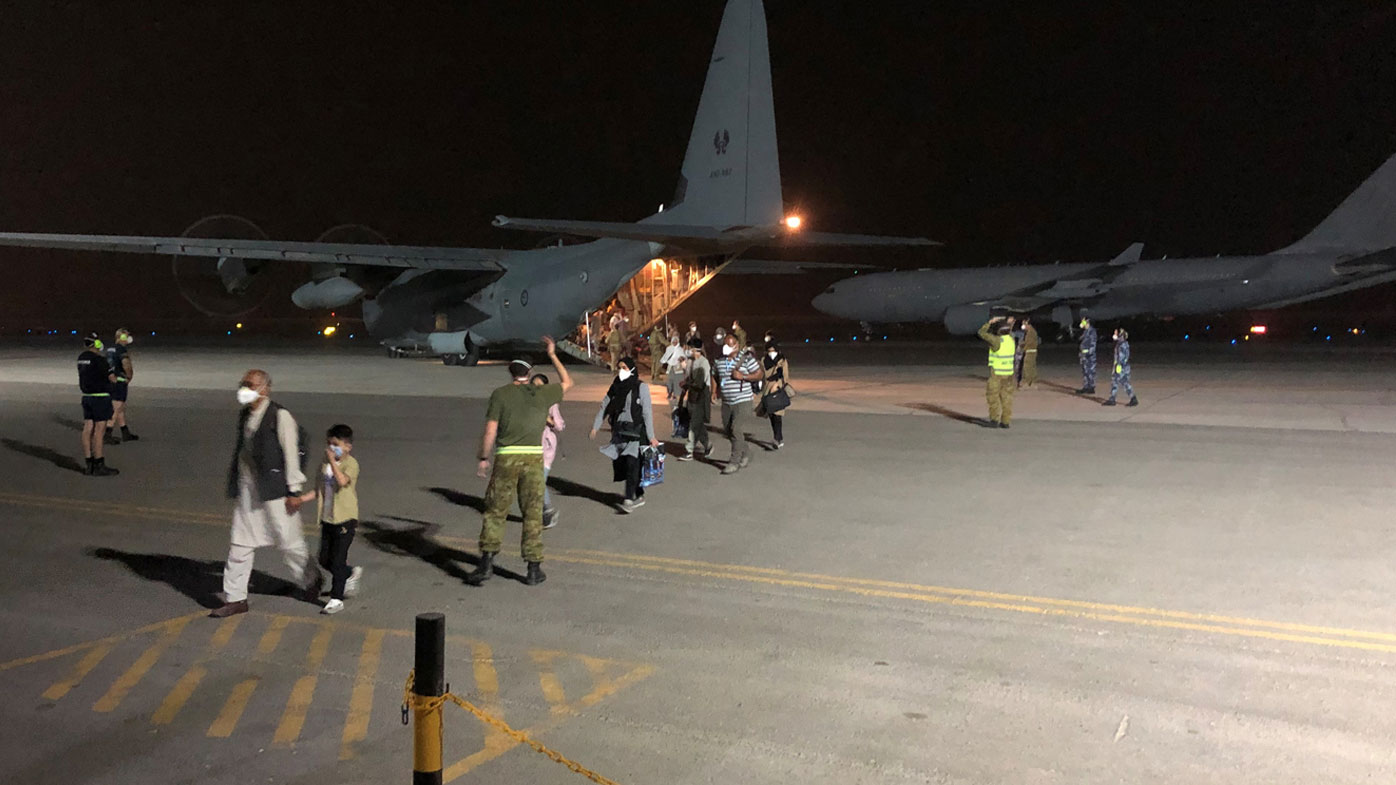
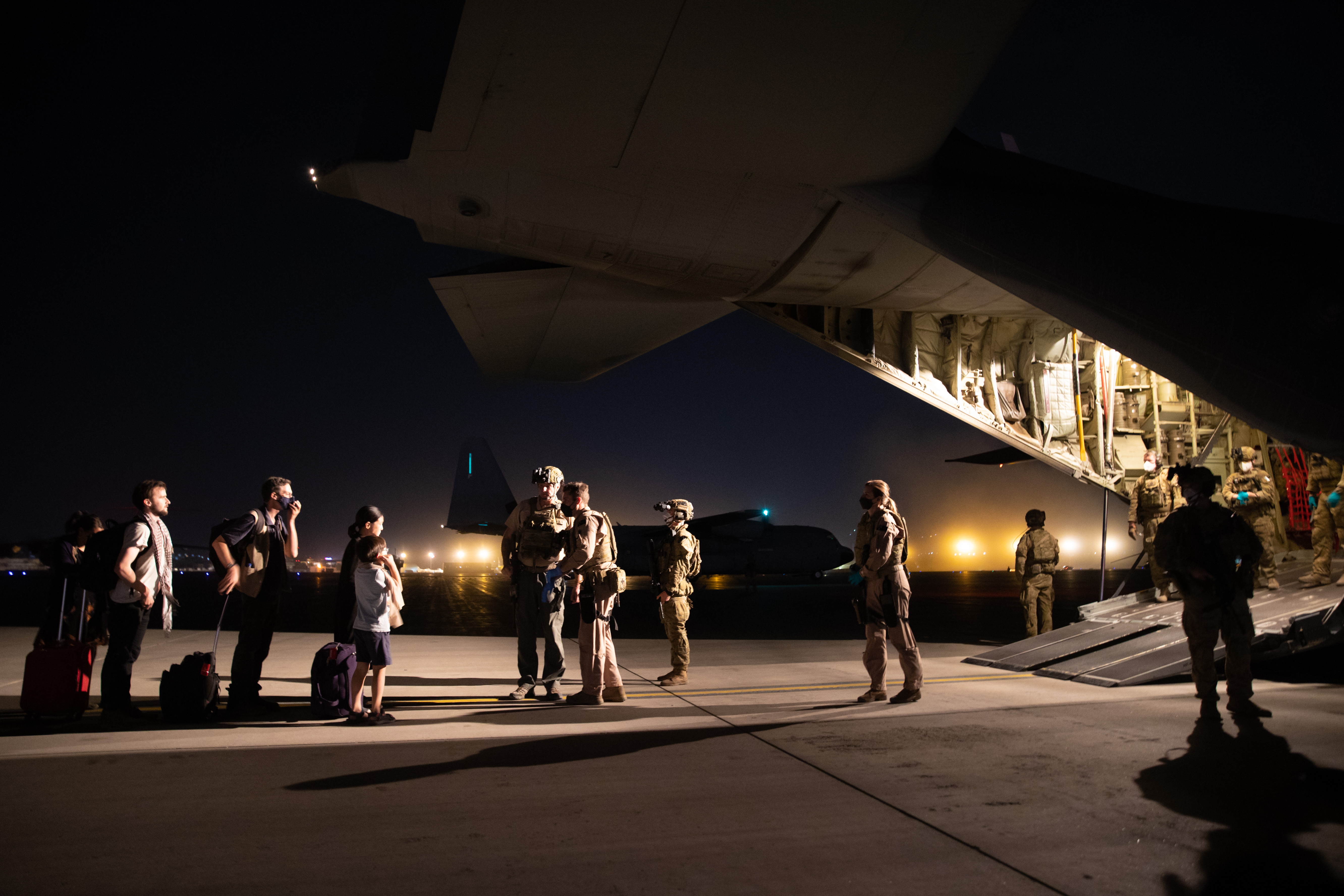
The Defence Force mission to evacuate Australians and Afghans from Taliban-controlled Kabul has begun, with the first flight out of Afghanistan evacuating 26 people.

The first flight landed in Kabul last night, with key personnel from the Department of Foreign Affairs on board to facilitate the evacuation.

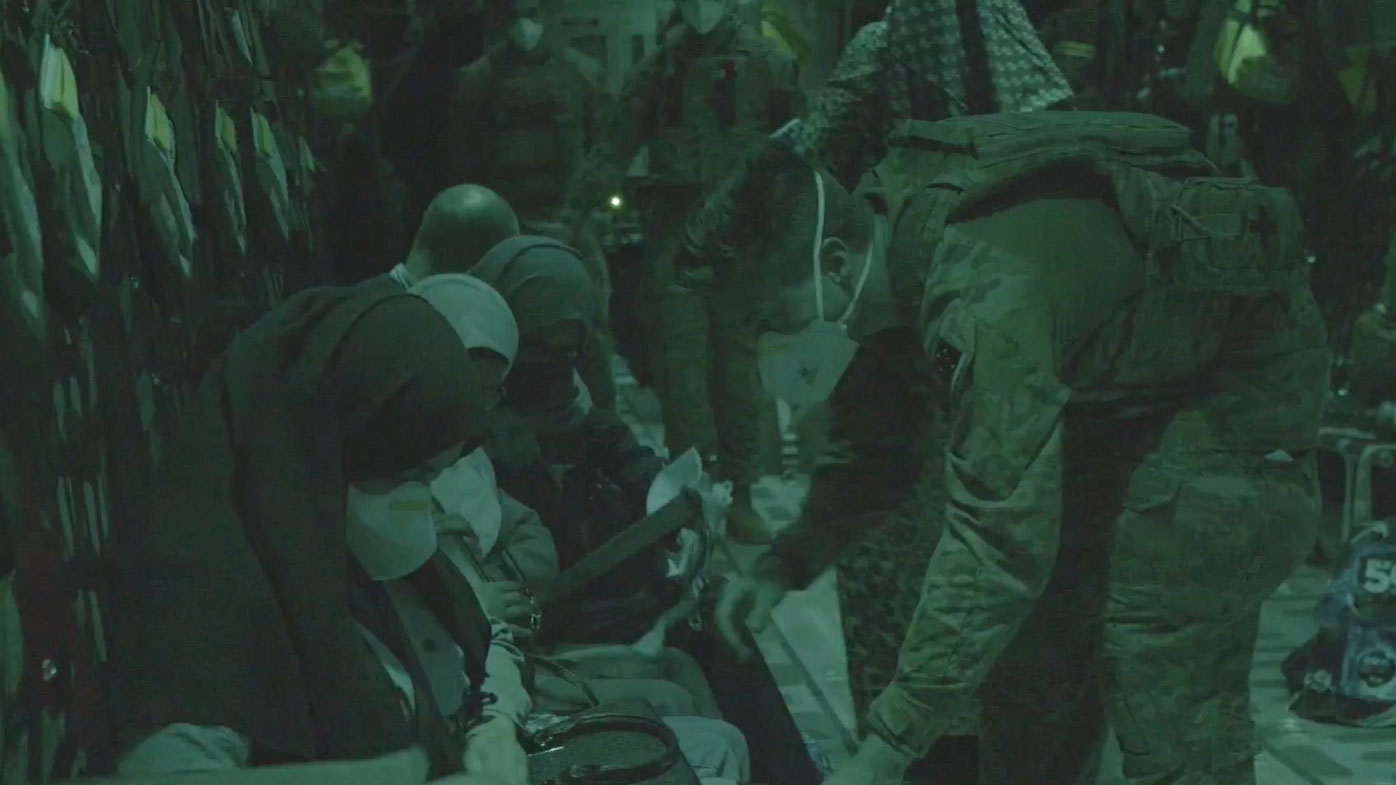
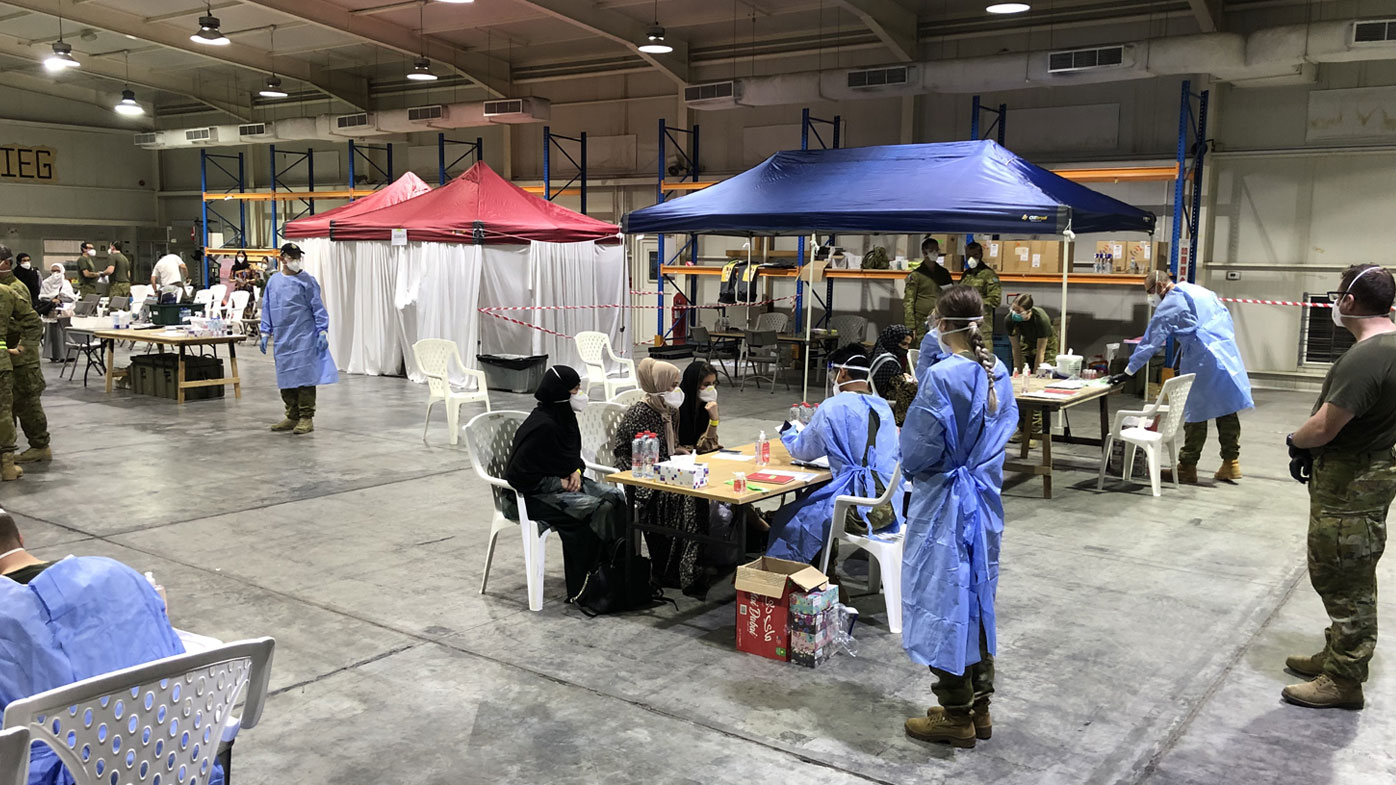
The ADF has released photos and video from the delicate operation, which show the evacuees being boarded onto a plane on the tarmac at Kabul.

READ MORE: Taliban vow to honour women's rights but within Islamic law

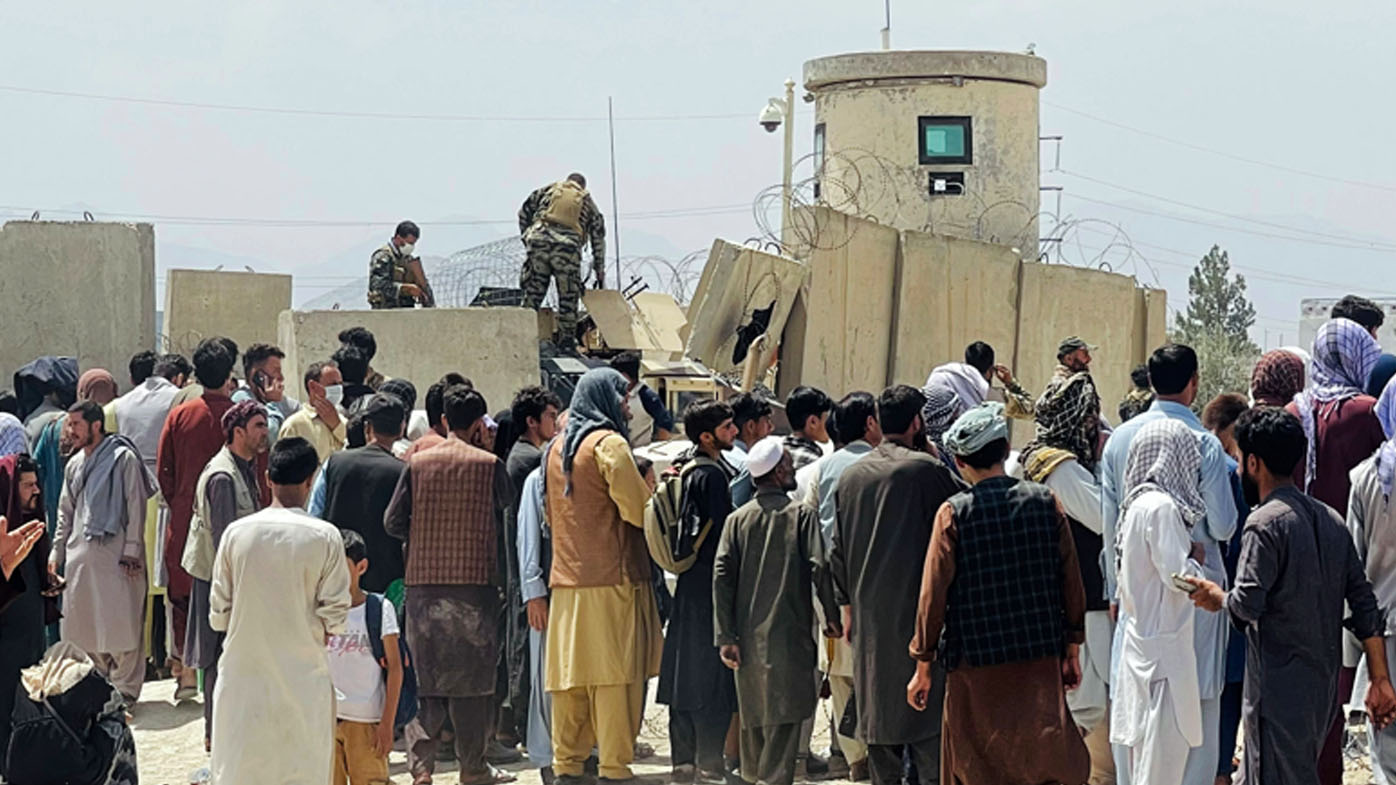
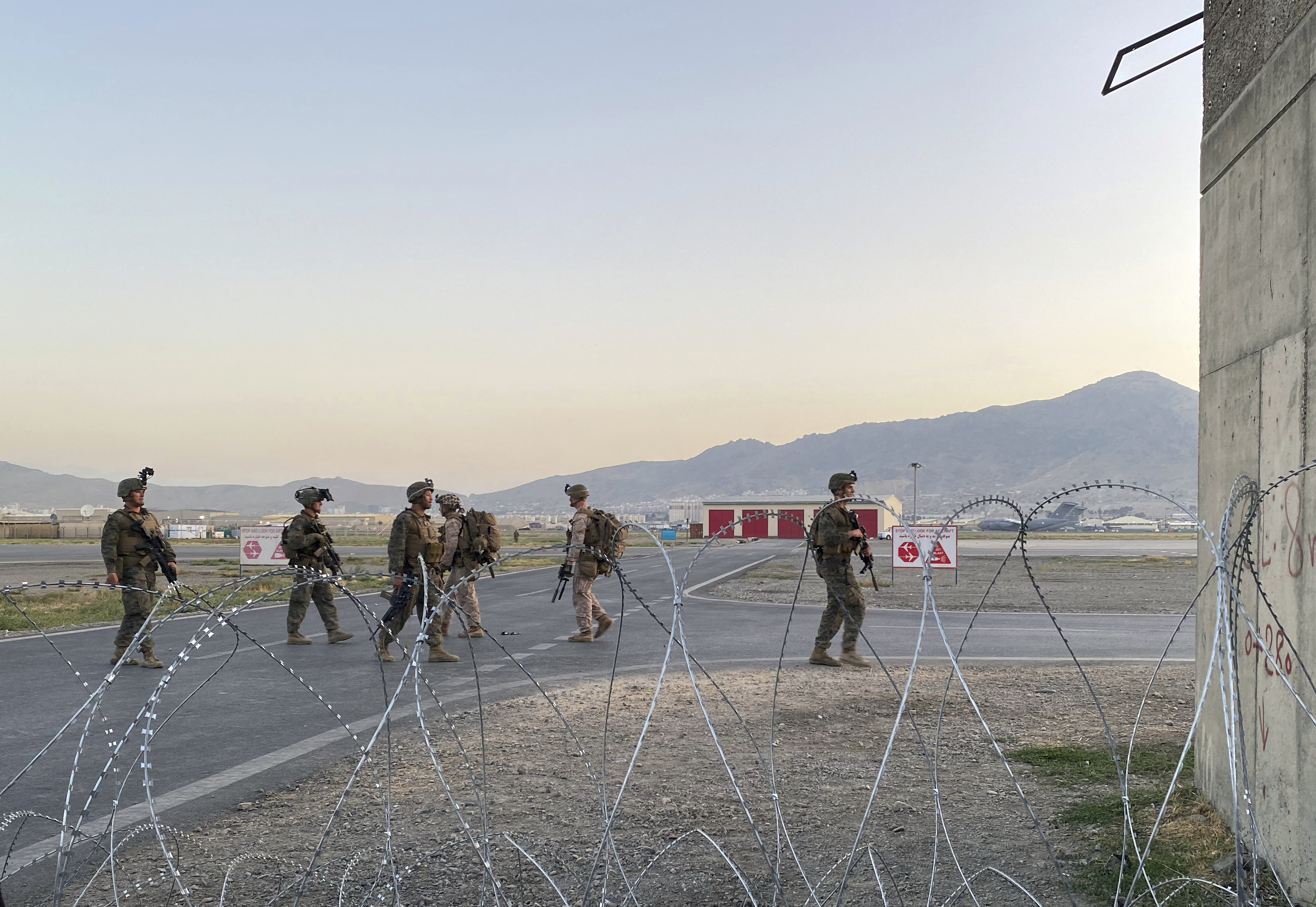
The first 26 people have been evacuated from Afghanistan after the Taliban captured the country.The RAAF C-130J Hercules aircraft landed at Hamid Karzai International Airport in Kabul overnight and departed safely at around 1am local time, 18 August 2021.

The RAAF C-130J Hercules aircraft landed at Hamid Karzai International Airport in Kabul overnight and departed safely at around 1am local time.

"This is not a simple process," Prime Minister Scott Morrison said in a press conference today.

"It's very difficult for any Australian to imagine the sense of chaos and uncertainty that is existing across this country, the breakdown in formal communications, the ability to reach people."

The first flight took 26 people from Kabul to the United Arab Emirates this morning.

Evacuees on board the ADF aircraft on its way to the Middle East Base.Australian Defence Force personnel process the first evacuees from Kabul, Afghanistan at Australia's main base in the Middle East region.

"This will be done in as orderly fashion as is possible in the circumstances," he said.

"We need to be very clear who is getting on our planes, who is going to our base and going to come here and live in Australia."

More Australian planes will be heading to Afghanistan in order to get people out of the country.

Another C130 and two C17s will join the existing C130 making regular flights in and out of Kabul.

"I can confirm that security situation at the airport has improved and more broadly across Kabul," Mr Morrison said

"That is supported particularly by the presence of US and UK troops on the ground being able to take control of the airport."

The Federal Government is aiming to rescue 600 Australians and Afghan interpreters over coming days.

More than 250 Australian Defence Force troops are being sent to Afghanistan to help with evacuations.

Nine.com.au has contacted the Defence Department for comment.

Earlier today the Biden Administration said the United States will help Australia with its evacuation mission.

READ MORE: US ready to help Australia evacuate citizens, vulnerable Afghans

National Security Adviser Jake Sullivan told 9News at a White House briefing that the US was willing to work with Australia and other western countries to evacuate citizens and vulnerable Afghans facing persecution by the Taliban.

Kabul airport has reopened after thousands of people rushed the runways over the past two days, attempting to join the US Air Force evacuation flights.

But reports say Afghan residents travelling to airport face Taliban checkpoints along major roads.

Telstra employees offered $200 worth of incentives to get vaccinated

Telstra employees are being offered $200 worth of incentives to get the COVID-19 vaccine.

CEO Andy Penn sent a message to employees on Monday to say that – starting with Australian workers – the company was working to encourage a "level of solidarity" when it came to getting the jab.

Employees who do will be given 200 "Appreciate points" – the equivalent of $200 which can be spent in Telstra's online store.

READ MORE: Australia COVID-19 vaccination rollout tracker

"Getting vaccinated will make an incredible difference – we can protect each other, lessen the financial hardship on families, and turnaround the toll on our wellbeing caused by the uncertainty and isolation from rolling lockdowns," Mr Penn said in his message.

"Now is the time to act – to roll-up our sleeves and get vaccinated, or make an informed decision so you are ready when supplies are available to you.

"I've had the jab and I know many of you have as well, but it is something I urge all of you to do, as soon as you can."

Mr Penn said the incentive would be applied retroactively to those who has already been vaccinated.

And in recognition of those who were not yet eligible in their jurisdictions, it is set to remain available until at least December 31.

READ MORE: Every other Aussie will soon have had first jab

Telstra has not yet made getting vaccinated a requirement for "certain roles", Mr Penn said.

"However, we will continue to consider relevant government and health advice, particularly for our people working in high-risk locations and with vulnerable people, such as aged care, hospitals and Indigenous communities," he said.

READ MORE: New Zealand COVID-19 infection came from NSW: Ardern

Mr Penn acknowledged that not all employees would feel the same way about the COVID-19 vaccine but urged everybody to be "respectful".

"Personally and as a company, we believe that being committed to getting people vaccinated is the right thing to do," he said.

A Telstra spokesperson said the initiative had been "universally applauded" by employees and there had been very high engagement.

The R-Factor is the crucial figure keeping NSW in lockdown

There's one calculation health authorities around the world are using to determine the length of lockdowns, and as NSW Premier Gladys Berejiklian hinted today, the state is some way from being on the right side of it.

The R-Number or R-Factor ("r" for "replication"), predicts the potential for disease spread in the community – that is, how many people one person with a disease could be reasonably expected to infect.

Ms Berejiklian said today that the R-Factor for COVID-19 in NSW showed that each person with the virus was spreading it at the moment to about 1.3 people.

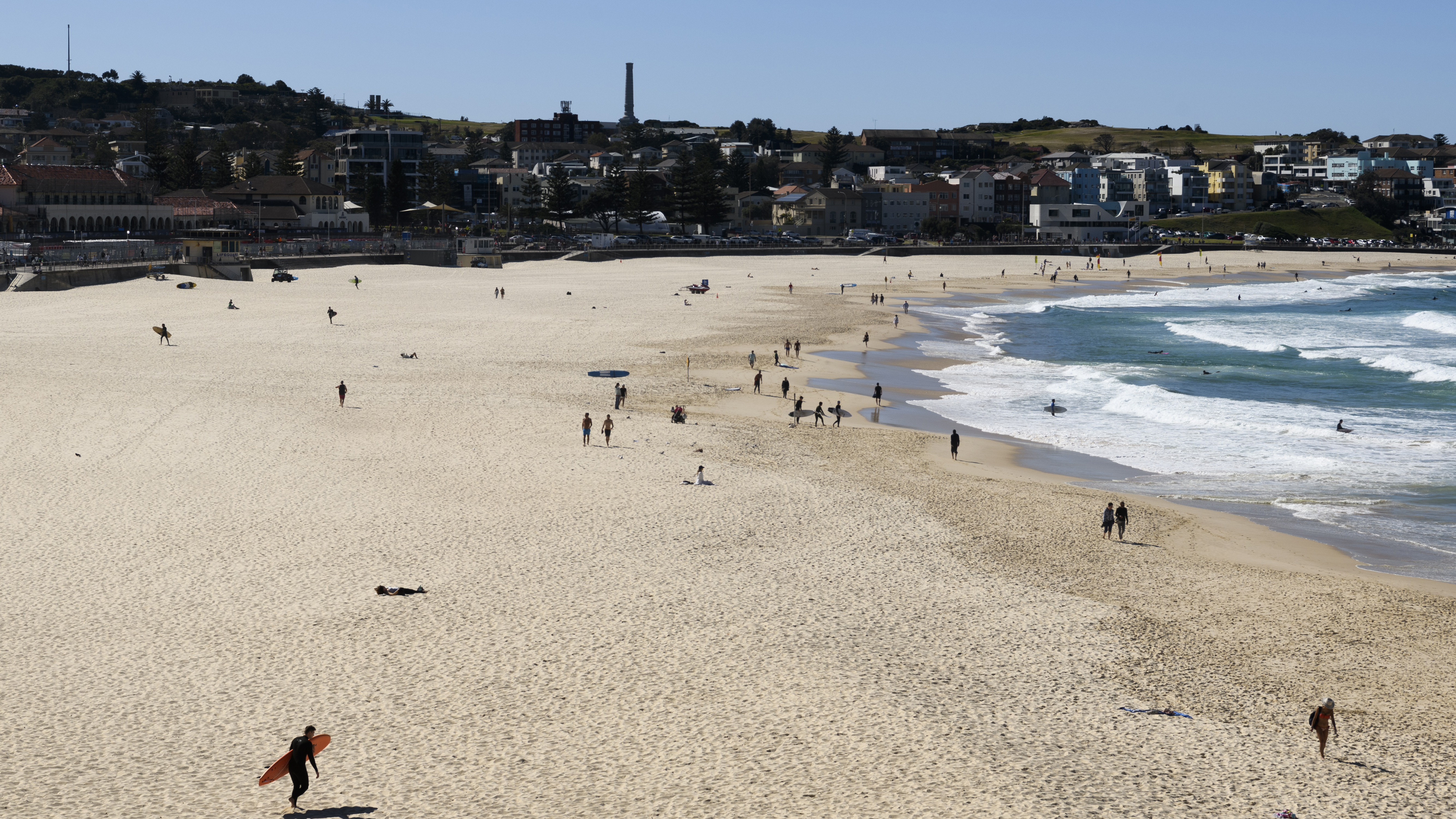
A quiet Bondi Beach in Sydney.

READ MORE: Every other Aussie will soon have had first jab

Thus, today's 633 new cases could infect a further 822.9 people – 823 rounding up.

"We need that number to be below one," Ms Berejiklian said.

"We need to make sure that whoever has the virus doesn't spread it to anybody else."

How is the R-Factor calculated?

The first thing to know is that the R-Factor will differ between communities nationally and around the world.

The BBC reported earlier this year, as the UK was experiencing new cases in March, that people could expect to infect seven to nine other people – not unexpected given the UK's much denser population.

But that much higher figure preceded the first recorded case of the Delta variant in the UK by about a month.

The R-Number is a necessarily reactive figure, calculated through ongoing case numbers.

READ MORE: New Zealand COVID-19 infection came from NSW: Ardern

Contact tracing and hospitalisations provide the data for researchers to determine the spread of a disease.

As the New Scientist has reported, this retrospective data building means the data is imprecise – but it does indicate a worrying trend.

The R-Factor for measles in an unvaccinated population is estimated to be about 15 – another testament to the efficacy of vaccinations.

READ MORE: 'We haven't seen the worst of it': 633 new local cases in NSW

Ms Berejiklian was clear that bringing the R-Factor below 1.0 was key to reopening NSW.

"That's what will turn the corner," she said today.

"And until we hit that corner, we're going to see case numbers rise and the way we stop case numbers rising is stopping mobility."