Wellington police issued 111 speeding fines yesterday to motorists, including one going 160km/h. Inspector Wade Jennings said fewer cars on the road in Covid-19 alert level 4 did not mean people could speed. “People should be…
Tag Archives: oceania
Covid 19 coronavirus: Outbreak may be 'more contained' than first feared
KEY POINTS: • There are a total of 21 Delta Covid cases, an increase of 11• The NZ outbreak has now been linked to a traveller from Sydney • Two infected people are now in hospital in a stable condition•…
Covid-19 coronavirus Delta outbreak: Kiwi holidaymakers trapped in Rarotonga
A Wellington couple on holiday in Rarotonga were locked down for 24 hours and told not to leave their room until they had received a negative Covid-19 test result.Kesh Gilmour and her husband Nigel Sercombe traveled to the South…
Russia may be preparing to test nuclear 'Skyfall' missile
New satellite images obtained by CNN show Russia may be preparing another test of its nuclear-powered cruise missile, known as "Skyfall"-a controversial weapon that is designed to defeat US defence systems.
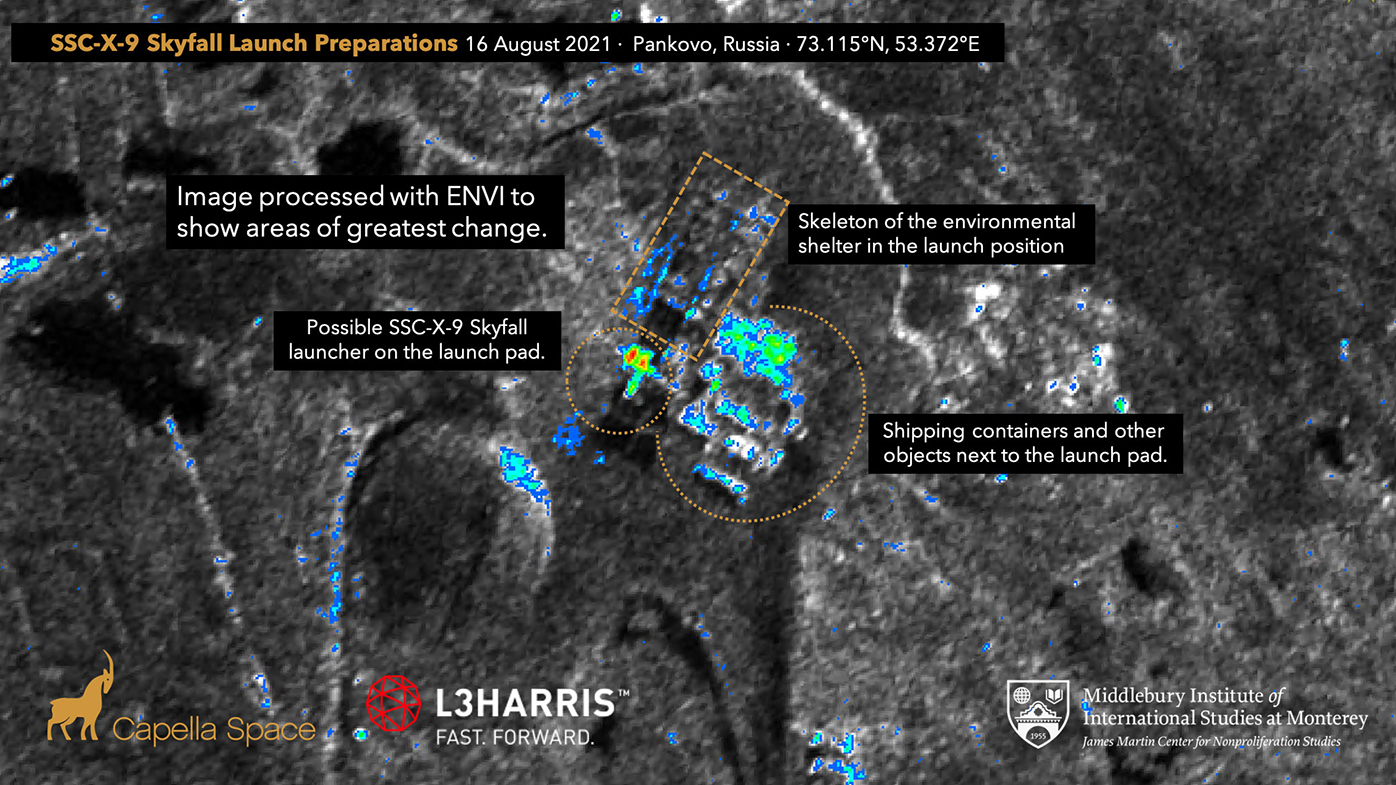
The photos, which were captured on August 16 by the commercial satellite imaging company Capella Space, offer "strong indications Russia was preparing to test a nuclear-powered cruise missile" at a known launch site located near the Arctic Circle, experts at the Middlebury Institute of International Studies Center for Nonproliferation Studies who analysed the photos told CNN.
US officials are aware that Russia could be preparing another test of what it calls the "Burevestnik" missile as part of its advanced weapons program, according to a source briefed on the matter.
READ MORE: Russia 'building new doomsday plane' to direct nuclear attack
The CIA declined to comment and the Pentagon and the Russian Ministry of Defence did not immediately respond to CNN's requests.
"Using a nuclear reactor would, in principle, give the cruise missile unlimited range to fly under and around US missile defense radars and interceptors," according to researcher Jeffrey Lewis, a weapons expert at the Middlebury Institute who reviewed the images.
READ MORE: Germany detains alleged Russian spy at UK embassy in Berlin
There are "substantial questions, however, about whether the system can be made to work successfully, to say nothing of the threat that testing this system may pose to the environment and human health," he added.
Those risks have prompted some experts to call the weapon a "flying Chernobyl," Mr Lewis told CNN, noting an August 2019 effort to recover a missile that had crashed into the White Sea resulted in an explosion that killed five Russian technical personnel.
At the time, Mr Lewis told CNN that satellite imagery suggested that the incident might have been related to the development of a nuclear-powered cruise missile.
Russia conducted at least one test flight of the nuclear-powered cruise missile from the same site near the Arctic Circle in November 2017. Moscow reportedly carried out multiple other tests in the months that followed, though none were considered successful.
In March 2018, Russian President Vladimir Putin released a video of a nuclear-powered cruise missile test, which allowed open-source researchers, including analysts at the Middlebury Institute, to identify the location, Mr Lewis told CNN.
READ MORE: Chinese, Russian militaries hold drills in northwest China
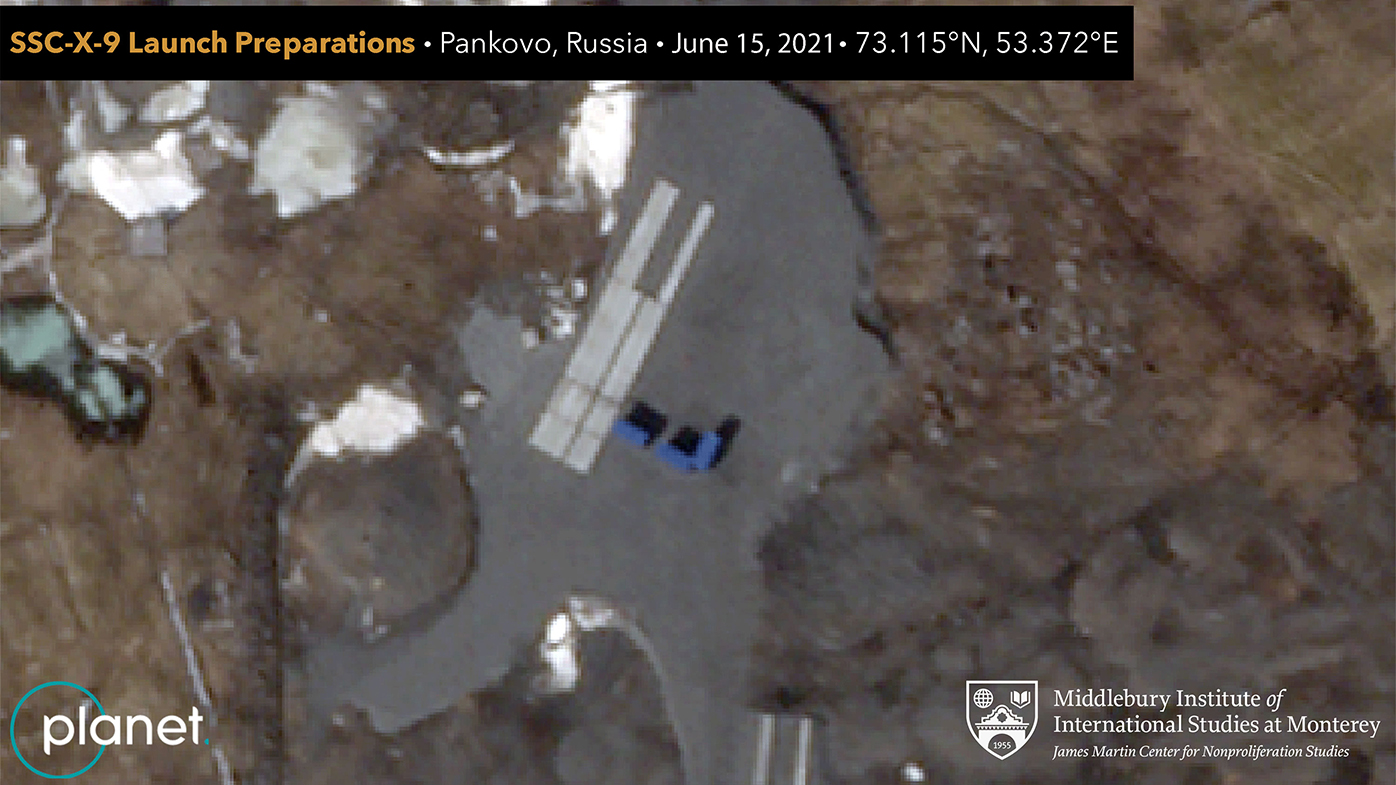
Researchers have been monitoring this site in recent months and satellite images taken by commercial satellite imaging company Planet over the summer showed cargo ships visiting this location and supplies piling up at a support area, according to Mr Lewis. More recently, Russia issued a "notice to mariners" warning of hazardous operations to be conducted between August 15 to 20 near the known Burevestnik test site near Pankovo on Novaya Zemlya.
A high-resolution radar image taken on August 16 showed "Russian personnel had erected a large environmental shelter to protect the missile and the crews preparing the launch from the harsh weather," according to Mr Lewis.
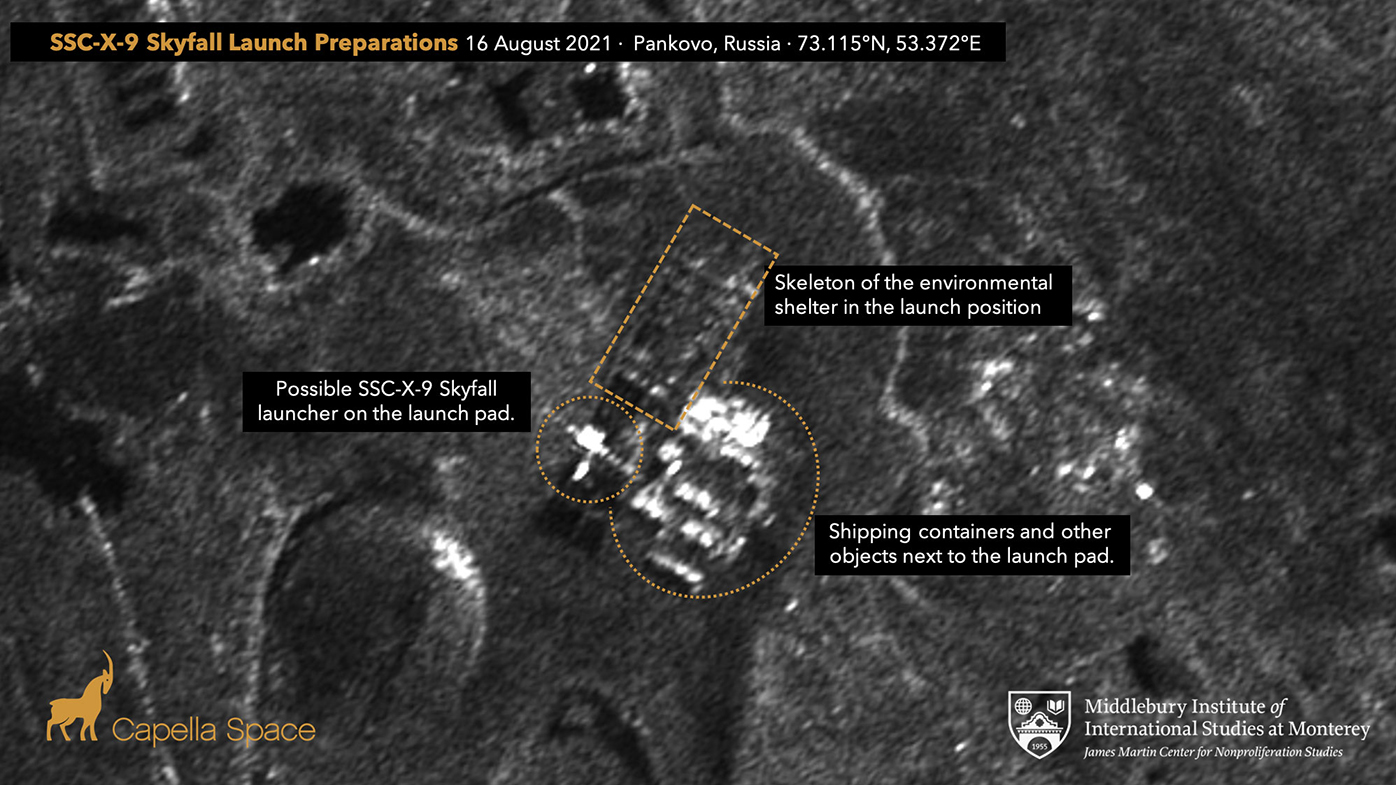
"This shelter was retracted, revealing a large object on the launch pad, which is a possible SSC-X-9 Skyfall launcher," he said. "There are also a significant number of objects next to the launch pad that are likely vehicles and shipping containers. None of these signatures were present the last time the site was imaged optically in June."
Russia has been modernising its strategic nuclear weapons and delivery systems to counter US and NATO and bolster its claim to be a major military power, raising fears of another nuclear arms race as the US also sets about upgrading its nuclear arsenal.
While Moscow and Russia renewed the New START Treaty in February, shortly after President Joe Biden took office, the US has withdrawn from two landmark arms control treaties with Russia, the Intermediate Nuclear Forces Treaty in 2019, and the Open Skies Treaty in 2020.
The seven astonishing days that marked Afghanistan's fate
In just seven days, any lingering dreams of a free Afghanistan died.
As last week dawned, many clung to hope that the Taliban could be held back, though key trade routes had been seized, border crossings overtaken and swaths of remote areas clutched.
But then, in just a week, militants won city after city, toppled the government and grabbed the grand prize of Kabul.
READ MORE: Taliban militants violently disperse rare Afghan protest, killing one
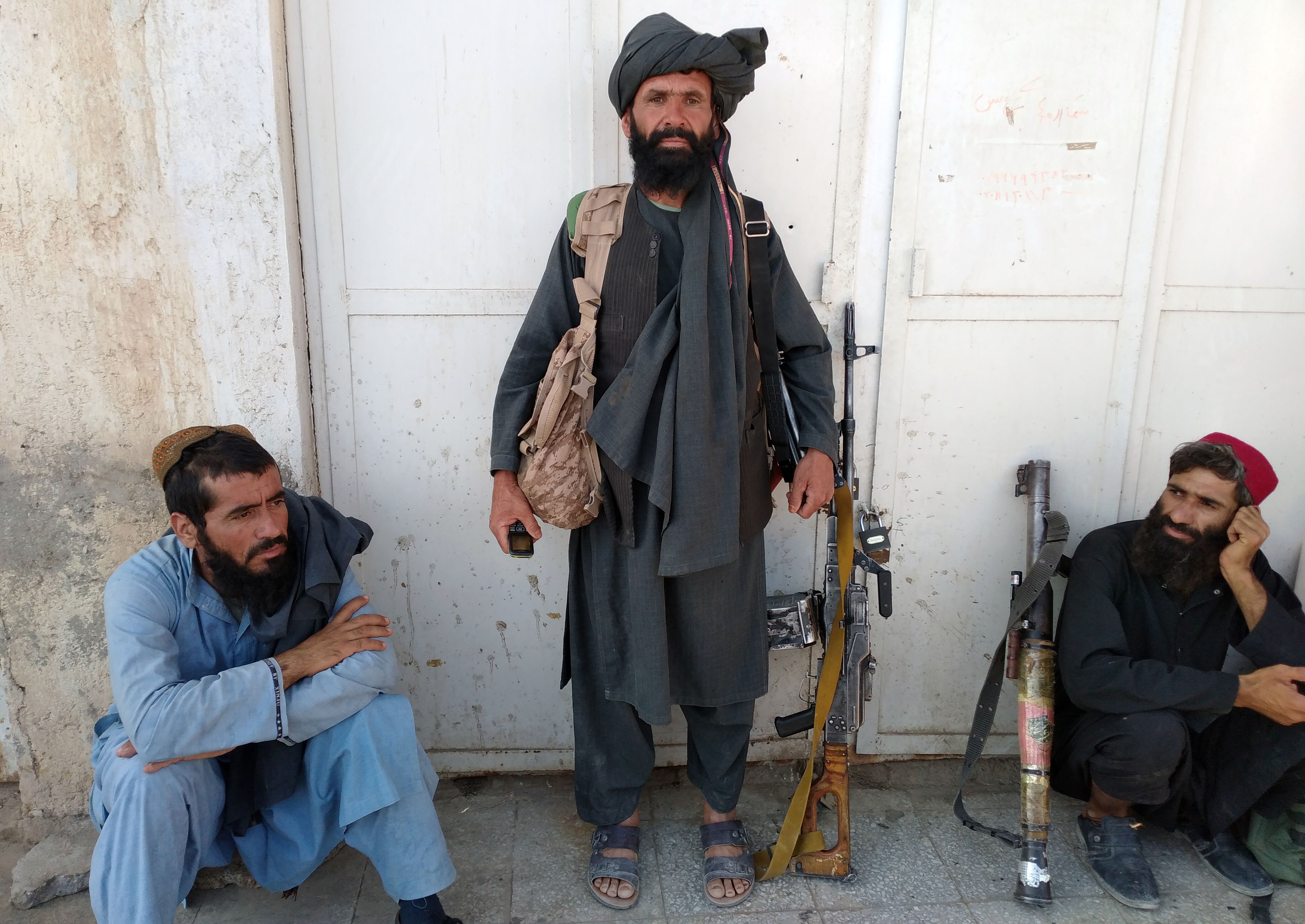
On its streets, ads with women in Western clothes were covered in white paint, while men in jeans and T-shirts rushed to change into traditional tunics.
At the US embassy, staff raced to destroy documents as helicopters shuttled away diplomats.
Fingers once splashed with purple ink — residue of voting, a badge of democracy — now clenched tickets seeking exit, and frantically punched ATMs to withdraw life savings.
All in seven days.
"The only thing people are thinking about is how to survive here or how to escape," said Aisha Khurram, a 22-year-old headed to class Sunday at Kabul University before being turned back, unsure whether she would ever be able to return, or if females will once again be barred from school.
"The only thing we have is our God."
Even for a country scarred by generations of warfare, it was an astonishing week.
READ MORE: Taliban vow to honour women's rights but within Islamic law
Monday
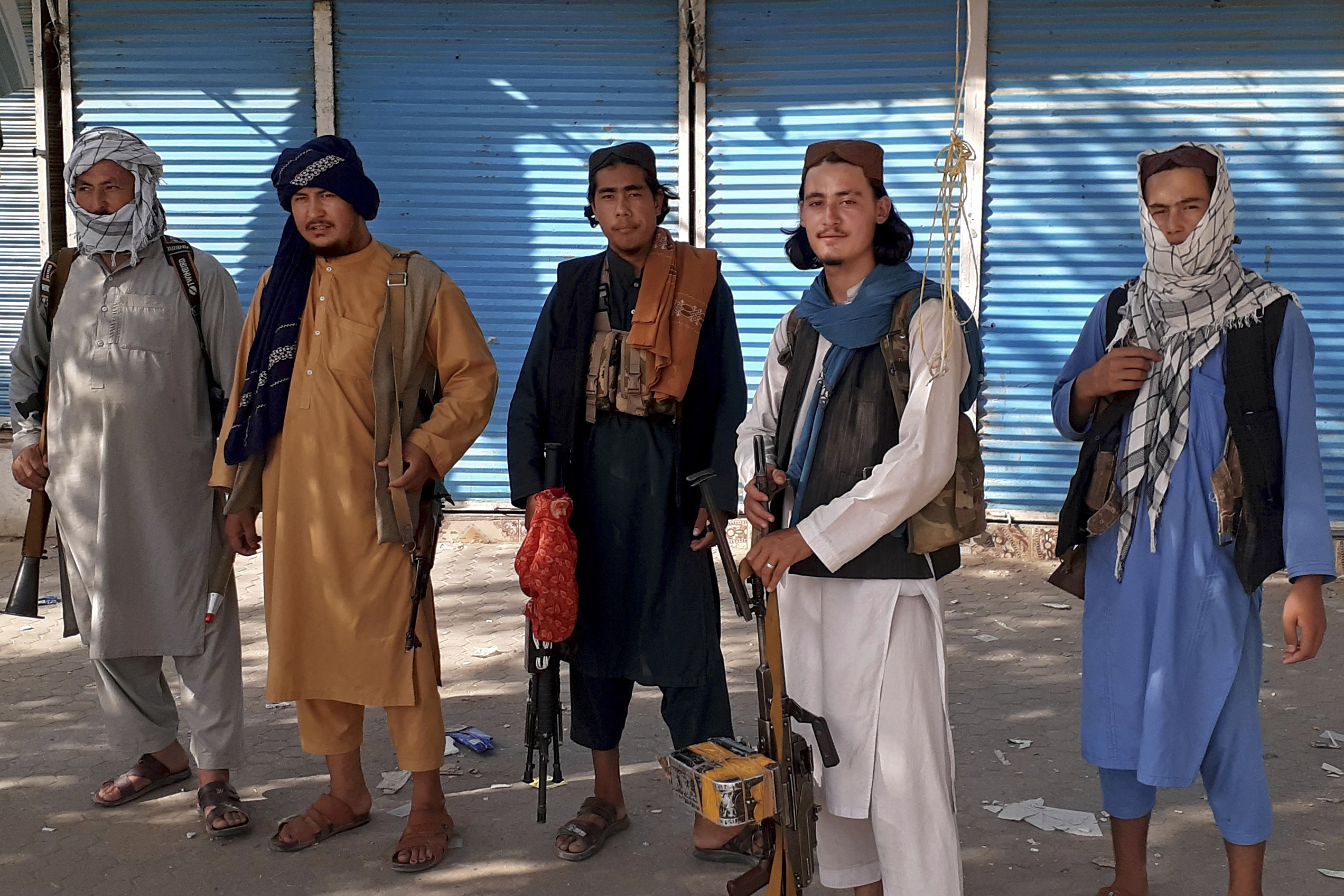
The week dawns with news that insurgents claimed the northern cities of Aybak and Sar-e Pul.
In some districts, pro-government forces surrender without a fight. In others, where firefights sprout, desperate residents are forced from their homes, trudging hundreds of kilometres on foot in exodus.
"We walked with slippers, didn't have the chance to wear our shoes," says Bibi Ruqia, who left northern Takhar province for Kabul after a bomb hit her house.
"We had to escape."
The fall of Aybak and Sar-e Pul pleases the Taliban fighters; afterward, they are seen on video relishing their victory outside one of the government buildings they now controlled.
But Americans and the Afghan troops they spent years training had reasons to take heart: The cities were just the fourth and fifth provincial capitals to crumble. Twenty-nine more remained.
READ MORE: Former soldier's Afghanistan warning: 'Biggest hostage crisis' for decades
Tuesday
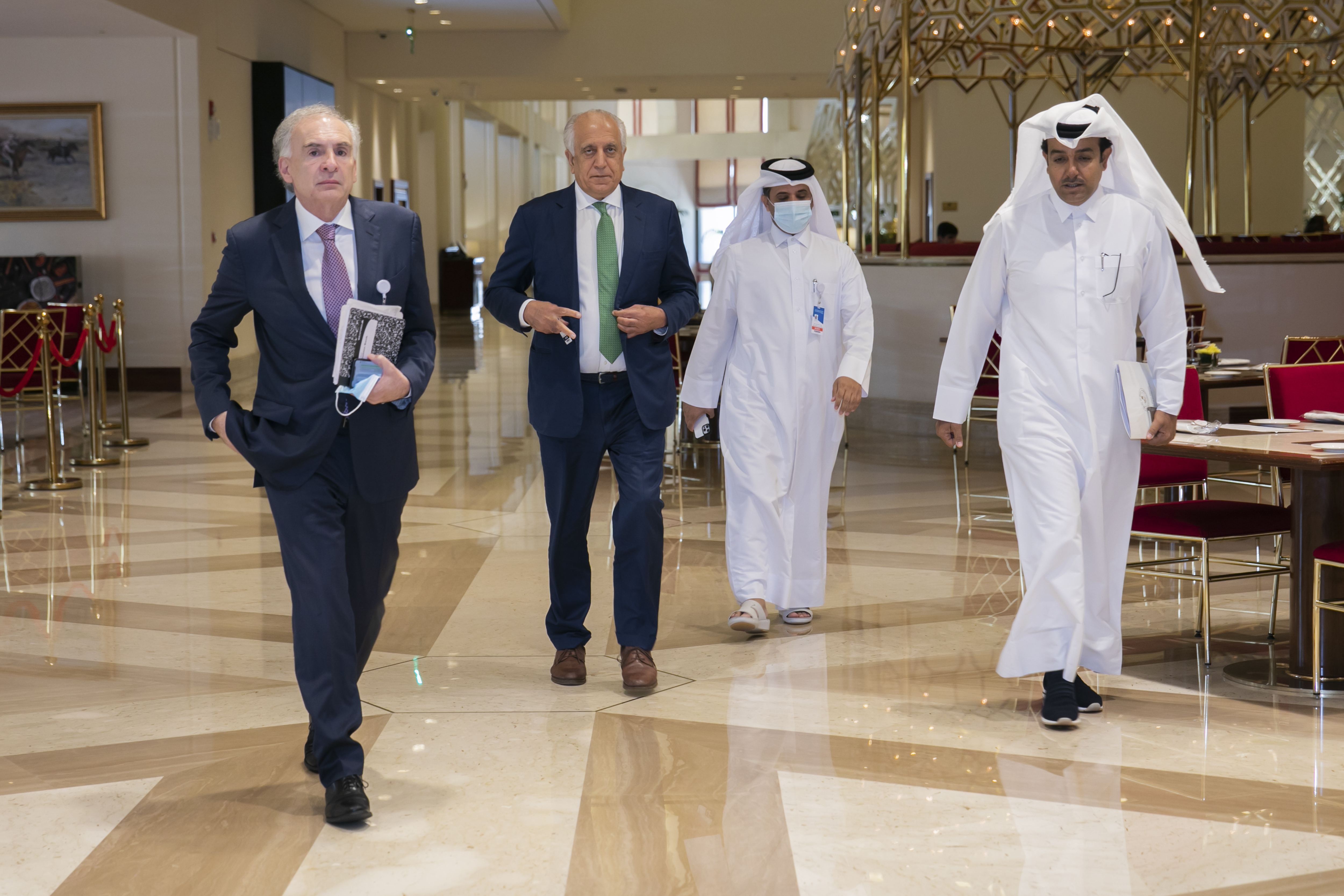
In the sparkling Qatari capital of Doha, American envoy Zalmay Khalilzad arrives with a warning to the Taliban: Any gains made by force would be met with international condemnation and assure their status as global pariahs.
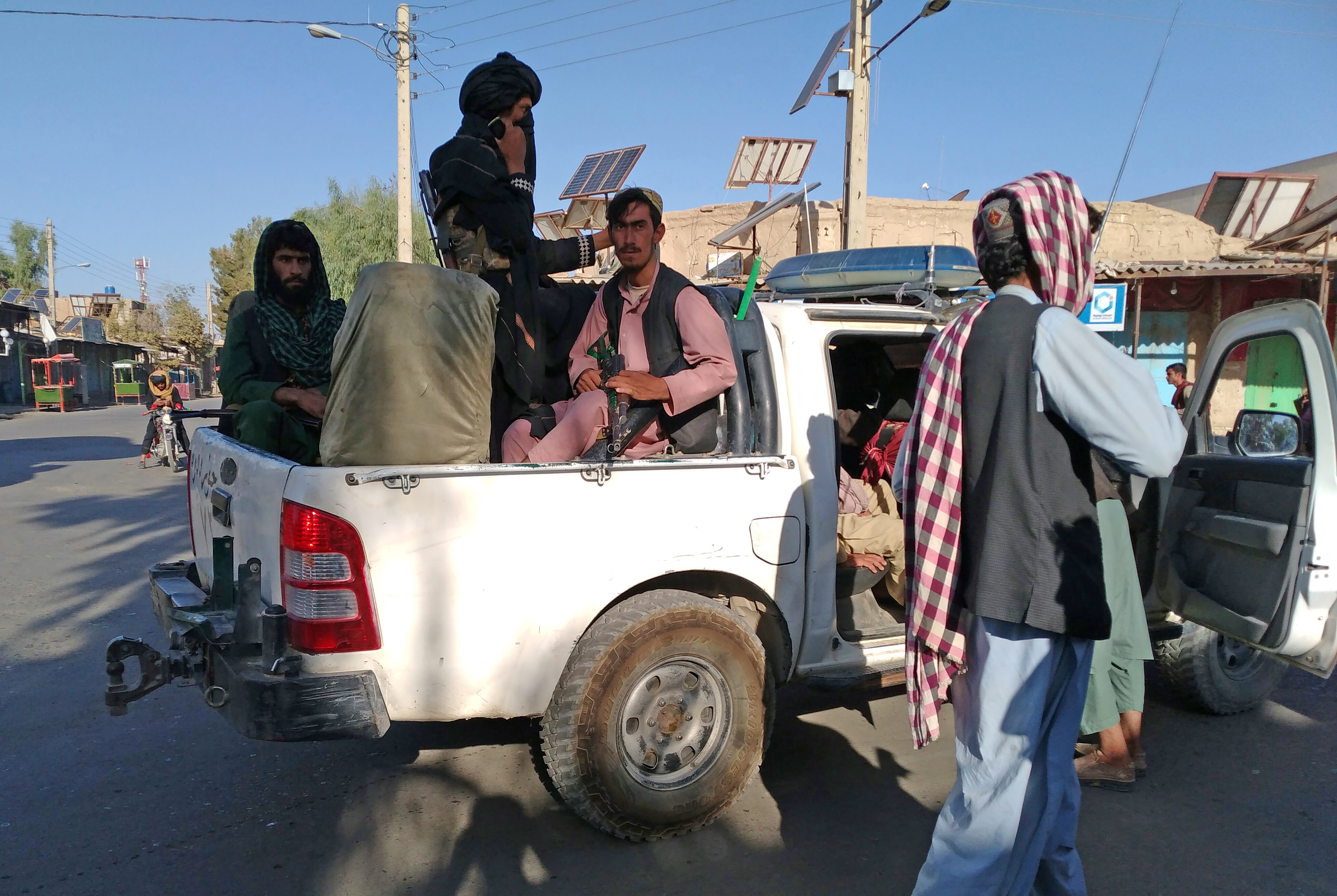
The effectiveness of the diplomacy is diminished, though, by Taliban forces' push into the western city of Farah. They are seen in front of the provincial governor's office.
As the United States' self-imposed August 31 deadline to withdraw its troops nears, the Taliban steadily gains ground while hundreds of thousands are displaced.
Kabul's parks swell with the newly homeless, while the United Nations releases tallies of civilian deaths and injuries they know would only grow.
"The real figures," says UN human rights chief Michelle Bachelet, "will be much higher."
READ MORE: US withdrawal 'too hasty' says John Howard as Taliban enforce takeover
Wednesday
Three more provincial capitals fall in Badakhshan, Baghlan and Farah, giving the Taliban control over two-thirds of the country.
With those regions lost, Afghan President Ashraf Ghani rushes to Balkh province, already surrounded by Taliban-controlled land, to secure help from warlords linked to allegations of atrocities and corruption. But he is desperate to push back the insurgents.
At the White House, President Joe Biden signs off on a plan to mount a full-scale evacuation of Afghans seeking to flee their country after a new intelligence analysis makes clear the country's government and military are unwilling or unable to mount any significant resistance.
Afghan special forces, left to pick up much of the burden of defending multiple fronts, are stretched increasingly thin.
As the Taliban's drive widens, they emerge in more parts of the country carrying M-16 rifles and driving Humvees and Ford utes, equipment paid for by American taxpayers.
READ MORE: Taliban knocked on her door three times. The fourth, they killed her
Thursday
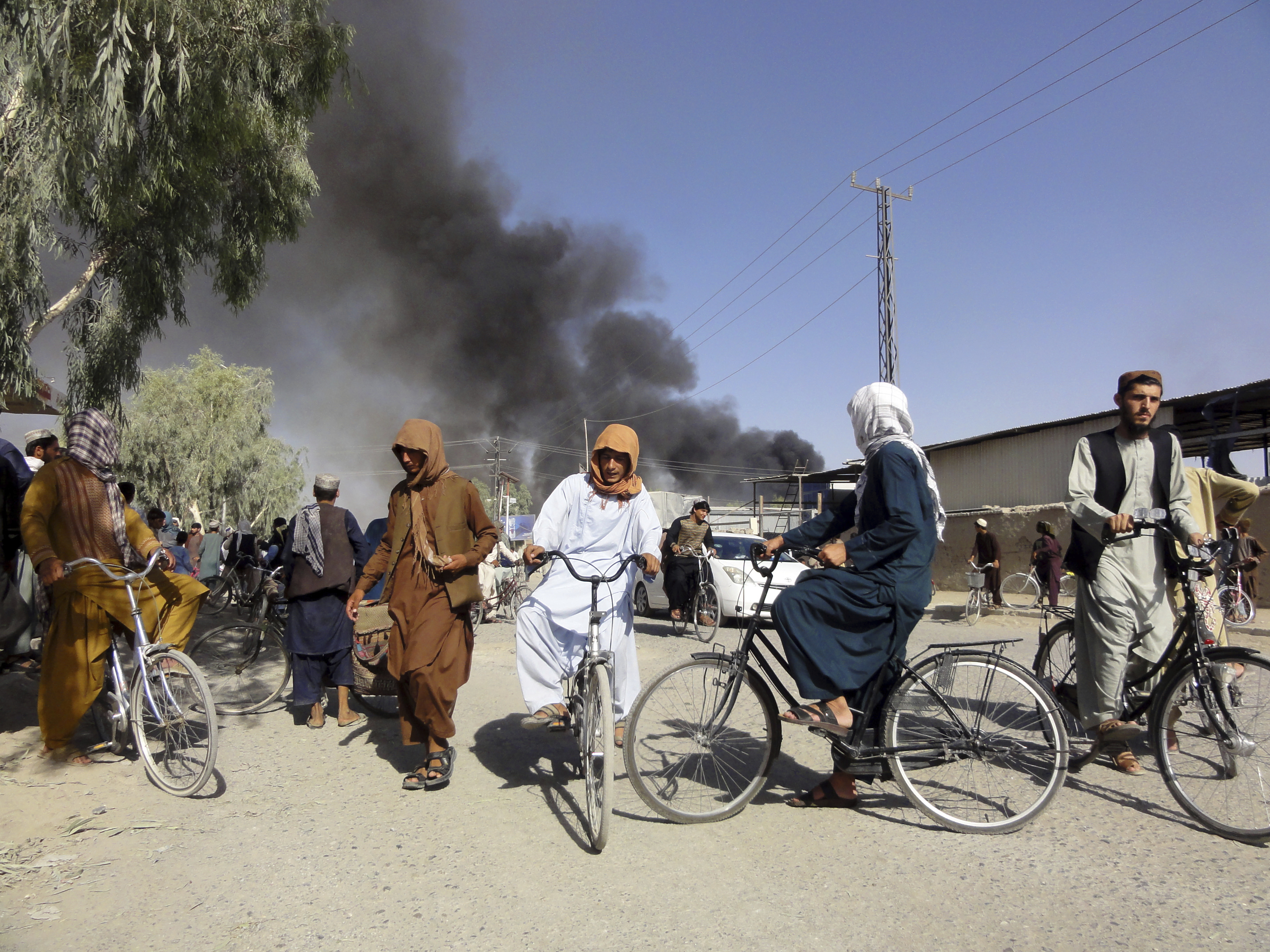
Any hope that the Taliban's successes might be limited to Afghanistan's more remote reaches vanish, as the country's second- and third-largest cities are captured.
With Kandahar and Herat, a dozen provincial capitals are now in the group's grasp. And with security rapidly deteriorating, the US reverses course, announcing 3000 troops will be sent to help evacuate the embassy.
Zahra, a 26-year-old resident of Herat, is on her way to dinner with her mother and three sisters when she sees people running and hears gunshots blast.
"The Taliban are here!" people scream.
She spent most of her life in an Afghanistan where girls got an education and women dared to dream of careers and she had spent the past five years working with nonprofit organisations to press for gender equality.
Now, her last name is shrouded to avoid making her a target, and she hunkers down indoors with her family.
"How can it be possible for me as a woman who has worked so hard and tried to learn and advance, to now have to hide myself and stay at home?" she asks.
Taliban fighters finally break through at Herat after two weeks of attacks. As they move in, witnesses tell of Taliban members once detained in the city's prison are spotted moving freely in its streets.
Friday
As the Taliban push ever further into the country they once again seek to rule, reports of revenge killings trickle out: A comedian. A government media chief. Others.
Signs of a new day in Afghanistan proliferate.
In Herat, two alleged looters are paraded through the streets with black makeup smeared on their faces, reminders of the unsparing version of Islamic law the Taliban has imposed.
In Kandahar, militants commandeer a radio station that had beamed Pashto and Indian songs into residents' homes, music banned by the Taliban. The tunes stop, abruptly. And the station is renamed Voice of Sharia.
Militants complete their sweep of the country's south, taking four more provincial capitals.
Among them is Helmand province, where American, British and other allied NATO forces fought some of their bloodiest battles. Hundreds of Western troops died there during the war.
Now, many of their families ask why.
Saturday
Mr Ghani delivers a televised speech in which he vows not to give up achievements of the 20 years since the Taliban were toppled. But the group pushes forward, notching more victories.
Along the Pakistani border, the provinces of Paktika and Kunar fall. In the north, Faryab province is taken. And in the country's centre, Daykundi is captured.
Biggest of all, Mazar-e-Sharif — the country's fourth-largest city, a heavily defended swath that government forces had pledged to defend — is now under Taliban control.
The unfolding disaster prompts a statement from President Joe Biden, standing firm in his decision to finish the withdrawal of U.S. forces that began under Donald Trump.
"I was the fourth president to preside over an American troop presence in Afghanistan — two Republicans, two Democrats," he said.
"I would not, and will not, pass this war onto a fifth."
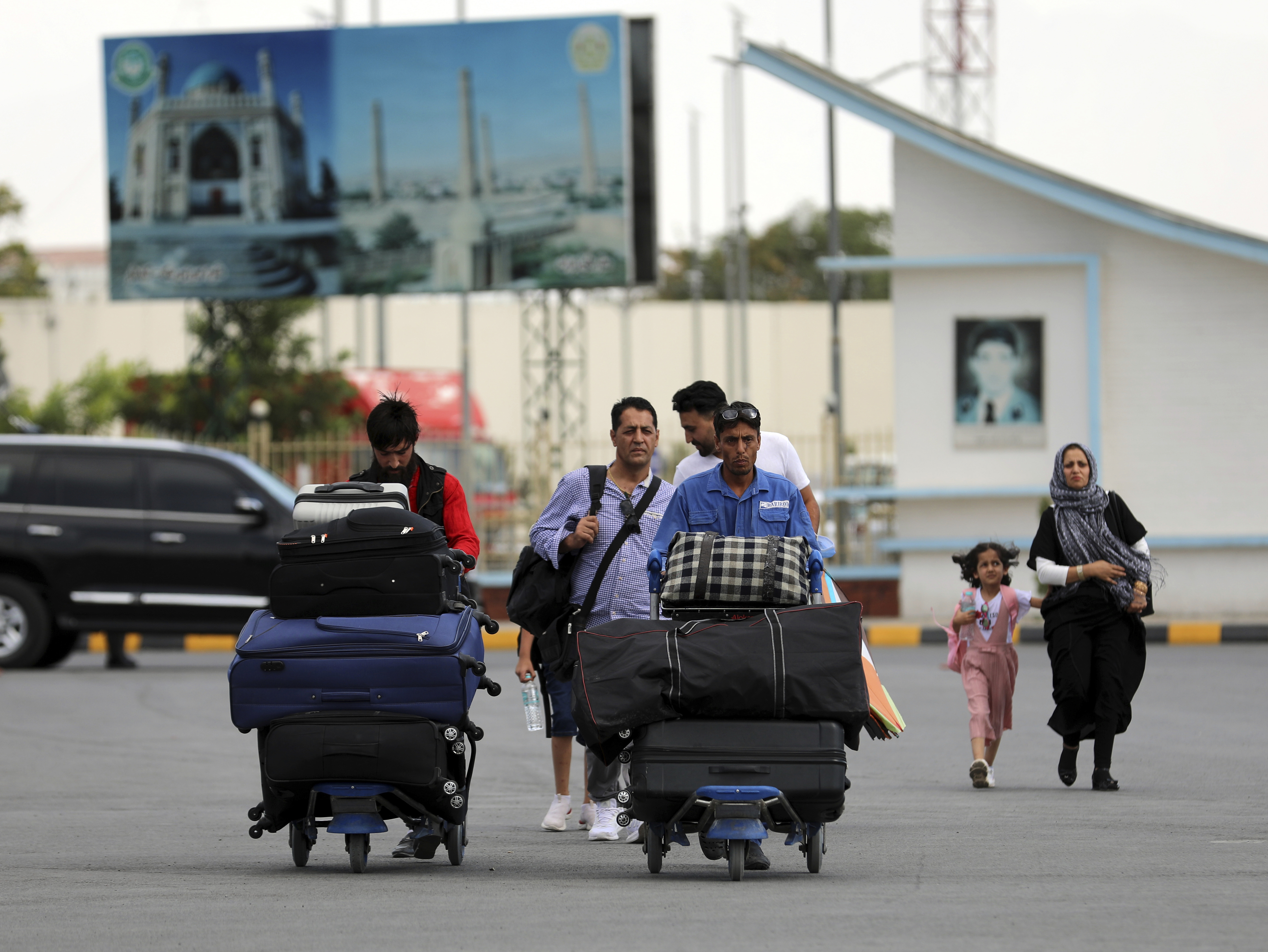
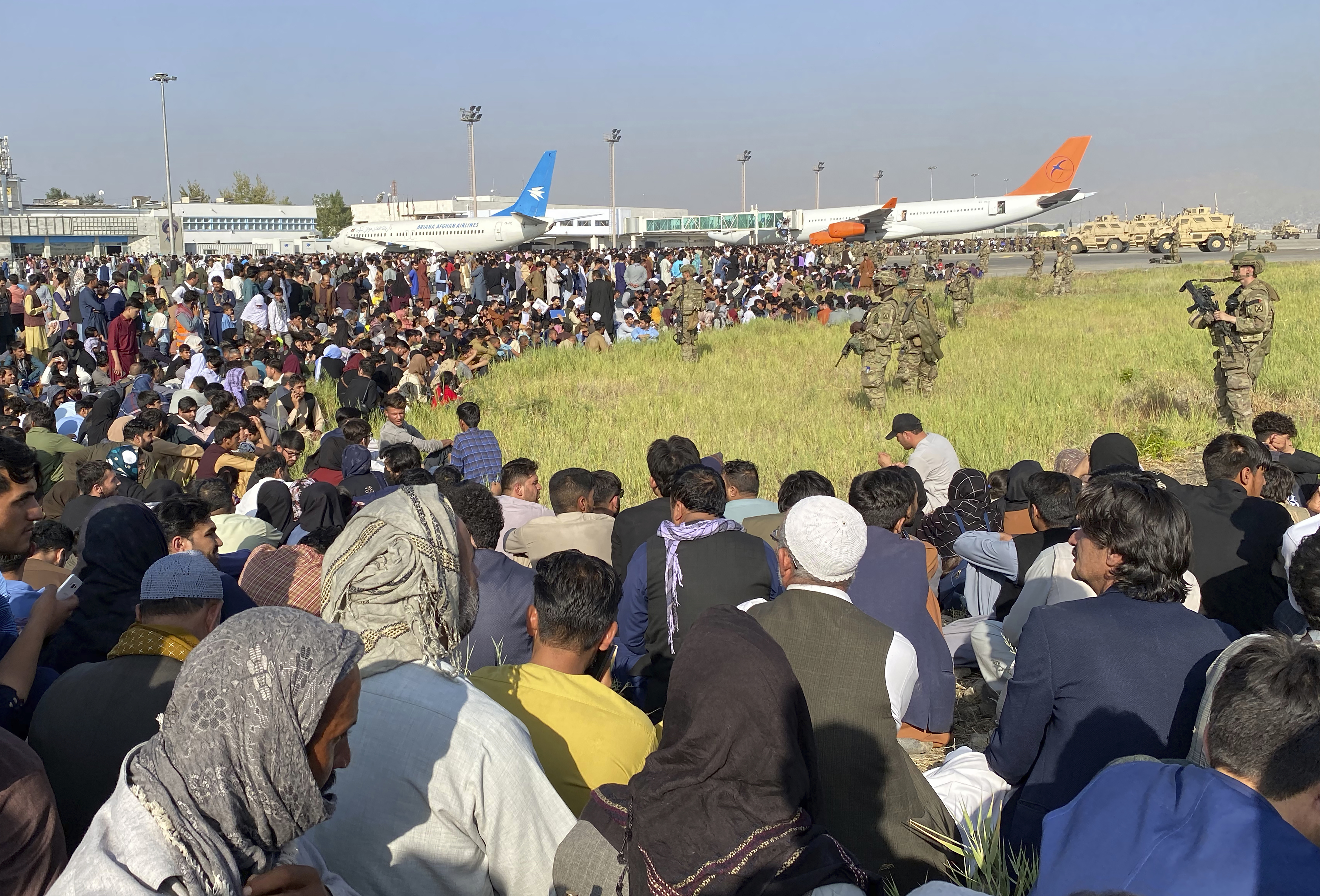
In Kabul, long lines form outside the international airport. Afghans seeking to flee push carts loaded with carpets, televisions and mementos as they waited hours to enter the terminal.
On normal days, Afghans in business suits and traditional dress mingle beside tattooed military contractors in wraparound sunglasses and aid workers from across the globe. Now, the panicked masses fill the airport, scrambling to leave.
Farid Ahmad Younusi abandoned his Kandahar contracting firm for a chance to escape. Everything he built, he says, now appeared to be lost, and militants were searching for him.
"Taliban have everything that I worked for over the past 20 years," he says.
In sight of the airport, the mountains ringing the capital rise in the distance as the walls seem to close in. As Saturday wears on, news arrives of new Taliban wins.
Just south of the capital, Logar province falls. To the north, insurgents take Mihterlam, reportedly without a fight. Members of the Taliban are reported in the Char Asyab district, just 11 kilometres from Kabul.
The city's fate seems all but sealed.
Sunday
The Taliban seize Jalalabad, the last major city besides the capital, and a string of victories follows.
The capitals of Maidan Wardak, Khost, Kapisa and Parwan provinces, as well as the country's last government-held border post falls to militants, and Afghan forces at Bagram Air Base, home to a prison housing 5000 inmates, surrender.
Insurgents had no air force and just days earlier had no major city. They were far outnumbered by Afghan troops, who were trained by the American military, the most well-funded and strongest on the planet. And yet, the impossible is now true: The capital of Kabul and its five million residents is theirs.
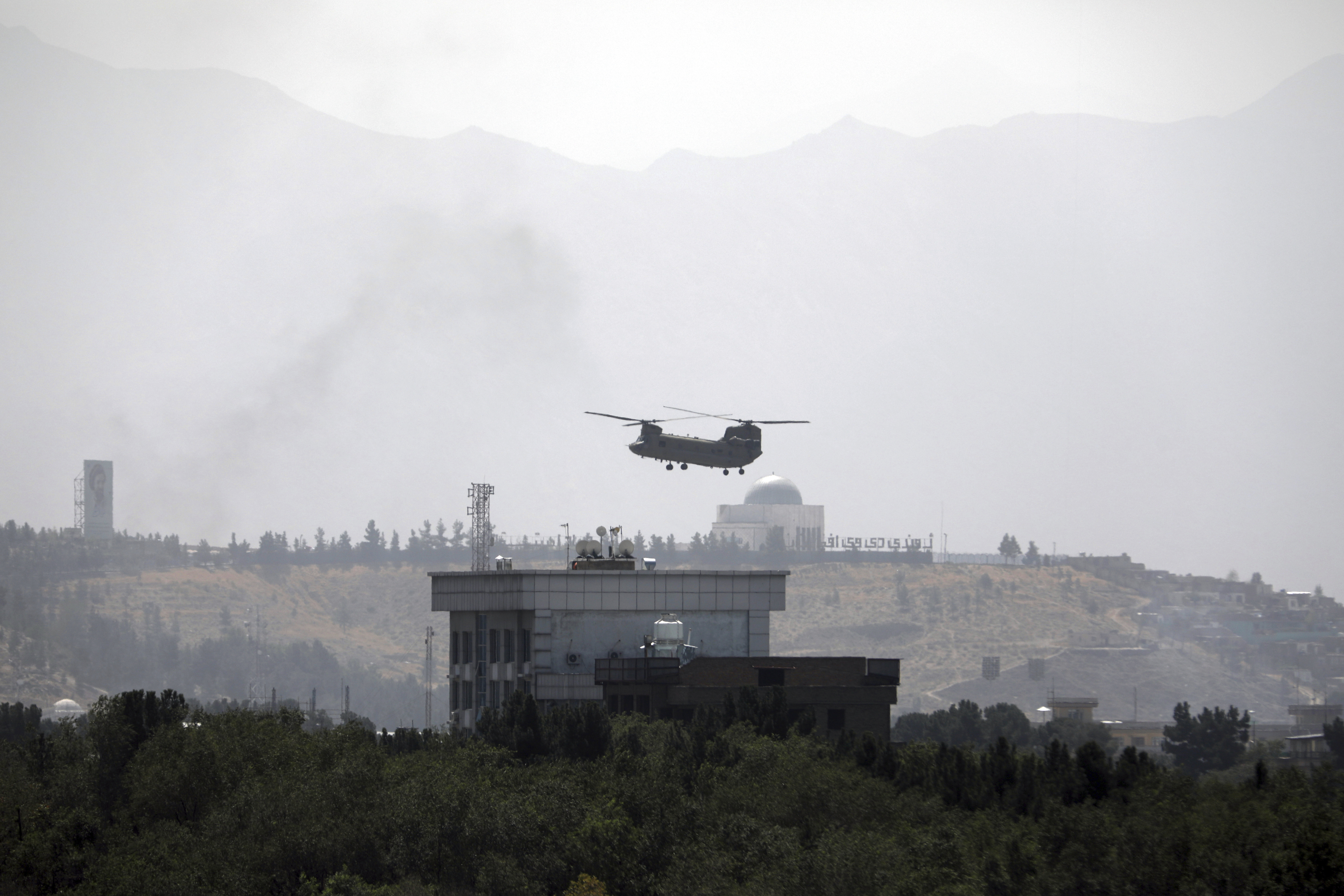
Helicopters whirr. Smoke rises. The American flag is lowered at the embassy.
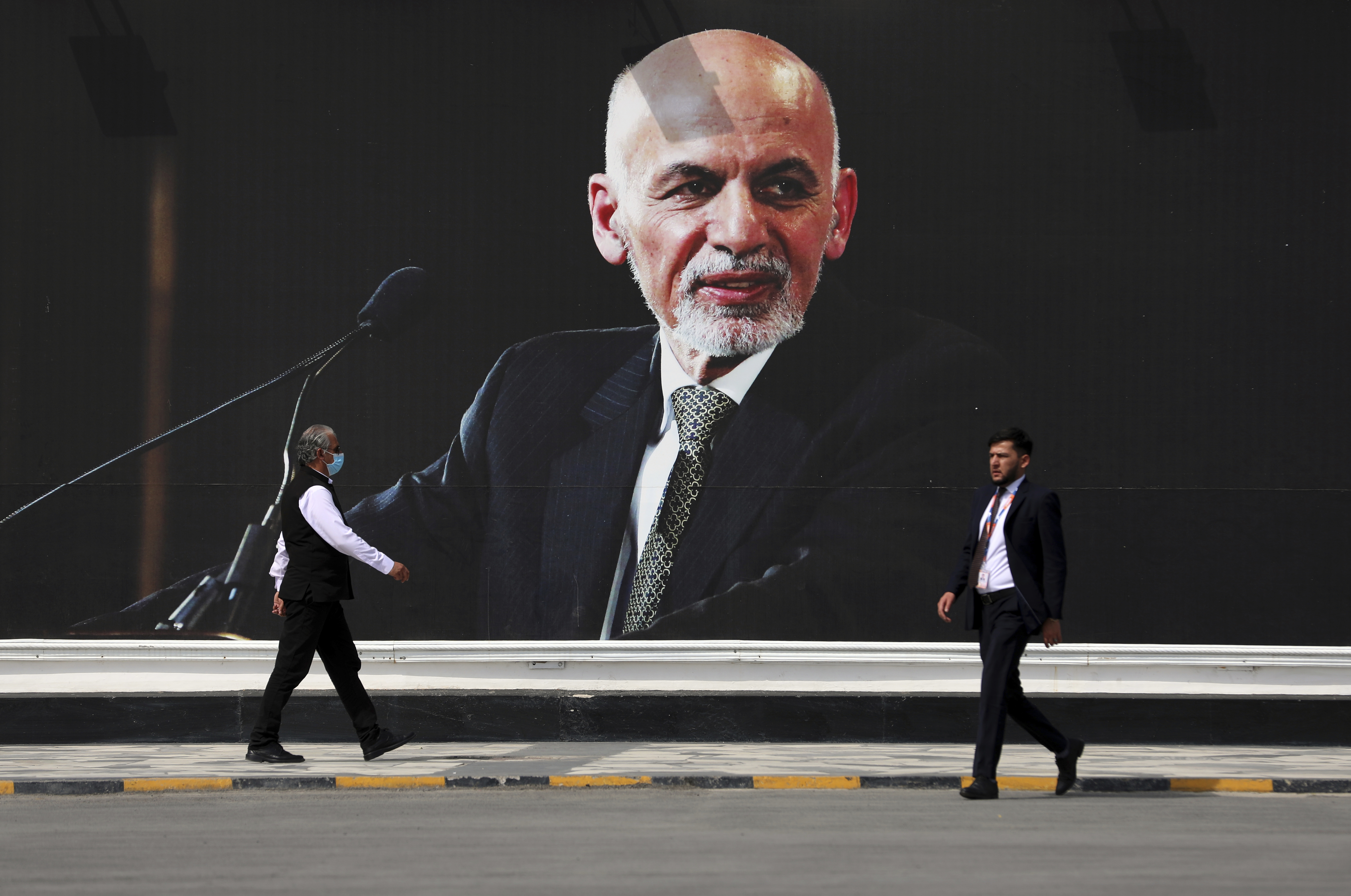
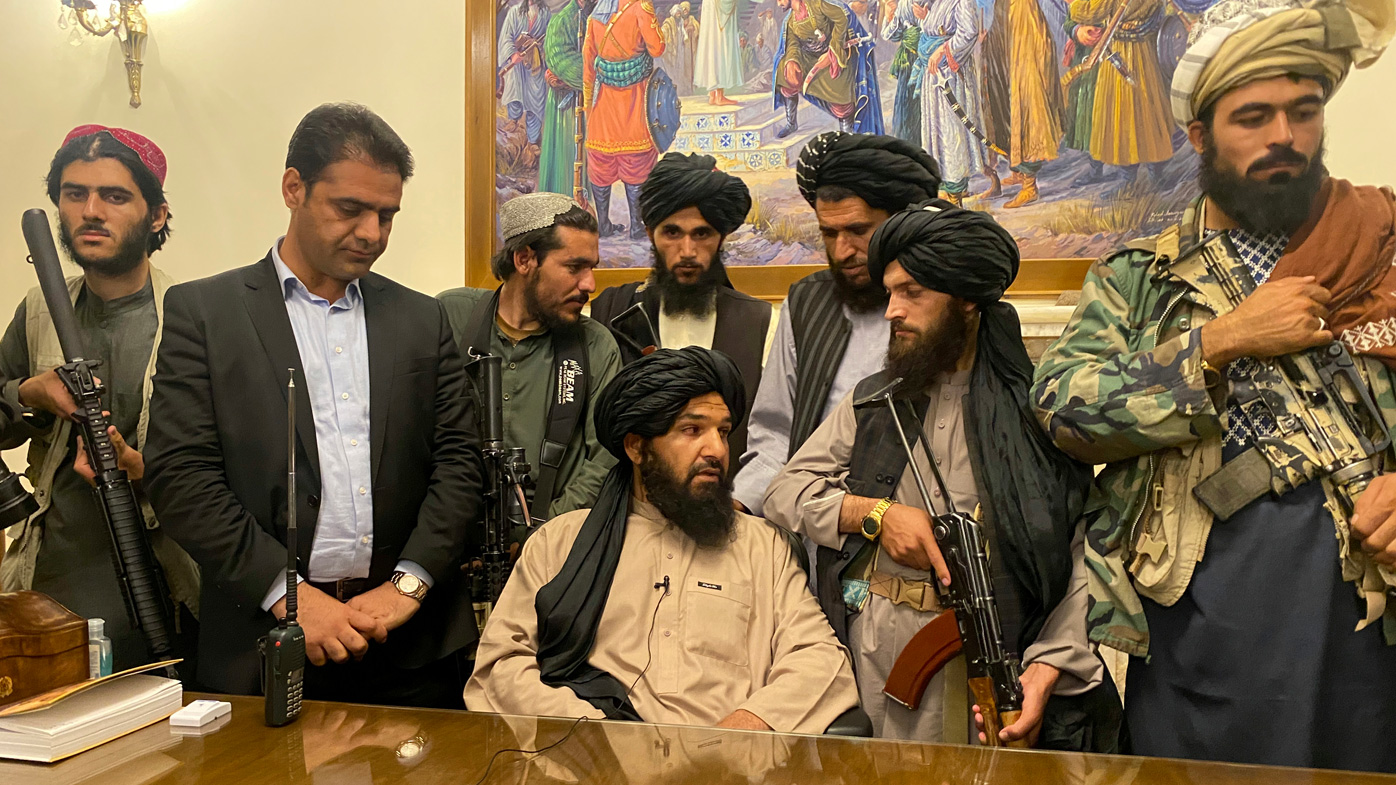
Mr Ghani, who hours earlier urged his people not to give up, has now fled himself, his abandoned palace occupied by heavily armed fighters, his name cursed by his own countrymen.
"They tied our hands from behind and sold the country," says Defence Minister Bismillah Khan Mohammadi.
In the US, Mr Biden's CIA director cuts short a foreign trip to return to Washington. Others in the administration reject comparisons to the fall of Saigon even as many find the resemblance impossible to ignore.
With preparations underway to commemorate the 20th anniversary of the 9/11 attacks that drove the US to war, the top American general warns of a rise in terrorist threats to come.
Whiplash over the sheer speed of Afghanistan's fall jars those in seats of power.
"You want to believe that trillions of dollars and 20 years of investment adds up to something," says Senator Chris Murphy, a Biden ally and member of the Senate Foreign Relations Committee.
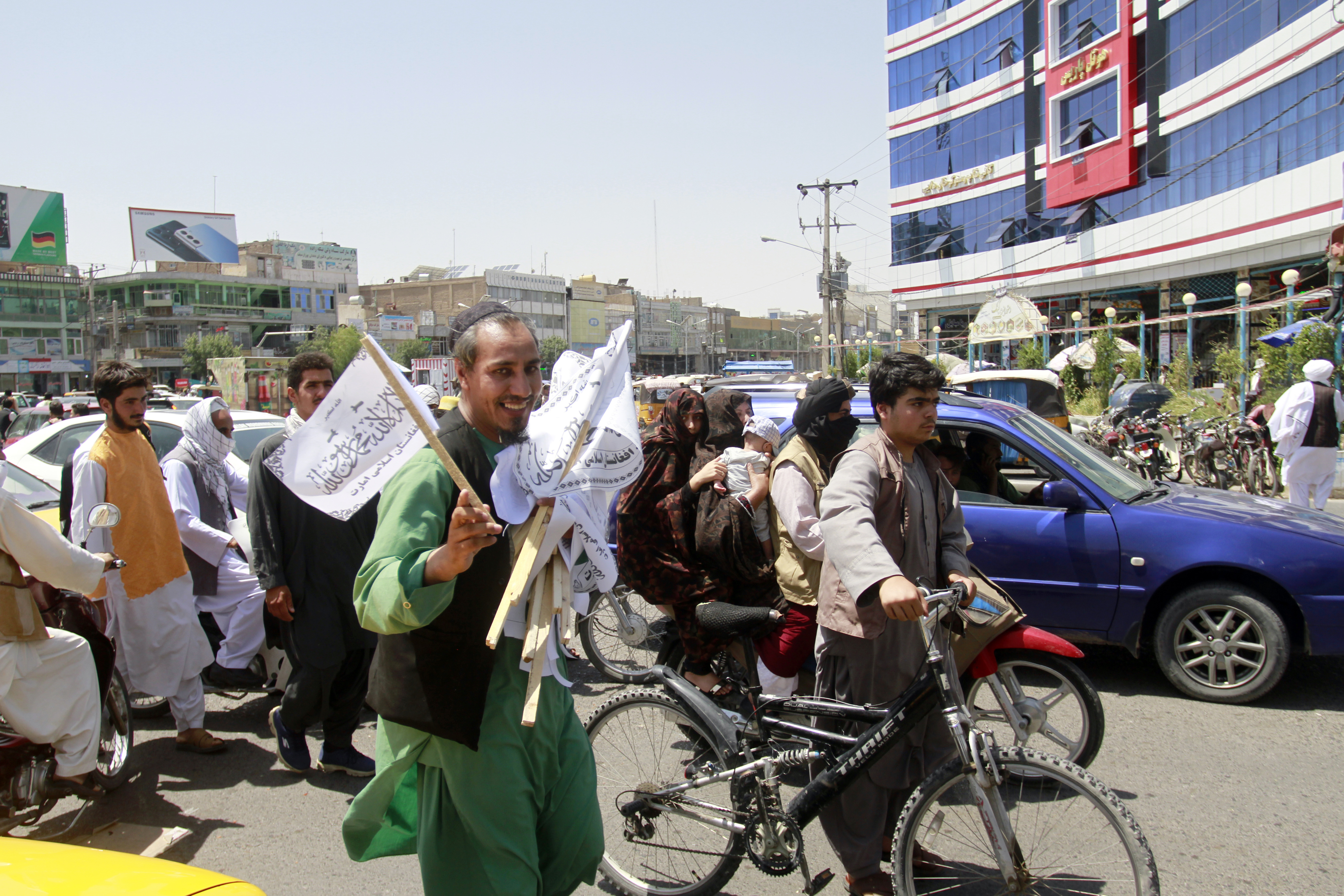
Night falls with Taliban fighters deployed across the capital. Abandoned police posts are claimed. And on nearly empty streets, men carry the black-and-white flag of the Taliban.
Their victory is complete.
Nearly 200 Australians set to land in Darwin from Bali
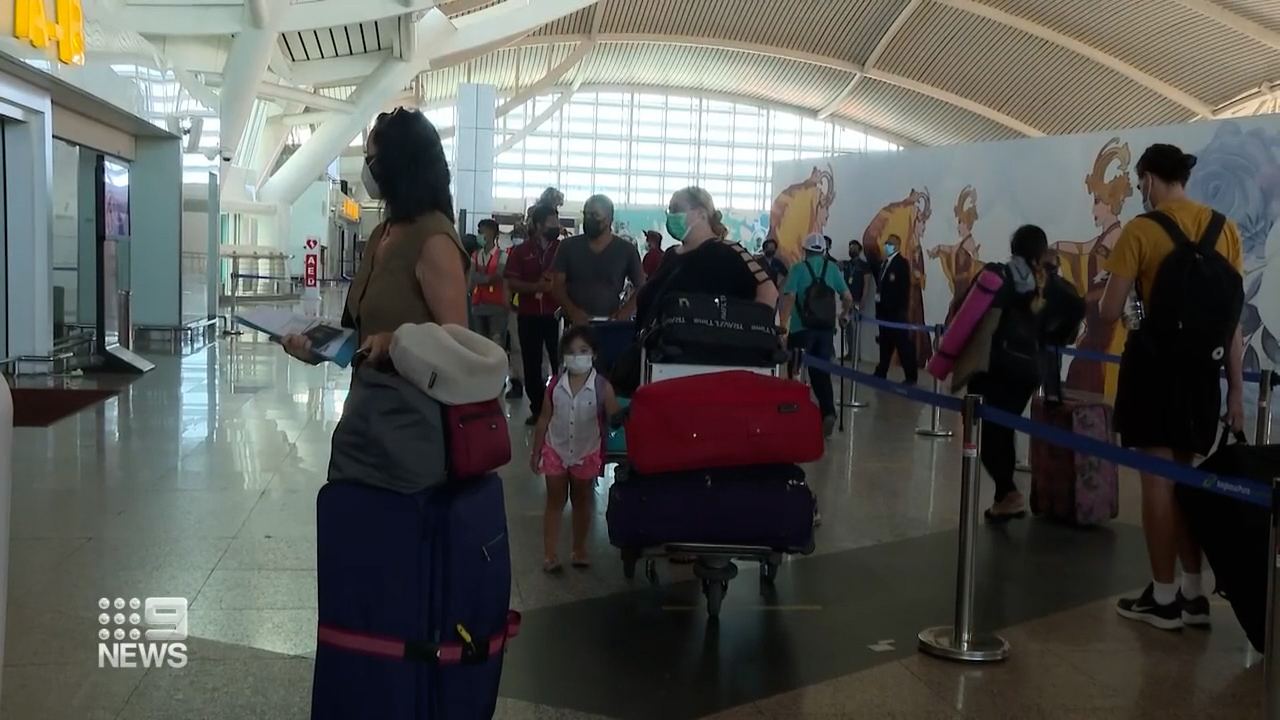
Almost 200 Australians are set to return home on a flight from Bali tonight after becoming stranded during the COVID-19 pandemic.
The flight is set to touch down in Darwin at 7.20pm local time.
9News has been told 186 Australians are onboard.
READ MORE: Three new COVID-19 cases brings New Zealand outbreak to 10
Hundreds of Australians have registered their interest with the federal government to leave Indonesia.
However, only those considered the most vulnerable for health or financial reasons were taken aboard.
It was estimated in July that more than 30,000 Australians were trapped overseas.
READ MORE: The R-Factor is the crucial figure keeping NSW in lockdown
Prime Minister Scott Morrison announced cuts to travel caps as part of Australia's four-phase plan to return to normal following the COVID-19 pandemic.
Caps have been cut by half nationwide, though the government has increased charter flights for Australian citizens who want to return home.
'The mission … has not been a failure': Howard defends Afghan efforts
Former Prime Minister John Howard has defended Australia's intervention in Afghanistan after the country's devastating collapse to Taliban rule at the weekend, 20 years after the US-led invasion.
Mr Howard, who sent troops to the Middle East to support the US campaign, told the ABC's 7.30 there was an "overwhelming belief" in 2001 that Western intervention in Afghanistan following the September 11 attacks was the right course of action.
"There is no evidence of a major terrorist attack that's been orchestrated out of Afghanistan (since the invasion)," Mr Howard said.
READ MORE: US ready to help Australia evacuate citizens from Kabul
Mr Howard said he could "understand the argument" that the war had been a failure.
"There are undoubtedly elements of Al Qaeda still in Afghanistan. And the Taliban … which, on occasions, is completely indistinguishable from Al Qaeda, is a very potent force," he said.
"But the truth is that the great fear of the United States and Australia and the West after September 11 — that there would be other attacks orchestrated out of Afghanistan — that has not materialised.
"So on that criterion, the mission, whatever may be said of it, has not been a failure."
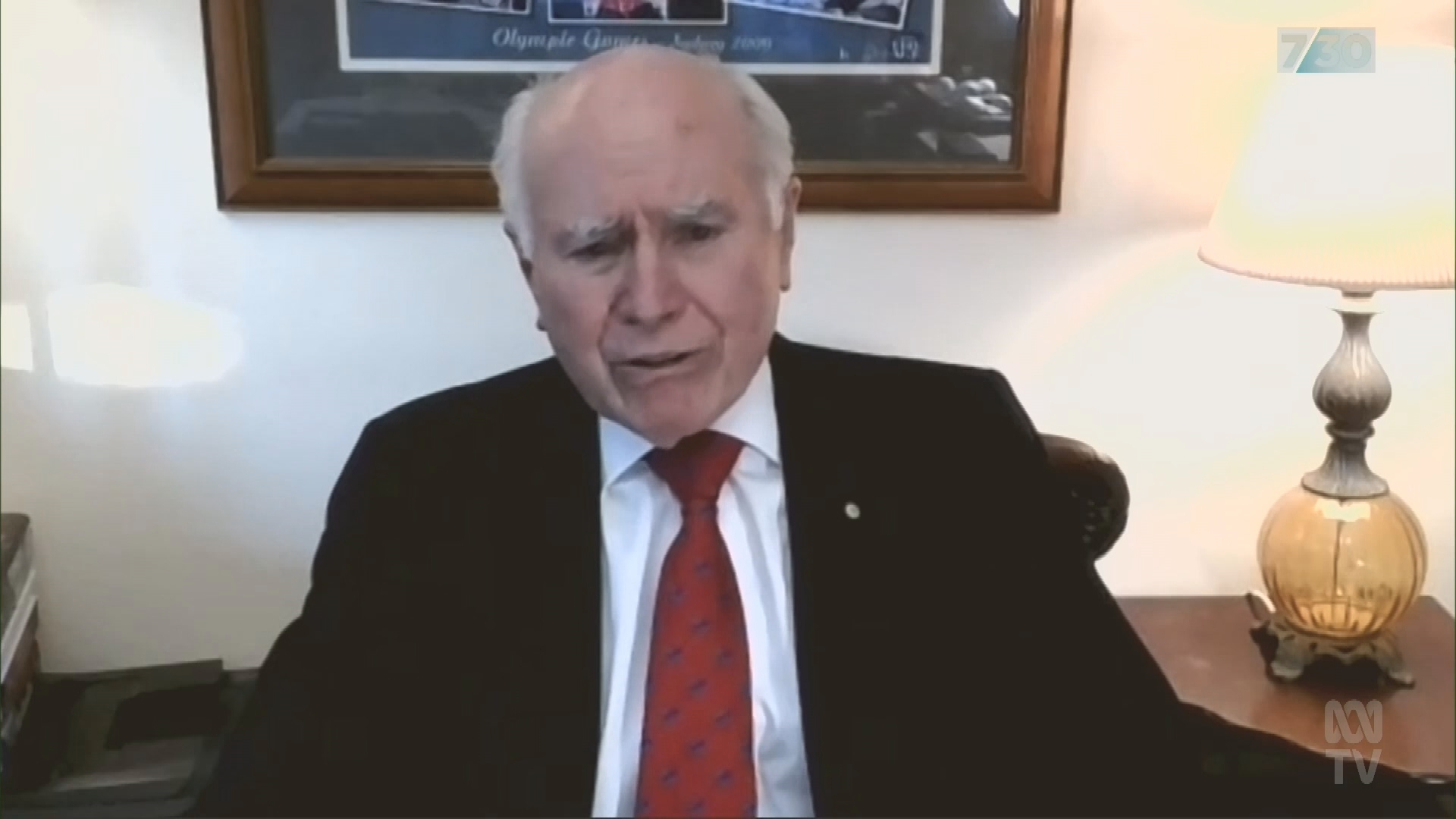
Mr Howard told 7.30 that he thought the US could have managed its withdrawal better.
"I've got some views about how that should never have been allowed to occur," he said of the rapid fall of Afghanistan to the Taliban.
"I think the Americans were too hasty in winding down to zero their military involvement in Afghanistan. I think it could have been possible to have had a more orderly withdrawal."
Mr Howard said Afghanistan had always been "in the words of some people", a "failed state".
READ MORE: First flight in Australia's Afghanistan rescue evacuates 26 people
The US Presidential administration of Joe Biden has said it will work in Australia to facilitate evacuations.
"We will be eager to work with Australia to help get out Australian citizens and other individuals who the Australians would like to see get out," National Security Adviser Jake Sullivan said.
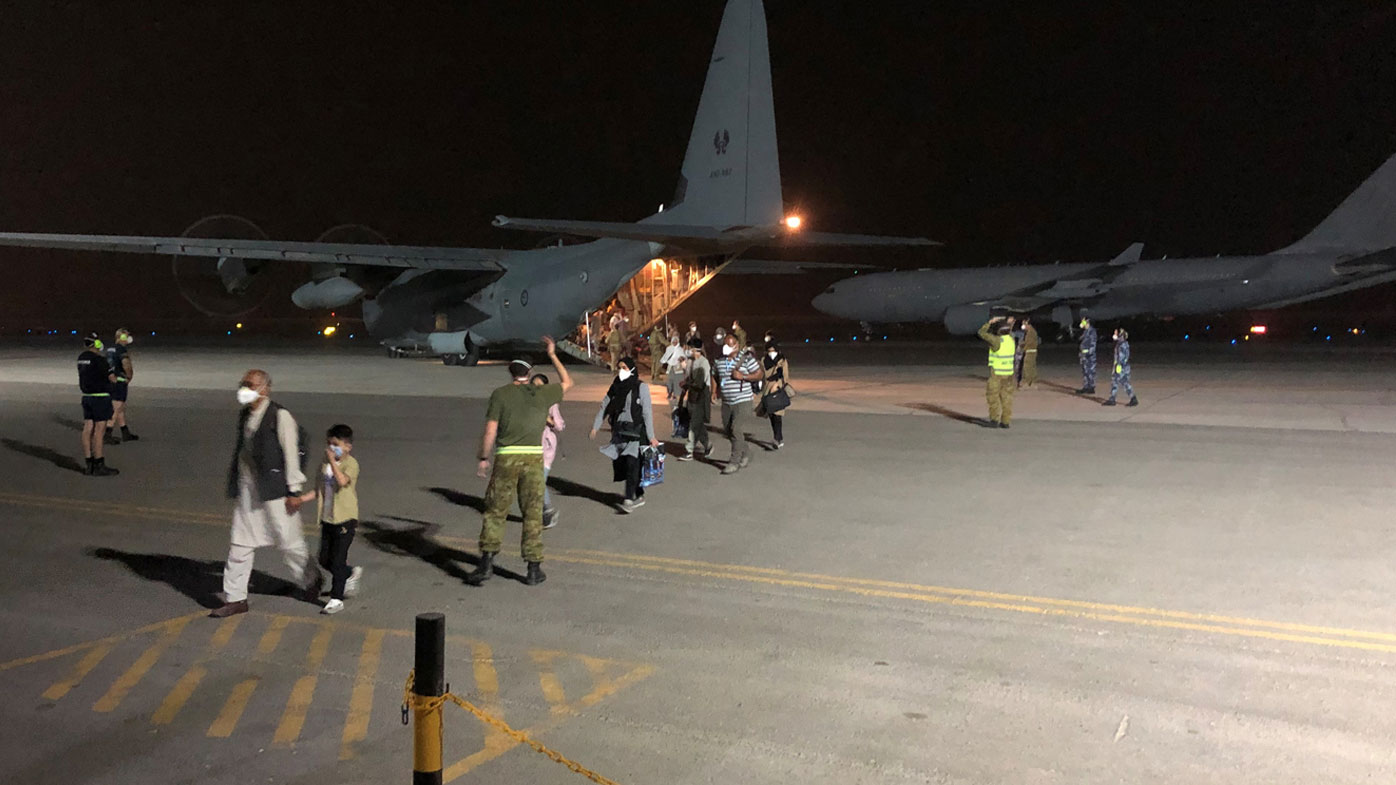
There are 130 Australian citizens and more than 200 former embassy guards and interpreters in the country.
READ MORE: Former soldier's Afghanistan warning: 'Biggest hostage crisis' for decades
More than 250 Australian Defence Force troops are being sent to Afghanistan to help with evacuations but are stranded in Dubai until they can enter Kabul after the recent unrest at the airport.
Mr Sullivan said US officials had been in contact with the Taliban to ensure the safe passage of citizens to Kabul airport.
SA's oldest COVID survivor reunited with family after month in hospital
South Australia's oldest COVID-19 survivor has finally returned home after spending a month in hospital to beat the Delta variant.
Maria Zito spent weeks at Royal Adelaide Hospital after becoming one of many caught up in the Modbury cluster.
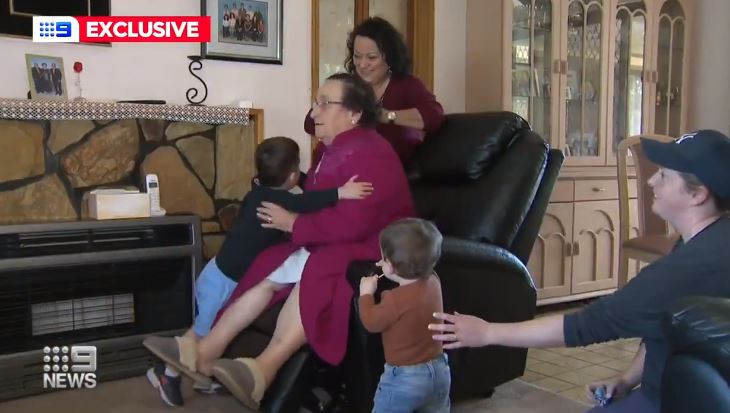
Today, the 87-year-old could finally embrace her 17 grandchildren who were just as ecstatic to see her as she was to see them.
READ MORE: Man who escaped Adelaide quarantine hotel 'grief-stricken over father's death'
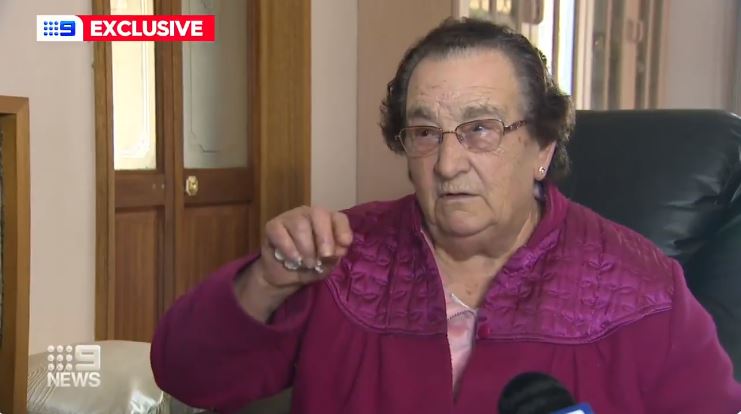
"I was just in one room like this, not seeing nobody," Ms Zito told 9News.
Ms Zito was exposed to the coronavirus at the Teneafete Creek winery last month, an outbreak which became a super-spreader event and forced 100 people into medi-hotels and Ms Zito into the Royal's COVID-19 ward.
"For three or four days she was actually on oxygen as well and was quite sick," Ms Zito's daughter Maria Mastrullo told 9News.
"We have lost other family members overseas from COVID-19 so we were quite worried."
After weeks of treatment, last night, nurses at the Royal Adelaide Hotel finally broke the good news to Ms Zito that she could go home.

READ MORE: Man fighting to cross border to farewell dying mum
"They open the doors and said: 'You're free!' yeah waiting to party," Ms Zito said.
Now, Ms Zito is looking forward to being back in her own kitchen to share her much-loved spaghetti with her family.
"Not too much sauce, a little bit of olive oil, a little tomato and mix it up," she said.
'We haven't seen the worst of it': 633 new local cases in NSW
New South Wales has recorded 633 new COVID-19 cases to 8pm overnight, another grim milestone and new a daily record.
Premier Gladys Berejiklian described the case numbers as a "huge increase" and said that at least 62 of those have been confirmed as infectious in the community.
"What the data is telling us in the last few days is that we haven't seen the worst of it," Ms Berejiklian said.
More than 102,000 tests were received in the past 24 hours.
READ MORE: Qantas to mandate COVID-19 vaccinations for all staff
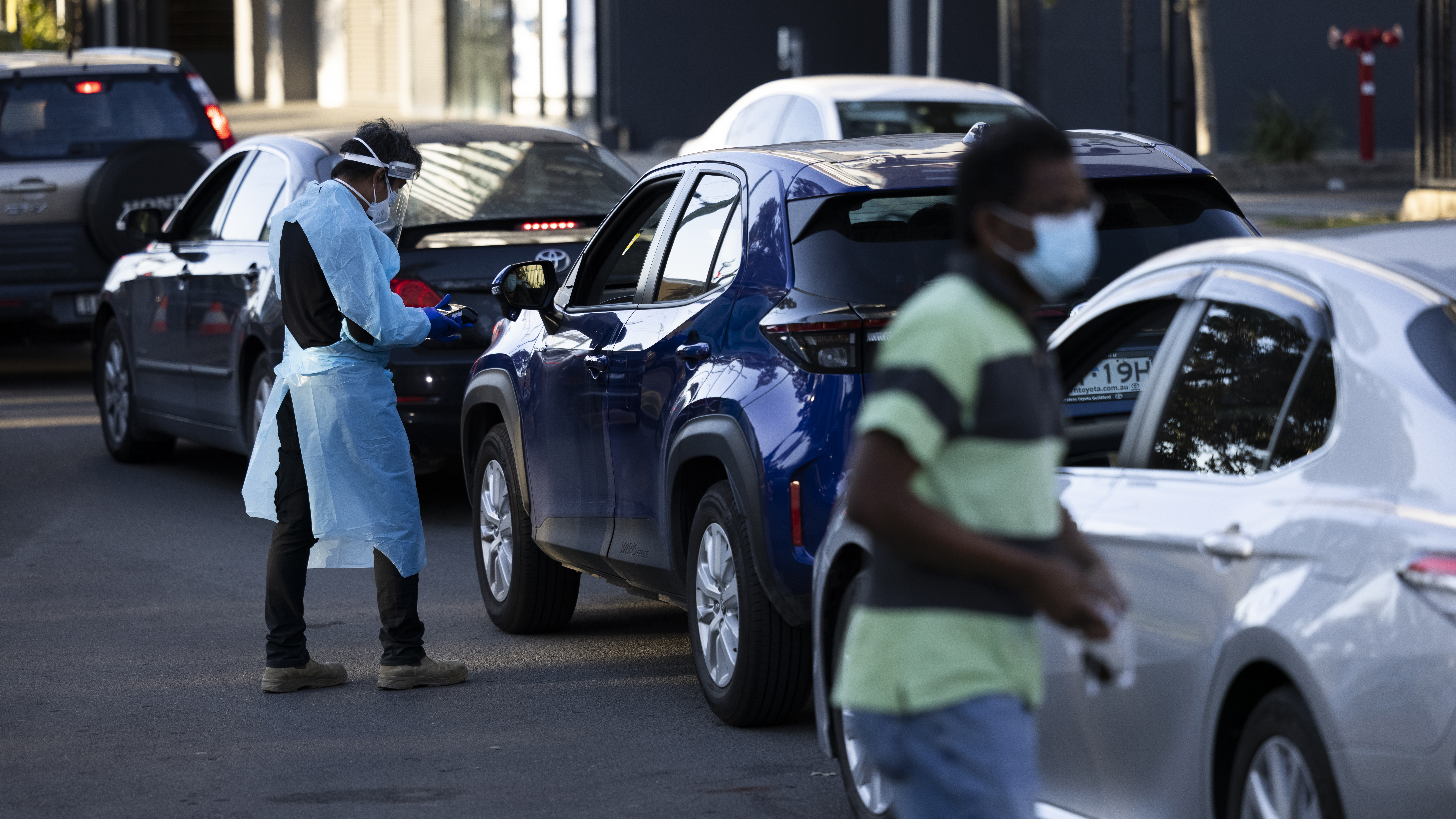
Of today's 633 new cases, 550 are primarily young people from Sydney's west and south-west.
Given this, Ms Berejilkian has highlighted the following suburbs as the sites of greatest risk: Merrylands, Guildford, Auburn, Greenacre and St Marys.
https://twitter.com/NSWHealth/status/1427797631812603905?ref_src=twsrc%5Etfw
NSW also recorded three deaths in the past 24 hours, including a man in his late 60s who died at Liverpool Hospital and two men in their late 70s who both died at Nepean Hospital.
NSW Chief Health Officer Dr Kerry Chant explained that every single positive COVID-19 case in the state is passing the virus on to at least one other person.
Ms Berejiklian expanded on this, explaining the state will require the COVID-19 "reproductive rate" to fall below one to ensure NSW can get on top of the spread.
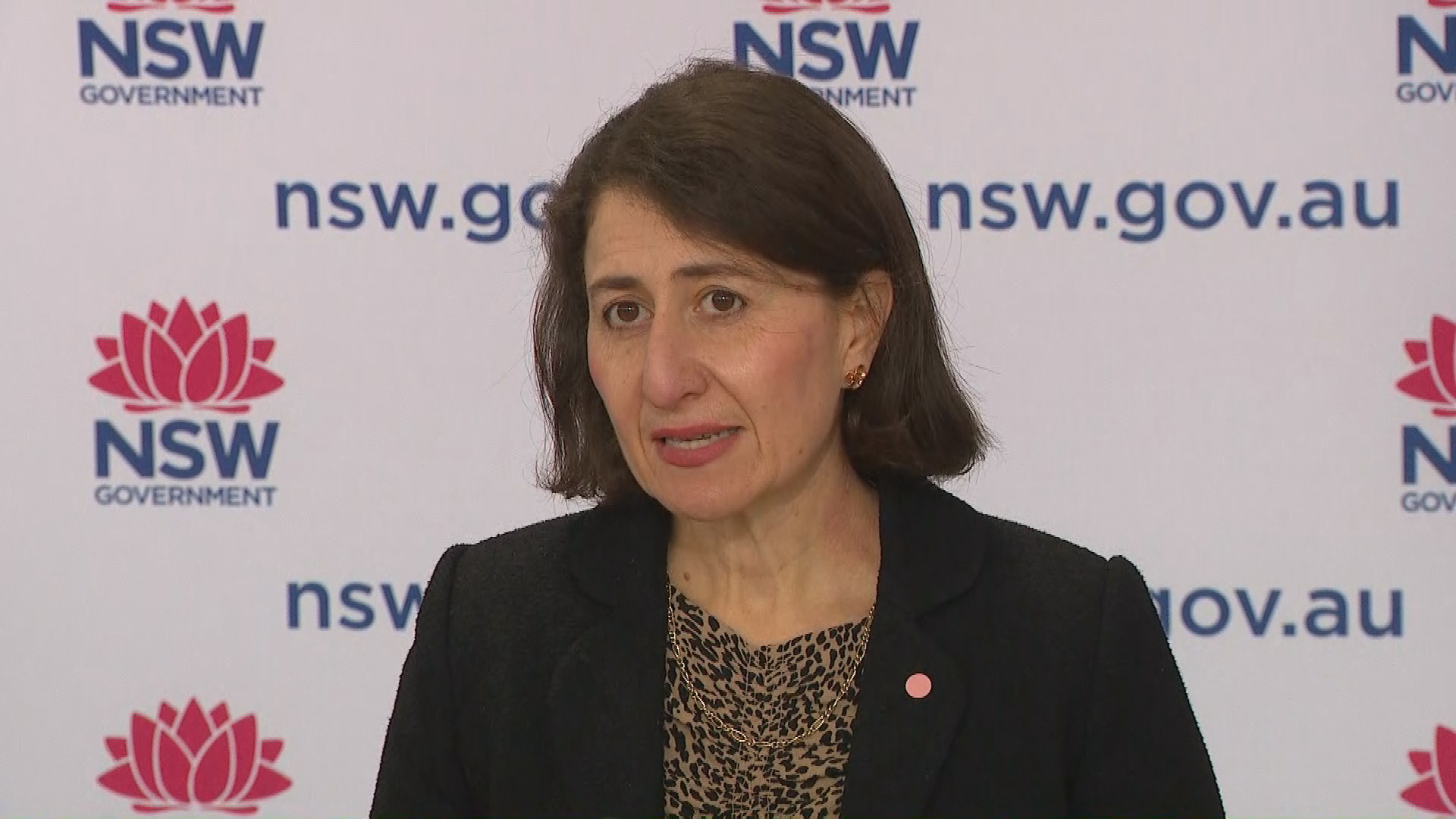
Currently the reproductive rate of the virus in NSW is 1.3, meaning that every person who tests positive for COVID-19 is passing the virus on to an average of 1.3 people.
"We need that number to be below one," Ms Berejiklian said.
"We need to make sure that whoever has the virus doesn't spread it to anybody else. That's what will turn the corner."
Private elective surgeries cancelled
This afternoon, NSW Health said all elective surgeries at private hospitals in Sydney will be cancelled from Monday.
"Private hospital staff will help support the large-scale vaccination effort currently underway and support workforce demands in the NSW public health system," NSW Health said in a statement on its website.
This was already the case in Sydney public hospitals.
Concerns about unvaccinated children
Dr Chant has warned that as well as the Delta variant being extra transmissible, another concerning feature of the strain is its ability to spread among children.
"We're also seeing outbreaks in childcare centres and that's a feature we haven't seen in previous outbreaks," she said.
"Because the Delta strain seems to be able to transmit more in the childhood setting."
Dr Kerry Chant said she "firmly believes that we need to get in and vaccinate our 12 to 15-year-olds at the moment".
"We vaccinated the 16-year-olds. I'm keen to get into the 12- to 15-year-olds, personally. I'll await the advice around that more routinely."
Across the state, there are currently 462 COVID-19 cases in hospital. Of those, 77 are in intensive care and 25 require ventilation.
The cohort of patients come from all age groups as young as those in their 20s.
"We will see more admissions and more deaths if these numbers continue to increase," Dr Chant said.
Five kilometre travel limit clarified
Ms Berejiklian has clarified the state's five-kilometre travel rule amid confusion about the current health restrictions.
She said that if residents live in a Local Government Area of high concern, they must not travel more than five kilometres from their house for any reason.
Those LGAs of high concern can be seen here.
For those outside the LGAs of high concern, residents must not travel further than five kilometres from their home "unless they absolutely have to".
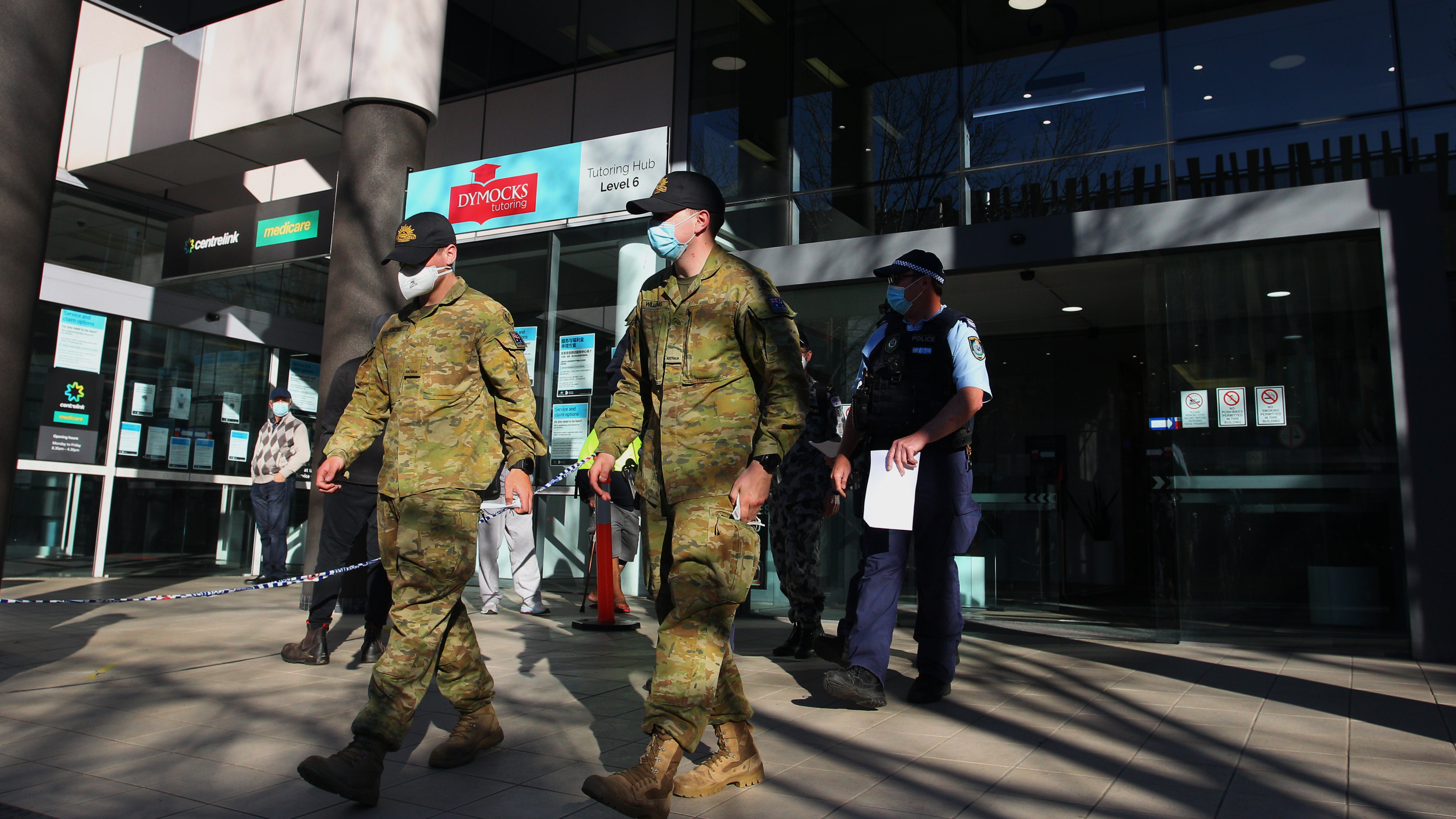
"We need to make sure that whoever has the virus doesn't spread it to anybody else. That's what will turn the corner," she said.
"And until we hit that corner, we're going to see case numbers rise and the way we stop case numbers rising is stopping mobility, stop leaving your home."
READ MORE: Victoria records 24 new COVID-19 cases
Where are today's COVID-19 cases?
Here's a breakdown of which Local Health Districts today's cases are from:
- 224 are from South Western Sydney
- 216 are from Western Sydney
- 54 are from Nepean Blue Mountains
- 52 are from Sydney
- 24 are from South Eastern Sydney
- 23 are from Western NSW
- 15 are from Hunter New England
- Six are from Northern Sydney
- Four are from Illawarra Shoalhaven
- Four are from Far West
- 11 cases are yet to be assigned to an LHD
Outbreaks in NSW regions continue to grow
Western NSW has recorded 23 new local COVID-19 cases.
Of these, 17 cases are in Dubbo while others come from Mudgee, Narromine and Gilgandra.
There were also a number of cases detected outside the reporting period on the Central Coast and the Mid North Coast.
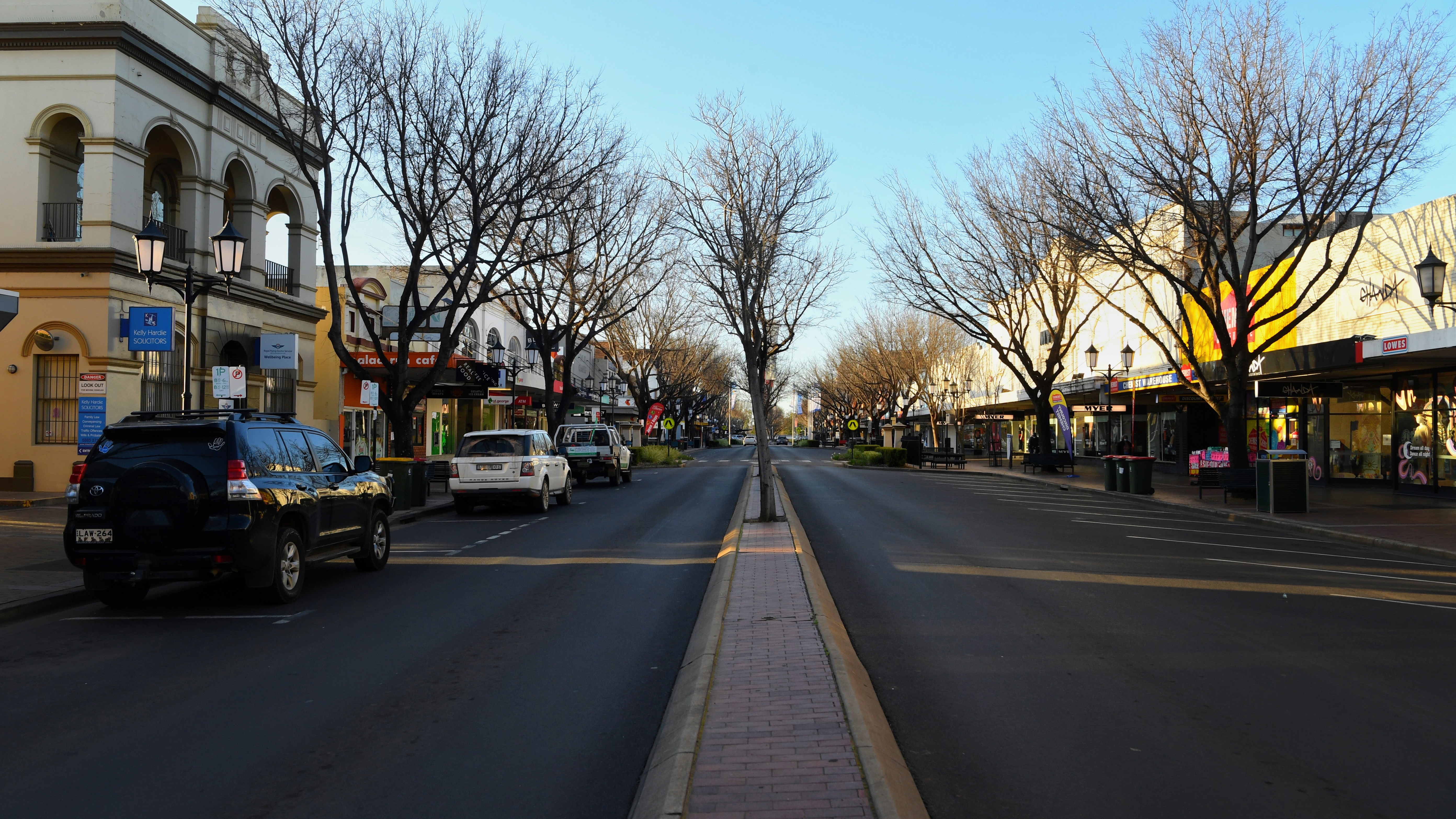
Sewage surveillance has also detected fragments of the virus in wastewater in Bathurst and Orange.
Authorities have continued to urge residents of NSW's west to get tested, particularly if they have been in the community in Wilcannia.
Police issue record amount of fines
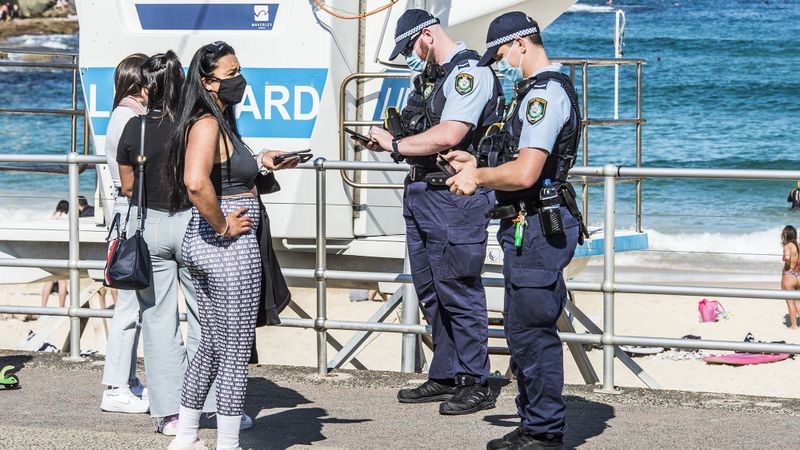
NSW Police have issued a record-breaking amount of COVID-19 infringements as officers continue to carry out Operation Stay At Home.
In the past 24 hours, 736 penalty notices were issued across the state.
Of those, 448 were issued to people who were moving outside their homes without a good reason to do so.
NSW Police Deputy Commissioner Gary Worboys said that in one instance in the Sydney suburb of Padstow, a man was not even at home when he should have been isolating.
When police rang him, he told them he was taking the garbage bins out.
He was issued a $5,000 penalty notice.
Vaccine rollout lagging in regional NSW
Earlier today, the NSW Deputy Premier has blamed the Federal Government for the slow roll out of the coronavirus vaccine to Indigenous communities as regional areas of the state fall victim to a "concerning" Delta outbreak.
John Barilaro said lockdowns in regional NSW was the only way to contain the outbreak given the number of unvaccinated people in the area, as defence troops are deployed in the west to bolster the rollout.
About 60 per cent of the 116 cases recorded in the region are Indigenous, with just nine per cent of Indigenous residents there fully vaccinated.
READ MORE: Why NSW Health is no longer listing every COVID-19 exposure site
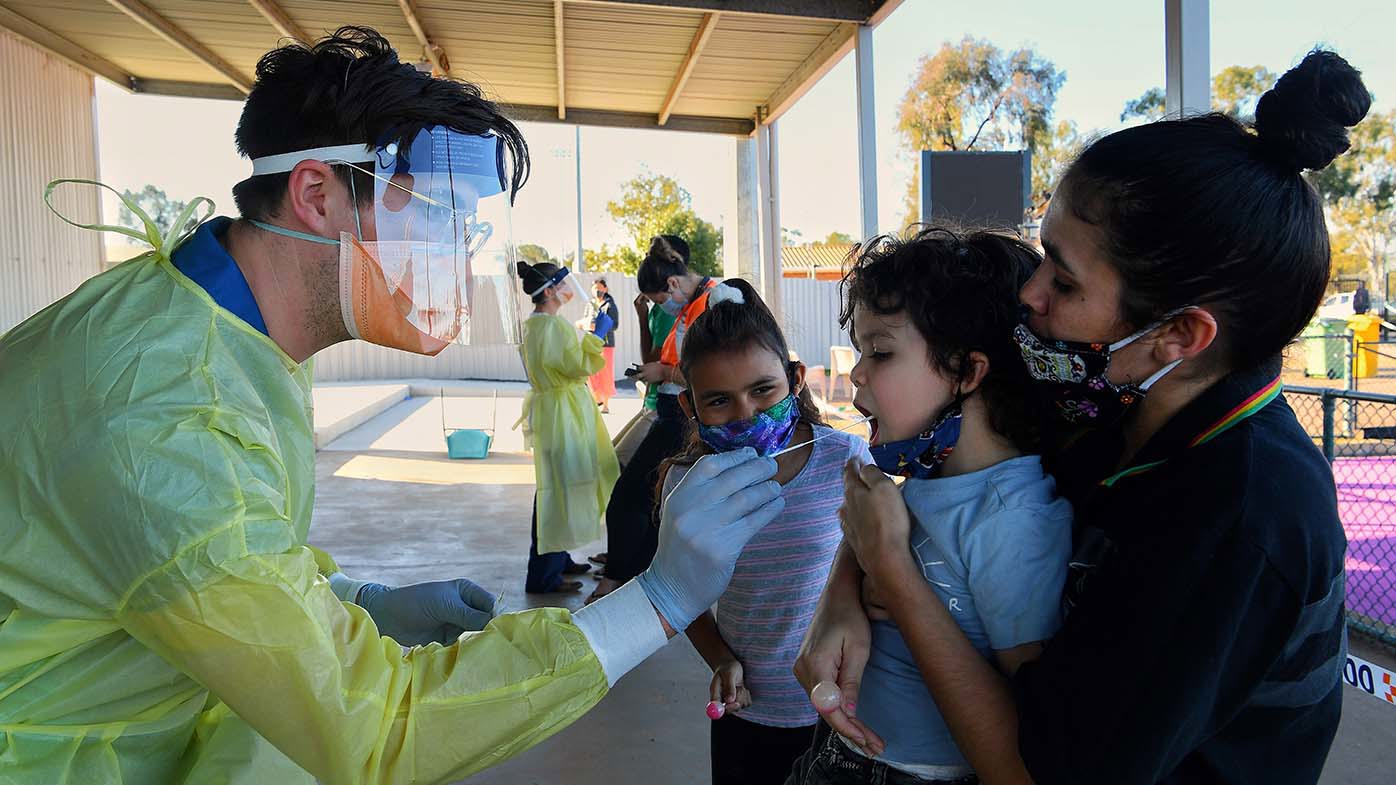
Mr Barilaro said vaccinating vulnerable Australians had been a priority at the start of the year, but Indigenous populations and those in aged care had missed out.
"Vulnerable communities were part of the 1A roll-out which was the responsibility of the Federal Government," Mr Barilaro told Today.
"That didn't occur. We know their responsibility, their focus and priority was also our aged-care facilities and we know there has been gaps there. Now we are reacting."
Five ADF vaccination teams will arrive in Dubbo this morning to assist with the vaccine rollout in rural areas.
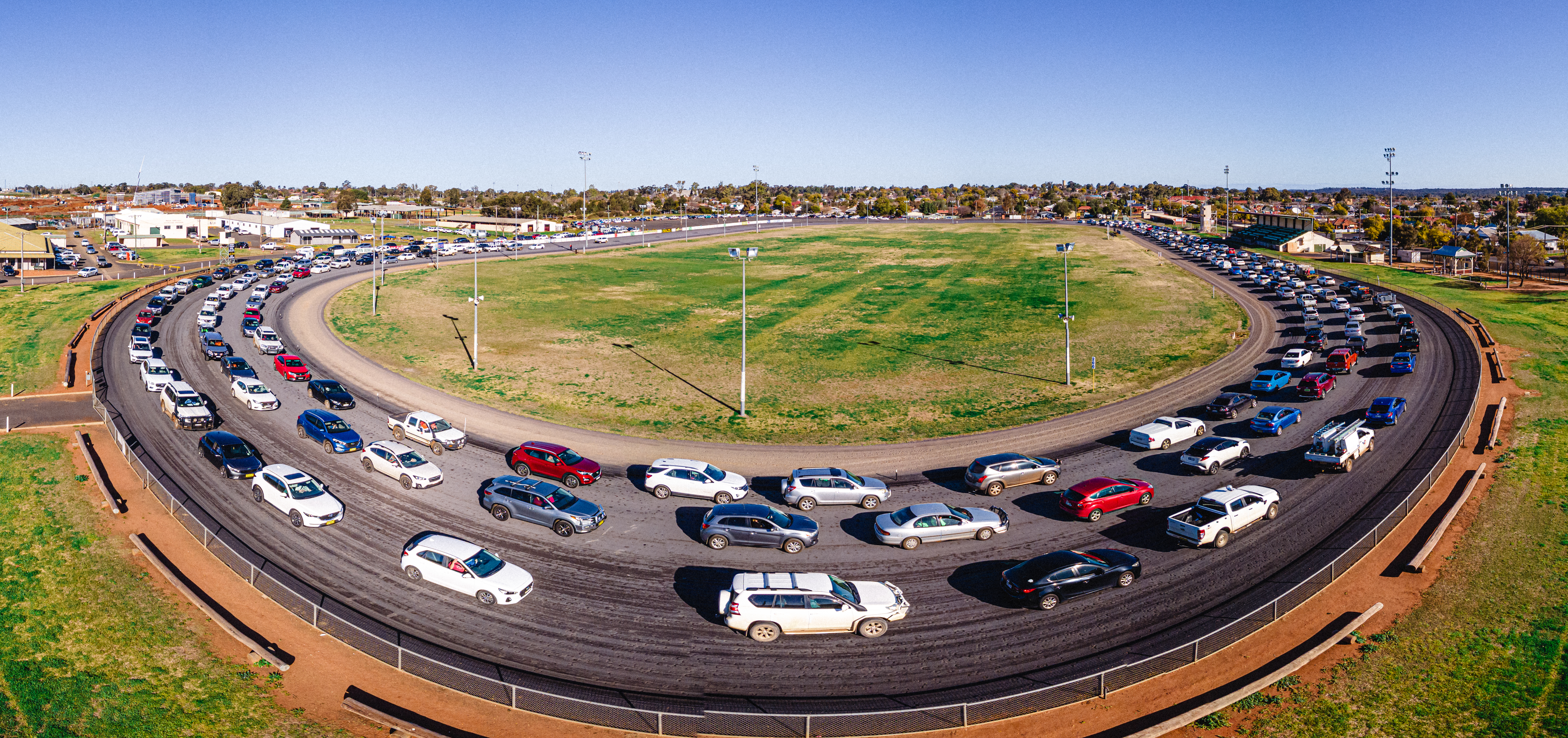
A positive case in Broken Hill has also put the border community on edge, with South Australia on high alert and warning 500 travellers to watch for symptoms.
Mr Barilaro said the spread of the virus in rural and remote areas was "concerning".
"I expect it to spike and I expect to it continue to be a problem and that is why we locked down all of regional and rural NSW, because it was the only way we could contain this," he said.
"It is lessons learnt from what occurred here in Sydney."
Sydney spread
In Greater Sydney, the west and south-western areas remain the highest areas of concern as coronavirus cases continue to climb despite the tightening of restrictions on Monday.
An aged care home in Blacktown is now in lockdown after a fully vaccinated worker tested positive.
So far, no residents of the Blacktown Terrace Care Community Centre have contracted the virus and they are isolating inside their rooms. Daily testing is being carried out.
READ MORE: NSW Police issue stark warning as plans emerge of another protest
Health authorities will focus on getting 530,000 jabs in arms over the next two weeks, with 16-39-year-olds in hotspot areas the target.
Blacktown and Canterbury, in the south-west, have some of the highest vaccination rates in NSW but other areas of concern including Lakemba and Punchbowl have just 10 per cent of residents fully immunised.
A new pop-up clinic will open at Brighton-Le-Sands today, using Pfizer jabs from Poland.
Toutai Kefu speaks for first time since violent home invasion
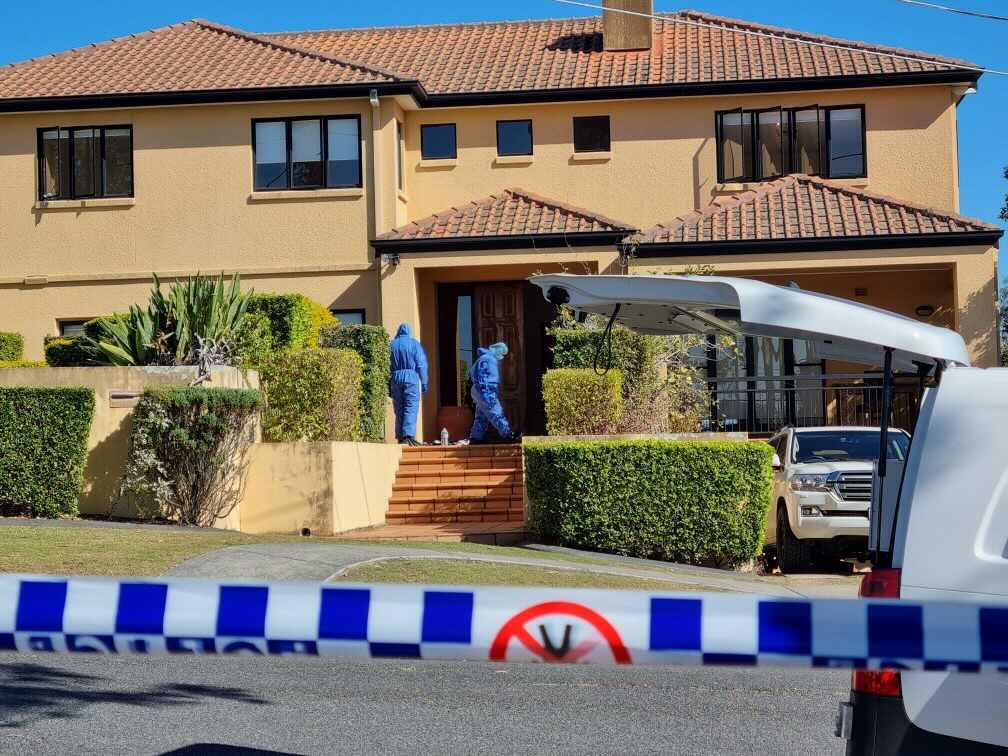
Recovering Wallabies Legend Toutai Kefu has spoken for the first time since he was severely injured during an armed burglary at his Brisbane home.
Two teenagers, 13 and 15 years old, have been charged over the alleged home invasion.
A third teenager remains under police guard at the Princess Alexandra Hospital.
On Wednesday afternoon, Kefu took to social media to thank the broader community for the well wishes following the horrific ordeal, calling the outpouring of support "humbling'.
Explainer: When might children be included in the vaccine roll-out?
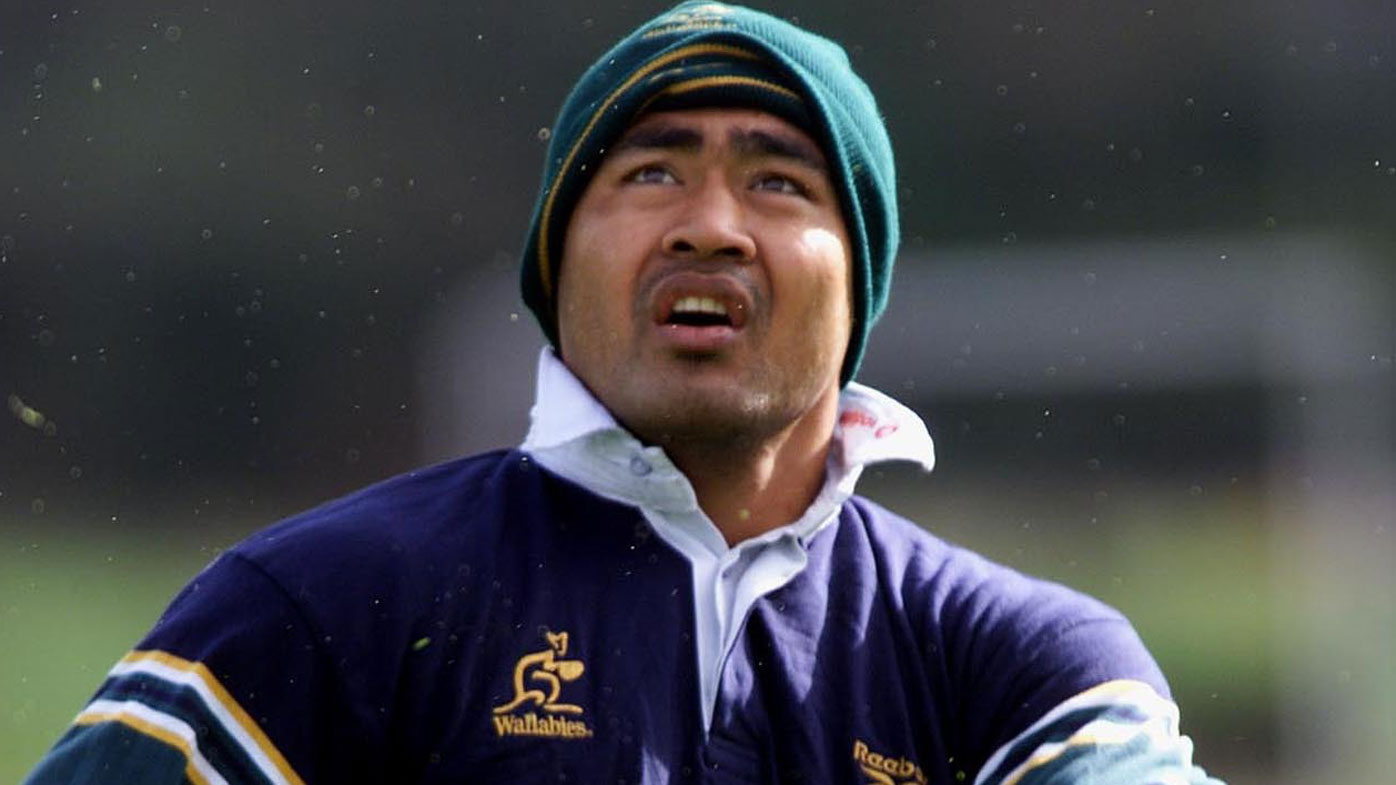
"Wow. Humbling to see the outpouring of love and well-wishes from family, friends, community members and the general public," Kefu said.
"We are all doing well. Josh, Madi & myself are out of hospital, and we're hoping Rach will be able to join us tomorrow.
"We just want to say thank you for everyone's support we feel very lucky and grateful."
9News understands that Kefu's wife Rachel suffered "significant lacerations" to her arms and underwent surgery on Tuesday.
Police are still searching for a stolen silver Hyundai iX35 with the registration 435VJP that was allegedly used by the young offenders.