A murky brown wave that crept into Wellington’s Evans Bay this morning and turned the bay’s waters dark has been captured on video. A Wellington City councillor said the substance was silt that had travelled from the Hutt River,…
Tag Archives: oceania
Grace Millane murder: Leo Molloy loses appeal over conviction for Jesse Kempson suppression breach
Auckland businessman Leo Molloy has lost an appeal to quash his conviction for breaching a court suppression order when he named Grace Millane’s murderer online.But the Auckland mayoral candidate says he still maintains the moral…
Speeding car crashes at South Auckland traffic light after being spiked by police
A speeding driver who crashed at a South Auckland intersection, injuring a pedestrian, was chased by members of the public after trying to flee, a witness says.The crash seriously injured the driver’s passenger and a pedestrian…
Power outages: Genesis is being 'scapegoated' by Energy Minister Megan Woods, CEO says
Genesis boss Marc England has rejected claims New Zealand had enough power to handle the unprecedented demand last night, but that commercial decisions had caused widespread outages. Energy and Resources Minister Megan Woods said…
High-profile sportsman convicted of computer offence also pleads guilty to driving charge
A prominent sportsman convicted of a computer crime has now pleaded guilty to a driving offence.The latest charge related to the man using a motor vehicle on a lower North Island road while his licence was suspended. He appeared…
Herald afternoon quiz: August 10
Test your brains with the Herald’s afternoon quiz. Be sure to check back on nzherald.co.nz for the morning quiz tomorrow. To challenge yourself with more quizzes, CLICK HERE.
Eight arrested after protests at Parliament House and The Lodge
Police have arrested eight people after dramatic protests and vandalism at Parliament House and The Lodge today.
The action took place following the release of a damning report on climate change.
Five people – three men and two women – were arrested at Parliament House while three men were arrested at The Lodge.
READ MORE: Climate change report a 'code red for humanity'
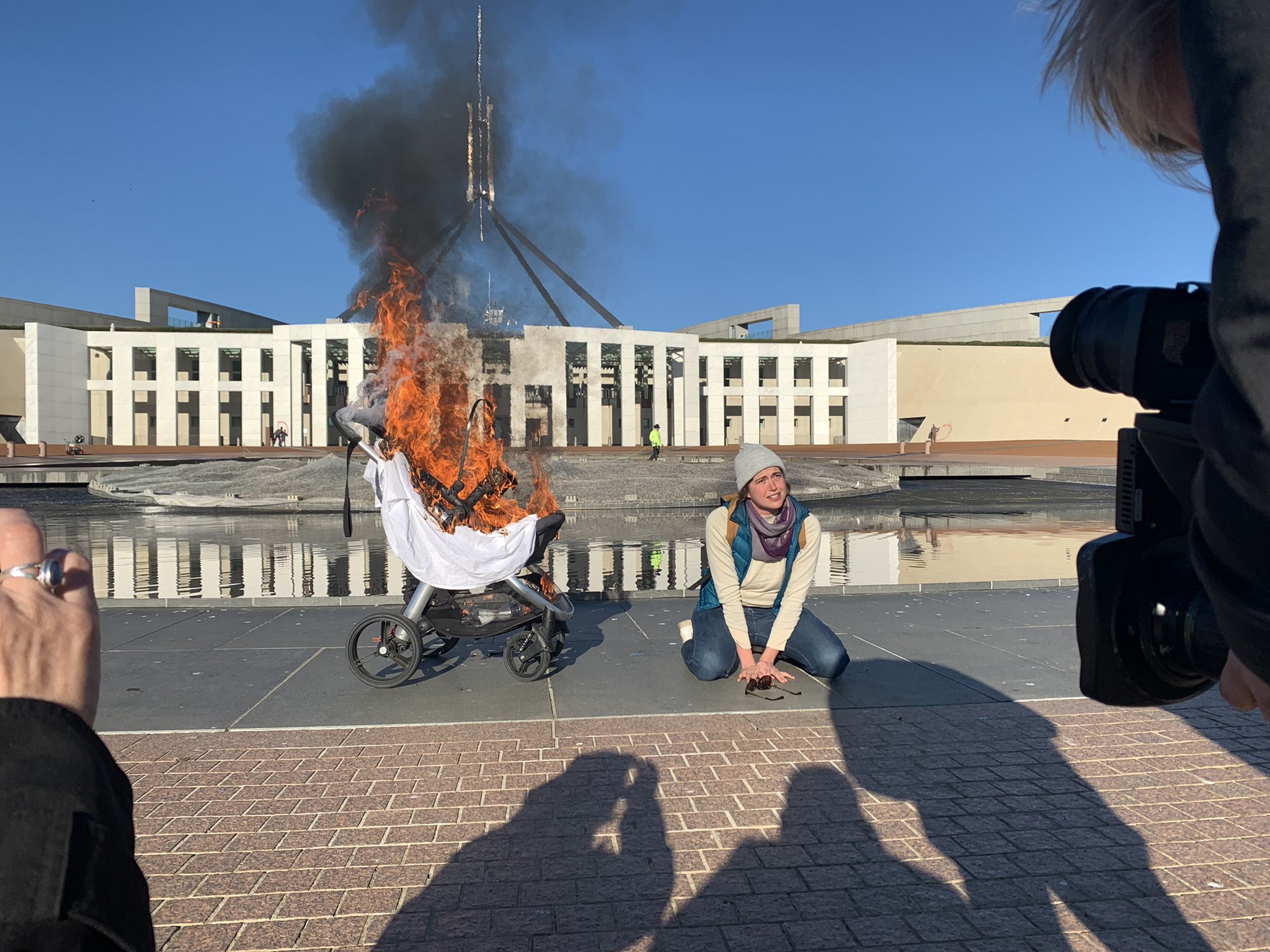
They have all been taken to the ACT watchhouse and police expect to lay charges.
During the Parliament House protest, a pram was set alight and an activist glued her hands to the pavement.
Meanwhile, three protesters targeted Prime Minister Scott Morrison's official Canberra residence, spraying "duty of care" in red paint out the front.
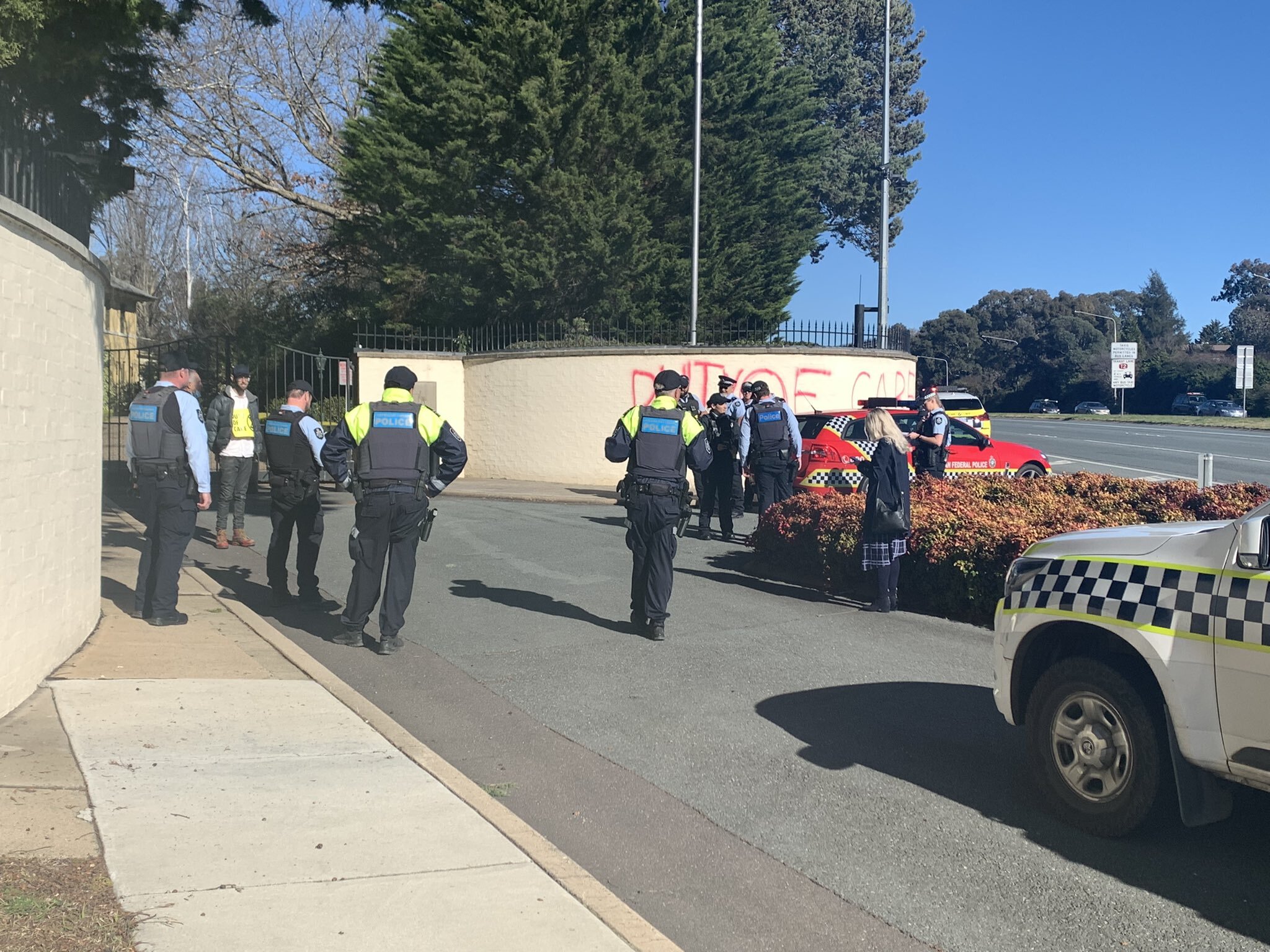
Mr Morrison described the climate protesters as "unAustralian".
"The Australian way is not what we have seen with the vandalism in our capital today," he said.
He described protesters' actions as "foolishness" that did not align with "the good-hearted nature of Australians who care deeply about this issue".
Mr Morrison likened their actions to "other selfish protests" around this country.
The United Nations called the Intergovernmental Panel on Climate Change (IPCC) report a "code red for humanity" when it was released on yesterday.
The landmark study, led by the United Nations Intergovernmental Panel, found at current emission rates, the global temperature is expected to increase by 1.5C over the next two decades.
READ MORE: Landmark climate change study paints grim future for Australia
The report found in Australia, land areas warmed by around 1.4C between 1910 and 2020, largely due to human influence, while heat extremes increased and cold extremes decreased.
READ MORE: Key takeaways from the UN report on the climate crisis
The report also found the intensity, frequency and duration of bushfires will increase in Australia and the frequency of severe droughts would ramp up from every 10 years to every four.
This terrifying 'dragon' was Australia's largest flying reptile
There was once a species of terrifying "dragon" flying over Australia 105 million years ago, according to new research.
The fossil of a pterosaur with a nearly seven-metre wingspan once belonged to Australia's largest flying reptile.
A study on these findings was published Monday in the Journal of Vertebrate Paleontology.
READ MORE: Two spacecraft to make Venus flyby this week
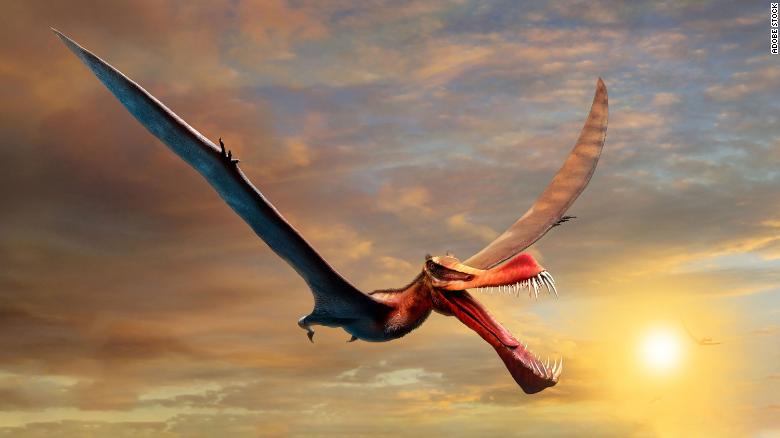
The pterosaur likely soared over a large inland sea that once covered much of outback Queensland, known as the Eromanga Inland Sea.
Its spear-like mouth was perfect for plucking fish from the sea.
Researchers including Tim Richards, a University of Queensland postdoctoral student in the School of Biological Sciences' Dinosaur Lab, analysed a jaw fossil from the pterosaur.
It was originally discovered in a quarry just northwest of Richmond in northwest Queensland in June 2011 by fossicker Len Shaw.
Fossickers search for gold and fossils.
Mr Richards said that the pterosaur would have been a "fearsome beast" that likely snacked on juvenile dinosaurs.
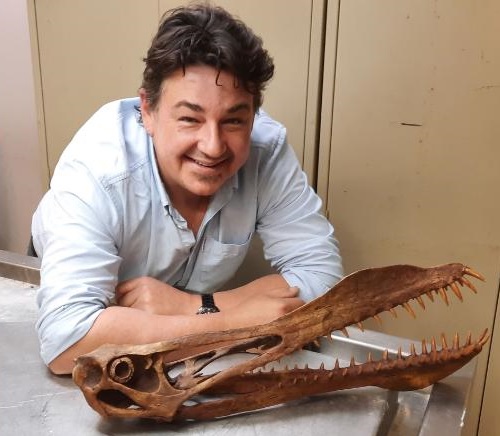
"It's the closest thing we have to a real life dragon," Mr Richards said in a statement.
"It was essentially just a skull with a long neck, bolted on a pair of long wings. This thing would have been quite savage. It would have cast a great shadow over some quivering little dinosaur that wouldn't have heard it until it was too late."
READ MORE: Person buried in 1000s with sword, brooches was 'non-binary'
The name of the new species, Thapunngaka shawi, is a nod to the First Nations peoples of the Richmond area where the fossil was found and includes some of the lost language of the Wanamara Nation.
"The genus name, Thapunngaka, incorporates thapun [ta-boon] and ngaka [nga-ga], the Wanamara words for 'spear' and 'mouth', respectively," said Steve Salisbury, study co-author and senior lecturer in the University of Queensland's School of Biological Sciences, in a statement.
"The species name, shawi, honours the fossil's discoverer Len Shaw, so the name means 'Shaw's spear mouth'."
The researchers were intrigued by a massive bony crest located on the lower jaw of the new species and believe there was likely one on the upper jaw, too.
"Semi-circular in shape, it would have resembled a (13cm radius) half dinner plate on its side," Mr Richards said.
READ MORE: Ancient clay tablet turns history of mathematics on its head
"These crests probably played a role in the flight dynamics of these creatures, and hopefully future research will deliver more definitive answers," Mr Salisbury said.
The entire skull was likely over one metre and contained 40 teeth.
The newly discovered species was part of a group of pterosaurs named anhanguerians. These pterosaurs once flew over every continent.
"Pterosaurs were a successful and diverse group of reptiles — the very first back-boned animals to take a stab at powered flight," Mr Richards said.
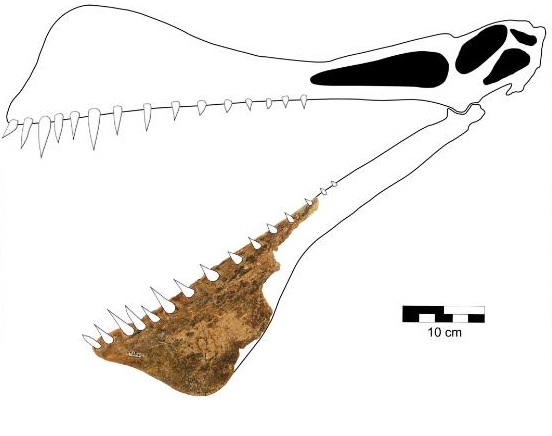
Their thin-walled bones were largely hollow, which means the pterosaurs were perfectly adapted to flight, but their bones didn't preserve well in the fossil record.
"It's quite amazing fossils of these animals exist at all," Mr Richards said.
"By world standards, the Australian pterosaur record is poor, but the discovery of Thapunngaka contributes greatly to our understanding of Australian pterosaur diversity."
READ MORE: Lion cub frozen 28,000 years ago 'perfectly preserved'
Mr Richards plans to study the specific characteristics of pterosaur flight dynamics.
This discovery marks the third species of anhanguerian pterosaur to be found in Australia.
All of them have been recovered in western Queensland.
The fossil is on display at the Kronosaurus Korner museum in Richmond.
'Narco submarine' carrying $95m cocaine cargo intercepted
More than $93 million worth of cocaine has been seized after a 'narco submarine' was intercepted by the Colombian Navy.
The semi-submersible speedboat was detected by Colombian authorities off the country's Pacific coast before it was stopped and searched by a patrol boat last Saturday, Inside Edition reports.
Two tonnes of cocaine – valued at $95.5 million – was found wrapped in 2000 small packages inside the 10-metre long craft.
READ MORE: How 'narco submarine' boom is fuelled by bumper cocaine trade
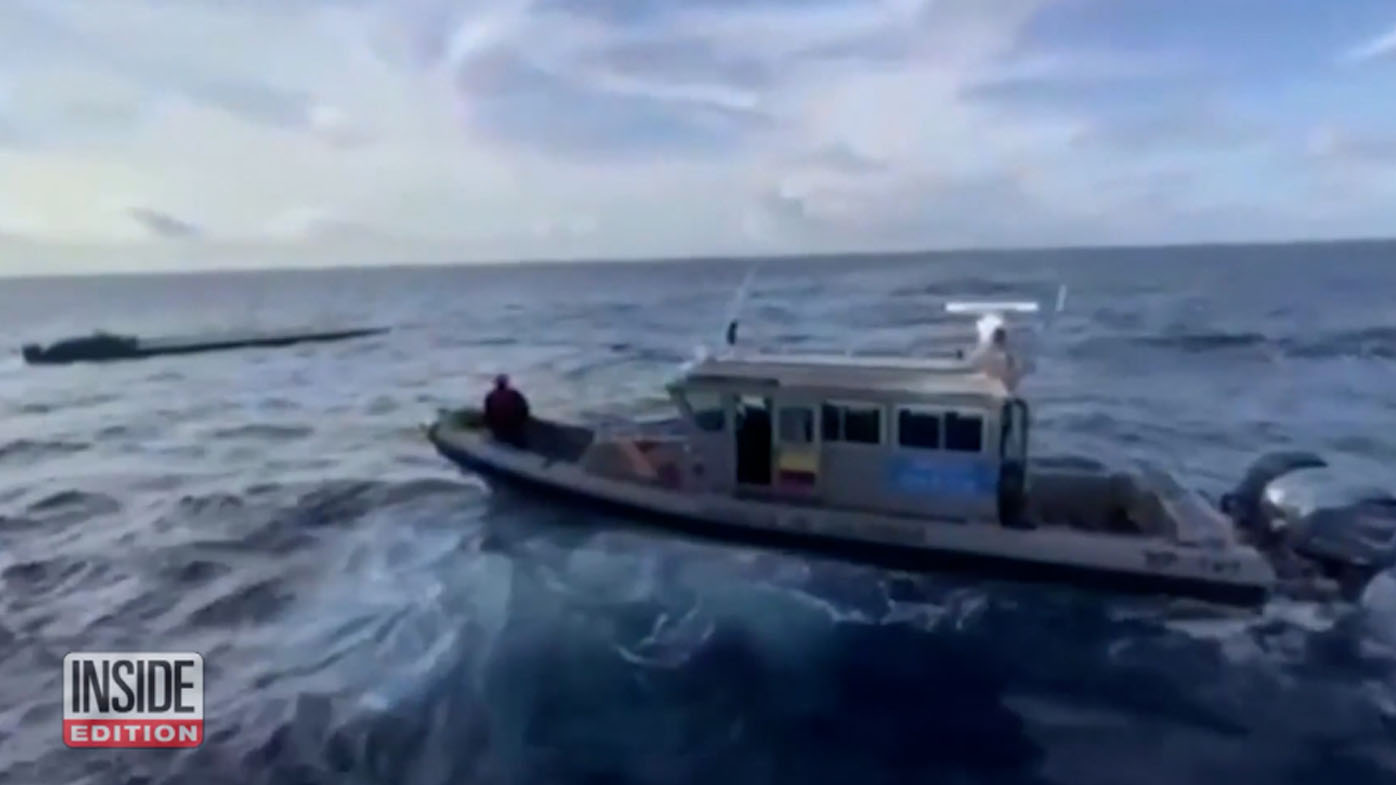
US authorities supported the Colombian naval operation.
"Interdicting these drugs helps bring hope, stability and economic prosperity to the Western Hemisphere, a neighbourhood that we share with so many partner nations that are also committed to the rule of law and democratic values," US Coast Guard Vice Admiral Steven Poulin said.
https://twitter.com/JusticiaET/status/1424075934022438926?ref_src=twsrc%5Etfw
"Together, we will disrupt, defeat and degrade transnational organised crime."
READ MORE: Spain seizes 'narco sub' carrying more than three tonnes of cocaine
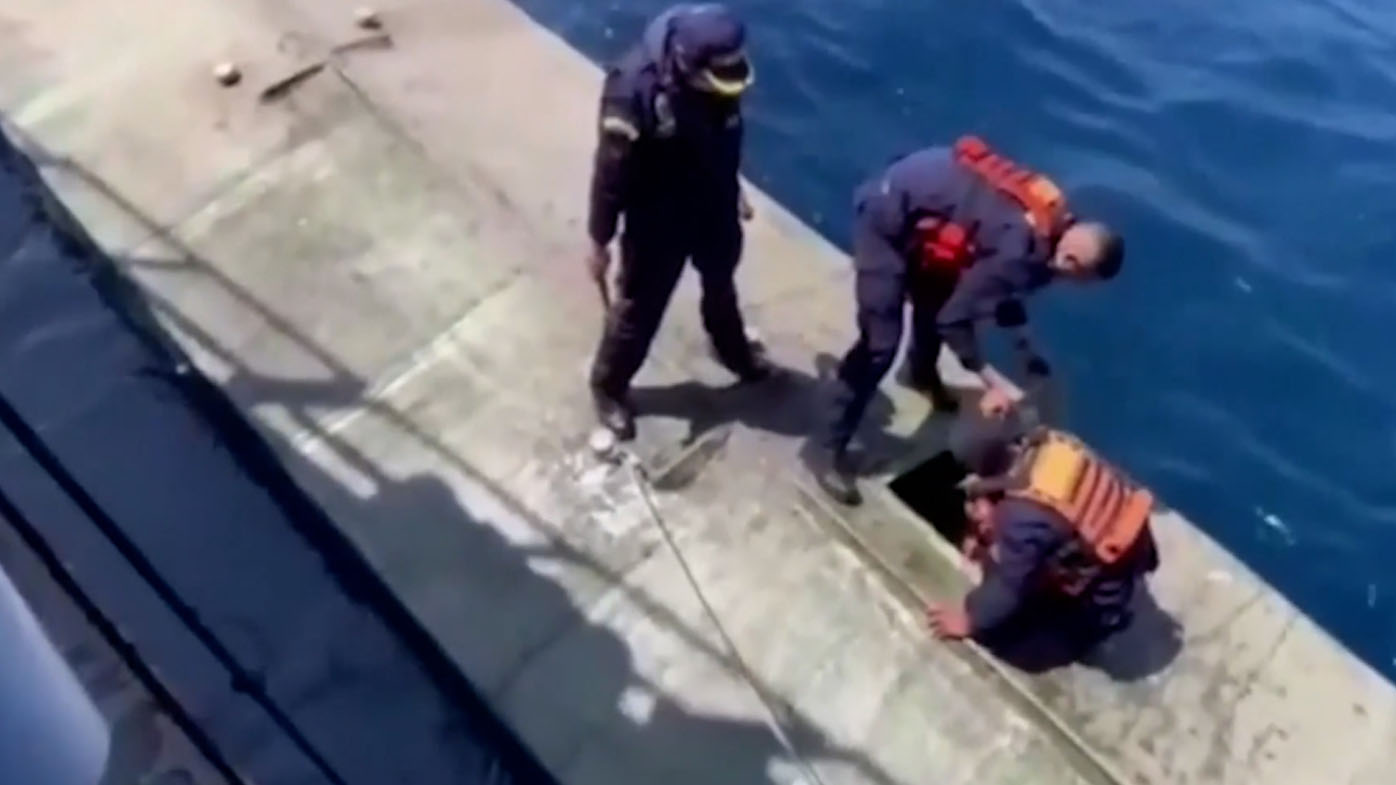
'Narco submarines' have been sailed by drug cartels since the 1990s.
They carry tonnes of drugs worth hundreds of millions of dollars on the clandestine journey from Colombia to the coast of Mexico before.
Sitting about one metre below the waterline, they are able to evade radar used by governments and militaries.
READ MORE: US Coast guardsmen jump onto homemade submarine

However navies and coastguards in the US, South America and Europe have intercepted a number of the craft but it is believed many have gone undetected.
'Narco submarines' hit world headlines in 2019 when footage of a heavily armed US Coastguard officer boarding one in the Pacific Ocean went viral.
Sign of cancer dismissed because of colour of woman's work uniform
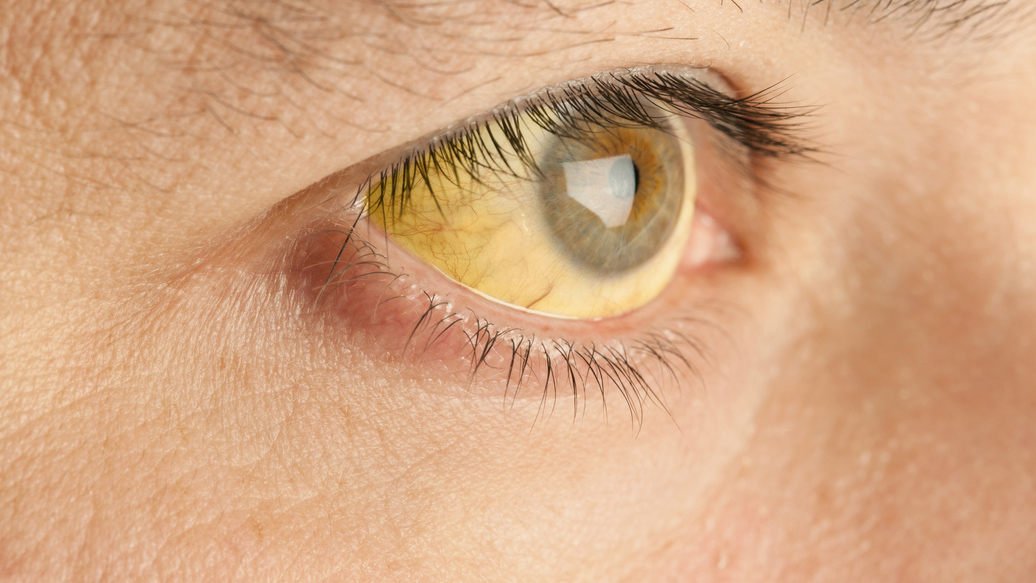
When Chelsey La Frentz, 25, went to her GP with 'yellow' jaundiced eyes, she was told they probably just looked that colour because of the vivid yellow Ikea uniform she was wearing.
And while the Adelaide woman was sent for tests – she had also started being sick after eating and suffered itching – the GP told her she was unlikely to have cancer.
"She didn't think they were yellow, because I was wearing my uniform. She thought it was just my uniform," she told nine.com.au.
READ MORE: Cancer spike predicted as people finally return to GPs, but delays could be deadly

"She said 'this is not going to be cancer – at your age it just doesn't add up'."
Early results showed there was a problem with Miss La Frentz's liver, but it took her becoming so ill she had to go to the emergency department to finally get a diagnosis.
READ MORE: Fears as breast cancer screening cancelled during Sydney lockdown
By this point she says her whole body had turned yellow with jaundice because her liver wasn't flushing out the toxins. She was also covered with rashes.
The results of an MRI scan from the day before was examined.
"The emergency doctor came up to me and my mum and said, 'it's not looking good, it looks like cancer'," she said.
"I was numb."
READ MORE: Young dad dies after testicular cancer battle
Medics at Royal Adelaide Hospital later confirmed the shock news that Ms La Frentz, who was then just 24, had bile cancer, a type of liver cancer.
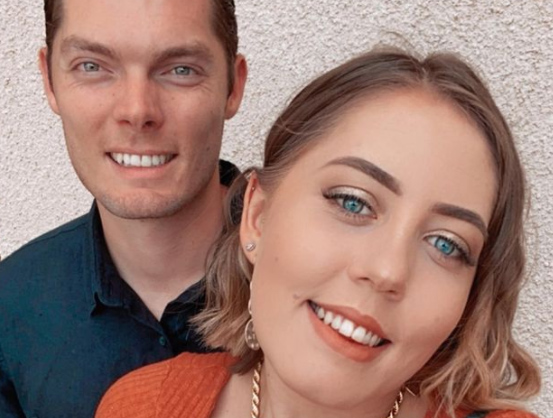
But despite surgery and chemotherapy initially working, the cancer returned and is now terminal.
However, Ms La Frentz, who is having chemotherapy to try and prolong her life, refuses to accept she is going to die.
"It's very scary. They pretty much said it was terminal and the chemo is going to extend my life," she said.

"I try and stay positive. Miracles happen."
Ms La Frentz is backing a campaign urging people to see their doctors if they have any symptoms like she did – despite the pandemic.
After joining together earlier this year, multiple cancer charities have issued a fresh appeal for people not to delay seeing their doctor about symptoms or put off tests or screenings due to coronavirus.
Medics fear thousands of Aussies have cancer – but don't know yet- because they're avoiding check-ups or screenings.

But even during lockdowns, medical appointments are allowed.
"Just because COVID has hit doesn't mean cancer has gone away," Ms La Frentz, said.
"You think you're young and you're going to be fine but it can affect anyone."
Dr Lorraine Chantrill, the Chair of the Gastro Intestinal Cancer Institute said while bile cancer like what Ms La Frentz has is rare, if it spreads it can't be cured.
And while she didn't delay seeing her doctor, seeking help after just a month of becoming unwell, Dr Chantrill's organisation is one of those trying to reach others who might be putting it off.
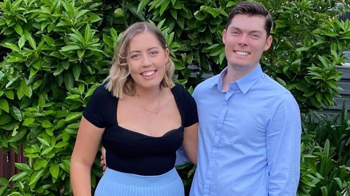
READ MORE: Shattering diagnosis after doctors blamed pain on bushwalking
"It is a tragedy to encounter patients who could have been helped if they sought help sooner, we feel so bad telling them that we cannot cure their cancer if it is advanced," she told nine.com.au.
Cancer organisations say there were between 27 per cent to 50 per cent fewer diagnostic procedures for breast, colorectal, lung, and prostate cancer done during the first wave of the pandemic.
A massive 145,000 fewer mammograms were performed through BreastScreen Australia in January to June 2020 compared with the same time in 2018.
The New Normal, Same Cancer: Conversations campaign aims to reduce delays in cancer being diagnosed – which could make a difference between surviving and not.
Symptoms of cancer could include unexplained weight loss, fatigue, tiredness, unexplained aches or pains, fever, or an unusual lump or swelling.

The organisations involved in the campaign are Cancer Australia, Bowel Cancer Australia, GI Cancer Institute, Leukaemia Foundation, Lymphoma Australia, Lung Foundation Australia, Neuroendocrine Cancer Australia, Ovarian Cancer Australia, Pancare, Pankind, Pink Hope, Prostate Cancer Australia, Rare Cancers Australia, and So Brave.
It is backed by drug company AstraZeneca.
Professor Dorothy Keefe , the Chief Executive of government body Cancer Australia, also urged people not to wait.
"Most symptoms are due to something less serious than cancer but, if it is cancer, the earlier it is found the better," she said.
What is bile cancer?
Bile cancer is a form of liver cancer
The bile ducts are the tubes that take bile from the liver and pass it to the small bowel, and are needed to digest food.
While it's one of the rarest cancers, it's one of the most deadly.
The chance of surviving for five years is 20 percent, according to Cancer Australia, with around 2300 people a year dying.
Symptoms include jaundice (yellowing of the skin), dark urine and pale stools, upper abdominal pain, persistent nausea and weight loss.
Contact journalist Sarah Swain: Ss****@******om.au