Tag Archives: oceania

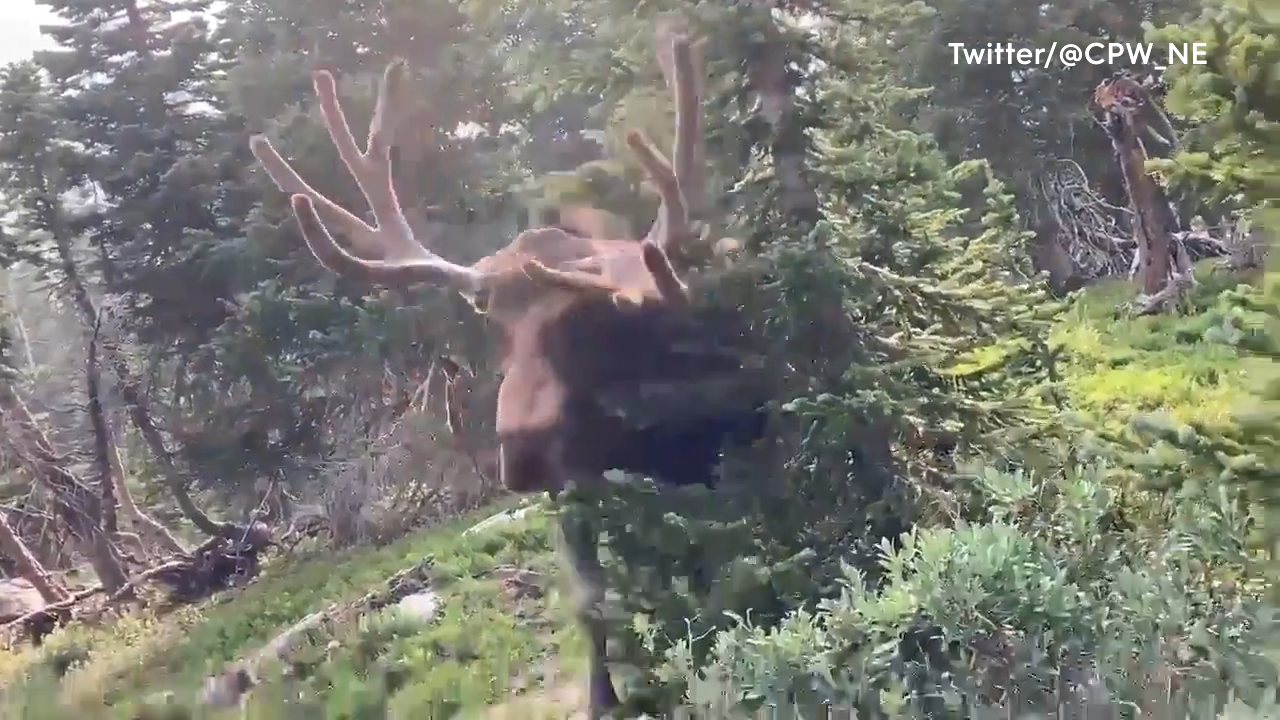
Moose charges at park-goer in US state of Colorado

A US park-goer's close call with a wild bull moose has prompted a warning from authorities.

The visitor to the park in Clear Creek County in the state of Colorado was filming the animal as it was grazing behind a tree.

Within a matter of seconds, the moose spotted the person behind the camera and charged at them.

READ MORE: Baby girl dies after tragic magpie swooping accident in Brisbane park

Moose charges at park-goer in Colorado

The park-goer dropped their camera, ran from the moose, and hid behind a tree.

Colorado Parks and Wildlife shared the video, assuring viewers there were no injuries.

"This person managed to get behind a tree and the moose hit that," Colorado Parks and Wildlife tweeted.

"This video is an example of being too close to a bull moose and how quickly they can decide to charge on you.

READ MORE: China's wandering elephants may finally be heading home

"The individual just by chance came upon the bull walking along a willow bottom heading towards a lake."

The department said it was aware of at least 15 moose conflicts since 2013, which resulted in injuries to humans.

"Signs of moose aggression include laid back ears, raised hairs on the neck, and licking of the snout," the department said.

"​If a moose displays aggressive behaviour or begins to charge, run as fast as you can and try to put a large object between you such as a boulder, car, or tree."

Cold fronts to slam opposite sides of Australia

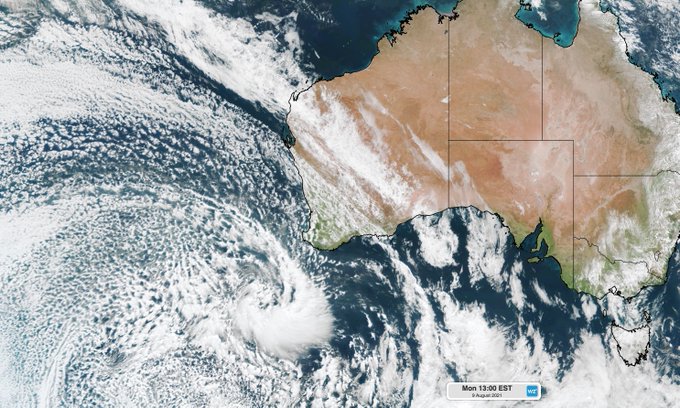
The wild weather continues for Western Australia today as a pair of cold fronts trigger damaging winds, hail and snow in the south west of the state.

As the first front, which swept across the state over the weekend weakens, another system is approaching from the west.

The second and stronger cold front began to charge across the southwest of WA last night, bringing another round of showers, small hail and potentially damaging winds.

READ MORE: Climate change report a 'code red for humanity', UN warns

Wind gusts could reach around 100 kilometres per hour today with showers or thunderstorms most likely to the south of Bunbury and west of Albany.

Abnormally high tides and damaging surf are also likely along the coasts in this region, which could cause localised flooding and beach erosion.

A cold air mass is expected to surge across southwestern Australia in the wake of the two fronts, delivering small hail and possibly a dusting of snow on the peaks of the Stirling Range.

Perth will experience showers today with temperatures only expected to reach about 15C, which is four degrees below average for this time of year.

This wet and wintry weather won't give umbrellas much of a chance to dry out after the city's wettest July in 26 years.

Across the country in Victoria, a cold front will bring damaging winds to the Central, East Gippsland, South West, North Central, North East and West and South Gippsland.

Peak gusts around 90 kilometres per hour are forecast to develop across central parts of the warning area from early Tuesday afternoon.

The winds are forecast to extend to the rest of the warning area late on Tuesday night, with peak gusts of 100 to 110 kilometres per hour likely over alpine peaks tonight and tomorrow morning.

Winds are expected to ease from the west during Wednesday as the cold front crosses Victoria.

Locations which may be affected include Ararat, Kyneton, Ballarat, Daylesford, Bacchus Marsh and Falls Creek.

Elsewhere, a trough is starting to bring showers to southern SA.

Moist onshore winds are driving a few showers over coastal Queensland.

A high is keeping elsewhere mostly dry.

Climate change report a 'code red for humanity', UN warns

Earth's climate is getting so hot that temperatures in about a decade will probably blow past a level of warming that world leaders have sought to prevent, according to a report released Monday that the United Nations calls a "code red for humanity."

"It's just guaranteed that it's going to get worse," said report co-author Linda Mearns, a senior climate scientist at the US National Centre for Atmospheric Research.

"I don't see any area that is safe … Nowhere to run, nowhere to hide."

READ MORE: Moderna COVID-19 vaccine provisionally approved by the TGA for use in Australia
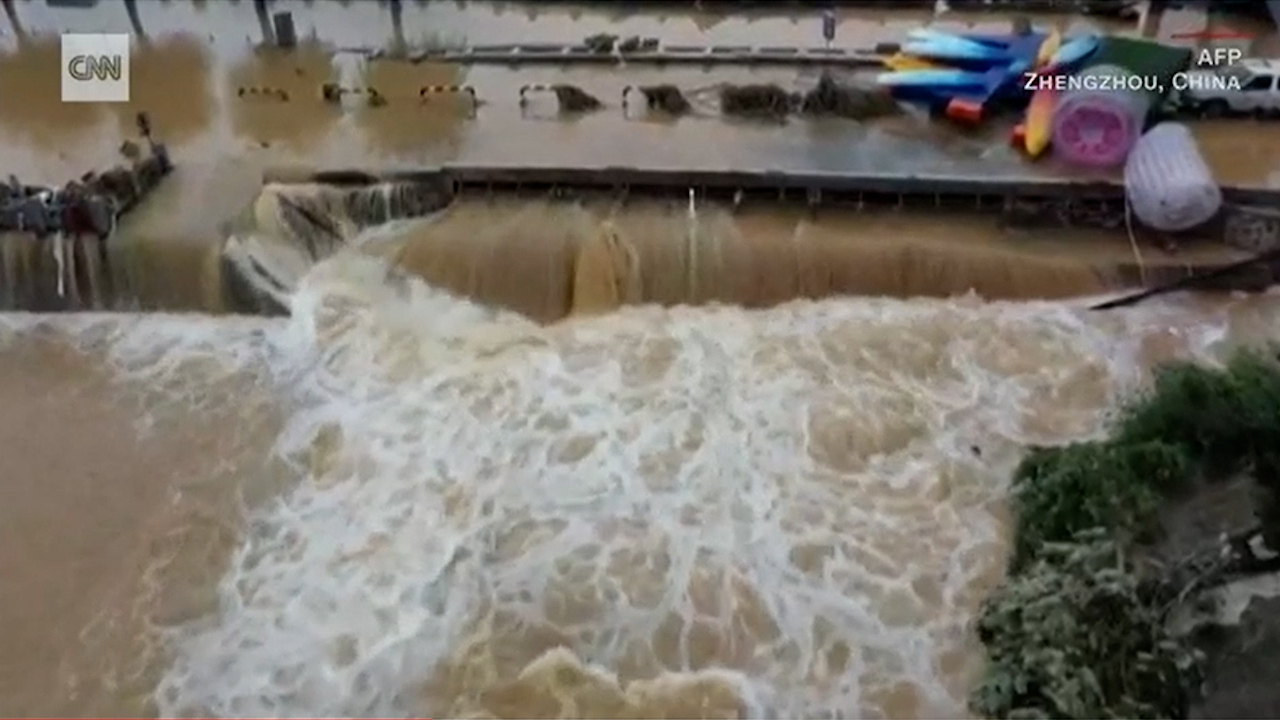
Heavy rainfall hit the province of Henan on July 20, causing flooding in numerous towns and cities. Zhengzhou, the provincial capital of 12 million people, was one of the hardest- hit areas, with entire neighborhoods submerged and passengers trapped in flooded subway cars.

But scientists also eased back a bit on the likelihood of the absolute worst climate catastrophes.

The authoritative Intergovernmental Panel on Climate Change (IPCC) report, which calls climate change clearly human-caused and "unequivocal," makes more precise and warmer forecasts for the 21st century than it did last time it was issued in 2013.

Each of five scenarios for the future, based on how much carbon emissions are cut, passes the more stringent of two thresholds set in the 2015 Paris climate agreement.

World leaders agreed then to try to limit warming to 1.5C since the late 19th century because problems mount quickly after that. The limit is only a few tenths of a degree hotter than now because the world has already warmed nearly 1.1C in the past century and a half.

Under each scenario, the report said, the world will cross the 1.5C warming mark in the 2030s, earlier than some past predictions. Warming has ramped up in recent years, data shows.
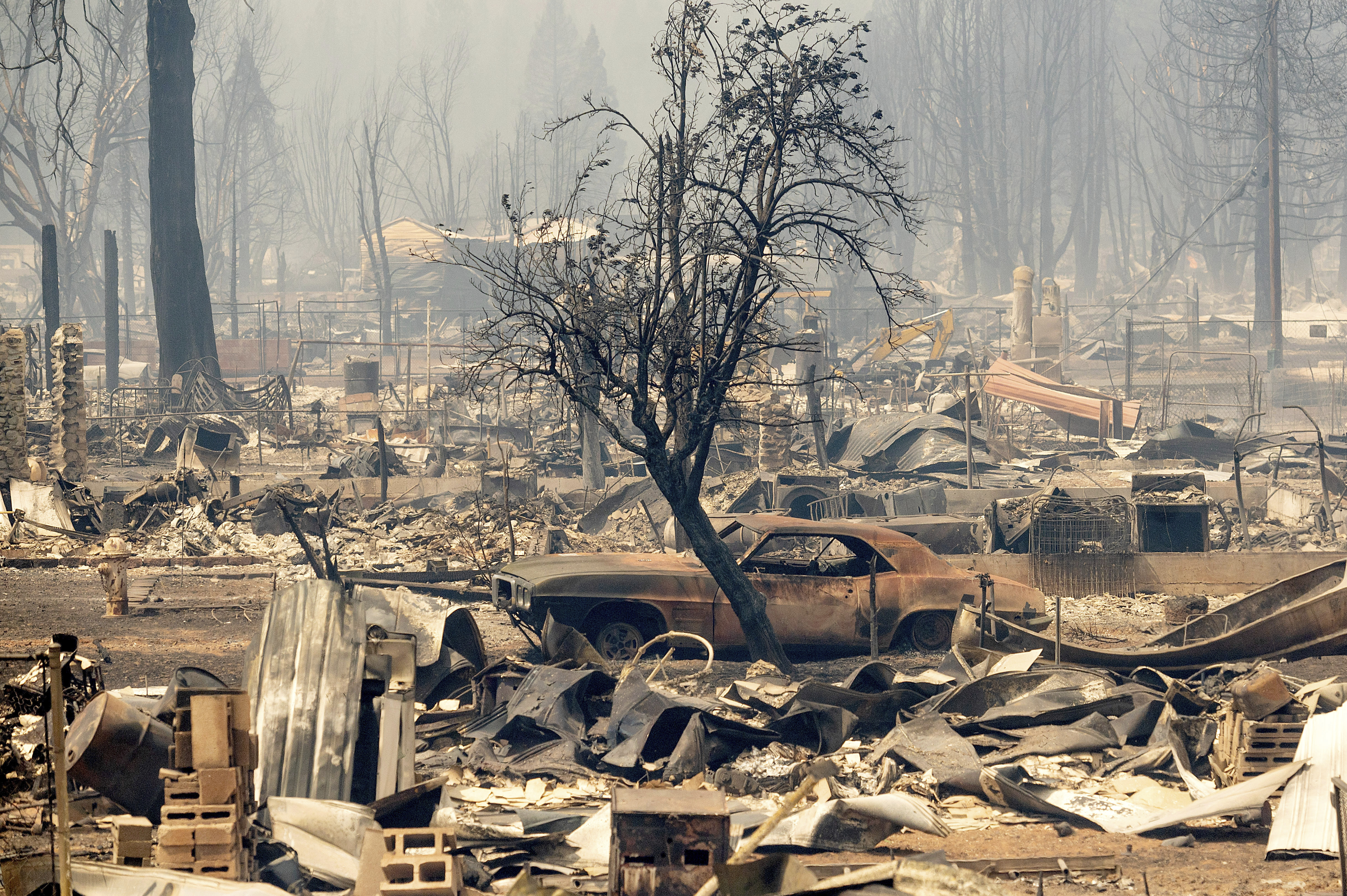
In three scenarios, the world will also likely exceed 2C over pre-industrial times — the other, less stringent Paris goal — with far worse heat waves, droughts and flood-inducing downpours "unless deep reductions in carbon dioxide and other greenhouse gas emissions occur in the coming decades," the report said.

"This report tells us that recent changes in the climate are widespread, rapid and intensifying, unprecedented in thousands of years," said IPCC Vice Chair Ko Barrett, senior climate adviser for the US National Oceanic and Atmospheric Administration. "The changes we experience will increase with further warming."

The 3000-plus-page report from 234 scientists said warming is already accelerating sea level rise, shrinking ice and worsening extremes such as heat waves, droughts, floods and storms. Tropical cyclones are getting stronger and wetter, while Arctic sea ice is dwindling in the summer and permafrost is thawing. All of these trends will get worse, the report said.

For example, the kind of heat wave that used to happen only once every 50 years now happens once a decade, and if the world warms another degree, it will happen twice every seven years, the report said.

As the planet warms, places will get hit more not just by extreme weather but by multiple climate disasters that occur simultaneously, the report said. That's like what's now happening in the Western US, where heat waves, drought and wildfires compound the damage, Ms Mearns said.

Some harm from climate change — dwindling ice sheets, rising sea levels and changes in the oceans as they lose oxygen and become more acidic — are "irreversible for centuries to millennia," the report said.

The world is "locked in" to 15 to 30 centimetres of sea level rise by mid-century, said report co-author Bob Kopp of Rutgers University.

Nearly all of the warming that has happened on Earth can be blamed on emissions of heat-trapping gases such as carbon dioxide and methane. At most, natural forces like the sun or simple randomness can explain one- or two-tenths of a degree of warming, the report said.

The report described five different future scenarios based on how much the world reduces carbon emissions. They are: a future with incredibly large and quick pollution cuts; another with intense pollution cuts but not quite as massive; a scenario with moderate emissions; a fourth scenario where current plans to make small pollution reductions continue; and a fifth possible future involving continued increases in carbon pollution.

In five previous reports, the world was on that final hottest path, often nicknamed "business as usual." But this time, the world is somewhere between the moderate emissions path and the small pollution reductions scenario because of progress to curb climate change, said report co-author Claudia Tebaldi, a scientist at the US Pacific Northwest National Lab.

In a way, the world can stay at the 1.5-degree threshold with extreme and quick emission cuts, but even then, warming would hit 1.5 degrees in a decade, rise a tad and then come back down, said co-author Maisia Rojas Corrada, director of the Centre for Climate and Resilience Research in Chile.

While calling the report "a code red for humanity," United Nations Secretary-General Antonio Guterres kept a sliver of hope that world leaders could still somehow prevent 1.5 degrees of warming, which he said is "perilously close."

"Anything we can do to limit, to slow down, is going to pay off," Ms Tebaldi said. "And if we cannot get to 1.5, it's probably going to be painful, but it's better not to give up."

In the report's worst-case scenario, the world could be around 3.3C hotter than now by the end of the century. But that scenario looks increasingly unlikely, said report co-author and climate scientist Zeke Hausfather, climate change director of the Breakthrough Institute. Both extremes are looking less likely, he said.

"We are a lot less likely to get lucky and end up with less warming than we thought. We won't be able to meet Paris Agreement goals without rapid near-term reductions in our emissions," Mr Hausfather said. "At the same time, the odds of ending up in a much worse place than we expected if we do reduce our emissions are notably lower."

The report said ultra-catastrophic disasters, commonly called "tipping points," like ice sheet collapses and the abrupt slowdown of ocean currents are "low likelihood" but cannot be ruled out. The much talked-about shutdown of Atlantic ocean currents, which would trigger massive weather shifts, is something that's unlikely to happen in this century, Mr Kopp said.

The report "provides a strong sense of urgency to do even more," said Jane Lubchenco, the White House deputy science adviser.

In a new move, scientists emphasised how cutting airborne levels of methane, a powerful but short-lived gas that has soared to record levels, could help curb short-term warming.

More than 100 countries have made informal pledges to achieve "net zero" human-caused carbon dioxide emissions sometime around mid-century, which will be a key part of climate negotiations this fall in Scotland. The report said those commitments are essential.

"It is still possible to forestall many of the most dire impacts," Ms Barrett said.
China's wandering elephants may finally be heading home

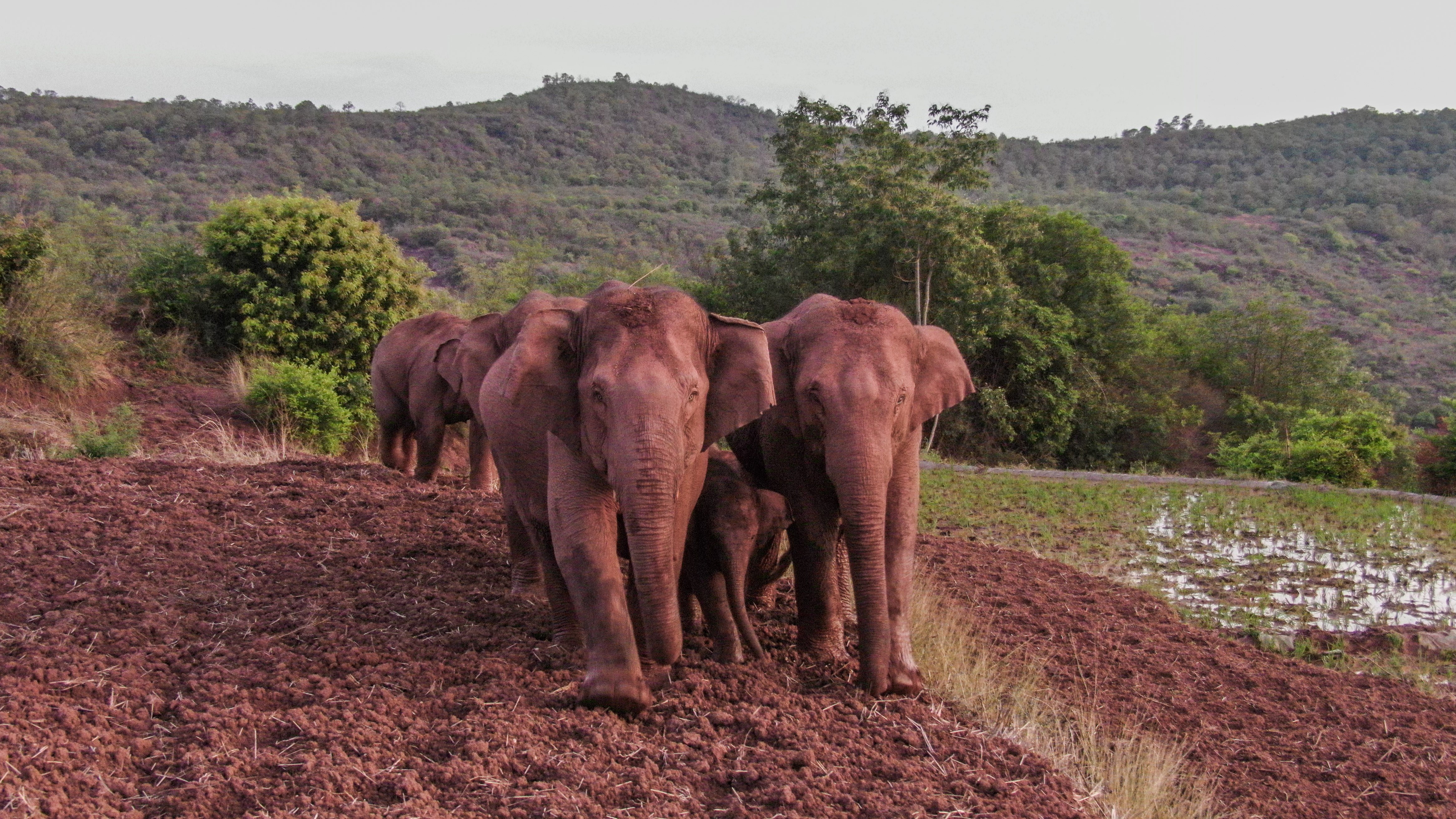
An elephant herd that fascinated locals and people around the world by making a year-long journey into urbanised southwest China, raiding farms and even a retirement home for food, appears to finally be headed home.

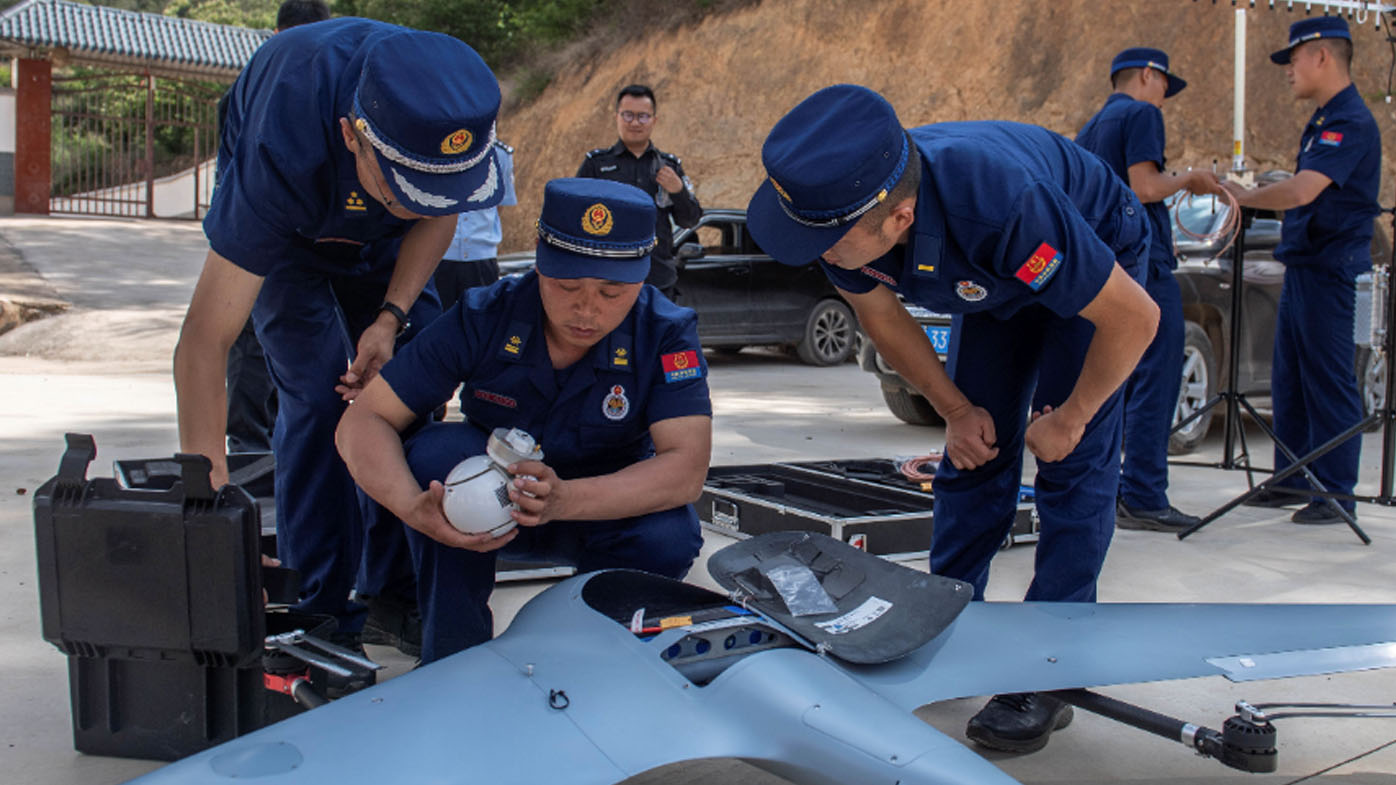
Local authorities have deployed trucks, workers and drones to monitor the elephants, evacuated roads for them to pass safely and used food to steer them away from populated areas. Despite their entrance into villages and a close approach to the Yunnan provincial capital of Kunming, no animals or humans have been injured.

LIVE UPDATES: Potential for Moderna to be used to vaccinate teenagers

READ MORE: China elephant herd take adorable nap after 500 kilometre trek

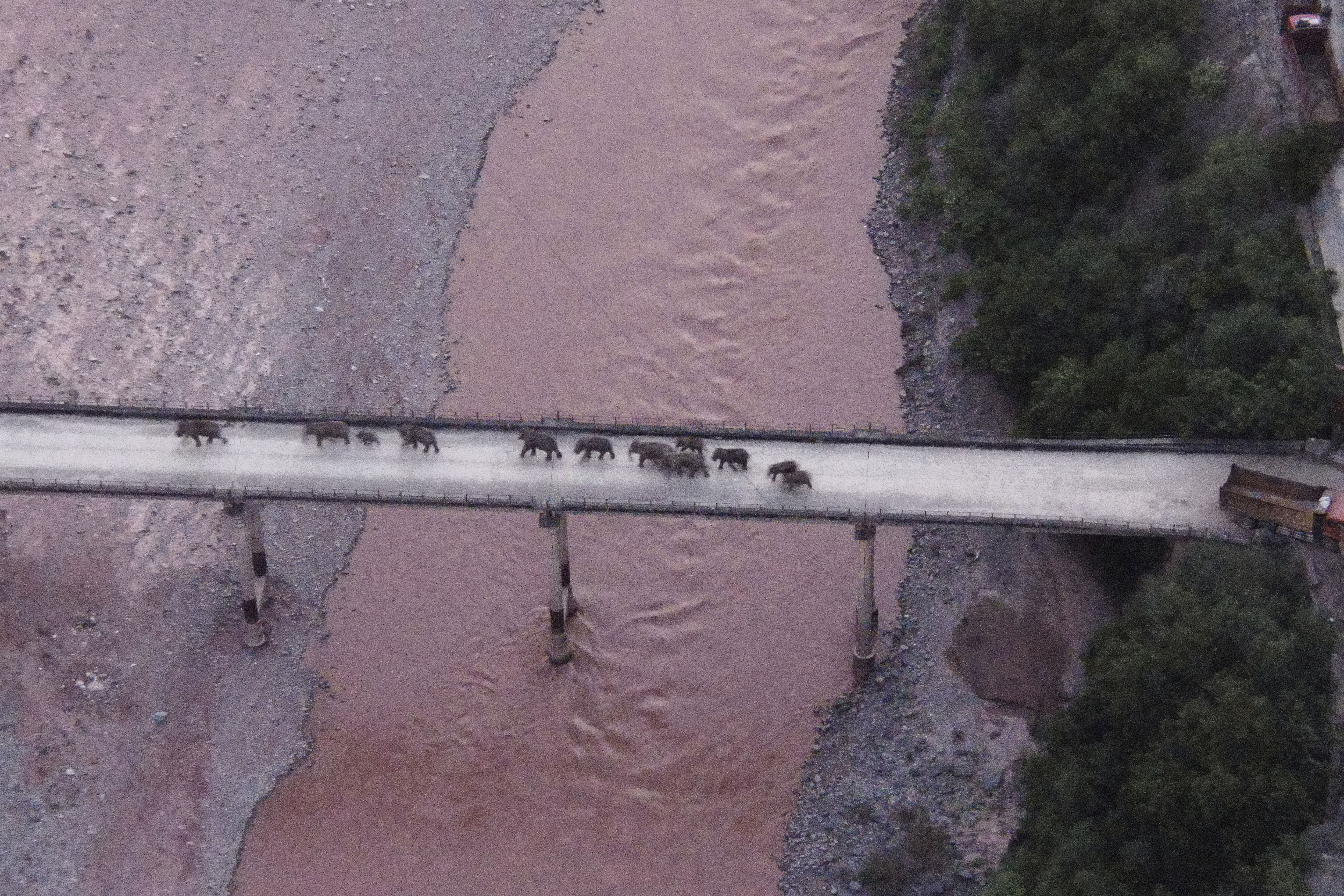
The 14 Asian elephants of various sizes and ages were guided across the Yuanjiang river in Yunnan last night and a path is being opened for them to return to the nature reserve where they lived in the Xishuangbanna Dai Autonomous Prefecture.

The elephants left the reserve more than a year ago for unknown reasons and roamed more than 500 kilometres north. After reaching the outskirts of Kunming, a centre for business and tourism, they turned south again, but still are far from the reserve.

One male that separated from the herd was subsequently tranquilised and returned to the reserve.

Asian elephants are among the most highly protected animals in China and their population has grown to around 300, even while their habitat has shrunk because of expanded farming and urban growth.

READ MORE: China's wandering elephants becoming international stars

As of last night, the herd was still in Yuanjiang County, approximately 200 kilometres from the reserve.

However, the National Forestry and Grassland Administration said the animals were in a “suitable habitat” after crossing the river.

A notice issued by provincial government said the herd's progress was significant and it would continue to work on getting the elephants back in their natural habitat soon.

Australia to expand use of coronavirus rapid antigen tests

Australia will expand the use of rapid testing for coronavirus, officials have announced.

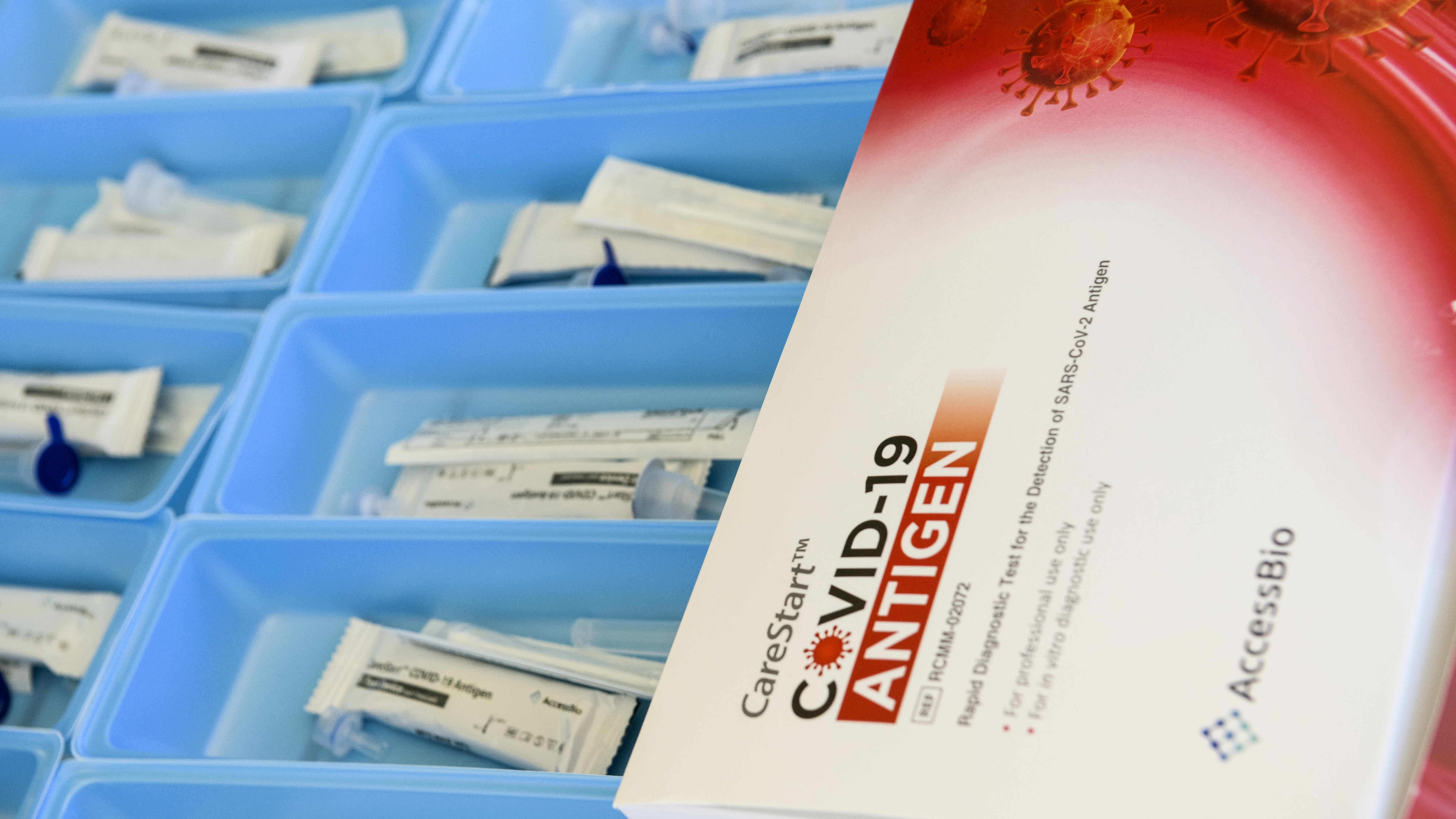
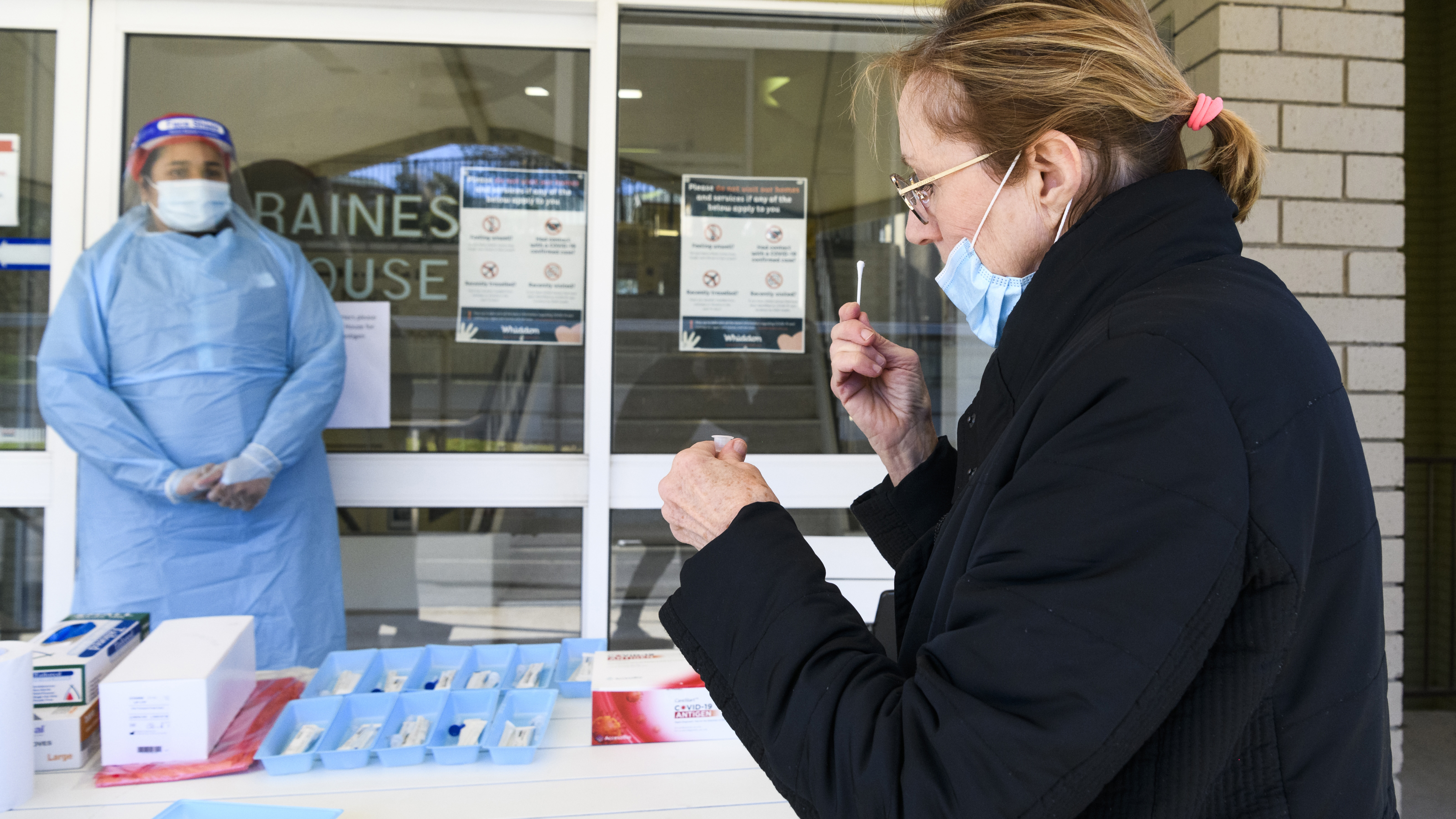
The fast-turnaround rapid antigen tests, which are used in many other parts of the world, give results in just minutes.

Therapeutic Goods Administration (TGA) leader Professor John Skerritt said a trial has been done in aged care homes.

Some businesses, such as Commonwealth Bank, have also used the tests in Sydney hotspots.

READ MORE: Moderna vaccine provisionally approved in Australia

A rapid COVID-19 test.

While they are not quite as accurate as the regular tests known as PCR tests, they do have a high degree of accuracy.

If people test positive, they can then go and have a PCR test.

"As many of you know these are not the gold standard PCR test, but they are a useful adjunct," Professor Skerritt said.

"We're working on wider availability of these tests, but clearly, there are a range of things that have to be resolved such as collection and recording of the data.

A worker at Whiddon Easton Park Age Care facility in Sydney uses a rapid test.

"We are working on a number of things such as can these tests be used more widely, but clearly, recording of data and making people go and have that positive test and making sure the tests are used at the appropriate time.

"They work most reliably when there is a concentration of positive cases or when you're immediately infectious.

"We expect while they will never replace a PCR test, they will continue to have an increasing role in testing for Covid-19 infection."

Professor Skerrett also announced the provisional approval of the Moderna coronavirus vaccine in Australia.