Tag Archives: oceania

'We are not bringing back JobKeeper': Frydenberg quashes NSW's plea

A New South Wales request to have JobKeeper reinstated amid the current lockdown has been rejected by Treasurer Josh Frydenberg.

Speaking today after a meeting with leaders of the business community, Mr Frydenberg said despite NSW Treasurer Dominic Perrottet's plea, JobKeeper will not be brought back but those affected by the Sydney coronavirus outbreak will have other financial support available to them.

"We are not bringing back JobKeeper," Mr Frydenberg said.
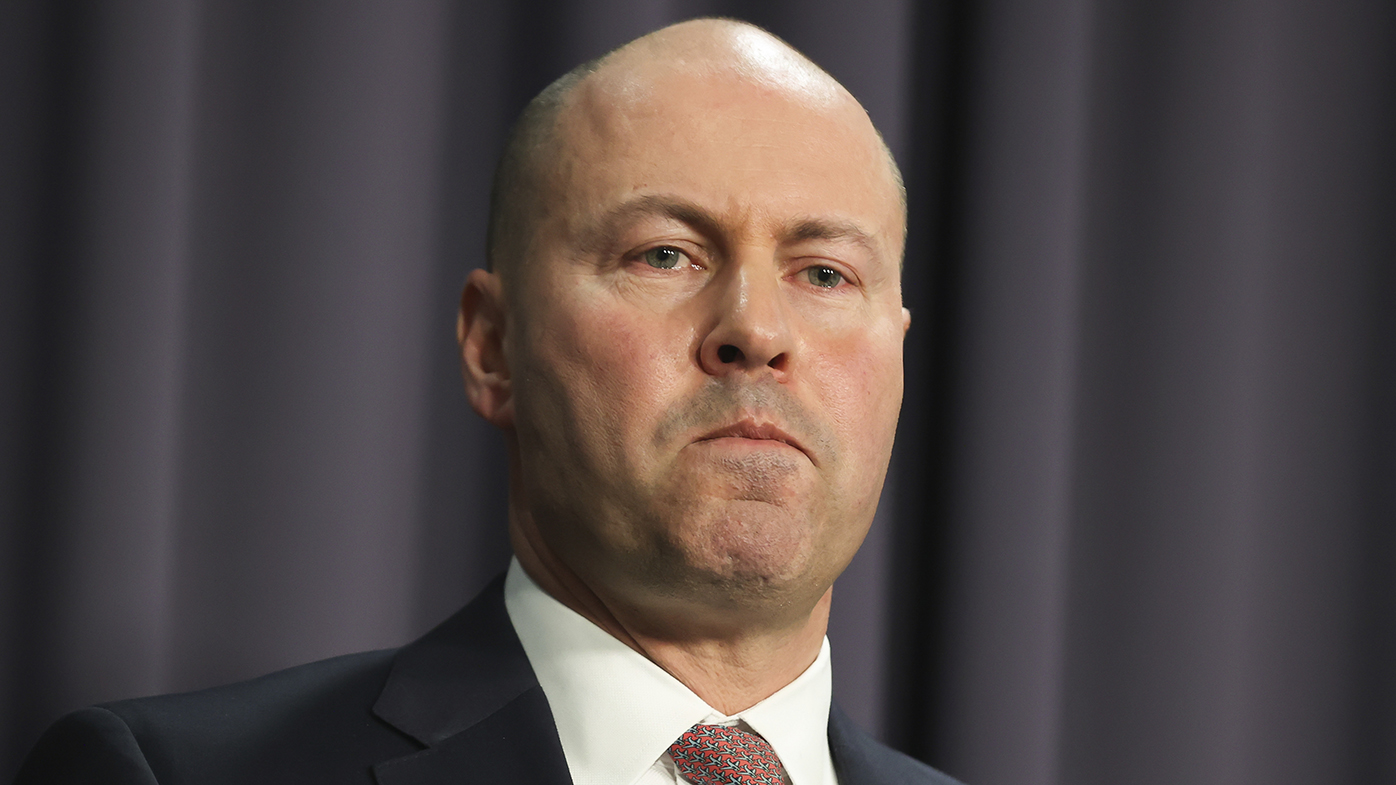
Treasurer Josh Frydenberg rejected a request to bring JobKeeper back in NSW.

READ MORE: Sydney lockdown extended by one week, 27 new COVID-19 cases

The Federal Government will, however, provide NSW with "the same support" Victoria received a few weeks ago through the COVID-19 Disaster Payment.

"The payments of $500 and $325 are available," he said.

Mr Frydenberg met some of Australia's most powerful business leaders today to discuss how the private sector can help deliver vaccine doses.

The Federal Government has considered allowing big businesses in the private sector to help deliver the COVID-19 jab, as seen with flu vaccines.

"It was agreed by all members present that businesses will write to all the workers about the importance of being vaccinated, and in some cases will reach out to the customer base," Mr Frydenberg said.

"The Commonwealth will work with the business community about that particular message."

READ MORE: How to claim the COVID-19 Disaster Payment
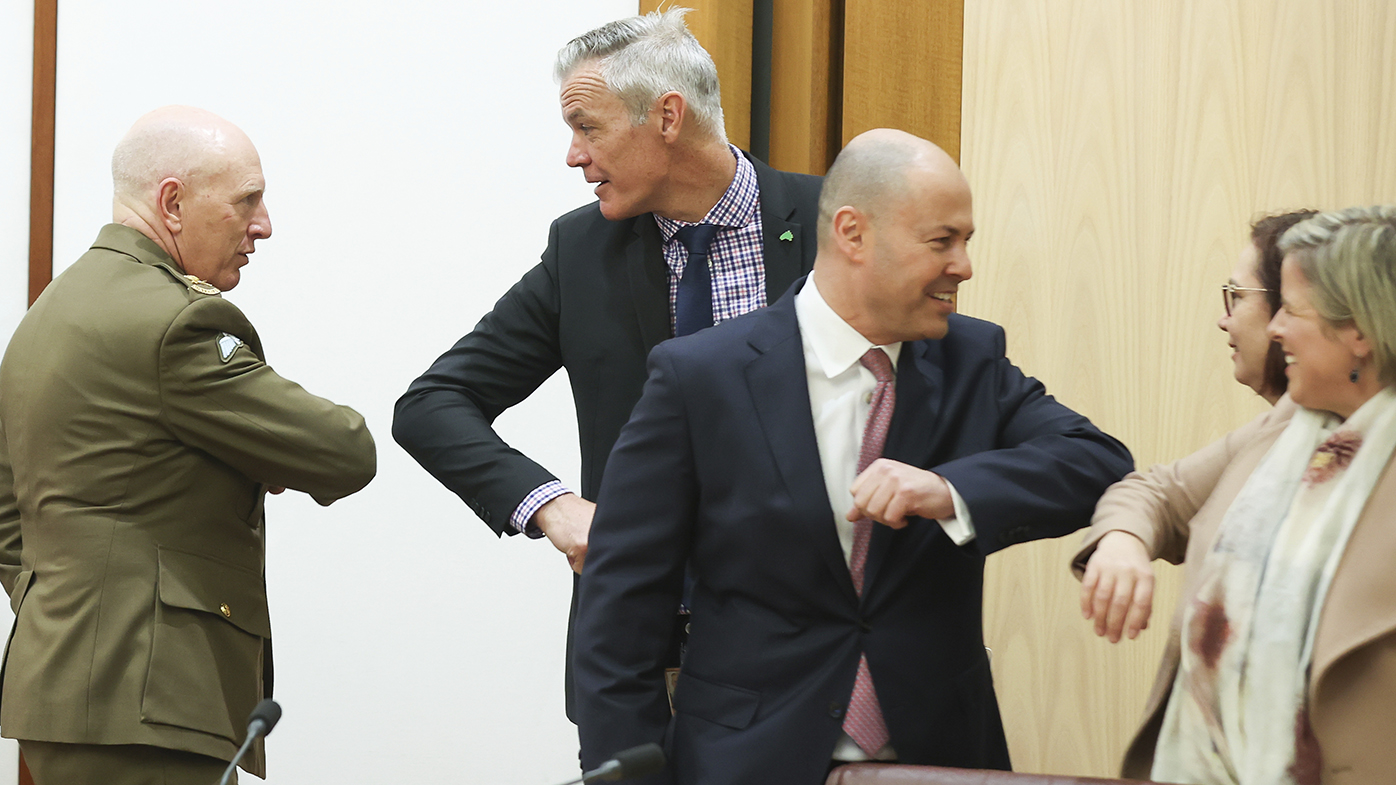
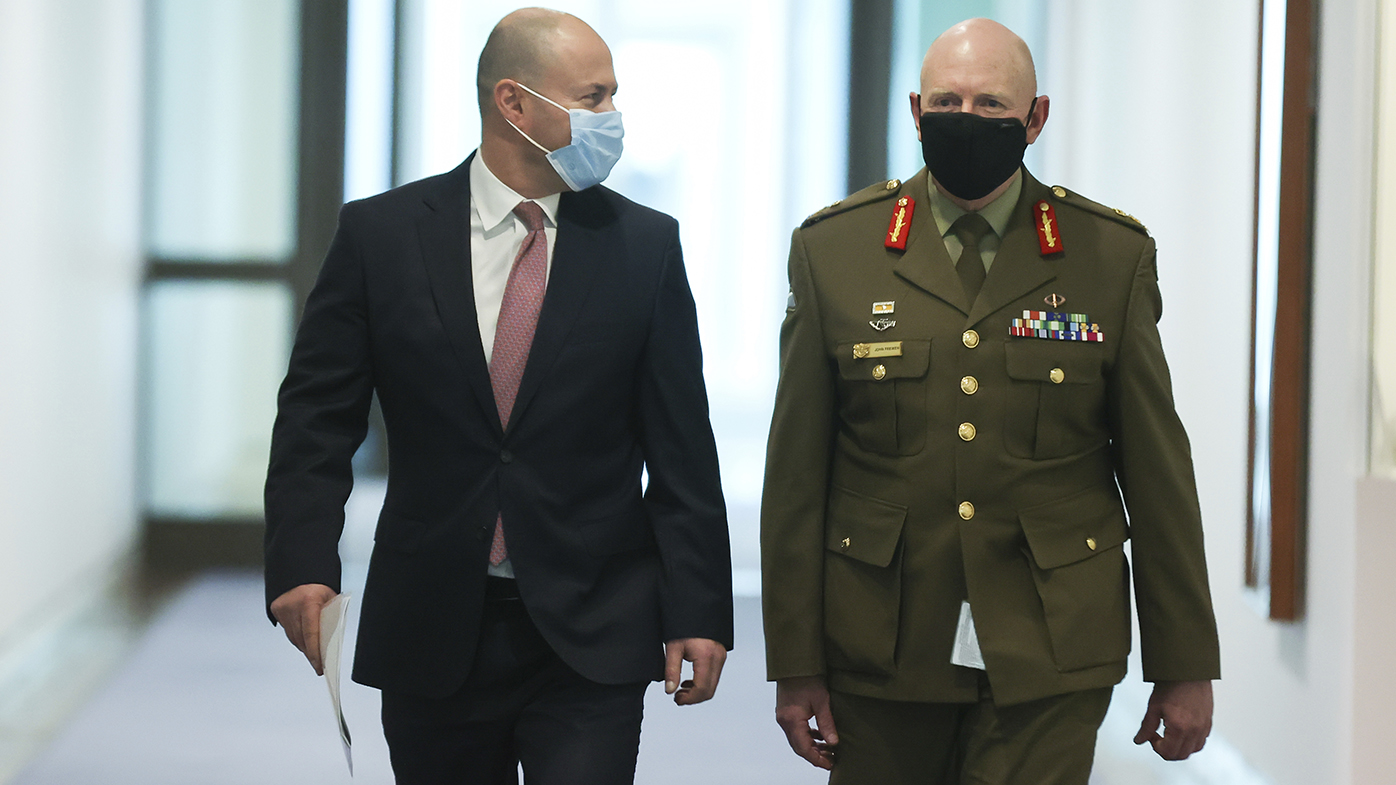
Lieutenant General John Frewen, Tony Mahar from the National Farmers' Federation, Treasurer Josh Frydenberg , Tania Constable from the Minerals Council of Australia and Denita Wawn from Master Builders Australia during a roundtable meeting with business leaders to discuss the vaccine rollout.Treasurer Josh Frydenberg and COVID-19 Taskforce Commander, Lieutenant General John Frewen arrive for their press conference at Parliament House today.

The Treasurer added that premises such as Bunnings and Officeworks were put forward as potential vaccination centres, and incentives for vaccinated people were also discussed.

"It was a constructive and productive meeting," he said.

The Treasurer refuted questions about why business leaders have only just become involved in the conversation about rolling out the vaccine.

READ MORE: More than 100 students at Sydney private school given Pfizer vaccine

"But with respect to today, it was about accelerating that involvement commensurate with the acceleration in the vaccine rollout," he said.

"And as more supply comes on board, businesses can play a greater role.

"And, of course, their advocacy about the importance of getting the jab is going to be vital."

Mr Frydenberg said business involvement will be increasingly important later in the year when more vaccines are available.

Australian Industry Group CEO Innes Willox told Today businesses would need an indemnity similar to doctors and drug companies, protecting them from any adverse effects of the vaccines.
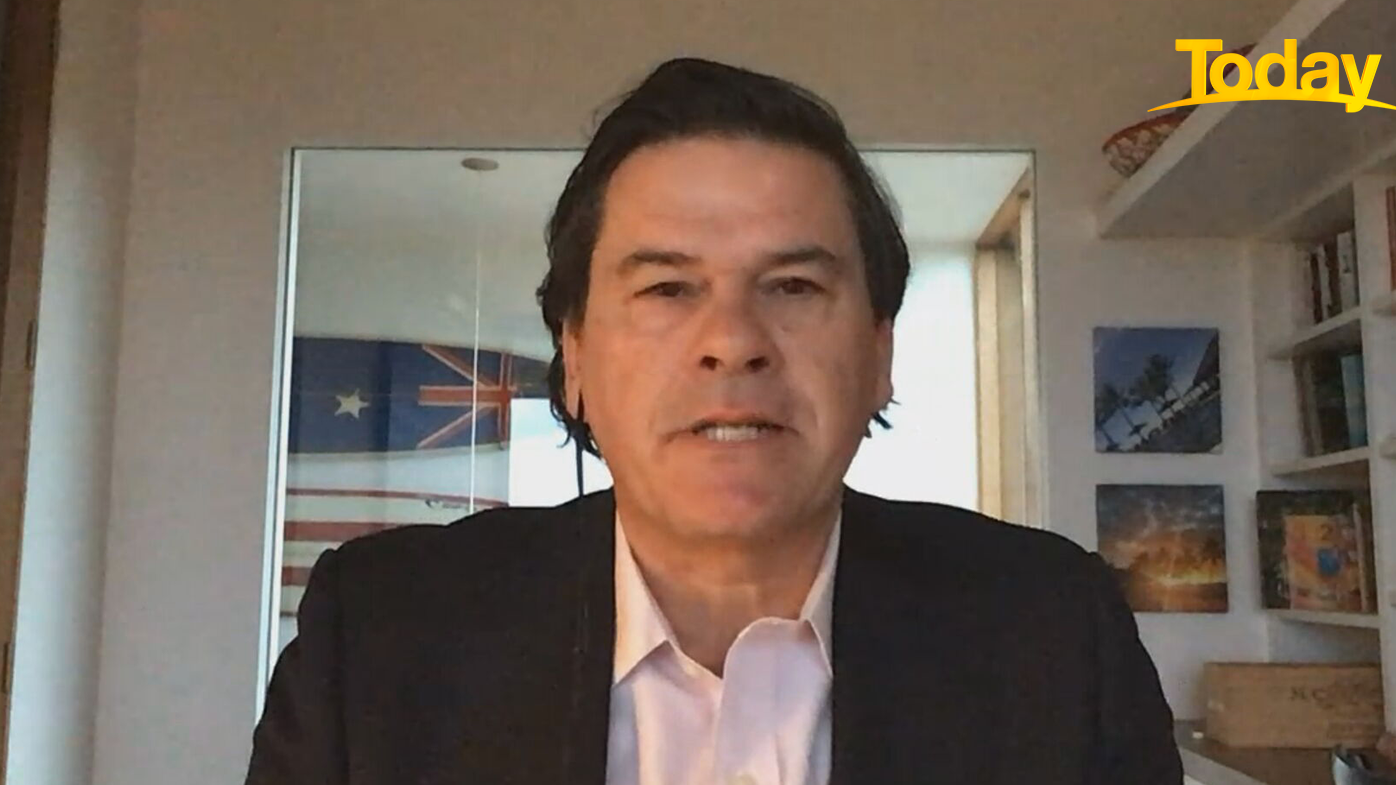
Australian Industry Group Chief Executive Innes Willox says the legal issues around mandating the coronavirus jab could pose a challenge for employers.

"If we want to speed up the rollout once we have the supply, this is the best way of doing it," he said.

"Hopefully this is the beginning of being able to rollout vaccines through workplaces, just like the flu."

The meeting, which will include representatives from major Australian mining and banking companies, was held two days after GPs were given the green light to deliver the Pfizer vaccine to patients aged 40-59.

"We think it's important that businesses have a greater role in the vaccine rollout, that business centres become vaccination centres," Mr Willox said.

READ MORE: Concern new Lambda variant could be resistant to vaccines

"It's a really strong opportunity to put forward businesses concerns around the vaccine rollout and provide advice around a path forward.

He said the coronavirus jab needed to be approached in the same way as flu vaccinations.

"Businesses have to have the supply, they have to have a nurse available to administer it, of course, they need to have all the legal supports that they need to become vaccination centres," Mr Willox said.

"If we want to get back to something that looks like the old normal, we have to speed this up.

"Workplaces are where people congregate and businesses stand ready."

The move hinges on having more supply, with 40 million doses of Pfizer set to hit Australian shores in October.
How the UK is opening up in the face of 100,000 daily cases

In 12 days, England will head into "uncharted territory", lifting national coronavirus restrictions despite bracing for up to 100,000 new cases each day in the months ahead.

In Australia, where lockdowns are frequently imposed on single and low double-digit cases, many will find the UK strategy alien and remarkable.

Sydney has just extended a two-week lockdown by at least another seven days, after recording 164 cases in the last week. That's an average of 23 cases each day.

Lockdowns in Australia will continue to be a key weapon to fight the coronavirus until more people are fully vaccinated.

READ MORE: Not a race? The graphs that rank Australia dead last

More than 34,000 Aussies remain stranded abroad, unable to come home or visit dying loved ones, because of locked borders and rare-as-hen's-teeth flights which now attract astronomical five-figure prices.

Meanwhile, the UK government is opening up England on July 19, even though its data modelling is predicting daily case numbers could hit 50,000 and even spike to 100,000.

Just over 64 per cent of the UK population has been fully vaccinated, according to latest government figures, compared to Australia's 7.4 per cent, one of the worst rates in the developed world.

What all this means, according to Stephen Duckett, the former secretary of the Department of Health, is that Australia is fighting a new coronavirus war with old COVID-19 weaponry.

"As is universally acknowledged," he said, "the Australian rollout has been a complete and utter trainwreck.

"We started slowly, which in and of itself is not a bad thing.

"But then we didn't actually implement it well.

"And so we are at the bottom of any international league table in terms of proportion of the population fully vaccinated.

"In terms of policy and the public health response to COVID, we're still in 2020. We haven't moved into 2021.

"Other countries, like the UK, have moved into 2021, high rates of vaccination and so on, where we're still in 2020, with essentially very, very low rates of vaccination."

As indicated by Sydney's extended lockdown, Mr Duckett said, Australian states and territories are left with one option – test, trace and isolate.

"We have to continue with lockdowns and restrictions, because we haven't got the vaccination rates up."

In stark contrast, this week UK Prime Minister Boris Johnson said the "continuing effectiveness" of the vaccine rollout in England allowed it to consider loosening restrictions, rather than tightening them, as cases rise.

From July 19, masks will no longer be mandatory.

There will be no limit on capacity in pubs and restaurants, and guidance urging people to work from home if they can will be scrapped.

Tomorrow, Wembley Stadium will be filled with 60,000 football fans to watch England play Denmark.

Next week, hundreds of thousands of school children in Greater Sydney will begin term three in online classes from home.

"The UK is in a very different situation from Australia," Mr Duckett said, because of the huge differences in vaccination rates.

"They're in a situation where, for most people, and particularly for people over 60, if they do get infected with coronavirus, there will not be a hospitalisation or death.

"That is what the vaccines have been designed to do," he said, saying that "even though there are a large number of cases (in the UK), the hospitalisation rates and the death rate is quite low."

READ MORE: Dutch crime reporter shot, badly wounded in Amsterdam street

The UK is expecting a third wave of COVID-19, where the Delta variant will be dominant, to have lower rates of hospitalisations and deaths because of vaccinations, British health secretary Sajid Javid said.

Signalling their confidence in the vaccine, from August 16, people and children in England who have been fully vaccinated will no longer have to self-isolate after close contact with someone who tests positive for COVID-19.

"Because this is uncharted territory for any country in the world, as you go further out, week by week, the projections are even less reliable," Mr Javid said, explaining the government was bracing for high daily numbers.

"As we ease and go into the summer, we expect them to rise.

"They could go as high as 100,000.

"We want to be very straightforward about this in what we can expect in terms of case numbers. But what matters more than anything is hospitalisation and death numbers."

Mr Duckett said he was not convinced the UK should be opening up quite so quickly, but he "understood the logic of the decision" they've made.

'It's in the walls': Woman's crippling mould health battle

Caroline Bowman was planning a fresh start when she moved into her new rental home in Windsor, on the outskirts of north-western Sydney.

Having previously started a legal service diploma at TAFE, she was going to pick up her studies again.

The three-bedroom public housing property had just been painted and seemed to match her outlook.

READ MORE: Former TV presenter left homeless after becoming sick in 'toxic' rental property

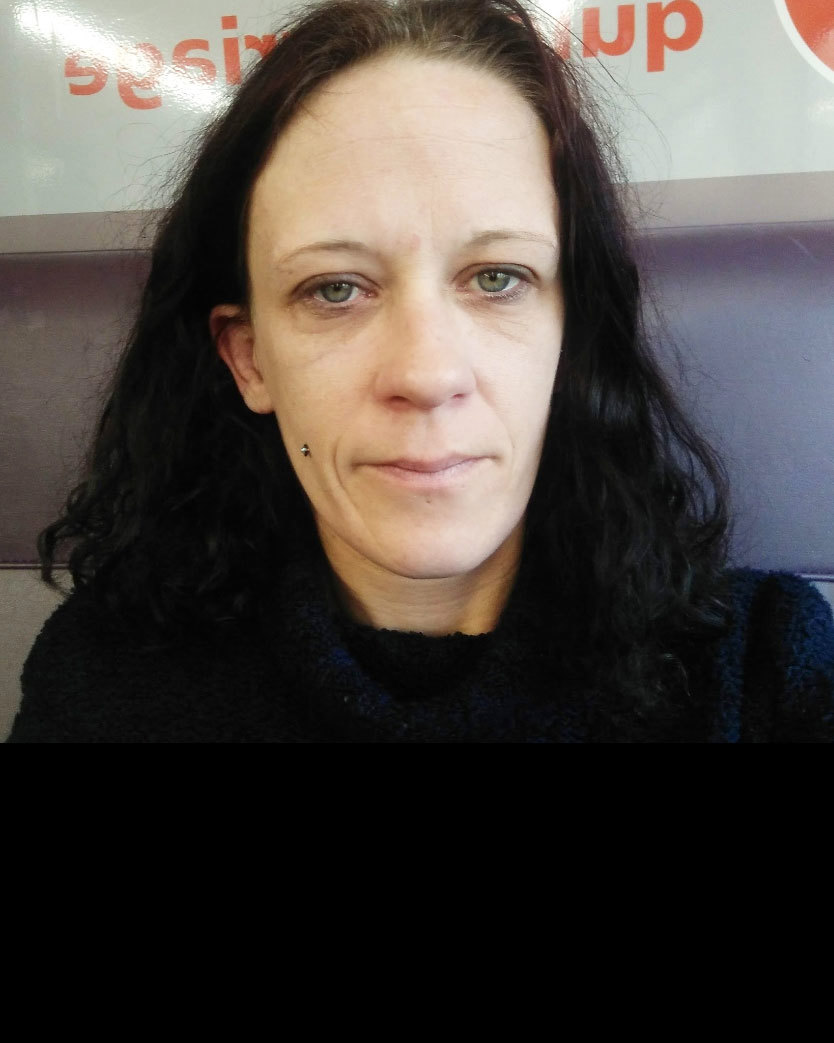
Caroline Bowman says moving into a water-damaged home left her with a crippling health battle she is yet to completely recover from.

"You could smell the fresh paint," she said.

"It looked like they had put new carpet down as well; it seemed pretty good."

That was back in 2015.

Ms Bowman never got a chance to pick up her studies again.

A few weeks after moving into the property she fell mysteriously ill and has been battling multiple chronic illnesses ever since.

She would eventually be diagnosed with chronic inflammatory response syndrome (CIRS), a controversial condition with some similarities to lyme disease, thought to be brought on by exposure to mould.

But it was years before Ms Bowman connected the mould in her home to her failing health.

Ms Bowman, said she was fit and healthy when she moved into the property at the age of 33.

"I was fine when I moved in, but within weeks I was just feeling really sick," she said.

"I had all these infections, sinus and chest infections, that I kept going back to the doctor for.

"I was diagnosed with asthma. I lost my appetite and lost about 15kg. I just had this really deep ache where I couldn't do anything."

READ MORE: Bank executive speaks out about crippling effects of mould

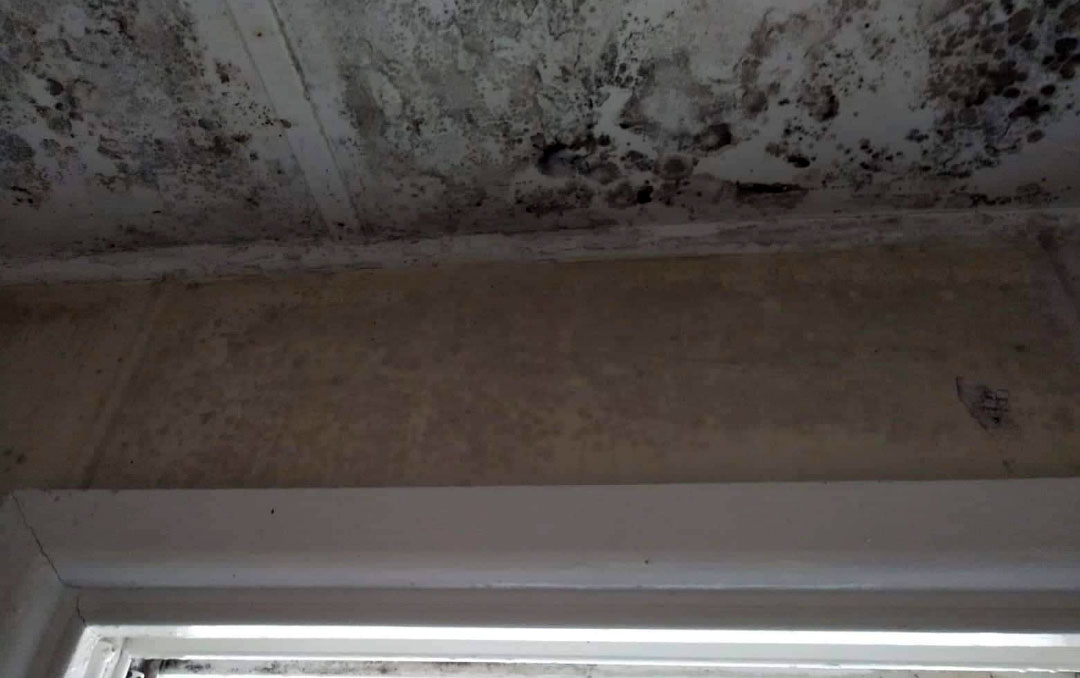
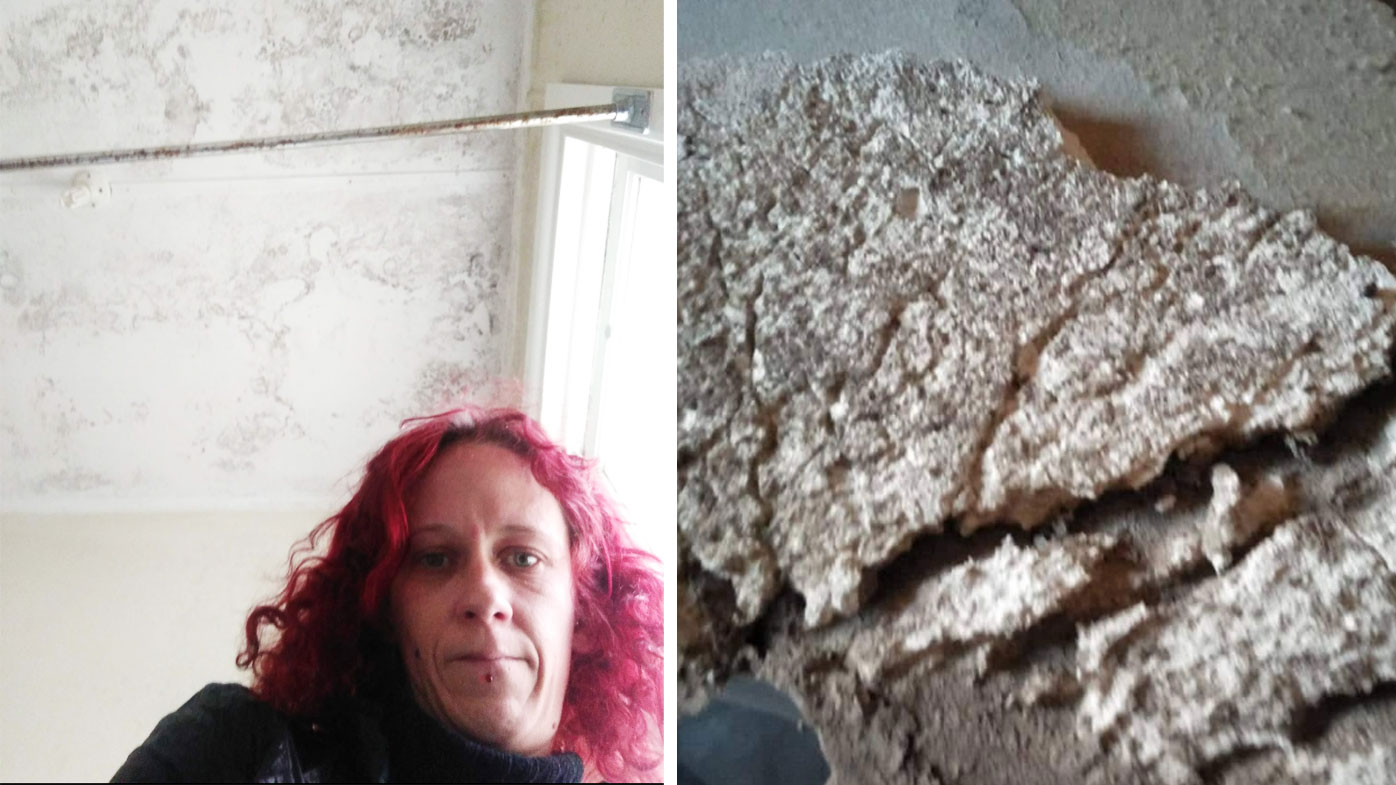
The bathroom ceiling of Ms Bowman's public housing rental was covered in mould.

Ms Bowman said she remembered going to the doctor for a particularly bad earache.

"The doctor took a swab and there was aspergillus mould inside my ear," she said.

She had started to notice mould growing on the freshly painted ceiling of her bathroom a few months after she moved in.

"Soon, the whole ceiling was covered in mould, it was horrible," she said.

"At one point I was cleaning the wall and I noticed it was a bit wobbly when I wiped it. I poked it and it made a hole. It was growing inside the walls. They were black."

But Ms Bowman said she still didn't really connect her illness with the mould because of the brain fog she was experiencing, a symptom commonly attributed to CIRS.

Ms Bowman said the doctors she was seeing were quick to prescribe her with antibiotics for her infections but then referred her to a psychologist who put her on antidepressants in a bid to treat her other symptoms.

"I was sure something was physically wrong though, and eventually I happened to show one of the doctors a photo of the mould in the bathroom.

"She was horrified, she said, 'Is that your bathroom of the house that you're living in?'" Ms Bowman said.

Clinical guidelines for GPs underway

The experiences of Australians with mould or biotoxin-related illnesses, including CIRS, was the subject of a parliamentary inquiry in 2018.

The inquiry was spearheaded by Liberal MP Lucy Wicks who was herself diagnosed with CIRS after her Gosford home was damaged by water during a storm.

A clear picture was painted during the inquiry of the devastating impact mould-related illnesses could have, the committee's chair, Liberal MP Trent Zimmerman, said at the time.

"CIRS is not a syndrome broadly recognised by health experts in Australia yet the committee heard heartbreaking evidence from individuals who suffer from multiple and often severely debilitating symptoms which they linked to mould exposure," Mr Zimmerman said.

"Often the symptoms have ruined lives, making employment and normal social interactions near impossible.

"We owe it to those Australians to do more to ensure their very real health needs are better understood and treated."

READ MORE: The 'mould avoiders' going to extreme lengths to treat chronic illness

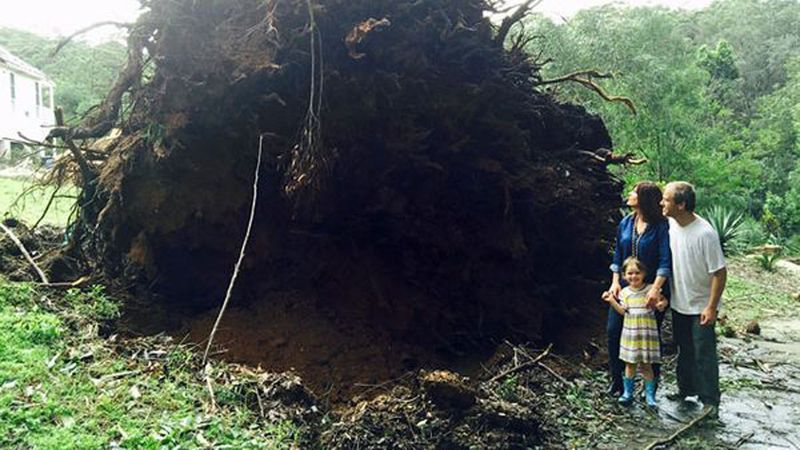
Liberal MP Lucy Wicks' home became water damaged after an 80m blackbutt tree crashed into the roof during a storm.

The inquiry's report called for clinical guidelines to be developed for GPs and medical practitioners to better diagnose mould-related conditions.

The Federal Government did not formally respond to the inquiry's report until 18 months later in March 2020, when Australia was in the grips of its first wave of COVID-19.

However, the Health Department has recently moved to act on some of the recommendations.

A spokesperson for the department confirmed to nine.com.au that a biotoxin-related illnesses advisory committee (BIAC) is in the process of being formed.

"The committee will review current treatments and develop general clinical guidelines to support the management of patients presenting with complex illnesses that are difficult to diagnose, such as biotoxin-related illnesses," the spokesperson said.

The committee is expected to complete its work by the end of next year and its members will include medical and health experts as well as consumer representatives.

Caleb Rudd, who helps run the Toxic Mould Support Australia Facebook group, which has more than 8500 members, told nine.com.au he had been invited by the Health Department to become a member of the committee.

Mr Rudd said the 2018 inquiry had been a "watershed moment" leading to increased awareness about mould-related illnesses.

It was encouraging to now see some movement from the government on the issue, he said.

"I'm hoping this will lead to a fair review of the science and an acknowledgement that there is quite a bit of literature about these chronic CIRS-like illnesses," Mr Rudd said.

"Mould illness is not just an allergy and respiratory illness.

"This could help get the message out there that there can be these more chronic health conditions being caused by water damaged buildings."

In its submission to the inquiry, the Royal Australian College of Physicians said not enough research had been done for CIRS to be used as a diagnostic label.

Patients should instead be referred to as having "multiple not-readily-explained symptoms" until there was a consensus on how their illnesses could best be characterised, the RACP wrote in its submission.

There were a lot of similarities associated with CIRS and other not-readily-explainable conditions such as Chronic Fatigue Syndrome, Fibromyalgia, and Electromagnetic Hypersensitivity Syndrome, the RACP wrote.

In its response to the parliamentary inquiry's recommendations, the Federal Government acknowledged a need for more research into the links between chronic illness and mould exposure.

This led to the National Health and Medical Research Council allocating $2 million in November last year for targeted research into biotoxin-related illnesses in Australia.

'It's taken my life from me'

Ms Bowman said she struggled to get Housing NSW to take her mould problem seriously.

After spending two years in the house, Ms Bowman said she was forced to move out to live with her mother in 2017.

Ms Bowman lost 15kg after falling suddenly ill.

Ms Bowman paid for a mould assessment to be done herself, which showed up the extensive issues in the property. The house was eventually sold in 2019, after which it underwent substantial renovations.

Her recovery from CIRS was slow going, she said.

"I've noticed an improvement since moving out. I'm definitely feeling better than I was, but there's still a long way to go," she said.

Ms Bowman said as well as ongoing respiratory issues, her brain still felt foggy and she had been diagnosed with fibromyalgia, a condition associated with fatigue and memory loss.

"It's taken my life from me," she said.

Ms Bowman is now seeing an integrative Sydney GP who specialises in treating CIRS, but said the medication she had been prescribed was extremely expensive with no Medicare rebate.

Contact reporter Emily McPherson at em********@******om.au.

Protester tries to extinguish Olympic flame with water pistol

Police in Japan have charged a woman after she allegedly tried to extinguish the Olympic flame with a water pistol during the official torch run.

Kayoko Takahashi was among a packed crowd on Sunday as the torch relay came through Sinba Park, Mito, the capital of Japan's Iberaki prefecture.

In video, Ms Takahashi is shown on the sidelines of the torch relay route appearing to hold a bright water pistol.

LIVE UPDATES: All the latest breaking news on coronavirus in Australia and the world

Japan Olympic torch relay water pistolJapan Olympic torch relay water pistol

As the runner approaches, the footage appears to show the 53-year-old raise the gun and start squirting water at the naked flame while yelling: "No Olympics" and "Stop the Games".

However, the flame did not go out and the runner was not thrown off his duties.

A member of the security team accompanying the torch held up a shield to deflect the water stream and another one stopped and detained Ms Takahashi until police arrived.

READ MORE: Palaszczuk not travelling to Tokyo 'would be a disaster'

Japan Olympic torch relay water pistol

Ms Takahashi was arrested, and police say she confessed and said she was protesting the games going ahead in Tokyo amid the ongoing coronavirus pandemic.

Many in Japan are reportedly against the Olympic games going ahead, with just 14 per cent of the population fully vaccinated and concerns opening the country up to international athletes and officials could cause further spreads of coronavirus.