Tag Archives: oceania

Positive COVID-19 fragments detected in Melbourne wastewater

Residents across several inner west and north suburbs in Melbourne are being asked to remain vigilant for any coronavirus symptoms.

The fresh warning from Victoria's Department of Health comes after positive viral fragments of COVID-19 were found in a wastewater sample taken last Thursday, June 3.

"This new detection is of interest as there are currently no confirmed COVID-19 cases in that area but it does contain exposure sites and is near West Melbourne," the DHHS statement said.

READ MORE: Victoria's new lockdown extension rules explained
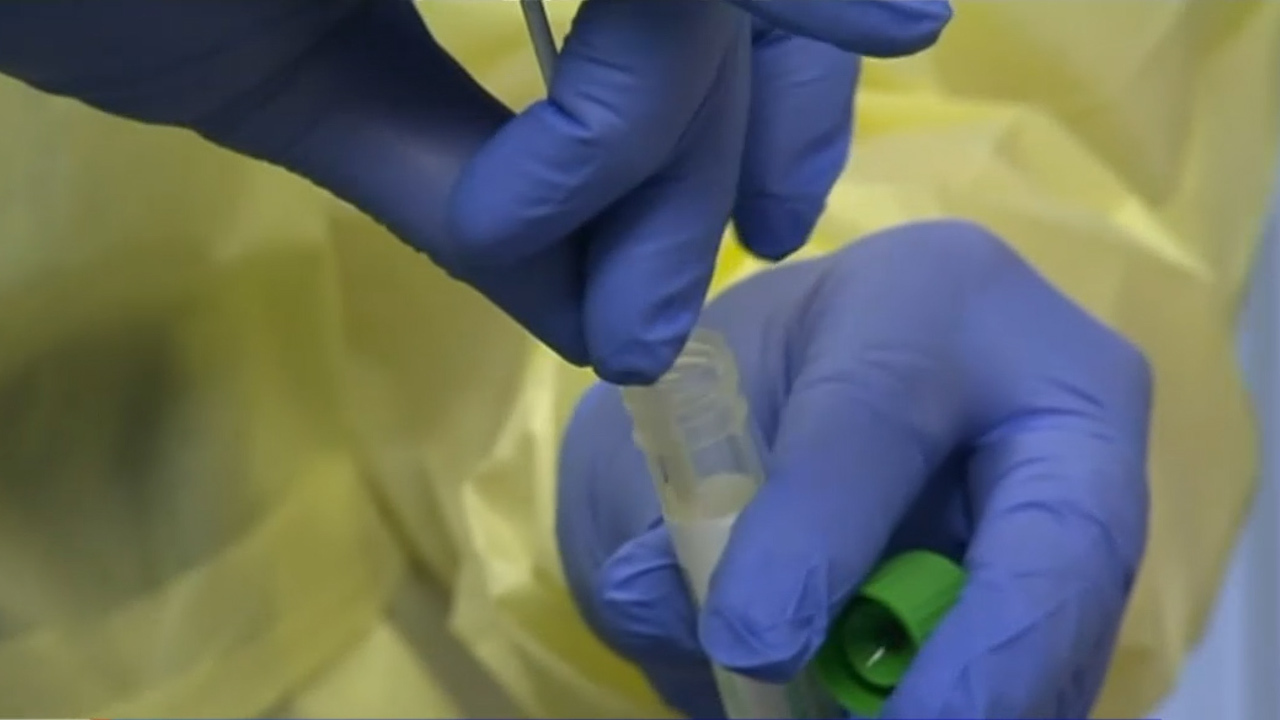
Wastewater testing

"The unexpected detections may be due to someone who has had COVID-19 that is no longer infectious continuing to 'shed' the virus or it may be due to an active but undiagnosed infectious case."

RELATED: New virus strain 'likely' from hotel quarantine breach, expert says

Residents of and any recent visitors to the following suburbs are urged to monitor for symptoms of COVID-19 and get tested if any symptoms develop: Aberfeldie, Essendon, Essendon West, Flemington, Footscray, Kensington, Maribyrnong, Moonee Ponds, Parkville and Travancore.

The state has already processed over 500,000 tests since this current outbreak began almost 14-days ago, sparking the snap-lockdowns.

https://twitter.com/VicGovDH/status/1400956637331046405?ref_src=twsrc%5Etfw

READ MORE: Where to get mental health help during Victoria's snap lockdown

The news comes after the state recorded five new cases of community transmission on Saturday, taking the state's current total of active COVID-19 cases up to 78.

Victoria's Chief Health Officer Professor Brett Sutton said the two new cases who were not primary close contacts, were linked to the exposure sites of Craigieburn Shopping Centre and Epping Plaza.

Professor Sutton urged people who attended the multiple shopping centres listed as exposure sites to get tested even if they were not symptomatic.
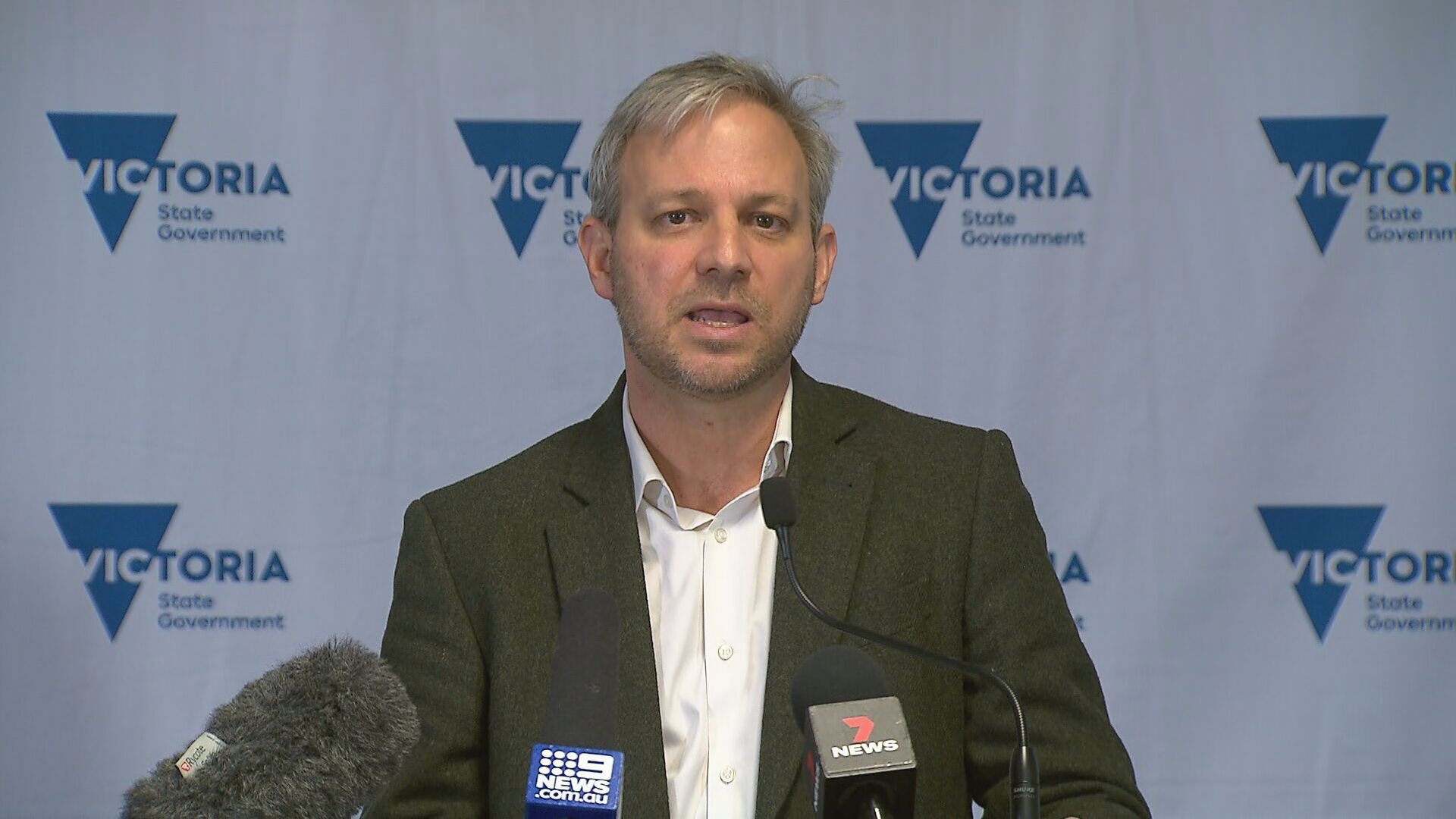
Victoria's COVID-19 response commander Jeroen Weimar said he was "so grateful" the infected person who attended the at-risk shopping centres came forward for testing.

"We have not yet formally connected the individual to the wider Whittlesea outbreak, but work and investigation is ongoing," he said.

The person's partner worked as a cleaner at a large construction site in the city, prompting 170 further workplace contacts to be placed into lockdown.

"The site is now closed and we will continue to work with them over the coming days to ensure we get those workplaces tested," he said.

Mr Weimar added the two cases were a "real priority" for health authorities over the coming days.

Builder Probuild in a statement confirmed the cleaner for a sub-contractor who worked at its construction site on the corner of Queen and Collins streets had tested positive to COVID-19.

The site was closed as of yesterday, with all workers required to get tested and isolate. Anyone who visited the site between May 31 and June 4 must also isolate.

Health officials cleared about 600 primary close contacts yesterday, with more than 100 exposure sites also soon dropping off, as the state nears the 14-day mark of the start of the outbreak.
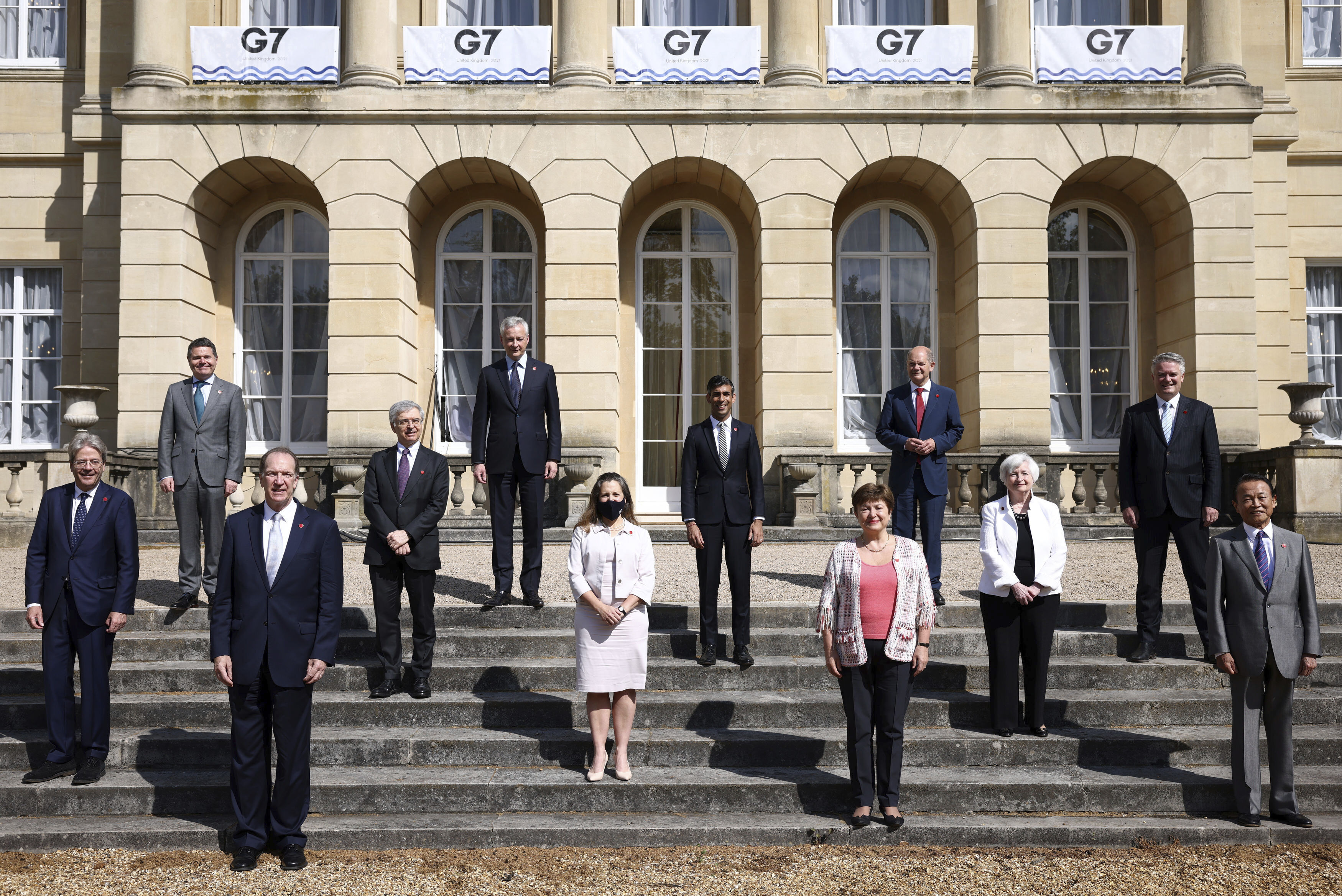

G-7 nations sign key pact to make tech giants pay fair taxes

The world's richest countries signed a landmark agreement Saturday committing them to confronting corporate tax avoidance and making sure that giant tech companies pay their fair share, Britain's treasury chief said.

Rishi Sunak, chancellor of the exchequer, said finance ministers from the Group of Seven leading industrialised nations signed the pact on the second and final day of meetings in London.

"I'm delighted to announce that G-7 finance ministers today, after years of discussions, have reached a historic agreement to reform the global tax system to make it fit for the global digital age and crucially to make sure that it's fair, so that the right companies pay the right tax in the right places," Sunak said in a video message posted on Twitter.

The G-7 ministers agreed in principle to a global minimum tax rate of 15 per cent for multinational companies in each country they operate in.

US Treasury Secretary Janet Yellen, who attended the London meetings, said the agreement "provides tremendous momentum" towards reaching a global 15 per cent rate that "would end the race-to-the-bottom in corporate taxation, and ensure fairness for the middle class and working people in the US and around the world."

RELATED: Coronavirus scare hits G7 meeting attended by Marise Payne

The meeting of finance ministers came ahead of an annual summit of G-7 leaders scheduled for June 11-13 in Carbis Bay, Cornwall. The UK is hosting both sets of meetings because it holds the group's rotating presidency.

The G-7 has also been facing pressure to provide vaccines for low-income countries facing new surges of COVID-19 infections and to finance projects to combat climate change.

https://twitter.com/RishiSunak/status/1401133898847948803?ref_src=twsrc%5Etfw

International discussions on the tax issue gained momentum after US President Joe Biden backed the idea of a global minimum 15 per cent corporate profit tax rate. The proposal also found support among other major economies such as France and Germany.

Nations have been grappling with the question of how to deter companies from legally avoiding tax by resorting to tax havens — typically small countries that entice companies with low or zero taxes, even though the firms do little actual business there. They've also been trying to solve the related problem of taxing internet-based companies doing business in countries where they have no physical presence and thus pay little or no tax.

The endorsement from the G-7 could help build momentum for a deal in wider talks among more than 140 countries being held in Paris as well as a Group of 20 finance ministers meeting in Venice in July.

Anti-vaccination protestors arrested in Melbourne

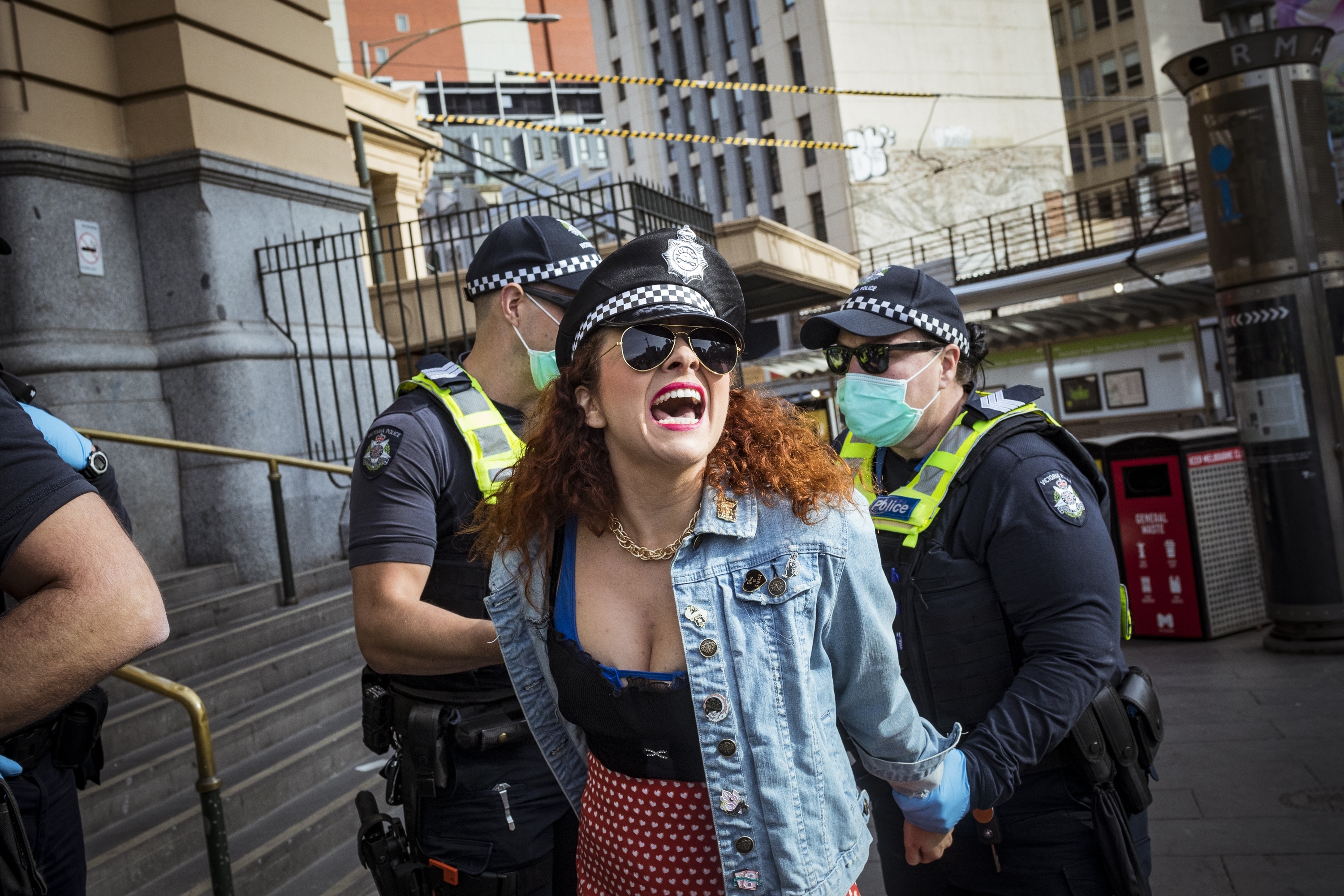
Several anti-vaccination protestors were arrested after staging small demonstrations in Melbourne's CBD today.

The series of planned rallies outside of vaccination hubs failed to draw big crowds.

About two dozen people were at a rally outside of Flinders Street Station where some were arrested for refusing to wear masks despite repeated warnings.

READ MORE: Shopping centres on high alert after COVID-19 cases emerge

It is believed a small business protest was hijacked by the demonstrators.

Meanwhile, there was a strong police presence at the Royal Exhibition Building, but only a few protestors were present while hundreds of people lined up to get their vaccination.

Police said two were arrested and 16 penalty notices were issued.

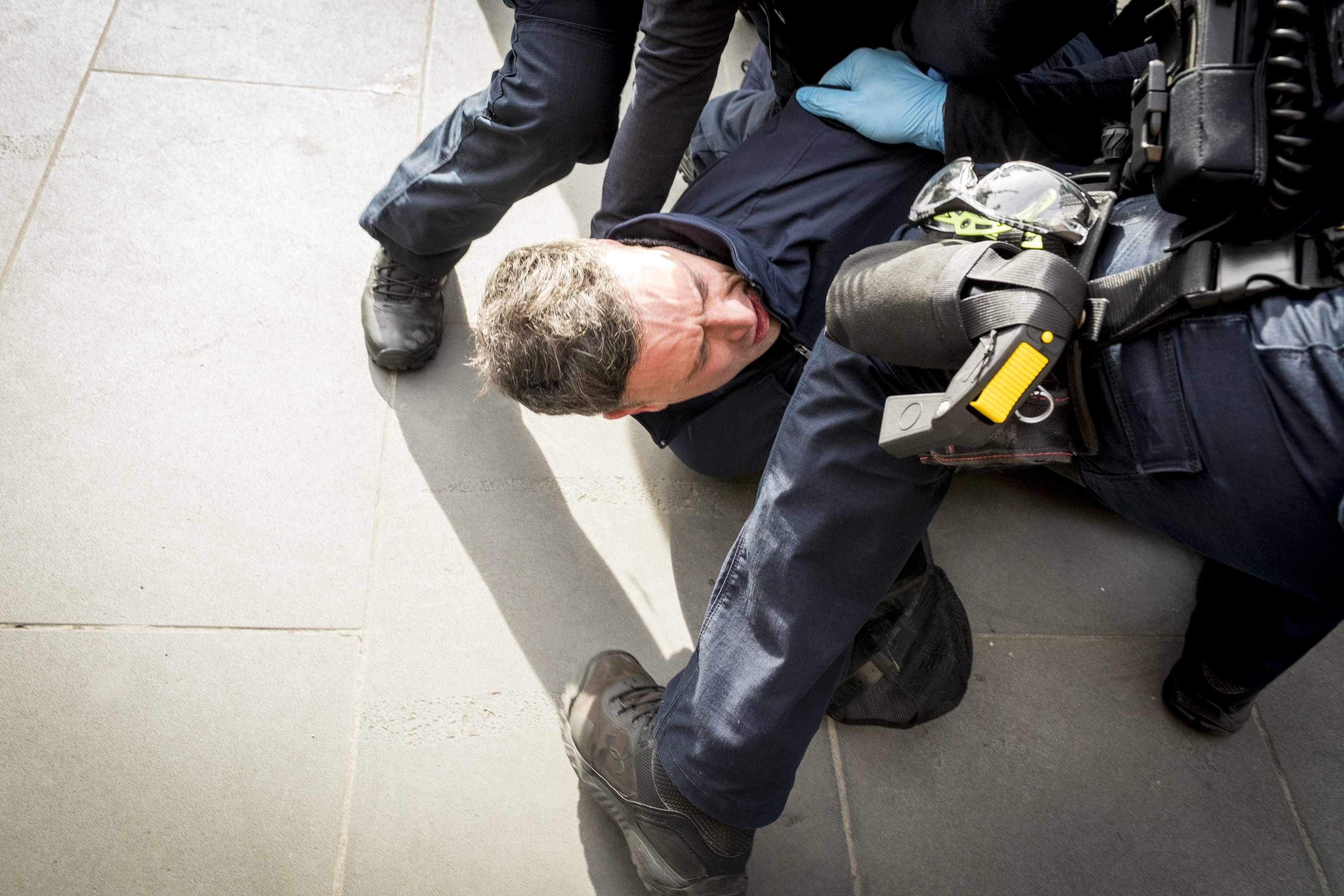
A 48-year-old man was arrested outside St Paul's Cathedral after failing to provide his name and address.

The Caroline Springs man has been charged with three counts of resist arrest and two counts of breaching the Chief Health Officer's directions.

READ MORE: Hundreds of primary contacts cleared as Melbourne outbreak grows

He has been bailed to appear at the Melbourne Magistrates' Court on October 28.

Police also arrested a 33-year-old man outside Flinders Street Station after failing to provide his name and address.

The Mernda man may be summonsed to appear at court at a later date pending enquiries.

Eleven people were issued with penalty notices for travelling outside their 10 -kilometre radius under the Chief Health Officer's directions.

Three people were fined for failing to wear a mask.

Regional Victoria came out of lockdown at midnight yesterday. Melbourne residents will be another week under stay-at-home orders.

US judge overturns California's ban on assault weapons

A federal judge Friday overturned California’s three-decade-old ban on assault weapons, ruling that it violates the constitutional right to bear arms.

US District Judge Roger Benitez of San Diego ruled that the state’s definition of illegal military-style rifles unlawfully deprives law-abiding Californians of weapons commonly allowed in most other states and by the US Supreme Court.

“Under no level of heightened scrutiny can the law survive," Benitez said.

READ MORE: 'There is stuff': Enduring mysteries trail US report on UFOs

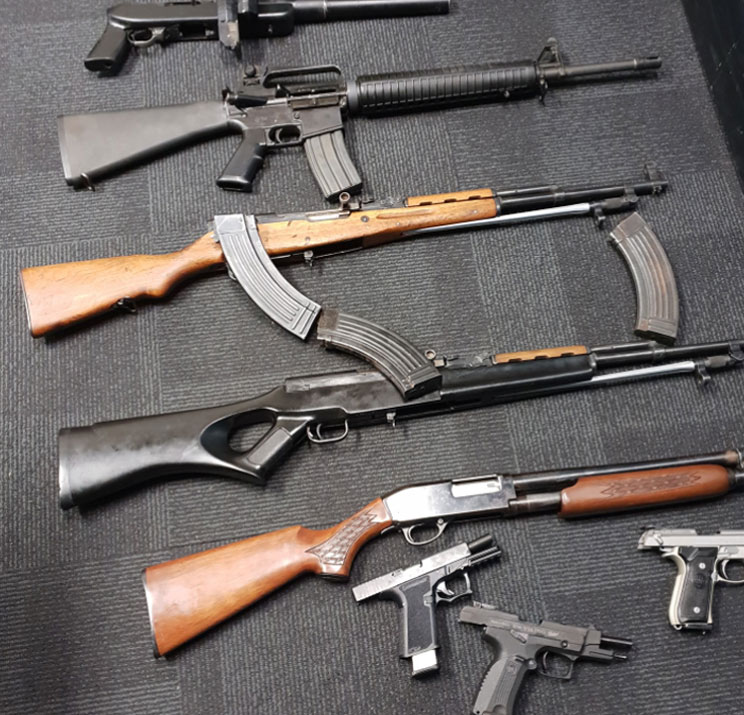
Police seized a Colt AR 15 .223 assault rifle; two SKS .762 assault rifles; a sawn-off .22 Ruger rifle and suppressor; a Bentley 12-gauge shotgun.

He issued a permanent injunction against enforcement of the law but stayed it for 30 days to give state Attorney General Rob Bonta time to appeal.

Governor Gavin Newsom condemned the decision, calling it “a direct threat to public safety and the lives of innocent Californians, period."

In his 94-page ruling, the judge spoke favourably of modern weapons, said they were overwhelmingly used for legal reasons.

READ MORE: Facebook suspends Trump for two years

“Like the Swiss Army knife, the popular AR-15 rifle is a perfect combination of home defence weapon and homeland defence equipment. Good for both home and battle," the judge said in his ruling's introduction.

That comparison “completely undermines the credibility of this decision and is a slap in the face to the families who’ve lost loved ones to this weapon," Newsom said in a statement.

“We’re not backing down from this fight, and we’ll continue pushing for common sense gun laws that will save lives.”

Bonta called the ruling flawed and said it will be appealed.

California first restricted assault weapons in 1989, with multiple updates to the law since then.

Assault weapons as defined by the law are more dangerous than other firearms and are disproportionately used in crimes, mass shootings and against law enforcement, with more resulting casualties, the state attorney general’s office argued, and barring them “furthers the state’s important public safety interests.”

Further, a surge in sales of more than 1.16 million other types of pistols, rifles and shotguns in the last year — more than a third of them to likely first-time buyers — show that the assault weapons ban “has not prevented law-abiding citizens in the state from acquiring a range of firearms for lawful purposes, including self-defence,” the state contended in a court filing in March.

Similar assault weapon restrictions have previously been upheld by six other federal district and appeals courts, the state argued. Overturning the ban would allow not only assault rifles, but things like assault shotguns and assault pistols, state officials said.

But Benitez disagreed.

READ MORE: Putin chafes at US, criticises response to Capitol attack

“This case is not about extraordinary weapons lying at the outer limits of Second Amendment protection. The banned ‘assault weapons’ are not bazookas, howitzers, or machine guns. Those arms are dangerous and solely useful for military purposes," his ruling said.

Despite California's ban, there currently are an estimated 185,569 assault weapons registered with the state, the judge said.

“This is an average case about average guns used in average ways for average purposes," the ruling said. “One is to be forgiven if one is persuaded by news media and others that the nation is awash with murderous AR-15 assault rifles. The facts, however, do not support this hyperbole, and facts matter."

“In California, murder by knife occurs seven times more often than murder by rifle," he added.

In a preliminary ruling in September, Benitez said California’s complicated legal definition of assault weapons can ensnare otherwise law-abiding gun owners with criminal penalties that among other things can strip them of their Second Amendment right to own firearms.

"The burden on the core Second Amendment right, if any, is minimal,” the state argued, because the weapons can still be used — just not with the modifications that turn them into assault weapons. Modifications like a shorter barrel or collapsible stock make them more concealable, state officials said, while things like a pistol grip or thumbhole grip make them more lethal by improving their accuracy as they are fired rapidly.

The lawsuit filed by the San Diego County Gun Owners Political Action Committee, California Gun Rights Foundation, Second Amendment Foundation and Firearms Policy Coalition is among several by gun advocacy groups challenging California’s firearms laws, which are among the strictest in the nation.

The lawsuit filed in August 2019 followed a series of deadly mass shootings nationwide involving military-style rifles.

It was filed on behalf of gun owners who want to use high-capacity magazines in their legal rifles or pistols, but said they can’t because doing so would turn them into illegal assault weapons under California law. Unlike military weapons, the semi-automatic rifles fire one bullet each time the trigger is pulled, and the plaintiffs say they are legal in 41 states.

READ MORE: Utah man sentenced to 30 years in death of wife on cruise

The lawsuit said California is “one of only a small handful states to ban many of the most popular semiautomatic firearms in the nation because they possess one or more common characteristics, such as pistol grips and threaded barrels,” frequently but not exclusively along with detachable ammunition magazines.

The state is appealing Benitez’s 2017 ruling against the state’s nearly two-decade-old ban on the sales and purchases of magazines holding more than 10 bullets.

That decision triggered a weeklong buying spree before the judge halted sales during the appeal. It was upheld in August by a three-judge appellate panel, but the 9th US Circuit Court of Appeals said in March that an 11-member panel will rehear the case.

The state also is appealing Benitez’s decision in April 2020 blocking a 2019 California law requiring background checks for anyone buying ammunition.

Both of those measures were championed by Newsom when he was lieutenant governor, and they were backed by voters in a 2016 ballot measure.