Victoria's four new local coronavirus cases include three family members infected with the highly transmissible Delta variant who are linked to the West Melbourne outbreak.
The family includes two parents and a primary school-aged child, with health authorities probing an "indeterminate" result on another child.
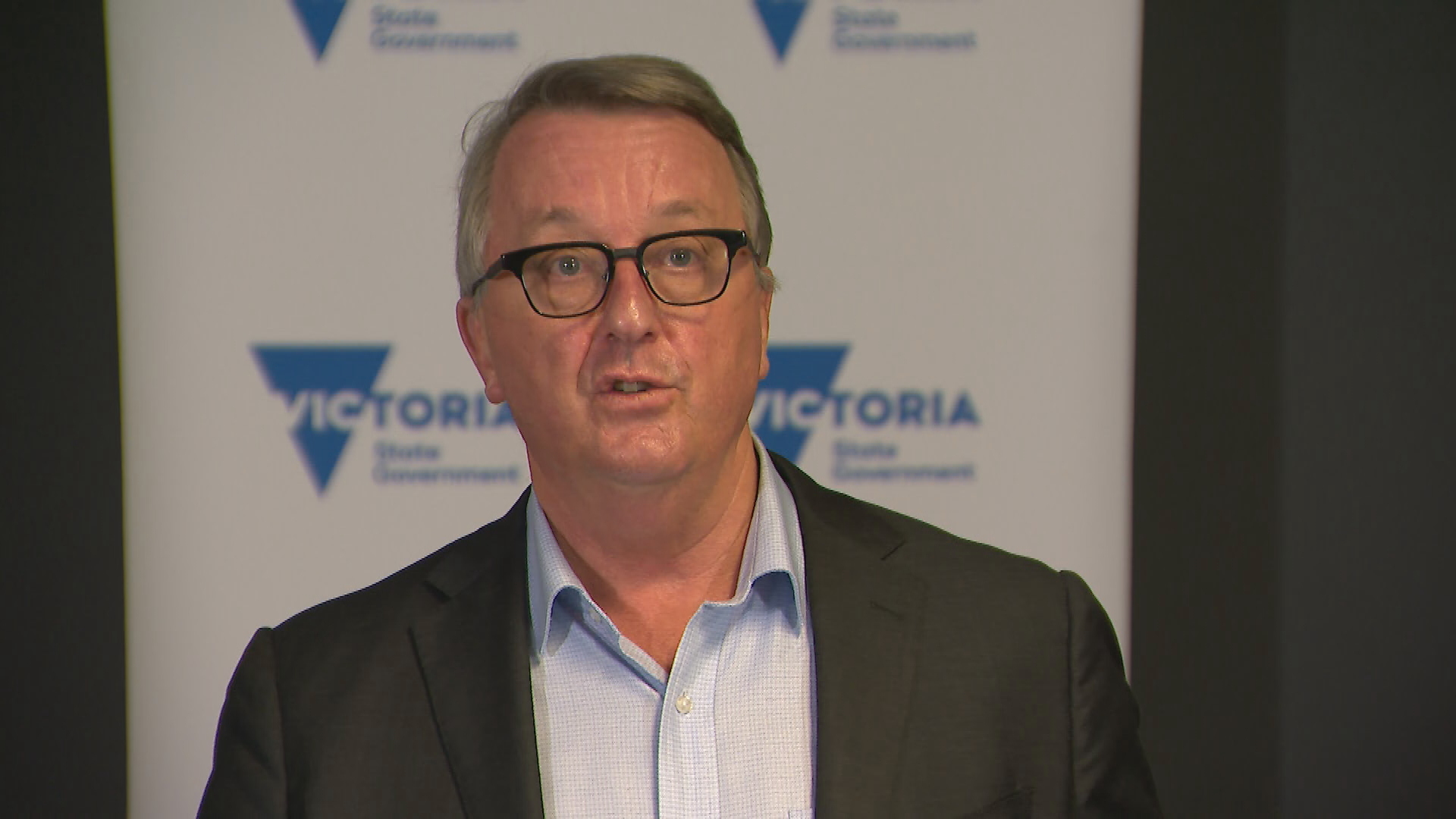
"We have an indeterminate result on another child and we are currently investigating the nature of that case," Health Minister Martin Foley said.
READ MORE: Everything you need to know about Melbourne's extended lockdown
LIVE UPDATES: Dutton defends hotel quarantine
The fourth new case is the partner of a man from South Melbourne, who is loosely tied to the Port Melbourne cluster.
Victoria's Chief Health Officer Professor Brett Sutton said the new variant identified was of concern, as it was so far unrelated to all other cases.
The strain was detected through genomic sequencing on two of the cases linked to the West Melbourne cluster.
The new strain is the Delta variant, B1617.2, which is "infamous" in India and the UK.
"It has not been linked to any sequence cases across Australia from hotel quarantine or anywhere else that it is not linked in Victoria or any other jurisdiction," Professor Sutton said.
It is understood the Grade Five student among the family announced in today's cases, came into contact with the other Grade Five student from the infected West Melbourne family, who travelled to Jervis Bay in New South Wales.
The original family returned to Melbourne on May 24 and were tested after developing symptoms.
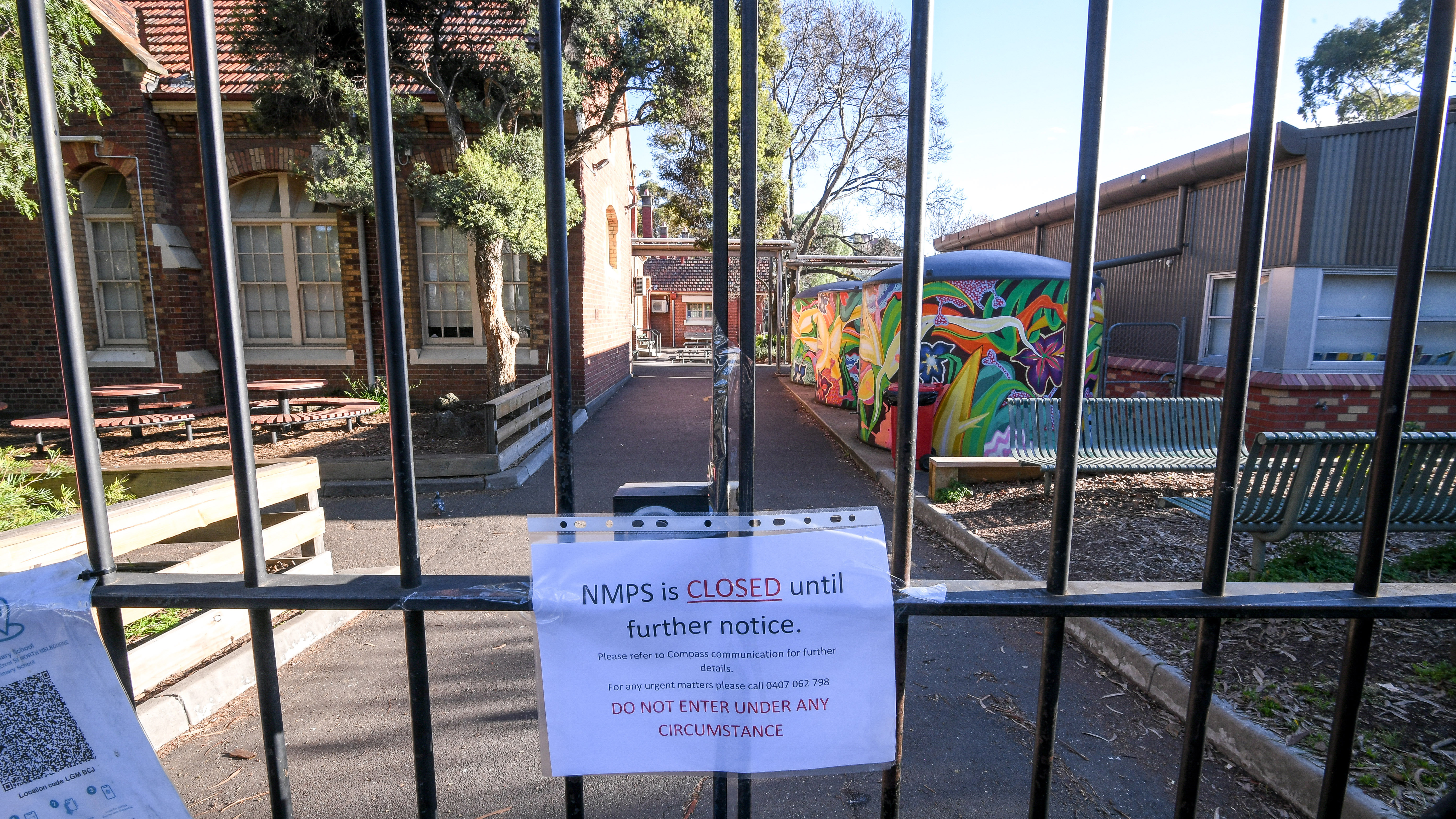
The infections prompted the school – North Melbourne Primary School – to close, with more than 300 primary close contacts linked to the school isolating.
There are seven infections linked to the cluster which have the Delta variant.
Professor Sutton said Victorian health authorities were working with their NSW and ACT equivalents to track down where the strain was acquired from.
"It is a concern that it is not linked to other cases but we are chasing down all those primary case contacts for that family and looking into where it might have been acquired," he said.
Victoria's COVID-19 testing commander Jeroen Weimar said he believes all primary contacts of the recent Delta variant cases were in quarantine.
"We have identified all primary close contacts, it includes a significant group of the school community at North Melbourne Primary School," he said.
"Obviously we are now working with the new family to see if there is anything else happening we need to be concerned about."
The newly-identified Delta variant of COVID-19 had "very high transmission" potential, Professor Sutton said.
"It spread extremely rapidly across India to become the predominant variant, almost the exclusive variant there," he said.
"It does appear to be the most significant in terms of transmissibility."
The strain may also cause greater illness and transmissibility among children, anecdotal reports suggest.
"We have concerns for that reason."
Mr Weimar said there were 64 active cases in the state's wider outbreak, with three people in hospital.
About 6000 primary close contacts had been identified, 90 percent of whom had returned negative test results.
Two 'fleeting transmission cases' false positives
Melbourne's COVID-19 lockdown will not be eased after two fleeting transmission cases were deemed as false positives, the state's acting premier said today.
The reclassified cases have reignited debate on the suspected contagiousness of the variant in question and the lockdown.
Acting Premier James Merlino said the lockdown would not be eased despite the re-classifications and the decision was based on expert health advice.
"Our answer on that hasn't changed and nor should it. It is absolutely based on public health advice and that is assessed day-by-day, hour-by-hour," Mr Merlino said.
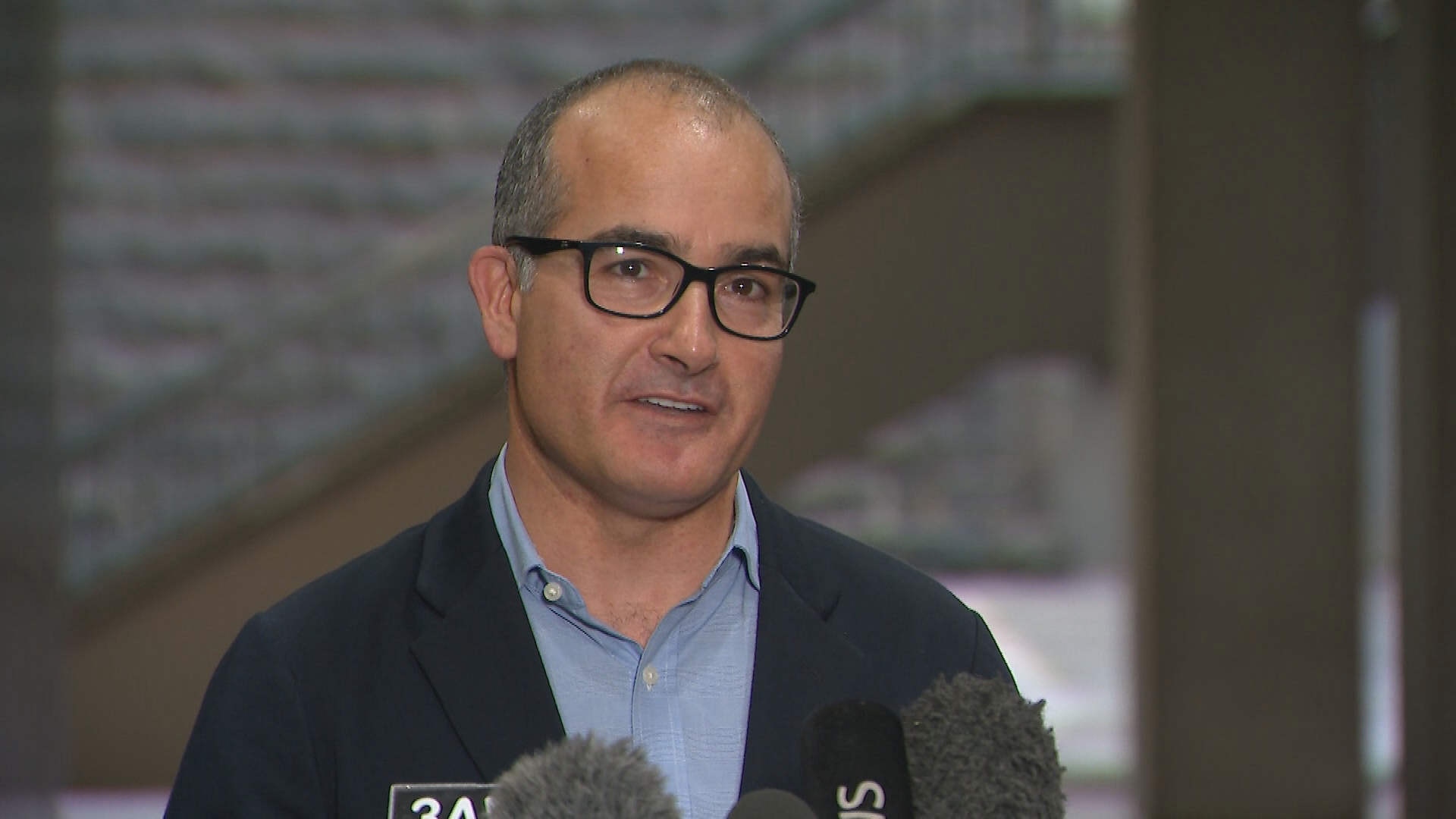
"The proposition put forward by public health was that we needed this further seven-day period for Greater Melbourne to absolutely run this thing to the ground. That remains the case."
Victoria's Department of Health confirmed a woman who visited a display home and a man who visited Brighton Beach Hotel would no longer be considered positive coronavirus cases after expert analysis.
"These cases will be reclassified and no longer considered confirmed cases. Primary close contacts who are linked only to these cases and not to other exposure sites will be released," the department said in a statement.
"Any exposure sites linked only to these cases will be stood down, including every exposure site in Anglesea."
At least four venues in Anglesea, including the only supermarket, an IGA, were listed as exposure sites this week. Brighton Beach Hotel and the Metricon display home site will remain exposure sites because they are linked to other cases.
Professor Sutton on Wednesday said the lockdown would be reviewed day-by-day, adding he had "great confidence" the restrictions could ease by the end of next week.