OPINION: The National Party has a major problem with standards, especially amongst its MPs and election candidates. The latest controversies involve the resignation of their longest-serving MP Nick Smith over an employment dispute,…
Tag Archives: oceania
Judge rules $36,715 of cash found under pillow in Napier house is 'tainted'
A High Court Judge has turned down a Napier man’s bid to get back $36,715 found under a pillow by police in a drugs raid more than one and a half years ago.The decision of Judge Cheryl Gwyn determining that “on the balance of probabilities”…
Qantas engineers using brooms to ward snakes off plane
If you're a rattlesnake looking to avoid to scorching heats and bitter chills of California's Mojave Desert, the wheel well of a A380 plane is a welcome shelter.
But if you're a Qantas technician looking to keep the idle jumbo jets in tip-top shape, a rattlesnake is the last thing you want to deal with.
A substantial part of the Qantas fleet is currently sitting idle in the Mojave Desert because of reduced demand from the pandemic.
READ MORE: 'Boneyards': What happens to planes when they're not wanted any more
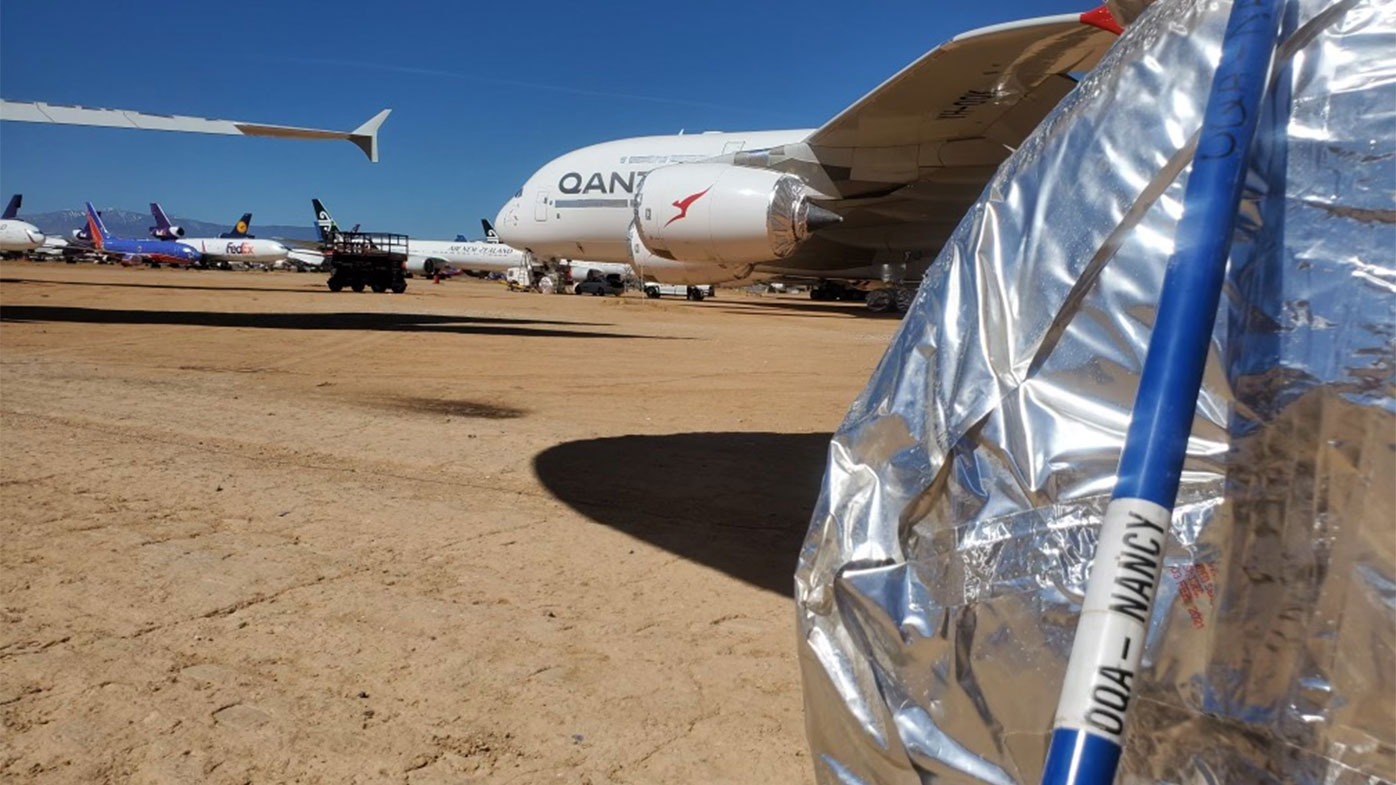
And many of those planes have taken on some unwelcome passengers, notably the crotalus scutulatus, one of America's deadliest snakes.
Consequently, Qantas engineers have been equipped with "wheel whackers", repurposed broom handles which scare off the rattlesnakes sitting in the wheels.
"The area is well known for its feisty 'rattlers' who love to curl up around the warm rubber tyres and in the aircraft wheels and brakes," Qantas Manager for Engineering in Los Angeles Tim Heywood said.
"The first thing we do before we unwrap and start any ground inspections of the landing gear in particular is to walk around the aircraft stomping our feet and tapping the wheels with a wheel whacker to wake up and scare off the snakes.
"That's about making sure no harm comes to our engineers or the snakes."
READ MORE: Last Qantas 747 jumbo reaches desert resting place in California
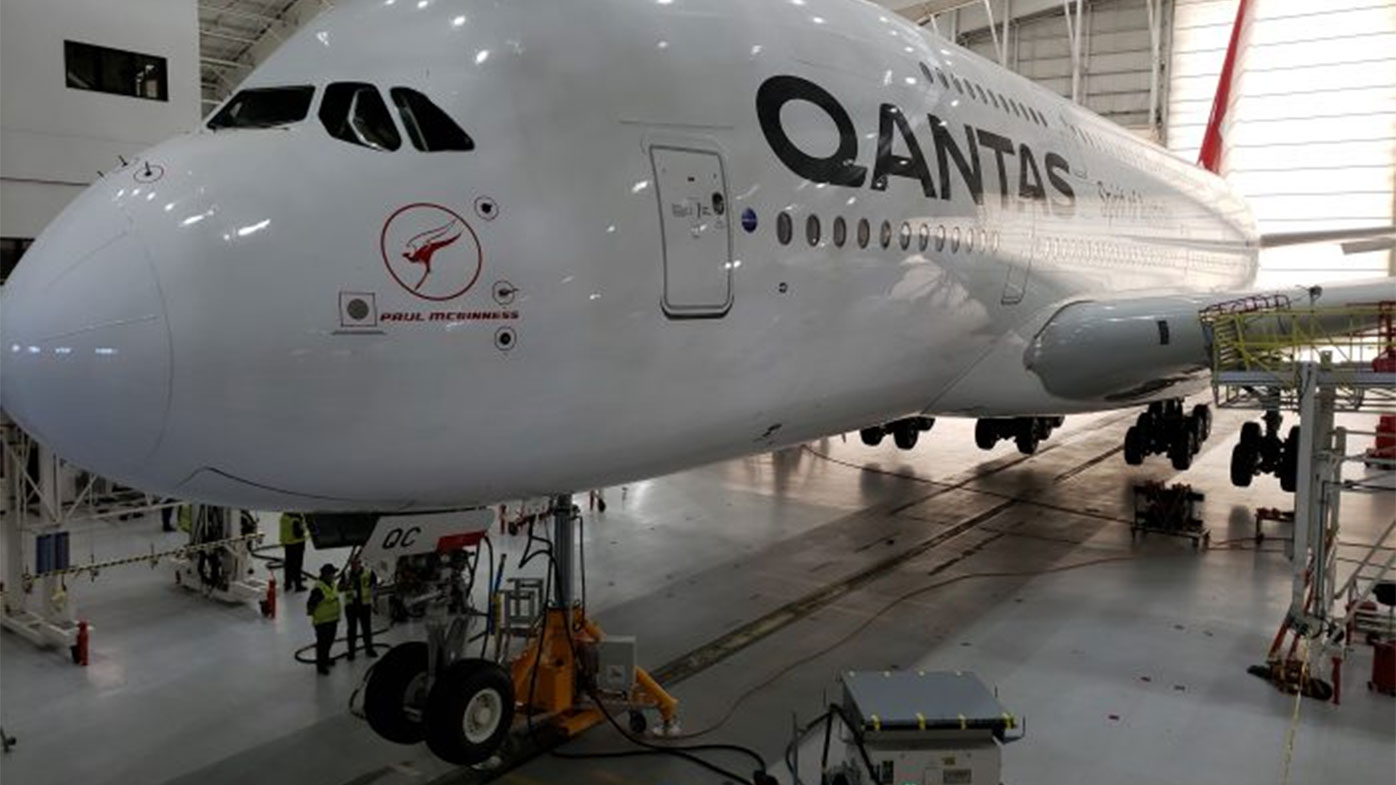
But while the planes are in "hibernation", they need to be maintained to keep them in good nick.
That includes maintaining plastic sheeting to the seats and covering wheels, tyres and landing gear with protective film.
Any opening on the plane needs to be plugged to stop insects, birds and bats getting in.
"Aircraft like these are highly technical and you can't just land it at the storage facility, park it and walk away," Mr Heywood said.
"It's really important that even when in deep storage, the aircraft are maintained to the Qantas standard."
The Mojave desert is an ideal place for idle aircraft, thanks to its incredibly dry conditions.
There's a similar gathering of parked jumbo jets in Alice Springs.
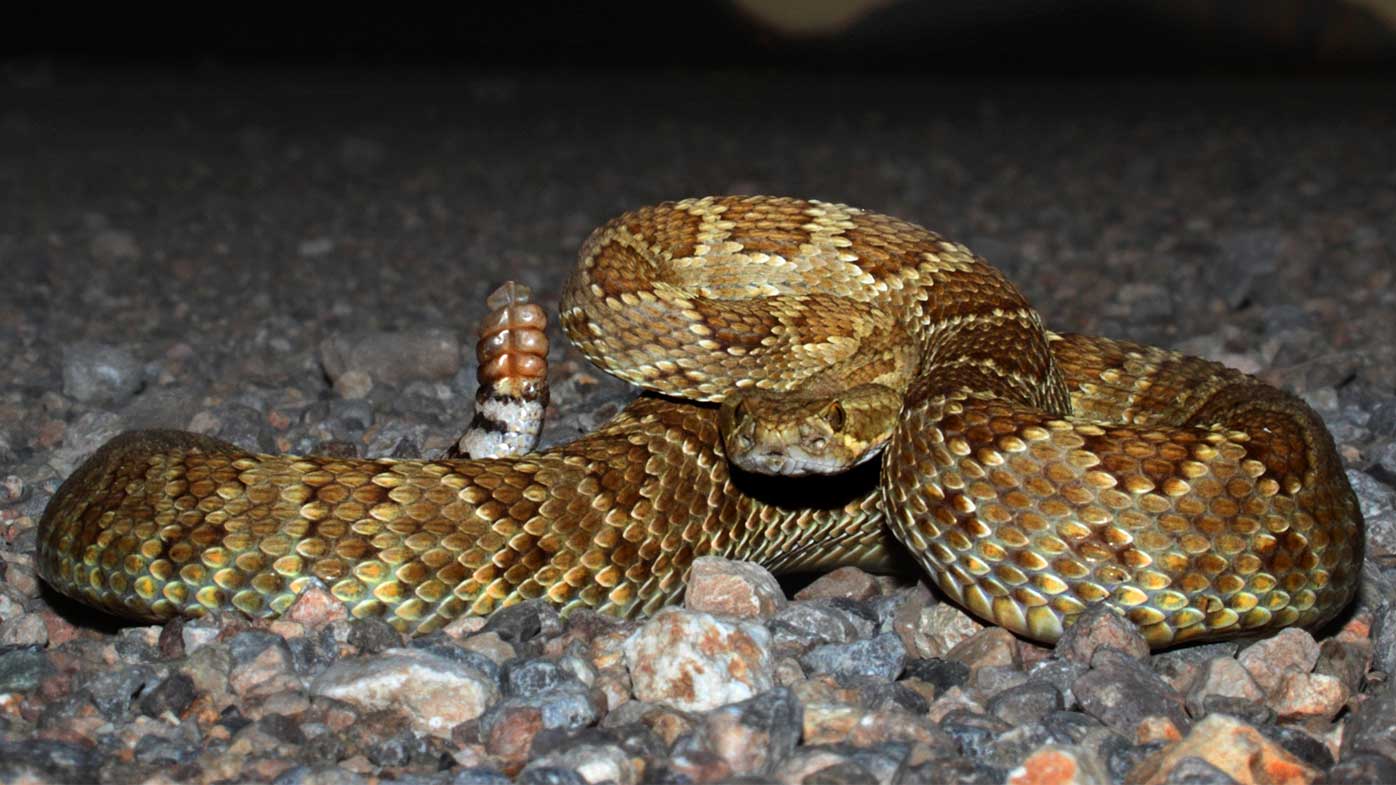
The Crotalus scutulatus, or Mojave rattlesnake, is well known for its powerful neurotoxic-hemotoxic venom.
The hemotoxic part of the venom destroys red blood cells, disrupts clotting and causes organ degeneration and tissue damage.
The neurotoxin targets the central nervous system.
An untreated bite from the Mojave rattlesnake can be deadly, but the use of antivenoms mean fatalities are rare.
Cutting-edge science could stop next mouse plague before it starts
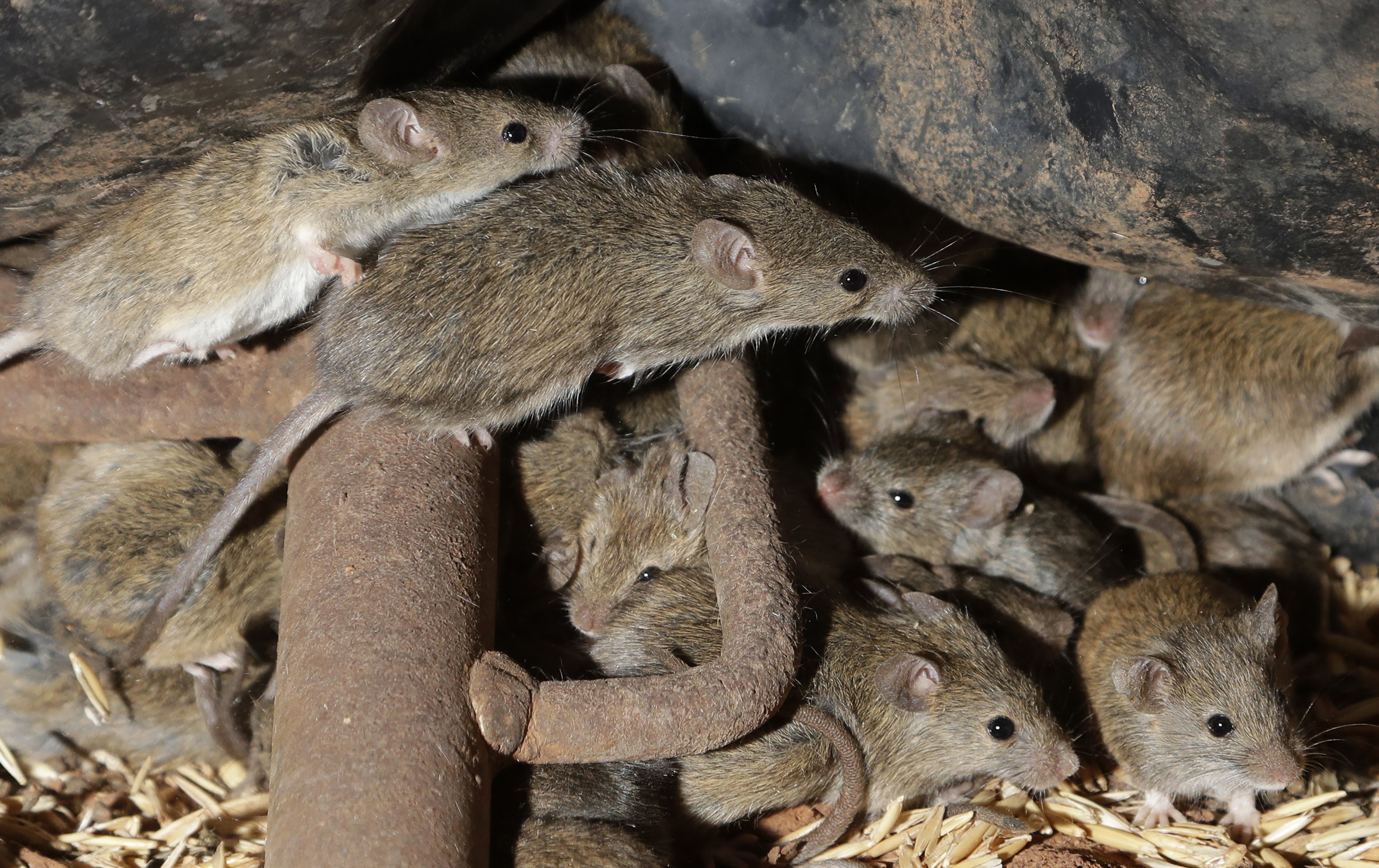
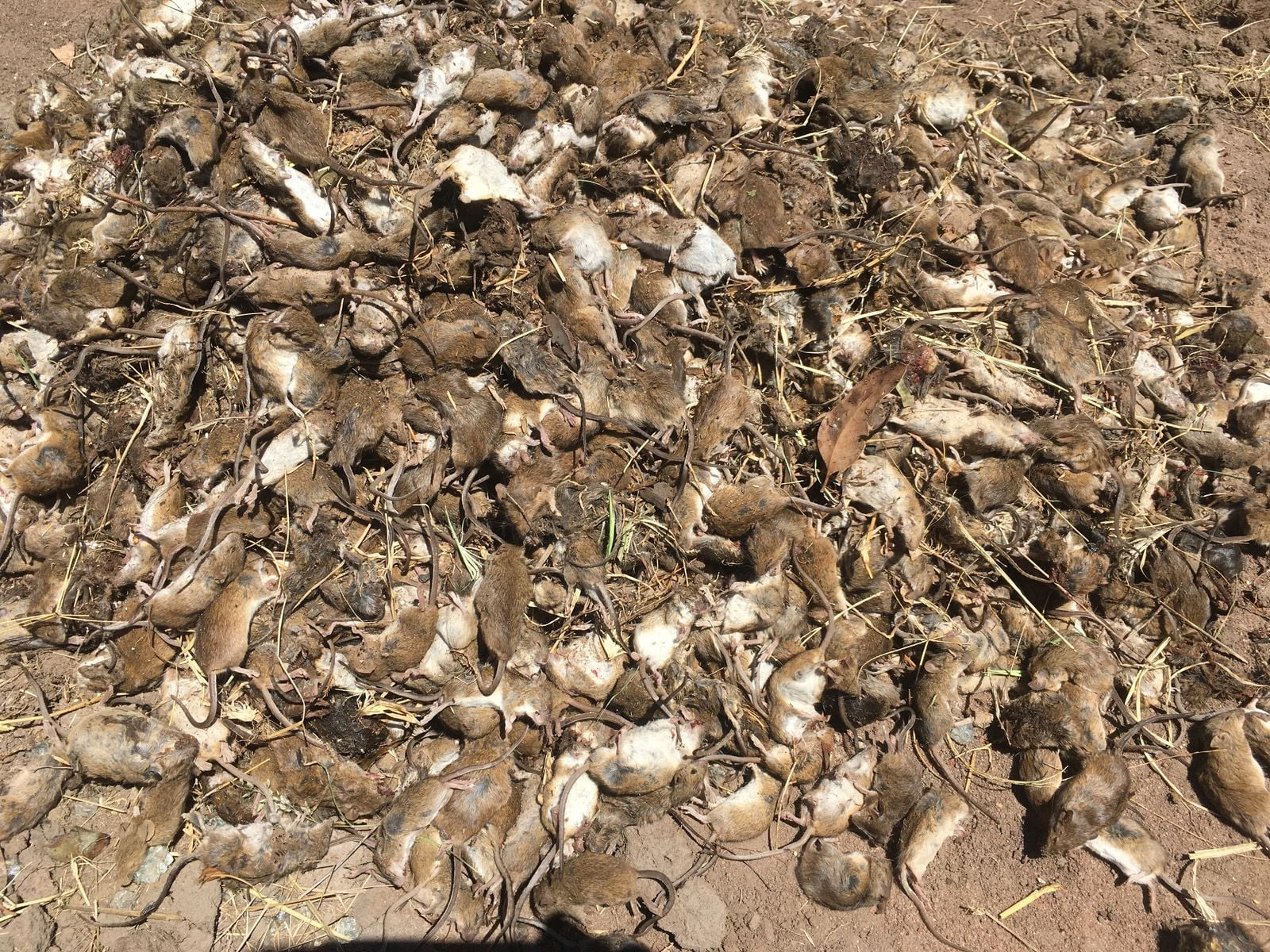
Future mouse plagues could be cut off at the knees with new genetic controls being developed by Australian researchers.
Scientists from the University of Adelaide, CSIRO, and the Centre for Invasive Species Solutions will work to identify fast-acting gene drives will spread inhabited characteristics through mouse populations at higher-than-normal rates.
Two strategies will be tested for suppressing future mouse plagues before they occur.
READ MORE: Fish brim-full of mice getting hooked out of NSW river
The X-shredder method would eliminate sperm carrying the X chromosome, meaning fewer female mice would be born.
The other approach would involve spreading female infertility through the mouse population.
Lead researcher Professor Paul Thomas from the University of Adelaide said simulations had revealed both approaches could effectively suppress mouse number increases.
"The genetic biocontrol technologies that we are developing offer a humane approach to control invasive rodents," Professor Thomas said.
"We are also developing technology to limit their spread so we can specifically target the pest population."
NSW Agriculture Minister Adam Marshall said that $1.8 million of the state government's $50 million mouse plague support package would go towards the three-year program.
"Cutting edge solutions like these mean future mouse plagues can be extinguished before they begin," Mr Marshall said.
"The potential to transfer those solutions to other species such as rats, rabbits and feral cats means pest management in NSW and across Australia could be changed forever."
Narromine agronomist Mick Harris told nine.com.au he supported any non-chemical solutions to pest problems.
"Genetic controls or a disease like (myxomatosis) would be better than poisons," he said.
Myxomatosis was introduced to Australia in 1950 to control wild rabbit populations.
READ MORE: Mouse plague plotted from Queensland to NSW-Victoria border
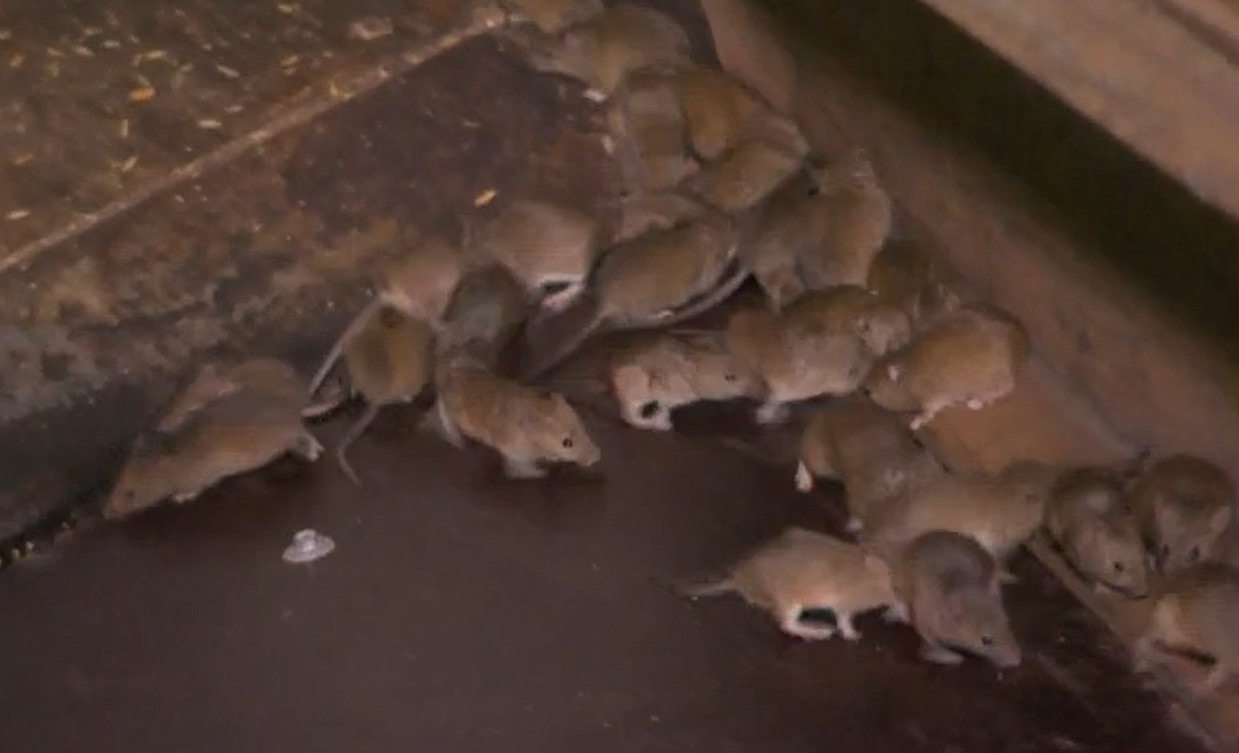
Mr Harris said while this mouse plague was "easily" the worst he'd seen during his career, they were relatively frequent in NSW, with other outbreaks in 2017 and 2011.
But he said the biogenetics research would not be much help to farmers struggling with the current mouse plague, with much of the damage already done.
"The crops have been sown and they've taken millions if not billions of dollars worth of damage," he said.
"If the government was serious, the support should have started up two months ago."
The NSW government has also petitioned the Australian Pesticides and Veterinary Medicines Authority to allow the outdoor use of bromadiolone baits.
READ MORE: Fears mouse plague 'napalm' could kill native fish
Mr Marshall has said hundreds of farmers had signed up in anticipation of receiving the free poisons, but Mr Harris said there was no discernible advantage to using bromadiolone as opposed to the currently-permitted zinc phosphate.
The NSW Farmers Association has also welcomed the announcement of new research into the issue, but emphasised support was needed at once.
"Any research that focuses on future solutions is welcomed but should be in addition to immediate financial relief," vice president Xavier Martin told nine.com.au.
"We have and continue to ask the NSW Government for immediate financial rebates for farmers, up to $25,000 per farm business to subsidise 50 percent of the cost of zinc phosphide bait products."
READ MORE: 'The snakes will follow': Ominous sequel to mouse plague
He said farmers had lost up to hundreds of thousands of dollars to mouse predations and bait costs.
"Emerging technologies such as this would be very welcome if they reduce the cost and burden of farmers needing to apply baits to control future mouse plagues, or reduce the incidence of plagues occurring," he said.
"Financial relief provided by the government would give them confidence to continue to sow winter crops, currently underway and allow them to continue their efforts to get this mouse plague under control before spring when populations are predicted to surge again."
Possible new lead in decades-old cold case
A police search will continue today in bushland on the NSW-Victoria border for the remains of missing woman Jodie Larcombe after new details on her possible location were provided to investigators.
Ms Larcombe – then aged 21 – was last seen on December 22, 1987 in Coburg, Victoria.
Following a detailed investigation, homicide detectives arrested and charged Daryl Suckling on June 2, 1994.

READ MORE: Cold case hub launched by Victoria Police
While he has always denied killing Ms Larcombe, the now 83-year-old was convicted of her murder and sentenced to life in prison in 1996.
Over the years police have continued their investigation into the cold case killing, including searches of Mildura bushland, but have so far come up empty handed.
Earlier this year, a special strike force was established after Suckling provided new details into the possible location of Ms Larcombe's remains.
A renewed search began in Mourquong, five kilometres north of the Victorian border, with police saying all available resources will be used to complete a detailed search of the area.
"It has been more than three decades since Jodie's murder and detectives would like nothing more than to return her remains to her family, so they may finally lay her to rest," NSW Police Homicide Squad Commander, Detective Superintendent Danny Doherty said.

READ MORE: Fresh appeal for information in Bung Siriboon investigation
Det. Supt. Doherty said he encourages any member of the community with information on the location of Ms Larcombe's remains to come forward.
"What you know may help bring some peace to families who have been unrelenting in their quest for answers for many years," he said.
Ms Larcombe's father Ken thanked police for their ongoing efforts and said he hoped this latest information will lead to finding her.
"The pain of losing a child never leaves you and there has always been a hole in our hearts as we were never able to farewell Jodie and lay her to rest," Mr Larcombe said.
"Even though it has been more than 33 years since she was taken from us – we find great comfort knowing that detectives continue to investigate all information that may allow us to find her."
Glow-in-the-dark squid launched into space
Astronauts on the International Space Station are about to get a special delivery.
SpaceX launched its 22nd cargo resupply mission to the space station just after 5am (AEST).
The spacecraft is carrying more than 3311 kilograms of supplies, scientific research experiments and technology demonstrations. The vehicle will dock at the space station on Saturday.
READ MORE: NASA announces two robotic missions to Venus
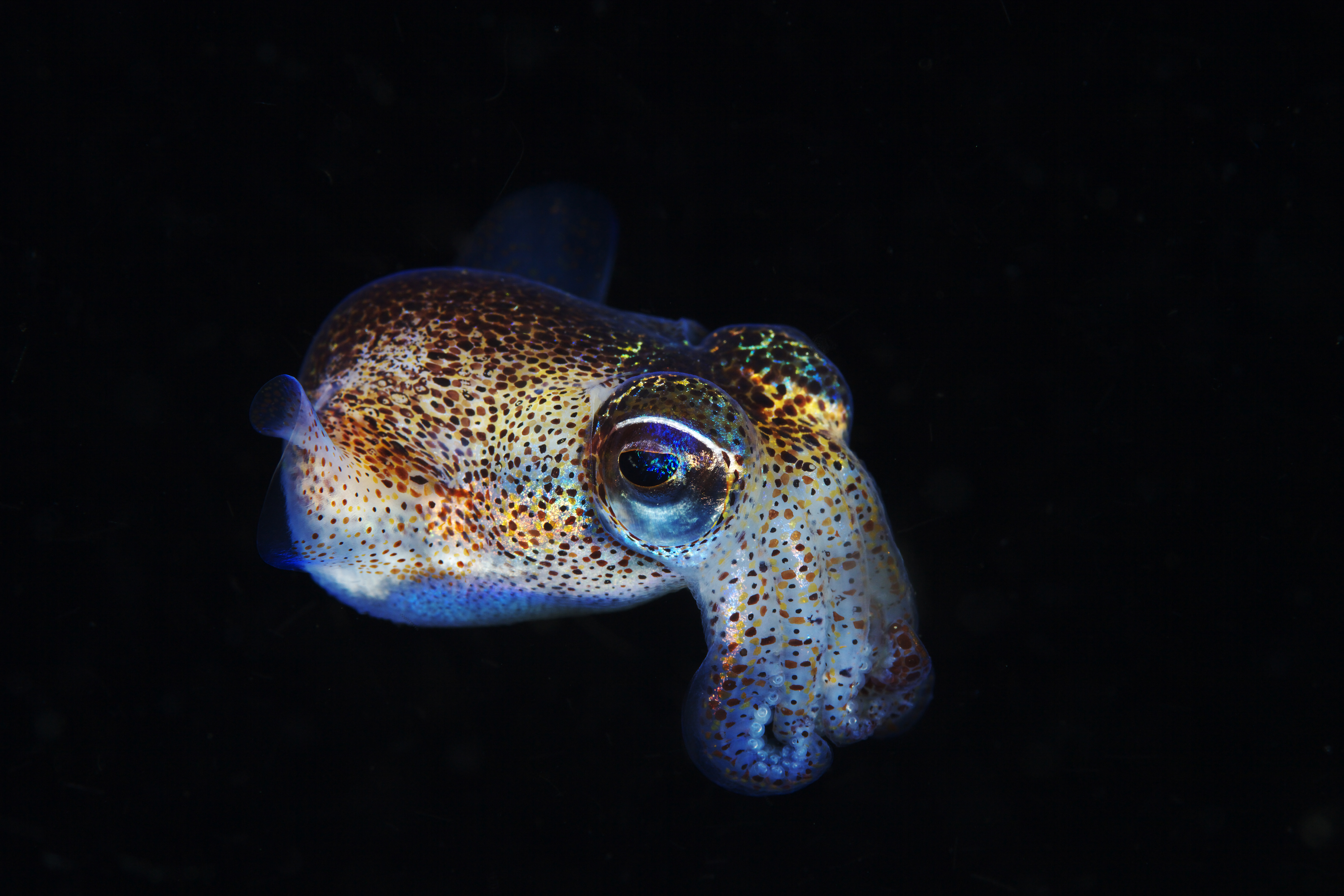
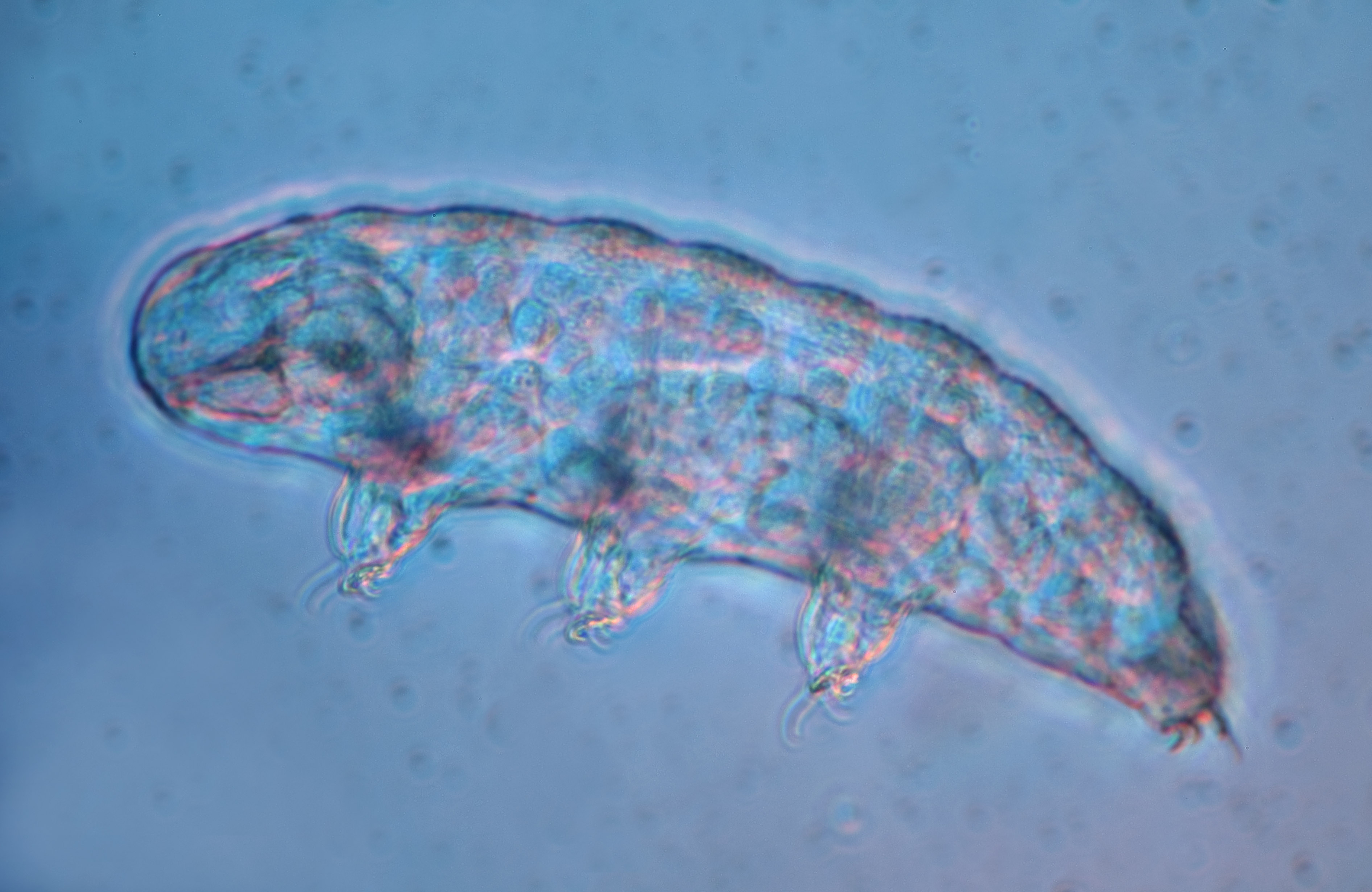
Along for the ride are 5000 tardigrades, also known as water bears, and 128 baby glow-in-the-dark bobtail squid.
Both will be involved in experiments on the space station, including assessing how water bears tolerate the space environment.
Researchers also wants to know if the lack of gravity affects symbiotic relationships between the squid and beneficial microbes.
Other experiments heading to the station include a portable ultrasound, remote operation of robotic arms using virtual reality, analysing how kidney stones form in space, studying the oral microbiome (that's in your mouth), and producing more stress-resistant cotton.
More than a dozen of the experiments heading into orbit belong to student researchers.
Hundreds of scientific experiments are underway each day on the space station; it's an orbiting laboratory, after all.
Astronauts oversee these experiments and report back their observations to scientists on Earth. The research helps us gain a better understanding of life in zero gravity, as well as discover benefits that can be applied on Earth.

READ MORE: Space tourism a step closer as rocket-powered plane launches
The astronauts are also getting some fresh fruit and veggies in their cargo delivery, including Gala apples, navel oranges, cherry tomatoes, onions, lemons, mini capsicums and avocados.
The cargo vehicle is even loaded up with new solar panels, which will increase the amount of energy available onboard the space station.
Compact panels were used to make the ISS Roll-out Solar Array, or iROSA, which unfurls like a long rug. The array will be installed outside the space station by astronauts during two spacewalks in June.
Water bears and celestial umami
Beneath a microscope, tiny tardigrades look like bears. They are commonly found in water — and at times, serving as the nemesis in "Ant-Man and the Wasp" – but tardigrades are known for their ability to survive and even thrive in the most extreme environments.
"Tardigrades are a group of microscopic animals that are renowned for their ability to survive a number of extreme stresses," said Thomas Boothby, assistant professor of molecular biology at the University of Wyoming and principal investigator for the Cell Science-04 tardigrade experiment, in a news conference last week.
"Some of the things that tardigrades can survive include being dried out, being frozen and being heated up past the boiling point of water. They can survive thousands of times as much radiation as we can and they can go for days or weeks with little or no oxygen."
In fact, tardigrades can tolerate these extremes better than most forms of life, and what's more extreme than space?
It's not the first time tardigrades have gone to space — and there may even be some of them on the moon, after a mission carrying them crashed into its surface.

READ MORE: Stunning video shows how a star is born
"They've been shown to survive and reproduce during spaceflight, and can even survive prolonged exposure to the vacuum of outer space," Professor Boothby said.
Professor Boothby's experiment is designed to see how tardigrades adapt to life in low-Earth orbit, which could lead to a greater understanding of the stressors humans face in space.
"Ultimately this information will give us insights into how one of the toughest organisms on Earth is able to survive the rigors of spaceflight," he said.
"Our hope is that these insights will provide avenues for developing countermeasures or therapies that will help safeguard astronauts during prolonged space missions."
The UMAMI experiment stands for Understanding Microgravity on Animal-Microbe Interactions, and Jamie Foster, professor in the department of microbiology and cell science at the University of Florida, is its principal investigator.
She is eager to see how healthy beneficial microbes communicate with animal tissues in space.
"Animals, including humans, rely on our microbes to maintain a healthy digestive and immune system," Professor Foster said.
"We do not fully understand how spaceflight alters these beneficial interactions. The UMAMI experiment uses a glow-in-the-dark bobtail squid to address these important issues in animal health."
Bobtail squid, which are only about three millimetres long, work as the perfect model to study this for two reasons.
These squid have a special light organ inside the body that can be colonised by a species of luminescent bacteria.
The squid can then use that bacteria to glow in the dark. This symbiotic relationship is between a single species of bacteria and one type of host tissue, so it's easy for researchers to follow how this process unfolds, Professor Foster said.

READ MORE: ADF space unit to ensure access to 'contested' outer space domain
The squid also have an immune system that is very similar to the type that humans have. Researchers will be able to learn if spaceflight alters the mutually beneficial relationship between animals and their microbes.
"As astronauts explore space, they're taking with them a company of different microbial species," Professor Foster said.
"It's really important to understand how those microbes, collectively called the microbiome, change in the space environment and how those relationships are established."
Ex-partner 'terrified' over public toilet rapist Daniel Peter Moore's release
The former partner of a rapist who subjected a woman to a half-hour attack in a public toilet says she is “terrified” that he has been released.Daniel Peter Moore, 36, was paroled last month with more than three years of his sentence…
New Auckland Harbour Bridge: Second standalone bridge for cyclists, pedestrians confirmed
The Government has confirmed plans for a brand-new cycling and walking bridge across the Waitematā Harbour – at an estimated cost of $685 million.Transport Minister Michael Wood will today announce the project, which features…
Covid 19 coronavirus: Auckland vaccination centre metres away from MIQ facility
Experts are divided about the risk posed by a Covid-19 vaccination centre metres away from a quarantine facility’s exercise area. While one expert expressed concern about the arrangement in central Auckland, another expert was confident…
Fish and chip company linked to former real estate agent Aaron Drever liquidated
A fish and chip company with links to struck-off real estate agent Aaron Drever is in liquidation and officials plan to refer allegations of potential wrongdoing to police and the Official Assignee.Liquidators are trying to trace…