Ashburton residents have endured a long night, awaiting possible evacuation as the river continues to rise following heavy rain throughout the day. Ashburton is preparing for mass evacuations as the Ashburton River rises and heavy…
Tag Archives: oceania
Roadside memorial to Oatlands children stripped away
The father of three children killed in a horror crash on a Sydney street has suffered further agony after the family's roadside memorial was cruelly stripped away.
Leila and Danny Abdallah lost three children Antony, Angelina and Sienna last year when a drunk driver ploughed into a group of seven children as they walked to buy ice cream in Oatlands.
In the horror, the Abdallahs also lost a niece and cousin with the death of a fourth member of the group, Veronique Sakr.
READ MORE: Family of children killed in Sydney crash 'devastated' as memorial garden plan rejected

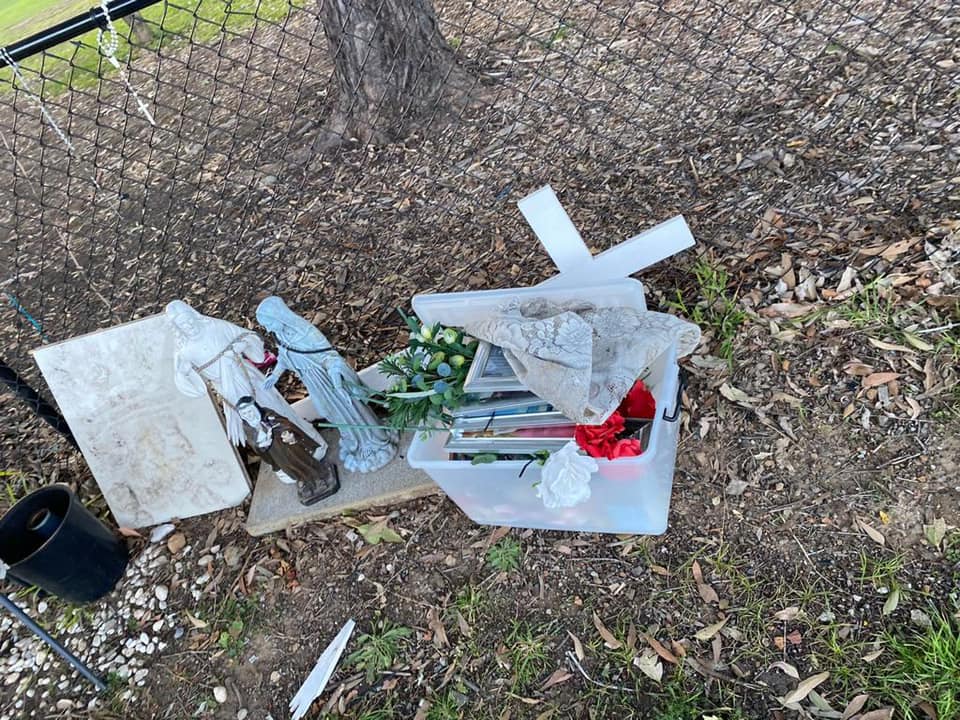
Today, Mr Abdallah returned to the site of the crash to rebuild the family's precious memorial which had been partly removed, he believes, during the night.
"Last night I drove past and it felt like a knife was put in my heart," he wrote in a Facebook post.
"Somebody had the nerve to strip down my kid's pictures and strip down the temporary memorial on Bettington Road where the kids passed away.
"Obviously they didn't have the courage to do it in the day. It was done at night."
Mr Abdallah expressed his disappointment at someone's decision to remove the memorial without first speaking with him, particularly given there are similar memorials for others lost to car incidents all across Australia.
READ MORE: Family of children killed in Oatlands crash focused on forgiveness
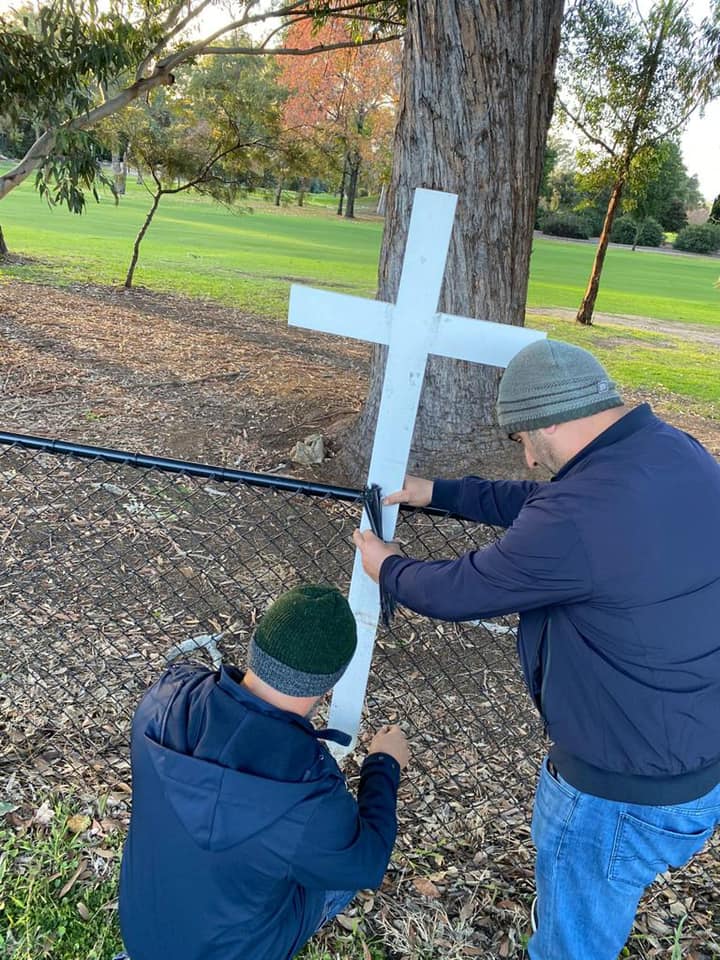
"This is legal and I am not breaking the law, it's public space and we are allowed to have it there," he wrote.
"This is the last memory I have with my children. Memorial or no memorial that place will always been reminded of those beautiful children having their lives cut short.
"I hope and pray we can have something permanent in the near future. Count your blessings on what you have and to worry about four pictures on the side of the road that mean so much to grieving parents and the greater community. There are worse things to worry about."
The vandalisation of the memorial comes a month after the Abdallah family's home in Telopea was targeted when two men stormed the property and ransacked the home.
Earlier this month, the driver responsible for the deaths apologised to the families involved.
Samuel Davidson was drunk behind the wheel of his car when he crashed into the group of children.
A report following the incident found he was travelling up to 133km/h in a 50km/h zone and was moving about 111km/h at the time of impact.
He has since been convicted on four counts of manslaughter with his punishment yet to be decided by the court.
Local Focus: Tsunami log threat to Napier after earthquake
It could take as little as 20 minutes for a tsunami to hit Napier after an earthquake. And with Napier Port stacked with logs and containers, water alone may be the least of the city’s worries when the big one hits the coast. A…
Australian PM Scott Morrison arrives in New Zealand
Australian Prime Minister Scott Morrison and his wife Jenny have been welcomed at a powhiri in Queenstown this afternoon at the Rees Hotel.It’s the first time he has met Prime Minister Jacinda Ardern face to face since February…
Footage shows dramatic rescue as farmer lifted to safety in Canterbury
Dramatic footage has emerged of a farmer being lifted to safety from a swollen river, as floodwaters rise and heavy rain continues in Canterbury. The two-minute video, posted to Facebook by Hokonui radio host Phill Hooper this…
Herald afternoon quiz: May 30
Test your brains with the Herald’s afternoon quiz. Be sure to check back on nzherald.co.nz for the morning quiz tomorrow. To challenge yourself with more quizzes, CLICK HERE.
Diver willingly sticks 'full arm' down mouth of shark
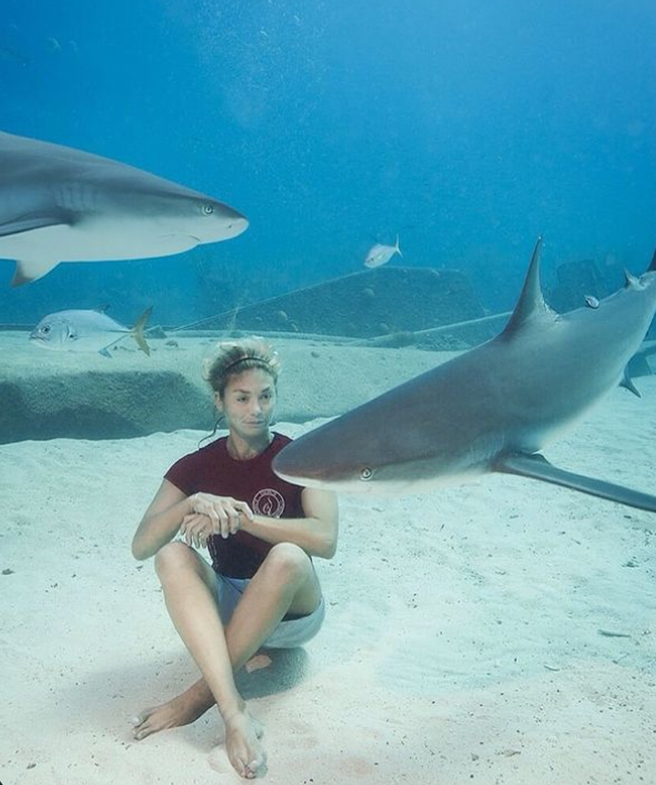
In the crystal clear waters of the Bahamas one diver is doing what most people would baulk at — she's approaching wild sharks, sticking her arm down their mouths and removing embedded hooks.
Cristina Zenato had been diving in the chain of islands, off Cuba, for a couple of years and has always been fascinated by the ocean.
After seeing sharks in visible distress she told 9news.com.au she decided to do something.
READ MORE: The island that's had so many shark attacks swimming is now banned
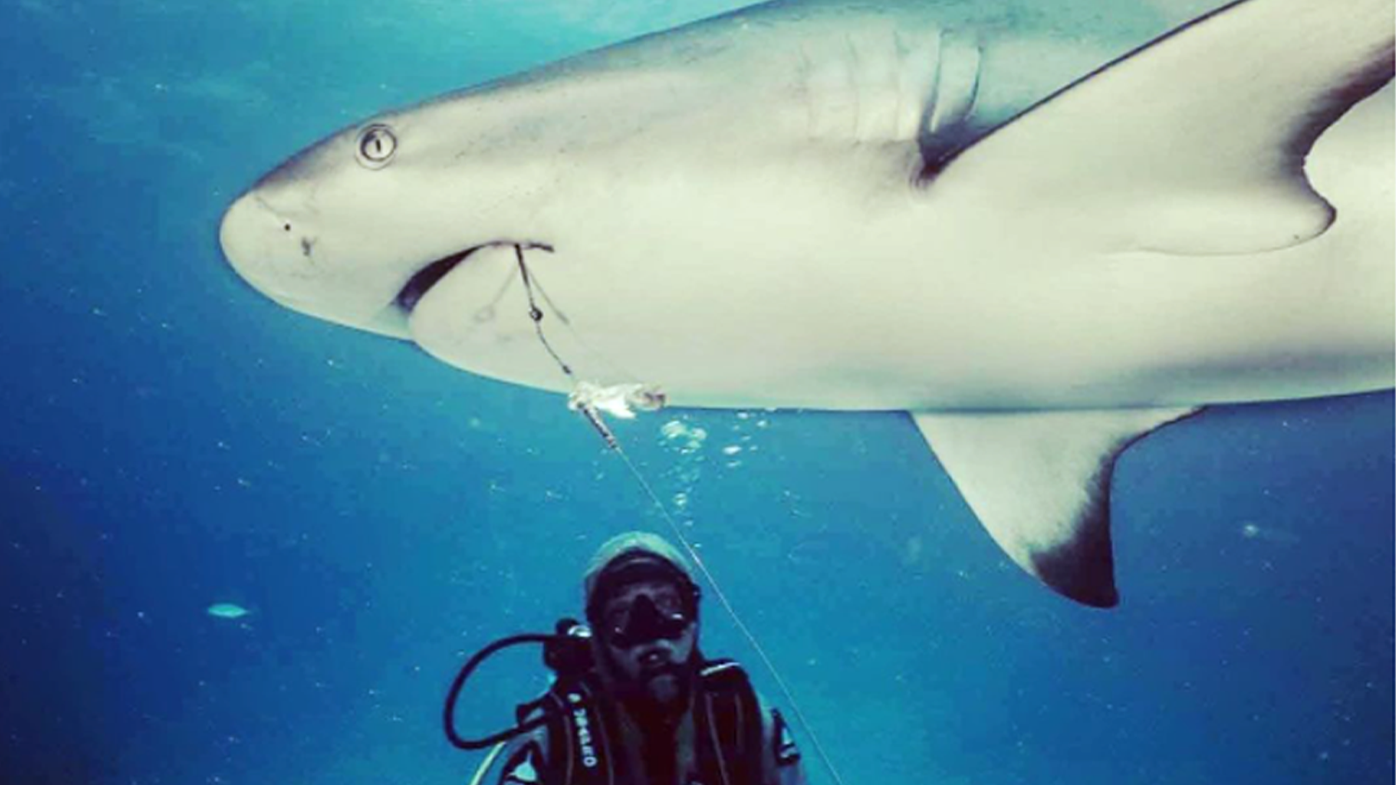
"(They'd have) swollen jaws, or I watched them slam themselves in the sand trying to remove it," she said, adding it was a natural progression to start removing the hooks.
"It's the same way I would remove a thorn out of my dog's paw."
Obviously, don't try this at home.
READ MORE: Hordes of sharks found living in volcano
https://www.instagram.com/p/CGcXA66FWUF/
It was the removal of a hook from a Caribbean reef shark called "Foggy Eye" that still sticks with Ms Zenato.
"She never liked to be touched, she'd never approach," she said.
"One day she showed up with a hook on the side and as she was swimming by I grabbed it and it came out easily.
"Three days later she showed up with another. I couldn't see the hook I could just see the lure coming out of her mouth.
"I started working with her and after a 30 minute dive I literally shoved my arm down her mouth up to the elbow and pulled this hook out.
"From that day on she always likes to be patted. She will come lean into me, come into my lap and allow me to pat her.
"It was really a 180 degree behavioural change."
Ms Zenato has formed such a close bond with the "smart" animals she claims they actually started seeking her out for help.
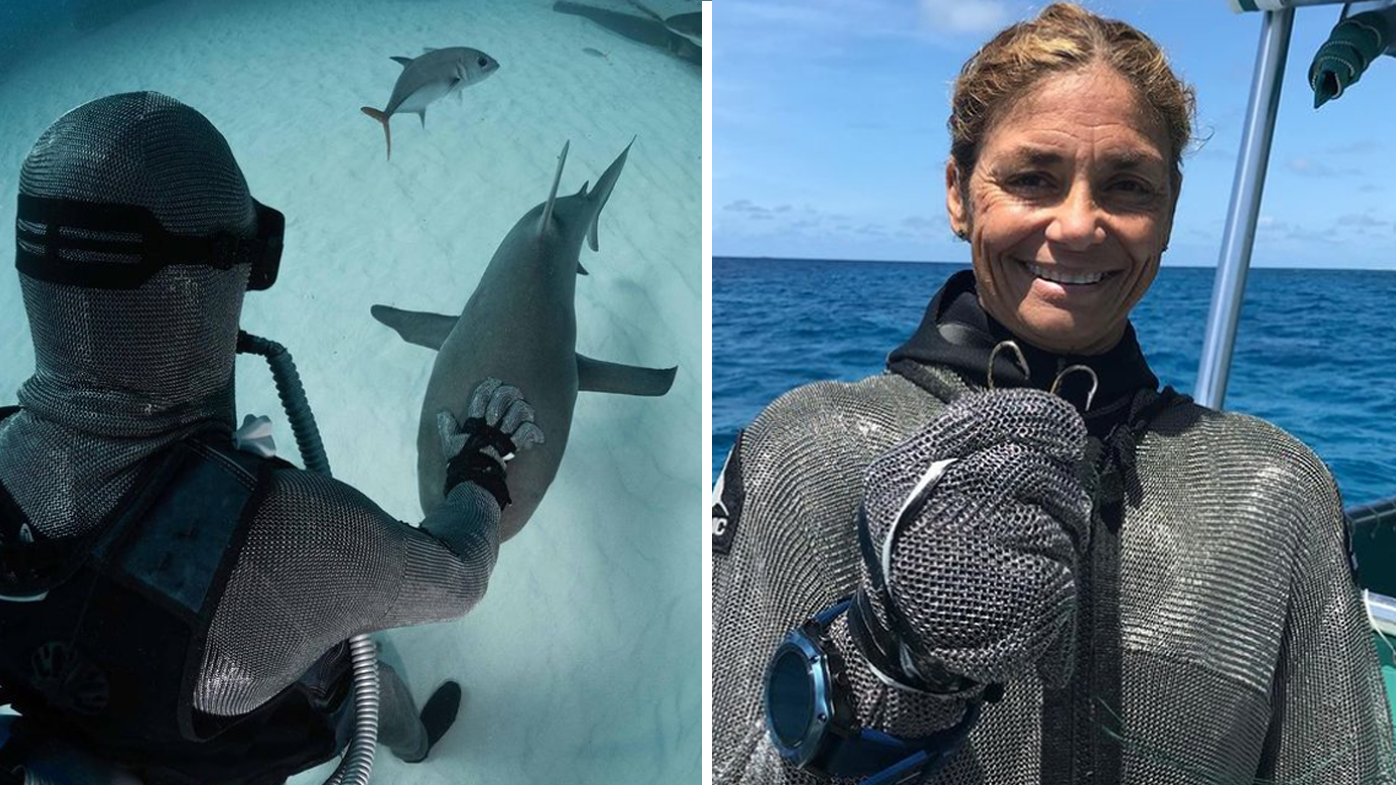
While the diver wishes she could help all species, she predominantly performs removals on Caribbean reef sharks and nurse sharks.
She explained that the size of larger species, such as tiger sharks and bull sharks, makes removals near-impossible.
"They're just too big. Size does matter in this case," she said.
"If a tiger just tries to move away from me it could actually knock me off by a couple of feet.
"Unless I was extremely comfortable with a specific animal I wouldn't go around trying to remove hooks."
'The deadliest form of plastic pollution'
Australia's scientific research agency CSIRO estimates that more than a quarter of the world's fishing lines are lost every year.
Researchers sifted through 40 years of data to produce the first global estimate of commercial fishing gear losses.
READ MORE: Plastic pollution could be working its way up the food chain
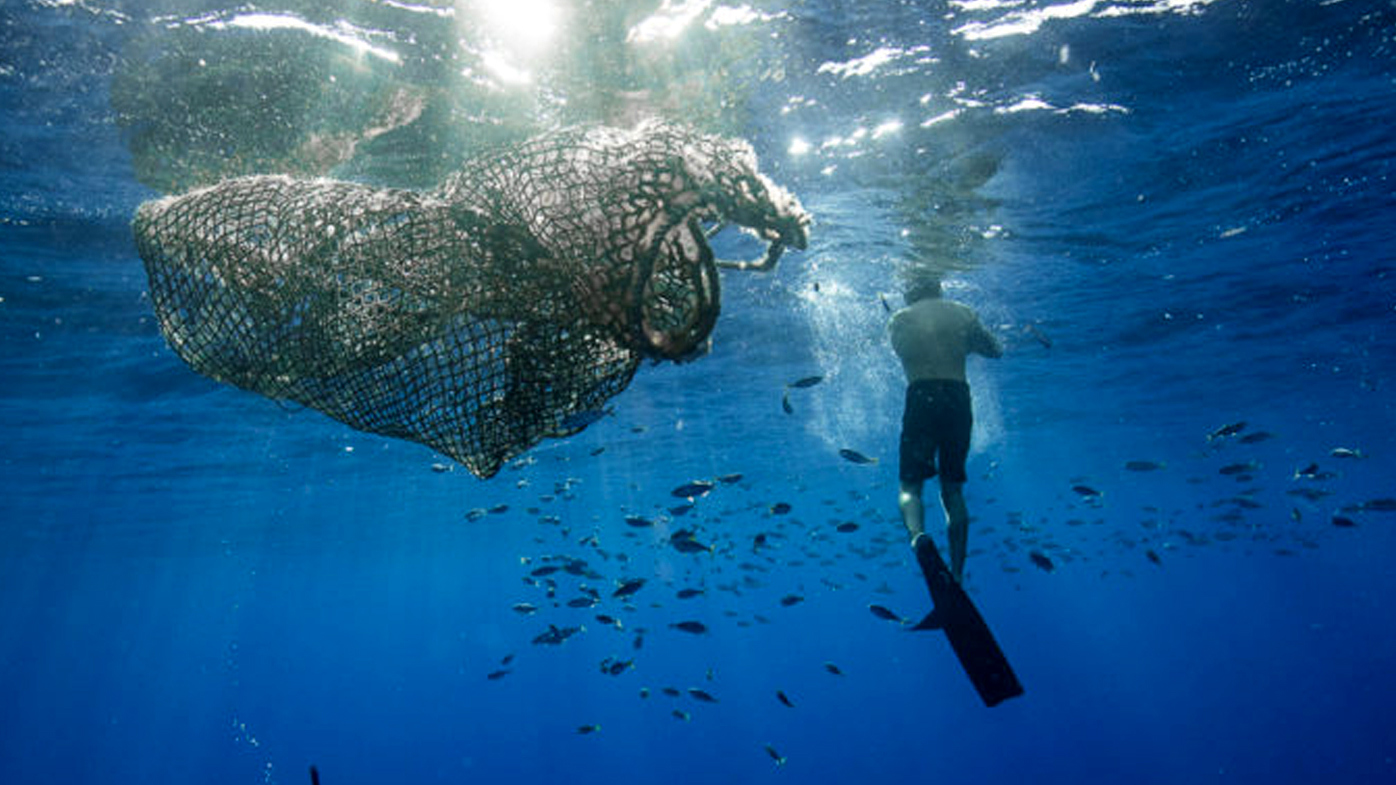
"The study estimates that six per cent of all fishing nets, nine per cent of all traps, and 29 per cent of all lines are lost or discarded into our oceans each year," Kelsey Richardson, a PhD student from CSIRO's Marine Debris Team, who led the study, said in a statement.
"We found that bad weather, gear becoming ensnared on the seafloor, and gear interfering with other gear types are the most common reasons for commercial fishing gear being lost."
Discarded fishing gear is the deadliest form of marine plastic pollution as it leads to death by exhaustion or suffocation.
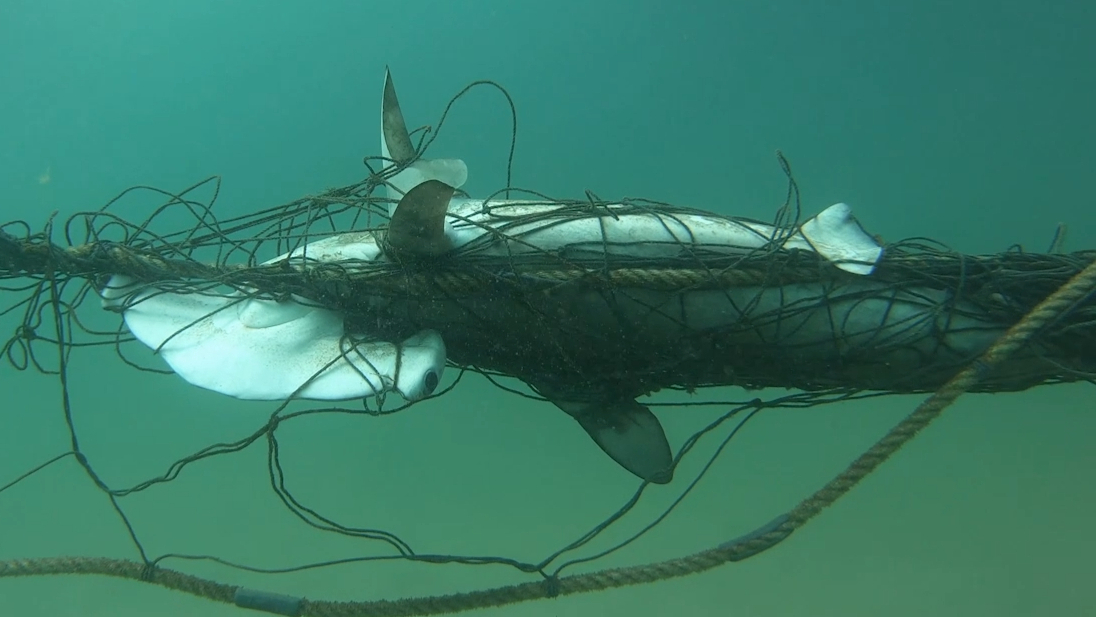
"Discarded nets, lines, and ropes now make up about 46 per cent of the Great Pacific Garbage Patch," the World Wildlife Fund (WWF) states.
Once in the ocean, fishing gear can take hundreds of years to breakdown.
FOLLOW: Raffaella Ciccarelli on Twitter
Covid 19 coronavirus: Bubble's outbreak risk to NZ still 'very low'
The transtasman bubble generally poses a “very low” risk of a fresh Covid-19 outbreak here, despite a flare-up plunging Melbourne into lockdown again.That’s according to a new study , whose authors say New Zealand could look at…
Police find massive Bitcoin mine in raid on suspected cannabis farm
UK police uncovered a cryptocurrency mine powered by stolen electricity during a raid of what they suspected was a cannabis farm.
The facility was stealing thousands of pounds worth of electricity from the mains supply, according to a statement from the West Midlands Police.
"Officers forced entry to the premises in Great Bridge Industrial Estate, Sandwell, on May 18 on the back of intelligence suggesting it was being used as a cannabis farm," the statement read.
READ MORE: Why has Bitcoin been plunging?
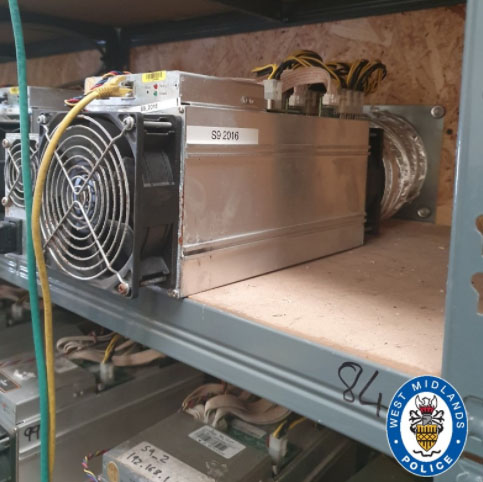
"Lots of people were visiting the unit at different times of day, lots of wiring and ventilation ducts were visible, and a police drone picked up a considerable heat source from above," it added.
Despite these being described by the police as "classic cannabis factory signs," officers instead found "a huge bank of around 100 computer units as part of what's understood to be a Bitcoin mining operation.
"Police seized IT equipment and said inquiries with electricity supplier Western Power revealed the electric supply "had been bypassed and thousands of pounds worth had been stolen to power the 'mine'."
"It's certainly not what we were expecting," Sandwell Police Sergeant Jennifer Griffin said.
"It had all the hallmarks of a cannabis cultivation set-up and I believe it's only the second such crypto mine we've encountered in the West Midlands," Ms Griffin added.
READ MORE: 'We are alarmed': Tax Office warns cryptocurrency traders to report gains
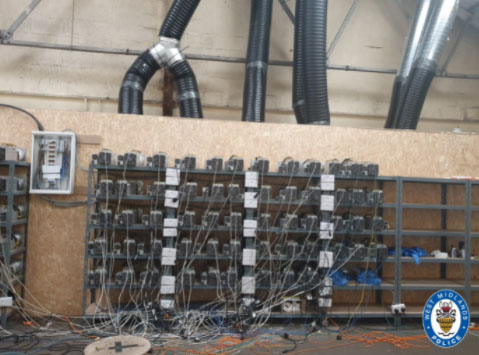
"My understanding is that mining for cryptocurrency is not itself illegal but clearly abstracting electricity from the mains supply to power it is," Ms Griffin said.
No arrests have been made on site and no one was at the unit at the time of the warrant, but inquiries with the unit's owner will be conducted, the statement also read.
Cryptocurrency mining requires significant computer power and electricity, and has a large carbon footprint. Mining hardware is constantly running, which also increases energy consumption.
Pedestrian seriously injured in hit-and-run in Manurewa, South Auckland
A pedestrian has been seriously injured in a hit-and-run incident in South Auckland.Police were called just before 2.30pm to a crash on Jellicoe Rd in Manurewa. Do you know more? Click here to email us “It appears that a…