A forecaster has likened this weekend’s wild weather across Canterbury to a classic West Coast deluge, but in reverse – and stretched out over days because of an “atmospheric traffic jam”.The event has so far brought widespread…
Tag Archives: oceania
Canterbury weather, floods: Selwyn Huts residents evacuated as river rises, road access threatened
About 70 residents of Selwyn Huts have been asked to evacuate as rising river levels threaten to cut off access to the settlement. Selwyn District Council is also telling Sheffield, Waddington and Springfield residents to self evacuate…
Covid 19 coronavirus: Two cases of Covid-19 in MIQ, none in community
There are two cases of Covid-19 in Managed Isolation and none in the community.One confirmed case travelled from Lebanon and tested positive on day 10.The other case travelled from Saudi Arabia and tested positive on day zero….
Aussies turn to retail therapy as border closures see international holidays cancelled
Aussies forced to cancel their international travel plans amid coronavirus border closures have found other ways to treat themselves in the last year, spending big on retail therapy, new data reveals.
Hundreds of thousands of people across the country have been left cashed up from cancelled international holidays, leaving that money to be funnelled into the retail, beauty and hospitality sectors.
With more than $65 billion spent on international travel in Australia in 2019 pre-pandemic, some of that has now been injected back into local businesses, specifically designer goods, dining out, fine wines and even non-surgical procedures like face fillers and Botox.
READ MORE: Victoria records five new COVID cases amid record testing and vaccine blitz
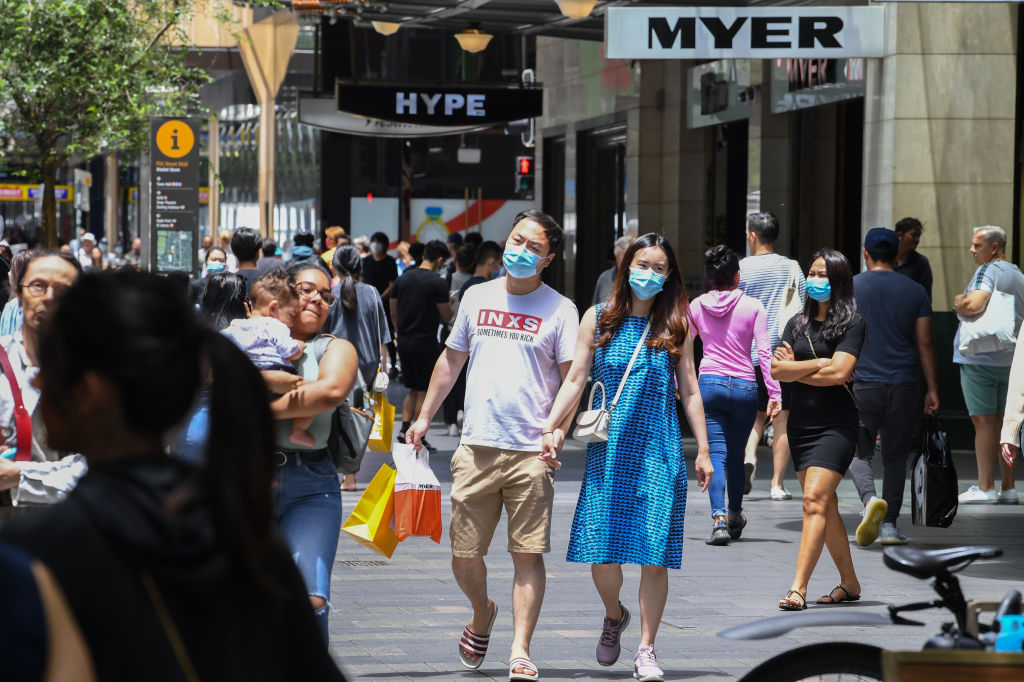
The luxury industry is set to increase by two per cent to $4billion this financial year, despite the sector usually relying on international travellers coming to Australia for a fifth of its revenue.
A new trend in spending has emerged, with shoppers singling out so-called 'zoom friendly products' like earrings and necklaces, to improve their image while working from home.
High-end restaurants have said they have seen an increase in diners spending on top menu items and expensive wines, with luxury car sales up 5.8 per cent in the past five months.
READ MORE: Teen charged over alleged stabbing at showground in Sydney's west

Spending on renovations – a popular choice among homeowners since the outbreak of the pandemic – has increased to $1 billion per month as people treat themselves to new additions like gyms, saunas and spas.
Australian retail sales surpassed expectations back in March, in a strong sign for the local economy as house prices and high employment rates boosted consumer confidence, adding to the spending.
Sales rose 1.4 per cent from February to March, surpassing expectations of a one per cent gain, data from the Australian Bureau of Statistics (ABS) suggests.
As well as the lack of international travel, the spending blitz has been assisted by government welfare payments, low borrowing costs and a surge in employment, which has boosted consumer confidence.
Cycling protesters close two lanes of Auckland Harbour Bridge
Auckland motorists experienced long delays after cycling activists breached a police barrier and crossed the Auckland Harbour Bridge, forcing the closure of two northbound lanes. The “Liberate the Lane” group held a rally at Point…
Police find dinghy in search for Waiheke Island boatie missing after seven days
Police have found a dinghy in the search for a missing man, but the man from Waiheke Island – Erno Bedo – remains missing after being last seen seven days ago in Oneroa Bay.A police spokesman said the tender belonging to Bedo was…
Weather – Canterbury flooding: Christchurch roads closed, high tide warnings
By RNZ The Heathcote River in Christchurch has broken its banks and local authorities are warning that the next high tide will bring fresh flooding in the city.MetService has a code-red warning in place – its highest alert level…
More than 200 bodies found at Indigenous school in Canada
The remains of 215 children, some as young as three-years-old, have been found buried on the site of what was once Canada's largest Indigenous residential school — one of the institutions that held children taken from families across the nation.
Chief Rosanne Casimir of the Tk'emlups te Secwépemc First Nation said in a news release that the remains were confirmed last weekend with the help of ground-penetrating radar.
More bodies may be found because there are more areas to search on the school grounds, Casimir said Friday.
In an earlier release, she called the discovery an "unthinkable loss that was spoken about but never documented at the Kamloops Indian Residential School".
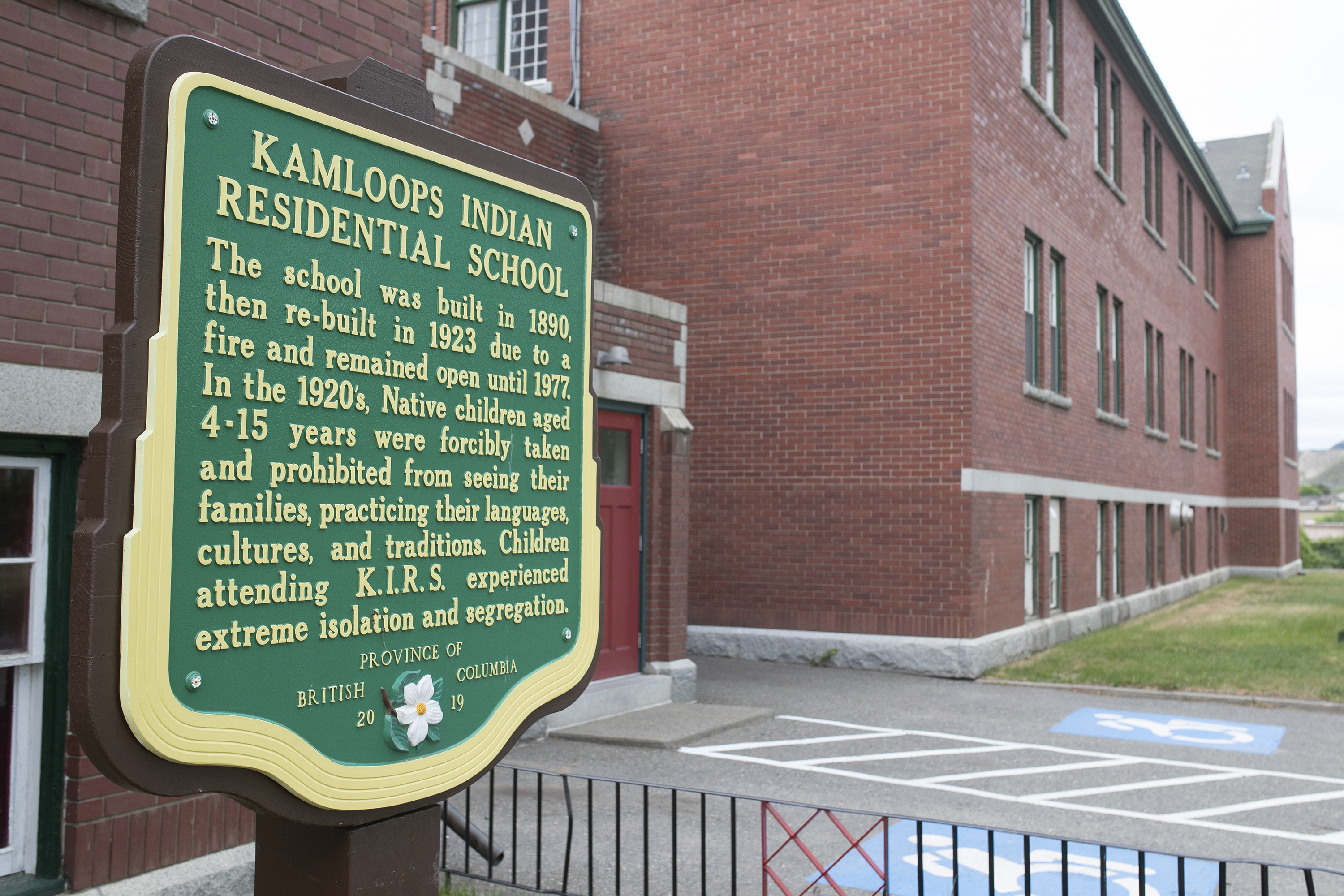
From the 19th century until the 1970s, more than 150,000 First Nations children were required to attend state-funded Christian schools as part of a program to assimilate them into Canadian society. They were forced to convert to Christianity and not allowed to speak their native languages. Many were beaten and verbally abused, and up to 6000 are said to have died.
The Canadian government apologised in Parliament in 2008 and admitted that physical and sexual abuse in the schools was rampant. Many students recall being beaten for speaking their native languages; they also lost touch with their parents and customs.
Indigenous leaders have cited that legacy of abuse and isolation as the root cause of epidemic rates of alcoholism and drug addiction on reservations.
A report more than five years ago by a Truth and Reconciliation Commission said at least 3200 children had died amid abuse and neglect, and it said it had reports of at least 51 deaths at the Kamloops school alone between 1915 and 1963.
"This really resurfaces the issue of residential schools and the wounds from this legacy of genocide towards Indigenous people," Terry Teegee, Assembly of First Nations regional chief for British Colombia, said Friday.
https://twitter.com/LeahGazan/status/1398410203826200578
British Columbia Premier John Horgan said he was "horrified and heartbroken" to learn of the discovery, calling it a tragedy of "unimaginable proportions" that highlights the violence and consequences of the residential school system.
The Kamloops school operated between 1890 and 1969, when the federal government took over operations from the Catholic Church and operated it as a day school until it closed in 1978.
Casimir said it's believed the deaths are undocumented, although a local museum archivist is working with the Royal British Columbia Museum to see if any records of the deaths can be found.
"Given the size of the school, with up to 500 students registered and attending at any one time, we understand that this confirmed loss affects First Nations communities across British Columbia and beyond," Casimir said in the initial release issued late Thursday.
The leadership of the Tk'emlups community "acknowledges their responsibility to caretake for these lost children," Casimir said.
https://twitter.com/JenStDen/status/1398370484723404801
Access to the latest technology allows for a true accounting of the missing children and will hopefully bring some peace and closure to those lives lost, she said in the release.
Casimir said band officials are informing community members and surrounding communities that had children who attended the school.
The First Nations Health Authority called the discovery of the remains "extremely painful" and said in a website posting that it "will have a significant impact on the Tk'emlúps community and in the communities served by this residential school."
The authority's CEO, Richard Jock, said the discovery "illustrates the damaging and lasting impacts that the residential school system continues to have on First Nations people, their families and communities,."
Nicole Schabus, a law professor at Thompson Rivers University, said each of her first-year law students at the Kamloops university spends at least one day at the former residential school speaking with survivors about conditions they had endured.
She said she did not hear survivors talk about an unmarked grave area, "but they all talk about the kids who didn't make it."
ACC urged to change cannabis policy as people turn to black market for pain relief
ACC is being called on to change its approach to the funding of medical cannabis products, with advocates saying the current process is cruel and outdated. That process is forcing some people into the black market to illegally purchase…
Man who had $110,000 winning bet rejected by TAB has right to take claim to Disputes Tribunal
A punter who had his $110,000 multi win rejected by the TAB because of a “technical malfunction” has the right to take the matter to the Disputes Tribunal, Consumer New Zealand says.In the early hours of May 2, Corbin Nepe placed…