A man has been seriously injured after being stabbed on a bus in West Auckland this afternoon. An Auckland Transport spokesman said the bus driver called police following an incident at Railside Ave in Henderson. “We are assisting…
Tag Archives: oceania
'Wholly suitable:' The Queen backs New Zealand's new Governor-General, Dame Cindy Kiro
The Queen has thrown her support behind New Zealand’s new Governor-General, Dame Cindy Kiro, describing her as “wholly suitable” for the role. Prime Minister Jacinda Ardern, who appointed Dame Cindy, was also pleased she took up…
Auckland Council meeting to confirm big rises in rates and water bills over next decade
Auckland Council is set to approve a new budget today that will hit households with an average 43 per cent rates rise and 111 per cent rise in water costs over 10 years.Five days after Finance Minister Grant Robertson unveiled a…
Latest forecast: Who gets the best view of 'blood supermoon'?
South Islanders remain in prime position to catch a glimpse of the first “blood supermoon” in nearly 40 years, with cloud threatening to spoil the rare lunar spectacle for much of the rest of the country.That’s according to MetService’s…
Car crashes into bank on Hawke's Bay's SH50
Police, firefighters and St John Ambulance medics responded to a car hitting a bank on a rural highway between Central Hawke’s Bay and Hastings on Monday afternoon.A police spokeswoman said they were called to the crash on State…
Wuhan researchers 'fell ill in 2019' in new detail on pandemic origins
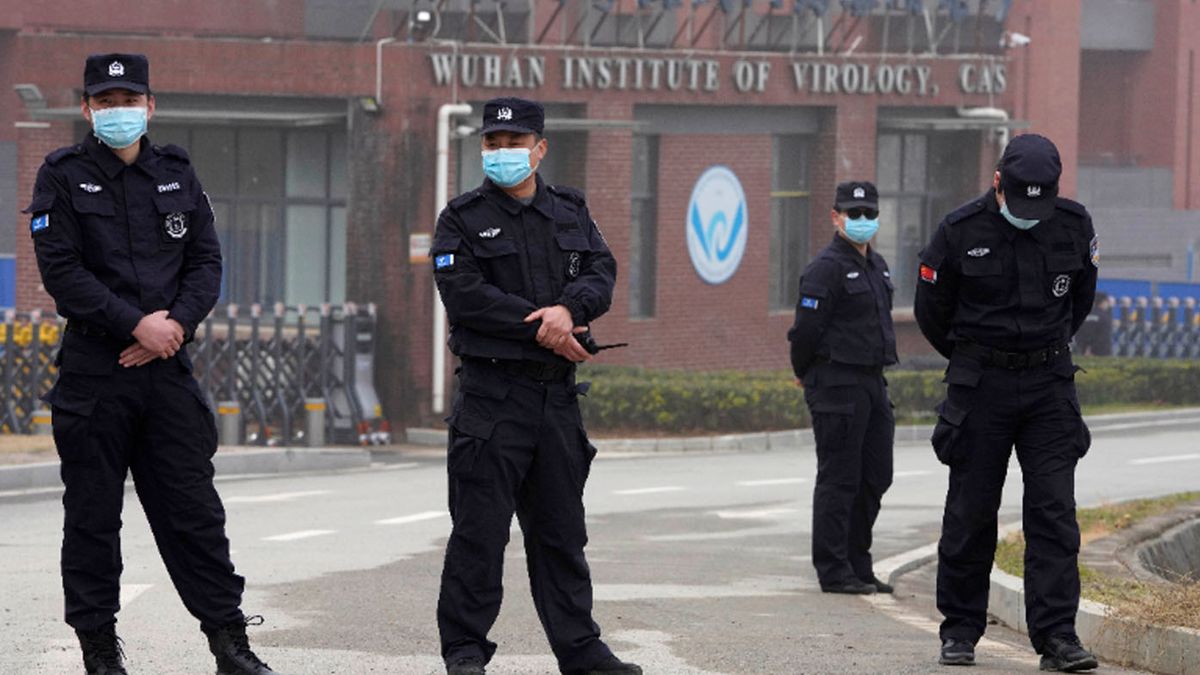
A US intelligence report found several researchers at China's Wuhan Institute of Virology fell ill in November 2019 and had to be hospitalised, a new detail about the severity of their symptoms that could fuel further debate about the origins of the coronavirus pandemic, according to two people briefed on the intelligence.
A State Department fact sheet released by the Trump administration in January said that the researchers had gotten sick in autumn 2019 but did not go as far as to say they had been hospitalised.
China reported to the World Health Organisation that the first patient with COVID-like symptoms was recorded in Wuhan on December 8, 2019.
READ MORE: Chinese students 'turning away' from Australia
The Wall Street Journal first reported on the intelligence surrounding the earlier hospitalisations.
Importantly, the intelligence community still does not know what the researchers were actually sick with, the people briefed said, and continues to have low confidence in its assessments of the virus' precise origins beyond the fact that it came from China.
"At the end of the day, there is still nothing definitive," one of the people who has seen the intelligence said.
Director of National Intelligence Avril Haines told lawmakers during the Worldwide Threats Hearing last month that "the intelligence community does not know exactly where, when, or how COVID-19 virus was transmitted initially," an assessment that has not changed, said two of the people briefed on the intelligence.
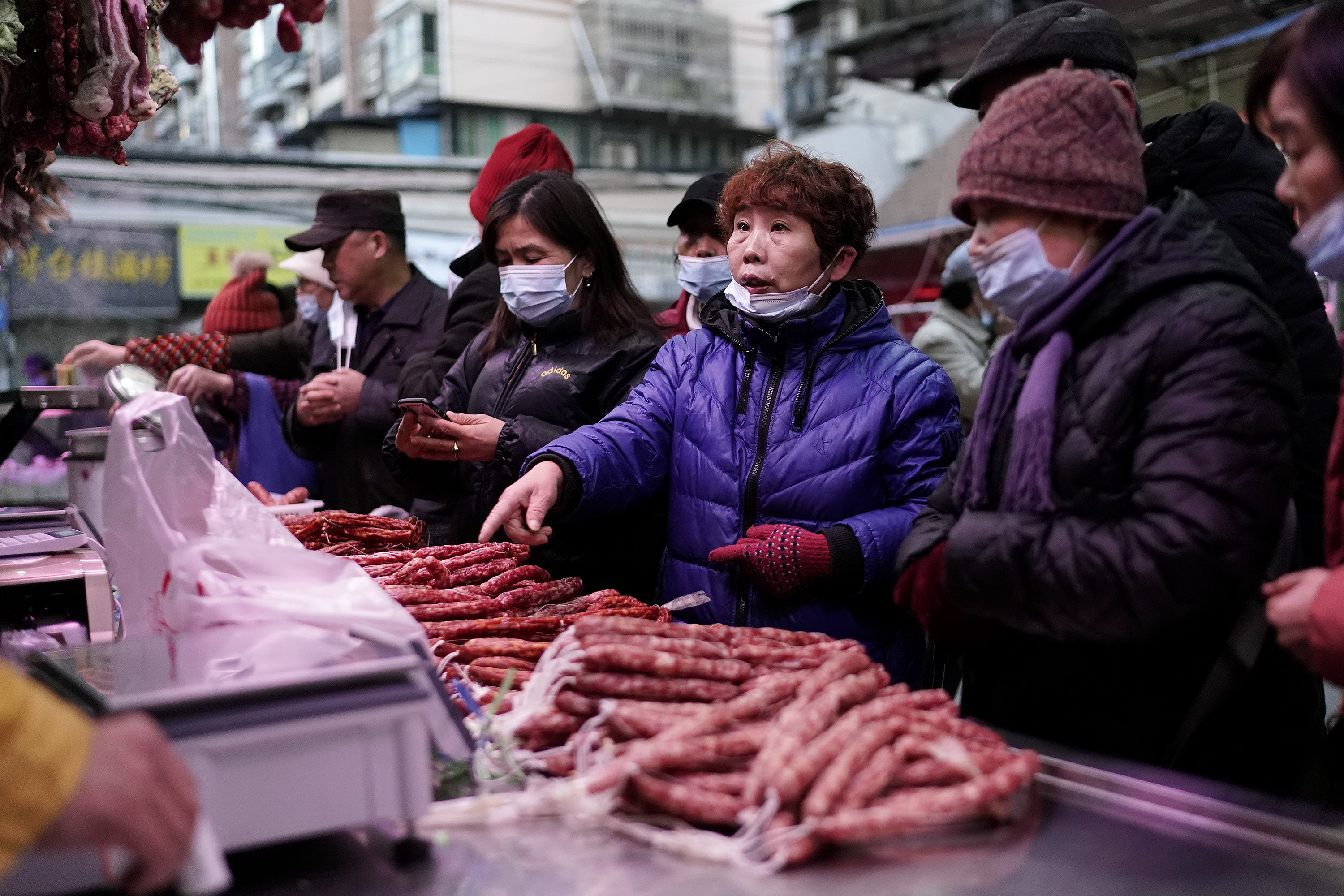
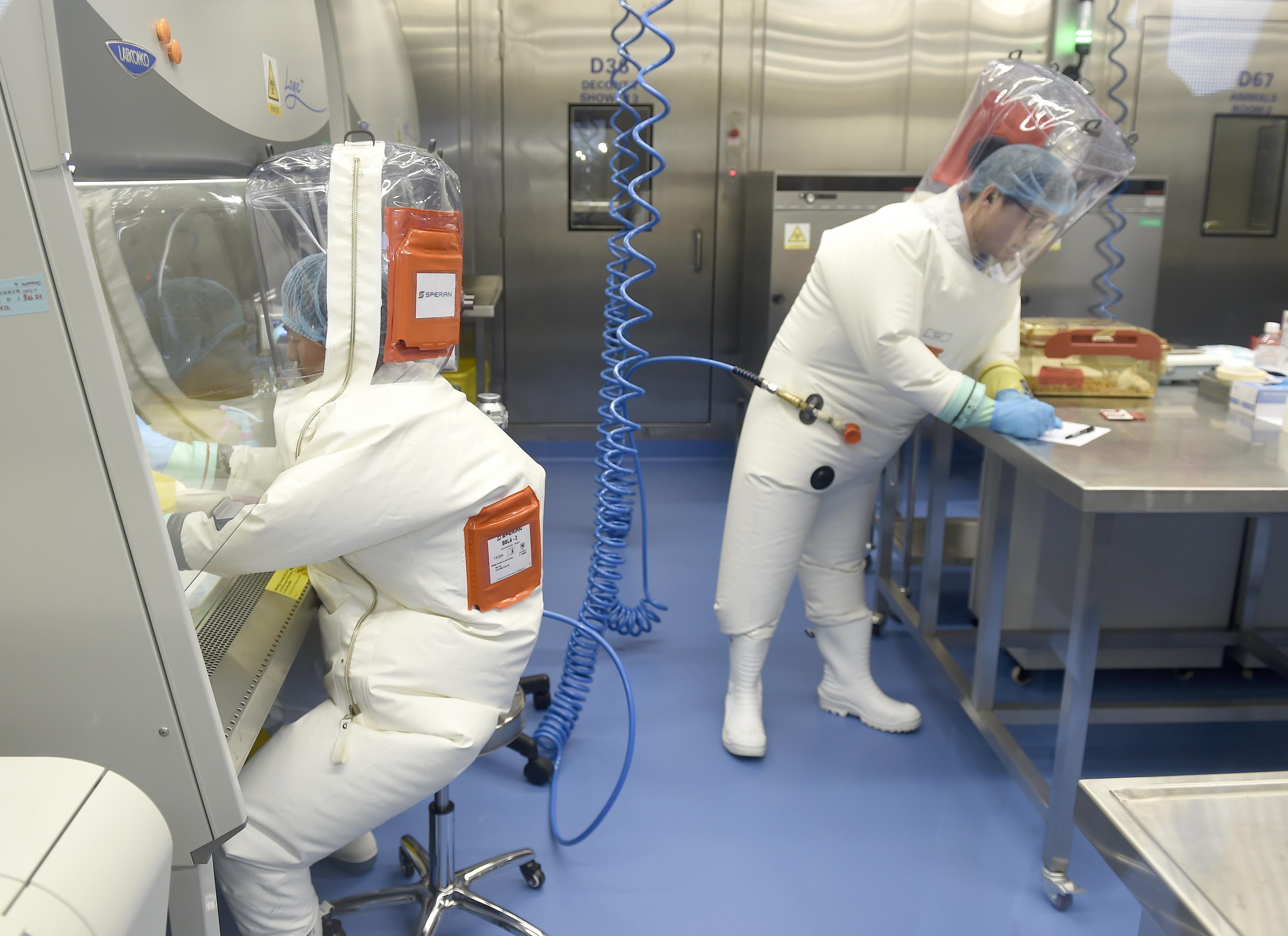
The current intelligence reinforces the belief that the virus most likely originated naturally, from animal-human contact, the sources said.
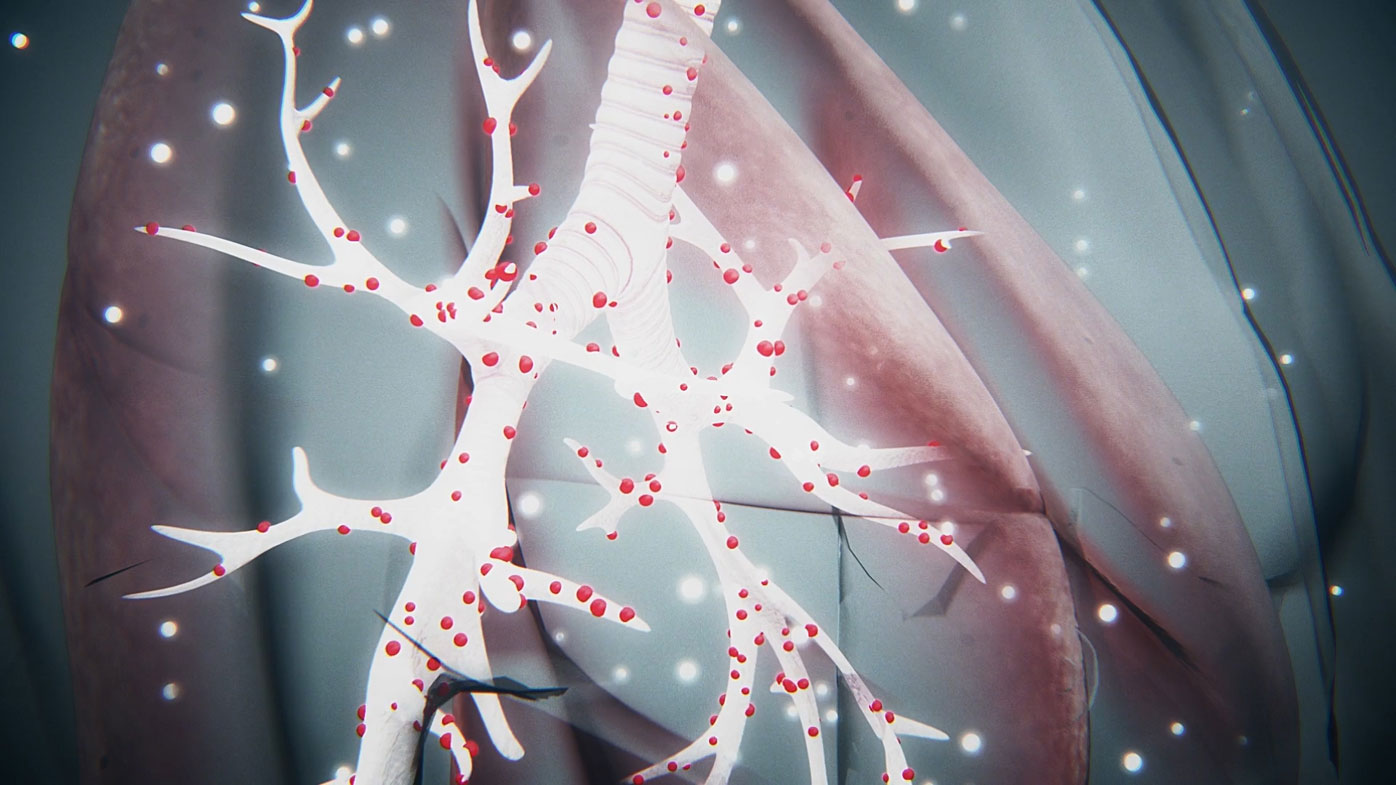
But that does not preclude the possibility that the virus was the result of an accidental leak from the Wuhan Institute, where coronavirus research was being conducted on bats.
The World Health Organisation conducted an investigation into the origins of the pandemic and concluded in a report that the risk of an accident was "extremely low".
The report said there was "no reporting of COVID-19 compatible respiratory illness during the weeks/months prior to December 2019, and no serological evidence of infection in workers through SARS-CoV-2-specific serology-screening."
Disease ecologist Peter Daszak, who worked on the WHO team, told CNN Chief Medical Correspondent Dr Sanjay Gupta in February that "there is really still no evidence that this came from a lab".
He noted that researchers were tested and there was no evidence found of COVID antibodies, and said the lab was "very well run".
"It's not a complete throwing out of that hypothesis," Dr Daszak said.
"It's a conclusion that it's extremely unlikely and that there is a much more likely hypothesis out there."
But the WHO probe was swiftly criticised by the US, UK, and other governments over its limited access to "complete, original data and samples".
The organisation was also accused of being overly deferential to China throughout the course of the study, which was co-authored by 17 Chinese scientists – several of them from state-run institutions.
Members of the House Foreign Affairs Committee, which has long been investigating the origins of the pandemic, received a classified briefing on the matter last week, according to a source familiar with the matter.
The source declined to say whether the intelligence report mentioning the hospitalised researchers was discussed during the briefing.
Current and former intelligence officials say that the idea that the virus was accidentally unleashed from the lab at Wuhan is reasonable, although they caution that there is no high-confidence assessment of that possibility.
In the final days of the Trump administration, former Secretary of State Mike Pompeo leaned into the possibility that the virus leaked from the Wuhan Institute of Virology, or WIV.
Despite the intelligence being inconclusive, Mr Pompeo put out a fact sheet that said the US had evidence researchers at the WIV had been sick in the fall of 2019 with COVID-like symptoms and that the lab, where coronavirus had been studied in bats, had a history of military research.
The process behind declassifying the intelligence in that fact sheet took a long time, and certain details were scrubbed from the final version that was released, sources familiar with the process told CNN.
In contrast, the Biden administration has not declassified any intelligence surrounding the origins of COVID-19 and has not indicated that it plans to do so.
One of the challenges in developing any certainty is access to the lab itself.
China delayed access to international investigators for months after the initial outbreak, virtually guaranteeing that the lab had been deep-cleaned before any forensic analysis could be done, and investigators were also not allowed to view original data logs that scientists say would be critical to understanding the virus' origins.
One critical avenue to finding an answer would be to run genetic sequencing on the original samples that staff at the Wuhan lab were working on.
But "the Chinese are never going to allow that," said one person familiar with the underlying intelligence.
"My own personal belief is we're never going to know the answer to this," this person said.
"And the answer is not going to be found out by the CIA, because that would suggest the Chinese are looking for it themselves," which this person said they were not.
"If the answer exists it's not going to be found by traditional spycraft," this person added.
Police name victim of fatal truck and train collision near Marton
Police have named the victim of a fatal truck and train collision near Marton earlier this month. He was Hanxin Zheng, 36, of Palmerston North.Emergency services were alerted to the crash , which occurred on Saunders Rd off State…
Manslaughter trial: Woman left husband fused to La-Z-Boy chair with 'sores all over his body', jury hears
WARNING: Disturbing content A woman on trial for manslaughter is accused of leaving her elderly husband to die from untreated wounds so infected that his skin became fused with the La-Z-Boy chair where he spent his last days. His…
Herald afternoon quiz: May 24
Test your brains with the Herald’s afternoon quiz. Be sure to check back on nzherald.co.nz for the morning quiz tomorrow. To challenge yourself with more quizzes, CLICK HERE.
New Zealand intelligence review brought forward after Christchurch terror attack
The Government is bringing forward a major review into New Zealand’s intelligence agencies in light of the Christchurch terrorist attacks. The Intelligence and Security Act 2017 is required to be independently reviewed every five…