Since the start of the coronavirus pandemic, international students have been blocked from returning to New Zealand for more than a year.Two students, from China and Indonesia, here for their Master of Business Administration course…
Tag Archives: oceania
Hawke's Bay swells set to kick up as high as five metres as storm creates risk of coastal flooding
A MetService swell warning is in force for Hawke’s Bay this week with the seas expected to peak on Wednesday evening – reaching around five metres. MetService meteorologist Kyle Lee said the easterly swell and storm tides increasing…
Dame Cindy Kiro announced as NZ's next Governor-General
New Zealand’s next Governor-General will be Dame Cindy Kiro , Prime Minister Jacinda Ardern has revealed. The PM made the announcement at her weekly post-Cabinet press conference this afternoon, where she was joined by Kiro. Kiro…
Mouse plague plotted from Queensland to NSW-Victoria border
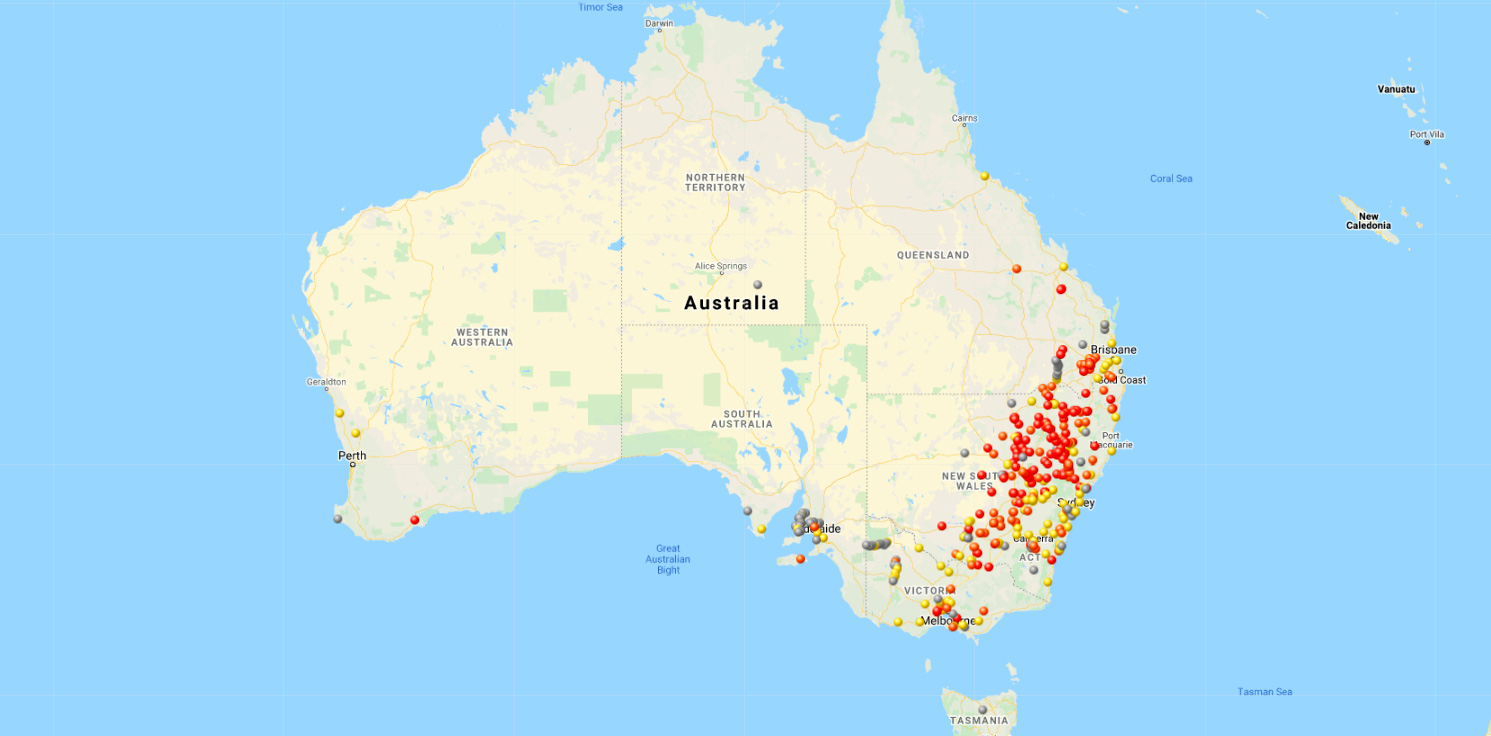
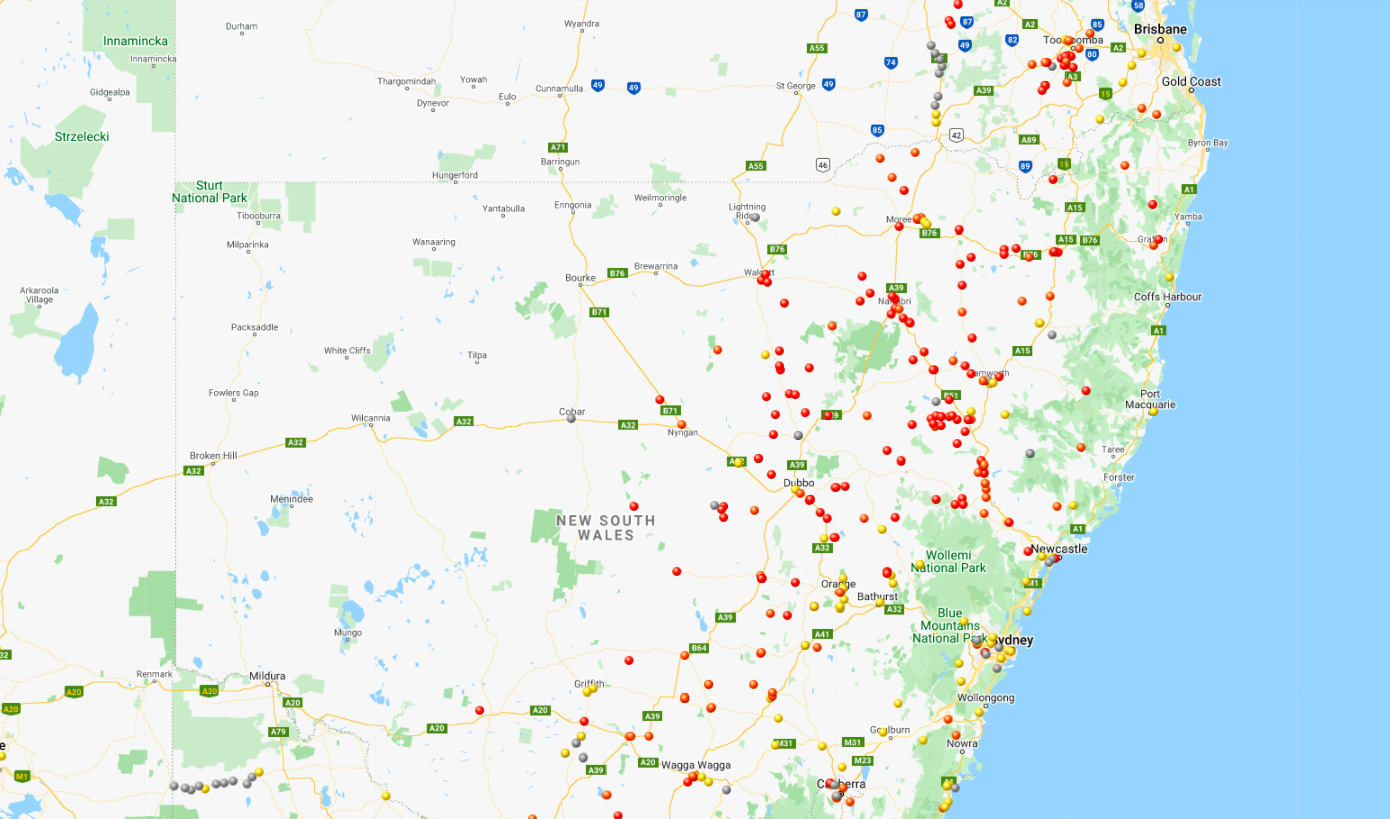
An enormous red and orange blob stretching more than 1000 kilometres from Toowoomba in Queensland to Albury on the New South Wales-Victoria border shows in brutal colour how bad the 2021 mouse plague is.
The worst-hit areas, according to CSIRO's mouse tracker map, powered by the Centre for Invasive Species Solutions, are the Northern Tablelands, Central West and New England regions of NSW.
Red dots, representing the highest levels of infestation, rise in intensity across the Central West, where NSW farmers and residents have been overwhelmed for months.
MORE: You can try out the mouse tracker here [external site]
WATCH: Avalanche of mice filmed tumbling out of NSW farmer's grain bin
Mostly orange dots, reflecting medium mouse activity, begin to appear around Wagga Wagga and parts of the Riverina in NSW, as plague numbers dissipate.
Low numbers of mice, shown in yellow, are being reported in Sydney's west, the Sutherland shire and parts of the South Coast, according to CSIRO.
Toowoomba, which sits in the most severely affected region in Queensland, is surrounded by a cluster of red dots.
READ MORE: Bromadiolone will obliterate mice, but it'll kill eagles, quolls, owls too
READ MORE: Thousands of mice captured in giant water trap on NSW farm
What the peppering of dots fail to show is the catastrophic toll of the mice; devastation of crops and grain stores, people being bitten while they sleep, and homes and furnishings gnawed and shredded by unstoppable waves of mice.
The mouse plague, spurred on by favourable weather conditions and fueled by a bumper harvest season, is causing damage believed headed towards $100 million.
So bad is the plague, health experts are fearful for the mental health of farmers and people who have had to live with the mice for months on end.
How CSIRO tracks the mouse plague
CSIRO relies on farmers and residents and a particular method of reporting to help track the spread of rodents and density of infestation.
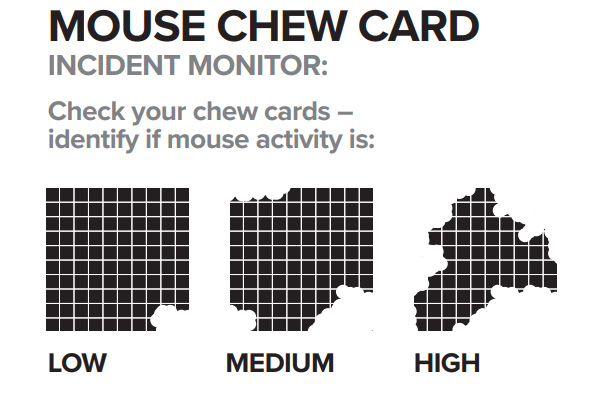
The CSIRO self-reporting system involves farmers pinning down small pieces of paper which have been soaked in canola or linseed oil at intervals in their fields.
The 10 cm x 10 cm card, which is divided into lined grids, similar to a mathematics exercise schoolbook, is then left overnight.
Drawn to the oil-soaked paper, mice will begin to devour and eat the cards.
Farmers check the cards the next day and, depending on how many squares have been chewed away, they can gauge how infested their property is likely to be.
Those results are then uploaded to CSIRO's MouseAlert system and the data is generated into the map.
READ MORE: 'The snakes will follow': Ominous sequel to mouse plague
CSIRO's most recent mouse report in March documented mice numbers as "moderate to high" in many regions of southern Queensland, northern, central and southern NSW, north-western Victoria, parts of South Australia and around Ravensthorpe, WA.
The report said mice have continued to breed through summer and autumn and would reach "a peak at sowing of winter crops".
CSIRO forecast mice would appear in houses and sheds as temperatures drop.
Footage and photos of the mouse plague have created headlines around the world, with recordings of mice "raining" down from inside hay barns and swarms of rodents scuttling through homes and farms.
Why 'Charlie bit my finger' video is being removed
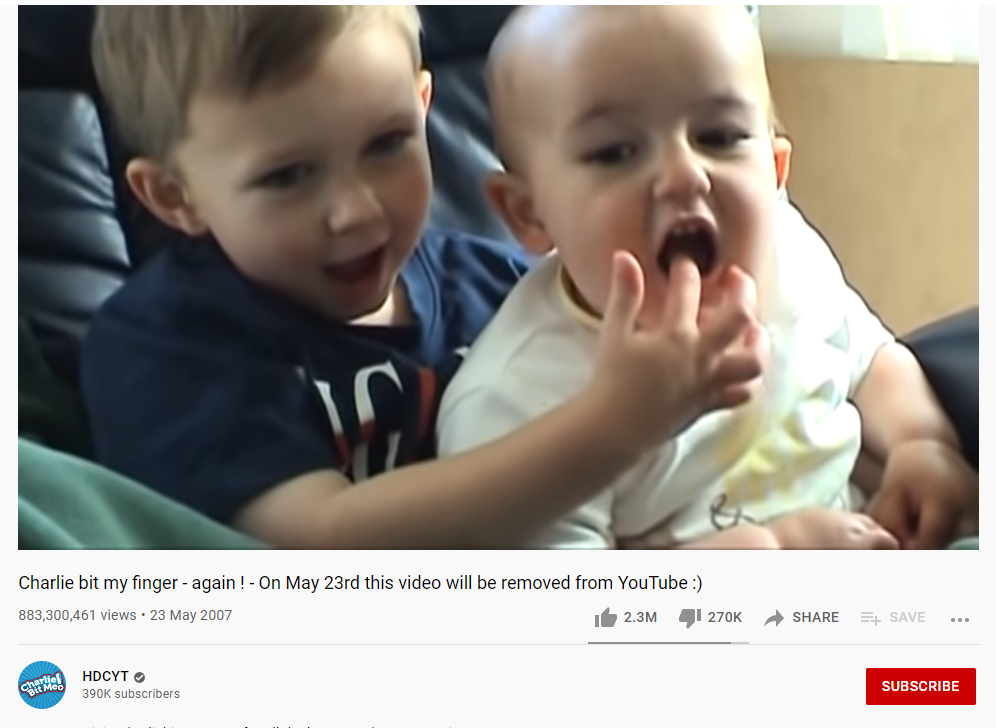
Charlie will soon bite his brother's finger for the last time.
The memorable and meme-able YouTube video Charlie bit my finger, one of the most viewed videos in the website's history, was auctioned off as a non-fungible token, or NFT for a stunning A$980,000 and is set to be deleted from YouTube, according to a website set up by the Davies-Carr family. The video remained on YouTube as of this morning.
"Bid to own the soon-to-be-deleted YouTube phenomenon, Charlie Bit My Finger, leaving you as the sole owner of this lovable piece of internet history (while also getting the chance to say Charlie bit your finger, if you want to see what all the hype is about)," the website says.
NFT's explained: Everything you need to know
An intense bidding war between anonymous accounts sent the price skyrocketing in the auction's final hours, with "3fmusic" ultimately outbidding "mememaster" for the NFT.
The adorable 2007 video, just 55 seconds long, harkens to a more innocent time in Internet history.
The video features baby Charlie chomping down on his older brother Harry's pointer finger as Harry narrates in a charmed British accent.
"Ow, Charlie! Owww! Charlie! That really hurt!" Harry says, while Charlie breaks into a giggle. "Charlie bit me," Harry concludes with a smile.
'Disaster Girl' sells meme as NFT for more than $700,000: How the internet's celebrities are cashing in
The family is just the latest meme-maker to get in on the NFT craze. NFTs transform digital works of art, collectibles, GIFs or memes into unique verifiable assets that are easy to trade on the blockchain.
In essence, NFTs create authenticity and scarcity – which can sell for high prices.
The mainstreaming of NFTs over the last few months has created a way for the unpaid people behind the memes to turn their fame into dollars.
For example, the woman behind the "Disaster girl" meme, showing a young girl smirking at the camera while a house burns in the background, sold an NFT of the meme last month for 180 Ethereum, or about $425,000.
The "Charlie Bit My Finger" NFT auction began on Saturday, which marked 14 years since the video was first uploaded to YouTube.
The video has since racked up nearly 883 million views.
Of course, anyone with a good internet connection and a little know-how can download the YouTube video for themselves, but only the NFT auction winner will have the certificate of authenticity to the original video.
The auction winner will also have the opportunity to make a parody of the video featuring the now-teenage brothers Harry and Charlie, the website says.
Branson warns stumbling vaccine rollout 'risks Australian economy'
Virgin Group founder Sir Richard Branson has urged the Australian government to make the vaccine rollout its "number one priority" or risk Australia falling behind the rest of the world.
Sir Richard told Today that vaccinating populations against COVID-19 was the key to kickstarting international travel.
"It should be the number one priority of government. Nothing else matters more to be honest. Because every single business in Australia will be held back. Every single person in Australia will be held back. The economy will suffer," he said.
READ MORE: Scott Morrison says Australians could need vaccine passports for interstate travel
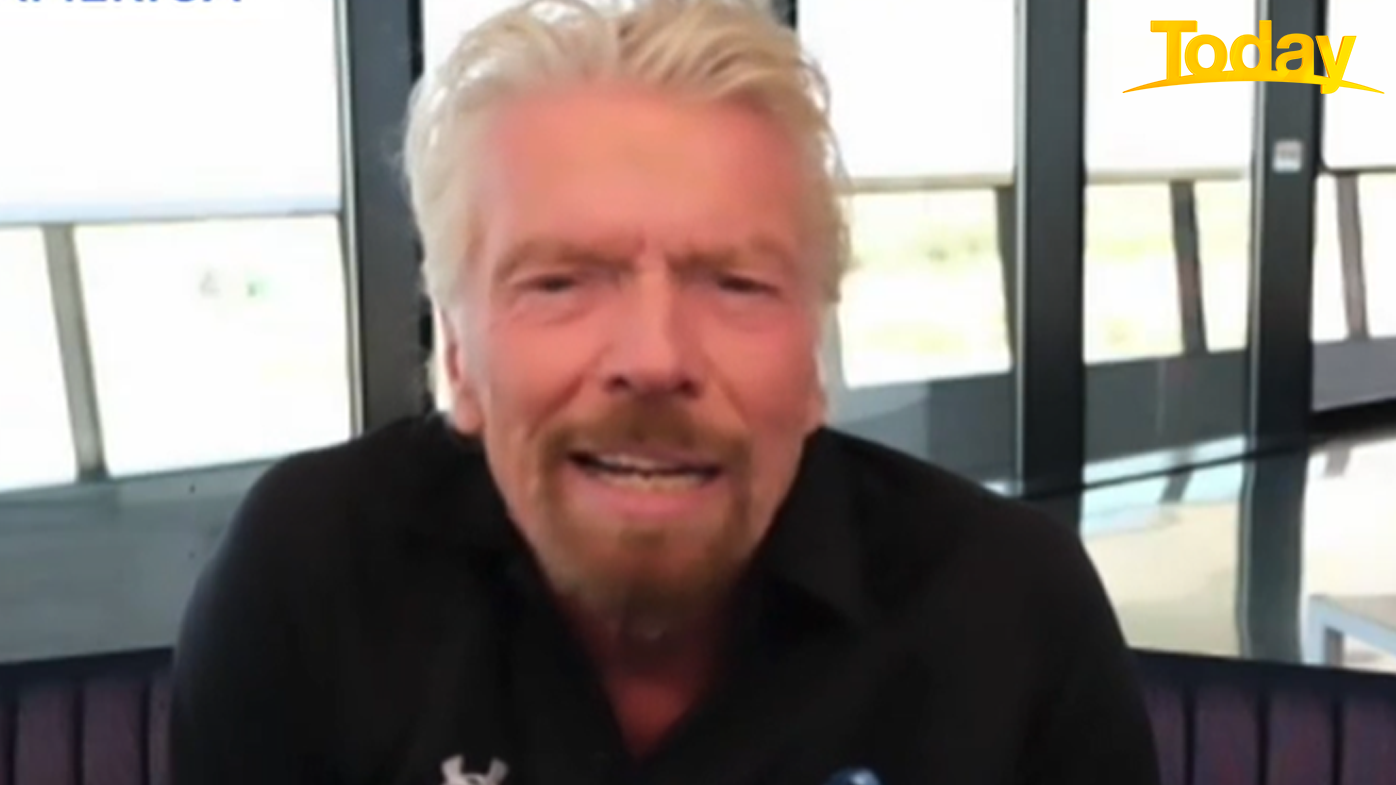
"So the sooner the remaining people who have not been vaccinated get vaccinated the better."
Sir Richard also defended Virgin Australia CEO Jayne Hrdlicka's controversial comments that borders should reopen even if it resulted in some deaths.
"I think we've all regretted things we've said. And I don't think Jane is any exception to the rule. She's made that clear. She's doing a great job in keeping Virgin Australia going," he said.
Prime Minister Scott Morrison has indicated the vaccination of Australians will be key to opening the country.
READ MORE: Two 'likely positive' cases of COVID-19 detected in Melbourne's north
Last week, Mr Morrison said vaccinated people were likely to have greater freedom of movement and different quarantine arrangements in the face of ongoing restrictions, even domestically.
No indication has been given as to when all Aussies might be vaccinated, after the government abandoned the timeline, however, three million have so far been done.
Sir Richard urged the federal government to speed up the vaccine rollout.
READ MORE: Another Australian dies of coronavirus in India
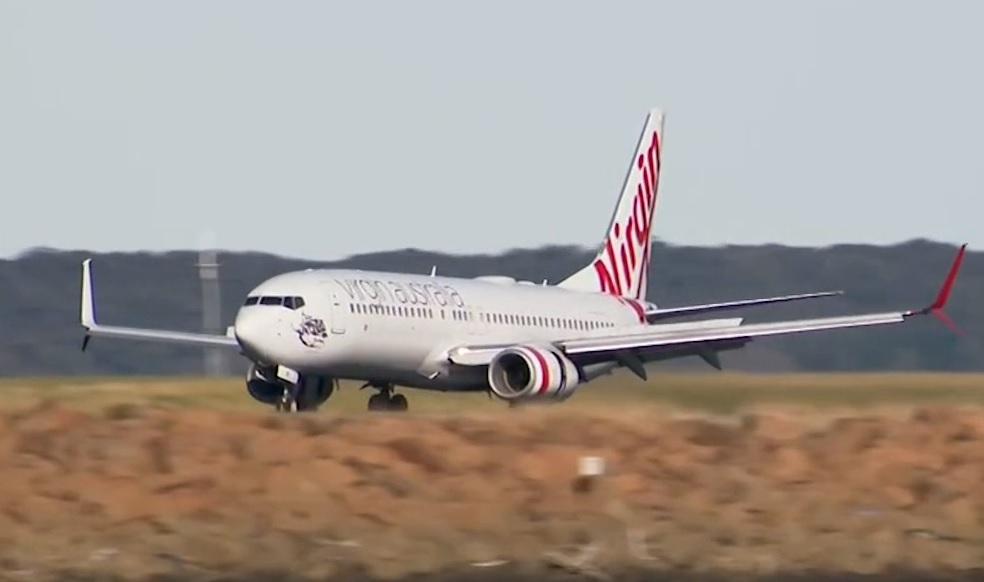
'It's a small country, I suspect most people should have been vaccinated. If not, it should been vaccinated," Sir Richard said.
The billionaire said there was no reason international borders shouldn't reopen if everyone got the jab.
The federal government has promised two million doses of Pfizer vaccine will arrive every single week from October, meaning every Australian adult could be vaccinated by Christmas.
Aviation has been one of the hardest-hit sectors in the pandemic.
Virgin was forced to lay off thousands of staff as border closures bit.
Administrators formally sold Virgin Australia to Bain Capital after a second meeting of creditors was held in September.
Passenger dies in two-car crash on State Highway 2, northern Hawke's Bay
One person has died after a crash on State Highway 2 through northern Hawke’s Bay on Sunday evening.div class=”element-action-button” style=”text-align: center;”> DO YOU KNOW MORE? EMAIL US The two-car crash occurred at Raupunga…
Wairarapa Police investigate knife-point robbery in Masterton
An early morning knife-point robbery at a Masterton Service station on Saturday has Wairarapa Police appealing to the public for information. Detective Nick Bunny said the offender entered Masterton Gull service station just before…
Hundreds more to miss out on surgery as Waikato DHB rebuilds IT system
From RNZ Hundreds more people will miss out on elective surgery this week at Waikato Hospital as the DHB struggles with no computer system because of last week’s massive ransomware cyber attack.It is not known when the system…
Clean up begins after monster swells batter Coromandel, Bay of Plenty coastlines
Council staff and contractors will at first light be assessing the damage to the Coromandel and Bay of Plenty coastlines after monster swells battered the coastlines last night.MetService recorded waves overnight of up to 6.5 metres…