Tag Archives: oceania

Cold case hub launched by Victoria Police

Victorians can now assist with solving cold cases through an online tool.

The purpose-built hub on the Victoria Police website aims to bring increased public attention to some of the more-than 200 unsolved deaths.

An online tool has been designed to source information from the community to help solve historic murders.

READ MORE: Melbourne commuters to be slapped with $200 fines for refusing to wear face masks in new police blitz

Detectives hope the hub will lead to members of the community coming forward with new information on the featured cases, which may potentially lead to some of them being solved.

Several cases have been singled out as major possibilities of being solved.

The first of five cases on the hub is the fatal shooting of 34-year-old Jane-Thurgood Dove outside her home in Niddrie on November 6, 1997.

Also included are the murders of teenagers Fiona Burns and John Lee, who were last seen hitchhiking between Adelaide and Melbourne in October, 1990.

READ MORE: 'Unlikely' Australia's international borders will reopen before next federal election: Uhlmann

The brutal assault of Samantha Mizzi in St Kilda on 30 March, 1994, will also factor.

The death of 42-year-old Christopher Phillips at his Cheltenham home on May 1, 1990, and the fatal shooting of Christos Saristavros in the car park of a licensed premises in Box Hill on October 22, 2000, are also included.

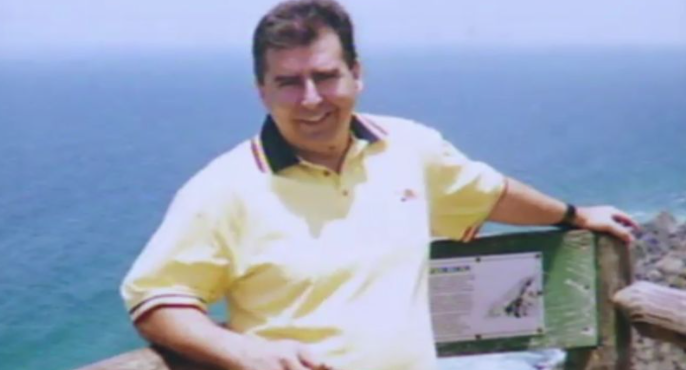
Each case package promoted on the hub includes background on the investigation, a photograph of the victim and a personal appeal from the investigator to the public for information.

This is the first time a dedicated multimedia website has been established by Victoria Police to give the community easily accessible direct information on unsolved murders.

READ MORE: 'It's stark': Woman diagnosed with breast and lung cancer in the same year describes the contrast between how she was treated

Victoria Police said with unsolved cases from as far back as 1951 remaining on the Homicide Squad's cold case books, they recognised "the need to continue to innovate and draw on information from the public, to solve these ever increasingly complex crimes."

Anyone with information about any of these cases is urged to contact Crime Stoppers on 1800 333 000 or submit a confidential report at www.crimestoppers.com.au

Space tourism a step closer as rocket-powered plane launches

Virgin Galactic's rocket-powered plane, carrying two pilots, soared into the upper atmosphere on its third mission to reach space on Saturday morning.

The success cues up Virgin Galactic to begin launching paying customers within the next year as the company works to finish its testing campaign at its new headquarters in New Mexico.

Spaceplane VSS Unity reached an altitude of 55.45 miles (89 kilometres), according to the company.

The US government recognises the 50-mile (80 kilometre) mark as the edge of space. The company tweeted on Saturday morning that the spaceflight carried technology experiments for NASA's Flight Opportunities Program.

READ MORE: Nationals 'confident we've got victory' in NSW Upper Hunter by-election

News of Virgin Galactic's test flight appeared to encourage investors earlier in the week, as they sent shares soaring more than 14 per cent on Wednesday.

Saturday's flight comes after Virgin Galactic's last spaceflight attempt ended abruptly when the rocket engine that powers the space plane, called VSS Unity, failed to ignite, setting the company's testing schedule back by months.

Virgin Galactic, founded by British billionaire Richard Branson in 2004, has spent years pledging to take groups of customers on brief, scenic flights to suborbital space. But the company has faced a series of complications and delays, including a 2014 test flight crash that left one pilot dead.

READ MORE: Second Australian repatriation flight from India en-route to Darwin

Nonetheless, Virgin Galactic has already sold tickets for $200,000 to $250,000 US ($258,665 to $323,331 AUD) to more than 600 people. And the company said it expects to see broad interest when ticket sales reopen — tickets that will be sold at a higher price than previously.

Recently, the company installed a new CEO, former Disney executive Michael Colglazier, and has been pledging to slowly ramp up to commercial operations over the next year or so. It's also focused on constructing a new line of planes, called SpaceShipIII, and is angling to one day fly about 400 flights each year from its New Mexico spaceport.

Two million Pfizer doses every week from October, says government

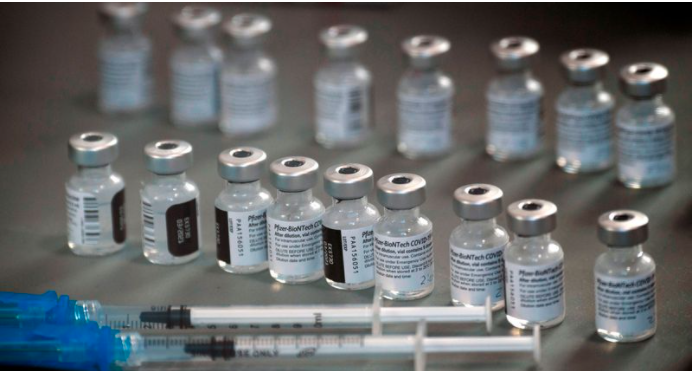
Every Australian could have access to the Pfizer vaccine by Christmas, as the federal government unveils a massive boost to the country's beleaguered COVID-19 vaccine rollout.

The government is promising two million doses of the Pfizer shot every week from October.

From the end of June, 4.5 million doses will be available, rising to seven million in the following quarter, says Health Minister Greg Hunt.

READ MORE: Second Australian repatriation flight from India en-route to Darwin

Pfizer has responded to reports a Queensland police officer was hospitalised in Brisbane with blood clots three days after receiving the companies coronavirus vaccine.

It's hoped the additional Pfizer doses will reassure those aged over 50 who are hesitant to receive the AstraZeneca vaccine due to rare cases of a serious blood clotting disorder.

AMA president Omar Khorshid told the Sydney Morning Herald that the promised Pfizer supply meant it was possible that everyone who wanted it could have both doses by Christmas.

READ MORE: Receipt blamed for wrong Woolies being named as COVID exposure site

"Because two doses of Pfizer are closer together it actually speeds up the rollout, though we have to wait for them to arrive," he said.

"We could have everyone have both doses by the end of year."

The federal government has shied away from setting a new target timeframe to have the whole adult Australian population vaccinated, after falling short in its pledge to have four million get the jab by the end of March.

However, vaccine hesitancy remains a key roadblock to the vaccination rollout, with a recent Resolve Political Monitor survey indicating 29 per cent of respondents were "not very likely" or "not likely at all" to take the COVID vaccine in the coming months.

It's estimated that around 80 to 85 per cent of the population would need to be fully vaccinated in order to safely reopen international borders.

'Stark' difference between Aussie's two different cancer diagnoses

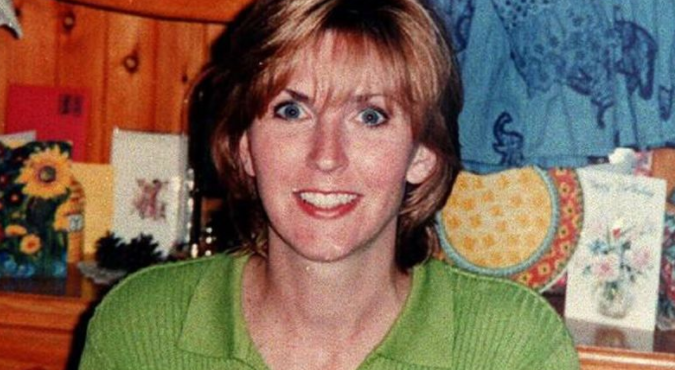
Lorraine Tyler is one of the few people who knows personally how differently breast cancer and lung cancer are handled in Australia, because she was diagnosed with both in the same year.

When the 57-year-old independent financial advisor was told she had breast cancer in April 2017, she describes her treatment and care from diagnosis — made after routine screening — to cure, as "phenomenal".

But later that year, when it was discovered by chance that she had totally separate, stage three, non small cell lung cancer, she had an altogether different experience both in terms of care and attitude.

READ MORE: Plea for more specialised nurses for Australia's biggest cancer killer
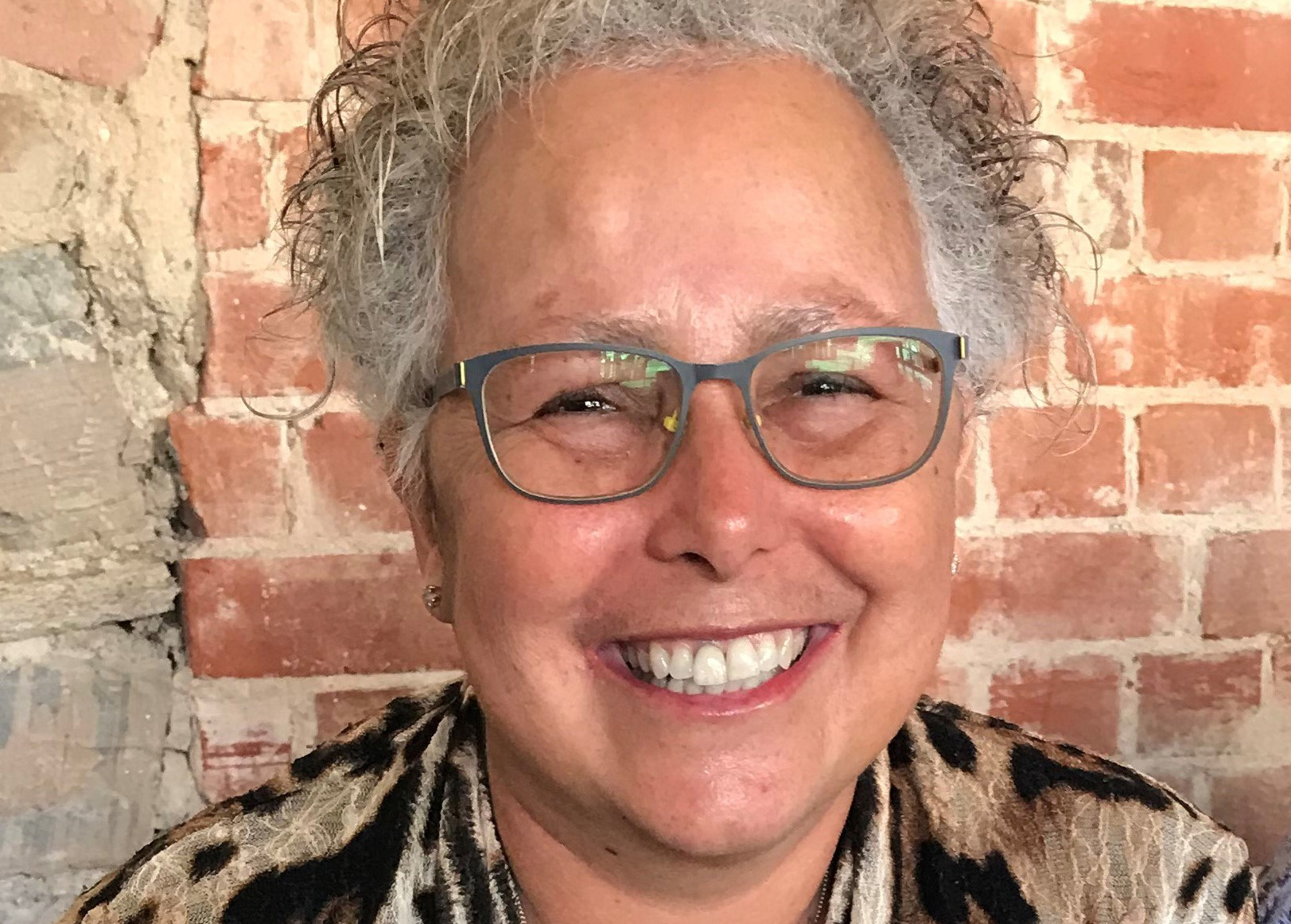
Lorraine Tyler

"People have an outpouring of grief and empathy when you're diagnosed with breast cancer," she told 9News.

"You get diagnosed with lung cancer, people say, 'Oh, I didn't know you were a smoker…' I never had been," she said.

"There's far less sympathy. The care's just far less cohesive.

"The contrast was so stark to me."

READ MORE: Tens of thousands of Aussies could have cancer and not yet know due to pandemic
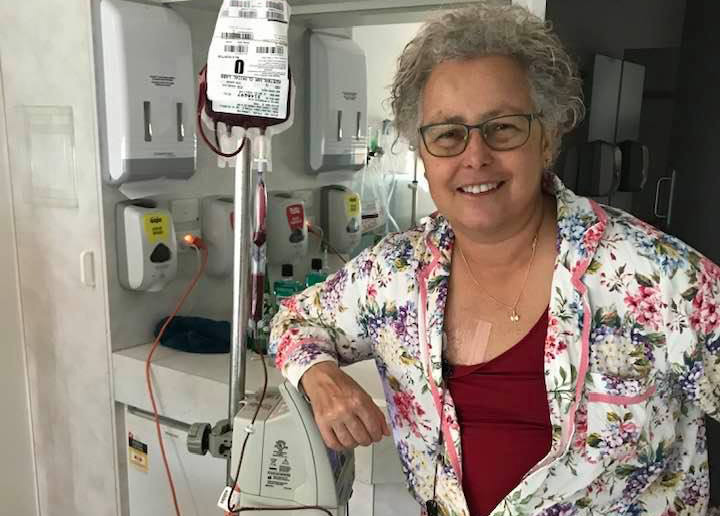
Lorraine Tyler

And while Ms Tyler could always get personal help or support from one of Australia's breast cancer nurses for her first diagnosis, the only available specialist lung cancer nurse she was able to speak to was in Brisbane.

And she lives in Adelaide.

That's despite lung cancer being Australia's biggest cancer killer, taking the lives of 9000 people every year, more than breast, prostate and ovarian cancers combined.

"There's just this massive gap in the lung cancer space even though it's the biggest cancer killer in the country," she said.
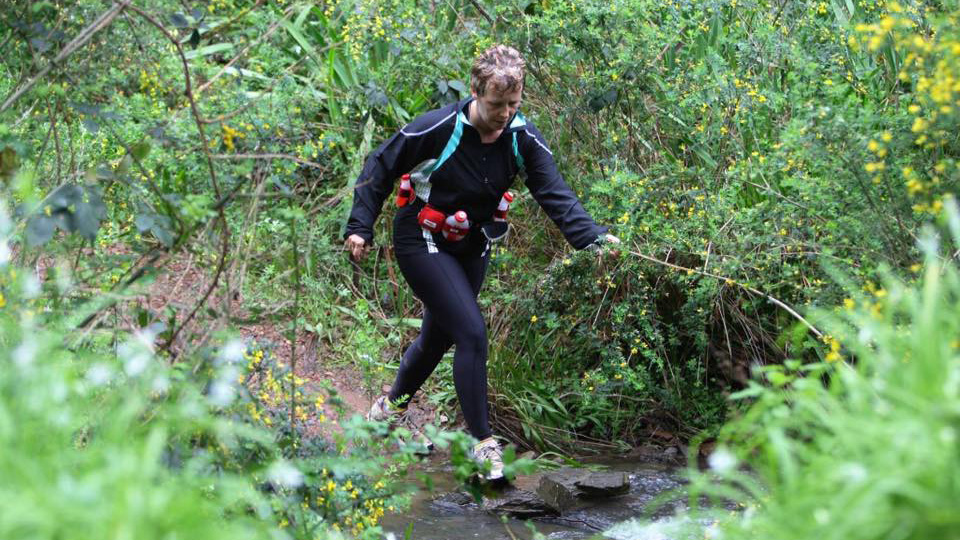
Lorraine Tyler cancer

Millions pledged not enough

Last week's Federal Budget pledged $6.9m to fund five more lung cancer nurses bringing the total across Australia to 17.

But that's still only one nurse per almost 800 patients, compared with the amount diagnosed annually.

In comparison there are 400 breast cancer nurses, according to Lung Foundation Australia.

Specialist nurses provide support and care both over the phone and in person and have been proved to have a positive impact on patient's health.

However, some of the budget cash will also help get a world-first lung cancer screening program off the ground, which could work in a similar way to breast cancer vans and help get people like Ms Tyler, diagnosed before it's too late.

It could save 12,000 lives over a decade, according to Cancer Australia.

READ MORE: Mum-of-two, 37, with lung cancer demands action over disease

However, the cash earmarked for lung cancer in this year's Federal Budget alone was around a tenth of that given to breast cancer screening.

Charity the Lung Foundation said the latest money is a positive step, but called for more help.

"While we welcome the Budget announcement and look forward to full implementation of a national lung cancer screening program, we call on the Government to now continue the momentum in order to finally achieve equity for treatment and care across all cancers," Lung Foundation Australia CEO, Mark Brooke, said.

"We note this year's Budget contained $354 million for women's health, with significant spending for breast and cervical cancer screening.

READ MORE: Aussie from USA denied chance to spend time with dying mother
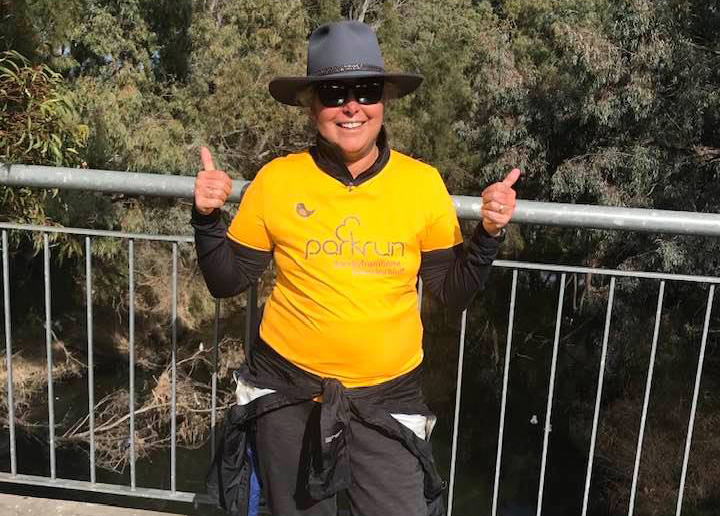
Lorraine Tyler

"So while lung cancer is the deadliest cancer for Australian women, as well as men, funding does not yet fully reflect that.

"When it comes to specialist care nurses, the lung cancer community remains terribly under-represented.

"Five specialist care nurses for lung cancer patients is a very positive start and warmly welcomed, but is very much only the beginning."

READ MORE: Mum given life-changing diagnosis backs new 'googling' campaign

Cancer-free for now

Before lung cancer, Ms Tyler was a successful mountain hiker whose achievements include reaching Mount Everest base camp and ultra marathons,

She cannot hike or run anymore, and is on a drug which has successfully shrunk the cancer, which had spread to her liver.

At the moment she has no evidence of disease, but she knows it will return.
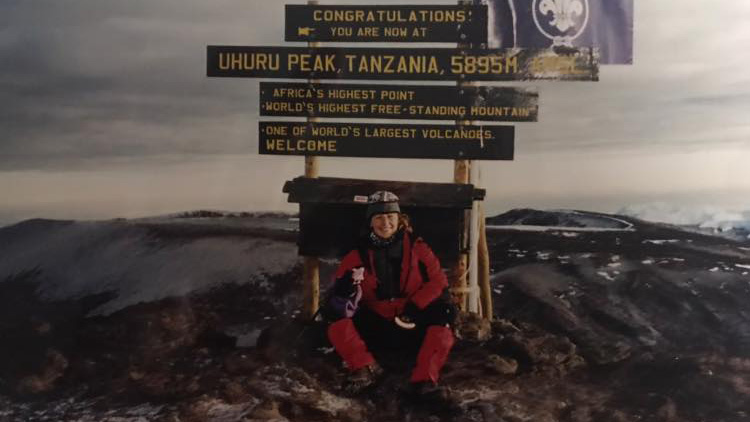
Lorraine tyler cancer

She said while she's pleased to have benefitted from the cash poured into breast cancer, she wants to see more done for lung cancer patients, too.

"They've got to address the fact that lung cancer is the fifth most diagnosed cancer in the county but the biggest killer by far," she said.

READ MORE: Non-smoker diagnosed with lung cancer at 22 backs hard-hitting anti-stigma campaign

The Federal Health Department, said, "The Government has made an initial investment of $6.9 million through the 2021-22 Budget. 

"A portion of this funding is for further stakeholder consultation and detailed design work in 2021-22 around the feasibility of a national lung cancer screening program. 

"The Government's consideration of any further funding will be informed by this process. 

"Cancer care nurses are one part of the cancer care team and can provide valuable support to people with lung cancer.

"The measure announced by the Government provides funding for 12 months to trial the delivery of support to lung cancer patients through cancer care nurses."

Lung Cancer Facts

Lung cancer kills more Australians than any other type of cancer, but gets relatively little research funding.

It received less than a quarter of the funding cash given to breast and colon cancer research between 2011 and 2016, according to Cancer Australia.

A tissue specimen from a patient with lung cancer, which is Australia's biggest cancer killer.

As a result, while breast cancer survival rates have soared to 90 per cent, just 15 per cent of lung cancer patients survive more than five years.

One in three women, and one in 10 men, diagnosed have never smoked, according to the Lung Foundation Australia, but the disease still carries a stigma.

Contact journalist Sarah Swain: Ss****@******om.au
Why cryptocurrency lost more than $1.2 trillion in a week

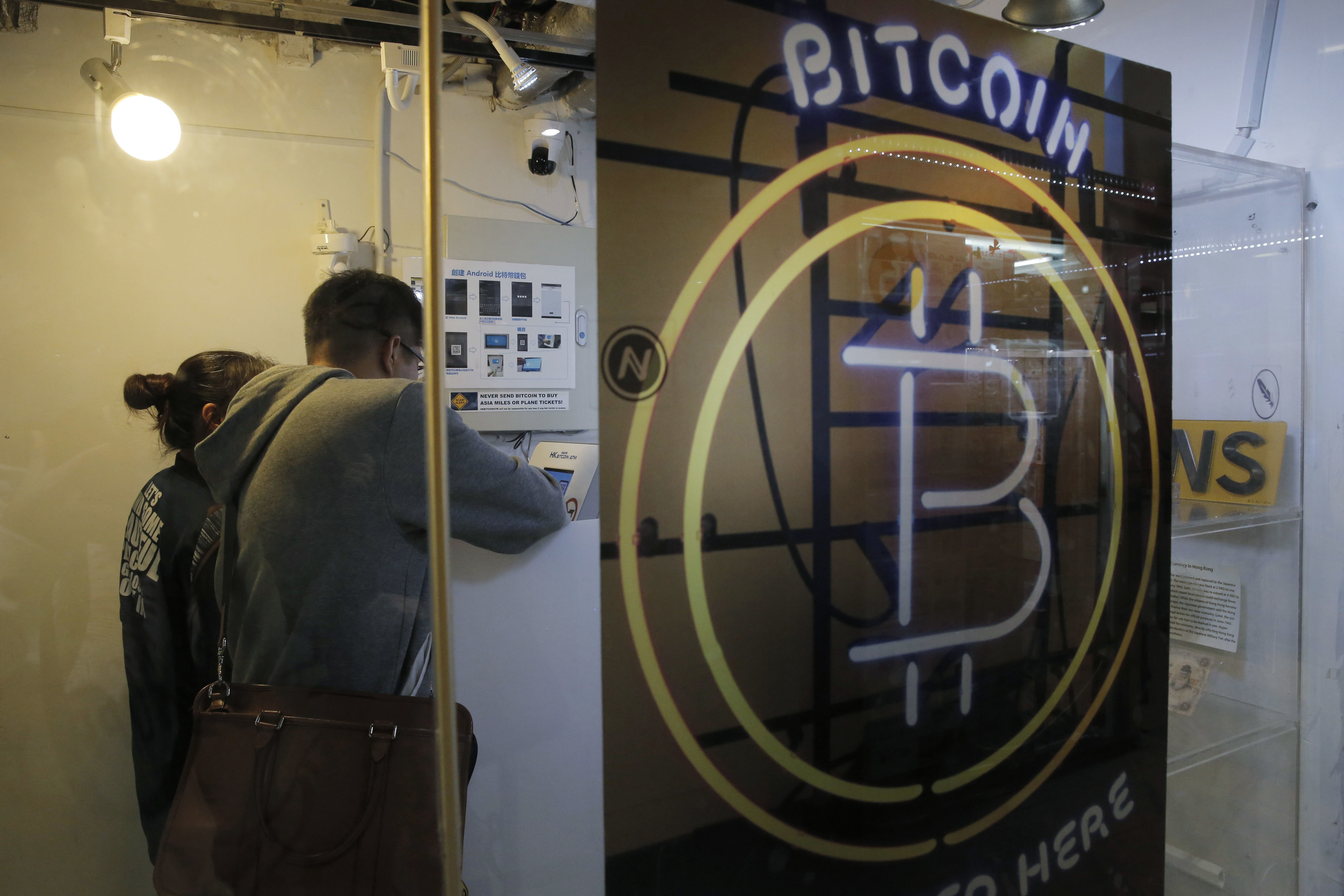
Wild, stomach-churning moments are part of the experience when you buy a ticket to the crypto circus. But the past week's volatility was enough to make some of the crypto faithful wonder whether they've been bamboozled.

On Wednesday, a broad crypto crash wiped out about $1.29 trillion in market value — a staggering drop from $3.23 trillion just a week ago.


Bitcoin, which accounts for more than 40 per cent of the global crypto market, nosedived 30 per cent to $38,800 on Wednesday, its lowest point since January.

READ MORE: Bitcoin stabilises after week of bungee-cord prices

By Friday, bitcoin had rebounded slightly, to around $47,850 — bruised by continued regulatory concerns, and far off its all-time high above $82,770 that it hit a month ago.

Volatility is baked into the nascent cryptocurrency market, but the digital assets' explosive growth in the past year has attracted hordes of amateur and professional investors looking for a quick profit. Many of them ride an upswing and get out, or panic sell when things turn sour, exacerbating gains or losses.

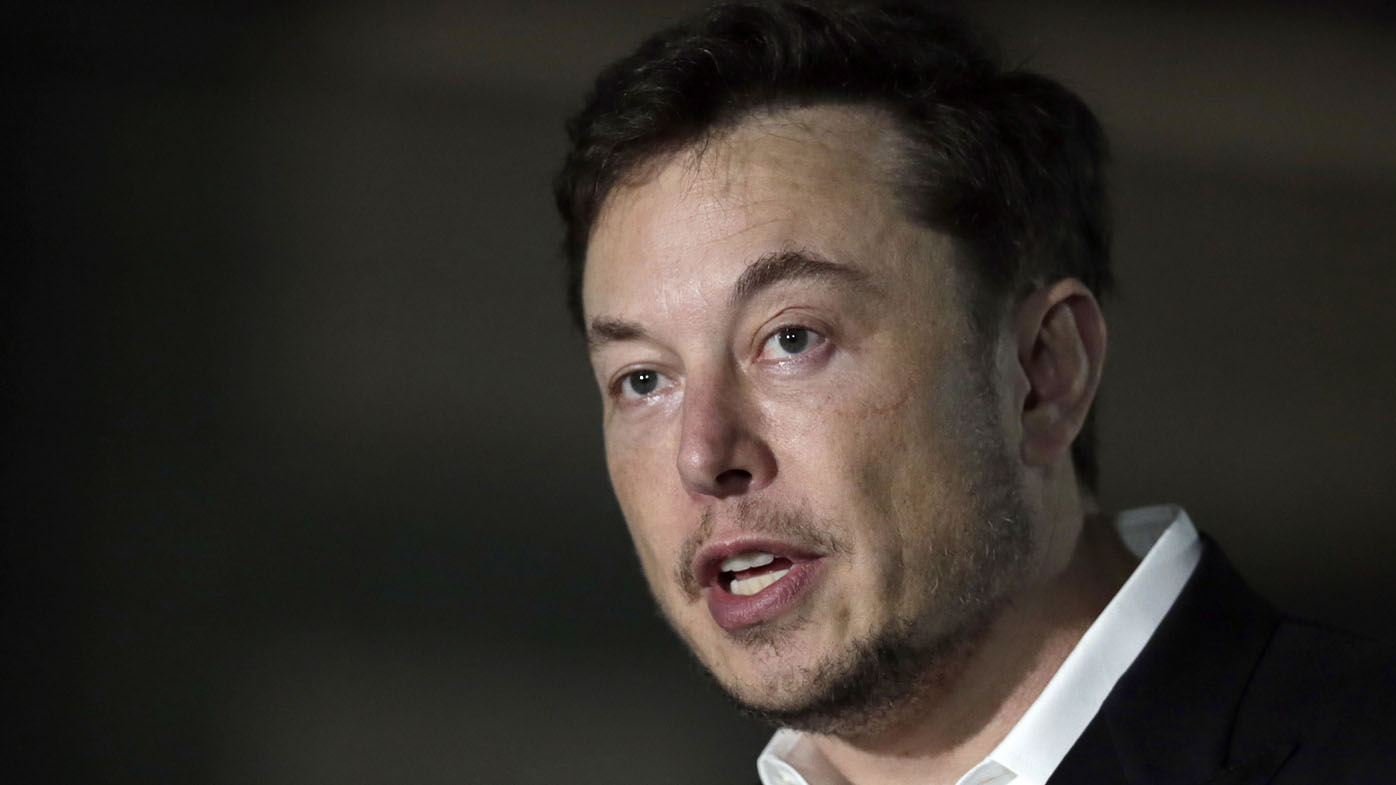
This week, a combination of factors, including government warnings about increased regulation and tweets from influential market mover Elon Musk, added fuel to an already jittery market.

READ MORE: EXPLAINER: Why has Bitcoin been plunging?

What happened?

The crypto market had been especially shaky for about a week before the crash on Wednesday.

On May 12, bitcoin fell 12 per cent after Elon Musk walked back Tesla's commitment to accept bitcoin as payment, citing concerns over the crytocurrency's massive carbon footprint. Musk added to investor anxiety last weekend with a pair of seemingly contradictory tweets about bitcoin that left investors scratching their heads.

Then the big crash came on Wednesday, after Chinese officials signalled a crackdown on crypto use in the country.

The central bank issued a warning to Chinese financial institutions and businesses not to accept digital currencies as payment or offer services using them.

READ MORE: 'Diamond hands': Elon Musk holding steady as Bitcoin plunges

The threat of increased regulation triggered a panic, and bitcoin plunged before rebounding slightly and levelling off.

Other cryptocurrencies also tanked: Ethereum fell more than 40 per cent, while dogecoin and binance lost around 30 per cent.

By Thursday, bitcoin had recouped some losses and was back above $53,030.

But a Friday statement from Chinese officials reiterating the need to crack down on cryptos beat bitcoin back down. It was trading around $47,850 on Friday afternoon. Other cryptos were also in the red.

READ MORE: Bitcoin plunges below $40,000 as China widens its crypto crackdown

Regulatory concerns

China has long had limits around crypto trading within its borders. Officials declared in 2013 that bitcoin was not a real currency and banned financial and payment institutions from using it. Individuals can hold or trade cryptocurrencies, but major exchanges in mainland China have been shut down.

On the surface, this week's statements simply underscored China's suspicion of cryptocurrencies generally. But they sent a clear signal that Beijing is not loosening its grip on the market anytime soon. Authorities are also launching a state-backed digital yuan that would keep money flows under strict oversight.

And it's not just China. On Thursday, Federal Reserve Chairman Jerome Powell warned about potential risks cryptocurrencies pose to the financial system. Powell also said the central bank would publish a paper this summer that will explore the implications of the US government developing a digital currency of its own.

READ MORE: Bitcoin's price is in freefall

A potential central bank digital currency "could serve as a complement to, and not a replacement of, cash and current private-sector digital forms of the dollar, such as deposits at commercial banks," Mr Powell said.

The Treasury Department is also turning its attention to the crypto space. On Thursday officials said any transfer of digital currency valued at $12,930 or more must be reported to the Internal Revenue Service.

"Cryptocurrency already poses a significant detection problem by facilitating illegal activity broadly including tax evasion," the Treasury said in a statement.

"Despite constituting a relatively small portion of business income today, cryptocurrency transactions are likely to rise in importance in the next decade, especially in the presence of a broad-based financial account reporting regime."

Bitcoin had been up nearly 6per cent Thursday but pared its gains after the statements from US officials, according to Bloomberg.

READ MORE: The prophetic investor from 'The Big Short' is betting big against Tesla

The future of cryptos

The week's wild swings were a test for cryptocurrency fans. True believers tend to take the long view: At the start of 2020, bitcoin was trading around $9,000 a coin, which means it's still up more than 400 per cent in that time, even after crashing this week.

"We all tend to focus on day-by-day, week-by-week," said William Quigley, managing director at crypto-focused investment fund on Wednesday. "But that's not how most people buy cryptocurrencies, or even stocks.

Is it a bubble? Probably, according to ethereum co-creator Vitalik Buterin. In an interview with CNN Business this week, Buterin said he wasn't surprised by the crash, because he's seen it all before.

"We've had at least three of these big crypto bubbles so far," he said. "And often enough, the reason the bubbles end up stopping is because some event happens that just makes it clear that the technology isn't there yet."

The information provided on this website is general in nature only and does not constitute personal financial advice. The information has been prepared without taking into account your personal objectives, financial situation or needs. Before acting on any information on this website you should consider the appropriateness of the information having regard to your objectives, financial situation and needs.