Tag Archives: oceania

'Shattered' parents hold hunger strike over daughter's hospital death

The parents of a young girl who died after being admitted to Perth Children's Hospital with a fever last month have held a hunger strike, demanding answers from health authorities.

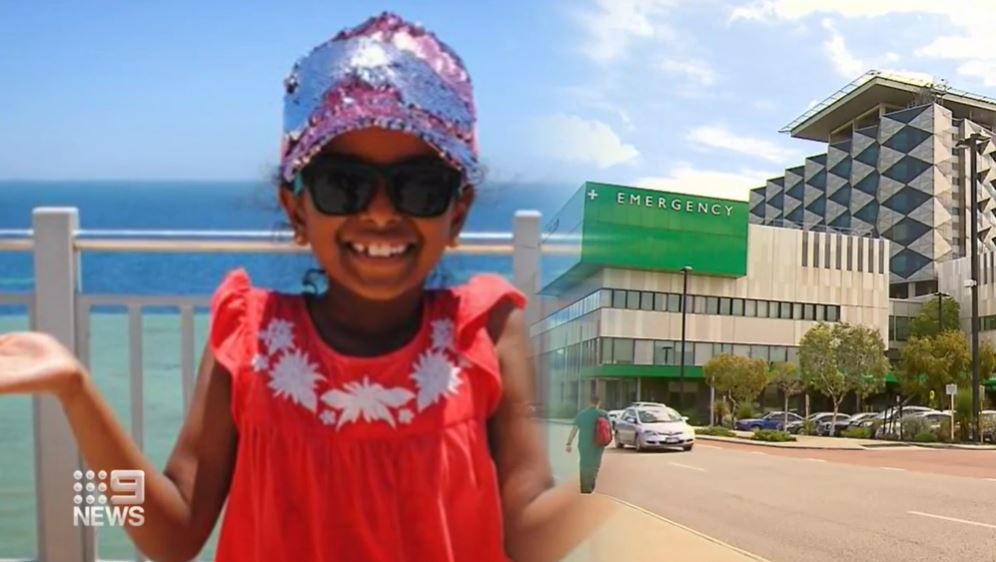
Aishwarya Aswath developed a fever on Good Friday and was rushed to hospital the next day.

The seven-year-old's parents said her condition deteriorated rapidly, her eyes cloudy and hands cold.

READ MORE: Distraught parents call for hospital review

Perth Children's Hospital strike

Mother Prasitha Sasidharan said she told doctors what was happening with her daughter's eyes was not normal and was told a doctor would come to investigate.

As Aishwarya's condition worsened, the couple from Morley in north-east Perth pleaded for help but told 9News medical staff ignored them.

"I actually went to the reception four or five times and I asked them to look at her," Ms Sasidharan said.

"I was begging."

The family said by the time doctors looked at little Aishwarya it was too late. She died within hours of treatment beginning. 

Since Aishwarya's death, her parents Aswath Chavittupara and his wife Prasitha have been calling for an urgent review into how the emergency department is run, to stop this happening to any other child.

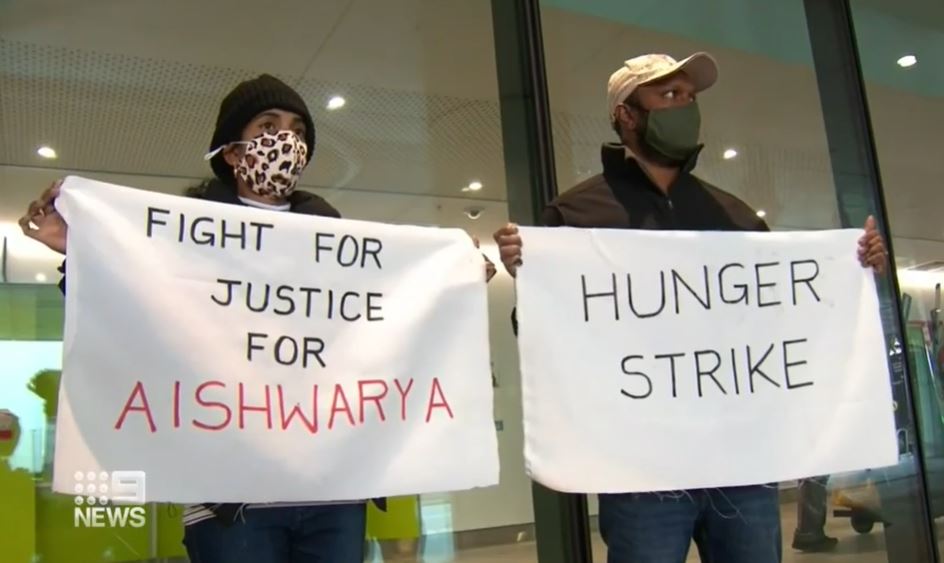
Still waiting for answers, the couple waited until Perth restrictions had lifted and at midnight, began their hunger strike out the front of the hospital's emergency department.

Armed with a sign that reads: "Fight for justice for Aishwarya", her parents say they would remain outside the hospital until they get a response from health authorities.

Perth Children's Hospital strike

READ MORE: Funeral held for seven-year-old girl who died waiting for emergency treatment

"Maybe it isn't an important issue for them, but it is for me – I need answers," Mr Chavittupara told 9News today.

"The minimum we are going to be here is 24 hours, it doesn't matter if they accept or don't accept our conditions.

"Everyone is going back to their life, but our life is shattered."

The hospital has already started a review to discover the cause of death and the coroner is also investigating.

After almost 10 hours, Perth Children's Hospital CEO of Children and Adolescent Health Dr Aresh Anwar and a social worker met with the couple and promised the review will be completed within two weeks.

"They just said this is the final stage of the process and they want to do things right," Mr Chavittupara said.

Tough new COVID-19 rule for Queenslanders who visit other states

Queensland residents who have visited a COVID-19 exposure site in another state must enter quarantine for 14 days, the state's health authorities announced.

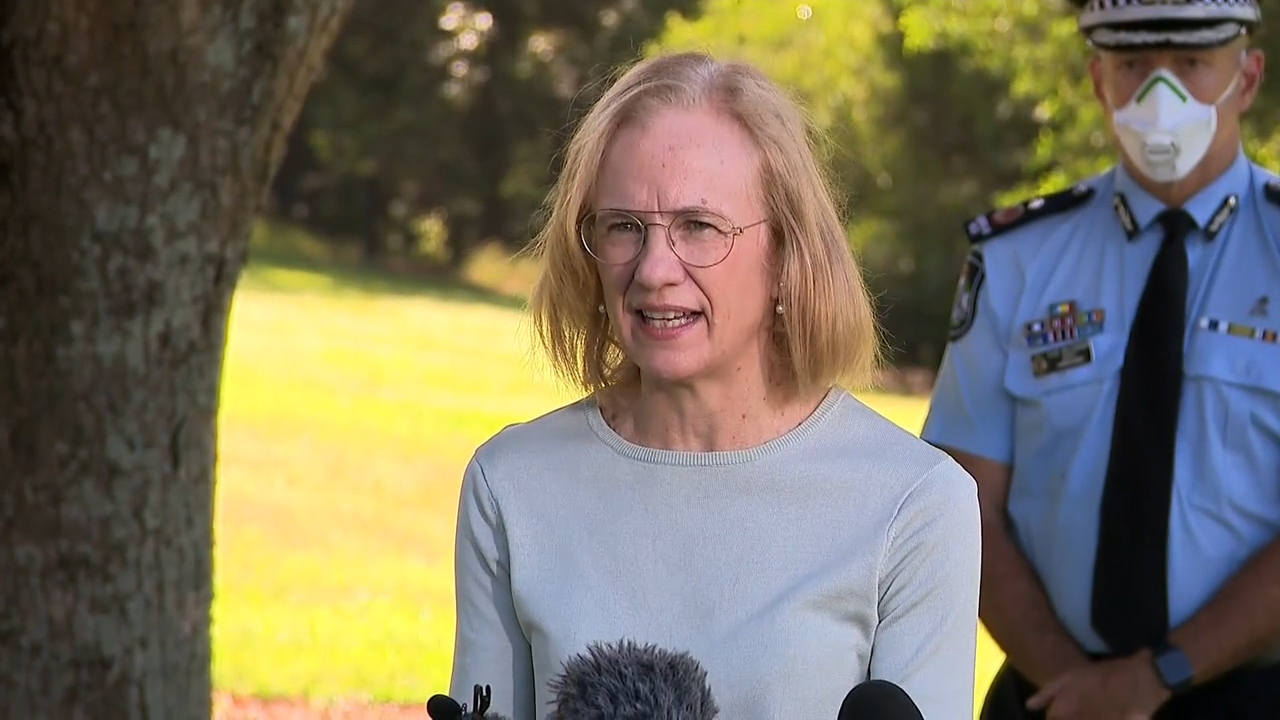
Chief health officer Jeannette Young said the new rule aimed "to protect the health and safety of Queensland residents, and interstate travellers that come into Queensland".

The measure applies to Queensland residents who are returning from interstate exposure sites or who have already returned to the Sunshine State after visiting one.

READ MORE: COVID-19 positive passenger at Brisbane airport poses 'low risk' to community

Anyone who has entered Queensland and has been to an interstate exposure venue during the specified exposure period, will be ordered to quarantine for 14 days in government-organised accommodation.

Anyone already in Queensland and who has been to an interstate exposure venue during the specified exposure period, must call 13 HEALTH (13 43 25 84) and explain their situation. They must immediately travel by private transport directly to their home or accommodation and quarantine until they receive further advice from state health authorities.

All people are encouraged to monitor the Queensland Health interstate exposure venue lists for 14 days after they arrive in the state to ensure no new venues have been added. This includes venues in New Zealand.

Interstate exposure sites are listed on each state health website.

Dr Young said anyone with symptoms, no matter how mild, should come forward and get tested immediately.

"Symptoms include fever, cough, sore throat, runny nose, fatigue, diarrhoea, nausea or vomiting, and loss of taste or smell," she said.

"As we've seen over the past couple of weeks, we're still in this pandemic and we can't be complacent.

READ MORE: Tens of thousands allowed at AFL derby as WA eases COVID-19 restrictions

"It is critical we detect any cases that we may not be aware of as quickly as possible through our testing system."

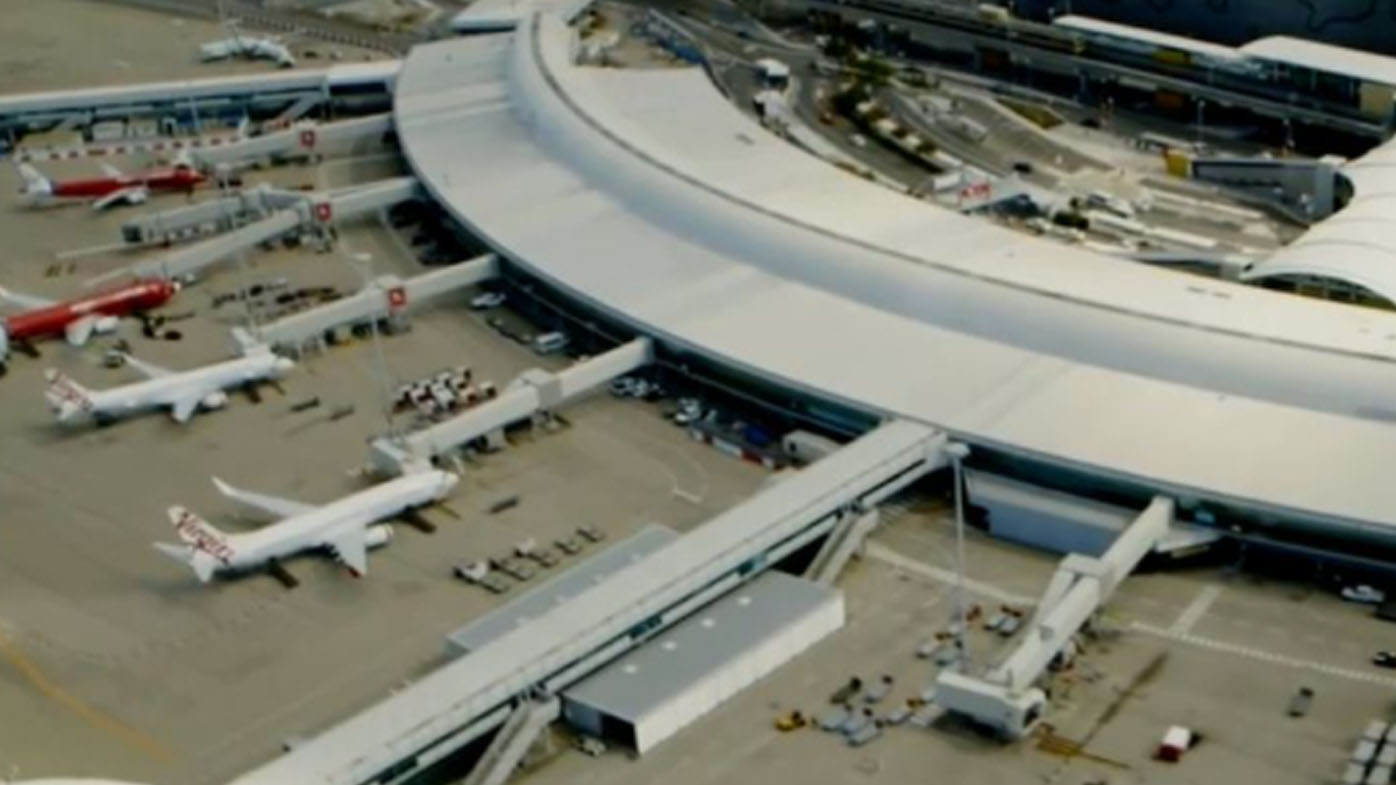
Dr Young said yesterday the risk of infection was "very low" after man tested positive to COVID-19 after unwittingly entering the green zone at Brisbane International Airport on Thursday.

Two passengers from Papua New Guinea travelling on a red flight, who had initially both tested negative, were accidentally allowed to wander into the green zone at the airport for around two hours.

One man was later revealed to be positive to COVID-19, sparking fears he could have exposed hundreds of passengers to the virus.

Risk of transmission is highest in the 48 hours before someone develops symptoms, Dr Young said, and serology results indicated the man was at the end of his illness.

She said there were no COVID-19 "variants of concern" in PNG at the time.

"I can never, ever be 100 per cent confident that even when people have followed all processes that there isn't some remaining risk. But the remaining risk is very low."

India records almost 402,000 new COVID-19 cases overnight

India has reported another 401,993 new coronavirus cases for the previous 24 hours – the first time the country has surpassed 400,000 cases in a single day.

Today's figures bring the country's total COVID-19 caseload to more than 19 million since the pandemic began, and marks the 10th consecutive day of more than 300,000 daily cases, according to a CNN tally of figures from the Indian Ministry of Health.

It's the first time any country has recorded more than 400,000 cases in a single day.

READ MORE: 'I cannot leave him to die alone': Aussie teacher torn by travel bans

India also reported another 3523 related deaths, taking its total death toll to 211,853. It is the fourth day in a row the daily number of deaths has exceeded 3000.

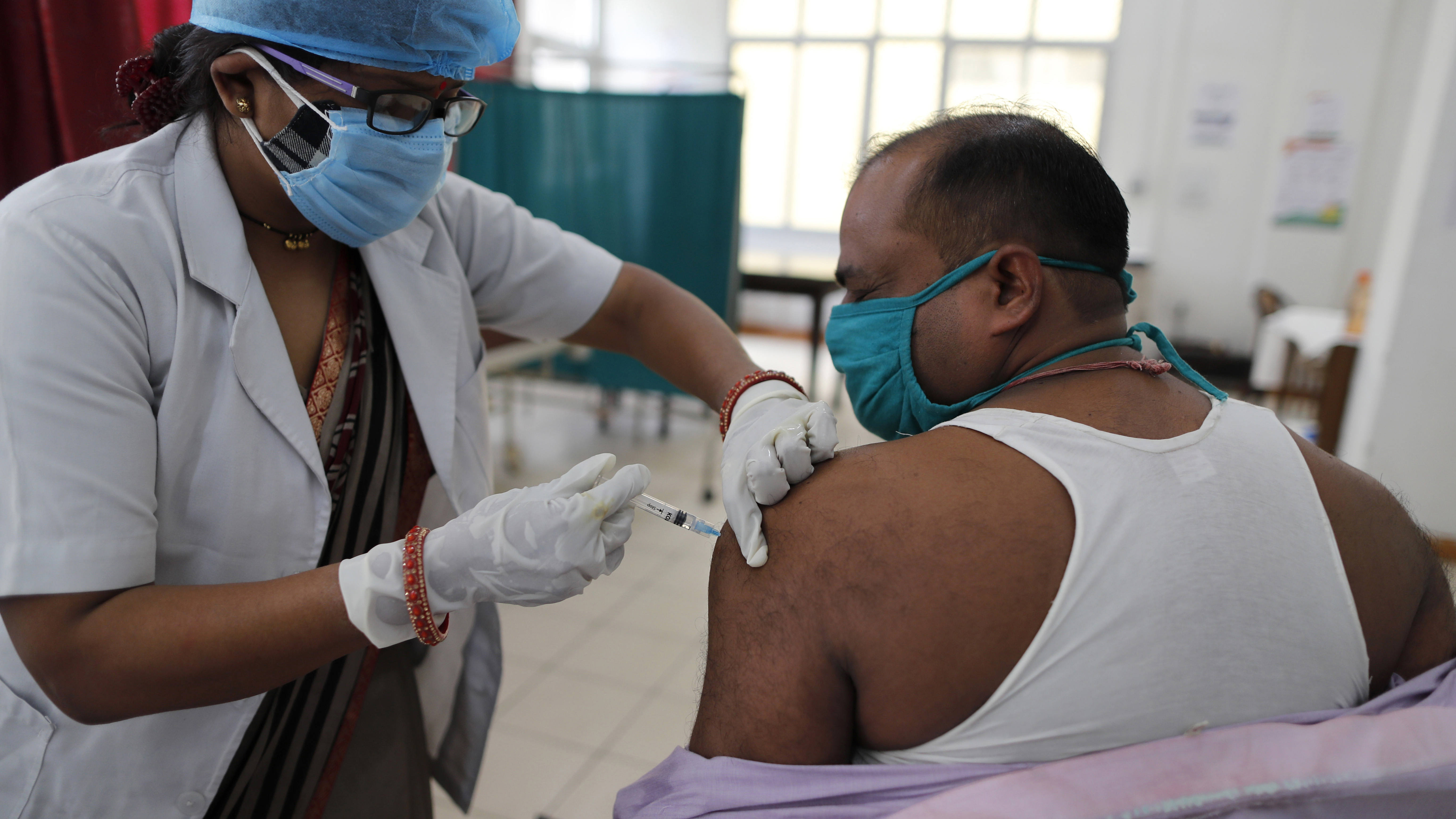
Vaccine rollout continues

As of yesterday evening local time, 154,854,096 vaccine doses had been administered.

A total of 27,889,889 people had received their second doses — equal to 2.1 per cent of India's population of 1.3 billion people, according to a health ministry news release.

This figure is significantly lower than the United States, where 29.8 per cent of the population are fully immunised.

India launched its vaccination drive on January 16, and expanded the program to everyone above the age of 18 from today.

However, a number of states are warning they have no shots to give.
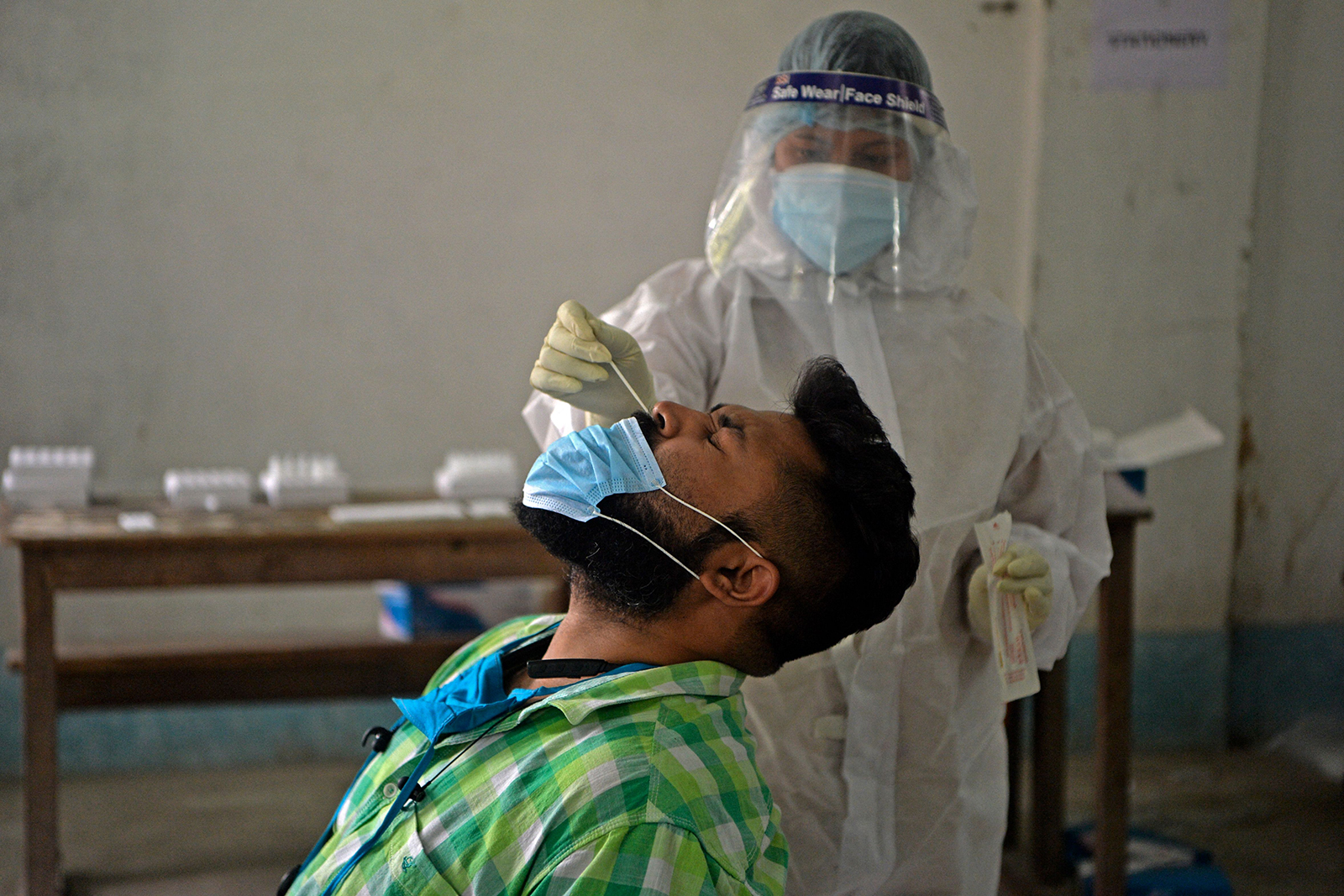
With hospitals running out of space and India's authorities reporting more than 300,000 coronavirus cases each day, Prime Minister Narendra Modi announced last month that he would extend the vaccine rollout beyond health care workers and the country's most vulnerable in a bid to tackle India's spiralling COVID-19 crisis.

Almost 13.3 million people applied for vaccinations on the first day of registrations opening, according to the government's dedicated website, CoWIN.

But ahead of the expanded rollout, multiple states have said they are short on supply.
India

CNN has confirmed at least seven states or union territories where Saturday's rollout is being impacted by vaccine shortages. Although some are run by opposition party governments, they also include Madhya Pradesh and Gujarat, both populous states run by Modi's Bharatiya Janata Party.

During a press conference yesterday, Delhi Chief Minister Arvind Kejriwal urged citizens not to queue up for shots as the union territory, which includes the Indian capital New Delhi, has not received vaccine supplies yet.

"As soon as the vaccines come, we will make proper announcements. Only then people with appointments can start coming to the centers," he said.

Chief Minister Shivraj Singh Chouhan, from the central Indian state of Madhya Pradesh, said another 25 million doses had been ordered to meet the rollout — but those vaccines wouldn't arrive in time.

"Therefore, the over-18s vaccination program will not begin in Madhya Pradesh from May 1," he said.

The western state of Gujarat is also pushing its expanded rollout to May 15, Chief Minister Vijay Rupani announced.

Vaccination for those age 18 and above "will begin once we get substantial doses of vaccines from the pharma companies, which is likely to happen soon," Mr Rupani said in a virtual address posted on social media.

And in Andhra Pradesh state, the chief minister said Thursday the expanded rollout might not start until September, according to CNN affiliate CNN-News18.

Other states have made no mention of shifting the rollout date, even as their health authorities warn of shortages. Maharashtra, the worst-hit state, has made repeated appeals for more vaccines, with its capital Mumbai suspending all vaccinations across the city due to shortages on Thursday.
India

Vaccination difficulties

India started the year with an ambitious goal: to fully vaccinate 300 million people by August.

The vaccination program began in mid-January, but the rollout has been riddled with problems. It had a slow start, with logistical issues as well as vaccine hesitancy among the population — especially towards India's homegrown Covaxin vaccine, which was approved for emergency use before the efficacy data of its third phase trial was released.

Public confidence slowly rose and the rate of vaccination picked up — but then the second wave hit.

With demand skyrocketing, supplies quickly dwindled. There are several contributing factors to the ongoing shortages.

For one, India rapidly exported a large number of vaccine doses to other countries and through COVAX, the global initiative to provide vaccines to low-income countries. To date, India has exported 66 million vaccines.

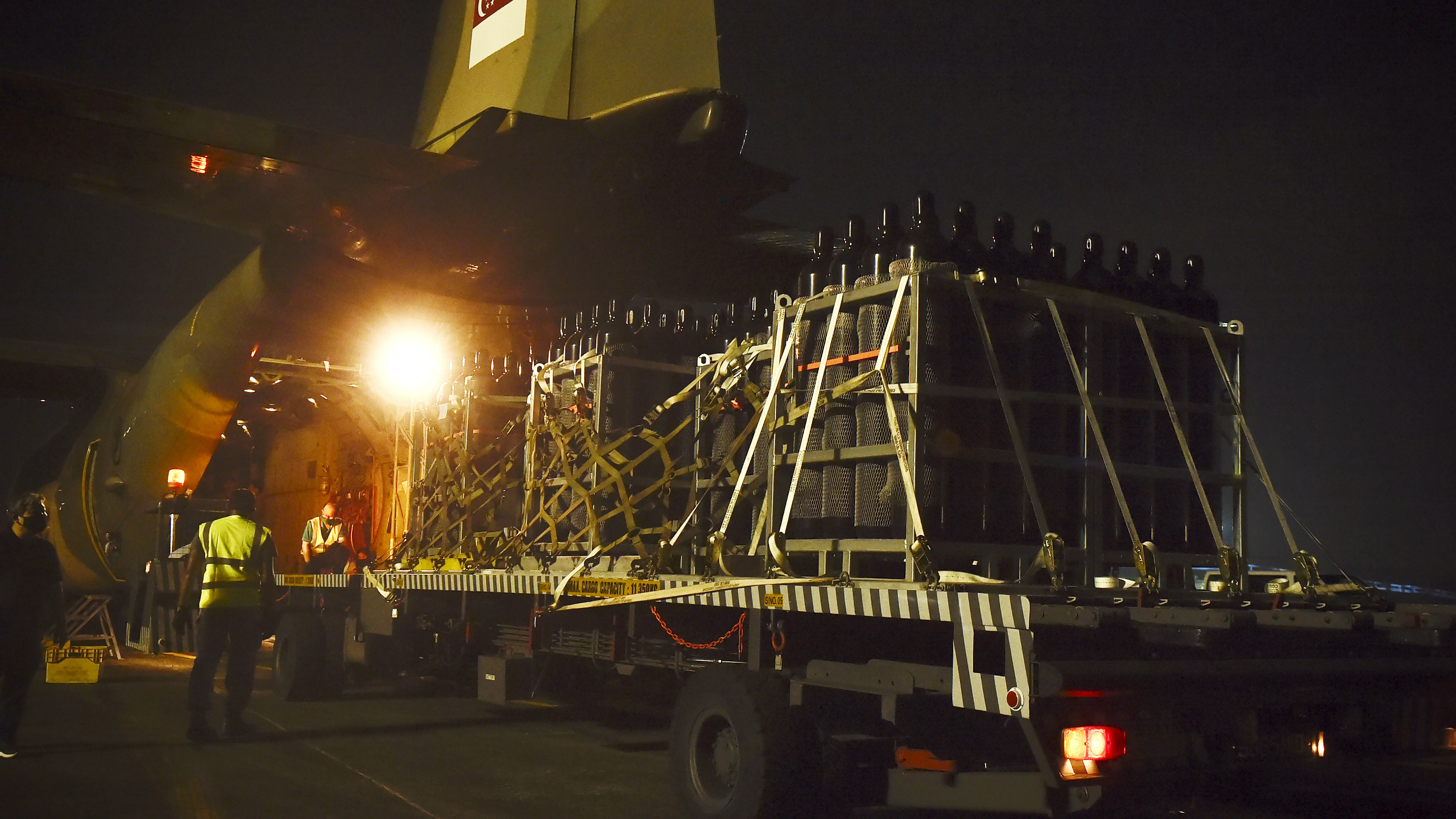
There is also a shortage of materials, with the United States prioritising raw vaccine materials for its own domestic rollout — though the Biden administration has since said it intends to send vaccines to India.

The Indian government has scrambled to catch up, with increasing urgency as the second wave accelerate. To date, the government has purchased at least 205.5 million doses of vaccines, according to data from the Duke Global Health Innovation Centre — placing India in the top 10 vaccine buyers in the world.
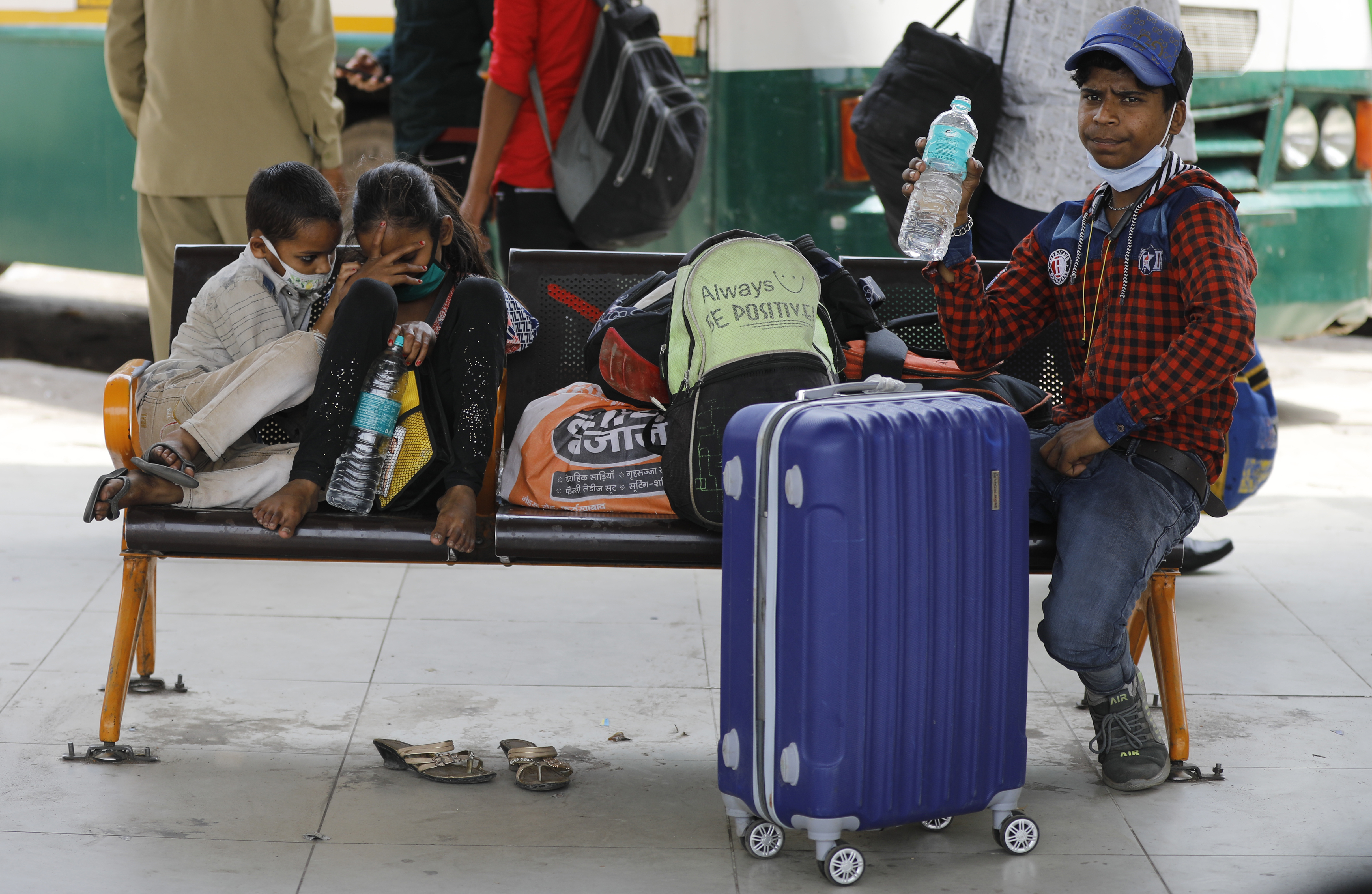
On Thursday, the country's health ministry announced more than 10 million vaccines were in storage with states across India, and two million more would be distributed within the next three days.

But the delays and shortages have sparked frustration among some local authorities, who say the central government has been too slow and disorganised in its response to the crisis.

All through April, vaccination centres in various states complained of vaccine delays and shortages, with dozens forced to temporarily close.

In the state of Maharashtra, volunteer teams and health workers went door to door, bringing eligible people to get inoculated — only to be turned away at the vaccination site because there were no more shots left.

States urged the central government to send more vaccines. But the government has pushed back, claiming any shortages were due to the states' own mismanagement or inaccurate reporting.

As frustrations grow between local, state and federal authorities, patience has long run out on the ground, where the health care system is collapsing and thousands are dying each day.

Securing a steady vaccine supply with smoother nationwide distribution may be crucial to minimise the damage as the second wave sweeps the country, experts say.

"The only solution for India is to vaccinate itself out of this pandemic," said Ramanan Laxminarayan, director of the Centre for Disease Dynamics, Economics and Policy in New Delhi.

"And the world really needs to help, because if India doesn't fix this problem, the world is not done with COVID."
Online safety warning as man charged with child grooming

A man in Far North Queensland has been charged with child sex offences after allegedly being caught during an undercover police operation.

Police allege the 46-year-old Mareeba man contacted an undercover officer posing as a 15-year-old child on social media and "engaged in behaviour that constitutes grooming a child for sex".

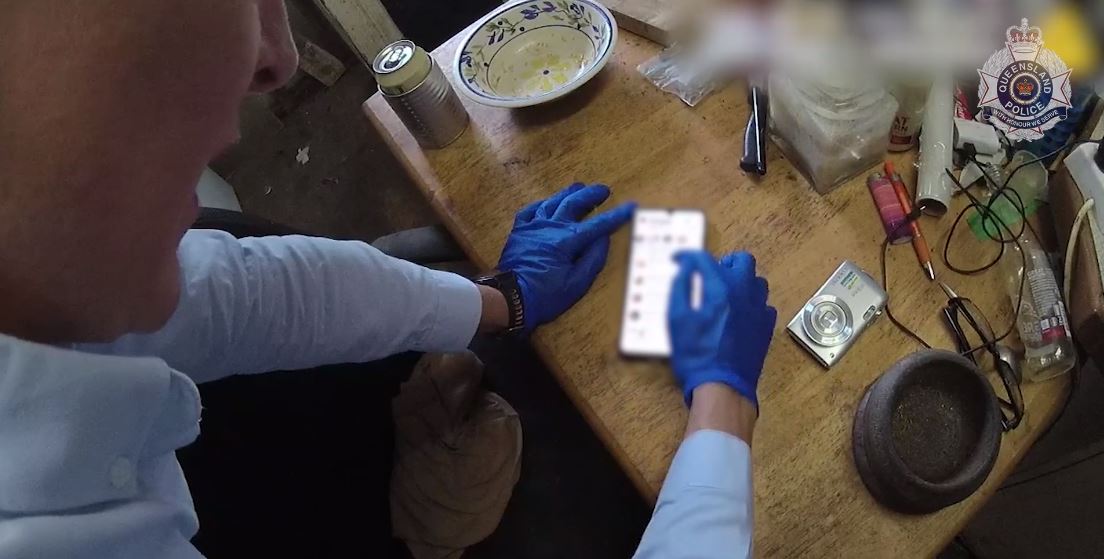
Detectives executed a search warrant at the man's Roiko Road property on Thursday, April 22, where they collected computers, mobile phones and a camera as evidence.

READ MORE: How to keep kids safe online

Mareeba child grooming arrest

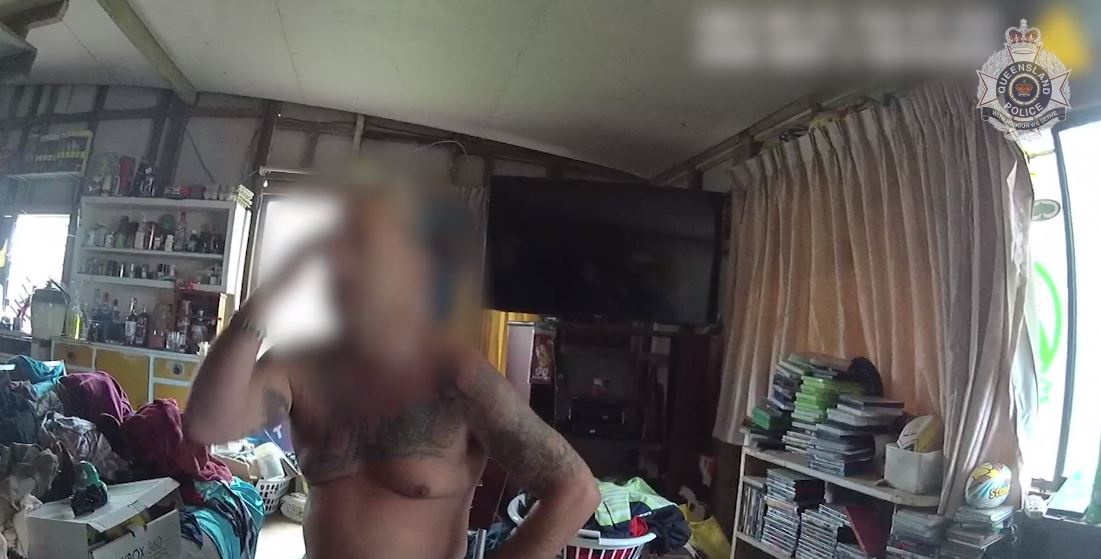
Bodycam footage from the day showed officers telling the man they had a warrant, then escorting him into the heavily cluttered property and questioning him about content on mobile phones and other devices.

The man was arrested and charged with four counts of indecent treatment of a child, grooming a child under 16 and using internet to procure children under 16, possessing child exploitation material, producing and possessing dangerous drugs and possessing dangerous drug utensils, Queensland Police confirmed.

Police are warning parents to be vigilant when it comes to children's screen time and make sure they are aware of who they are talking to on social media.

READ MORE: Two Australian men arrested as three children rescued from online sex ring in the Philippines

Mareeba child grooming arrest

READ MORE: Sydney man charged with online child exploitation

"Smart devices and social media have become part of our children's lives and they have strongly influenced how our children create, share and exchange information with others," Queensland Police said in a statement.

"Unfortunately, these same devices and applications have been embraced by sex offenders, who have proven to be exceptionally skilled at using them to gain access to children."

The Mareeba man is due to face court on May 10.

The death of Bin Laden, 'the world's most wanted man' ten years on

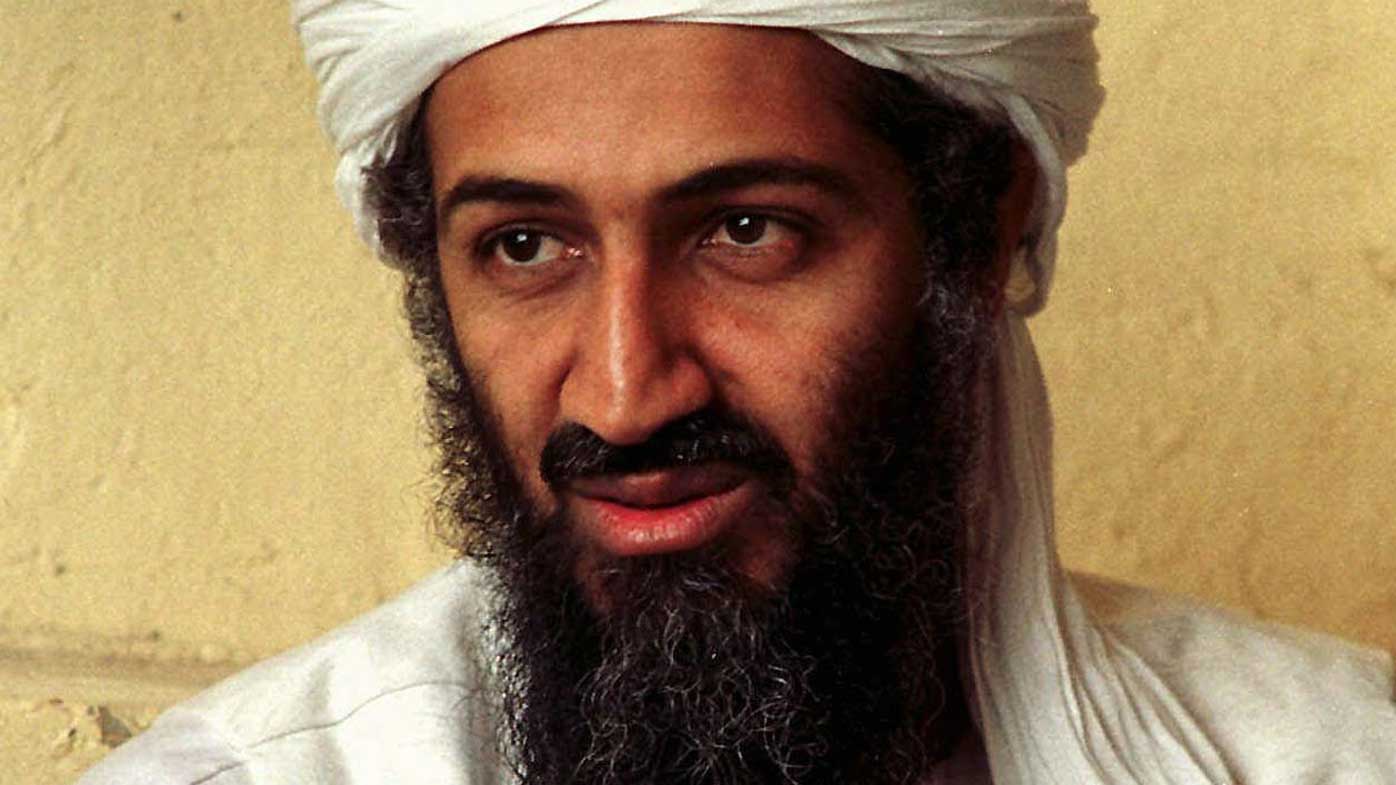
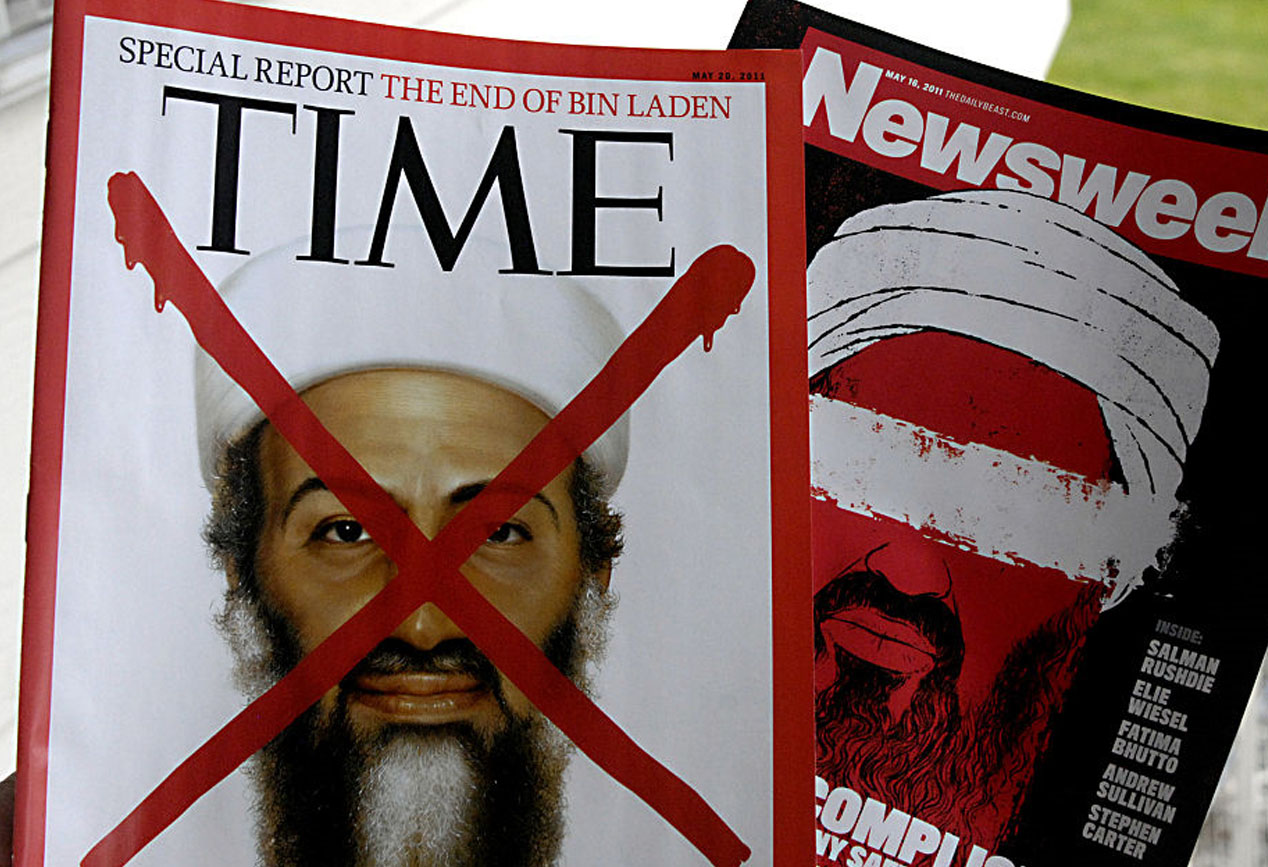
In the early hours of May 2, 2011, Al Qaeda leader Osama Bin Laden was killed by US Special Forces during a raid at a compound in Abbottabad, Pakistan.

Bin Laden, the Saudi-born architect of the 9/11 terrorist attacks in 2001 had been hunted by the US and its allies for a decade. The then US President George W. Bush had declared in 2001 that he was "Wanted: Dead or Alive".

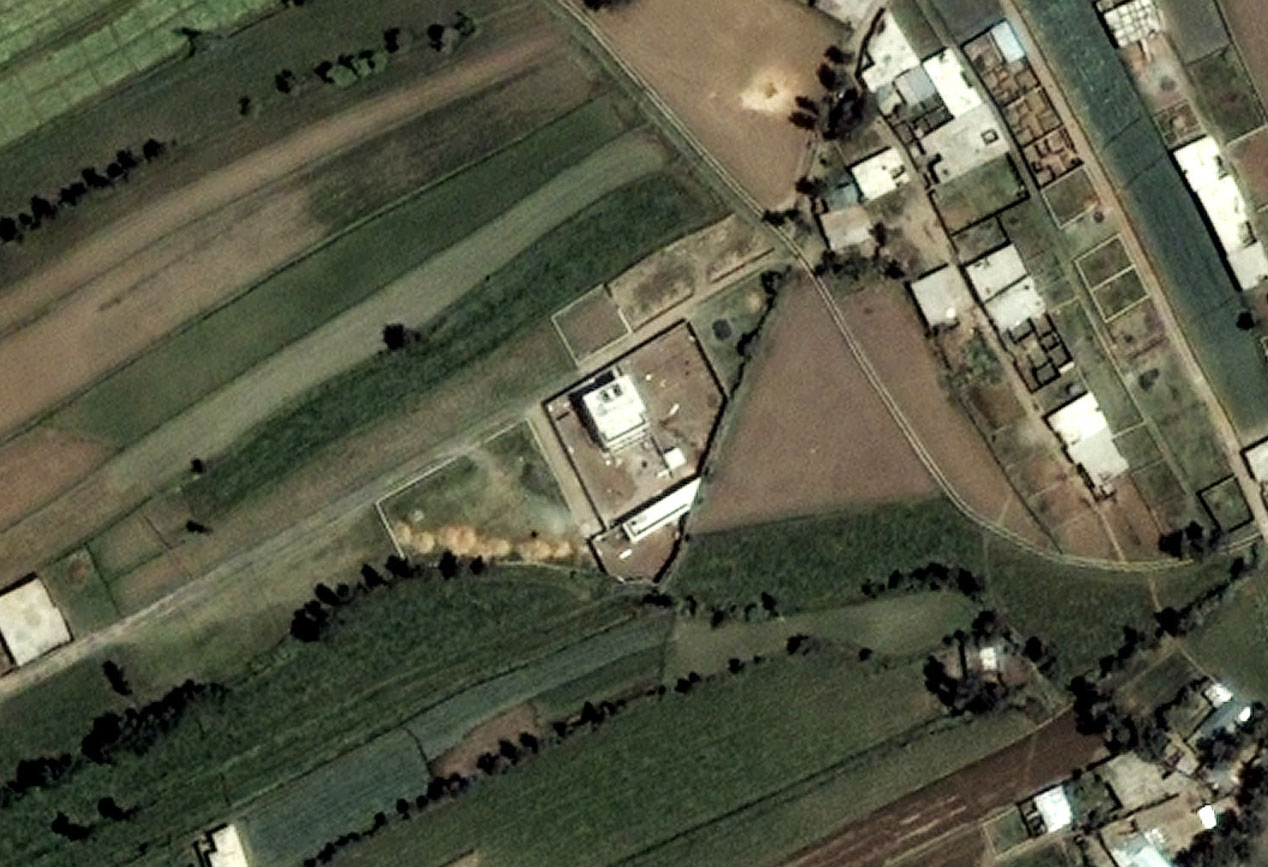
Ten years later US intelligence received a tip-off that Bid Laden was at a walled compound in the Pakistan city of Abbottabad, close to a major military training academy.

READ MORE: Spy chief predicts terrorist attack in Australia within a year

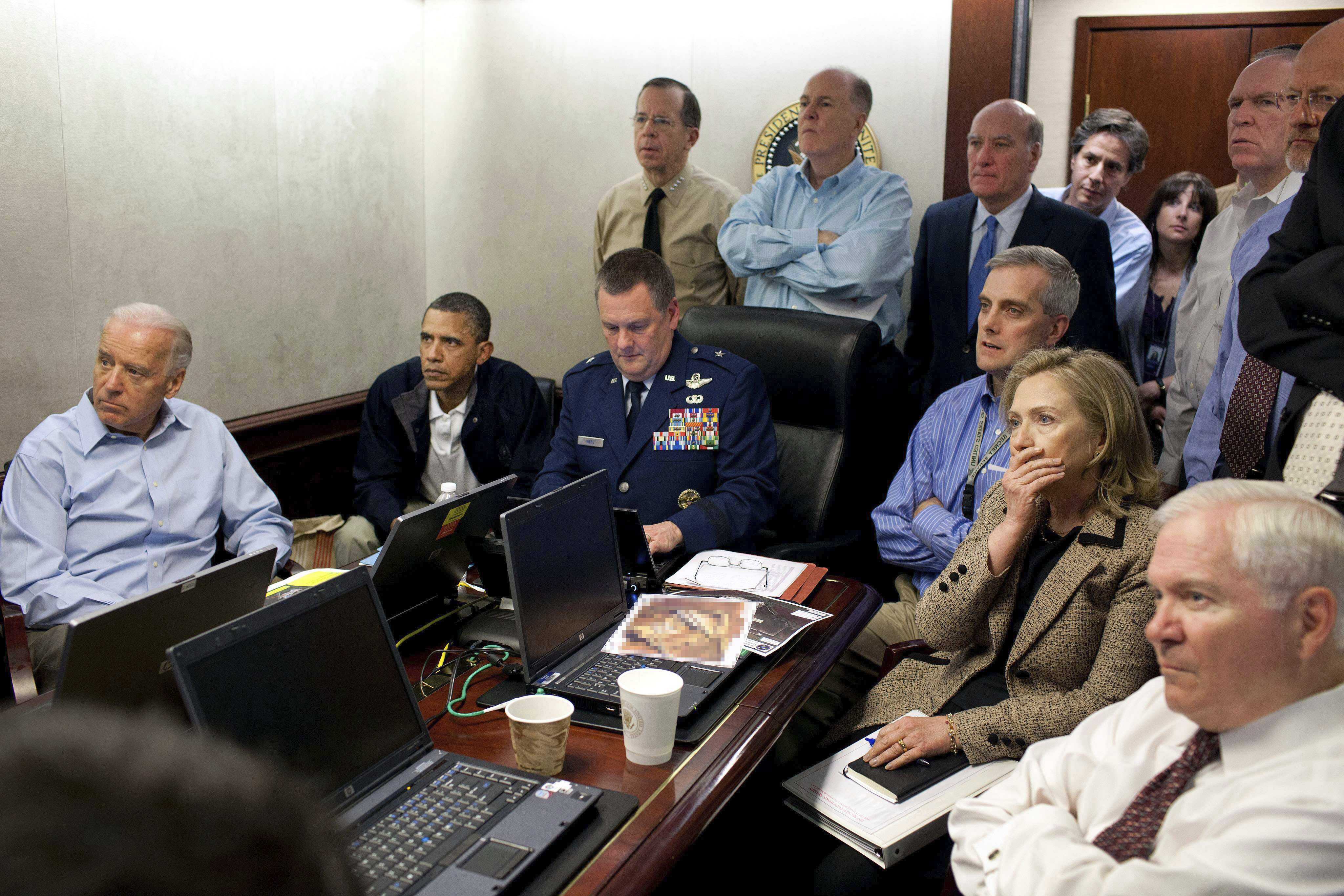
President Barack Obama, Secretary of State Hillary Clinton and Vice President Joe Biden, along with with members of the national security team, receive an update on the special forces raid on Osama bin Laden in the Situation Room of the White House. Bin Laden was killed in Pakistan on May 2, 2011 during a Navy SEAL operation, after the US intelligence services had tracked down the then most wanted man in the world.

After consulting key military and political advisers, US President Barack Obama authorised a strike, but without informing the Pakistan government.

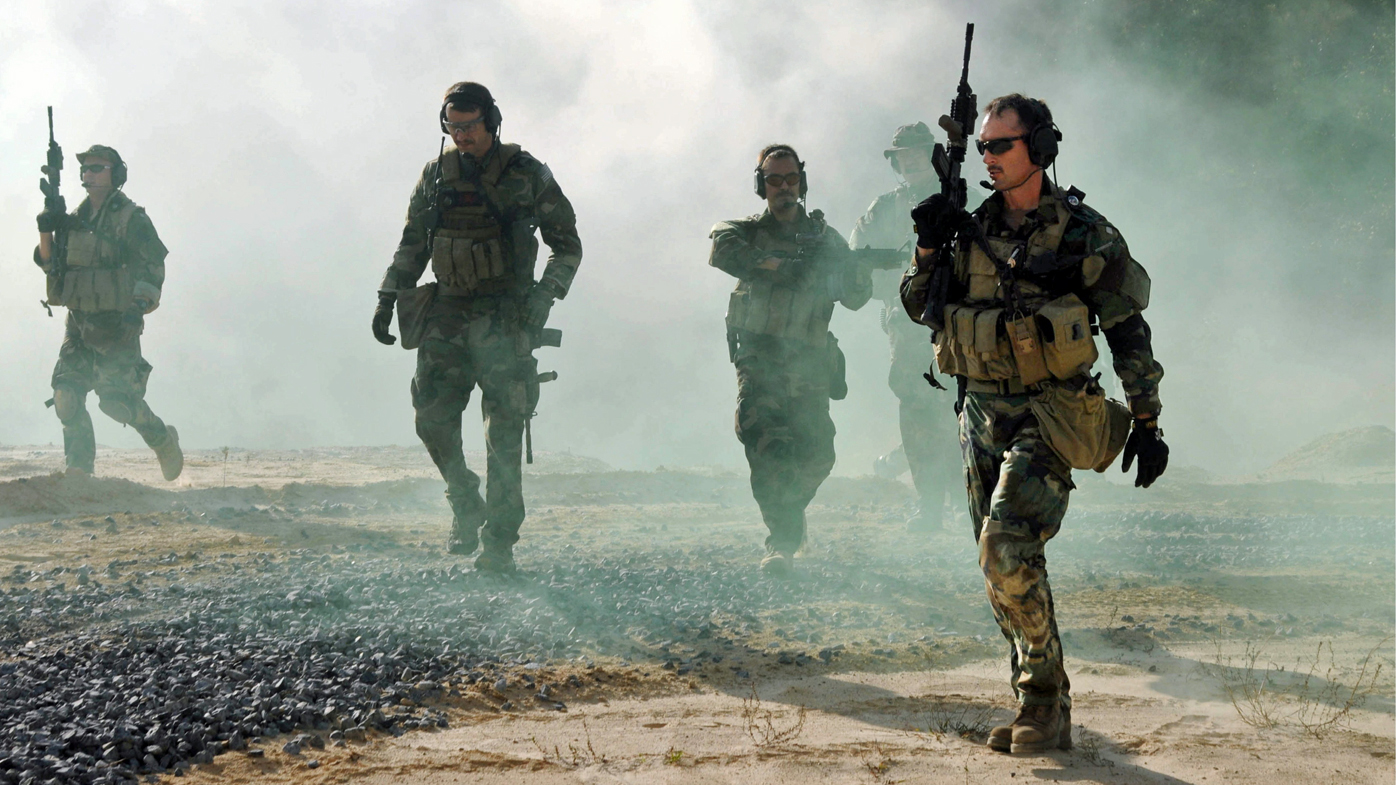
Flying from bases in Afghanistan, a US Navy SEAL team was tasked with capturing or killing Bin Laden.

Disaster for the Americans almost struck in the early part of the operation when a Blackhawk helicopter hit technical trouble and was forced into an emergency landing.

When the SEAL team safety disembarked, they soon found themselves in a fierce gun battle with the occupants of the compound.

In the ensuing firefight, Bin Laden and three other men died. A woman was also killed.

After the fighting, the SEAL team quickly gathered papers and other materials in the two buildings and clambered back on helicopters, taking Bin Laden's corpse with them.

Before leaving, the troops blew up the damaged Blackhawk.

Bin Laden's body was flown to a US warship in the northern part of the Arabian Sea and buried at sea. The hour-long ceremony aboard the USS Carl Vinson was conducted according to Islamic law.

The raid was quick, risky and deadly — but ultimately a massive success, the product of months of intelligence gathering and careful.

After President Obama announced the raid's success in finding and killing Bin Laden, massive celebrations broke out across the US.

The hunt for Bid Laden

August 2010 – US intelligence sources identify the Abbottabad compound as the home of an Al Qaeda courier and his brother, who have no obvious means of affording a $1 million home.

September 2010 – The CIA informs then US President Barack Obama that Bin Laden may be living in the Abbottabad compound. They base this on the size and price tag of the compound as well as the elaborate security.

February 2011 – The intelligence on the Abbottabad compound is considered strong enough to begin planning action.

April 29, 2011 – Mr Obama gives the order to raid Bin Laden's compound.

May 2, 2011 – In the early morning hours a group of 25 US Navy Seals raid the compound in Abbottabad, Pakistan.

May 4, 2011 – White House Press Secretary Carney announces that President Obama has decided not to release photos of Bin Laden's body.

May 6, 2011 – Al Qaeda confirms bin Laden's death, in a statement on jihadist forums.

– With CNN