A crash between a motorcycle and a car in Karangahake at the southern end of the Coromandel has left one person with serious injuries.Police were alerted to the crash at around 3:25pm on SH2 between Paeroa and Waikino.That section…
Tag Archives: oceania
'I cannot leave him to die alone': Aussie teacher torn by travel bans
Sumeet Kaur is facing a devastating choice.
The 35-year-old high school teacher from WA is in India with her sick 84-year-old father after being given special permission to leave Australia late last year to take care of him.
And while Australia has halted all flights from the nation amid a surge in coronavirus cases, once they resume, possibly in a few weeks according to the Prime Minister, she just doesn't know what to do.
READ MORE: How India's virus outbreak compares with the rest of the world
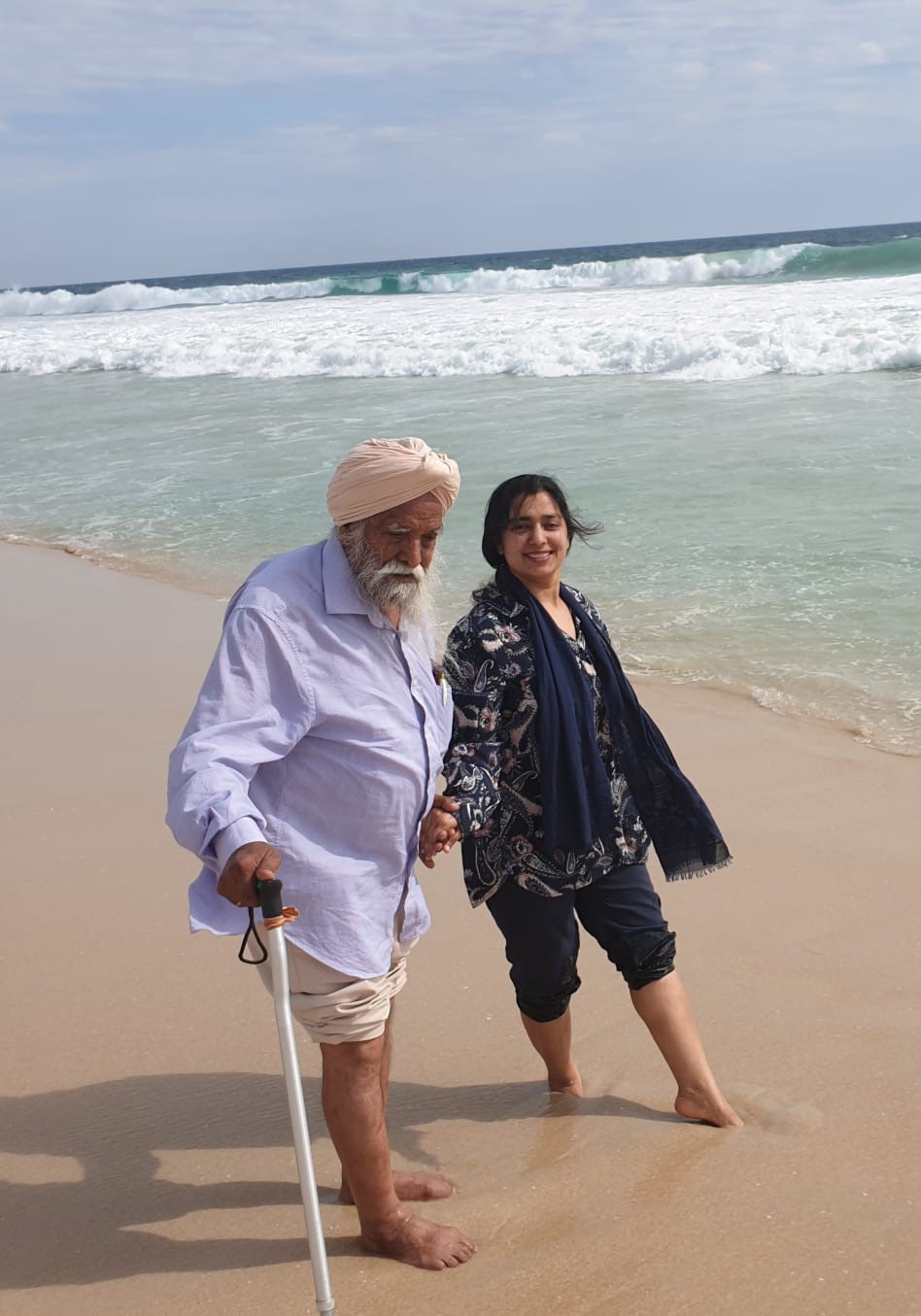
The Aussie citizen desperately needs to return to her job at a high school in Kalgoorlie, and be with her husband, Sijander Singh, 38, after six months away.
But due to Australia's tough rules, that would mean leaving her father behind, alone.
Because while, once the India travel ban is lifted and flights restart, Aussies can bring spouses, partners and dependant children into the country, parents are not classed as immediate family.
Even if they are vaccinated and take part in $3000, 14-day hotel quarantine, it's extremely tough to get a special exemption to allow them to travel here.
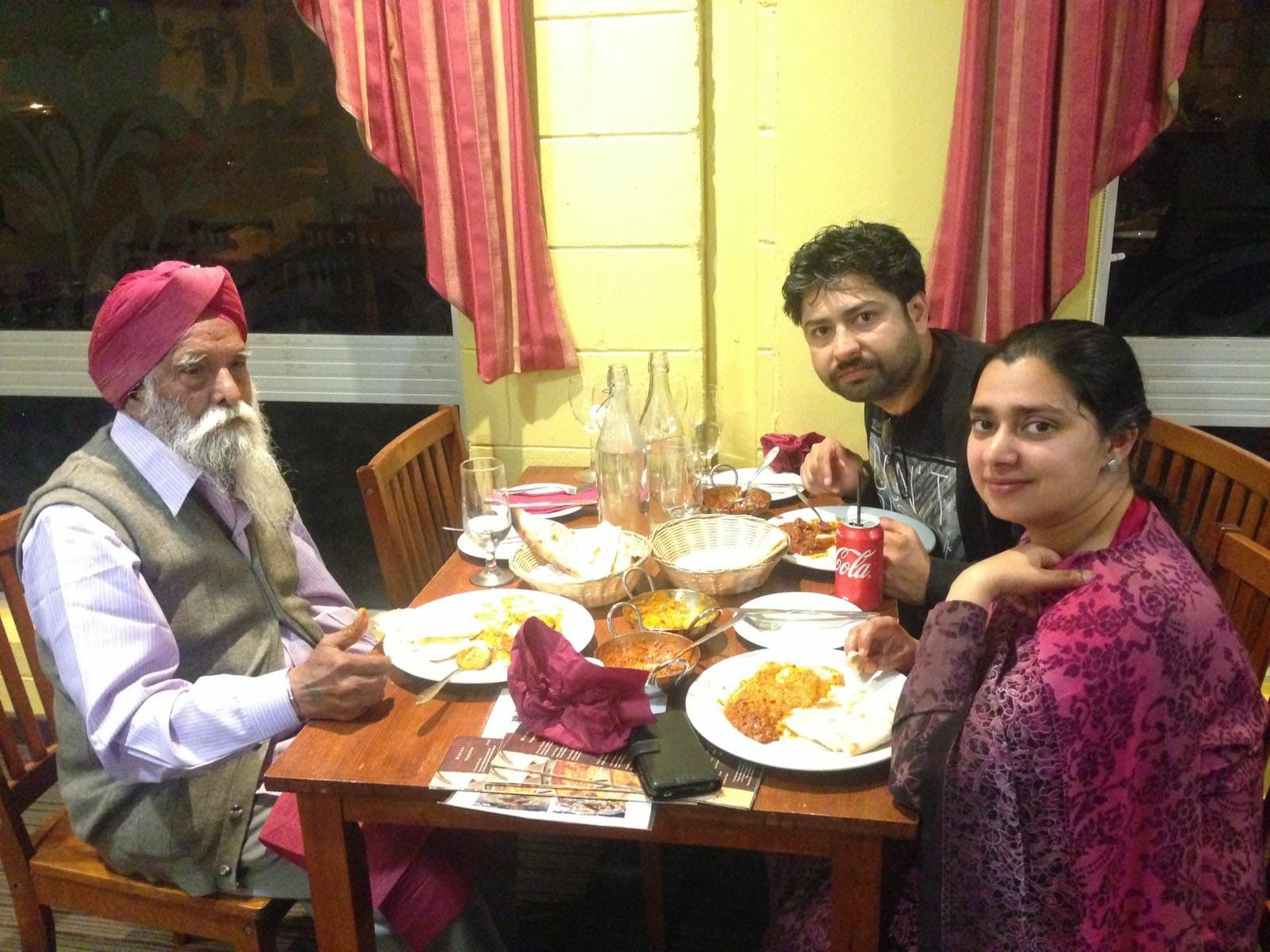
Mrs Singh said she doesn't know if her father will survive if she returns to her life in Australia without him.
"I know I'm not going to see him again if I leave him here," she said.
"I feel so torn… let my father die in India or let my husband and myself suffer.
"I cannot leave him to die alone."
READ MORE: 'There's no end goal': Expats' heartbreak over COVID-19 border closures
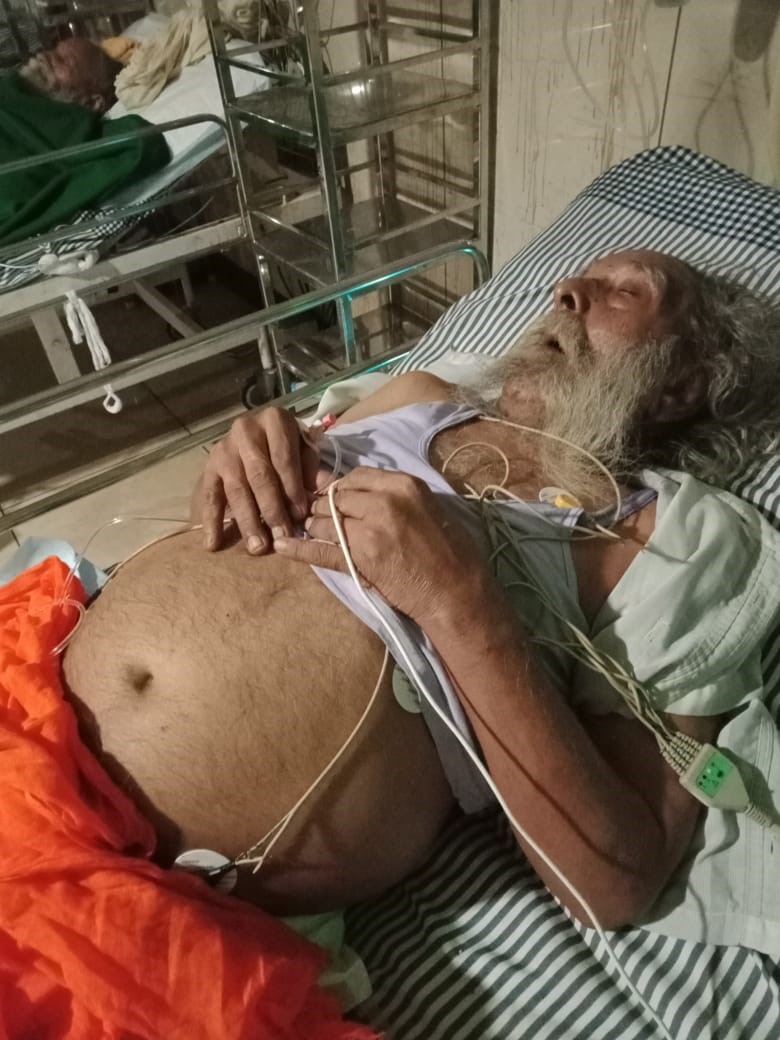
Mrs Singh rushed to help her father, widower Gurcharn, in November when he ended up in intensive care and had nobody to look after him.
He had a stroke, problems with his liver and also suffered from anxiety and depression.
She was allowed to leave for compassionate reasons, with Australia's travel ban still ongoing but that being one of the reasons people can apply to leave.
He is now out of hospital and doing well, with her to care for him.
READ MORE: 'We are suffering': Despair of Australians trapped in India amid flight ban
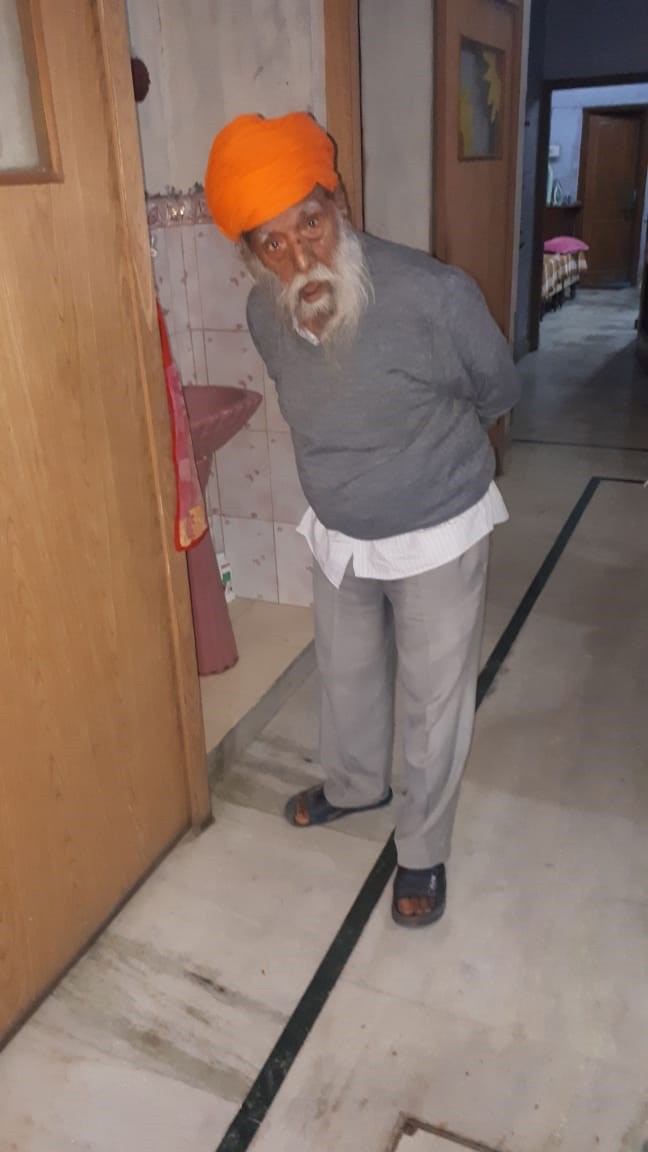
He was due to come to Australia for an extended visit in March 2020, just before the borders closed.
And despite applying to the government for him to be allowed to come back with her four times – he already has a visa – the request has been denied.
And that was before Australia imposed fresh restrictions on India, listing it as a 'high risk' nation, stopping flights, and making it harder for Indian-born Aussies to go home for compassionate reasons because of the "pressure" on hotel quarantine when they return.
Aussies who defy the ban, such as by flying via another country could now even face jail.
Mrs Kaur one of Australia's millions of migrants rallying for change.
A third of Aussies were born abroad – a total of 7.5m – and they don't know when they will be allowed to see their families such as parents again.
Australian authorities have always said international borders would open when everybody was vaccinated, but that now looks uncertain according to recent comments from the Health Minister Greg Hunt – and only 2m of the 25m population has yet had the jab anyway.
Mrs Singh called Australia's rules 'inhuman' and said officials should consider allowing parents to be added to the list of people who can come in.
"I do not understand how you can even think about parents not being a part of your family," she said.
"I'm sorry to say when it comes to migrants I don't feel we are in it together."
Expats are also frustrated to see foreign celebrities continuing to be allowed into the country – and even their parents too.
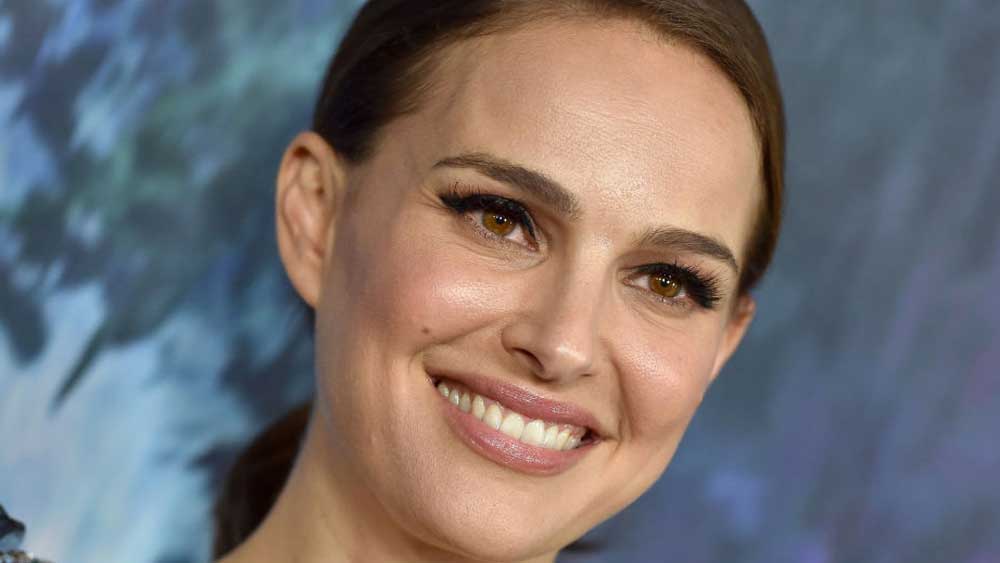
American actress Natalie Portman's parents have also been allowed to come to Sydney, according to reports, to join her while she's here making a film.
That's despite about 34,000 Aussies being trapped abroad, with people facing a tough battle to get one of the few seats on a plane in due to the strict flight caps which allow only a few thousand a week to land in the nation.
Meanwhile, Mrs Kaur, who said the coronavirus crisis in Punjab where she is is not as bad as in the biggest cities, said her and her family's mental health is suffering.
"This is killing more than the virus," she said.
Home Affairs told 9News.com.au there are no current plans to change the system for parents.
"The Government acknowledges the difficulties with respect to extended families seeking to reunite, however, there are currently no plans to include parents in the definition of immediate family for the purpose of travel exemptions," a spokesperson said.
In relation to Portman, Australian Border Force said it didn't comment on individual cases, but said; "Travel exemptions may also be granted to persons delivering services in sectors critical to Australia's economic recovery."
Herald afternoon quiz: May 1
Test your brains with the Herald’s afternoon quiz. Be sure to check back on nzherald.co.nz for the morning quiz tomorrow. To challenge yourself with more quizzes, CLICK HERE.
One dead after crash in Invercargill, police say another had moderate injuries
A person has died after a crash in Invercargill this morning.Emergency services were called to the two-vehicle crash, on Chelmsford St, at 10.20am.Police earlier said one person was seriously injured and another had moderate injuries…
Covid 19 coronavirus: Why MIQ is still a risk to transtasman bubble
Every 100,000 travellers passing through quarantine in Australia and New Zealand has come with an average six “failures” – and experts warn that risk may increase as the Covid-19 pandemic burns on.In a new analysis , Otago University…
Judith Collins: Government plans may lead to Māori systems for education, justice
By RNZ National is accusing Labour of trying to sneak through a divisive plan to set up separate systems for Māori at all levels – including in Parliament.Party leader Judith Collins made the remarks in a speech to party…
Tavita Karika's death: Bachelorettes pay tribute, fundraiser to bring body home
Heartbroken former Bachelorettes have paid tribute to beloved contestant Tavita Antoni Karika who died suddenly this week. Their comments come after his family launched a Givealittle page in a bid to raise funds to bring Karika’s…
Pictures of the week: Pyres burn into night with India's virus victims
India's COVID-19 crisis continues to spiral further out of control, with thousands dying every day amid a crumbling healthcare system.
Deepfake nudes change the face of cyber threats
The rise of deepfake nude technology poses radical new threats to anyone who posts images and videos of themselves on the world's most popular social media sites.
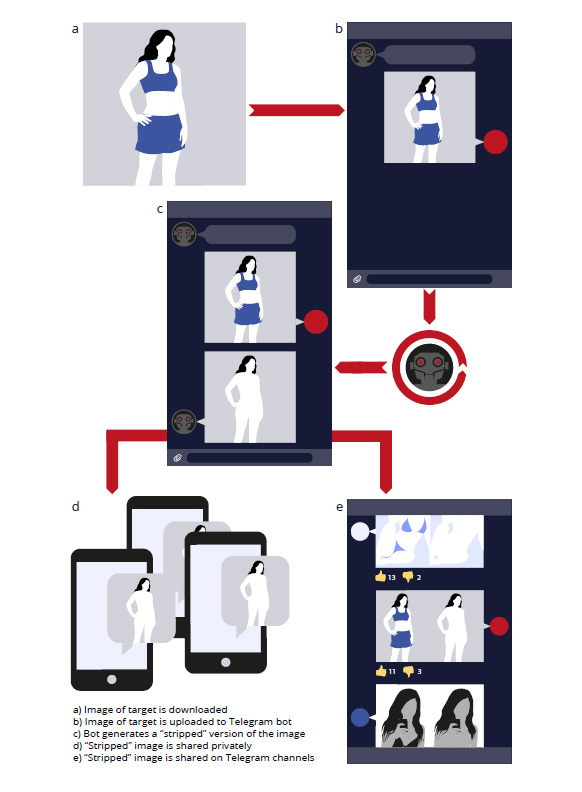
Research by Sensity, a company specialising in detecting online visual threats and cyber scams, recently uncovered a pornographic deepfake ecosystem where more than 100,000 innocent women had been stripped naked by deepfake technology.
Users inside that nefarious community only needed a single photograph of their victim.
READ MORE: Why this deepfake video of Mark Zuckerberg is bad news for Facebook
After their clothes were digitally removed and their naked bodies regenerated, images of the women were then shared amongst a massive user base on the encrypted messaging app Telegram.
Amsterdam-based Sensity chief executive Giorgio Patrini said this kind of deepfake nude threat against everyday people will only "intensify" in the future and likely play out in a number of disturbing ways, with financial and privacy implications.
"It's so easy," Mr Patrini said of the ecosystem his firm discovered, "and it only required one image, so any one of us may be attacked."
While the trove of pictures detected by Sensity were only of women, Mr Patrini said men, minors and children are also vulnerable for targeting by scammers, child abuse material creators and jilted lovers seeking to carry out acts of revenge porn.
"We had never seen this kind of technology before, this kind of accessibility and usability anywhere on the Internet," Mr Patrini said.
Deepfakes have always been the domain of skilled practitioners, who use and manipulate countless hours of video and hundreds of photos to generate increasingly difficult to spot fakes.
In recent times, deepfakes of Tom Cruise, Arnold Schwarzenegger, Jim Carrey and other celebrities have both dazzled and confused with their incredible likeness of the actual person.
Experts, too, have expressed concern that deepfakes of politicians will in the future be a nefarious tool used to destabilise elections and spread fake news and propaganda.
READ MORE: Crackdown on Fakeapp pornographic deepfake videos
But Mr Patrini was "shocked" by new technology and pioneering bots which were now moving deepfake capability into the hands of total amateurs.
"No technical skills, inexpensive, very easy to use," Mr Patrini said.
Users of the deepfake bot he discovered submitted just one image of a woman and "let the bot do its job".
Mr Patrini acknowledged the quality of the end photos was generally poor and not always convincing. But he said realistic results were possible when the woman photographed was wearing a swimsuit, and cautioned that focusing on the quality or otherwise of the fake was missing the point.
"The quality of the deepfakes is just going to get better and better," he said.
"This application learns to regenerate the parts of the body that were covered by clothes, but only if the woman was in a particular position or was semi-naked. So this was a limitation.
"But do you care if a picture is maybe pixelated but it is still generating your breasts and is spread online?
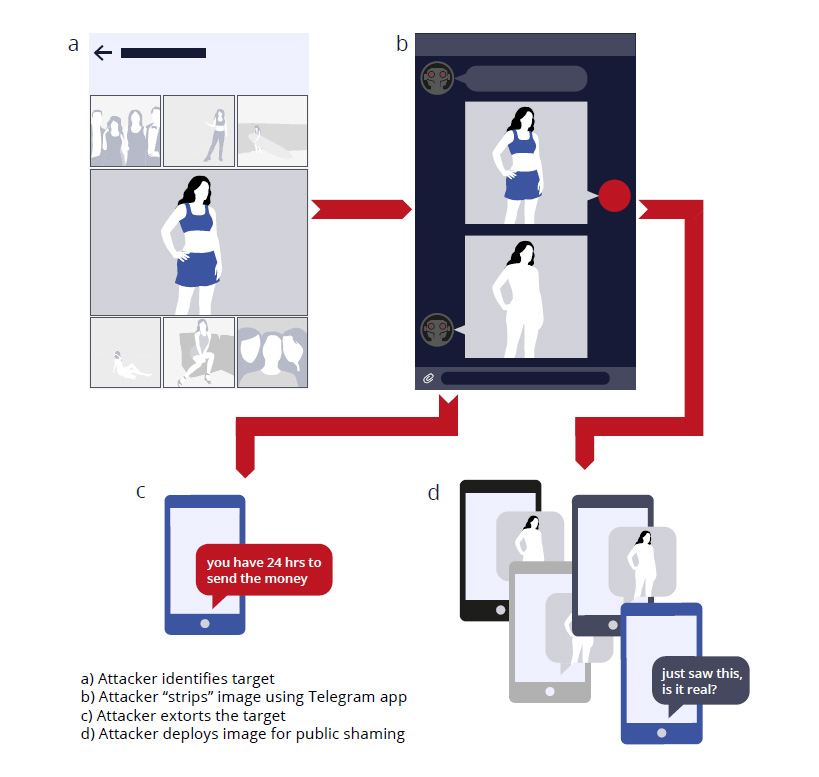
"It is still a very tough psychological attack on you and it is publicly shaming you, regardless of the quality."
Mr Patrini said as deepfake tools became more accessible and improved, scammers would inevitably seize on the opportunity to extort bitcoin or money from a victim, by creating a deepfake nude of a victim and threatening to share it online.
His blunt message to anyone on social media is that scammers or anyone looking to inflict reputational damage can "abuse our online content and turn it against us".
A cache of personal photos and videos on Facebook, Instagram and TikTok make for easy pickings if privacy settings are left wide open, he said.
Romance scams could go next-level
Sean Duca, the Asia-Pacific regional chief security officer with cyber security firm Palo Alto Networks, has no doubt the emergence of deepfake technology has the potential to wreak havoc for individuals and nation states.
"We believe what we see with our own eyes," Mr Duca said.
The Sydney-based security expert said deepfakes will significantly amplify the risk of romance scams.
Last month alone, Australians were stripped of $1.9 million by romance scammers.
Typically, romance scams involve grooming of a victim, often someone older and single, over email or digital platforms to squeeze money from them once a connection is established.
"Now add video quality where someone looks like a legitimate person," Mr Duca said, "a good-looking guy or girl."
Deepfake apps which are capable of transposing someone else's face on top of yours during online video calls would erase any doubts in a victim's mind, he said.
"You could go through conversations and work up levels of trust with people … all of a sudden a hook comes into it, a financial request."
Workplaces and in particular employees responsible for company finances will also be a target, Mr Duca said.
The shift to virtual conferences and remote working opens up opportunities for hackers who work tirelessly to gain backdoor entries into a corporation's IT network.
Taking a video call from your boss may not be what it seems, Mr Duca said.
"All of a sudden you've got the boss sitting there telling you to do something," he said, like transferring funds to pay a client or company who doesn't exist.
"Deepfake software is going to get better and better and we are going to see advancements in AI.
"The big thing is how we develop ways to detect this."
Biometric fraud, banking and government
Wherever the money is, criminal networks are striving to be one step ahead of law enforcement.
Mr Patrini said biometric fraud, once thought impenetrable, is now at risk.
In the future, Mr Patrini said, government departments will increasingly seek to interact with us remotely and through video calls.
"So (for the government) it's about identification, identifying people and authenticating them remotely online.
"Something we are working on at the moment is understanding the vulnerability of governments and banking to the threat of the face."
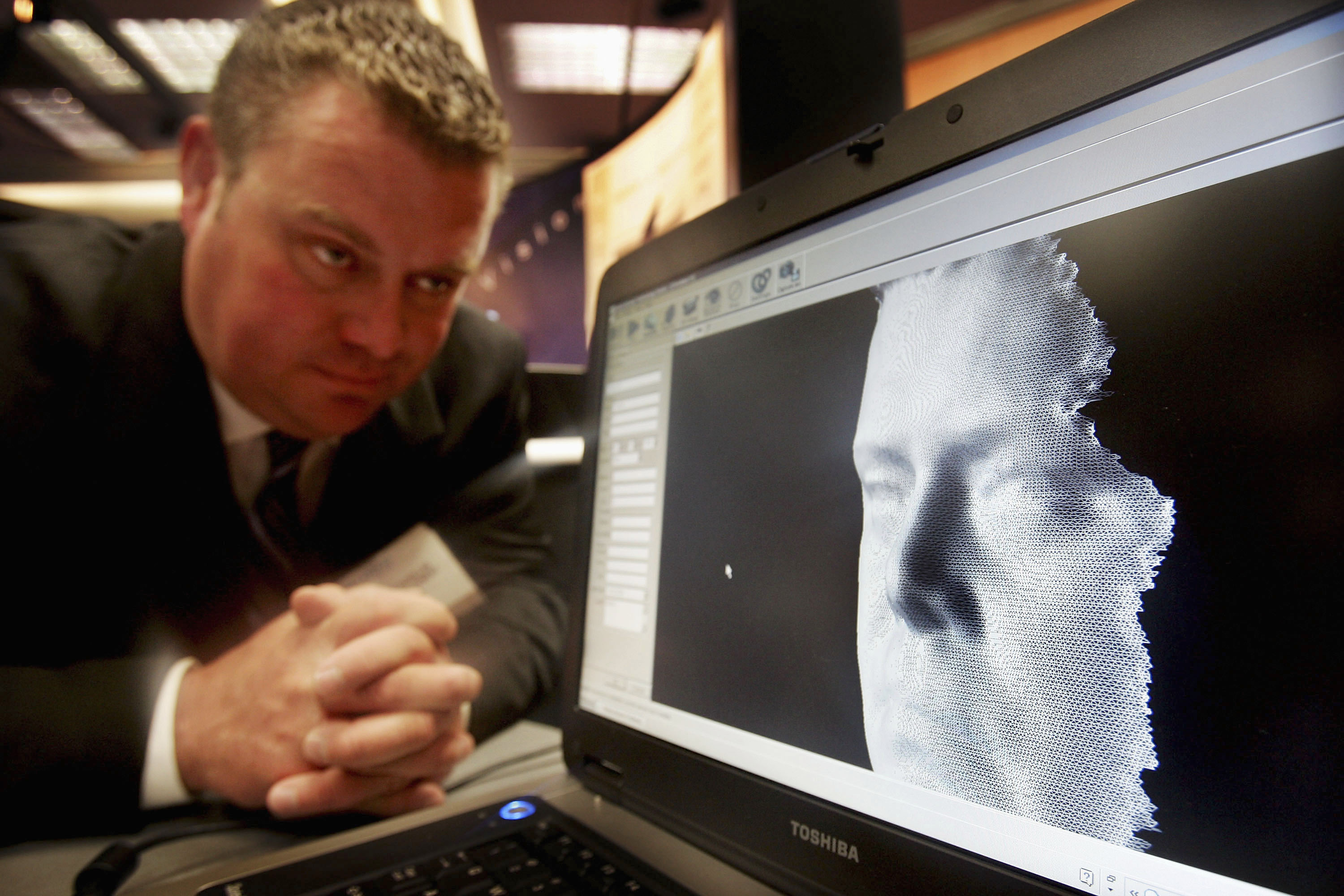
He said "having faces swapped in real time" over a webcam is a "potential catastrophic threat" for the financial system.
Mr Patrini said he hadn't detected that kind of deepfake, AI capability – yet.
"It requires some sophistication. But again, there is so much at stake, because you could move so much money, there is so much financial incentive that we believe it's just a matter of time that somebody is going to do it," he said.
"We are just at the beginning."
Nine.com.au contacted Telegram for comment.
Contact: ms******@******om.au
FOLLOW: Mark Saunokonoko on Twitter
Covid 19 coronavirus: NZ teacher stranded in Mongolia faces uncertainty about coming home
By RNZ New Zealander Mark Chapman, who is in limbo as he awaits a flight out of Ulaanbaatar in Mongolia, is trying to stay upbeat despite being uncertain when he will see his family again.Chapman is a teacher at the International…