Tag Archives: oceania

Mother-of-eight who didn't know she was pregnant has twins

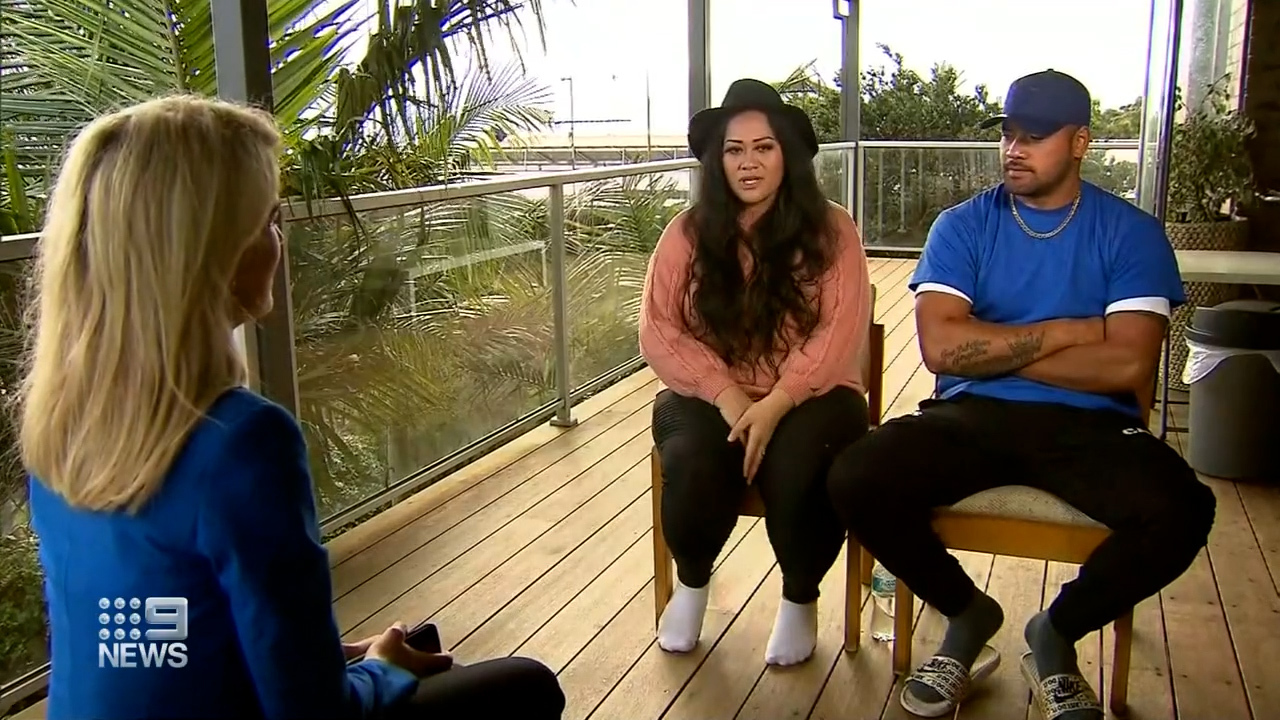
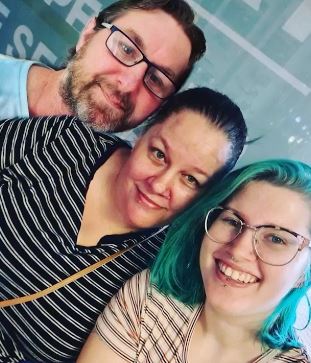
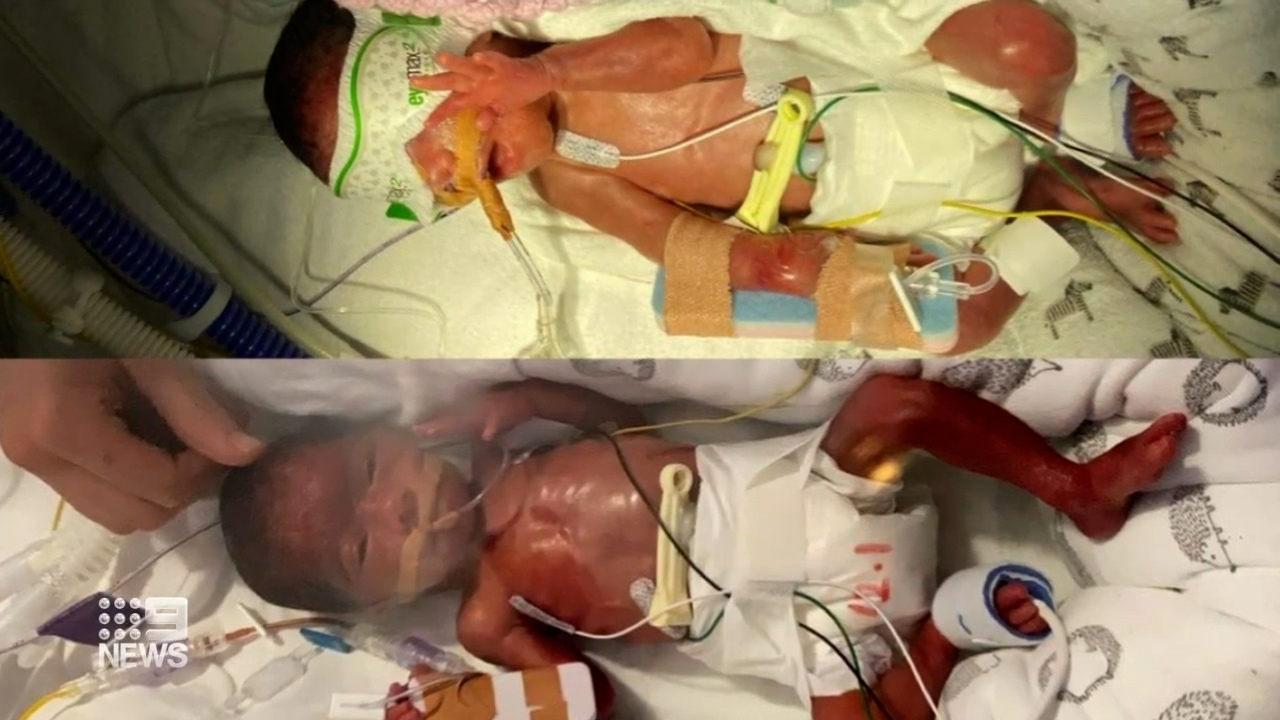
A Victorian mother-of-eight now has 10 children, all under the age of 10, after she gave birth to twins unexpectedly this week.

Annie Tupou found out she was pregnant at six months, which came as a shock to begin with.

But a week and a half after finding out she was having her ninth child, she went into labour and gave birth to twin girls.

READ MORE: Plans underway for international students, actors, major event workers to enter Victoria

"I never got dizzy or anything else … I sometimes got tired like really drained out sort of thing but belly wise I wasn't showing that much," Ms Tupou told 9News.

But her husband Russell had a hunch, and two weeks ago a doctor's appointment confirmed she was six months along.

Ms Tupou from McCrae on the Mornington Peninsula shared her story on a Facebook mother's group.

"I had recently posted last week about tying my tubes after baby number nine as I literally found out a week and a half ago I was pregnant, and I was finding out this Thursday what I was having at my ultrasound," she wrote.

"Well I never made it to my ultrasound did I."

The mother said she thought she was having Braxton Hicks contractions, but just after 3am on April 25 when she went to use the bathroom, her babies decided it was time to enter the world.

"I reached down and my baby girl's head was half out!!!," Ms Tupou said in her post.

READ MORE: Victorian businesses denied up to $120m worth of COVID-19 grants can reapply, Ombudsman report reveals

"I got into midwife mode as my hubby was in Sydney for work, I got blankets and towels … and Twin A slid out straight away coming into this world at 3.45am."

Three ambulances arrived and tended to the tiny child.

Ms Tupou and her newborn baby girl were rushed to Frankston Hospital.

"I felt like I was in a movie," she said.

At the hospital, the mother of nine at that point was in considerable pain she believed was caused by remaining placenta.

The midwife told Ms Tupou to push, but as soon as she started a nurse yelled "code blue".

"All these midwives ran into the room and I was like what's going on? And she said 'that's not a placenta that's another BABY!," Ms Tupou wrote.

The surprised mother said she was in such a state of shock her emotions were largely kept at bay.

"I was so shocked I just had another baby!!," she posted.

"Twin B was born at 5.45am so my twin girls were born two hours apart."

READ MORE: Murder investigation launched after young Geelong dad found dead

Both baby girls were transferred to the Monash Children's Hospital and are "doing well".

"It will be a long road to recovery but they're here and now I have 10 kids under 10, five boys and five girls – my family is complete," Ms Tupou said.

The super mum said she wanted to thank the paramedics who helped her during her labour.

"These two gentlemen were my backbone and never left until Twin B was born, I'm so thankful to them."

Ms Tupou is hoping she can find out their names so she can send them a thank you gift "for loving their job and being dedicated."

The twins, named Tilila and Leylani are expected to be in hospital for several months.

Islamic State degraded in Afghanistan but still poses threat

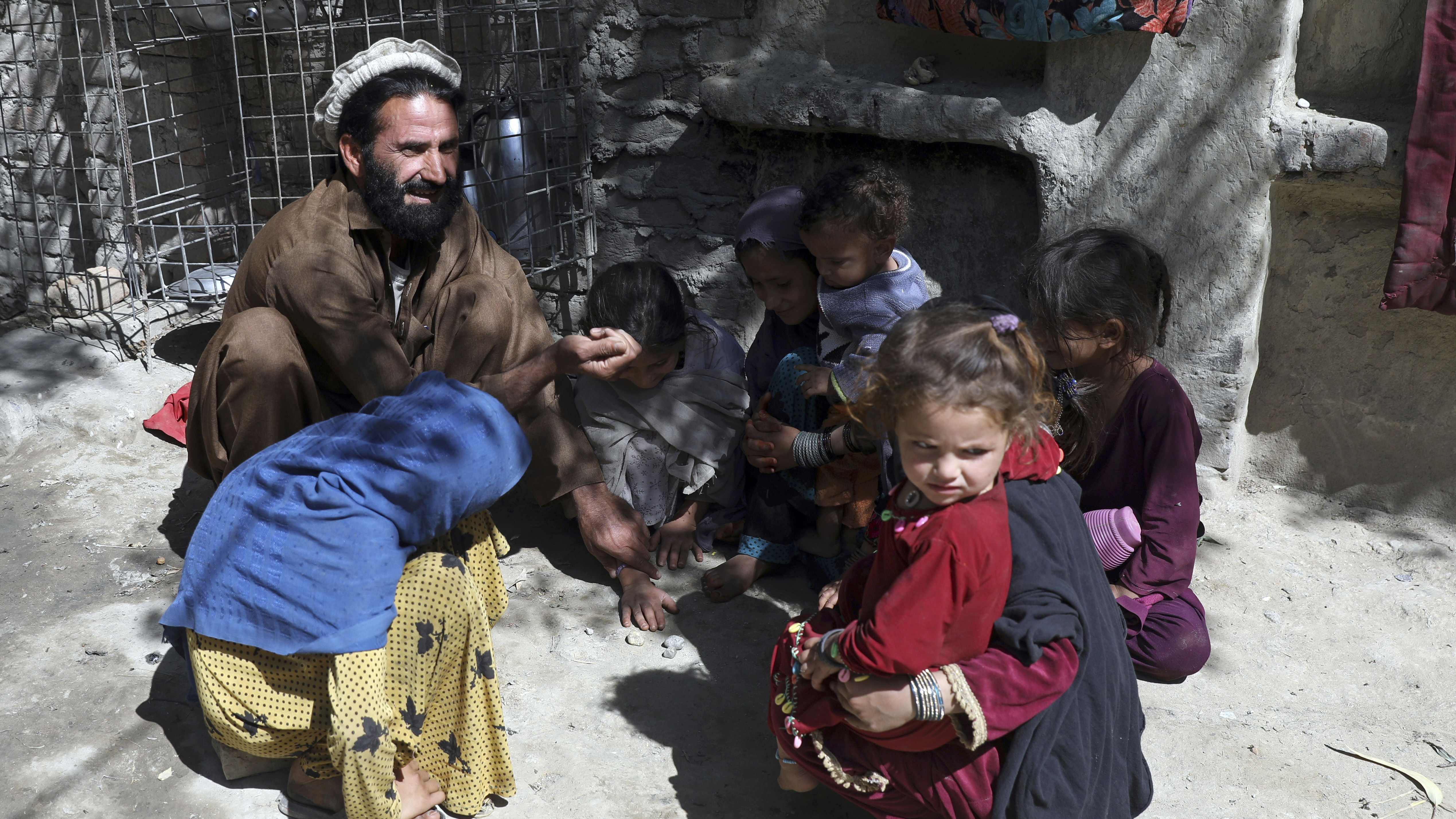
Tribal elder Dawlat Khan still has nightmares about fighters from the local affiliate of the global Islamic State terror network who swept across his and other villages in eastern Afghanistan five years ago.

The extremists, including Afghans, Pakistanis, Arabs and men from Central Asia, quickly imposed a reign of terror.

They kidnapped some locals who worked for the Afghan government, later dropping off their decapitated corpses in public places.

In one instance, villagers were summoned to a beheading where some fainted while others froze as they watched in horror.

READ MORE: Father's plea to bring daughter home from Syrian refugee camp
Afghanistan

Militants of the Islamic State group have since been driven back into the mountains by blistering US and Afghan bombing raids and a fierce ground campaign by the Taliban, Afghanistan's homegrown insurgents.

The Taliban, eager to expand their domestic political power, pledged to the Trump administration last year they would prevent any attacks on the West from Afghan soil after foreign troops leave.

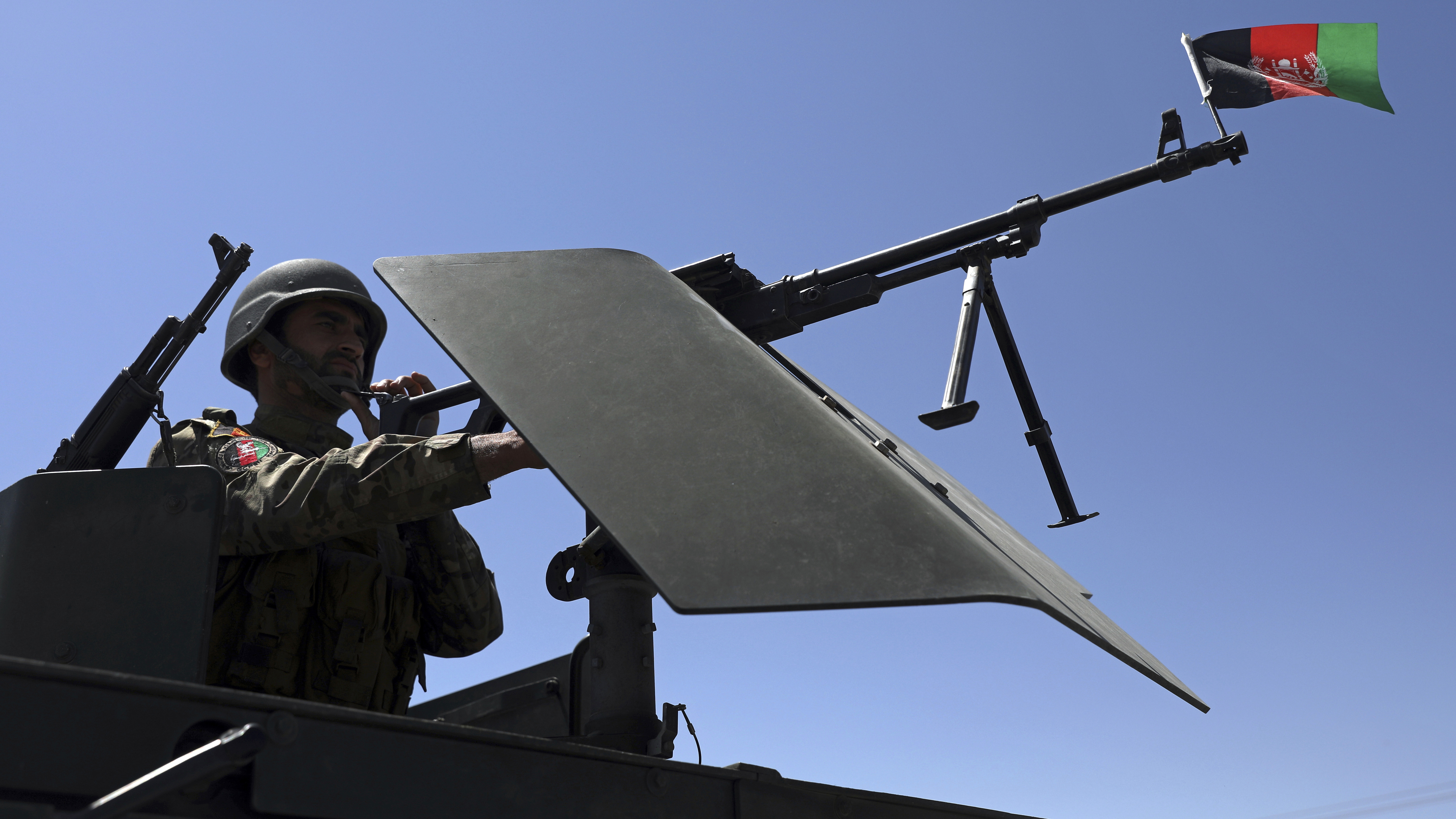
Recent success in containing IS is central to the calculus of President Joe Biden, who decided earlier this month to pull all remaining US troops out of Afghanistan by the summer.

READ MORE Despair of Aussies trapped in India
Afghanistan

Mr Biden argues that threats to the West, whether by IS or remnants of the al-Qaida network, can be defused from a distance.

Yet there are concerns that in the potential chaos of a post-withdrawal Afghanistan, IS “will be able to find additional space to operate,” said Seth Jones, senior vice-president at the Centre for Strategic and International Studies in Washington.

READ MORE: Australia suspends India flights

Some note that it took more than three years to dislodge and degrade IS fighters, many of them ethnic Pashtuns from Pakistan's tribal regions and Afghans from the northeastern Nangarhar and Kunar provinces.

The retreating militants left behind mined roads and fields.
Afghanistan

READ MORE: Pakistan blames India for suicide bombing, even as Taliban claims responsibility

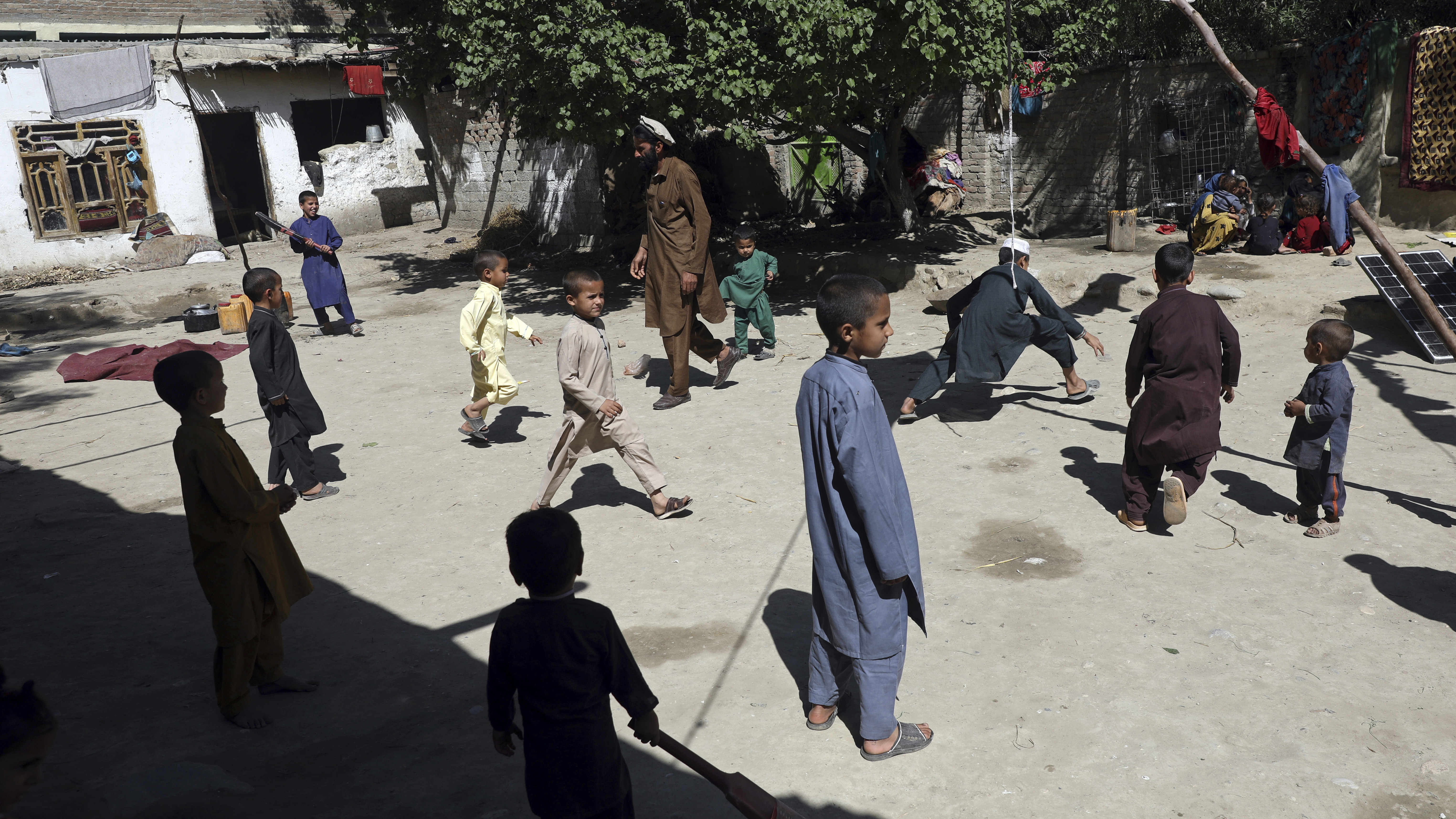
Khan, the tribal leader, fled his village of Pananzai with his six brothers and their families at the height of the battles against IS.

They're not rushing home, even though the family of 63 people is crammed into nine small rooms in Nangarhar's provincial capital of Jalalabad.

“We are afraid they will return,” Khan, a father of 12, said of IS fighters.

Mr Biden has said he will hold the Taliban accountable for their commitment not to allow terror threats against the US or its allies from Afghan soil.

The US invaded Afghanistan 20 years ago after al-Qaida militants, hosted by the Taliban, staged the September 11 terrorist attacks.

READ MORE: Biden to end longest war in American history
Afghanistan

In recent years, Washington has come to see the Taliban as a national force, with no ambitions beyond their borders, according to a US defence official who spoke on condition of anonymity in line with regulations.

The Taliban, familiar with mountain caves and dirt paths in remote terrain, are a useful ally against IS, which is viewed by the US as the greatest threat emanating from Afghanistan, the official said.

READ MORE: Smoke, explosion reported in Saudi port

In justifying his withdrawal decision, Mr Biden noted that terror threats are “metastasising around the globe” and that "keeping thousands of troops grounded and concentrated in just one country, at the cost of billions each year, makes little sense to me and our leaders.”

The withdrawal is under way, with the final phase starting on Saturday.

By September 11, America will have withdrawn its last 2,500 to 3,500 troops, and about 7,000 allied forces from NATO are following the same timetable.

But there are concerns about IS re-emerging, particularly if the Taliban and the Afghan government can't reach a power-sharing deal.

Intra-Afghan peace talks remain stalled, despite US efforts to jump start them.

Ongoing fighting between the Taliban and the government could further erode the morale of Afghanistan's 300,000-plus security forces who sustain heavy casualties daily and are plagued by widespread corruption. It's unclear how the troops can be a bulwark against new terrorist threats.

READ MORE: Australian troops out of Afghanistan by September, PM announces

At the same time, IS continues to recruit among radicalised university students and disgruntled Taliban, said a former Afghan security official who spoke on condition of anonymity because he was not authorized to talk to reporters.

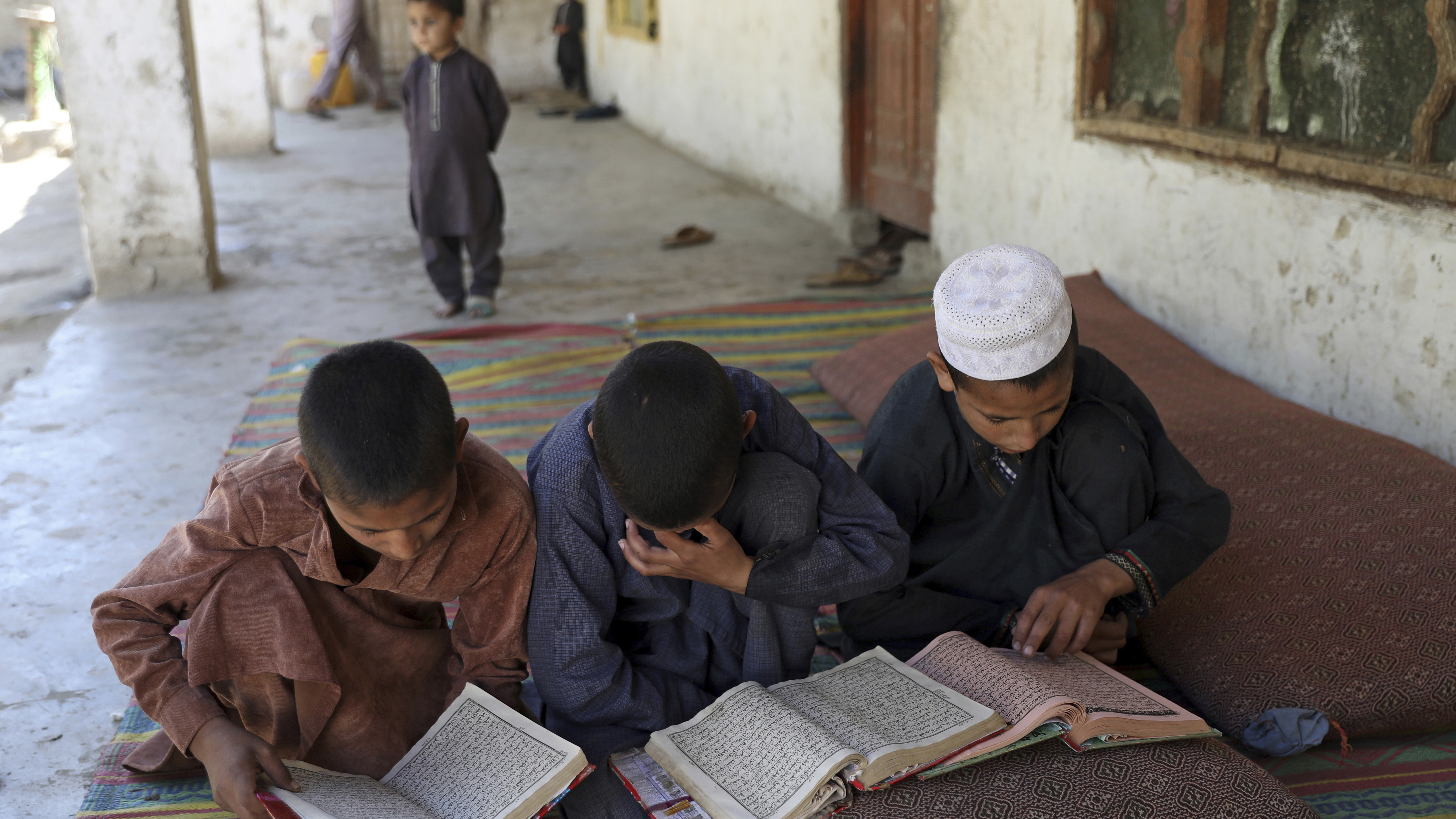
IS has also resumed a campaign of targeted killings of minority Shiite Muslims, many of them ethnic Hazaras, as well as women's rights activists and media workers. They claimed attacks last year on two educational facilities, including Kabul University, that killed more than 50 students.
Afghanistan

Washington blamed IS for a brutal assault last year on a maternity hospital in a largely Hazara neighbourhood of Kabul. Infants and pregnant women were killed.

In March, seven Hazaras who worked in a stucco factory in the eastern city of Jalalabad were killed in an attack claimed by IS.

The assailants tied their victims' hands behind their backs and shot each with a single bullet to the back of the head.

Some residents there are afraid to point the finger at IS, fearing they might be targeted next.

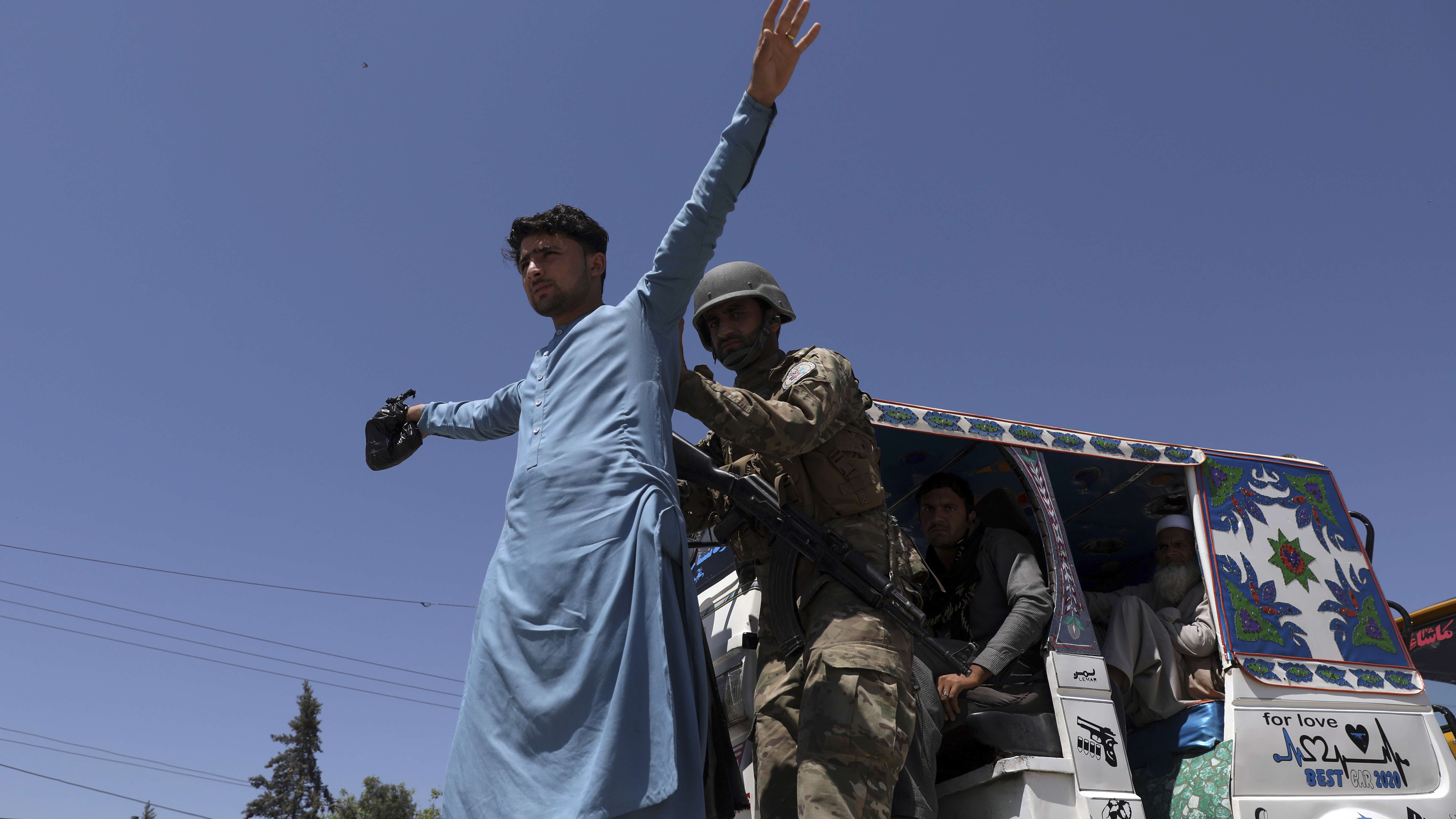
IS operatives are said to occupy an entire neighbourhood near the central Talashi roundabout. They have infiltrated the motorised rickshaw business and use the vehicles for targeted killings, said taxi driver Saida Jan.

Evan Kohlmann, a terrorism consultant, said for a while it appeared the IS presence in Afghanistan and surrounding regions “was all but dead," but the group's operations “have since resumed in earnest.”

“They represent a significant terrorist threat, but their tactics remain in the realm of assassination and sabotage," said Kohlmann, who has worked with the FBI and the Nine Eleven Finding Answers Foundation that emerged following the assaults on America.

"They don't seem to be in a strong position of conquering and holding territory,” or of threatening the US, he said.

The Taliban say they have made good on promises to the US by ordering fighters to keep non-Afghans from their ranks, and telling al-Qaida to leave the region. Some analysts say they're not convinced the Taliban have distanced themselves from groups like al-Qaida.

US officials, meanwhile, acknowledge the withdrawal will reduce Washington's intelligence gathering capacities, even if IS and al-Qaida aren't in a position to attack US targets from Afghanistan.
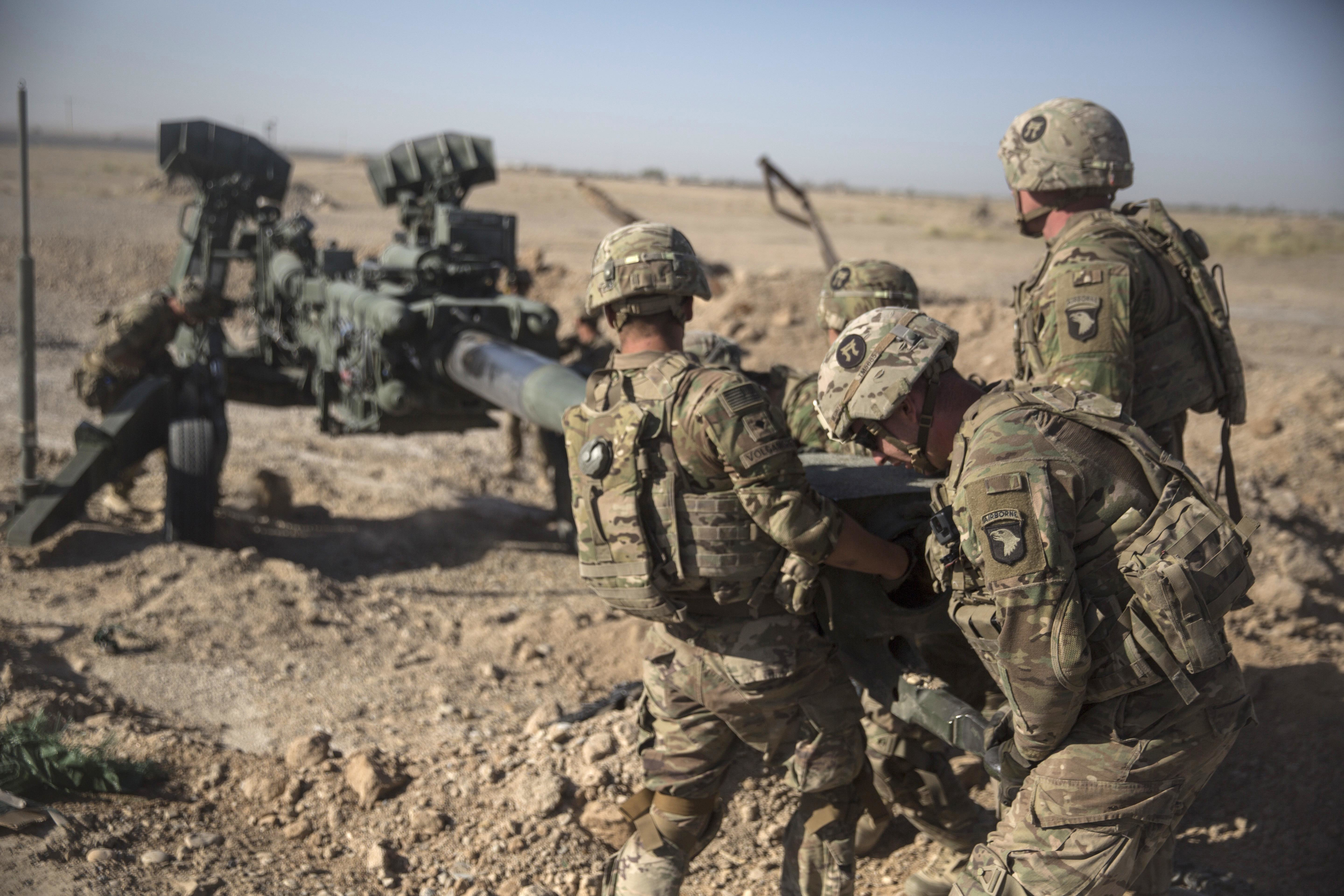
US troops have already begun leaving Afghanistan and by November 2020 less than 5000 soldiers are expected to still be there, down from nearly 13,000 when the Taliban agreement was signed on February 29, 2020.

READ MORE: CIA head said to have made unannounced trip to Afghanistan

Asfandyar Mir at Stanford University’s Centre for International Security and Cooperation said the US will be able to continue technical eaves-dropping from a distance, while on-the-ground intelligence gathering will weaken further.

“The US campaign in Afghanistan has been notoriously poor at getting good information and being played by rent-seeking actors, the cost of which is borne by innocent civilians in raids and strikes gone wrong,” said Mr Mir.

“With US forces out, and unable to provide security to potential informers, existing sources will dwindle and opportunities for bad actors to dupe the US will grow," he said.
Former Lord Mayoral candidate attacked in Adelaide

CCTV has captured the moment a former Lord Mayoral candidate was set upon by two men outside his Adelaide club.

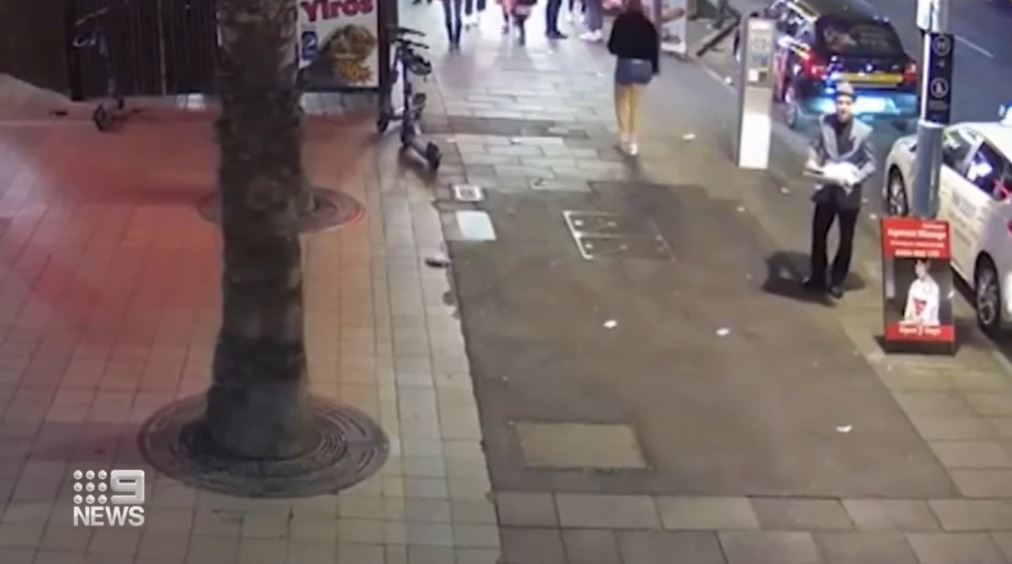
Steven Kelly says he was standing on Hindley Street, in the city, eating a pizza and "minding his own business" when the attack happened.

Hindley assaultHindley assault

READ MORE: Man charged with assault after brawl erupts in Adelaide bubble tea shop

The video shows the first man approach the local businessman and shove him, knocking his pizza box to the ground.

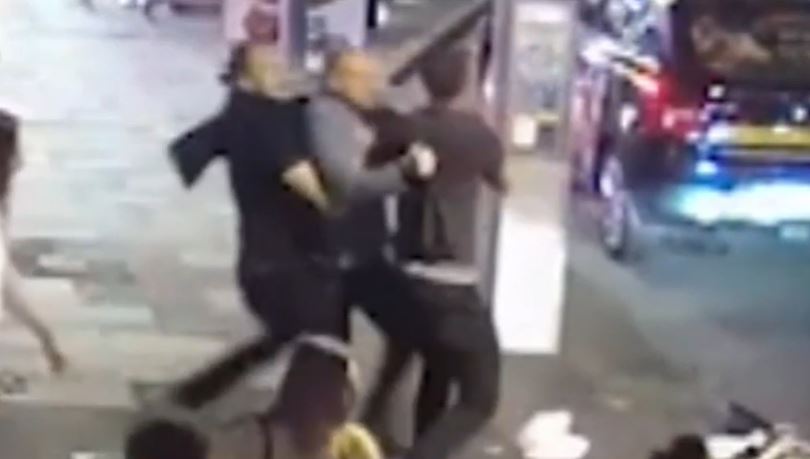
Another man then approaches Mr Kelly and appears to assault him, ripping his body camera off and grabbing him as he tries to defend himself.

Mr Kelly is now calling for more police patrols along the popular nightspot to prevent similar violent attacks from happening.

Police are investigating the incident and are calling for anyone with information to contact CrimeStoppers on 1800 333 000.

'I relive hearing that crash daily': Family's heartbreak as drug-driver sentenced

The heartbroken family of a young Darwin woman killed by a drug-driving teen on his phone has paid tribute to "the greatest human" outside court.

Stephanie Shoben-Franklin was the light of her friends' and family's lives.

The 24-year-old was killed last year by a drug driver who decided to take his eyes off the road for less than five seconds to change the music.

Darwin crash

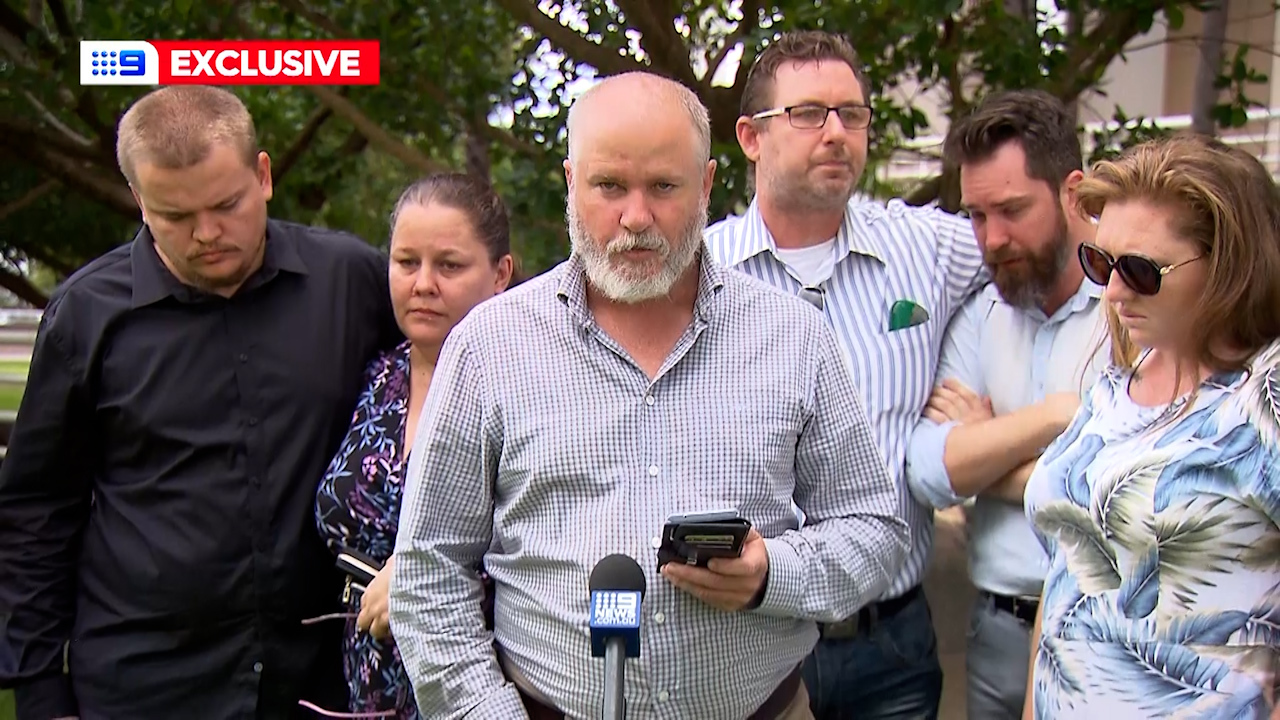
"She was the greatest human," Stephanie's father Dean Franklin told 9News outside court today.

"She was fierce. She was a fighter. She fought for people who couldn't fight for themselves. She fought for equality and women's rights.

"She was a rainbow. Maybe, she was too good for this world, I don't know. We just have to remember that 4.1 seconds is all it took for someone to steal her from us."

The driver cannot be identified because he was 10 days from turning 18 at the time of the crash.

Darwin crash

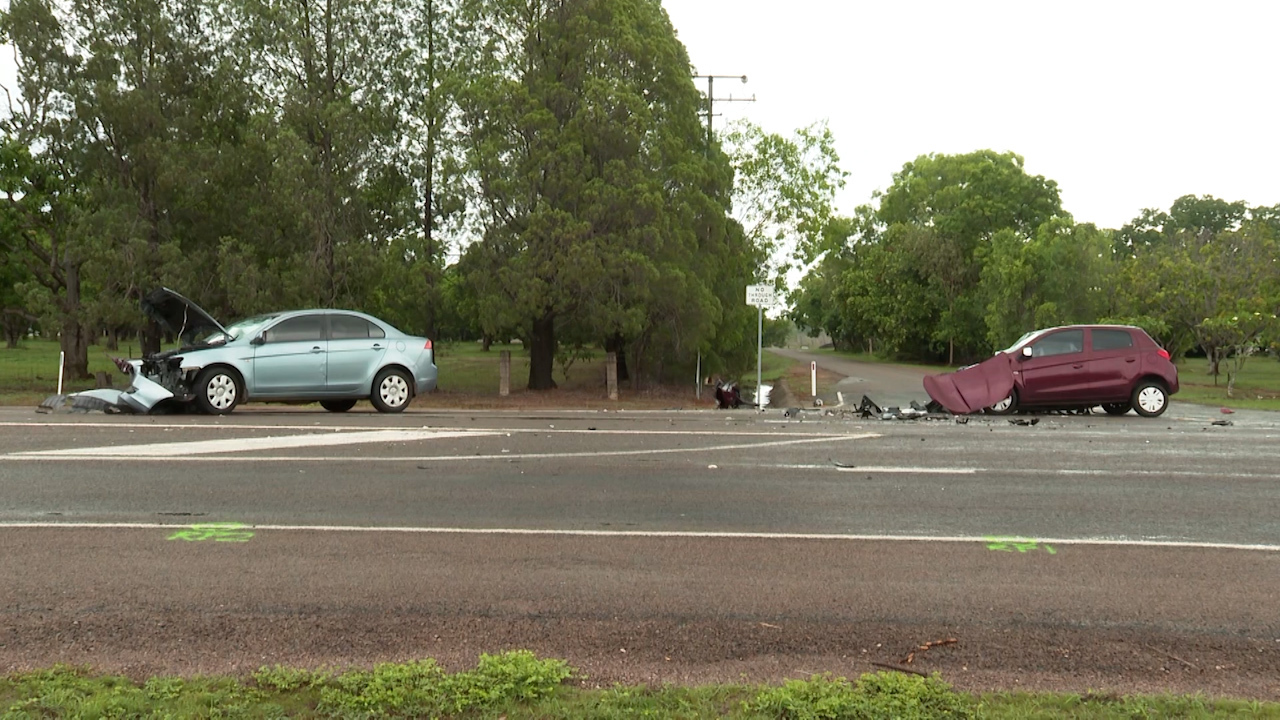
The youth had been smoking cannabis that morning and while travelling along McMillans Road in Darwin at 80km/h he looked down at his iPhone, veering into the oncoming lane and striking Stephanie's Mitsubishi Mirage.

"I hope that what his father said to us is true, that he's living from his mistakes and that he's going to change his life," Mr Franklin said.

"But I don't want him to forget the 17th of October. Ever."

Stephanie's mother Sachiko Shoben was speaking to her on Bluetooth hands free at the time of the crash and heard her final moments.

"I have flashbacks. I can see the accident happening. I can see the look of fear on Stephanie's face," she said.

"And I feel the fear that she would have felt right before (the driver) crashed into her. I feel the pain. I relive hearing that crash daily."

Darwin crash

The teen was sentenced to three years' jail, suspended after seven months. He was also stripped of his licence for three years.

"Shame on you NT justice system. This is someone's life and all you gave us was seven months," Mr Franklin said.

"Our message to Territorians is that catastrophic outcomes can occur within seconds. Next time you go to pick up your phone, drink or do drugs and drive, think of our daughter, Stephanie Shoben-Franklin."

'My son doesn't know me': Despair of Aussies trapped in India

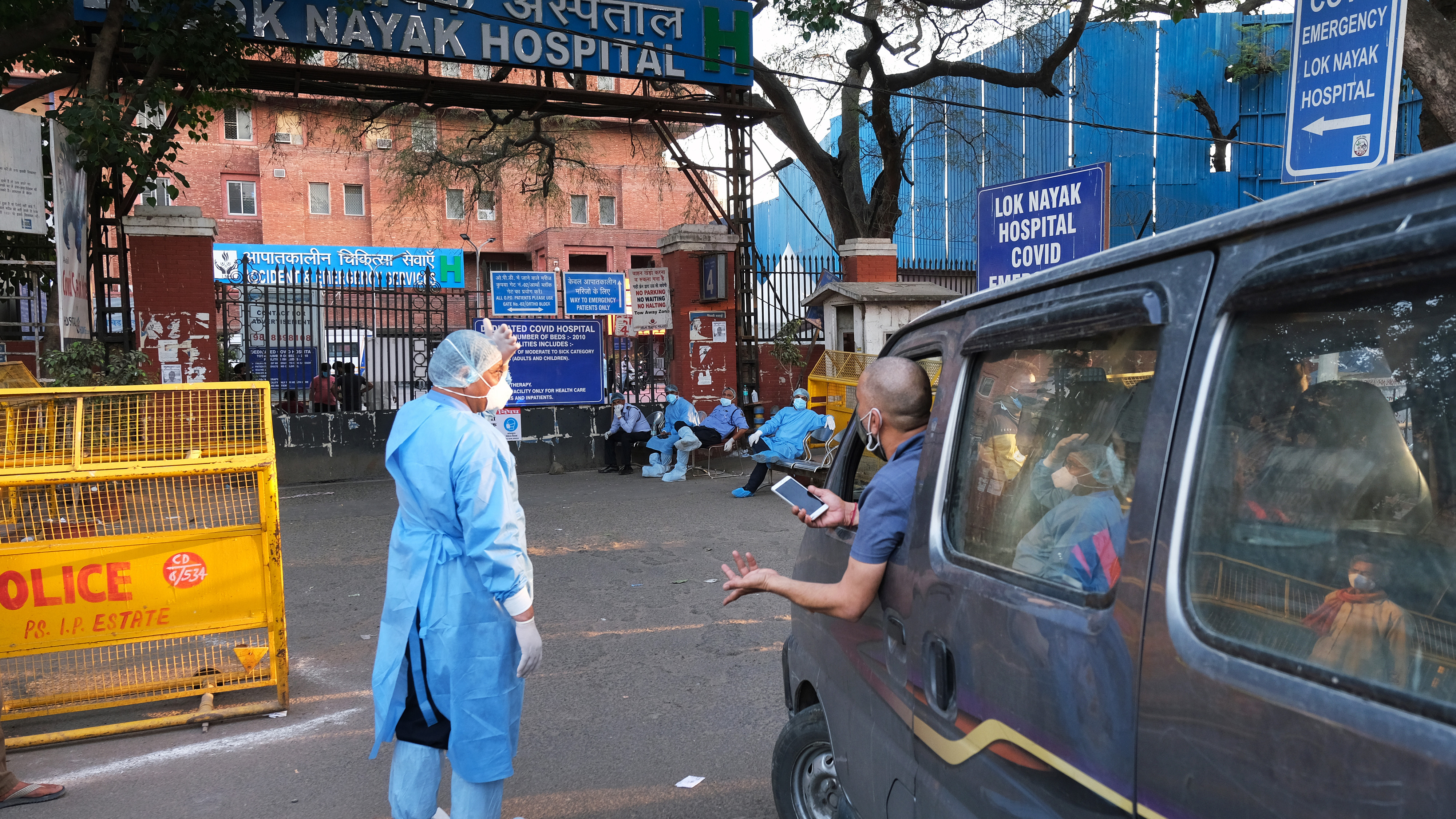
Australians stranded in India say the suspension on flights from the nation has left them feeling 'helpless' with many having already spent more than a year trying to get a seat on a plane home.

Prime Minister Scott Morrison announced a 'pause' in flights, blaming escalating cases in people coming back from India and going into Australia's hotel quarantine system.

He said the halt will allow quarantine facilities to reduce cases before allowing more people in.

READ MORE: Australia suspends flights from India

India

READ MORE: India records another global record in COVID-19 cases

"[Cases] went from 90 the previous week to 143," Mr Morrison said.

But it's a new blow for the 9000 Aussies – 650 of whom are vulnerable according to Foreign Minister Marise Payne – battling for over a year to get home.

Left before pandemic, now trapped for 14 months

Sukraj Singh, 36, who lives near Cairns, Queensland became an Australian citizen last year.

He left Australia on February 27, 2020 – a month before the pandemic and resulting travel ban – to get married in Punjab.

He's been trying to get home ever since, but has had four flights cancelled due to Australia's strict flight caps which allow just a few thousand people in per week.

READ MORE: 'There's no end goal': Expats' heartbreak over COVID-19 border closures

Sukraj Singh, 36, who lives near Carins became an Australian citizen last year.

And while there have been repatriation flights backed by the government, those, as well as commercial options sell out instantly,

He said the banana farm where he works is desperate to get him back to work too.

He still has to pay rent in Australia, but has had no income for 14 months.

"It's hard for me to survive, no job, no money," he said.

LIVE UPDATES: Australia standing by 'true friend' India, PM says

"My problems are beyond description. It's very hard."

Sucraj left Australia long before the travel ban, but now can't get back and is struggling to pay his rent.

He has also had coronavirus but has now recovered.

He said the flight ban has left Aussies there with little hope.

"It give us more stress, more tension, we are suffering a lot."

Dad alone in Melbourne, wife and two children stuck in India

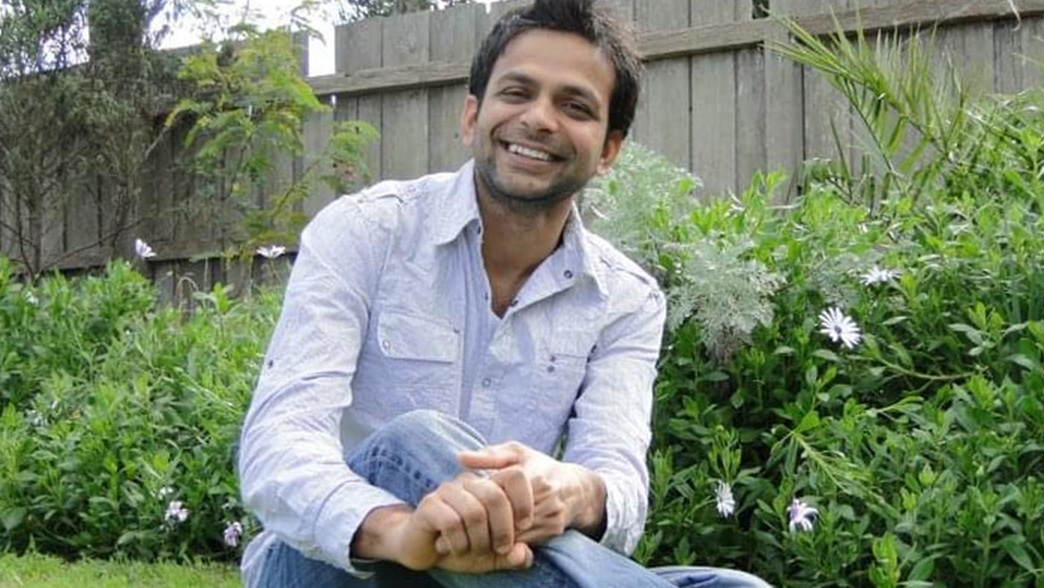
Indian-born IT consultant Raja Koushik, 34, was sponsored by a well-known firm to come to Australia in 2017 after previously living in the UK.

His youngest son was born in Melbourne, and the family's application for permanent residency is in process, but delayed due to the pandemic.

Raja Koushik

He and wife Saranya, 31, and children Shravani, nine, and Rudra, 18 months, left for India on March 7, 2020 to see family and do traditional ceremonies for Rudra.

Mr Koushik said amid growing news about coronavirus he even phoned Victorian authorities to check it was okay to travel – but was simply told to wear masks on the flight.

When news came that the border was about to close, he got on a flight alone, as he was was worried about travelling with children, when little was known about the disease.

READ MORE: Twitter blocks posts critical of India PM's COVID-19 response

He thought things would ease within months – but he has been alone in Melbourne ever since.

Raja Koushik

His family haven't even attempted to get a flight, as their PR application is not finalised, so they need an exemption to return.

That's despite his son being born here and the couple being married.

It has been refused.

Now flights are banned there's little hope on the horizon.

He said the family's mental health is suffering, and his daughter is missing school.

He is too upset to sleep in the couple's bed, so lies on the couch every night with his dog.

"I feel helpless," he said.

"A lot of us immigrants come to Australia in search of a better future. Some amount of support would be good.

Raja Koushik

"I missed my son's first birthday. My son doesn't even know me now.

"It's been super hard on us as a family.

"There's no light at the end of the tunnel. It's complete darkness at the moment."

He called for Australia to look at how it can get people home – especially with many in the rest of the world now vaccinated, including his wife.

"Yes, the numbers in India are scary," he said.

"Purely from my perspective, the government can set up rules, like only vaccinated individuals are allowed to come back, COVID tests done, then you are allowed to board the flight," he said.

When announcing the pause in flights, Prime Minister Scott Morrison defended the fact vulnerable Australians could die while trapped in the nation.

"It's a humanitarian crisis and it's one that's gripping the world," he said.

"That is the nature of a global pandemic. That is why we are repatriating Australians from India.

READ MORE: Australians who defy New Zealand travel bubble could face prison

"I don't see this as a problem that we're trying to solve, I see this as a group of people were trying to help.

"We don't think the answer is to forsake those in India and shut them off. That's not what our government is going to do."

Five-year-old separated from parents

Johannah is currently in India with her grandparents while her parents are in Sydney.

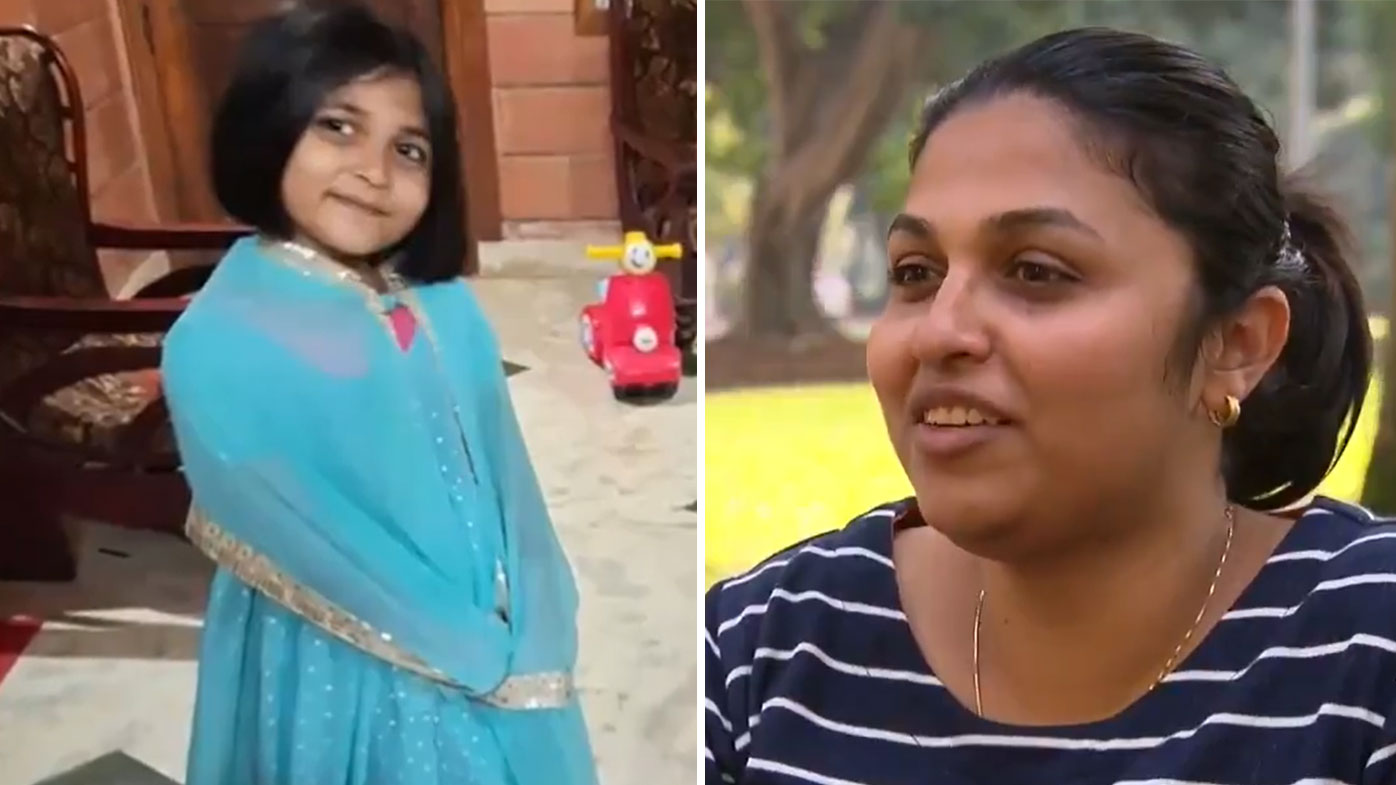
Her mum Drisya Pathikkal Eldo is worried her daughter will now be locked out of the country after Australia closed its border.

"Every day I talk to her at least four, five times… but it's nothing like having the feel of her, having her, touching her," Drisya told 9News.

Five-year-old Johannah is in India while her grandparents, while her mum Drisya Pathikkal Eldo and dad are in Sydney.

"I don't think many words can explain this feeling.

"And it's not just my child, there are so many minors who are stranded in India, just like my child."

One in 30 Australians are of Indian heritage.

According to the ABS, Indian is the second most common background of Aussies born overseas – a total of 721,000 people.

Only Australian citizens, permanent residents and their partners and children have been allowed to Australia from anywhere in the world since the travel ban at the start of the pandemic, except with an exemption.

Contact journalist Sarah Swain: Ss****@******om.au