A Lower Hutt man who stabbed his mother multiple times in the face and neck as she begged him to stop has been found not guilty by way of insanity.Godfrey Okot only stopped stabbing his mother when a neighbour started hitting him…
Tag Archives: oceania
Controversial irrigation scheme 'will hold farmers to account'
By Adam Burns, Local Democracy Reporter The boss of a water co-operative in Mid-Canterbury believes the onus is on its farmers after a controversial irrigation scheme renewal was given the go-ahead.Replacement consent for the…
Alleged Māngere Bridge murder victim ran 'for her life', jury hears
A fork hoist driver discovered his colleague’s lifeless body stuck to the tail of his 2006 Subaru – with her head under the bumper – after she was hit by a speeding driver in Auckland’s Māngere Bridge, a jury has heard. Telea…
Why you need to update your iPhone now
Update your iPhone now.
iOS 14.5 has arrived bringing a swag of new features for iPhone users.
Here's what you'll get if you update today.
READ MORE: Apple confirms 'long-held' rumours

Use Apple Watch to unlock iPhone
Face masks have all but killed the convenience of unlocking your phone with a glance, but Apple's found a work around for its Watch owners.
If your Watch is unlocked, and in close proximity to your iPhone, it too will unlock when you look at it even if it can't recognise your face.
The new feature works with iPhone X and later and Apple Watch Series 3 and later.
Siri now has four voices
There are now four options for Siri's voice.

This is only for English speakers, but Siri has also upgraded across the board with support for Group FaceTime, the ability to announce incoming calls through AirPods and compatible Beats headphones, and support for calling emergency contacts.
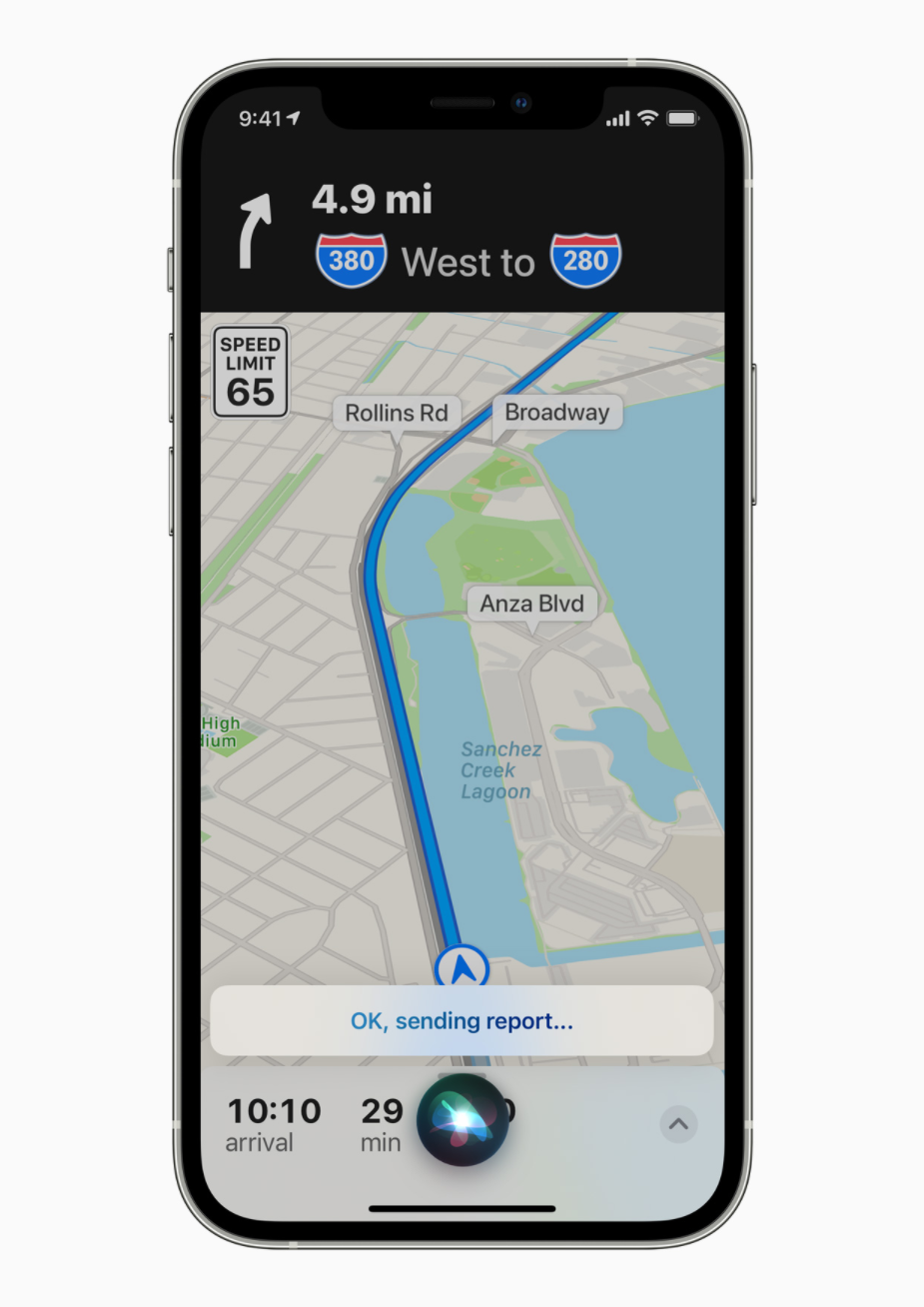
Apple Maps
You can now share your ETA when walking or cycling to let friends and family what time you're likely to arrive, and CarPlay users can do the same using voice and keyboard controls.
Apple Fitness+ streaming
Finally, you don't need an Apple TV to stream Fitness+ workout videos to the big screen.
AirPlay 2-enabled TV's and devices just added some significant value to the subscription service.
Emoji
Surprised this one didn't already exist, but you can now change the skin tone on the kissing couple emoji and couple with heart emoji.
In addition, there are new emoji including face exhaling, face with spiral eyes, face in clouds, heart on fire, mending heart, and woman with a beard.

App Tracking Transparency
Good one for privacy here. In iOS 14.5, App Tracking Transparency requires apps to get the user's permission before tracking their data across apps or websites owned by other companies for advertising, or sharing their data with data brokers.
Apple Podcasts
Podcasts got a big plug at Apple's Springloaded event, and now it's have a redesign.
Show Pages make it easier to start listening, and now users have an option to save and download episodes to be automatically added to their Library.
Top charts and popular categories have also been added to search.
AirTag
Just in time for AirTag's Friday release, the update allows users to track and find important items, such as keys, a wallet, or a backpack, privately and securely in the Find My app.
Apple News
The Apple News+ tab has been redesigned, allowing subscribers to quickly find, download, and manage magazine and newspaper issues with an all-new Search experience.
Reminders
You can now sort reminders by title, priority, due date, or creation date, and even print reminder lists.
Man who lived alone on Italian island for 32 years finally forced out
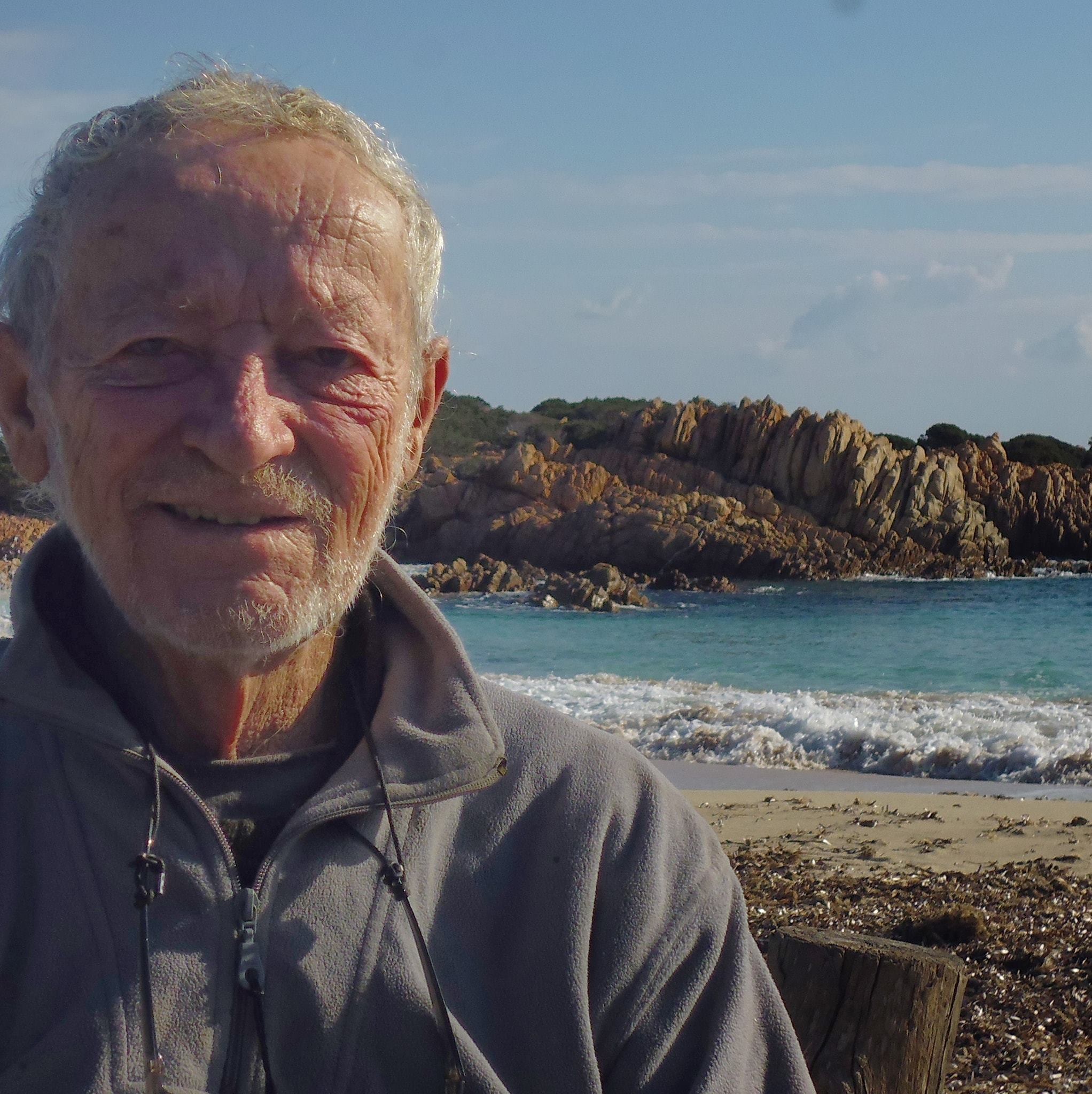
A man who has been living alone on an Italian island for more than 30 years is finally going to leave, after a series of clashes with the government.
Mauro Morandi, 81, posted on his Facebook page that he would be stepping down as caretaker of Budelli Island after 32 years.
"I hope that in the future Budelli will be protected as I have protected it," he said.
READ MORE: Man accused of skipping work for 15 years while still getting paid
Budelli Island is in the Maddalena archipelago, near Sardinia, and is part of a multi-island national park.
It was privately owned until the Italian government took over in 2016, following the previous owner's bankruptcy.
Mr Morandi has lived on the island since 1989, when he accidentally landed there after his boat ran into trouble.
Fortuitously, he arrived just as the caretakers then were looking to retire.
"I was quite fed up with a lot of things about our society: consumerism and the political situation in Italy," Mr Morandi told the BBC in 2018.
"I wanted to start a new life close to nature."

READ MORE: Pompeii fast food eatery excavation reveals popular dishes
Since 1989, Mr Morandi has lived alone in a former WWII shelter on the island, guiding groups of tourists and taking care of the local ecosystem.
Visitors are banned from swimming in the ocean and from walking on Budelli's famed pink beaches, but are still able to travel the island on an approved path.
Mr Morandi's departure was prompted by a series of clashes with the government, who claimed he had illegally modified his home, the Guardian has reported.
Mr Morandi now plans to move to a different island in the same archipelago, one where he won't be the only permanent inhabitant.
Deportation saved 'Chopper' Read's adopted sister's life
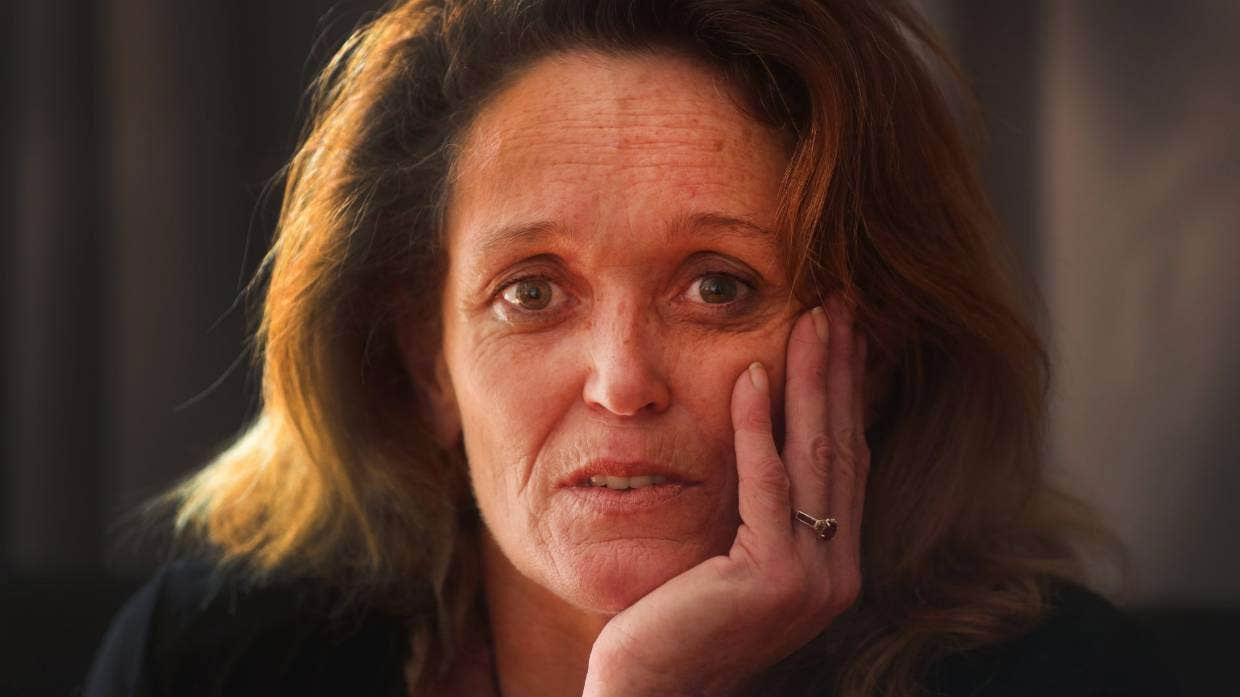
When Nicole Sutorius was deported from Australia at the age of 32, she was blindsided.
Now, the 49-year-old admits being deported as a 501 probably saved her life.
But after almost 20 years with no offending in New Zealand, she doesn't understand why she is not allowed back into Australia, not even to grieve.
"Murderers in prison in Australia get day release to go to funerals. I wasn't allowed back for my own father's funeral, even if I paid for my own security."
Sutorius is not the only 501 unhappy with how things have been handled, with a group of 501 deportees planning to take a class action lawsuit against the Australian Government over their treatment.
In New Zealand, the group of deportees is known as 501s, after the character section of the Australian Migration Act allowing their visas to be cancelled.
Non-Australian citizens sentenced to 12 months in prison are subject to deportation – no matter how long since they completed their sentence.
To her knowledge she is one of the first people ever deported under the 501 scheme when she was sent back to New Zealand in the early 2000s.
The 501 deporting scheme had been in legislation since 1958, but Sutorius said when she was deported, nobody was aware it existed.
"I don't know anyone else who came earlier than me."
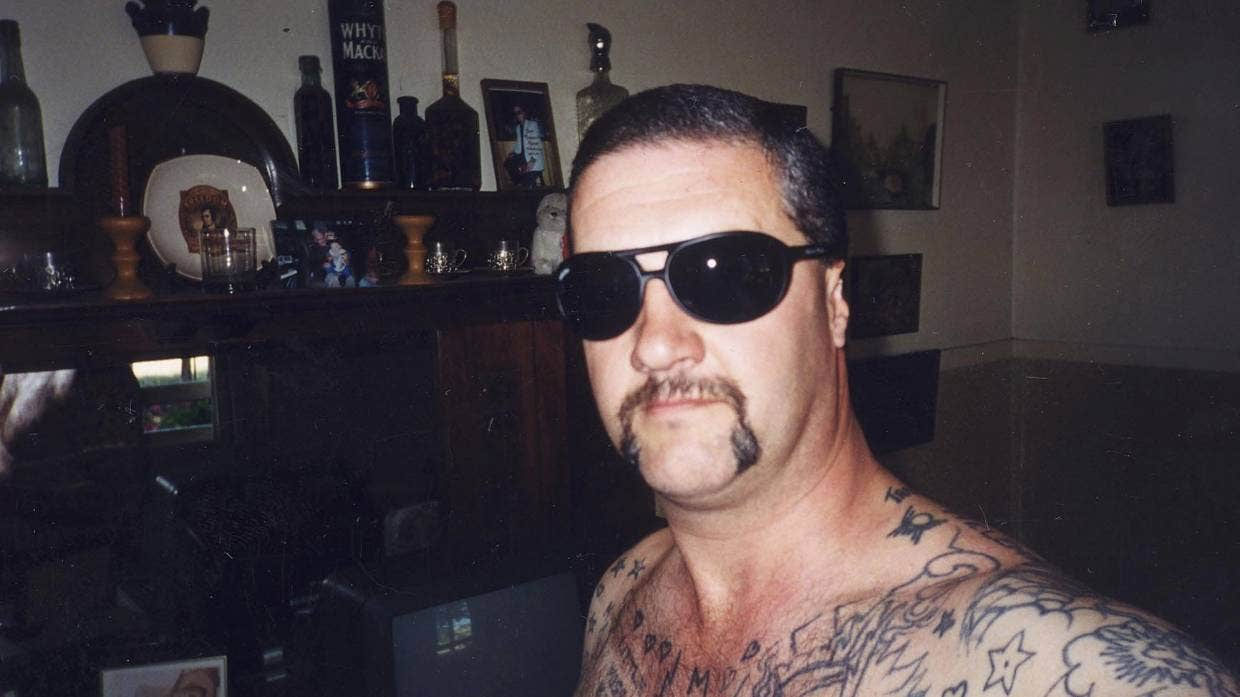
The adopted little sister of the notorious Mark "Chopper" Read, who was a key player in the criminal underworld in Melbourne, Sutorius has lived a colourful life.
Moving from New Zealand to Australia when she was 10, Sutorius said she was molested as a child in New Zealand.
When she got to Australia she didn't know how to process what had happened to her, and she didn't want to tell anyone, so she started to act out.
Two days after her 14th birthday she was put into a youth training centre, known in New Zealand as youth justice residences, for running away too frequently.
"Back then they put the runaways with criminals, so that's kind of where the cycle began."
Through a friend she made at the centre she met Read, who she said started to look out for her.
"He always kept an eye out and kept people watching me."
Her longest sentence before her deportation crime was six months, with most of her charges drug-related incidents.
Heroin was her drug of choice, but she said since her return to New Zealand she tried drugs once, and hasn't touched them since.
While she managed to get her life together, she said she could see how others could not."
They have nothing.
"It's a life sentence but worse.
"Say I got a life sentence in Australia, I would still have access to my mum, my dad.
"I would have been able to go to my dad's funeral, my brother's, my stepdad's.
"You can't reach out for a hug, ever."
More than half of the people deported to New Zealand from Australia have committed a criminal offence since their return, and 20 per cent have been convicted for violent offending, police data obtained by Stuff via an Official Information Act request shows.
The data covers the period from January 2015 to March 19, 2021. It reveals a total of 2374 people have been deported from across the Tasman, but not all are here under the controversial '501' section.
The data reveals 54 per cent (1284 people) have committed a criminal offence since arriving in New Zealand, 20.5 per cent have been convicted of a violence offence since arriving back (487 people), 16 per cent convicted for offences involving dishonesty (381 people) and 13.23 per cent convicted for offences labelled as drugs and anti-social (314 people).
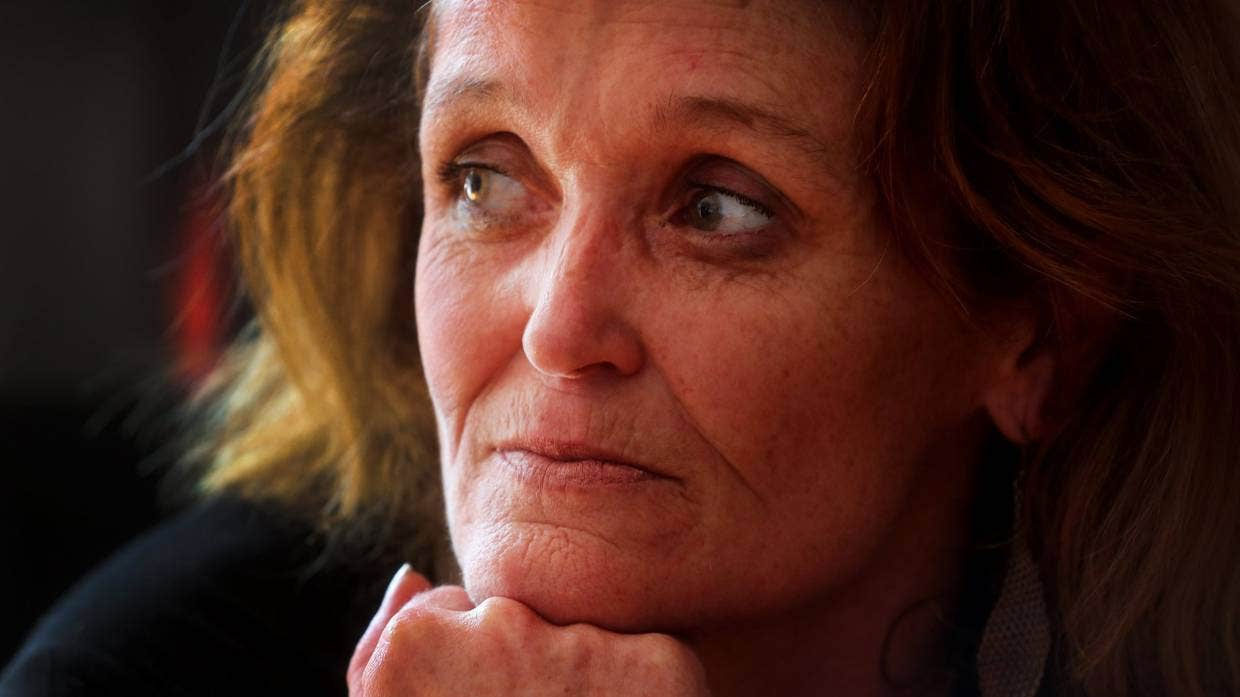
Sutorius thought people might not be as tempted to reoffend back in New Zealand if they got a better kick-start on arrival.
"More help, more people understanding where they have come from, what they are going to have to deal with.
"Nobody tells you what you're going to have to deal with and what you're never going to get again.
"Everyone is human … everyone can change if they want to, they just need to have the right incentive."
She said her worst conviction came about after she had aged out of the youth system in Australia and went with one of Chopper's best friends to tell a guy to get out of Melbourne.
"The guy came out punching, and I was trying to throw a letter opener at him, and he didn't know I got him and I didn't know I got him until a helicopter came, and I ended up stabbing him in the kidney."
She was remanded to a women's prison in Melbourne and, while there, was attacked by eight woman, leaving her with frontal lobe dysfunction.
Sutorius was originally sentenced to about 20 months for the incident, but on appeal she managed to get the sentence reduced to one year.
"That was all they needed [to deport me]."
When she was released from prison she was sent a file that contained her criminal history and told her she was going to be deported.
"I was just laughing because no-one had heard of it, and it never happened and no-one I spoke to had heard of it."
Then one morning she woke up and her house was surrounded by police.
"I thought, thank goodness, for once I have not done anything wrong."
"They said: 'We're here to take you, you're being deported.'
"I wasn't allowed to even put shoes on."
She was taken to Brisbane Women's Correctional Centre and was there for 12 days before she was put on a plane.
"I contacted my lawyer, and she didn't even know what to do."
She was flown back to Auckland and her dad arrived shortly after, staying with her for four days.
After that, she was on her own.
"It was hard, it was really, really hard.
"I thought I was going to spiral and just go really bad."
Yet, the opposite happened.
Sutorius moved into a boarding house and started to work there, before moving to a job in a call centre.
"The one good thing about being deported is you get a clean slate."
She said to this day she still isn't sure what made her a target, and she thinks it must have been her relationship with Chopper.
"There was a lot worse people than me they could have sent back."
However, she knows she put herself in this position.
"Even though I didn't know the consequences, and I have to own them and get on with my life."
Now living in Te Puke near a kiwifruit orchard, it's a slower-paced life for Sutorius.
She's looking for work and raising two puppies while living with her partner.
Her mum is still alive and living in Australia while her biological brother is a police officer in America.
Sutorius doesn't have anything to do with him.
"He became a cop because of the s–t that I put him through.
"I'm glad I had a good influence on him and not a really bad one, as it could have gone either way."
She said it was hard leaving her past behind her as people still think she is that person.
But to her, she looks back and doesn't know who that person is.
This story originally appeared on stuff.co.nz and has been republished with permission.
Indonesian submarine crew filmed themselves singing farewell video
Weeks before an Indonesian submarine sank off the coast of Bali, members of their crew posted a heartfelt farewell song.
The song was recorded for an outgoing corps commander, but has taken on a new significance after the vessel sank, with all on board killed.
READ MORE: Missing Indonesian submarine 'declared sunk' as debris washes up
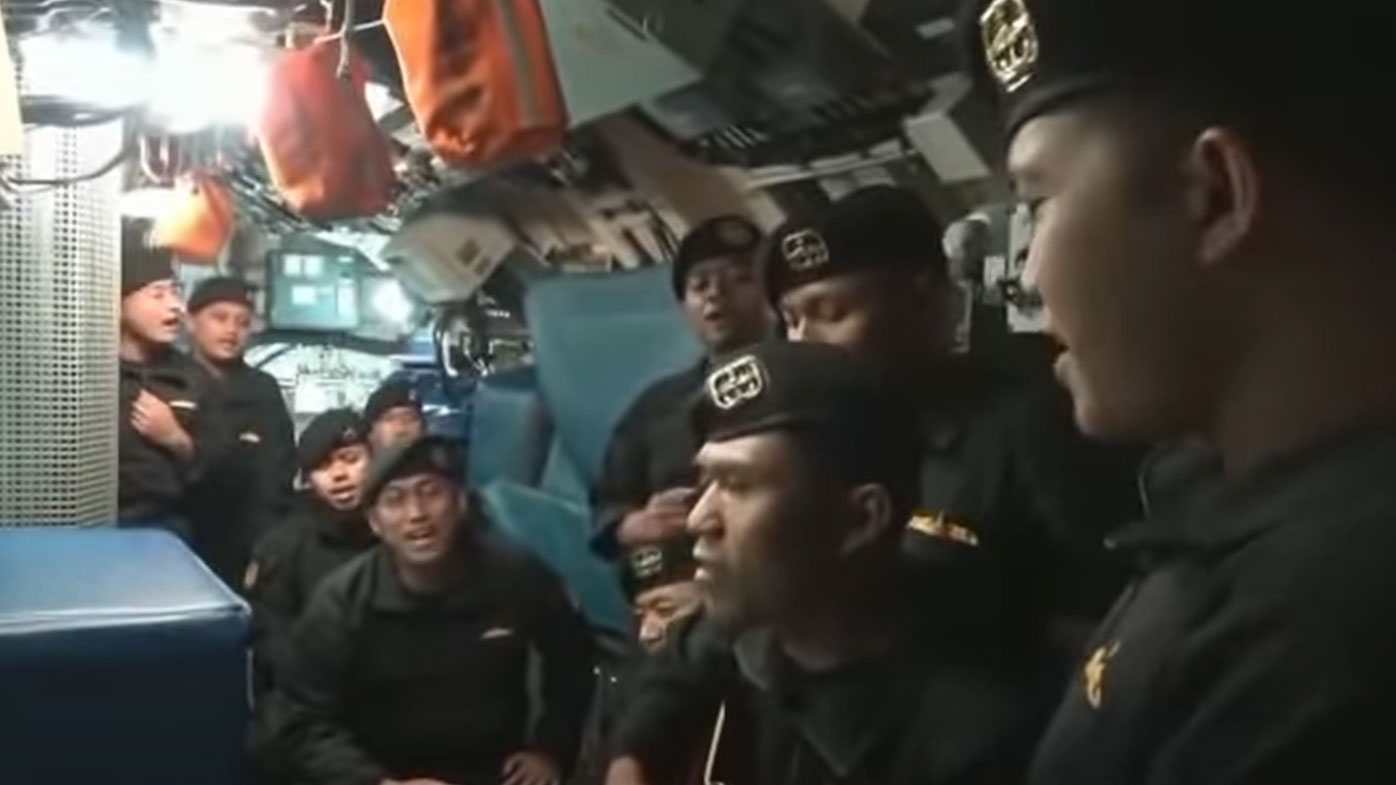
The crew, including submarine commander Heri Oktavian, were filmed singing 'Sampai Jumpa', an Indonesian pop song meaning "See you later".
"Even though I'm not ready to be missing you, I'm not ready to live without you," the crew sings.
"I wish all the best for you."
The video was posted on Instagram by the song's composer, Erik Soekamti.
"Goodbye hero," he wrote.
Yesterday the Indonesian navy declared all 53 members of the KRI Nanggala 402 crew dead.
READ MORE: Indonesia says 53 crew of lost submarine are dead
The submarine had been conducting a torpedo drill north of Bali when it disappeared.
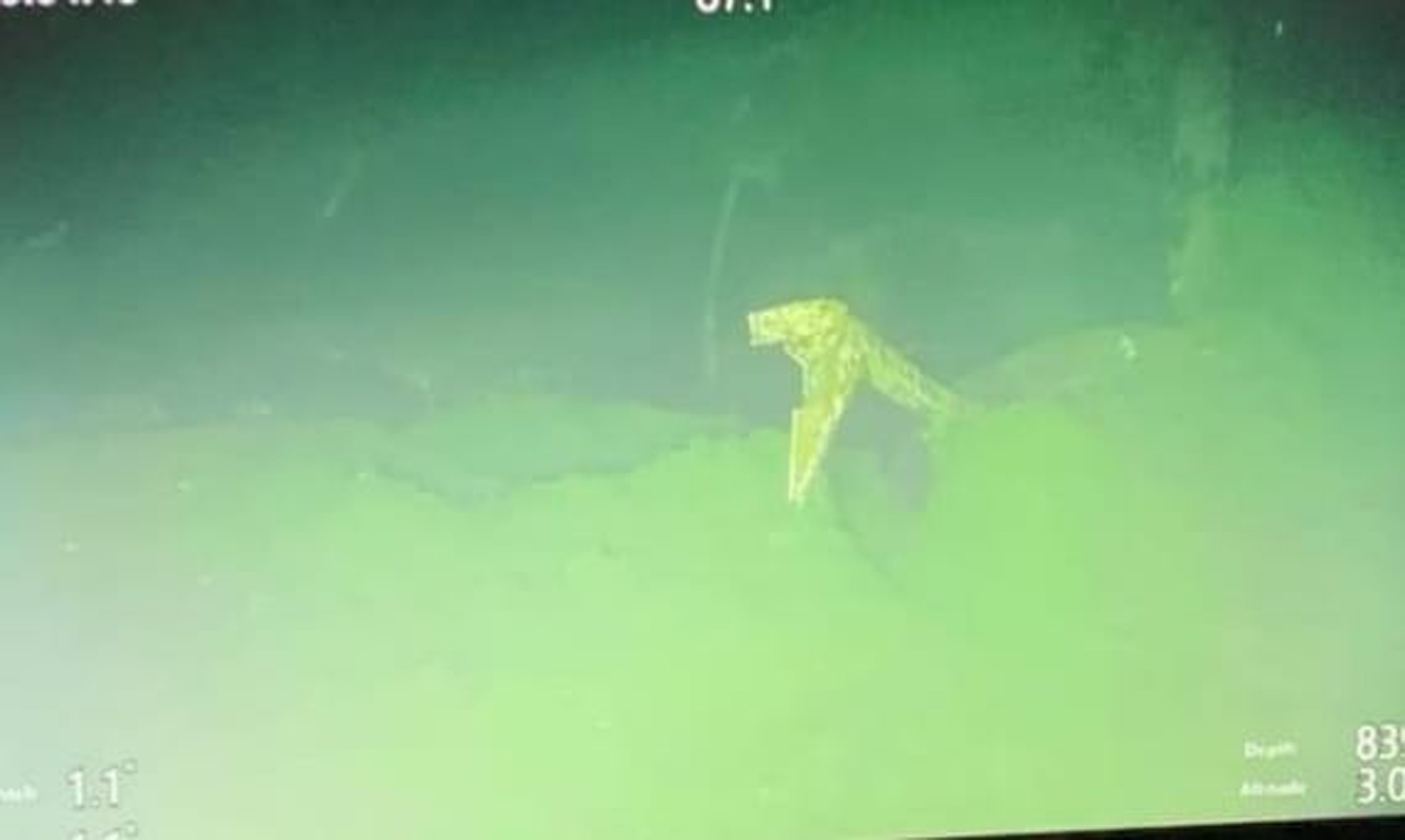
The navy has now found the remains of the submarine on the bottom of the ocean, broken into three pieces.
The ocean floor at that point is more than 800m, more than four times the depth the submarine is able to dive.
Indonesia's Defence Minister Prabowo Subianto offered his condolences to the families of those killed.

"The deepest condolences for the tragedy that befell KRI Nanggala 402. All the soldiers who died were the best sons of the nation," he wrote on Twitter.
"KRI Nanggala 402, safe sailing towards immortality."
https://twitter.com/prabowo/status/1386323629730787340
Emergency survival suits were found drifting underwater, indicating crew members took them out of their boxes during the emergency.
The cause of the disaster is not yet known, though the navy suggested an electrical blackout may be responsible.
READ MORE: 'If a submarine has an accident at sea, it tends to be catastrophic'
The two Australian warships, HMAS Ballarat and HMAS Sirius were both dispatched to help, after Indonesia accepted the Federal Government's offer of assistance.
The submarine disappeared on Wednesday, and officials said on Saturday that the vessel's oxygen would have run out after three days.
But given the submarine was found in several pieces, it is quite likely the crew would have died very quickly.
Family of handyman shot dead still searching for answers
The daughter of a local handyman gunned down near Dubbo in the NSW Central West has issued a desperate plea for answers one year after her father's death.
Frank Smith, 48, was fatally shot in the small country town of Wellington on Monday, April 27, 2020.
"Today makes one year that I have been without my father and my daughter has been without her grandfather," his daughter, Linda-Rose Morris, said.
LIVE UPDATES: Australia to consider India flights ban
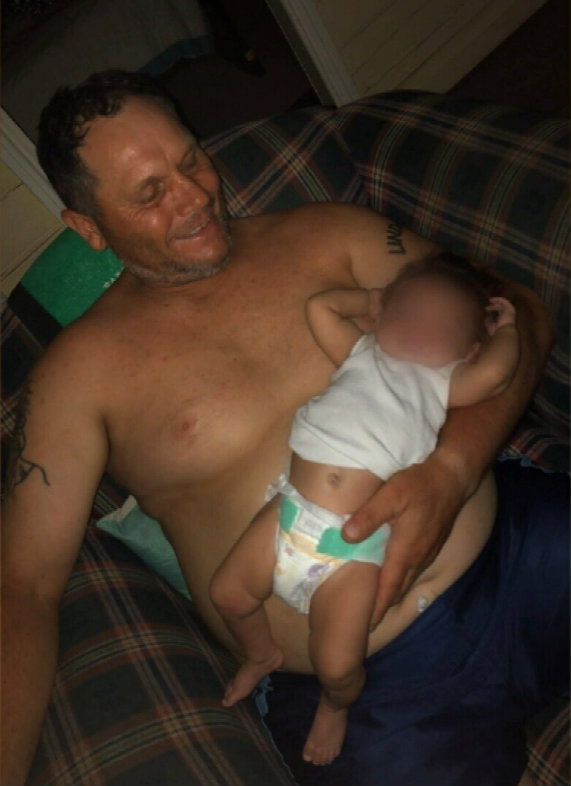
"Precious time has been taken away from us – including the time my daughter had to know, and spend time with, her beloved pop.
"We now turn to the community of Wellington for answers. Please – if you know what happened to dad, come forward and help my family the answers we need after such a terrible year of heartache," she said.
Police believe Mr Smith may have been shot on Reid Street before collapsing in the front yard of a home on Thornton Street.
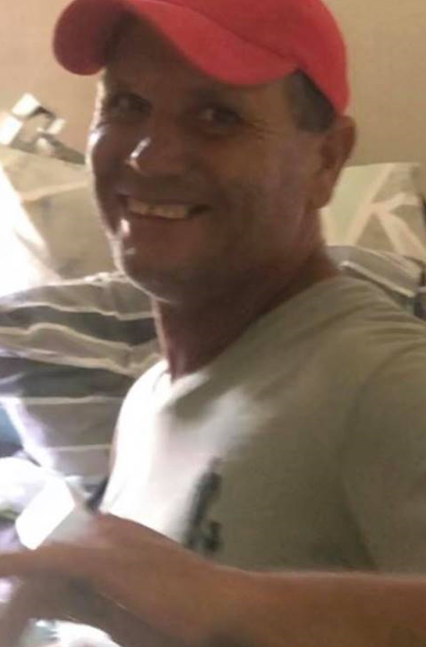
A neighbour drove him to hospital, but he was pronounced dead about an hour after arriving at Wellington Hospital.
More than 100 locals and witnesses have made statements to police however the person responsible for the shooting remains unidentified.
"During the past 12 months, detectives have conducted a significant canvass, including speaking with several of Frank's family, friends and associates – as well as reviewing CCTV in the area," Homicide Squad Commander, Detective Superintendent Danny Doherty, said
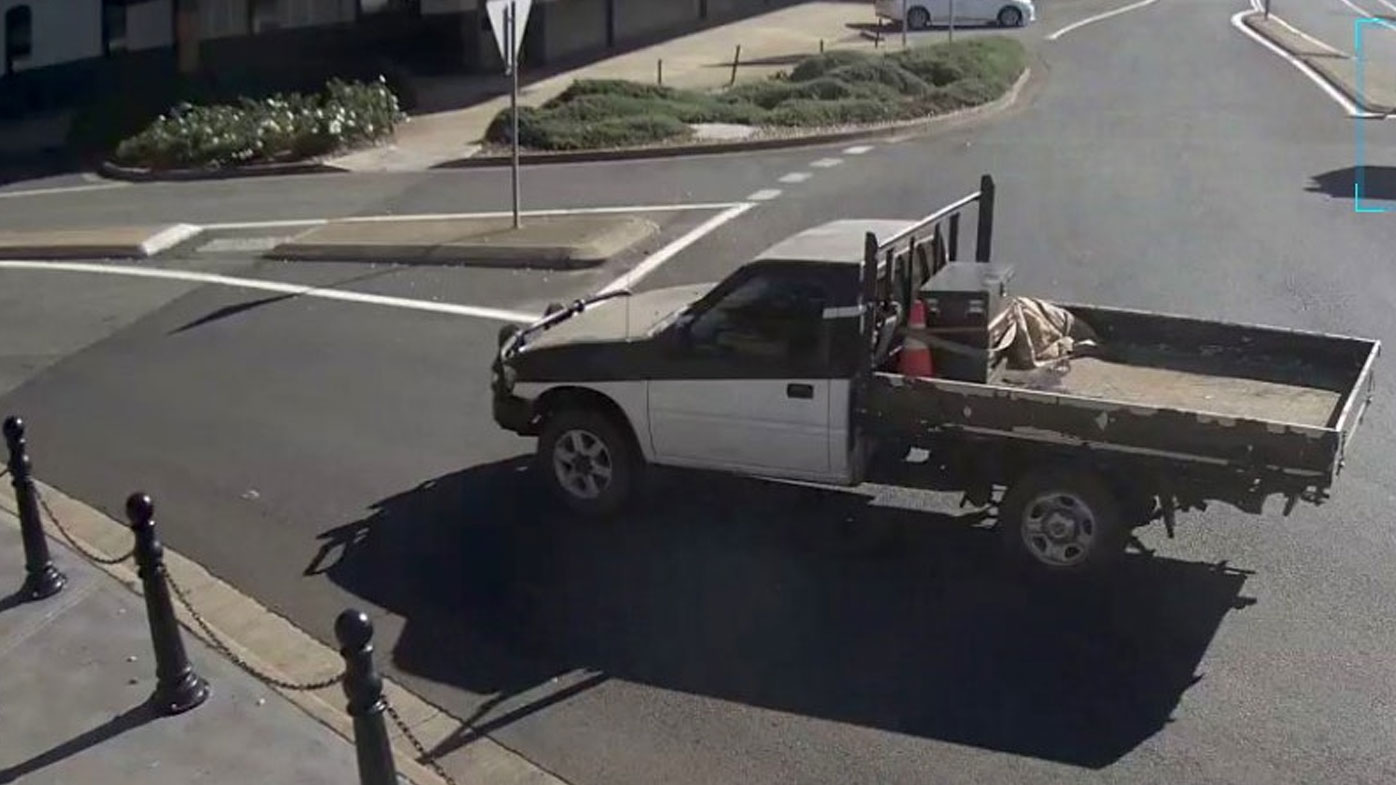
Last October, police released a video of a vehicle seen in the vicinity of Thornton Street shortly after Mr Smith was shot.
Police with the owner of the vehicle at the time however investigations remain ongoing.
"Homicide Squad detectives have returned to Wellington and would like to speak with anyone who hasn't yet come forward to police to obtain justice for Frank," Mr Doherty said.
READ MORE: Sydney wakes to smoke as hazard reduction burns continue
Anyone with information that may assist detectives is urged to contact Crime Stoppers: 1800 333 000 or https://nsw.crimestoppers.com.au.
SOS messages, panic as virus breaks India's health system
Dr Gautam Singh dreads the daily advent of the ventilator beeps, signalling that oxygen levels are critically low, and hearing his critically ill patients start gasping for air in the New Delhi emergency ward where he works.
Like other doctors across the country, which on Monday set another record for new coronavirus infections for a fifth day in a row at more than 350,000, the cardiologist has taken to begging and borrowing cylinders of oxygen just to keep his most critical patients alive for one more day.
On Sunday evening, when the oxygen supplies of other nearby hospitals were also near empty, the desperate 43-year-old took to social media, posting an impassioned video plea on Twitter.
"Please send oxygen to us," he said with folded hands and a choked voice. "My patients are dying."
READ MORE: Hellish second wave 'tsunami' ripping India apart
India was initially seen as a success story in weathering the pandemic, but the virus is now racing through its massive population of nearly 1.4 billion, and systems are beginning to collapse.
SOS messages like the one Singh sent reveal the extent of panic in a country where infections are hitting new peaks daily.
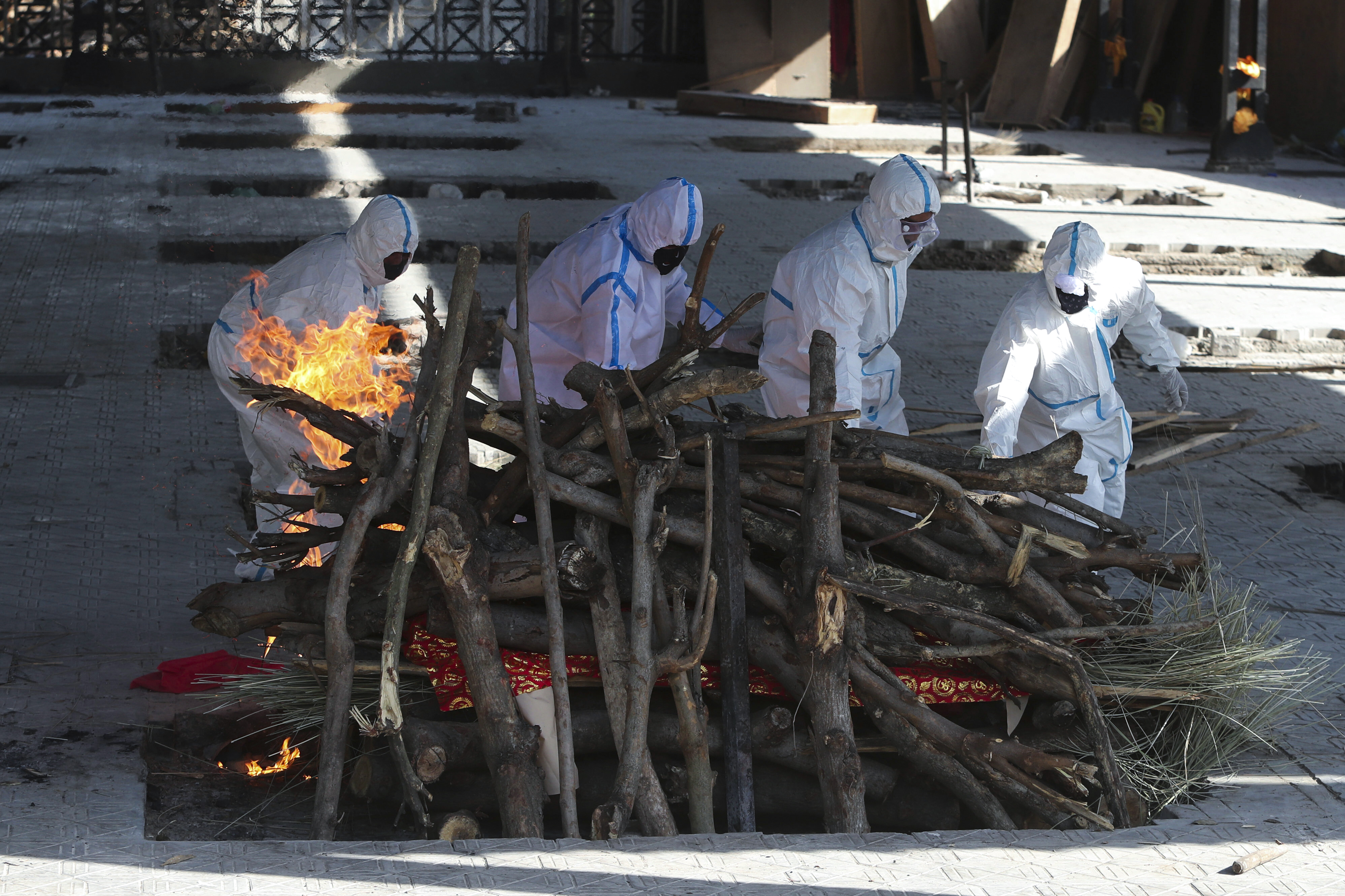
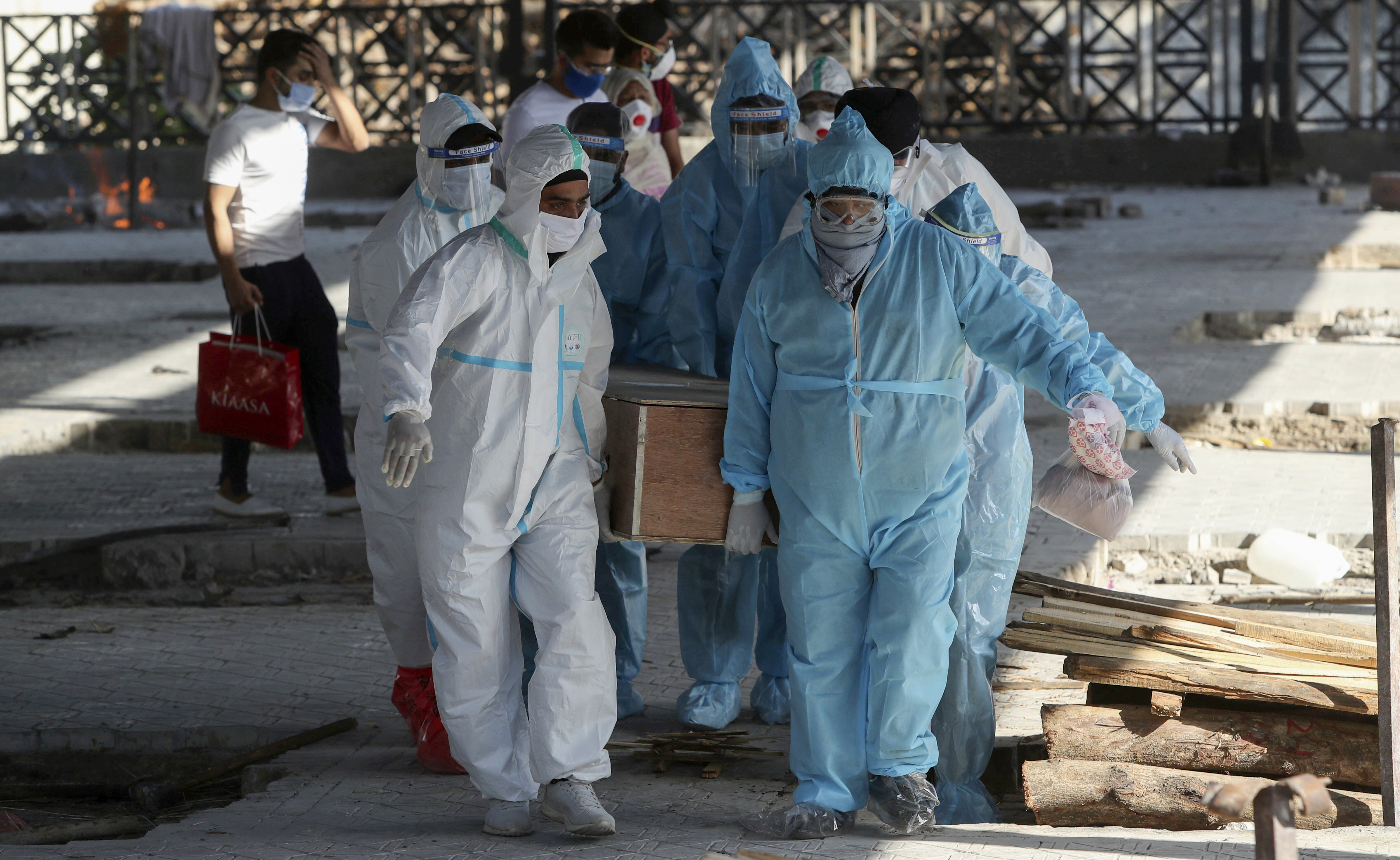
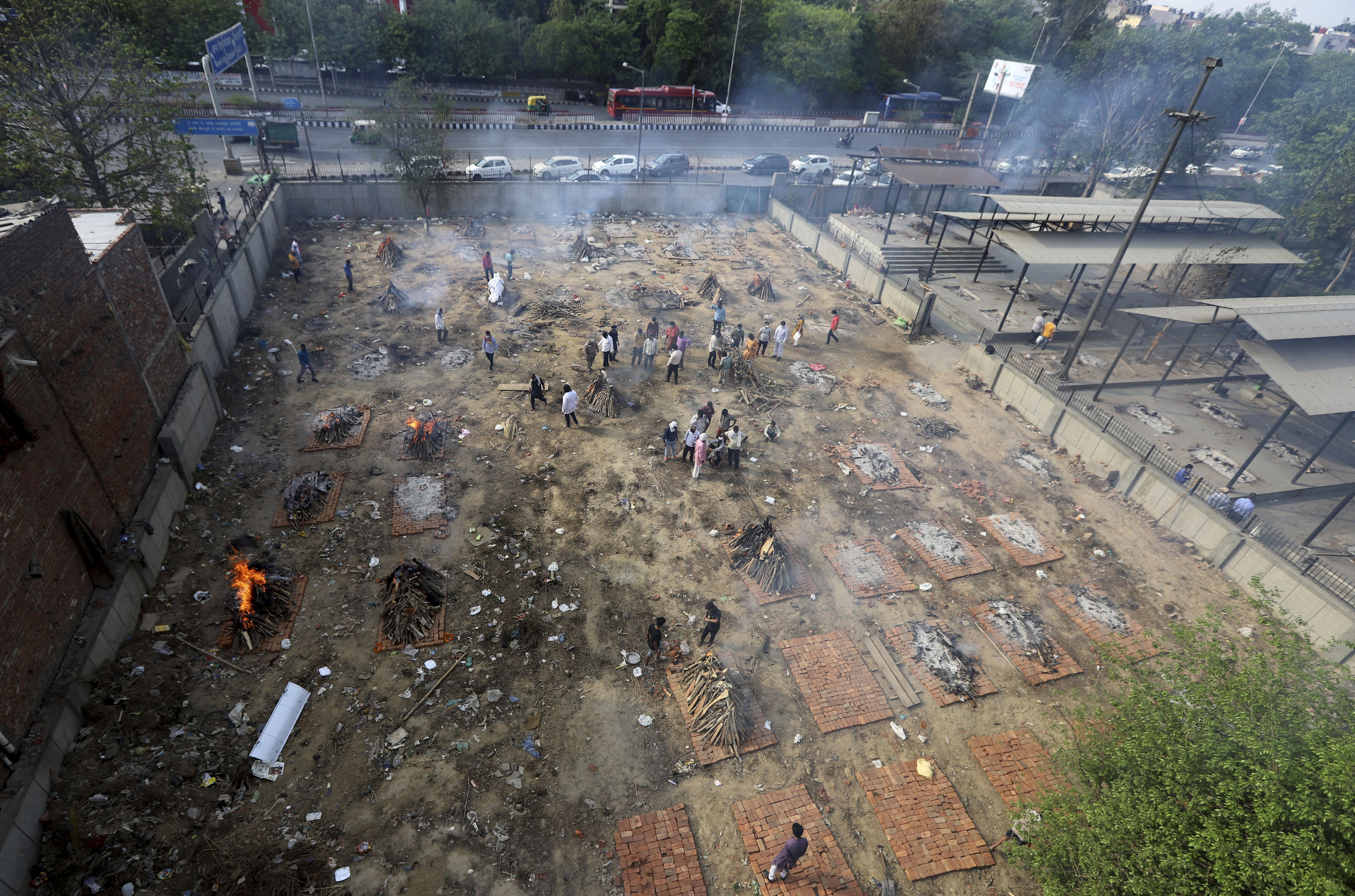
In addition to oxygen supplies running out, intensive care units are operating at full capacity and nearly all ventilators are in use. As the death toll mounts, the night skies in some Indian cities glow from the funeral pyres, as crematoria are overwhelmed and bodies are burned outside in the open air.
On Monday, the country reported another 2812 deaths, with roughly 117 Indians succumbing to the disease every hour — and experts say even those figures are likely an undercount. The new infections brought India's total to more than 17.3 million, behind only the United States.
Doctors like Singh are on the front lines, trying to get the supplies they need to keep their patients alive.
READ MORE: Australia expected to ban flights from India
Singh received 20 oxygen cylinders on Monday, only enough to limp the hospital through the day until the ventilators start sending out their warning beeps again.
"I feel helpless because my patients are surviving hour to hour," Singh said in a telephone interview. "I will beg again and hope someone sends oxygen that will keep my patients alive for just another day."
Bad situation likely to get worse
As bad as the situation is, experts warn it is likely to get worse.
Krishna Udayakumar, founding director of the Duke Global Health Innovation Center at Duke University, said it would be impossible for the country to keep up with needs over the coming days as things stand.
"The situation in India is tragic and likely to get worse for some weeks to months," he said, adding that a "concerted, global effort to help India at this time of crisis" is desperately needed.
The White House said the US is "working around the clock" to deploy testing kits, ventilators and personal protective equipment, and it would seek to provide oxygen supplies as well. It said it would also make available sources of raw material urgently needed to manufacture Covishield, the Oxford-AstraZeneca vaccine made by the Serum Institute of India.
"Just as India sent assistance to the United States as our hospitals were strained early in the pandemic, we are determined to help India in its time of need," President Joe Biden said in a tweet.
READ MORE: Virus 'swallowing' people in India; crematoriums overwhelmed
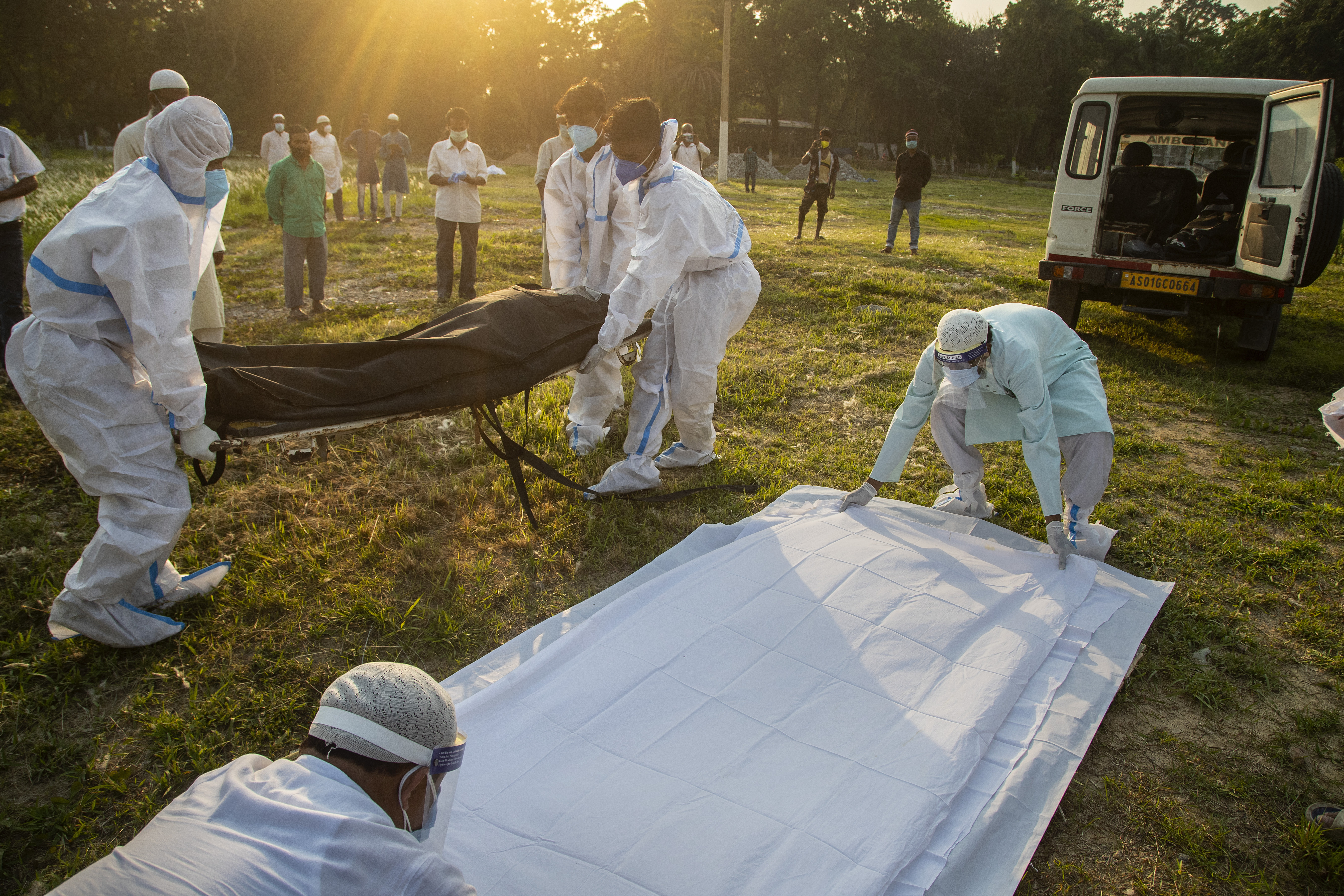
Help and support were also offered from archrival Pakistan, which said it could provide relief including ventilators, oxygen supply kits, digital X-ray machines, protective equipment and related items.
Germany's Health Ministry said it was "urgently working to put together an aid package" for India consisting of ventilators, monoclonal antibodies, the drug Remdesivir, as well as surgical and N95 protective masks.
Stung by criticism of its lack of preparation ahead of the wave of infections, the federal government has asked industrialists to increase the production of oxygen and life-saving drugs in short supply.
Months after boasting of victory
But many say it is too late — the breakdown a stark failure for a country that boasted of being a model for other developing nations.
Only three months ago, the country's leaders were boisterous, delivering messages that the worse was over.
READ MORE: Travel rethink after Perth's patient zero returned from Indian wedding
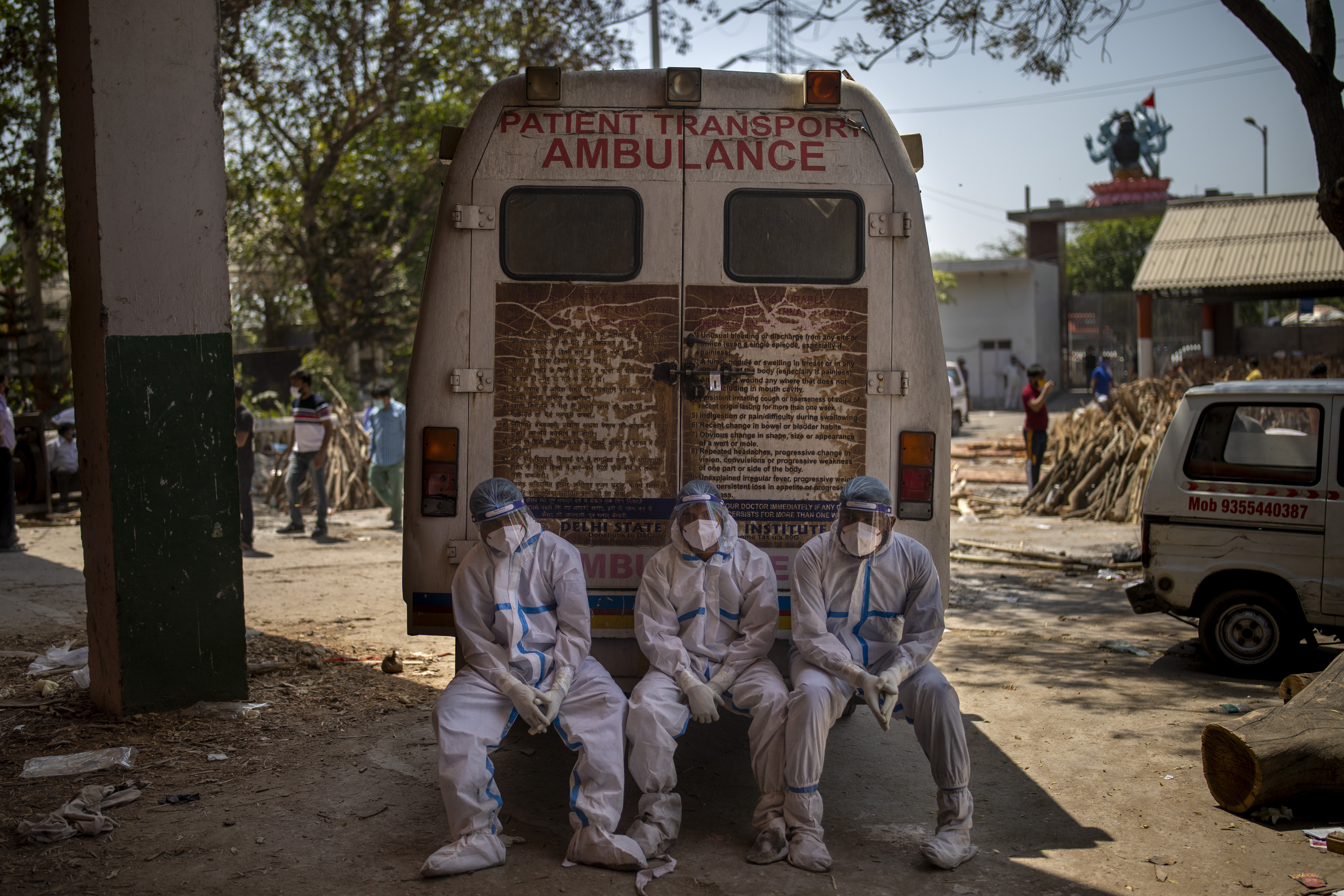
In January, Prime Minister Narendra Modi declared victory over the coronavirus, telling the virtual gathering of the World Economic Forum that India's success couldn't be compared with anywhere else.
A little less than a month later, his Bharatiya Janata Party passed a resolution hailing Modi as a "visionary leader" who had already "defeated" the virus.
By the second week of March, India's health minister declared that the country was "in the endgame" of the pandemic.
At the same time, the patients arriving at India's hospitals were far sicker and younger than previously seen, prompting warnings by health experts that India was sitting on a ticking timebomb, which went either unnoticed or ignored.
Millions of Hindu devotees celebrated the festival of Holi across the country at the end of March, foregoing social distancing guidelines and masks. Politicians, including Modi, spearheaded mammoth election rallies where tens of thousands participated without masks. And millions more gathered by the Ganges River for special Hindu prayers as recently as last week.
READ MORE: Indian hospitals plead for oxygen as country sets virus record
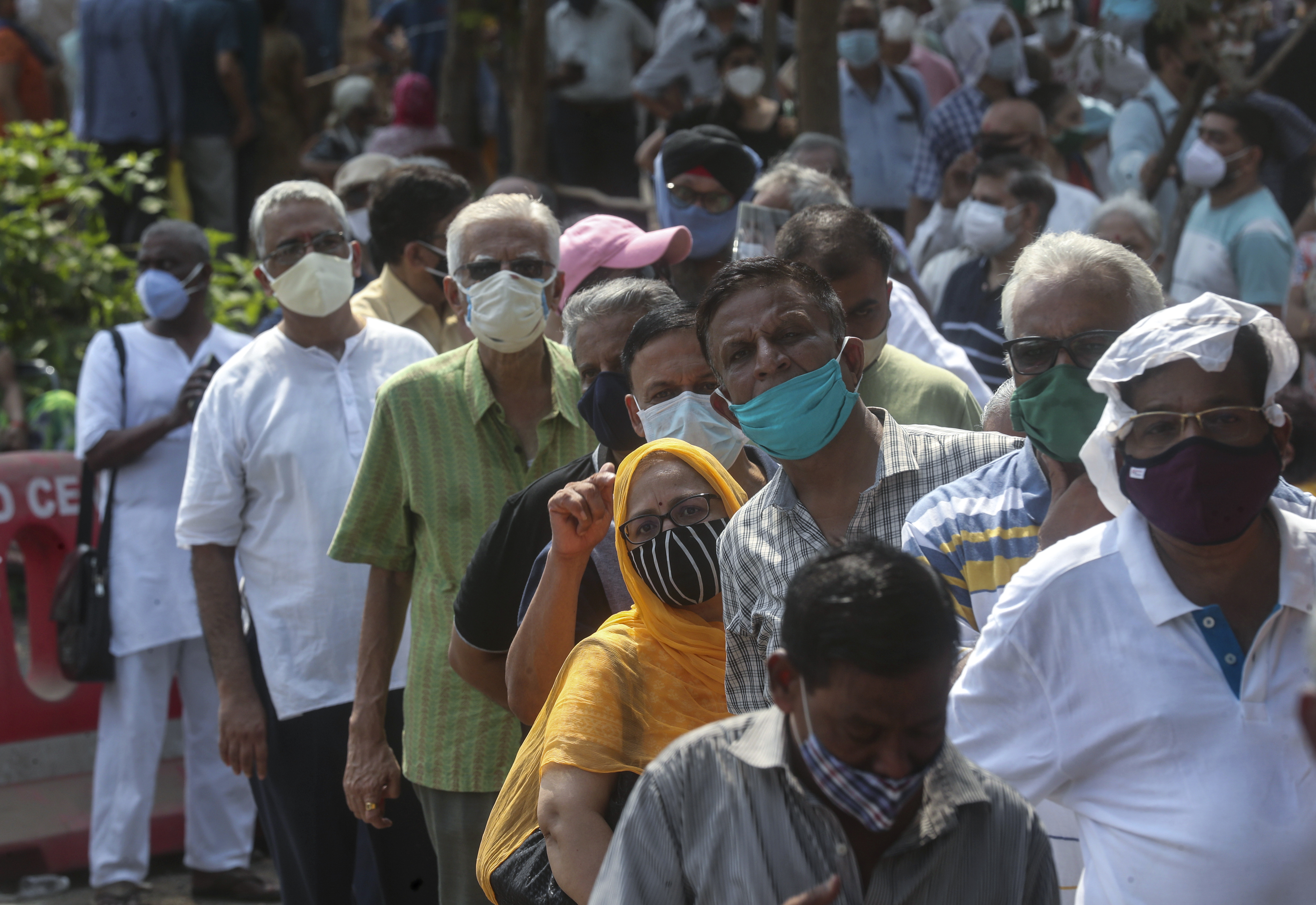
Now it's suspected all these events might have accelerated the unprecedented surge India is seeing now.
"Many people across India are paying with their lives for that shameful behaviour by political leaders," Udayakumar said.
In a radio address on Sunday, Modi sought to deflect the criticism and said the "storm" of infections had left the country "shaken."
"It is true that many people are getting infected with corona," he said. "But the number of people recovering from corona is equally high."
Citizens take matters into their own hands
India's government said last week it would expand its vaccination program to make all adults eligible, something long urged by health experts.
But vaccinations take time to show their effect on the numbers of new infections, and there are questions of whether manufacturers will be able to keep up with the demand. The pace of vaccination across the country also appears to be struggling.
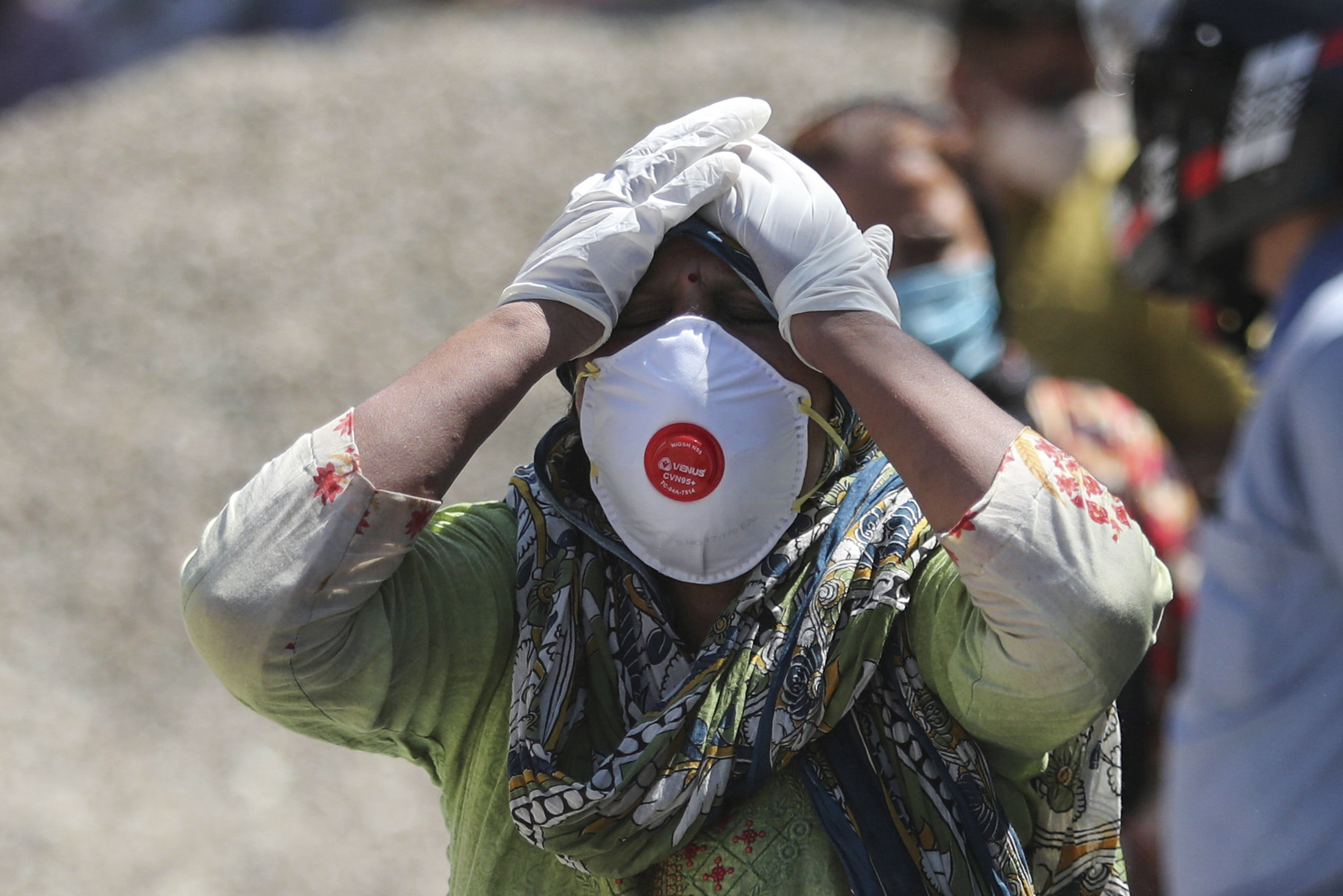
Meantime, ordinary citizens are taking matters into their own hands, doing what they say the government should have done a long time ago.
Volunteers, from students to technology professionals, non-profit organisations and journalists, are rallying to circulate information on the availability of hospital beds, critical drugs and oxygen cylinders.
Like Dr Singh, many have taken to social media, particularly Twitter, to crowdsource lists of plasma donors and oxygen cylinder supplies.
The system's imperfect, but some are getting badly needed help.
Rashmi Kumar, a New Delhi homemaker, spent her Sunday scouring Twitter, posting desperate pleas for an oxygen cylinder for her critically ill father.
At the same time, she made countless calls to hospitals and government helpline numbers, to no avail.
By evening her 63-year-old father was gasping for breath.
"I was prepared for the worst," Kumar said.
But out of nowhere, a fellow Twitter user reported an available oxygen cylinder some 60km away. Kumar drove to the person's house where she was handed over the oxygen cylinder by a man.
"I was helped by a stranger when my own government continues to fail thousands like me," she said. "Unfortunately, everyone is on their own now."
Adventure runner missing in Kahurangi National Park found after overnight search and rescue effort
An experienced tramper and adventure runner reported missing in Kahurangi National Park was been found uninjured yesterday, after spending the night in the forest. The woman’s husband reported her missing to police after she didn’t…