Tag Archives: oceania

Al Sharpton decries 'stench of racism' in Daunte Wright's death

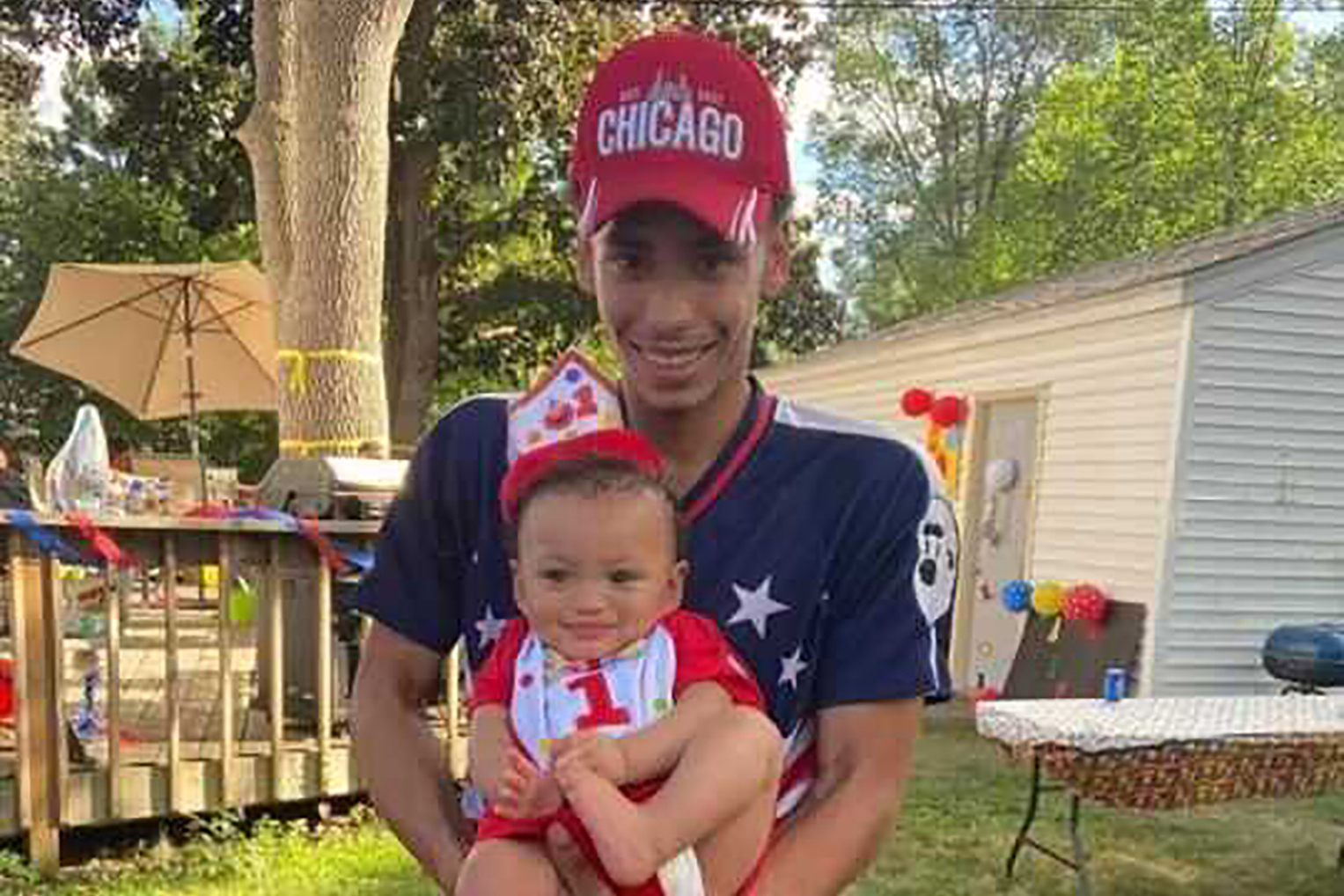
Daunte Wright, the young Black man shot by a police officer during a traffic stop in suburban Minneapolis, was not "just some kid with an air freshener," but a "prince" whose life ended too soon at the hands of police, civil rights leader Reverend Al Sharpton said during an emotional funeral.

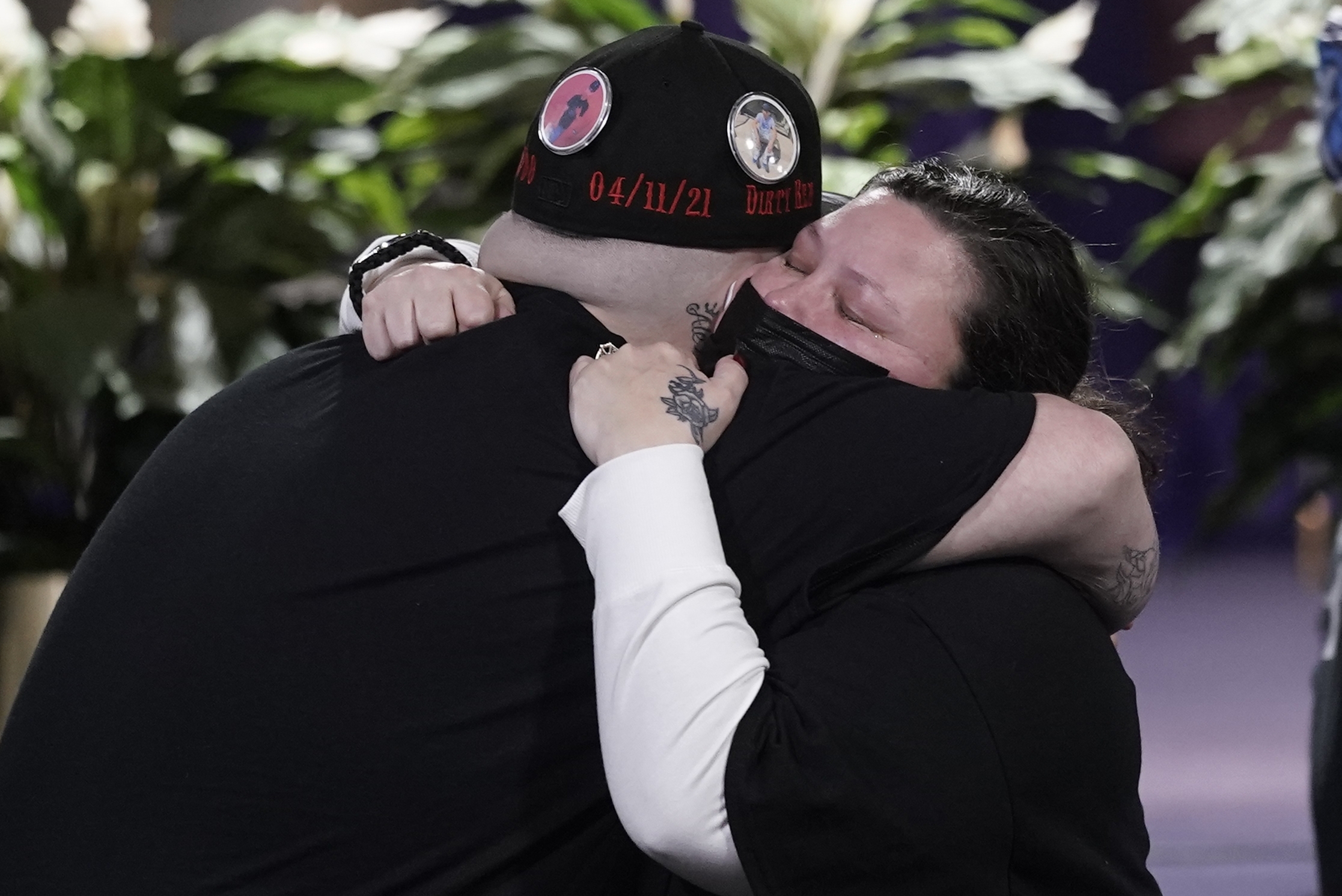
Hundreds of people wearing COVID-19 masks packed into Shiloh Temple International Ministries to remember Wright, a 20-year-old father of one who was shot by a white police officer on April 11 in the small city of Brooklyn Center.

The funeral was held just two days after former Minneapolis police Officer Derek Chauvin was convicted in the death of George Floyd and amid a national reckoning on racism and policing.

READ MORE: Teen with 'a cell phone and sheer guts' who filmed Derek Chauvin
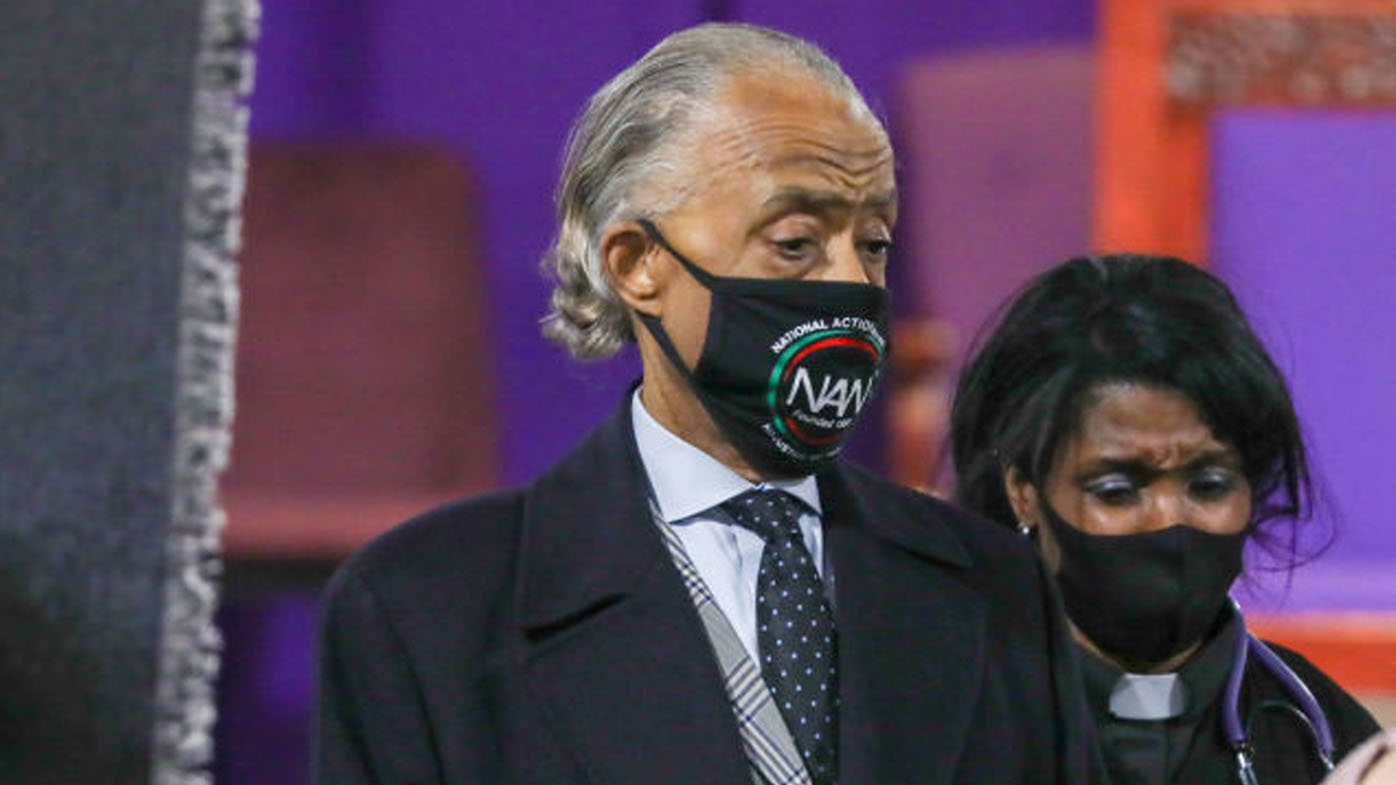
"The absence of justice is the absence of peace," Mr Sharpton said. "You can't tell us to shut up and suffer. We must speak up when there is an injustice."

Earlier Rev Sharpton said that the fight for justice didn't end with the guilty verdicts for former Minneapolis police Officer Derek Chauvin.

"We should not think that, because we won one battle with Chauvin, the war is over," he said, "or that if we do not get justice for this case, that we will undo what we were able to do with George Floyd. This is round two, and we must win this round."

At Floyd's Minneapolis funeral last year, Rev Sharpton put Floyd's death in the context of brutality long felt by Blacks in America, saying: "The reason we could never be who we wanted and dreamed to be is you kept your knee on our neck."

READ MORE: Major probe of Minneapolis police after Floyd verdict
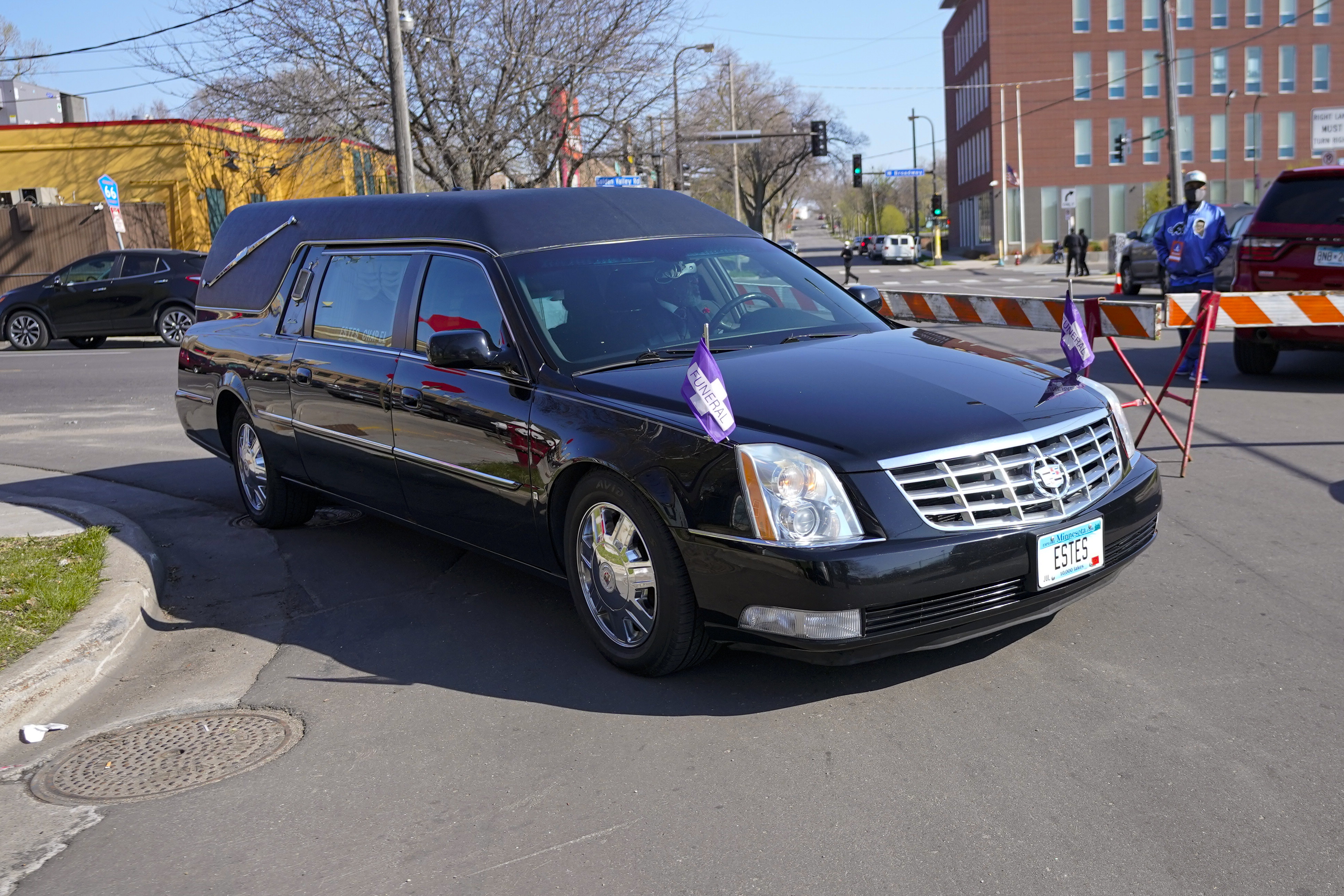
"What happened to Floyd happens every day in this country," Rev Sharpton said back then. "It's time for us to stand up in George's name and say, 'Get your knee off our neck!'"

Among those attending Mr Wright's funeral were Valerie Castile, whose son Philando Castile died after being shot by a police officer during a traffic stop in a Minneapolis suburb in 2016, and Gwen Carr, the mother of Eric Garner, who was filmed saying "I can't breathe" in a fatal 2014 encounter with New York City police. US Sen. Amy Klobuchar, Gov. Tim Walz and Minneapolis Mayor Jacob Frey also were in attendance.

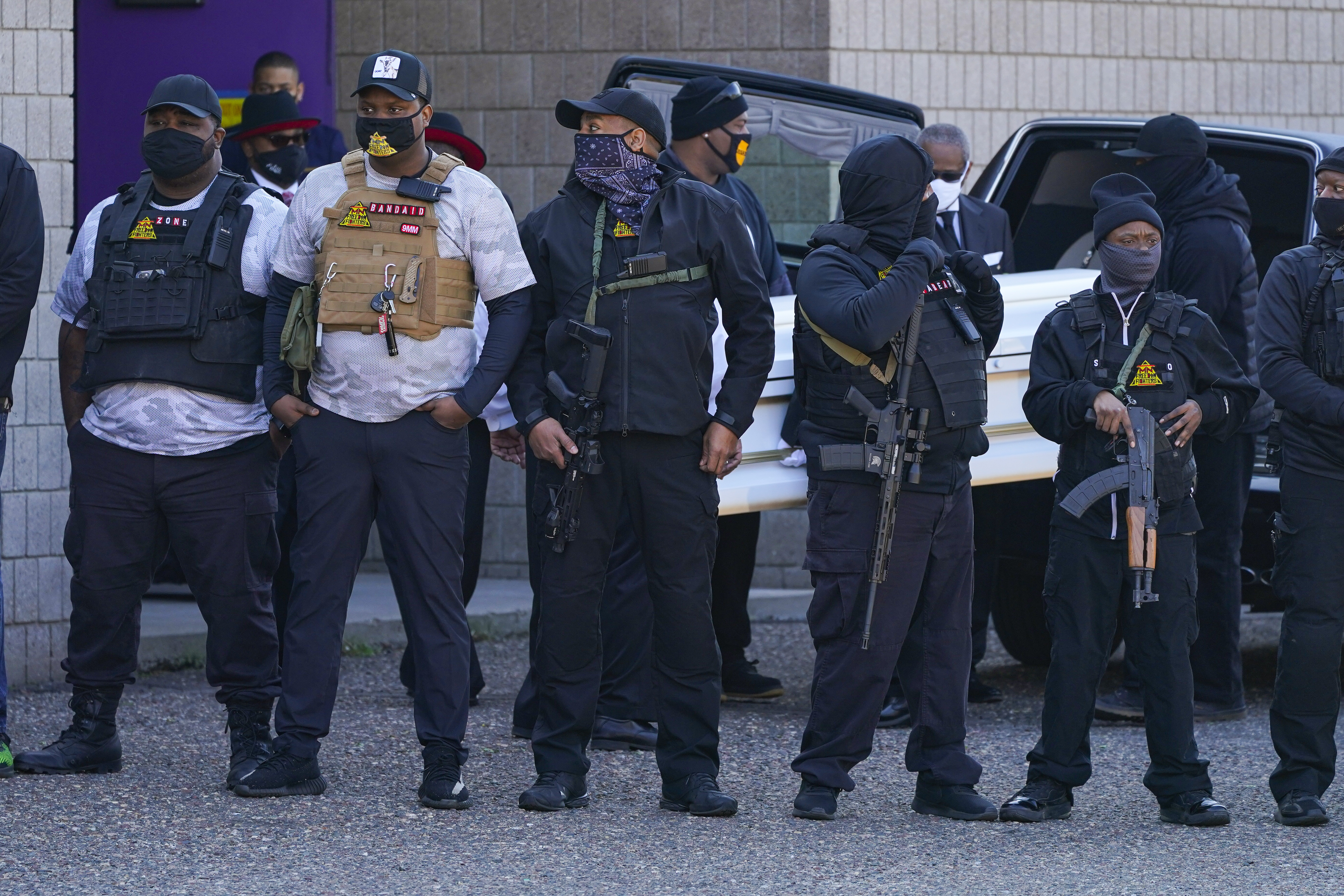
More than a dozen members from an armed team of local men, the Minnesota Freedom Fighters, many with rifles, sidearms and wearing body armour, provided security.

READ MORE: Biden to Floyd family after verdict: 'We're all so relieved'
Mr Wright's killing set off protests in Brooklyn Center, a working-class, majority nonwhite city, with hundreds of people gathering every night for a week outside the city's heavily guarded police station. While the mayor called for law enforcement and protesters to scale back their tactics, the nights often ended with demonstrators lobbing water bottles and rocks at the officers, and law enforcement responding with pepper spray, tear gas and rubber bullets.

The city's police chief said it appeared from body camera video that the officer who shot Wright used her pistol when she meant to use her Taser. The white officer, 26-year veteran Kim Potter, is charged with second-degree manslaughter. Both she and the chief resigned soon after the shooting.

Mr Wright's killing came amid increasing tension during the weekslong trial of Derek Chauvin, the white former police officer who killed Mr Floyd last May. By the day of the verdict, more than 3000 National Guard soldiers had flooded the area, along with police, state troopers and other law enforcement officers. Concrete barriers, chain-link fences and barbed wire ringed the courthouse where Chauvin was tried.

READ MORE: The 12 jurors who found Derek Chauvin guilty of murdering George Floyd
Minneapolis residents who peacefully celebrated Tuesday's guilty verdicts had barely one full day before attention turned to burying Wright.

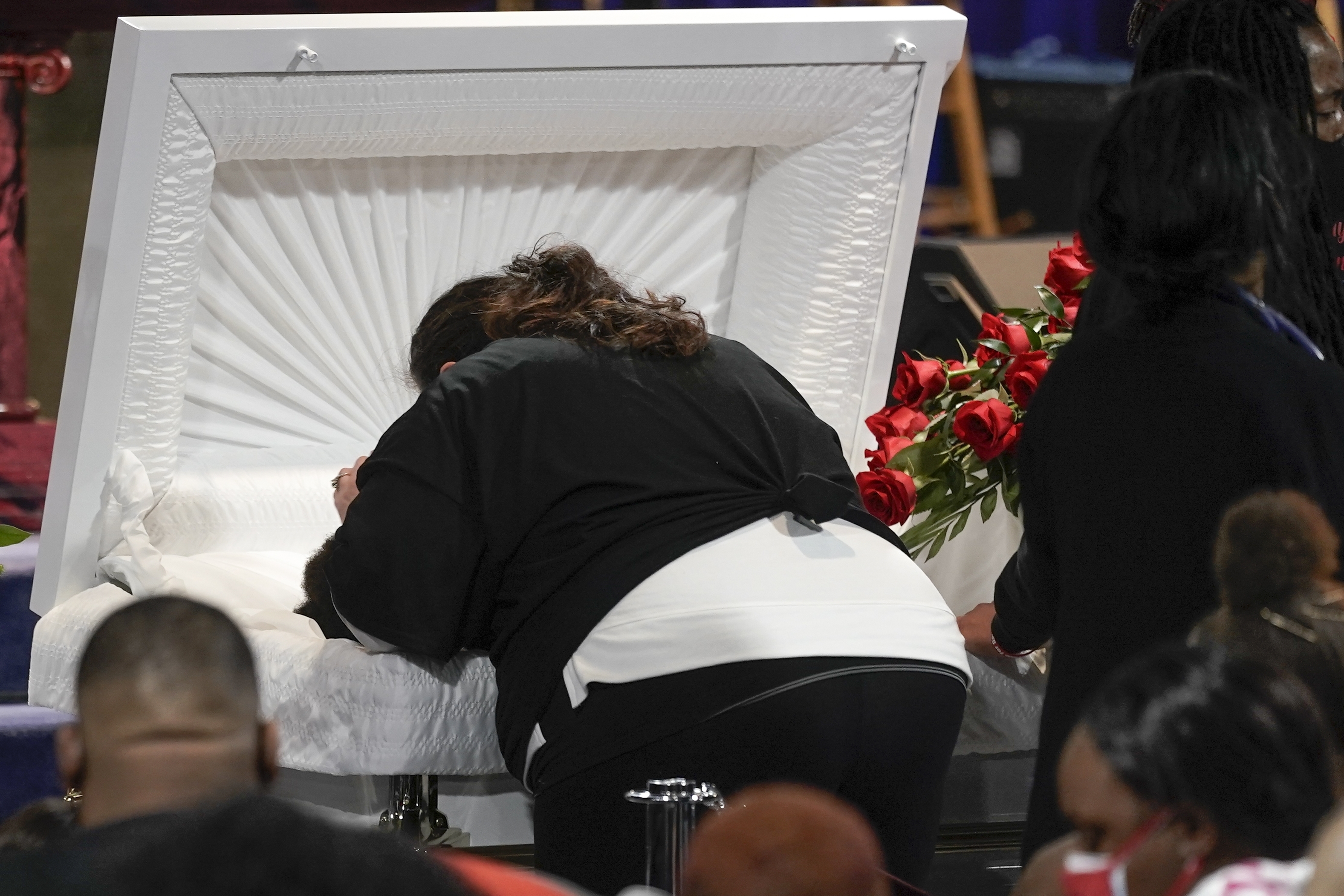
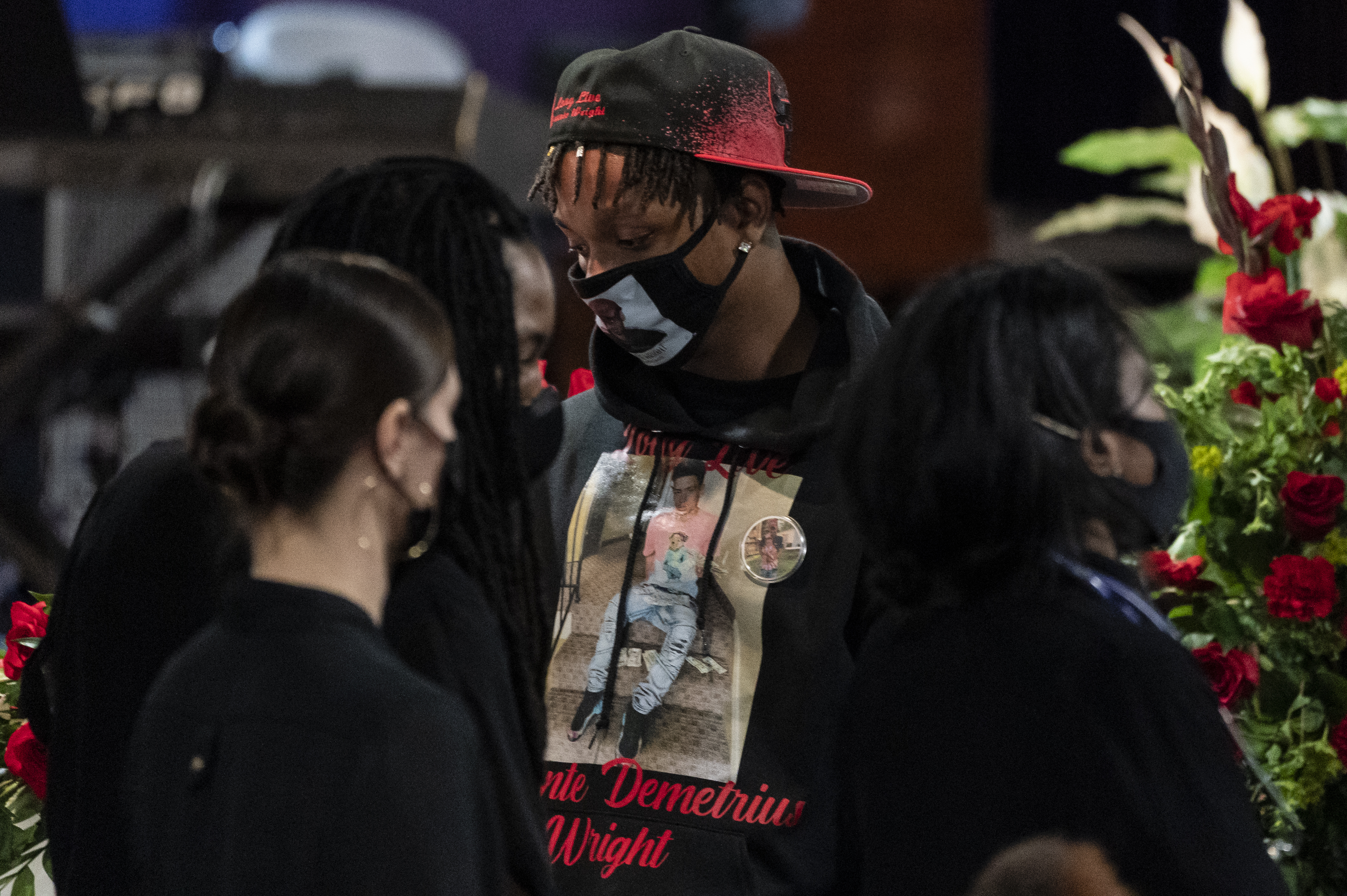
At a viewing for Mr Wright on Wednesday, friends and family members wept as they stood before Wright's open casket, which was blanketed with red roses. Inside the open casket, the young man was dressed in a jean jacket bedazzled with several red and green gem-like buttons on the lapels.

An obituary handed out at the memorial recalled Wright's love of Fourth of July fireworks, the "lemon head" nickname bestowed by an aunt and the months he spent in a hospital intensive care unit when his son was born prematurely.

READ MORE: Family can 'breathe again' as Derek Chauvin found guilty
Mr Wright was pulled over on a Sunday afternoon. His mother said he called her to say he was stopped for having air fresheners hanging from his rear-view mirror — a traffic violation in Minnesota. Police said he was stopped for having an expired car registration.

The shooting occurred when a scuffle broke out as police tried to arrest Mr Wright, after realising he had an outstanding warrant for failing to appear in court on charges of fleeing police and having a gun without a permit.
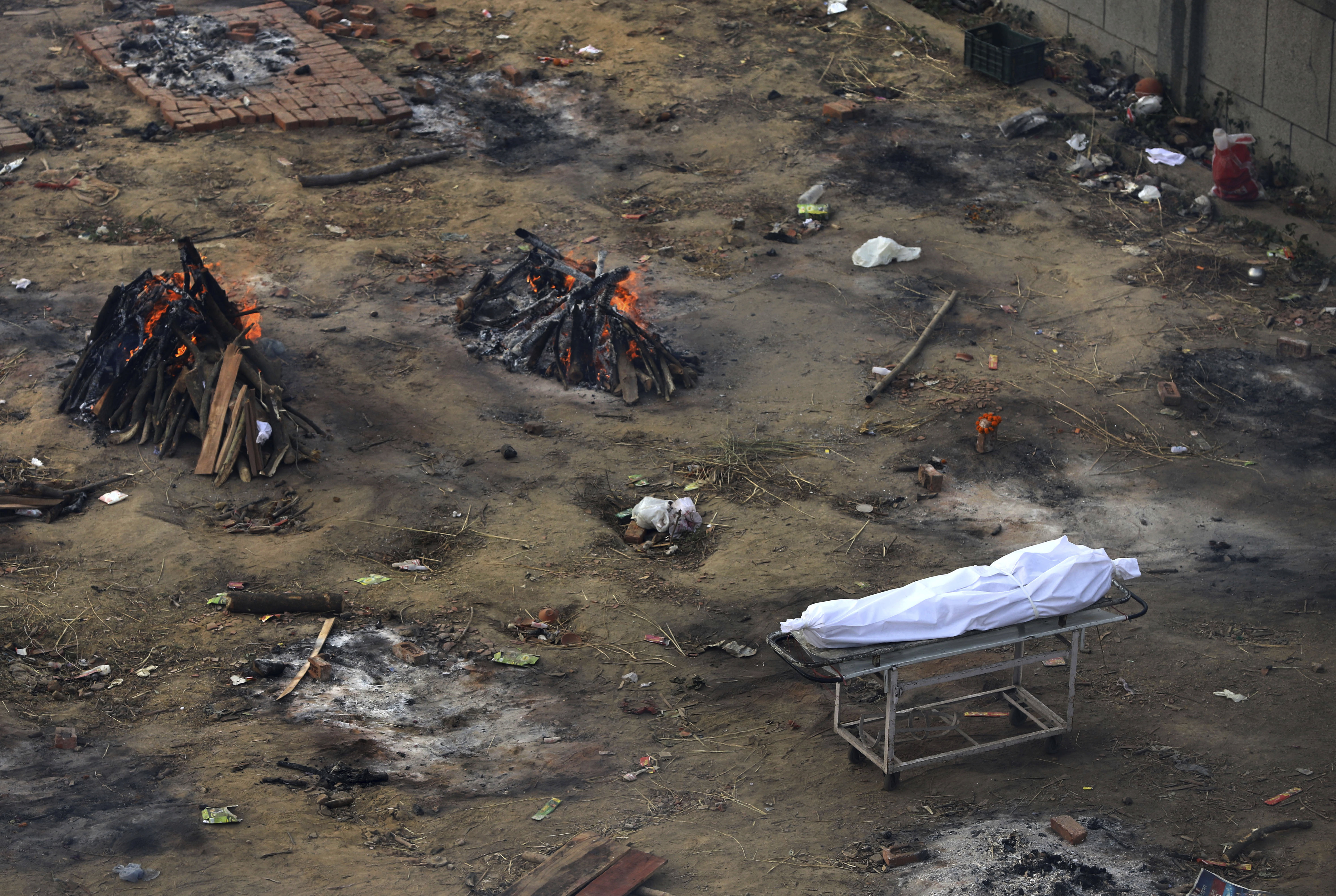
Devastation grows as crematoriums overflow in India

Warning: This article contains images which may be distressing to some readers

India reported a global record of more than 314,000 new infections on Thursday as a grim coronavirus surge in the world's second-most populous country sends more and more sick people into a fragile health care system critically short of hospital beds and oxygen.

The 314,835 infections added in the past 24 hours raise India's total past 15.9 million cases since the pandemic began. It's the second-highest total in the world next to the United States. India has nearly 1.4 billion people.

READ MORE: Australia cuts direct flights from India after mass COVID outbreak

Fatalities rose by 2104 in the past 24 hours, raising India's overall death toll to 184,657, the Health Ministry said.

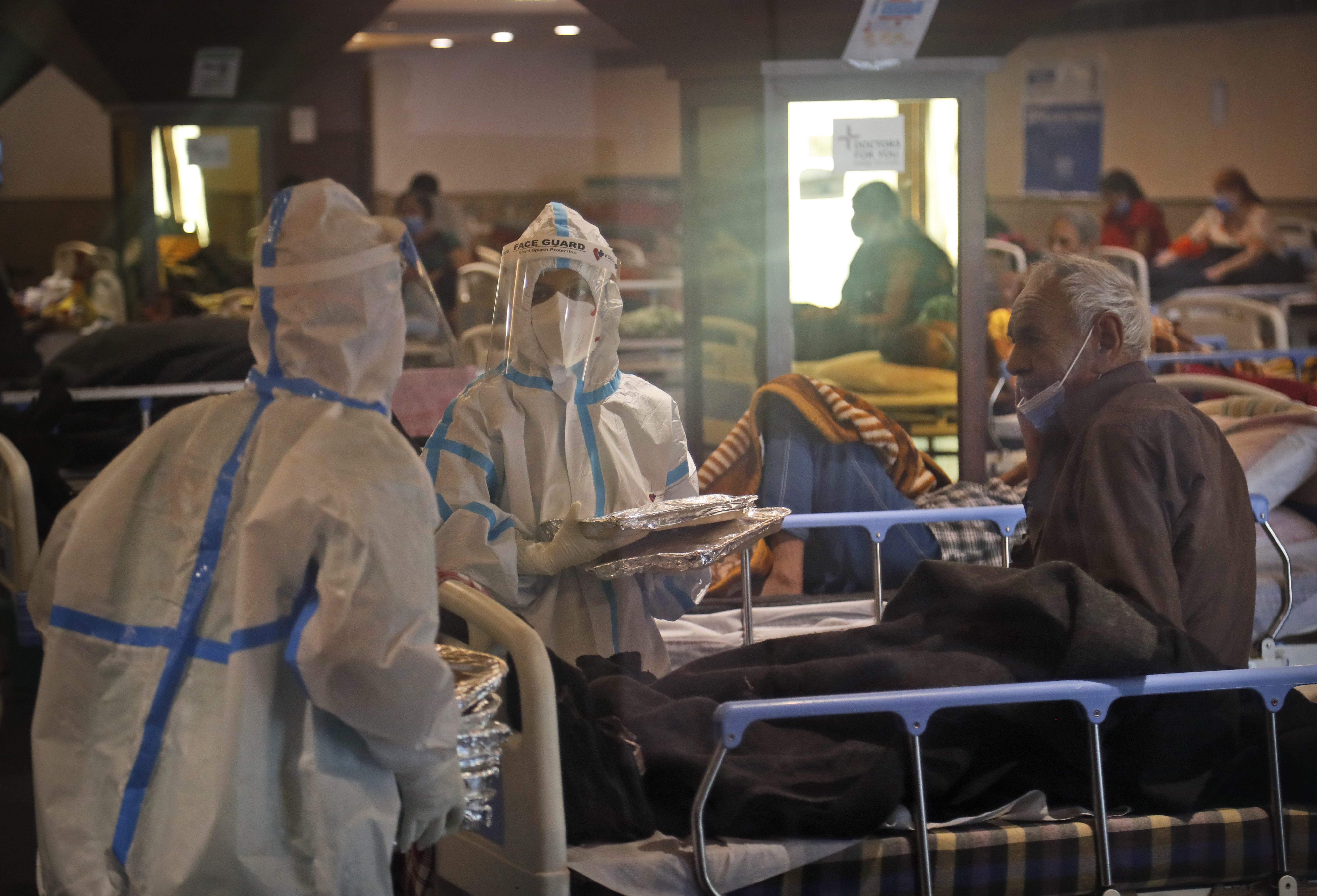
A large number of hospitals are reporting acute shortages of beds and medicine and are running on dangerously low levels of oxygen.

The New Delhi High Court on Wednesday ordered the government to divert oxygen from industrial use to hospitals to save people's lives.

"You can't have people die because there is no oxygen. Beg, borrow or steal, it is a national emergency," the judges said, responding to a petition by a New Delhi hospital seeking the court's intervention.

The government is rushing oxygen tankers to replenish supplies to hospitals.

Indian Health Minister Harsh Vardhan said on Thursday that "demand and supply is being monitored round the clock." He said in a tweet that to address the exponential spike in demand, the government has increased the quota of oxygen for the seven worst-hit states.

Lockdowns and strict curbs have brought pain, fear and agony to many people in New Delhi and other cities.

READ MORE: India's second COVID-19 wave hits like 'tsunami'

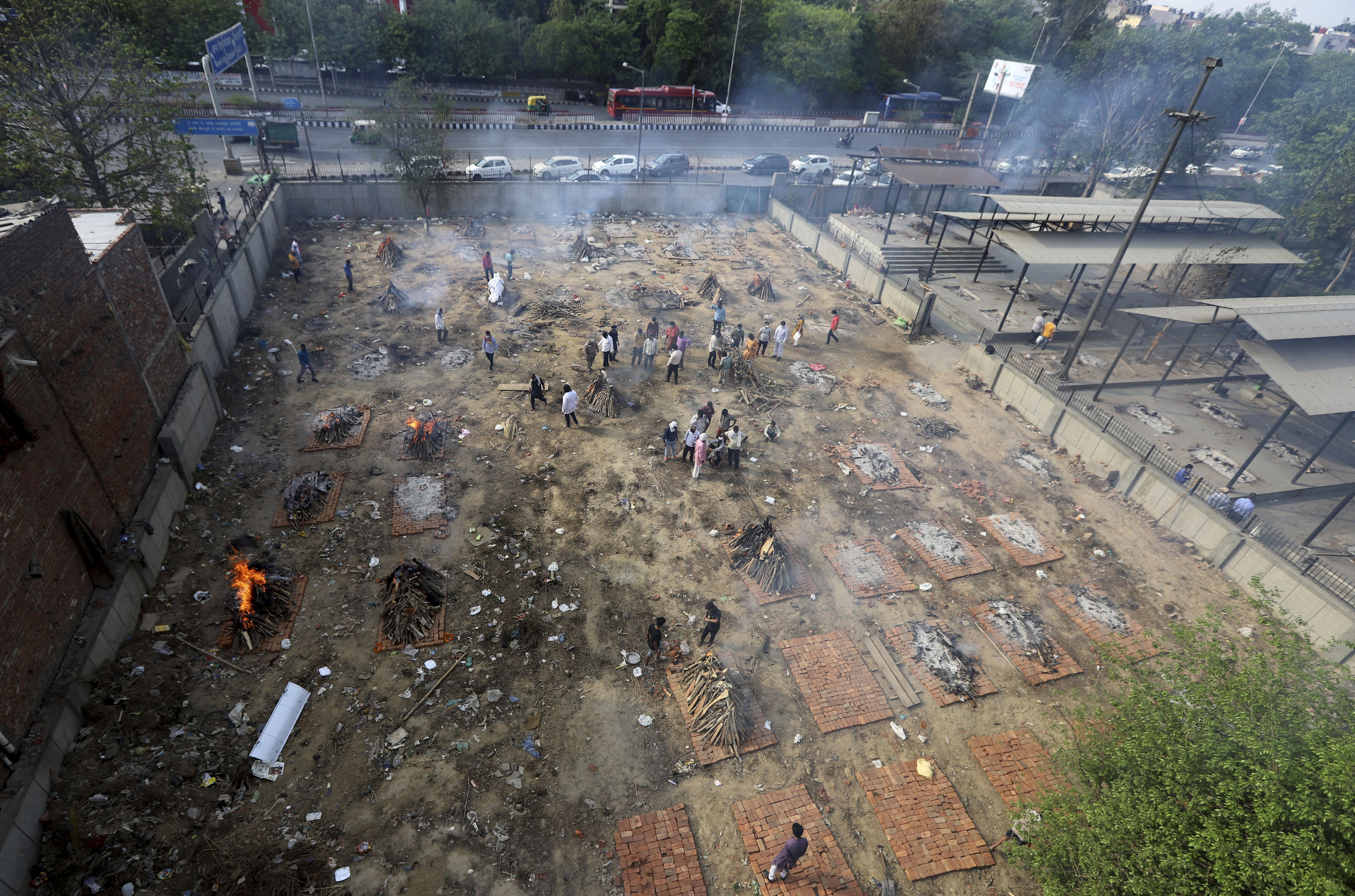
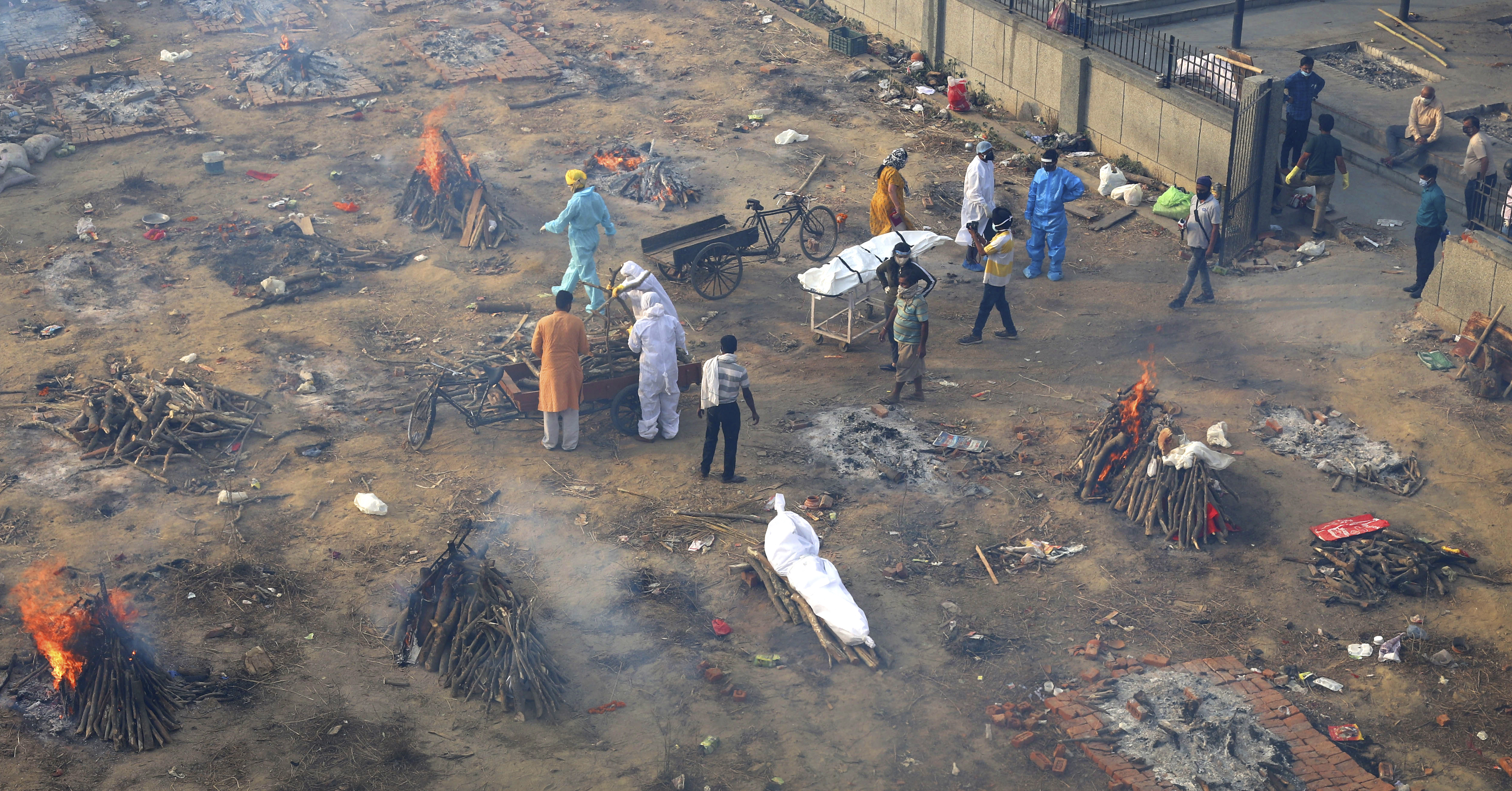
In scenes familiar across the country, ambulances are rush from one hospital to another, trying to find an empty bed. Grieving relatives line up outside crematoriums where the number of dead bodies has jumped several times.

"I get numerous calls every day from patients desperate for a bed. The demand is far too much than the supply," said Dr Sanjay Gururaj, a doctor at Bengaluru-based Shanti Hospital and Research Centre.

"I try to find beds for patients every day, and it's been incredibly frustrating to not be able to help them. In the last week, three patients of mine have died at home because they were unable to get beds. As a doctor, it's an awful feeling," Gururaj said.

Yogesh Dixit, a resident of northern Uttar Pradesh state, said earlier this week that he had to buy two oxygen cylinders at 12,000 rupees ($206) each, more than twice the normal cost, for his ailing father because the state-run hospital in Lucknow had run out of supplies.

READ MORE: Twenty-two dead after oxygen tank leaks at hospital in India

He bought two "because the doctors can ask for another oxygen cylinder at any time," he said, adding that he had to sell his wife's jewelry to meet the cost.

Makeshift crematoriums overrun

The main cremation ground at Lucknow, the state capital, received nearly 200 bodies on Sunday.

"The bodies were everywhere, they were being cremated on sidewalks meant for walking. I have never such a flow of dead bodies in my life," said Shekhar Chakraborty, 68.

In Kanpur, also in Uttar Pradesh, 35 temporary platforms have been set up on Bithoor-Sidhnath Ghat along the Ganges River to cremate bodies.

The Health Ministry said that of the country's total production of 7500 tons of oxygen per day, 6600 tons was being allocated for medical use.

READ MORE: Patient left gasping for air for 10 hours as Indian hospitals buckle

It also said that 75 railroad coaches in the Indian capital have been turned into hospitals providing an additional 1200 beds for COVID-19 patients.

The Times of India newspaper said that the previous highest daily case count of 307,581 was reported in the US on January 8.

AstraZeneca likely linked to more blood-clot cases in Australia

Three newly reported cases of blood clotting are likely linked to the AstraZeneca coronavirus vaccine, the Therapeutic Goods Administration has said.

The TGA convened the Vaccine Safety Investigation Group (VSIG) to review the cases of suspected thrombosis with thrombocytopenia syndrome (TTS).

All three cases were likely linked to vaccination, VSIG said.

The three patients are clinically stable, have responded to treatment and are recovering.

The cases were a 35-year-old NSW woman, a 49-year-old Queensland man and an 80-year-old Victorian man.

The symptoms presented between nine and 26 days after they received a vaccination jab.

READ MORE: Under-50s cancelling vaccine appointments after change in advice

Call for calm over AstraZeneca vaccine fears

TTS is rare and occurs when a person has blood clots as well as low blood platelet counts.

The new cases take the total number of Australians to report TTS after the AstraZeneca jab to six.

Five of those cases are aged in people under 50. They had the vaccine before the Federal Government announced Pfizer as the preferred vaccine for those aged under 50.

As of April 22, there have been about 1.1 million doses of AstraZeneca COVID-19 vaccine administered in Australia.

People who have received COVID-19 vaccines should be aware of the common side effects, which include fever, sore muscles, tiredness and headache.

READ MORE: NSW woman's death 'likely' linked to AstraZeneca vaccine: TGA

These usually start within 24 hours of vaccination and last for 1-2 days. These side effects are expected and are not of concern unless severe or persistent.

The reports of these rare clotting complications have occurred later (usually between day foiur and 20 after vaccination) and have generally been severe, requiring hospitalisation.

Consumers should seek immediate medical attention if, a few days after vaccination, they develop symptoms such as:

  • as a severe or persistent headache or blurred vision
  • shortness of breath, chest pain, leg swelling or persistent abdominal pain
  • unusual skin bruising and/or pinpoint round spots beyond the site of injection.

New Zealand pauses travel bubble with Perth

All travel between New Zealand and Western Australia is on hold due to a COVID-19 outbreak in Perth.

West Australian Premier Mark McGowan announced Perth and Peel would go into a three-day lockdown, effective from midnight Friday.

An Air New Zealand flight due to leave Perth on Friday night has been cancelled following the announcement.

New Zealand COVID-19 Response Minister Chris Hipkins said any Kiwis affected are asked to follow the advice of Western Australian authorities.

READ MORE: Sydney Airport arrivals from WA to be screened

"As set out in our trans-Tasman bubble protocols, travel between New Zealand and Western Australia has been paused, pending further advice from the state government," he said.

"New Zealand health officials are in contact with their Australian counterparts and are completing a risk assessment."

All passengers on an earlier flight from Perth to Melbourne that carried a passenger later found to have COVID-19 have been contact traced and no-one on that flight has travelled on to New Zealand, Hipkins said.

"This is an example of the type of scenario both countries have planned for."

On Friday evening, flights had been available to book from New Zealand to Perth on Air NZ. The flights flew via other Australian cities.

Where the Melbourne COVID-19 case visited in Perth

The COVID-19 case that has sparked WA's snap three-day lockdown was moving in the Perth community for several days while presumed to be infectious.

  • Premier Mark McGowan said on April 17, the man stayed with a friend and her two children in Kardinya.
  • On April 18, he visited a swimming pool in the southern suburbs.
  • He also visited Leeming, Northbridge, and stayed at St Catherine's College.
  • On April 19, he visited Northbridge again, and once more spent the night at St Catherine's.
  • On April 20, he visited Kings Park and Northbridge.
  • On April 21, he had breakfast at St Catherine's, and was driven to the airport, where he boarded flight QF778 to Melbourne.